
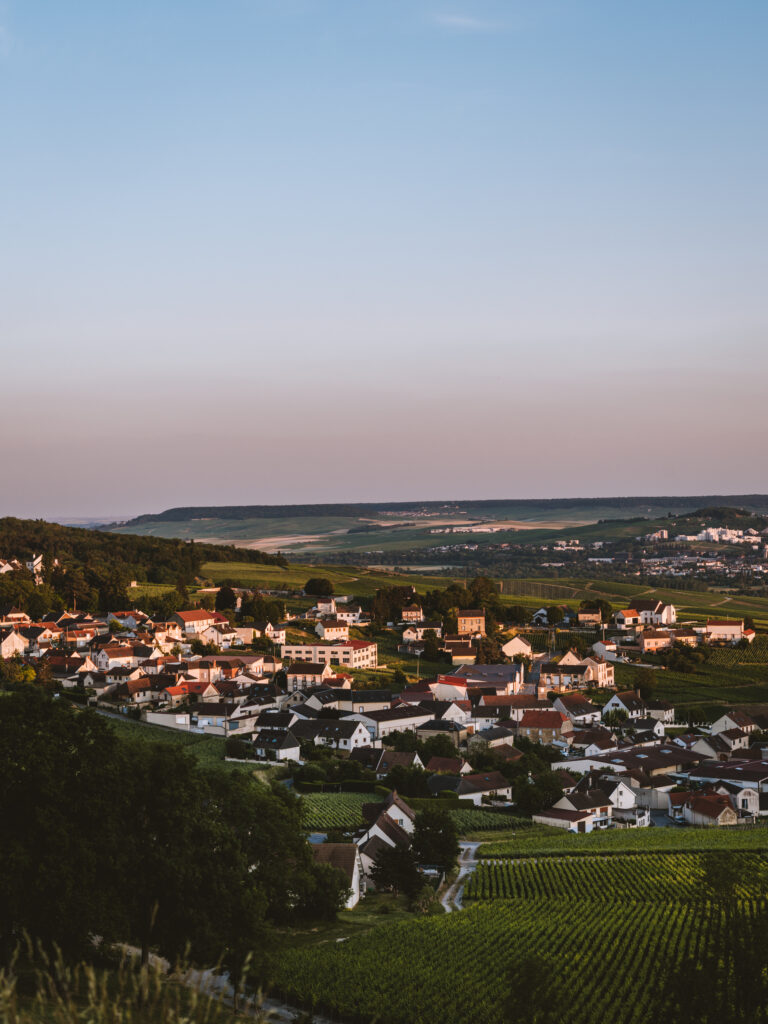
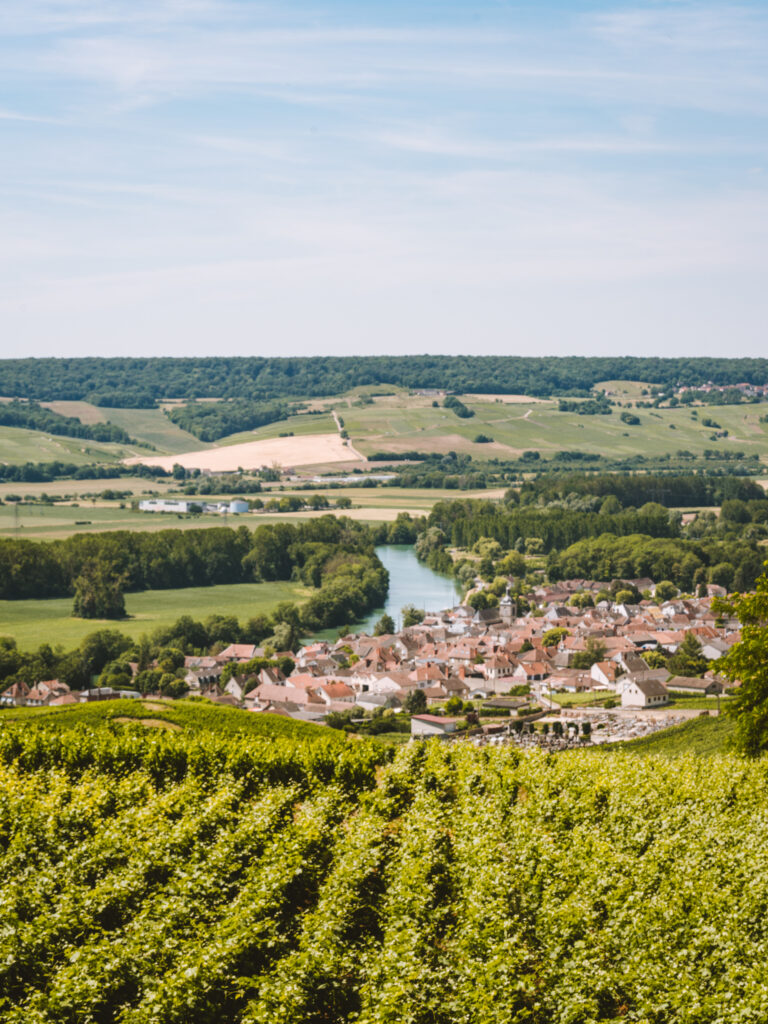
In June 2026, Atout France’s “Palace” designation will extend beyond its traditional boundaries for the first time. Champillon, population 500, in the Montagne de Reims region—and now the only establishment in the Grand Est region to join a list that Paris had held a monopoly on since the label’s creation in 2010.
It’s not a matter of rank. It’s a matter of method.
The Palace designation does not simply rate a hotel. It evaluates a philosophy—geographic location, historical significance, aesthetic and heritage value, and excellence in service—and then awards the designation for three years, following a review of the application by Atout France and hearings before a commission appointed by the Minister of Tourism. Sixteen establishments in France held the designation prior to June 2026. The Royal Champagne Hotel & Spa becomes the seventeenth.
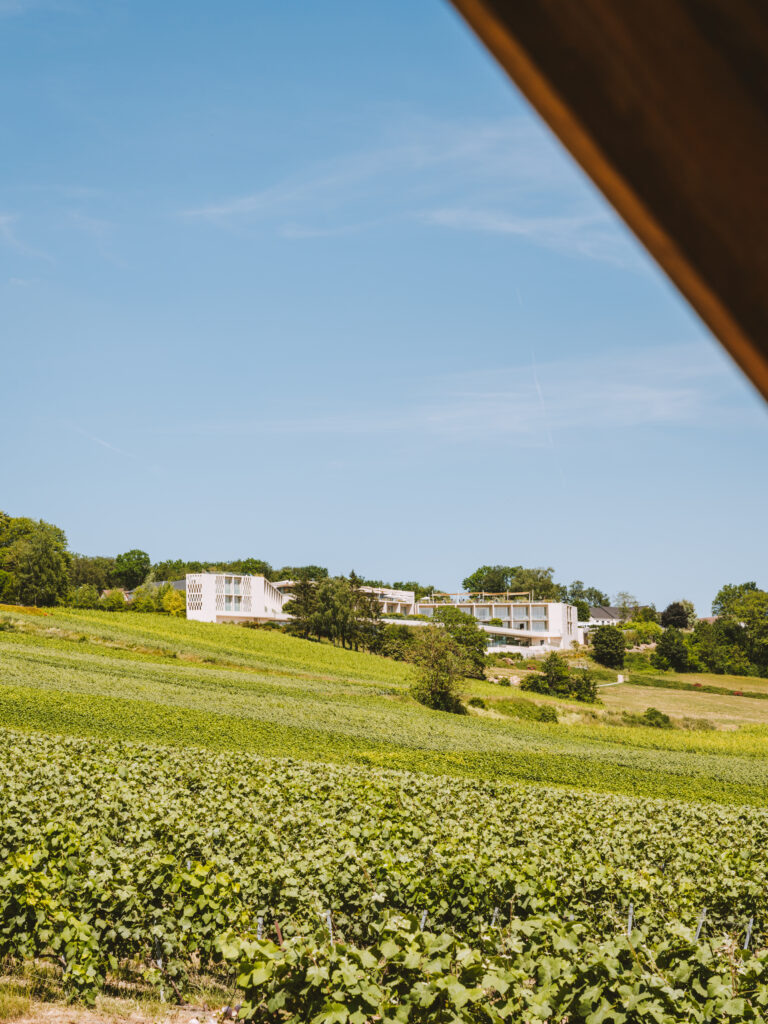
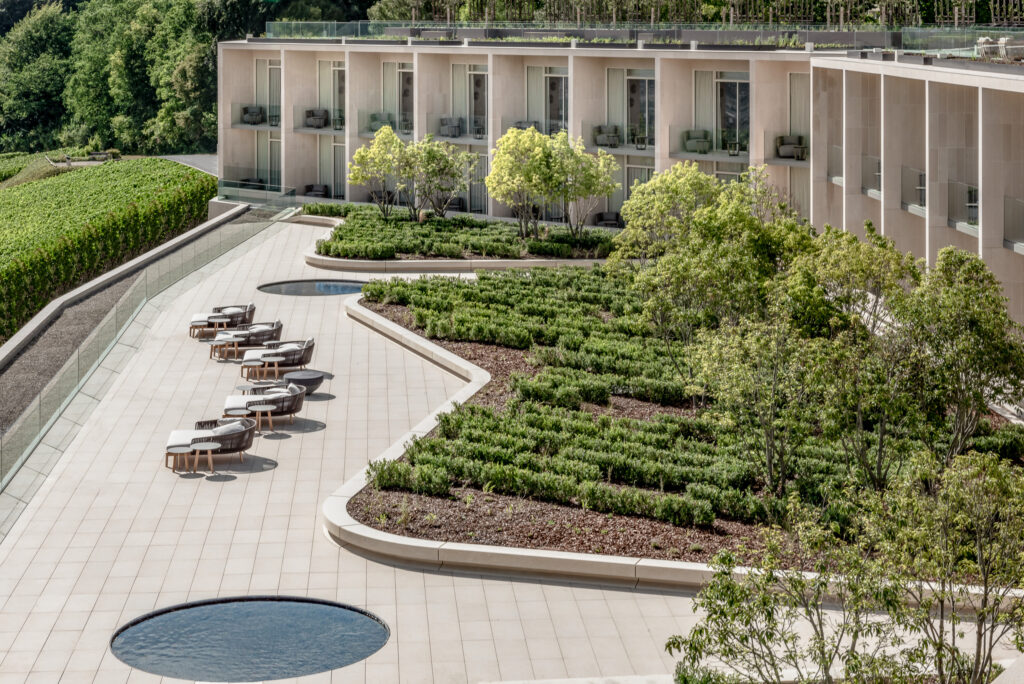
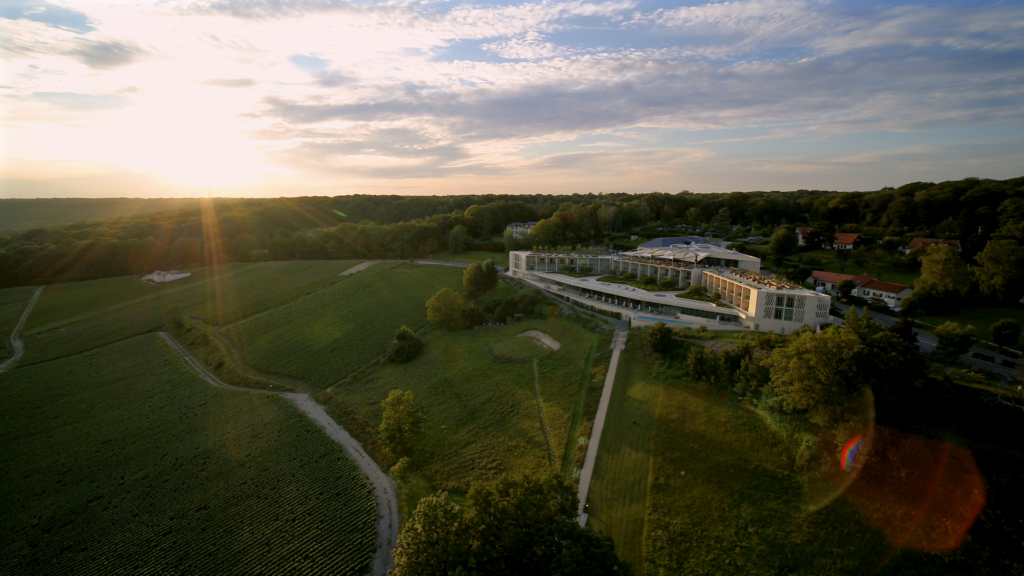
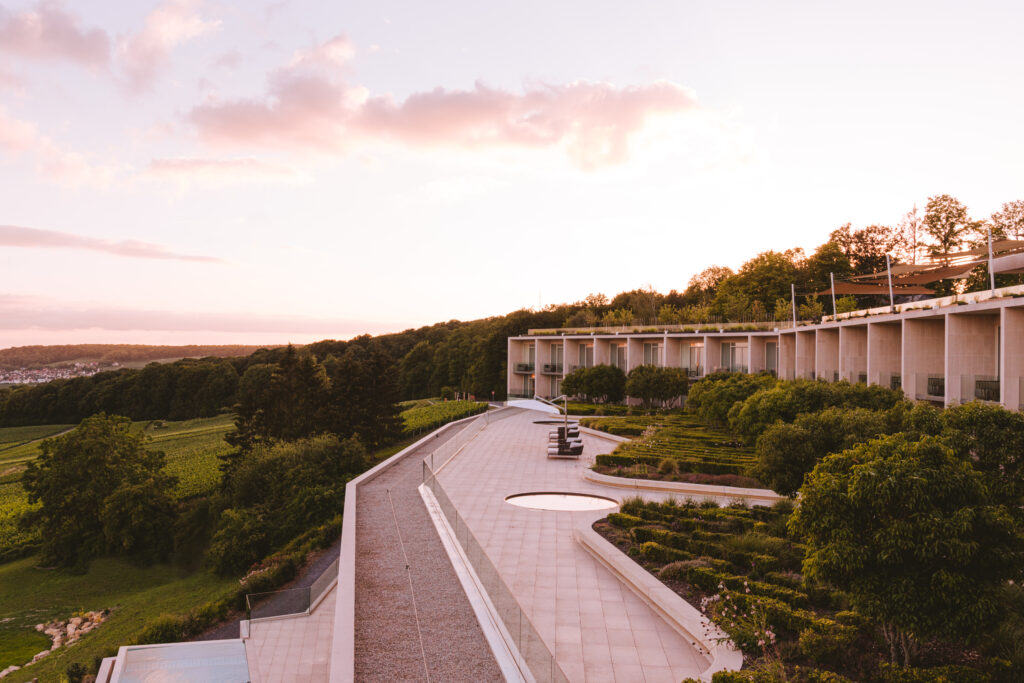
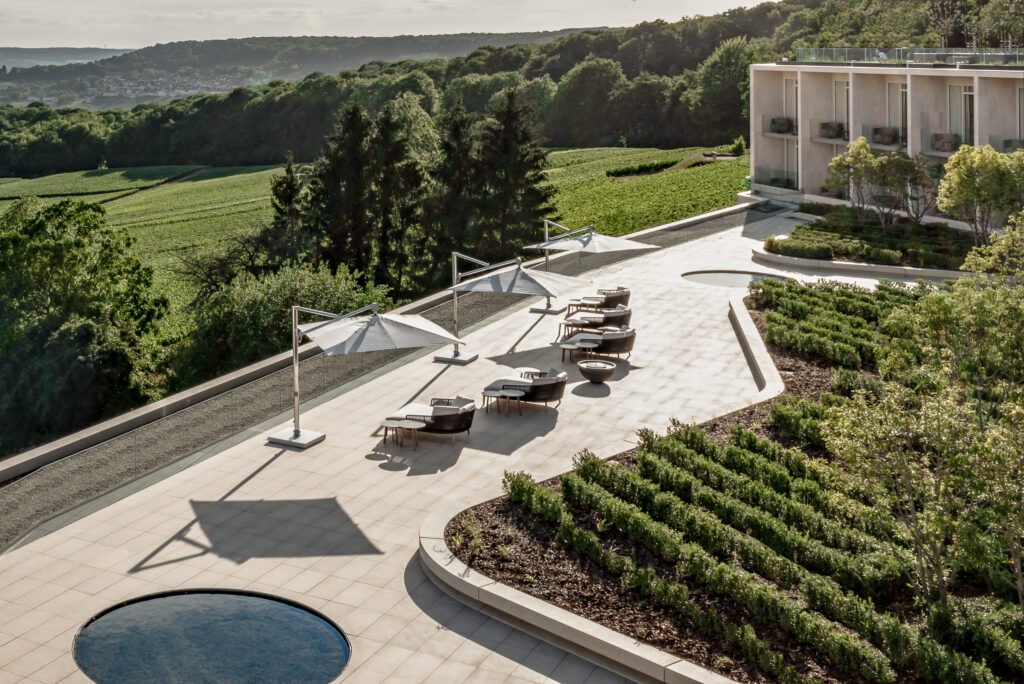
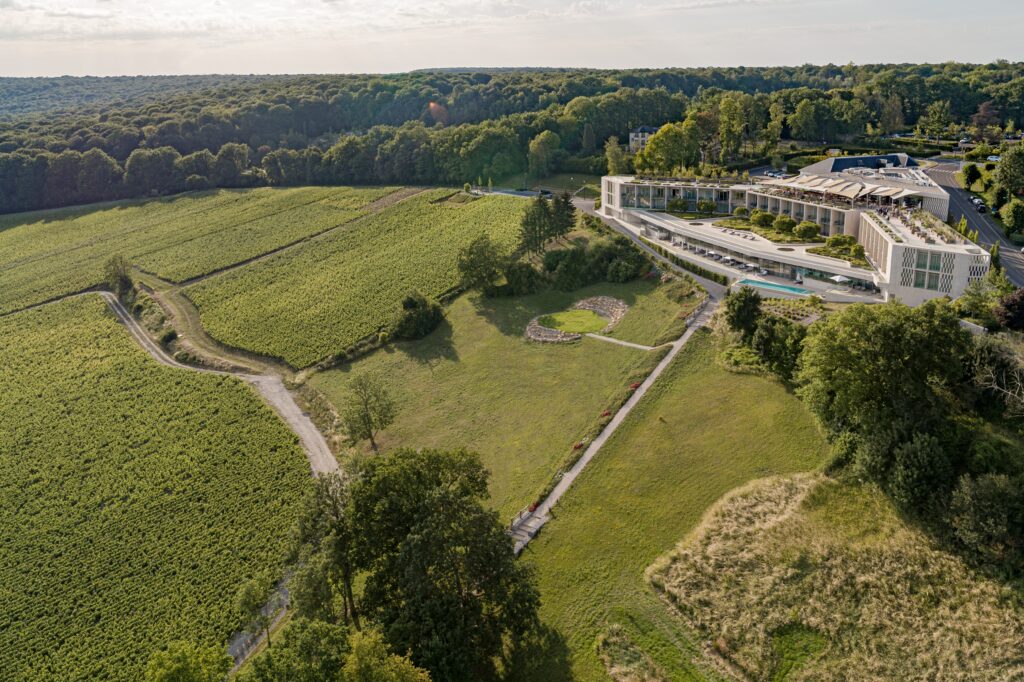
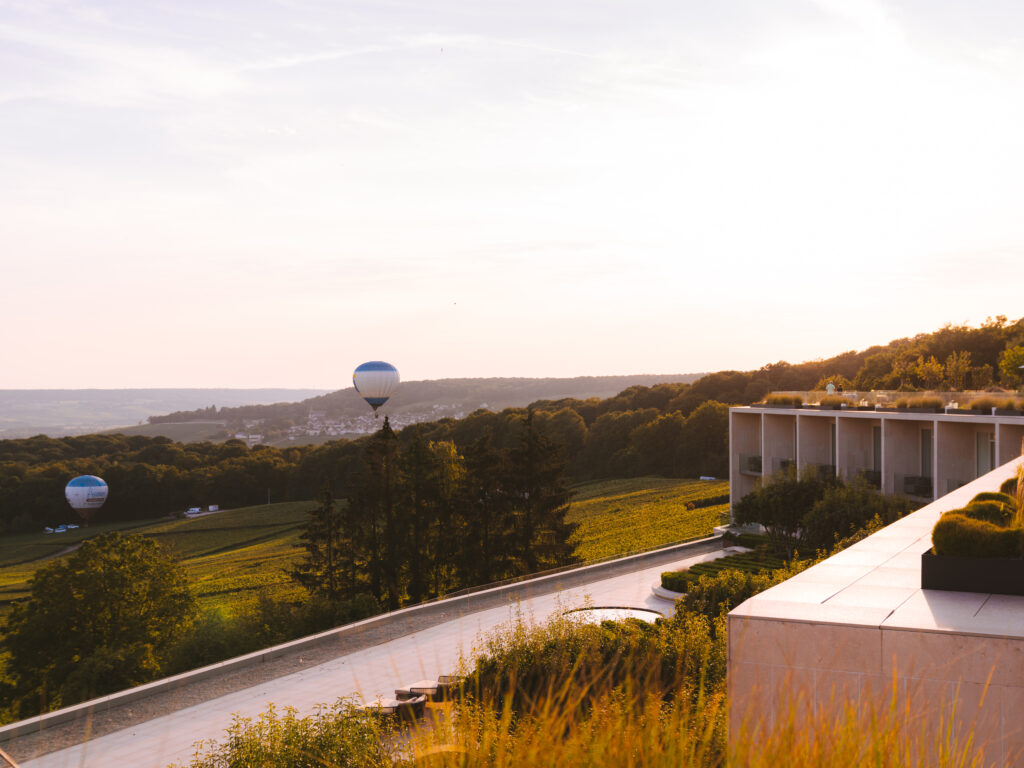
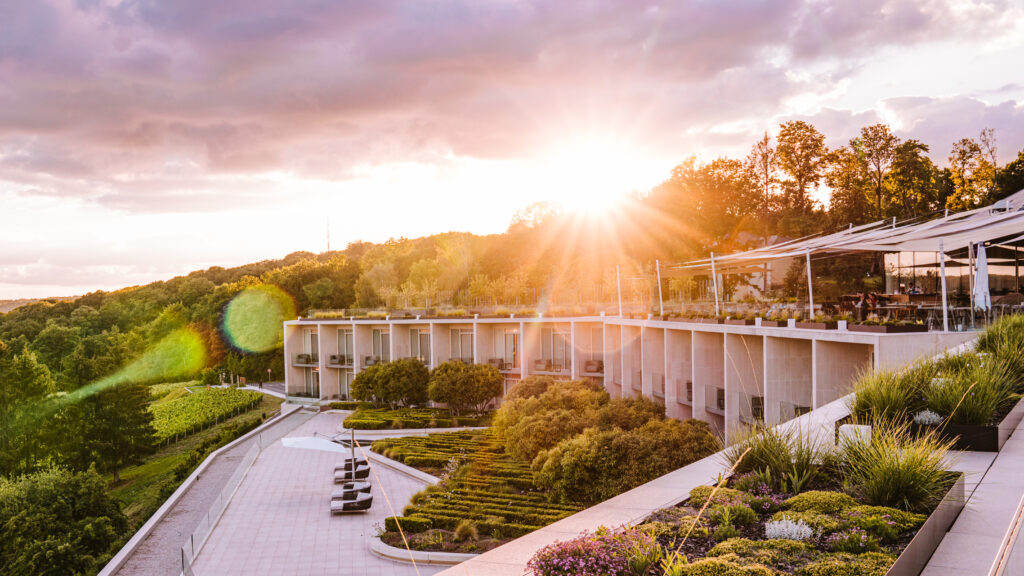
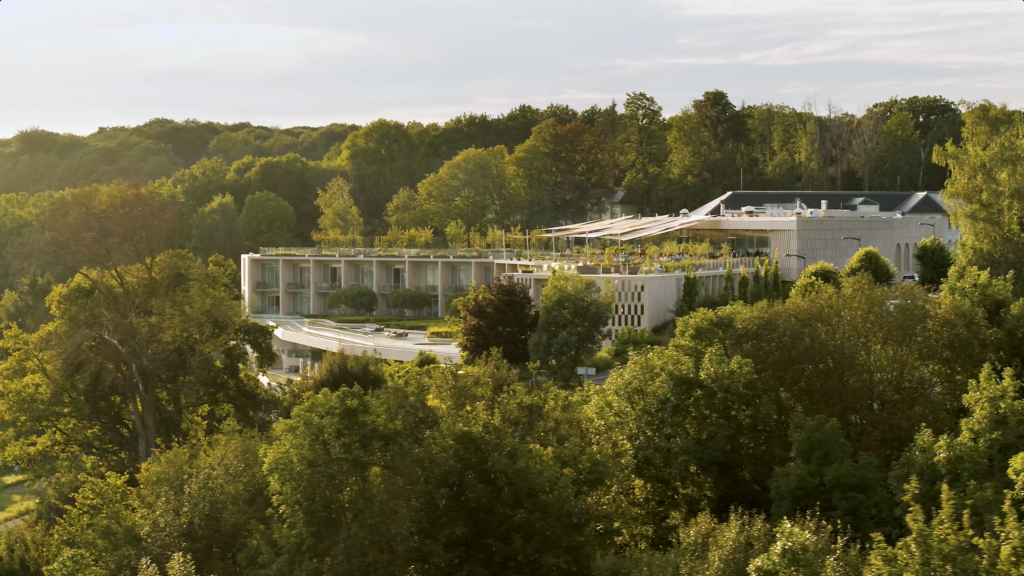
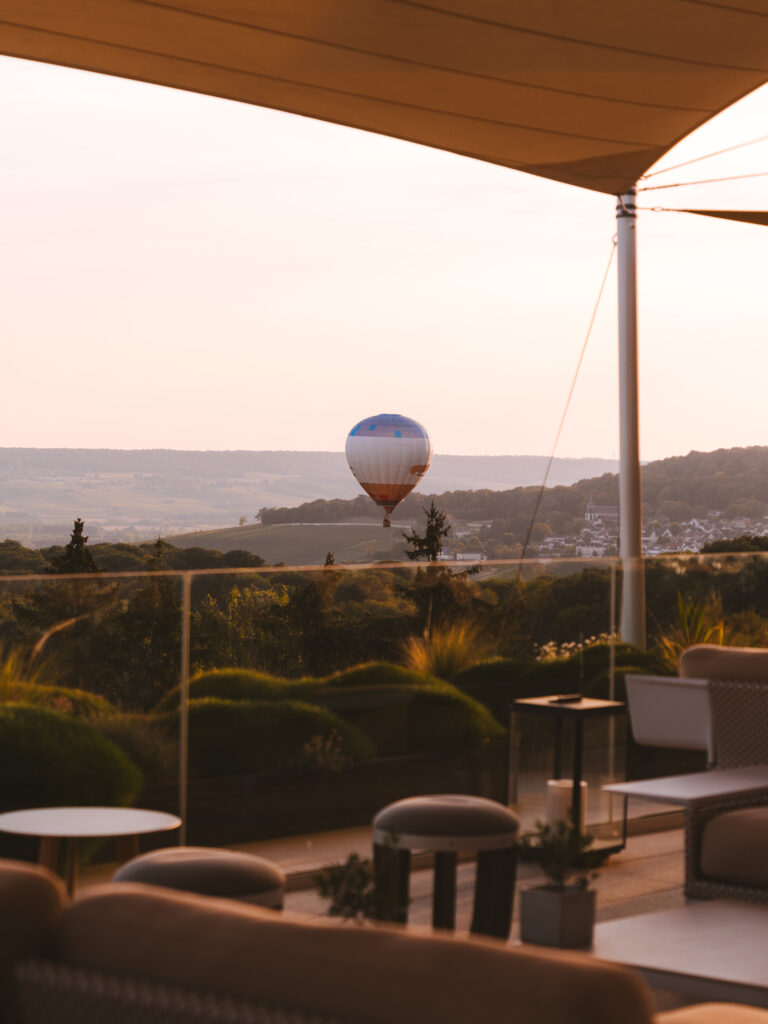
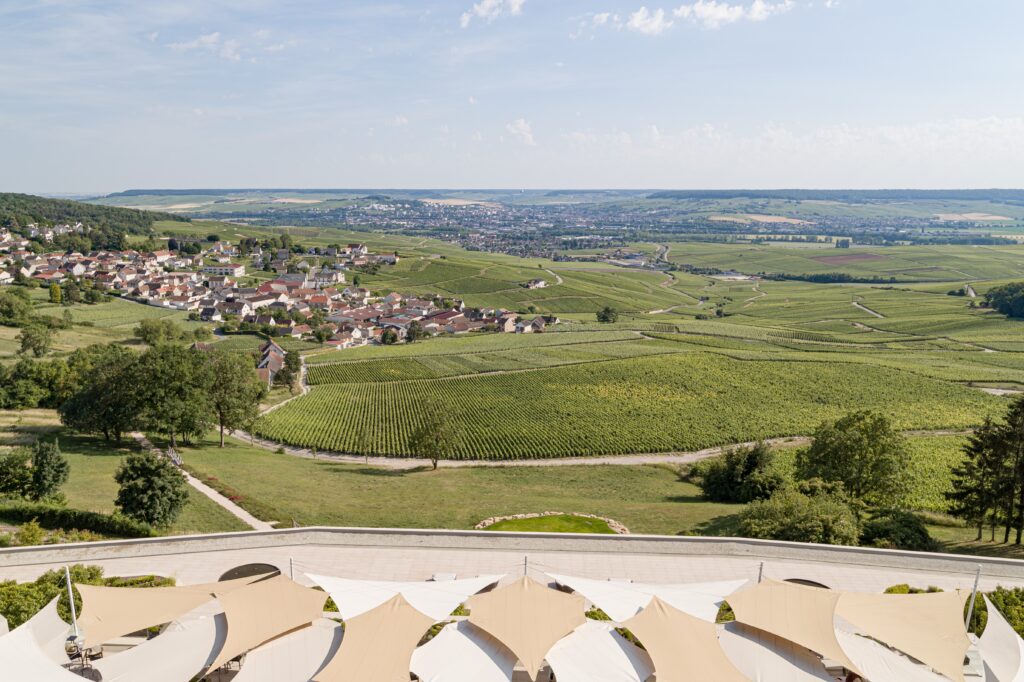
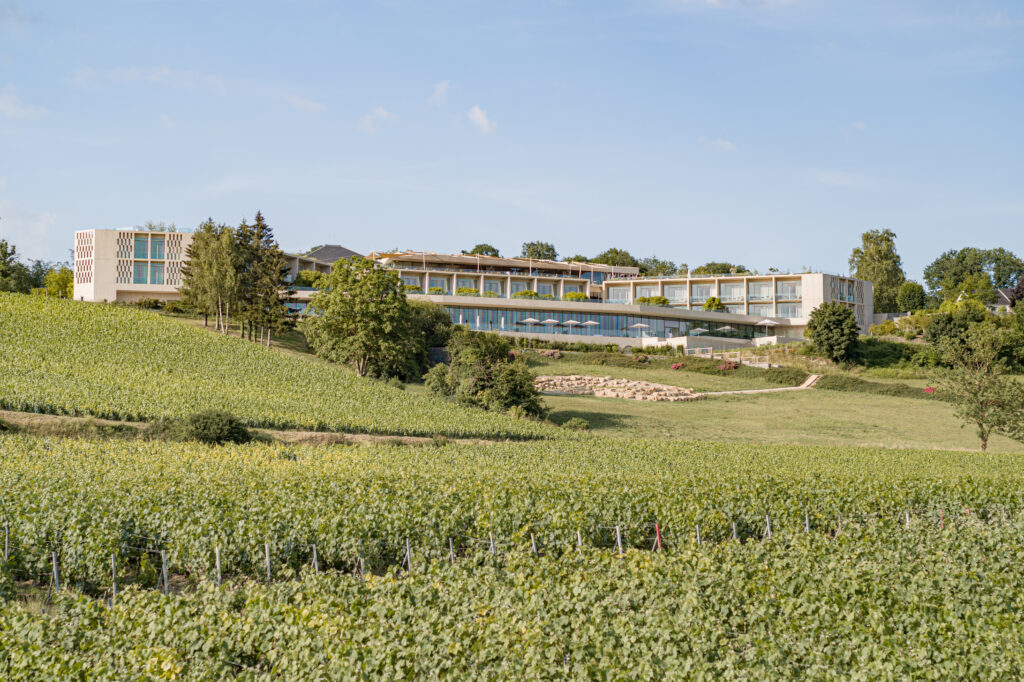
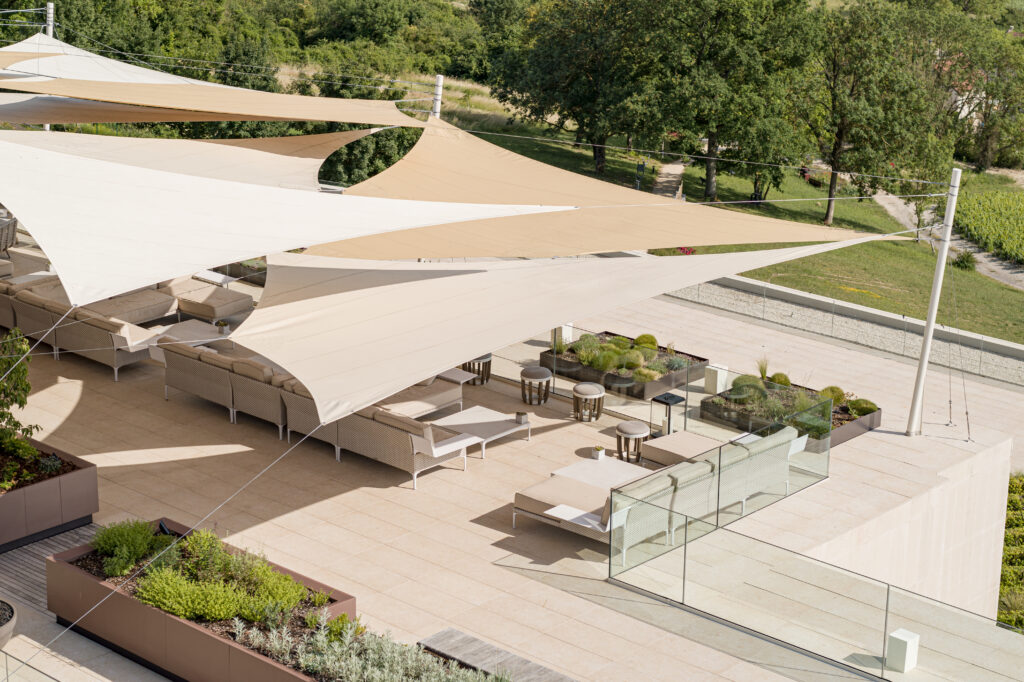
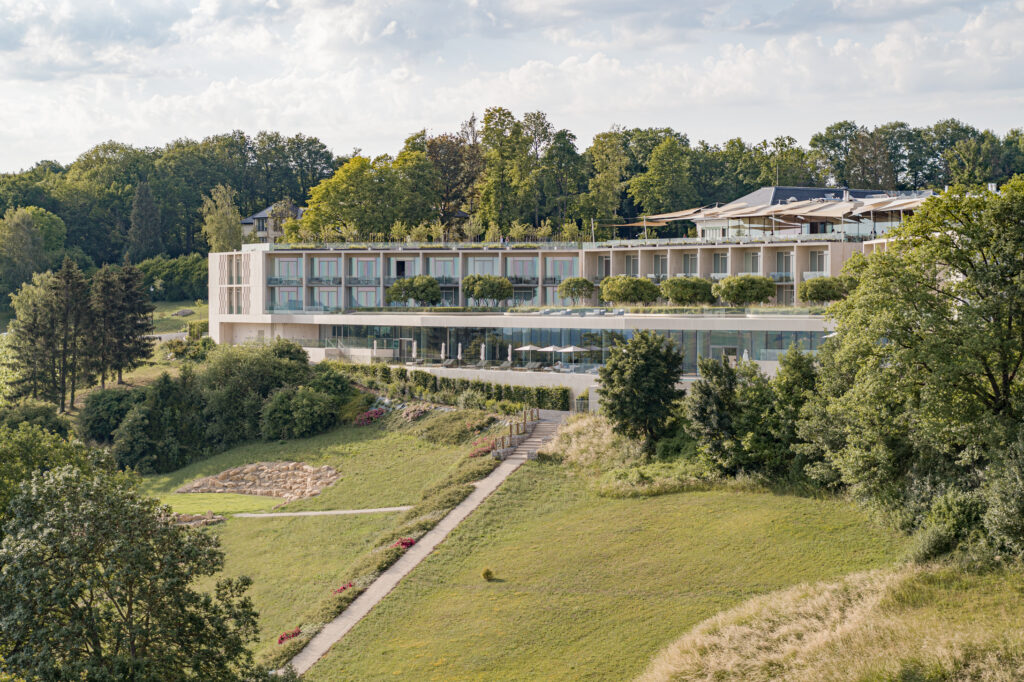
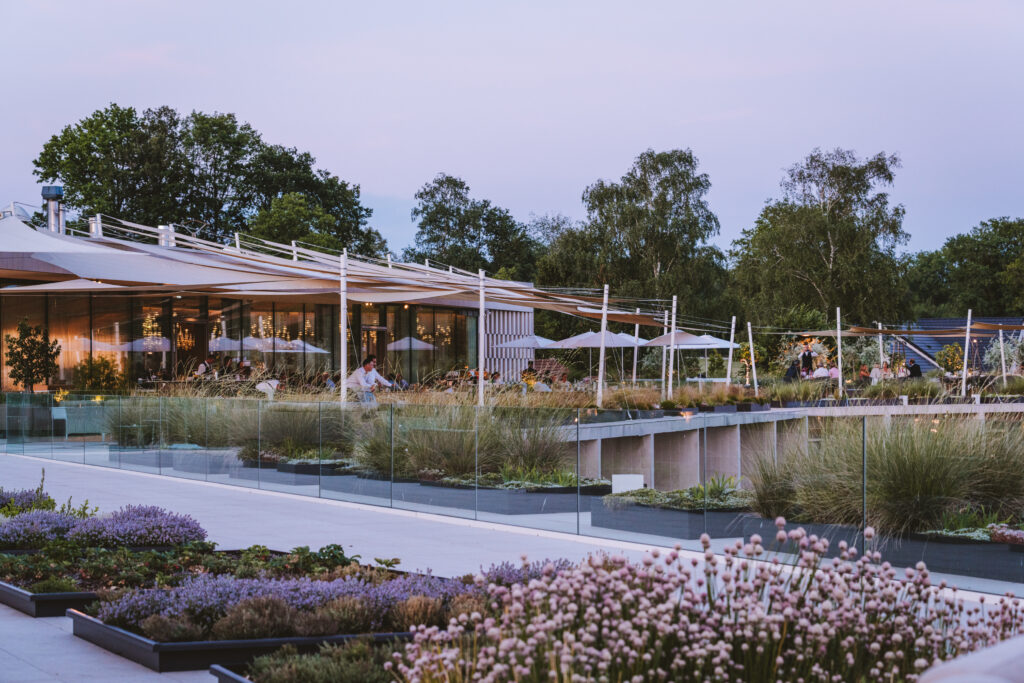
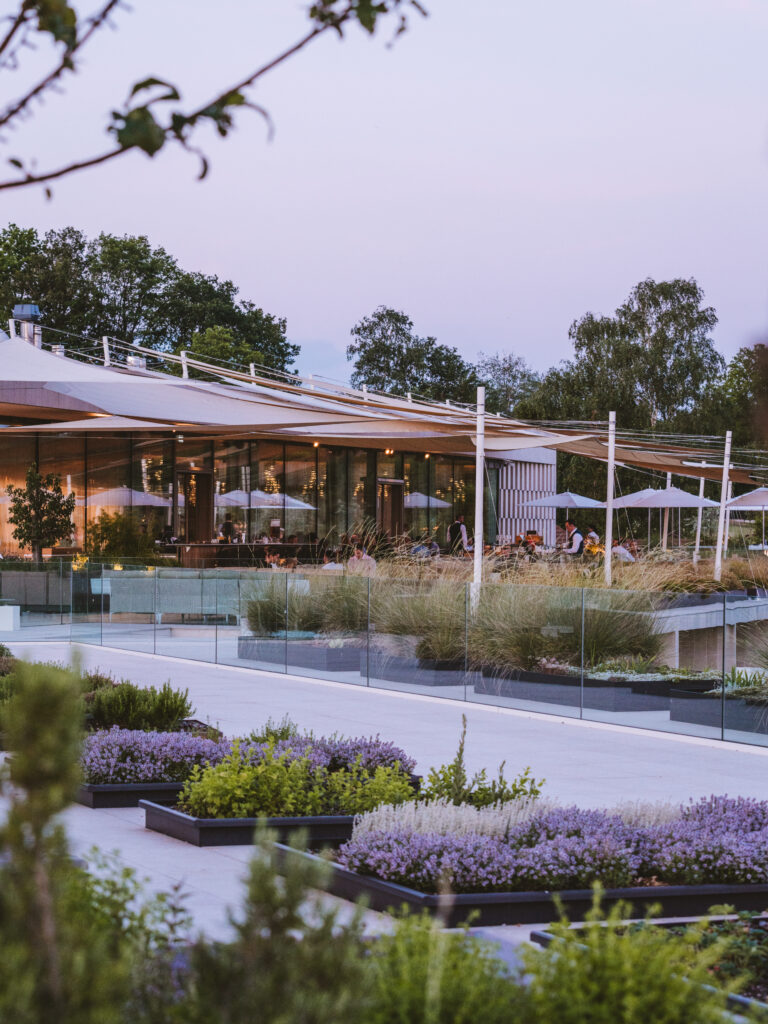
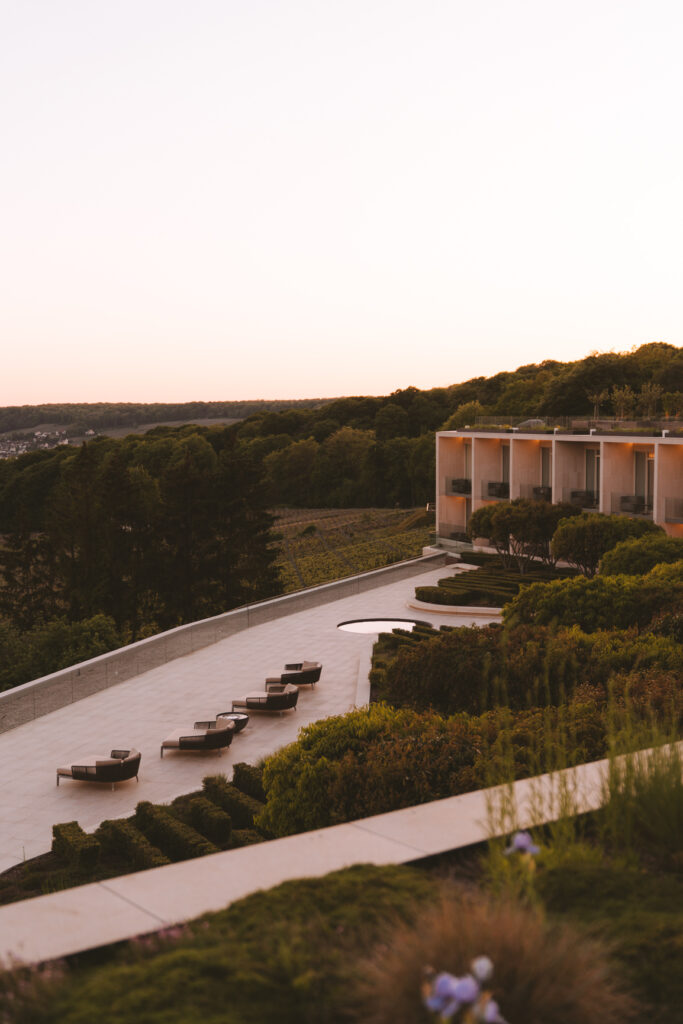
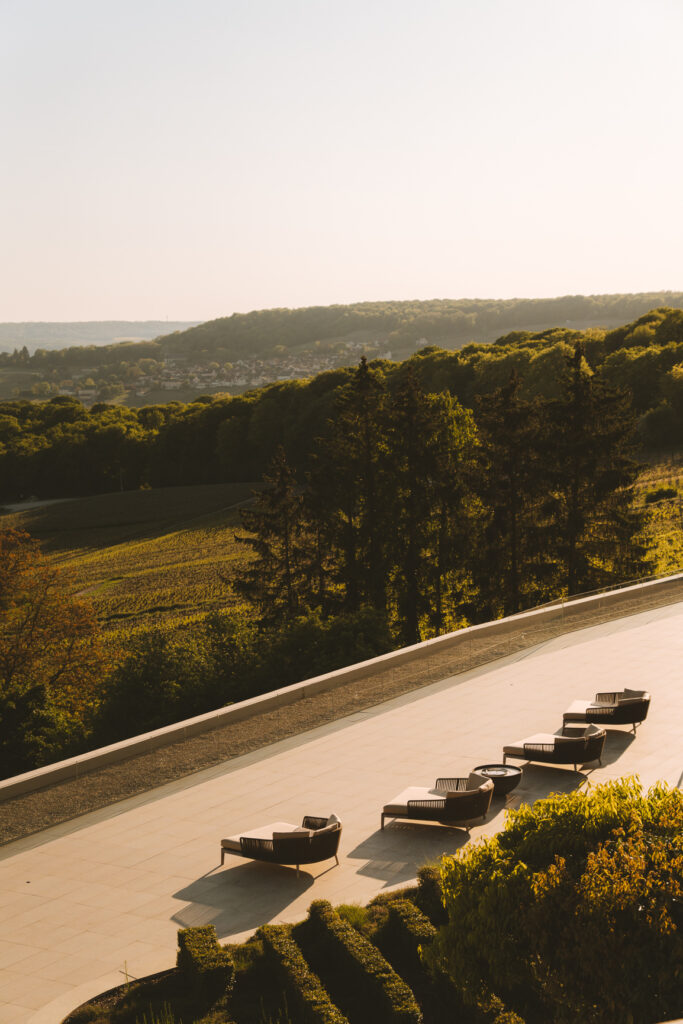
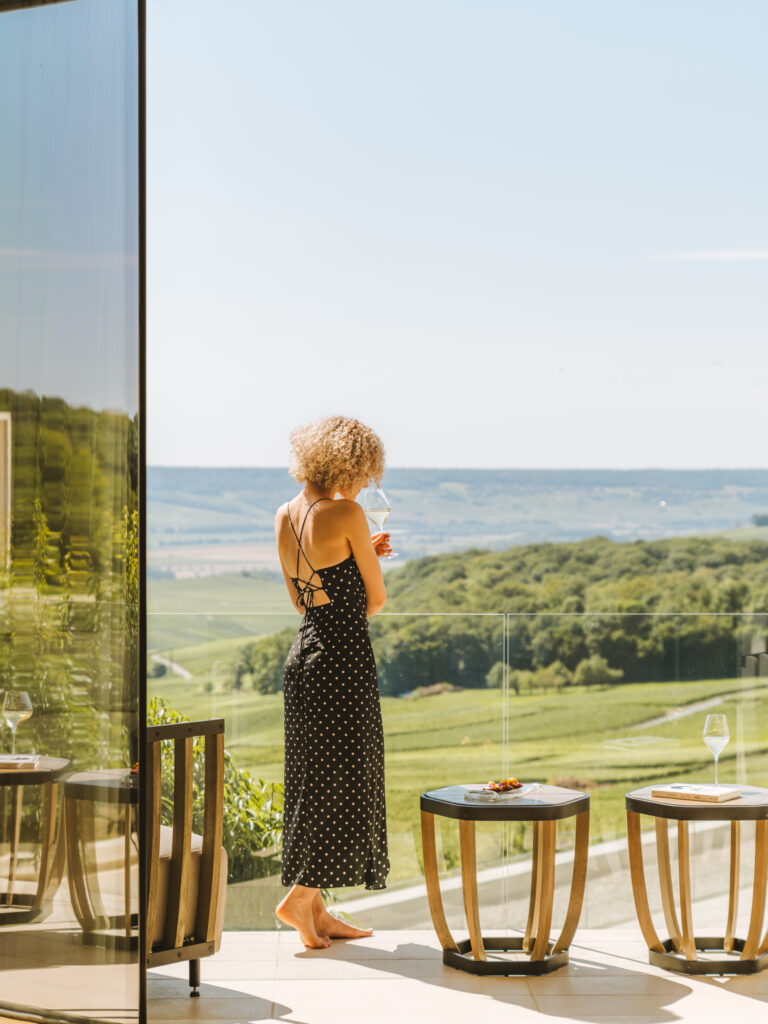
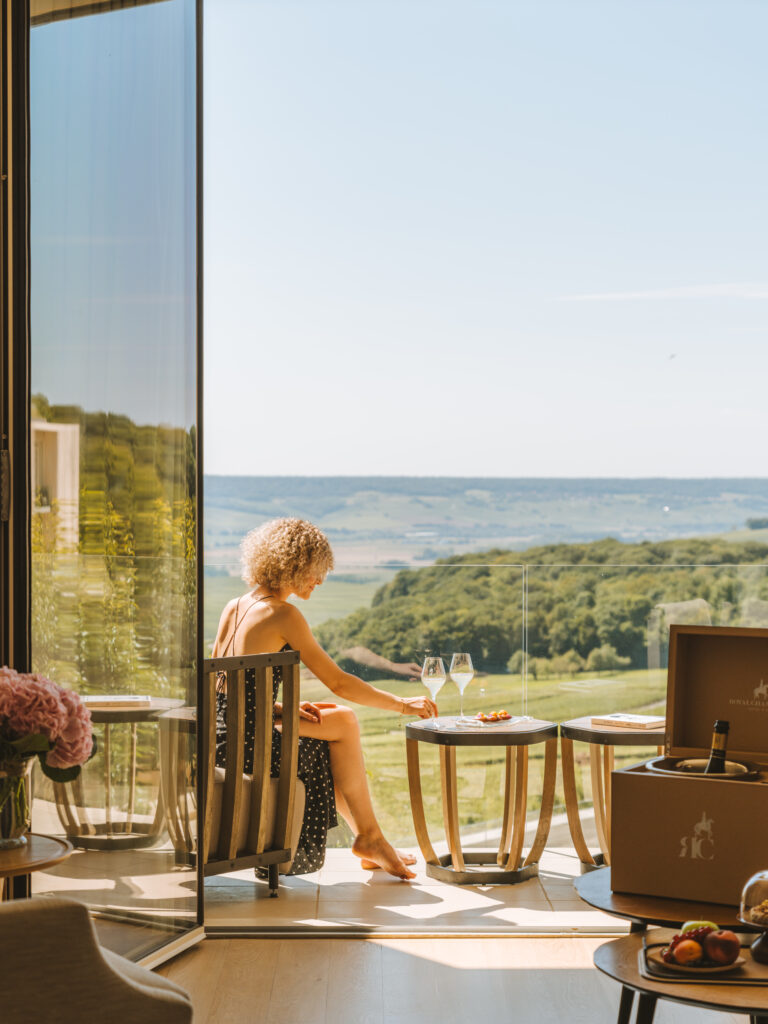
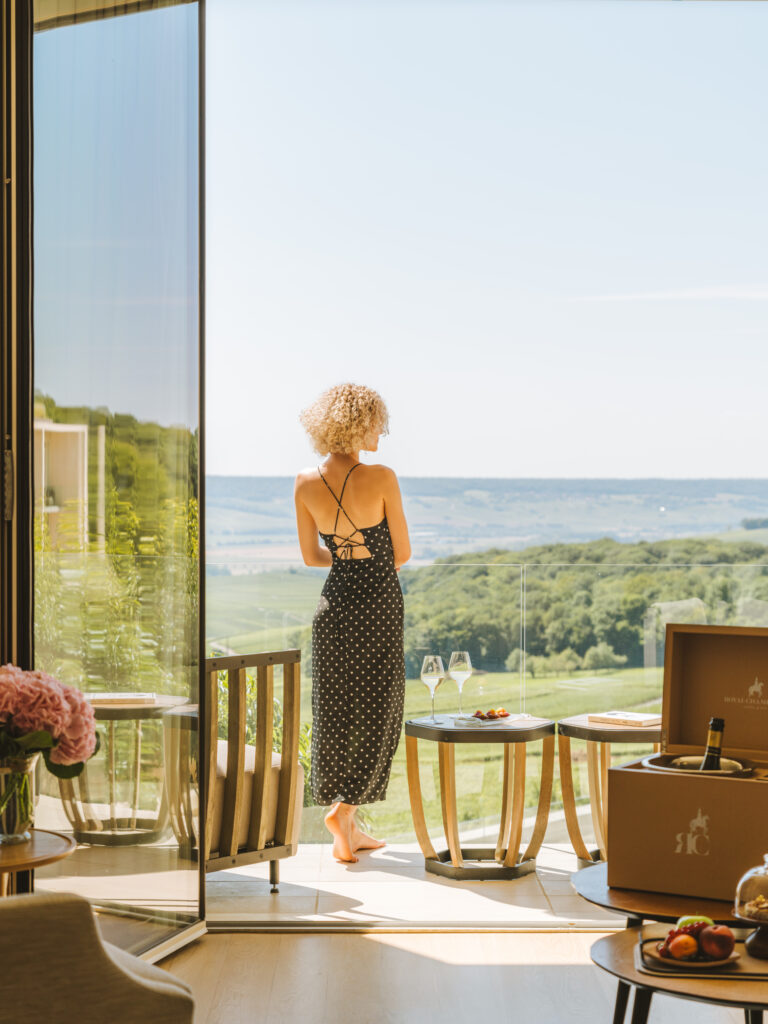
It was built on the site of a 19th-century coaching post—a stopover for the kings of France on their way to Reims, and a place where Napoleon is said to have stayed. The new building, meanwhile, is an amphitheater made of light-colored stone from local quarries and glass, covering 10,000 m² and set below the hillsides designated as a UNESCO World Heritage Site. The architect chose these two materials for what they symbolize together: the mineral opacity of the stone and the transparency of the landscape. The terraces do not overlook the vineyard—they are part of it.
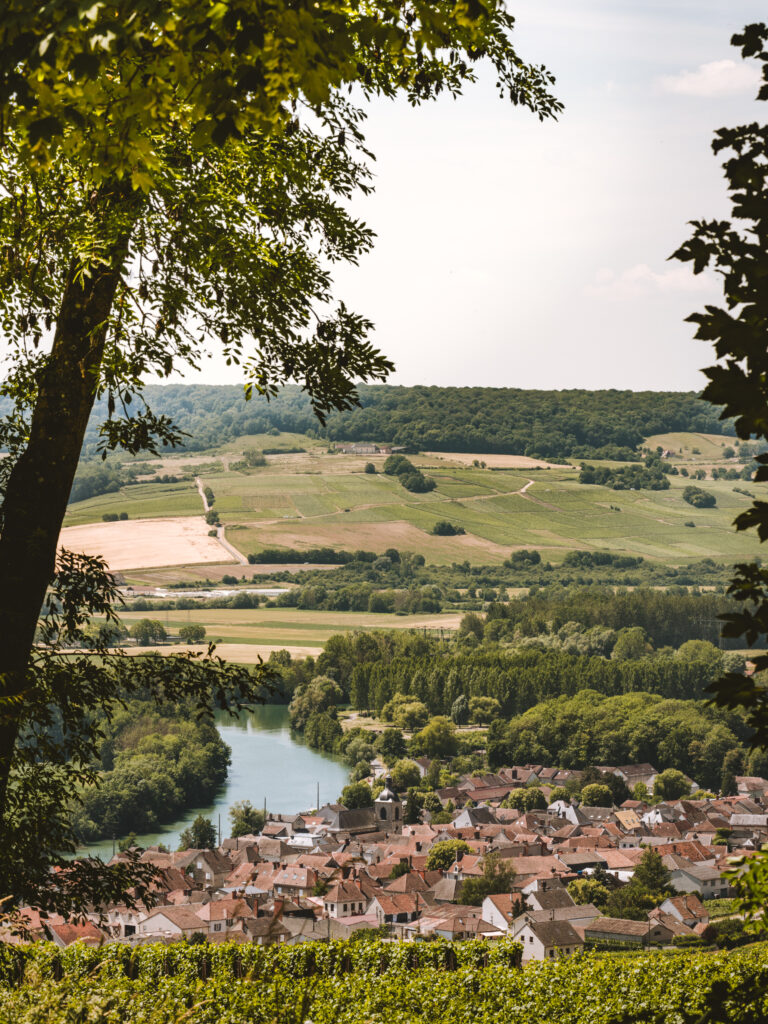
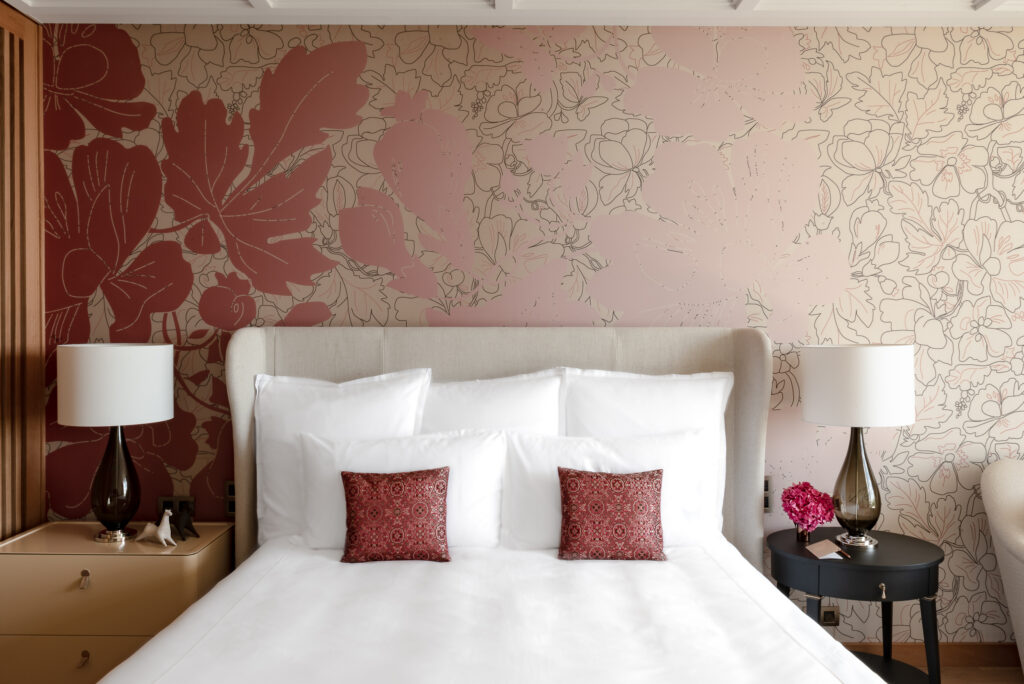
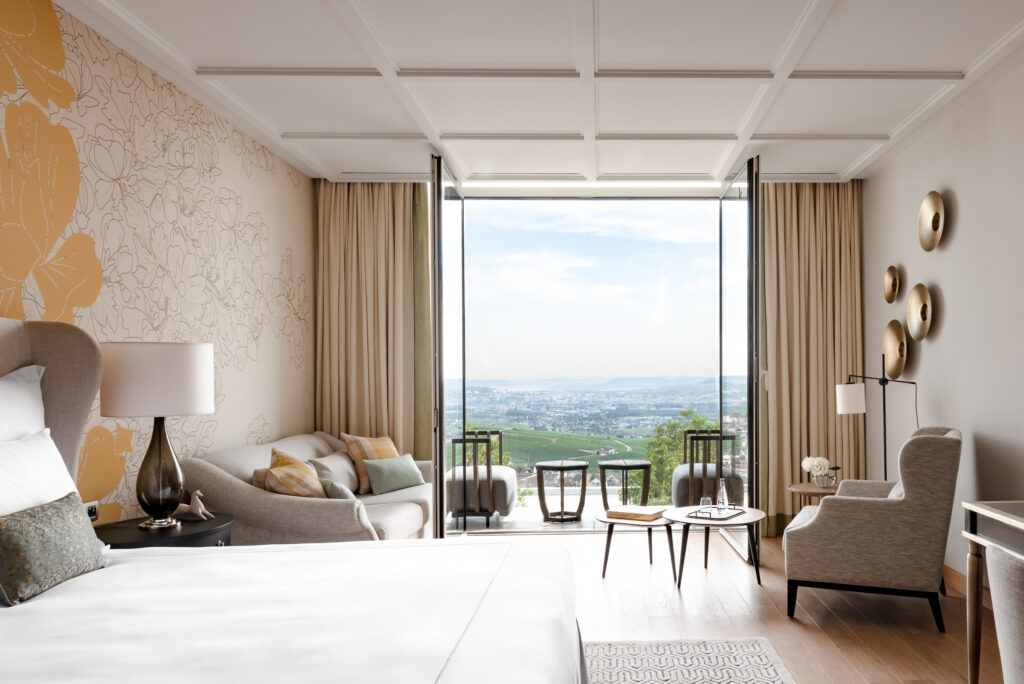
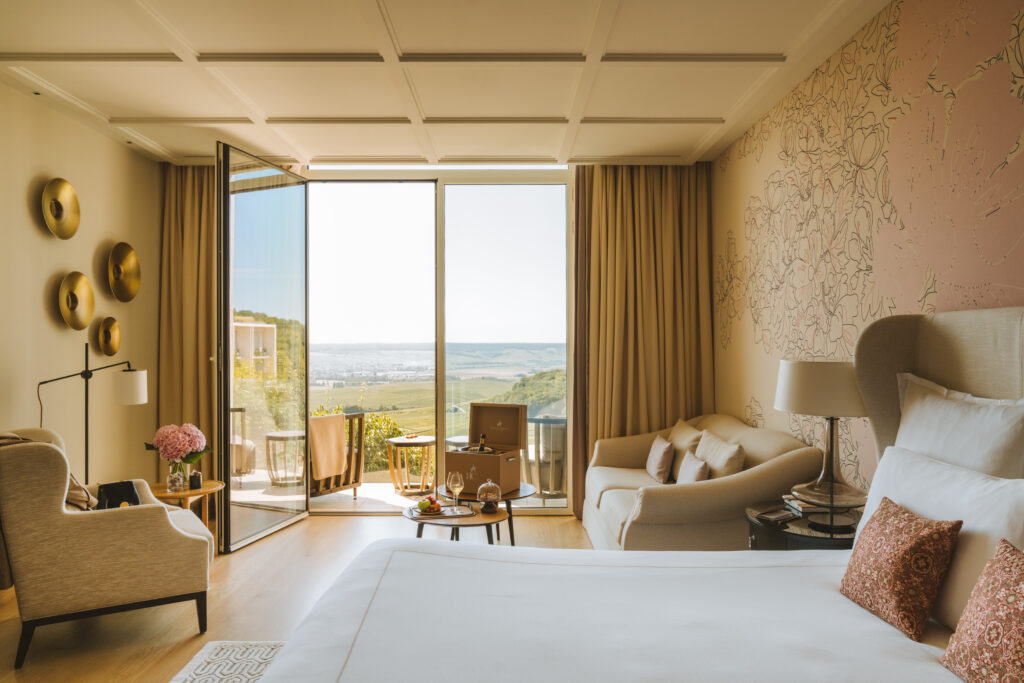
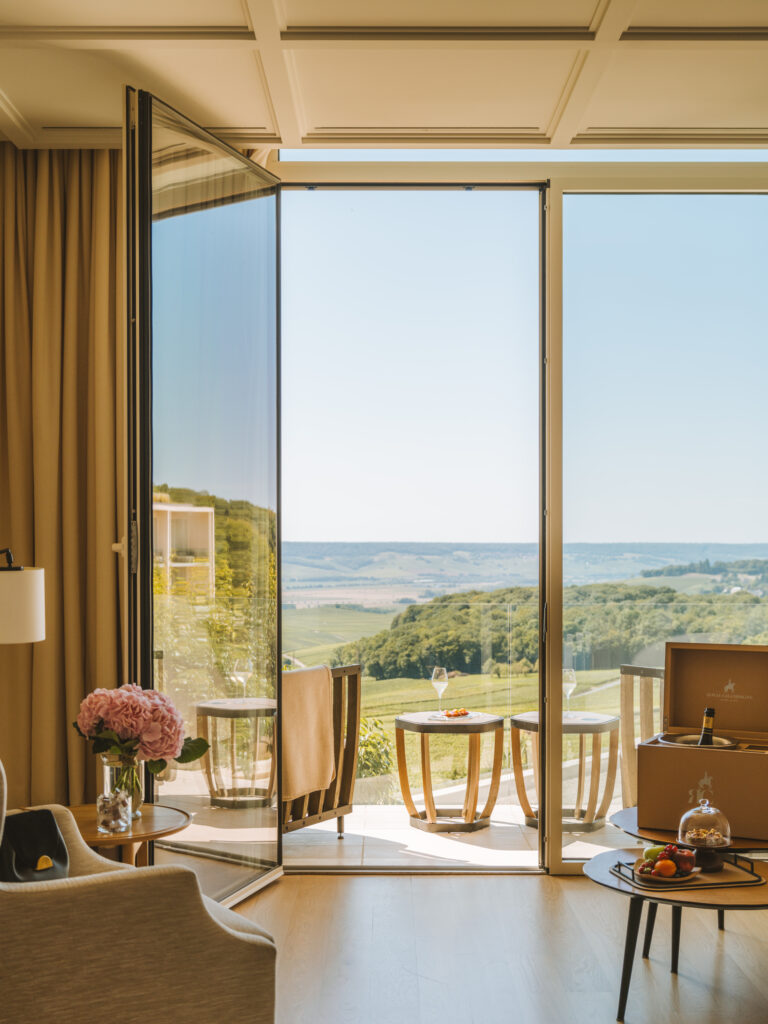
The 47 suites, all at least 44 m² in size, offer unobstructed views of the Marne Valley. Sybille de Margerie, who designed the interiors, has themed each floor after the color cycle of the neighboring vineyard: cherry blossom pink, yellow fading into beige and gold, and petrol blue. The motif—vine branches and flowers—changes color depending on the floor, just as the vineyard itself changes with the seasons. The sinks are carved from limestone and paired with raw oak. “It’s meant to contrast with a wild, graphic natural landscape, ” she says. All of the restaurant’s seating was entrusted to an upholsterer who holds the “Meilleur Ouvrier de France” title. This detail, invisible to the casual observer, is one of the reasons behind the restaurant’s distinction.
The Table: A Culinary Realm
Christophe Raoux, a 2015 MOF, earned his Michelin star in 2020 at L’Oiseau Blanc at The Peninsula Paris, before taking the helm of the 14 restaurants and brasseries of Maisons Bocuse. Since then, he has developed a menu here rooted in a specific region of origin: pigeon from Maison Miéral in Bresse, fish from Maison Jégo, veal from the Ségala Plateau in Aveyron, and organically grown Champagne lentils. The honey comes from the hotel’s beehives. The John Dory is steamed with vine shoots and topped with grated red wine lees. The gourmet menu, Le Royal, seats up to 36 guests and is served in 4 or 5 courses (€150, €210, or €290). “La Table du Chef,” by reservation only, seats four in the kitchen, starting at 350€. Philippe Marques’s wine cellar—formerly part of Alain Senderens’s Lucas Carton—features over 900 champagne selections, including a 1986 Clos des Goisses from Philipponnat and a 1981 De Sousa Collection. At 31, pastry chef Claire Santos Lopes (trained under Yann Couvreur and Nicolas Paciello) is working on an 80% dark chocolate developed in collaboration with Valrhona, featuring a soufflé, caramelized peanuts, and cocoa sorbet.
The spa, spanning 1,500 m² in partnership with myBlend and Clarins Precious, features nine treatment rooms, a 25-meter indoor pool, and a 16-meter outdoor pool, just a few meters from the vineyards. The Salon Fines Bulles, on the first floor, hosts tastings centered around a glass-enclosed champagne cellar visible from the table. Philippe Marques’ “Champagne Crafters” program features ultra-exclusive cuvées from artisan winemakers every month.
What the Palace designation validates here is not merely infrastructure. It is the belief that luxury hospitality can be built in a UNESCO-designated wine-growing region rather than at a Parisian address—and that this geographical shift is not a retreat, but a cultural proposition in its own right.
Champagne has always exported its prestige in bottles. It has just learned how to let it rest right here.
Cette publication est également disponible en :

