
French film by Frédéric Louf with Pierre Niney, Audrey Bastien, Lou de Laâge, Michel Vuillermoz, Ali Marhyar (1 h 32)
J’aime regarder les filles by Frédéric Louf – Trailer
It was too… rotten…
No, it was too good!
It’s obvious you’ve never been in love.
(Overheard at the film’s opening on Thursday evening)
Then neither do I…
The film opens with a young man trying – unsuccessfully – to glue the sole of one of his shoes back together. The setting? A maid’s room, probably 9 m², on the 7th floor of a Paris apartment building, in the heart of the 18th arrondissement. We’re on the eve of the great French presidential election of 1981, pitting Valéry Giscard d’Estaing against François Mitterrand. In the zeitgeist? It’s a French Left that – freed from its archaisms – is determined to take on the responsibilities of government.
His first name is Primo, and he’s on his way home for the weekend to the provinces, where he’s getting the usual ribbing from his family because he’s made THE choice to retake his A-levels instead of getting down to work like the rest of his little family of florists. When his father sulks him or – option B – gives him a hard time, his mother continues to protect him by slipping him a few bills under the coat. However, both are no longer fooled, and know full well that their son, whom they originally believed to be a prodigy, did not invent the butter-cutting thread.
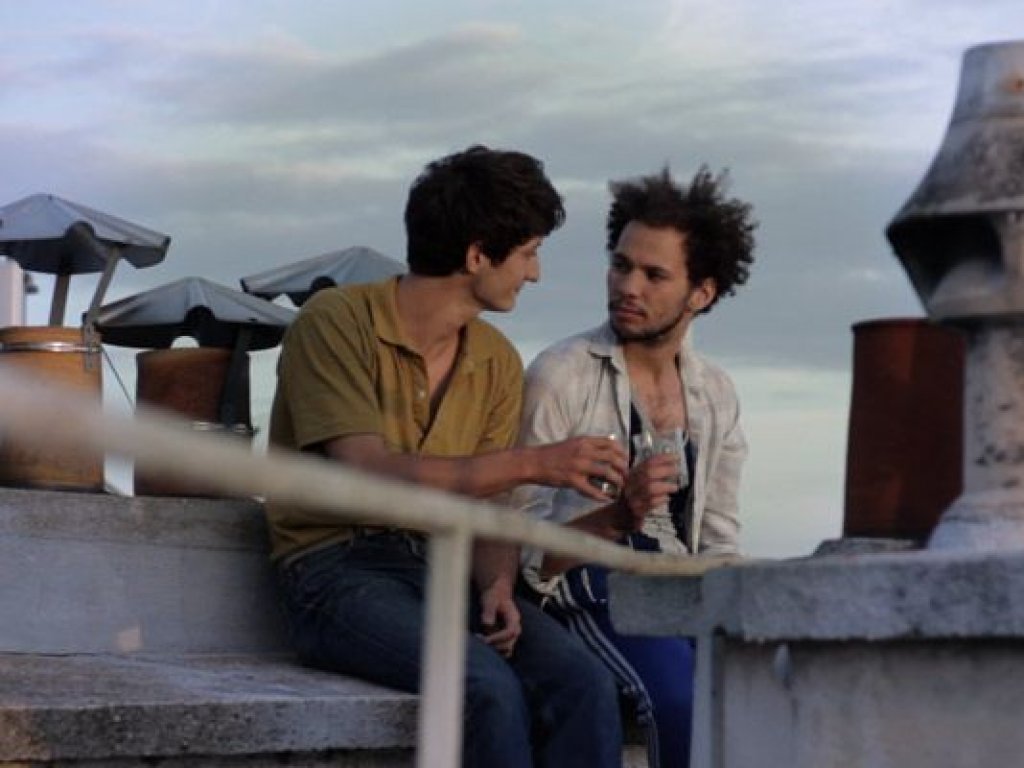
After yet another argument with his father, Primo decides to return to Paris as quickly as he came. Wandering around the Right Bank, he ends up crashing a “I’m young and I live in the nicer neighborhoods” party. Within minutes, he fell madly in love with Gabrielle. The one who doesn’t invite him up to her place on the first night, justifying herself by saying: “You don’t want to fuck an easy girl, do you? She’s a bitch, all right.
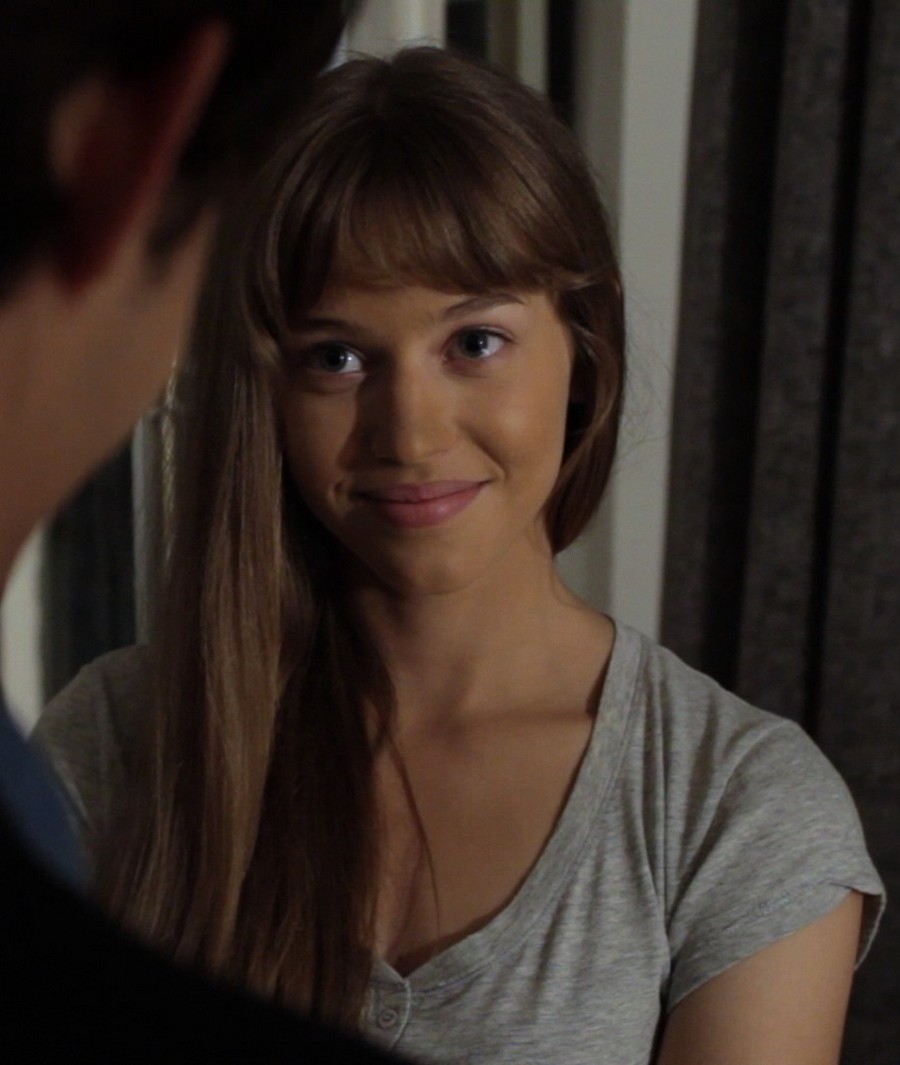
Since Primo believes loud and clear that “from father to son, he’s nothing”, he starts inventing his own origins, telling stories, in order to become part of this gang of “sons of…” and seduce Gabrielle, who is already in his thoughts. But superficial Gabrielle has no use for poor individuals, and Primo suffers from being left out. This is where the character of Delphine, Gabrielle’s best friend, comes in. From the start, she sees right through Primo’s game, and is completely won over by the poor beast. Don’t take this as a wink.
Result: The film unfolds through the weaving of first love stories and the crazy things that only youth allows, the weight of family expectations and the slaps in the face they sometimes give us, the new friendship with Malik’s next-door neighbor, the money issues that delimit forms of existence… All set against a historical and political backdrop that marks the beginnings of the contemporary world. We’d like to believe it, but it all sounds a little false and clumsy. The acting is uneven, and those who take us along (Pierre Niney in the lead role, for example) are overtaken by those who remind us of the banality of a film. The generous spontaneity expected in this context, and at this age, is thwarted by a series of overly deterrent clichés that do a disservice to this debut feature.
Elisa Palmer
Cette publication est également disponible en :

