
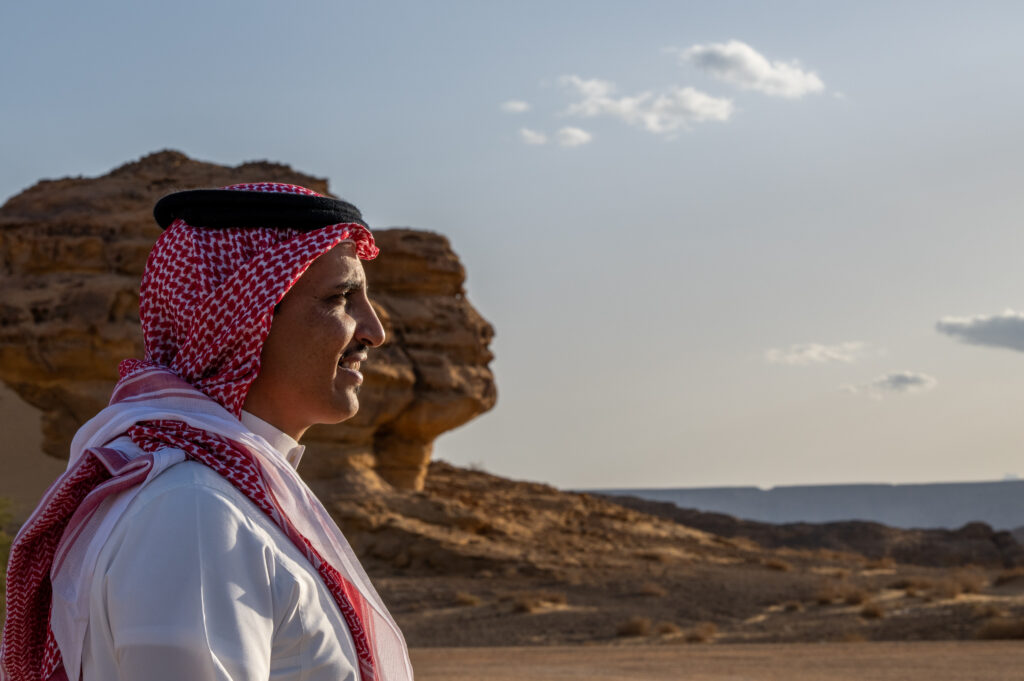
There is something deliberate about UNESCO’s choice to display the faces of the Rawis of AlUla on its grilles this summer. The international heritage institution on Place de Fontenoy is not a museum. It is a stone-carved treaty—a collective commitment that certain memories deserve to be preserved. Exhibiting photographic portraits of Arab storytellers there, from June 10 to August 31, 2026, is a statement that oral tradition is a heritage in its own right, just like the Nabatean tombs or rock inscriptions.
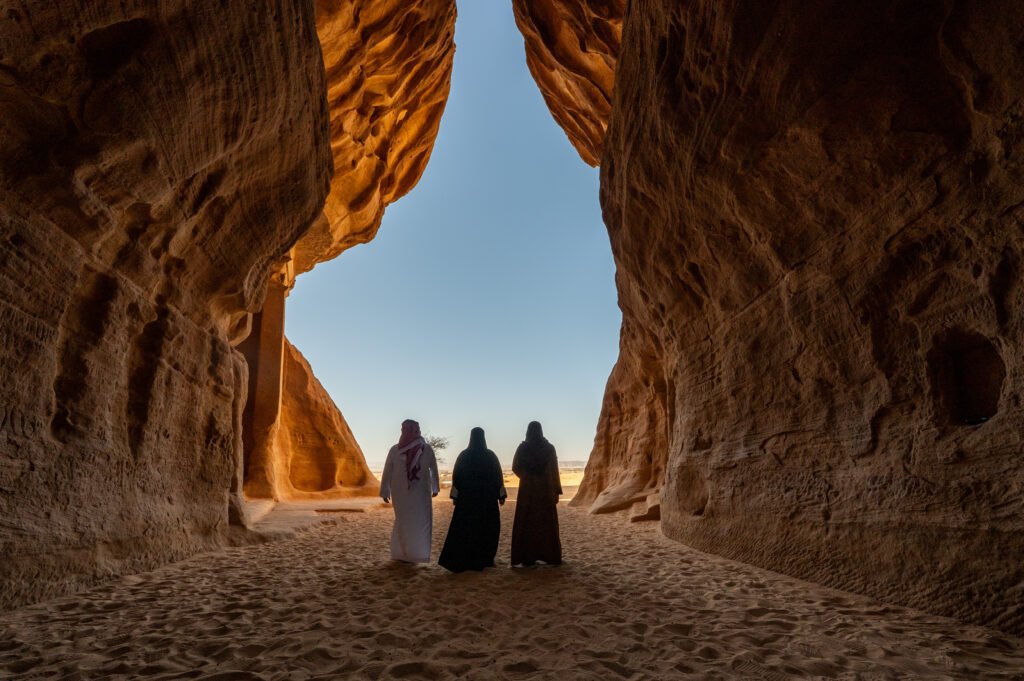
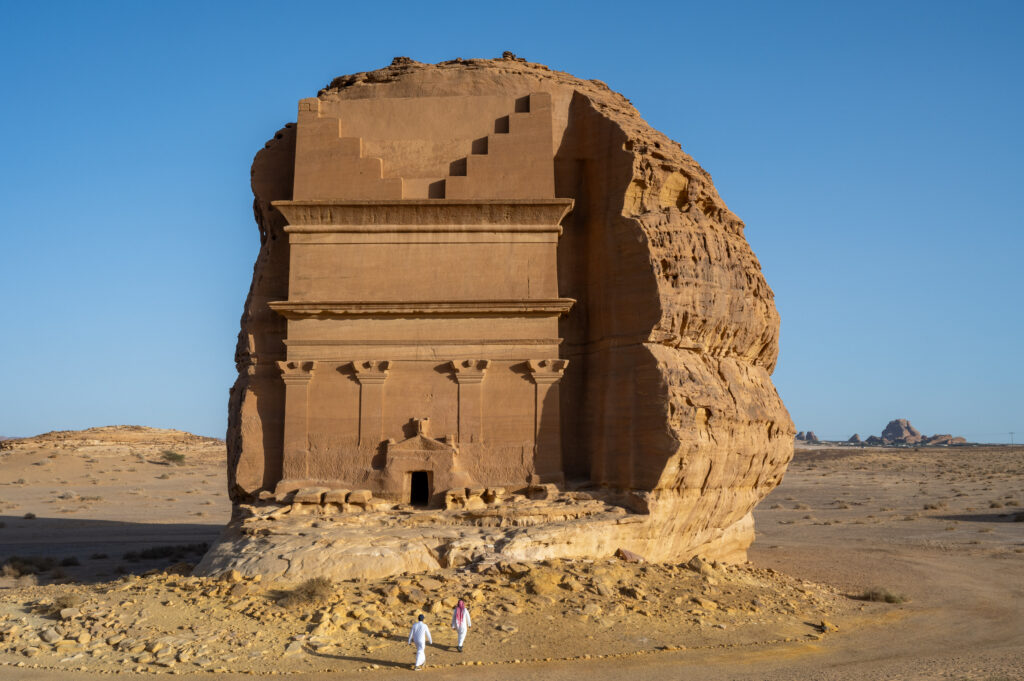
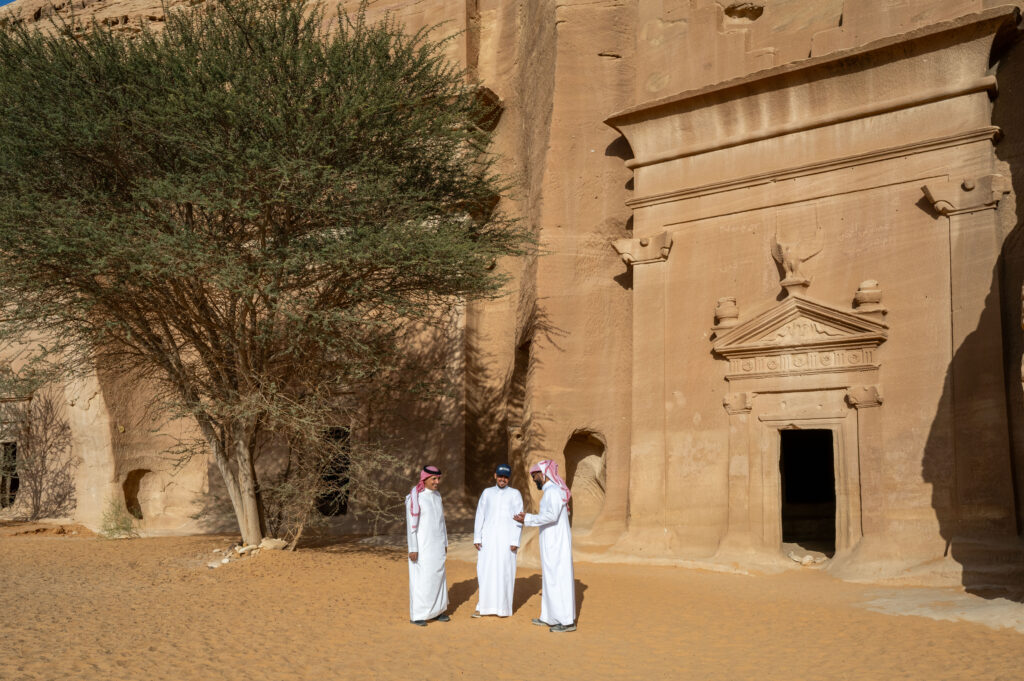
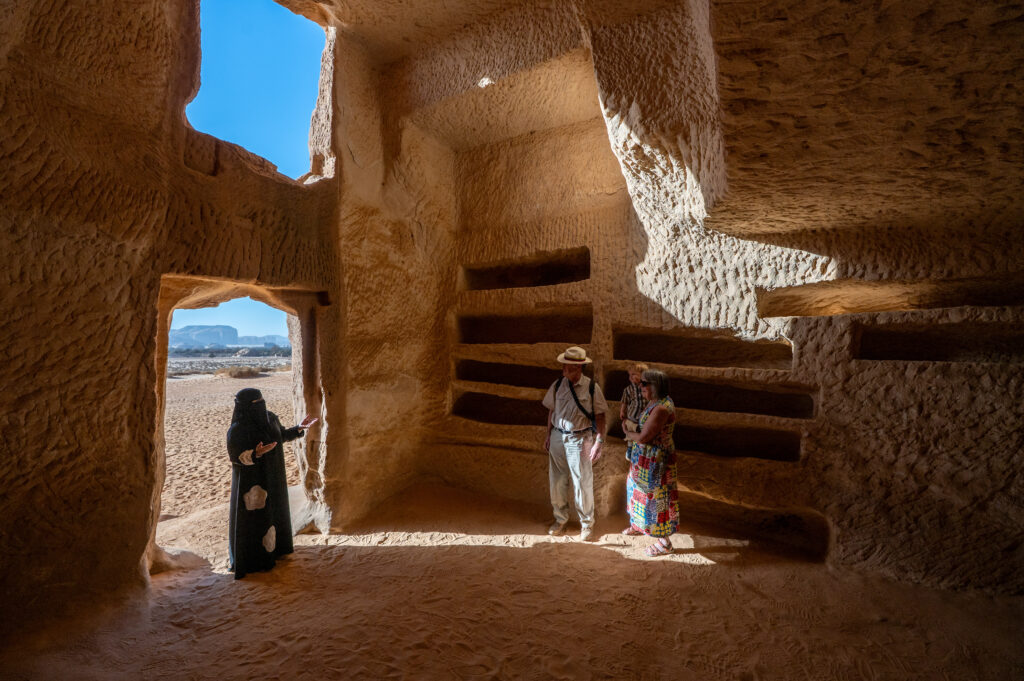
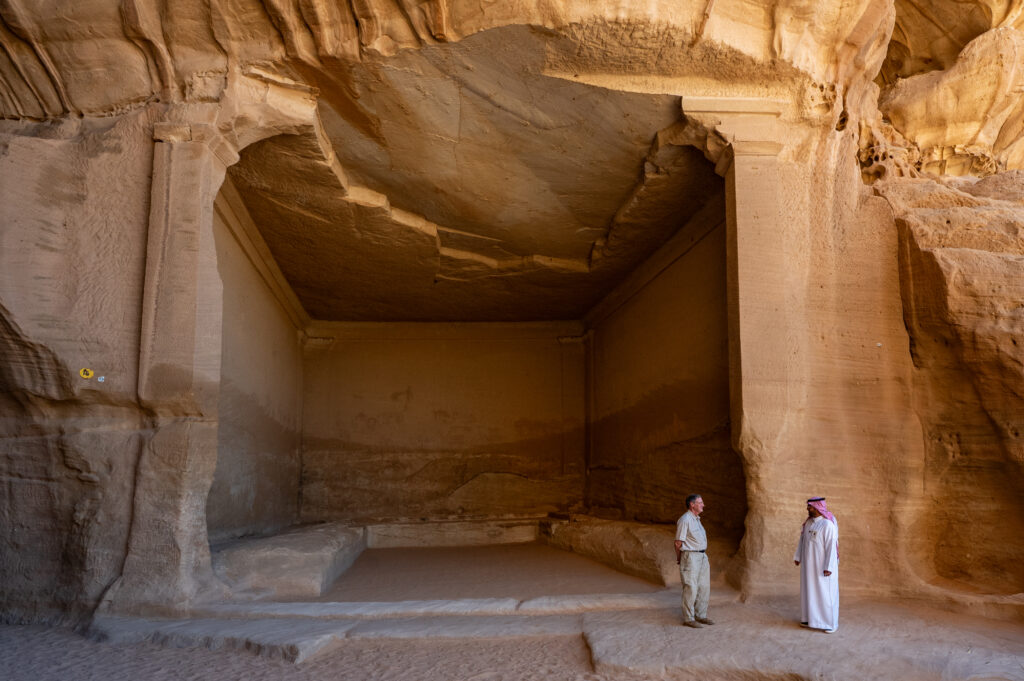
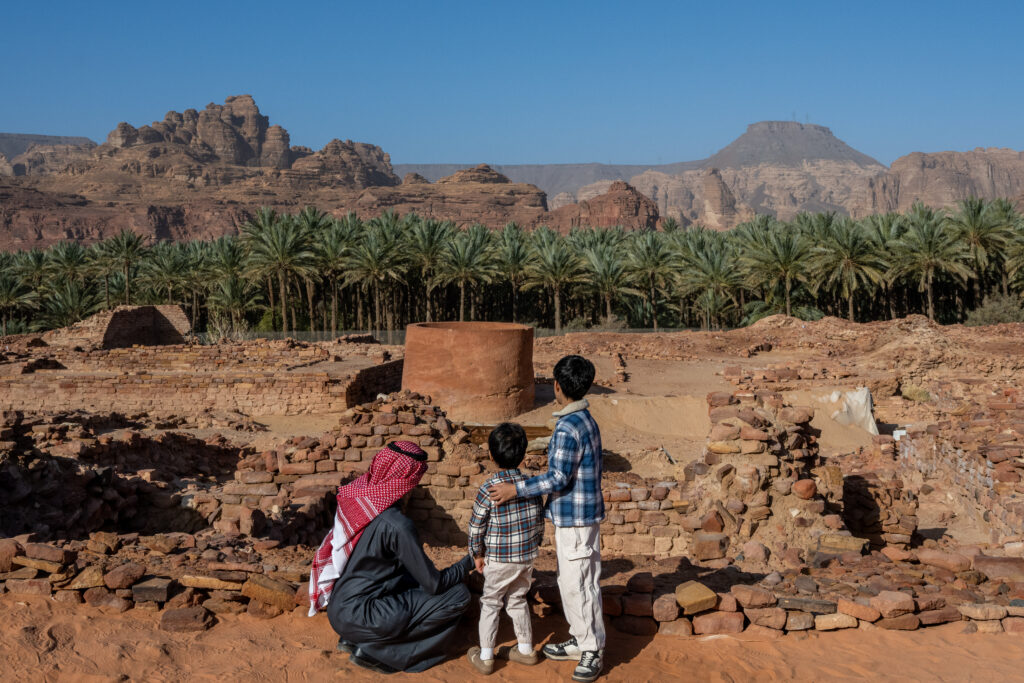
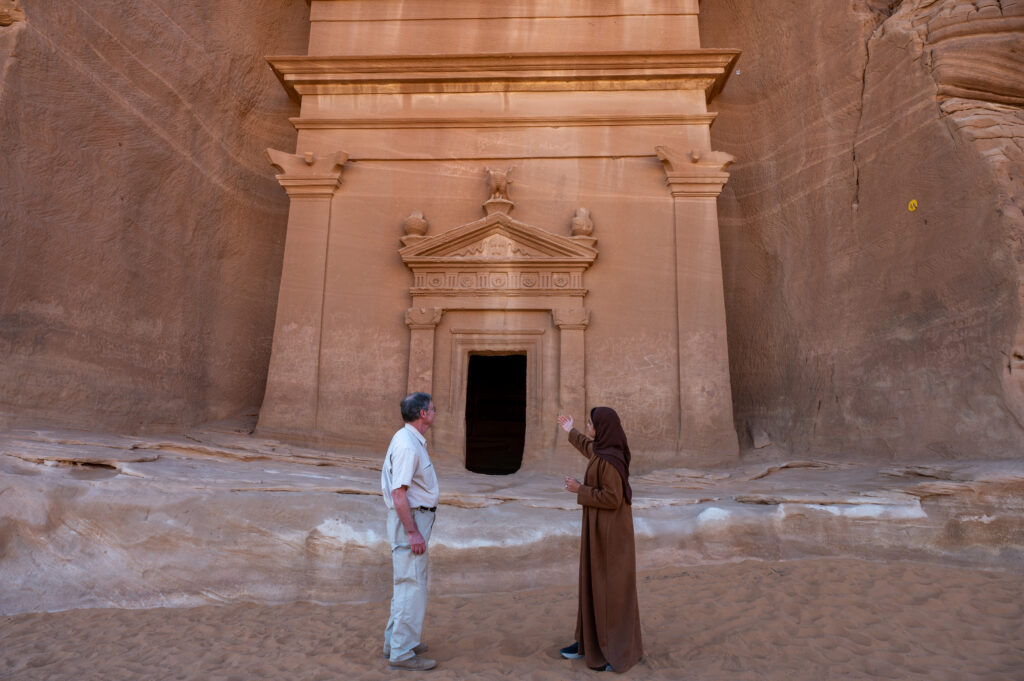
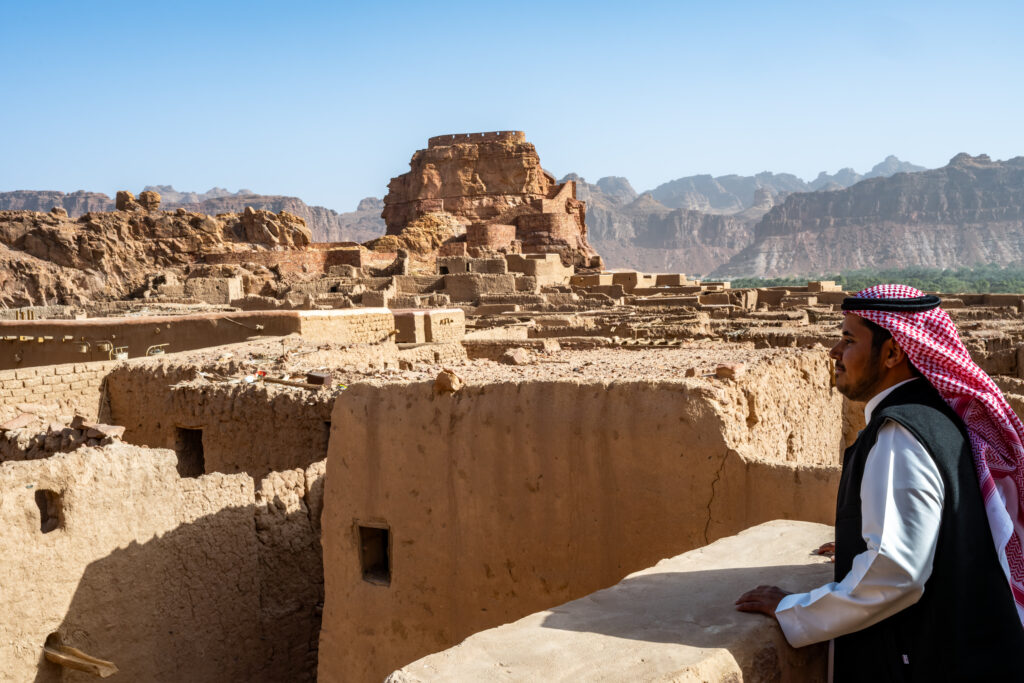
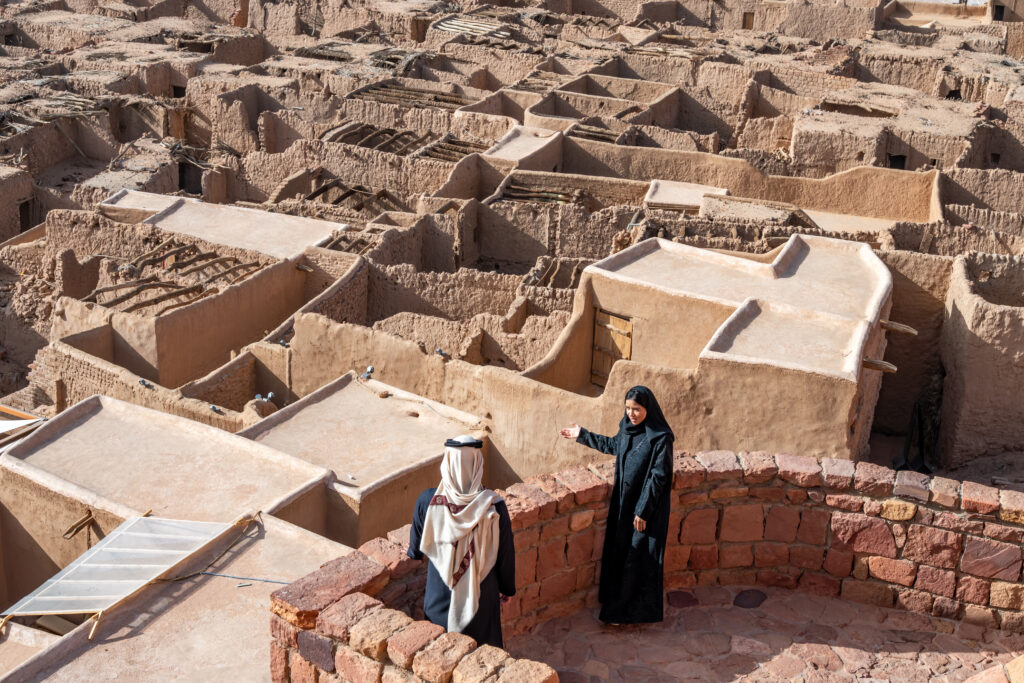
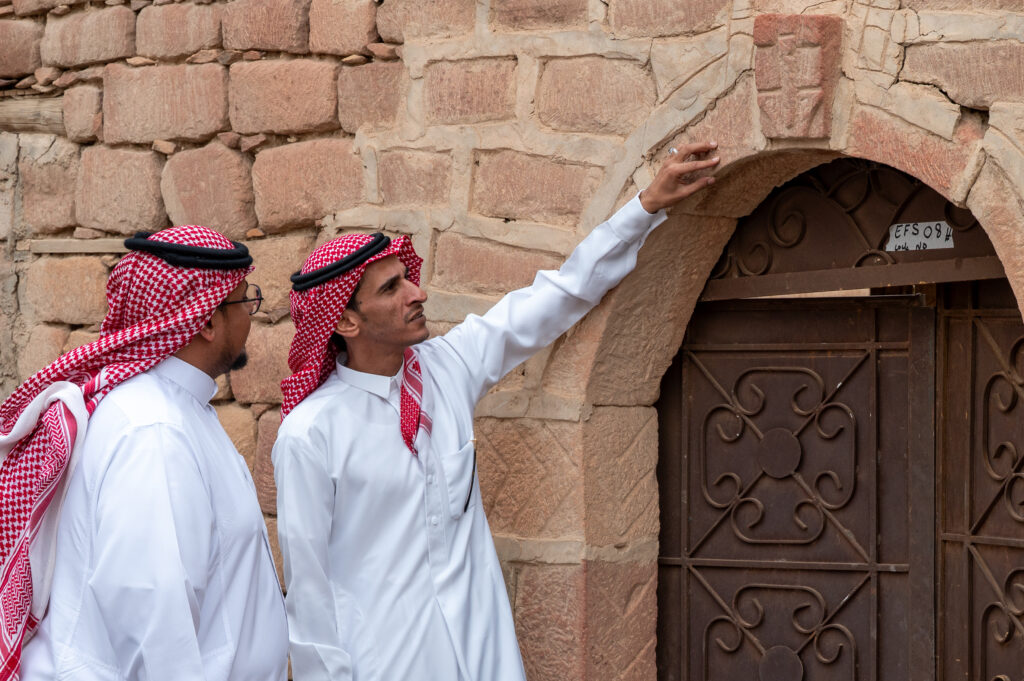
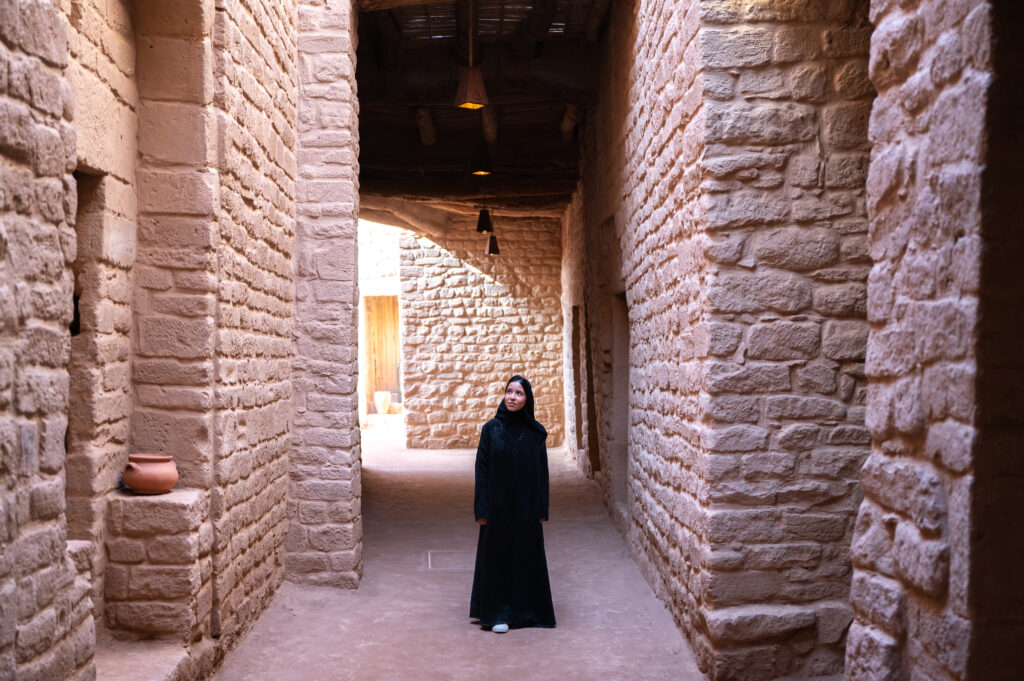
The Rawis—a term meaning “storyteller” in Arabic—are the cultural ambassadors of AlUla, a region in northwestern Saudi Arabia with a history dating back more than 200,000 years of human presence. Trained by the Royal Commission for AlUla, they guide visitors through the sites of Hegra—Saudi Arabia’s first UNESCO World Heritage Site and a 52-hectare ancient Nabataean city—as well as Dadan, Jabal Ikmah, and the old city of AlUla. What they do is not mere tour guiding: it is an archaeology of the senses, a way of bringing millennia to life.
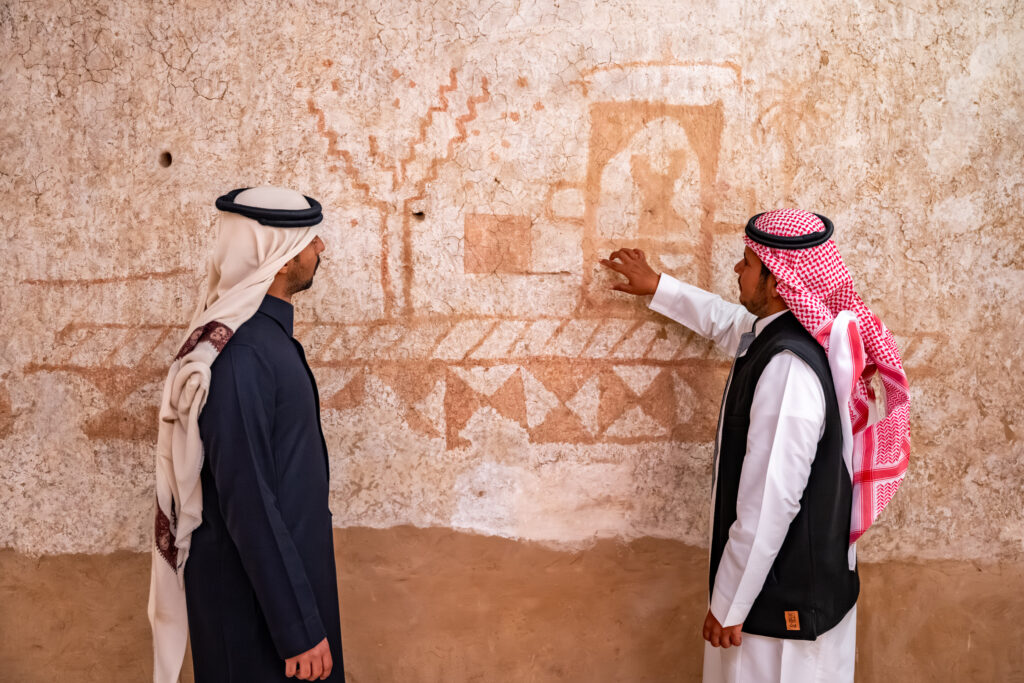
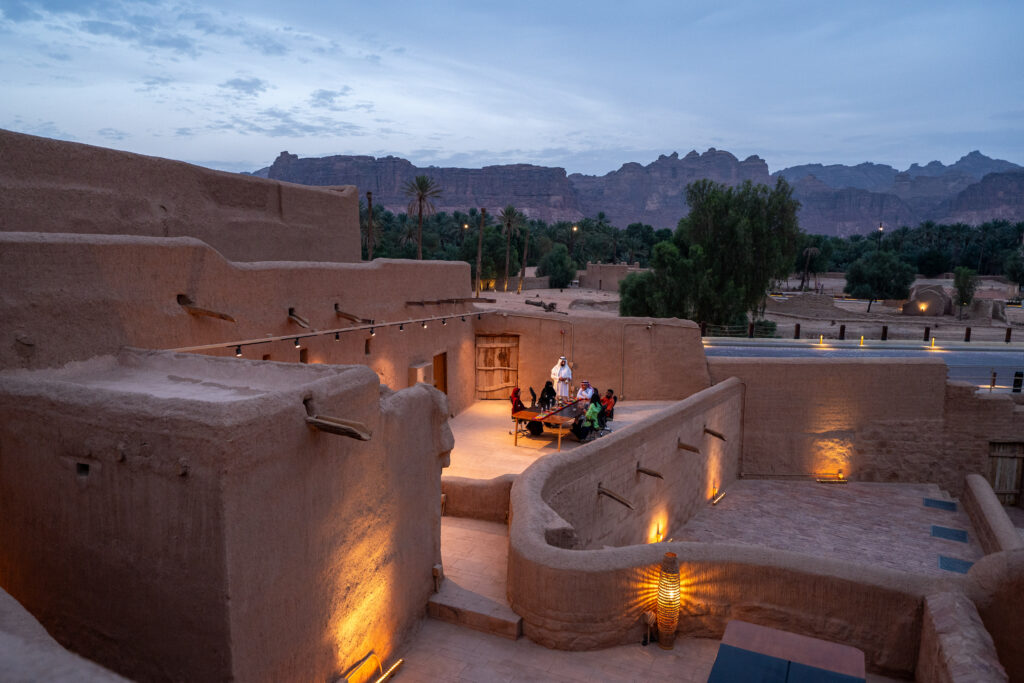
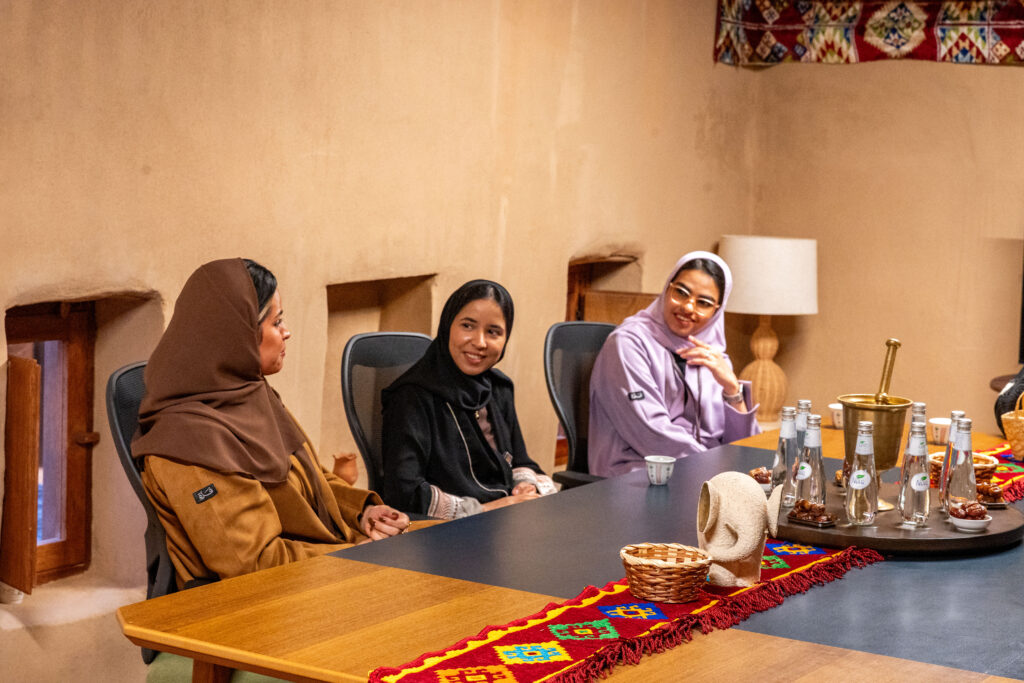
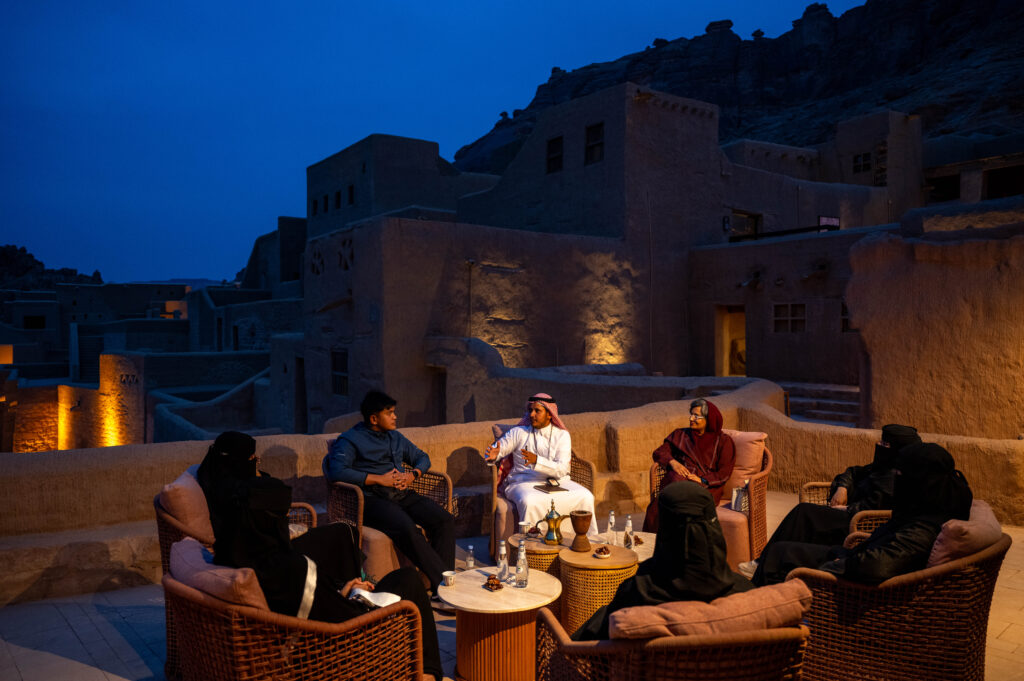
The exhibition “I am a Rawi: Sharing Stories from AlUla” does more than just show faces. It documents an approach: “Qissa bi Qissa,” or “a story for a story.” For two hours, participants and Rawis engage in discussions around objects and stories related to migration, beliefs, and shared cultural experiences. Launched in February 2026 in AlUla, the initiative has already brought together 115 participants from ten countries.
What the press release doesn’t say outright, but what the context makes crystal clear: this exhibition is coming to Paris at the very moment when the question of what artificial intelligence can do—or undo—for cultural transmission is being asked in every newsroom, every museum, and every school. In contrast to algorithmic mediations that personalize the experience without a body or a gaze, AlUla offers the exact opposite. Two hours. Objects. True stories. People looking at one another.
Phillip Jones, Chief Tourism Officer of the Royal Commission for AlUla, cites a study indicating that 79% of travelers today seek immersive cultural experiences. The figure speaks for itself, but Jones’s wording speaks even louder: “At a time when many experiences are shaped by artificial intelligence, the Live Museum model offers an alternative based on authentic encounters. “The ‘Live Museum’ is UNESCO’s approach that places people at the heart of heritage interpretation. AlUla’s Rawis are now the first certified practitioners of this approach in Saudi Arabia.”
In 2025, six of them participated in UNESCO’s first Intercultural Training Week in Paris, alongside representatives from six global cultural institutions. They returned as trainers, contributing to an online training program for Live Museum facilitators. This cycle—being trained, becoming a trainer, and passing on the knowledge in turn—is precisely what the Rawis have been doing for generations in the oasis, even before a royal commission defined its parameters.
The exhibition is free and on display on the exterior railings of UNESCO headquarters, 7 Place de Fontenoy, Paris 7th arrondissement. It runs through August 31, 2026. AlUla is accessible from Paris via Riyadh or by direct flight from certain European cities. The future Incense Route Museum, whose vision is foreshadowed by the Rawis program, does not yet have an announced opening date.
To learn more about AlUla, visit www.experiencealula.com
Cette publication est également disponible en :

