
On 26 July 2026, UNESCO inscribed the ancient capitals of Asuka and Fujiwara on the World Heritage List. Behind the archaeological recognition, a more intimate question arises for the traveller: what if the truest Japan were neither Kyoto nor Tokyo, but this village of rice fields where everything began?
Japan before Japan
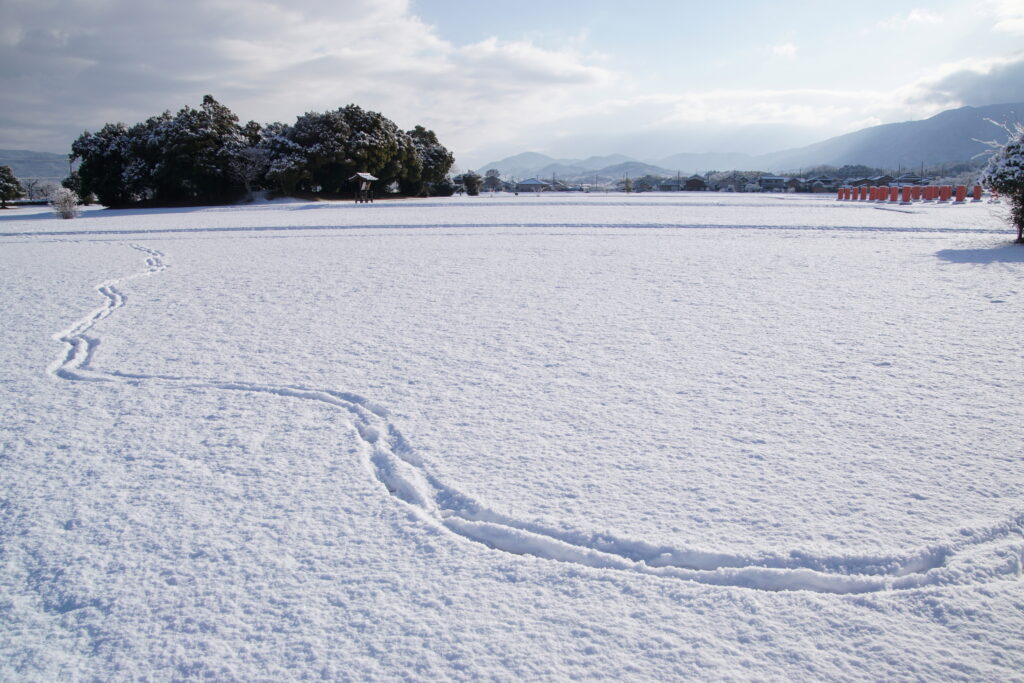
Long before Kyoto became the seat of the imperial court, long before even Nara, it was at Asuka that the country’s political and religious birth was played out. Between 588 and 710, across two successive capitals, Asuka and then Fujiwara, Buddhism took root in the archipelago, a centralised administration took shape, and the foundations of the Japanese state were laid. The UNESCO-listed site brings together nineteen component parts: remains of palaces, government offices, Buddhist temples and burial mounds, which together document this founding shift.
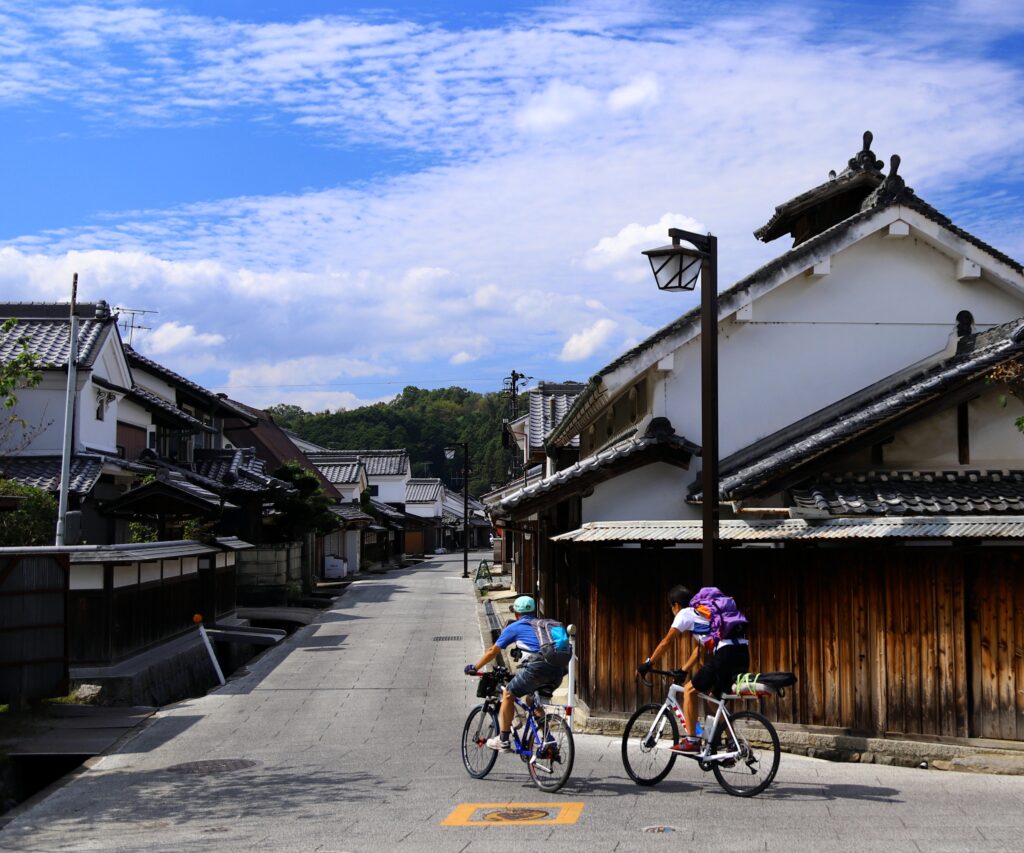
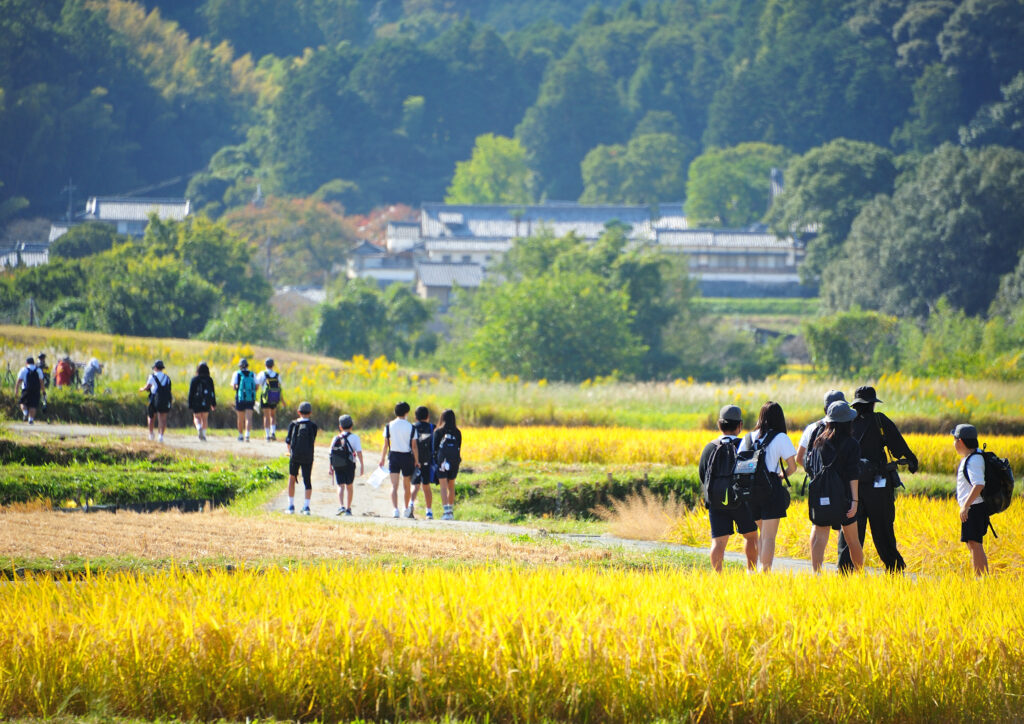
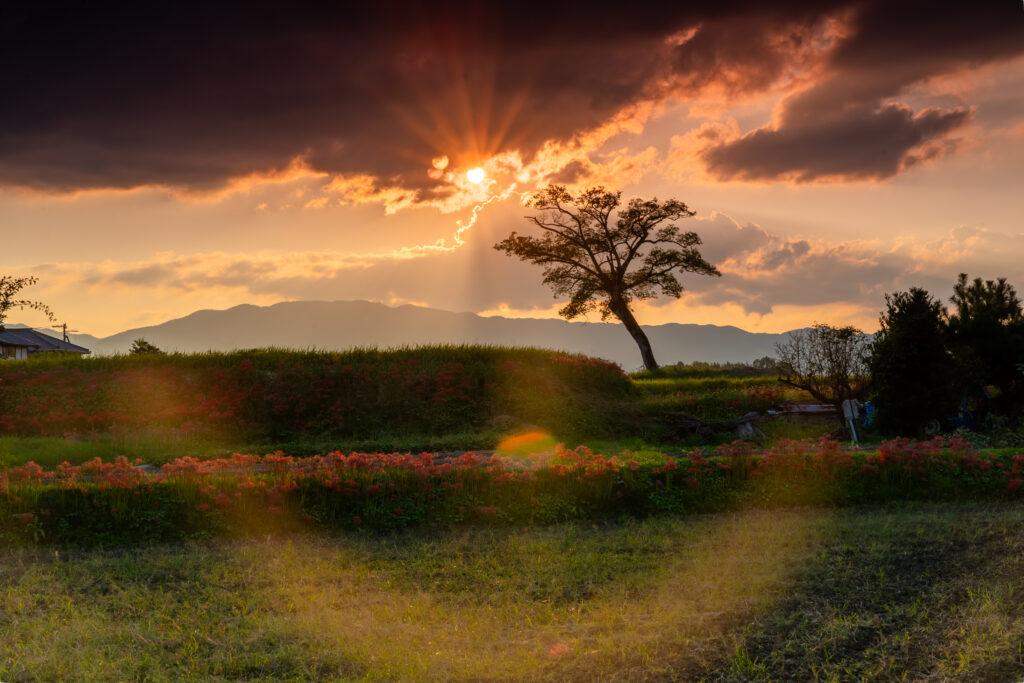
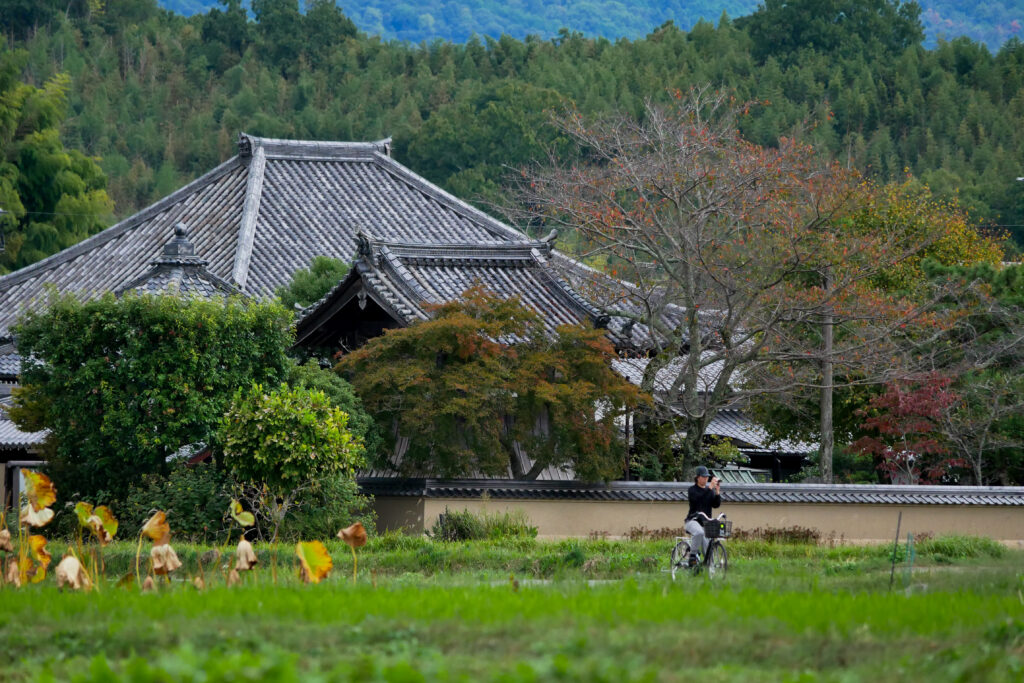
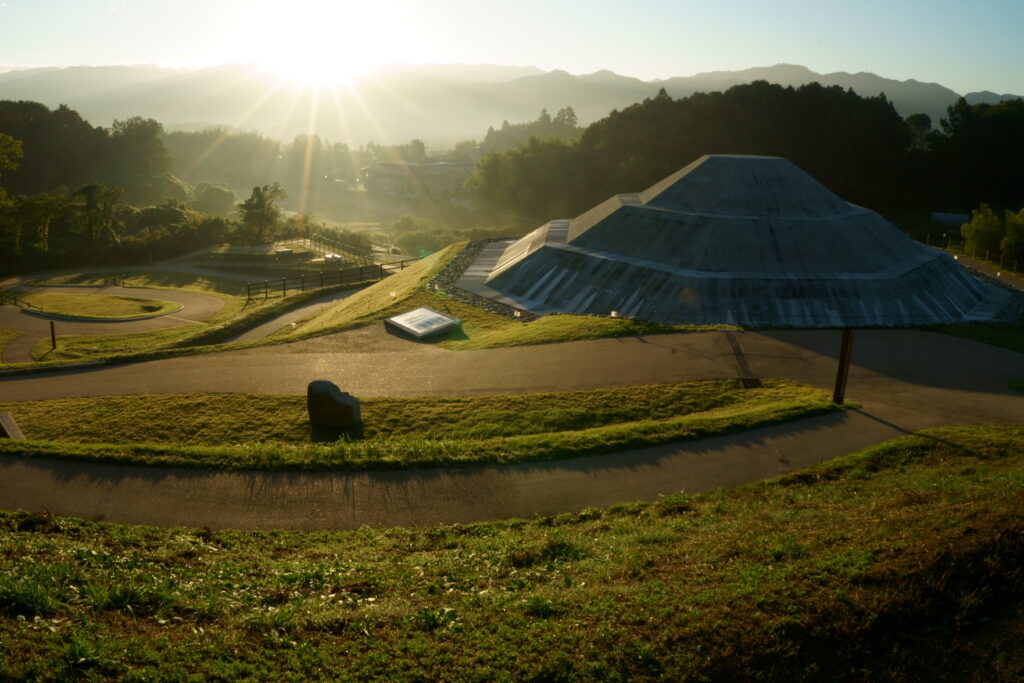
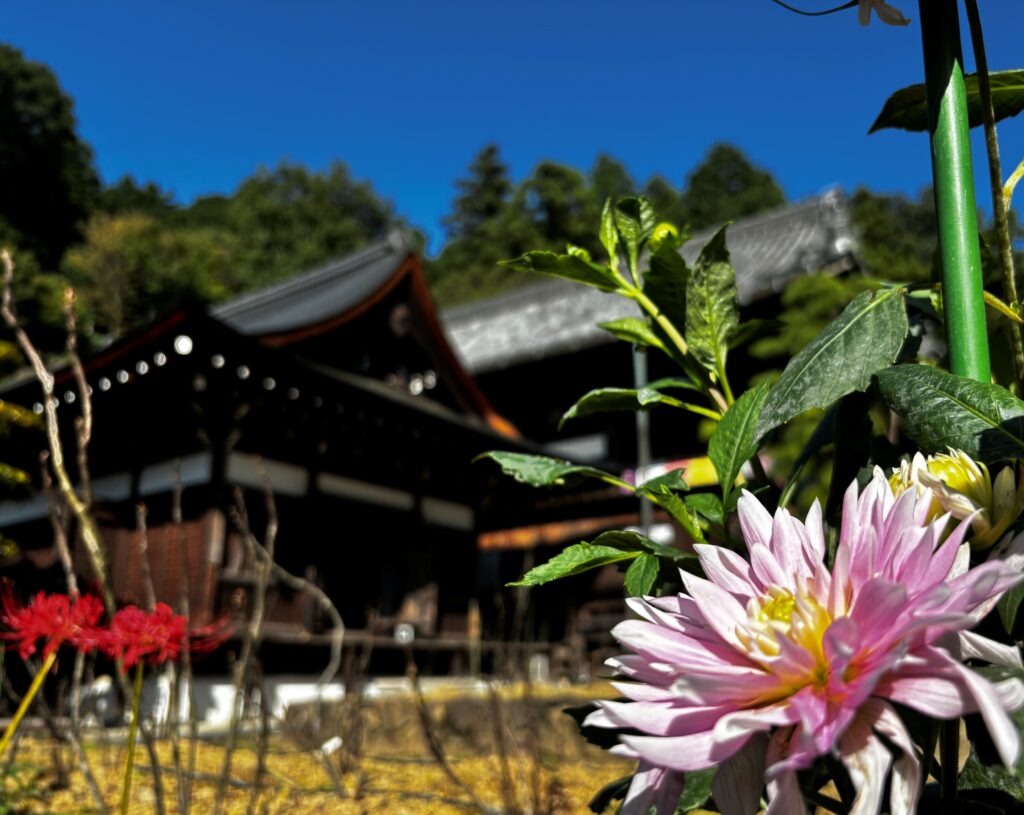
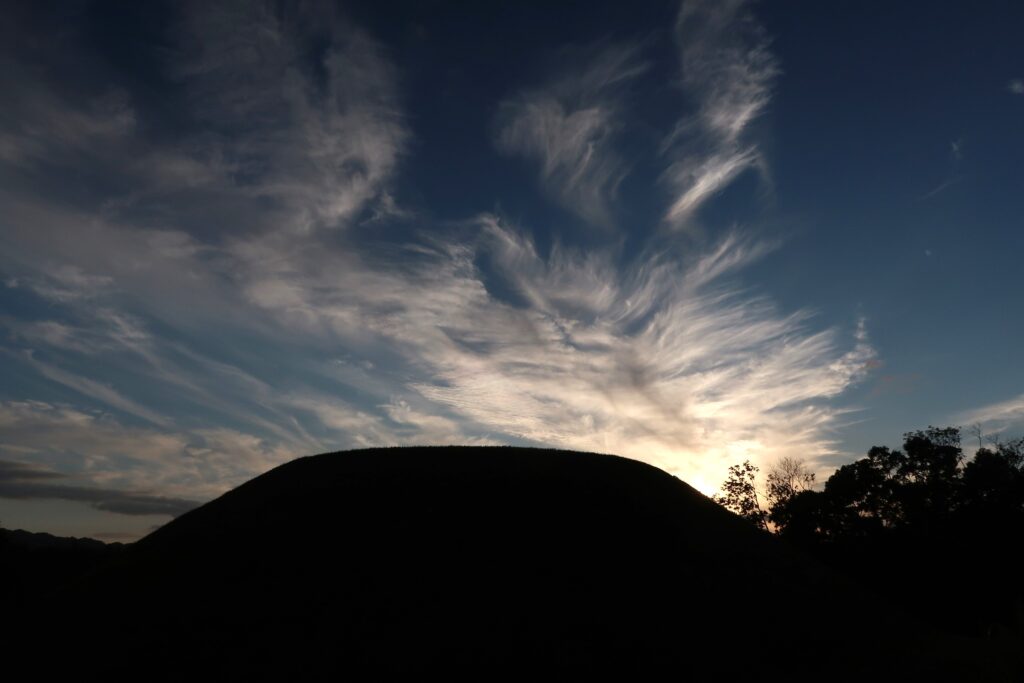
Among them, the Asuka-dera temple, the first Buddhist building constructed in Japan, marks the entry of a religion from the continent into the political fabric of the archipelago. The Ishibutai tumulus, an imposing keyhole-shaped megalithic tomb, illustrates for its part the funerary practices of an emerging aristocracy. These remains, now accessible on foot or by bicycle, allow something rare: to walk literally in the footsteps of Japan’s first rulers and craftsmen, in a rural landscape that has remained almost intact for thirteen centuries.
A living village, not a museum
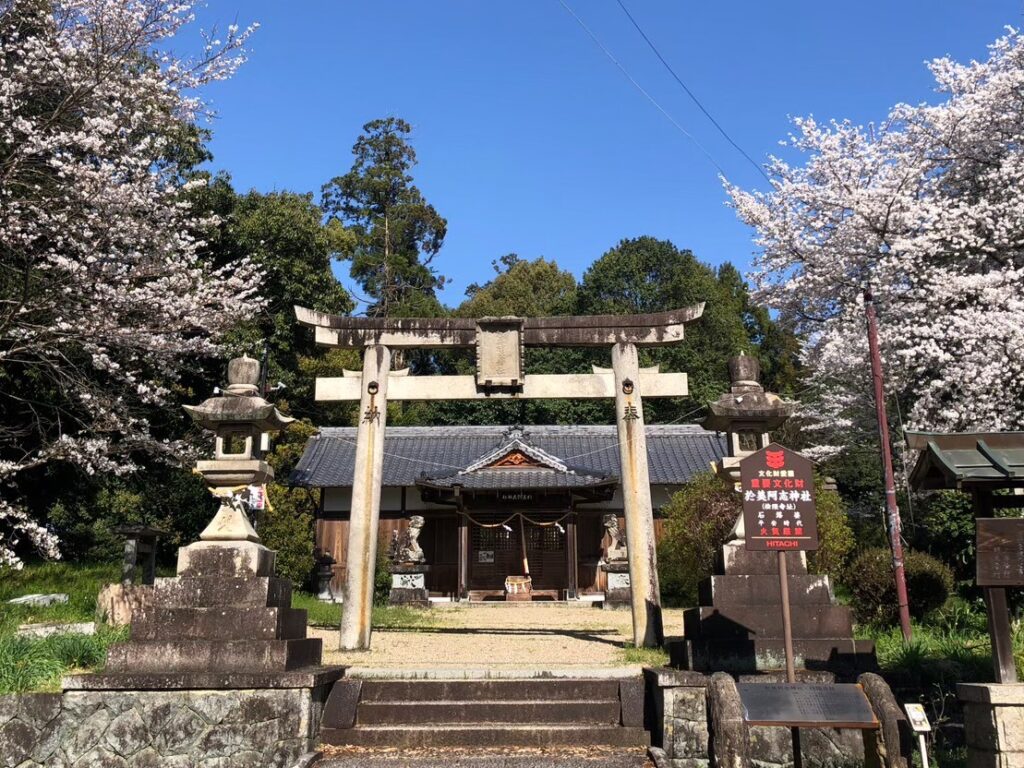
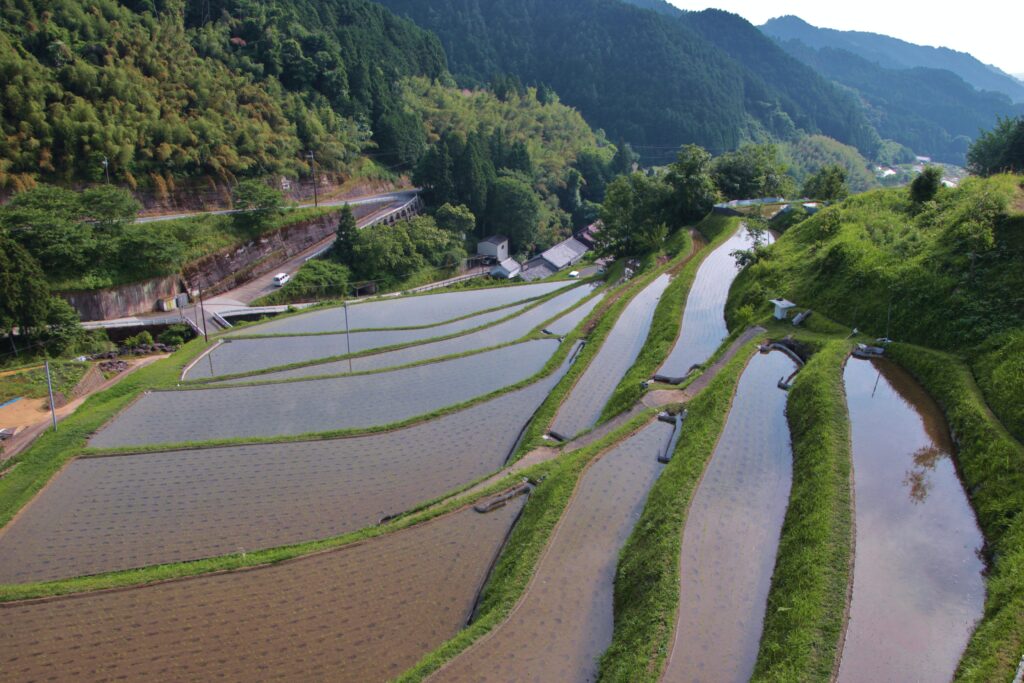
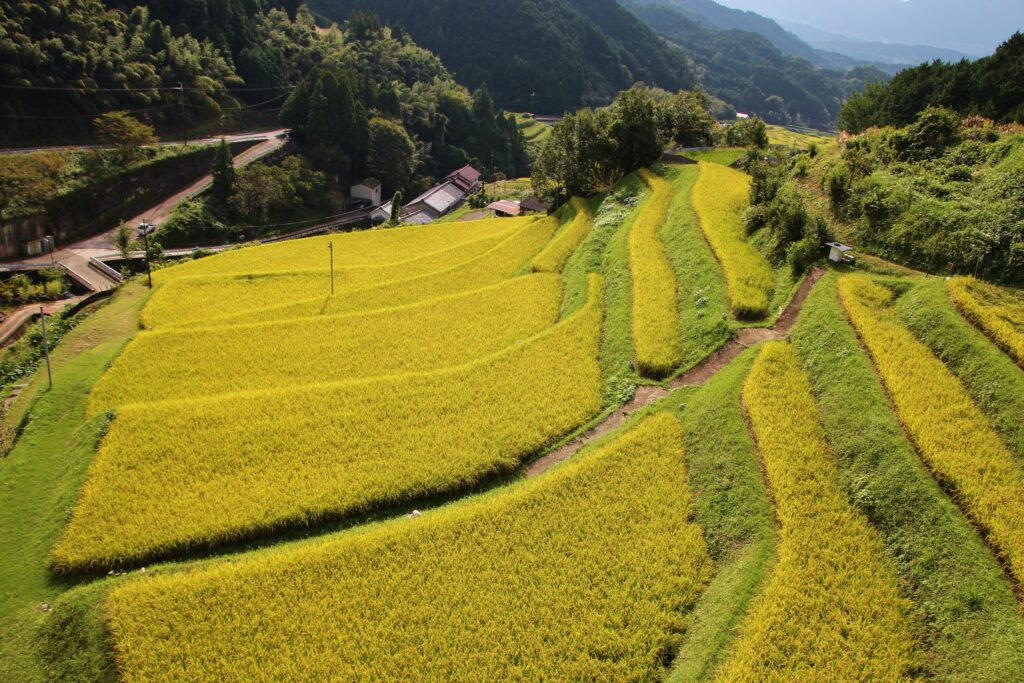
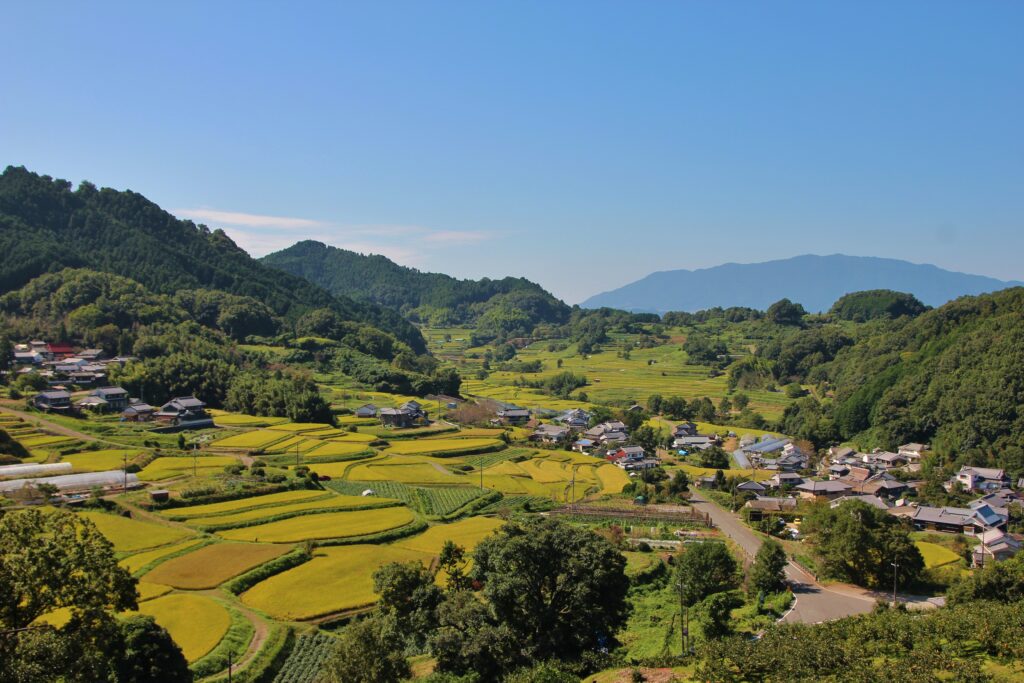
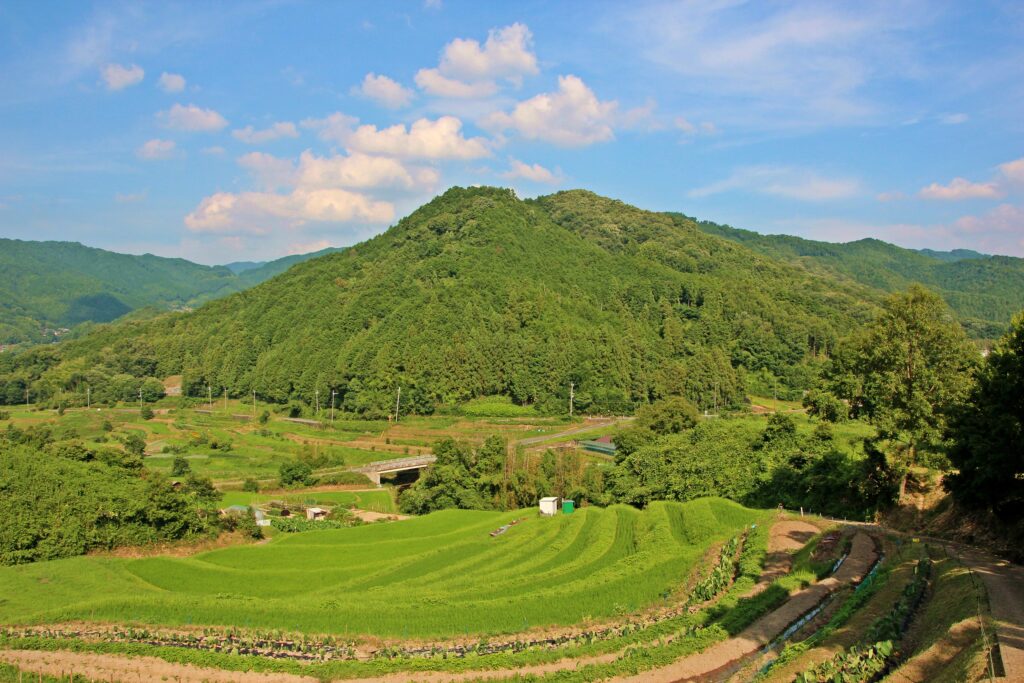
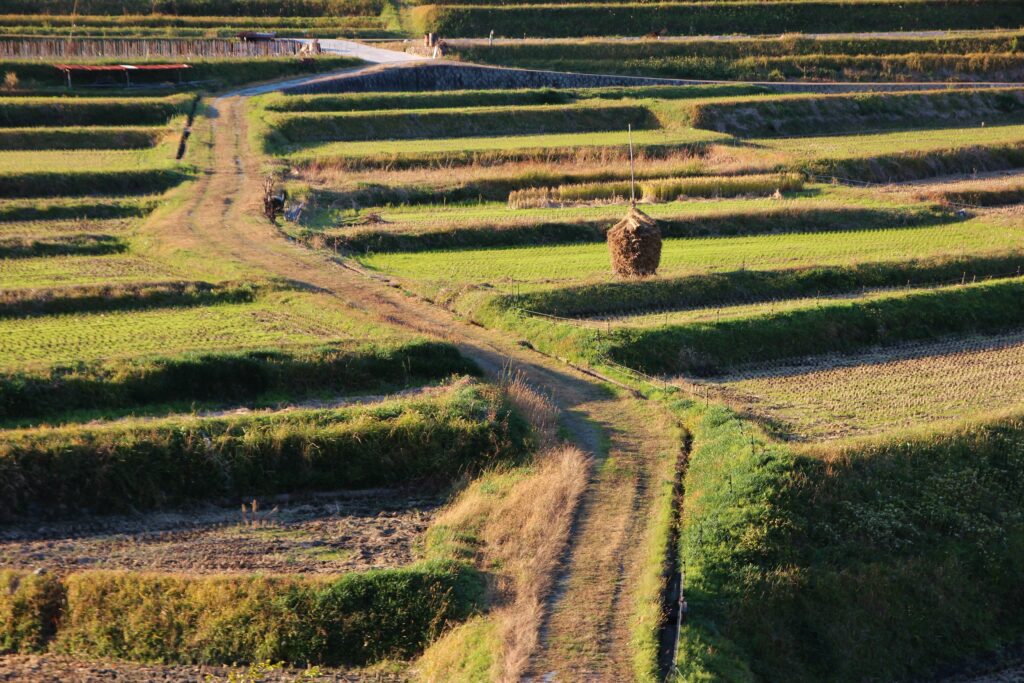
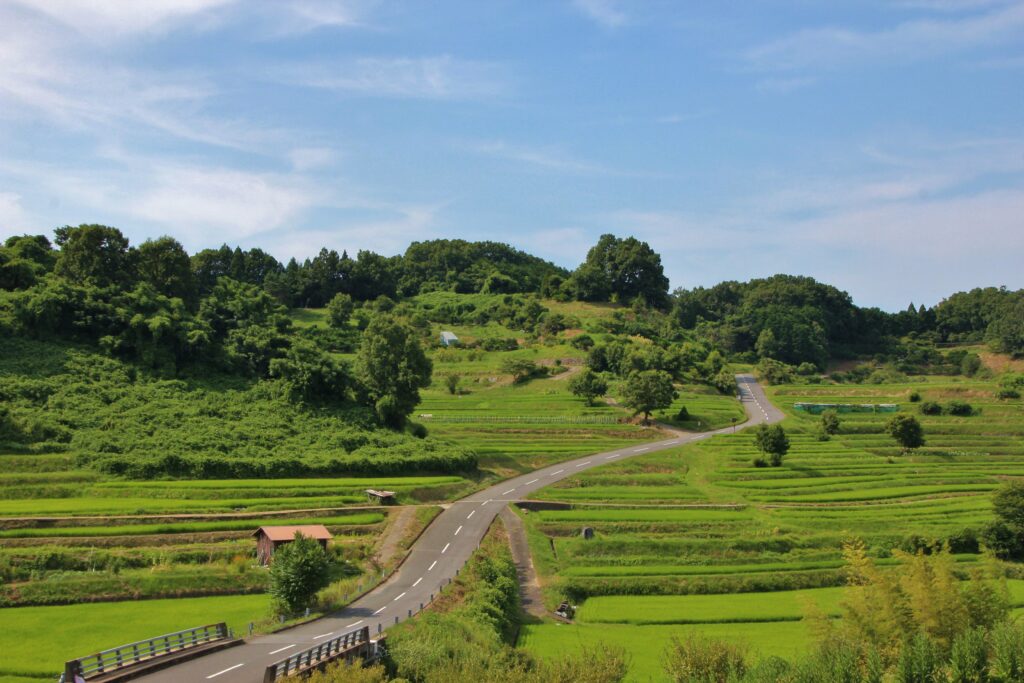
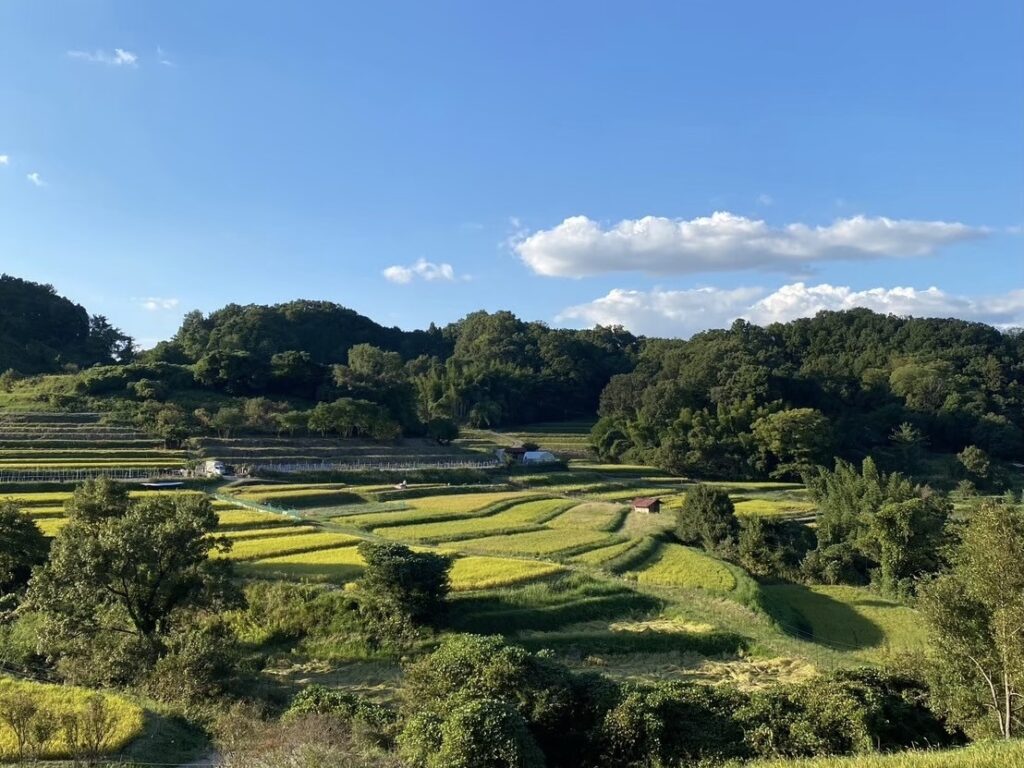
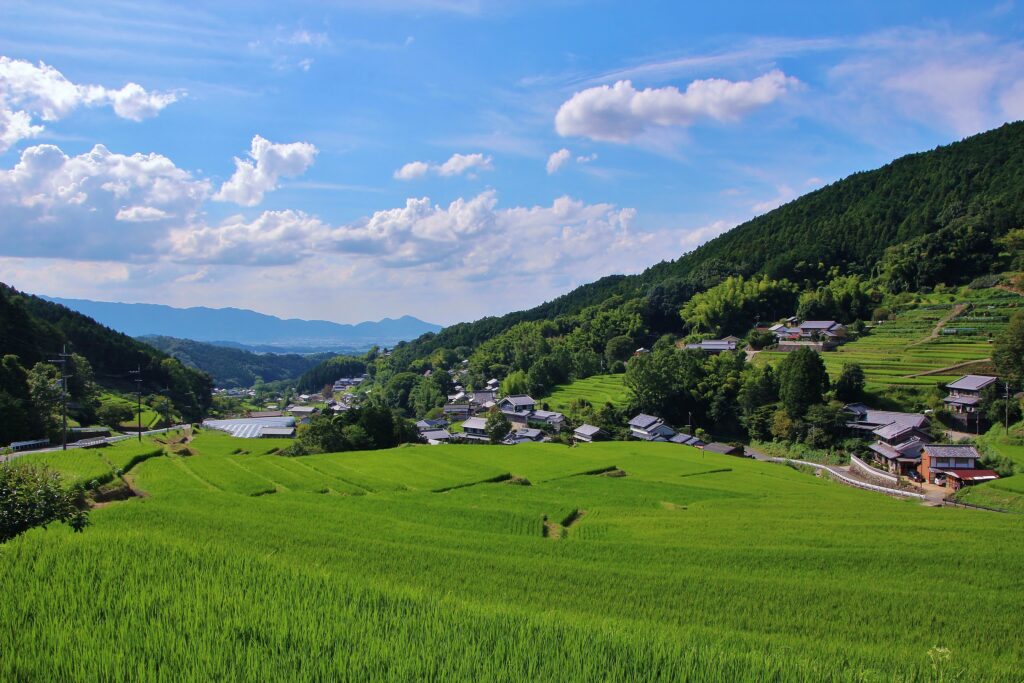
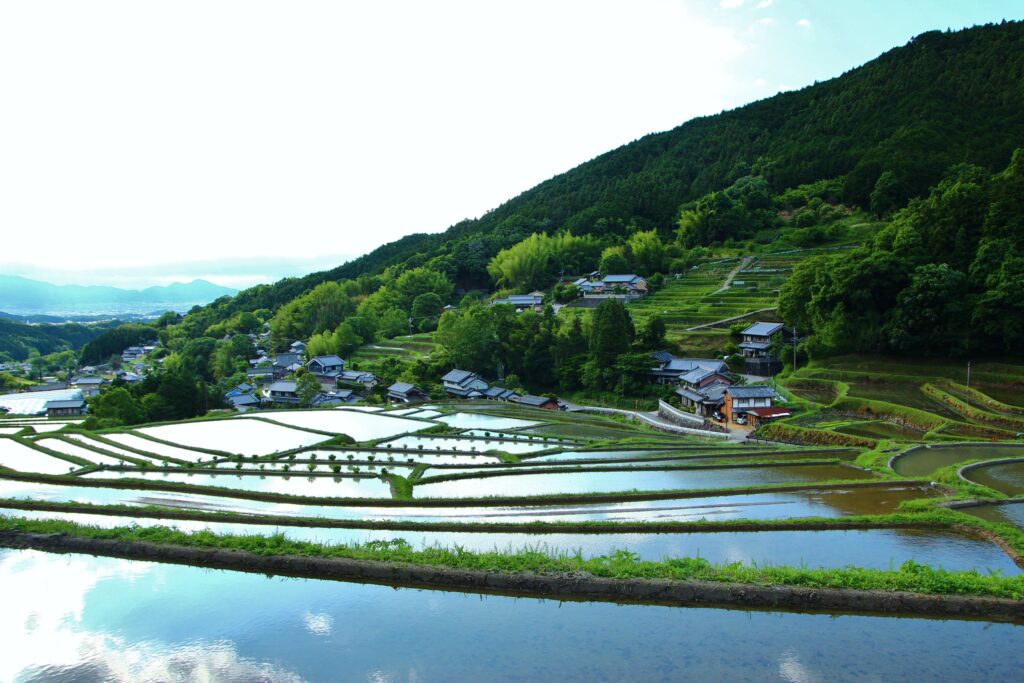
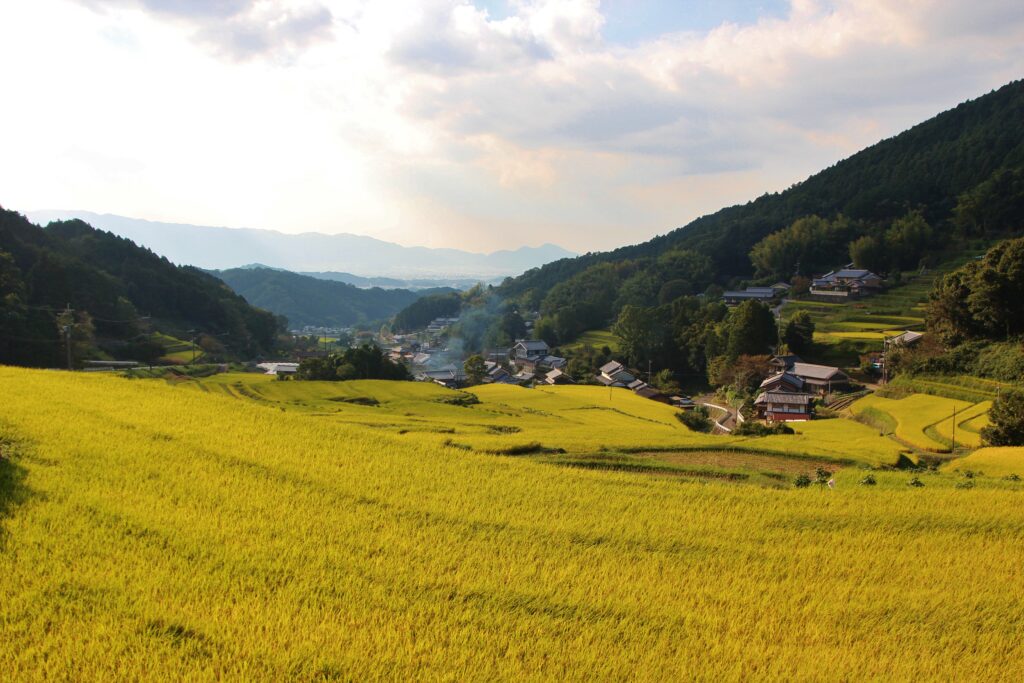
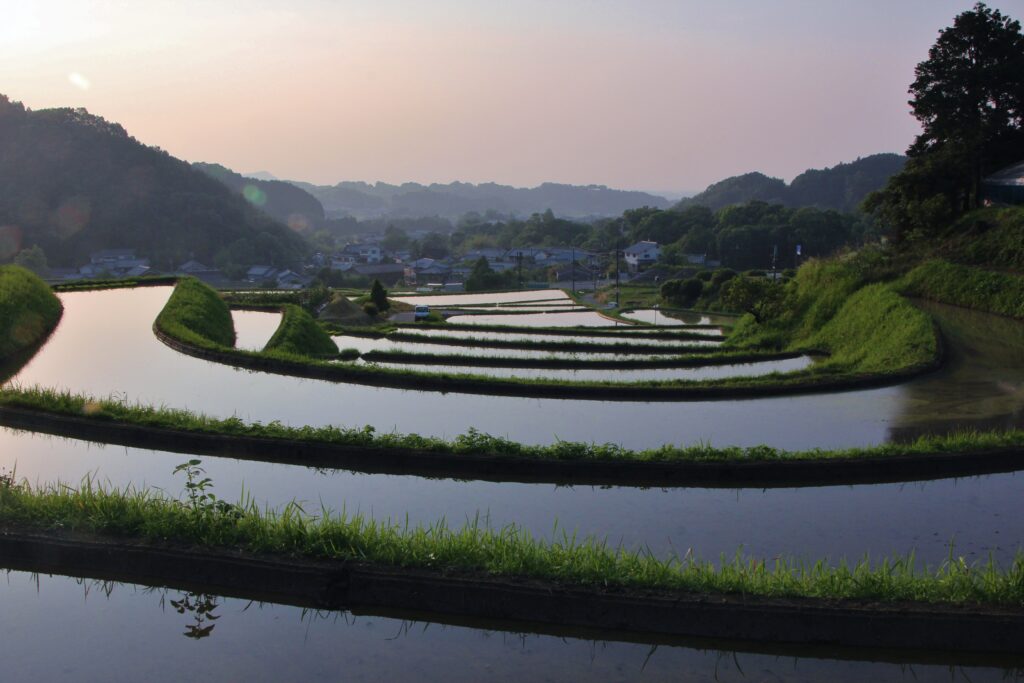
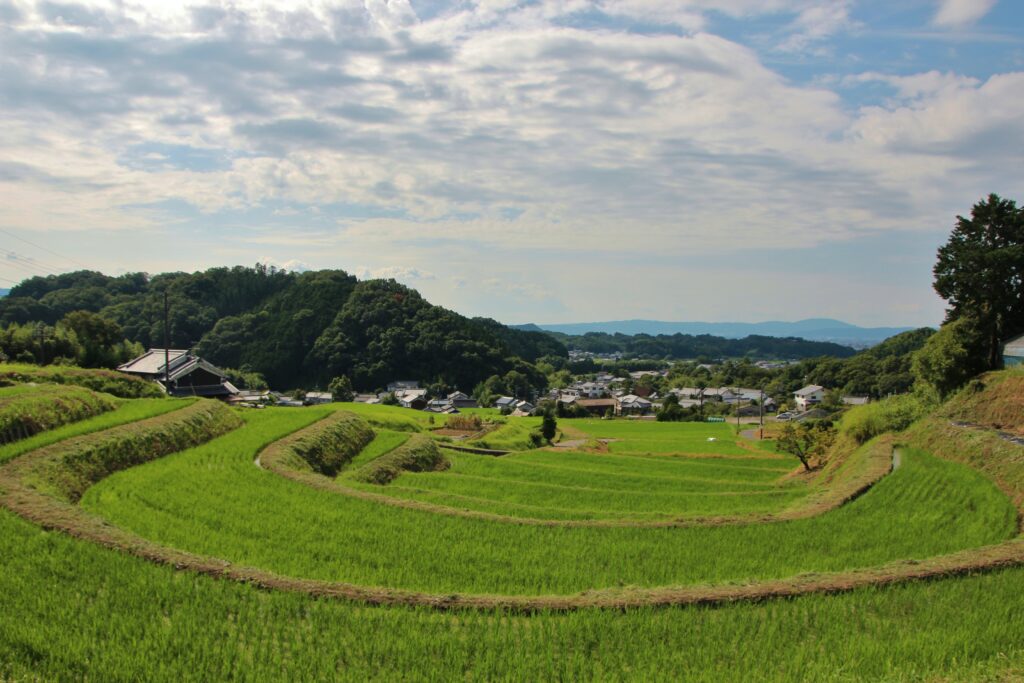
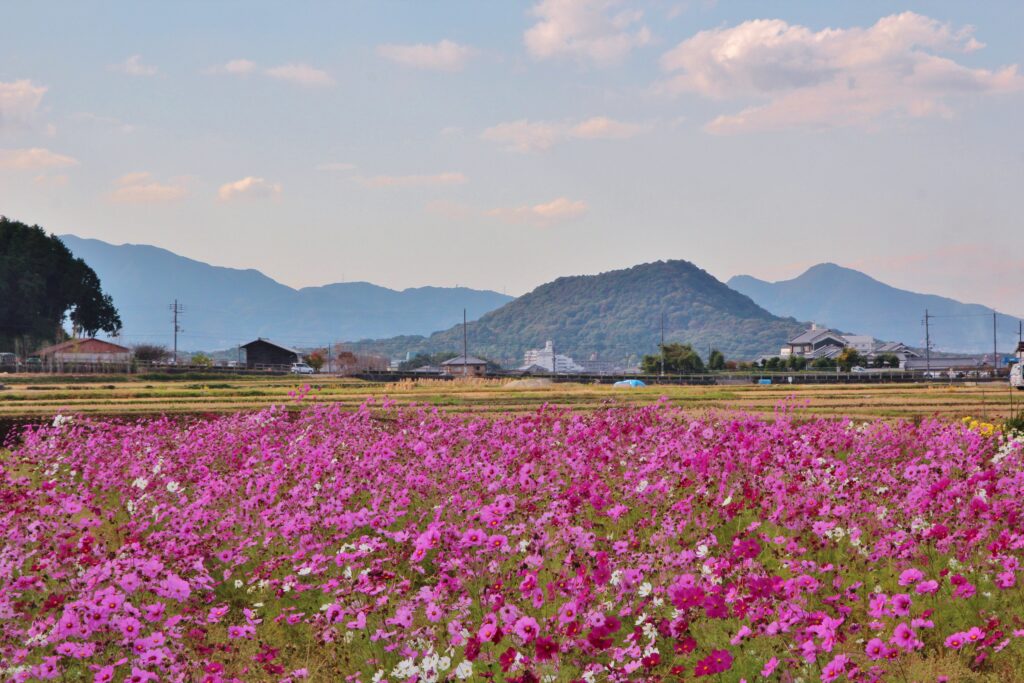
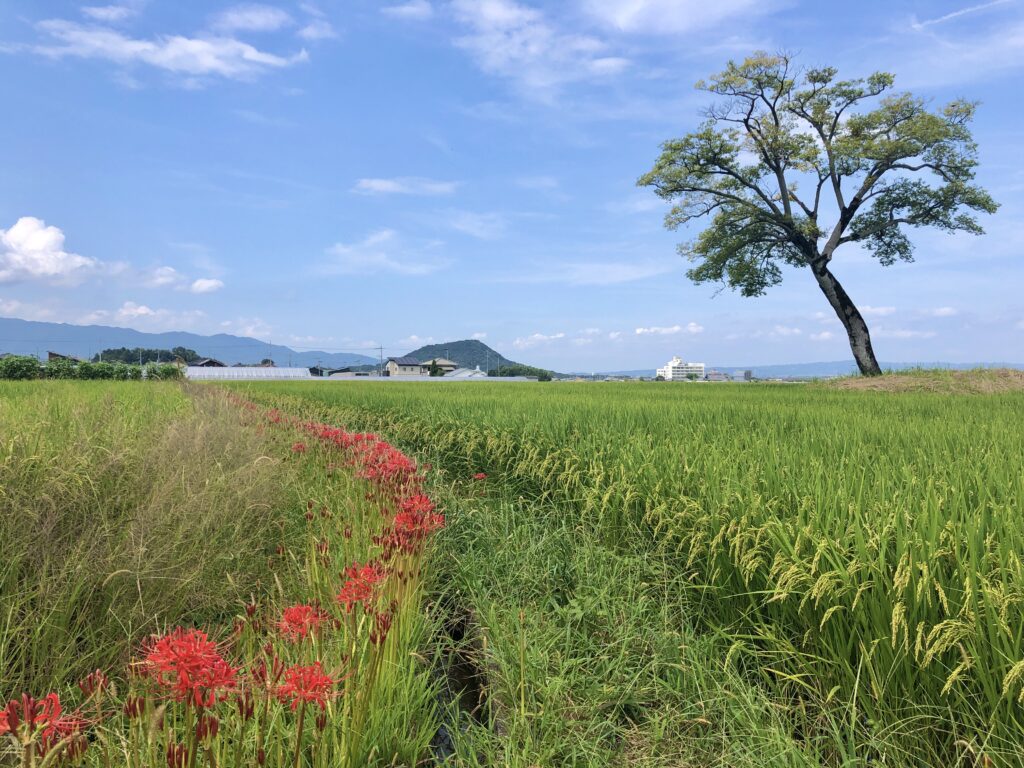
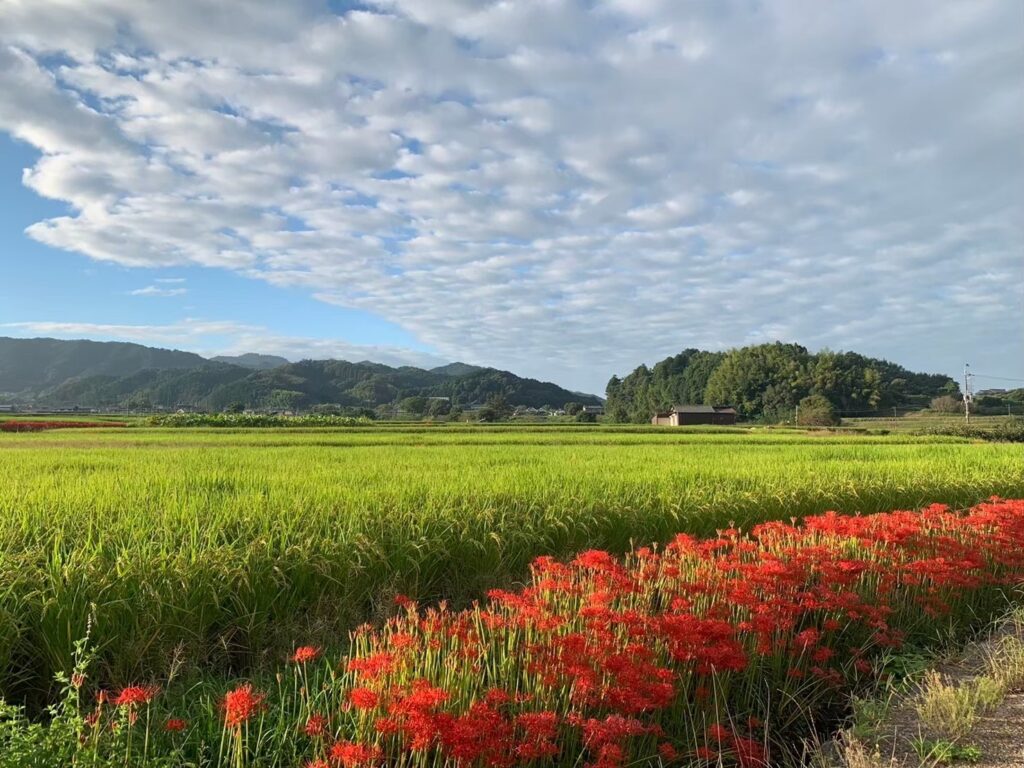
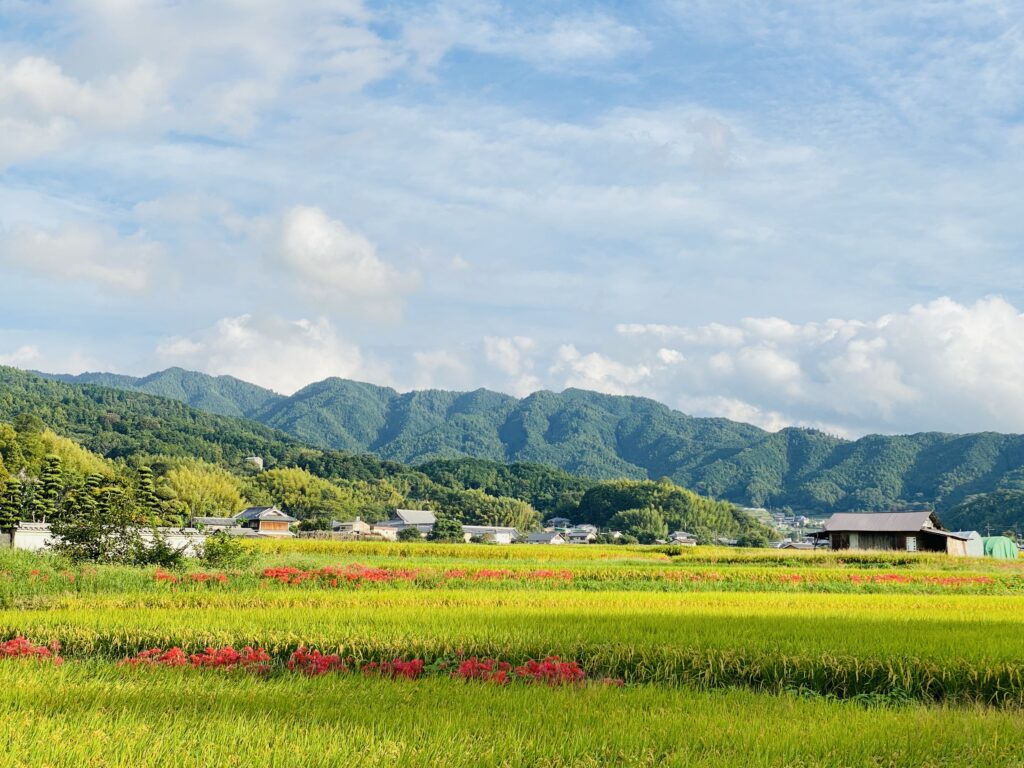
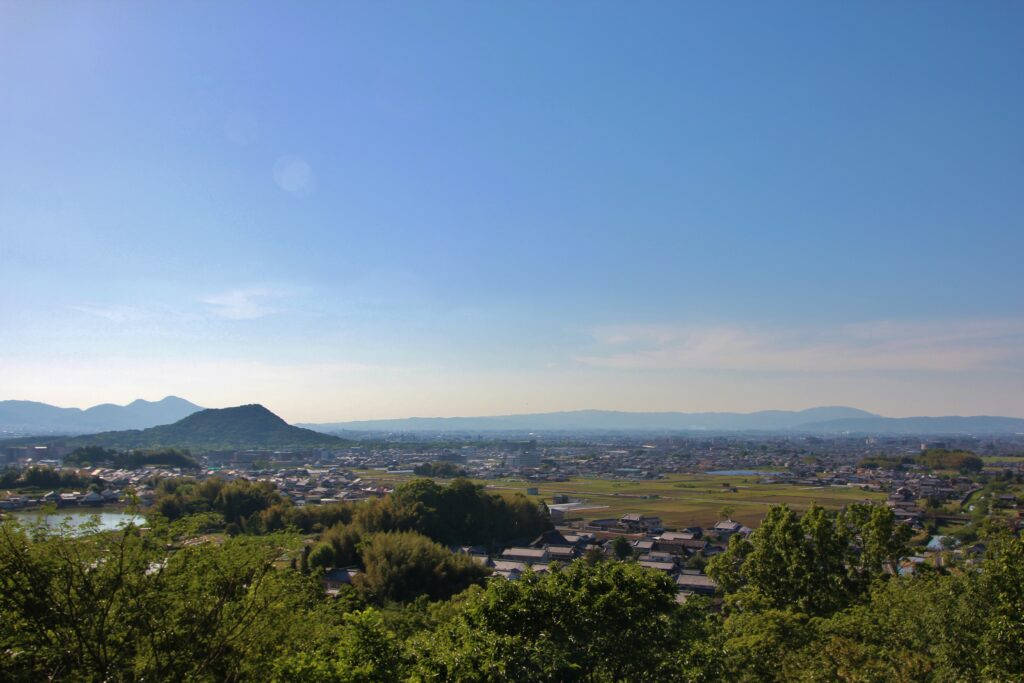
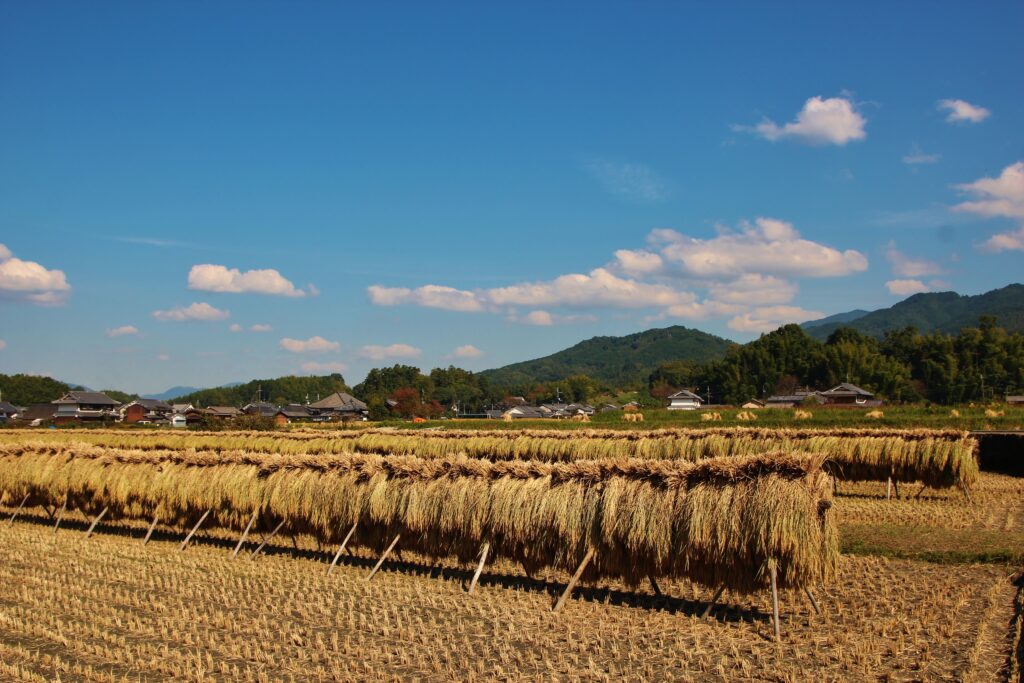
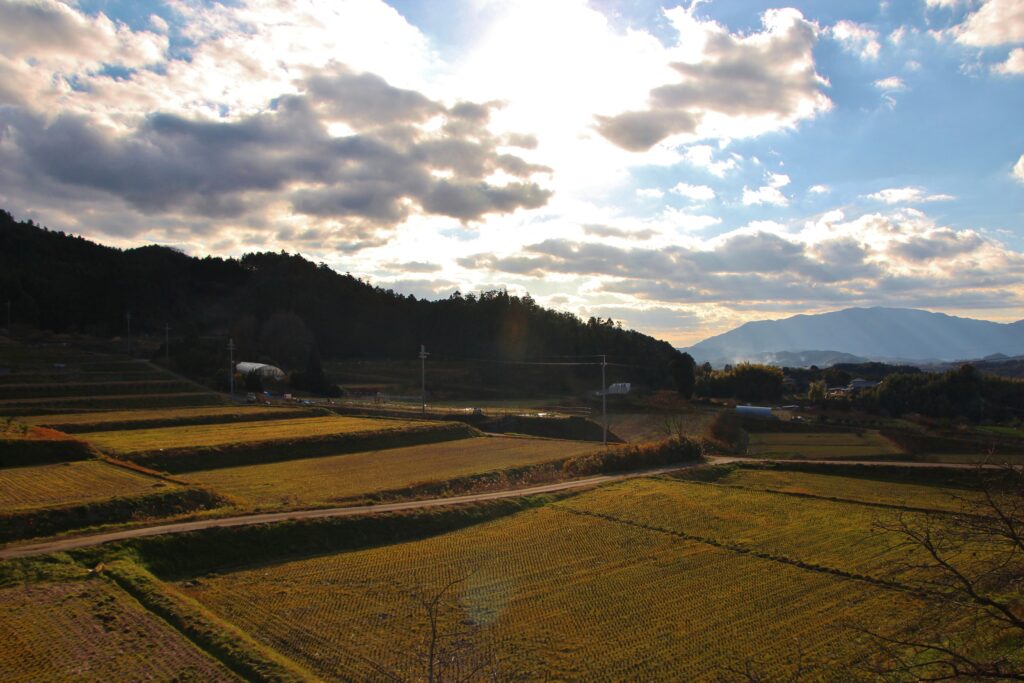
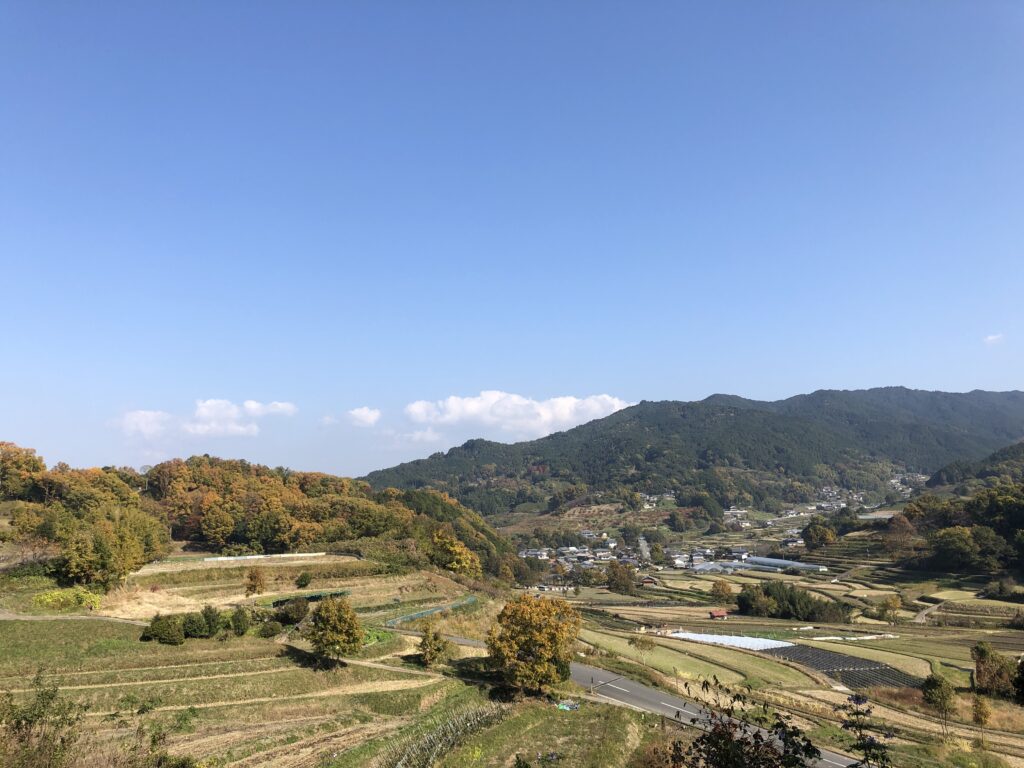
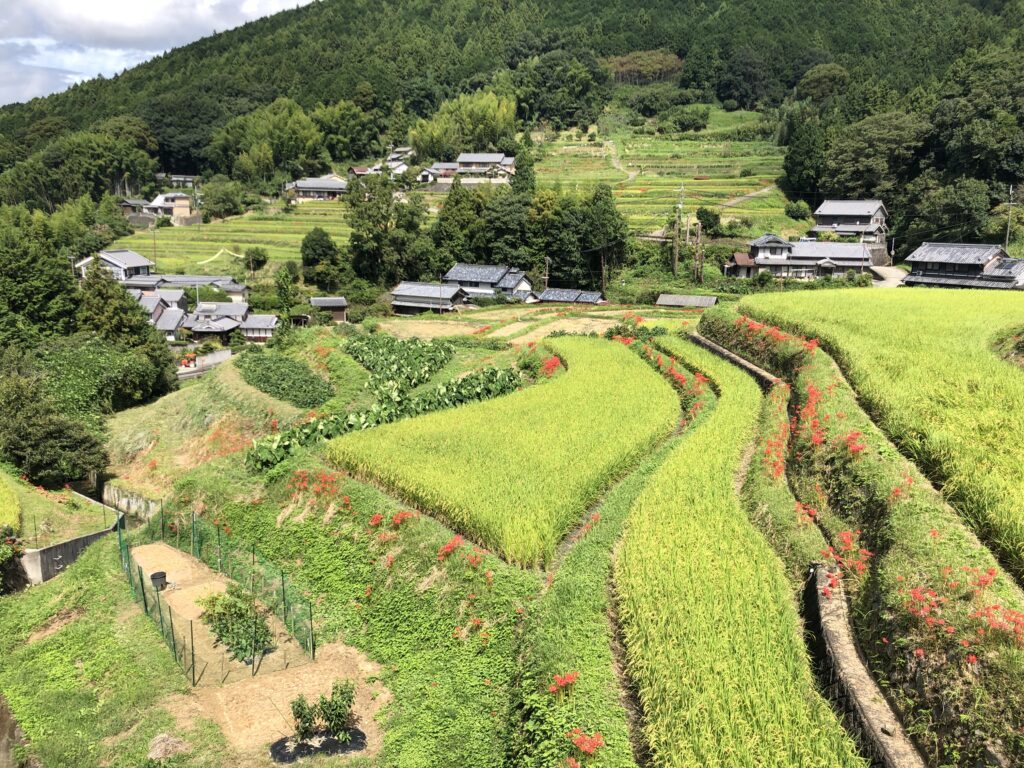
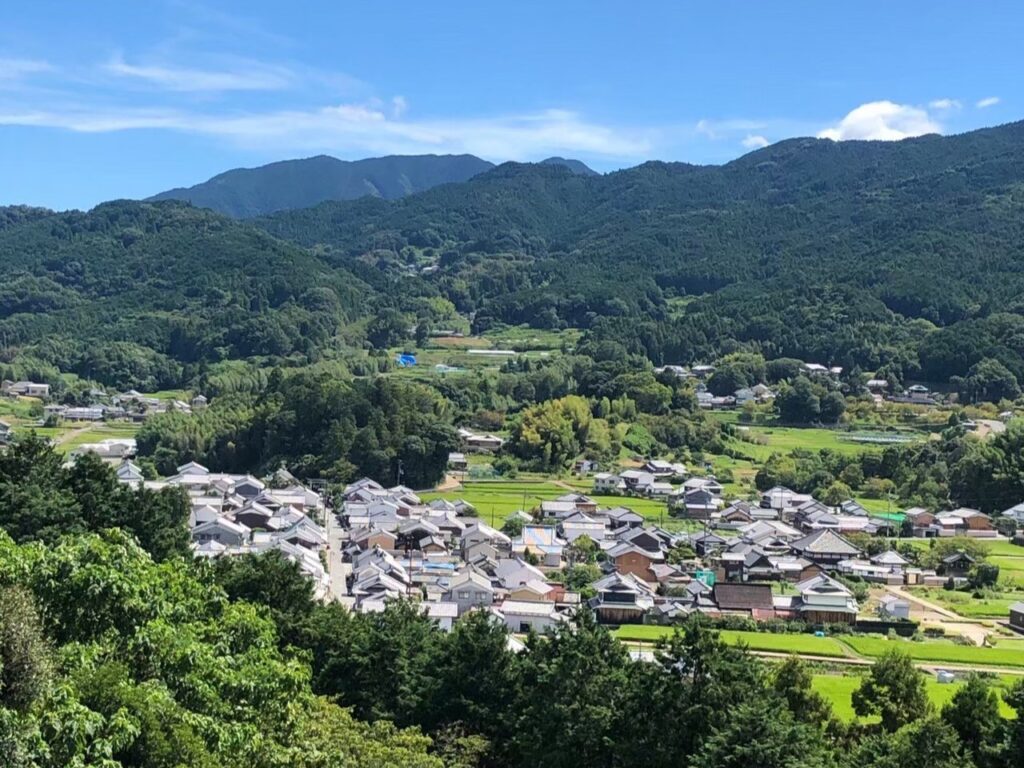
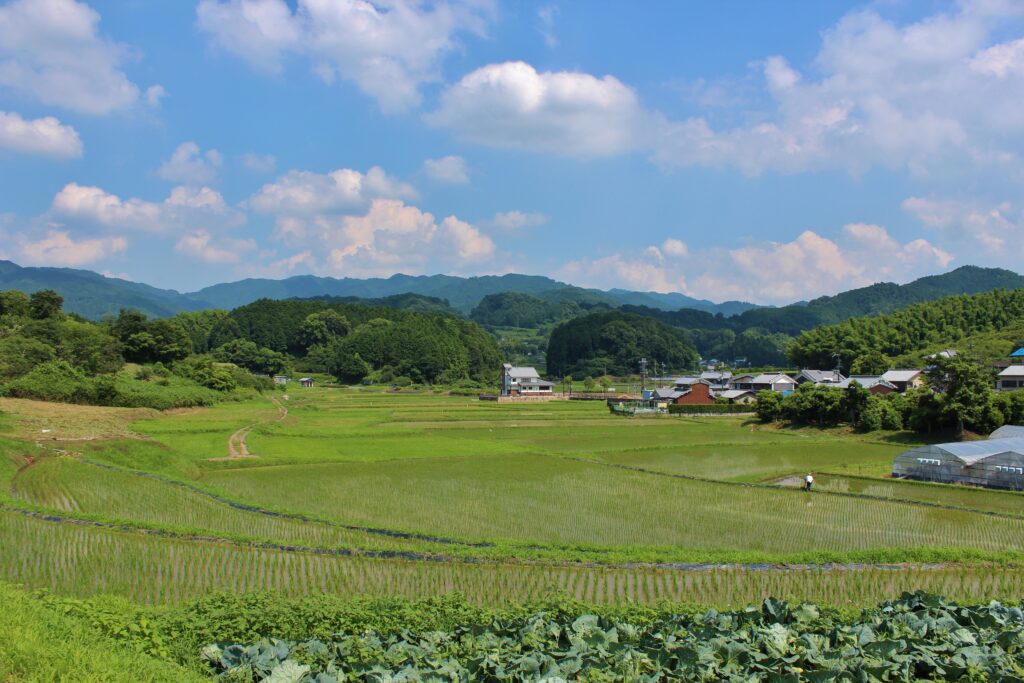
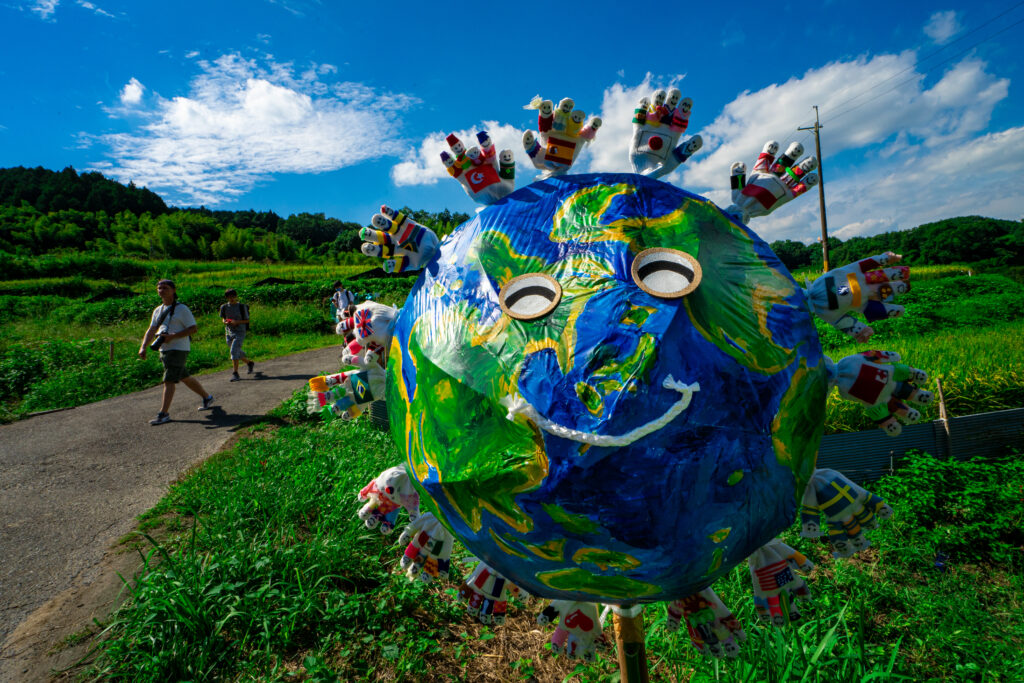
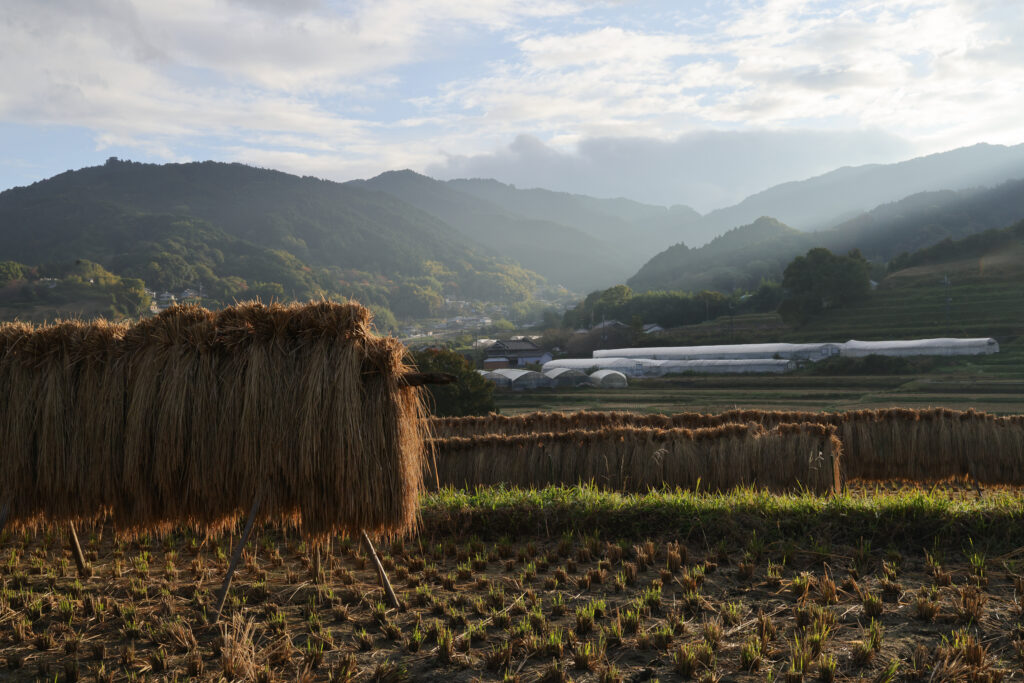
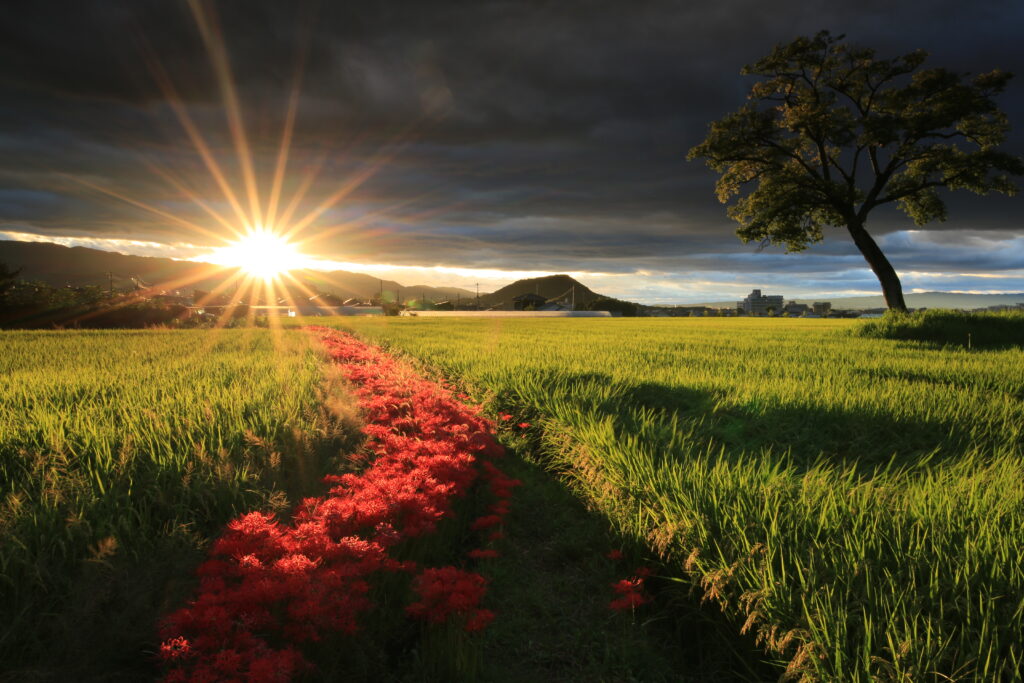
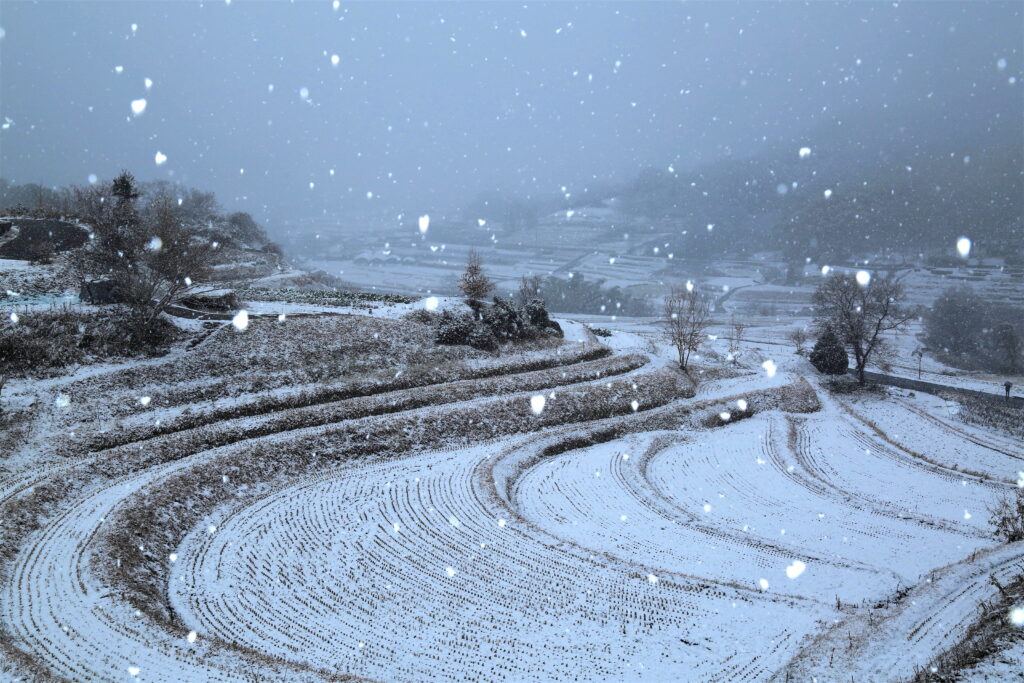
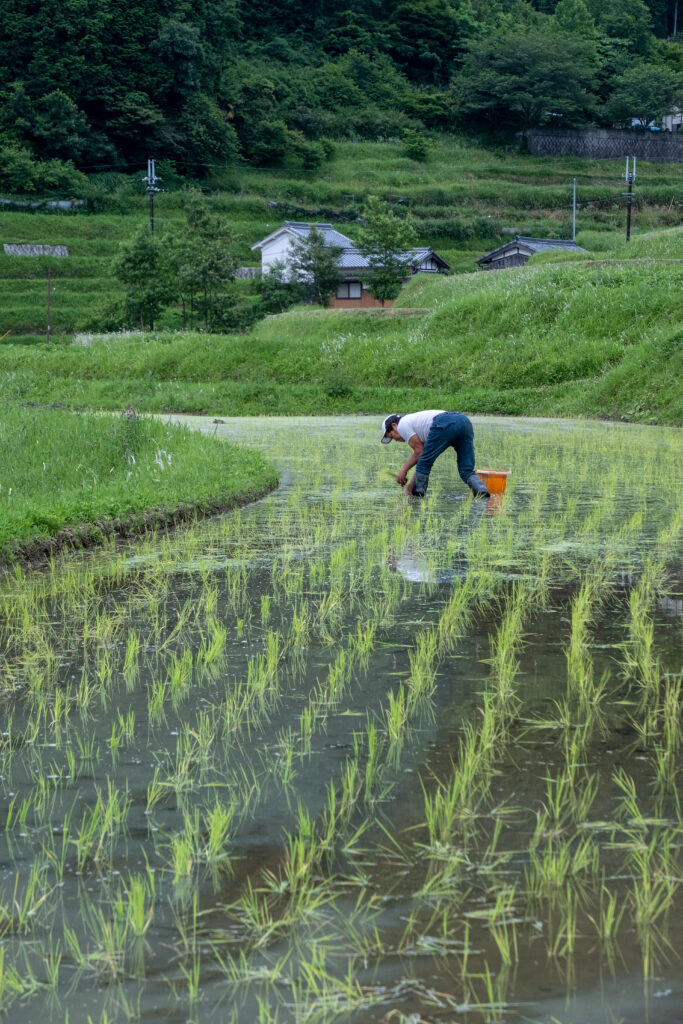
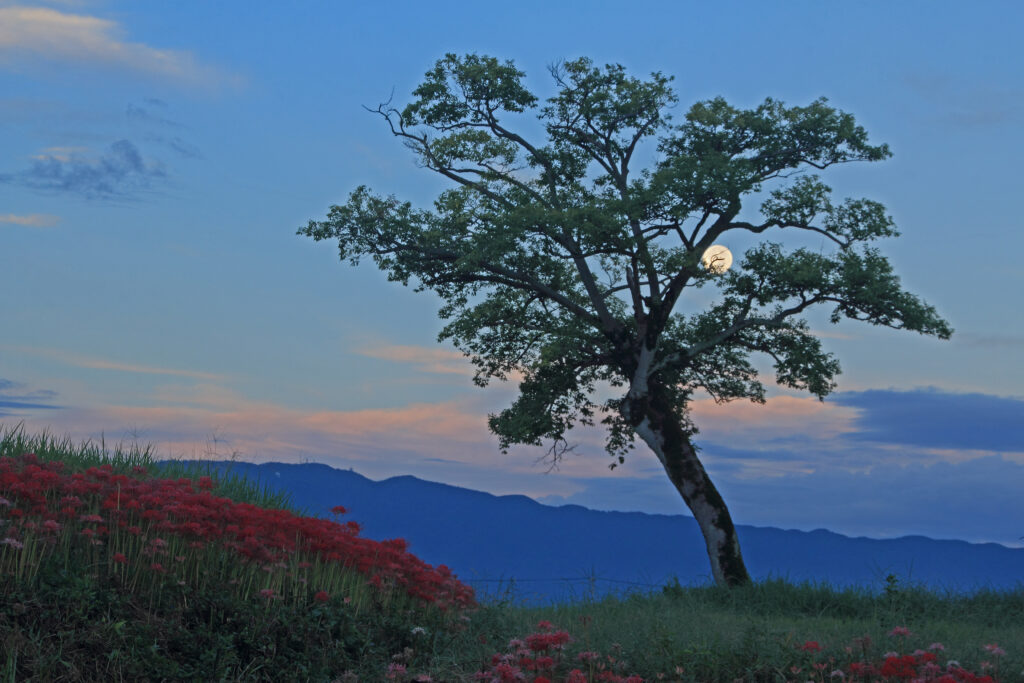
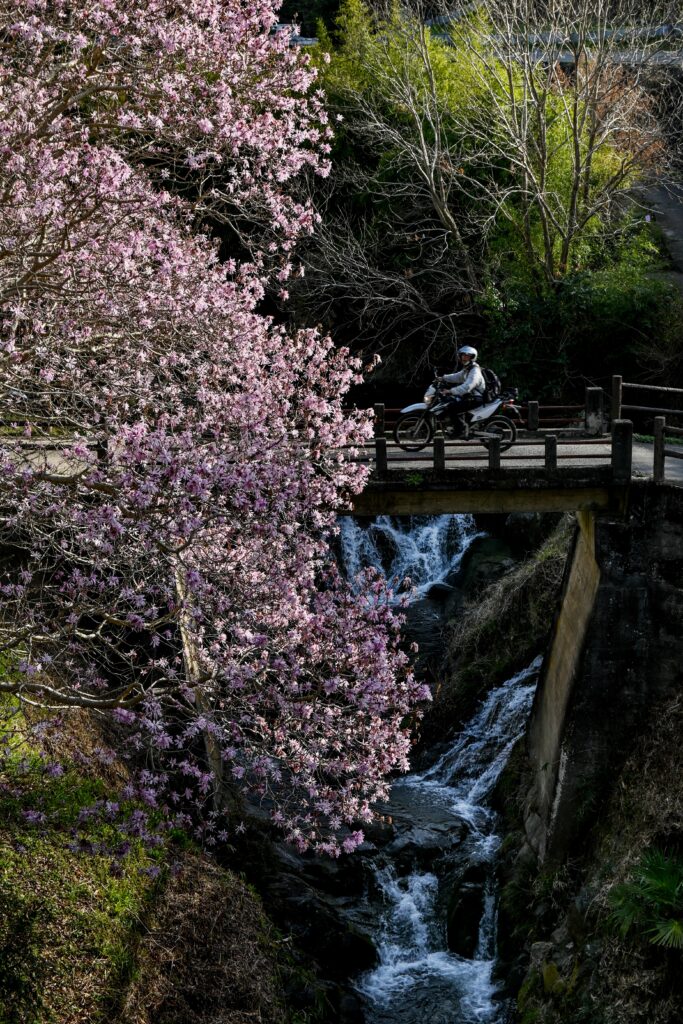
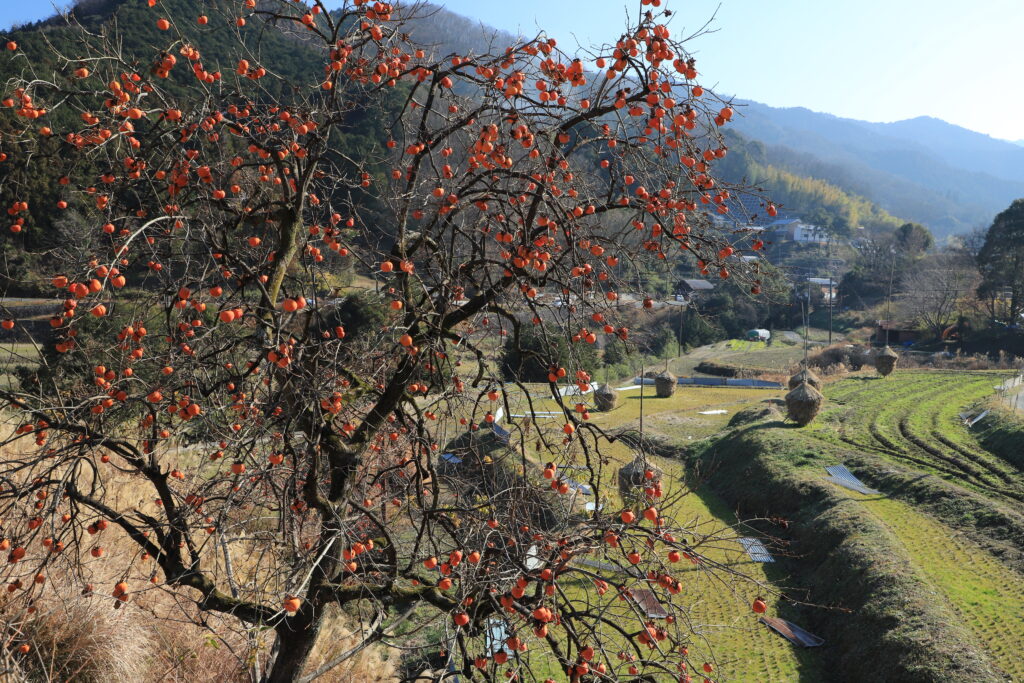
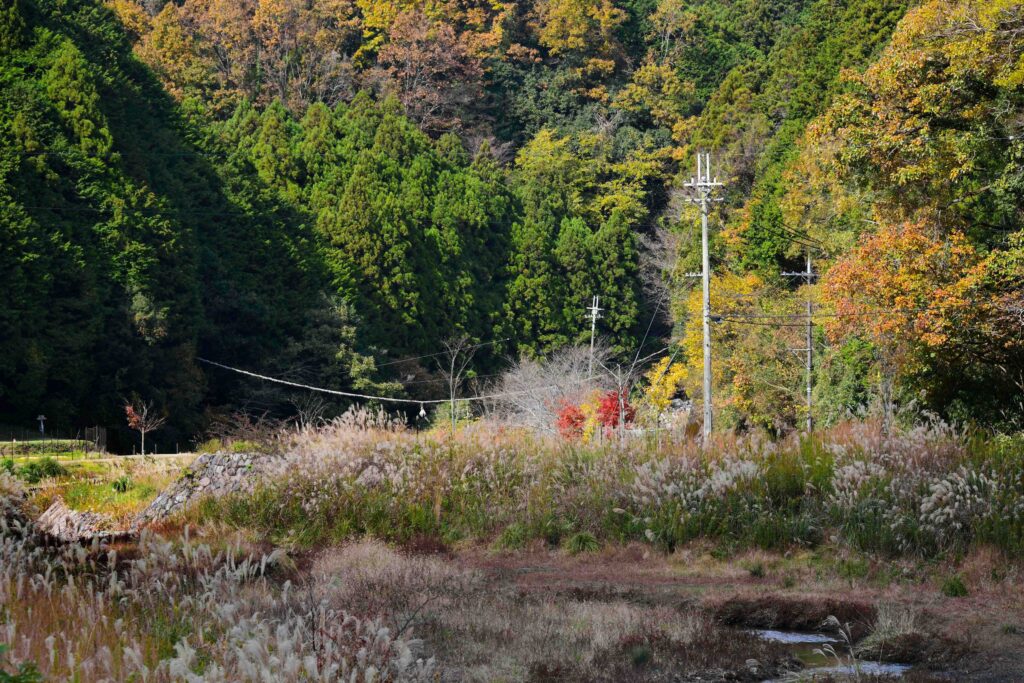
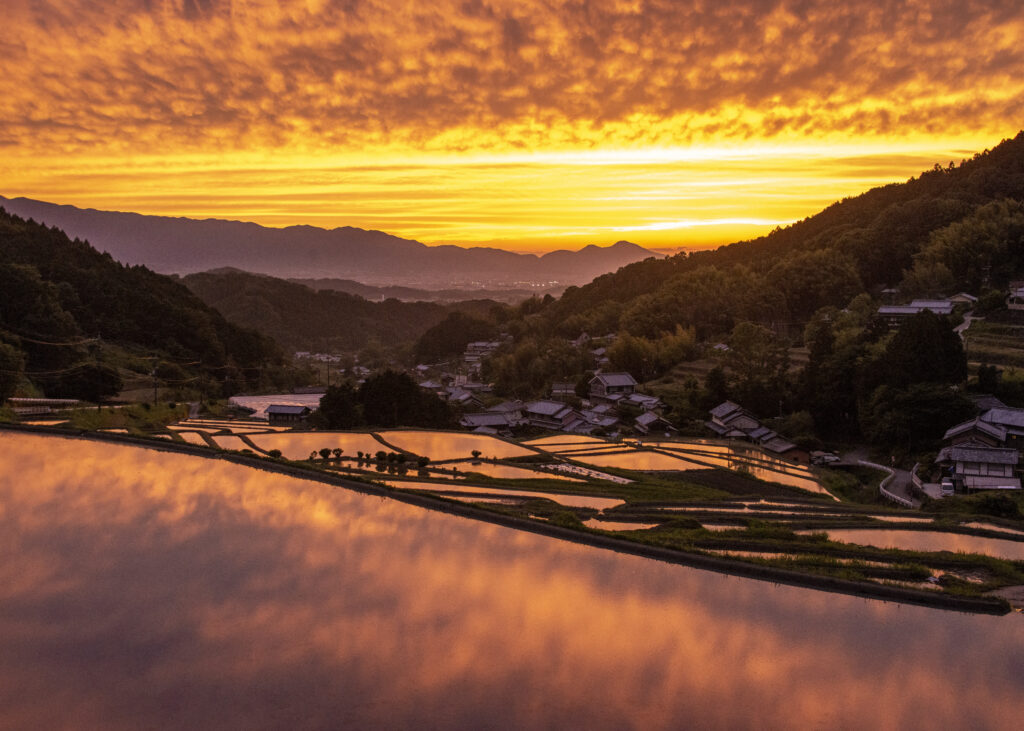
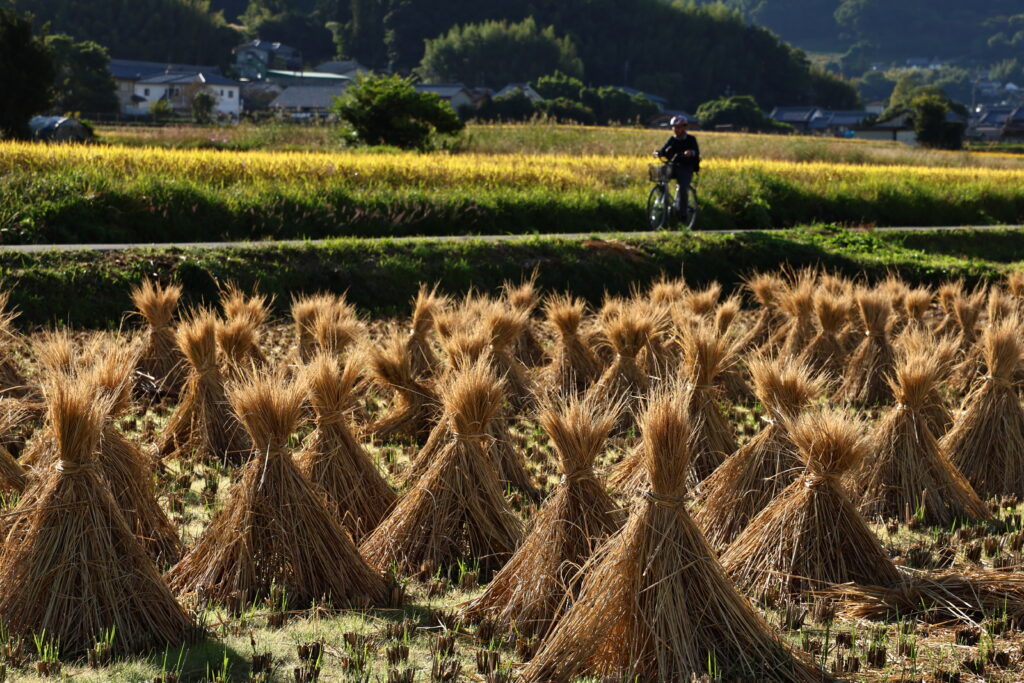
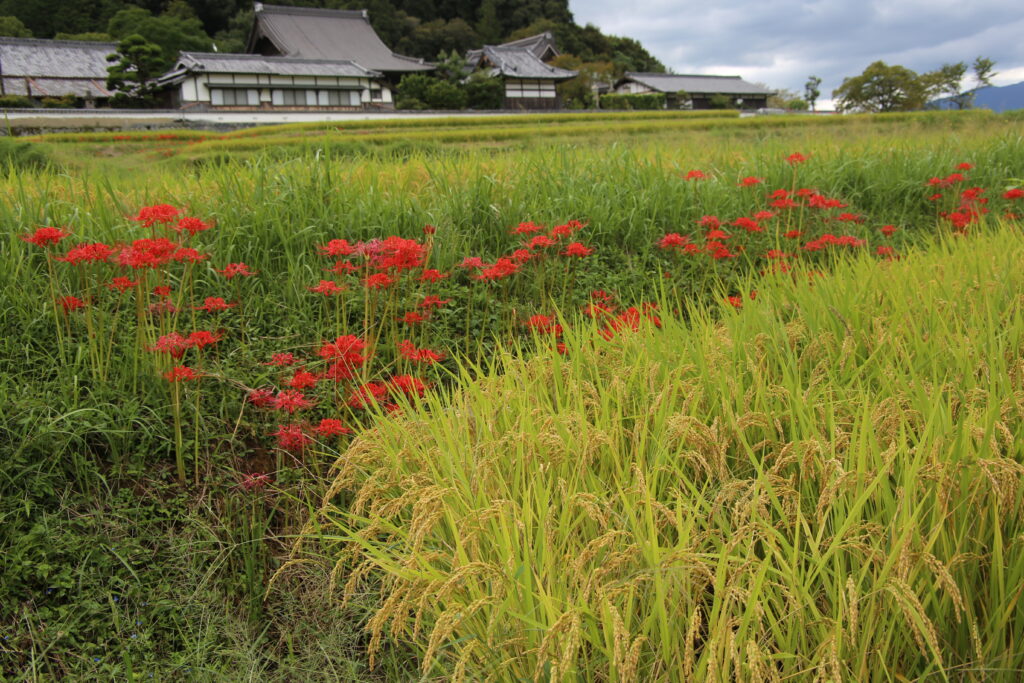
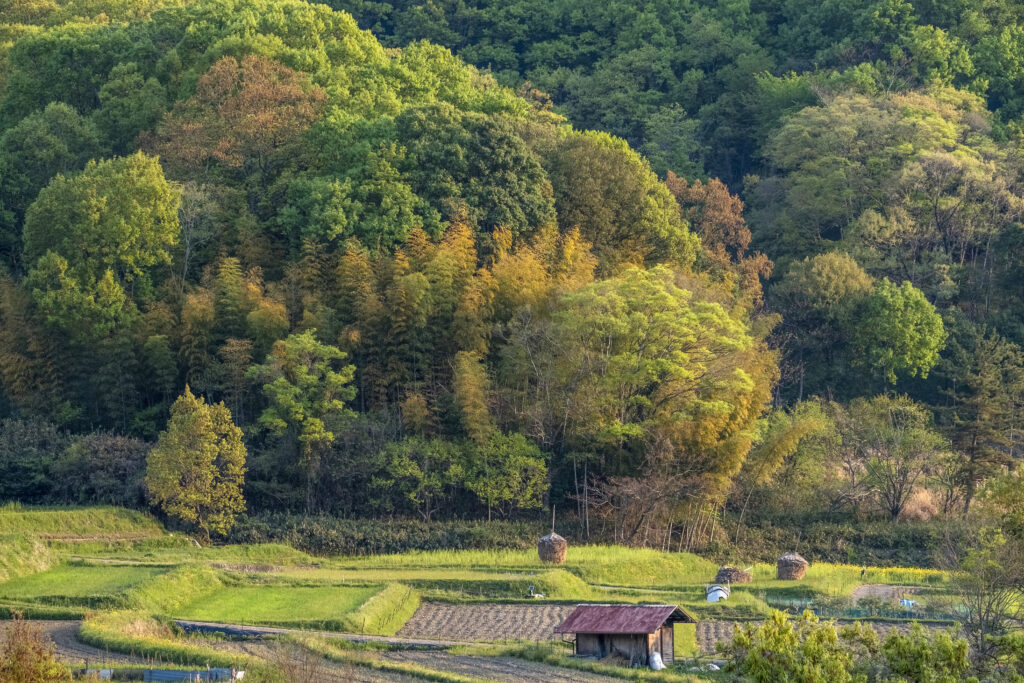
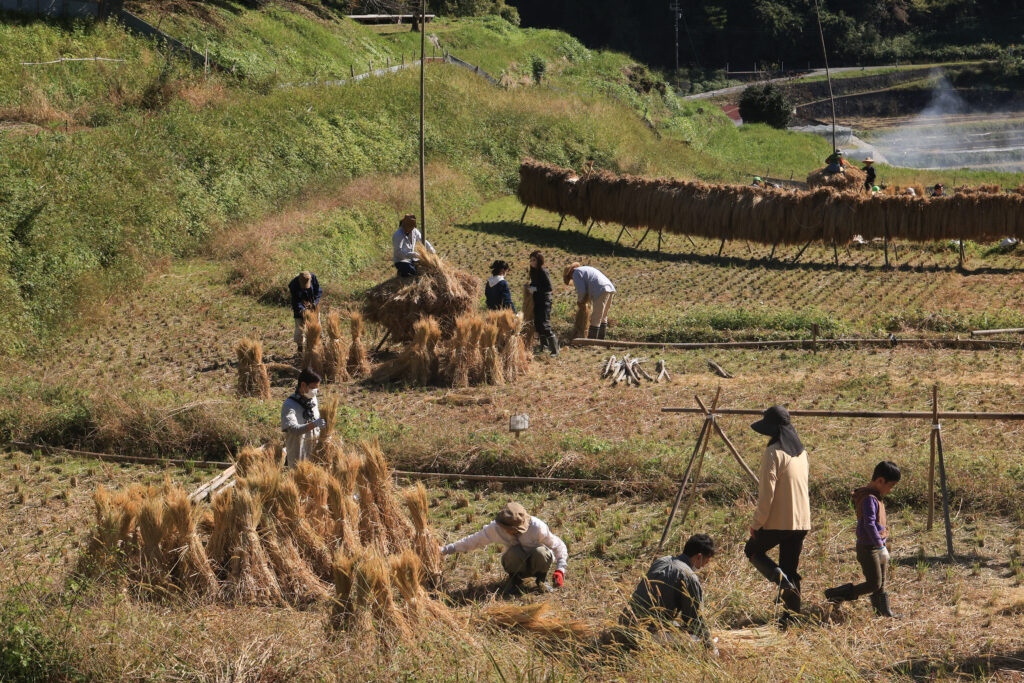
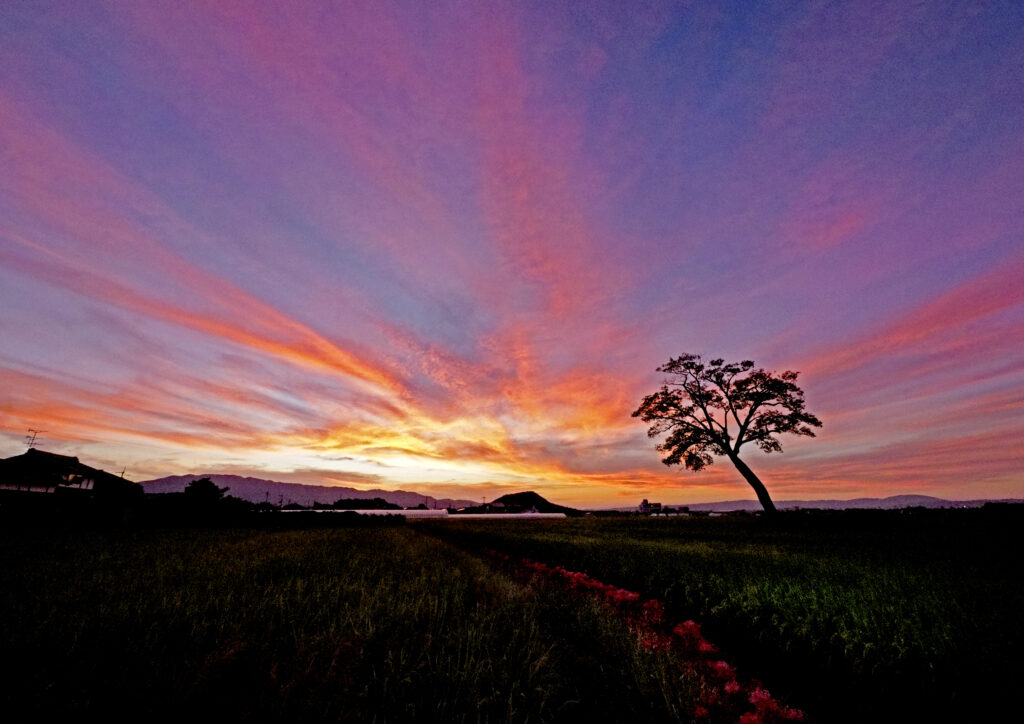
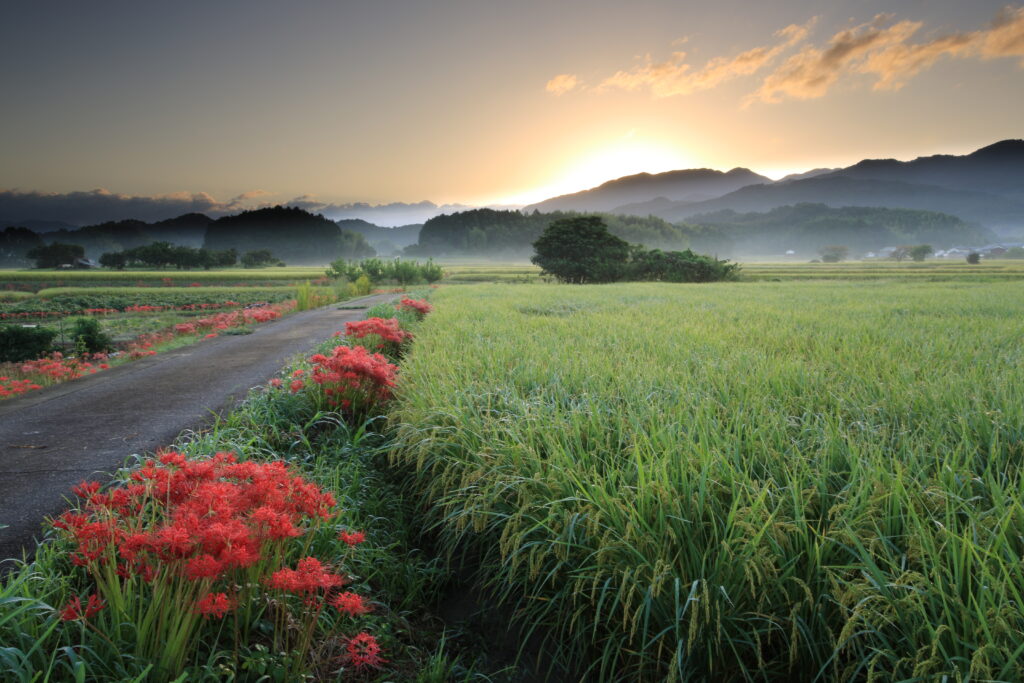
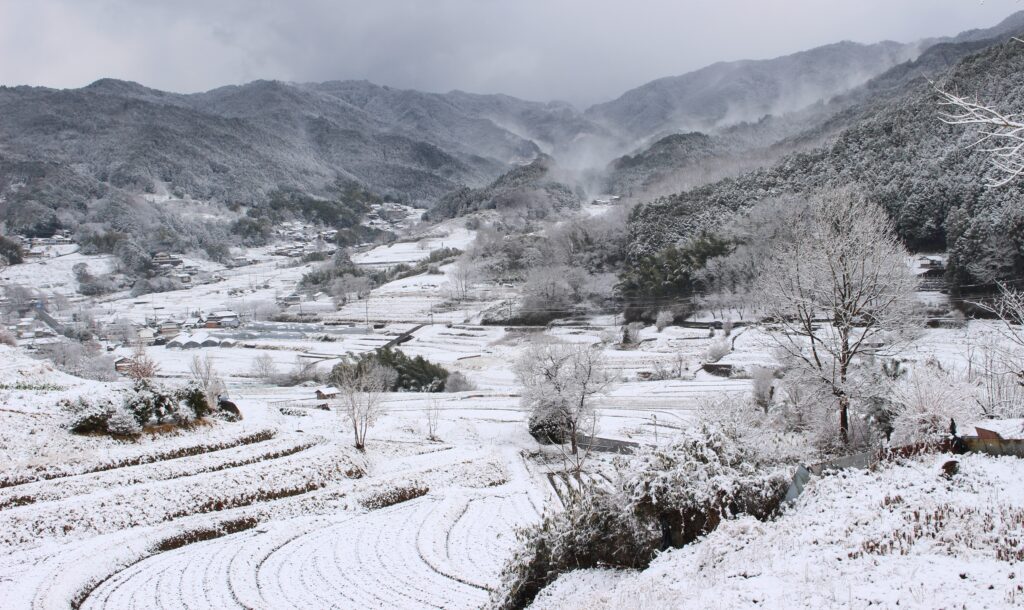
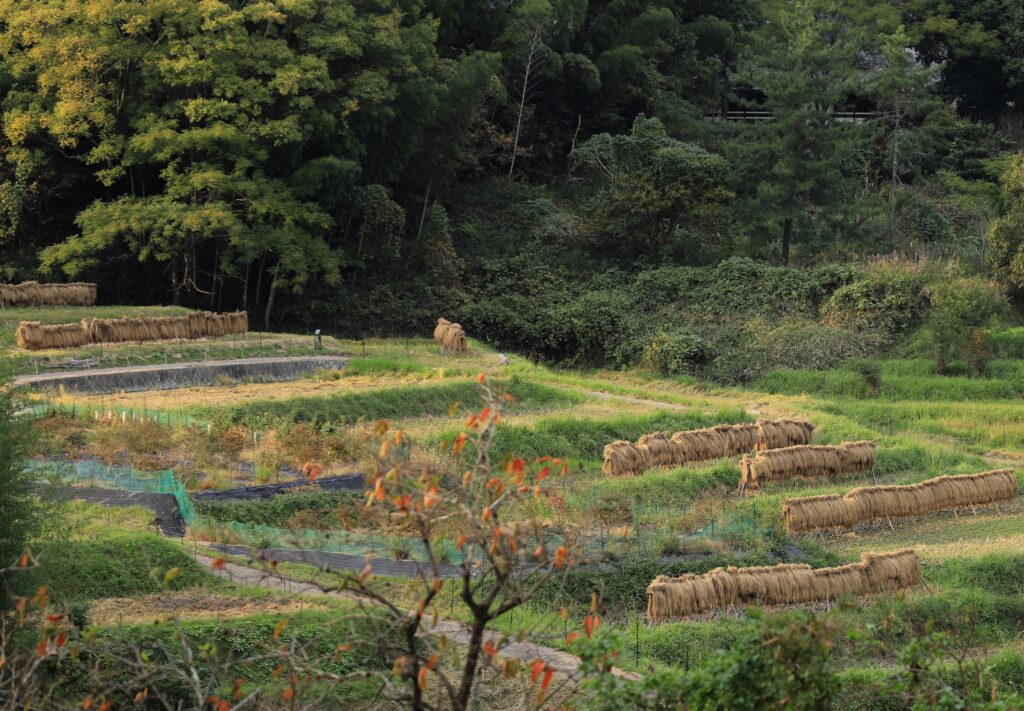
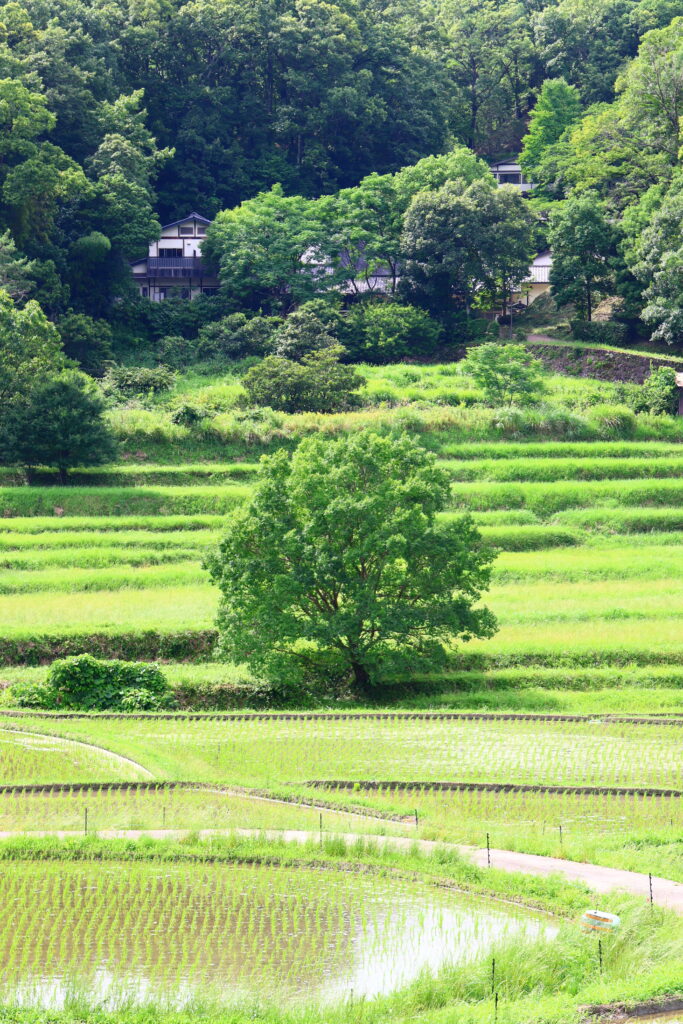
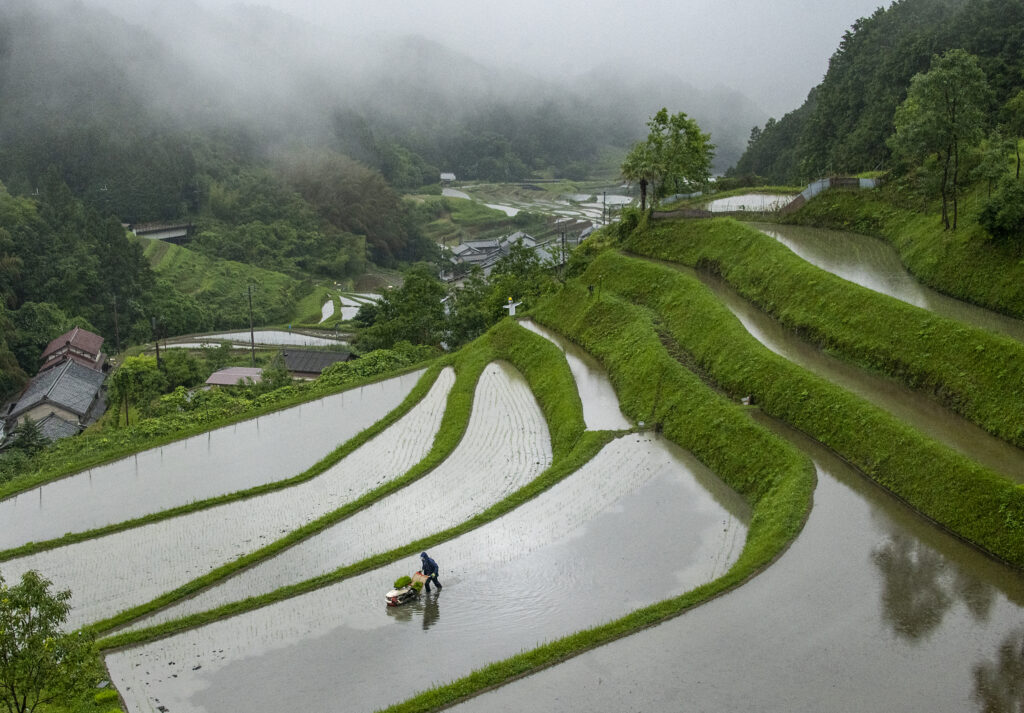
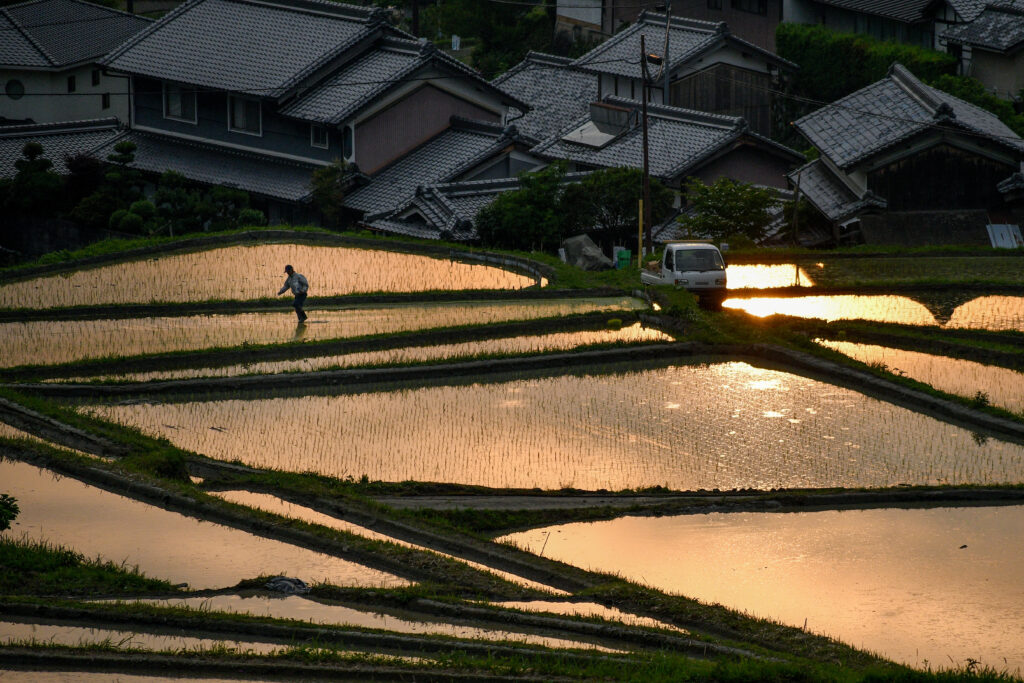
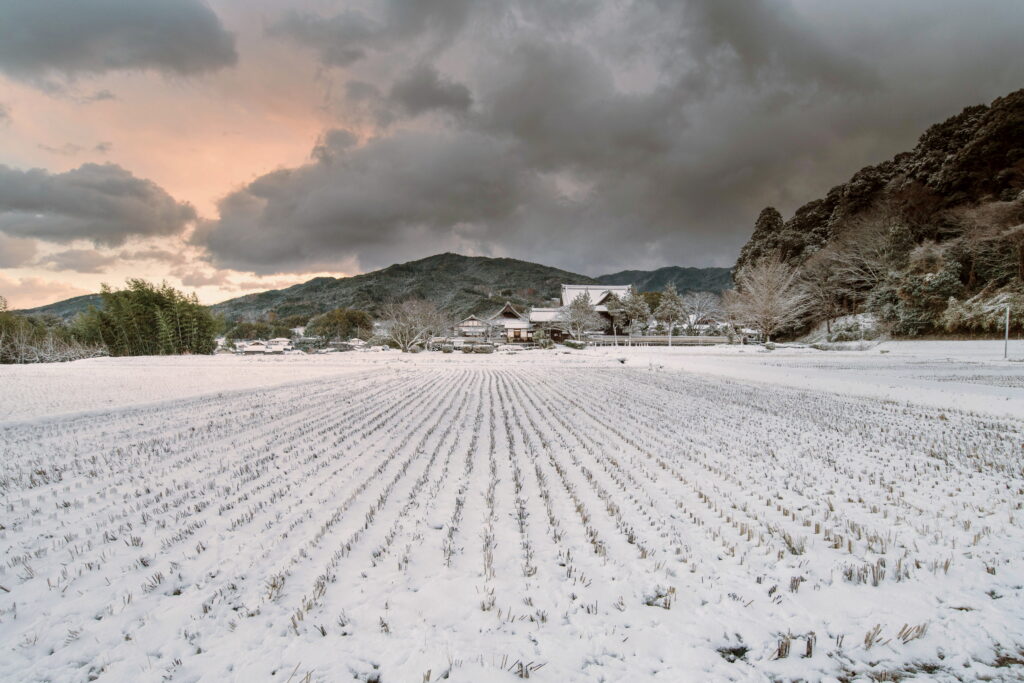
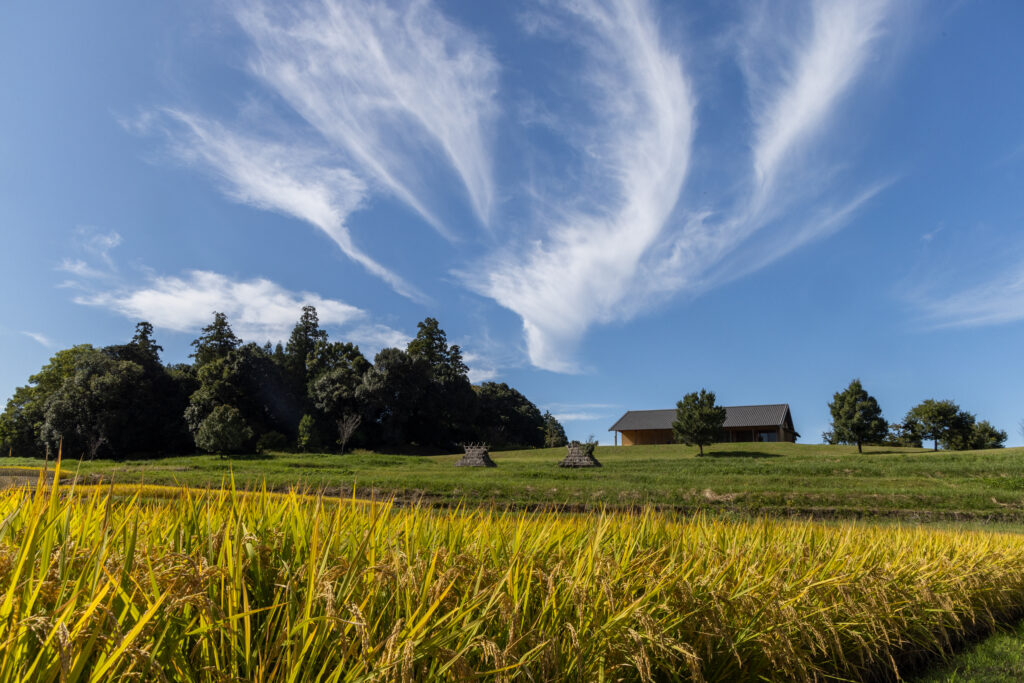
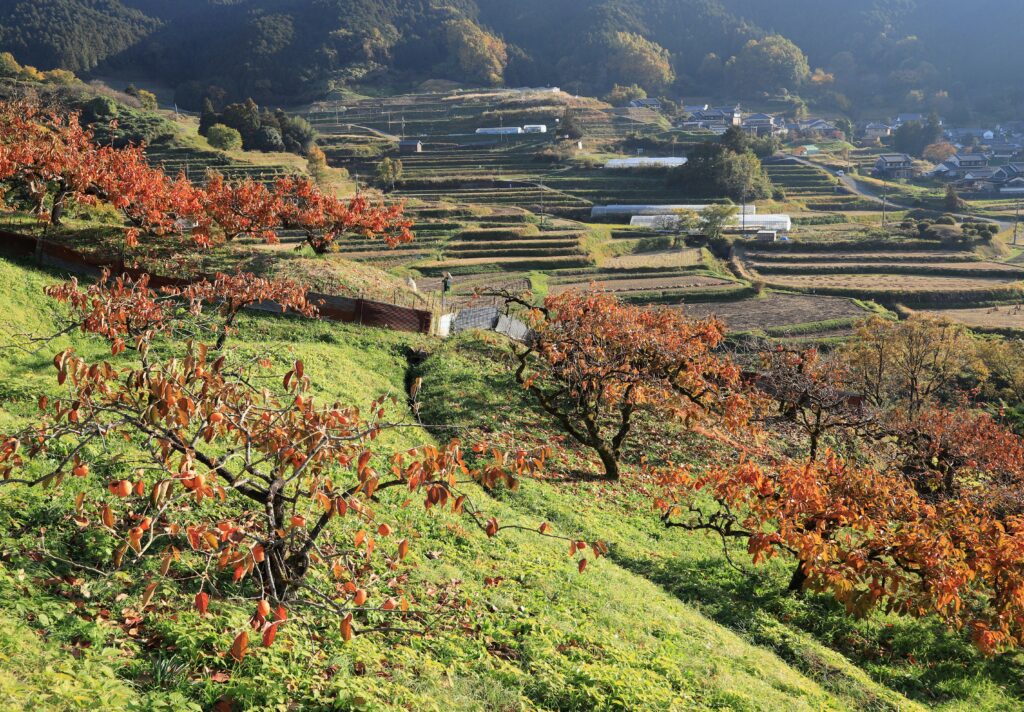
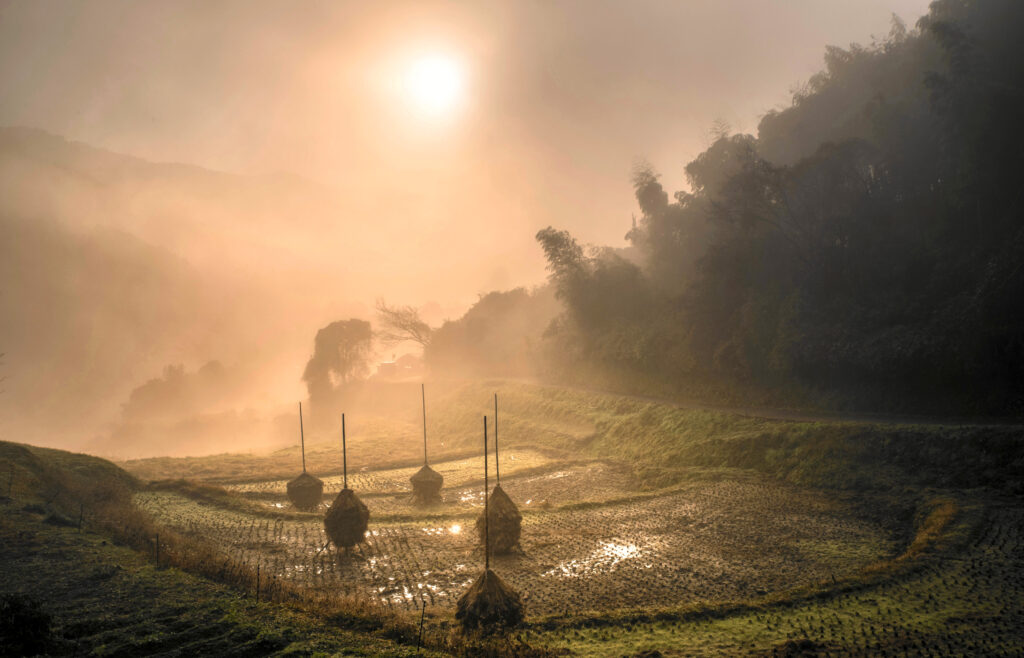
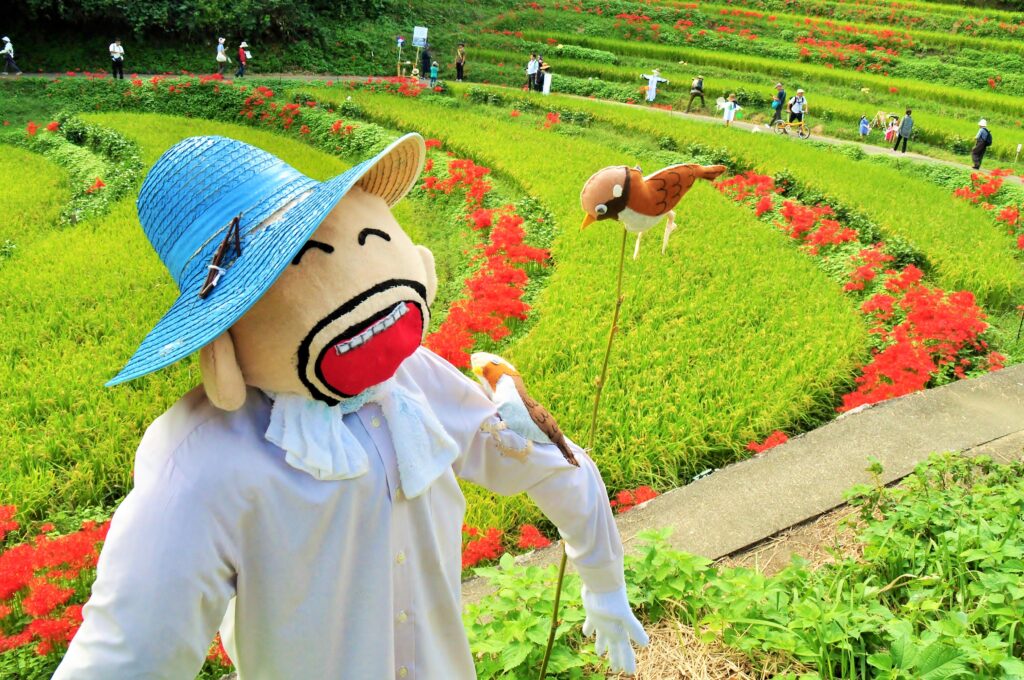
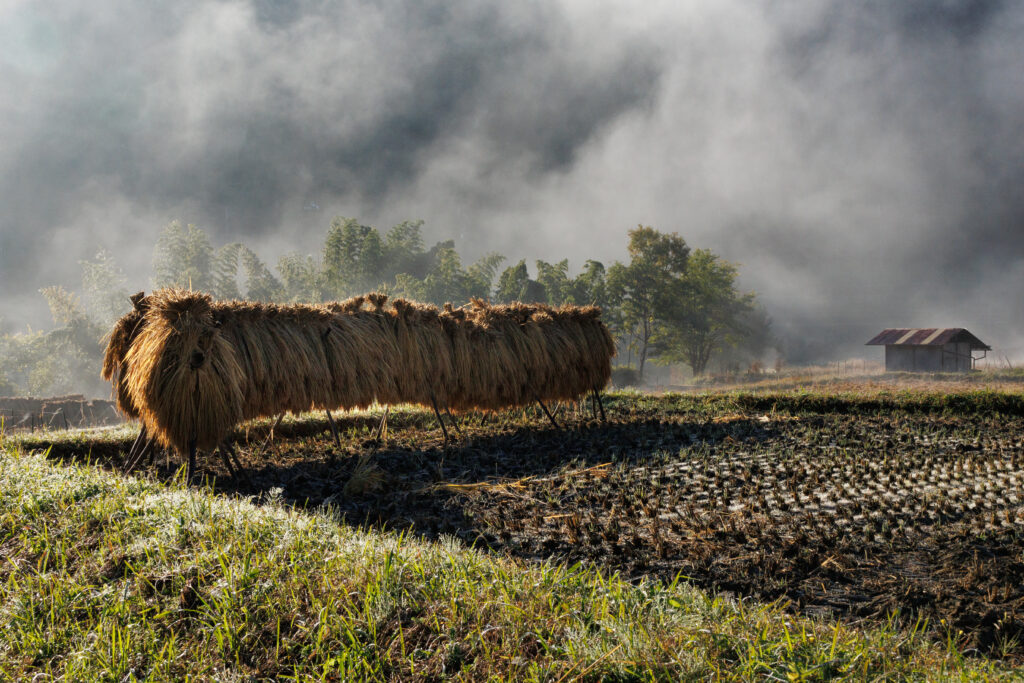
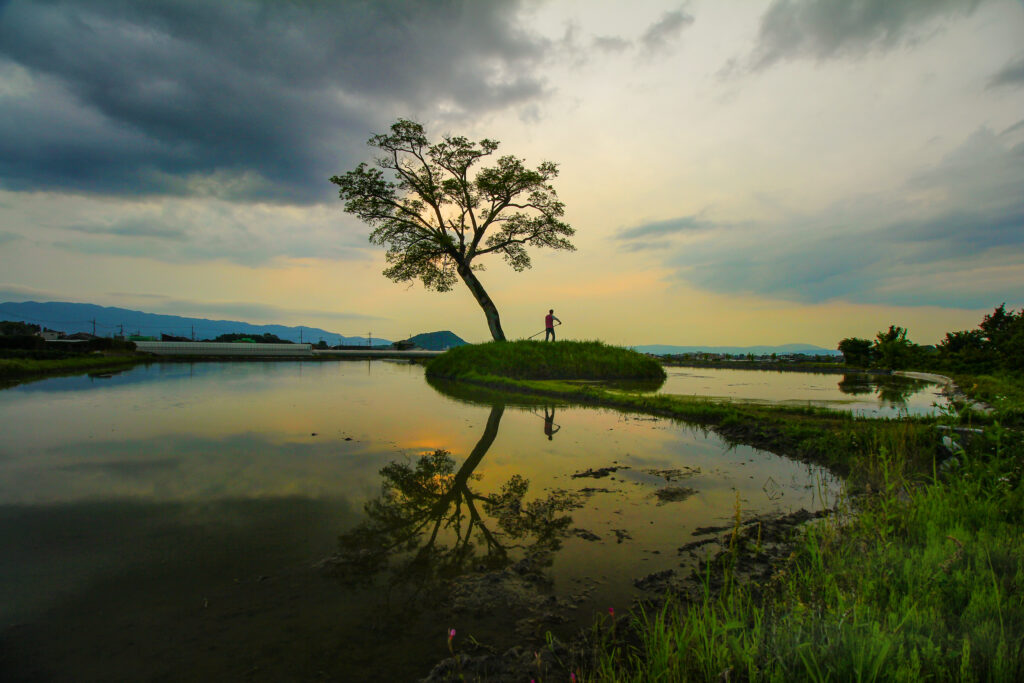
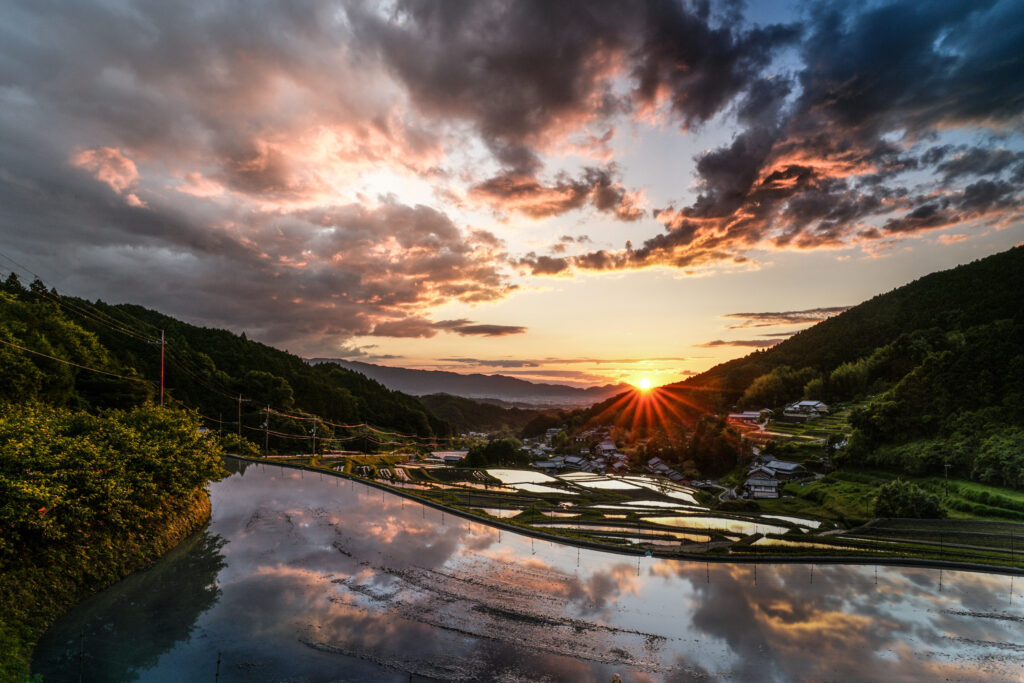
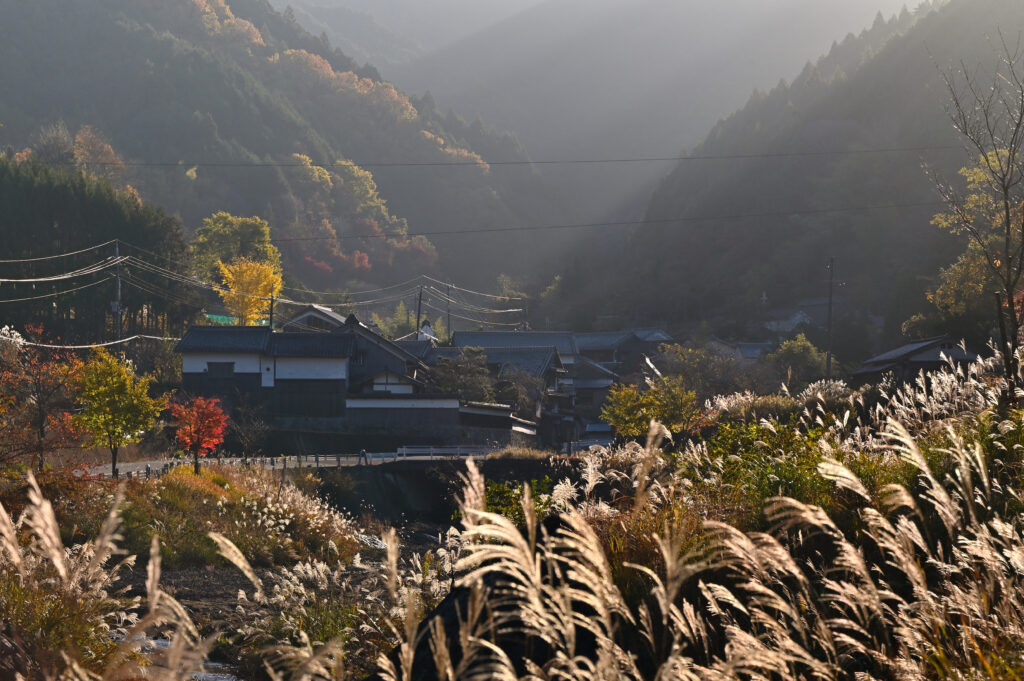
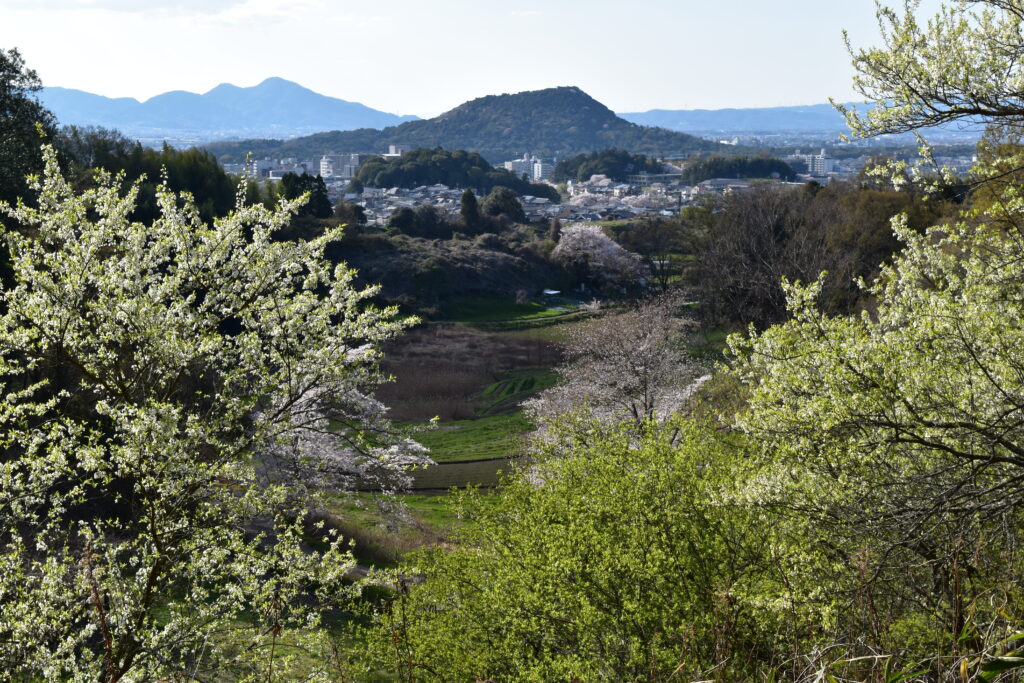
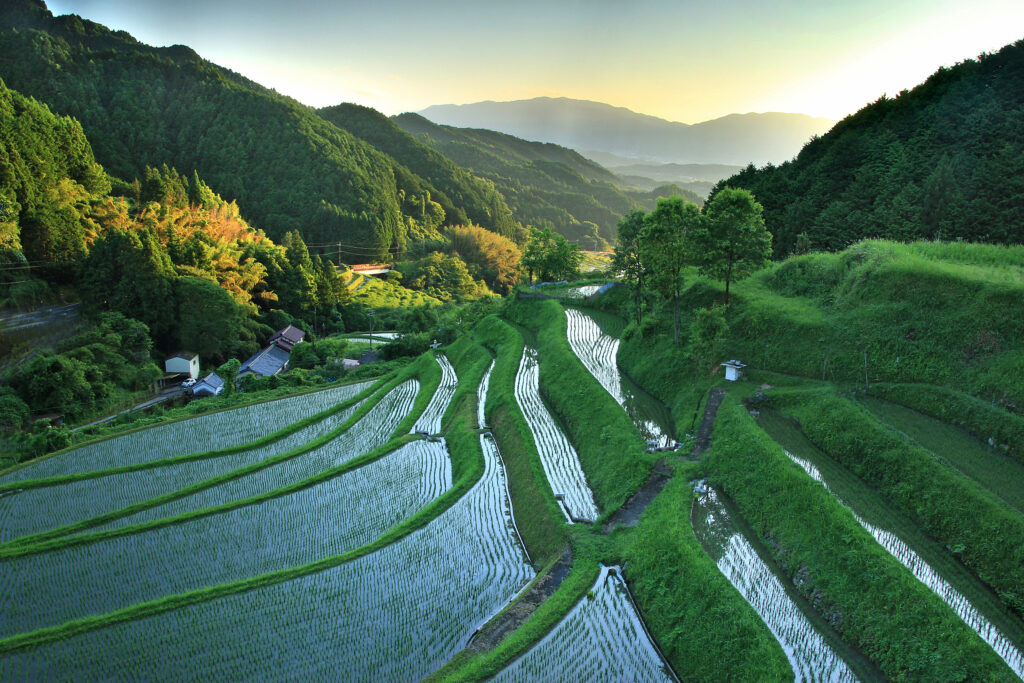
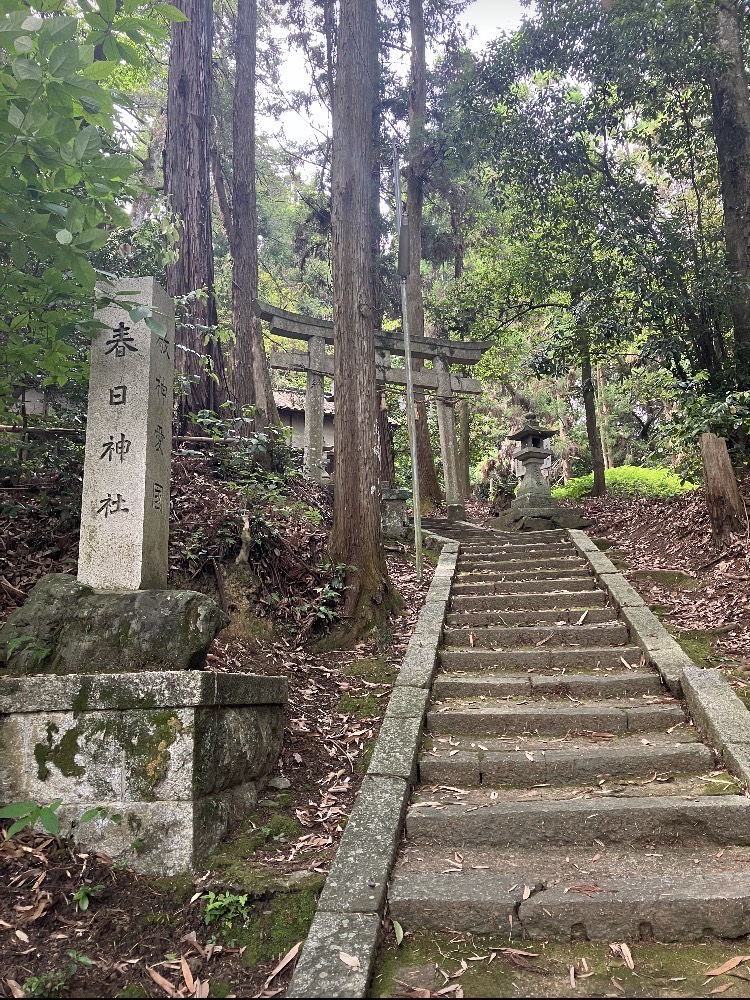
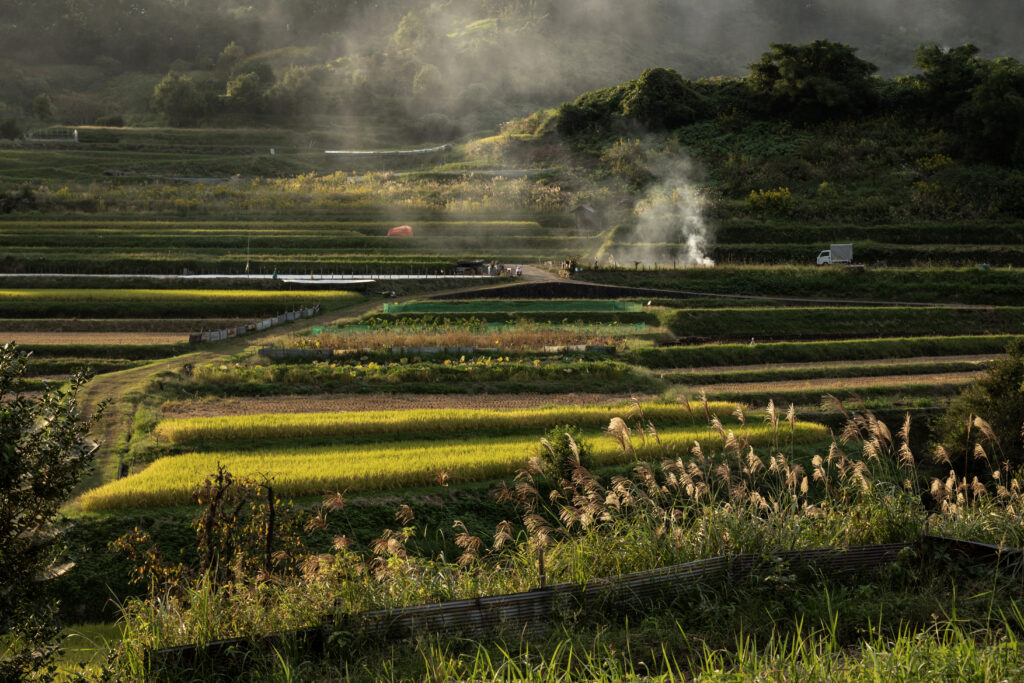
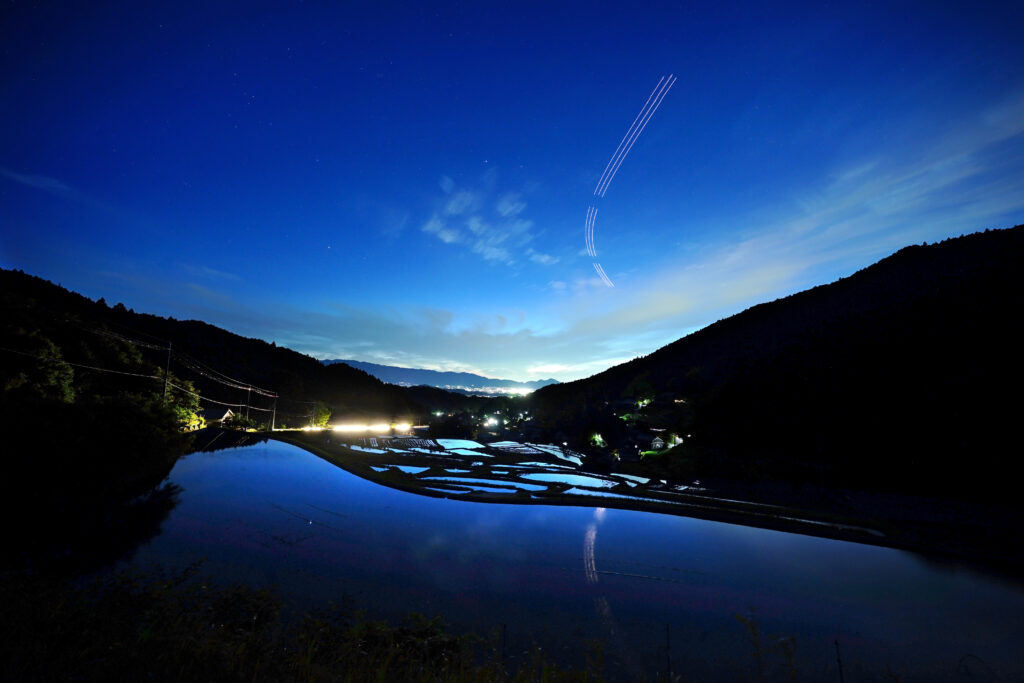
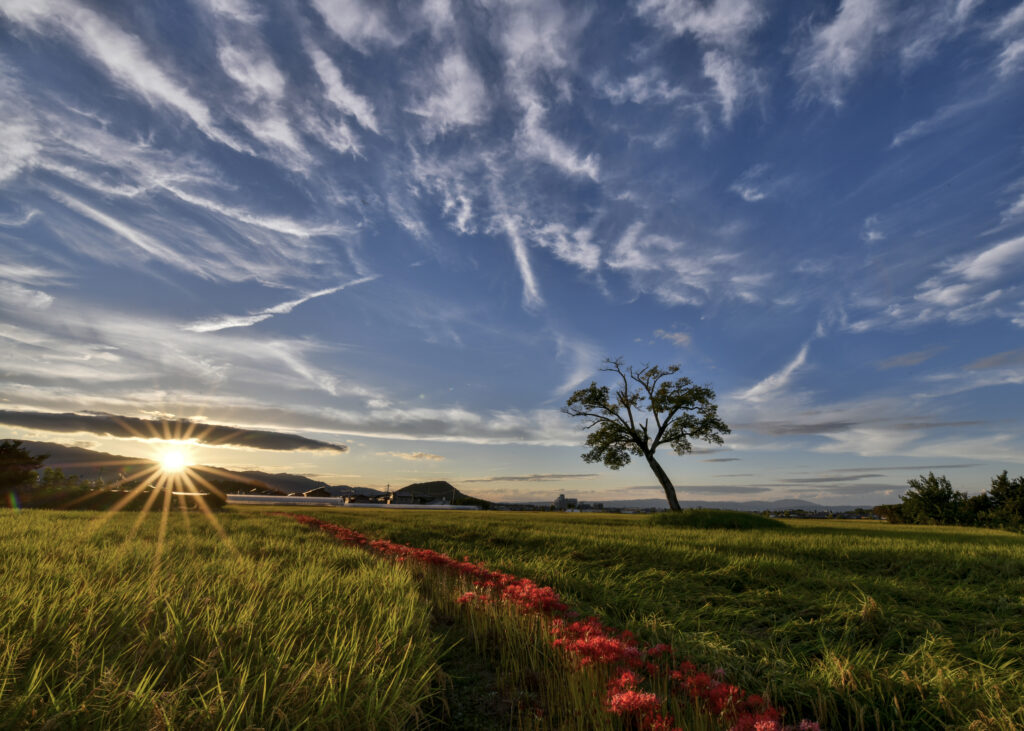
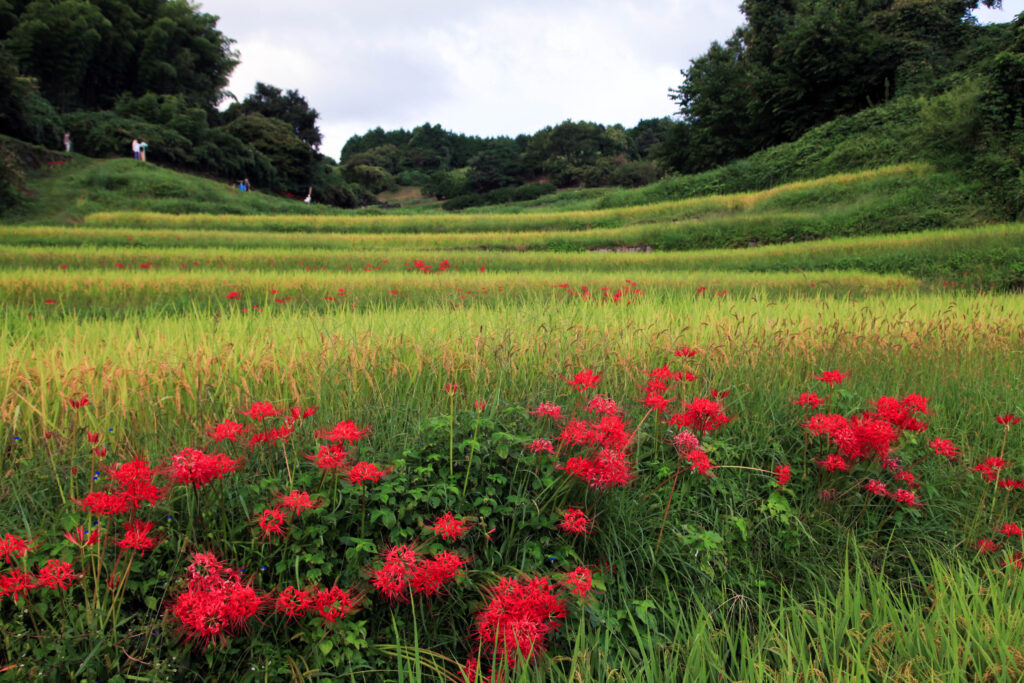
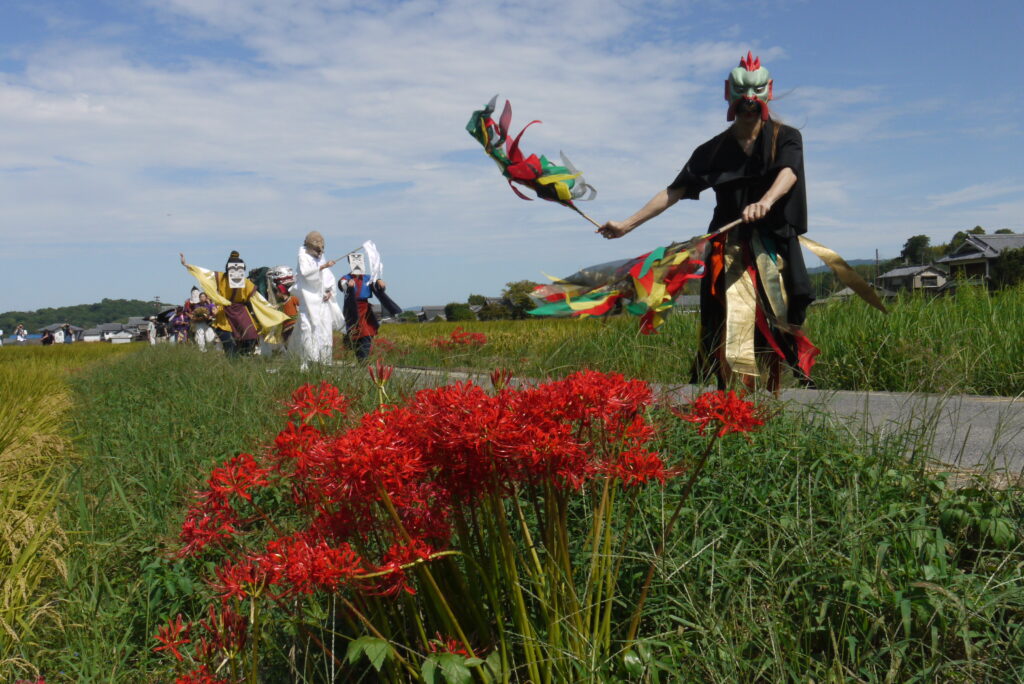
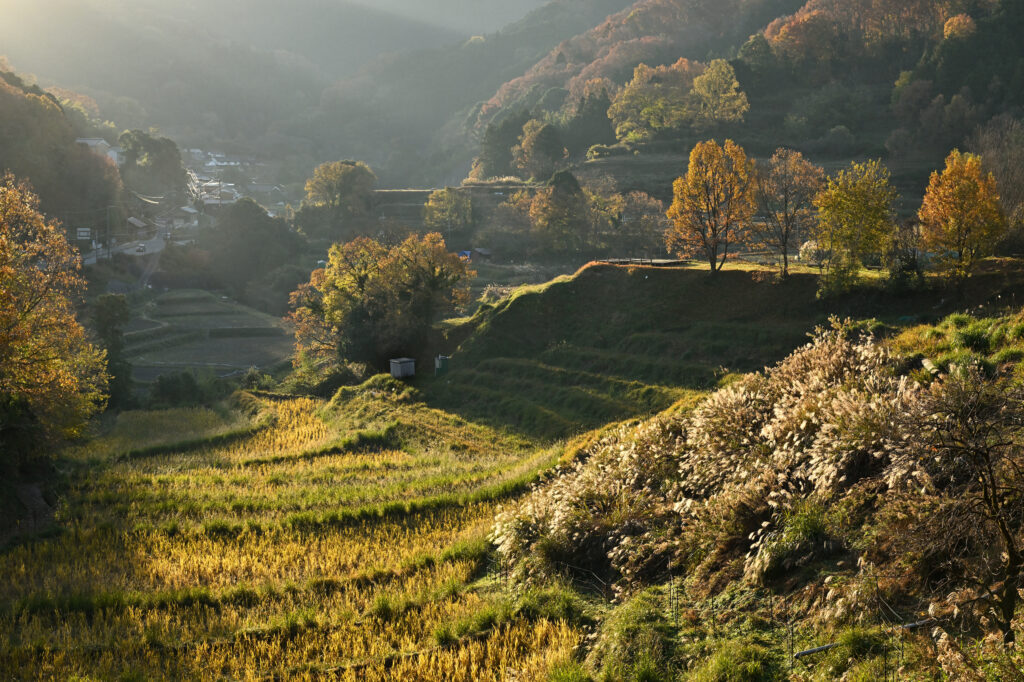
This is where the UNESCO inscription changes things for travellers. Asuka has never been a site frozen under glass: it is a village where rice fields sit beside the remains, where family-run cafés open at the foot of the tumuli, where agriculture still sets the rhythm of the landscape. The international attention given to the site comes with a discreet but real movement towards long-stay accommodation, until now rare in a region designed for the day trip rather than the stopover.
The BRANCHERA Ishibutai Terrace, opened in July 2025 right next to the famous tumulus, and the BRANCHERA Villa Asuka, a restored traditional Japanese residence, already offer this possibility of slowing down. A third signal, more structural still, appears on the horizon for 2027: the announced arrival of a HOSHINOYA Asuka, which would confirm the ambition of making the village a destination in its own right rather than a mere parenthesis on the road to Nara.
The Kii Peninsula, or the endless pilgrimage
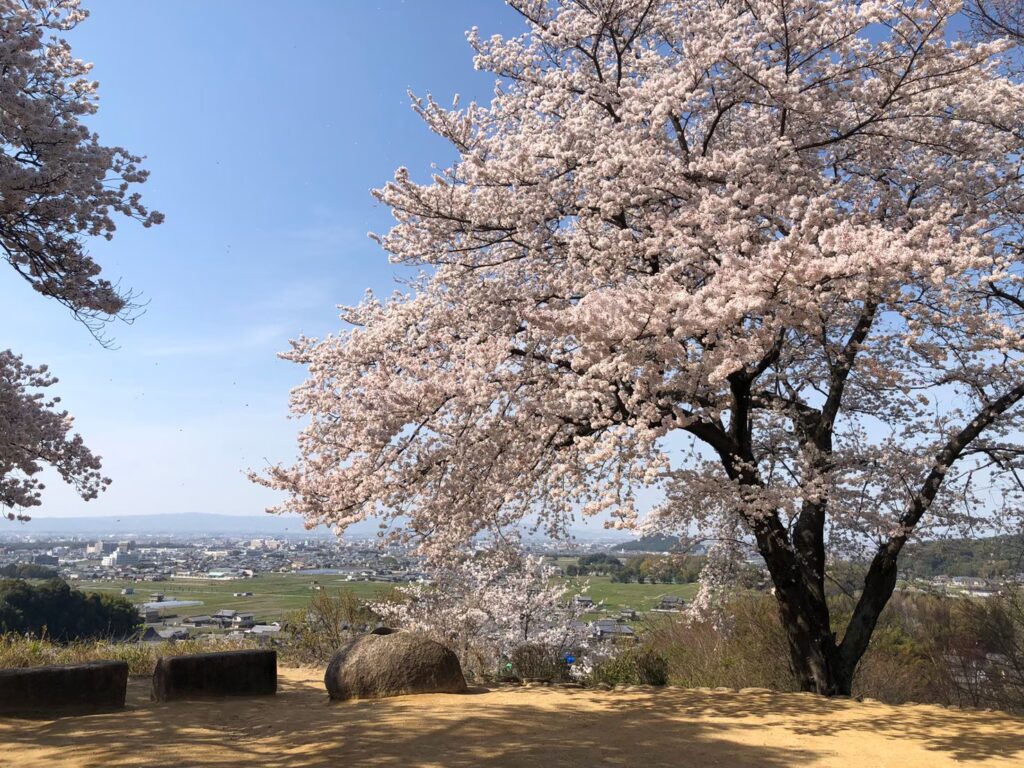
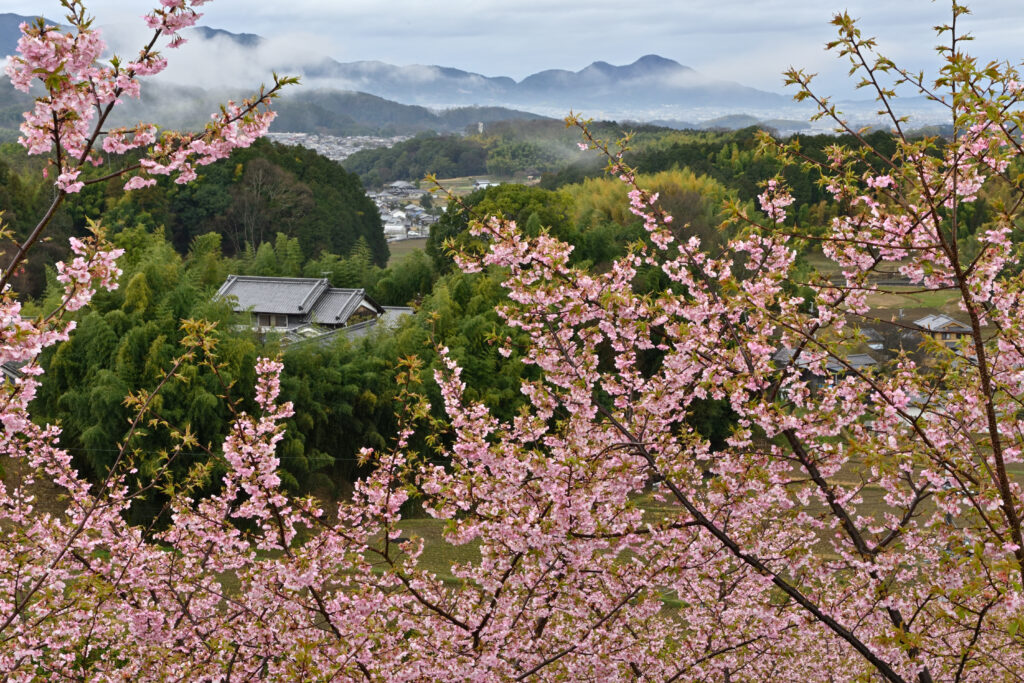
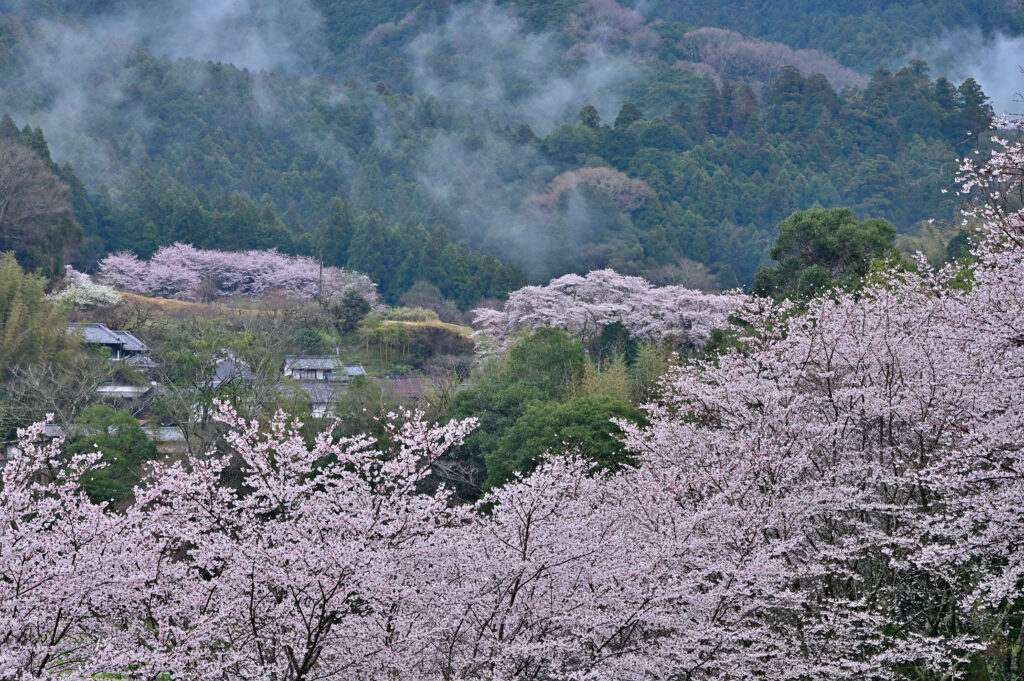
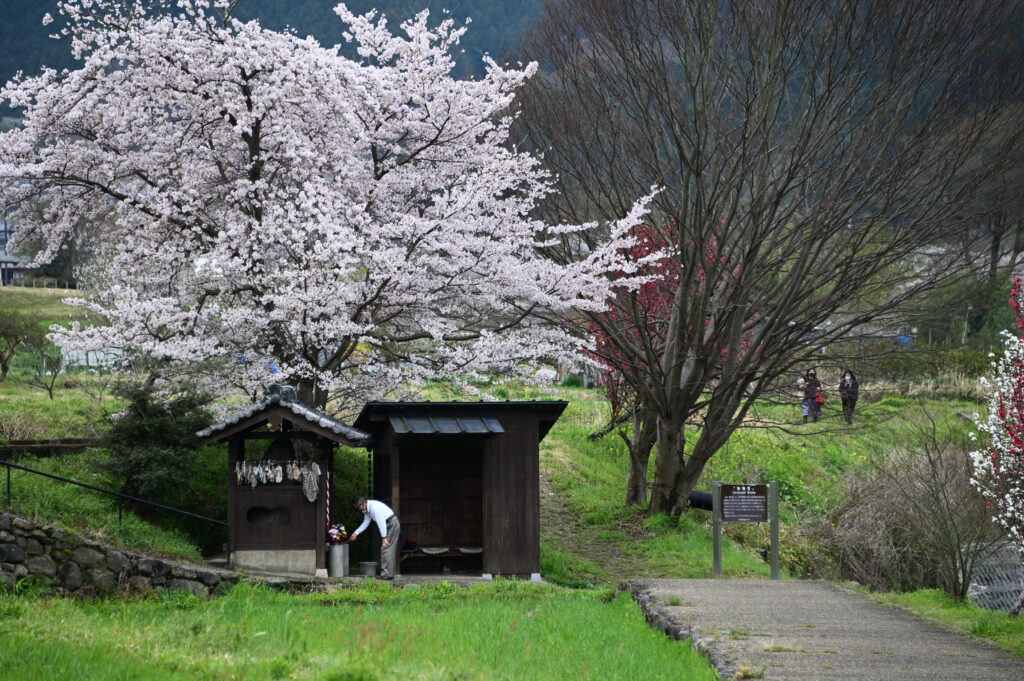
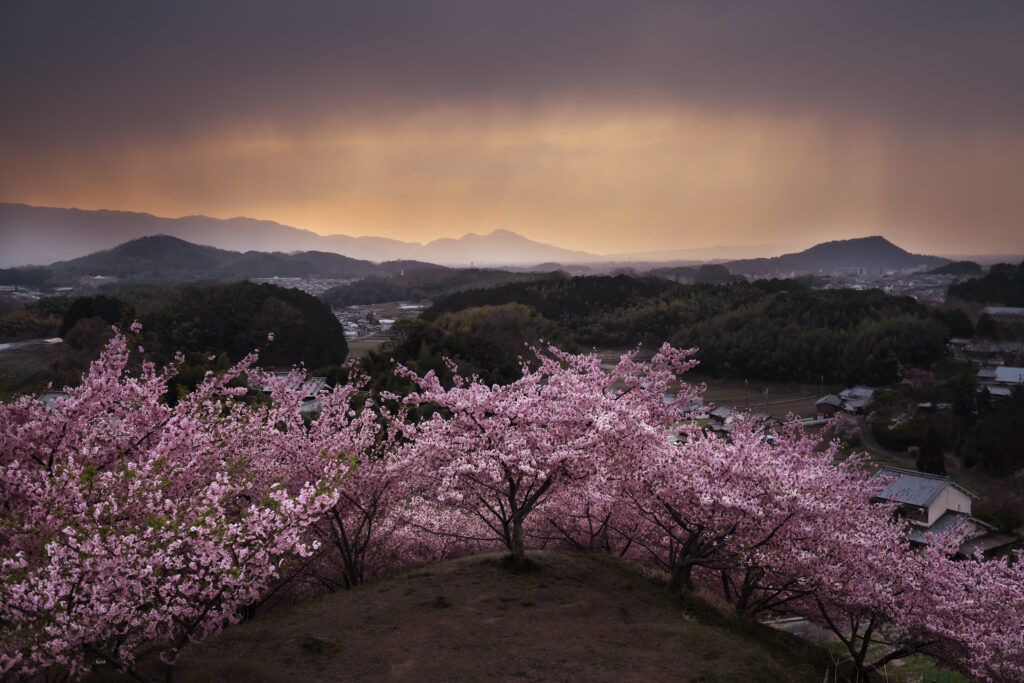
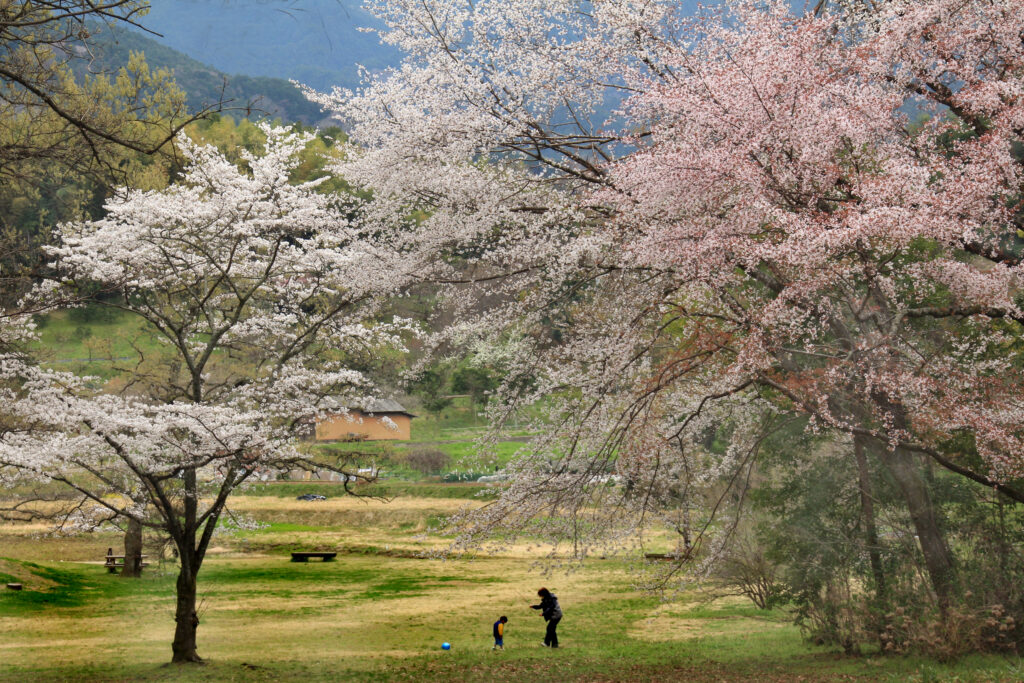
The inscription of Asuka also acts as a spotlight on an entire region: the Kii Peninsula, straddling the prefectures of Nara, Wakayama and Mie, long eclipsed by more famous destinations. Here one finds Yoshino and its sacred mountains, where pilgrims have converged for centuries beneath the cherry blossoms; Mount Koya, where it is possible to sleep in a Buddhist temple, attend the dawn prayers and taste the monks’ vegetarian cuisine, shōjin ryōri; the forest trails of the Kumano Kodo, UNESCO-listed, where every step joins those of pilgrims who have taken these paths for more than a thousand years; and the Ise Jingu shrine, the most sacred of Japanese Shinto, whose main buildings are rebuilt identically every twenty years during the Shikinen Sengu ritual.
“The inscription of the ancient capitals of Asuka and Fujiwara marks an important new chapter for the Kii Peninsula,” sums up Hiroyasu Takeda, vice-president of the Kii Peninsula Tourism Bureau. “It also invites travellers to continue their journey through some of the most striking cultural and spiritual landscapes in the country.” A journey that, from Yoshino to the Kumano Kodo, rewards willingness to stop more than speed.
An invitation to slow down
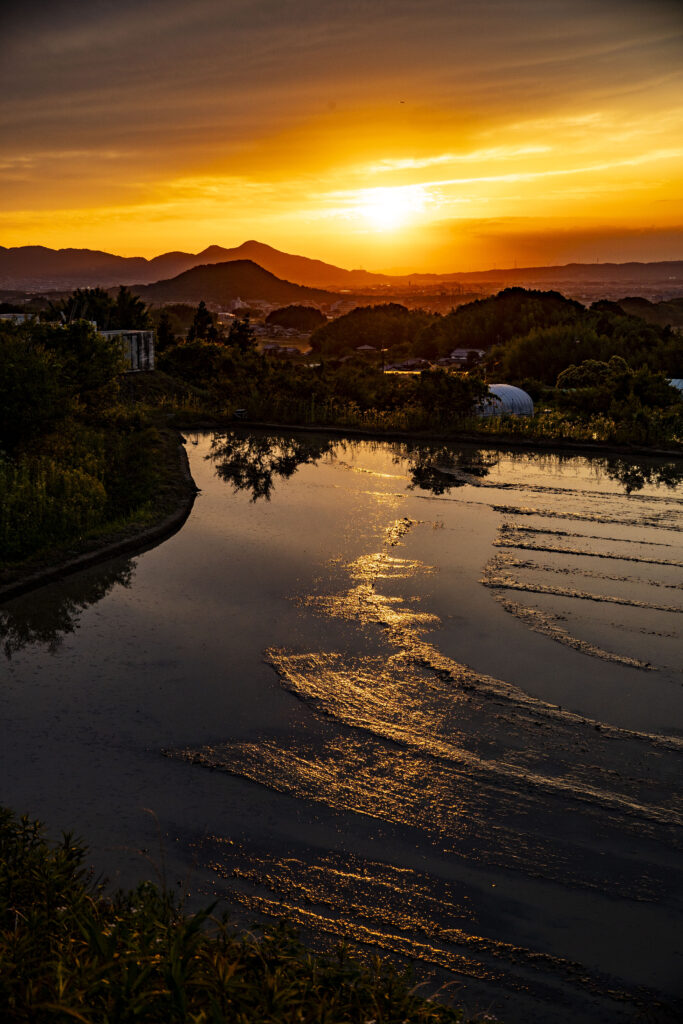
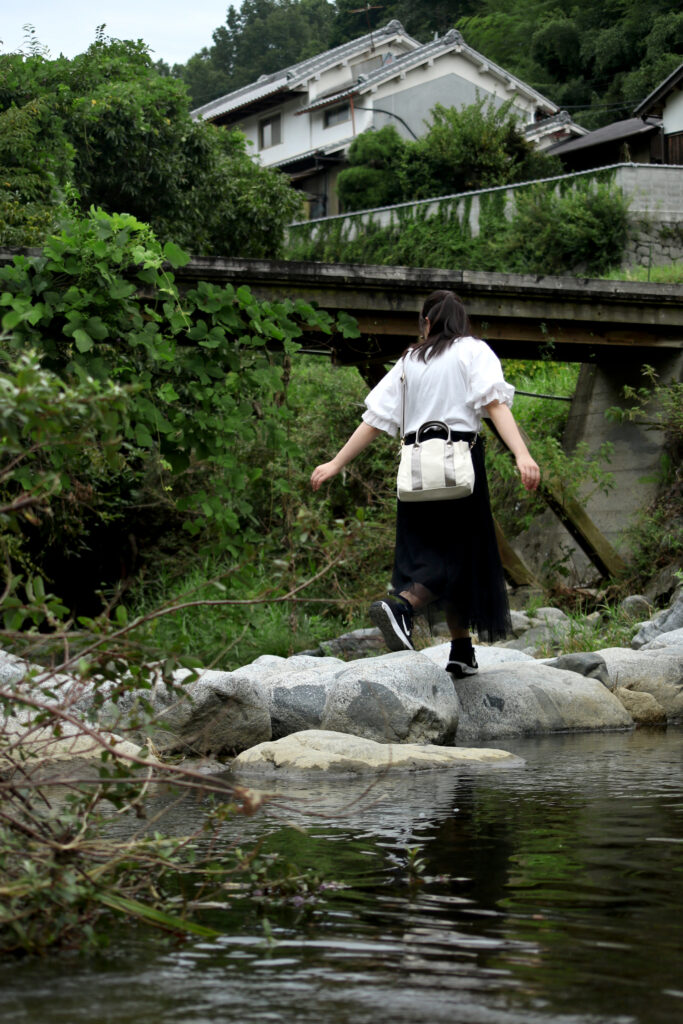
One question remains that the UNESCO inscription raises without settling: will Asuka manage to remain the village of rice fields and country temples that is today its whole charm, or will it follow the trajectory of sites that, once listed, change scale in spite of themselves? For now, it is still a place where one walks more than one visits, and where Japan is told at the height of a rice field rather than a monument.







Also on Luxsure: Gion Kagai Art Museum: an immersion in geisha culture in Kyoto · Six Senses Kyoto: a sanctuary of wellness and luxury in the heart of the historic city · Six Senses Kyoto: a haven of peace and luxury at the heart of Japanese tradition · Kyoto ranked among the 25 best destinations in the world for 2023
Cette publication est également disponible en :


