
A study that Knight Frank has just discreetly published in July goes well beyond its primary subject — the health of the Parisian retail market. Beneath the figures on vacancy and values per square metre lies a wider question: who does Paris still belong to, when one avenue in two now seems designed for a visitor who does not live there?
An avenue that no longer resembles its neighbours
One need only walk up the Champs-Élysées and then turn off towards a street in the 13th arrondissement to understand what Knight Frank’s figures bring out: Paris no longer has a single retail identity, it has several, and the gap between them is widening. On the avenue itself, eleven new brands have set up in a year, most of them from elsewhere, while a recent sale at number 33 closed at more than 33,000 euros per square metre. Elsewhere, Place Vendôme and Avenue Montaigne are close to saturation, with a commercial vacancy rate that no longer exceeds five per cent. These are no longer streets that welcome luxury: they are addresses that luxury chooses, as one chooses a home port rather than a mere stopover.
The discreet weight of the passing visitor
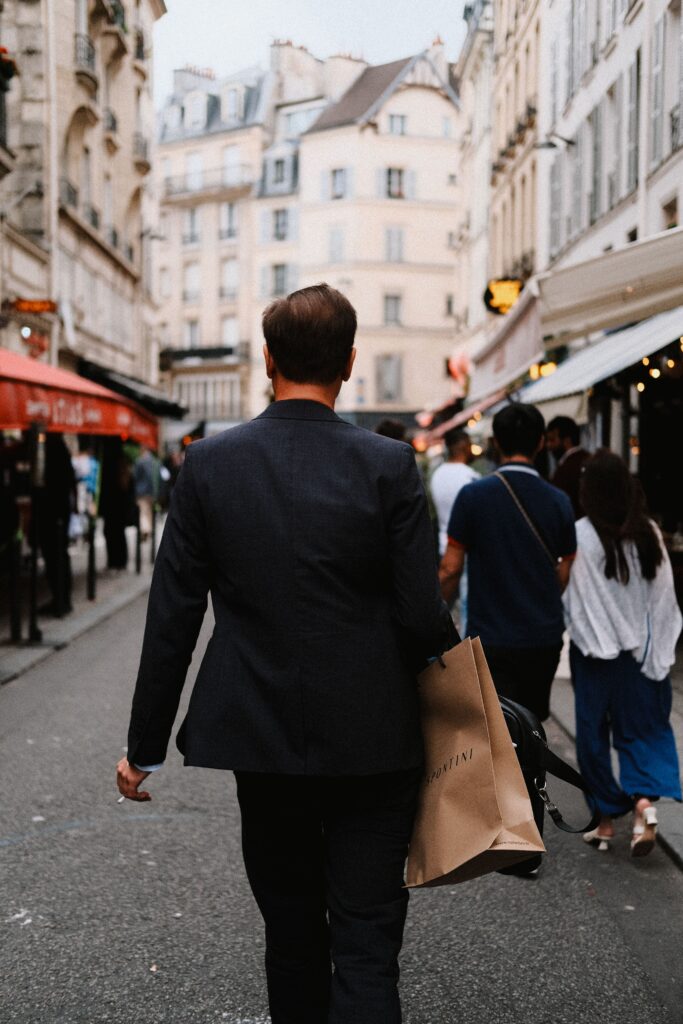
This move upmarket owes nothing to chance. It answers a wider movement, that of a city whose tourist numbers keep climbing: one hundred and seven million visitors in 2025, forty-two million over the first five months of 2026, up by more than one point on a year earlier. Paris attracts an international clientele that is redeploying as other regions of the world lose appeal, and this passing clientele does not consume like a resident one. It seeks experience rather than everyday life, the exceptional rather than the useful. The brands understood this before anyone else: nearly three shops in ten, on the most prominent streets, now belong to foreign brands, essentially Italian, British and North American, which come less to sell in Paris than to show themselves from Paris.
Two speeds, one city
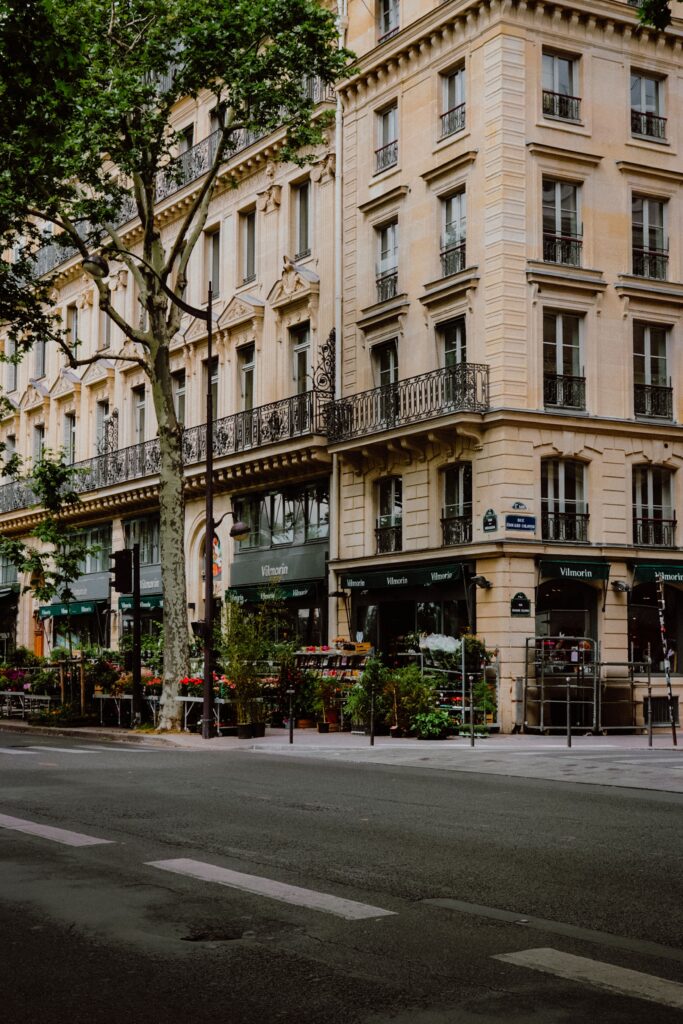
The flip side of this concentration can be read in the figures that the study does not put forward. Far from the prime arteries, commercial vacancy climbs to twelve or thirteen per cent across the capital, and some once-lively streets struggle to find occupied shopfronts again. The contrast is not new, but it is accelerating and is now read at the scale of the arrondissement more than that of the street: the 8th consolidates its status as a showcase of luxury, the 1st, 3rd, 4th and 6th arrondissements accentuate their shift towards the premium, while the outlying districts remain residential even as they absorb, as best they can, a growing tourist footfall for which they were not always prepared.
What Paris is becoming, without quite deciding it
Magali Marton, head of research at Knight Frank France, sums up this movement in a phrase worth pausing on: retail, she says, no longer undergoes the city’s changes, it accelerates them. This is perhaps the most interesting lesson of the study, beyond the curves of vacancy and rental values. Paris no longer quite chooses its own transformation; it observes it, street after street, shop after shop, carried by forces — globalised tourism, luxury houses’ appetite for visibility, the financialisation of prime locations — that far exceed the retailers themselves. The capital of taste remains, for now, mistress of its image. It remains to be seen how long it can still say that it inhabits the streets it shapes.
Cette publication est également disponible en :


