
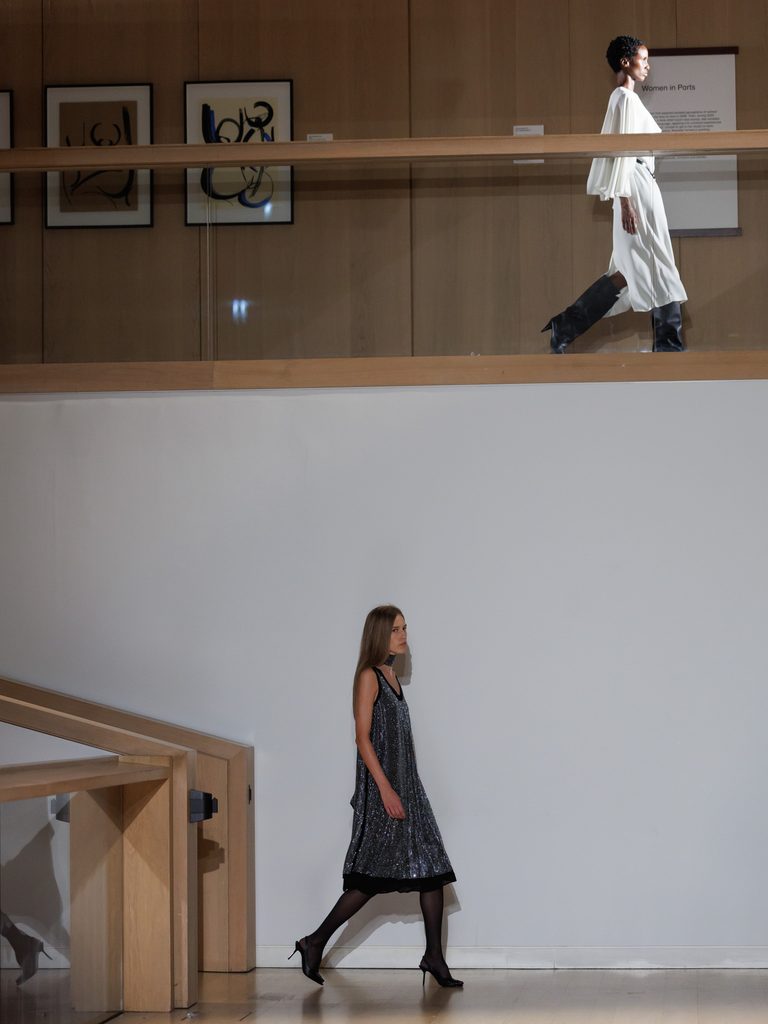
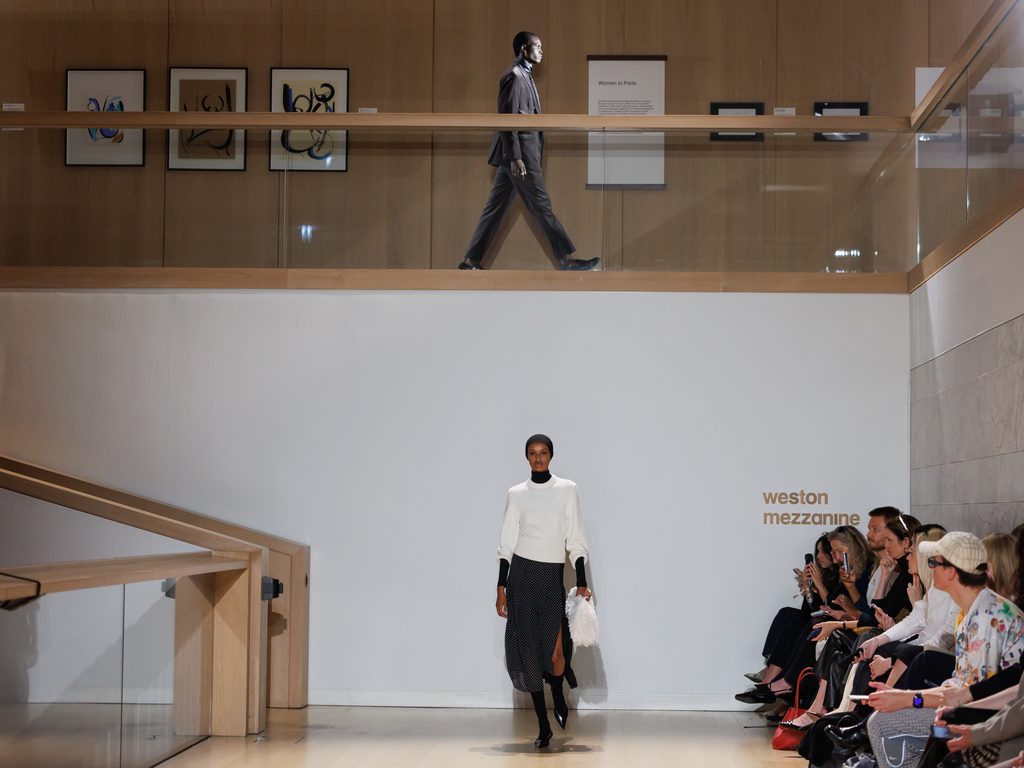
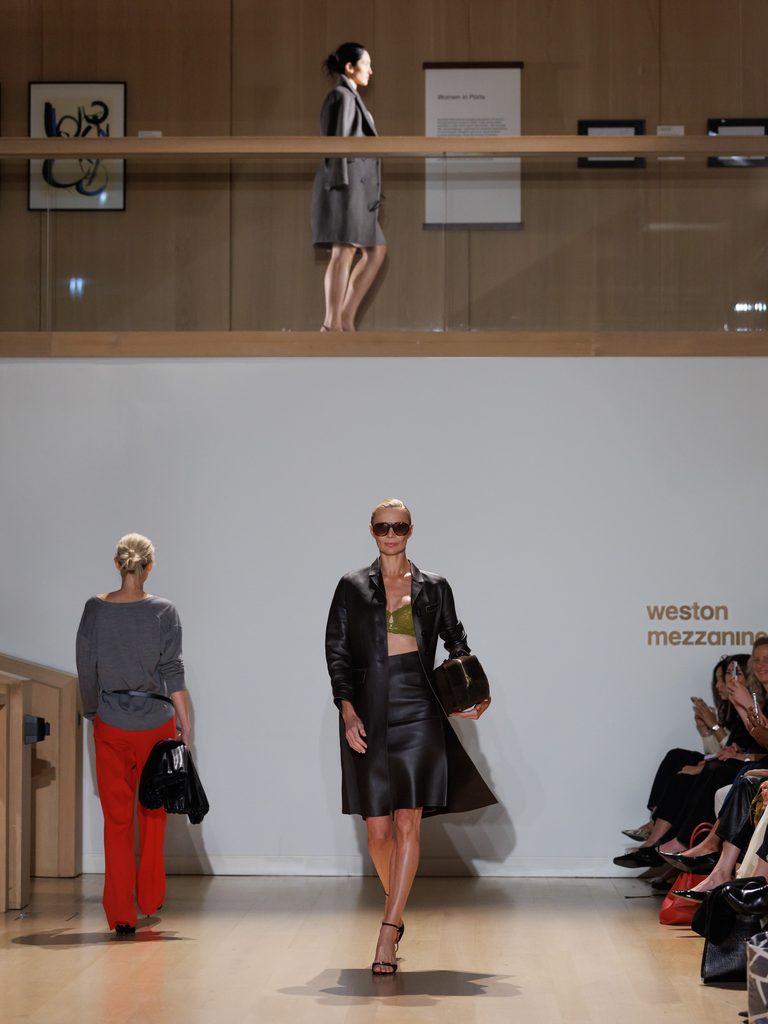
London’s Design Museum long kept its runway for couture houses and emerging designers. On Friday 18 September 2026, a retailer known to every British household took its place there: Marks & Spencer, a hundred years after selling its first garment, presented its very first show on the official London Fashion Week calendar.
The improbable arrival of an everyday institution
That M&S waited a century to step onto a Fashion Week runway says a great deal about how the retailer saw itself until now: a reliable wardrobe supplier, never a player in event-driven fashion. The choice of the Design Museum, a venue devoted to objects and their design rather than to the rituals of luxury alone, is no accident. Before an audience mixing international media, industry figures and long-standing customers, the brand chose to tell a hundred years of history rather than impose a new collection ex nihilo. The show marks one hundred years since M&S began selling clothing, in 1926 — a date the retailer presents as an anchor more than a marketing argument.
A wardrobe drawn from 72,000 archive pieces
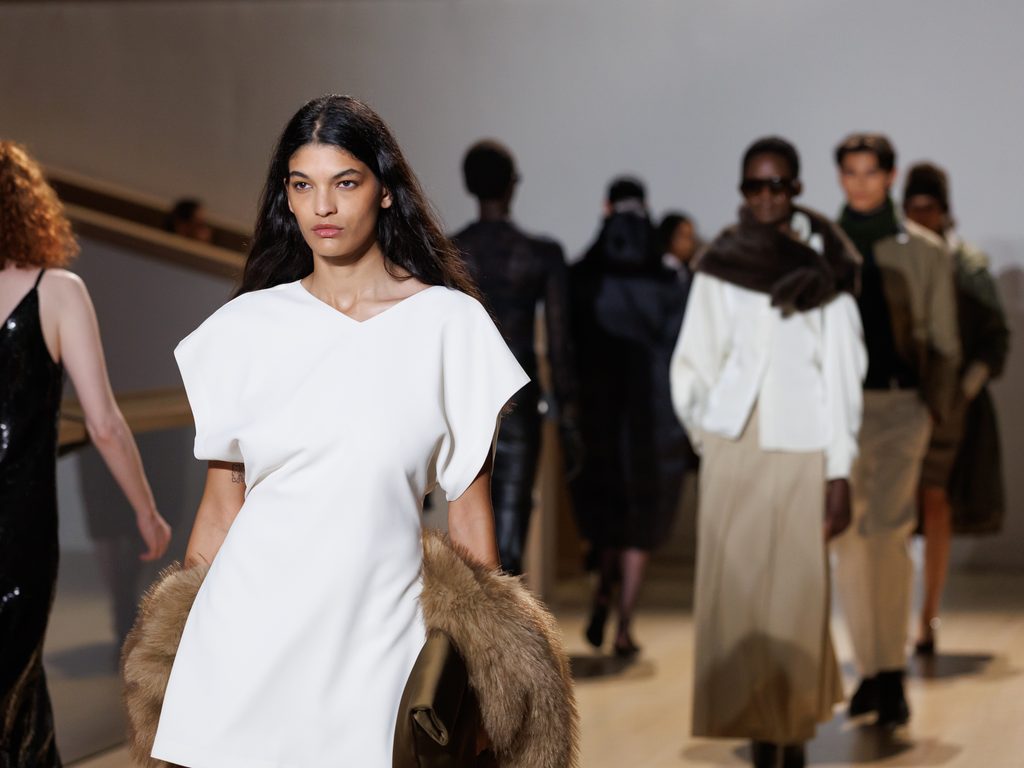
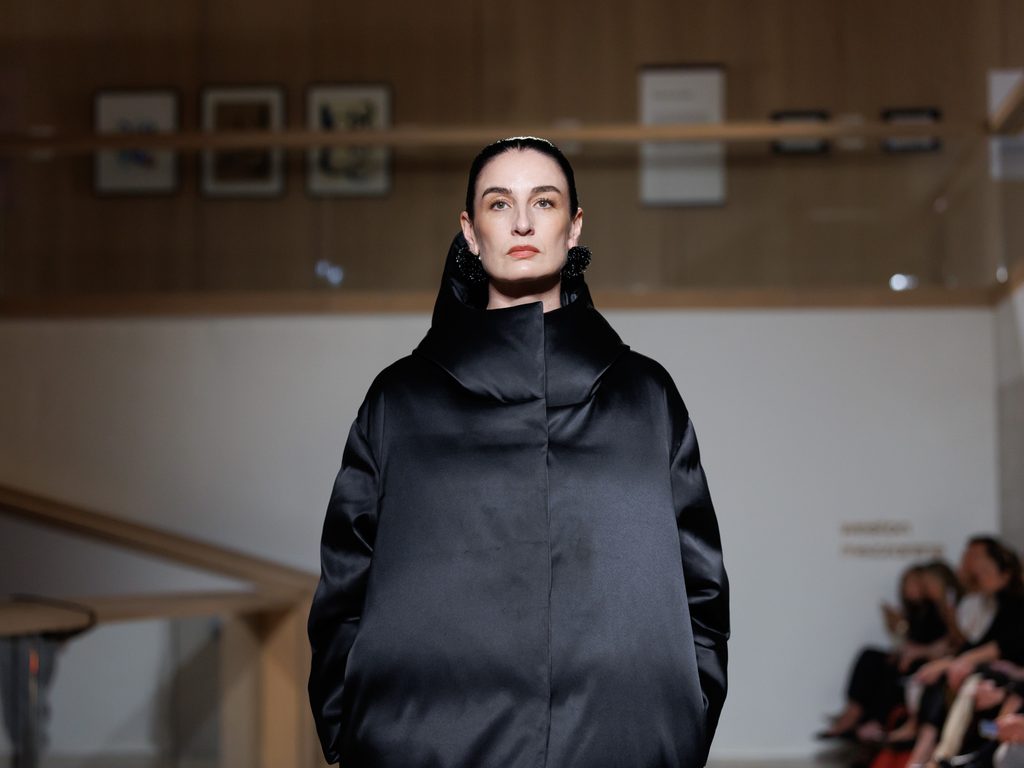
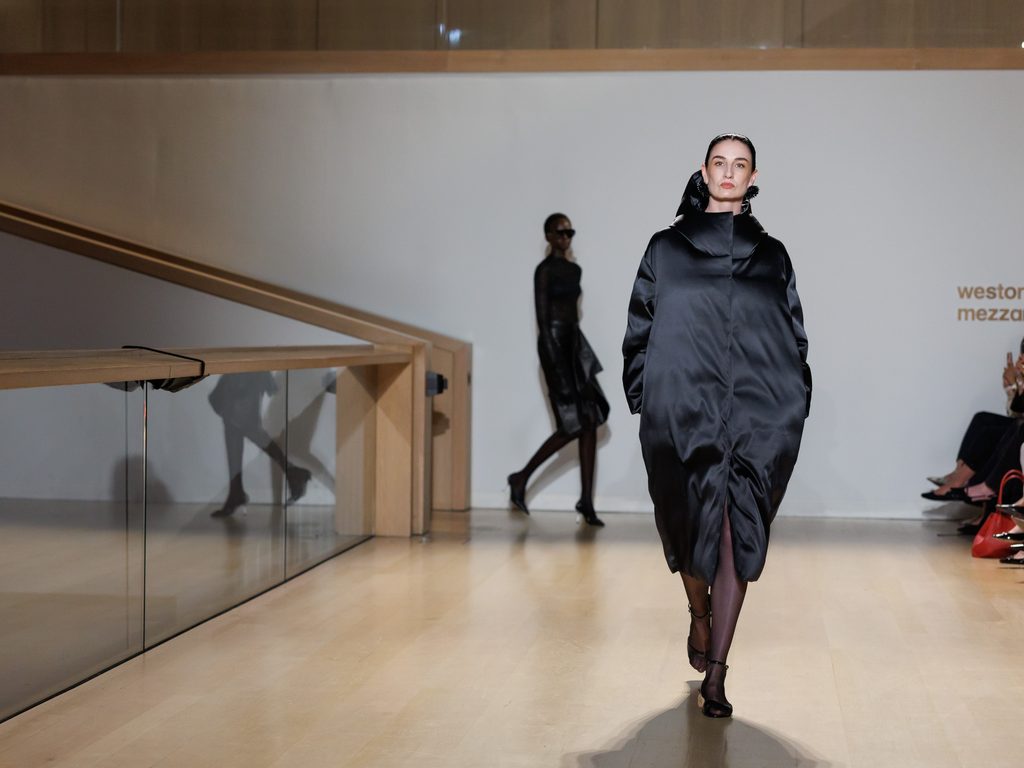
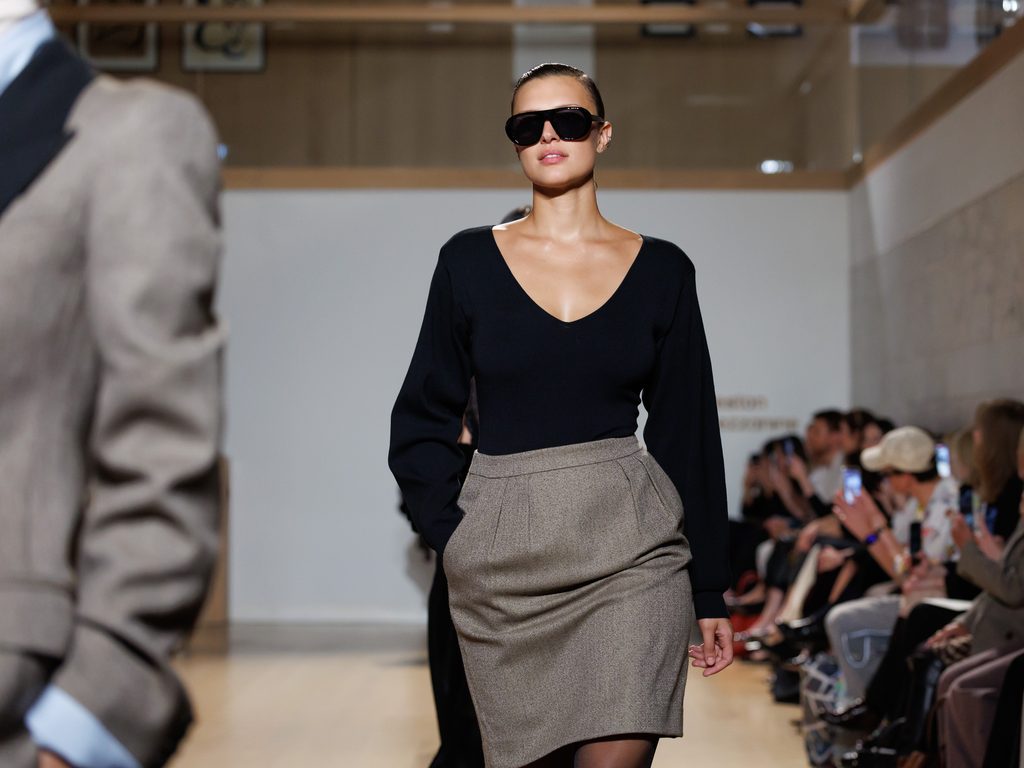
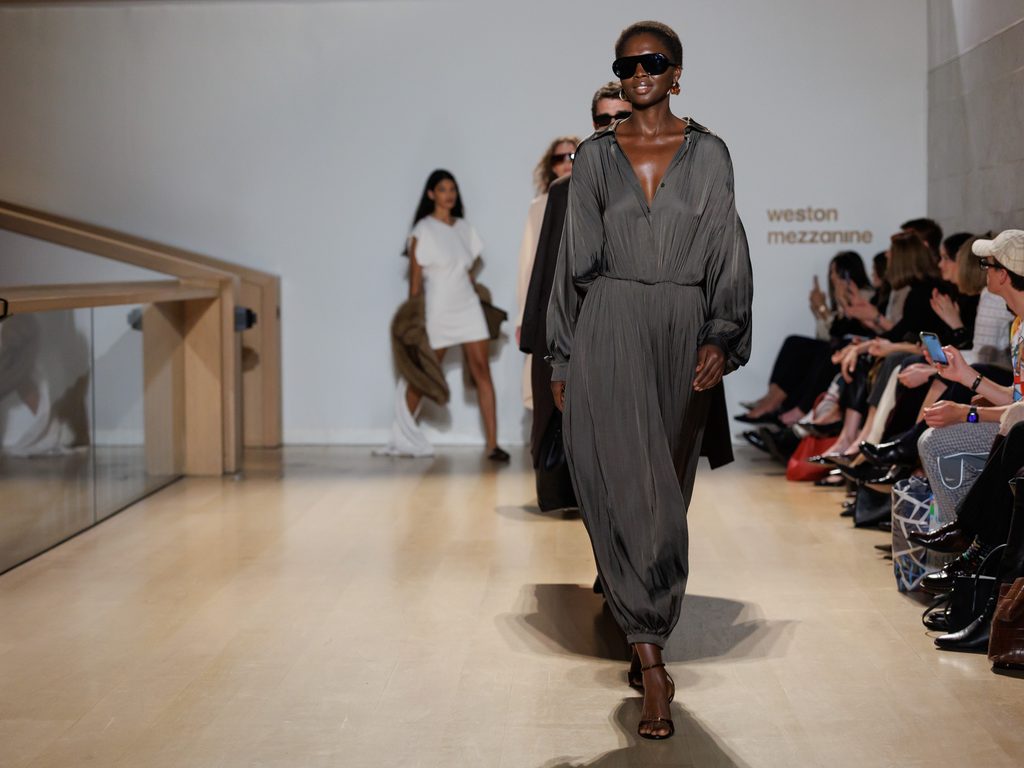
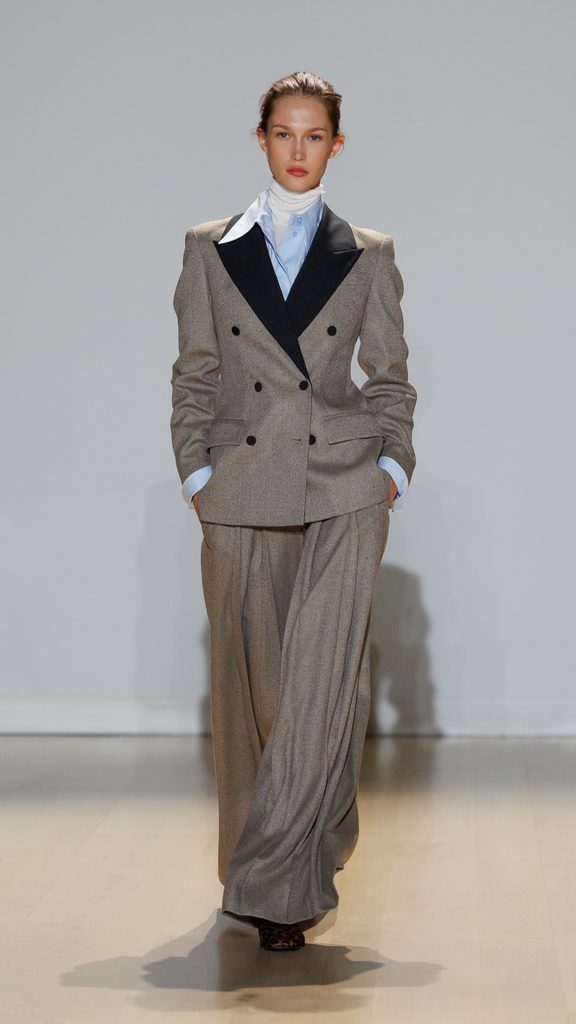
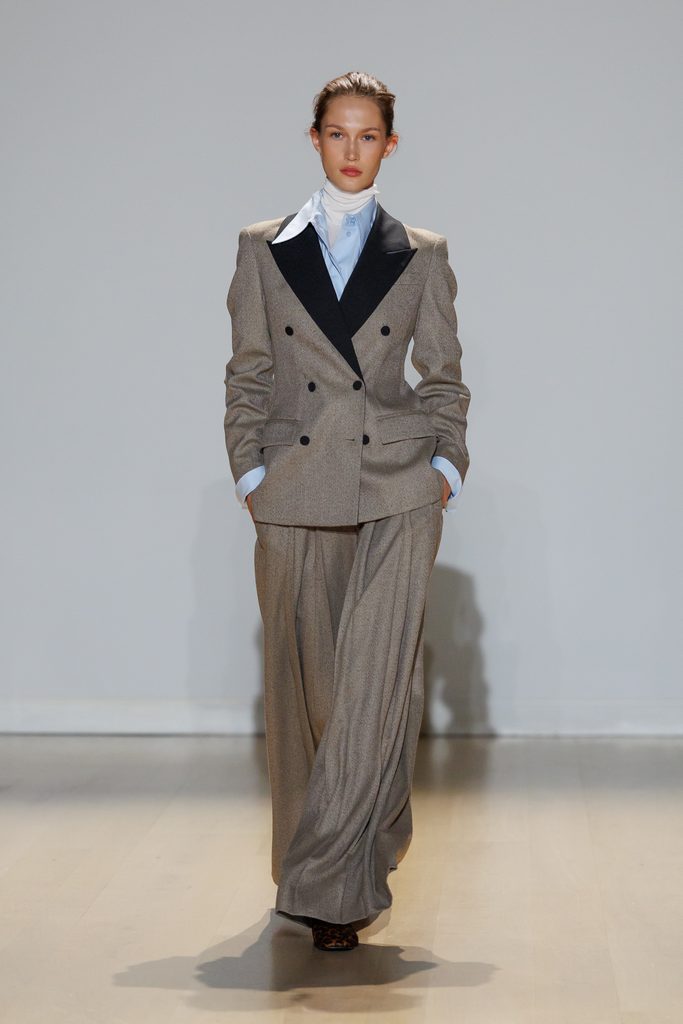
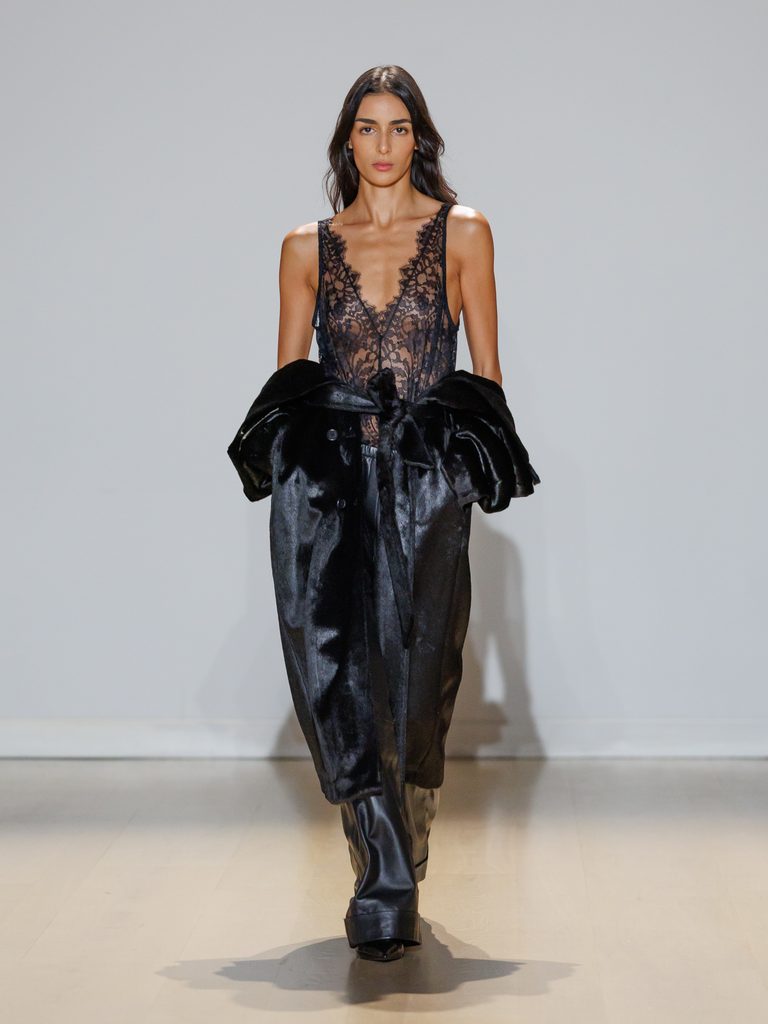
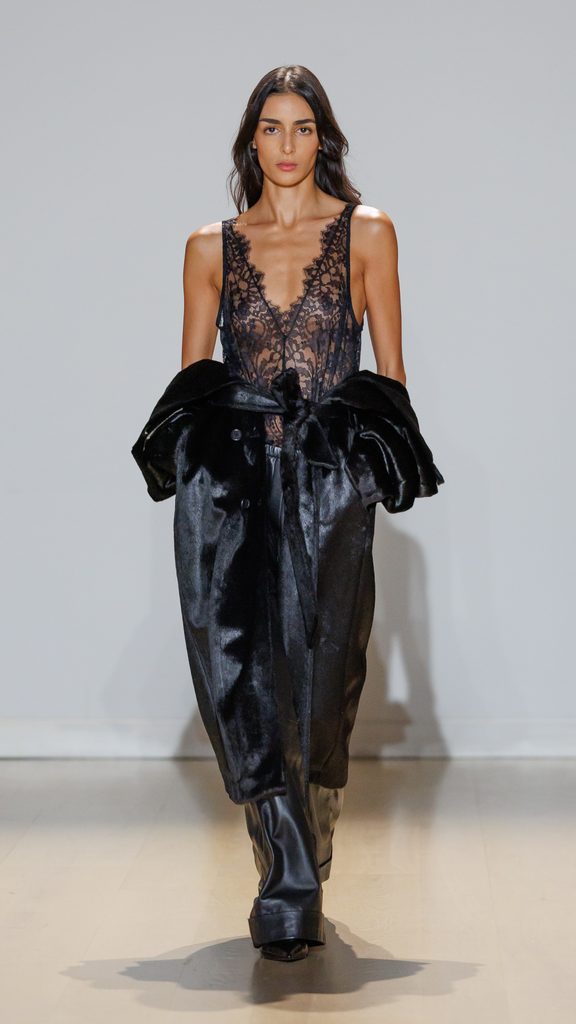
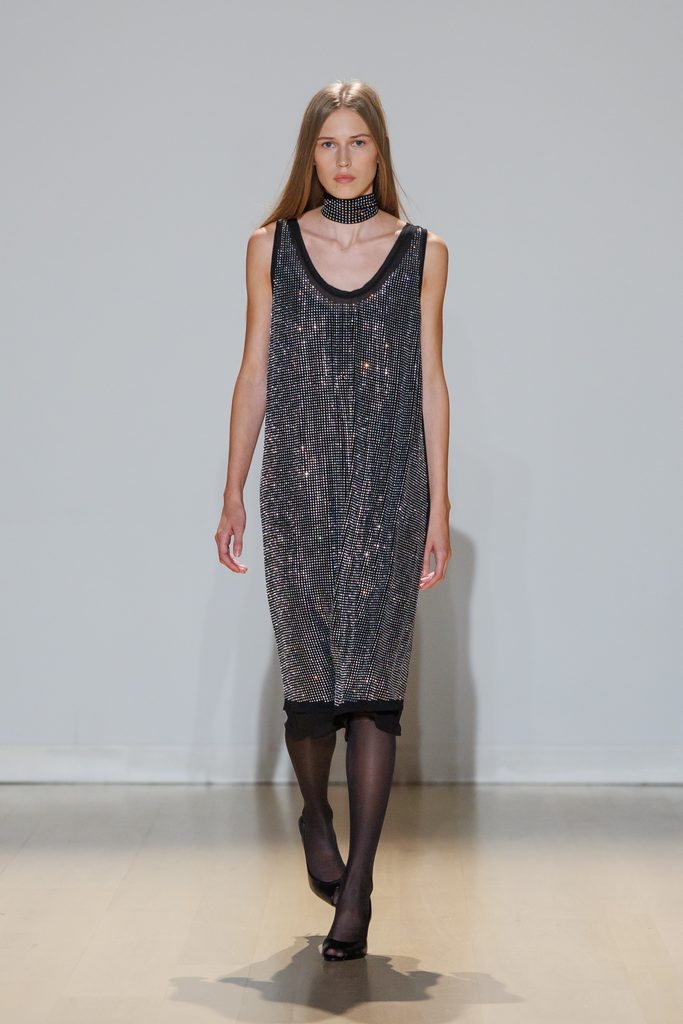
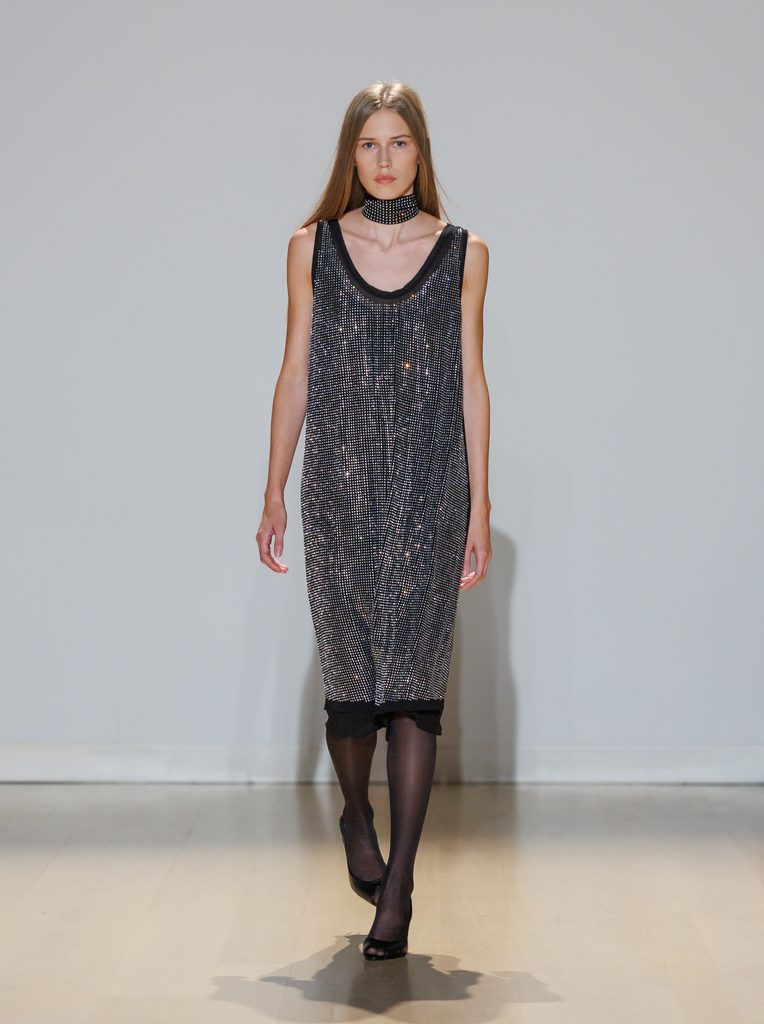
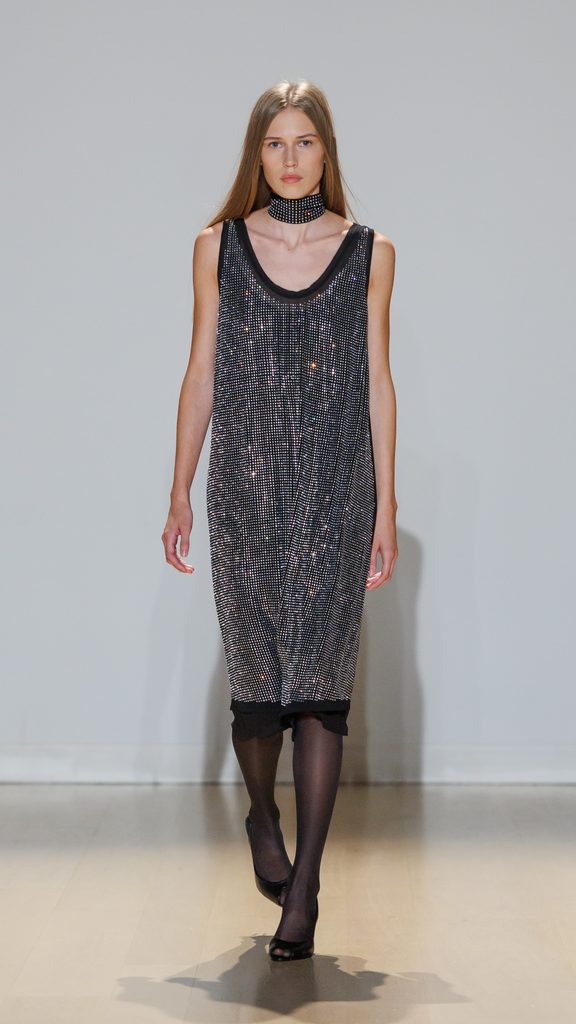
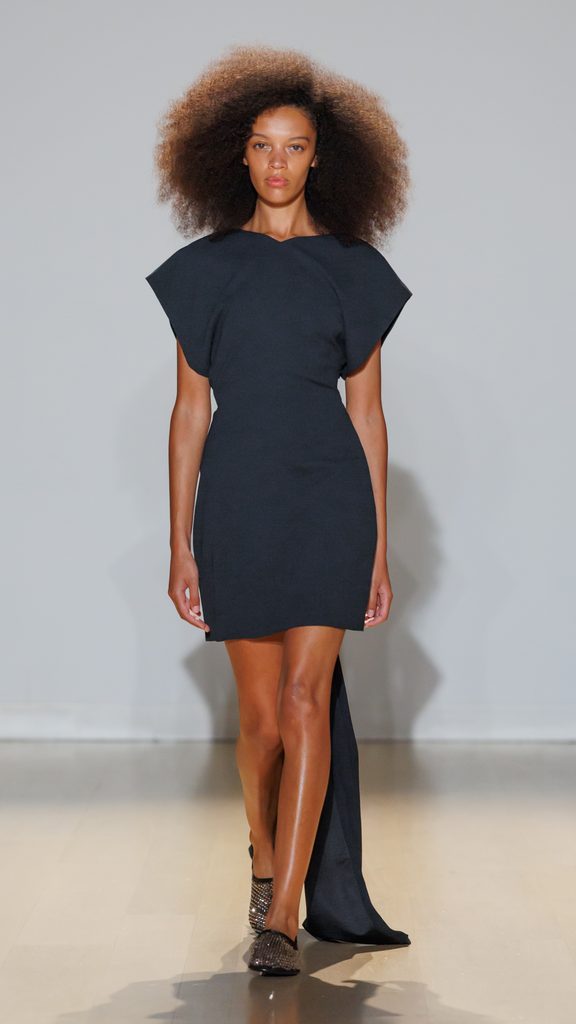
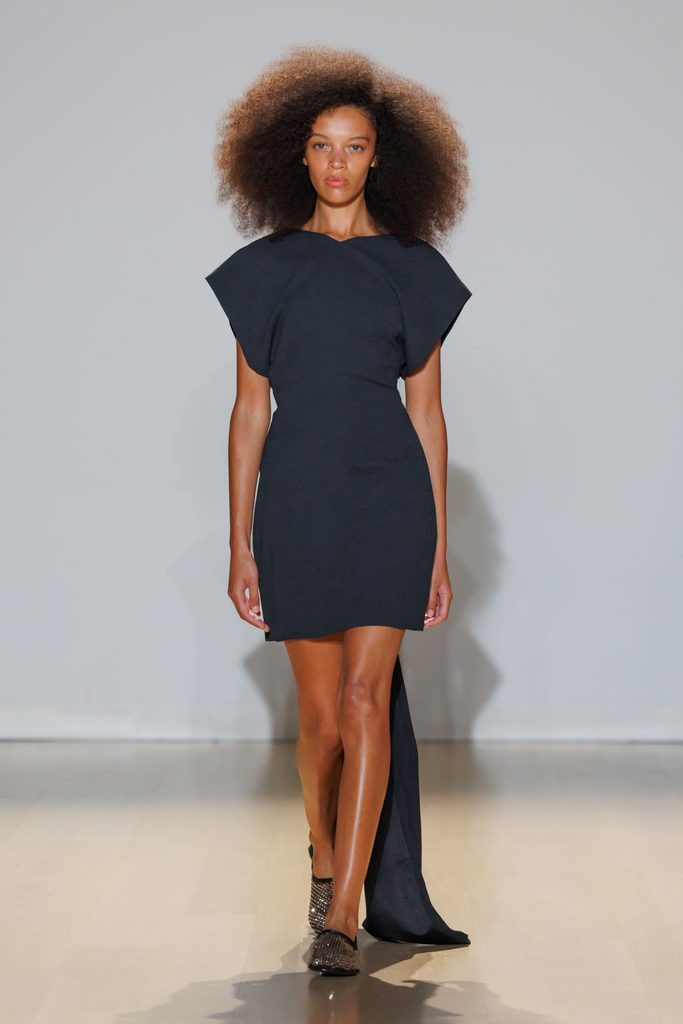
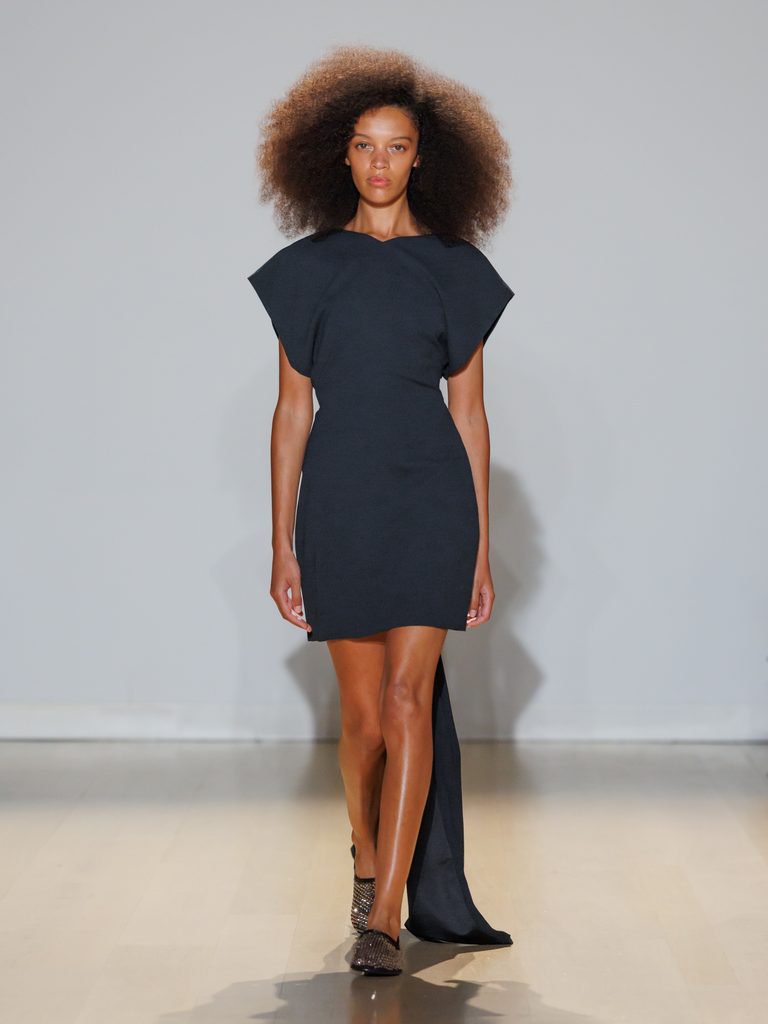
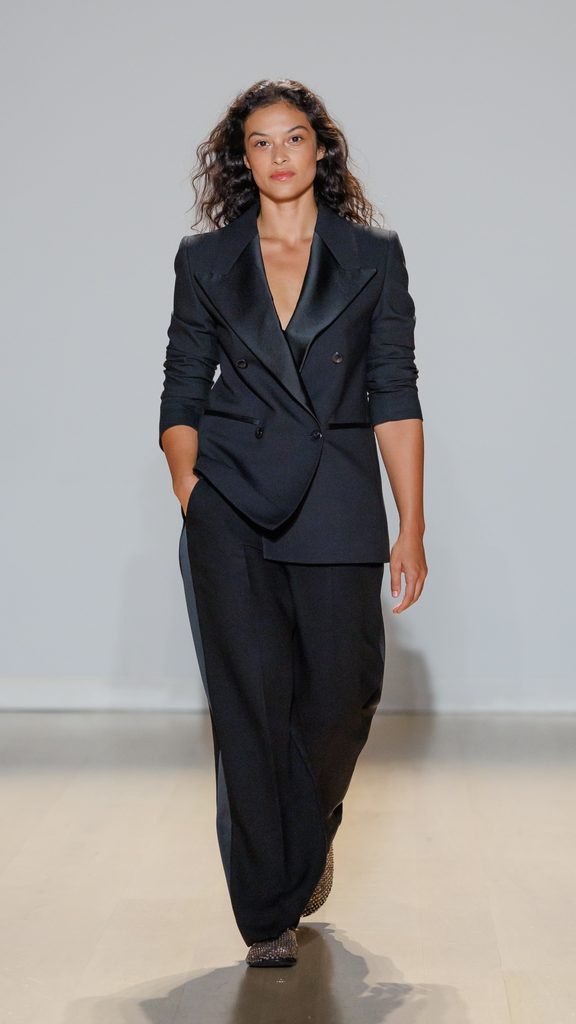
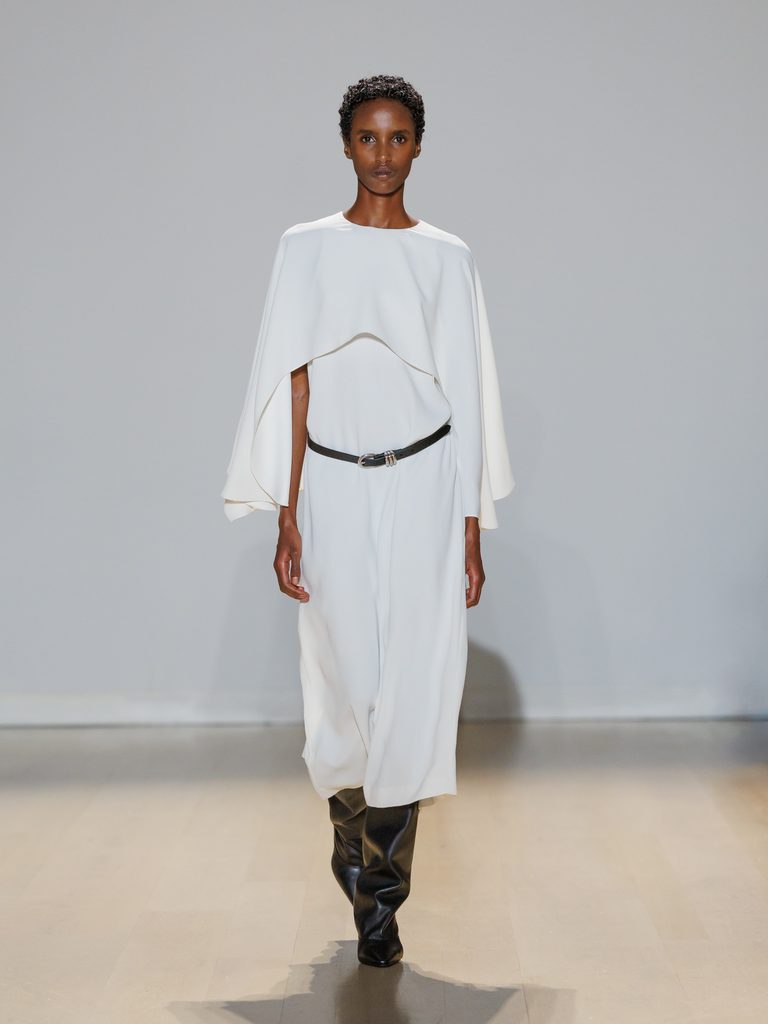
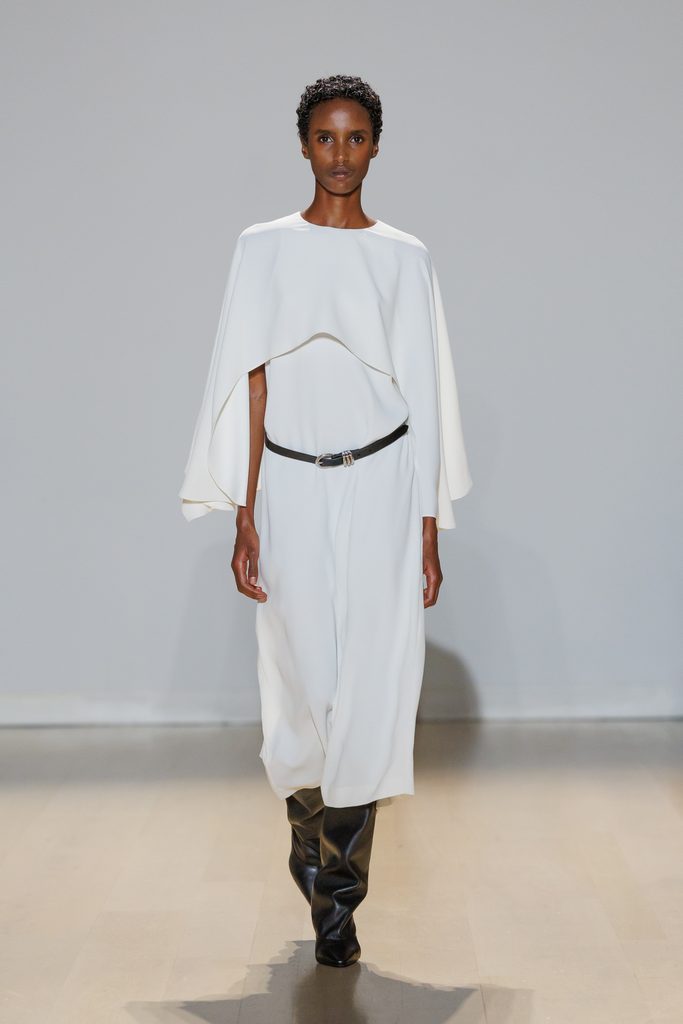
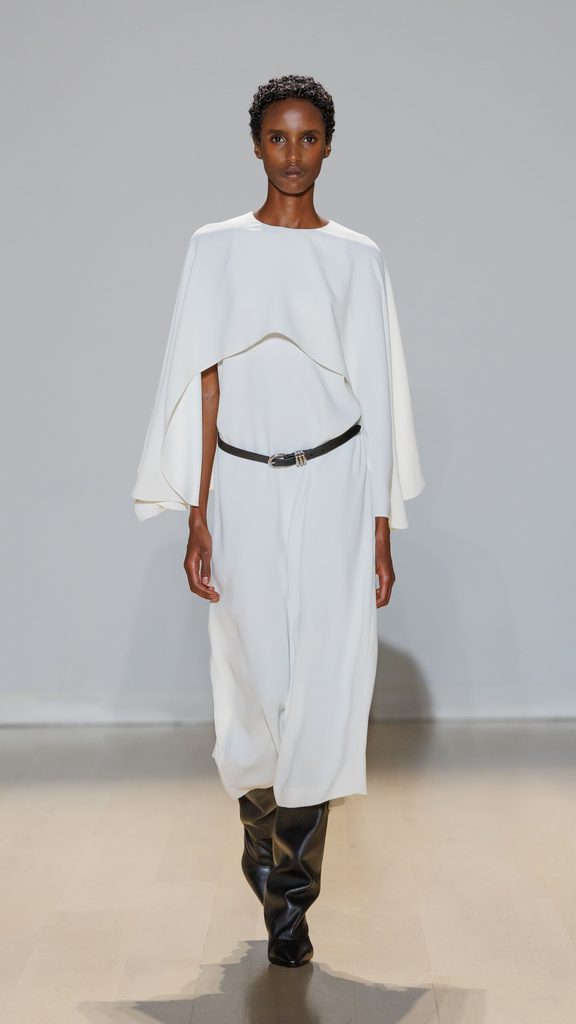
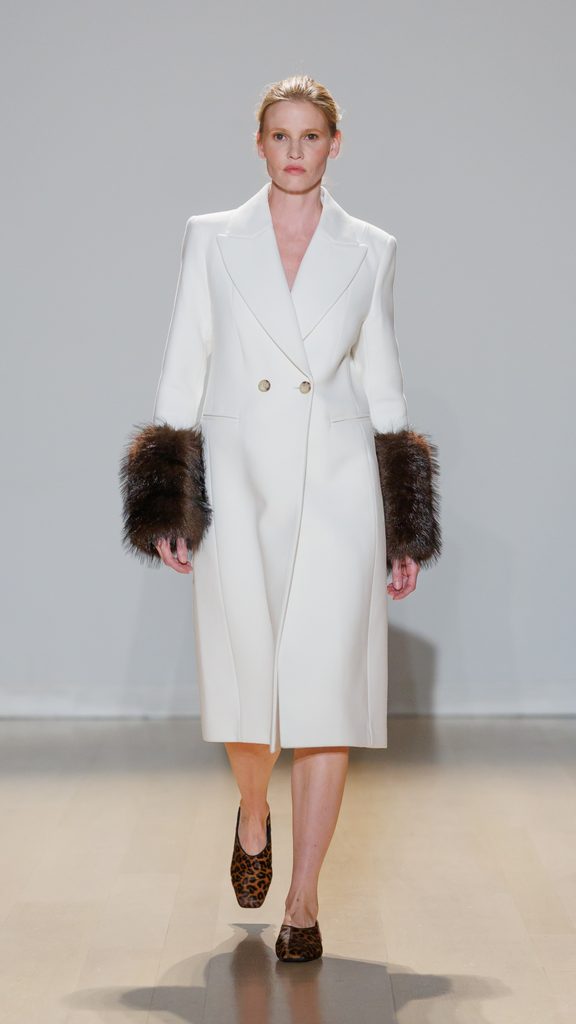
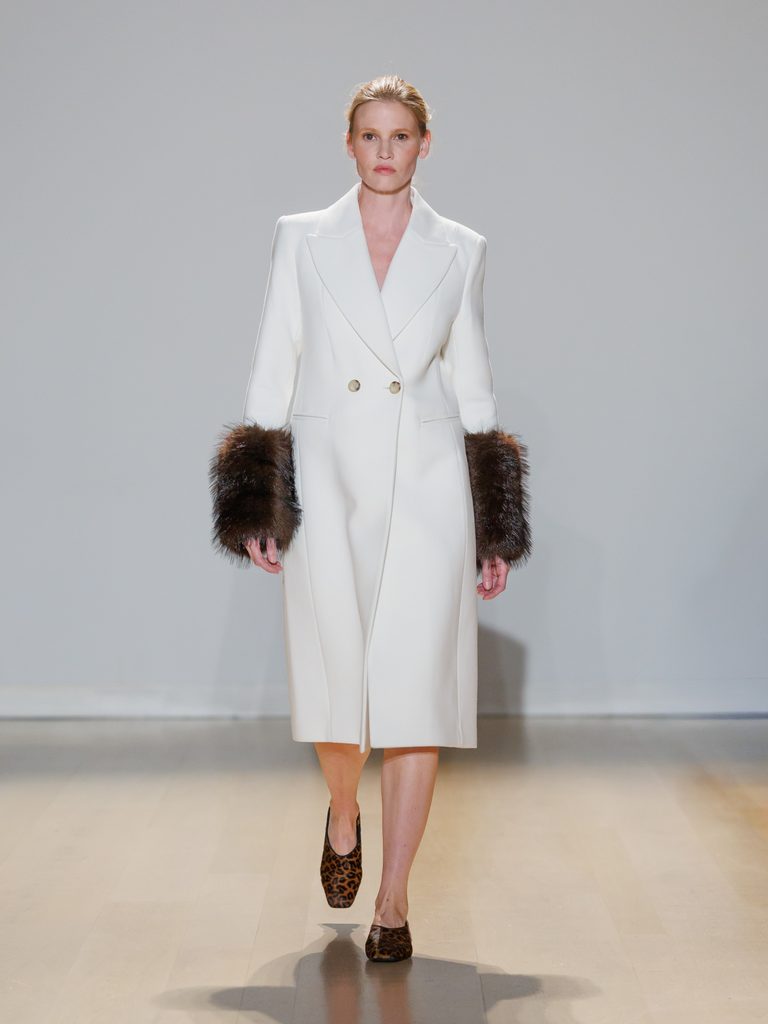
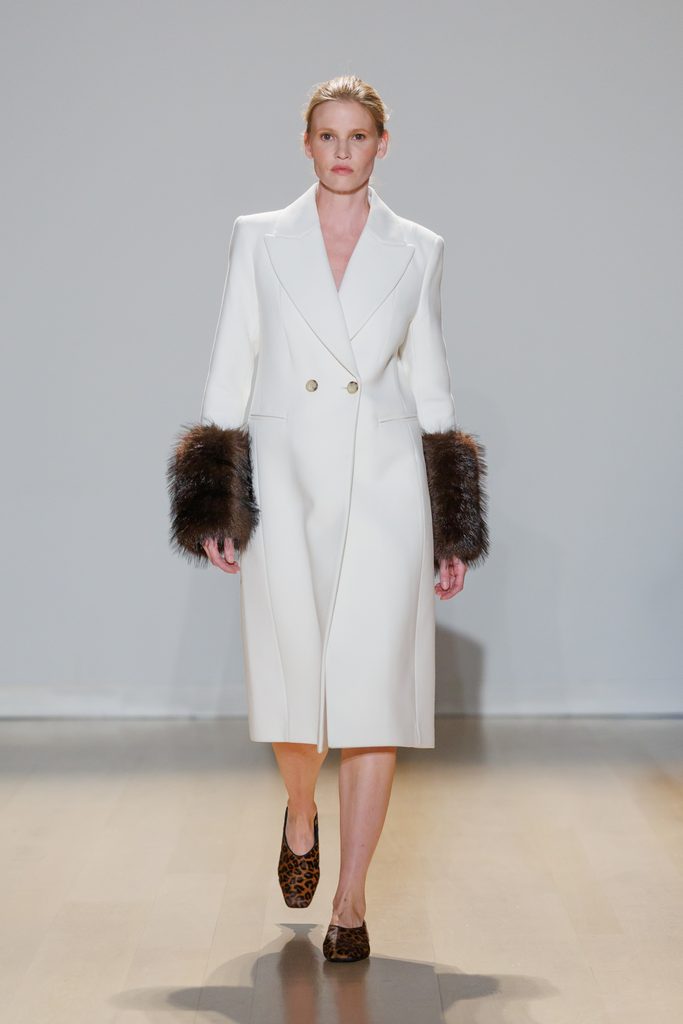
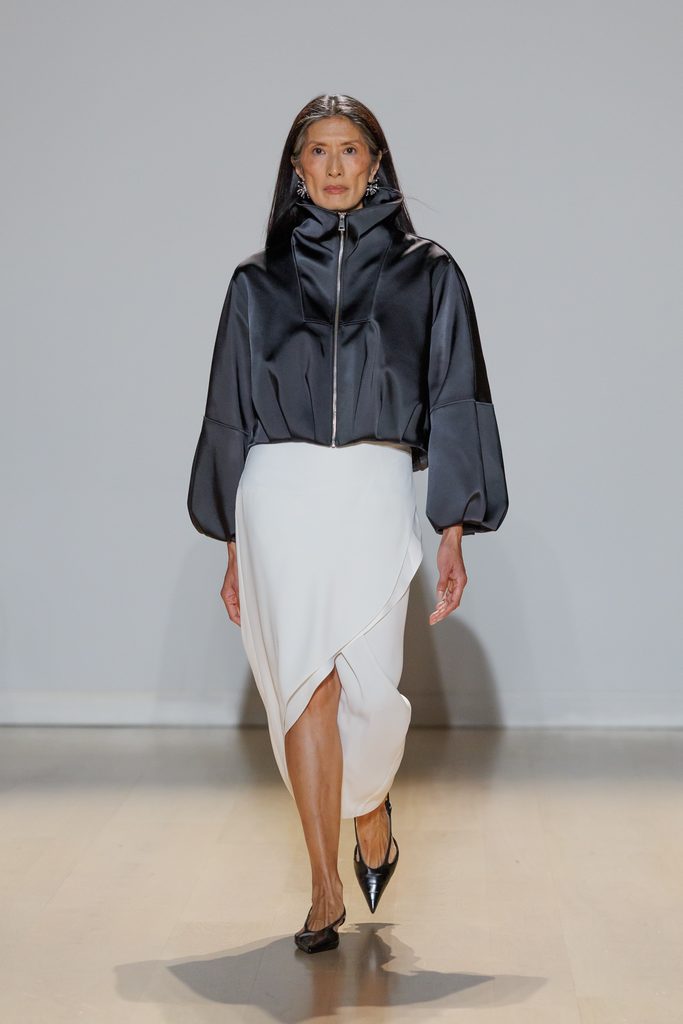
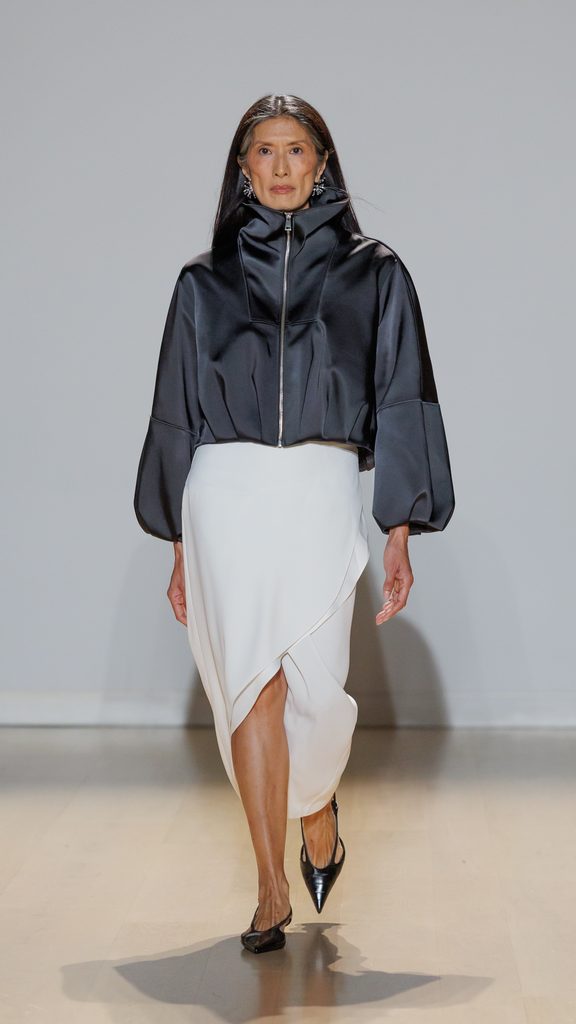
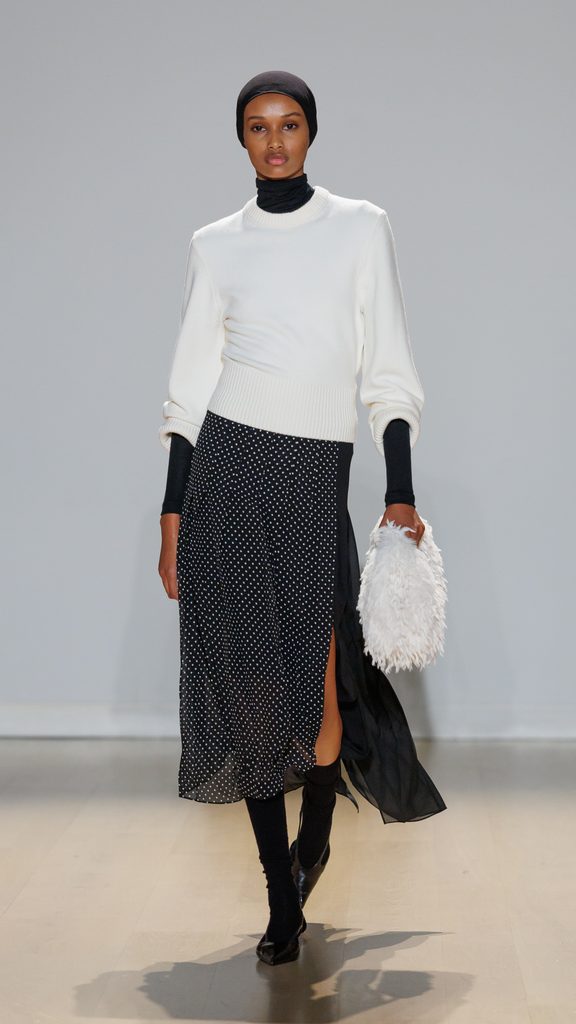
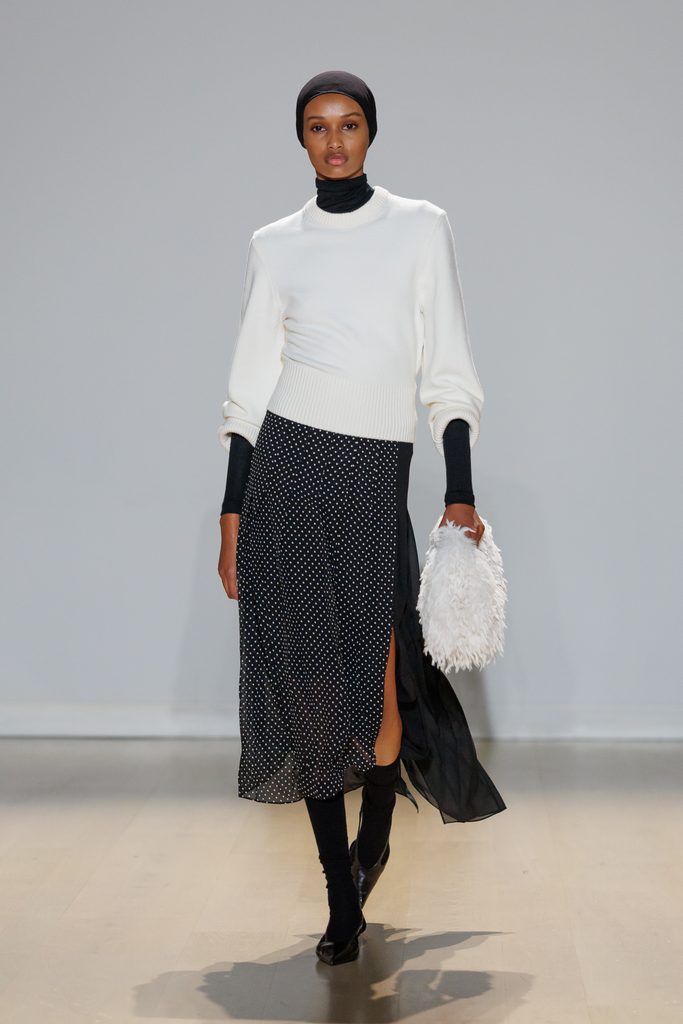
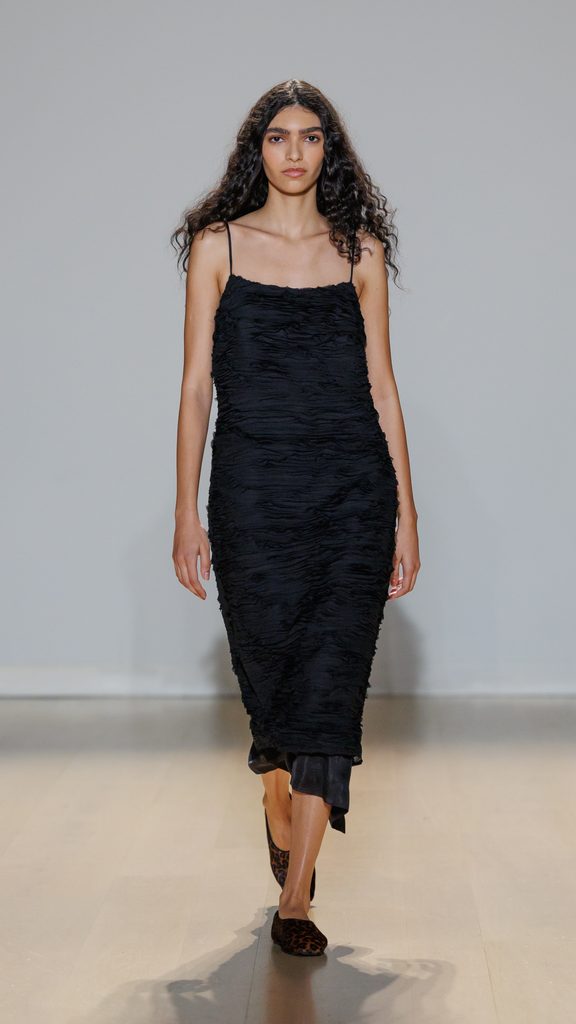
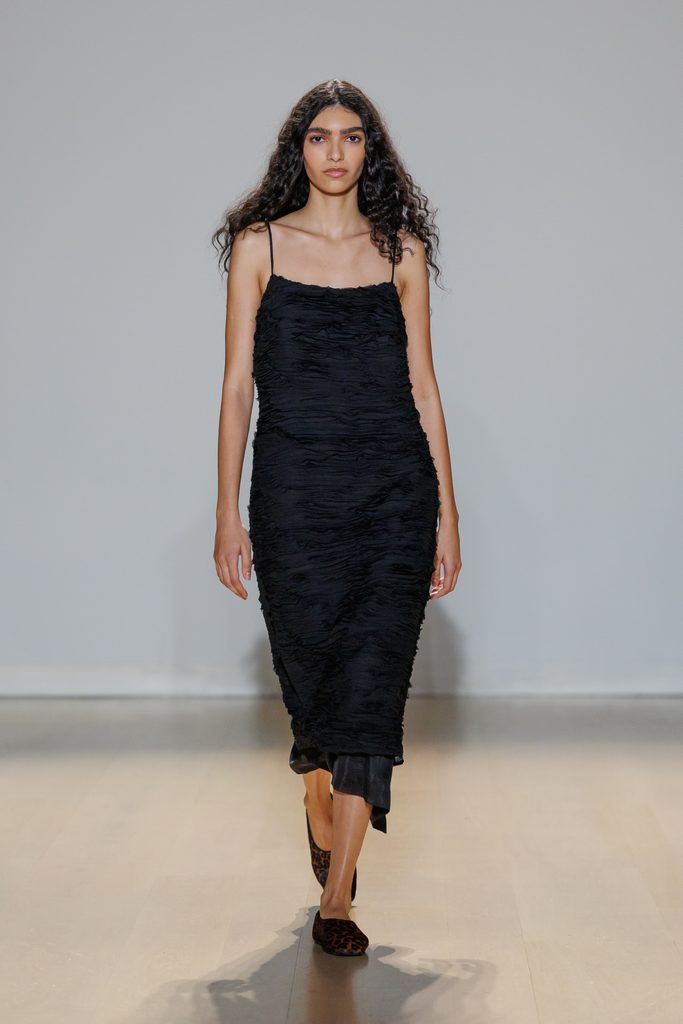
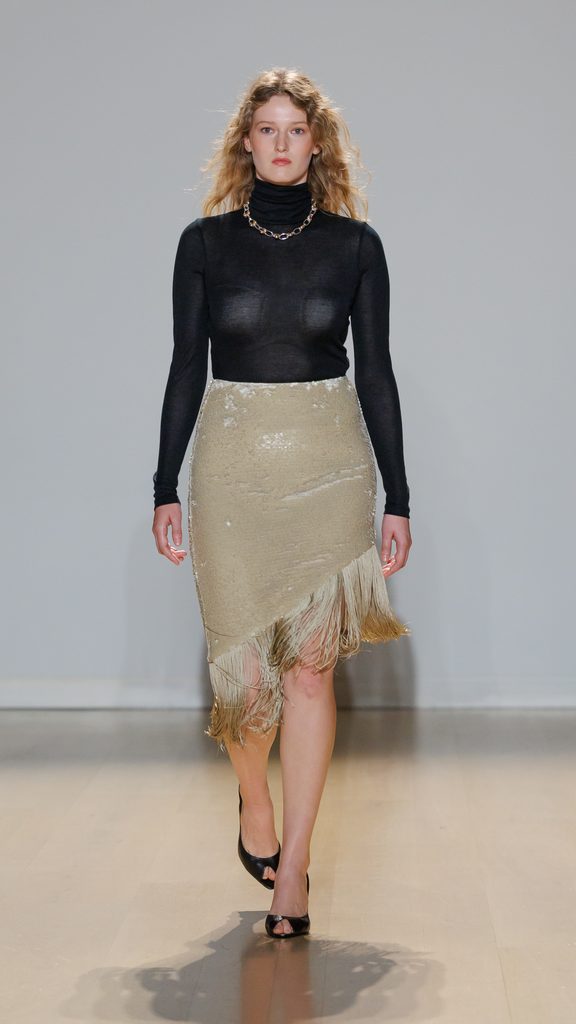
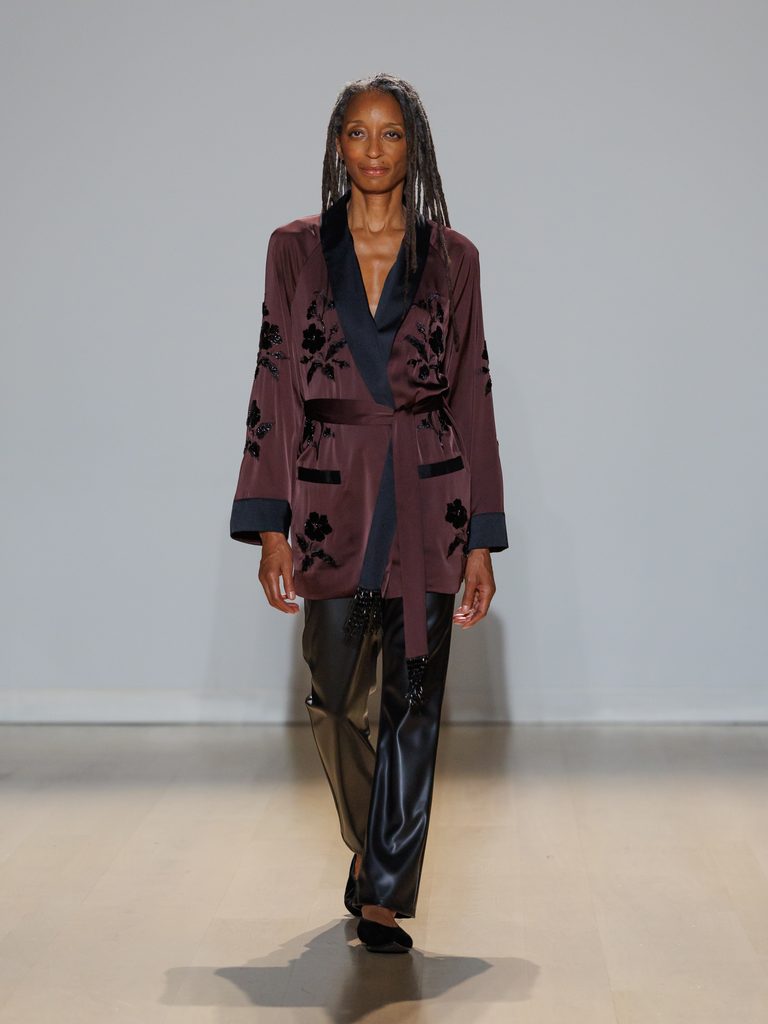
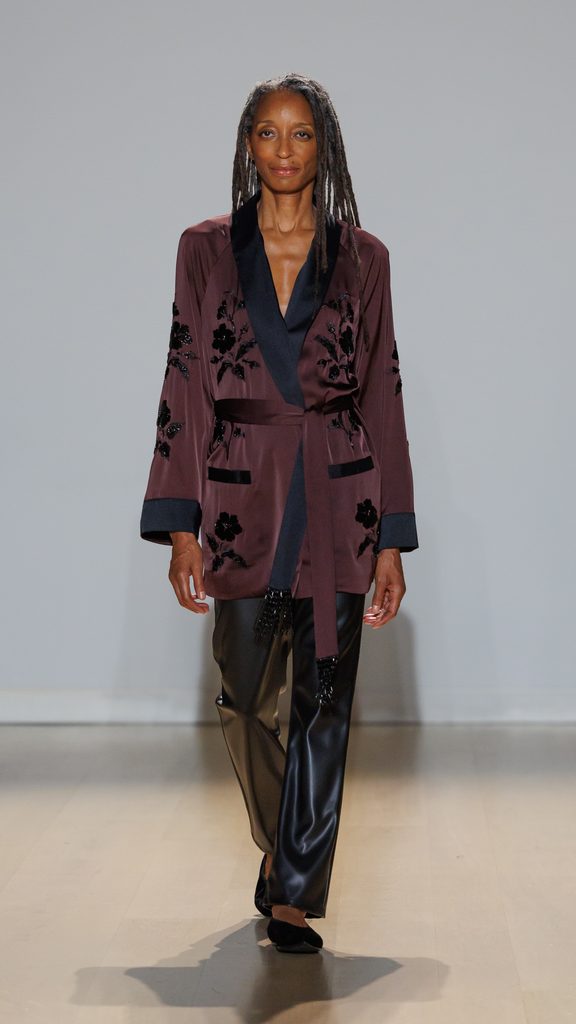
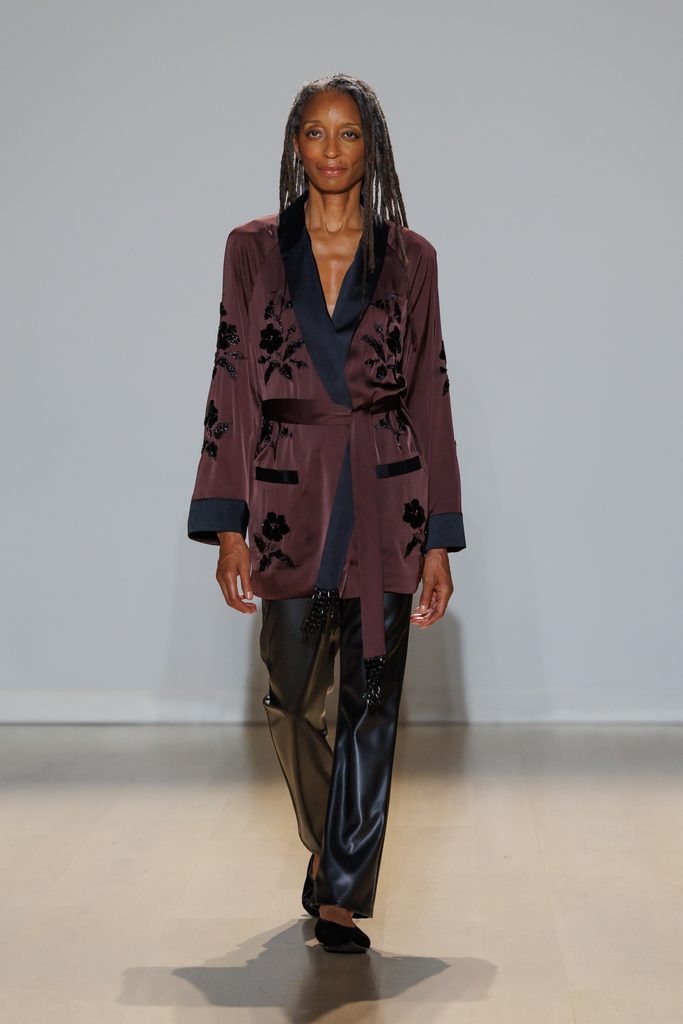
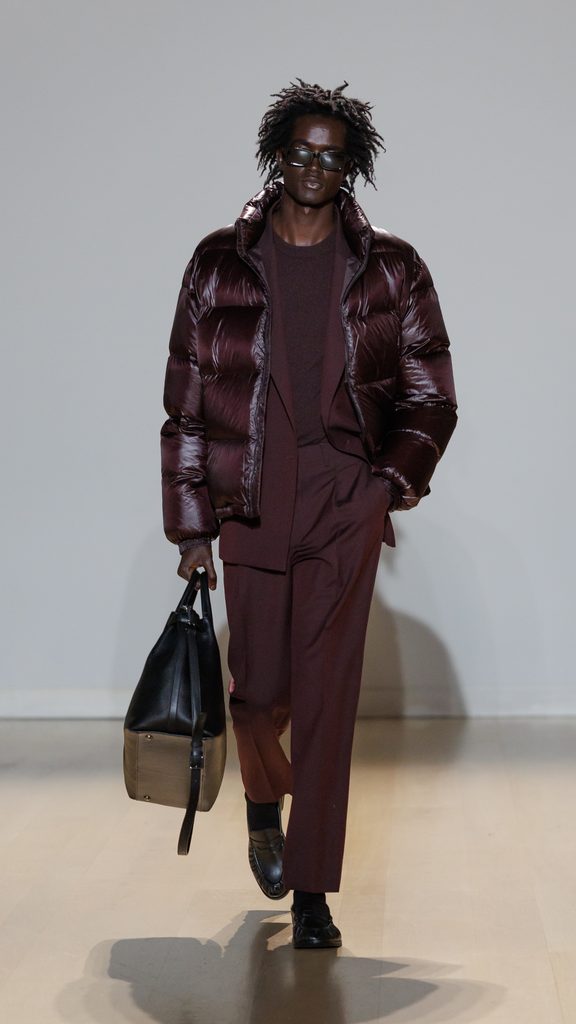
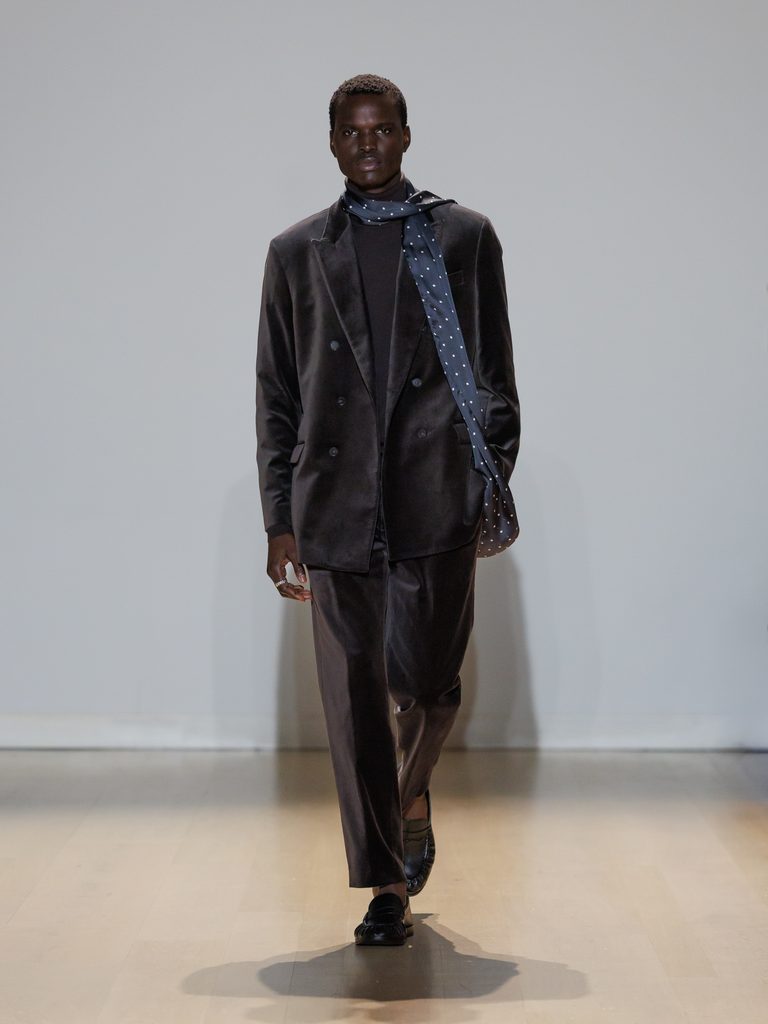
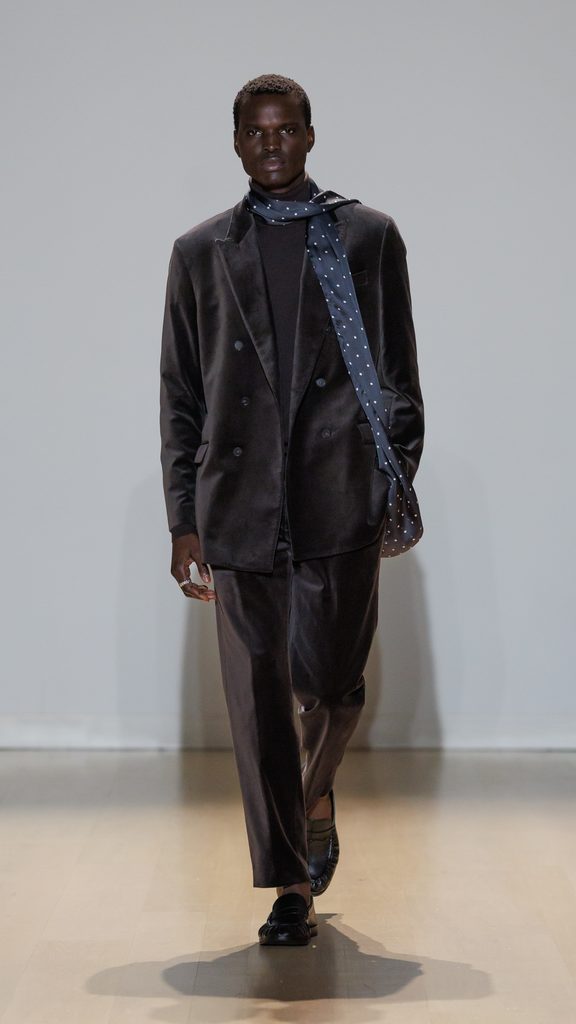
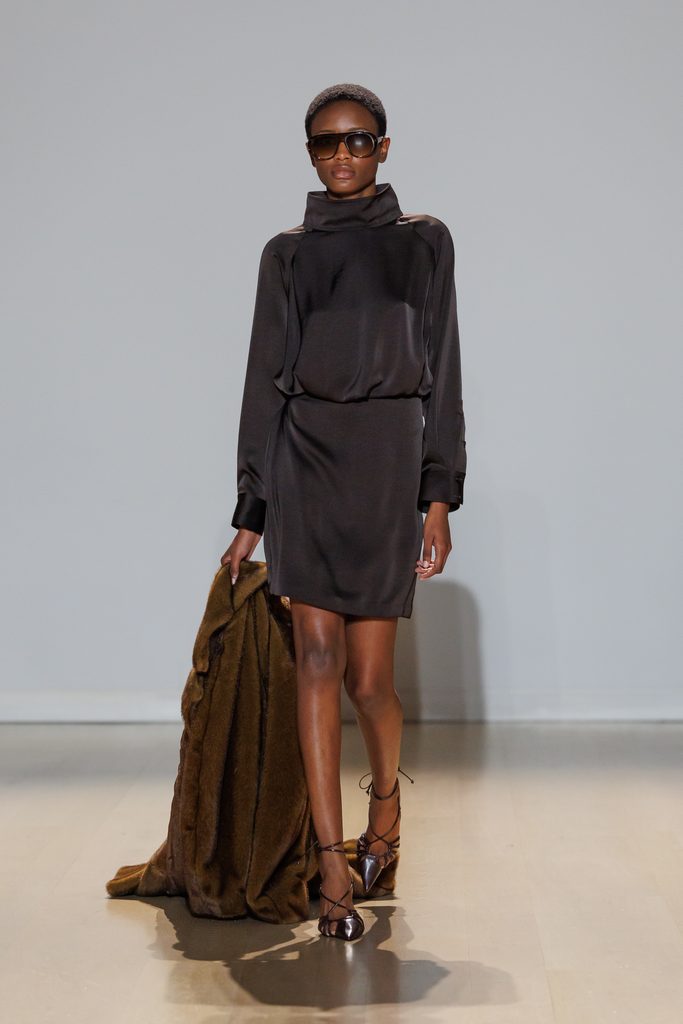
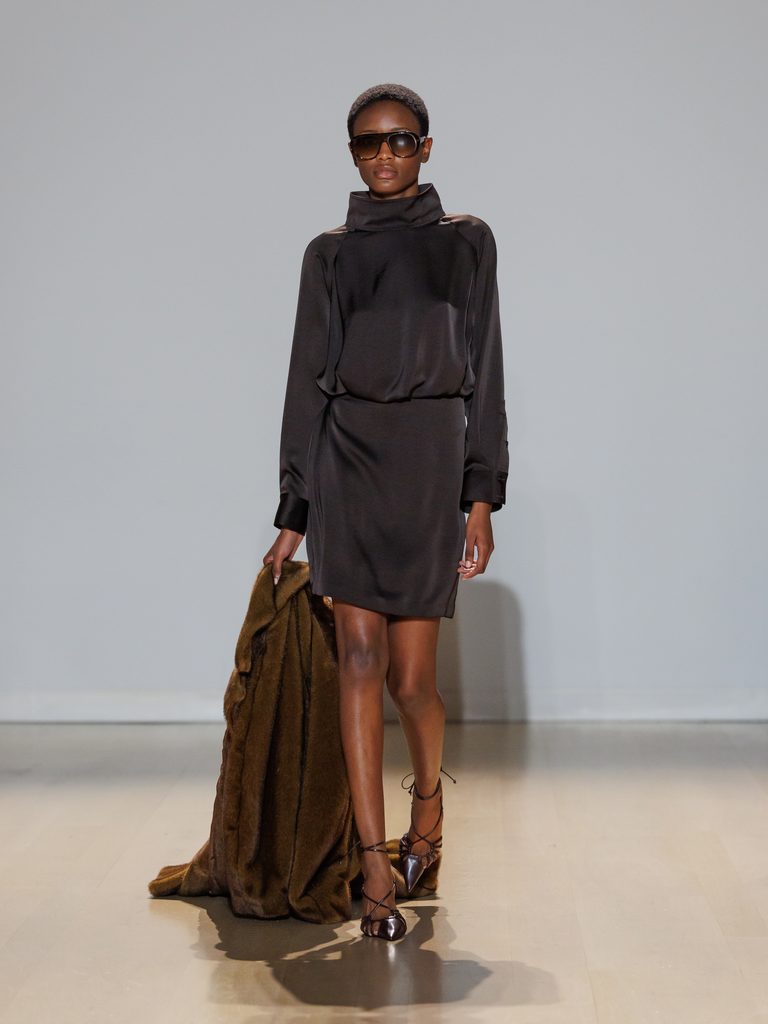
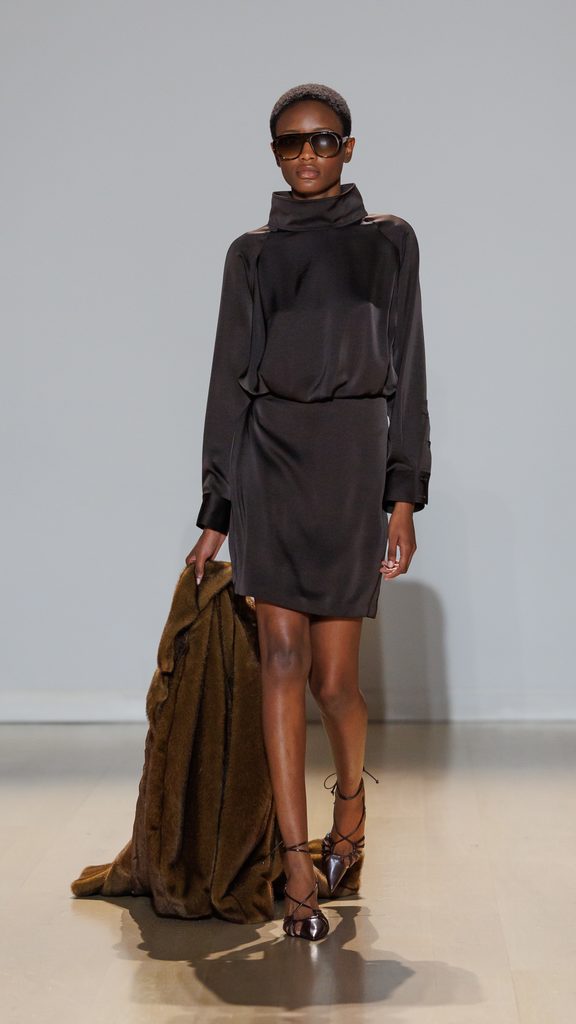
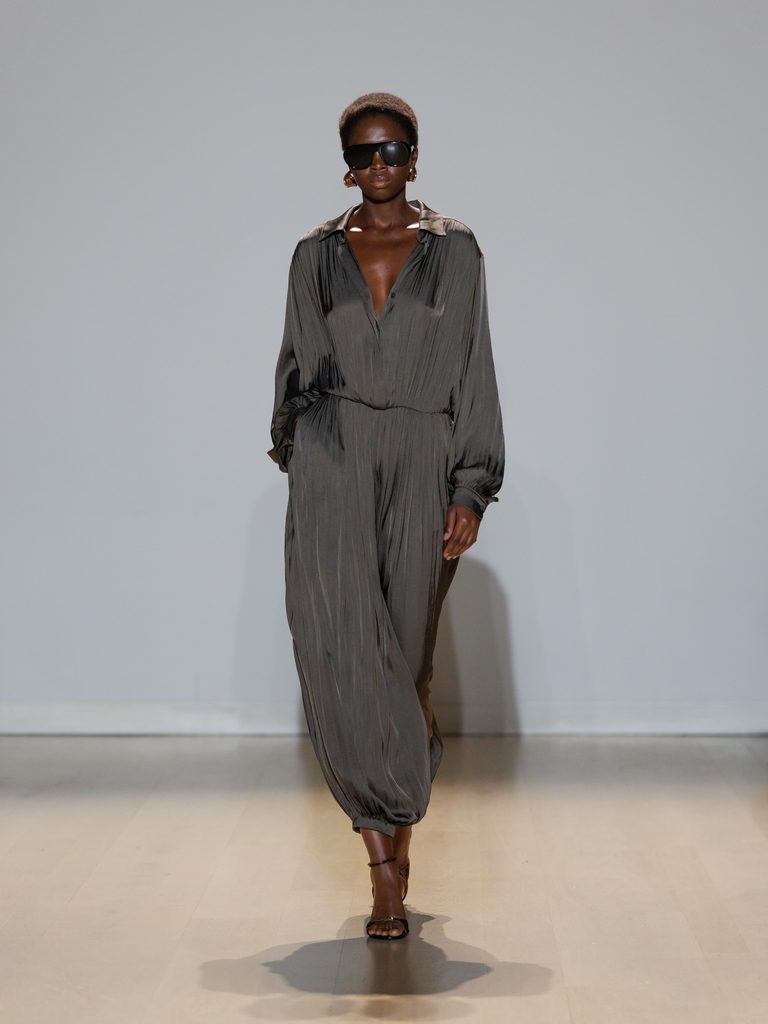
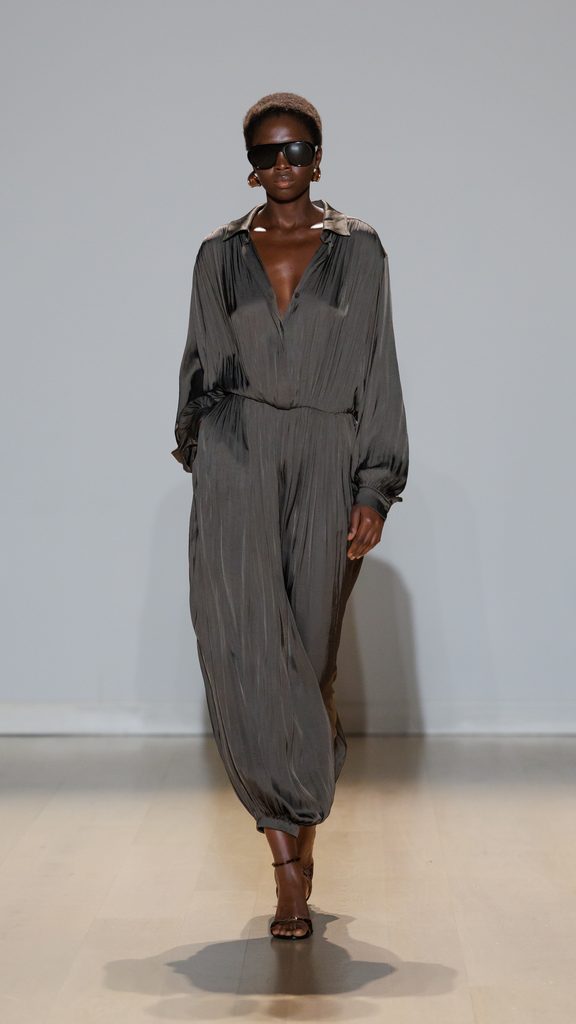
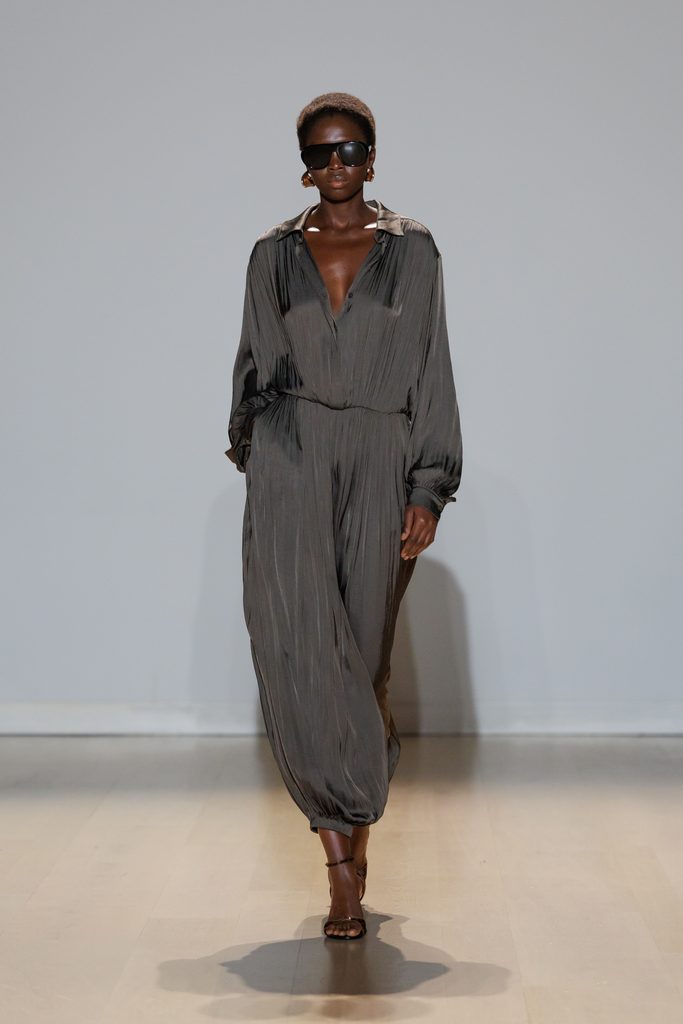
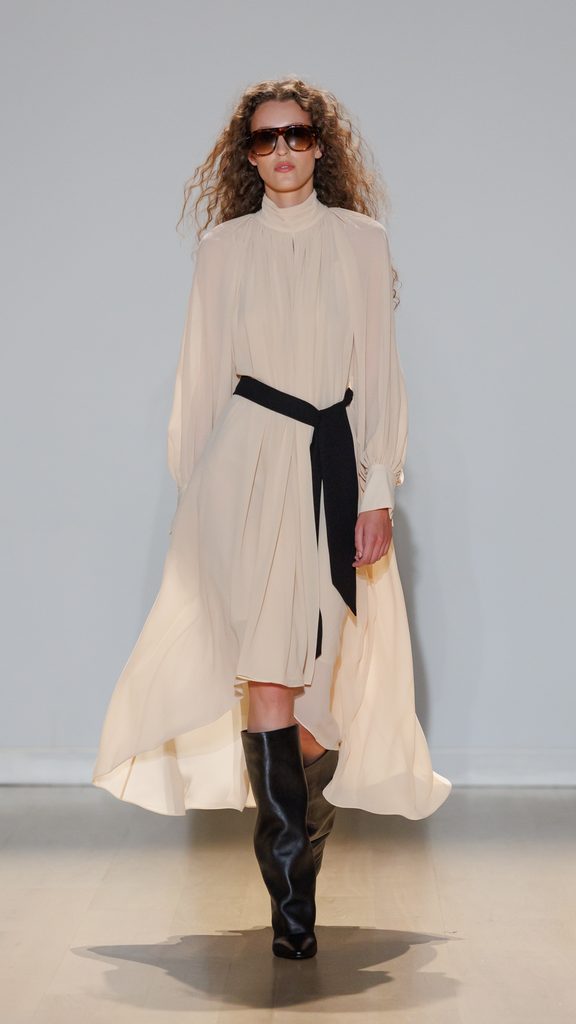
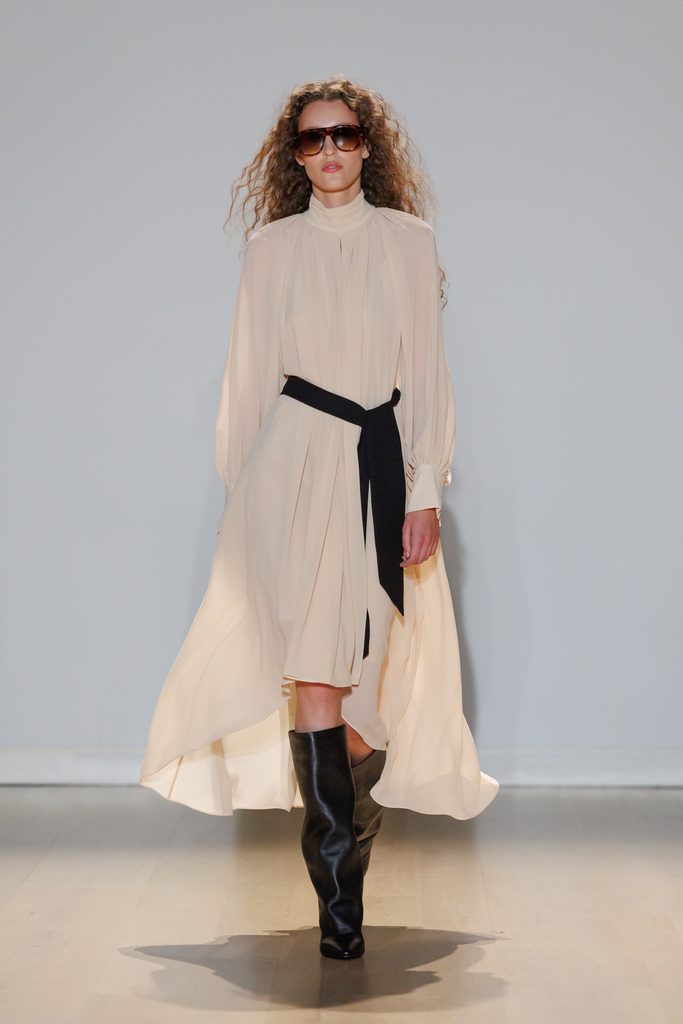
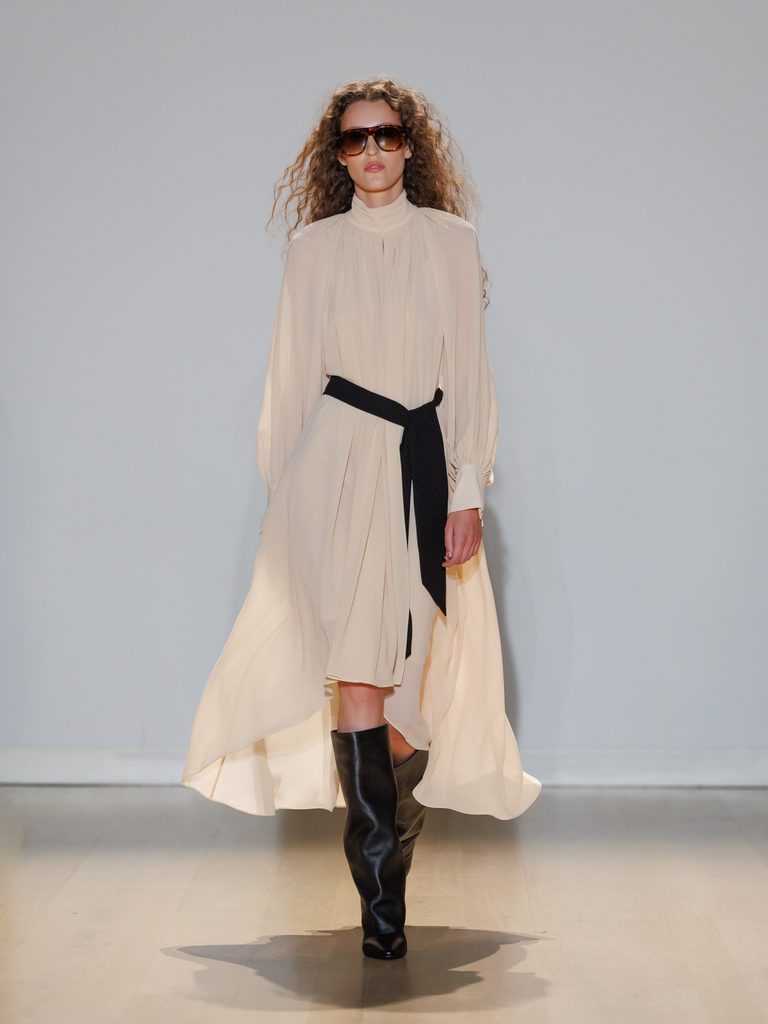
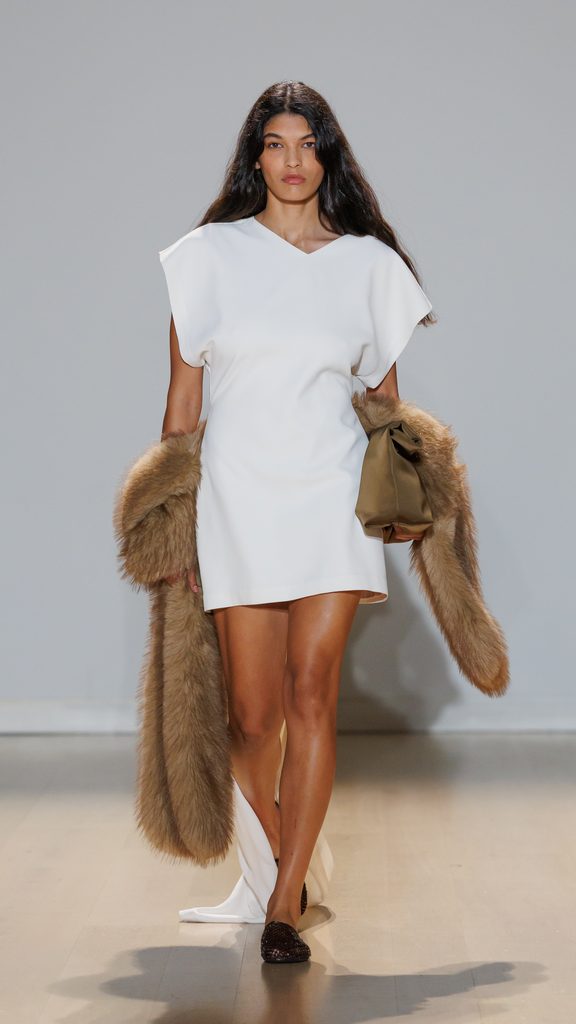
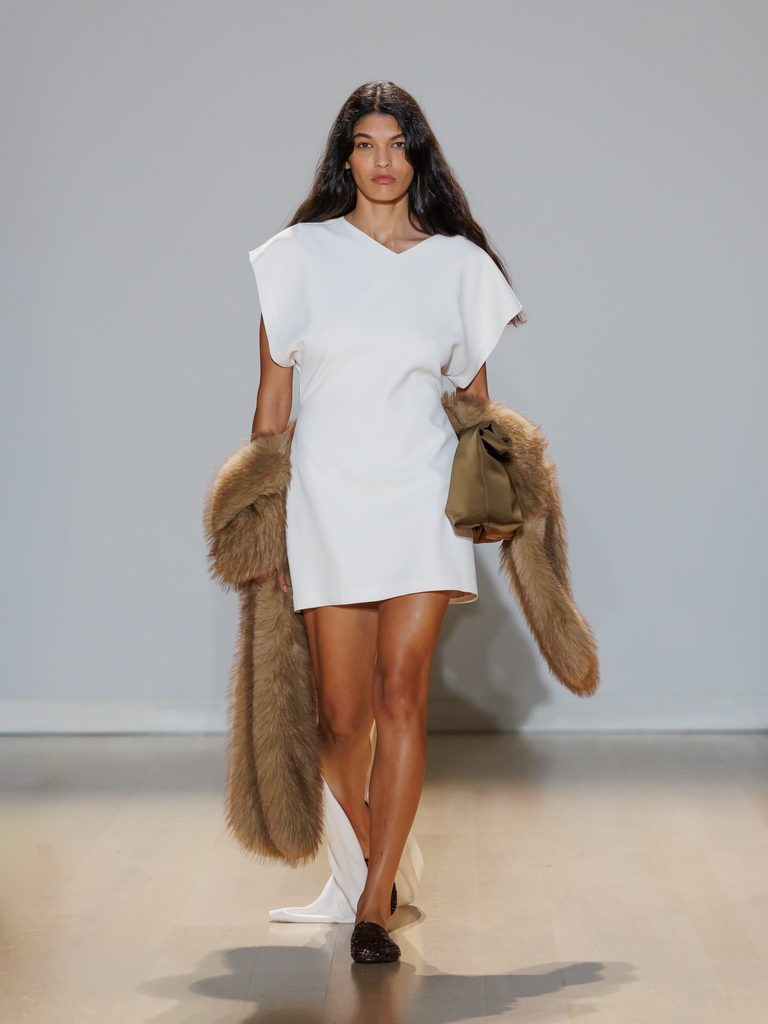
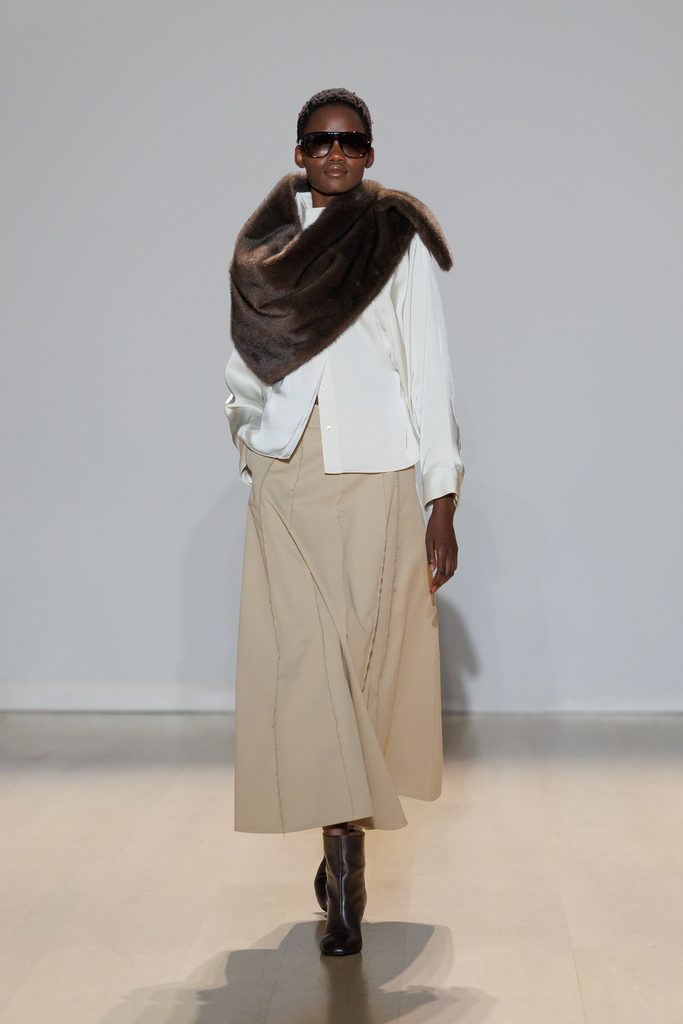
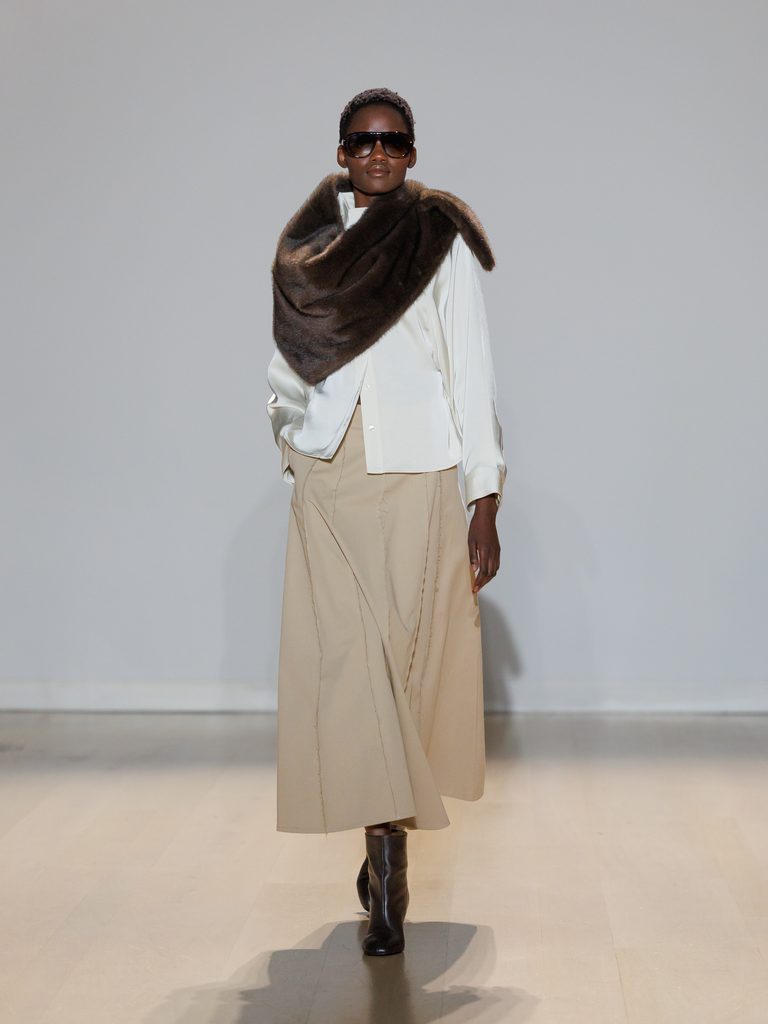
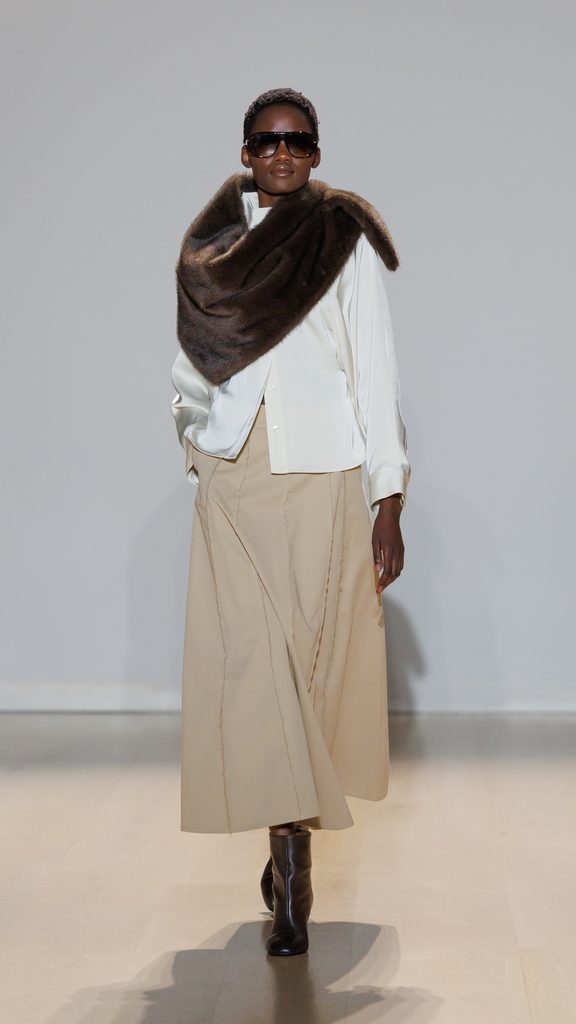
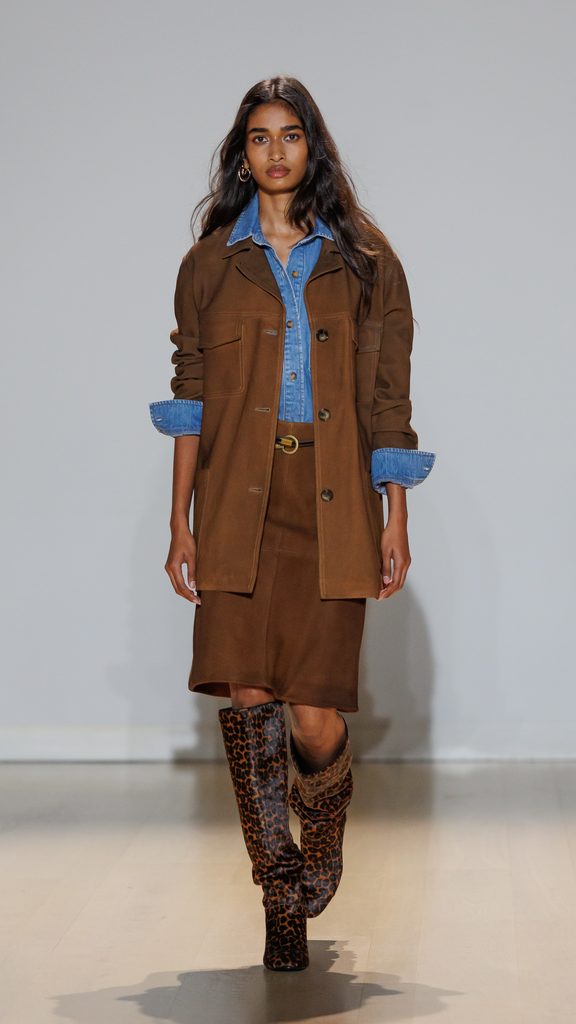
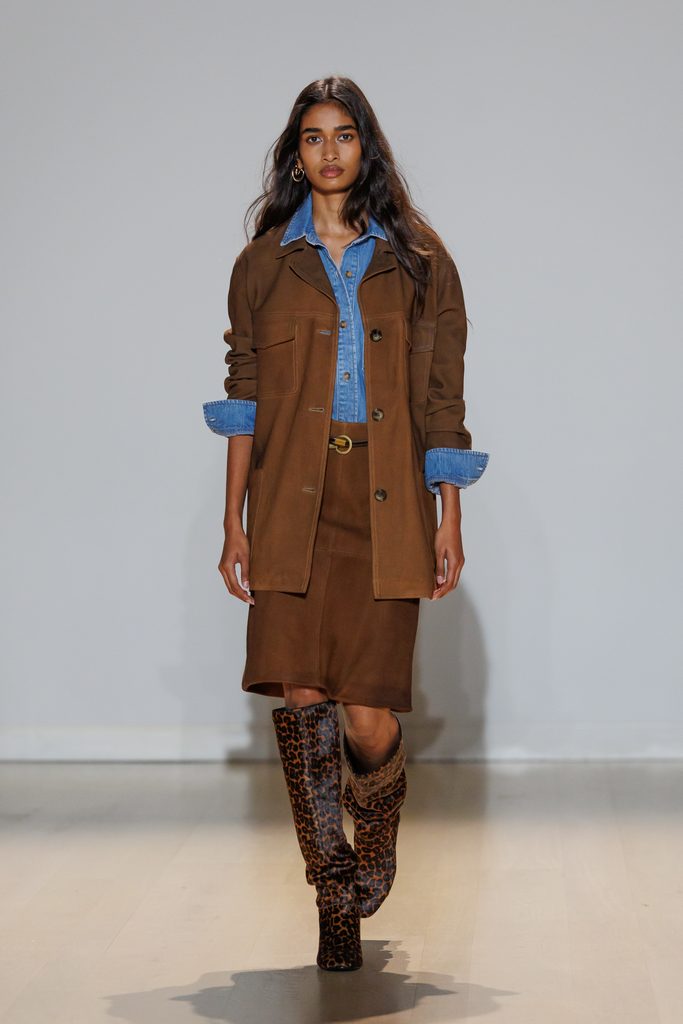
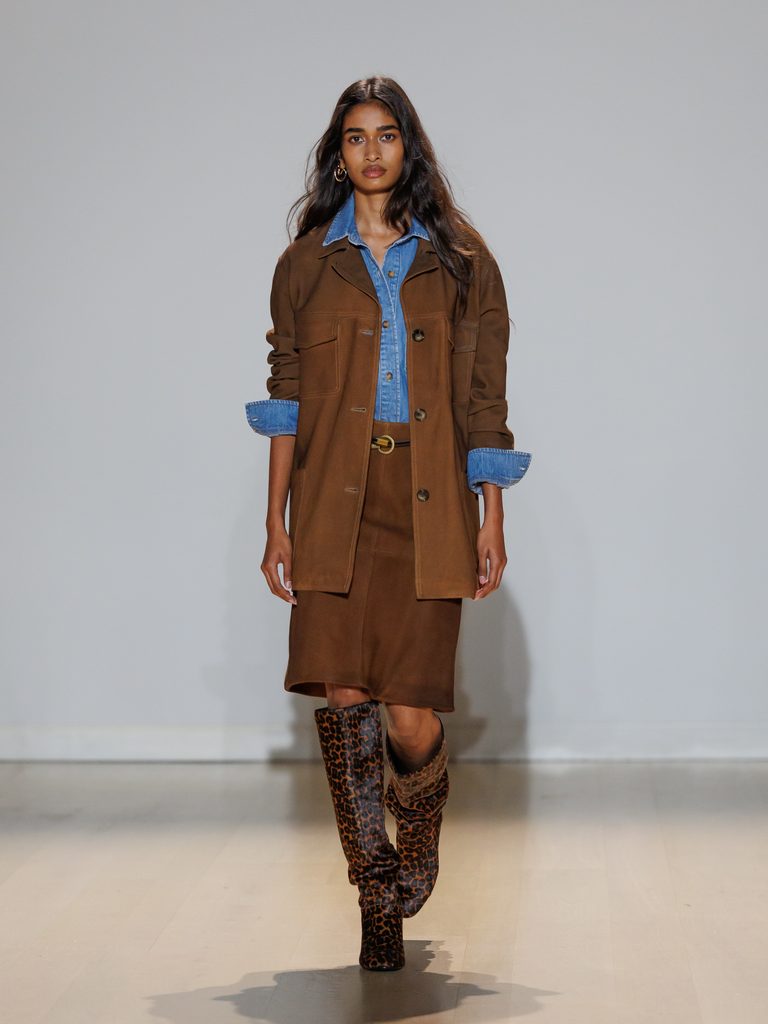
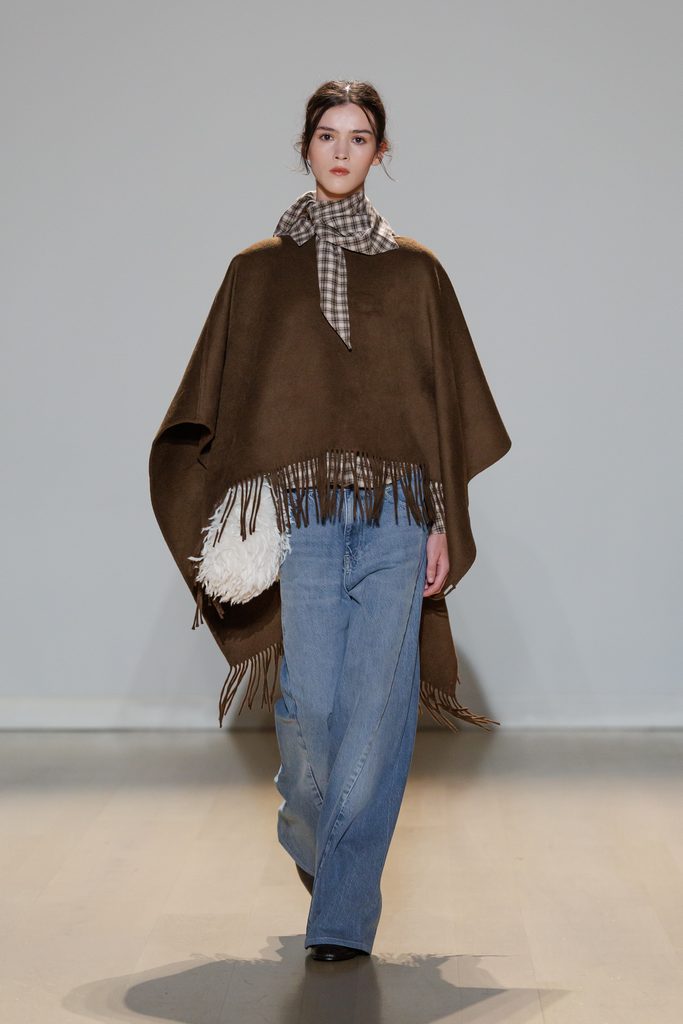
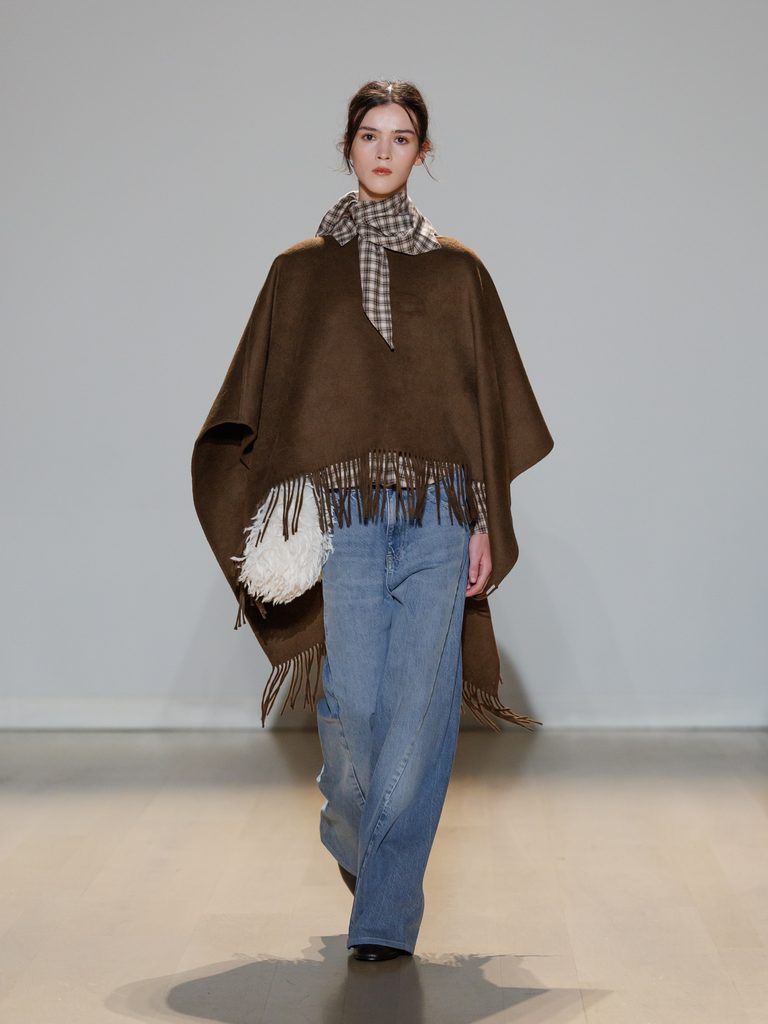
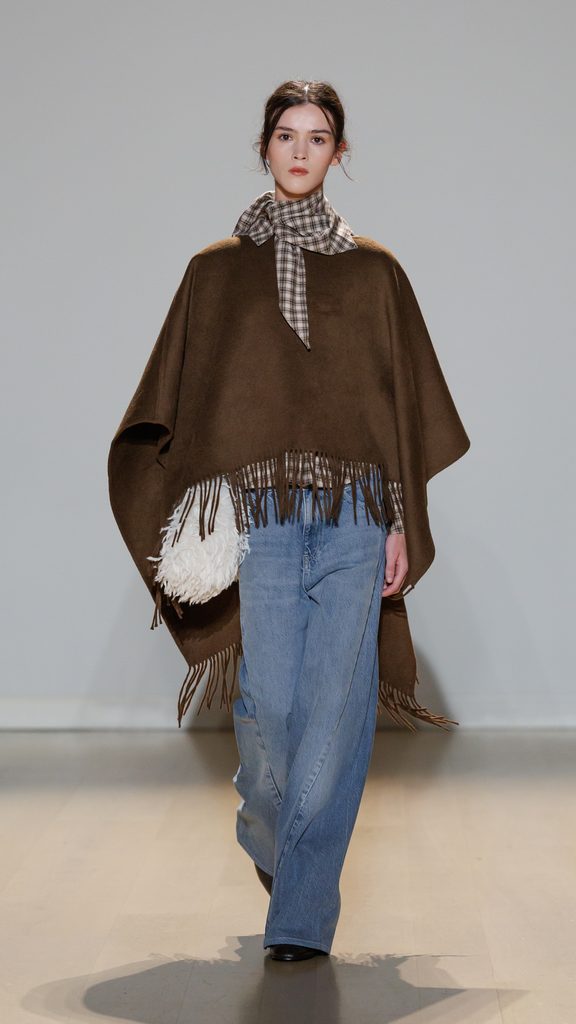
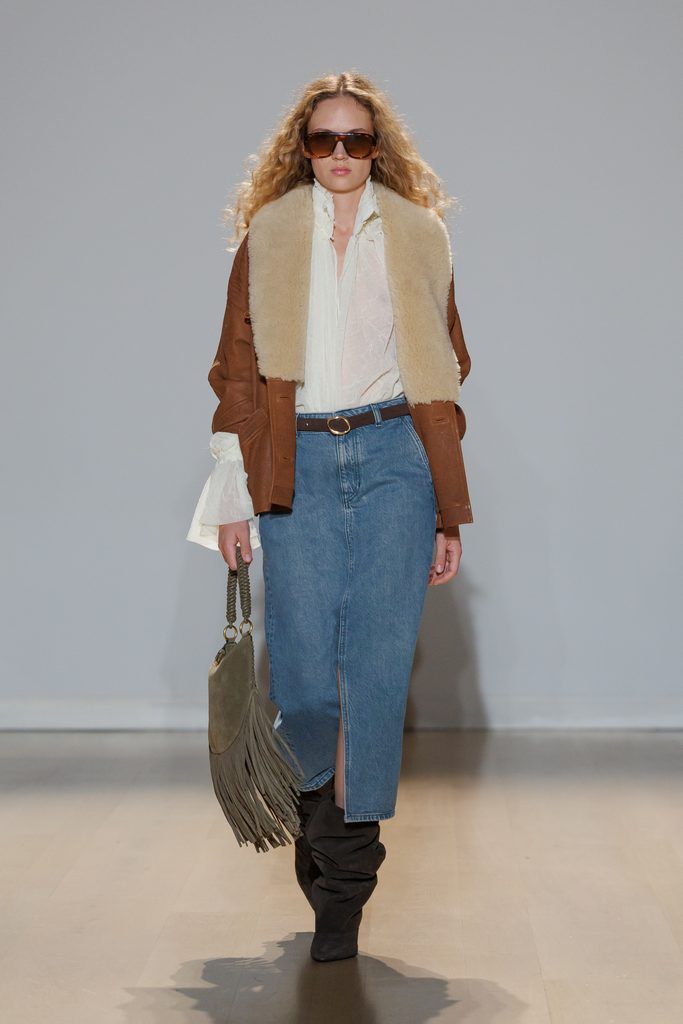
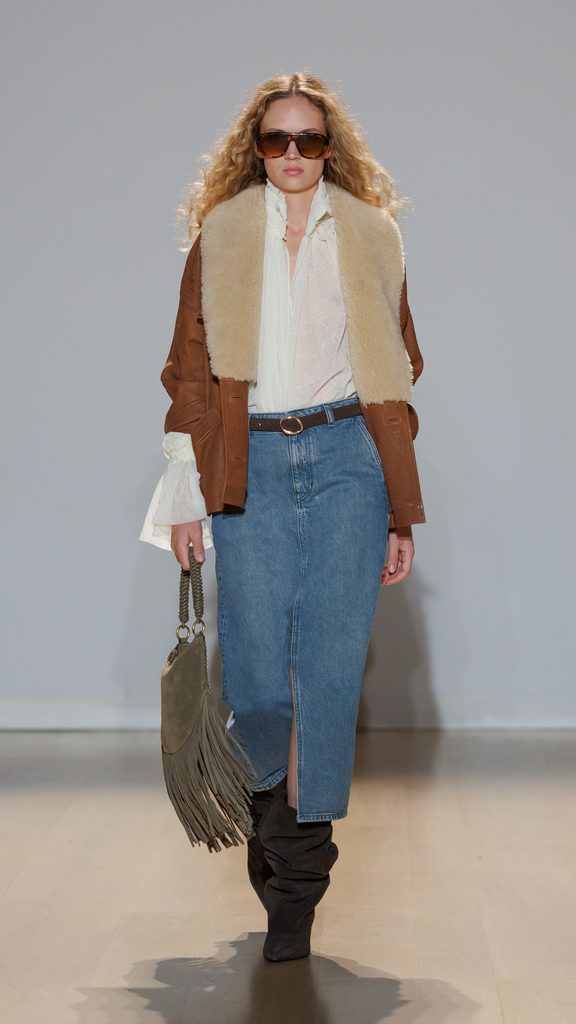
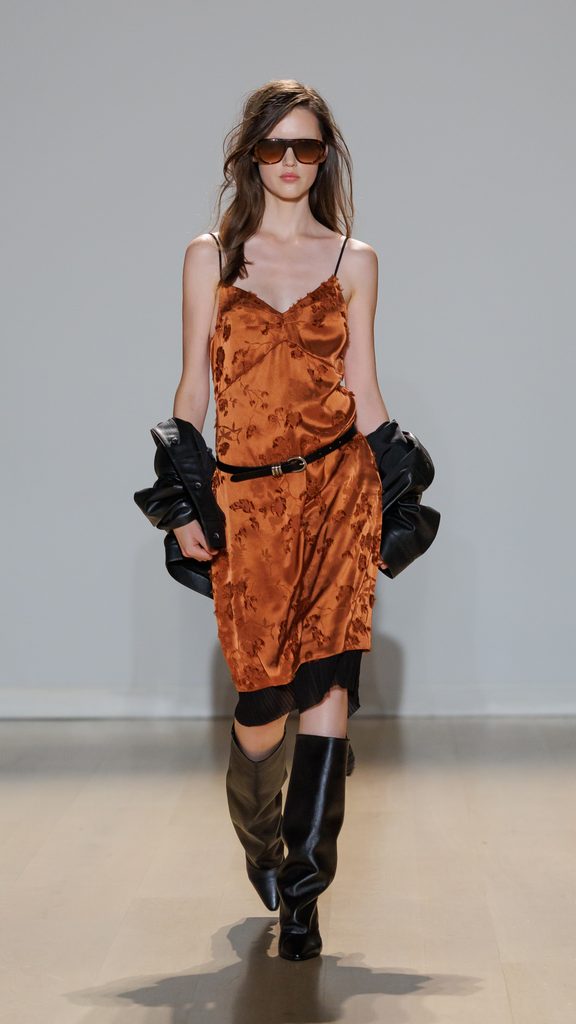
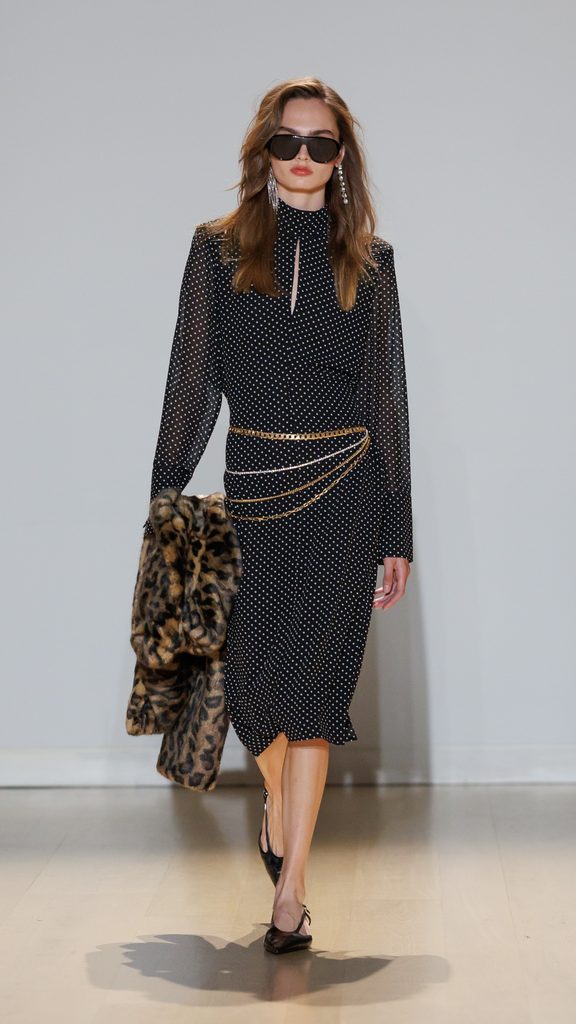
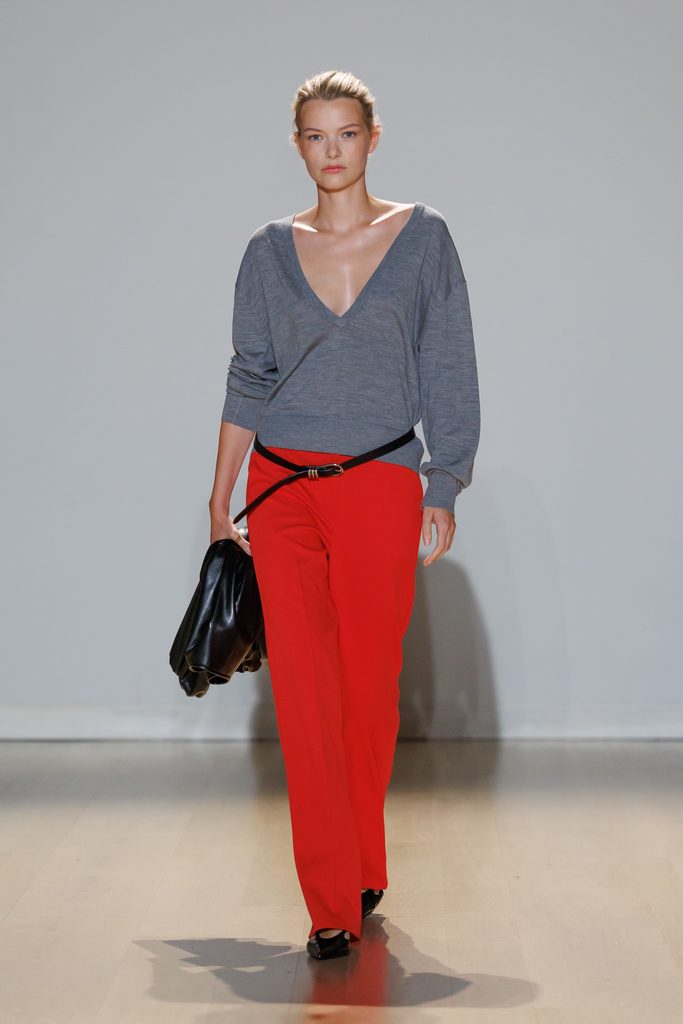
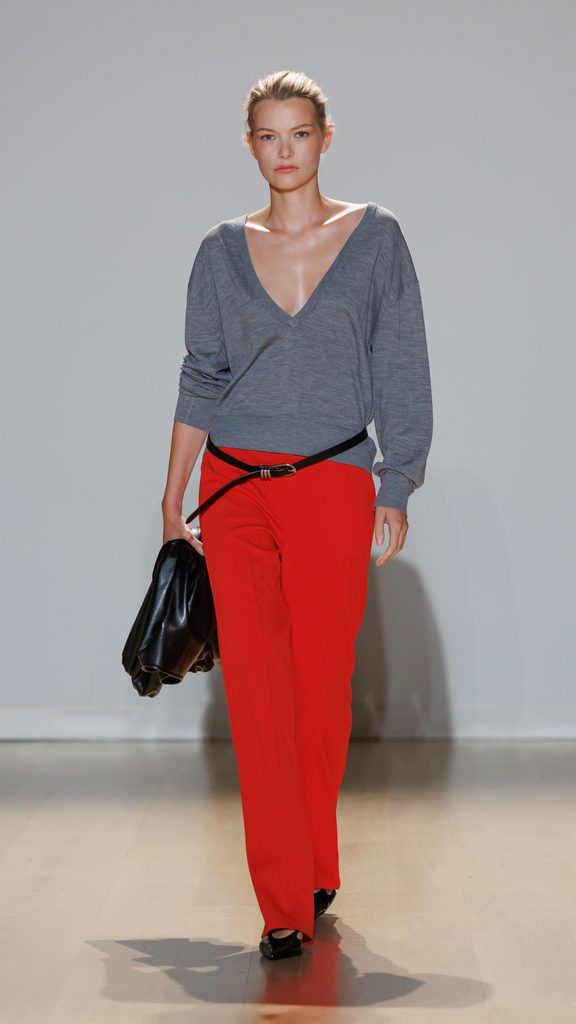
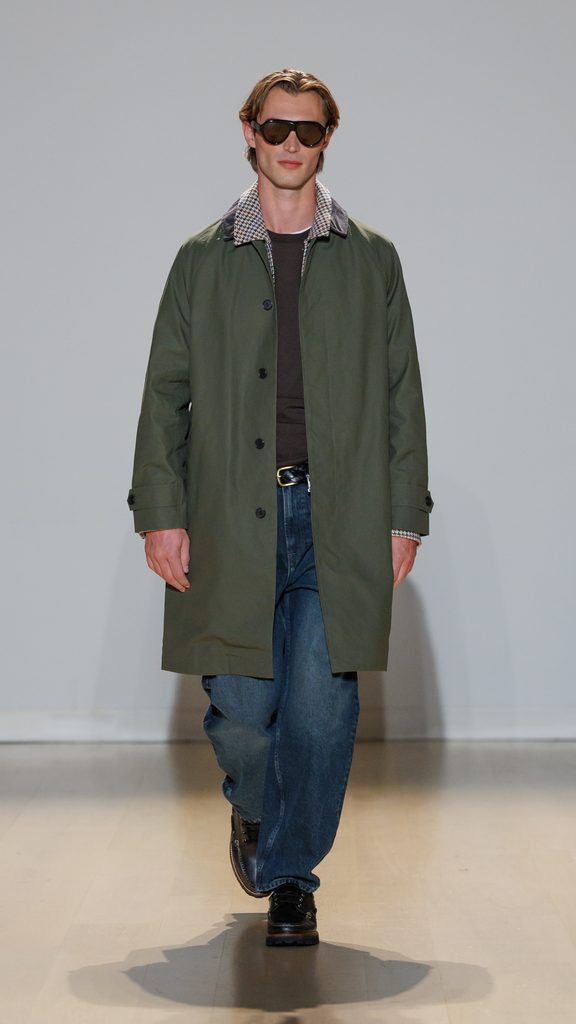
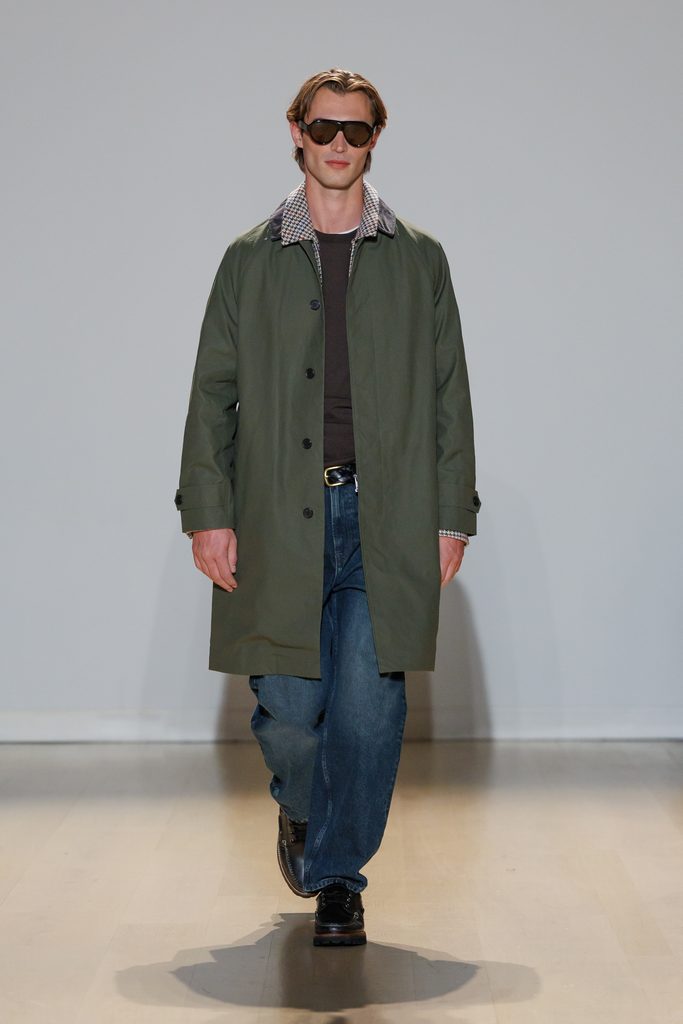
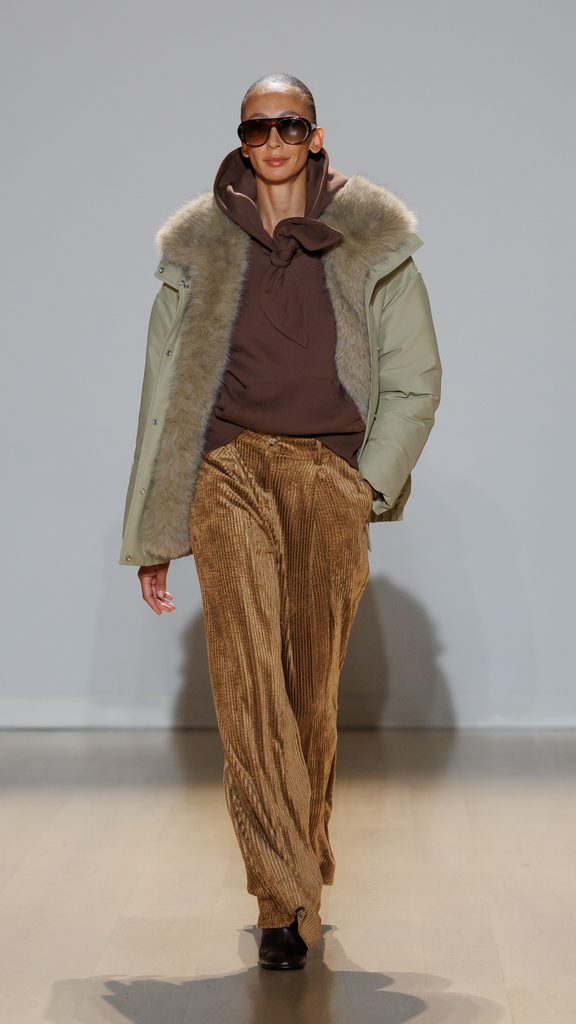
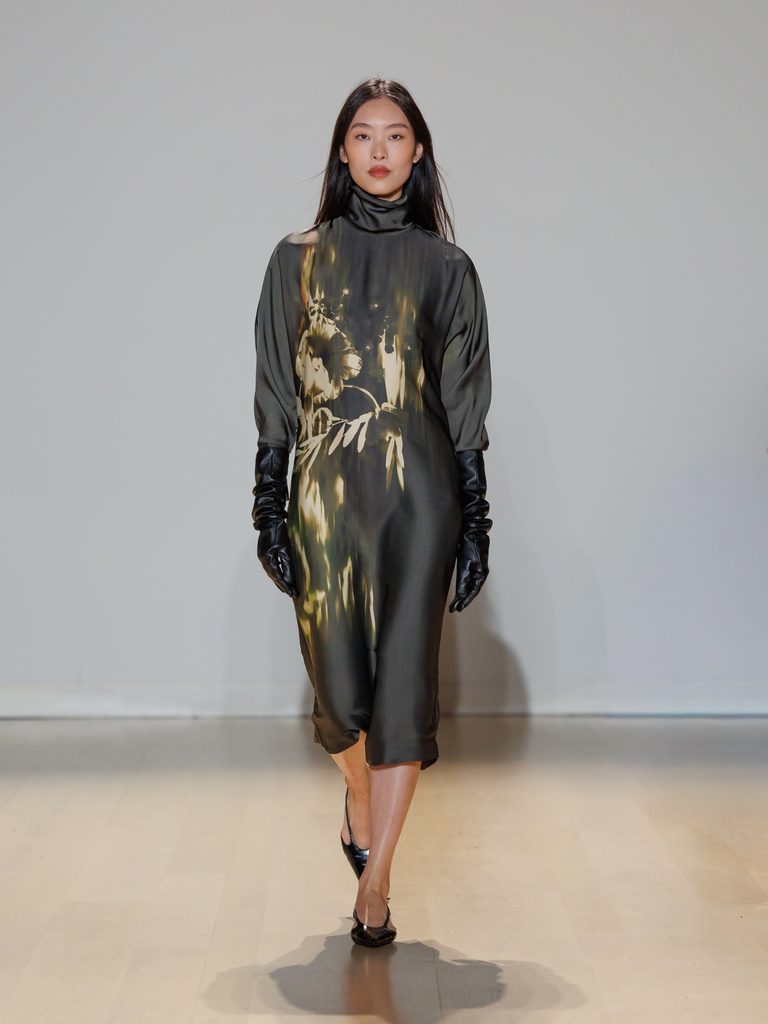
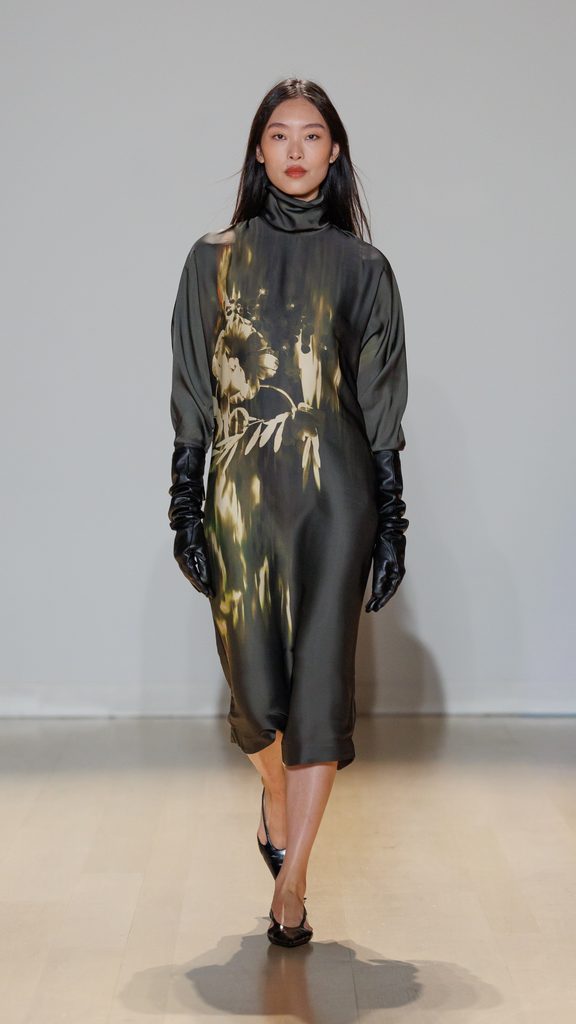
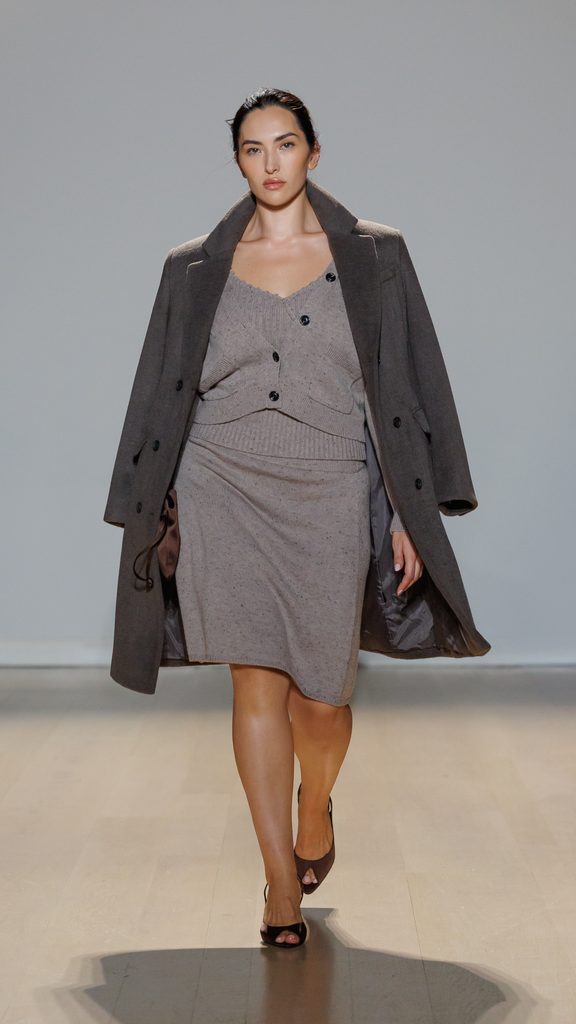
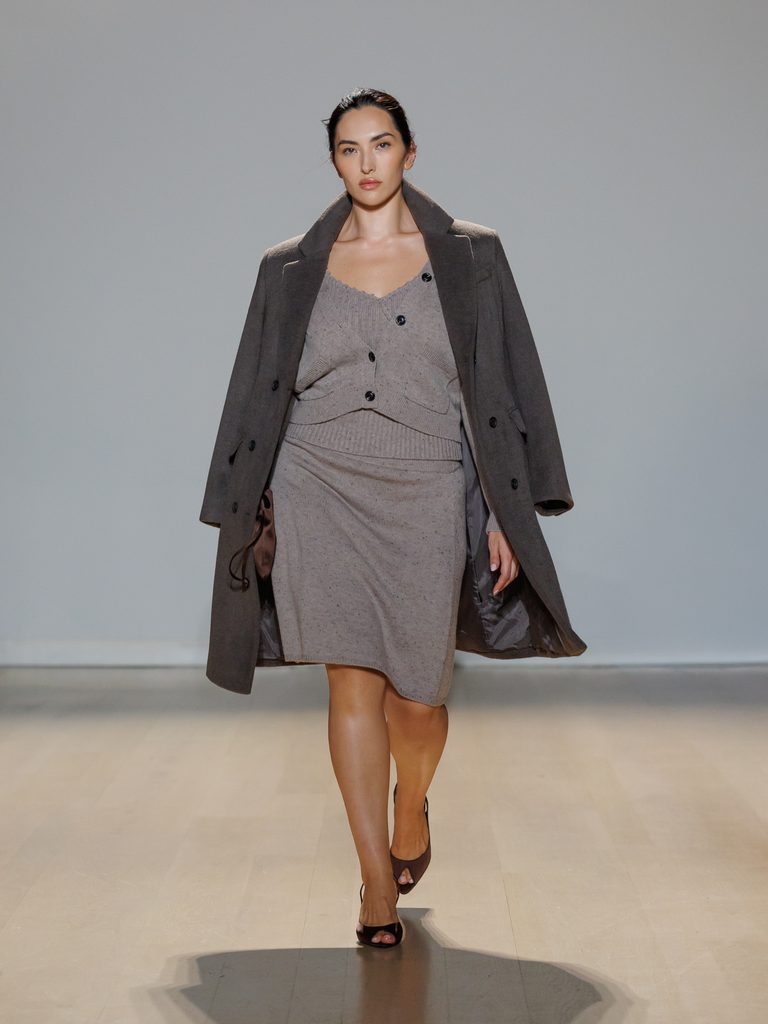
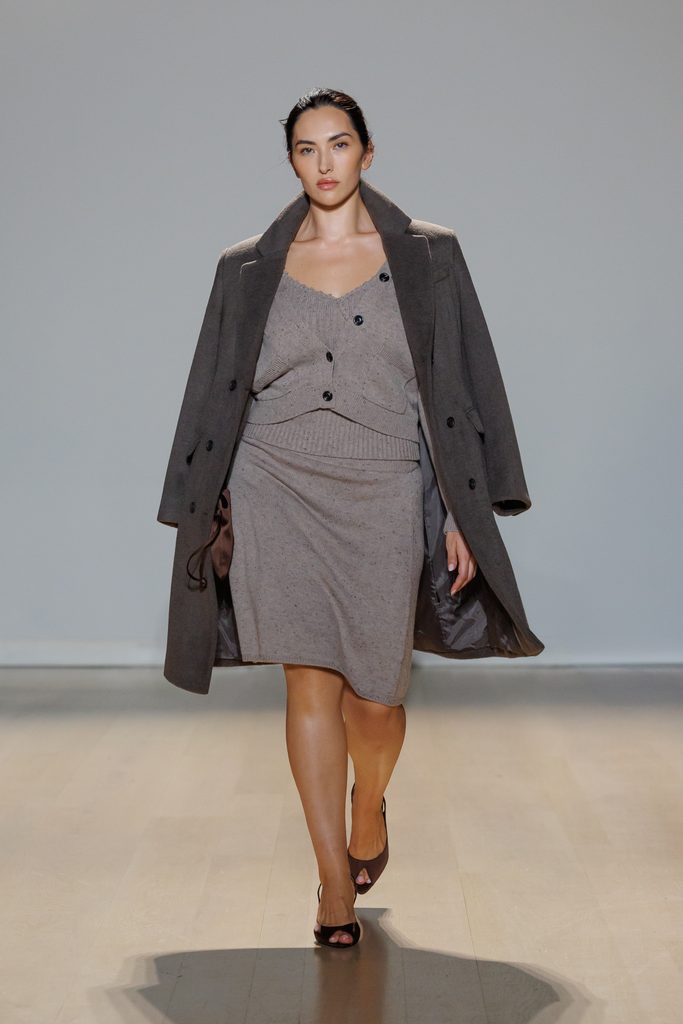
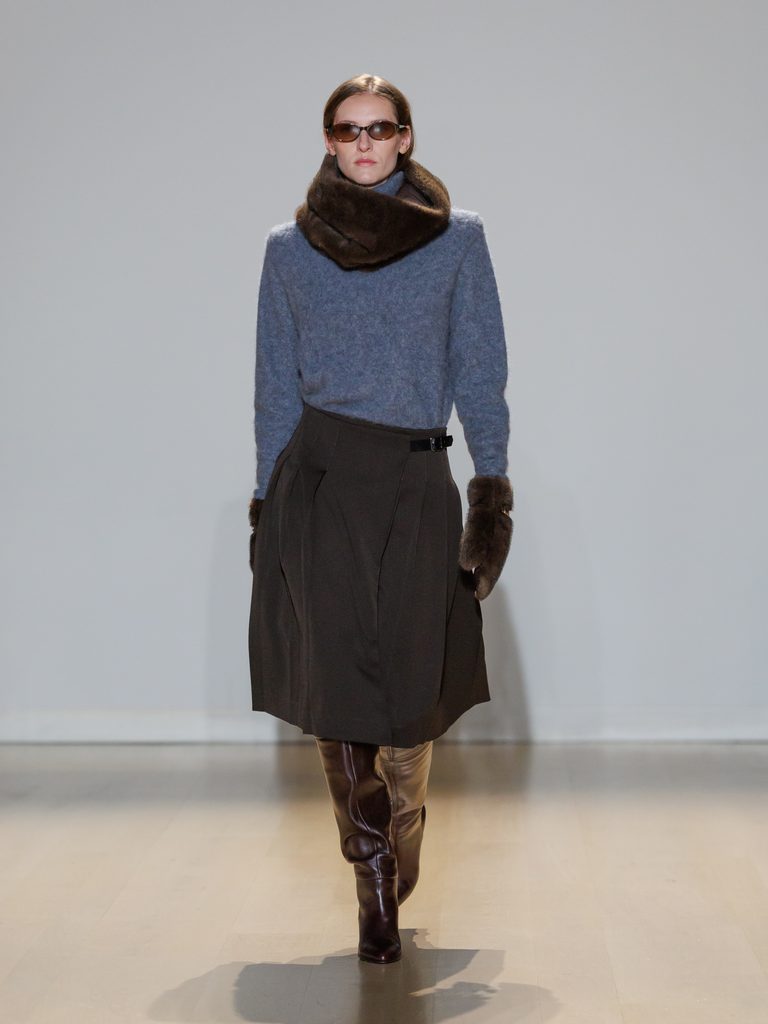
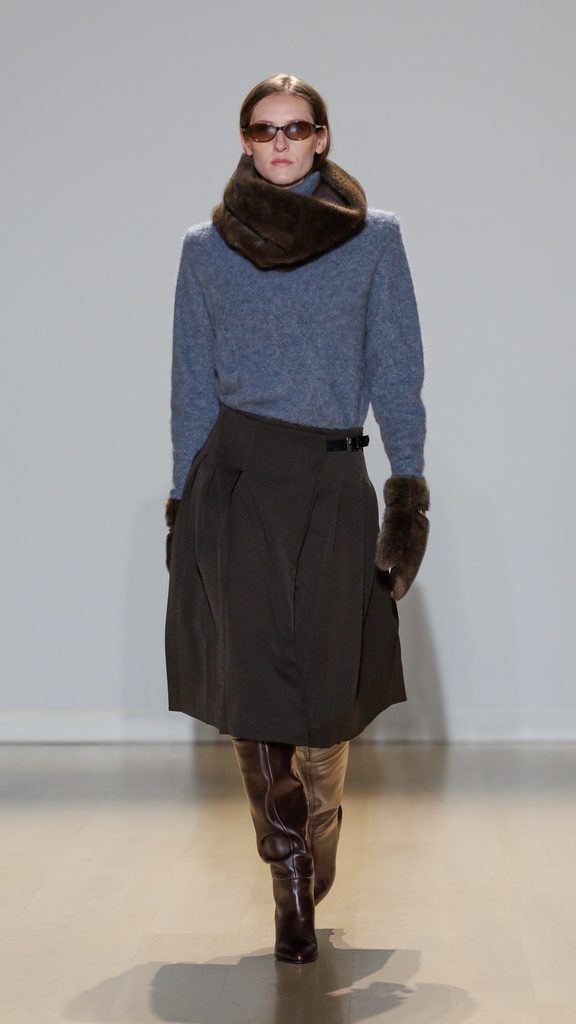
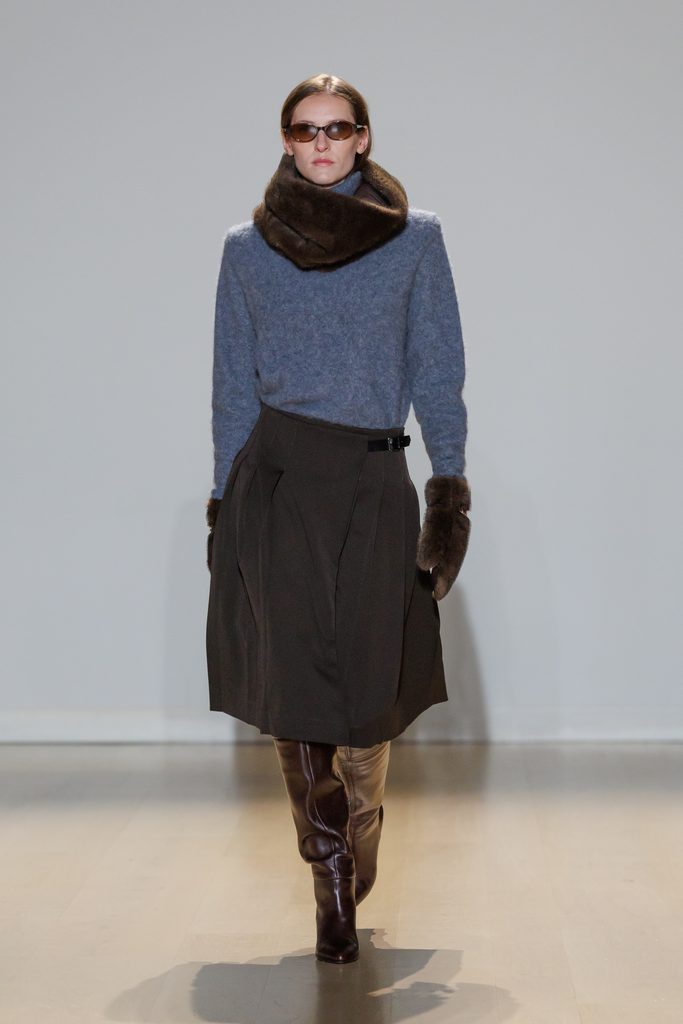
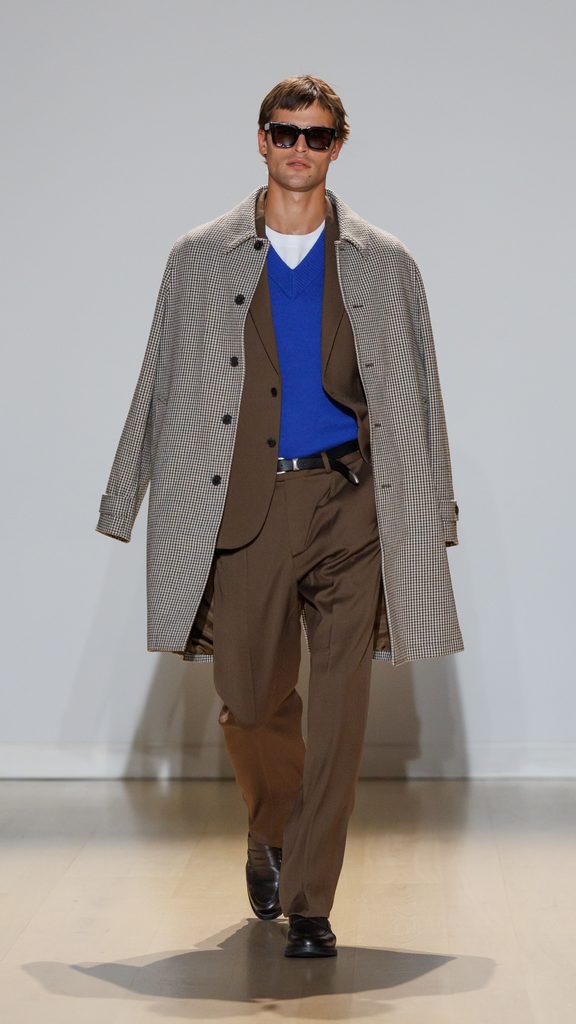
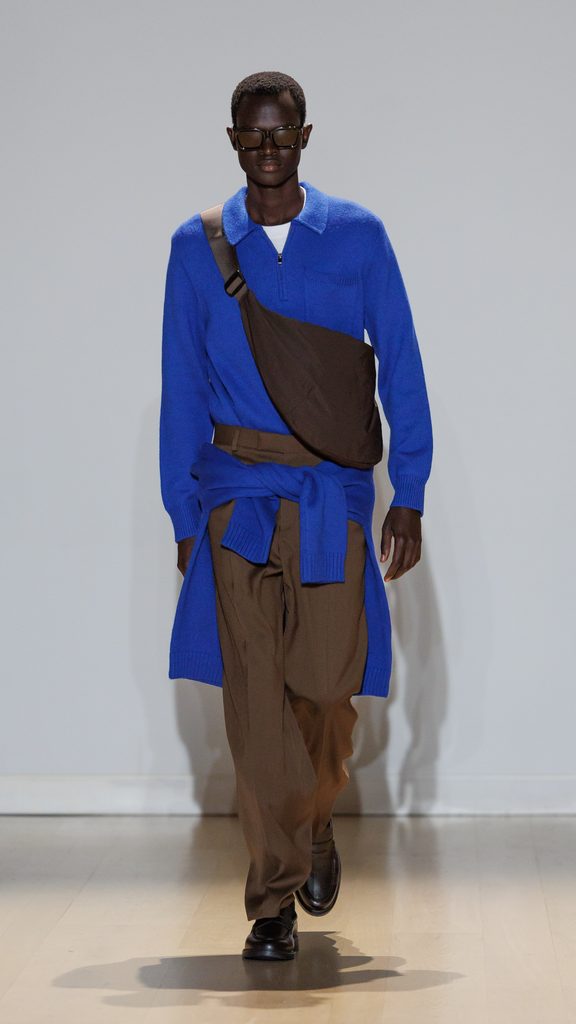
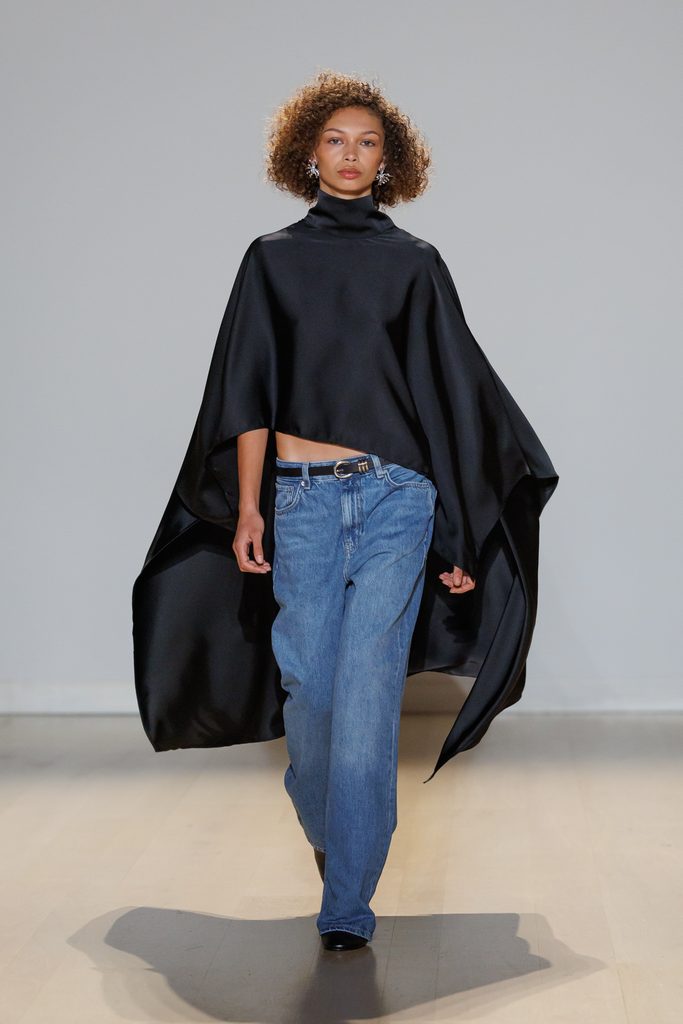
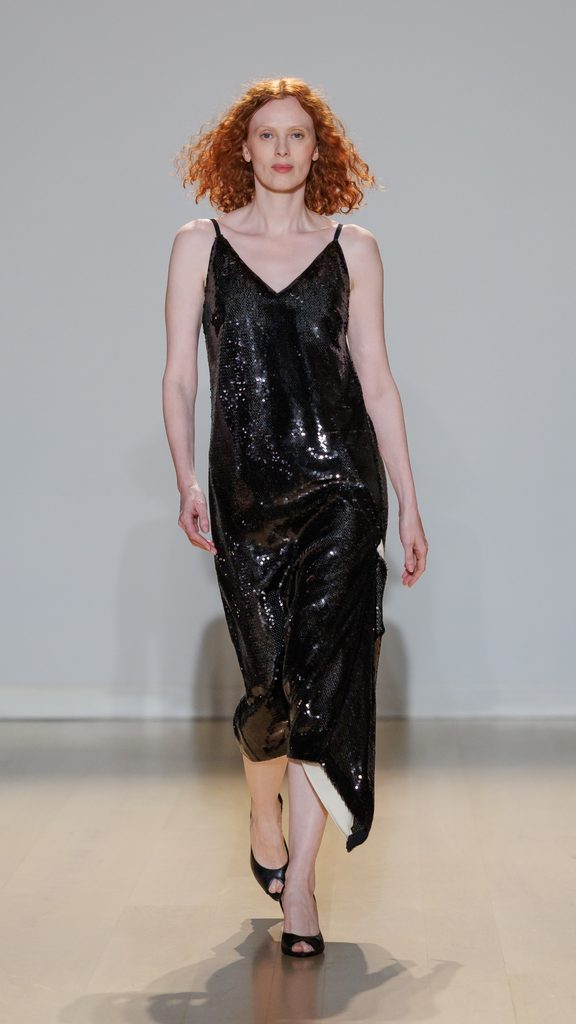
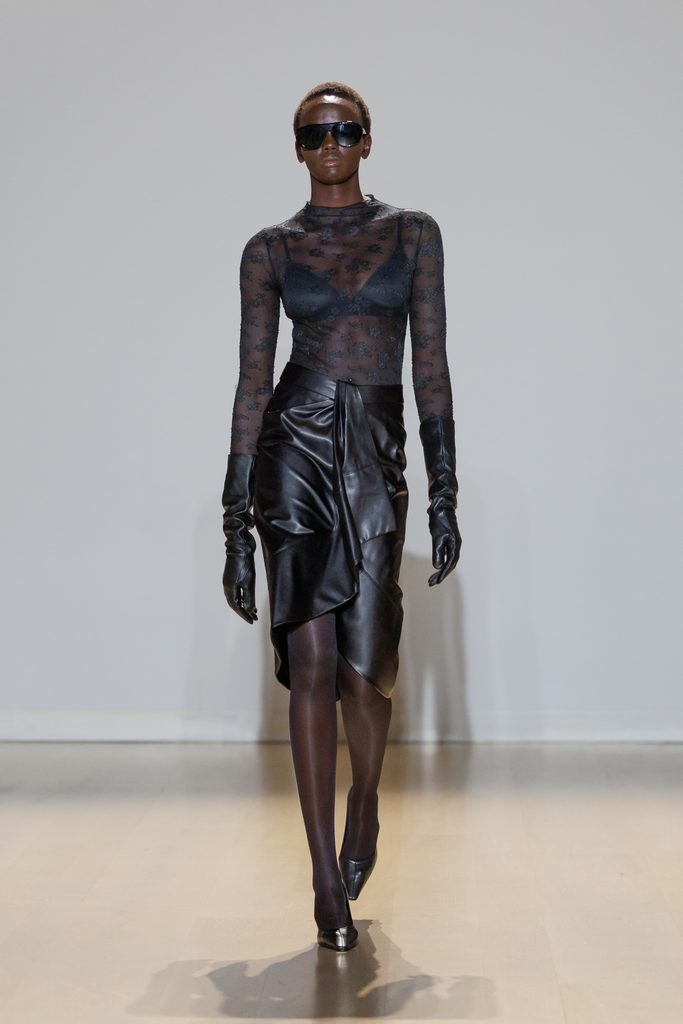
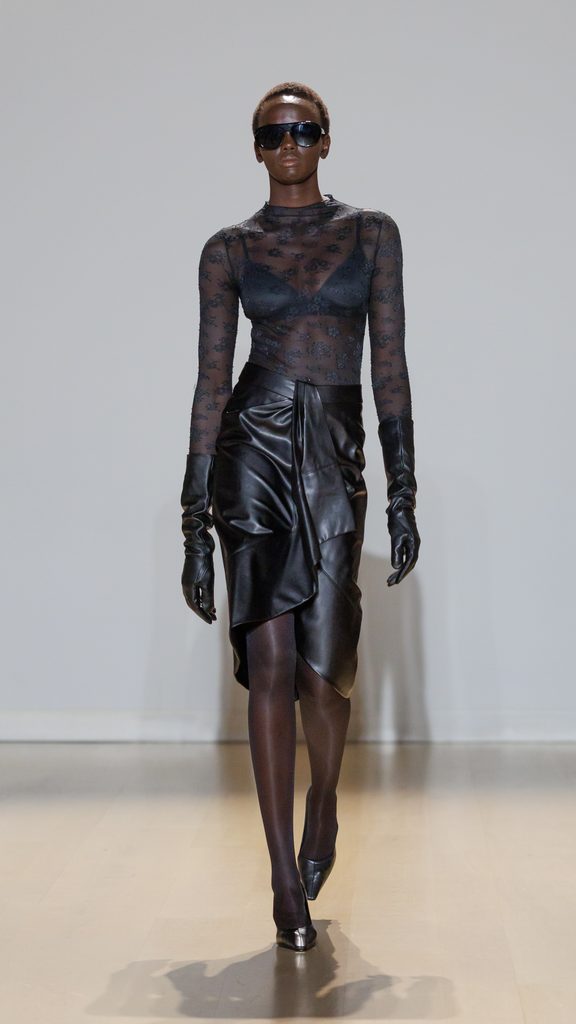
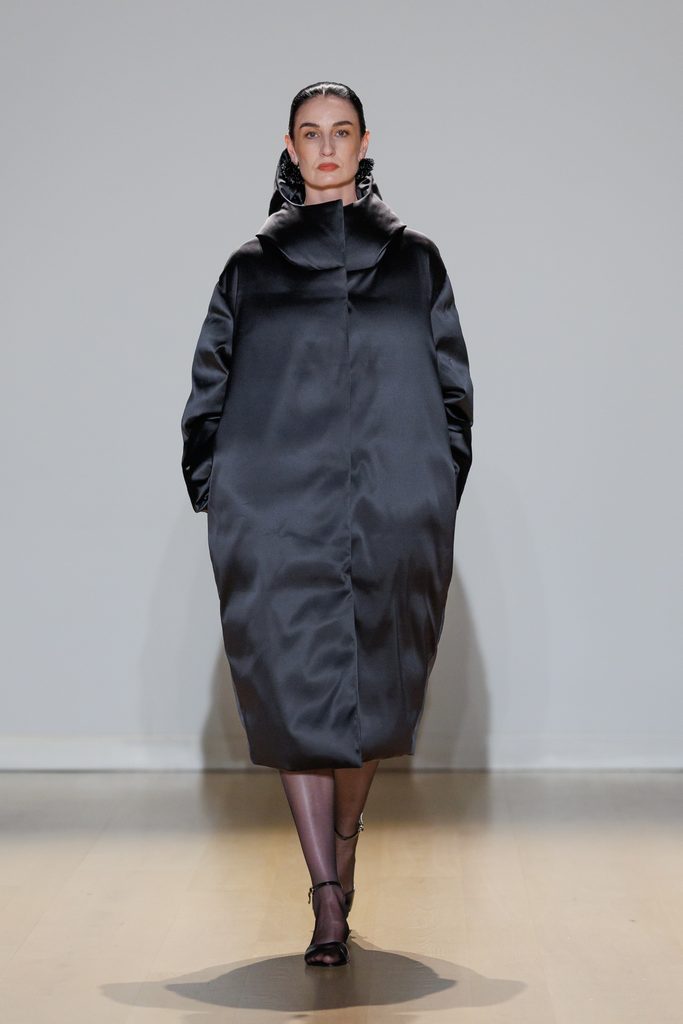
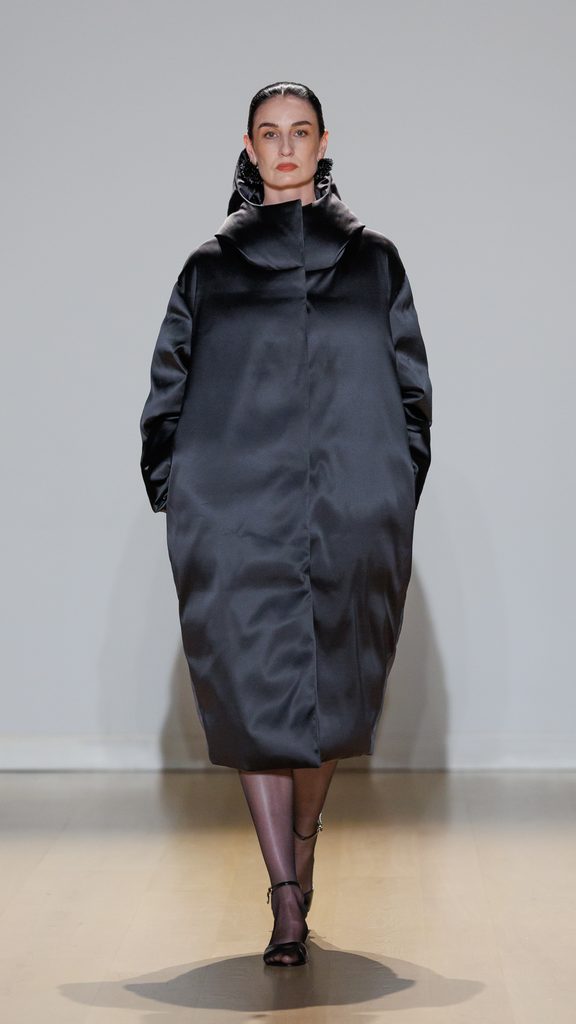
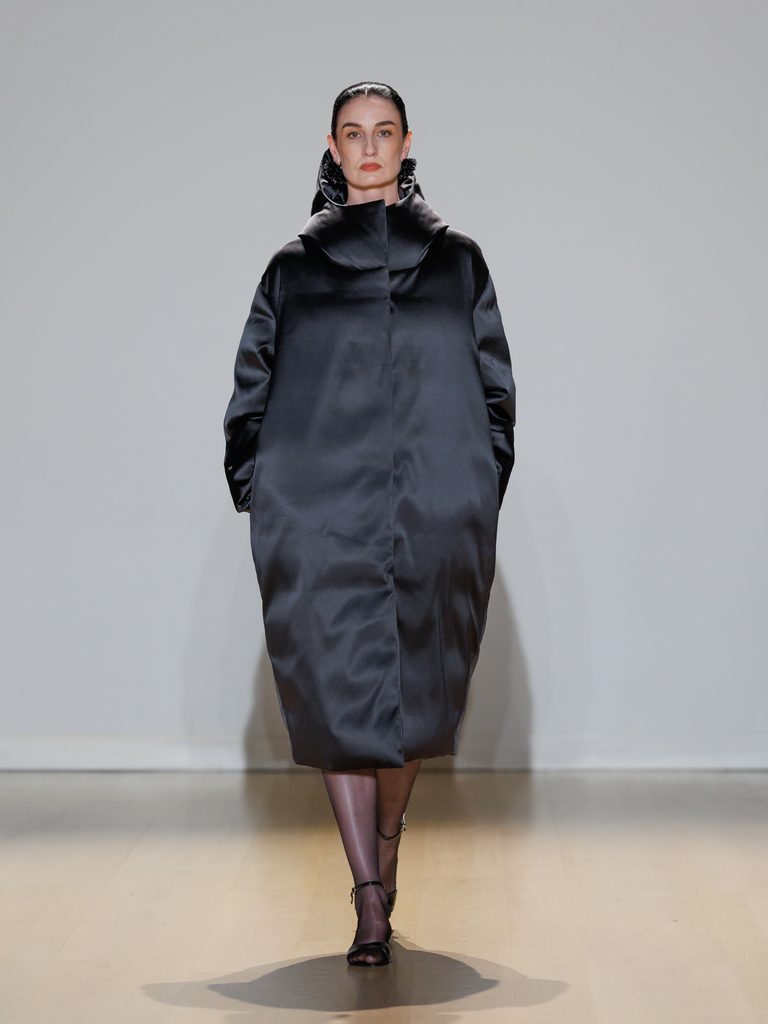
The collection presented is not a nostalgic capsule: it draws on one of the richest archives in British retail, held at the University of Leeds and comprising more than 72,000 historic pieces. The in-house fashion team found there the tuxedo, the white shirt, the twin-set, the suede aviator jacket and the floral prints that marked several generations of M&S wardrobes, reworking them in premium materials — fluid satins, luxurious wools, soft-to-the-touch suede, knits with a sophisticated texture. Maddy Evans, womenswear director, explains that she wanted these archive references to form a thread rich in authenticity, without ever fixing the collection in the past. On the menswear side, Mitch Hughes highlights a car coat in British Millerain Dry Wax waxed fabric with a corduroy collar and Japanese selvedge denim, paired with contemporary tailoring — a way of putting British textile heritage in dialogue with more current codes.
See it, buy it, right now
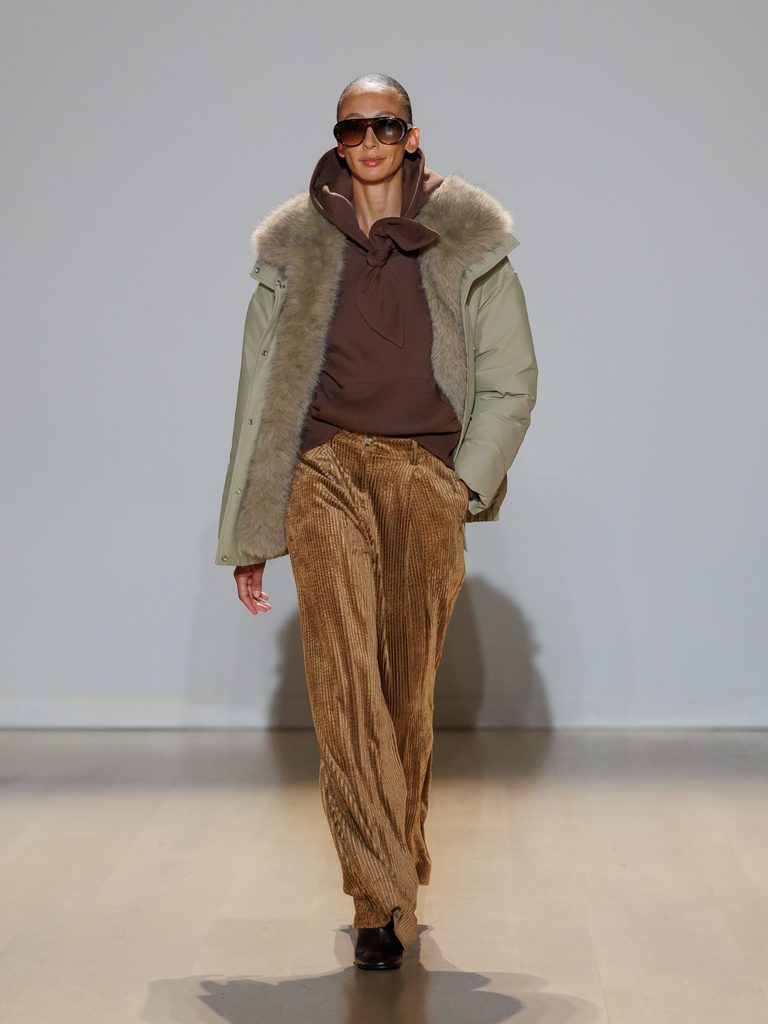
The show was conceived on the see now, buy now principle: every look presented on the runway was available to buy online from 12:30 London time, worldwide, as well as in ten flagship stores in the United Kingdom and Ireland, from Birmingham Bullring to Trafford Centre via Dublin’s Grafton Street. A partnership with Zalando made it possible to broadcast the show live and make it immediately shoppable in France, Germany, Poland and the Netherlands — a way for M&S to extend its profile in European markets where the retailer is less identified as a fashion reference. With prices announced from 25 euros, the wager is clear: to bring the runway down to the street without giving up the show format. The casting embraced a plurality of ages, from 21 to 60, with models such as Lara Stone, Erin O’Connor, Jodie Kidd, Karen Elson and Lennon Gallagher alongside a front row including Dame Joan Collins, Ian Wright, David Gandy, Jessie Ware, Pixie Geldof, Anaïs Gallagher, Kelly Hoppen, Katherine Jenkins and AJ Odudu, all dressed in pieces from the brand.
An openly pursued image strategy
This show does not come out of nowhere: it follows a year already marked by the launch of the Love That brand platform, embodied by Gillian Anderson as Chief Compliments Officer, a summer show in Ibiza in May, and a presentation held in the pit lane of the British Grand Prix at Silverstone in July, a world first for this type of event. M&S now claims first place for perception of style, quality and value for money according to YouGov, and the status of Britain’s favourite brand for the fourth consecutive year, with 21 million customers across fashion, home and beauty. An accumulation of gestures that outlines an openly stated ambition: no longer just selling clothing, but occupying a cultural place in contemporary British fashion.
It remains to be seen whether this heritage coup will be enough to durably shift the perception of a retailer still associated, for part of the public, with functional wardrobes rather than desire. By betting on its archives rather than on importing codes borrowed from luxury, M&S is wagering on legitimacy through history, a strategy other mass-market retailers will no doubt watch closely.























































































































Cette publication est également disponible en :


