
Beneath the coffered ceilings of the MGM Grand and behind the triple glass walls of the Augustus Tower at Caesars Palace, silence comes at a colossal engineering cost. One must cross acres of dense carpeting, let the ear be saturated by the metallic clink of slot machines, and cut through artificial light designed to abolish the circadian cycle, before reaching the exact opposite of Nevada: lounges upholstered in aubergine velvet where time stops dead.
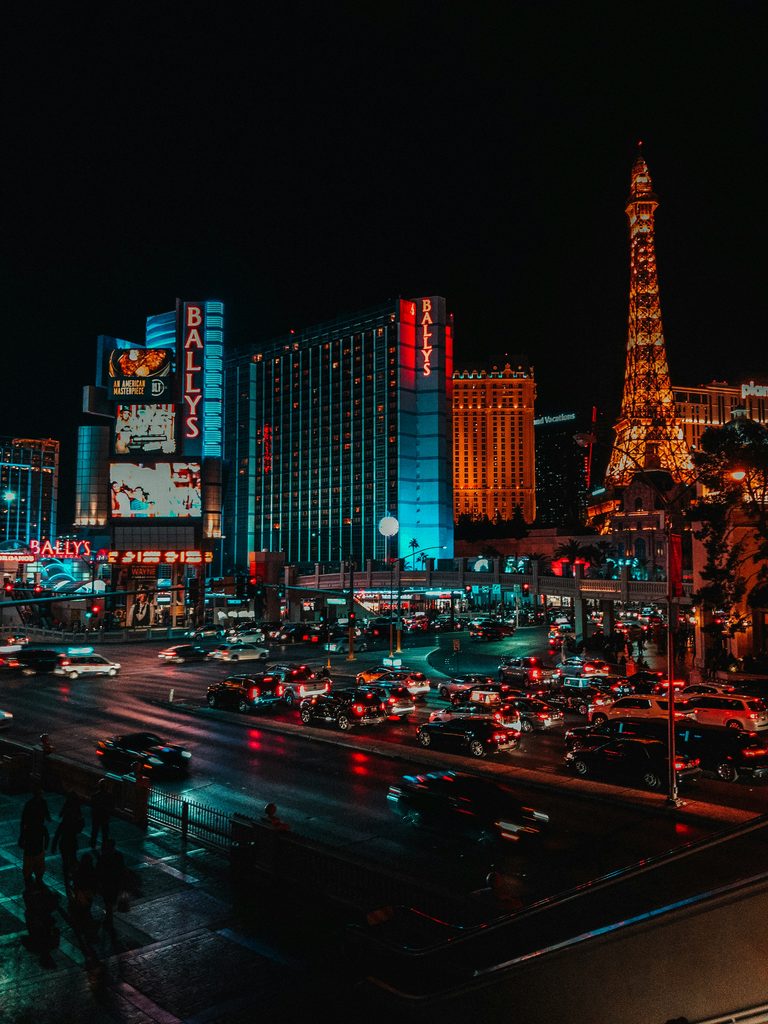
The arrival of a territorial ranking dedicated to the American Southwest sanctions not a discovery but a sedimentation. In Las Vegas, fine dining was first built as a protected import enclave. When Joël Robuchon installed his Art Deco salon on the ground floor of the MGM Grand in 2005, the gesture had surgical precision: to transplant French rigour, intact, into the heart of a five-thousand-room casino. Twenty years on, the choreography held in the dining room by Sean Christopher — recognised for the millimetric precision of his service — and the procession of bread and mignardise trolleys, are reminders that opulence here is no papier-mâché backdrop but a discipline of craft. The crustacean jelly with caviar and the roast venison escorted by its red-wine pear tolerate no compromise on sourcing, a permanent logistical challenge in an arid basin.
A few hundred metres to the north, Guy Savoy applies the same hushed resistance on the second floor of the Augustus Tower. The artichoke soup with black truffle and its mushroom-laminated brioche negotiate nothing with the surrounding desert. Trolleys of champagne and aged cheeses parade past the neon of the Strip as though the banks of the Seine lined it. The same rigour of counterpoint is found at é by José Andrés, tucked behind a hidden door on the third floor of the Cosmopolitan: a confidential counter where eight covers witness an almost clinical technical demonstration, from a reinvented “PB&J” on foie gras meringue to vermouth spherifications lifted with mandarin snow.
But Las Vegas’s true transformation can no longer be read only in these bastions attached to the palace hotels. It is observed on Spring Mountain Road, a long, straight artery running west, far from the choreographed fountains. There, amid the geometric banality of the strip malls on its suburban edges, a wholly different cuisine of ambition has taken root.
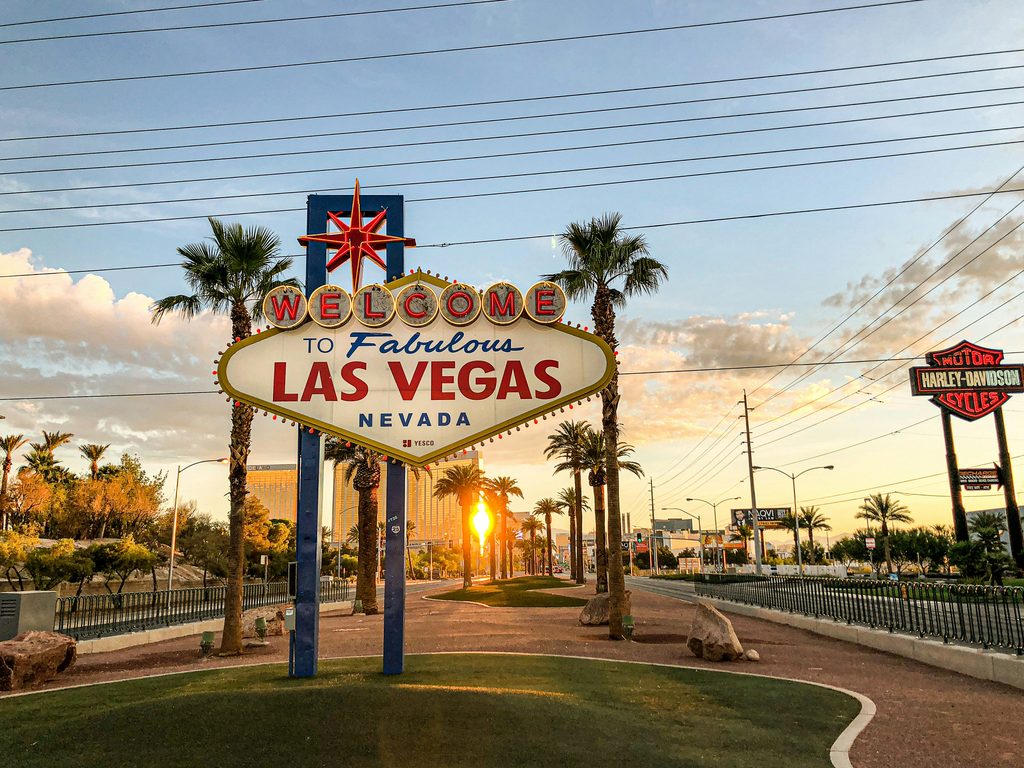
Between the discreet counters of Kabuto and Kame Omakase, the stoves of Partage, or the Tonkinese precision of Pho Ga Bac Bac, the city reveals its other side: craftspeople freed from hotel-scale gigantism, working for a community of initiates who are not there to gamble. The raw energy of a barbecue at SoulBelly or the composite plates of Esther’s Kitchen in the Arts District confirm this shift. Illusion has turned into adopted terroir; the artificial oasis has, in the end, set a school of its own.
Detail
At the heart of Jaleo, the entrance to é by José Andrés bears no ostentatious sign. Only a sculpted glass handle marks the entrance to this windowless room, where eight guests face the stainless-steel worktop, in a set-up of total proximity borrowed from high-precision workshops.
Cette publication est également disponible en :


