
When a Chair Becomes a Piece of Jewelry
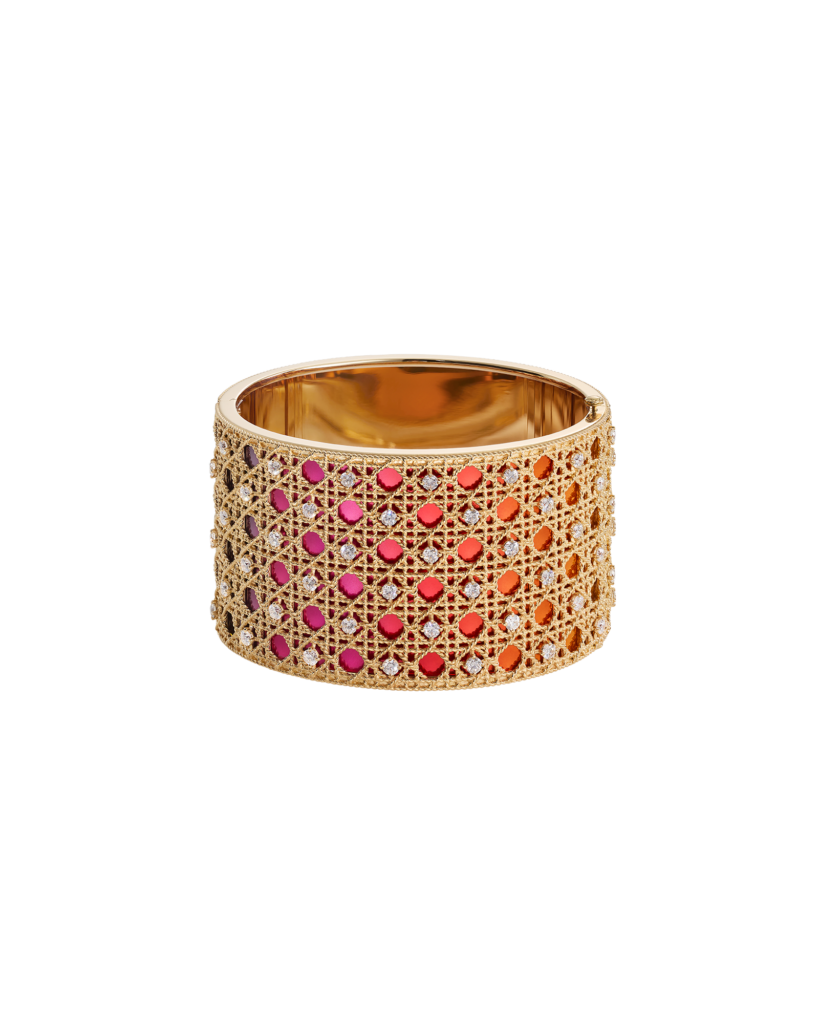
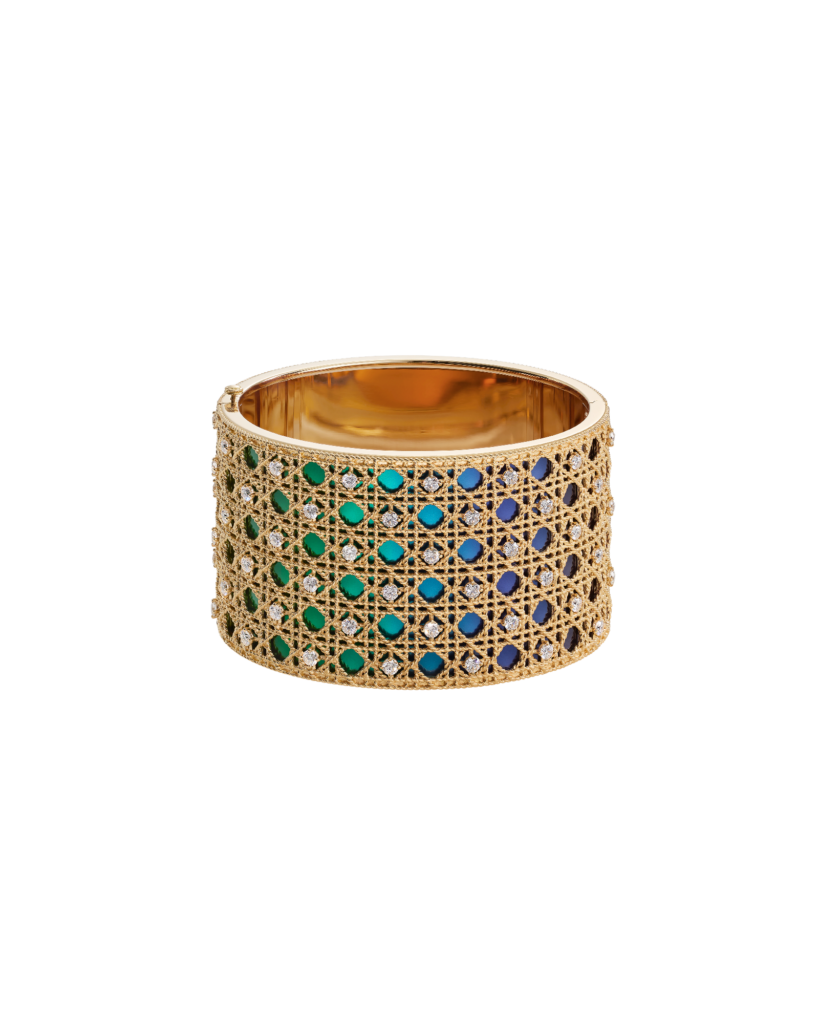
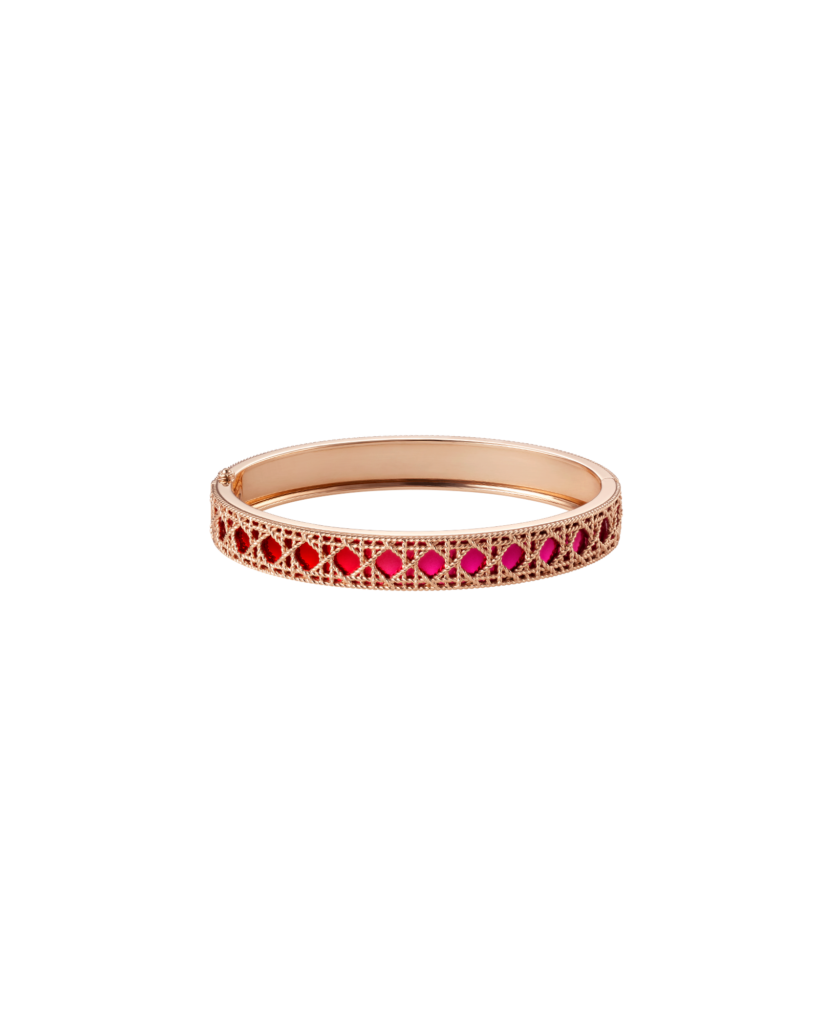
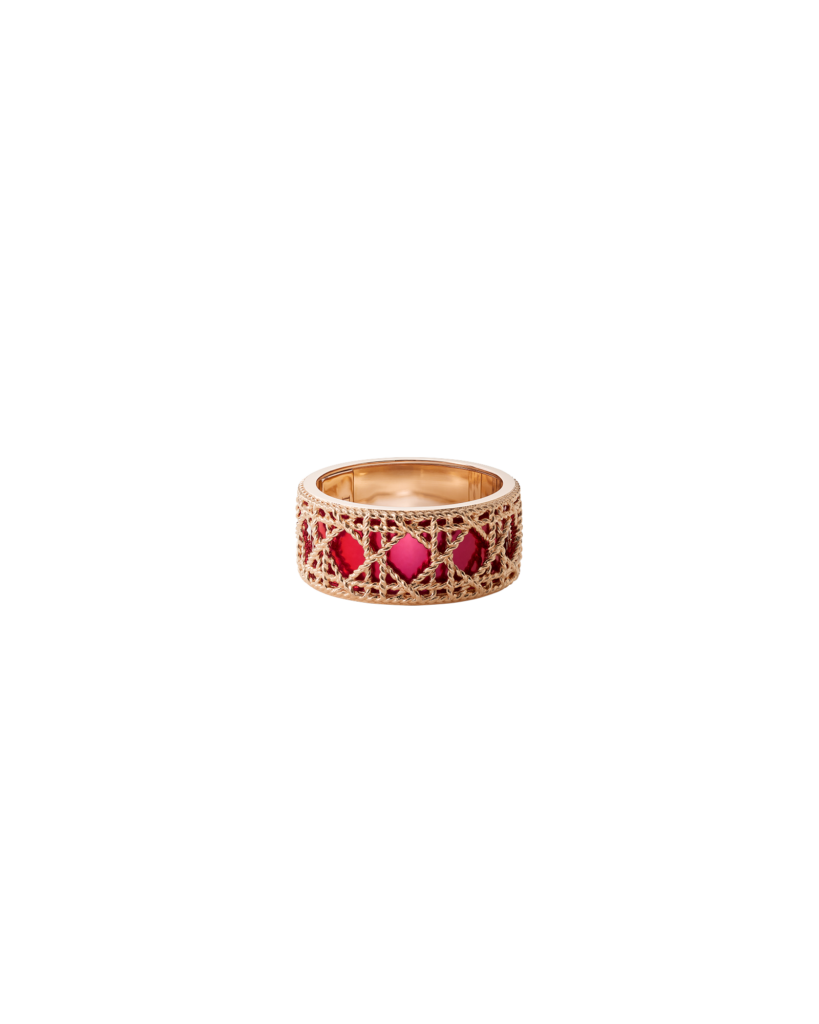
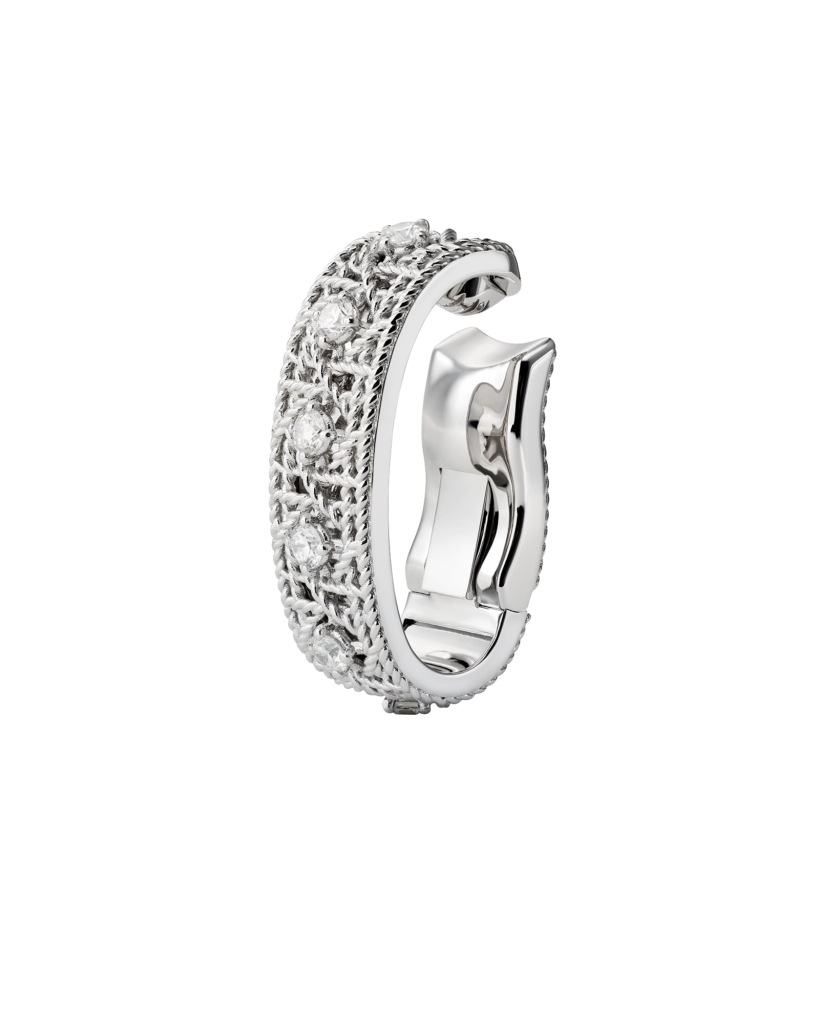
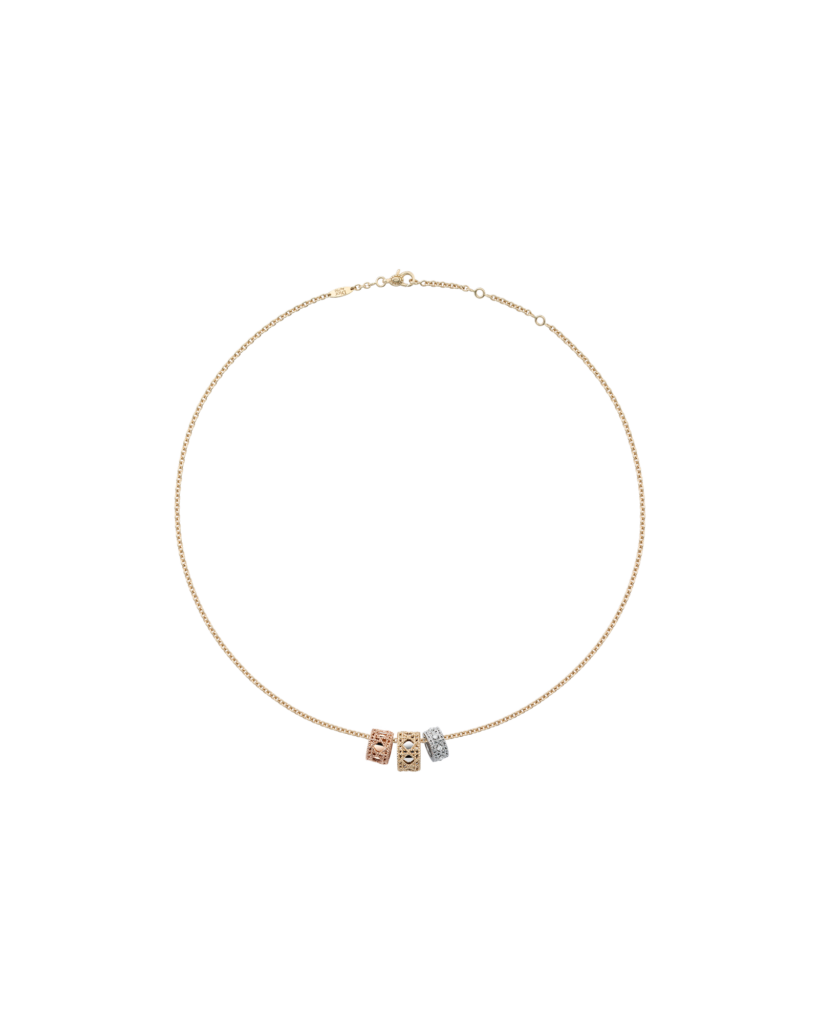
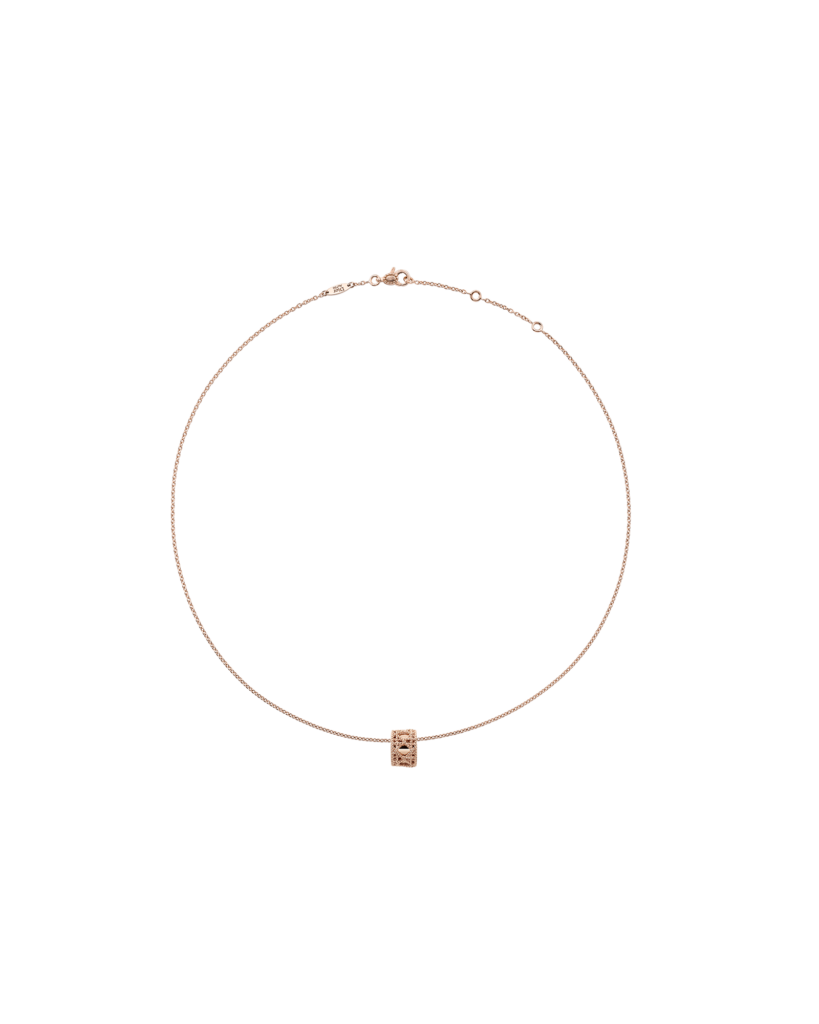
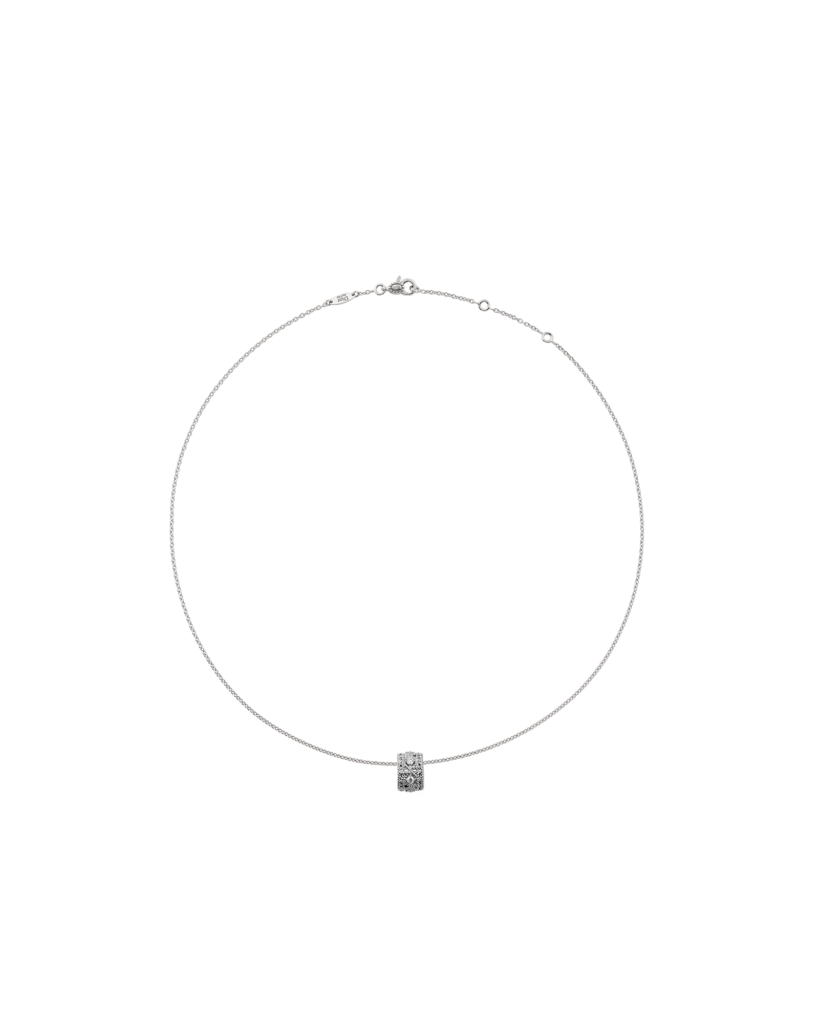
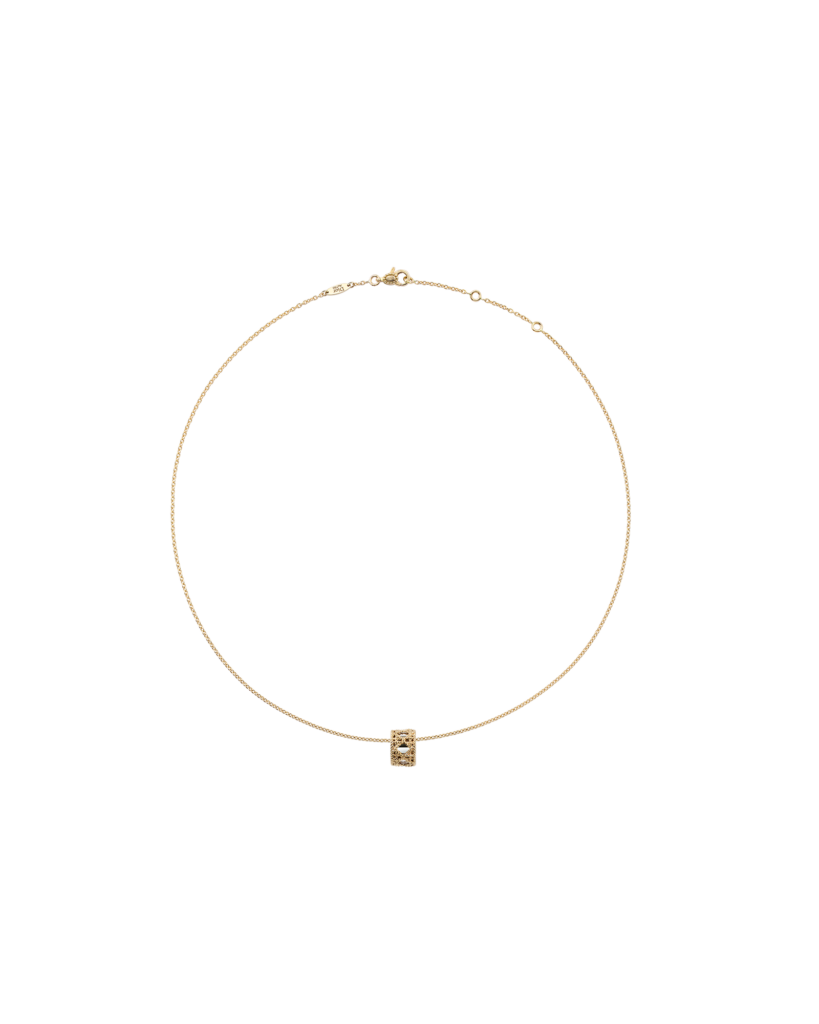
The My Dior jewelry collection reimagines the wickerwork motif in gold. Behind this stylistic exercise lies a story of furniture: that of the chairs on which Christian Dior’s earliest audience used to sit.
The codes of the great fashion houses rarely originate from a sketch. They often stem from a found object, a piece of furniture, or a chance discovery in the workshop that, over time, becomes a signature. Dior’s wickerwork belongs to this tradition. Before adorning bags and jewelry, this regular weave was found on the Napoleon III chairs where the audience sat during Christian Dior’s first fashion shows on Avenue Montaigne. My Dior draws inspiration from this source and reinterprets it in gold.
From wickerwork to metal
The design is based on a contrast: a supple, almost domestic interlacing rendered in a material that does not bend. The collection features gold-colored cane, enhanced by a shimmering strip that runs along the pieces and catches the light within the weave. Where the chair offered rattan and shade, the piece of jewelry offers polished metal and reflection. The transition from one material to another is not merely a change in scale: it transforms a seat—designed to bear the body’s weight—into a piece of jewelry crafted for light.
There is a certain logic to this design within the House’s aesthetic. The canning pattern already functions as a signature—recognizable at first glance—independent of the object it adorns. By casting it in gold, My Dior does not create a new code; it elevates the old one to its most precious form—one in which the motif adorns nothing but itself.
The memory of a salon
What remains is what gold doesn’t quite convey. By bringing back the chair from the early fashion shows, the collection evokes a scene—a living room, an audience, the silence before a model walks by. The jewelry becomes a fragment of a vanished setting, a trace of a piece of furniture that no one noticed but that everyone eventually came to remember. Perhaps this is the true success of a house’s signature style: ensuring that a forgotten detail, once reimagined, seems as though it was always meant to shine. The question remains: to what extent can a motif reinvent itself without losing its essence? But the cane weave has already proven that it outlives the furniture that gave birth to it.
Cette publication est également disponible en :

