
On September 3, 2026, Maison Pierre Cardin opened a museum in Venice dedicated to its founder and his unique creative legacy. The Cardin Museum is housed in a historic building in the Santa Croce district, which was once Pierre Cardin’s Venetian residence.
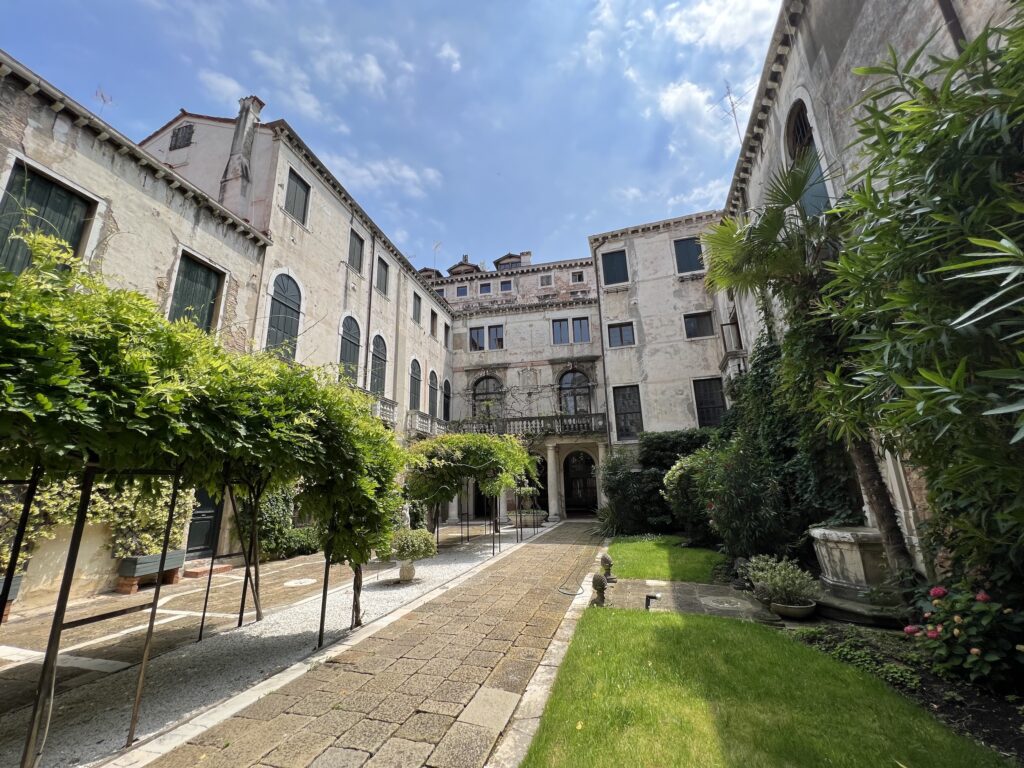
Nearly 1,000 square meters are dedicated to an extensive exhibition tracing the career of a designer whose influence has extended far beyond the world of fashion. The exhibition brings together more than 350 pieces, ranging from iconic silhouettes and haute couture creations to original sketches, as well as furniture, lighting fixtures, and design objects. Curated by Andrea Burroni, the exhibition presents Cardin as an artist for whom clothing was a true extension of architecture.
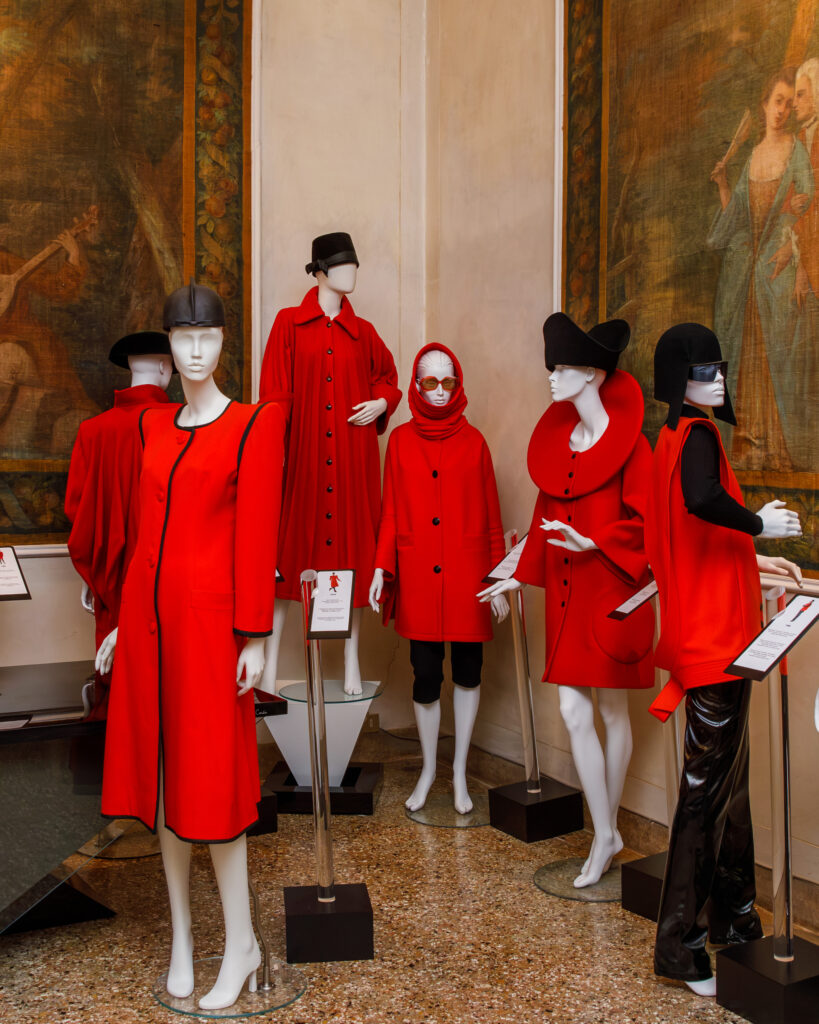
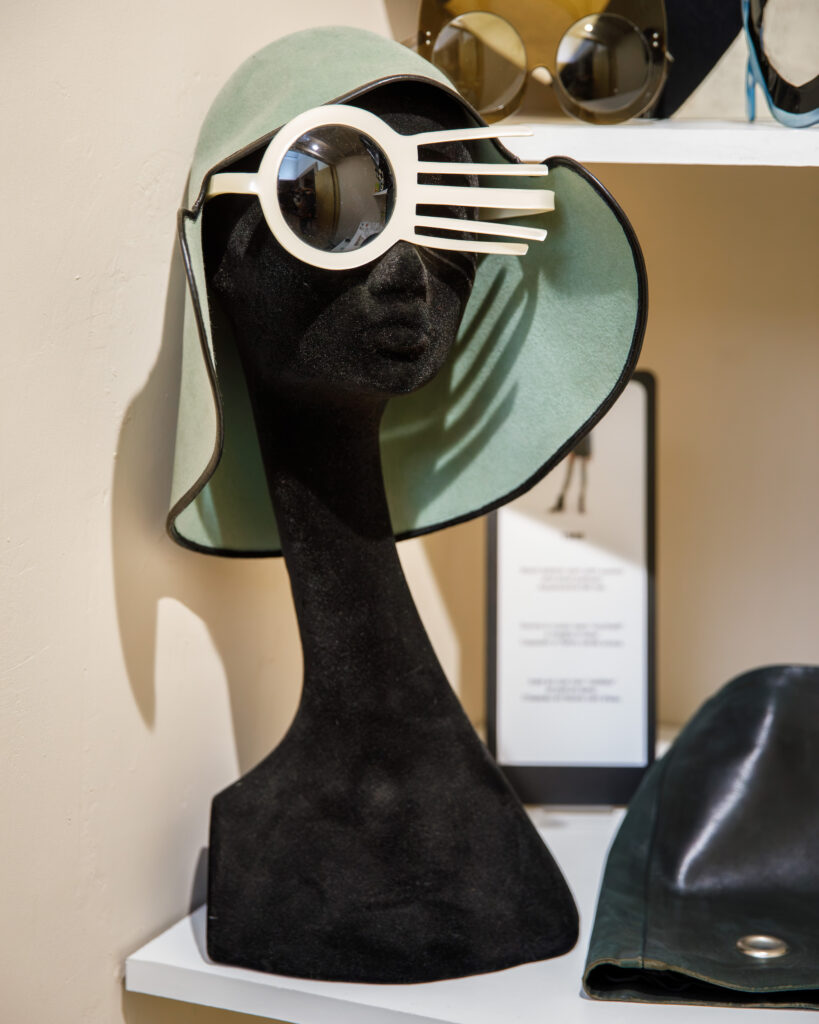
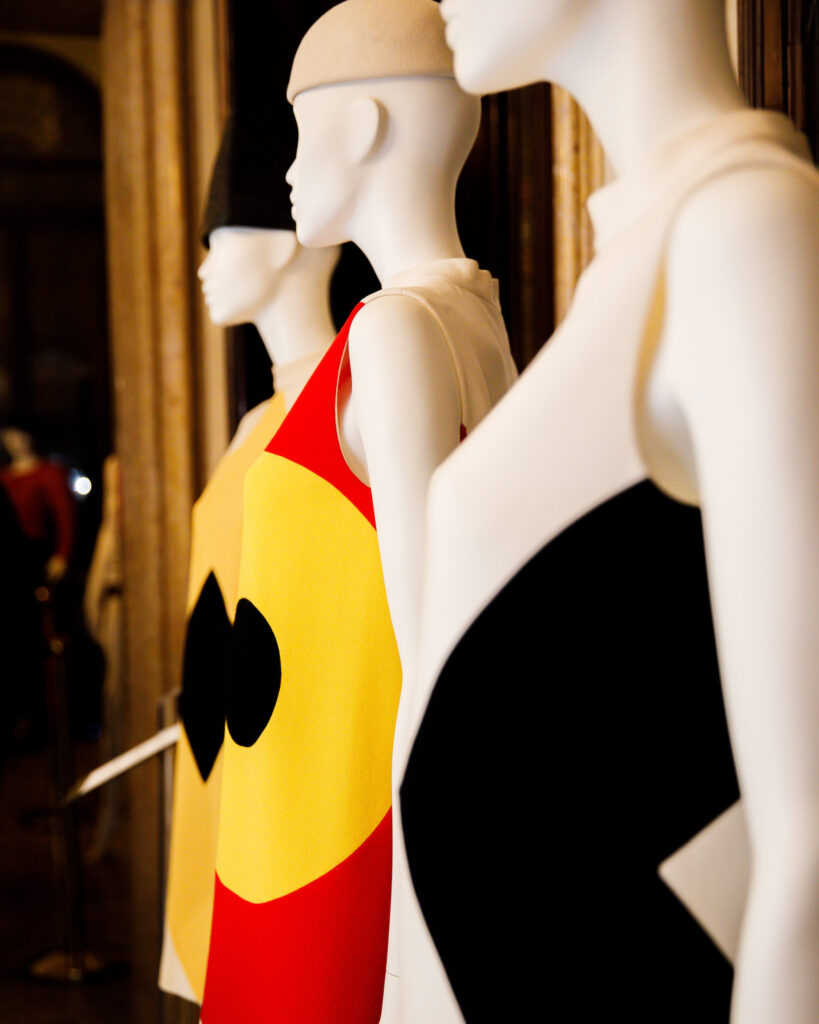
His approach was based on freedom of form, bold proportions, and a desire to transform each silhouette into a structure in its own right. In this vision, the dress becomes a space in itself, enveloping the body while accompanying its movements. It is this concept that unites the works on display at the museum into a whole that is both visual and conceptual. Special prominence is given to the famous “Utility Sculptures”—furniture, lighting fixtures, and objects in which functionality is combined with a radical sculptural aesthetic. Created several decades ago, these pieces attest to the astonishing modernity of Cardin’s design language and his ability to transcend the limits of his era.
The museum thus presents the designer’s legacy not as a static retrospective, but as a source of ideas looking toward the future. Behind this new interpretation is Rodrigo Basilicati-Cardin, Pierre Cardin’s nephew and protégé, who is now president of the Maison Pierre Cardin. For him, the opening of the Cardin Museum represents both a tribute to the past and the continuation of a creative dialogue with the legacy of the Maison’s founder.
The choice of Venice for this new location is no coincidence: the city itself stands at the crossroads of art, architecture, theater, and the decorative arts. It is here that the universality of Cardin’s artistic approach—which has never been limited to a single discipline—resonates in a special way.
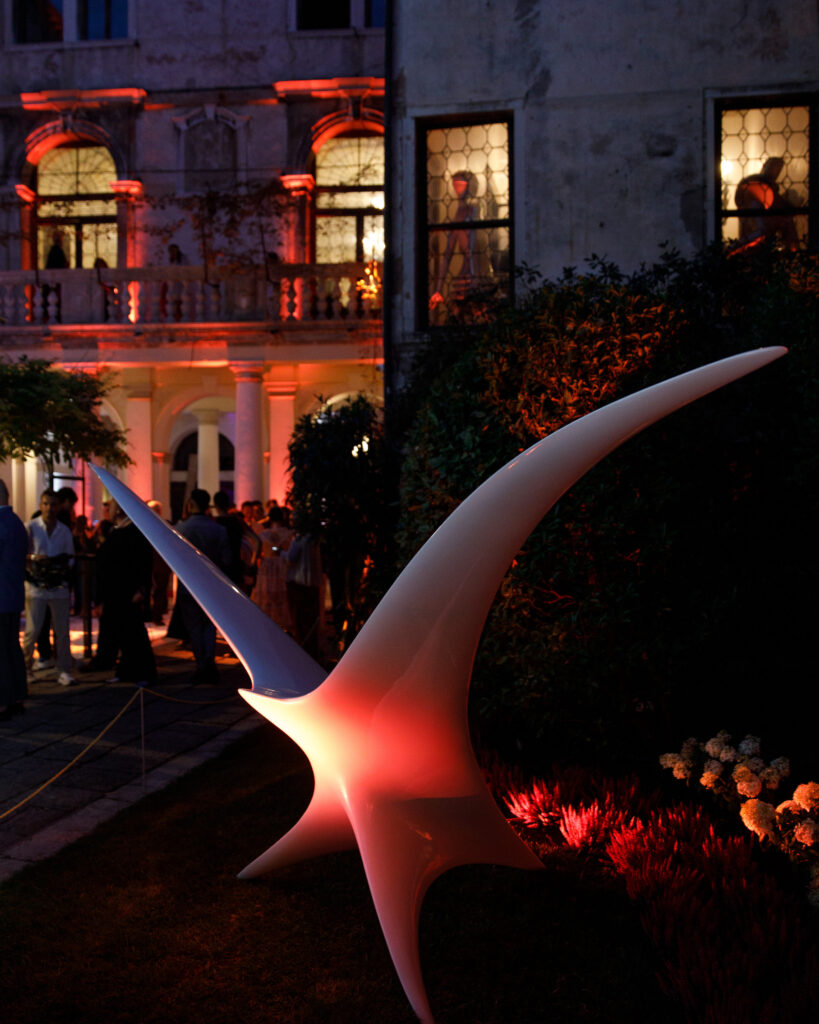
The museum’s opening was accompanied by a return to the atmosphere of the legendary Venetian balls, highlighting the theatrical dimension of his work. The costume reception took place exactly 75 years after the famous “Ball of the Century” organized by Charles de Beistegui at the Palazzo Labia, for which the young Pierre Cardin had designed some thirty costumes. A new chapter in the House’s history is thus symbolically linked to one of the most memorable episodes in 20th-century Venetian cultural life.
Photos: Courtesy of the brand
Cette publication est également disponible en :

