
Thirty-six point seven degrees in the shade—a record high in the Pitti’s fifty-year history. Rather than ditching formal wear for the comfort of casual attire, the guests at the Florence fashion show responded to the heat with tailored looks. A reaction that speaks volumes about what structured clothing now represents.
This time, the numbers leave little room for doubt. After analyzing weather data from every summer edition of Pitti Uomo since 1975, the made-to-measure ready-to-wear brand Sumissura reached an indisputable conclusion: the 2026 edition of the Florence trade show was the hottest in its history, with an average high of 34.4°C over the four days of the event and a peak of 36.7°C recorded on June 19. This record even surpasses that of the historic 2003 European heatwave, when maximum temperatures in Florence did not exceed 32.7°C. In fact, four of the five hottest editions in Pitti’s history have all taken place since 2017—an acceleration that can no longer be attributed to statistical chance.
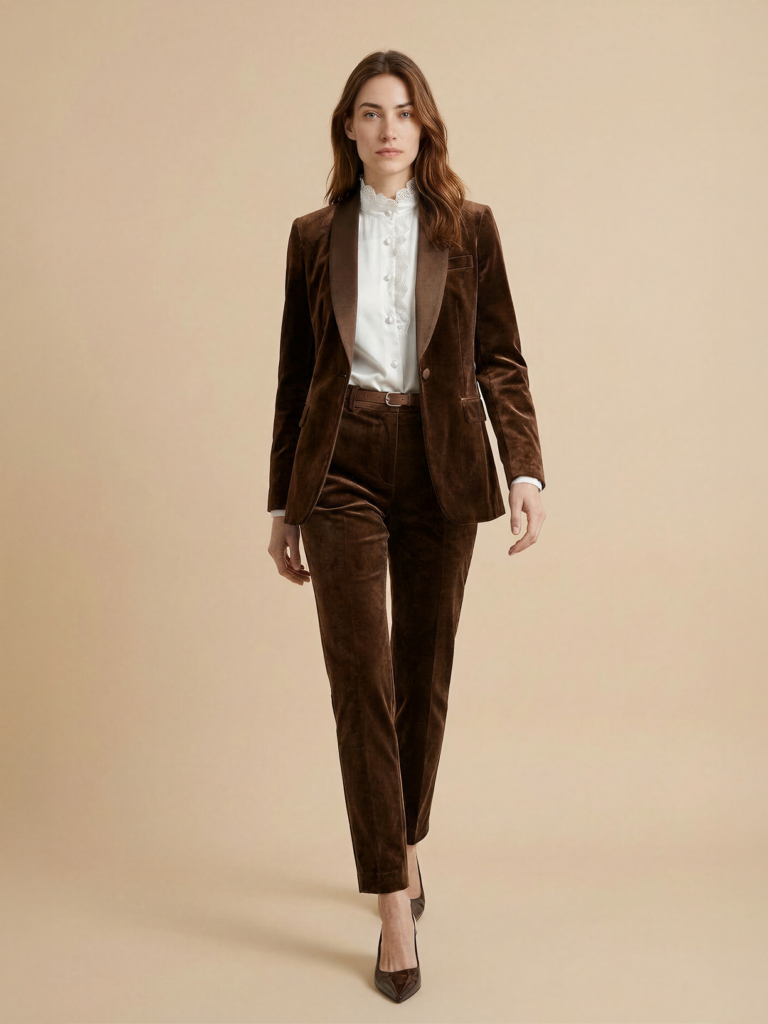
Faced with this kind of data, the immediate intuition would be to predict that comfort would triumph over form: loose-fitting shirts, technical fabrics, a festival-inspired aesthetic rather than a runway look. Yet the exact opposite happened at Pitti Donna. The style icons present in Florence did not abandon structured clothing; on the contrary, they made it the undisputed star of the week, with tailored suits worn with an almost provocative nonchalance—even poolside, where one would have expected anything but a jacket. This wasn’t a defiant stance against the weather, but something more subtle: a way of navigating the heat without conceding any symbolic ground to it.
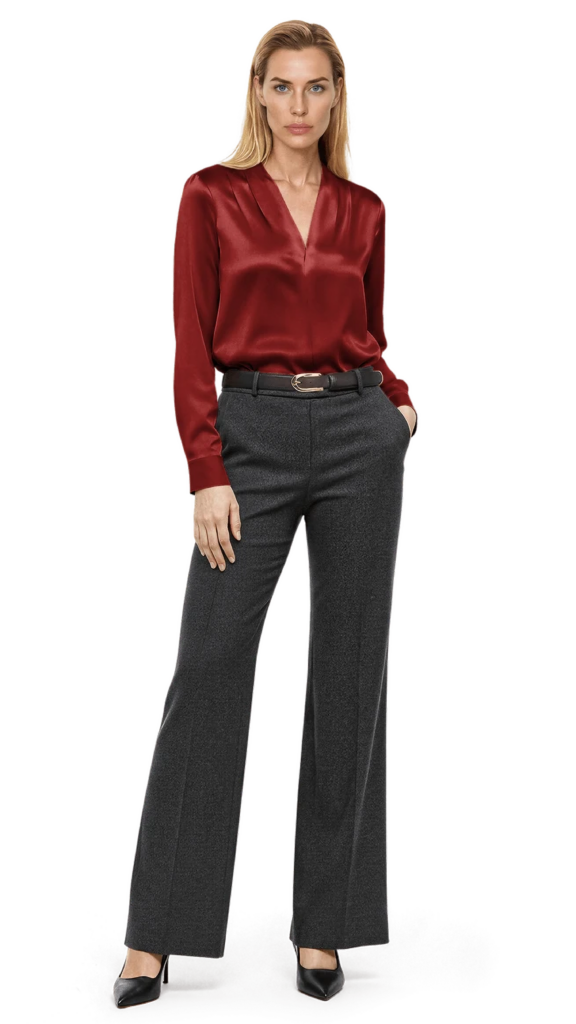
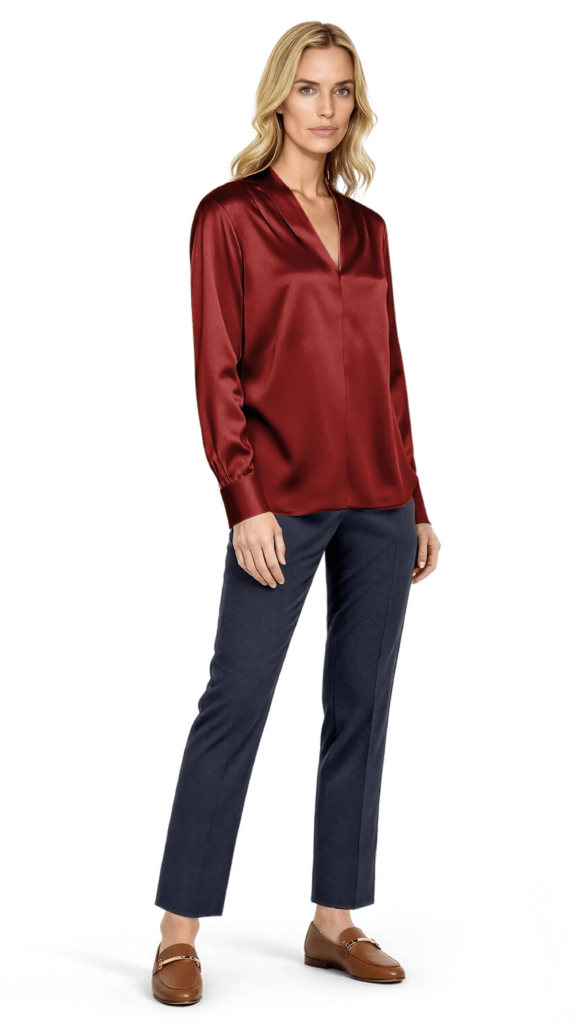
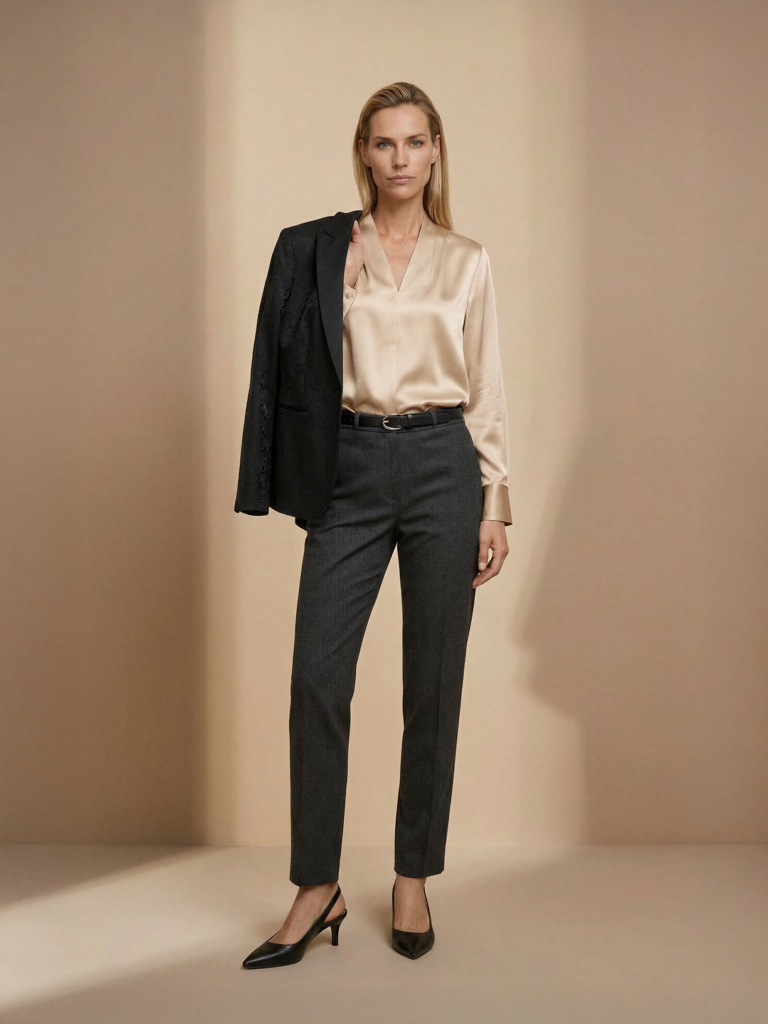
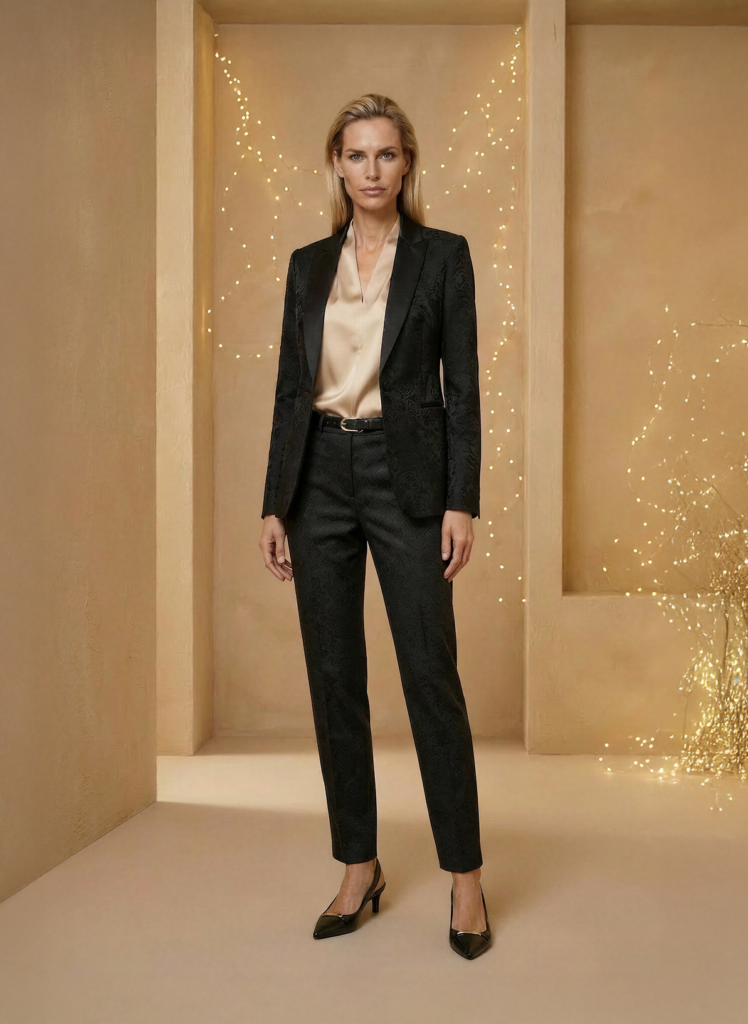
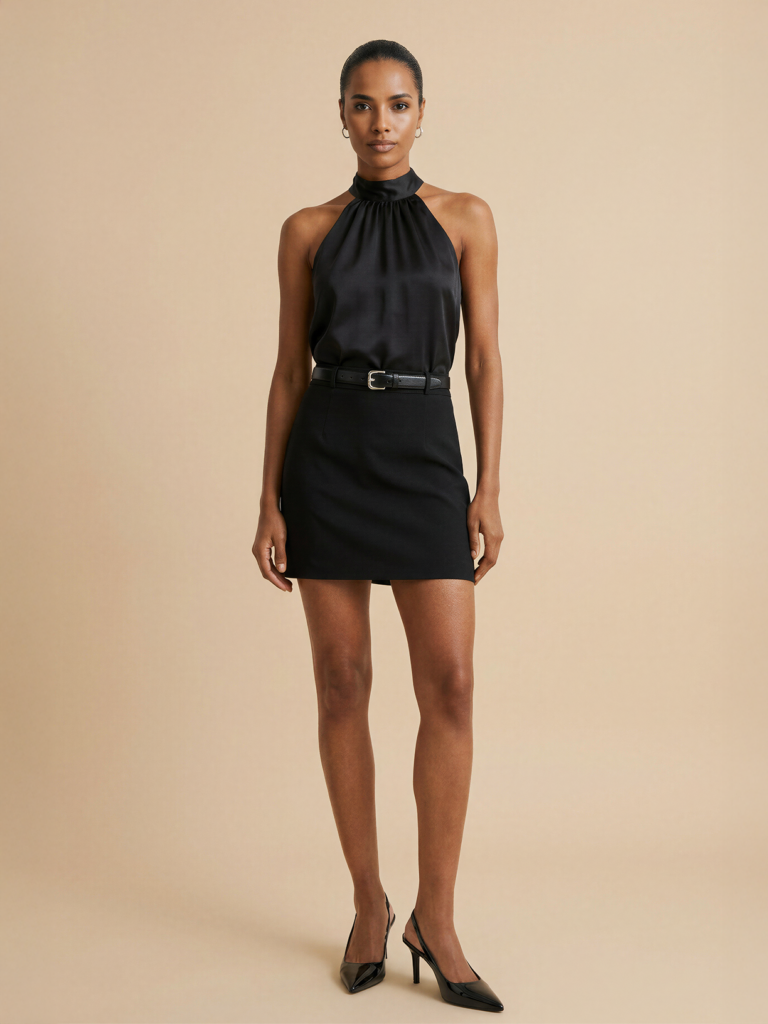
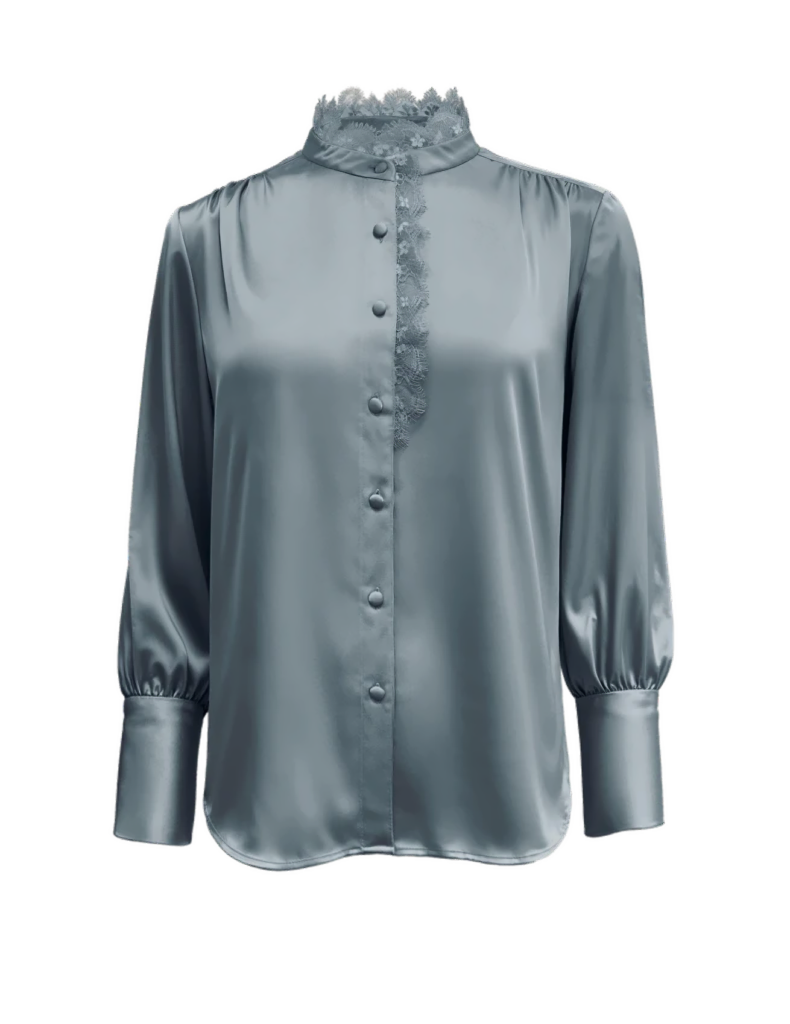
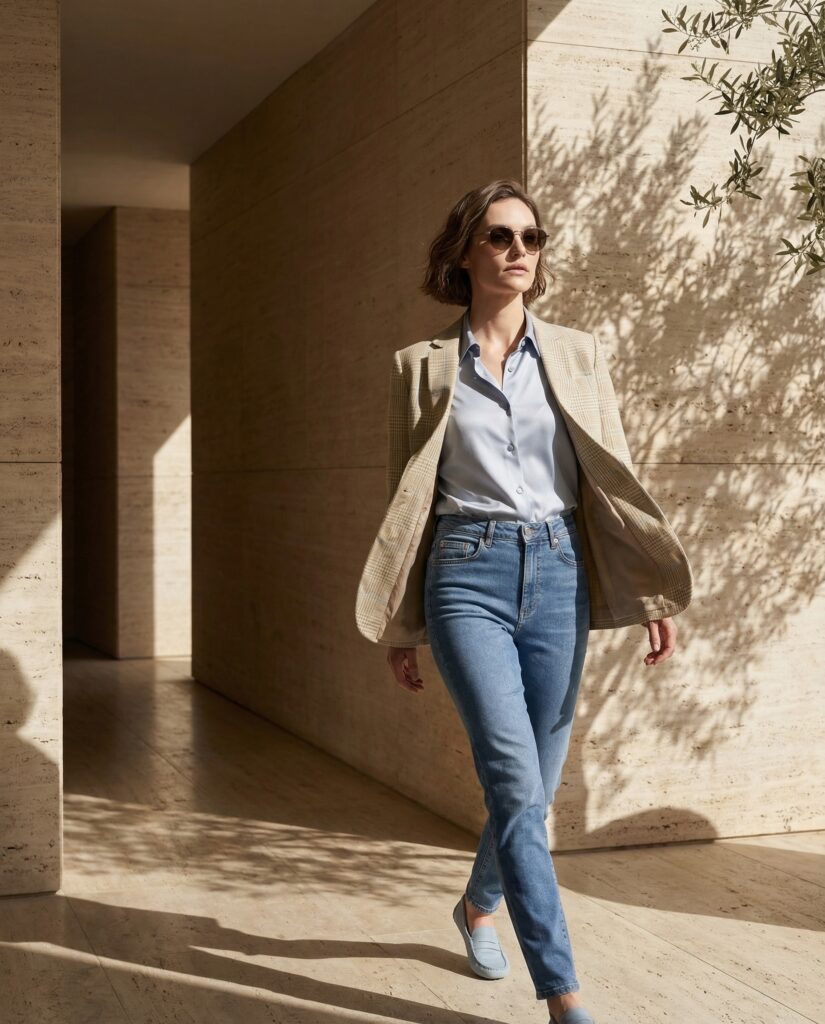
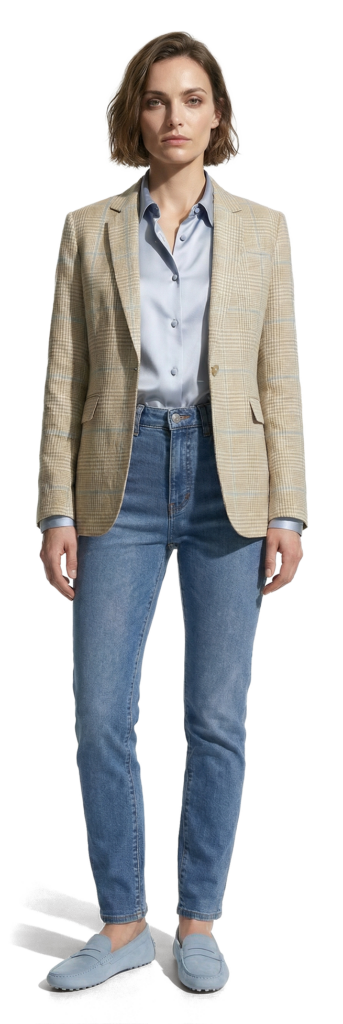
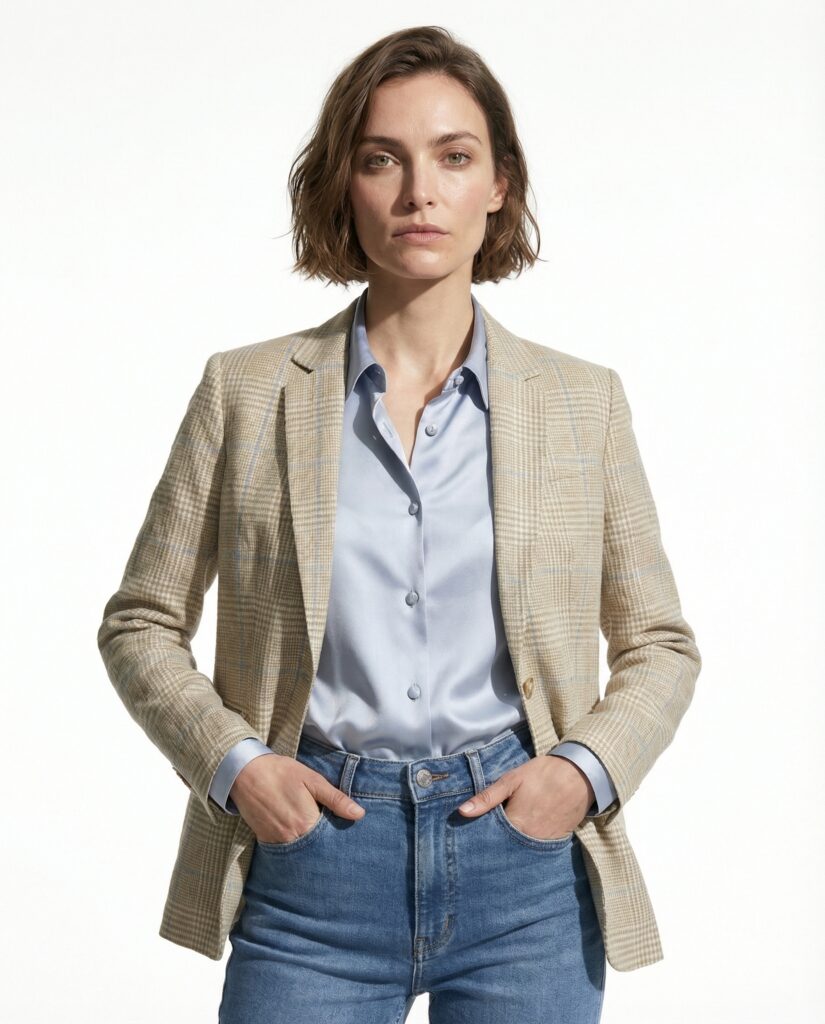
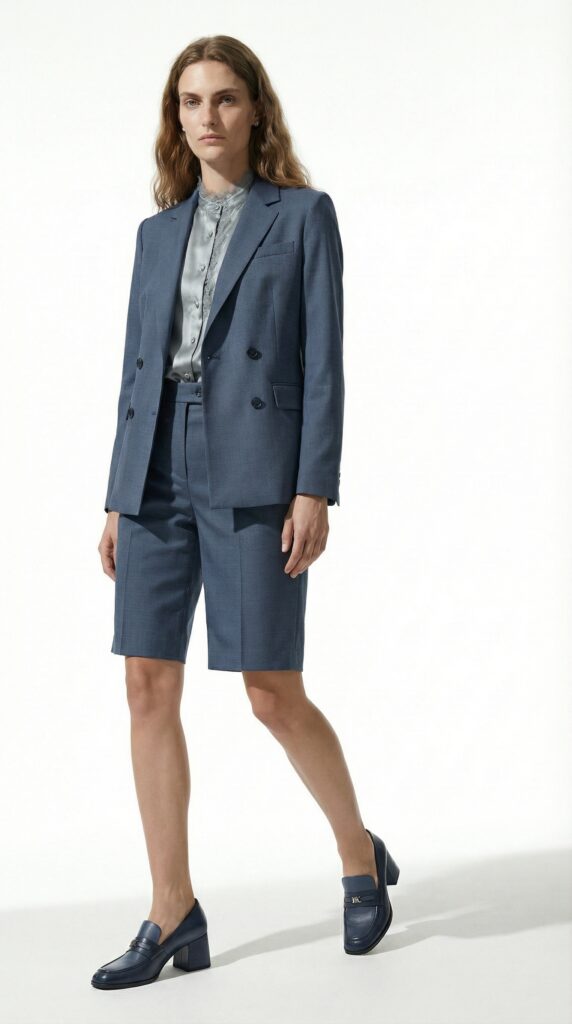
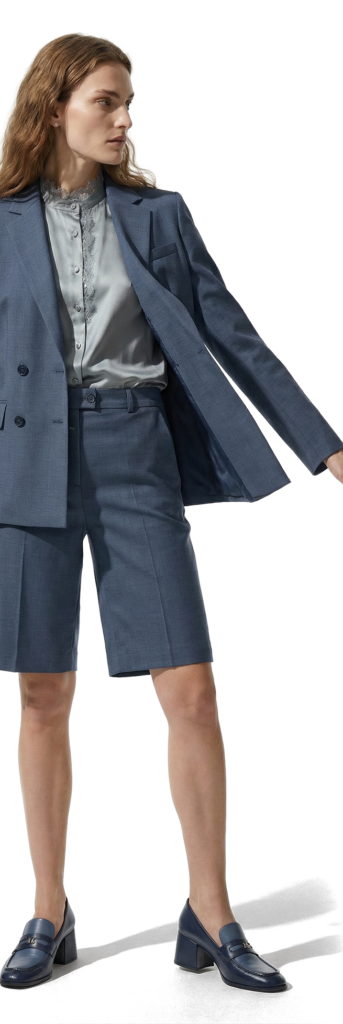
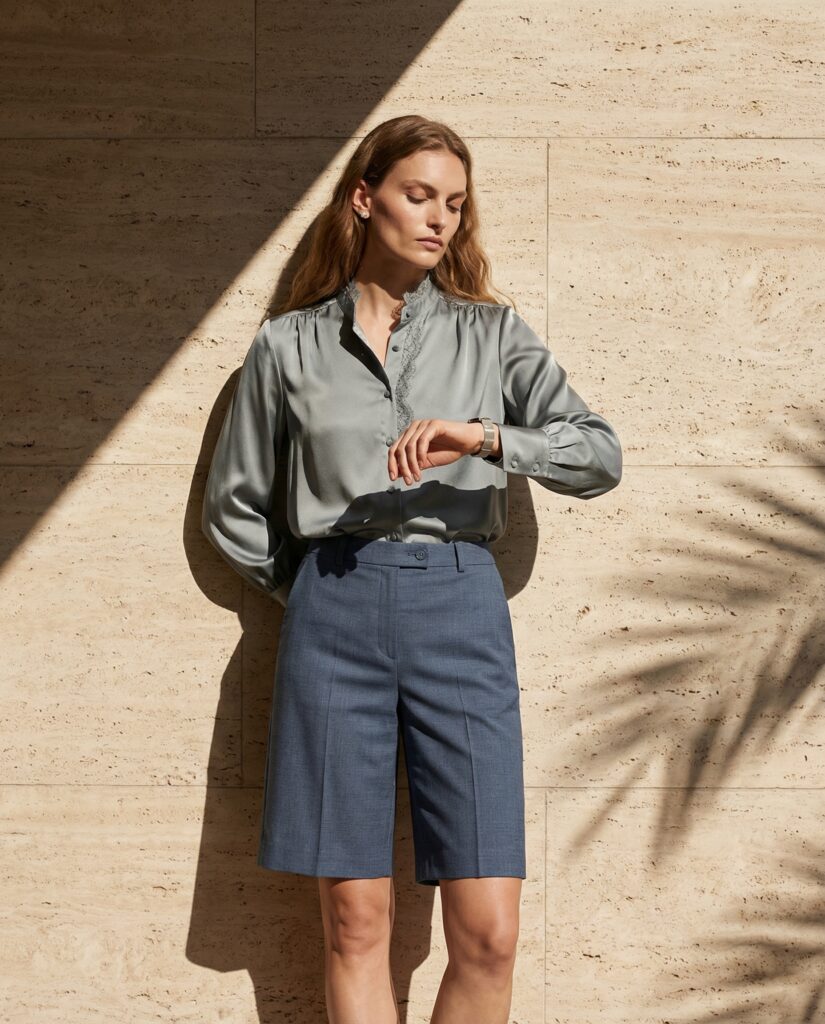
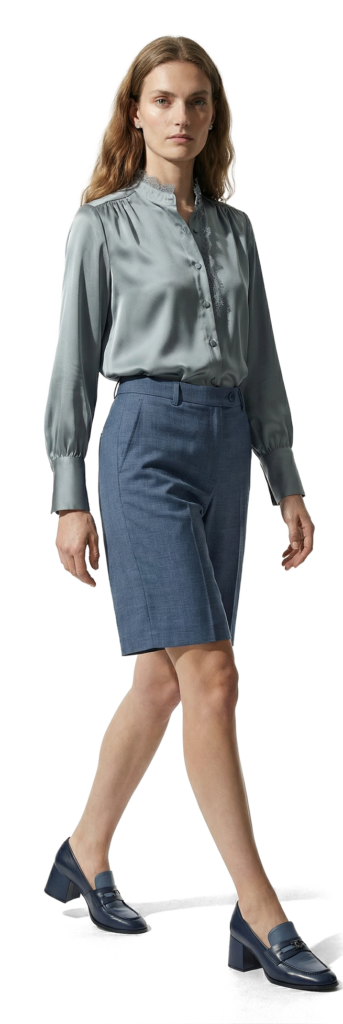
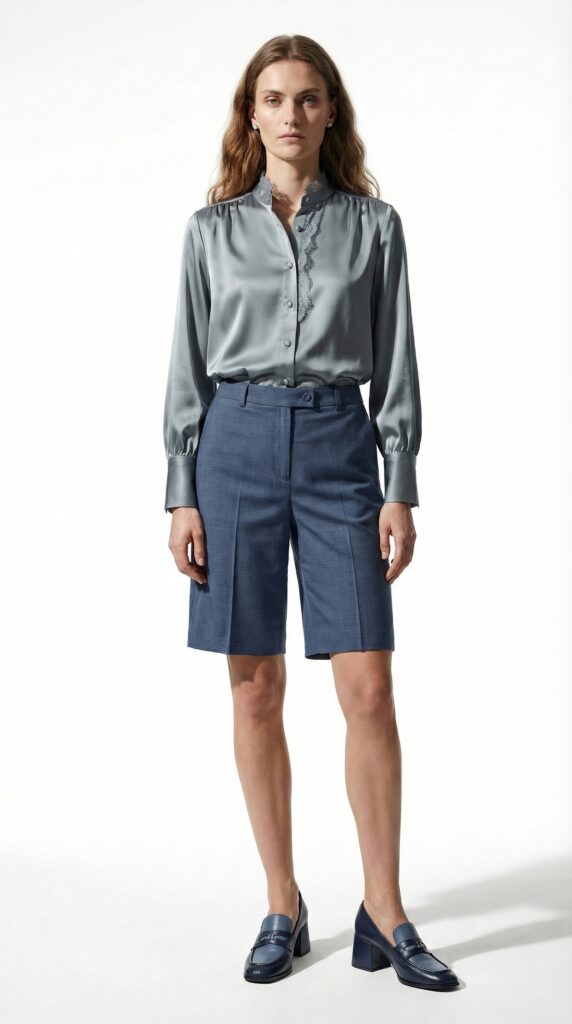
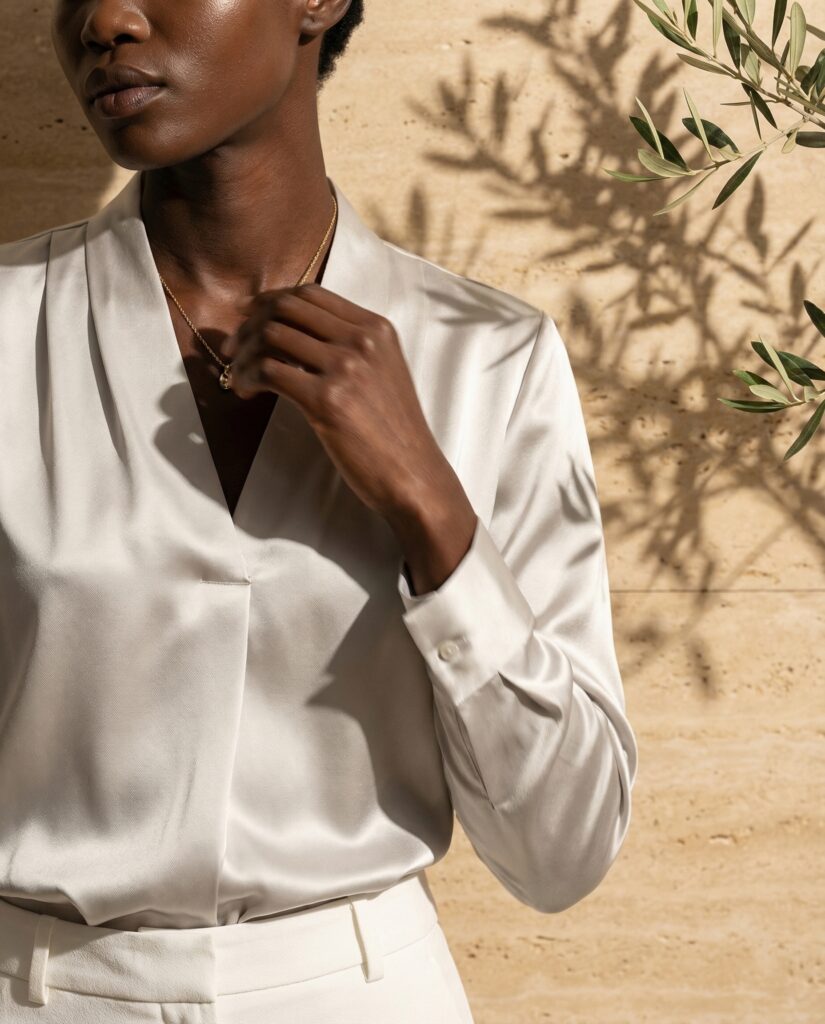
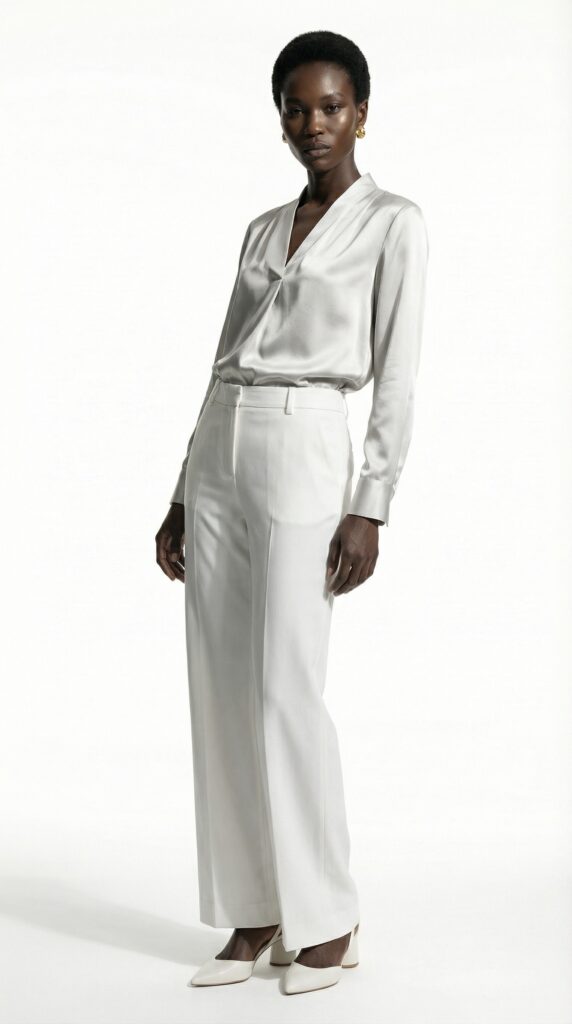
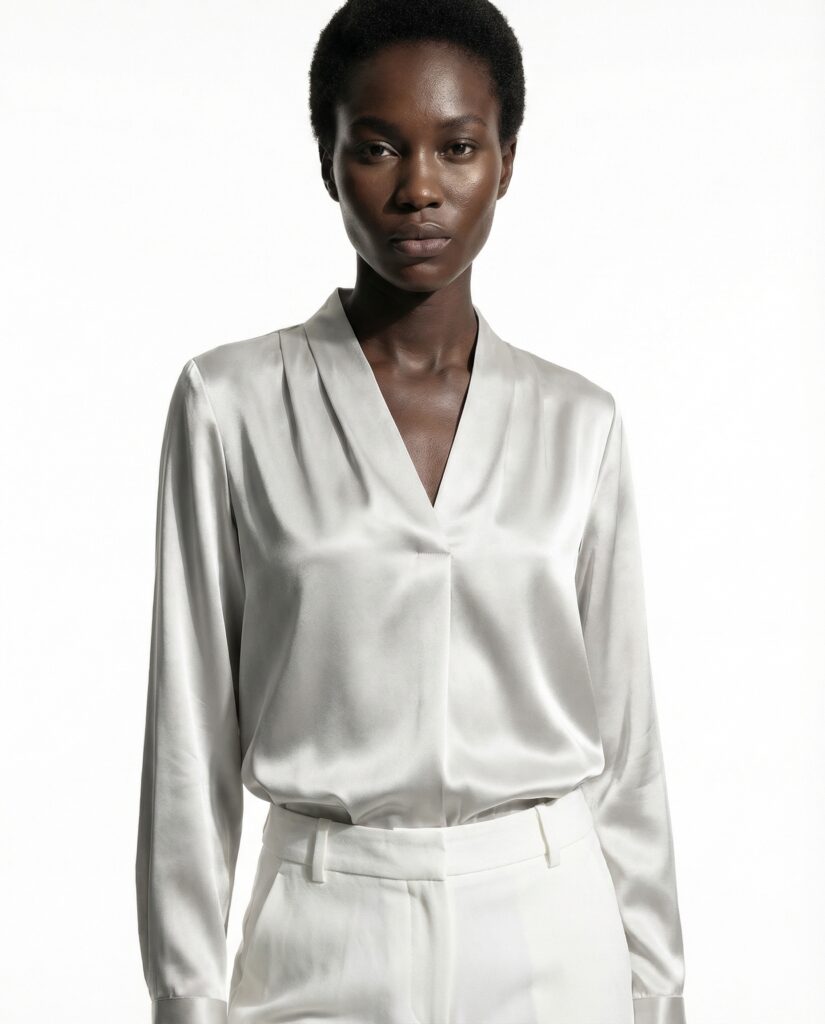
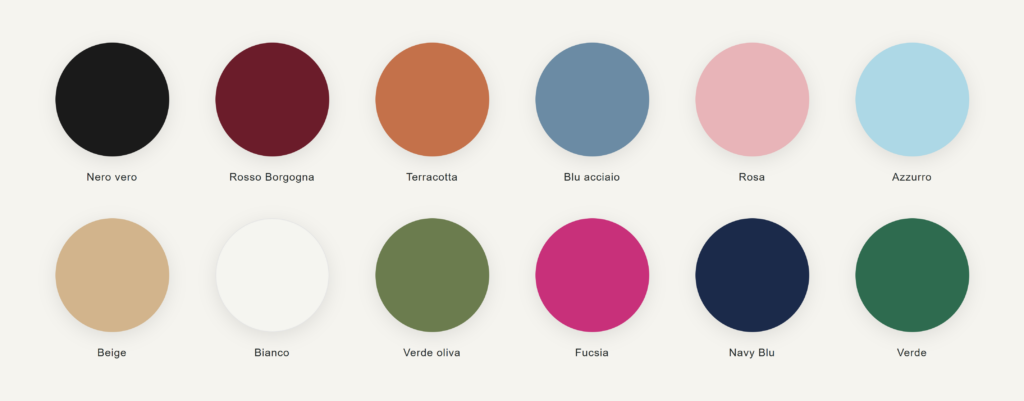
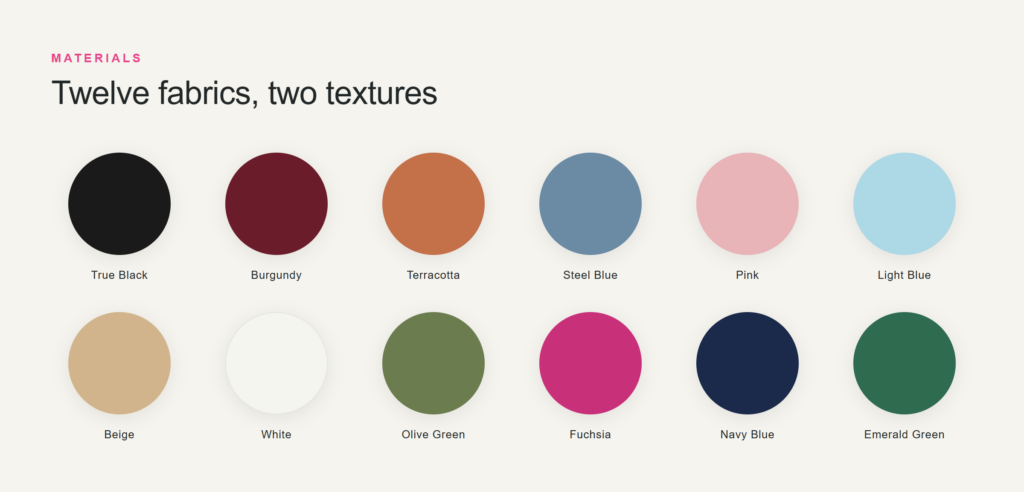
This apparent paradox actually finds its coherence in the very work that Sumissura is presenting this season with its “The Color Edit” collection. The brand, which has specialized in made-to-measure women’s ready-to-wear since 2013, focuses on materials designed to separate structure from discomfort: linen, cool wool, and muslin—all breathable fibers that allow a tailored silhouette to maintain its shape without turning into a textile furnace. The collection’s standout piece, a double-breasted cardigan, exemplifies this quest for balance: a sharp silhouette, a garment that retains its visual presence, yet with a construction designed to allow air to circulate rather than trap it. Here, tailoring doesn’t defy the climate out of defiance—it adapts through textile engineering.
There is, in this scene from Pitti 2026, a broader interpretation that goes beyond a mere anecdote about climate change. As record-breaking temperatures become the norm rather than the exception, the fashion industry finds itself faced with a choice it had long been able to avoid: to yield to total comfort, even if it means abandoning the most formal dress codes, or to reinvent the technical aspects of those codes so they can survive climate change. The choice made by this year’s Pitti Donna guests—preserving form by changing materials rather than the other way around—resembles an almost political response to a question that few fashion houses dare to ask so directly: Is structured clothing a luxury that the climate can still afford?
What happens next will depend less on the runways than on textile laboratories. If tailoring is to continue to exist in summers with temperatures of 37 degrees, its survival will undoubtedly hinge on the fabric rather than the cut.



Cette publication est également disponible en :

