
The hair care market now speaks the language of the scalp. Microbiome, blood circulation, gentle exfoliation, plant-based keratin: the vocabulary has shifted from simple cosmetics to an almost functional approach to hair. In this transition, In Haircare occupies a unique position. Not because the brand champions a “natural” approach that has become ubiquitous, but because it grounds this promise in a heritage long marginalized by the industry: that of textured hair.
Founded in 2019 by Rebecca Cathline and Didier Derozin, In Haircare builds on the legacy of Ma Coiffeuse Afro, a platform launched in 2016 to facilitate access to professionals specializing in coily, curly, and wavy hair. This starting point matters. For decades, the European hair care industry has treated Afro textures as a niche segment, often limited to a few thick oils or styling products. In Haircare, on the other hand, has chosen to build its brand around daily care, scalp care, and self-care.
The narrative heart of the brand revolves around carapate oil, also known as black castor oil. Rebecca Cathline recalls watching her grandmother prepare this oil from dried carapate seeds combined with peppermint. This family tradition is transformed here not only into a cosmetic ingredient but also into a cultural practice. The artisanal extraction technique is described as knowledge passed down “from mother to daughter.”
The benefits of this oil go beyond the traditional concept of a hair mask. Rich in fatty acids, particularly linoleic acid, it acts as a coating and nourishing agent for hair strands that are often drier and more porous. In Haircare consistently combines it with peppermint essential oil, which contains 30 to 55% menthol. This detail is significant: stimulating the scalp’s “cold receptors” is now part of a sensory experience that has become central to scalp care routines.
Above all, the brand takes an “in & out” approach, combining dietary supplements with topical treatments. The capsules combine rosemary, nettle, horsetail, zinc, biotin, and ginseng to support keratin synthesis. This approach reflects contemporary trends in beauty: hair is no longer just styled; it is viewed as a physiological indicator.
The Boost & Scalp Serum embodies this fusion of aromatherapy, plant-based biotechnology, and measurable results. Formulated with 97.7% naturally derived ingredients, it combines carapate oil, tea tree oil, organic maca, aloe vera, and rice proteins. The brand claims an 81% increase in hair volume after twelve weeks and a 12% increase in hair fiber thickness. These figures should be interpreted with caution, but they are indicative of an industry now obsessed with scientific evidence.
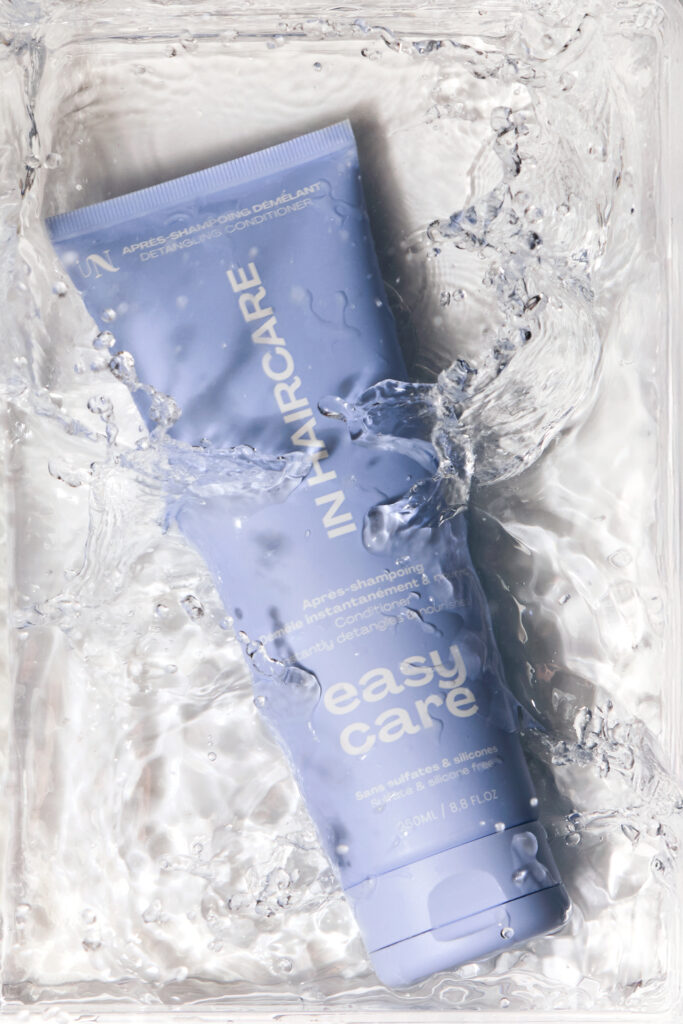
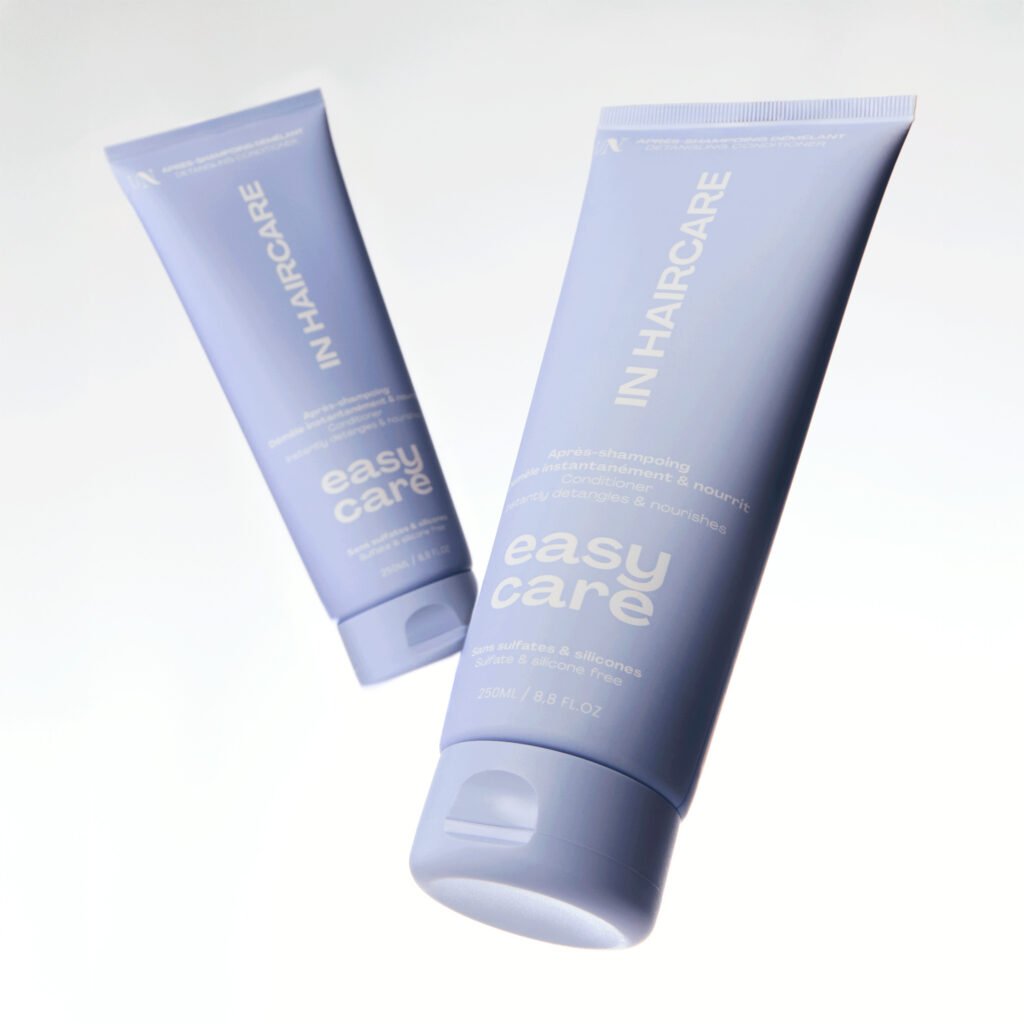
The Care line follows this philosophy with sulfate-free, silicone-free formulas that are highly concentrated in naturally derived ingredients. Wash’n Care shampoo uses rice water, plant-based keratin, and wheat proteins to cleanse textured hair without stripping it. Rice water, long associated with Asian hair care rituals, is now a key ingredient across the global hair care industry.
Perhaps most interesting is the way In Haircare treats the scalp as an extension of skincare. The Wash’n Purify shampoo explicitly references the skin microbiome, lactic acid, and red algae extracts to rebalance the scalp’s ecosystem. The Detox Gel, meanwhile, incorporates hibiscus vinegar, fine sea salts, and organic peppermint to gently exfoliate the scalp.
This trend points to a broader phenomenon. For a long time, the luxury hair care industry has prioritized visible shine and styling. The new generation of independent brands is putting the scalp back at the center and viewing textured hair not as an exception to be corrected, but as a technical challenge to be understood.
At In Haircare, this approach takes the form of beauty that is passed down through generations. A beauty that is less showy and more restorative—and likely more culturally sustainable.
Cette publication est également disponible en :

