
Kuala Lumpur in the morning, the Borneo canopy in the afternoon, a street food market in the evening: Malaysia does not ask families to choose a single face of the country. That may be where, more than in each site taken in isolation, the real travel proposition lies.
A country that refuses to simplify itself
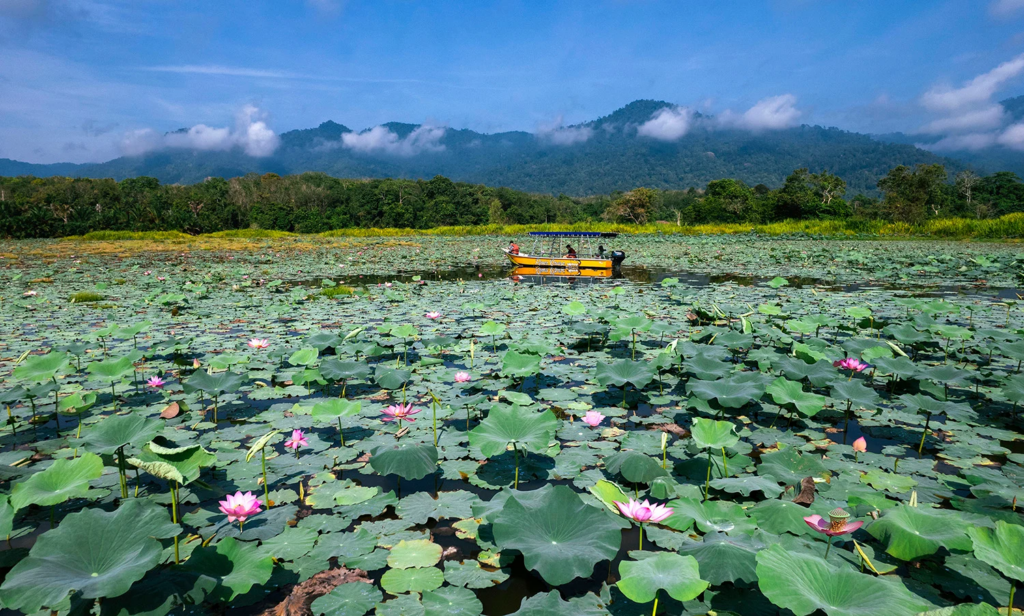
Most family destinations sell themselves on a single promise: the beach, nature, culture. Malaysia, for its part, embraces its plurality as a principle of travel rather than as a logistical constraint. In a few days, a family can move from a skyline as dense as that of Kuala Lumpur to the historic lanes of George Town, then to the tropical forests of the peninsula or of Borneo, without any of it seeming artificially assembled.
This refusal to be reduced to a postcard is probably what truly sets the Visit Malaysia 2026 campaign apart from a conventional tourism pitch. The country does not seek to convince that it does one thing better than elsewhere; it offers the experience of several at once, at the pace of a single family.
The wild animal as a first turning point
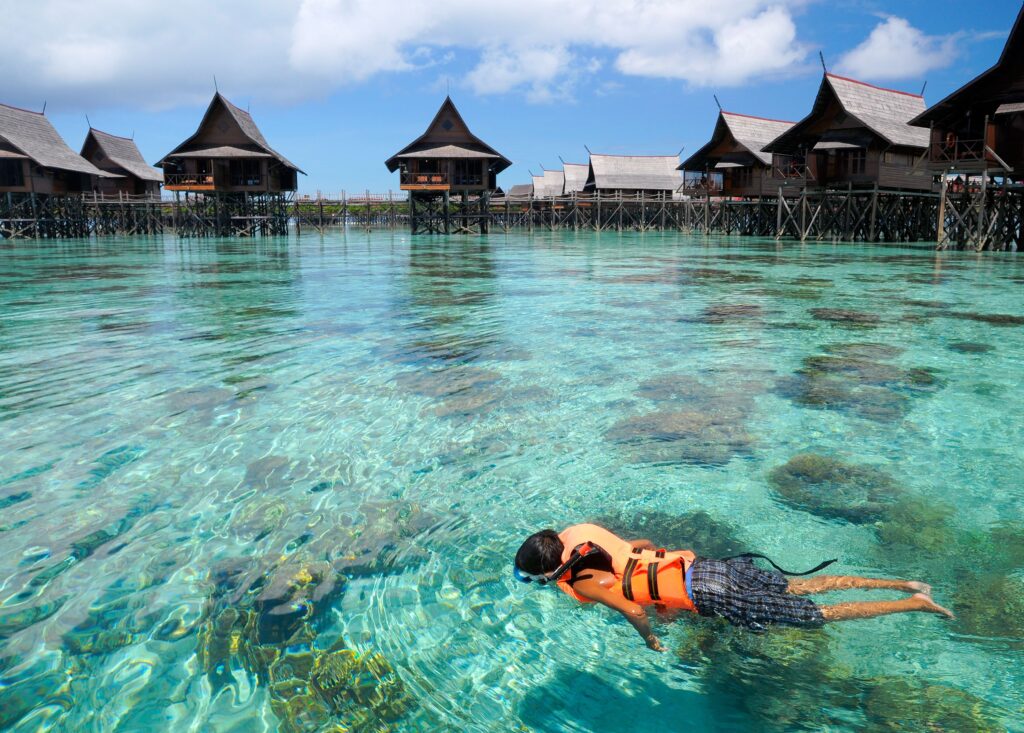
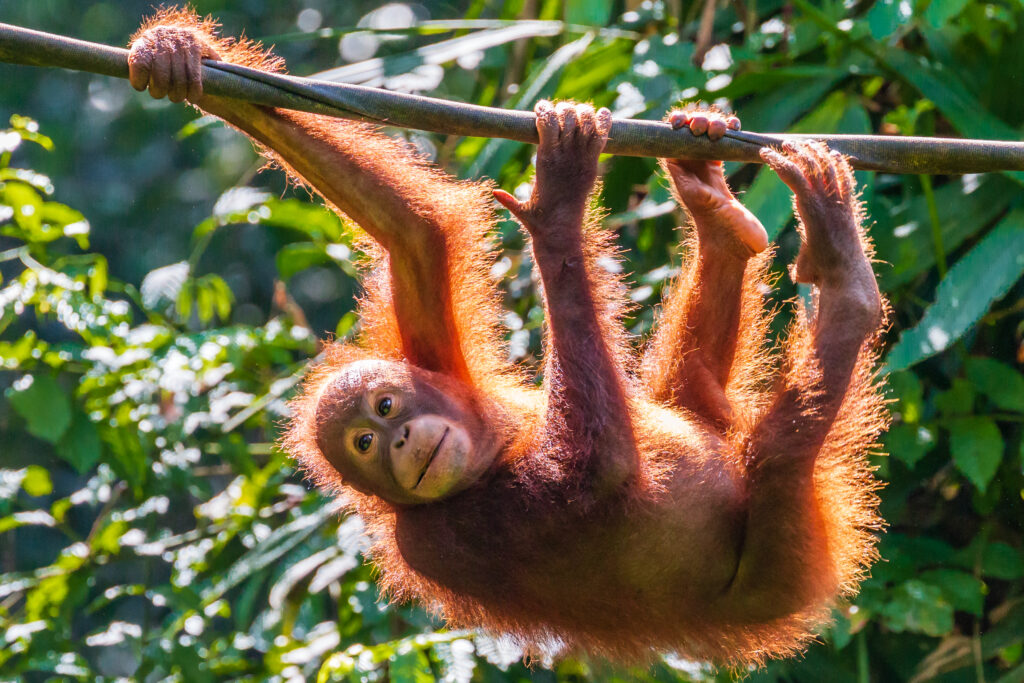
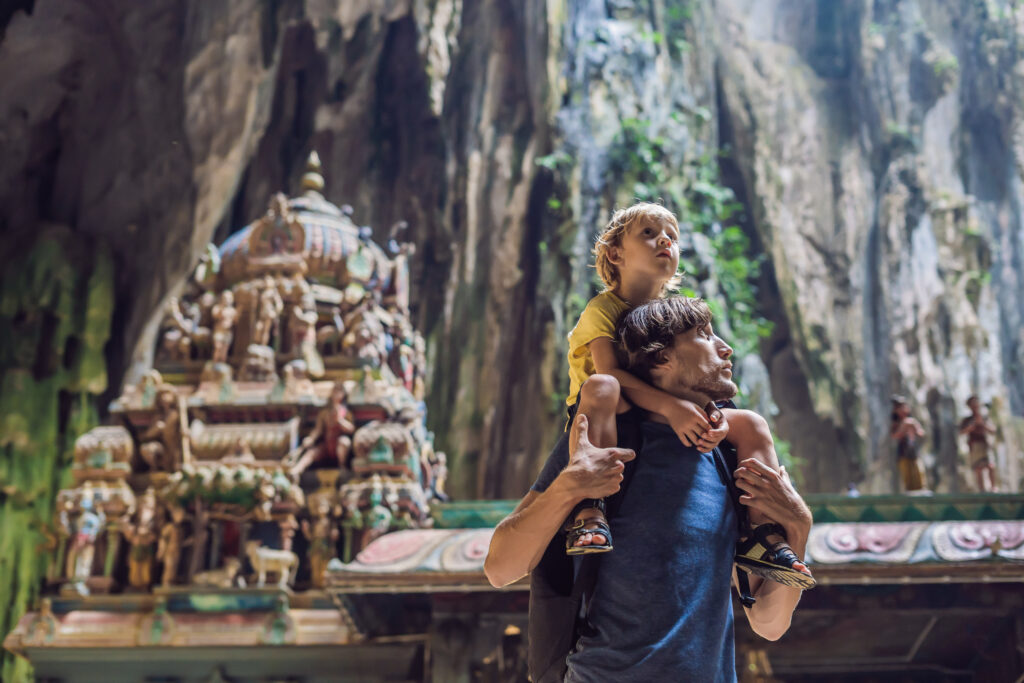
In Borneo, watching a young orangutan in the tropical forest of Sabah is nothing like a signposted attraction: it is a turning point. For a child used to screens, meeting in its natural environment an animal previously seen only in images changes the very nature of the holiday memory. Jungle hiking, cave exploration or an introduction to snorkelling extend the same principle: making concrete what, elsewhere, remained abstract.
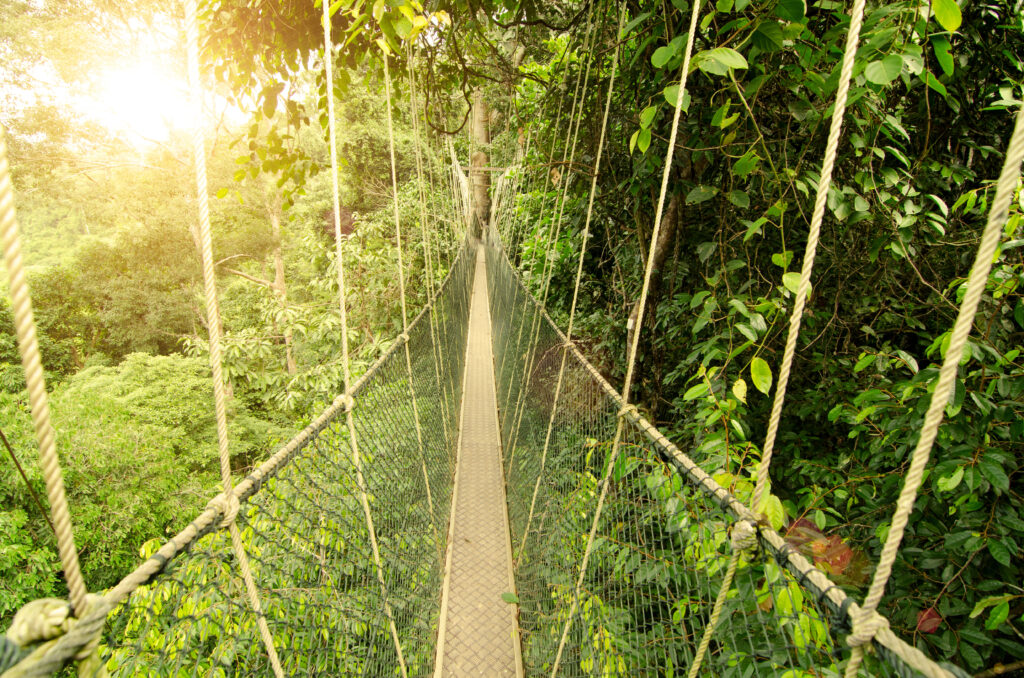
The suspension bridge in the canopy of Taman Negara illustrates well this idea of a country that organises discovery without neutralising it. One moves along at the height of the trees, in a measured vertigo, without the experience losing in authenticity what it gains in accessibility.
The table as a second language
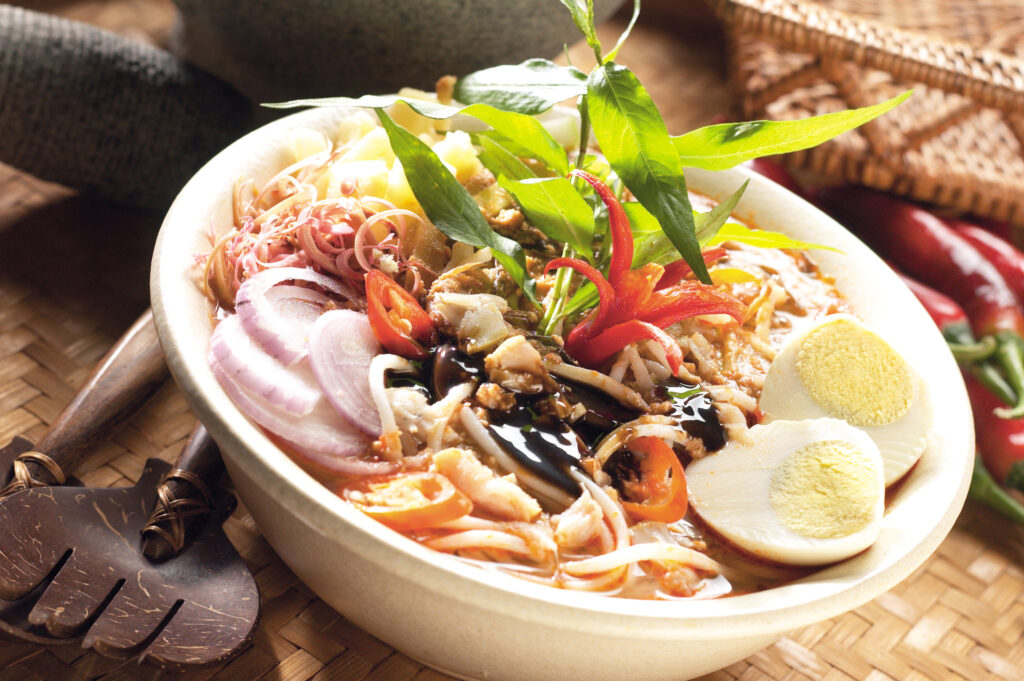
In Penang, street food works as an even more direct way in than museums: nasi lemak, satay or roti canai tell, in a single mouthful, of the meeting of Malay, Chinese and Indian cultures that shapes the country. For a family, sharing a meal in a local market becomes a history lesson that never resembles a class.
This culinary diversity is not an extra touch of soul added to the journey: it is one of its structuring axes, on a par with nature or heritage.
Travelling together without travelling the same way
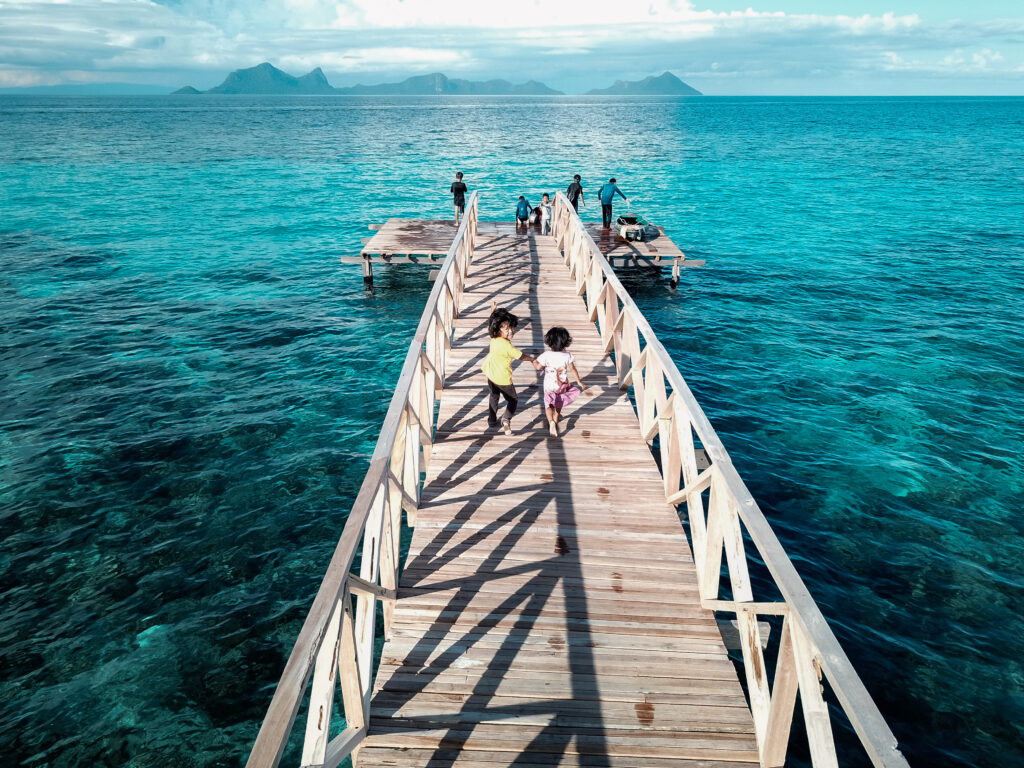
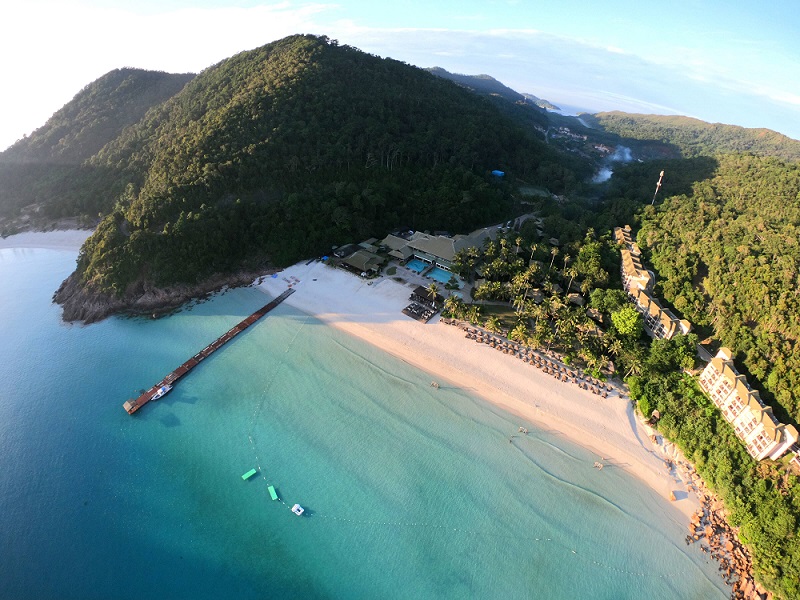
What Malaysia offers, at bottom, is a journey that does not impose a single rhythm on the whole family. Children find their story in the wildlife, teenagers in physical adventure, parents in heritage and gastronomy — and the UNESCO-listed Lenggong Valley, or the Perhentian Islands, give each a different ground on which to live the same geographical journey. It remains to be seen whether this promise of plurality will withstand the test of the field, or whether it will remain, as so often, truer on paper than on the road.
Cette publication est également disponible en :


