
In Cannes, luxury cuisine has long spoken French with a Mediterranean accent. It is now drawing inspiration from other regions. At the Carlton Cannes, Rüya reopens its doors on April 3, 2026, for a new season, bringing a contemporary take on Anatolian cuisine to the Croisette—a blend of Aegean and Eastern Mediterranean flavors, spices, grilled dishes, mezze, and a warm, welcoming dining experience.
The topic isn’t just the seasonal opening of a hotel restaurant. It’s more interesting than that. Rüya explains how the top restaurants on the Riviera are no longer content to simply offer a terrace with a view; they seek to import a complete culinary culture—with its rituals, stories, pacing of service, and ability to transform dinner into a performance. La Croisette is no longer just a backdrop. It has become a meeting point between Côte d’Azur hospitality and Anatolian heritage.
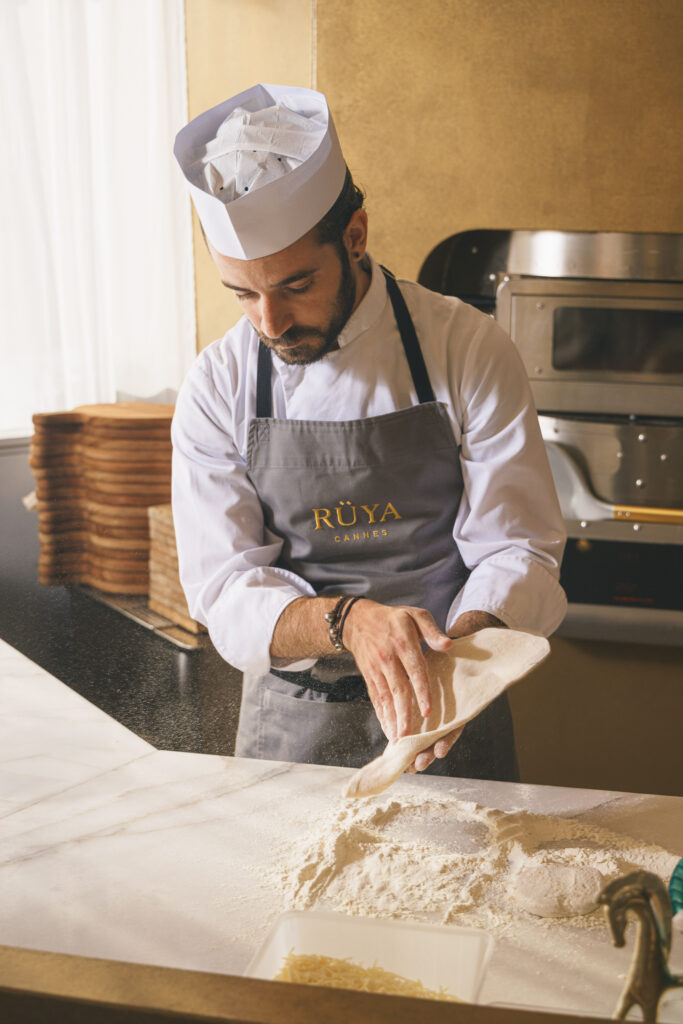
Rüya means “dream” in Turkish. The name might seem too simple, almost decorative. It becomes more meaningful when you look at the project as a whole: a restaurant, a lounge, and a bar, all designed around the diversity of Anatolian cuisine. The official website of the Carlton Cannes describes Rüya as a contemporary restaurant inspired by the history of the Anatolian Peninsula—from the Mediterranean to the Black Sea—featuring reimagined classics and a focus on the Turkish spirit of sharing.
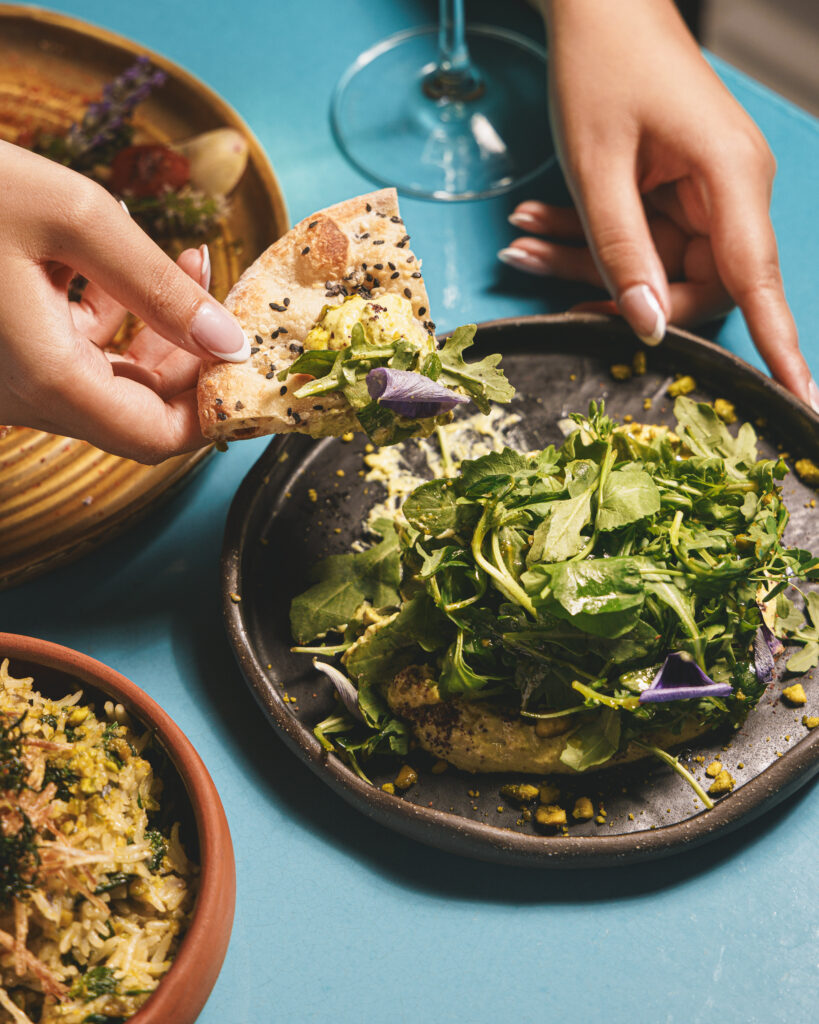
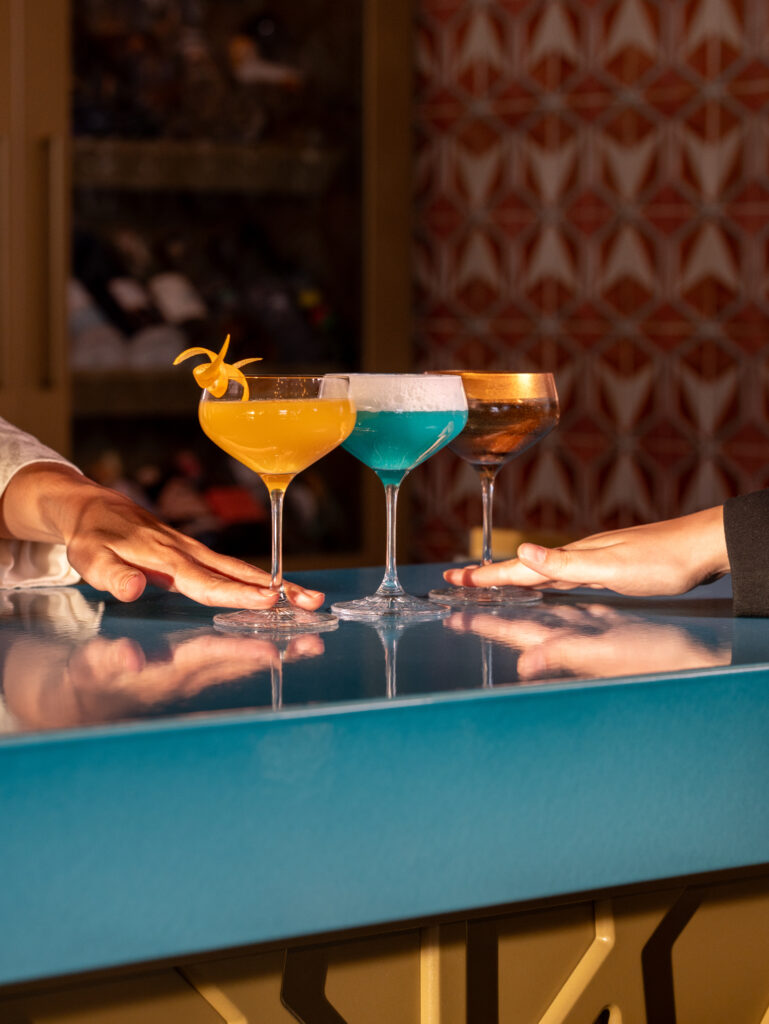
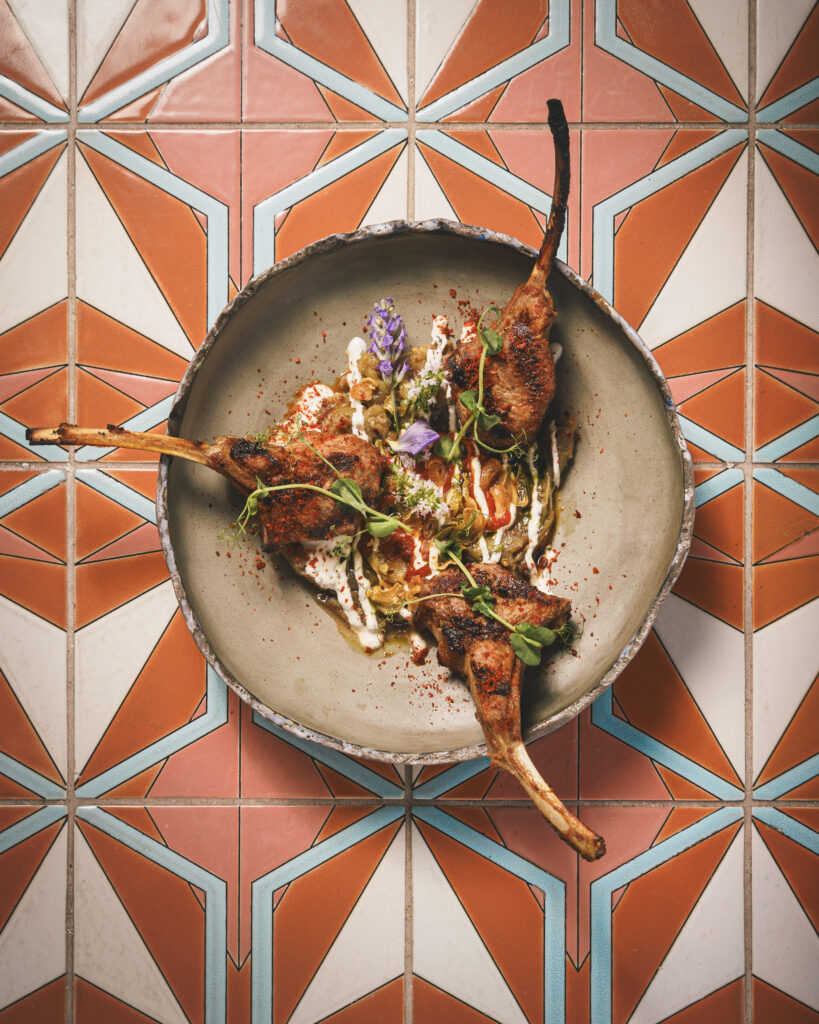
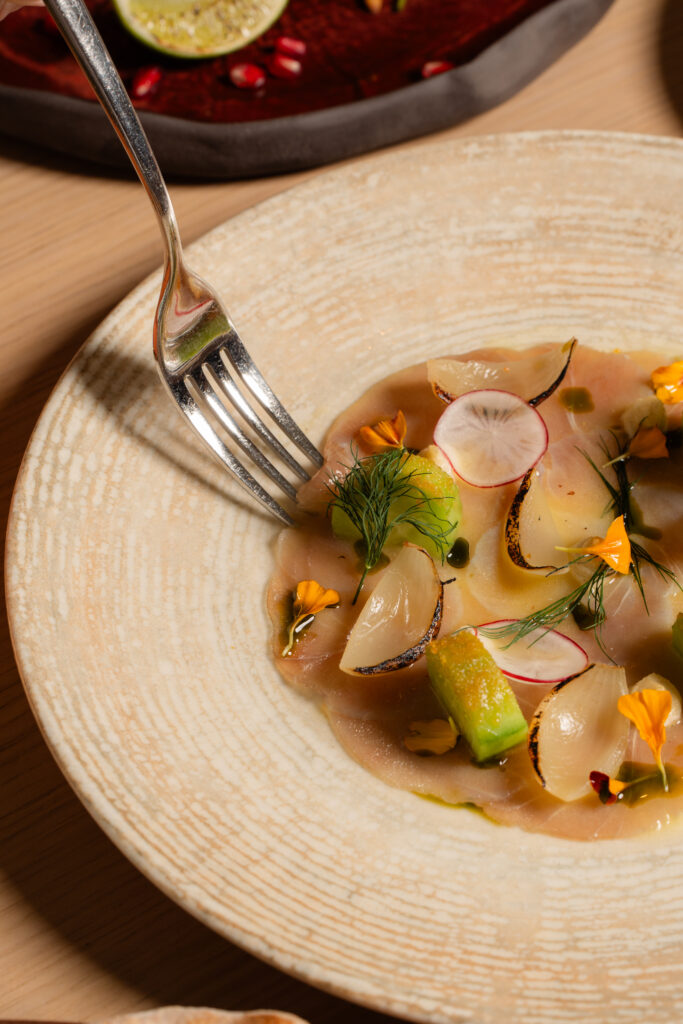
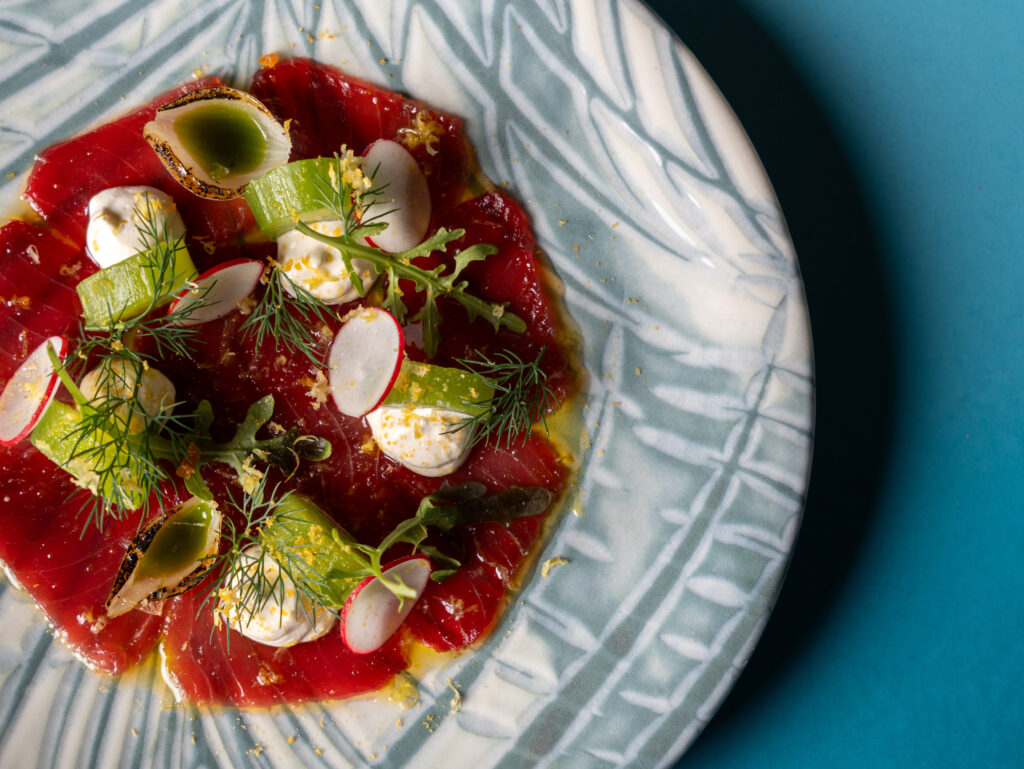
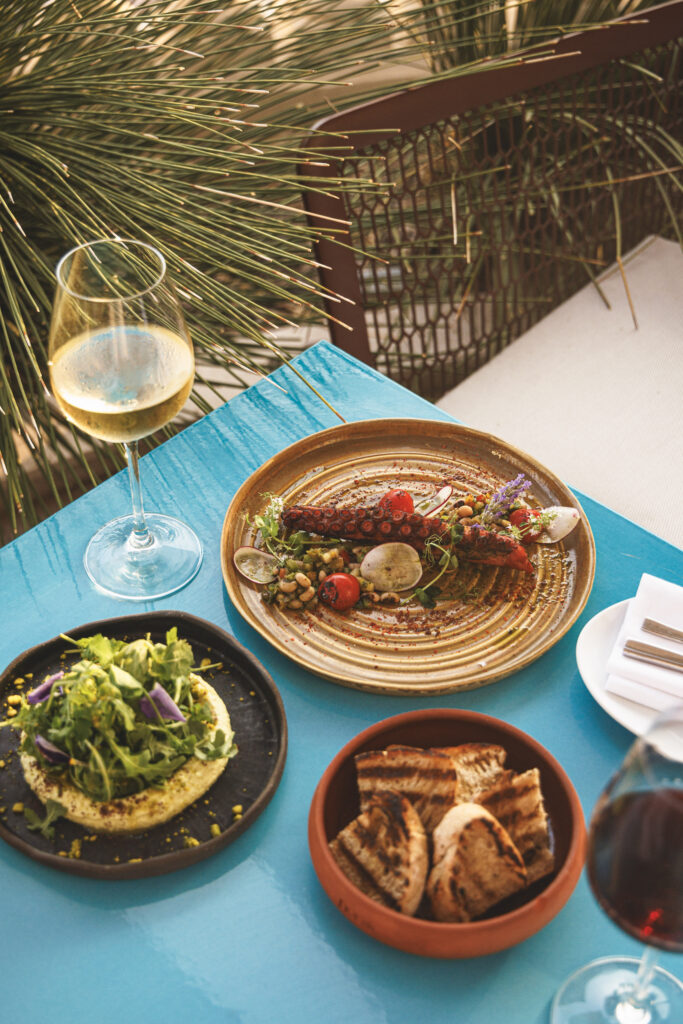
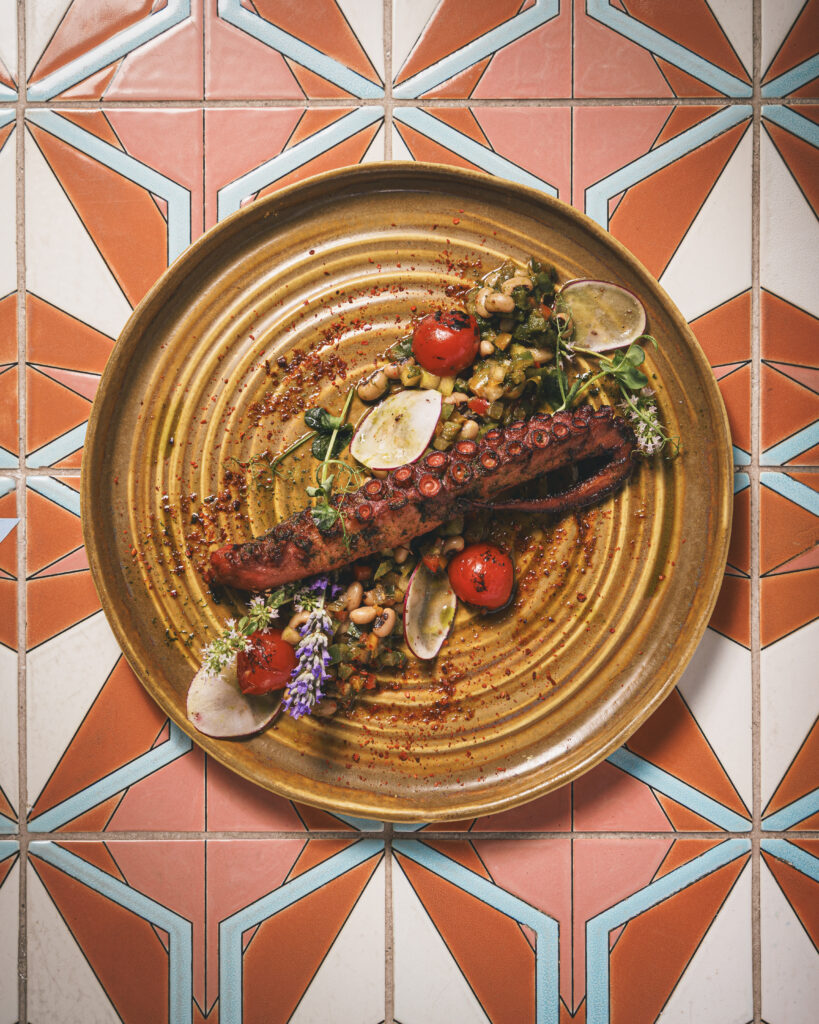
This idea of sharing is central. Anatolian cuisine isn’t organized solely around a main course; it often unfolds in succession, in a continuous flow, through the simultaneous presence of multiple textures: cold, smoky, tart, grilled, and crunchy. At its Cannes location, Rüya features a selection of mezze, traditional Anatolian grapes, and cocktails inspired by cardamom, rose, pomegranate, honey, spices, citrus, and mint. This aromatic palette is more than just a gimmick: it gives the restaurant an identity that is less interchangeable than that of many summer eateries.
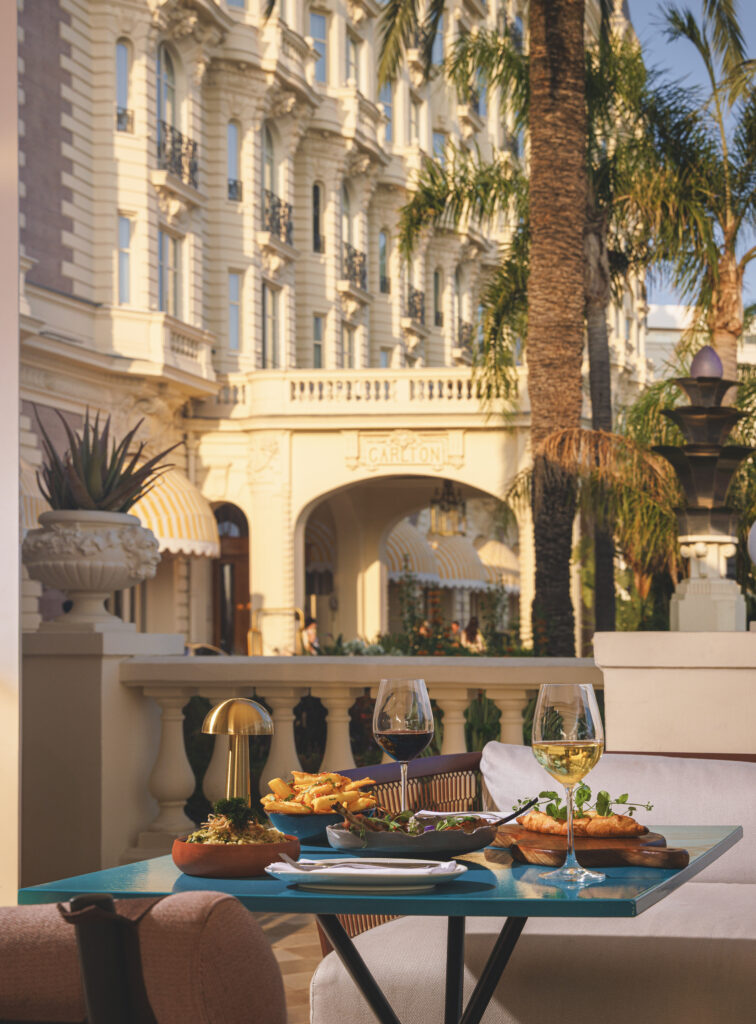
The panoramic terrace plays an obvious role here. The press release mentions a view of the Croisette and the Mediterranean, especially at sunset. But the appeal of such a place lies in the delicate balance between spectacle and restraint. In Cannes, everything lends itself to being on display: the light, the facades, the walkways, the proximity to the Festival, and the Carlton’s glamorous legacy. Rüya adds another layer—more Eastern, more nocturnal—where dinner flows into aperitifs, the lounge, music, and sometimes fireworks.
The summer of 2026 will further highlight this theatrical aspect. On certain evenings, a saxophonist will provide live musical accompaniment during service. The restaurant is also announcing six special evenings in July and August to coincide with the Cannes Fireworks Festival, combining fine dining with entertainment. The risk with this kind of approach is that the meal could become merely a pretext. Rüya’s potential strength lies precisely in the opposite: letting the cuisine drive the experience, then allowing the setting to enhance it without overshadowing it.
The positioning is also rooted in a culinary heritage. The press release links Rüya to the Özkanca family, the founders of Borsa, Masa, and Parlé—Turkish institutions that have helped shape a certain vision of contemporary Istanbul dining. The d.ream group, Doğuş Restaurant Entertainment and Management, presents Rüya as a concept that combines a vibrant restaurant, lounge, and bar centered on the history and diversity of Anatolian cuisine. This international scope explains the concept’s presence beyond Turkey, notably in Dubai and Cannes, where the dining experience becomes a language that can be exported without necessarily losing its roots.
The Carlton Cannes, which has reopened following a major renovation and is now part of the Regent collection, provides a fitting setting for this concept. The hotel is one of those places whose name almost precedes the experience itself. Establishing an Anatolian restaurant there is no small matter: it means introducing, into a landmark of Cannes hospitality, a cuisine shaped by roads, empires, ports, and regions—one that is less static than is often imagined. Anatolia is not merely a decorative motif. It is a geography of crossroads.
Rüya Cannes, therefore, does not seek to attract guests solely through the exoticism of spices or the promise of a sunset. The restaurant is part of a broader trend in the luxury hospitality industry: making dining a destination in its own right, capable of attracting hotel guests, locals, regulars on the Croisette, and one-night visitors alike. In Cannes, where people often dine as much to see the sights as to enjoy the food, this distinction matters.
The practical information confirms that this is a spot designed for the evening: aperitifs from 6:00 p.m. to 7:30 p.m., dinner from 7:30 p.m. to 10:00 p.m., with reservations available through the Carlton Cannes or the restaurant’s dedicated website. A simple, almost ritualized schedule. The experience begins before nightfall and ends once the city has already taken on a different atmosphere.
As always, the final judgment will be made at the table. But on paper, Rüya has what many seasonal restaurants lack: a clear identity, cuisine that isn’t merely a backdrop, and a terrace where the Mediterranean looks eastward rather than inward.
Cette publication est également disponible en :

