
In Messinia, in the Peloponnese, a resort is quietly redefining what affluent families expect from their vacations: no longer relaxation, but personal growth.
According to Fortune Business Insights, the global sports travel market was valued at approximately €609 billion in 2025 and is expected to exceed €700 billion in 2026. Behind these figures lies an anthropological shift that luxury destinations were among the first to recognize: leisure as a vacation value is giving way to measurable performance. Costa Navarino, a resort situated on a coastline shaped by 4,500 years of history, has structured an offering this summer that says more about new parental ambitions than about beach tourism.
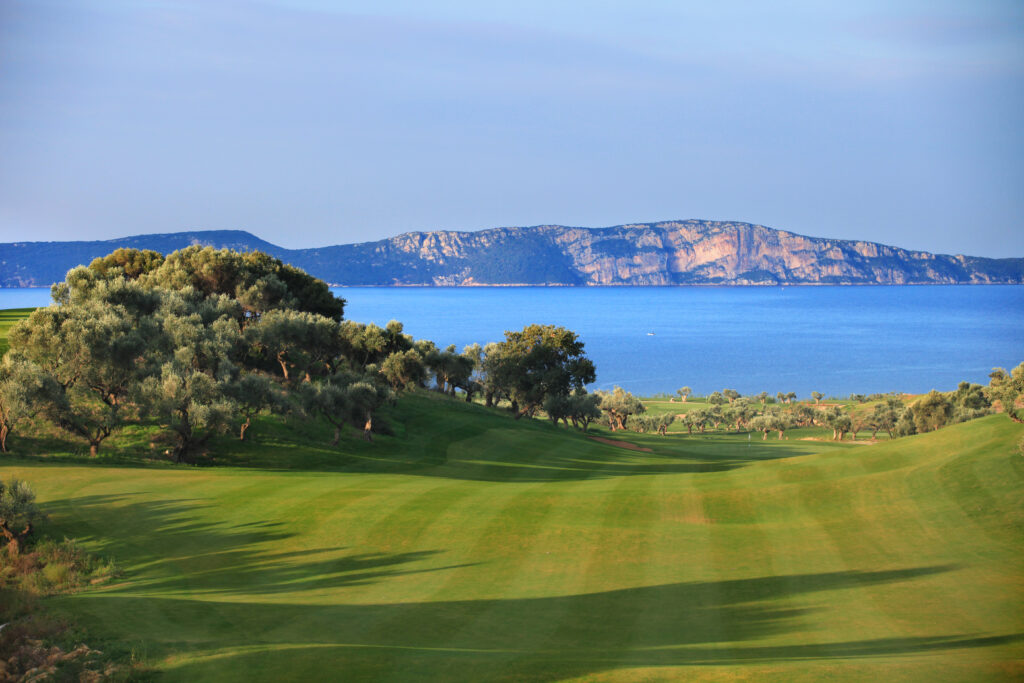
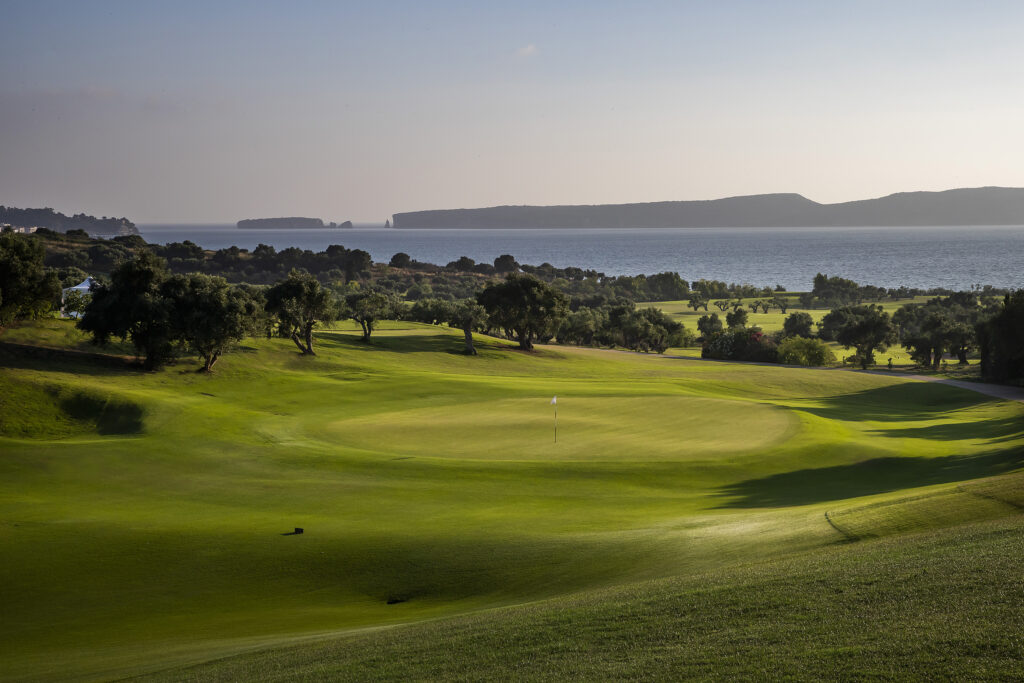
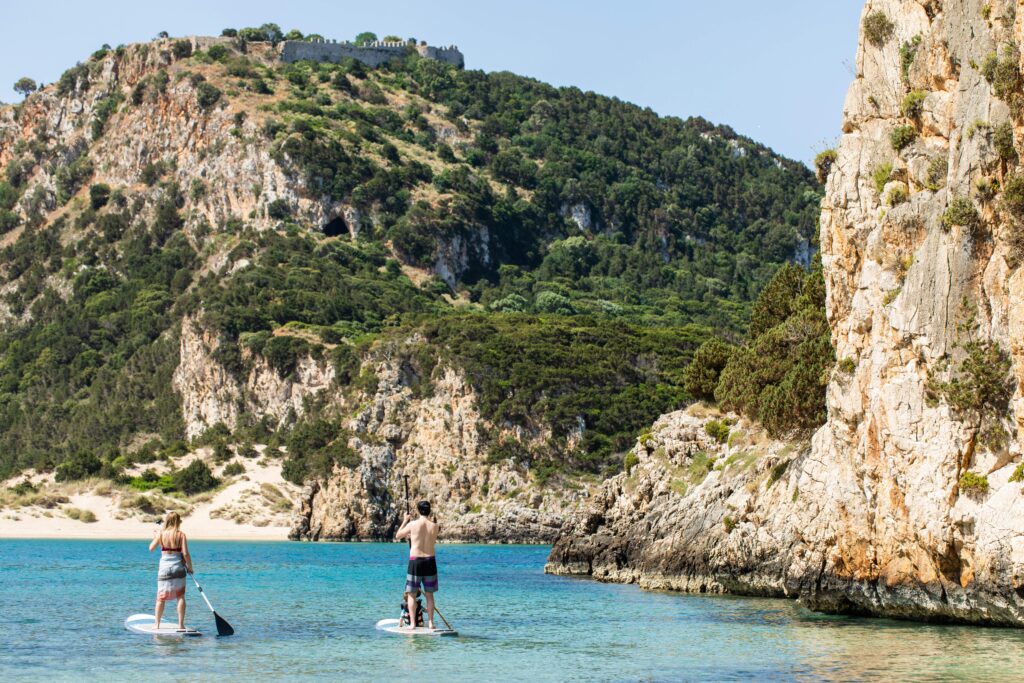
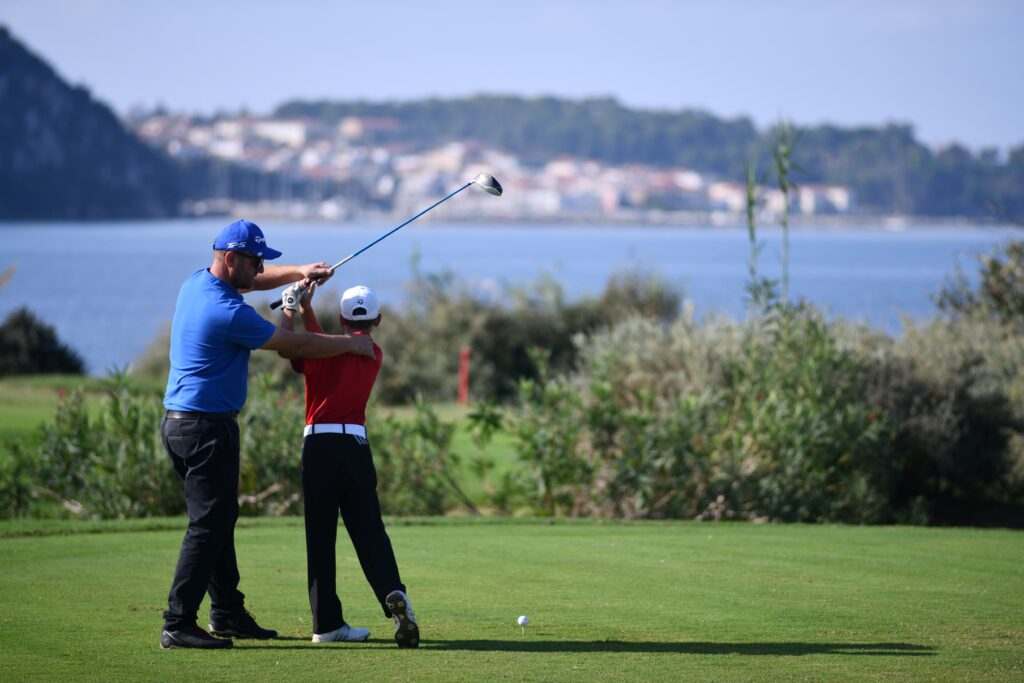
Messenia is not the Luberon. Just a 45-minute drive from Kalamata International Airport, the destination remains somewhat off the beaten path in the minds of French travelers—which is precisely its appeal. Far from the overcrowded tourist circuits of the western Mediterranean, the Navarino Dunes and Navarino Bay resorts are home to several five-star hotels (including a Mandarin Oriental, a W, and a Westin) on grounds that feature four 18-hole golf courses. The infrastructure is that of a resort designed to keep families for several weeks rather than just a few days.
What’s changing this summer is the nature of the activities we’re doing there.
The logic behind sports licensing
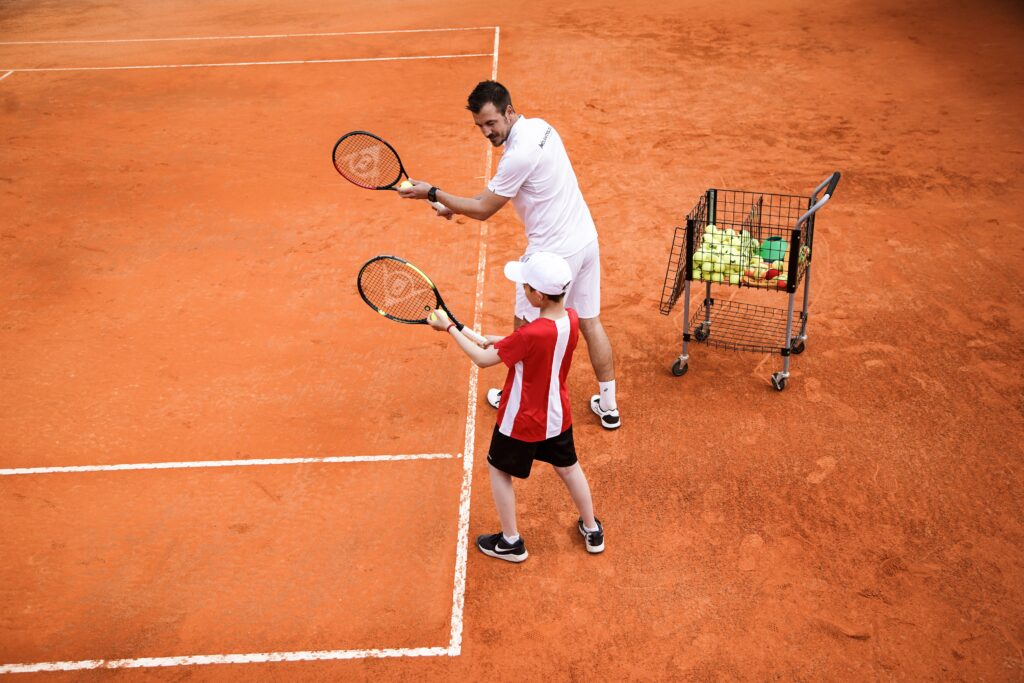
The Mouratoglou Tennis Center operates in Costa Navarino with courts that meet Grand Slam standards—including Greece’s only natural grass court. Patrick Mouratoglou, Serena Williams’ coach for over a decade, has built a network of academies; the one in Messinia is not a marketing partnership but a permanent facility offering junior sessions from June 15 to August 30. A maximum of four children per coach, 90-minute sessions, and a progressive program with three levels (Red, Orange, and Green groups, starting at age five).
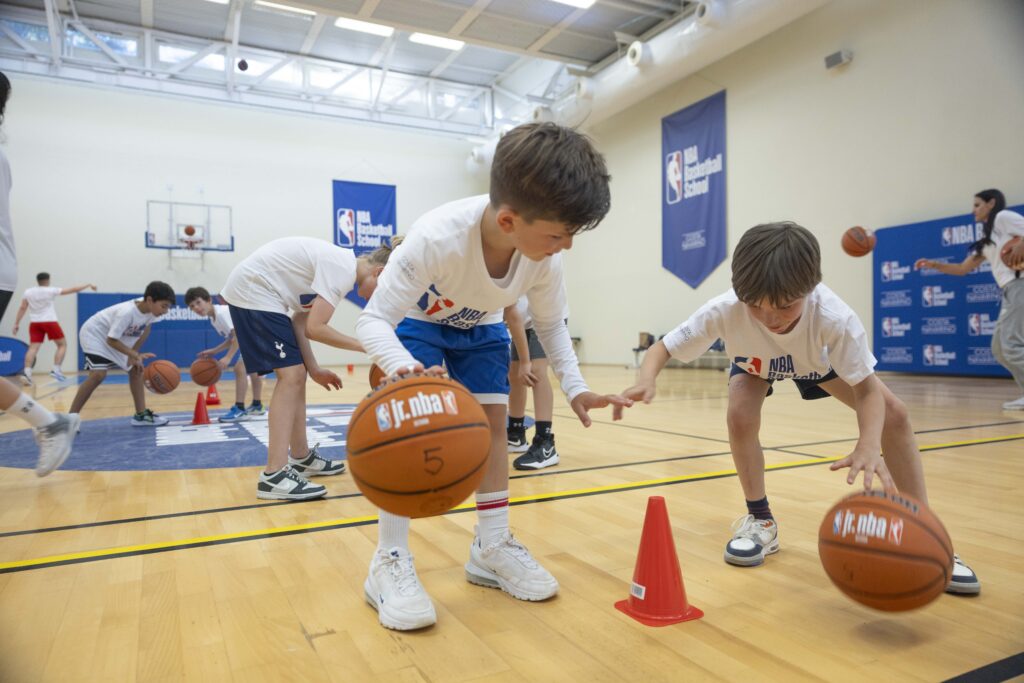
The NBA Basketball School is now in its fourth consecutive year on the FIBA courts at Navarino Dunes. This year, Michael Bradley—an NBA first-round draft pick—is leading two training sessions (from June 29 to August 15). The sessions are structured around a documented weekly progression: creating offensive space on Monday, ball handling on Tuesday, finishing on Wednesday, ball movement on Thursday, disruptive defense on Friday, and competition on Saturday. This is not a recreational program—it is a curriculum.
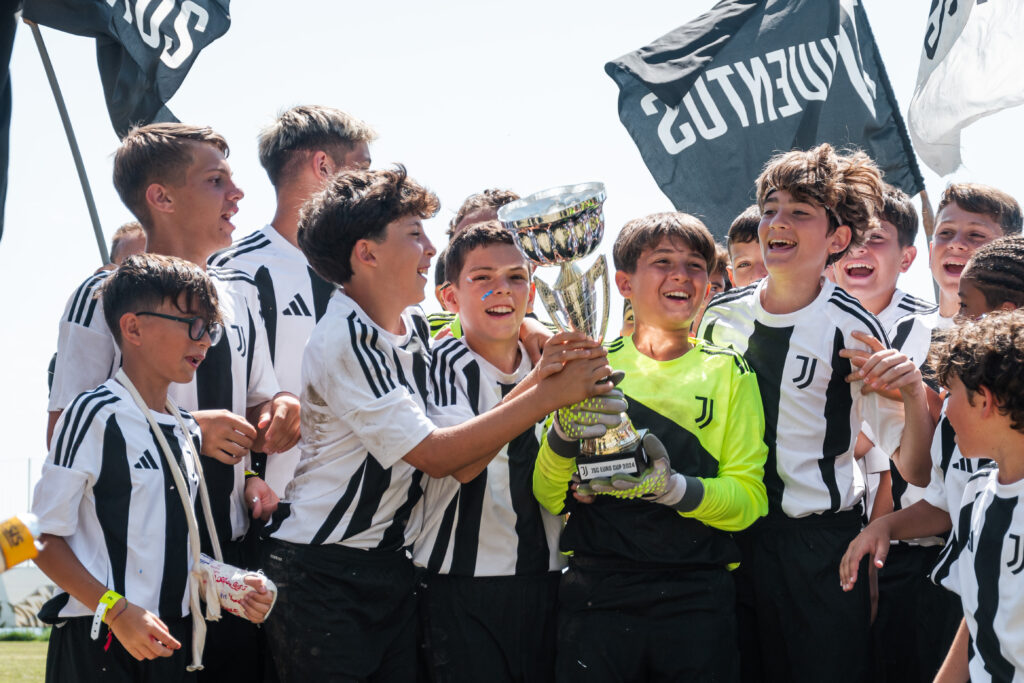
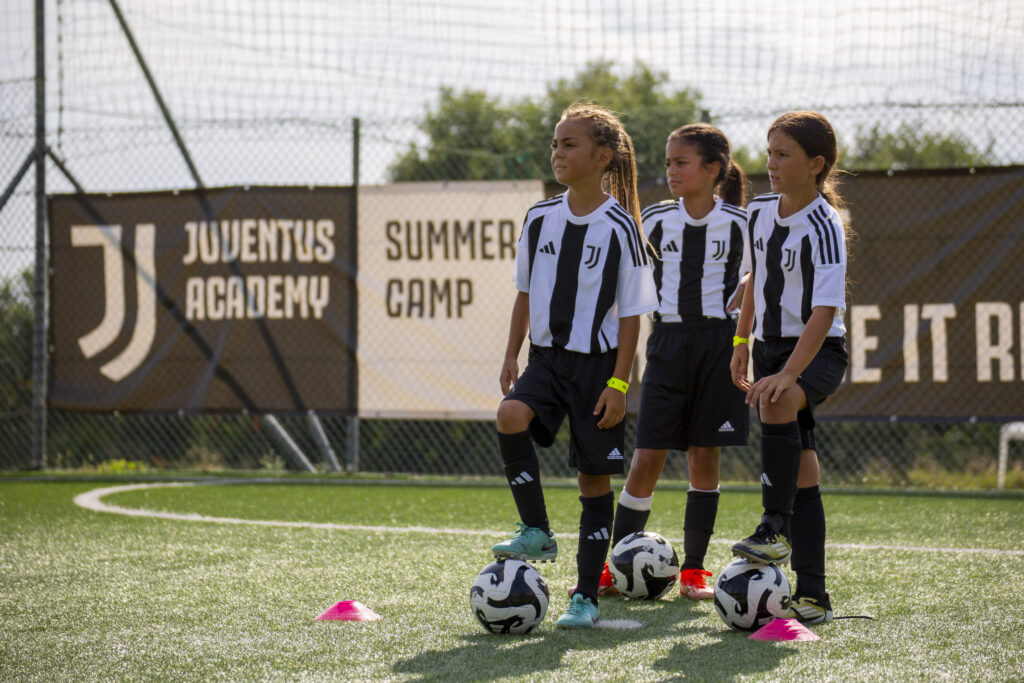
The new addition this summer is the Juventus Academy Resort Experience, which will run from June 29 to August 29, offering the Turin club’s training program for children ages six to fifteen. Three daily sessions, organized by age—8:30 a.m. for the youngest (Group A, ages 6 to 8), 10:00 a.m. for Group B, and 5:00 p.m. for Group C—with each day focused on a specific theme (ball control, shooting, one-on-ones, dribbling, small-sided games). A Juventus coach assesses skill levels on the first day and divides the children into groups accordingly. A certificate of participation is awarded for the five-day and six-day camps.
Box — Key Facts The Summer Sports Camp, running from June 29 to August 28, offers a five-day program covering ten sports (archery, basketball, bowling, soccer, golf, rock climbing, swimming, tennis, padel, and water polo) with a ratio of one coach for every eight children. Sixteen spots per week, 450 euros per camp. The program starts every Monday; children receive a T-shirt, cap, and bag upon registration.
What this says about contemporary luxury
It would be easy to view Costa Navarino as a five-star resort. A more accurate interpretation is that of an operator who has understood that the upper-middle-class families of 2026 no longer seek to shield their children from the world during summer vacation—they seek to prepare them for it. Access to training methods developed for professionals, delivered in a protected setting by certified instructors, constitutes a form of cultural capital that the large vacation resorts of the previous generation could not offer.
This shift—from the resort as a respite to the resort as a catalyst—permeates the entire Messinian experience. The olive oil tasting day with local experts, philosophical walks in the footsteps of ancient Greece, observing biodiversity at the Gialova lagoon: all these offerings are structured around education rather than hedonism.
The question that Costa Navarino does not explicitly ask—and which deserves to be asked—is the pressure this model places on families who do not adopt it—or on the children who are enrolled in it without being asked for their opinion. Sports travel as a factory for youth cultural capital has its own blind spots. This will undoubtedly be the next shift to watch for.
Cette publication est également disponible en :

