
Maison Tiffany & Co. have a very American way of transforming inventory into mythology. The Blue Book, first published in 1845, began life as a mail-order catalog before becoming one of the most closely guarded territories in contemporary fine jewelry. Today, Tiffany presents it as the pinnacle of its jewelry portfolio, the direct heir to that first publication that brought luxury goods into American homes.
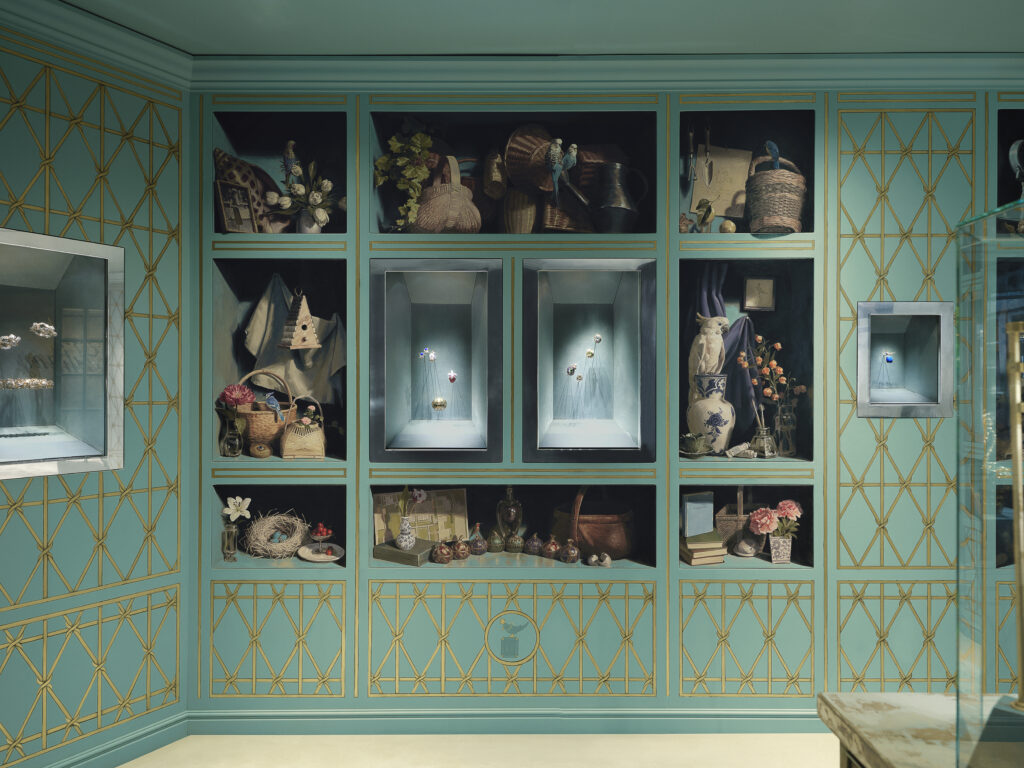
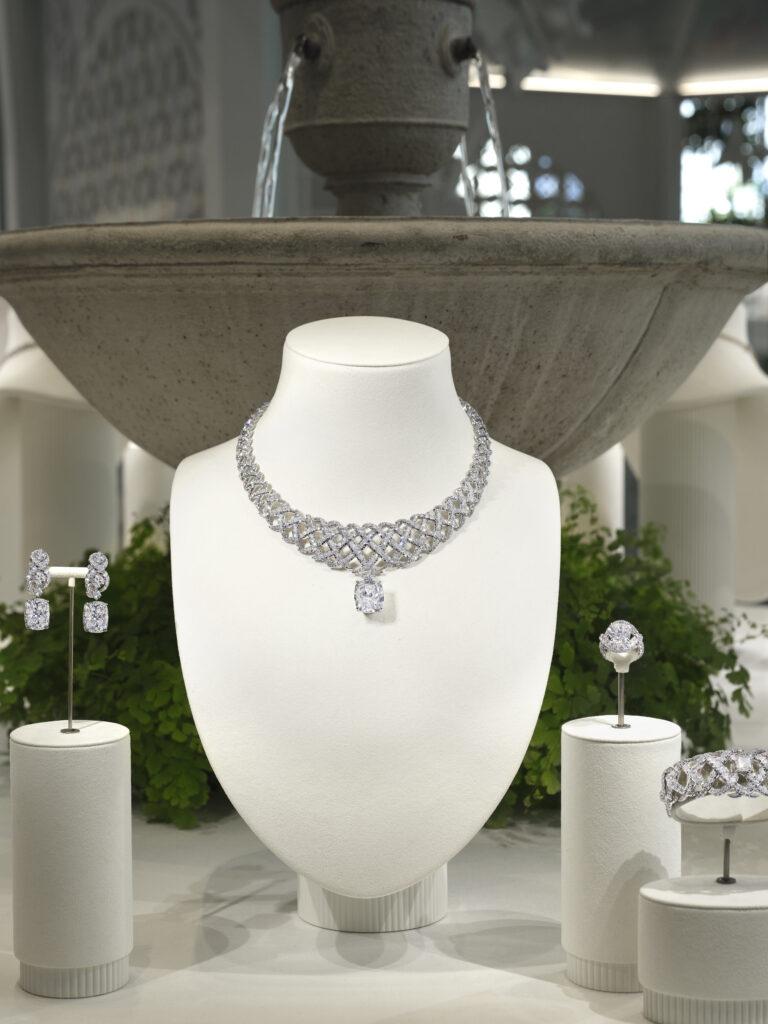
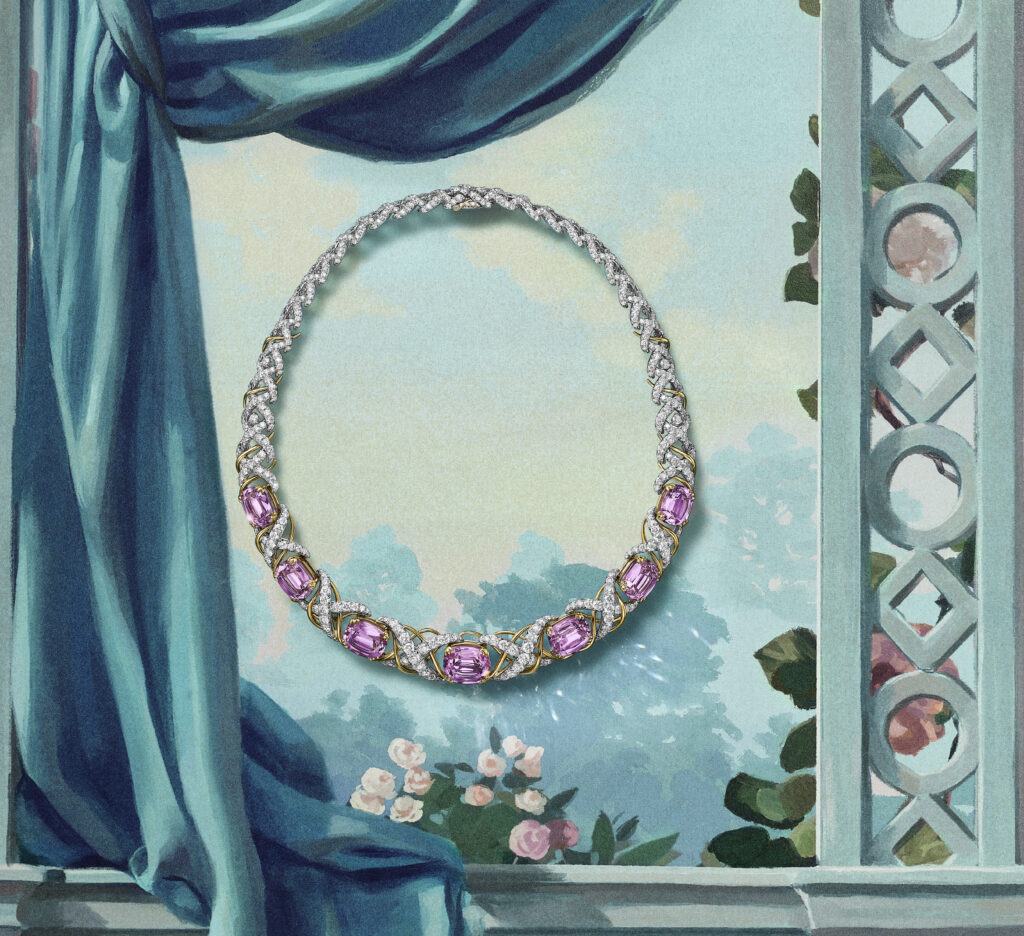
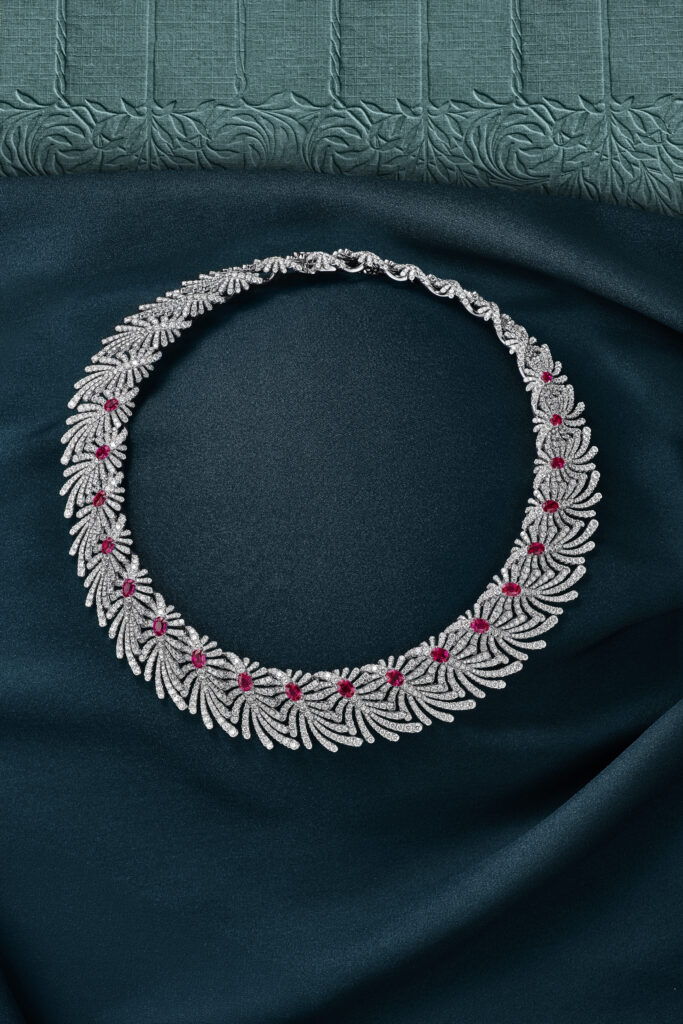
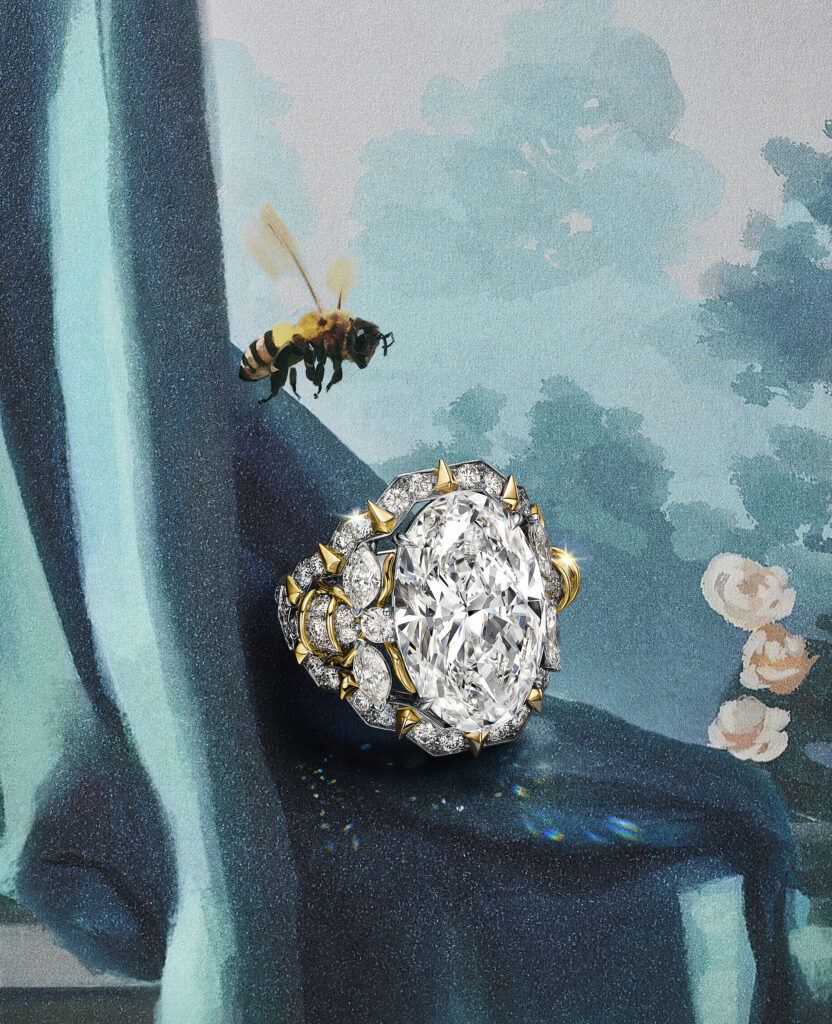
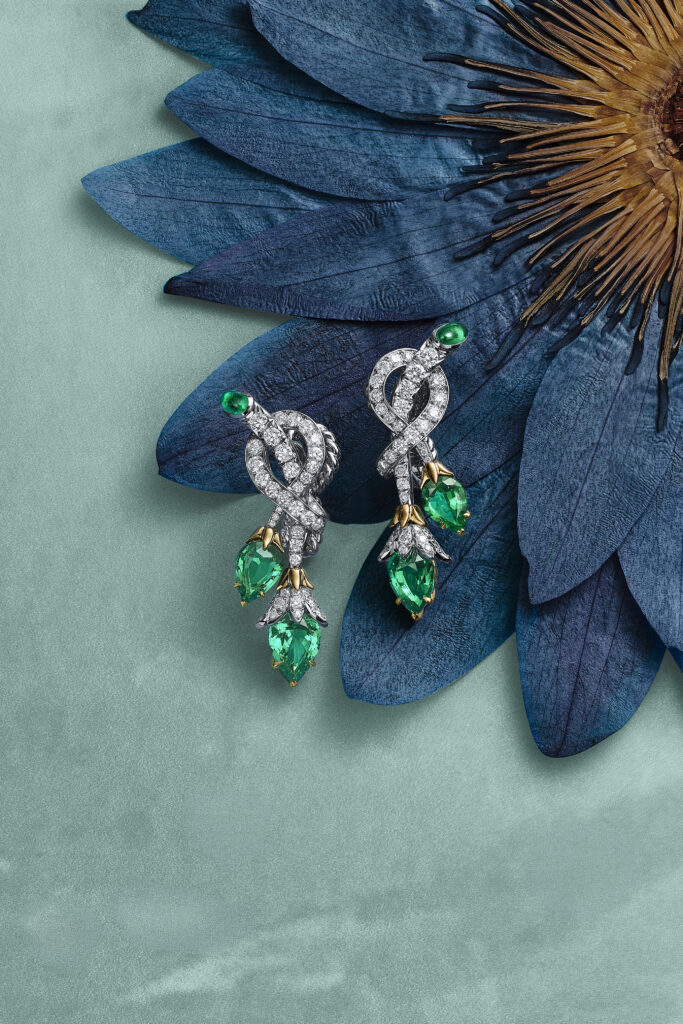
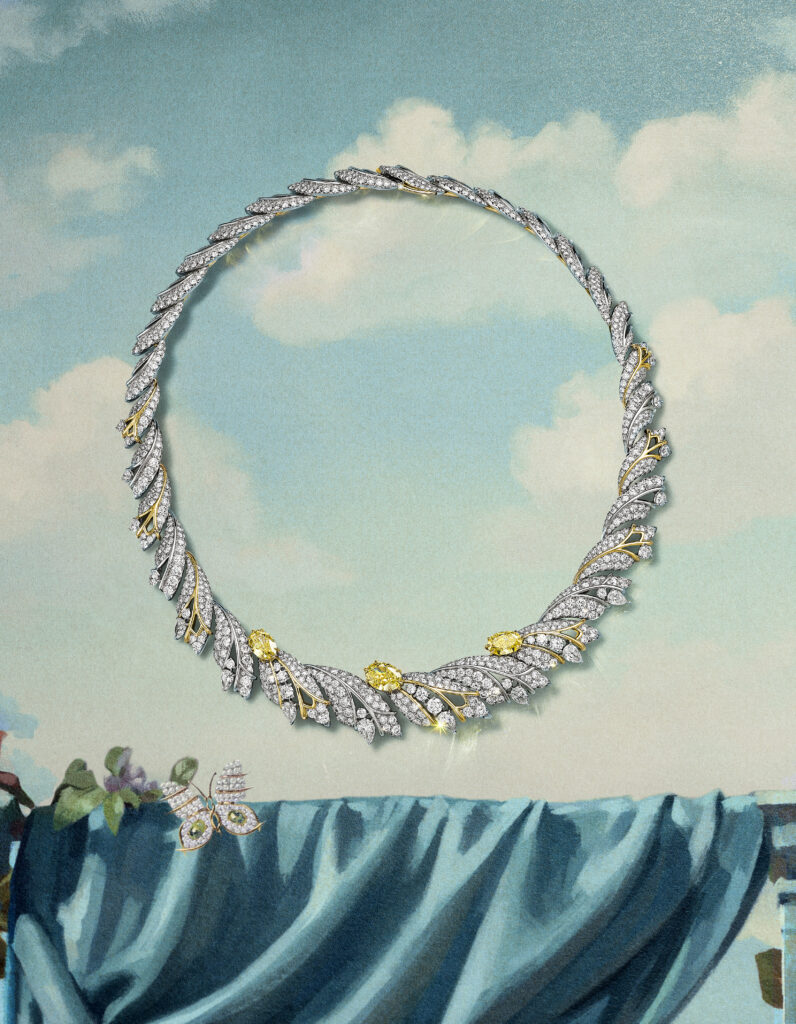
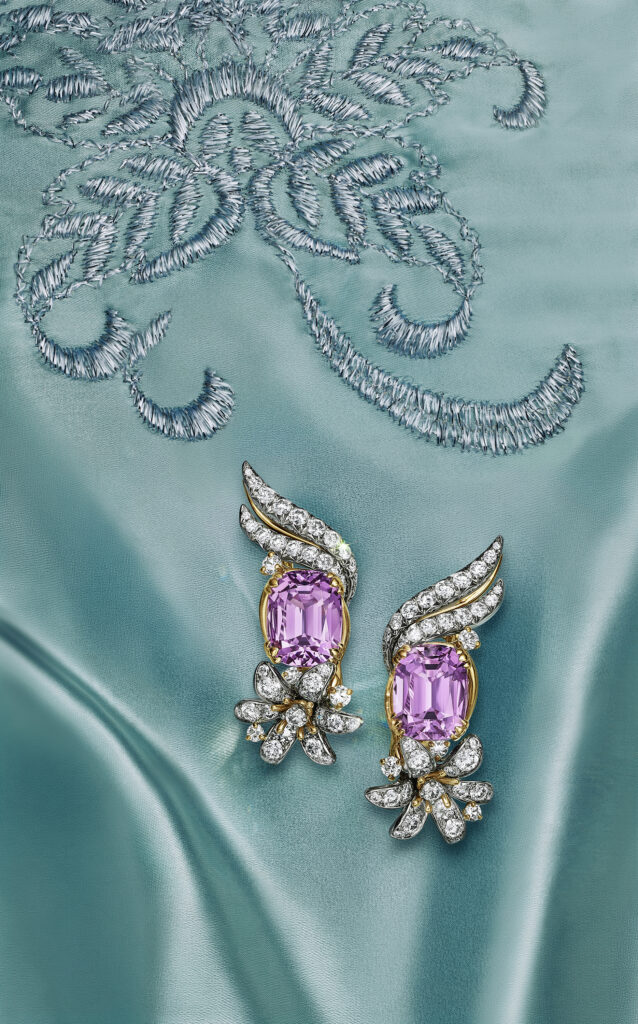
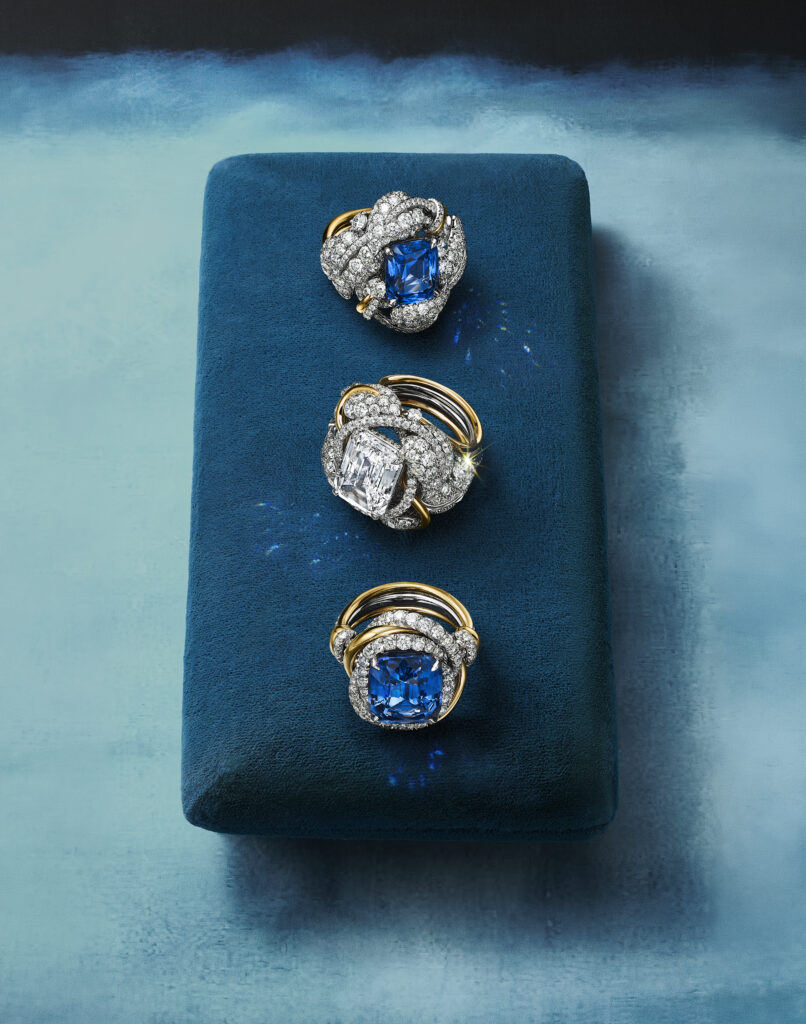
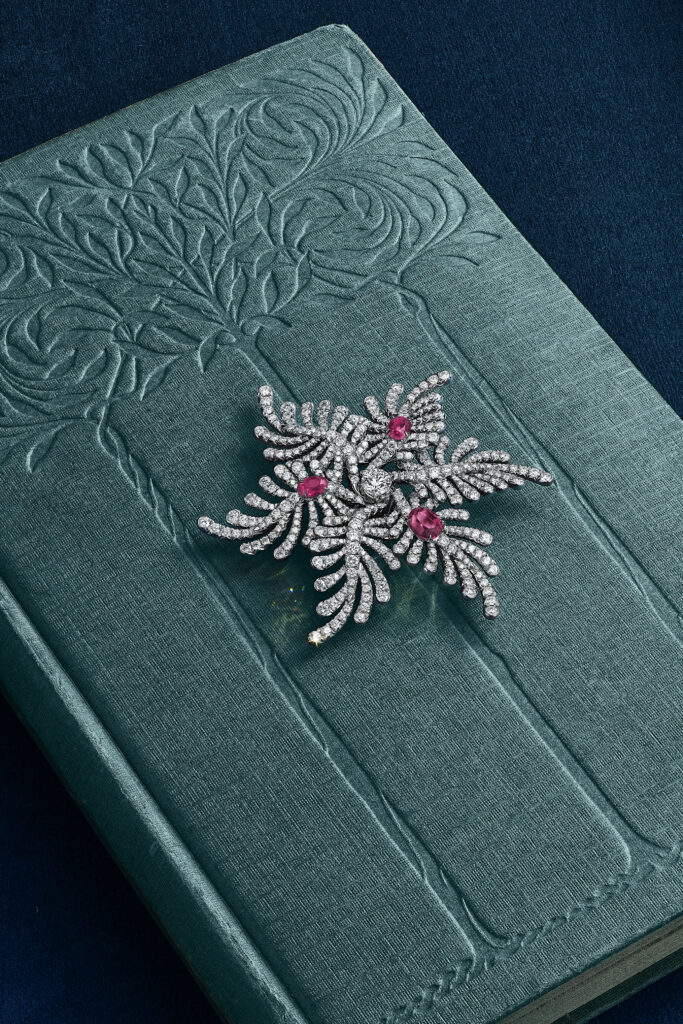
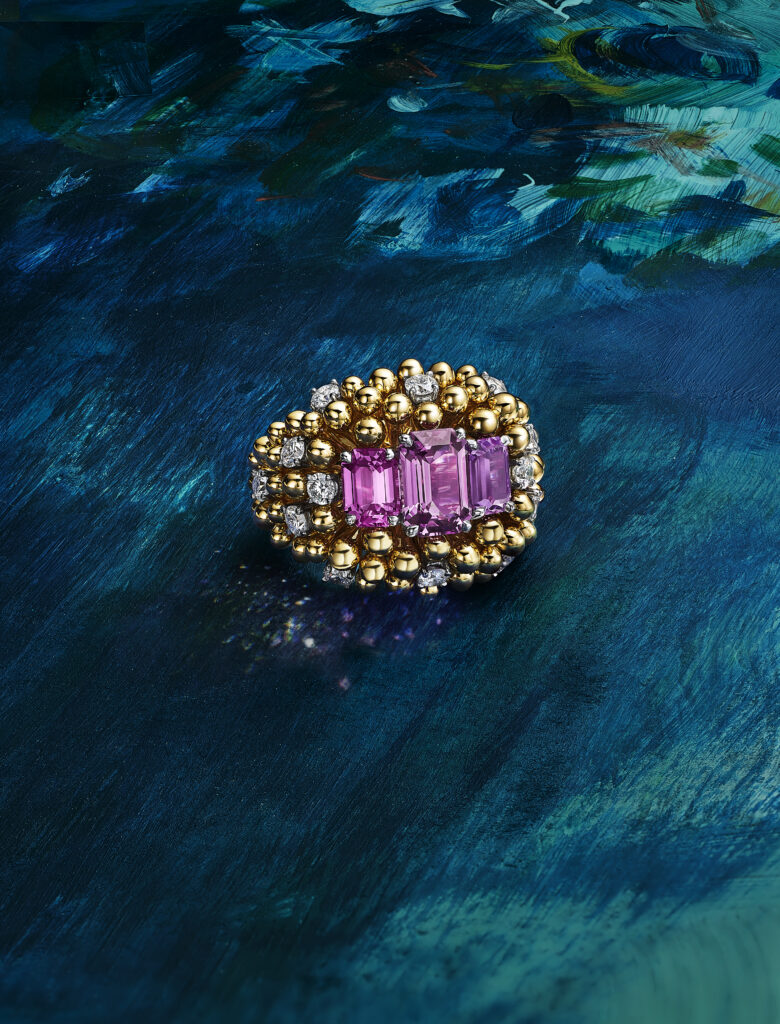
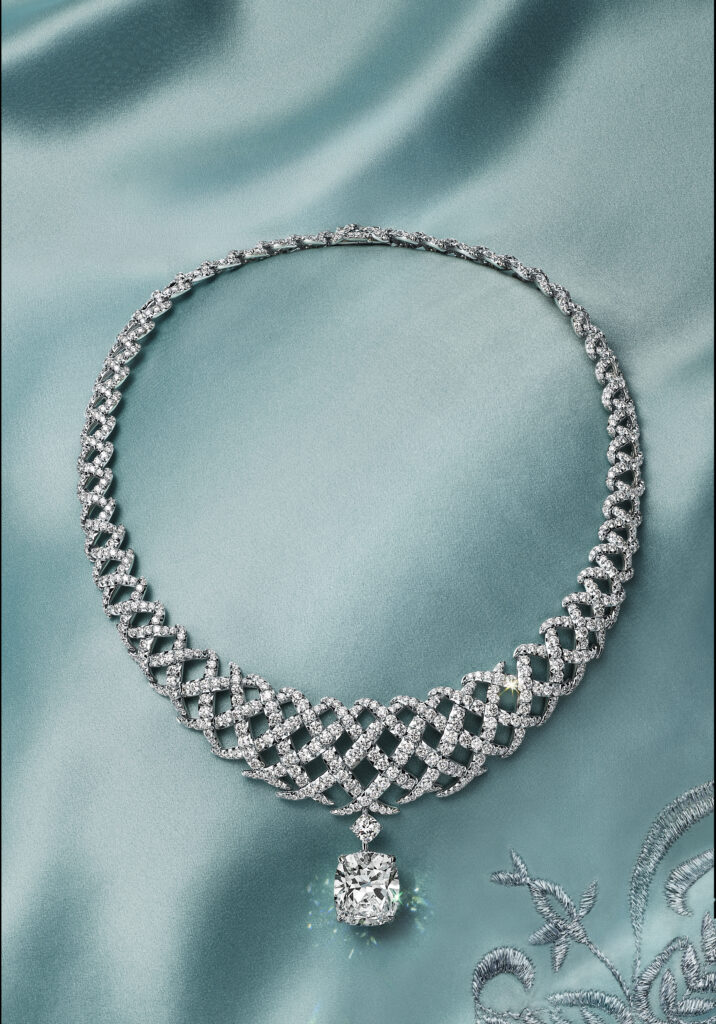
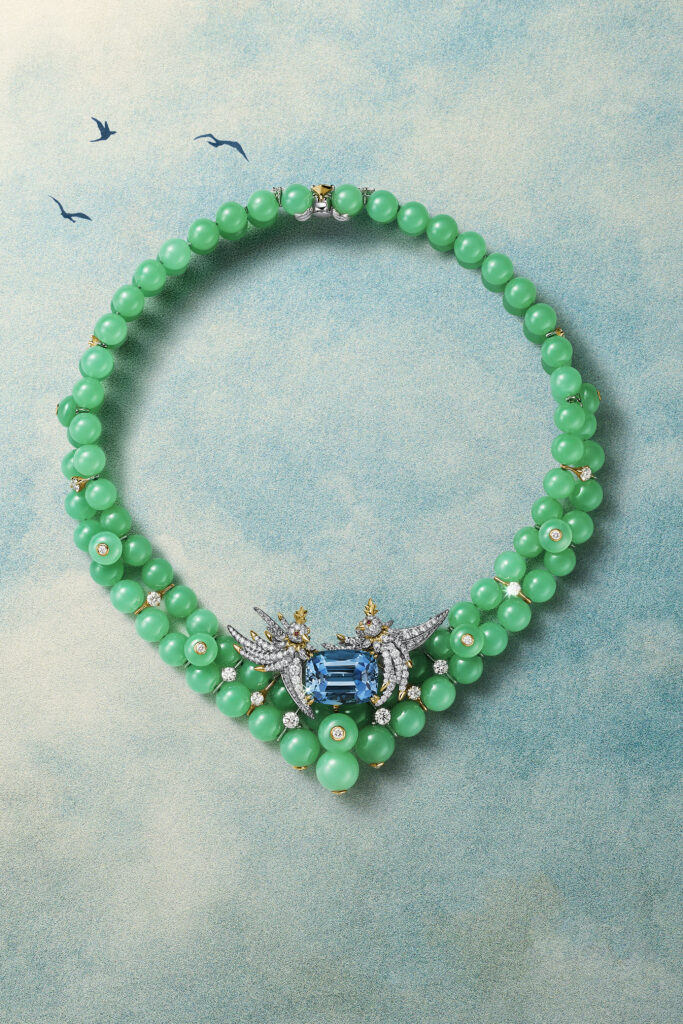
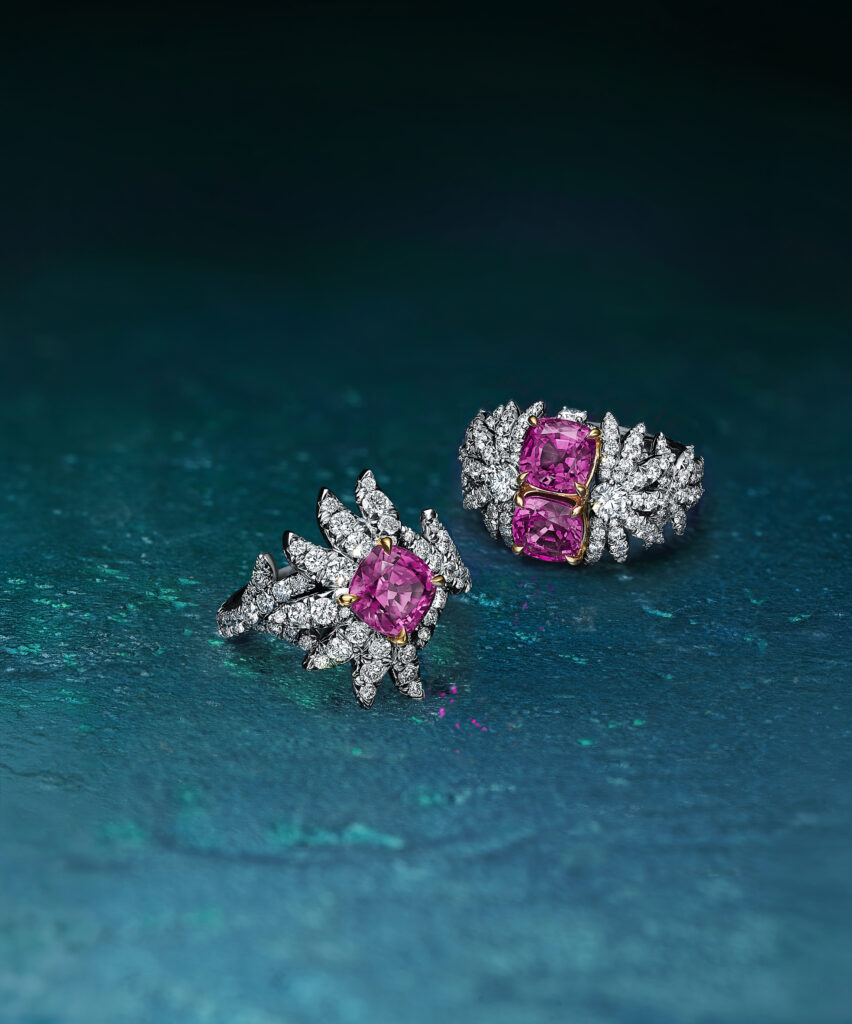
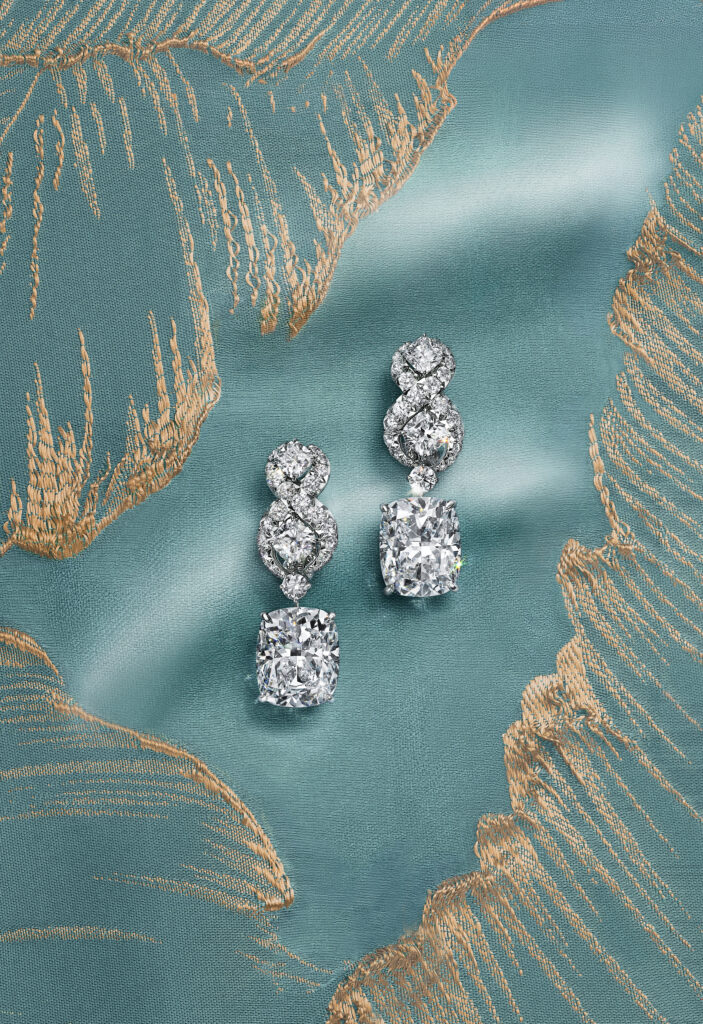
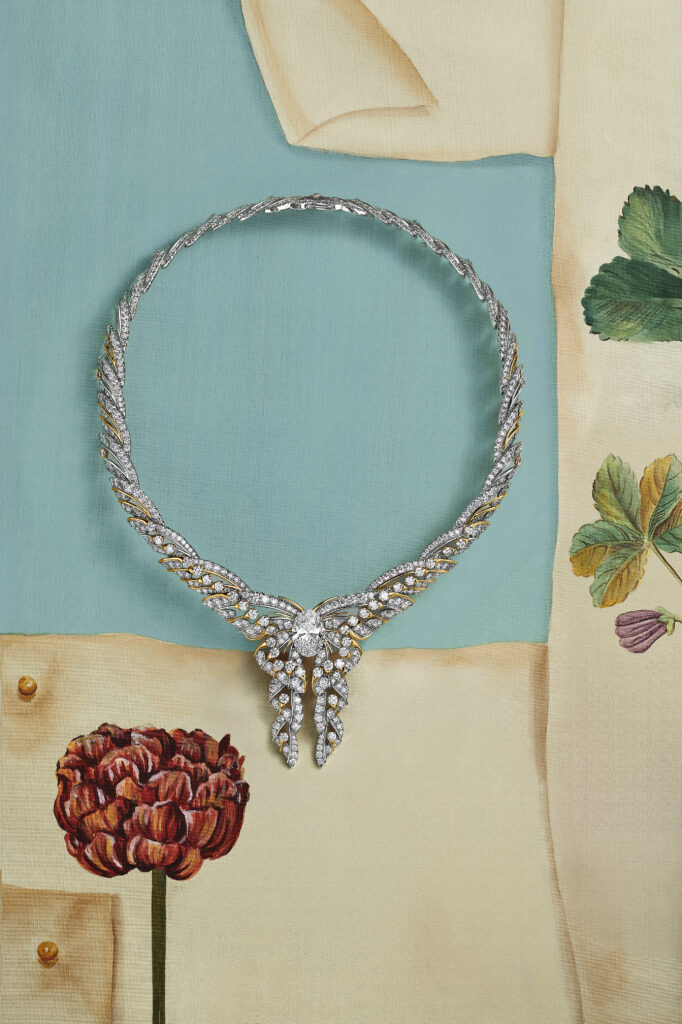
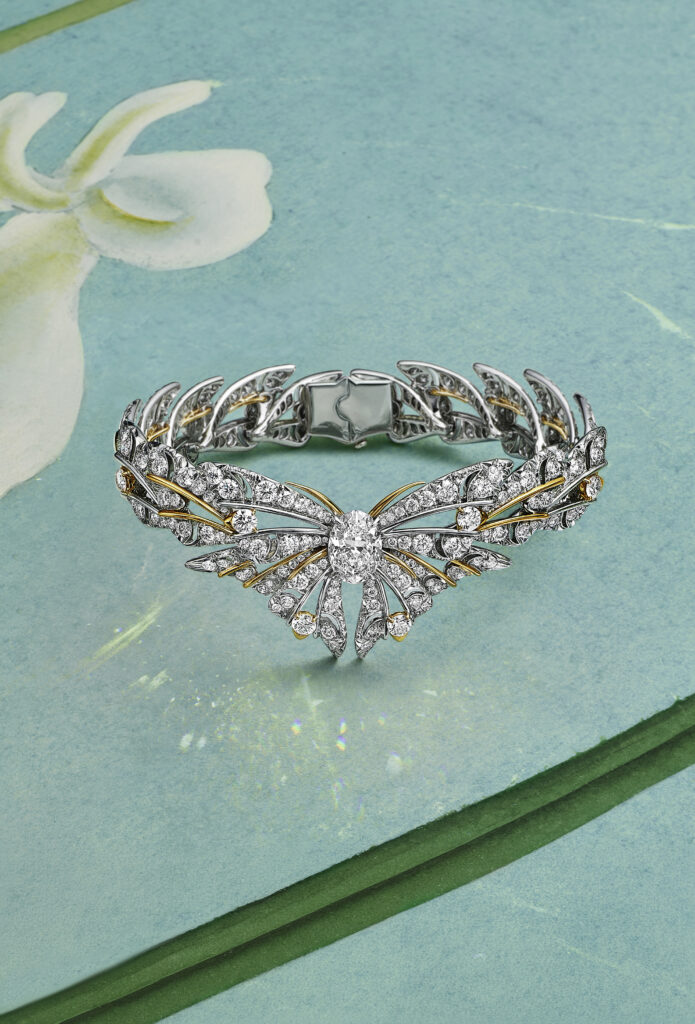
With Blue Book 2026: Hidden Garden, the Maison chooses the garden less as a setting than as a living system. The collection, unveiled in spring 2026 under the artistic direction of Nathalie Verdeille, reinterprets Jean Schlumberger’s universe through tales of metamorphosis, foliage, insects, birds and flowers. The release evokes hand-formed gold vines, platinum leaves, geometric structures, untreated padparadscha sapphires, Montana sapphires, Mozambique rubies, Zambian emeralds and Type IIa D-color diamonds. The subject, then, is not just nature; it’s the way a Maison organizes color, movement and rarity into a coherent jewelry grammar.
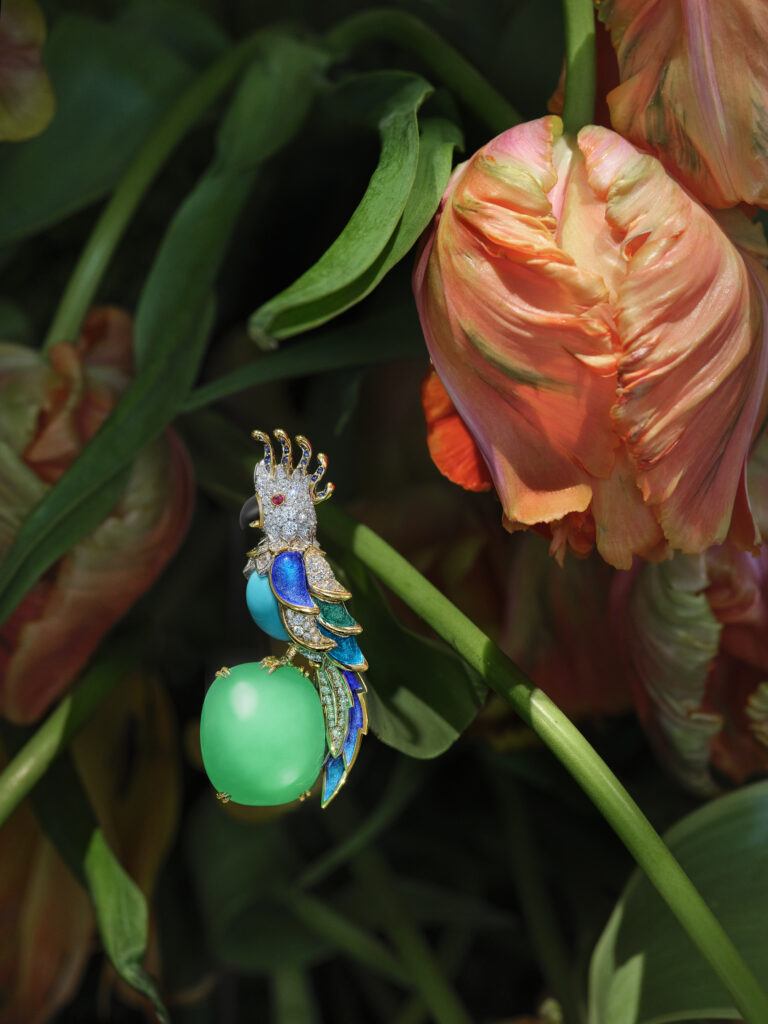
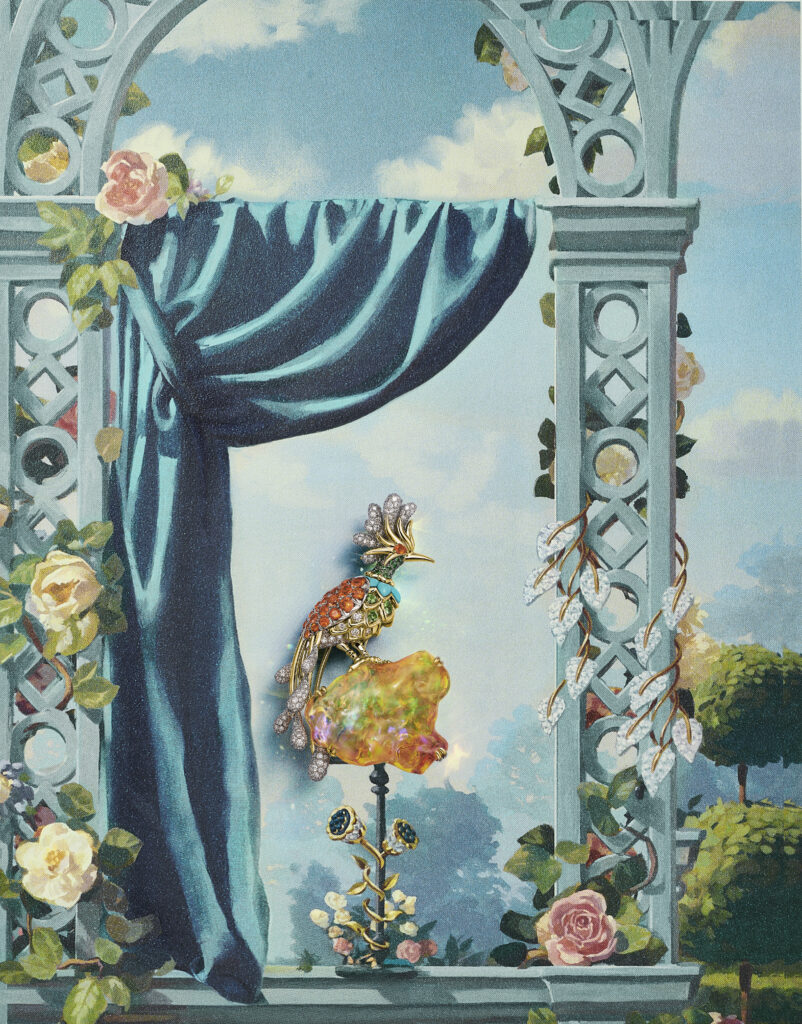
Schlumberger’s return is no mere anecdote. After arriving at Tiffany in 1956, the designer installed an imaginary fauna in the House: parrots, birds of paradise, phoenixes, creatures placed on stones as if on fragments of the world. The Bird on a Rock motif, introduced in 1965, remains one of the most recognizable emblems of this controlled fantasy. Tiffany recalls that the bird was inspired by birds observed by Schlumberger on his travels in Asia and the Caribbean.
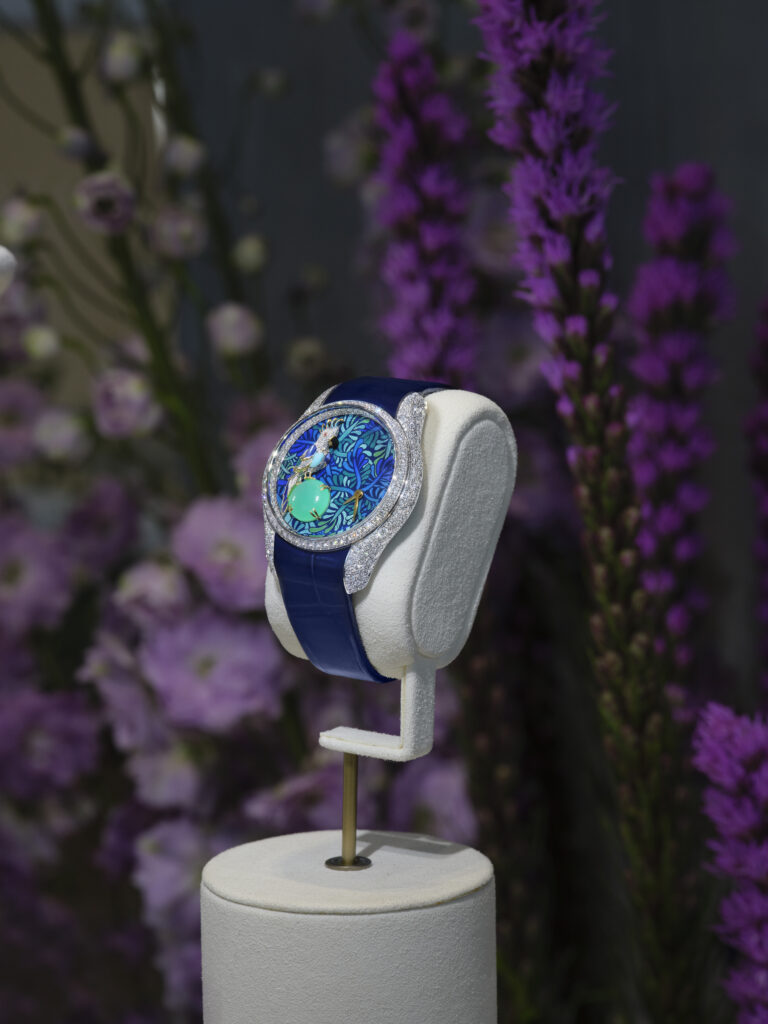
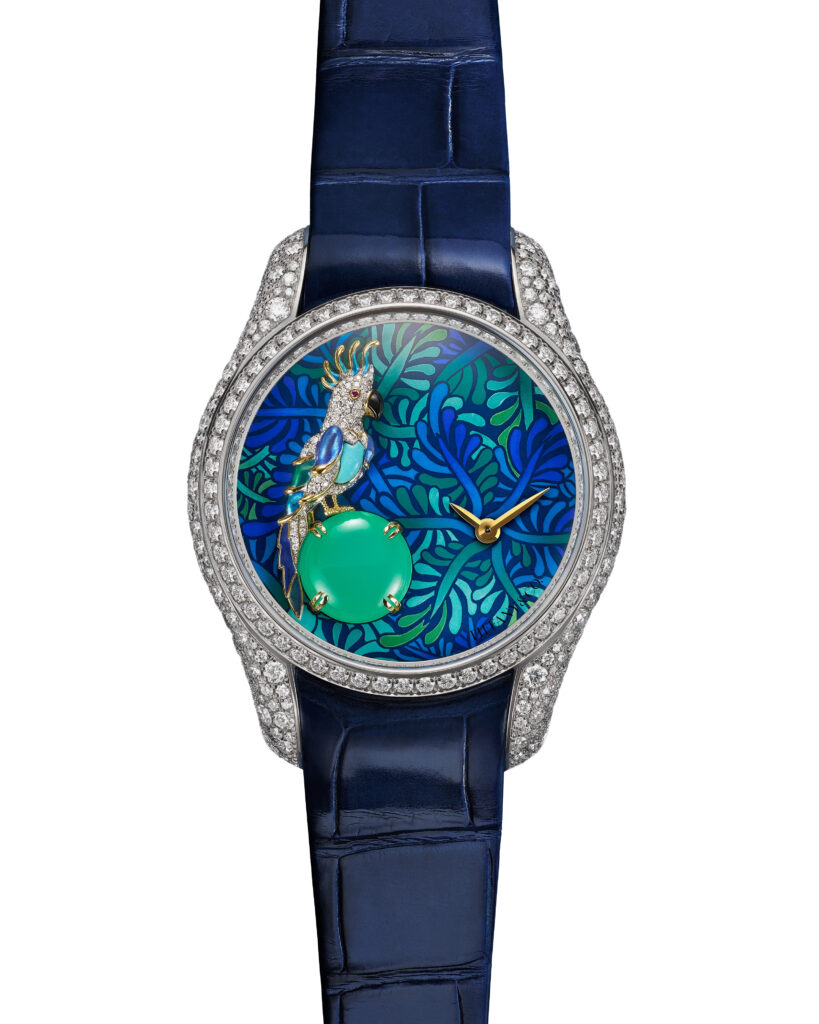
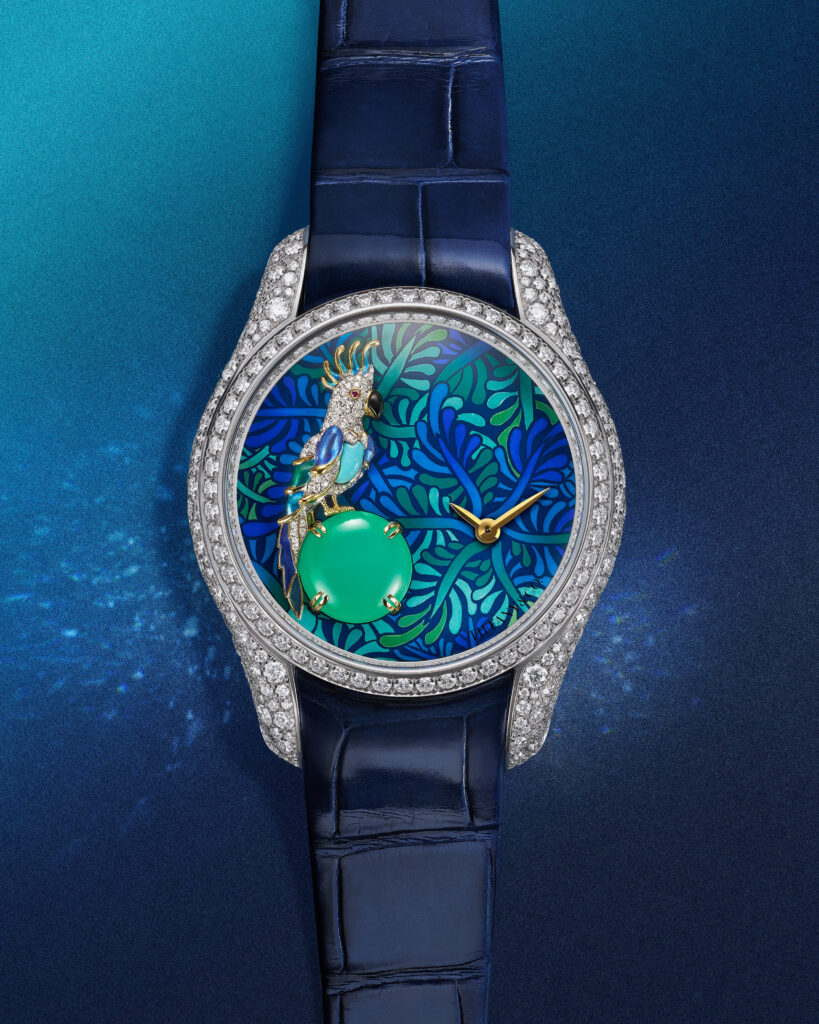
In this reading, the Paradise Bird Parrot watch acts like a miniature tropical garden. The dial rests on four layers of opaque blue enamel, overlaid with three layers of hand-painted foliage; over 80 hours of work went into this composition alone. Above, a 2.5-carat chrysoprase cabochon appears to be suspended through an aperture aligned with a magnifying glass on the back of the case, to let in more light. The parrot, in 18-carat white gold, combines white diamonds, onyx beak, pink sapphire eyes and turquoise body; it features 70 stones and requires 32 hours of work between miniature sculpture, setting and hand-painting.
Yet the piece remains watchmaking in its disciplined format: 36 mm case in 18-carat white gold, Swiss quartz movement, hour and minute display, navy-blue alligator strap. The case is snow-set with 425 round brilliant-cut diamonds for a total of 3.37 carats, a process that takes approximately 55 hours. The whole set features 537 diamonds for over 3.5 carats and will be limited to ten pieces. Here, watchmaking does not seek mechanical complication; it serves as a framework for an exercise in jeweled micro-sculpture.
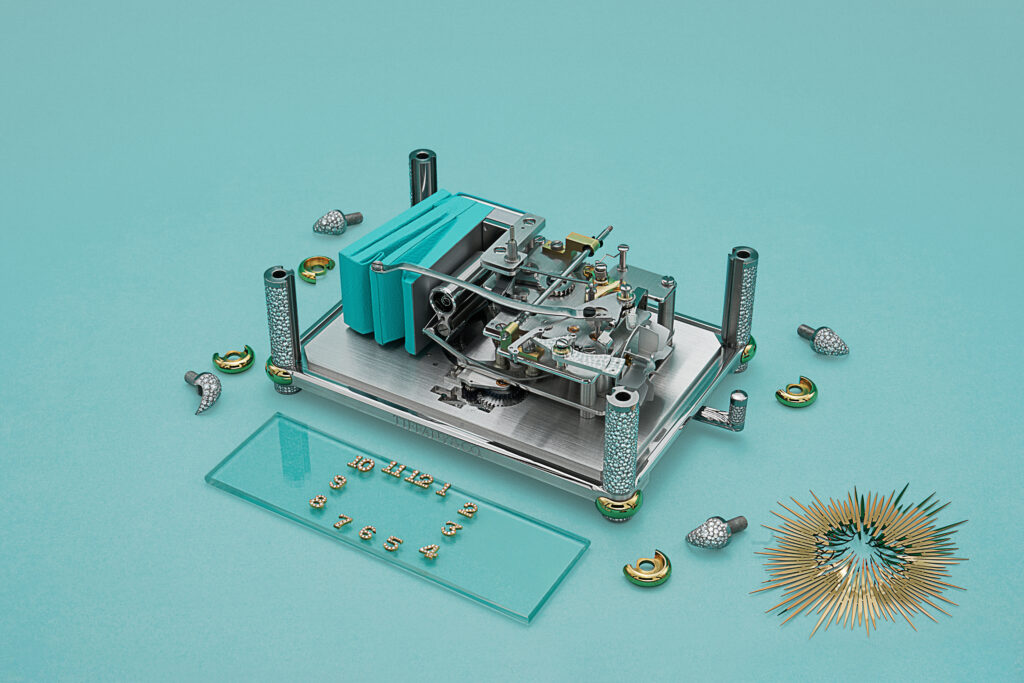
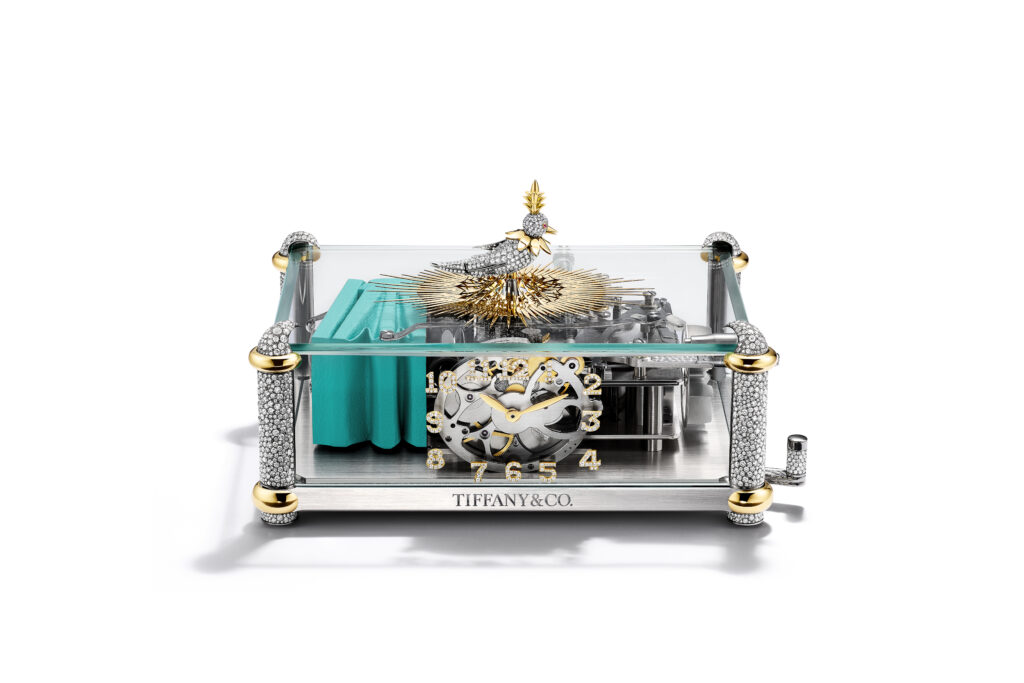
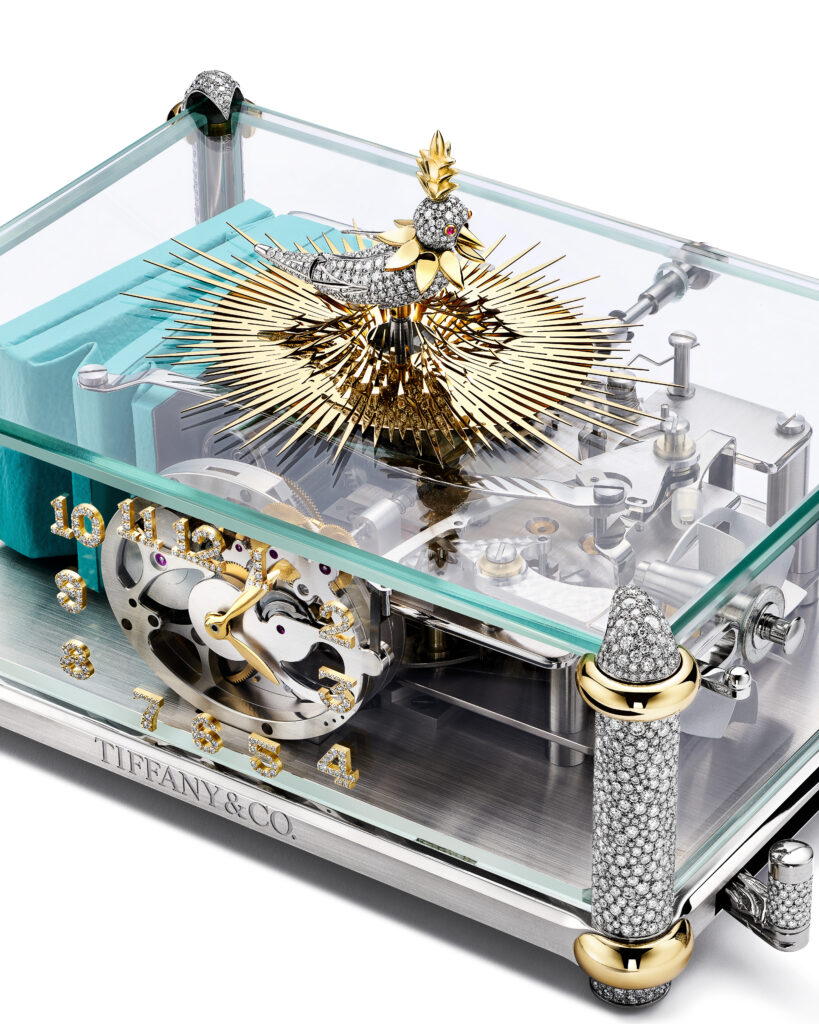
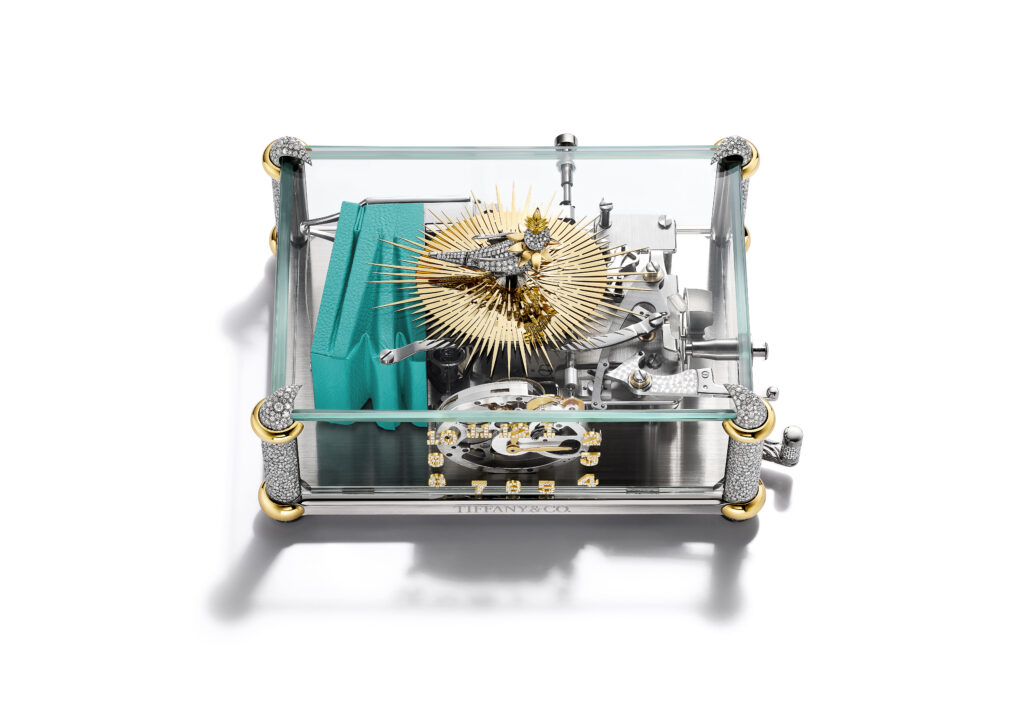
Even more singular, Singing Bird on a Clock shifts Schlumberger’s heritage to the mechanical object. This clock combines a time display with a singing bird automaton, developed over two years with Manufacture Reuge. Founded in 1865 in Sainte-Croix, Reuge remains one of the last workshops specializing in sound mechanics and songbird automata, a know-how that the company claims has been handed down as a tradition for over 150 years.
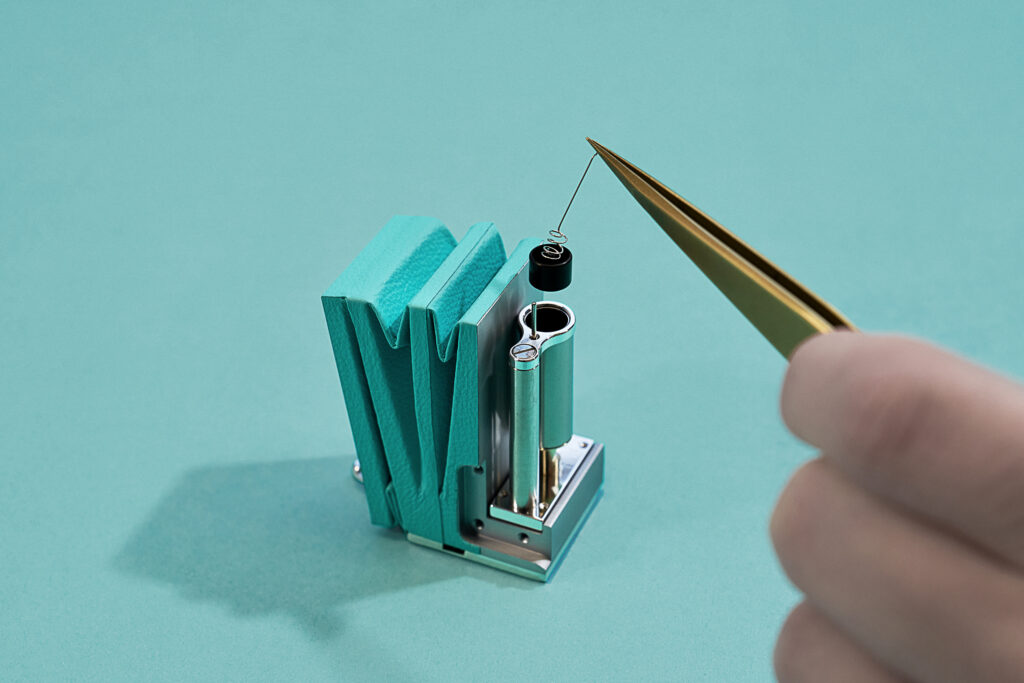
The object uses technology from the late 18th century: bellows, pipes, cams and cogs produce a song, not by chime, but by air circulation, like a miniature organ. When the side button is activated, the bird swivels, opens and closes its beak, flaps its wings and sings for over ten seconds. It can also be triggered every day at 5 p.m., a nod to the Maison’s Fifth Avenue address.
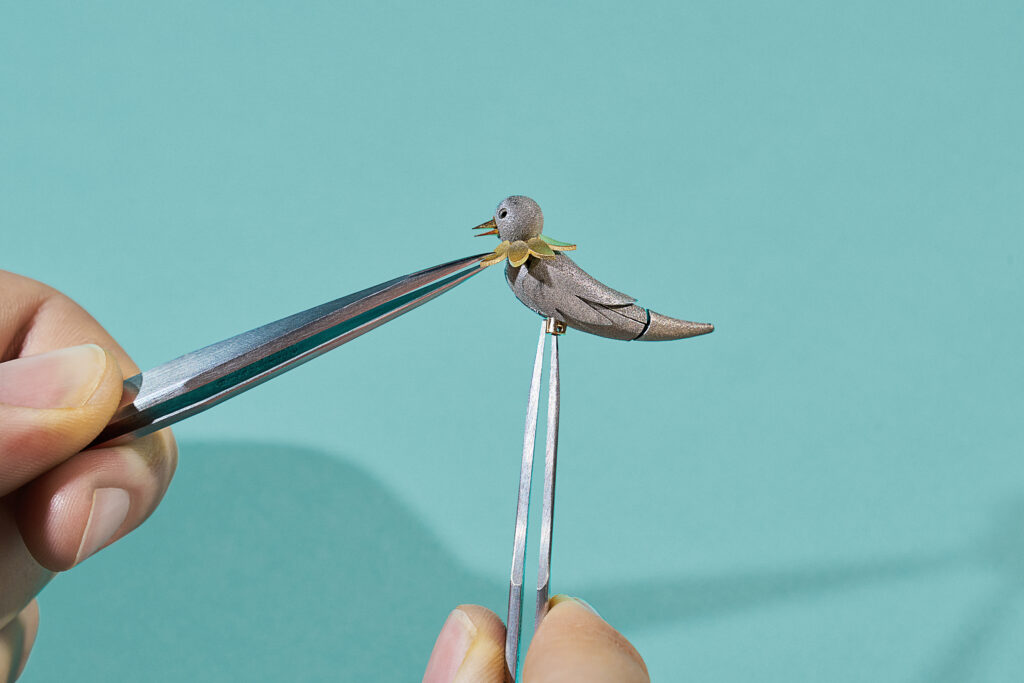
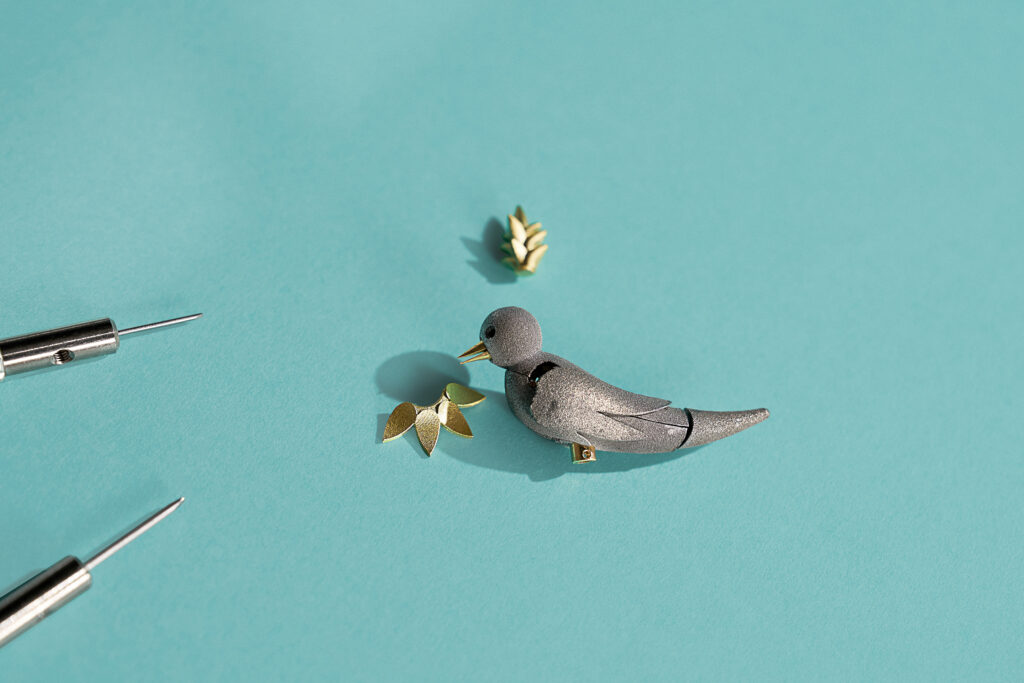
The construction is more miniature architecture than decorative accessory. The transparent case reveals pistons and bellows covered in Tiffany Blue leather. The pillars are in titanium with 18-carat yellow gold accents, snow-set with diamonds. The bird, also in titanium for reasons of lightness, comprises 28 components, including an articulated beak and wings; its body is set with diamonds and punctuated with ruby eyes. The set requires 130 hours of setting for the case and the bird, brings together 2,375 diamonds for 12.6 carats, and will be produced in twenty-five pieces.
What Tiffany is staging here goes beyond nostalgia. In a market where haute joaillerie is often based on the size of stones and the power of images, Hidden Garden insists on another value: the animation of the living through human gesture. Birds are not simply placed on gems; they activate a technical memory. Enamel becomes plumage, titanium disappears under the light, diamonds serve less to signal than to build vibration. In the end, the garden is not hidden. It is contained within the mechanics.



Cette publication est également disponible en :

