
There’s a confusion that has taken root in niche perfumery, and it suits everyone except the buyer. Confusion between rarity and quality. Between high price and unique writing. Between confidential distribution and a formula that’s truly different from what the big groups offer. A perfume sold for two hundred euros in a boutique without a neon sign can be as conventional as a mass-market flanker. Conversely, some independent houses produce compositions of a precision that mainstream luxury perfumeries long ago stopped taking the risk of formulating.
Choosing a women’s niche fragrance therefore requires a certain discipline: suspend judgment on the object, on the narrative, on the name. And listen to what the composition says – or doesn’t say.
What the niche promises, and what it delivers
Niche perfumery was built on a promise of formal freedom. Fewer volume constraints, fewer large-scale consumer tests, less obligation to please on the first try. This freedom actually exists in some houses: it produces compositions that work the tension between clean and animal, between light and smoke, between identifiable raw material and abstraction. Florals that aren’t sweet. Woody notes that aren’t smooth. Musks that evoke skin rather than cleanliness.
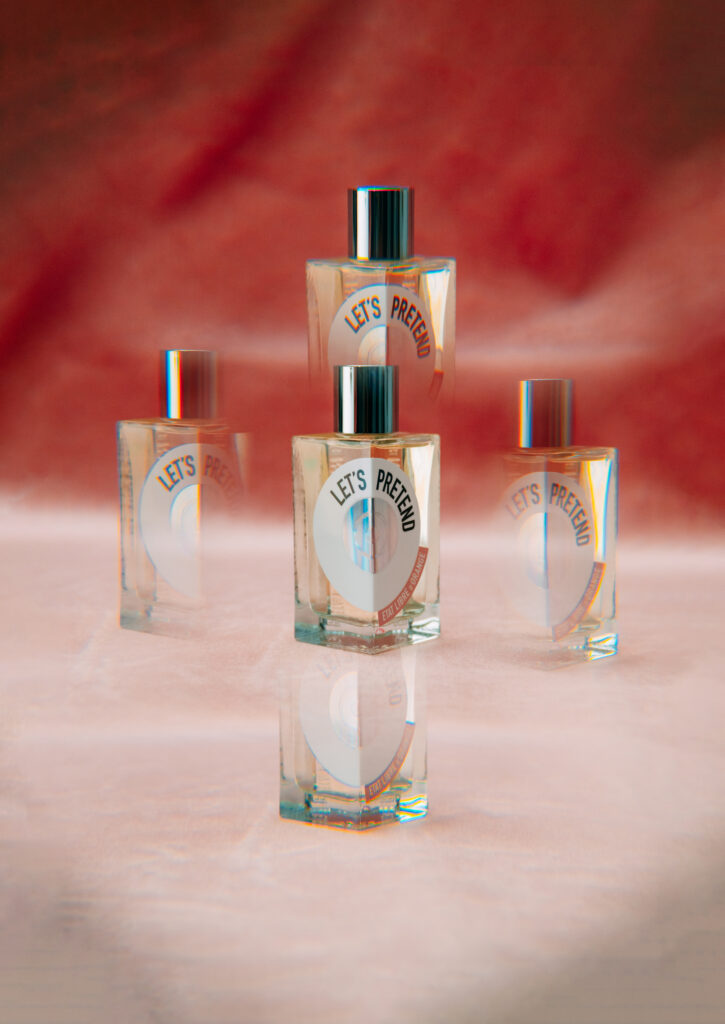
But the niche has also become a market. And a market attracts impostors. The proliferation of self-proclaimed houses – with their minimalist packaging, three-paragraph founding story and supposedly rare raw materials – has diluted the initial promise. The aesthete in search of a true signature must learn to distinguish narrative from content.
The Osmothèque, the world’s first perfume archive, founded in Versailles in 1990, documents this long history: formulas, forced reformulations, those who disappeared and those who survived. This work of memory reminds us that perfumery is a fragile heritage – made up as much of know-how as of raw materials whose availability is constantly changing. The contemporary niche is part of this continuity, whether it claims to be or not.
Families, wheel, grammar
Before talking about houses, we need to talk about families. Floral, woody, amber, musky, leathery, chypre, aromatic, gourmand: these categories should not confine the taste, but help to formulate what we’re looking for. Michael Edwards’ Fragrance Wheel – a classification tool used by professionals since the 1980s – helps to visualize the similarities between families and avoid the dispersal of impulse purchases.
A woman who loves powdery iris and dry cedar will not buy the same type of niche as a woman attracted by aquatic aldehydes or warm resins. This personal mapping is the prerequisite for any selection. Without it, a visit to a niche boutique remains a series of “coups de foudre” from which we often return exhausted and undecided.
The question of the formula and its constraints
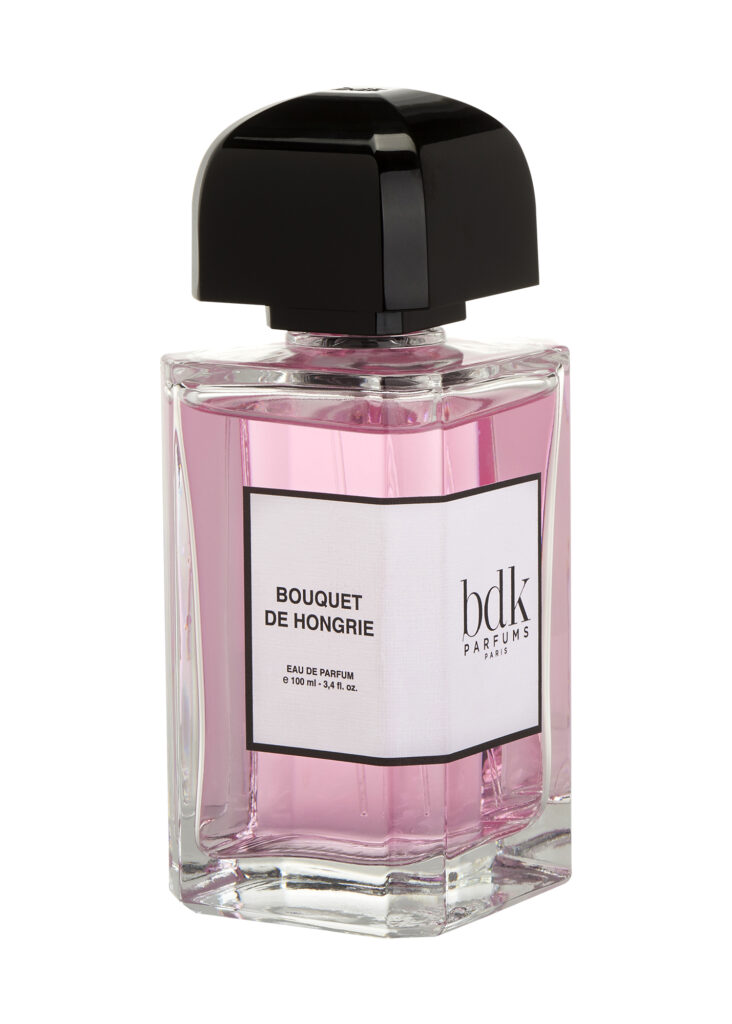
A fragrance is more than just an emotion. It’s also a formula governed by international safety regulations. The IFRA Standards – issued by the International Fragrance Association – set limits on the use of several hundred ingredients, according to their toxicological profile and the product categories in which they are used. These constraints explain a significant proportion of reformulations, which affect both the great classics and more recent niche compositions.
Addressing this subject without easy nostalgia is an honest editorial stance. Restrictions on certain natural musks, floral absolutes or aldehydes are not attacks on perfumery – they are responses to safety concerns. What needs to be questioned is the transparency of fragrance houses with regard to these evolutions: some assume them and reformulate in a declared manner; others let formulas change silently without informing their followers.
The independent home as a posture
This is where niche perfumery rediscovers its initial promise: in houses where the formula and the history are carried by the same hands. Roos & Roos, whom Luxsure met for an interview on transmission and family perfumery, illustrates this logic of a house built around a personal relationship with the material, not around a distribution plan. It’s not the only valid model – but it’s the one that best delivers on the promise of a singular style over time.
This type of company doesn’t try to cover every family or offer a range for every occasion. It builds a coherent universe, sometimes restricted, in which each composition has a reason to exist beyond the catalog. The aesthete looking for a real signature will find it easier than with a house that releases eight new products every season.
The right question before you buy
Rather than looking for the best women’s niche perfume – a question without a useful answer – the Luxsure question becomes: what presence do we want to install?
A signature office fragrance requires controlled diffusion, a pronounced absence of animality, and an outfit that doesn’t overload a closed space. An evening fragrance can allow itself more density, more amber, more afterglow. A sunny floral doesn’t have the same role as a dry iris, a clean musk or a smoky leather. Luxury doesn’t lie in price or point-of-sale exclusivity – it lies in the harmony between skin, context and intention.
You don’t find this match by reading olfactory notes on a website. You find it by wearing the fragrance for several hours, observing what it becomes on your own skin chemistry, noting when it’s just right and when it becomes too much. It’s slow work. No niche house can do it for you. Perhaps that’s what distinguishes a true signature from a purchase of desire: it takes time before it becomes self-evident.
Cette publication est également disponible en :

