The facial care market has spent two decades perfecting the sheet mask—its texture, application time, and individual packaging. Hands, arms, feet, and legs have largely been left out of this, treated at best with a cream applied at the end of the skincare routine. MASQLY, a Parisian brand launched in 2026, extends this expertise to these areas, and proof of its success came quickly: at the 2026 Cannes Film Festival, its masks were among the most sought-after items in a gift suite open to stars at a Marriott hotel on the Croisette, and were notably photographed with Isabelle Adjani.
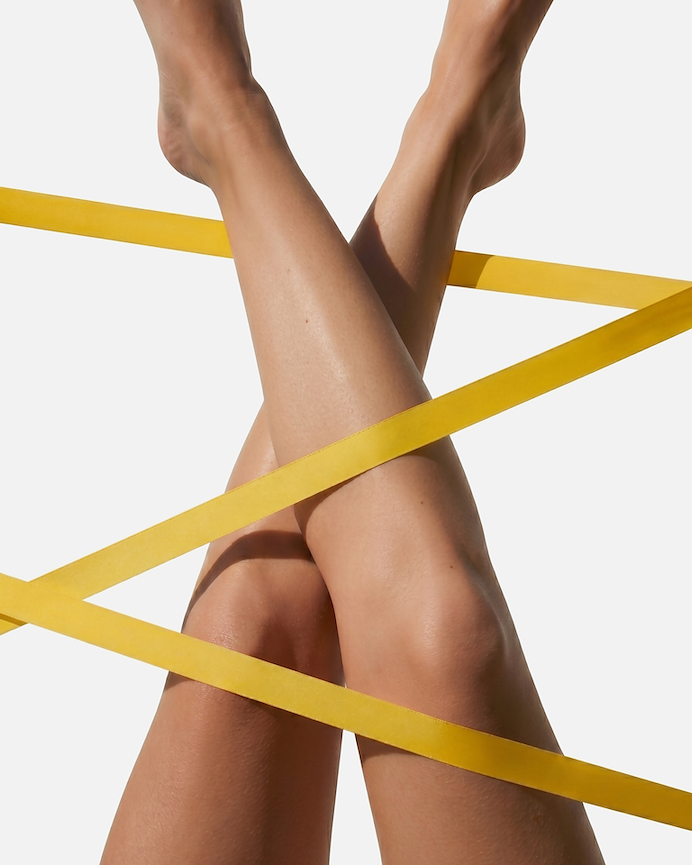
The concept is based on a simple observation, articulated by the House itself: while the face has captured the beauty industry’s full attention, the hands convey elegance, the arms reveal the skin’s quality, the legs catch the light, and the feet complete the look. Yet these are areas that are exposed—to friction, pressure, and dryness—and are rarely cared for with the same intensity as the face.
Three years of research and development elapsed between the initial findings and the launch. The brand says it worked with dermatologists, estheticians, skincare experts, beauty professionals, and models to identify the real needs of the skin on the body, particularly in situations where its appearance becomes crucial—a runway, a red carpet, or a season of short dresses.
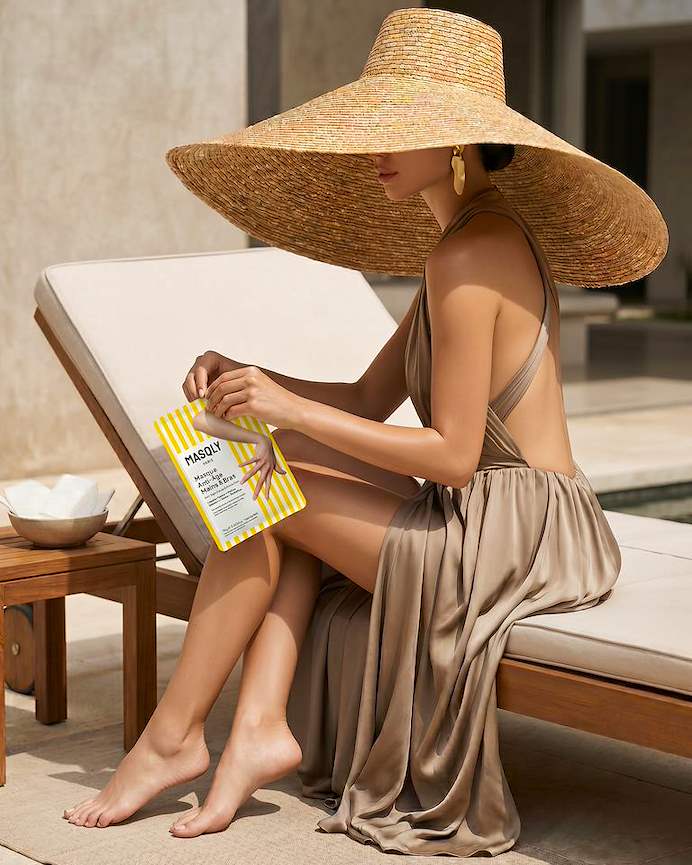
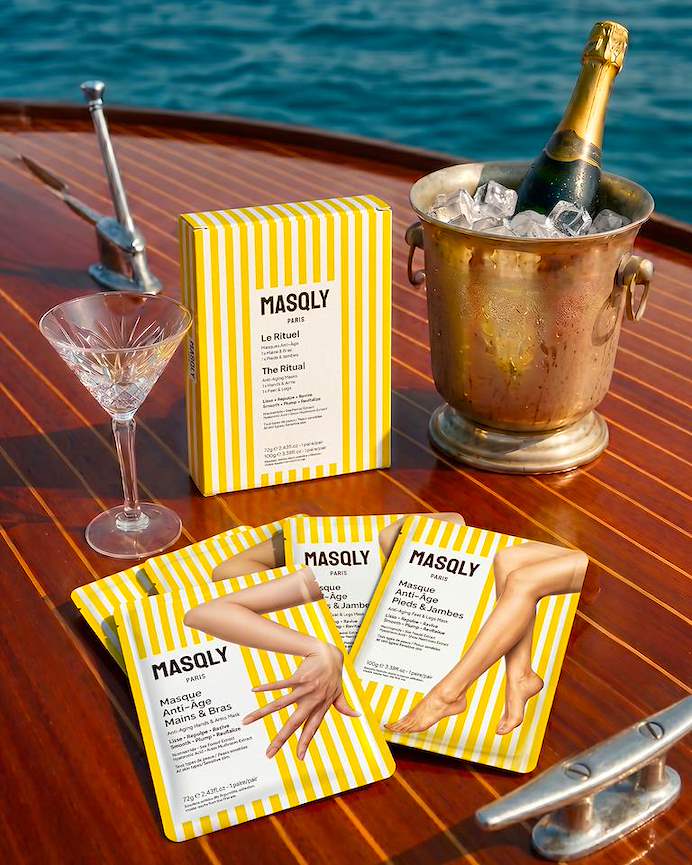
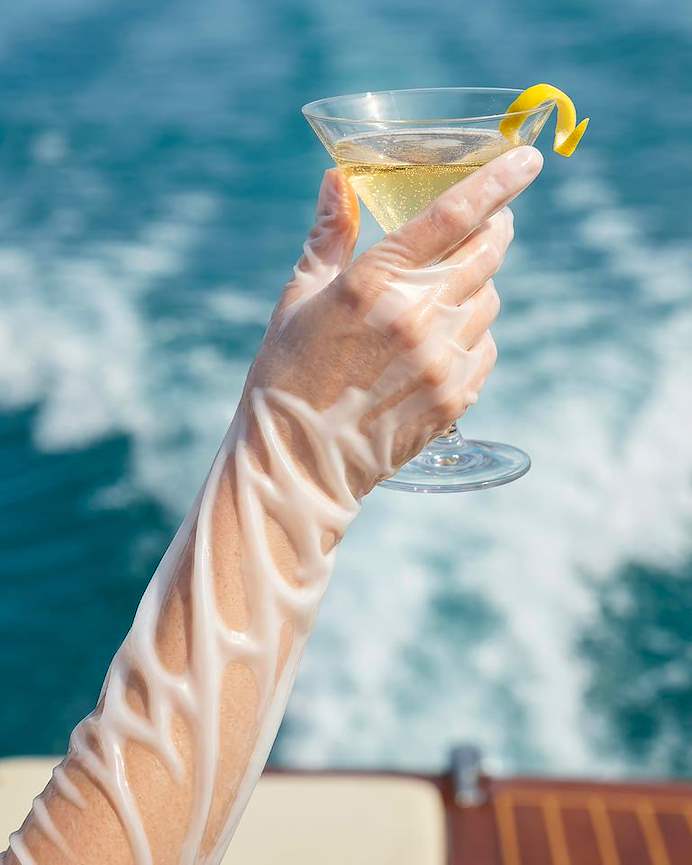
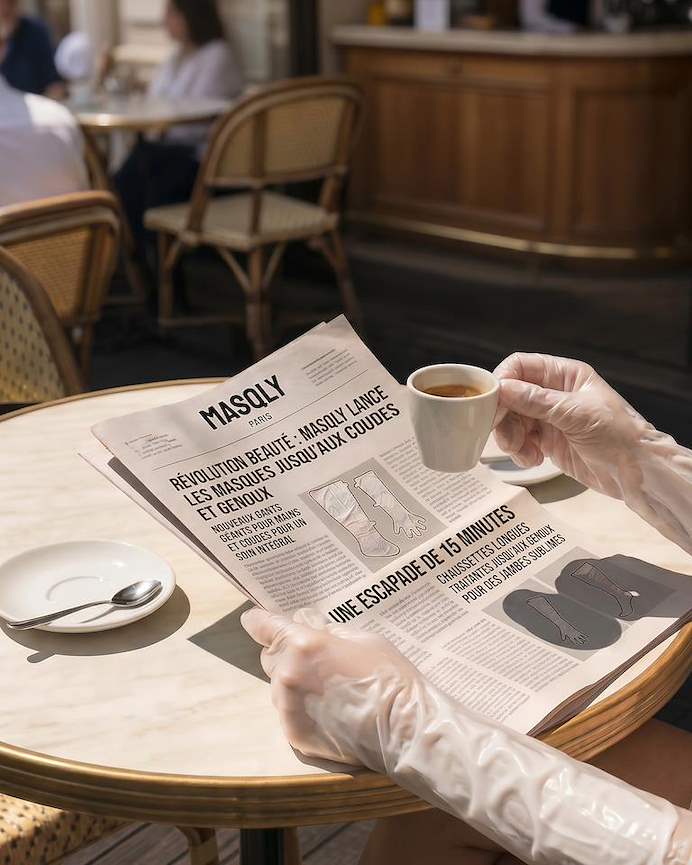
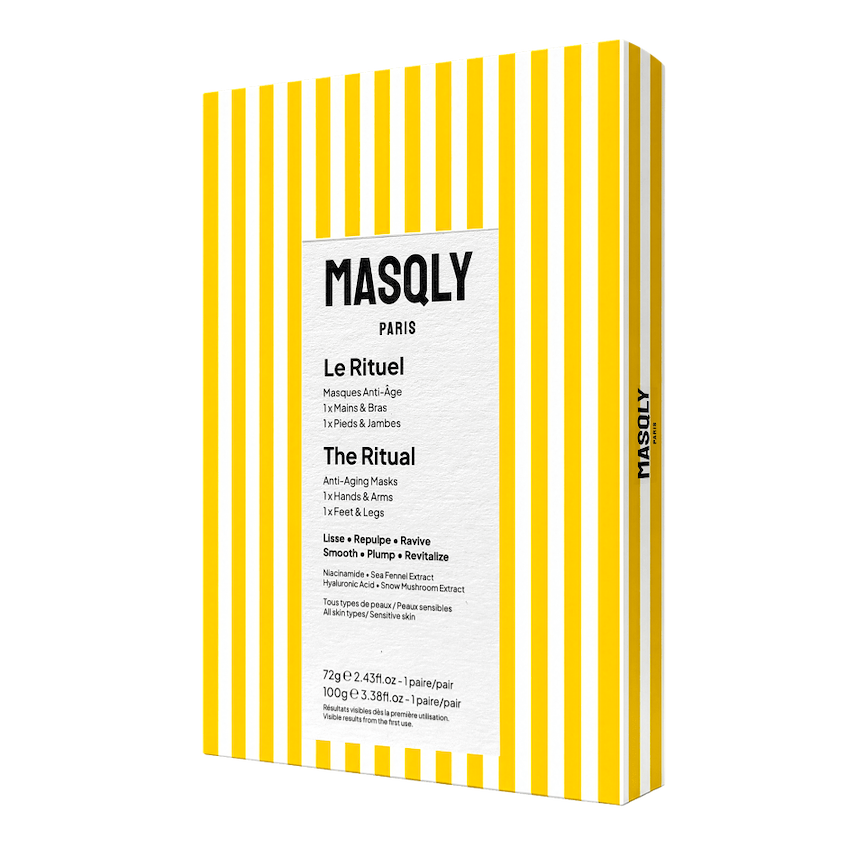
The launch collection consists of two targeted treatments. The Anti-Aging Hand & Arm Mask, which comes in a 72-gram size, is left on for 15 to 20 minutes and promises up to 48 hours of hydration. The Anti-Aging Foot & Leg Mask, in a 100-gram size, is applied for twenty to twenty-five minutes and offers the same duration of hydration. Both products are included in a set, Le Rituel, designed as a complete experience rather than simply a combination of two products.
The formula is based on four key active ingredients: niacinamide, for skin texture and radiance; hyaluronic acid, for hydration and plumping; an extract of sea fennel, a coastal plant, for skin renewal; tremella extract—this gelatinous mushroom used in cosmetics is sometimes called “plant-based hyaluronic acid”—for suppleness and elasticity. Generational segmentation is explicitly addressed in the brand’s messaging: hydration and radiance for young skin, firmness and smoothing of fine lines for mature skin—a way to market the same skincare step to two different audiences without overcomplicating it.
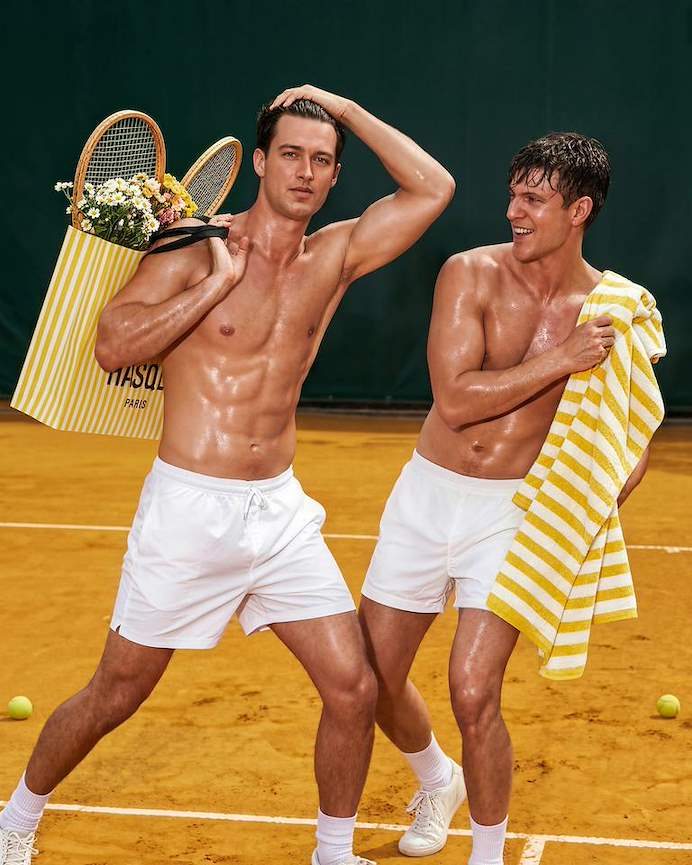
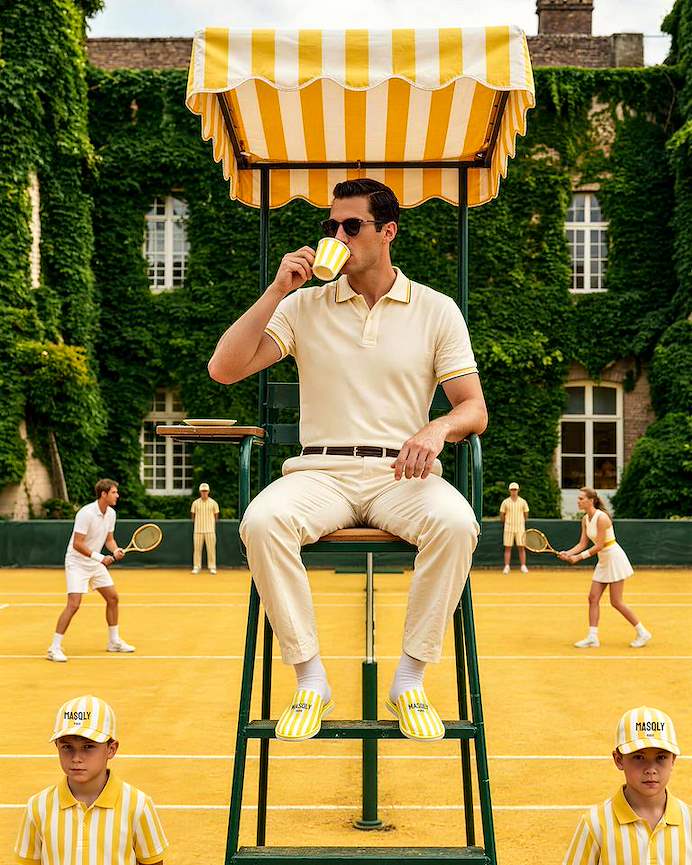
What sets this product apart—even more than the calendar itself—is the way the brand chose to showcase it. Rather than a traditional campaign, MASQLY made its way into the red-carpet sponsorship circuit, a space usually reserved for skincare and makeup. Le Parisien published an article on this Cannes “gift suite,” where the brand’s masks were displayed alongside other beauty brands distributed to guests. The gamble on the body as a new frontier in skincare is thus playing out as much in the laboratories as on the terrace of a luxury hotel in May.
Two innovations have been announced for 2027 and 2028, though no details about their nature are available at this time. If the trend started by MASQLY continues, the face mask—long associated solely with the face—could become a generic cosmetic practice, applied area by area rather than conceived as a single ritual. It remains to be seen whether the body—less visible in everyday life than the face—will tolerate the same twenty-minute routine.
Details
The two signature masks share the same active ingredients—niacinamide, hyaluronic acid, sea fennel extract, and tremella extract—but not the same application protocol. Hands & Arms: 72 g, leave on for 15 to 20 minutes. Feet & Legs: 100 g, leave on for 20 to 25 minutes; the larger treatment area justifies the higher weight and longer application time. Both claim to provide up to 48 hours of hydration after removal.
Cette publication est également disponible en :

