
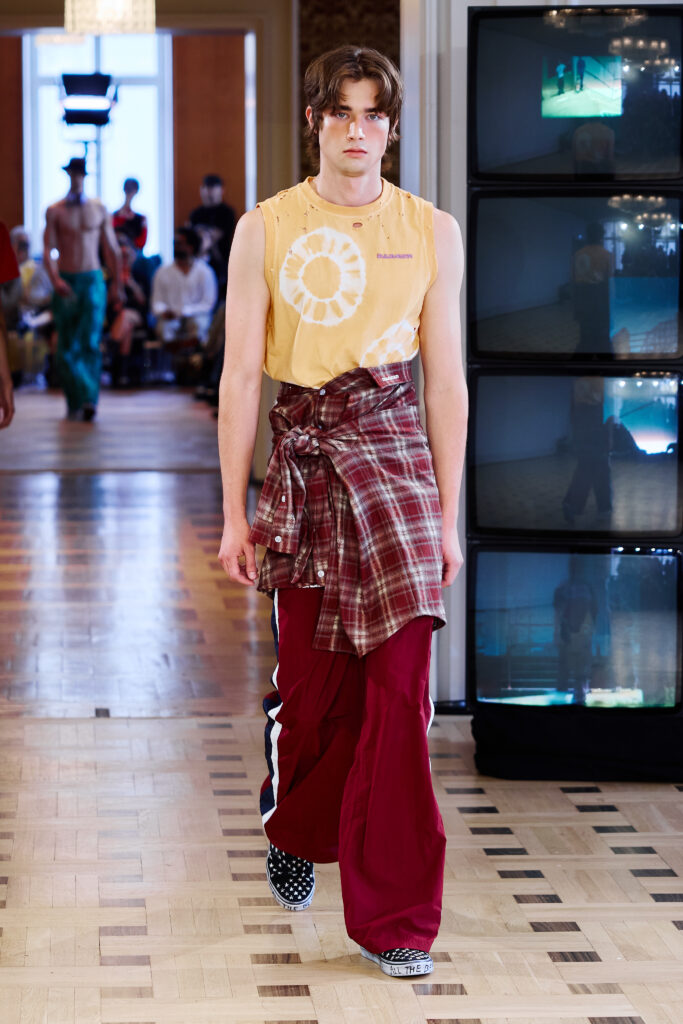
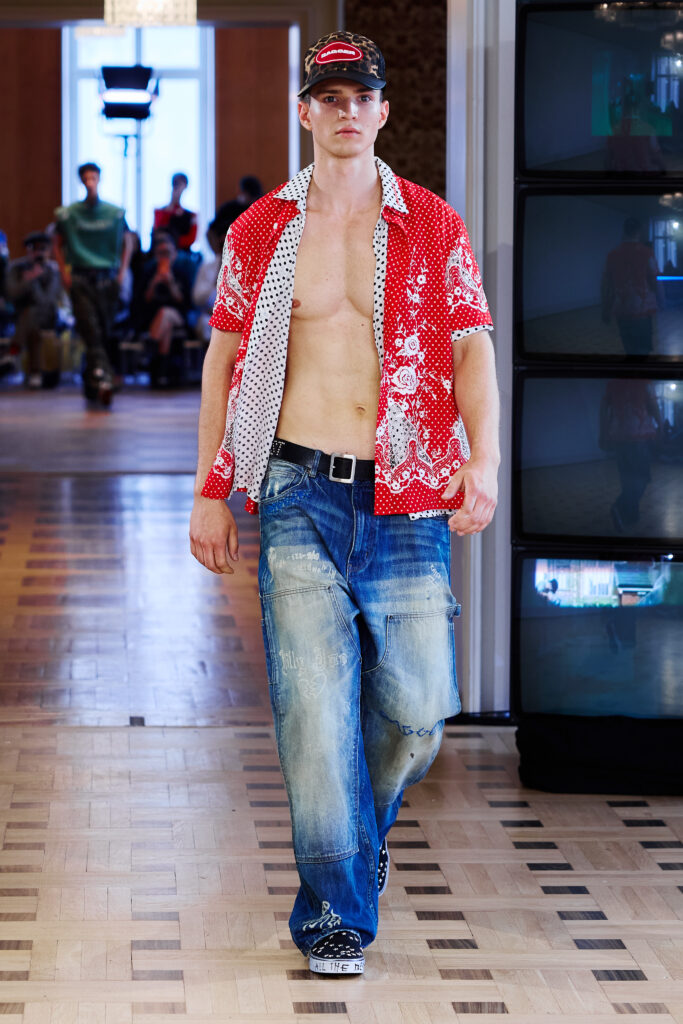
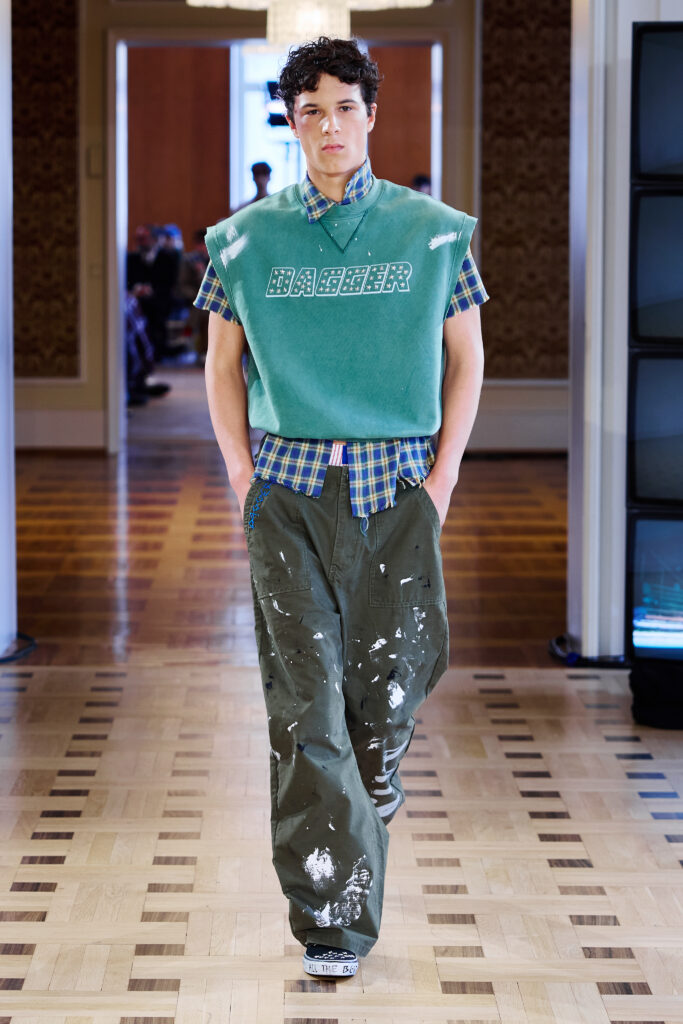
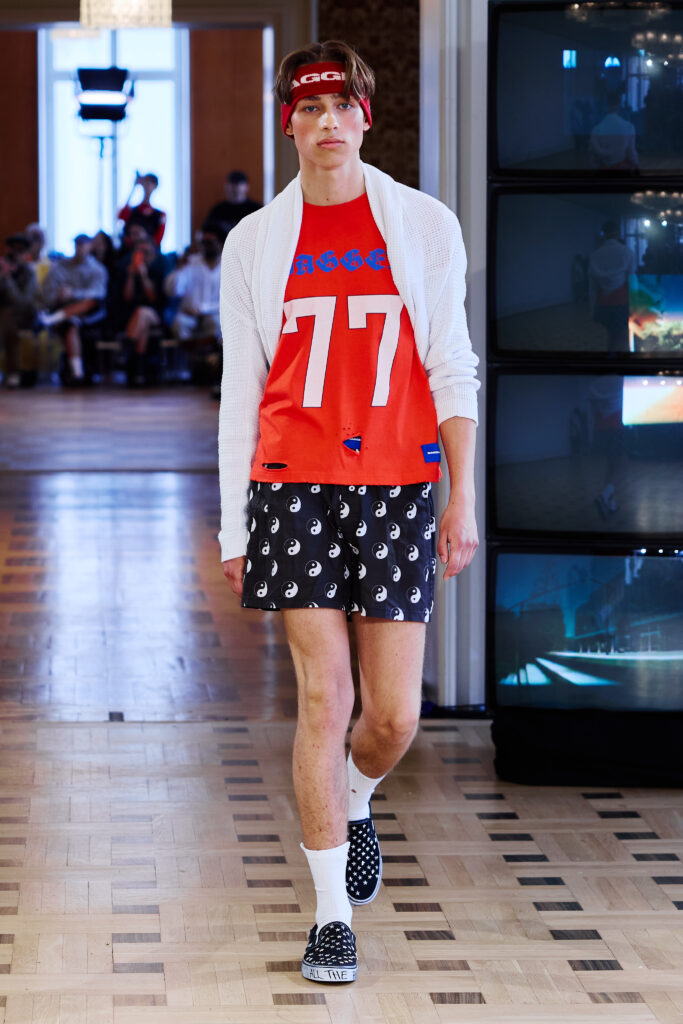
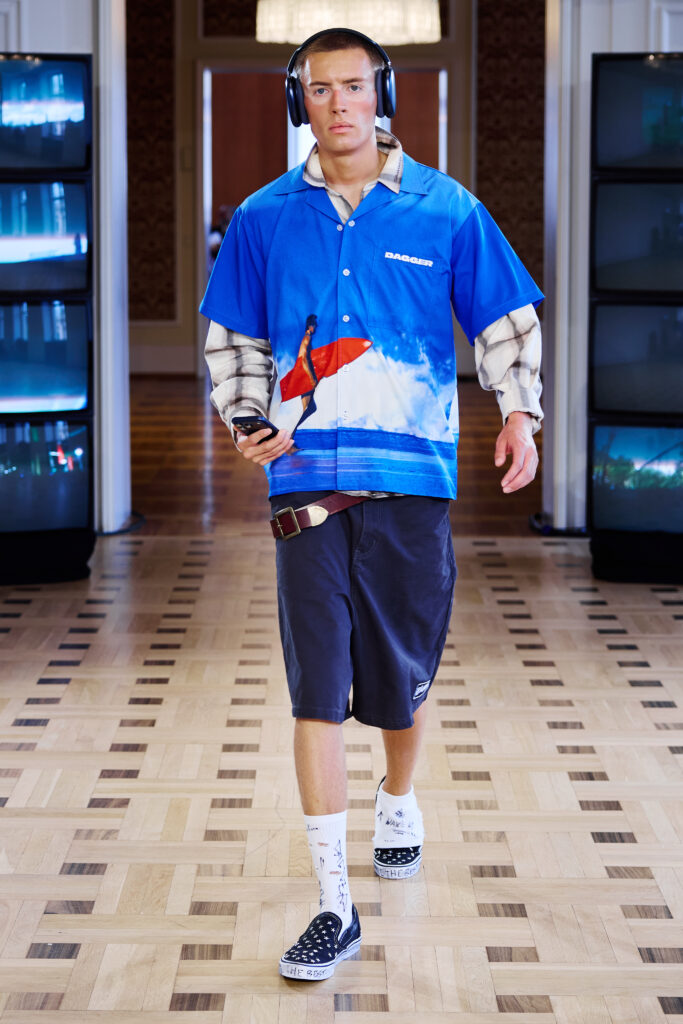
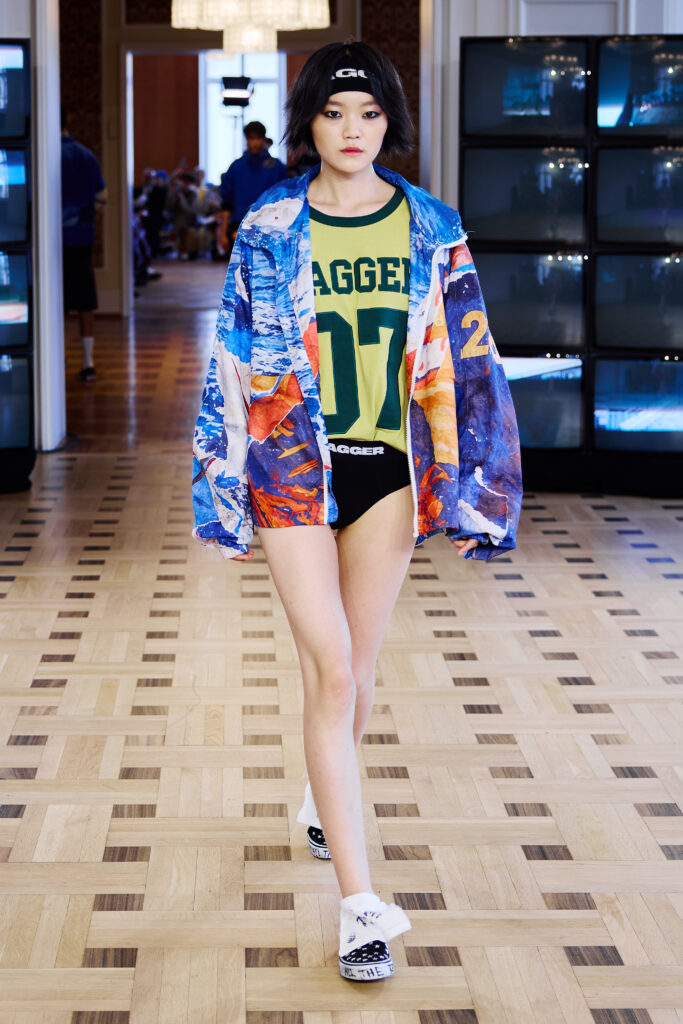
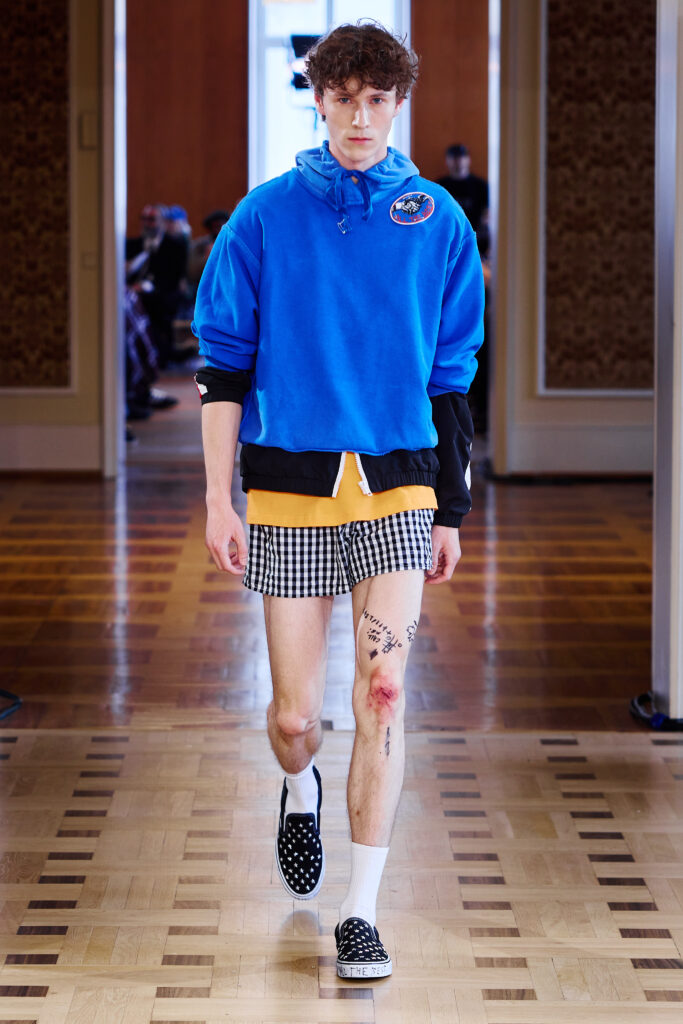
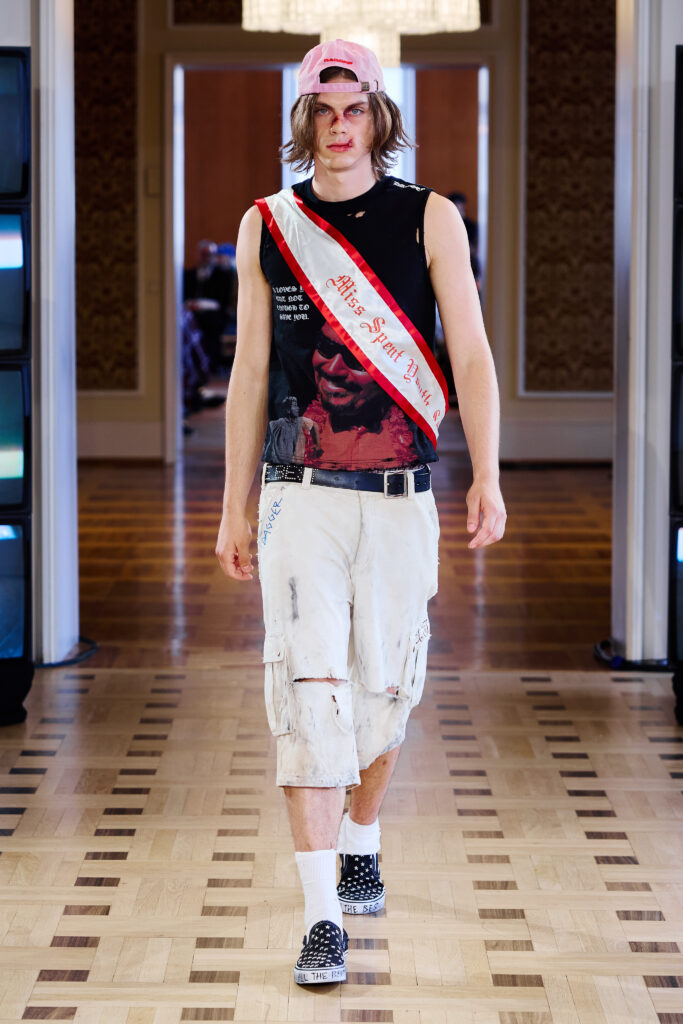
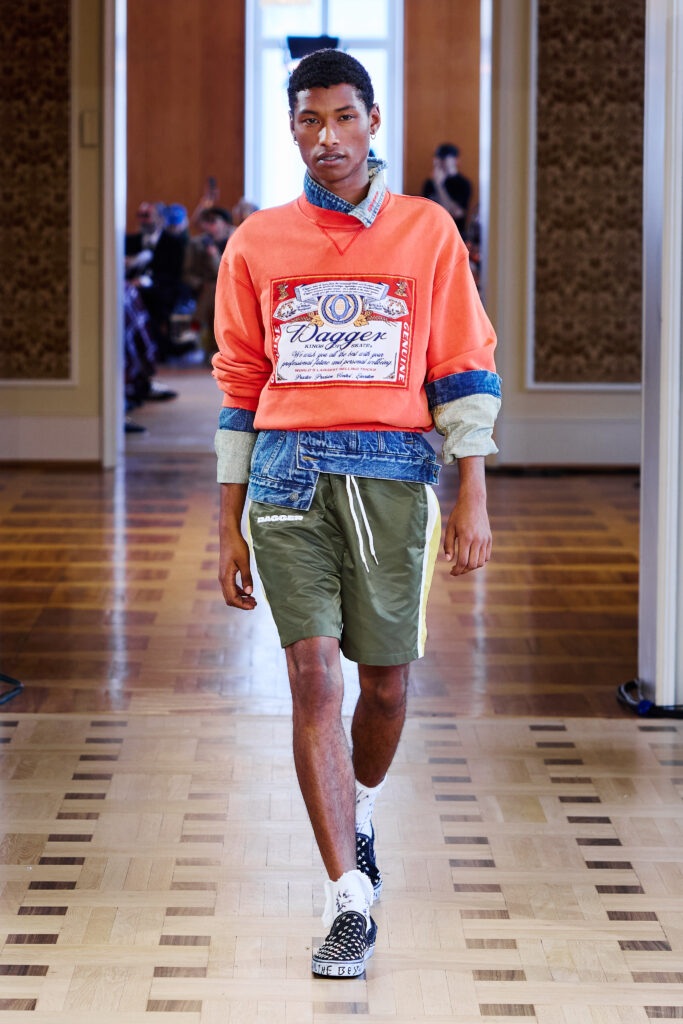
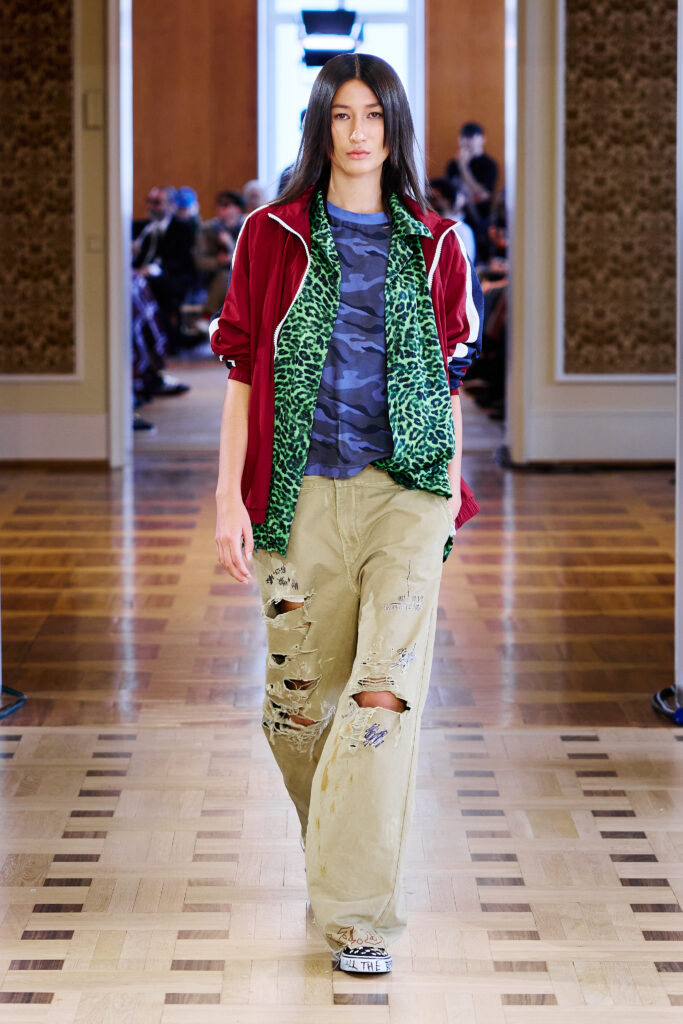
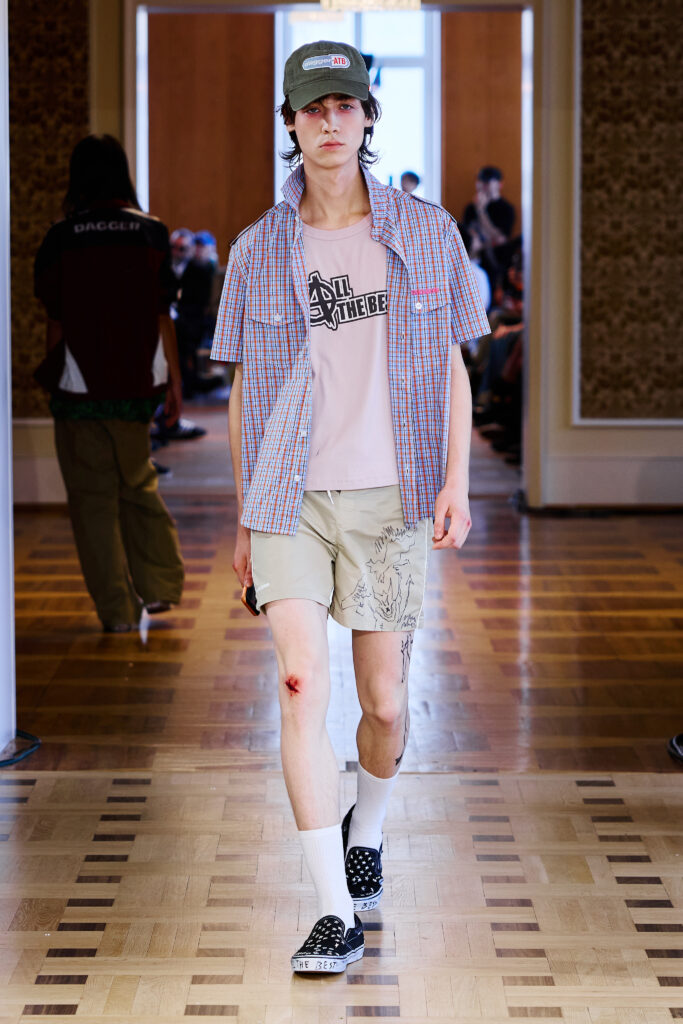
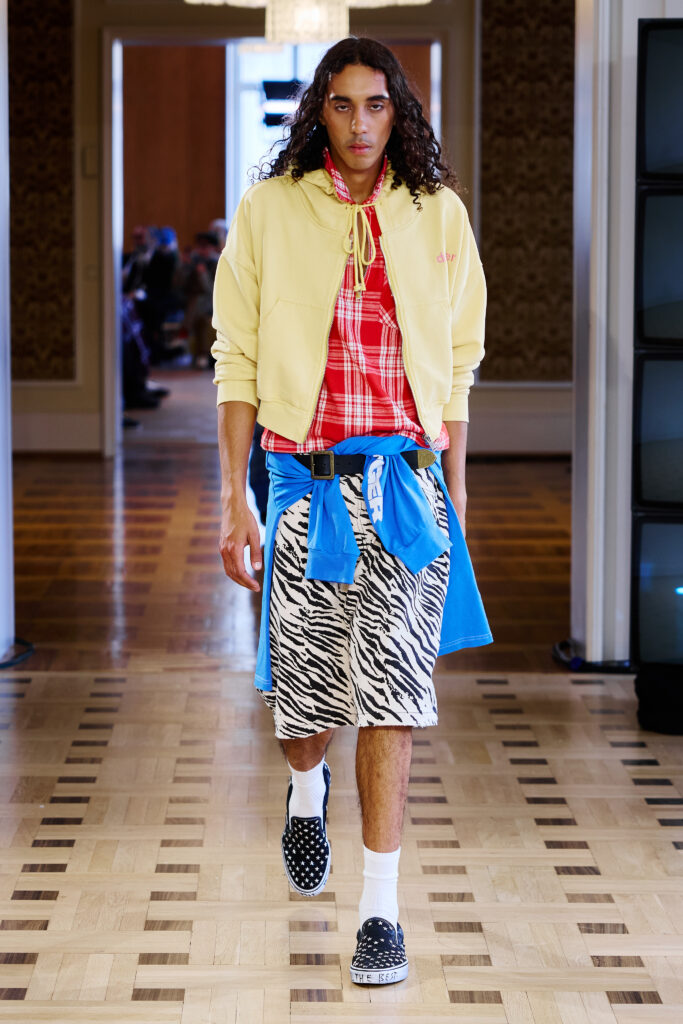
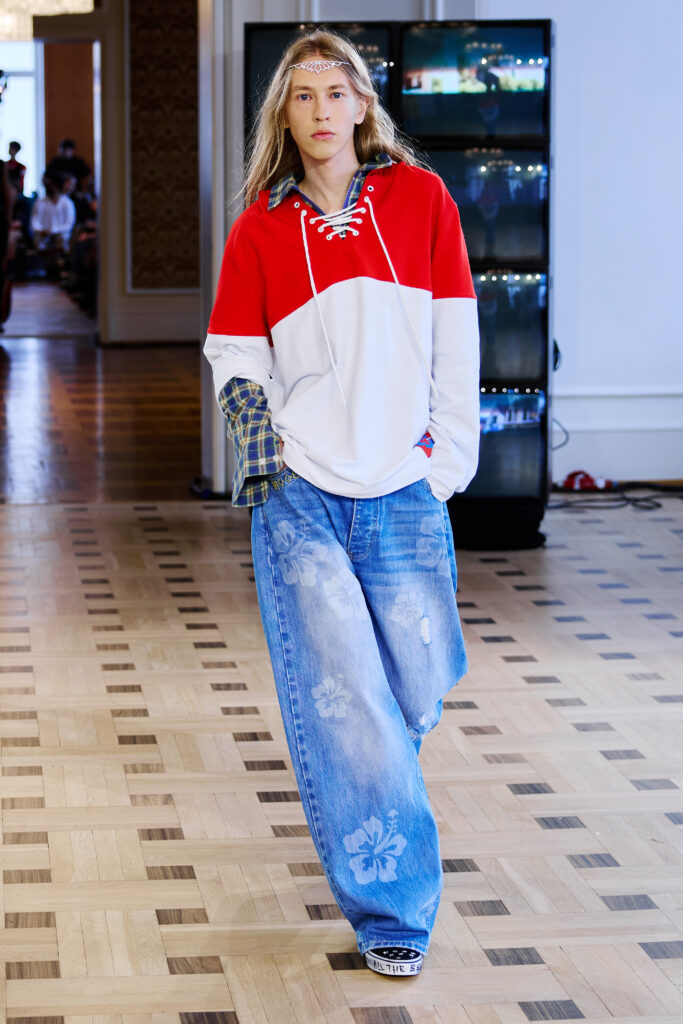
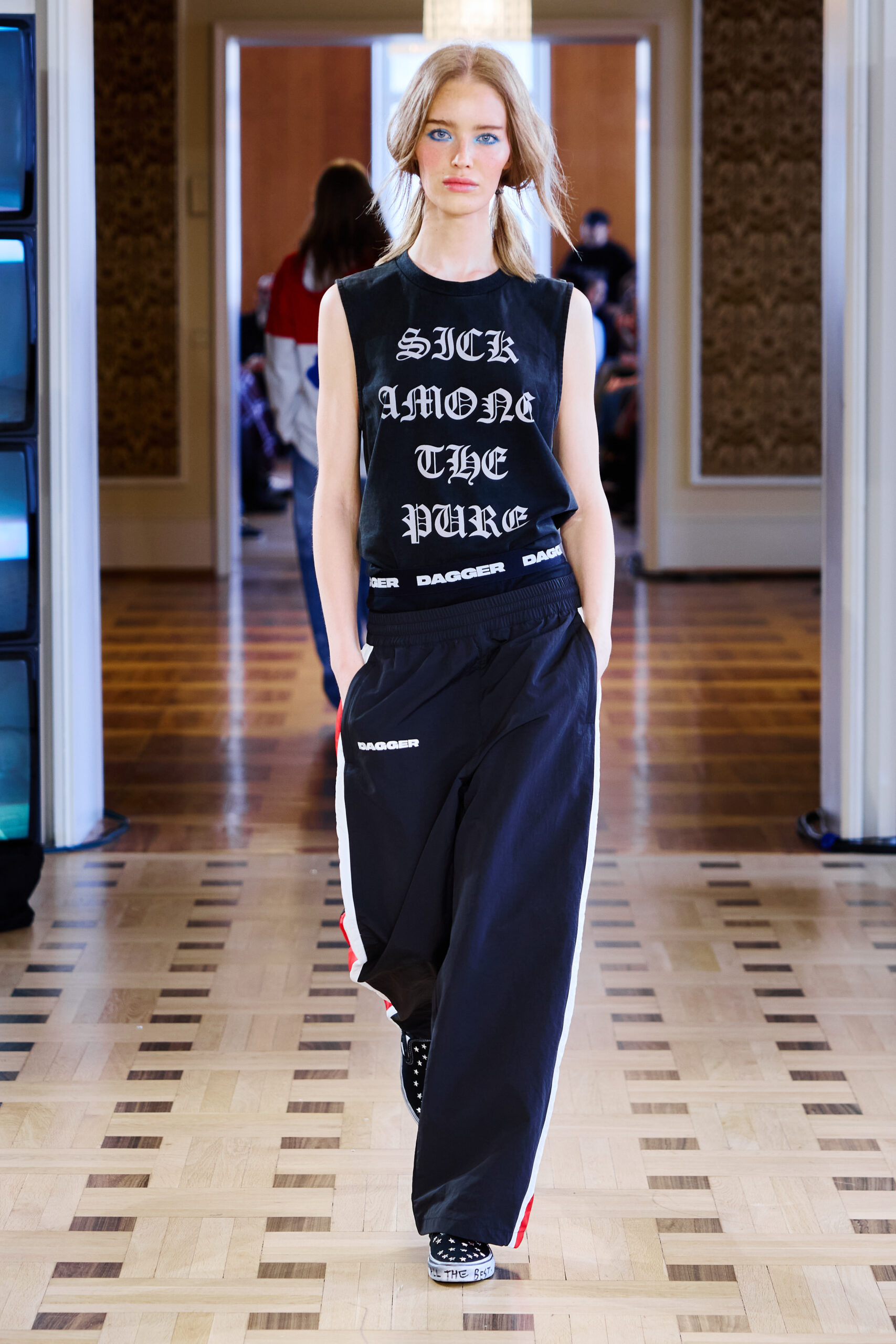
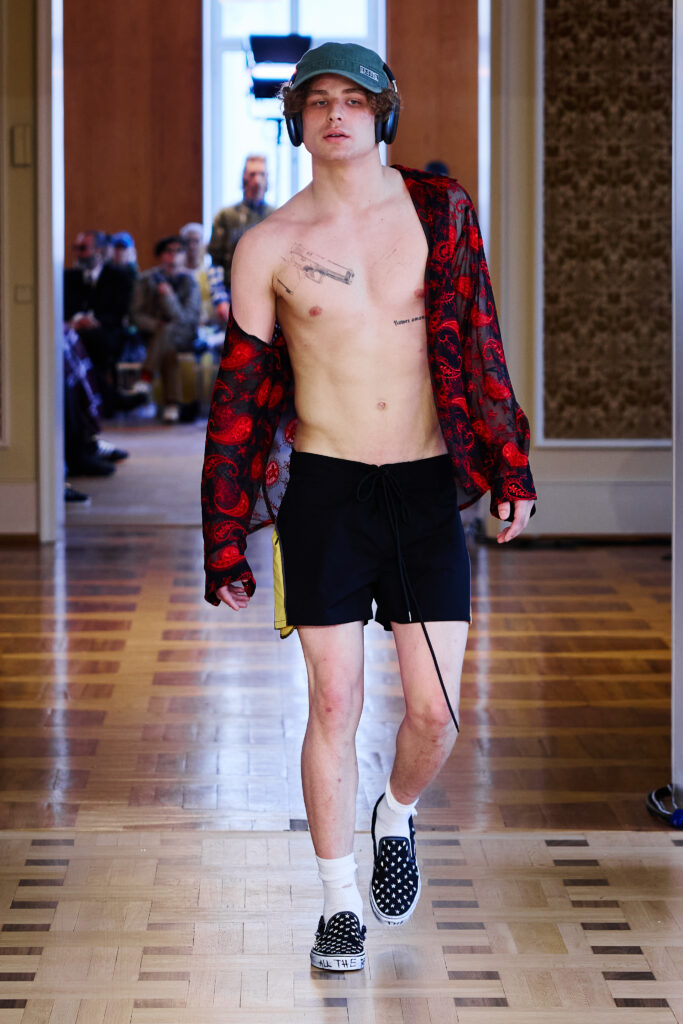
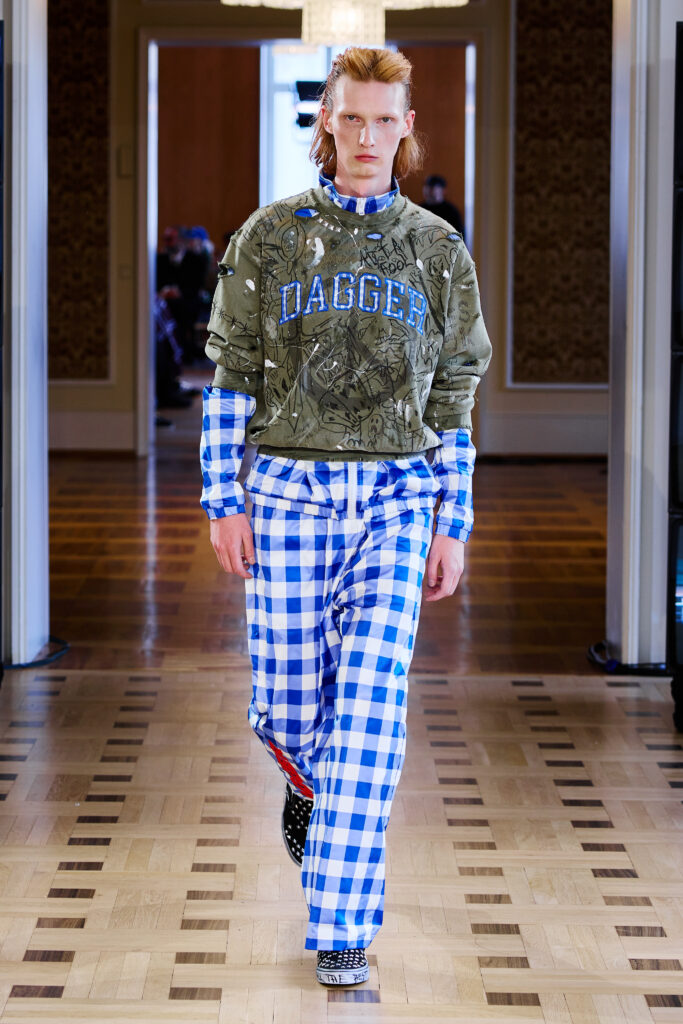
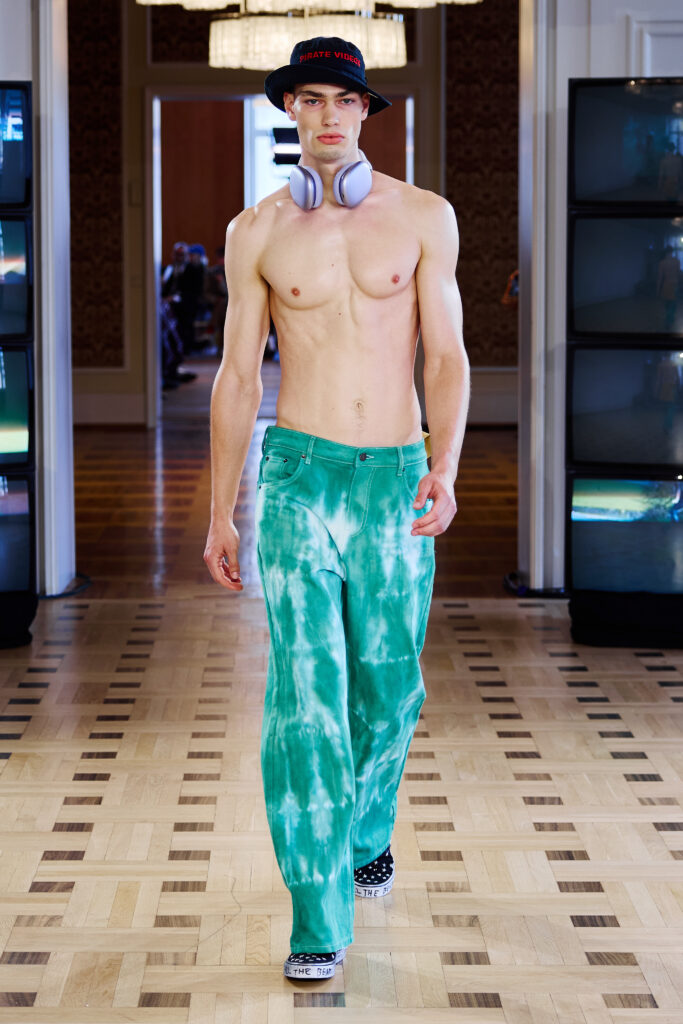
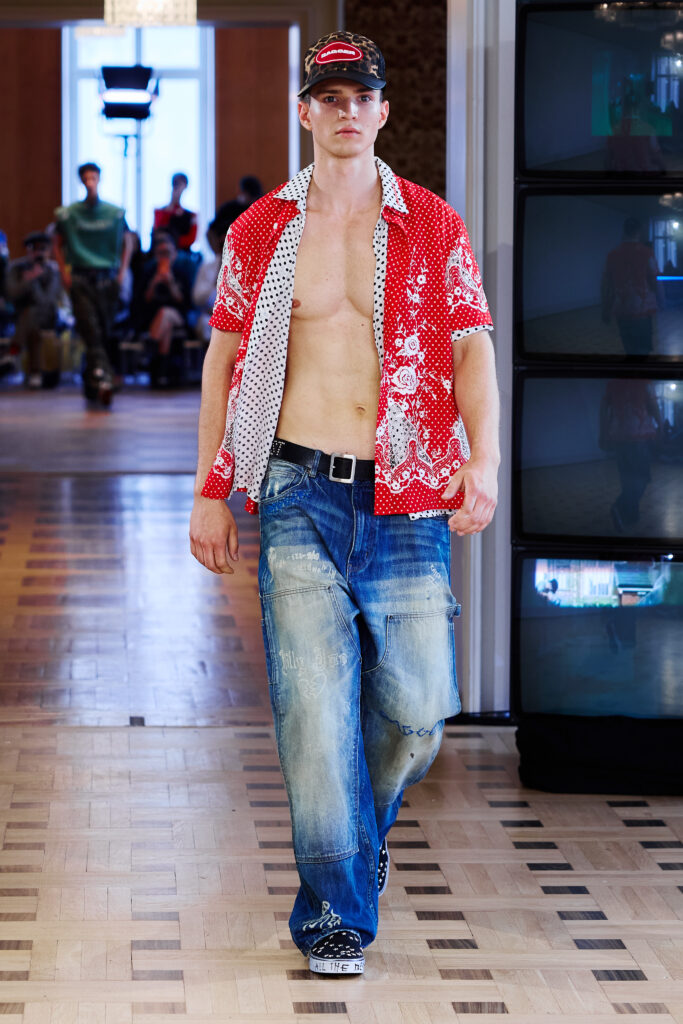
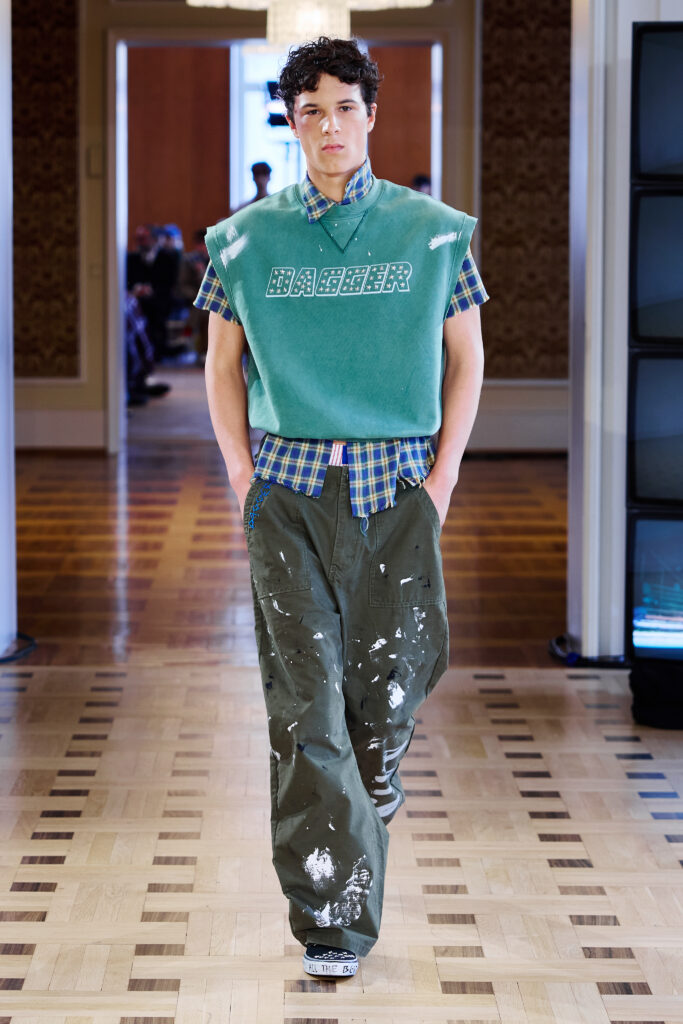
For its Spring-Summer 2027 collection, the DAGGER label returns to the coastal town where its designer grew up, a time marked by first cigarettes and first heartbreaks. A deliberately understated nostalgia, captured not by professional photographers but by an iPhone 17 Pro—a choice that speaks volumes about how a generation intends to tell the story of luxury.
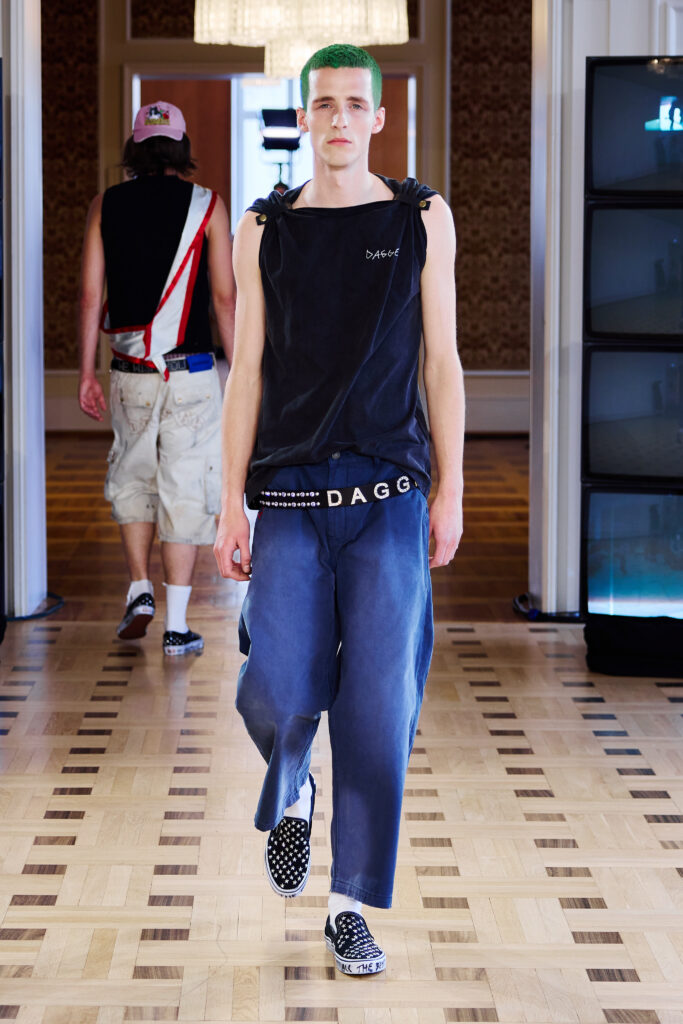
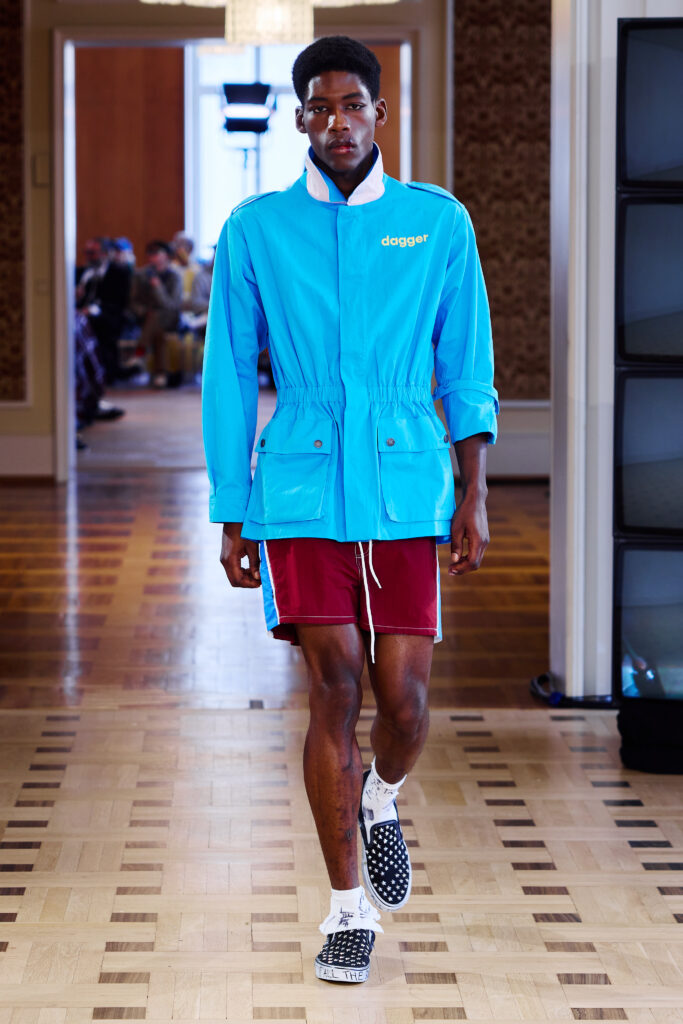
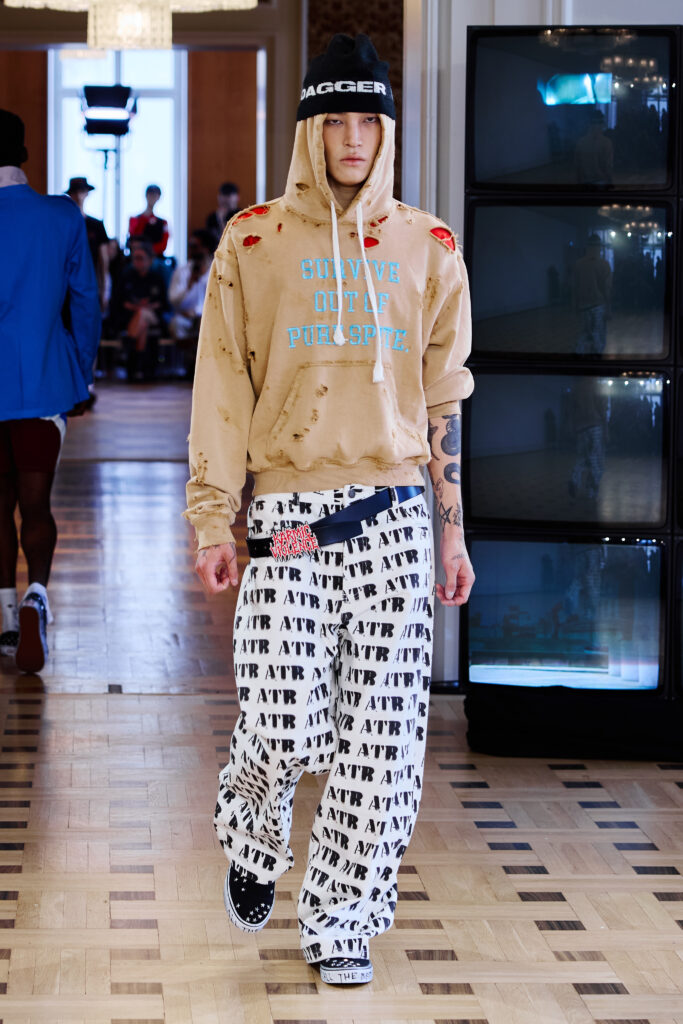
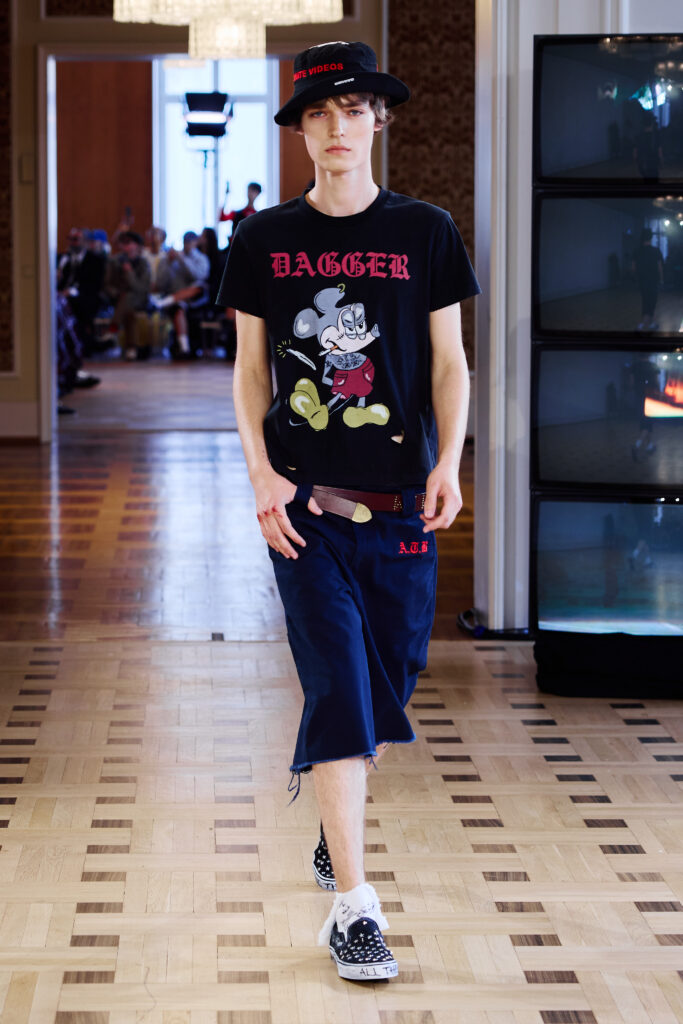
Fashion regularly draws on history, art, and architecture to lend legitimacy to its collections. DAGGER, founded by designer Luke Raines, takes a decidedly more modest and personal approach: his own adolescence in a well-known beach town, in the early 2000s, known more for its skateboarding scene than for its prestige. This Spring-Summer 2027 collection makes no references to highbrow culture—instead, it documents generic and universal “firsts”: first job, first drink, first cigarette, first kiss, first heartbreak. A deliberately understated, almost mundane vocabulary that the brand chooses to elevate to a noble art form.
The choice of this intimate perspective is accompanied by a sense of continuity among the characters rather than a constant search for novelty. The figures featured in this show build on those introduced in the Play Hard collection, presented for Fall-Winter 2026 — a way for the fashion house to affirm that it does not seek spectacular breaks from one season to the next, but rather the continuity of a narrative that follows its characters as they gradually build their identities. This approach runs counter to the logic of constant acceleration that dominates much of the industry, where each collection must completely reinvent itself to capture attention.
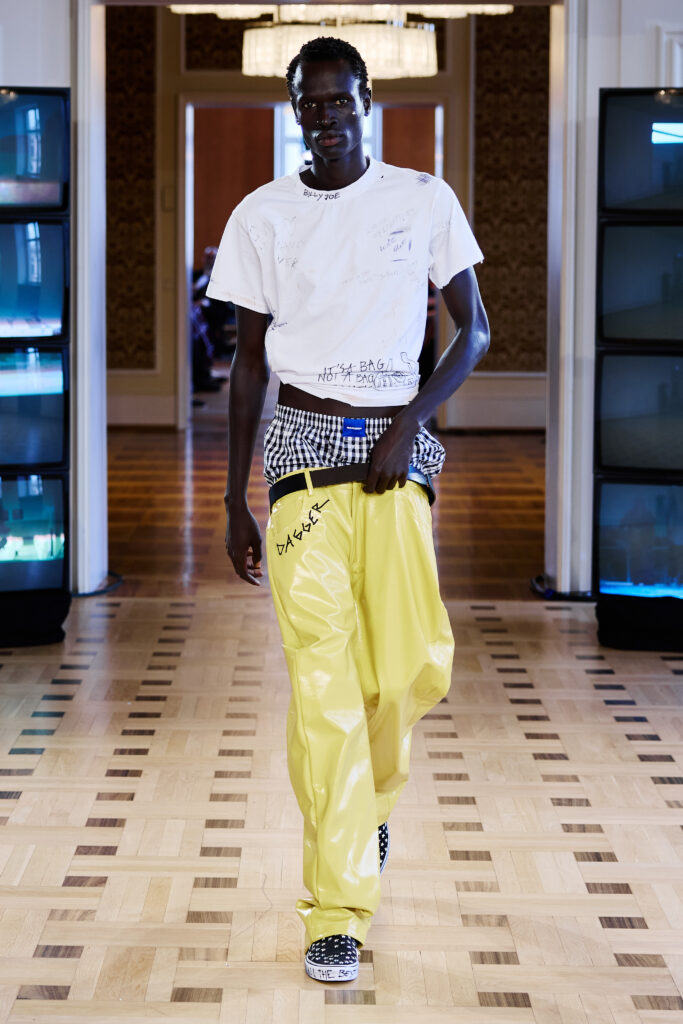
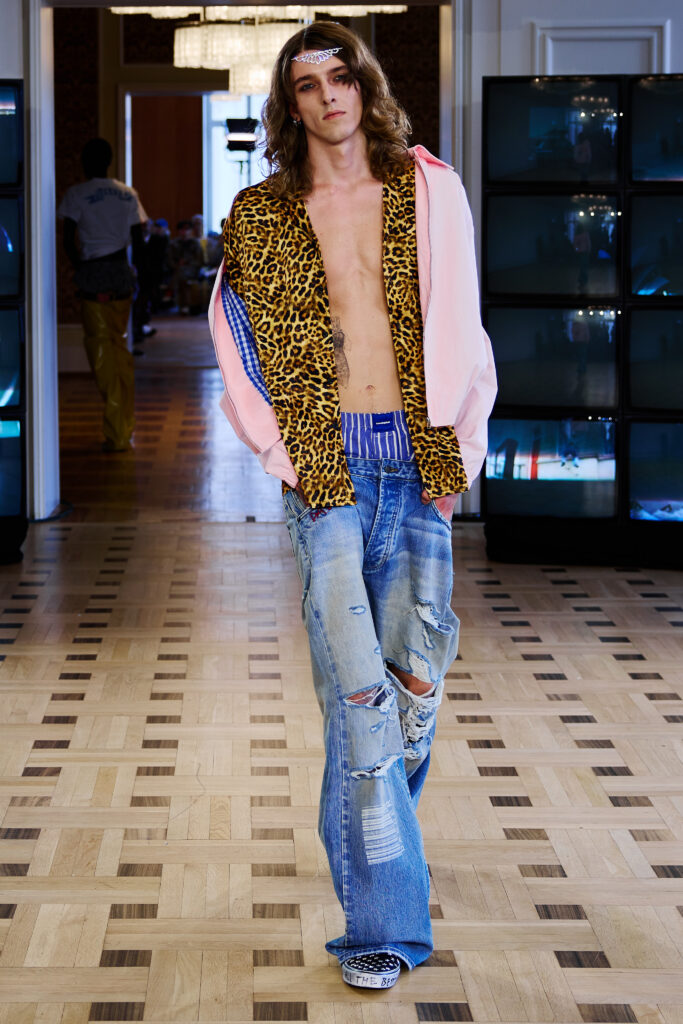
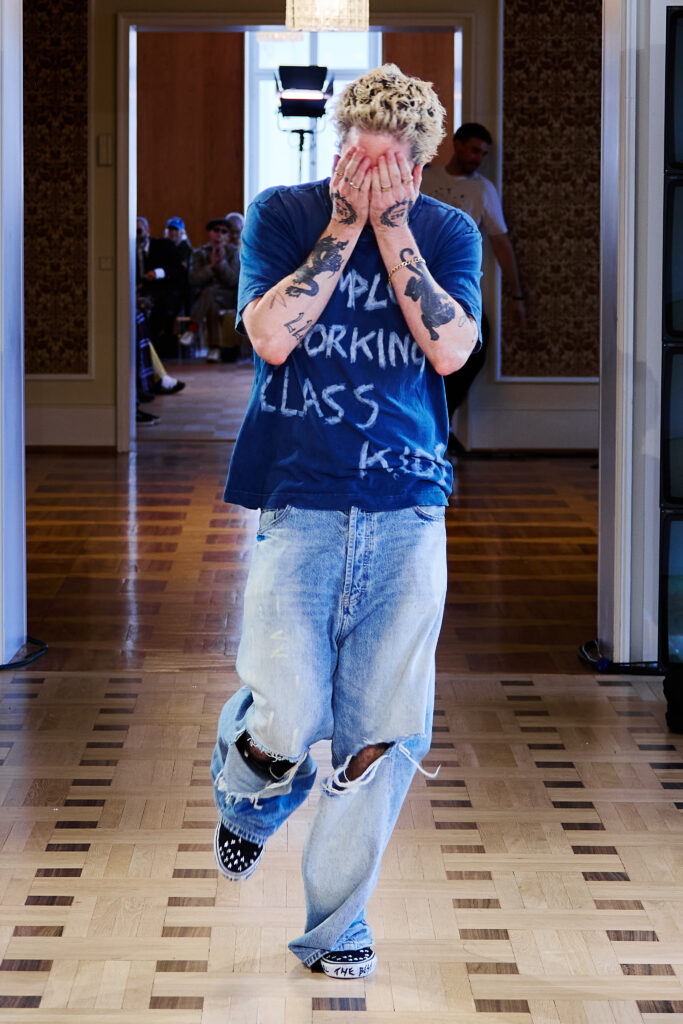
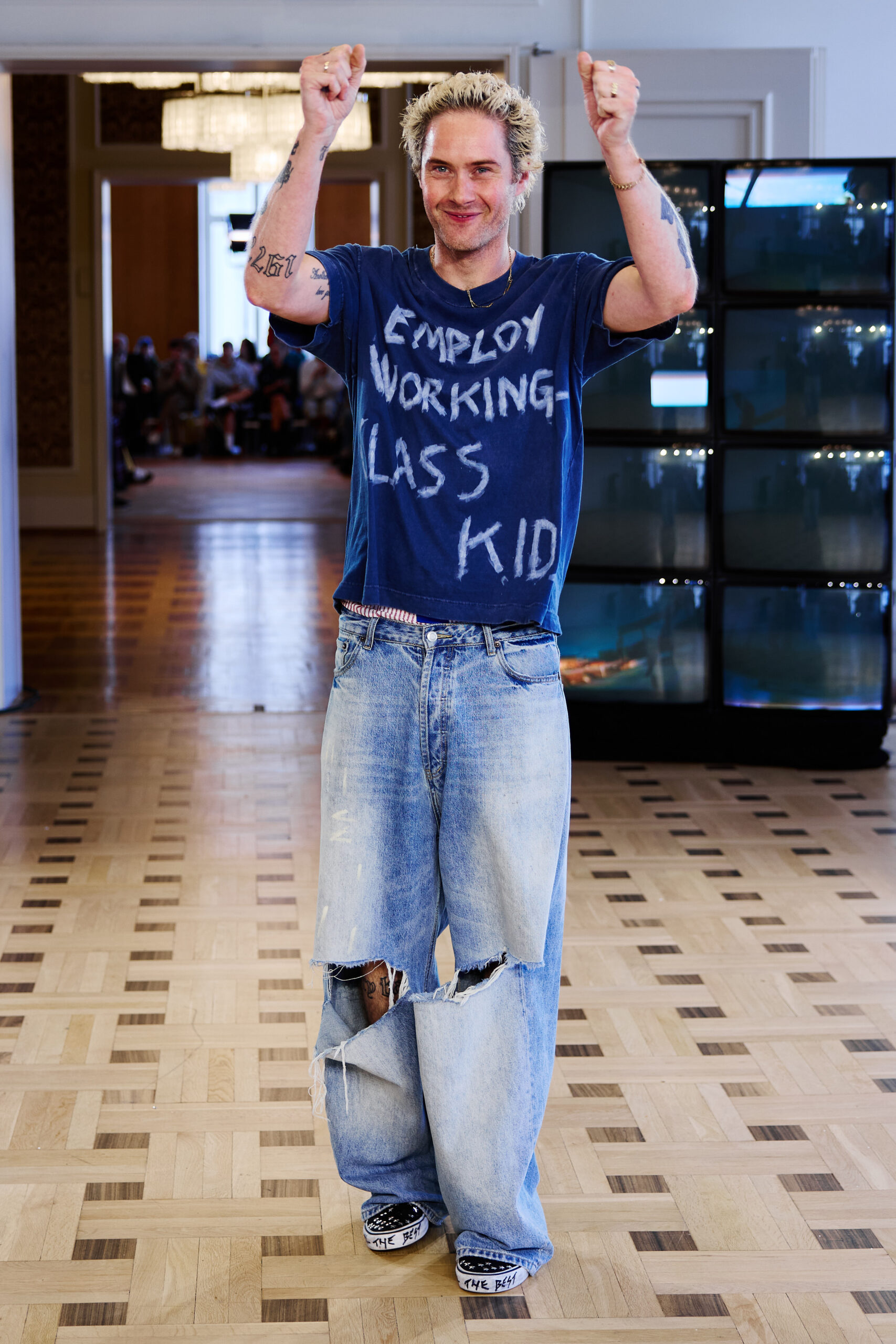
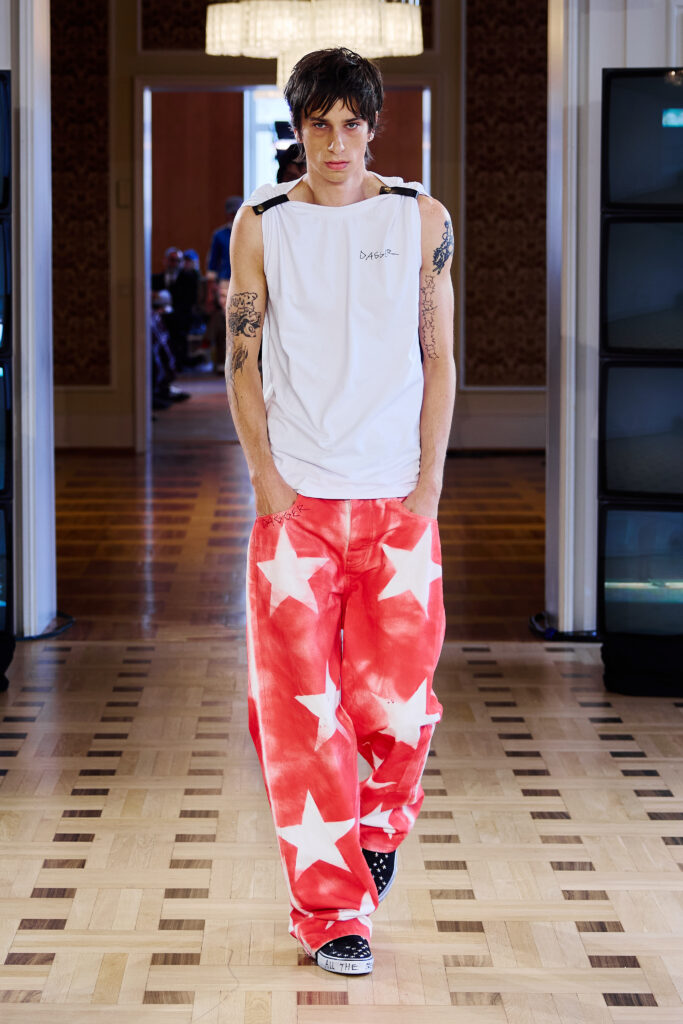
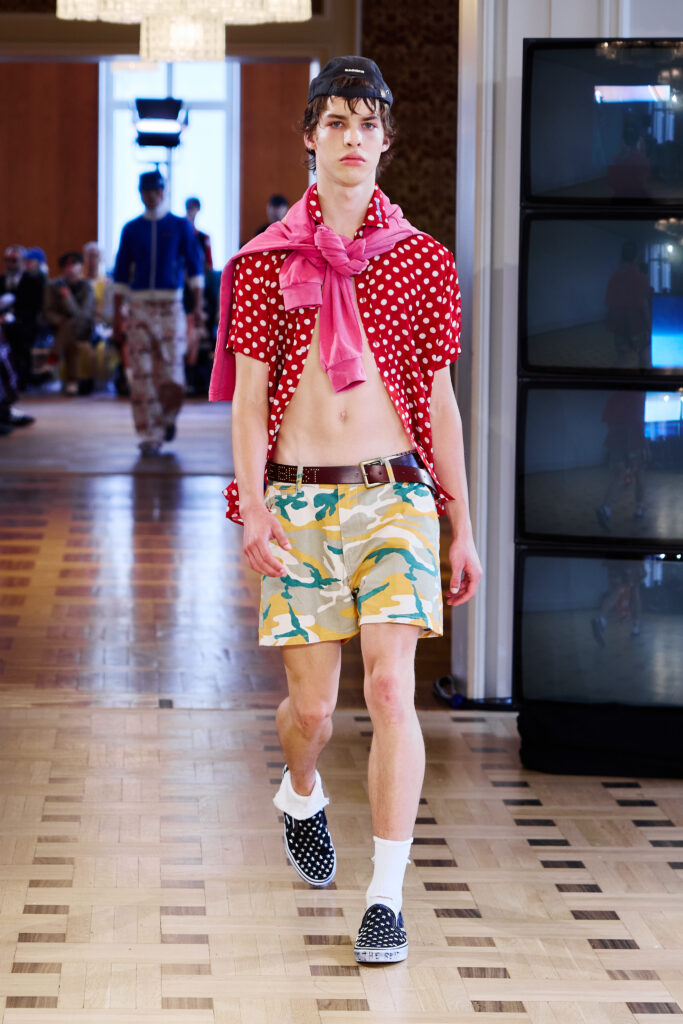
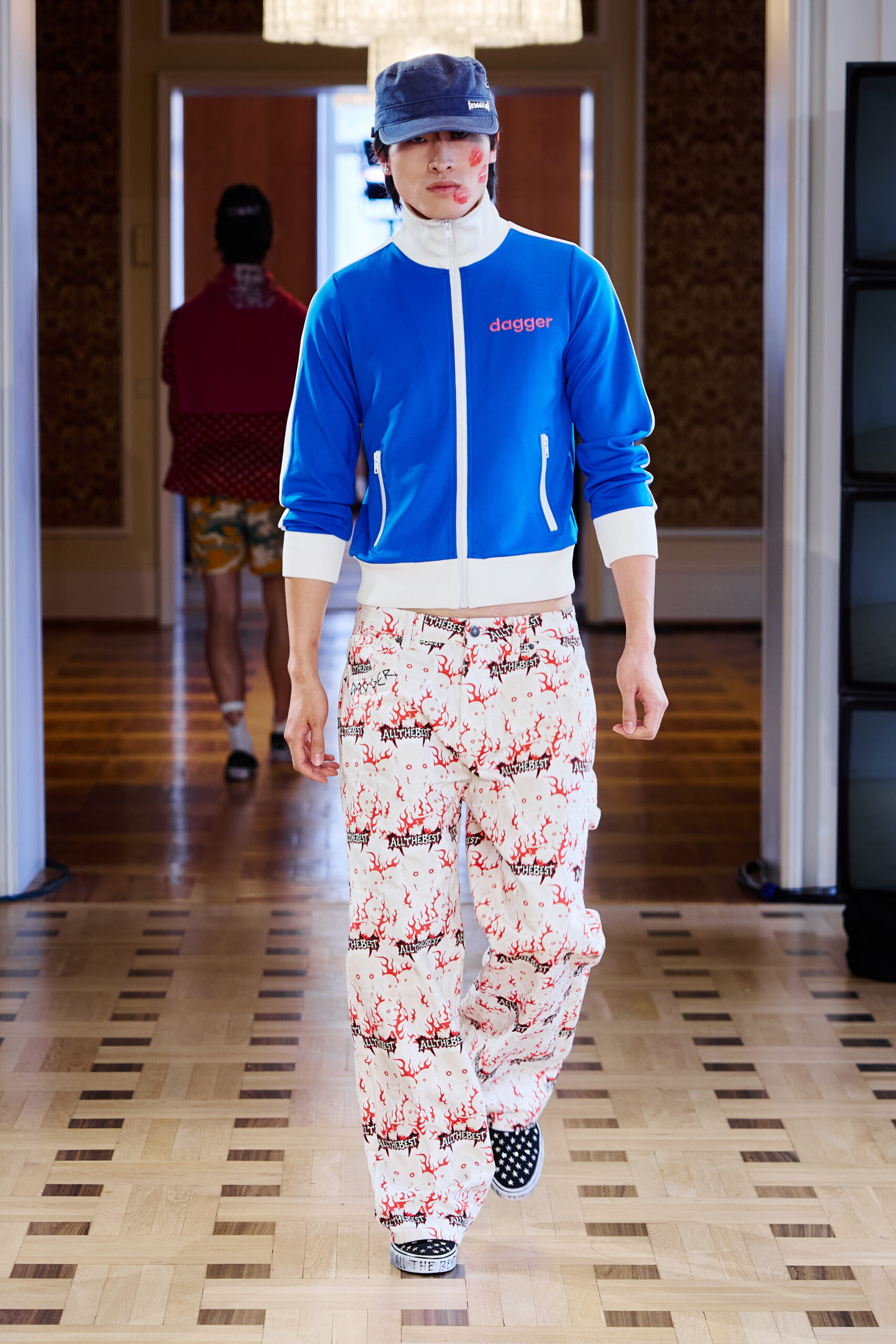
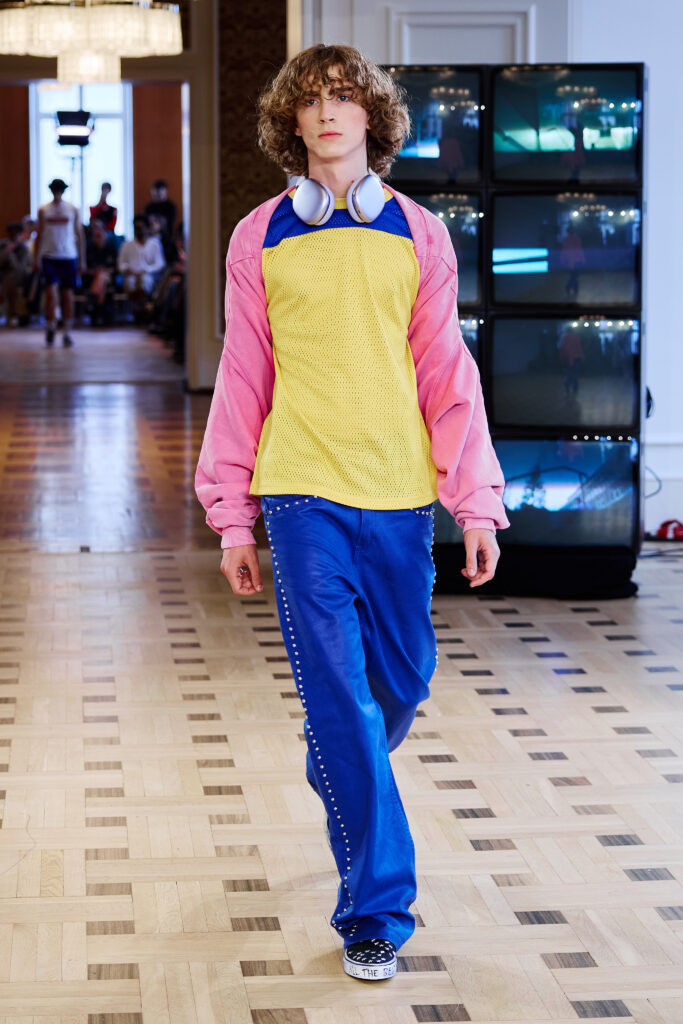
The chosen setting—nighttime parties in the dunes, carnival lights, and dawn returns from the beach that feel more like liberation than a “walk of shame”—is accompanied by collaborations that anchor the collection in a youthful, down-to-earth culture rather than in an abstract vision of luxury: a new series of Vans Slip-Ons customized and reworked for the runway, and backstage styling by Shark Beauty. Nothing about these choices seeks to evoke the traditional pomp and circumstance of high-end fashion.
The most telling move, however, is a technical one: the entire fashion show was filmed exclusively with the iPhone 17 Pro, continuing an approach already adopted during the previous presentation. This choice, far from being trivial, is part of a broader reevaluation of the traditional hierarchy of fashion imagery, where professional equipment—cinema cameras, sophisticated lighting—has historically guaranteed a fashion show’s visual prestige. By choosing the tool that its own characters would use to document their daily lives, DAGGER aligns its medium with its subject: a generation of young people who film their lives on their phones, not on a studio camera.
This approach raises an interesting question for the future of the runway system: Does the value of a fashion show still depend on the sophistication of its production, or can it now be based on the perceived authenticity of the setup—even if it is deliberately stripped down? DAGGER is banking on the second option, transforming an aesthetic constraint into its signature. It remains to be seen whether this nostalgia for an ordinary youth—however sincere it may be—will retain its full impact once it has been absorbed by the luxury system it claims to circumvent.
Cette publication est également disponible en :

