
Château Sainte Marguerite unveils its 2025 collection of Cru Classé Côtes de Provence wines—four cuvées, including its first white wine, all produced using winemaking practices that the estate has cultivated for nearly half a century and that few Provençal estates still practice on this scale.
Mass selection, the common thread throughout the product line
Across the estate’s 260 hectares between La Londe-Les-Maures and Pierrefeu, Grenache, Cinsault, and Rolle are propagated using cuttings taken from the vines identified as the highest quality on the property—a method known as mass selection, as opposed to the clonal selection that dominates contemporary viticulture. This method precludes genetic standardization in favor of intra-plot diversity, which, according to the winemaker, is reflected in the wine’s final aromatic complexity. The 2025 vintage—a rainy spring, a radiant summer, and concentrated ripeness—forced the teams to harvest at night in August to preserve the grapes’ freshness upon arrival in the vat. Each plot was harvested separately according to its own stage of ripeness.
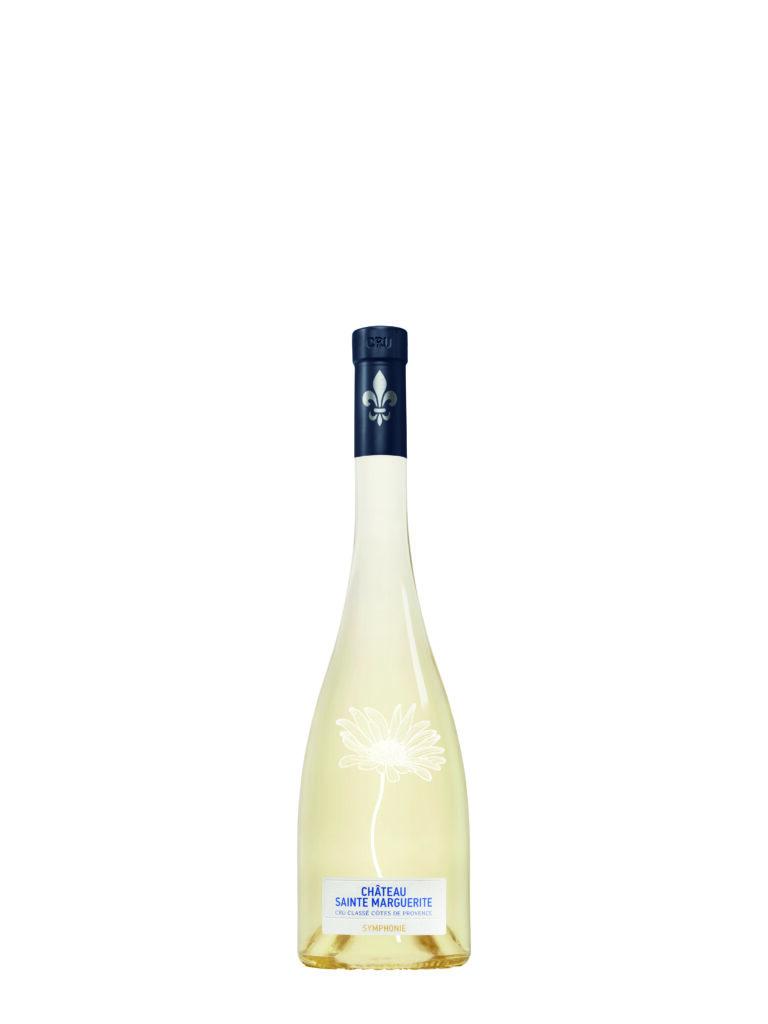
Symphonie Blanc 2025: The First White Wine from a Cru Classé
The highlight of the collection is here. Since the creation of the Symphonie Rosé in 1999, the estate had not offered a white wine under the Cru Classé designation. Symphonie Blanc 2025 is made from 100% Rolle (Vermentino) from mass selection, vinified on schist and clay-siliceous soil structured with pebbles and quartz. Light cold skin maceration before pressing, temperature-controlled vinification, and aging on fine lees in stainless steel tanks: this method prioritizes the expression of fruit rather than the influence of oak. With an alcohol content of 13.5% vol., this wine pairs well with Mediterranean cuisine and seafood. Recommended aging: twelve to twenty-four months.
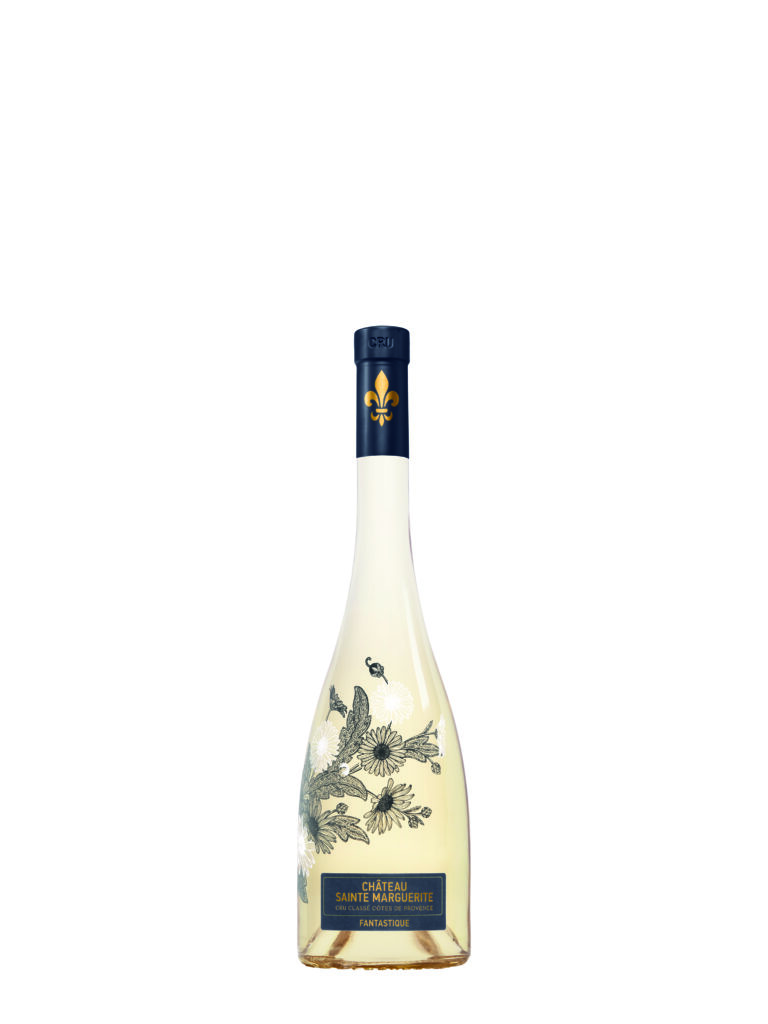
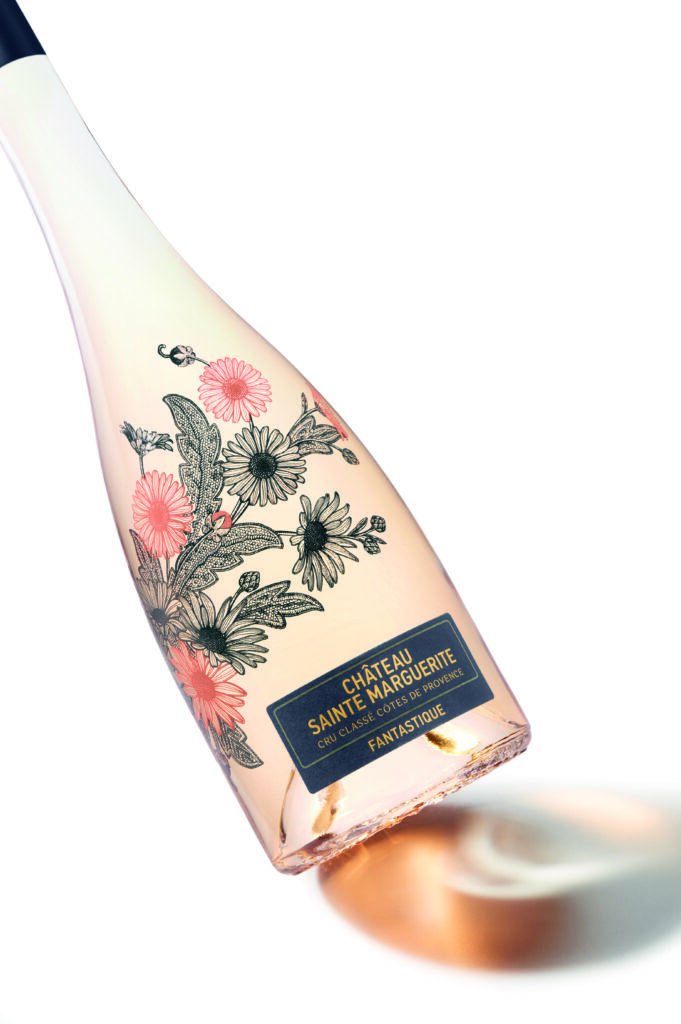
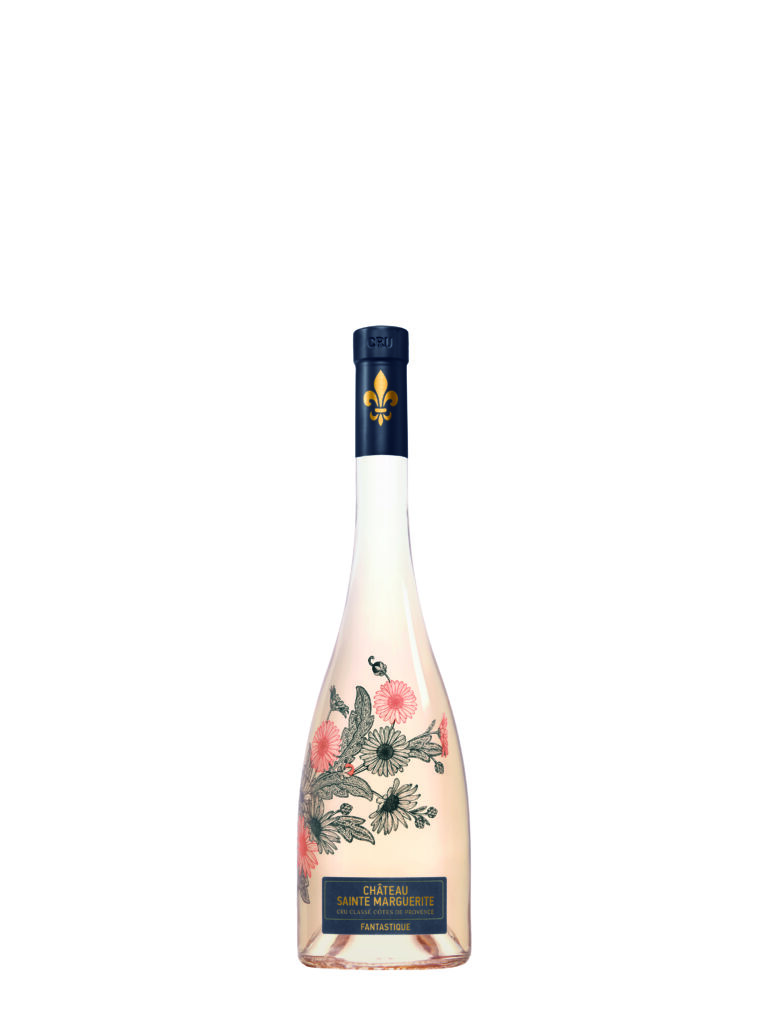
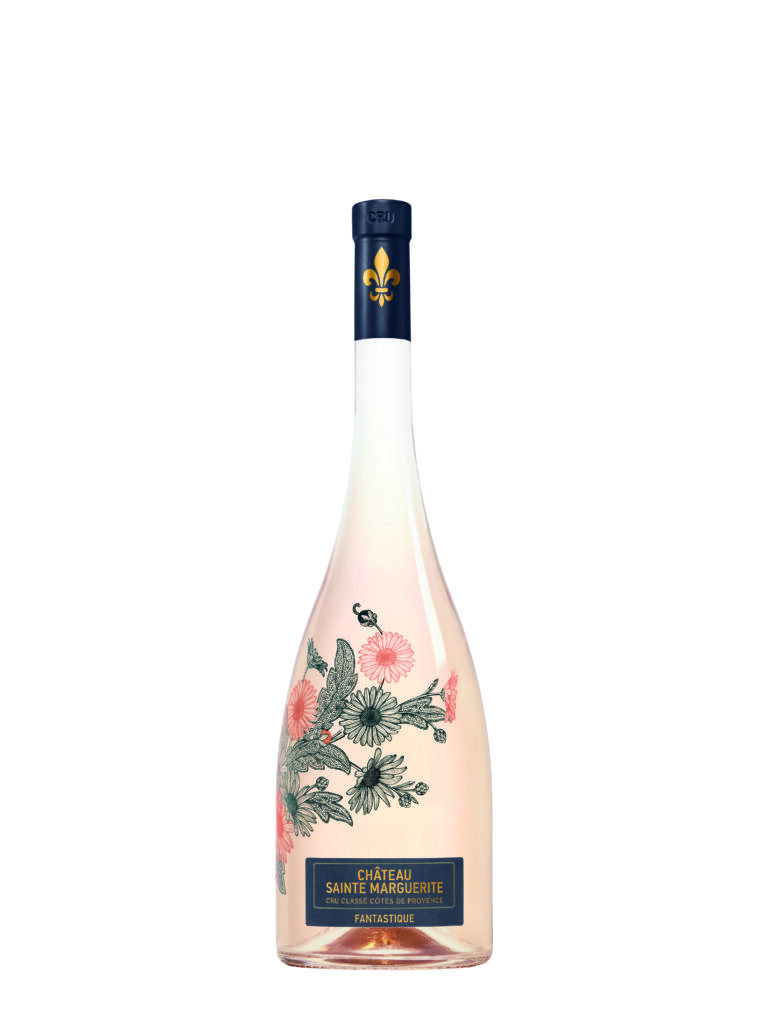
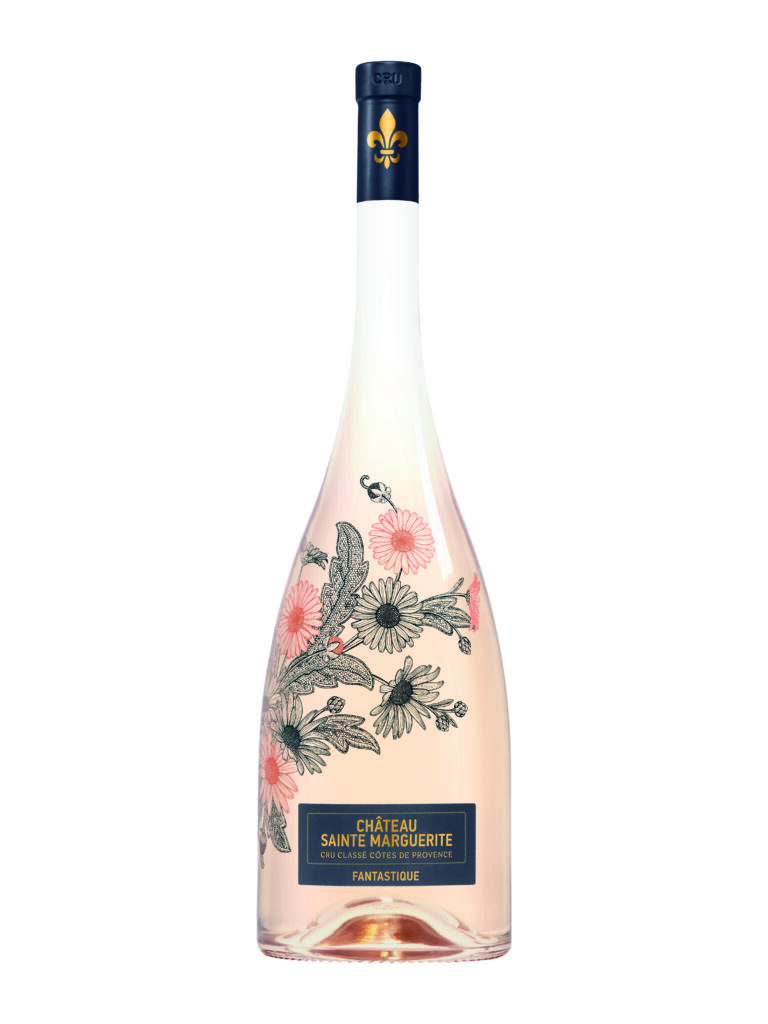
Fantastic Rosé 2025: The Only First-Press Juice
Among the three rosés, Fantastique stands out due to a winemaking constraint not found in the other cuvées: only the juice from the first pressing goes into the vat—subsequent pressings, which yield more extract, are discarded. A 45/45/10 blend (Grenache, Cinsault, Rolle) from old vines in the estate’s historic plots. Schist and flint soils in La Londe; clay-limestone soils in Pierrefeu. For the past two vintages, this cuvée has been recommended by Raimonds Tomsons, World’s Best Sommelier 2023.
Marguerites en Provence Rosé 2025: Rarity as a Constraint
The Marguerites cuvée, created in 2024, is limited to no more than 15,000 bottles per year—a volume explained by geographical constraints (three named plots: Saint Pons, La Désirade, and Haut Pansard, all in La Londe) and by a blend of 60% Grenache grown on mica schist soil, flint outcrops, and a very limited amount of clay. The finish is expected to be mineral and salty. “We wanted to make high-quality wines, without constraints or compromises, in order to enrich the tasting experience. This vision comes at a price: that of rarity,” says Olivier Fayard. This statement is rare in a press kit: it acknowledges the choice of limited production as an economic decision, not a marketing ploy.
Organic certification as a production metric
The estate has been Ecocert-certified since 2003 (FR BIO 01), and the 2025 line is registered with the Vegan Society—100% plant-based production is as much a winemaking requirement as it is a business commitment. In the Var region, where pest pressure is a real challenge for coastal vineyards, maintaining organic farming across 260 hectares—primarily along the Mediterranean coast—is a management decision that directly influences how the harvest is conducted and the room for maneuver in the event of a difficult vintage.
Cette publication est également disponible en :

