
A.Lange & Söhne, a prestigious watch manufacturer, celebrates its 20th anniversary in Paris in September and in Dresden in October. Founded in 1845 by Ferdinand Adolphe Lange and then nationalized, the company rose from the ashes in 1994, already 20 years ago.
Back to 10 questions about A.Lange & Söhne :
1 – The Manufacture was nationalized in 1948...
In 1948, the Manufacture was nationalized by the communist regime that ruled the divided eastern part of Germany until 1989. For the next forty years, A. Lange & Söhne was nothing more than a legendary name for watch collectors.
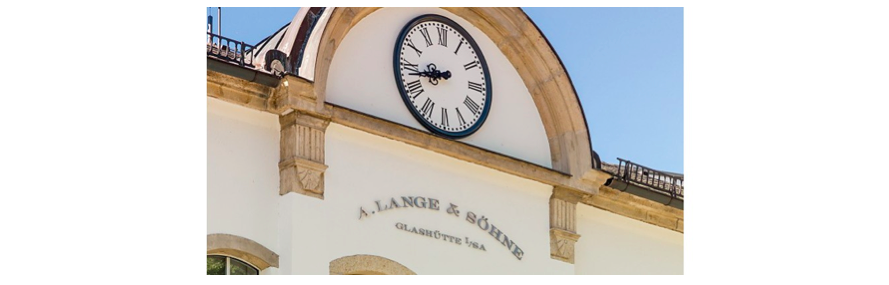
2 – … and rose from the ashes in 1990
In 1990, the fall of the Berlin Wall and the reunification of Germany marked a historic turning point and the beginning of a new era: Walter Lange revived his family’s watchmaking tradition. On December 7, he reinstated the eminent name that had been Germany’s most renowned watch brand for over a hundred years.
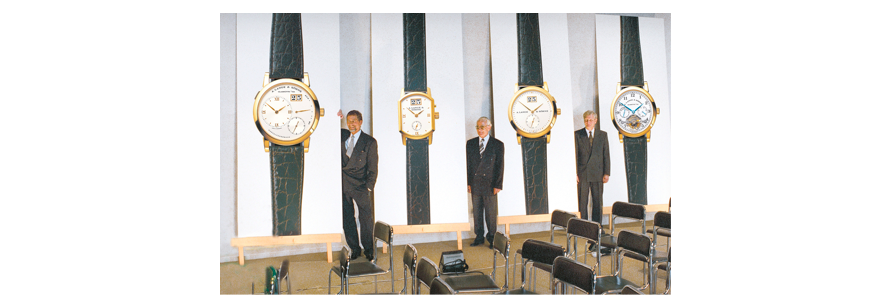
3 – In 1997, it opened its own school
A.Lange & Söhne has its own watchmaking school in Glashütte. Established in 1997, the school helps to unearth new watchmaking talent. Each year, twenty or so pre-selected young men and women learn the secrets of the A.Lange & Söhne art of watchmaking for three years before joining A.Lange & Söhne.
4 – In 2013 the Manufacture expands
On September 5, 2013, company founder Walter Lange and Wilhelm Schmid, CEO of A.Lange & Söhne, laid the foundation stone for the Manufacture’s new building. Scheduled for completion in spring 2015, the extension to the A.Lange & Söhne manufactory will deliver a number of benefits: optimized working conditions, streamlined processes and a stabilized ecological footprint.
5 – The A.Lange & Söhne tradition is handed down from father to son
In 1845, Ferdinand Adolphe Lange founded the Saxon Haute Horlogerie industry in Glashütte, after leaving Dresden. It wasn’t until 1868, when his son Richard went into partnership with him, that he renamed the family business A. Lange& Söhne. Lange & Söhne, Söhne meaning “son” in German. In 1906, Otto, one of Emil Lange’s sons, joined the company. Walter Lange, grandson of Ferdinand A.Lange, took over in 1990.

6 – A.Lange & Söhne Lange watchmakers practice double assembly
A.Lange & Söhne movements are systematically assembled twice. They are first disassembled, decorated, thoroughly cleaned, greased and reassembled. Indeed, the plates are made of “German silver”, an alloy of copper, zinc and nickel that is extremely sensitive to external agents, hence the need for this double operation.
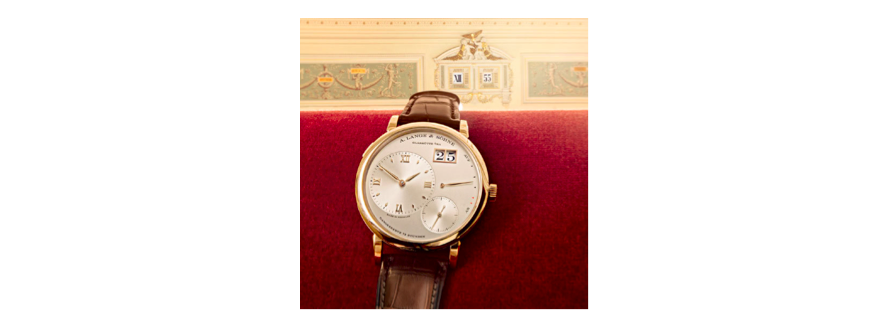
7 – The big date was inspired by the Dresden Opera House
The five-minute clock created for the Semper Opera House in Dresden represents a high point of Saxon horological art. Revolutionary for its time, it has been indicating the exact time since 1841 during performances of musical masterpieces.
150 years later, this clock inspired A.Lange & Söhne to create another world first: the Lange 1, with the large date that ensures its place in the history of precision watchmaking.
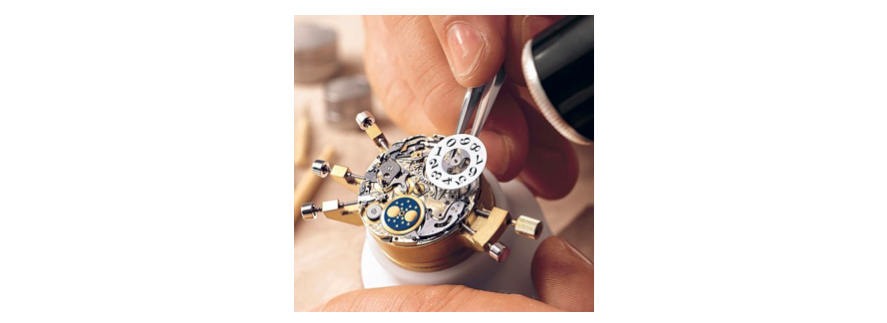
8 – Ferdinand A.Lange’s ¾ plate celebrates 140 years in 2015
After founding his manufacture, Adolph Lange advanced the development of precision watchmaking. In particular, he created the three-quarter plate in untreated nickel silver, to improve movement stability, an invention that today is still the common element in most A.Lange & Söhne watches. Created in 1875, the three-quarter plate will celebrate its 140th anniversary in 2015.
9 – The house of A.Lange & Söhne multiplies patents
When Ferdinand A.Lange died in 1875, he left revolutionary discoveries to precision watchmaking. His eldest son, Richard Lange, played a decisive role in the manufacture’s technical progress. 27 patents attest to his inventive spirit. In the most famous of these, “Metal alloys for watch balance springs”, he describes the properties of an alloy with added beryllium, which improves the regularity of rate.
10 – A.Lange & Söhne celebrates 20 years in Paris
2014 marks not only the 20th anniversary of the brand’s rebirth, but also Walter Lange’s 90th birthday. This anniversary will take place in September in Paris, the city where Ferdinand Adolph Lange came to perfect his training as a watchmaker in the service of Joseph Thaddeus Winnerl, a famous chronometer manufacturer, from 1837 to 1840.
Cette publication est également disponible en :

