
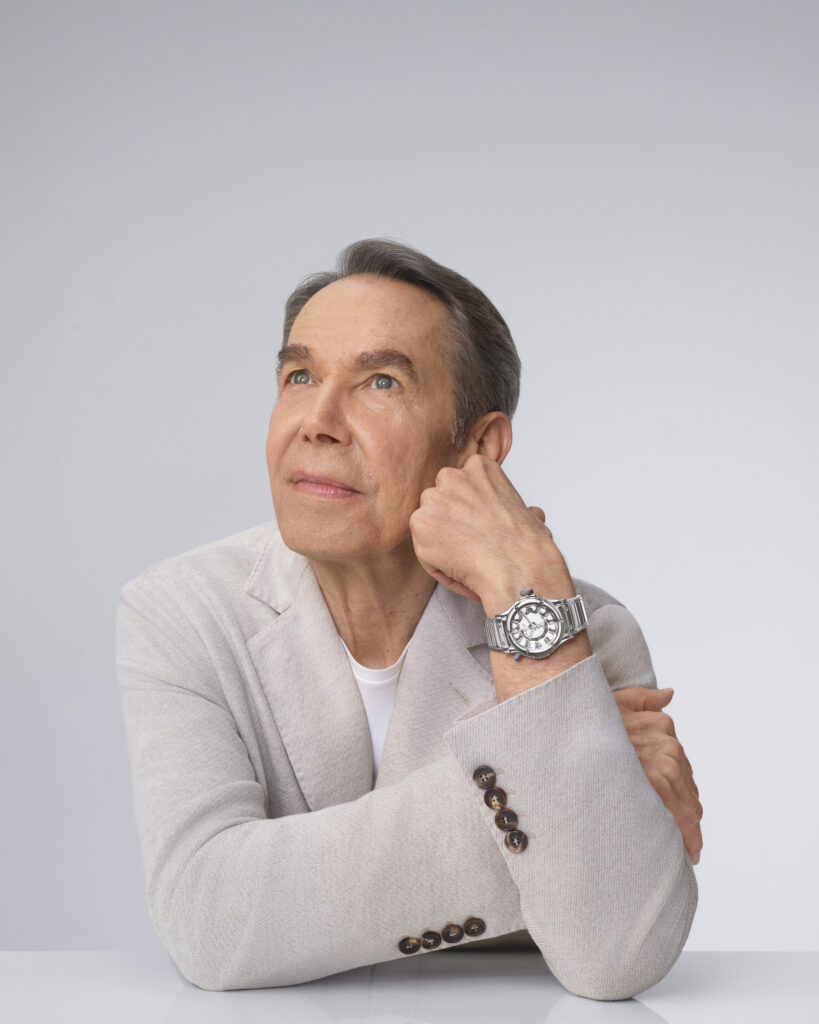
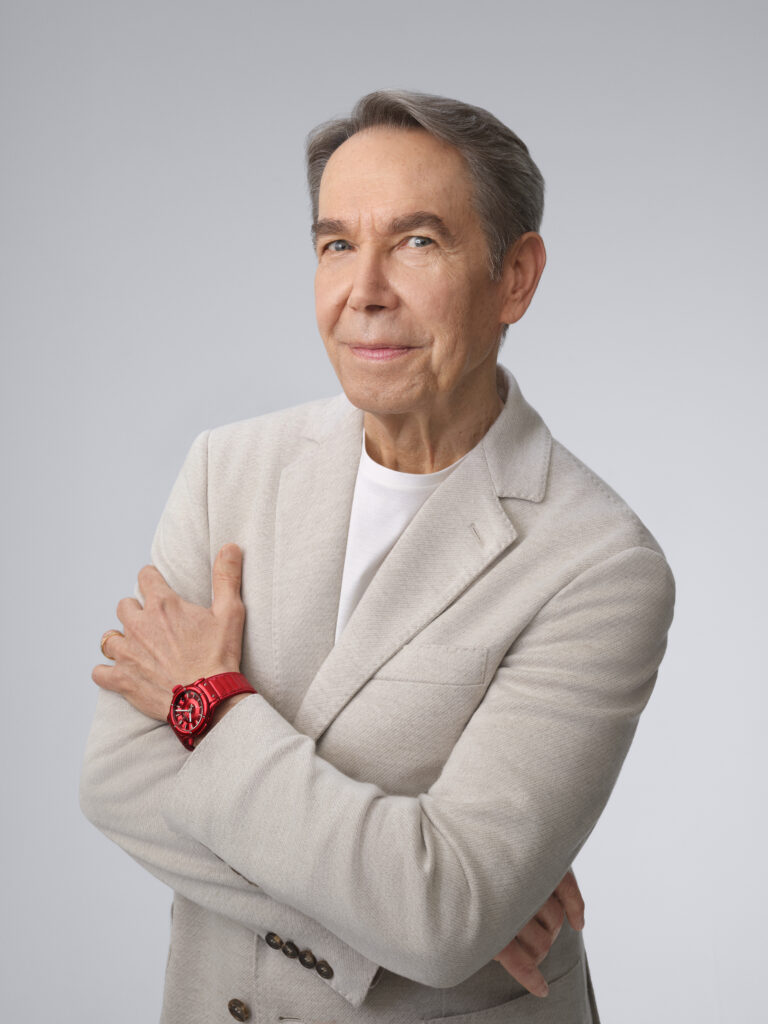
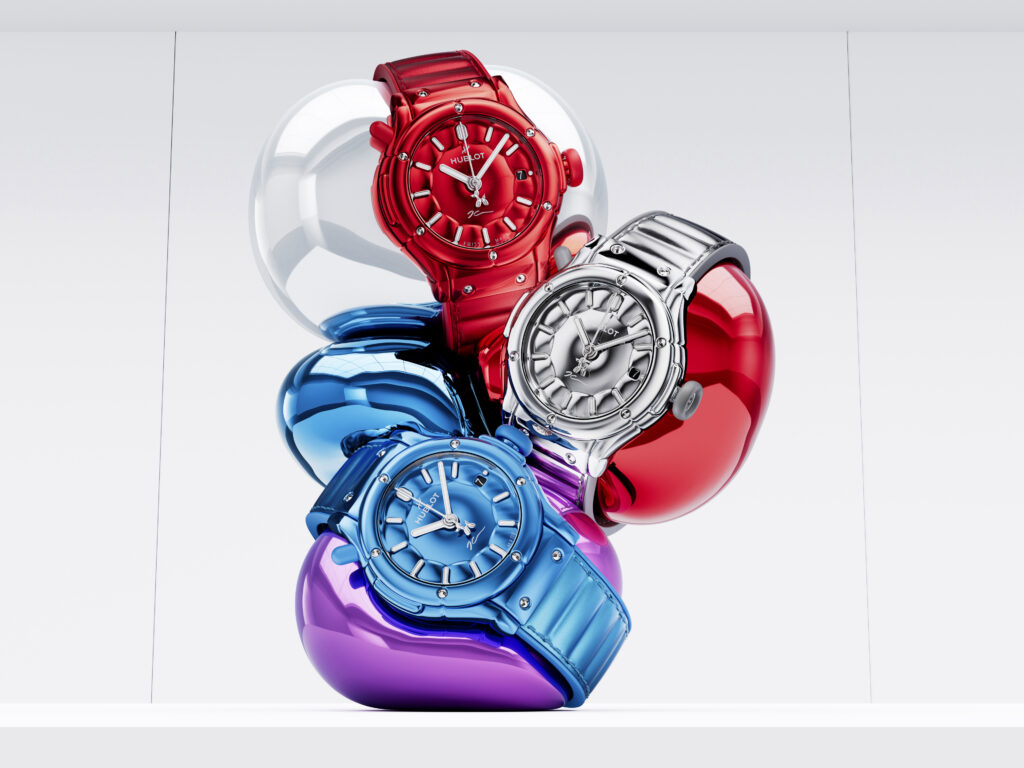
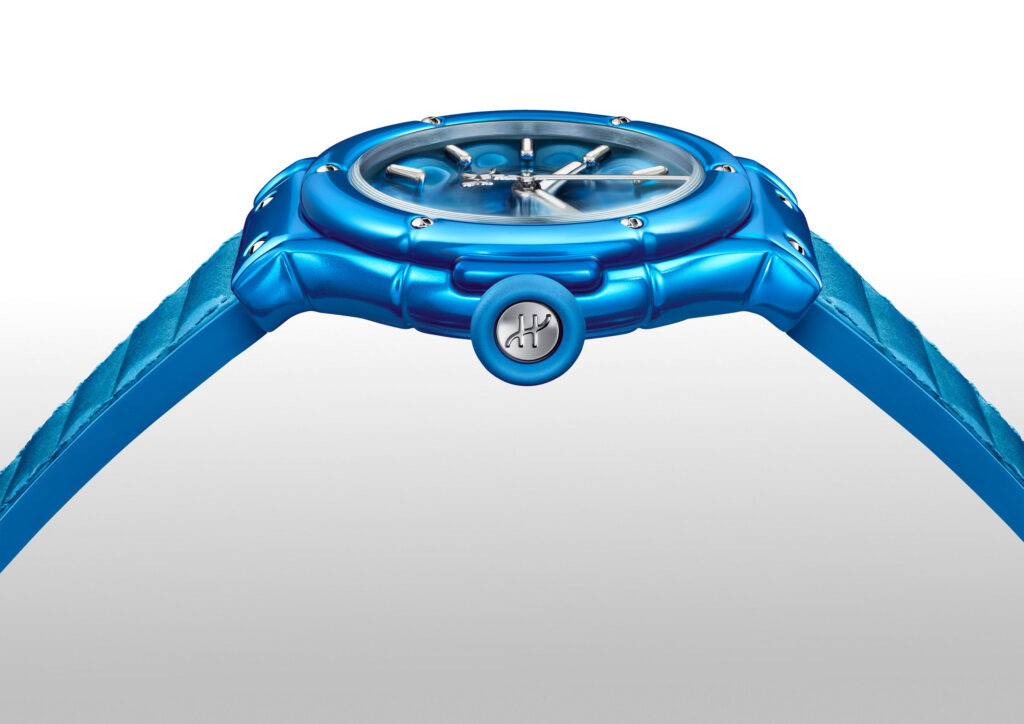
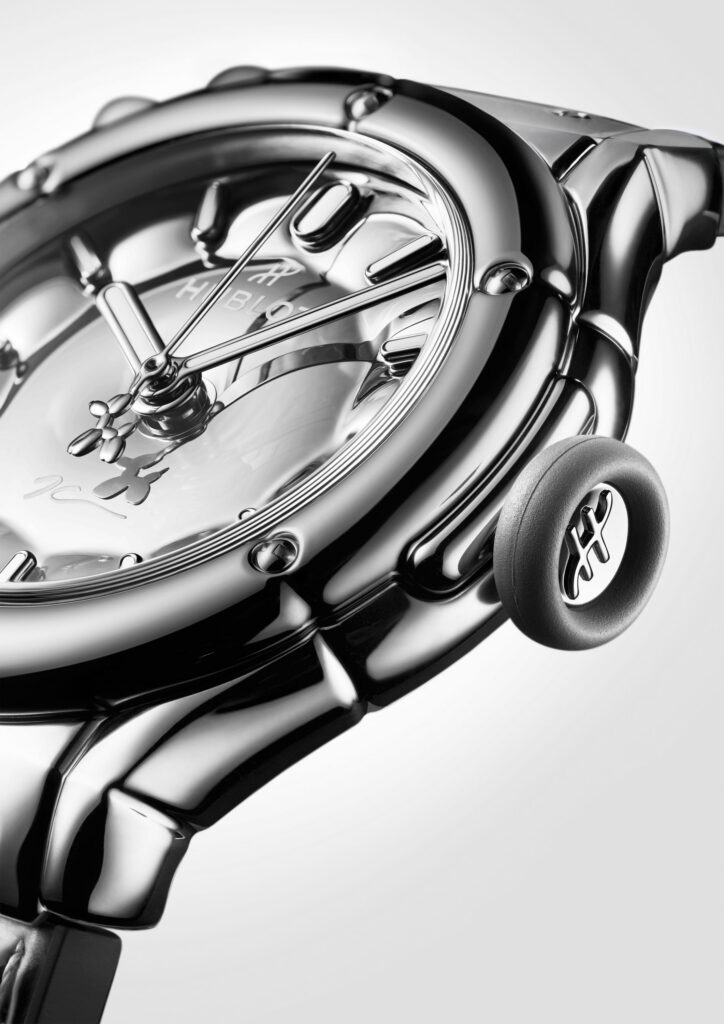
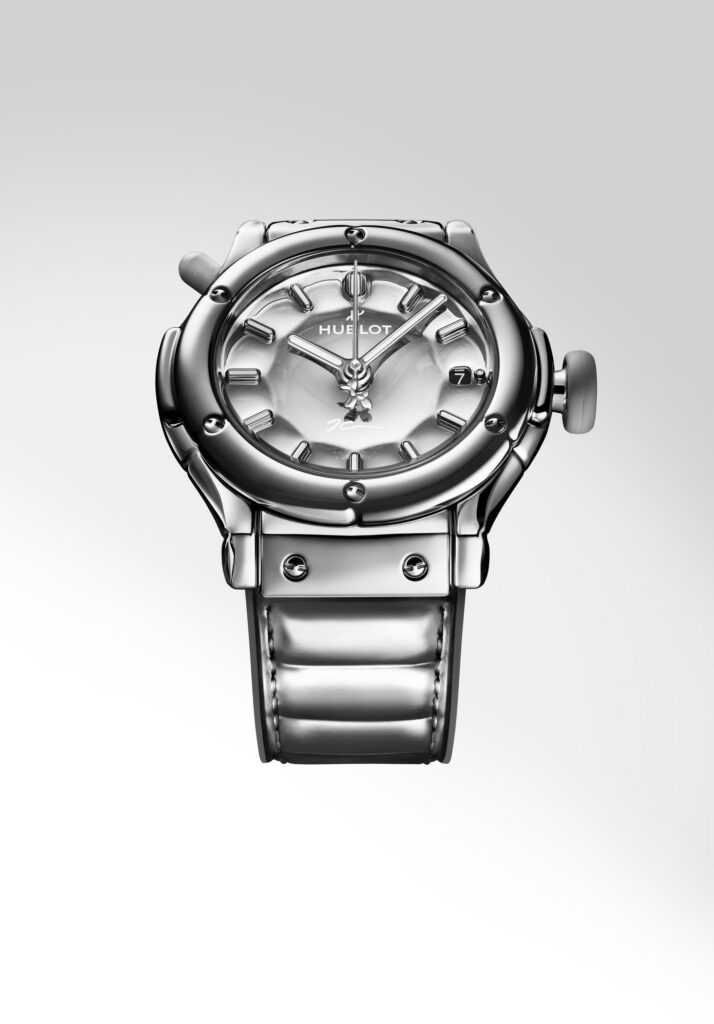
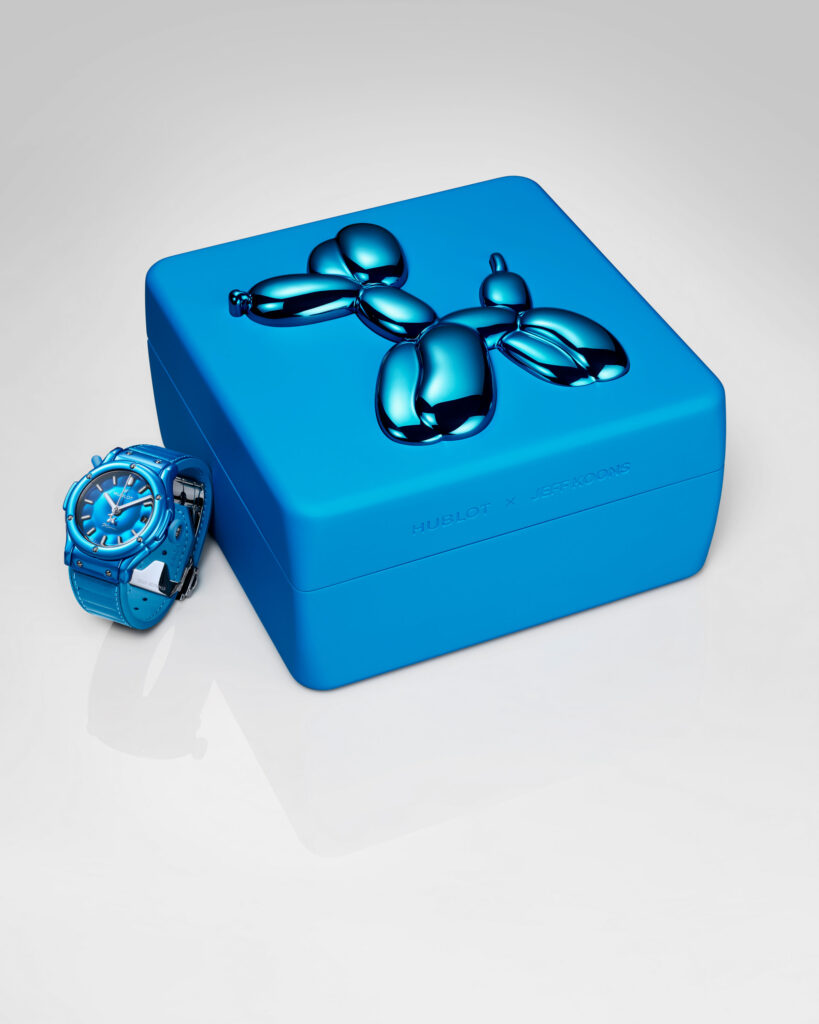
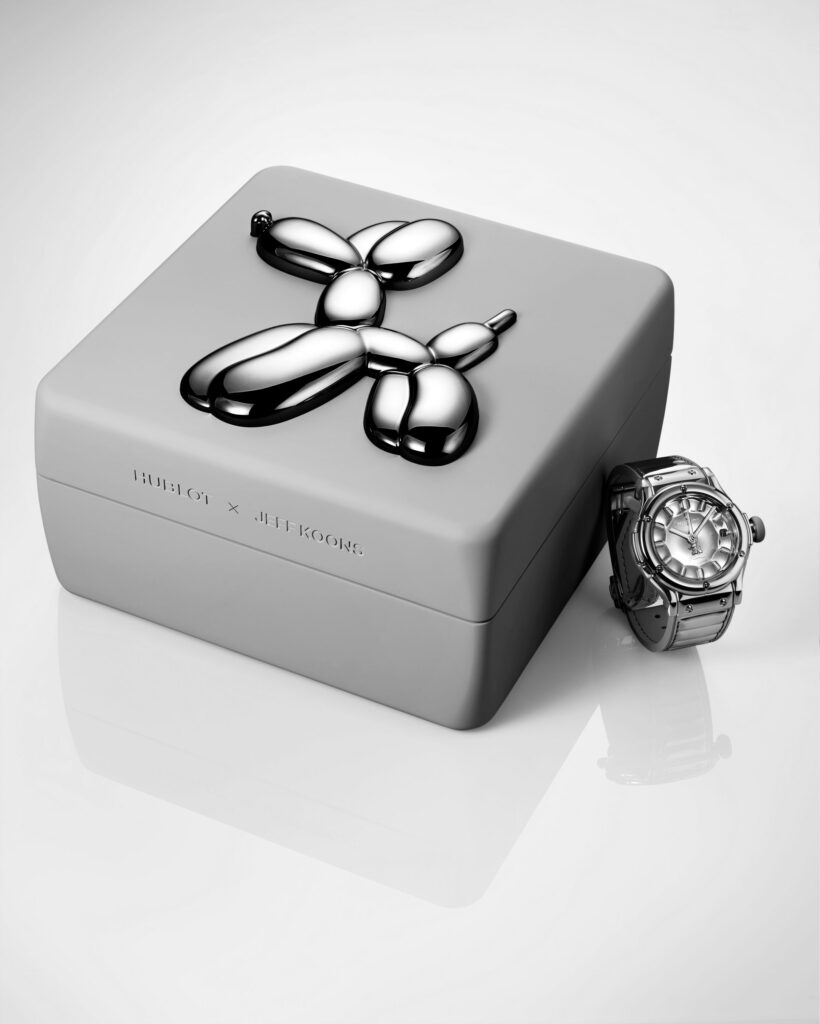
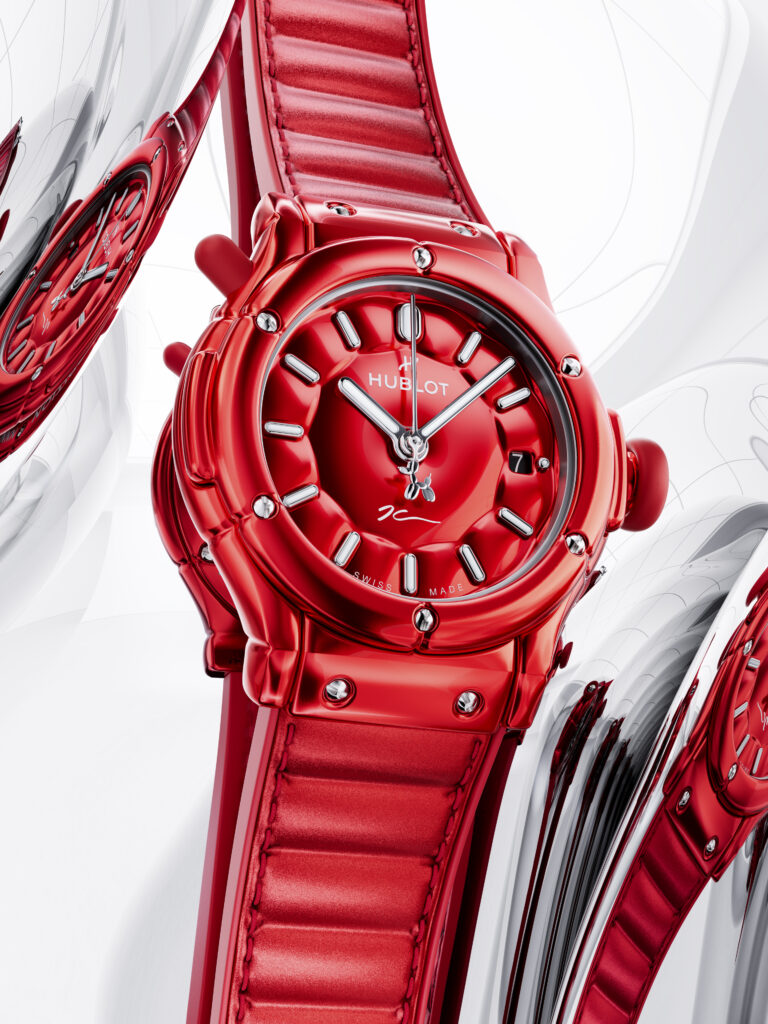
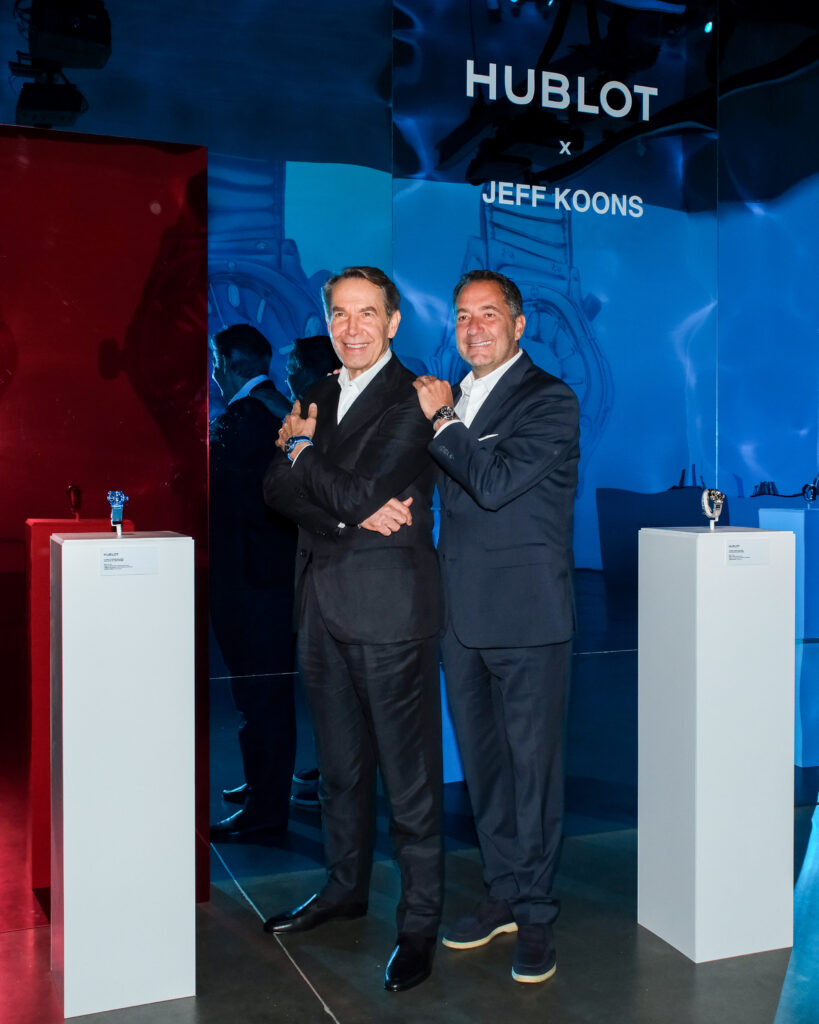
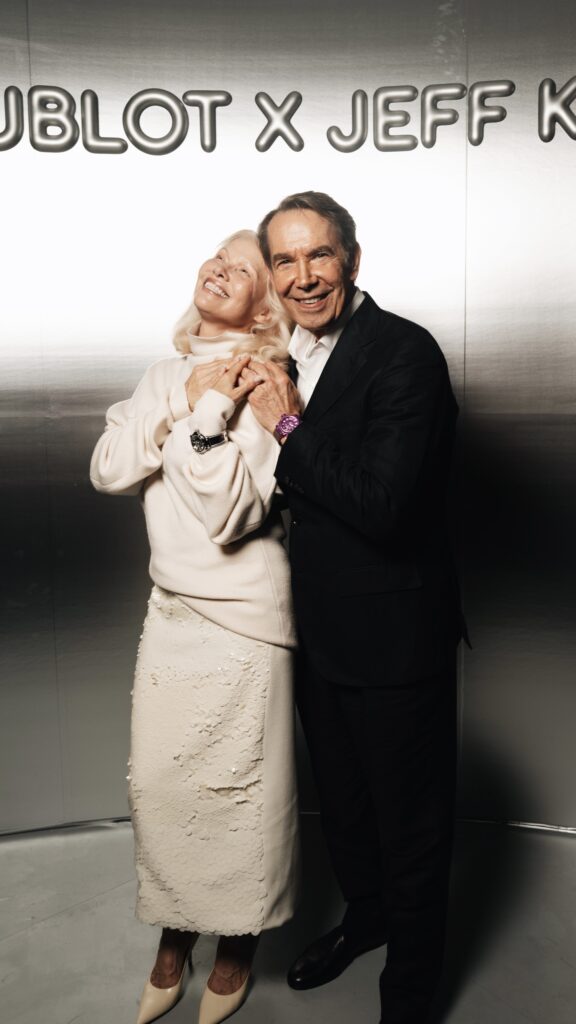
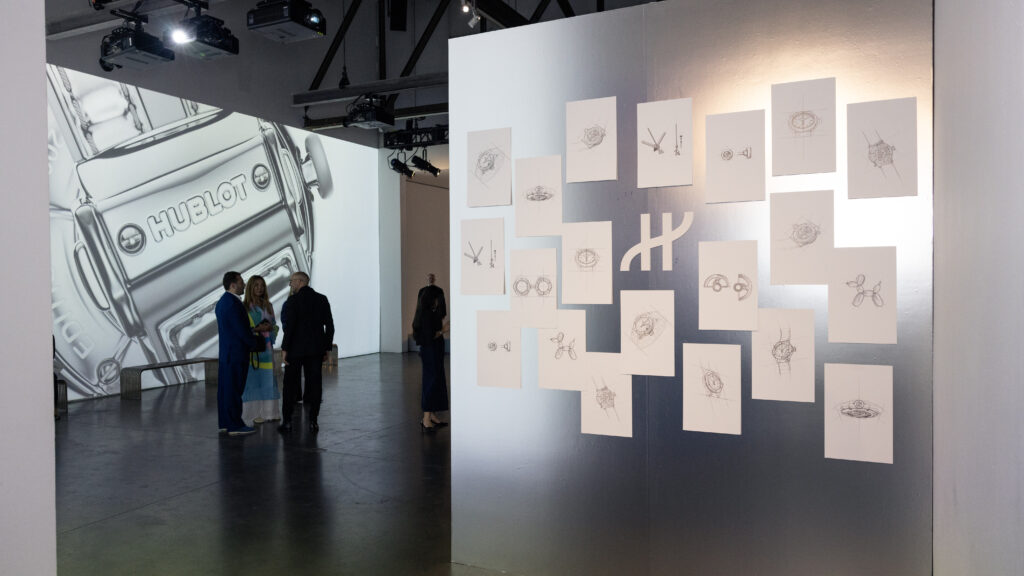
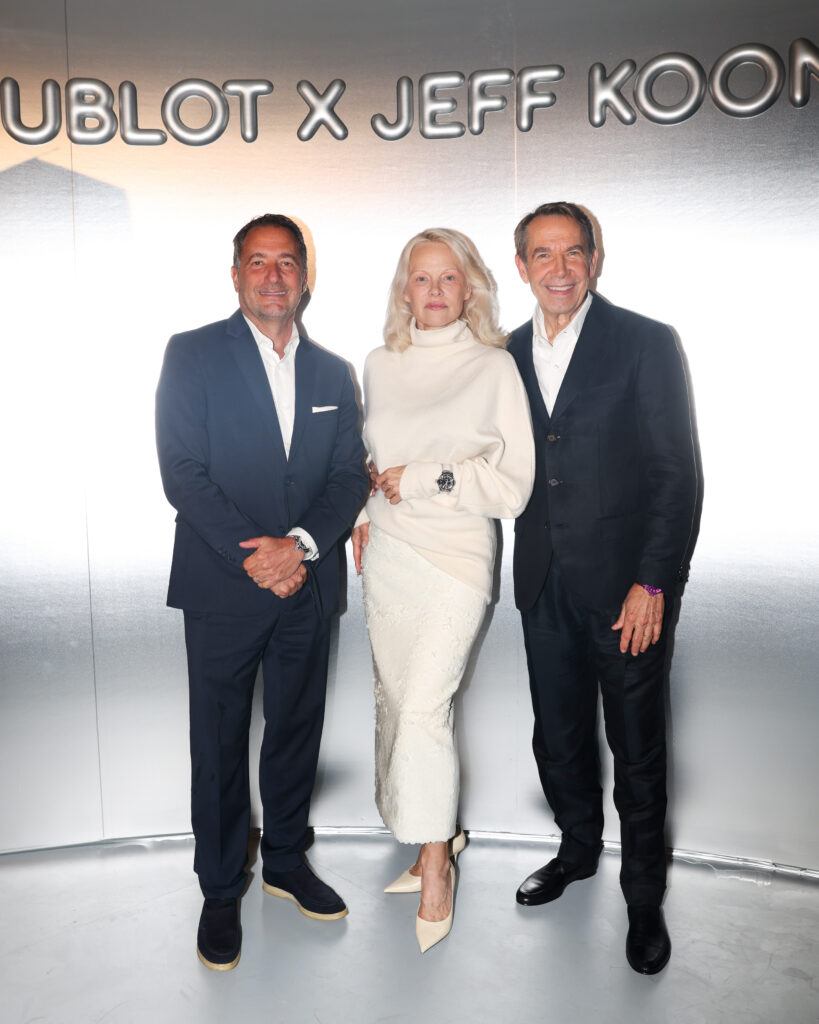
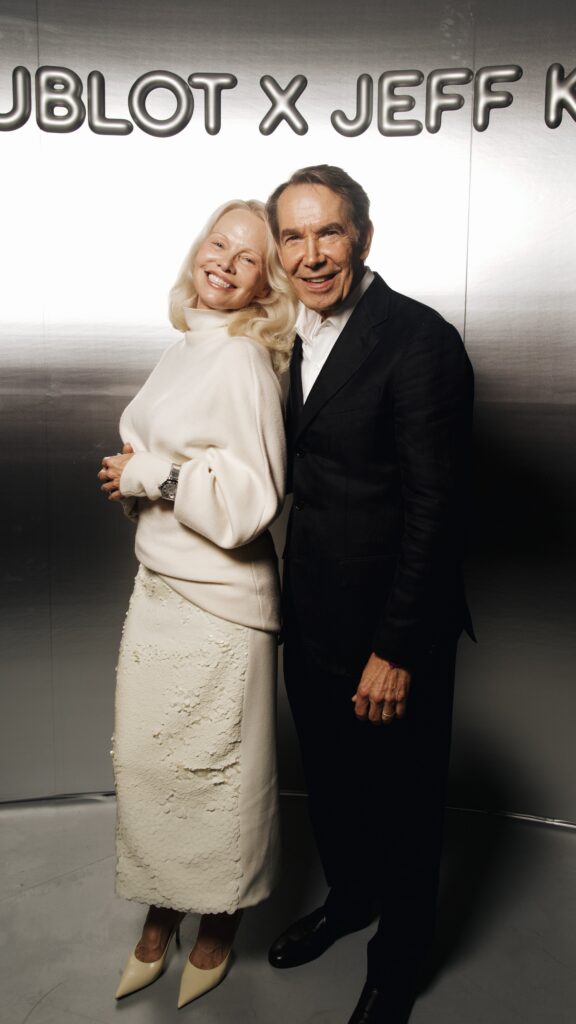
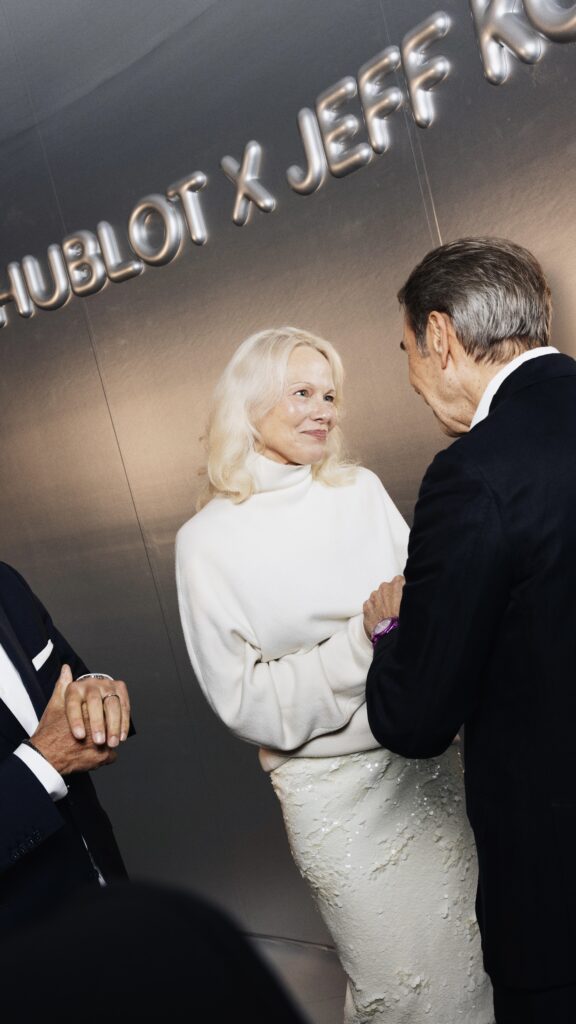
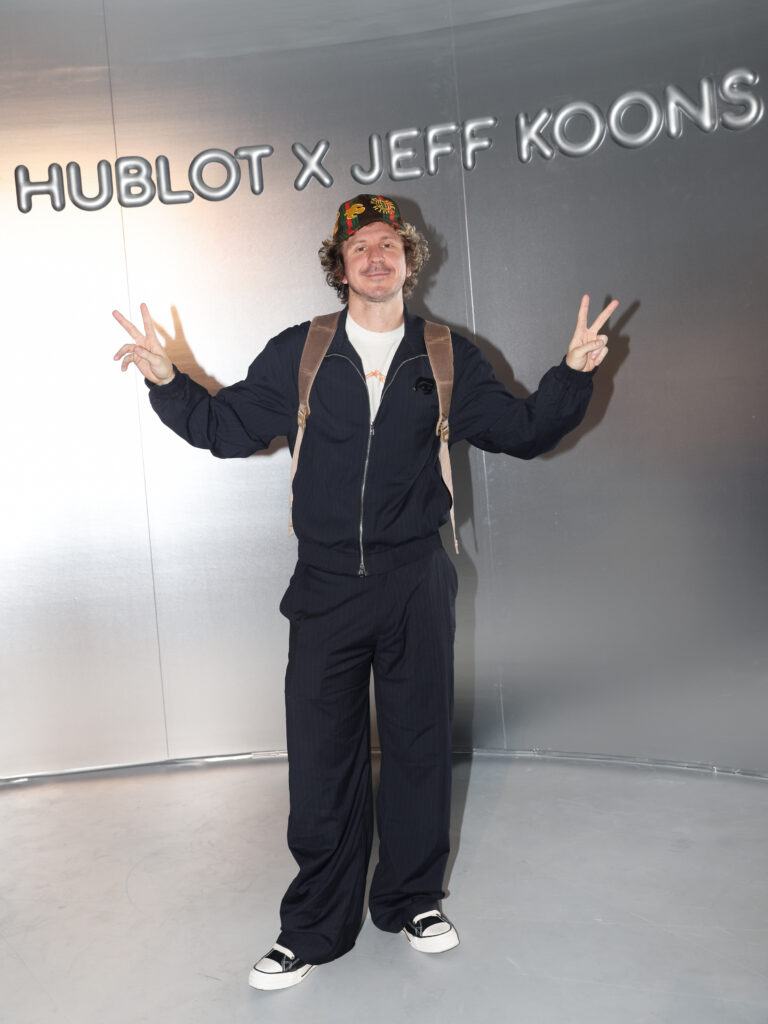
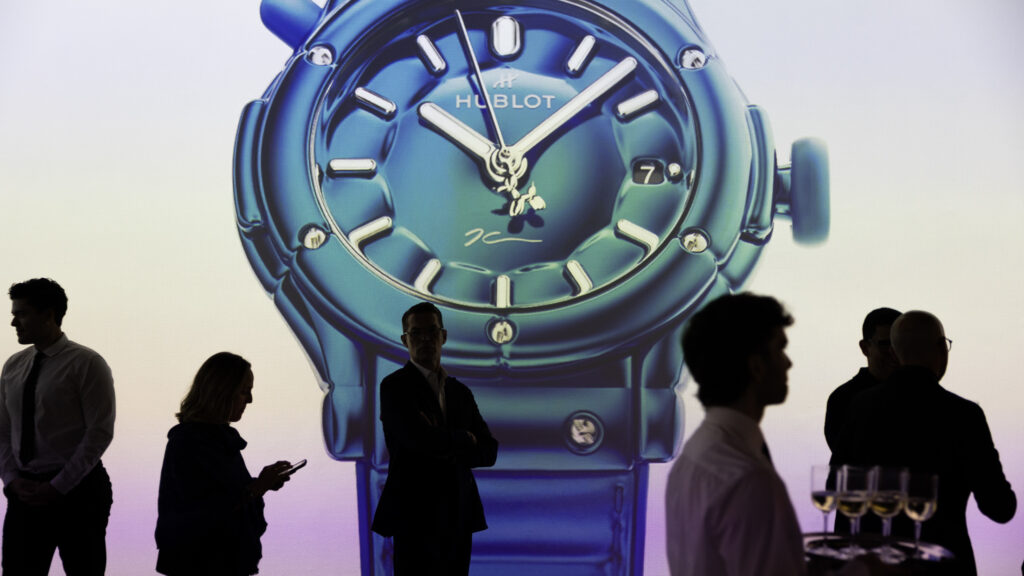
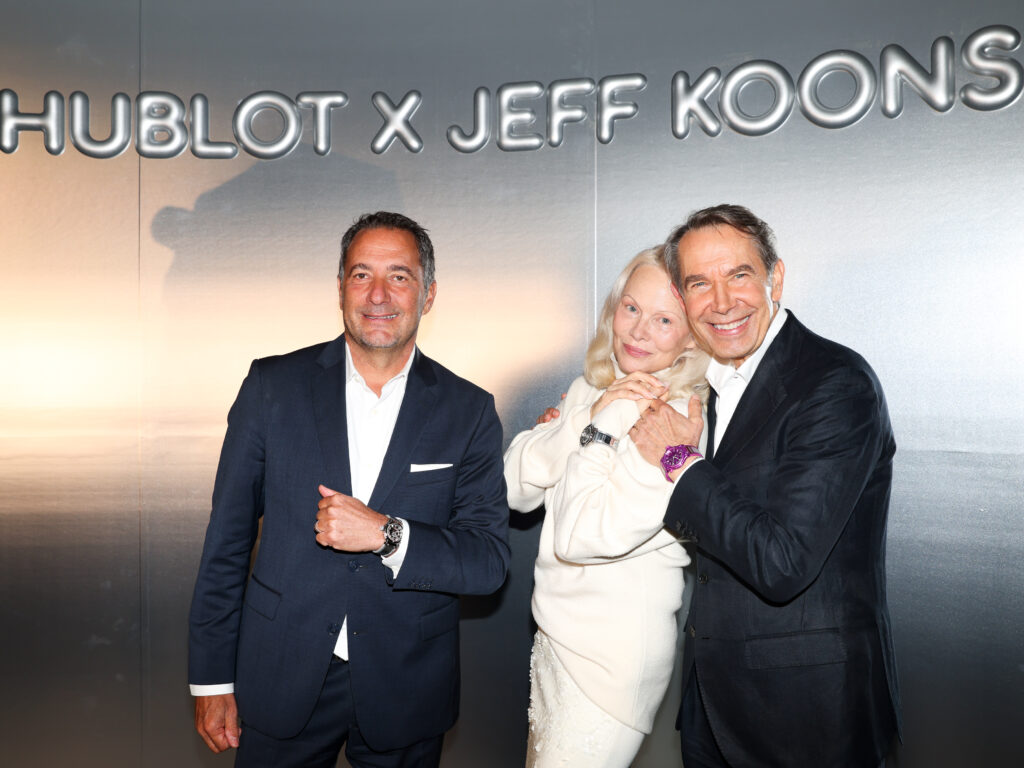
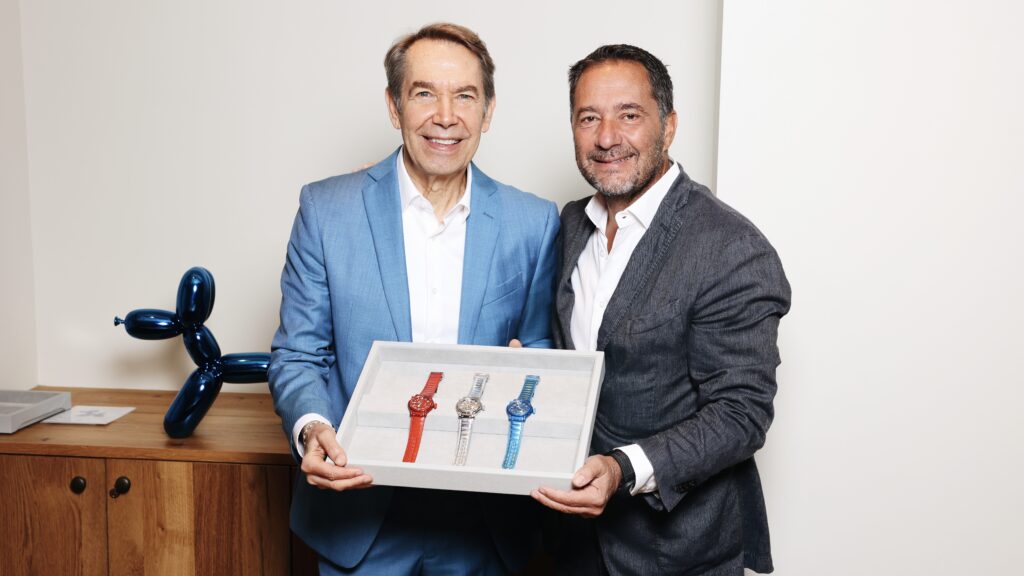
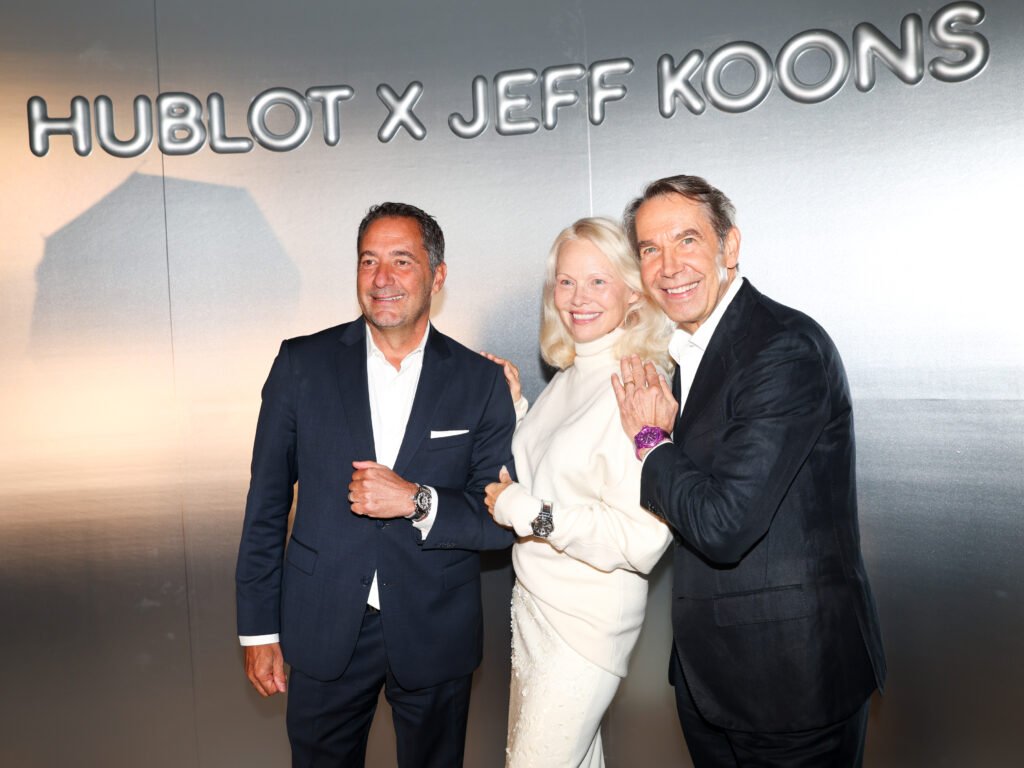
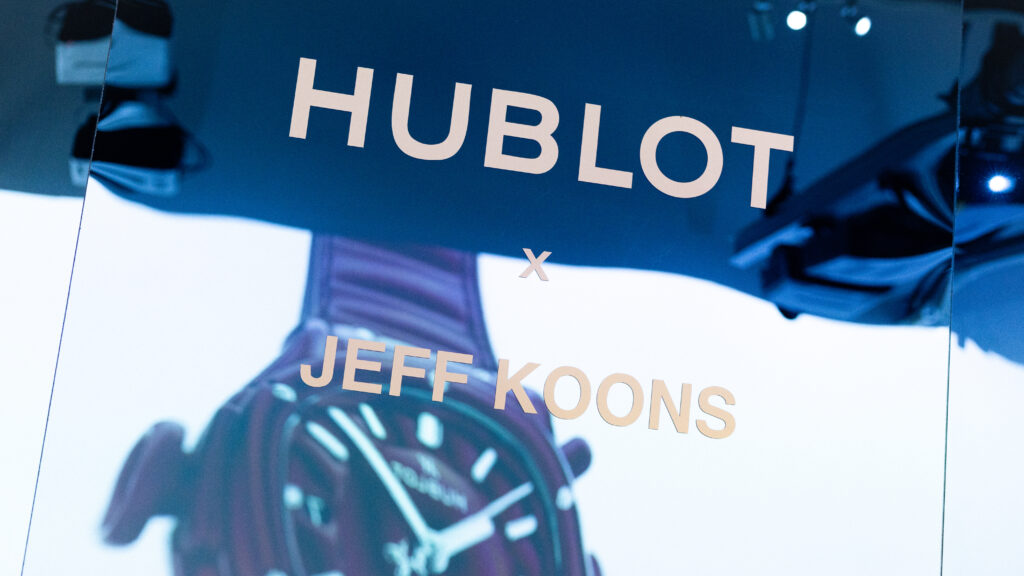
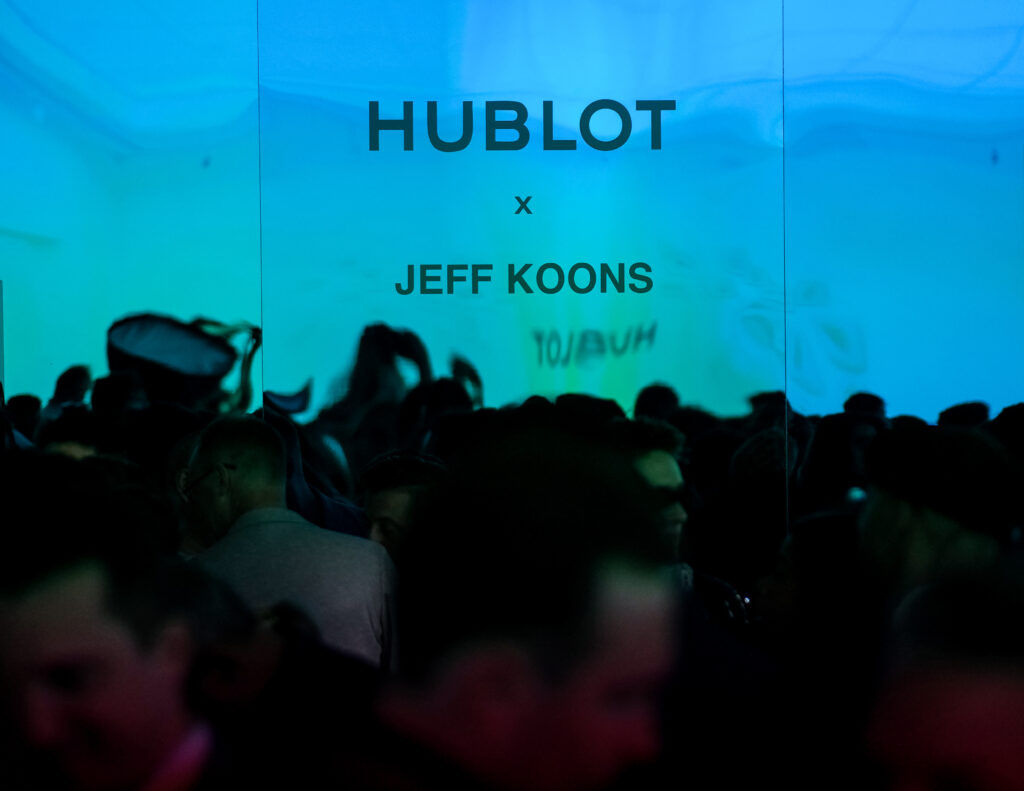
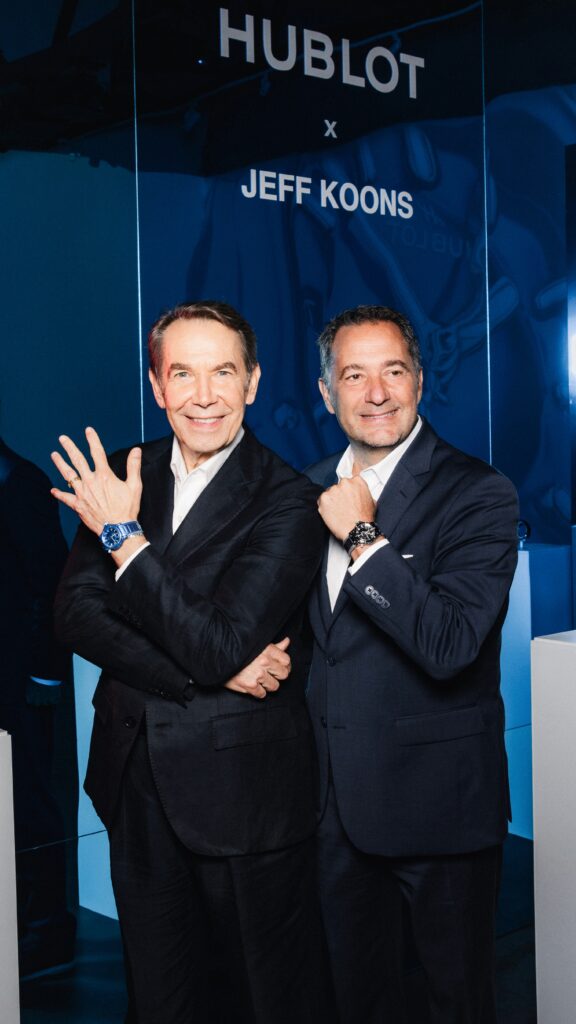
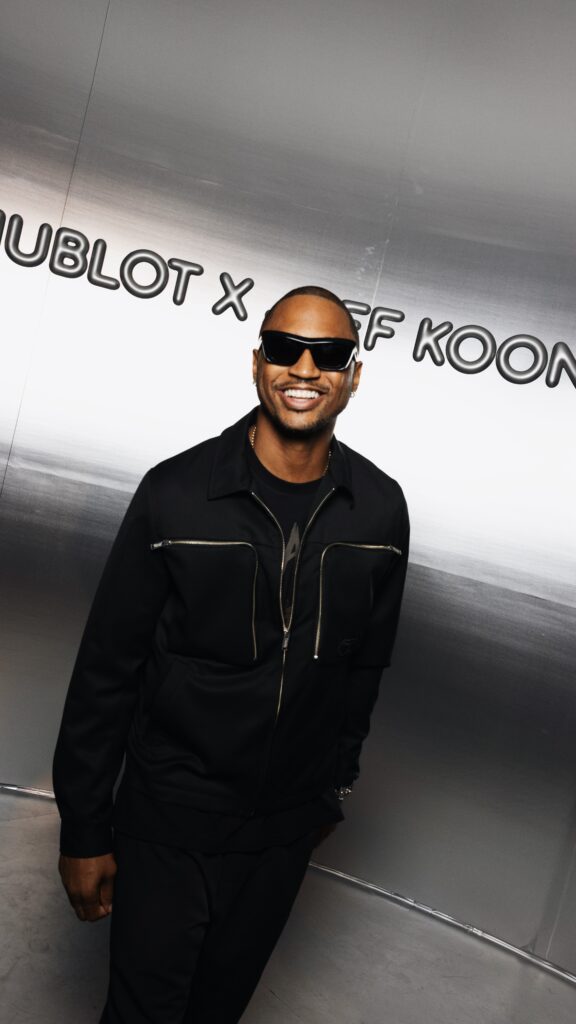
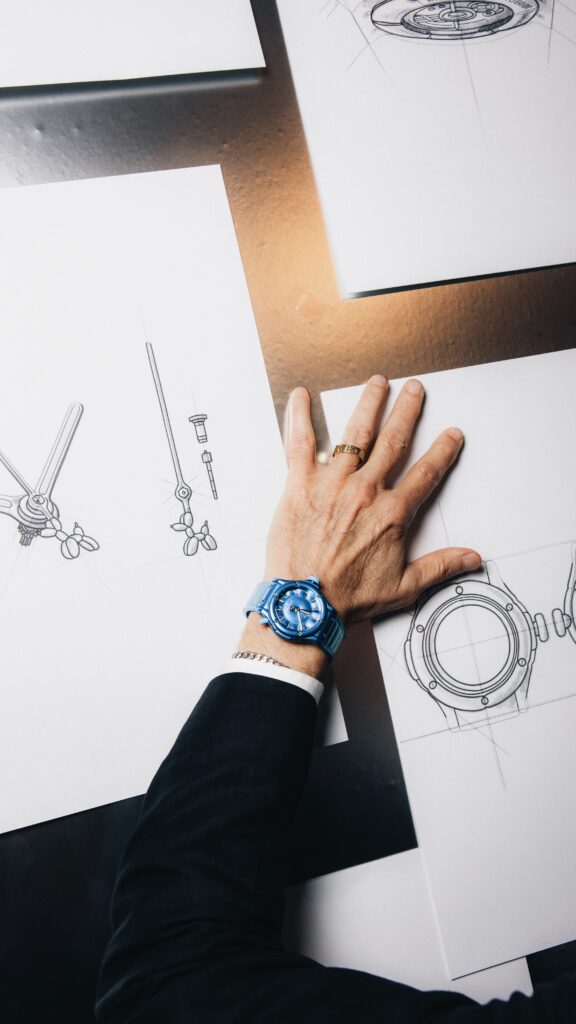
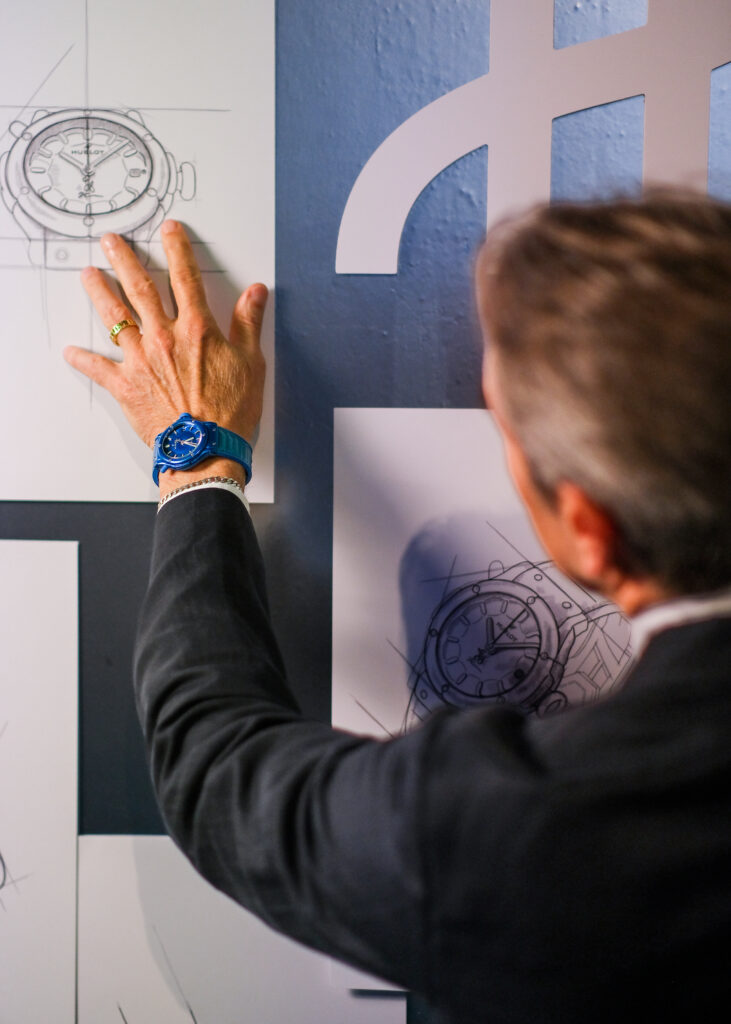
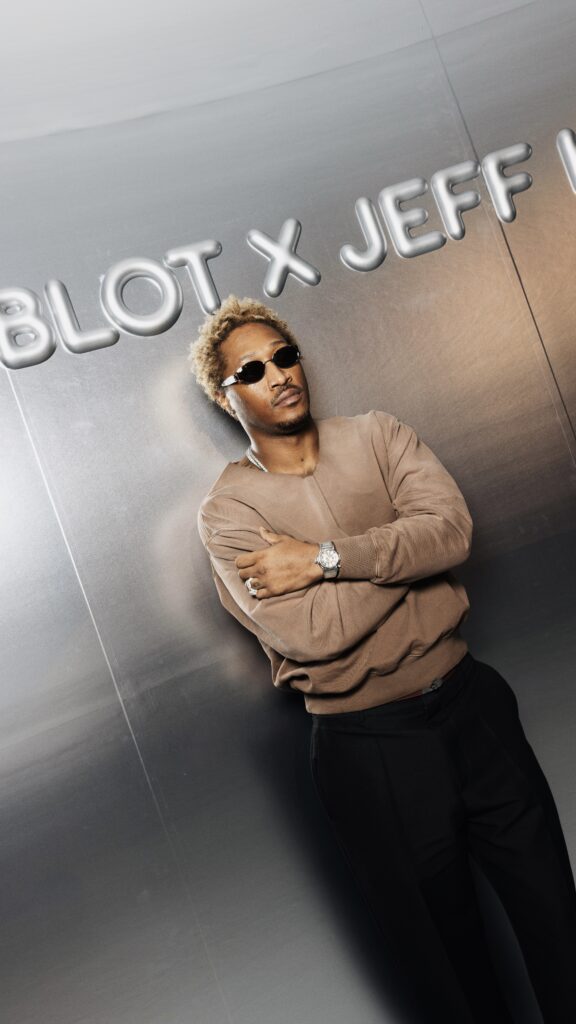
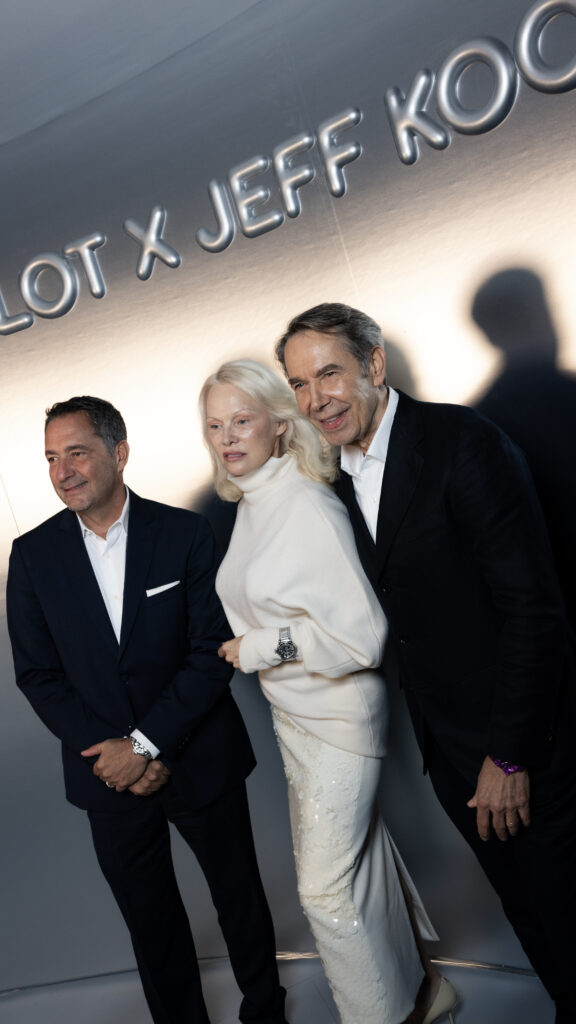
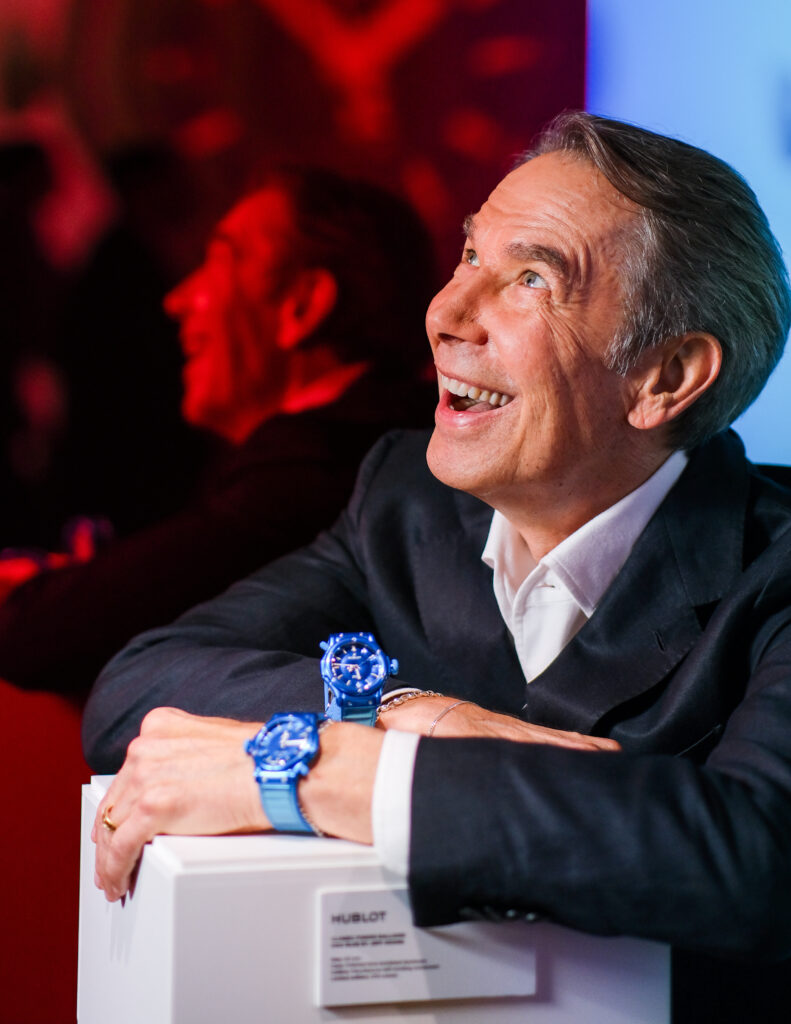
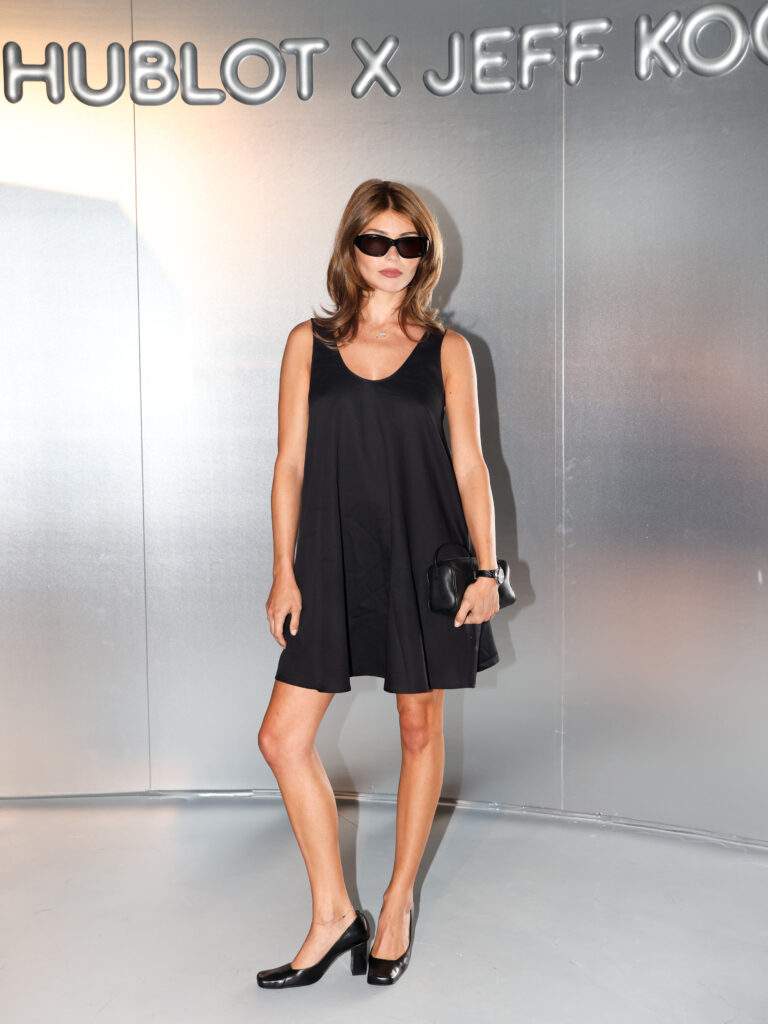
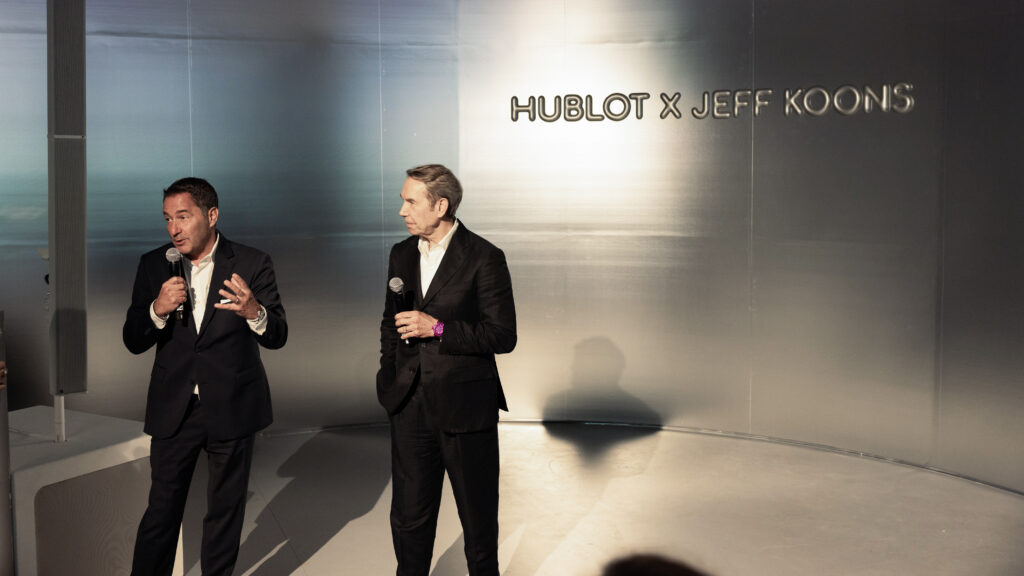
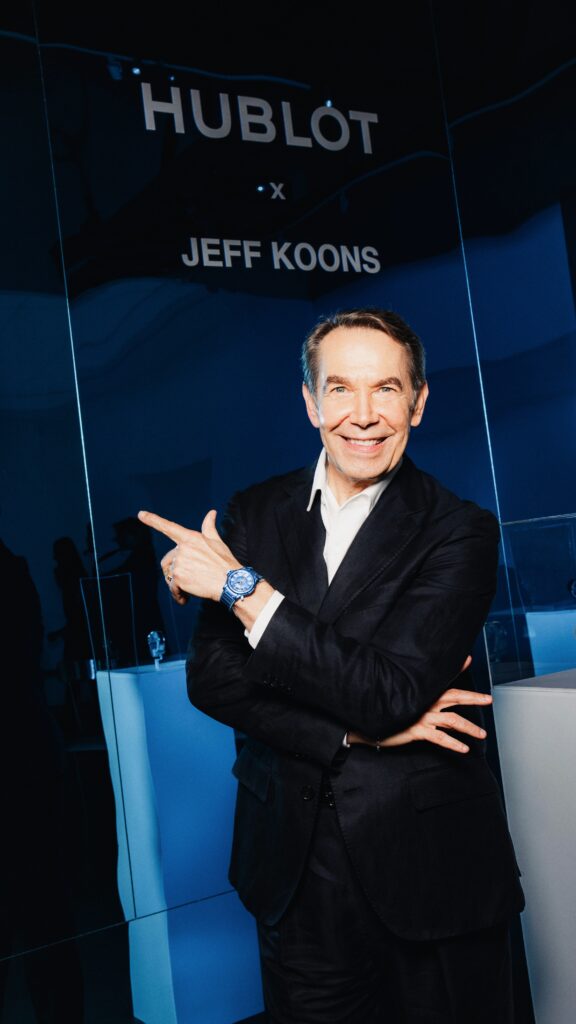
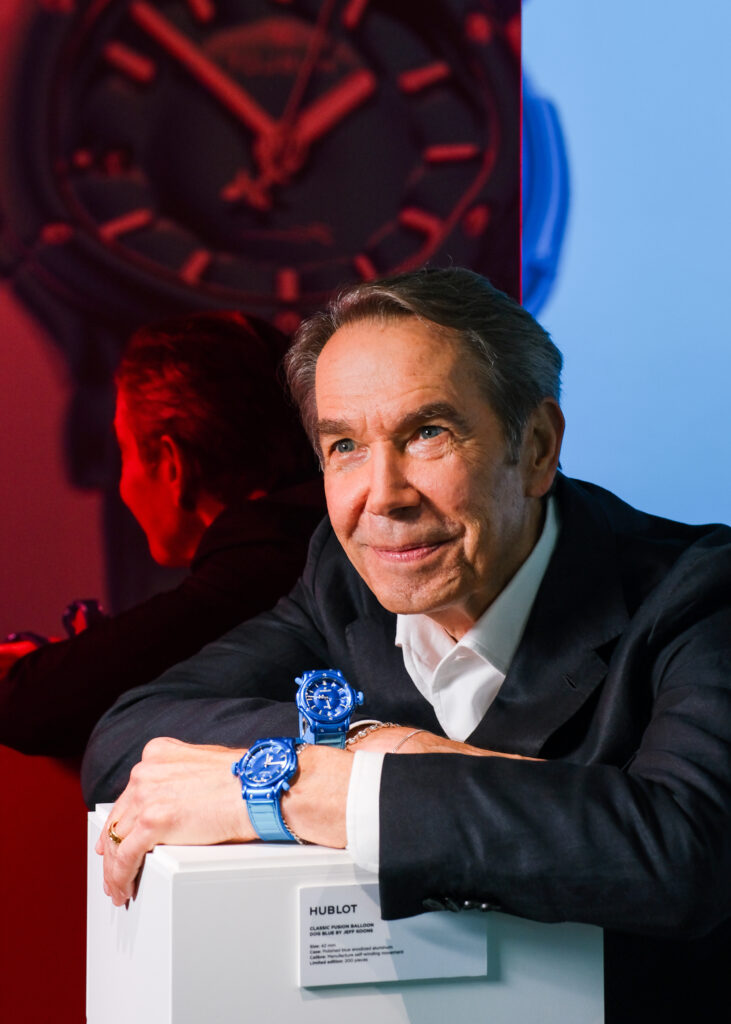
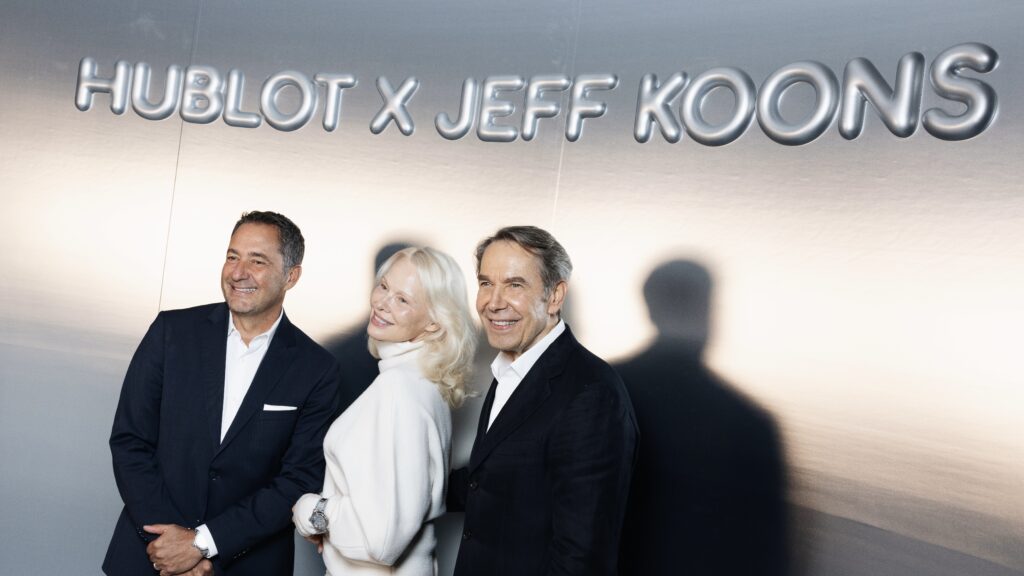
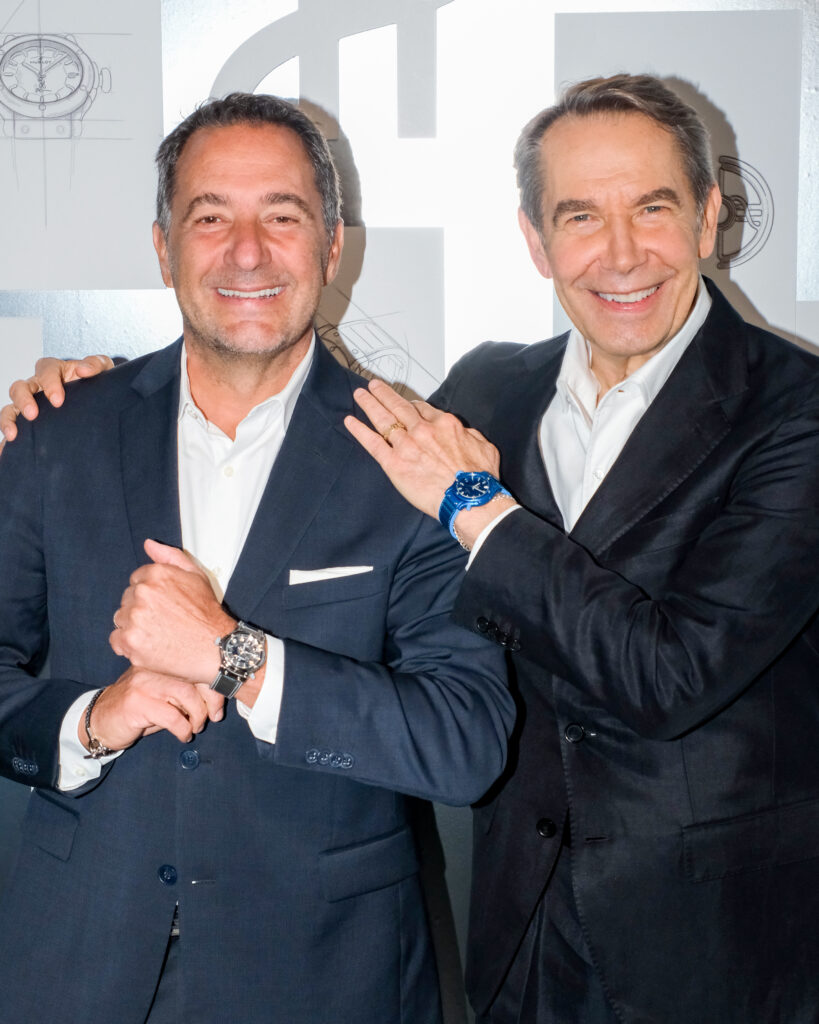
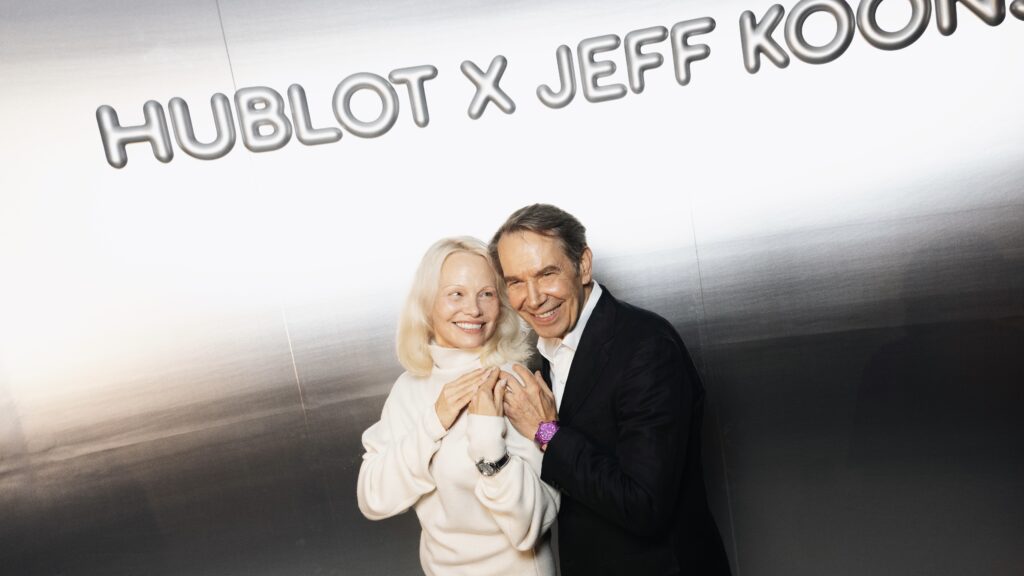
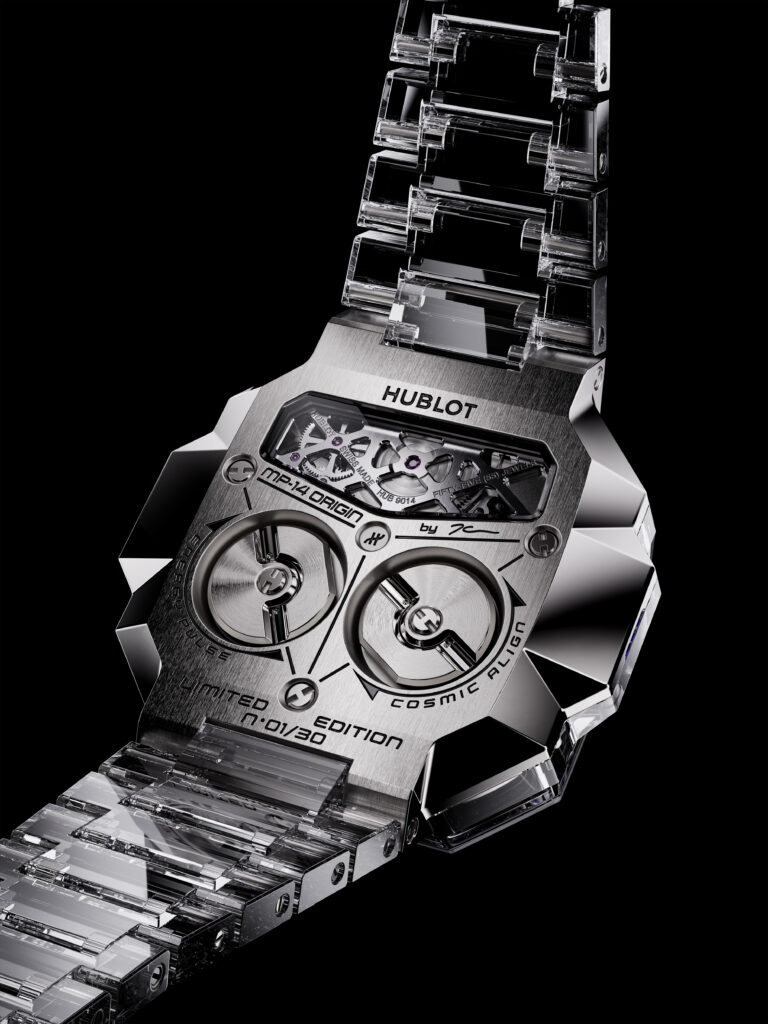
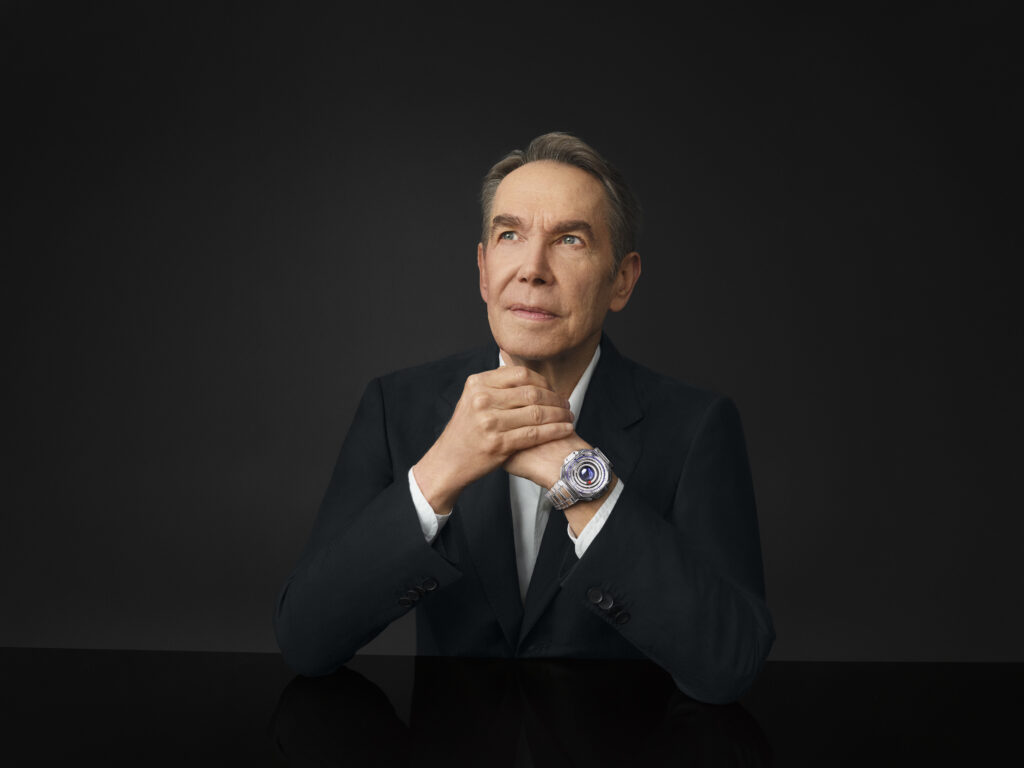
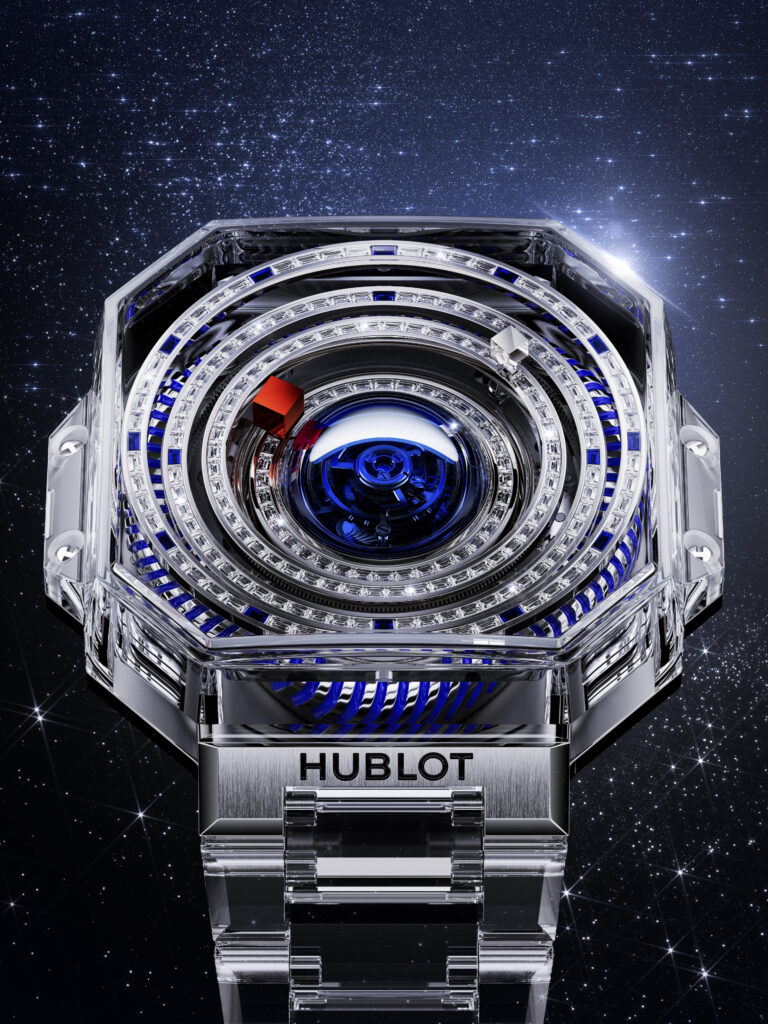
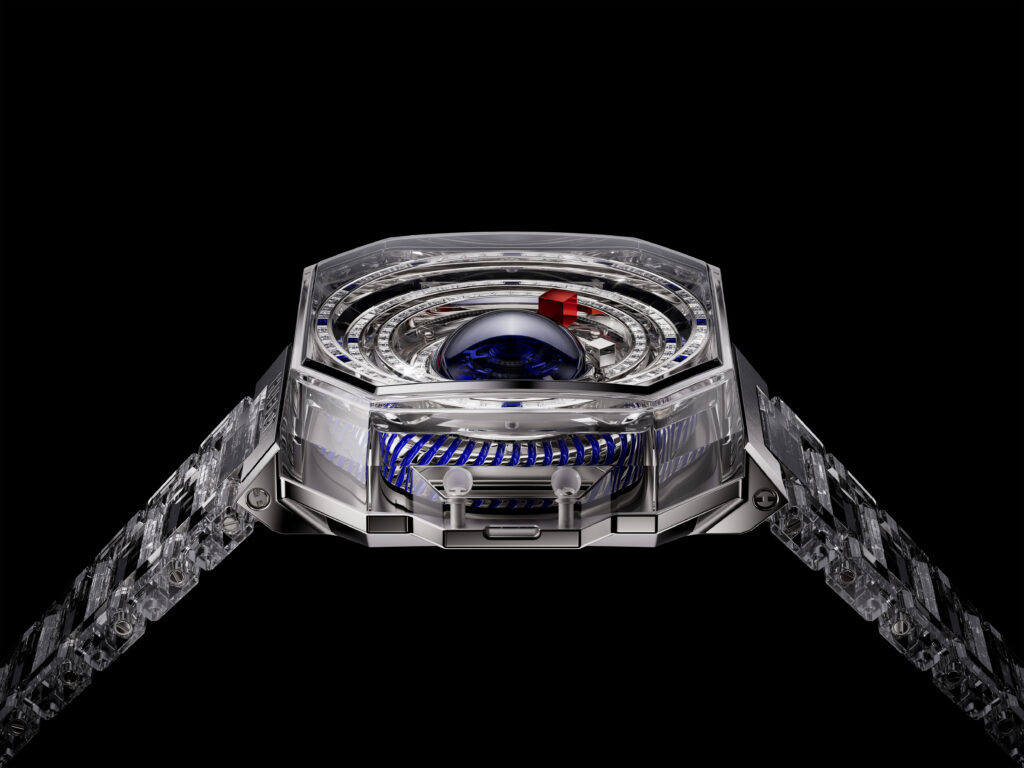
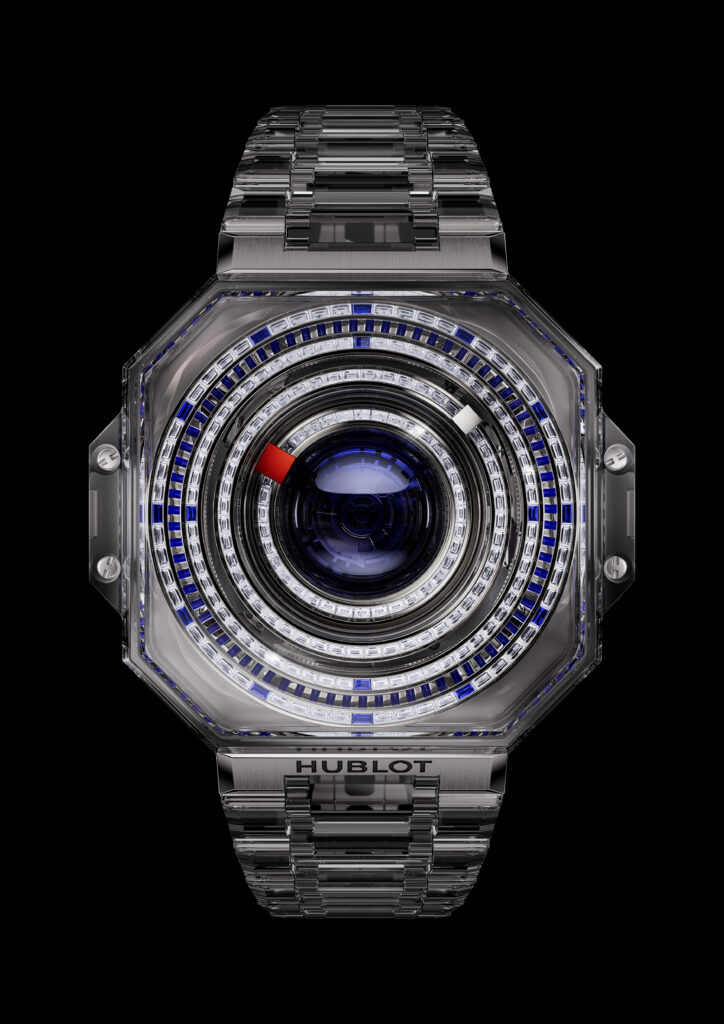
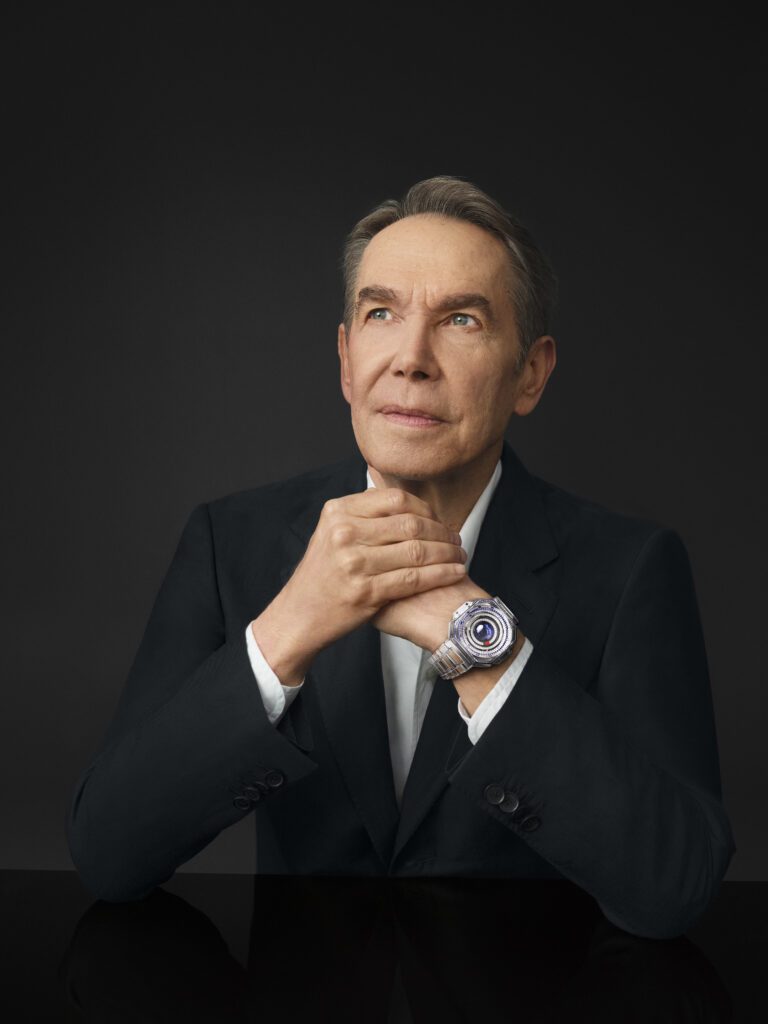
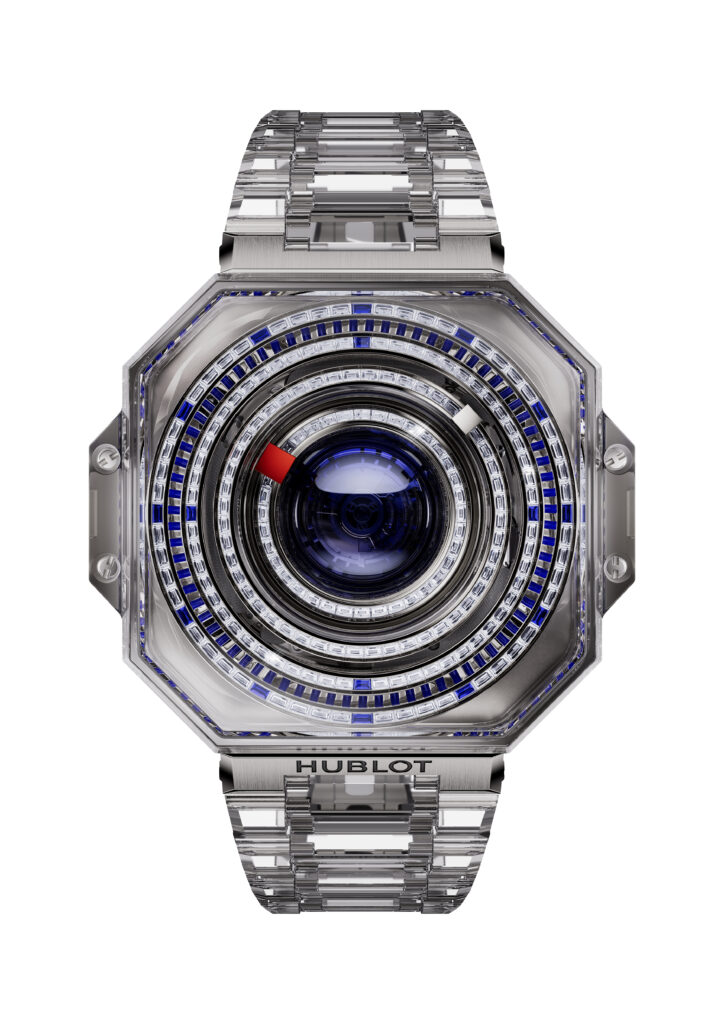
On 9 September 2026, in Nyon, Hublot announced a collaboration with Jeff Koons. No timepiece accompanies the announcement: no dial, no material, no reference. What is on show, at this stage, rests solely on a discourse — that of a proximity claimed between a watchmaking Manufacture and one of the most talked-about living artists in the world.
A meeting dated before it was chosen
Hublot places the origin of this proximity in 1980, a year it presents as a turning point for both parties: the year the Swiss Maison upended the established codes of watchmaking, and the year Jeff Koons began redefining contemporary art. Since 2011, Hublot has built a regular practice of collaborations with artists from varied backgrounds — architects, painters, designers, street and contemporary artists — making each partnership a statement of identity as much as an object.
This shared biographical precedence stands, in the press release, as justification in itself: it is not the artist’s fame that is put forward first, but the coincidence of two trajectories that, in the same year, each chose to break with what preceded them. The Maison makes it an argument of legitimacy, placing the partnership on the ground of shared history rather than on the more expected one of the artist’s standing on the contemporary art market.
The Koons principle: obviousness as façade
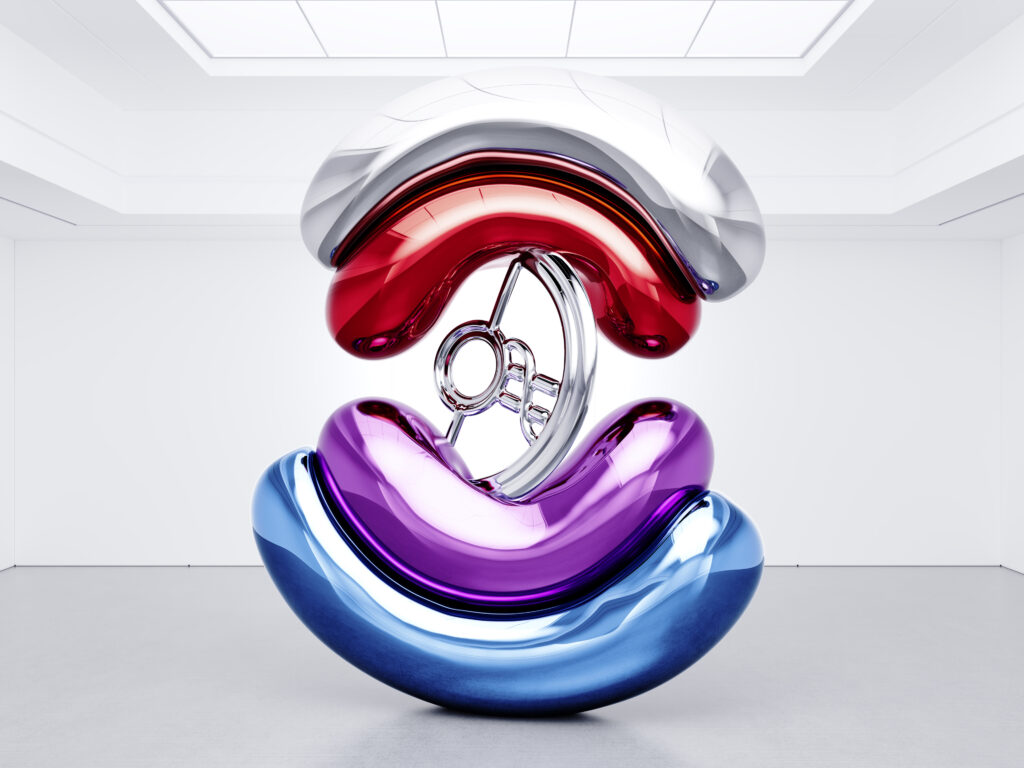
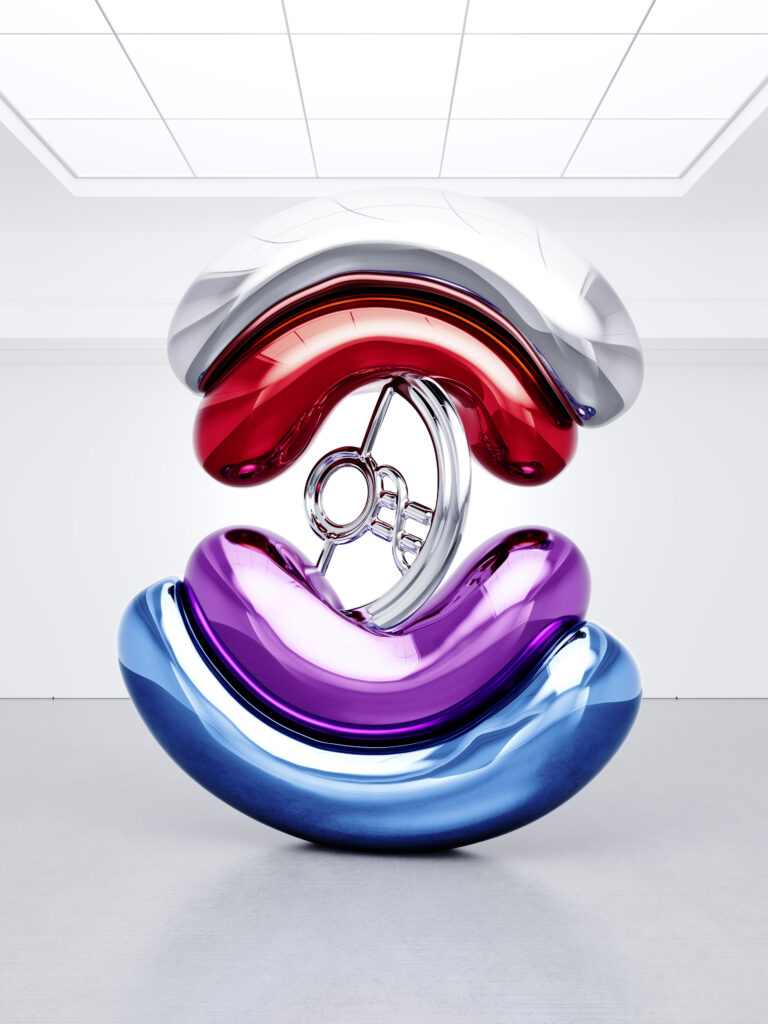
For more than forty years, Jeff Koons’s work has rested on a constant principle: taking everyday forms, instantly recognisable, and turning them into icons through the handling of proportions, artisanal excellence and extreme attention to the smallest detail. Balloon Dog, Rabbit and Puppy are the most frequently cited examples. What appears light and spontaneous in these pieces is in fact the result of a construction of great technical complexity — a tension between appearance and making that Hublot claims as common ground with its own watchmaking practice.
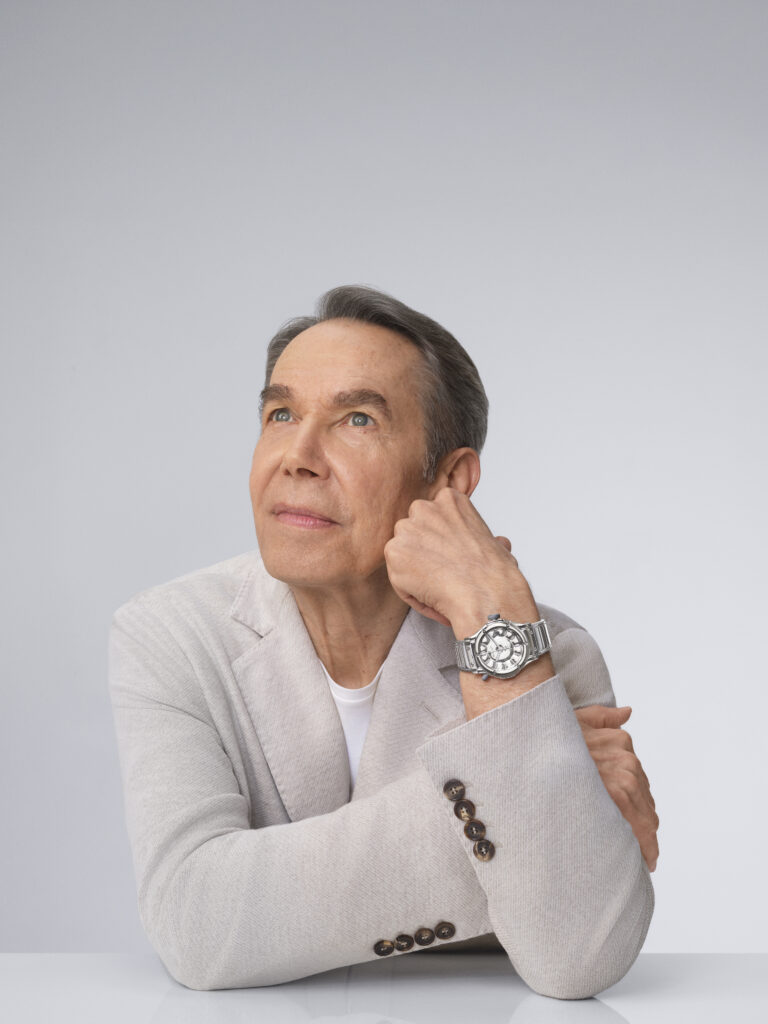
“Hublot and I have always shared a fascination with materials science,” says Jeff Koons in the press release announcing the partnership. “As an artist, I constantly seek to transcend an object or a material so that the viewer discovers in it a meaning that goes far beyond the sum of its components. Hublot brings all its expertise to the creation of exceptional timepieces and also relies on materials science to transform the object into something that carries, for each of us, a deeper meaning.”
Substance before image
On the Maison’s side, Julien Tornare, CEO of Hublot, locates the stakes elsewhere than in the artist’s fame alone: “This partnership perfectly reflects the vision that drives Hublot today: substance above all. We share with Jeff Koons what makes the very essence of our Maison: the tension between tradition and rupture, mechanics and emotion, innovation and savoir-faire.” The emphasis on substance, repeated in both statements, seeks to shift how this collaboration is read: not an association of images, but a convergence of methods, between an artist who conceals the complexity of his gesture behind a smooth form, and a Manufacture that claims to do the same with its movements and materials.
Julien Tornare adds that “behind the audacity lies an exceptional discipline” and that “behind every creation lies absolute mastery” — a formula which, taken up almost identically in the description of Jeff Koons’s work, confirms that the rapprochement is built first on a shared vocabulary before resting on any shared object.
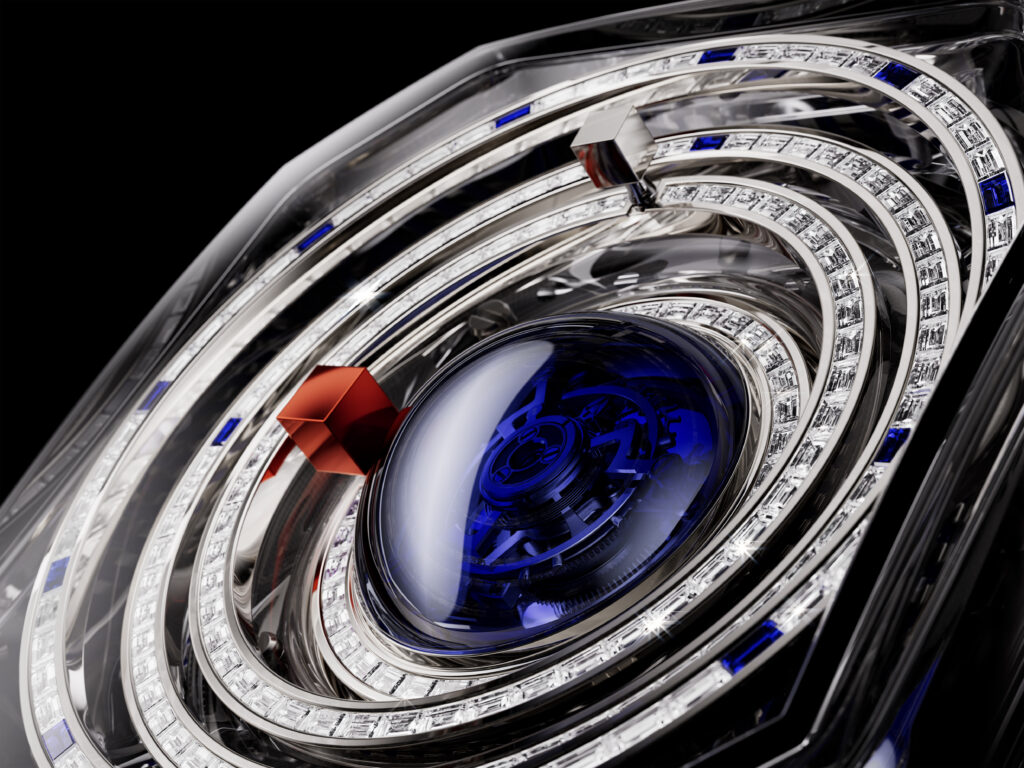
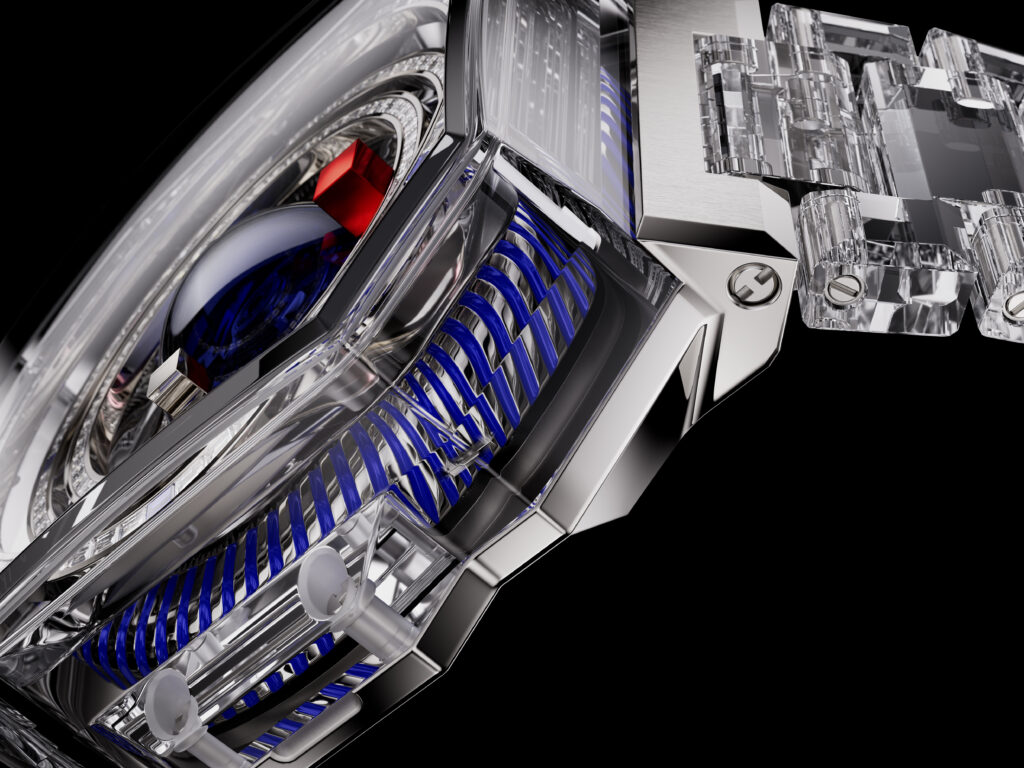
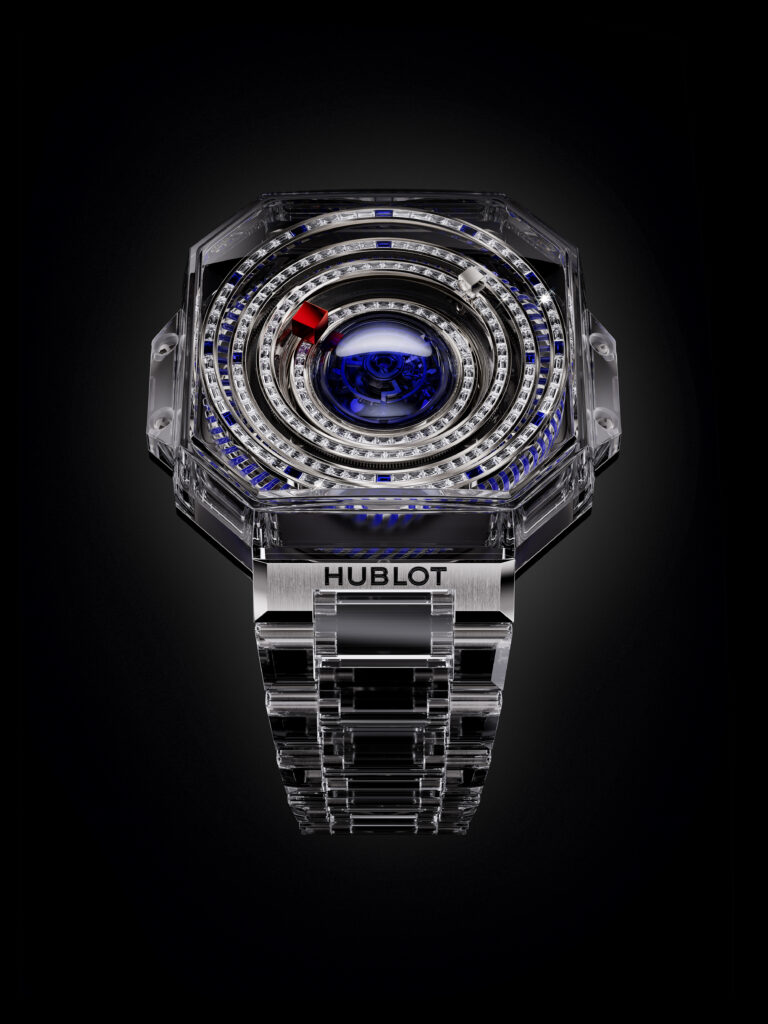
That said, for now this announcement rests only on words and a common date. The question Hublot leaves open is one of translation: whether the timepiece born of this collaboration will manage to embody the proclaimed symmetry between the two worlds, or whether the meeting will remain, for a while yet, an exercise in discourse before it is an object.









Also on Luxsure: Onze grammes d’or pour rejouer 1969 · Une montre française sous emblème républicain · IPPOLITA : Piotrek Panszczyk reprend l’archive par la main · Un million d’heures : la montre qui mesure au-delà d’une carrière
Cette publication est également disponible en :


