
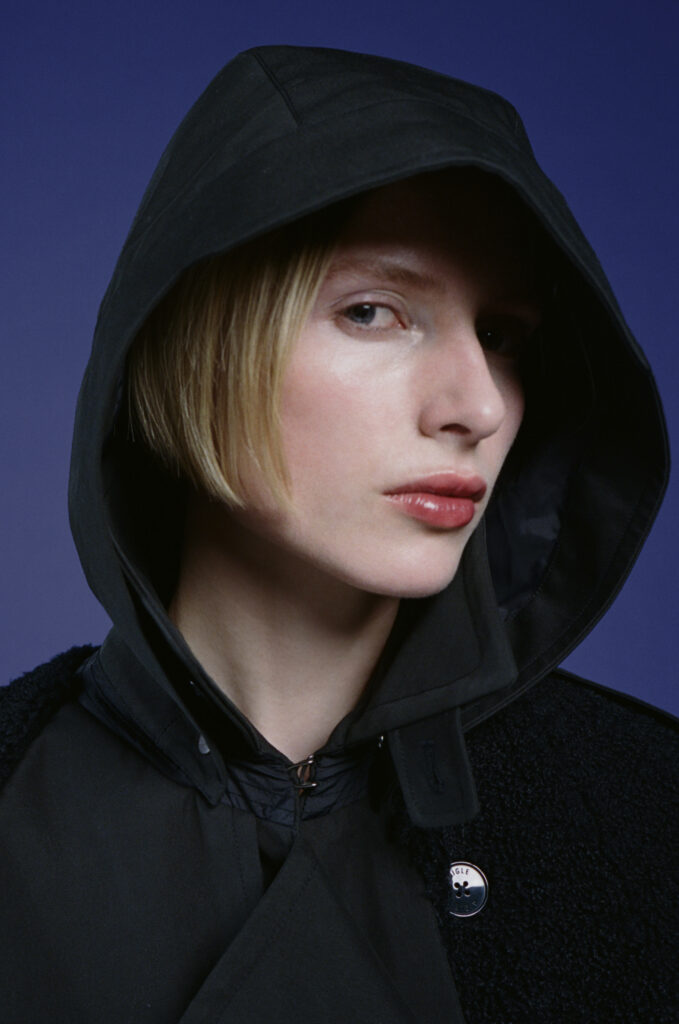
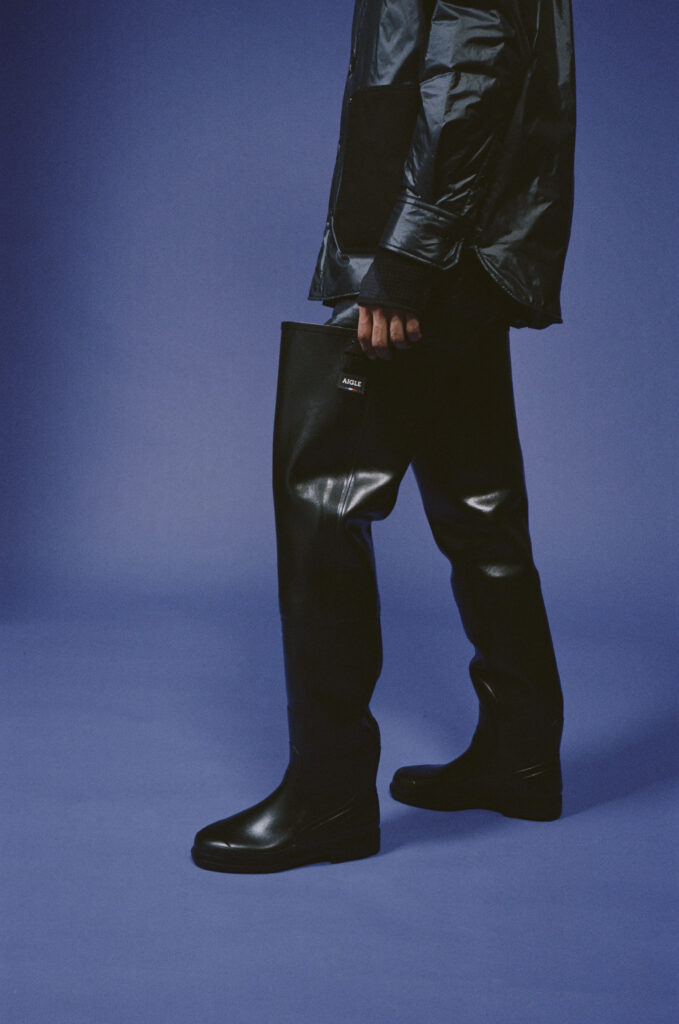
In September 2026, AIGLE, a Maison founded in 1853, unveils a capsule directed by Satoshi Kuwata, founder of Setchu. Its starting point is fishing: its pockets, its protections, its pieces that modulate. It remains to be seen what becomes of this use when it is cut like a suit.
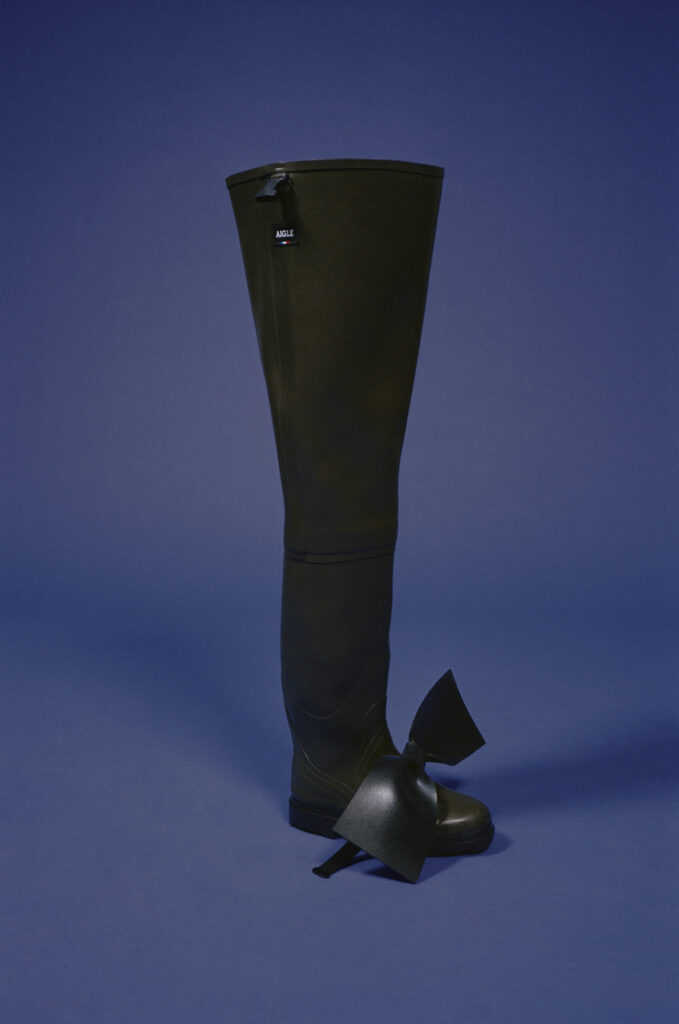
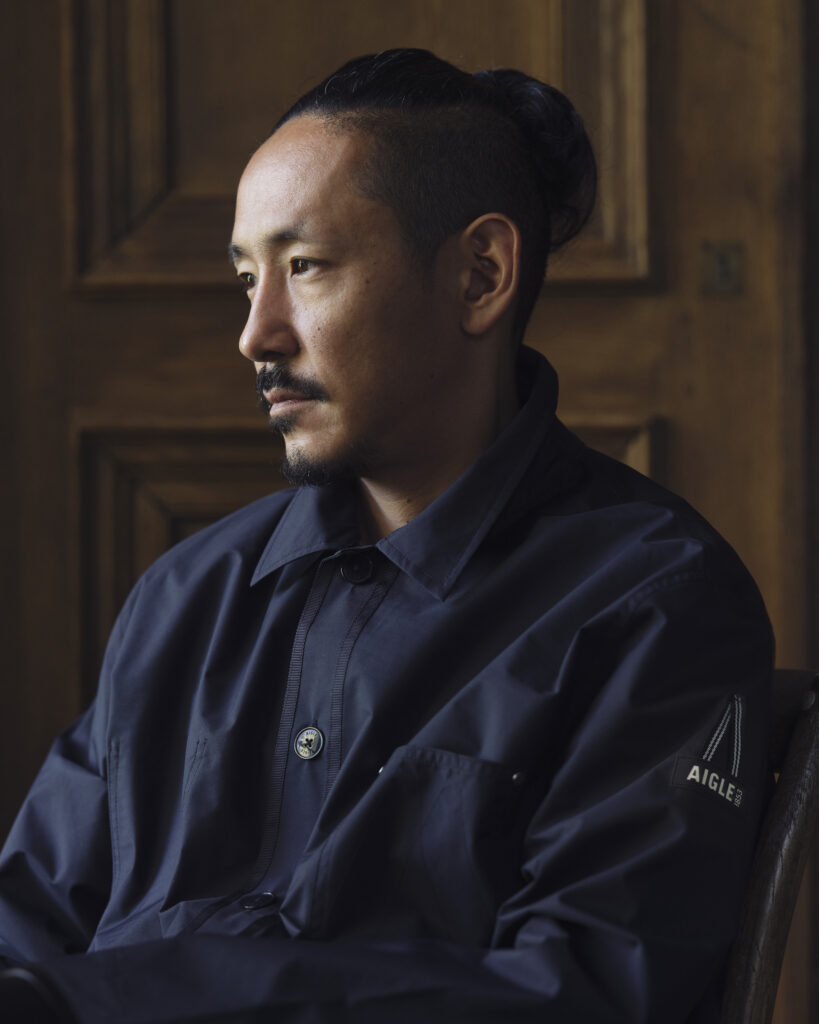
The Maison AIGLE was built on outerwear and on the boot, made in France according to its press release. Here it entrusts the artistic direction of a capsule to Satoshi Kuwata. Setchu, the house he founded, is defined by the construction of the garment. The press release also states that Kuwata is a 2023 LVMH Prize winner, a point to be confirmed before publication.
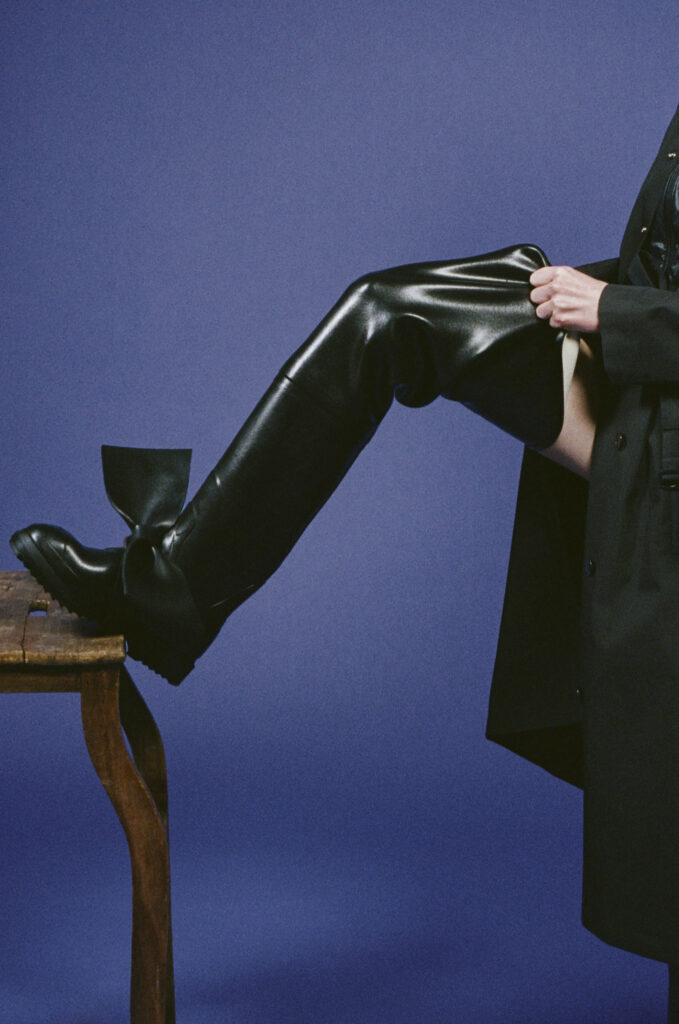
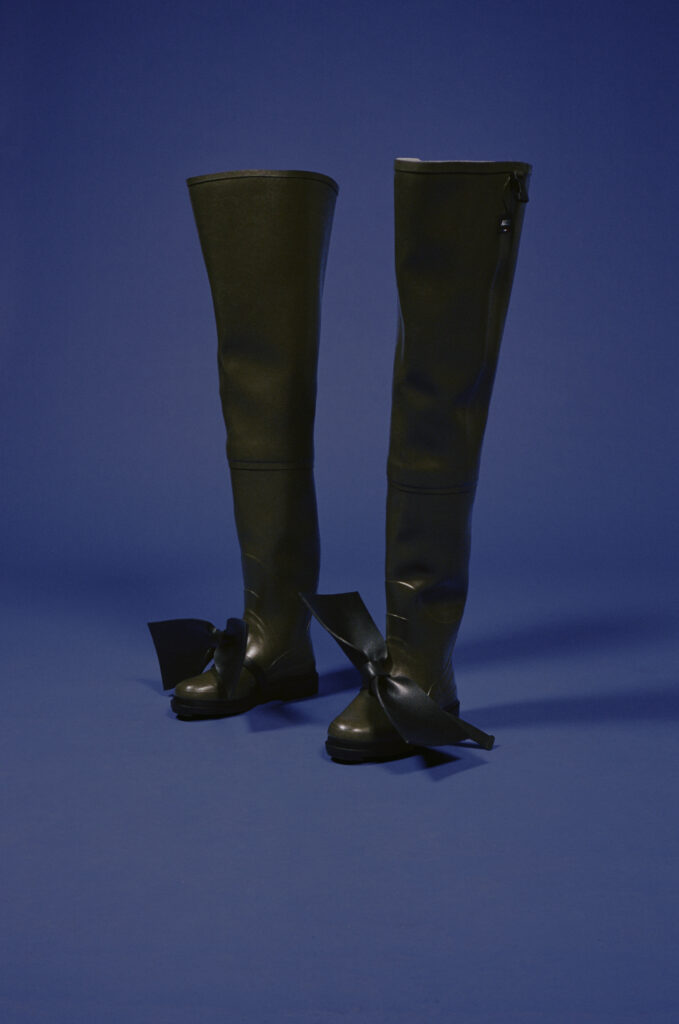
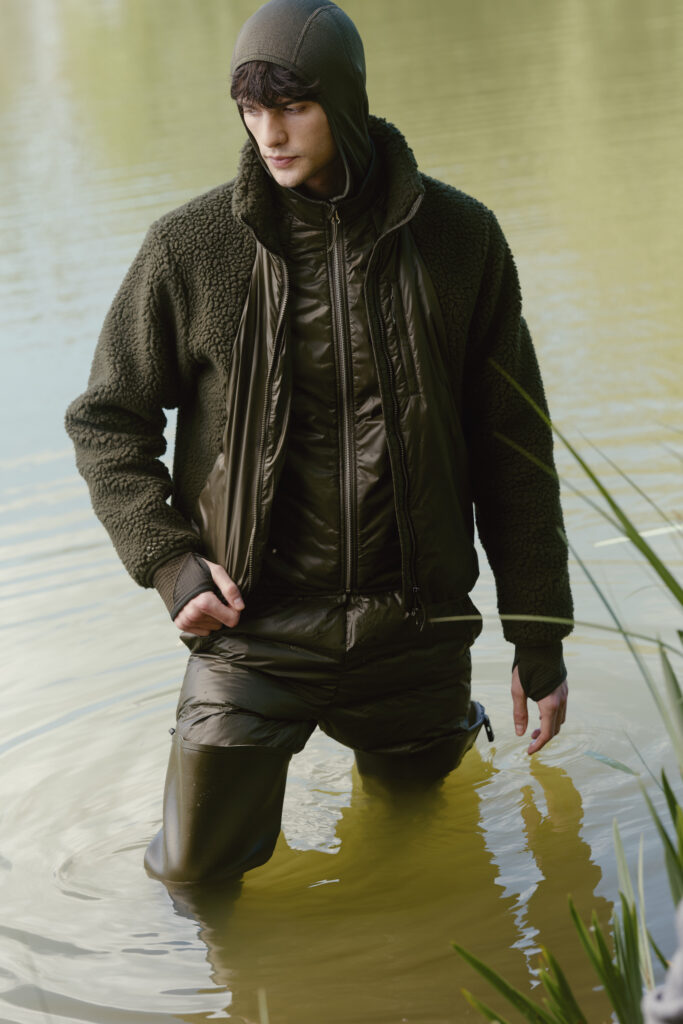
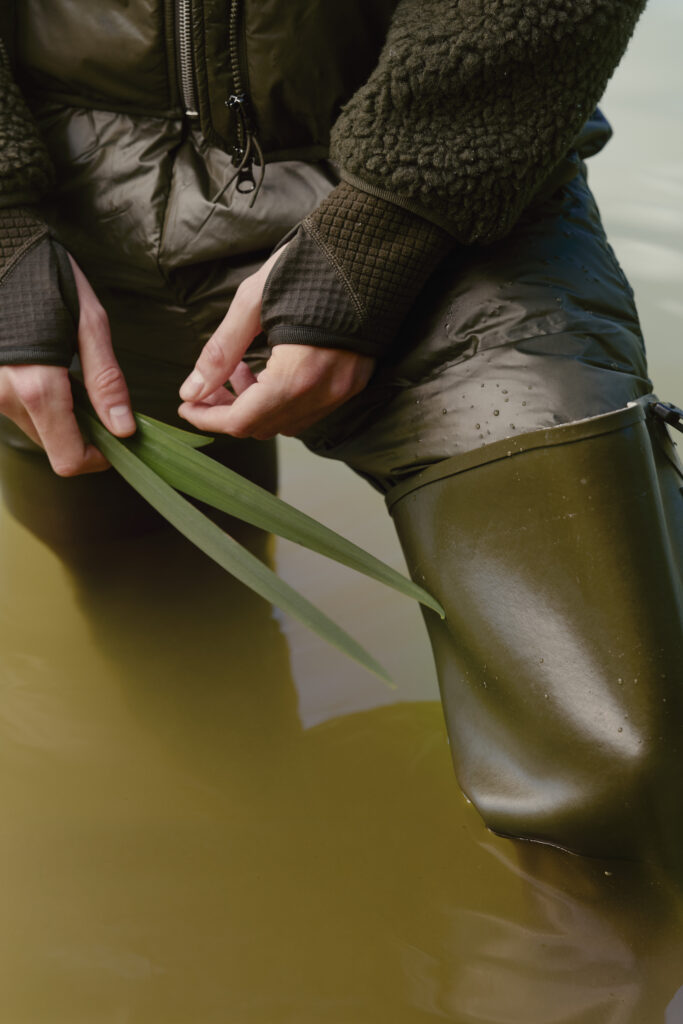
Kuwata presents himself as a passionate angler. This is not a biographical detail, it is the brief. From fishing, the collection keeps what is useful: pockets, protections, modularity. It retains neither the imagery of the fisherman, nor the colour, nor the folklore.
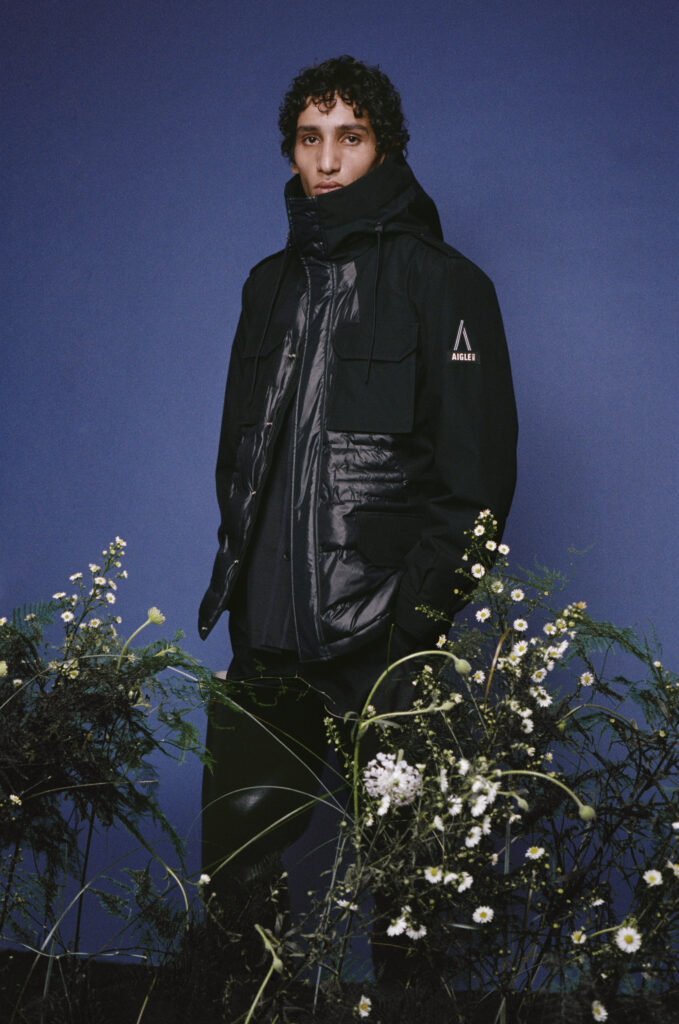
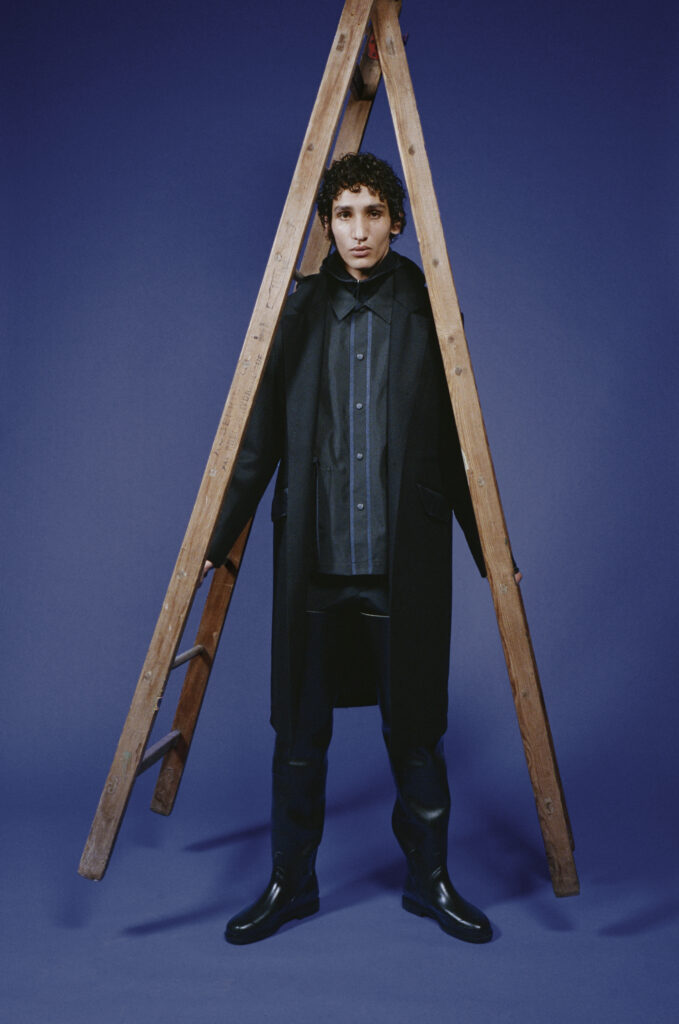
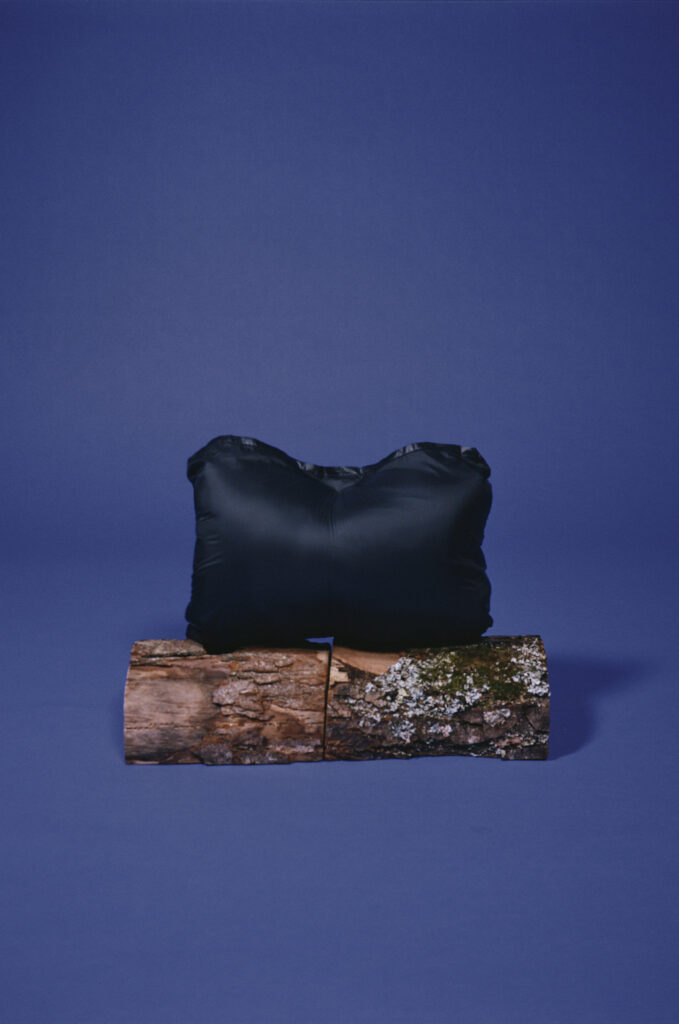
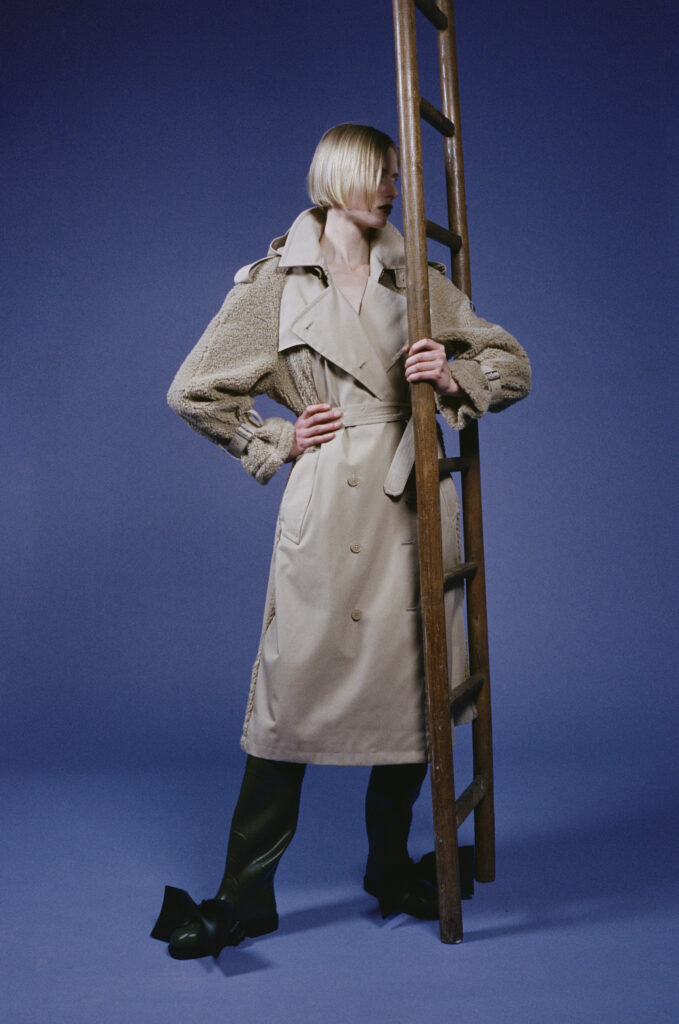
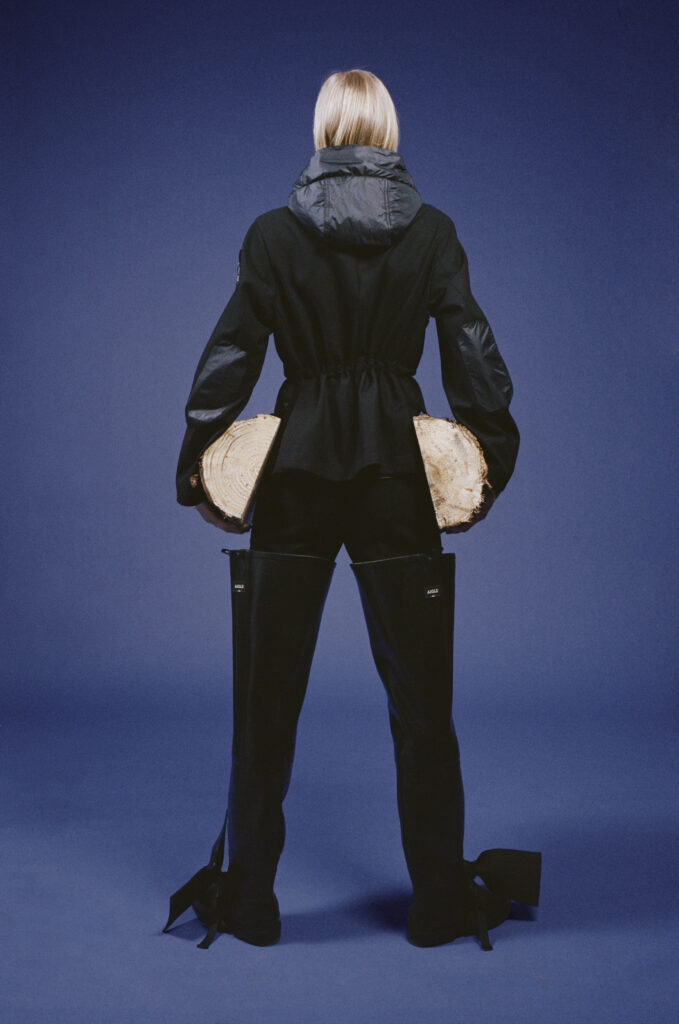
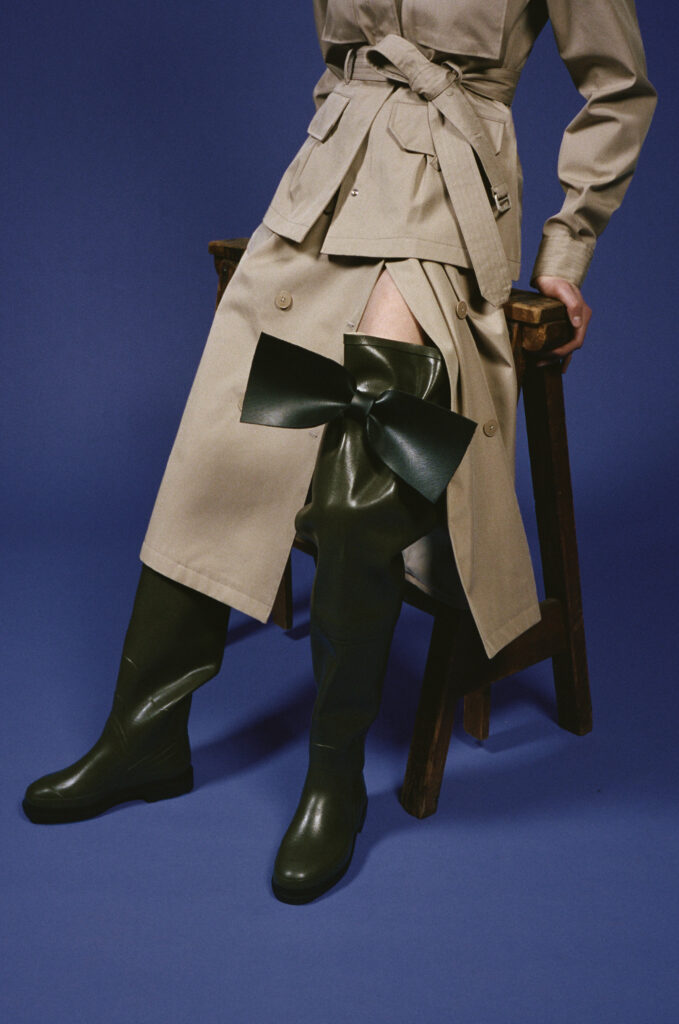
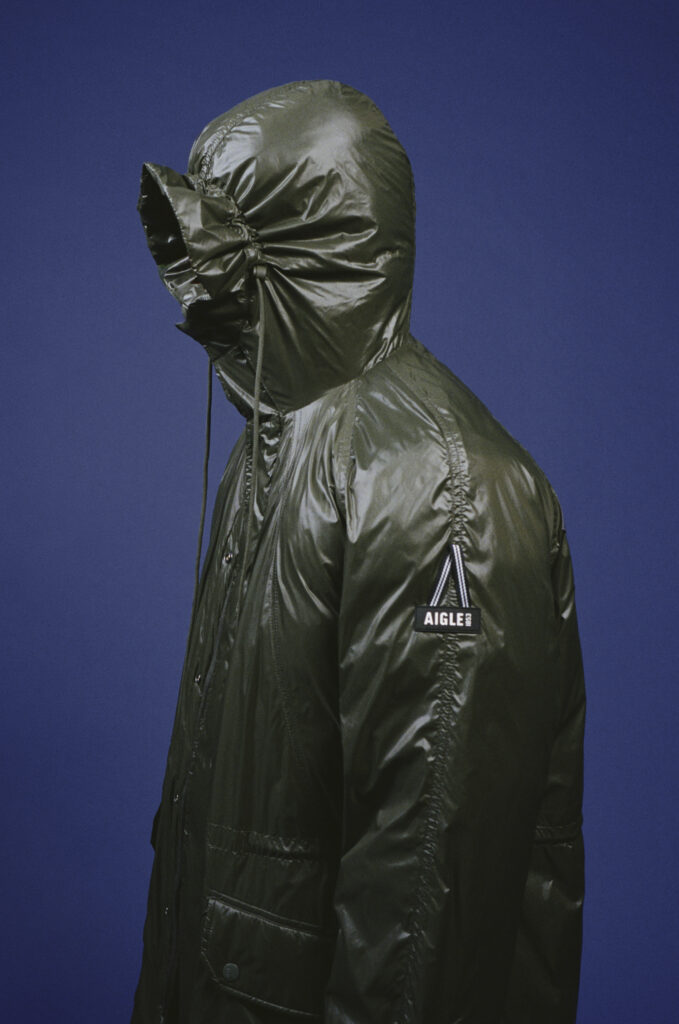
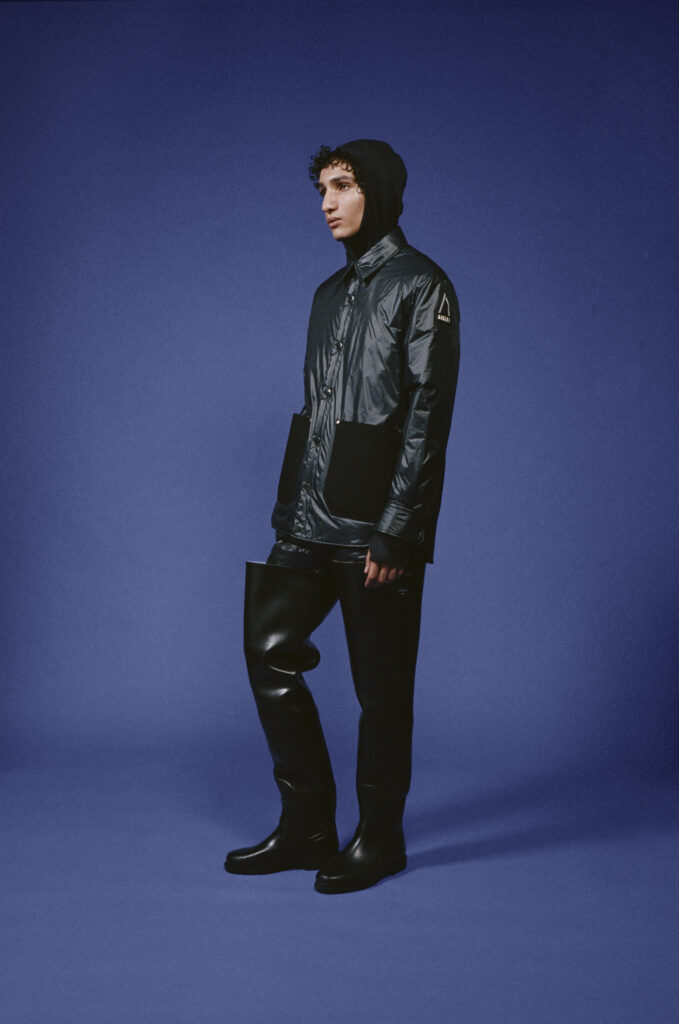
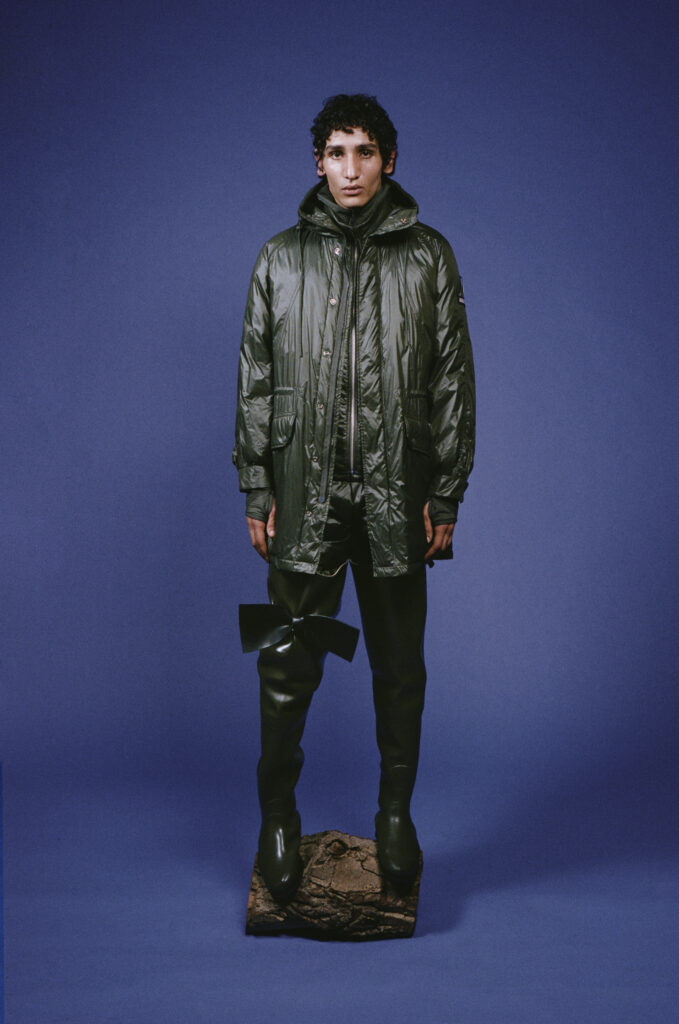
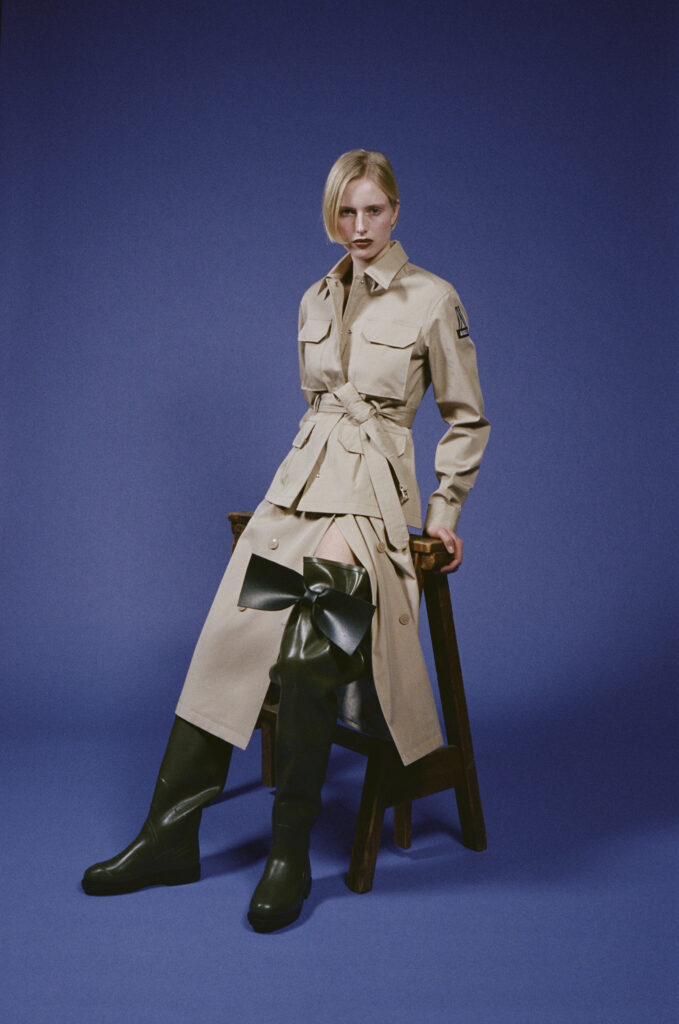
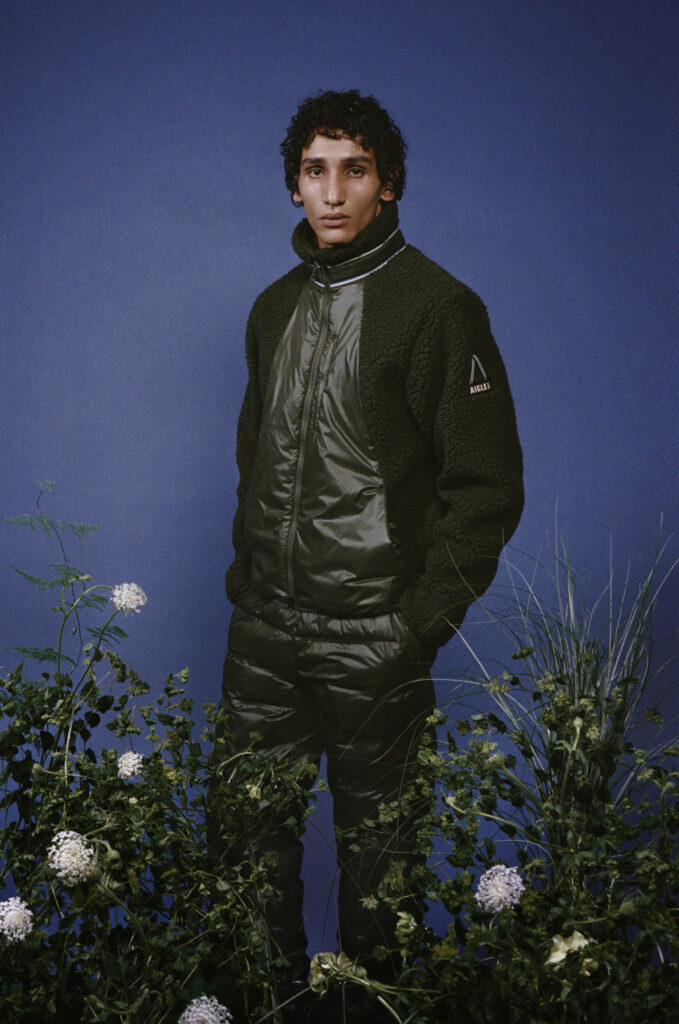
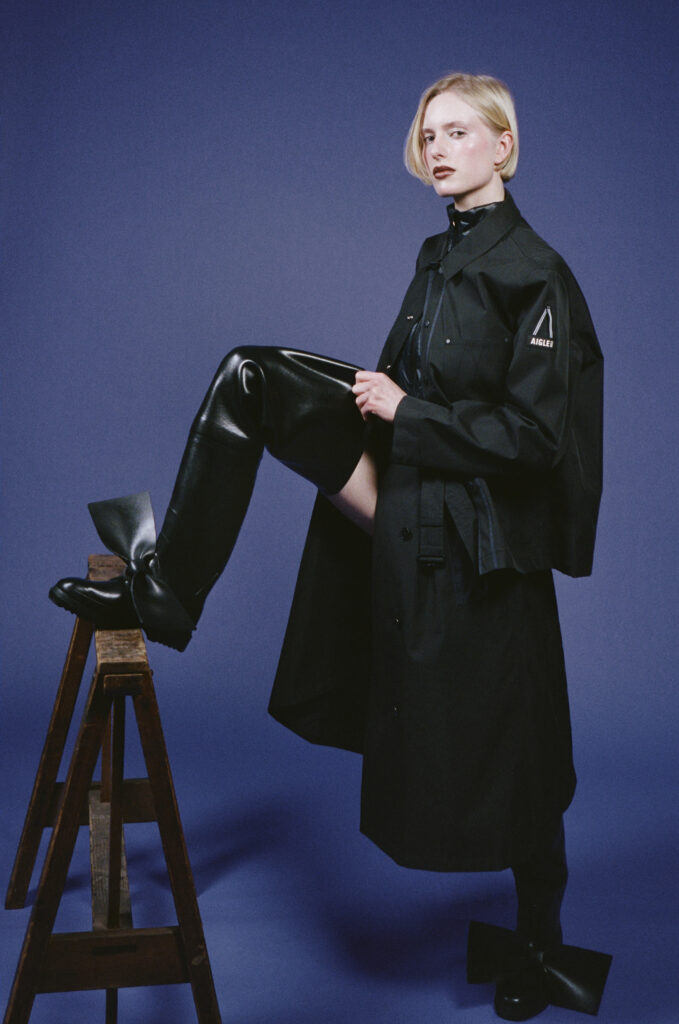
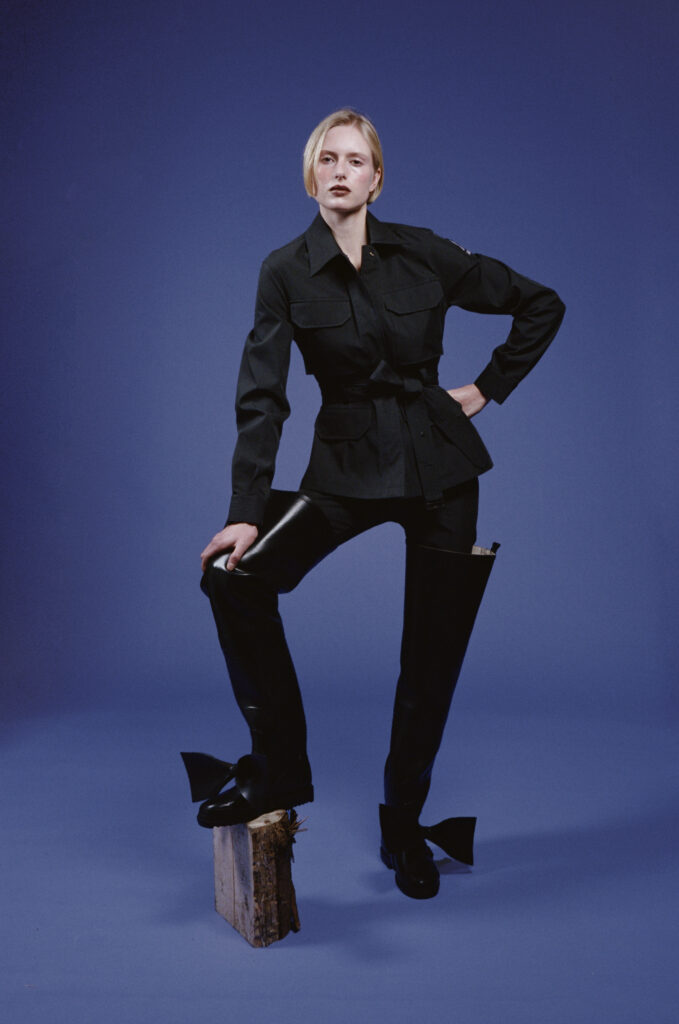
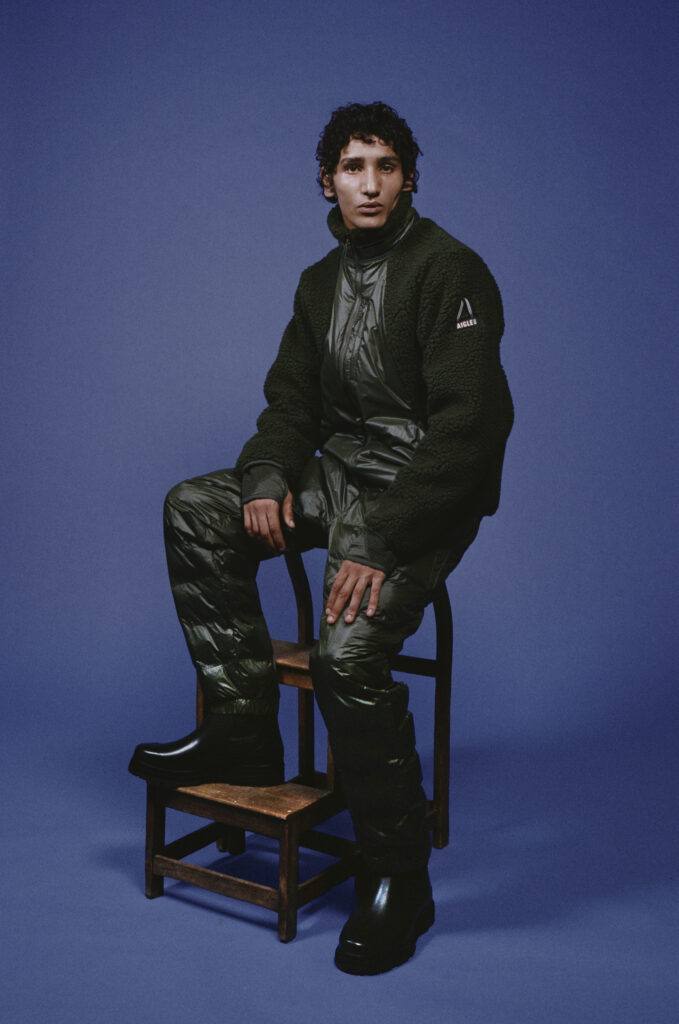
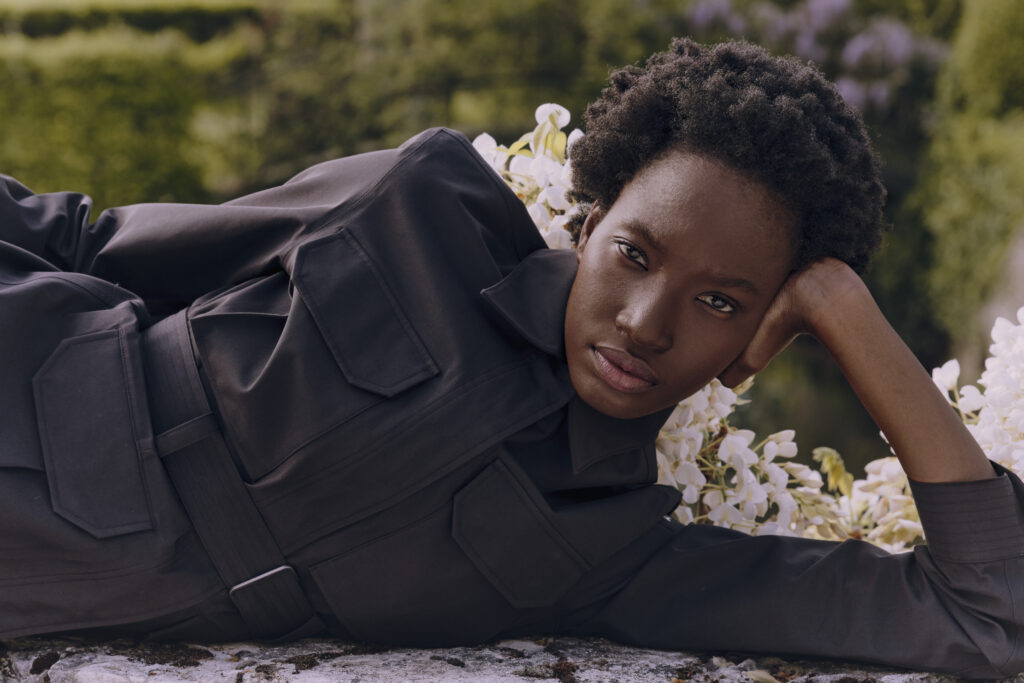
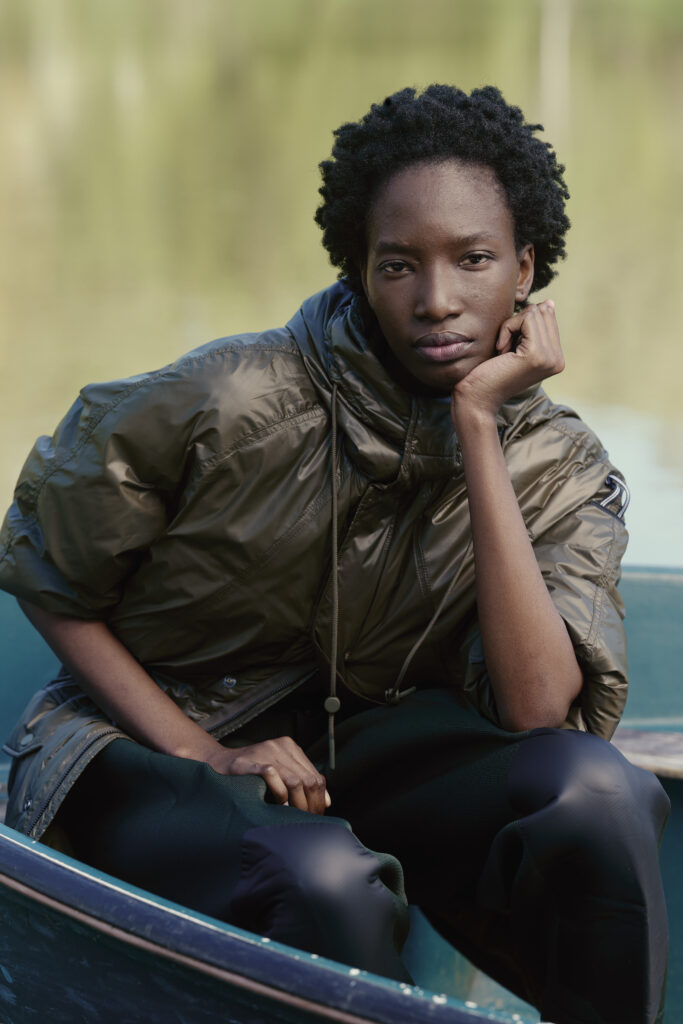
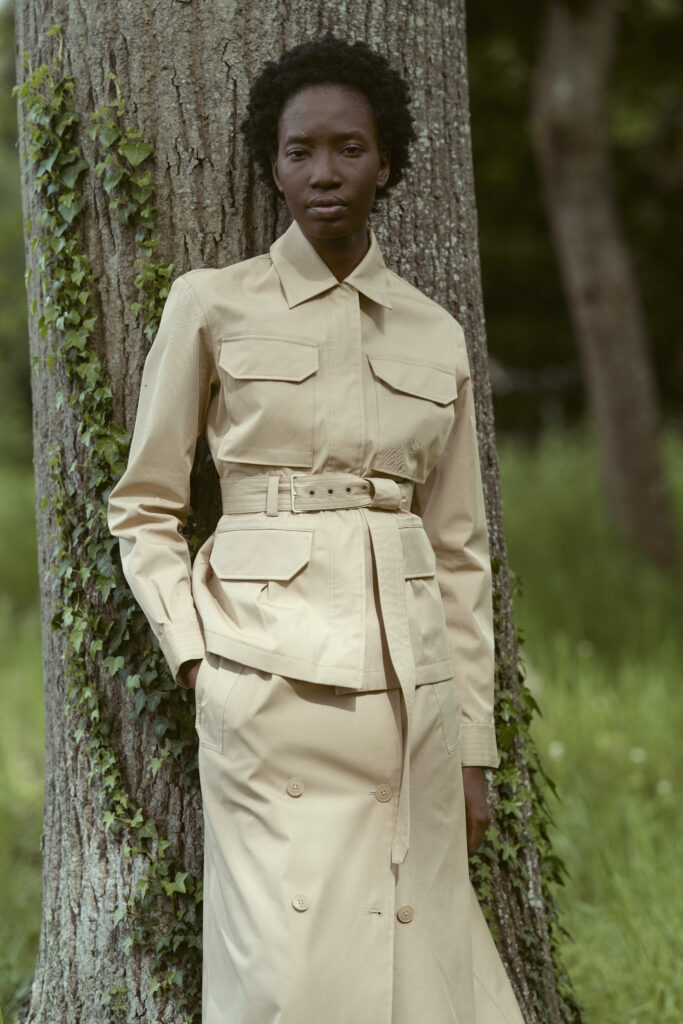
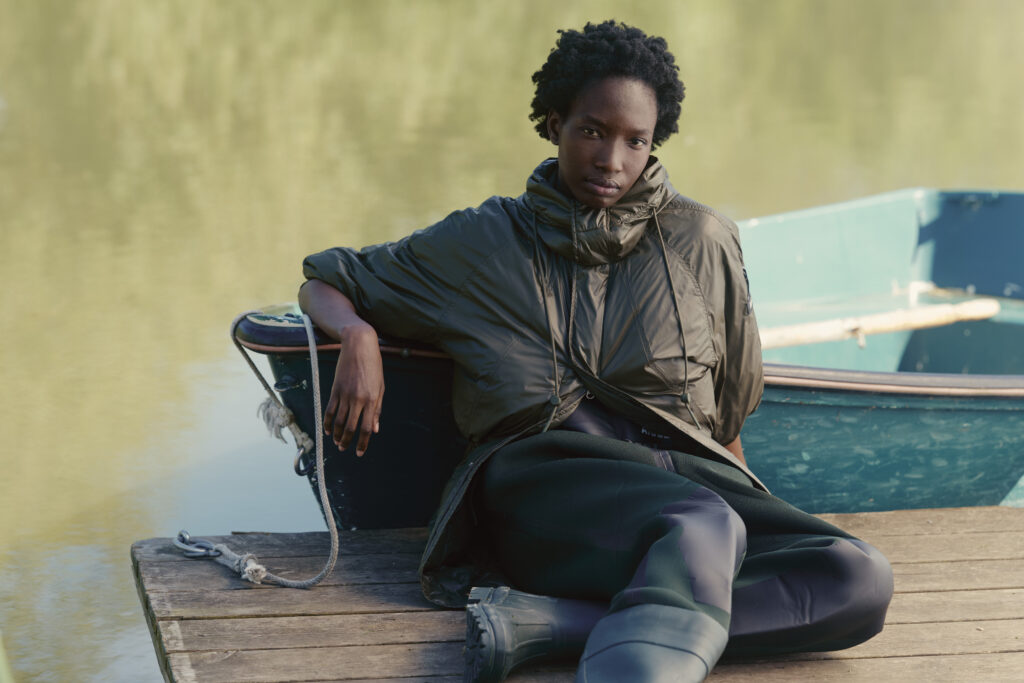
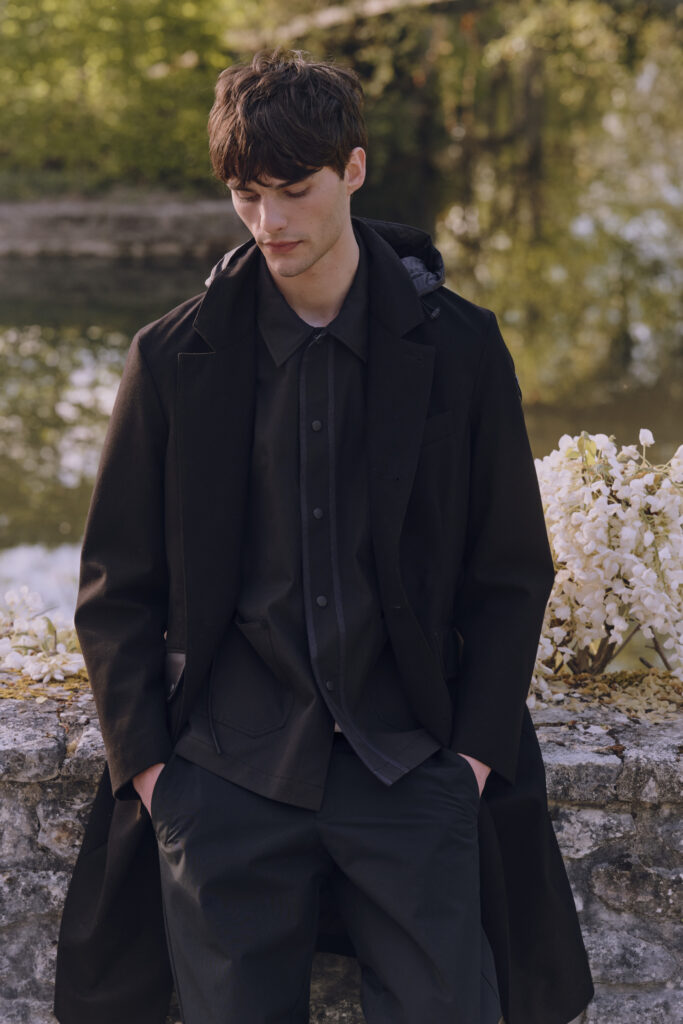
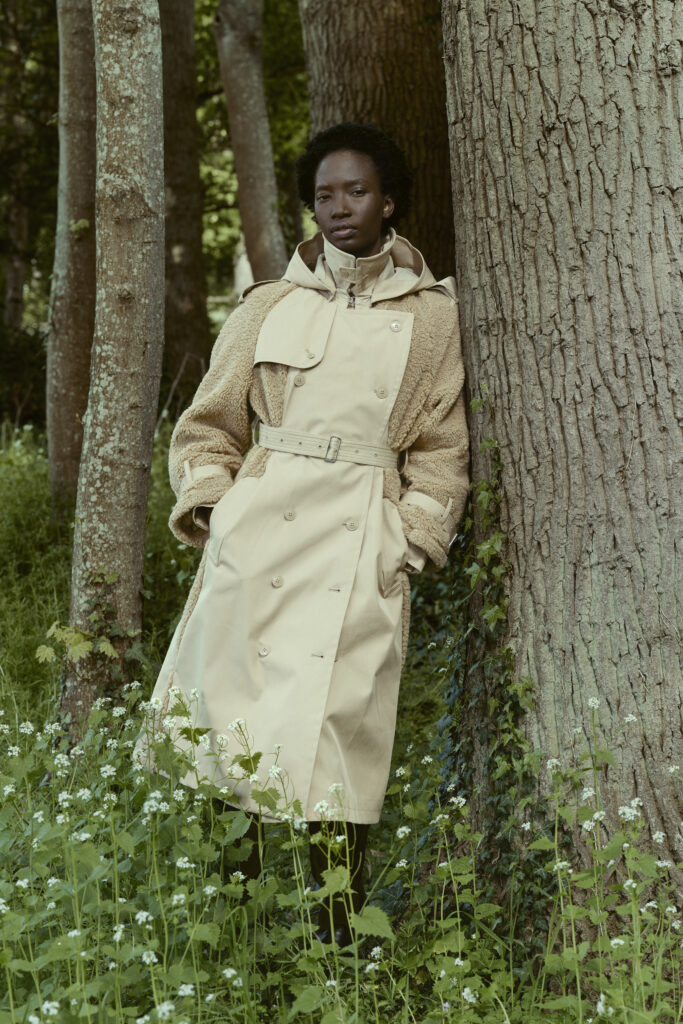
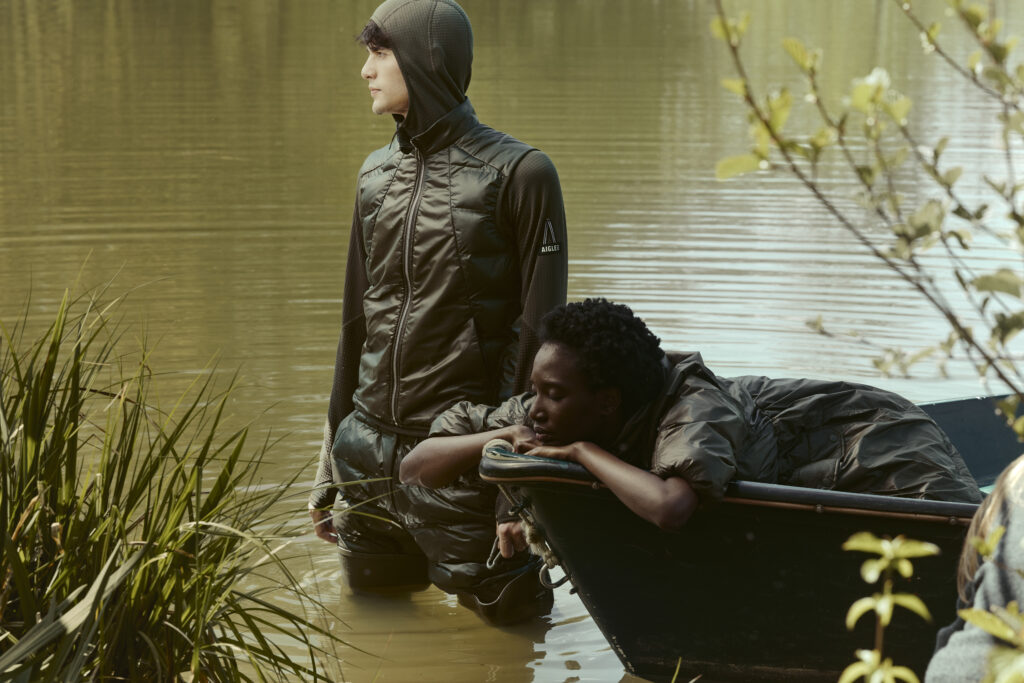
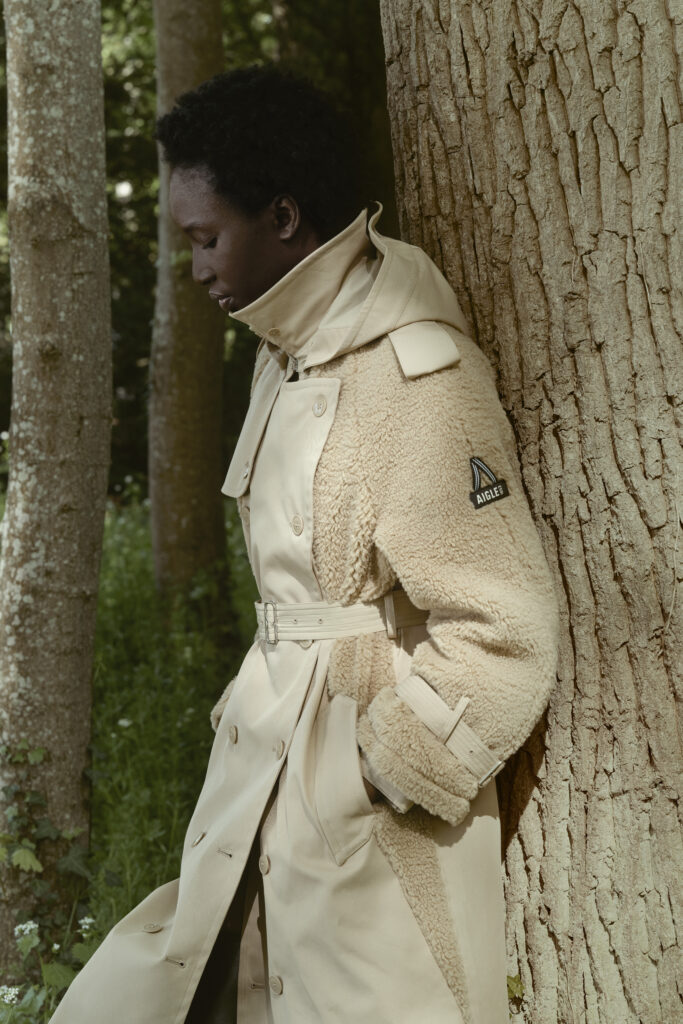
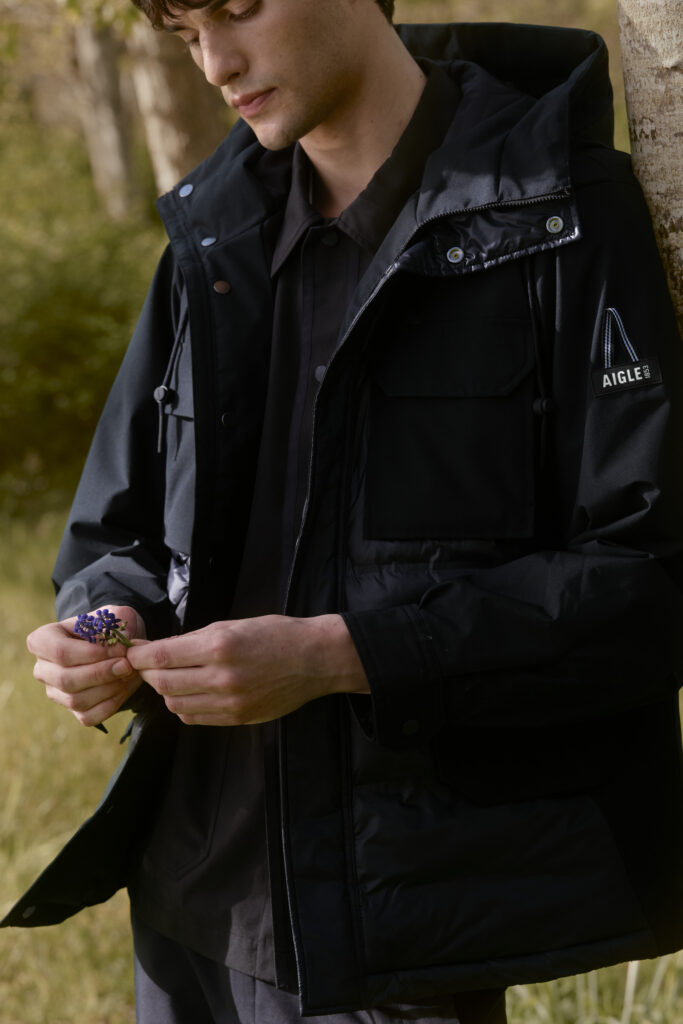
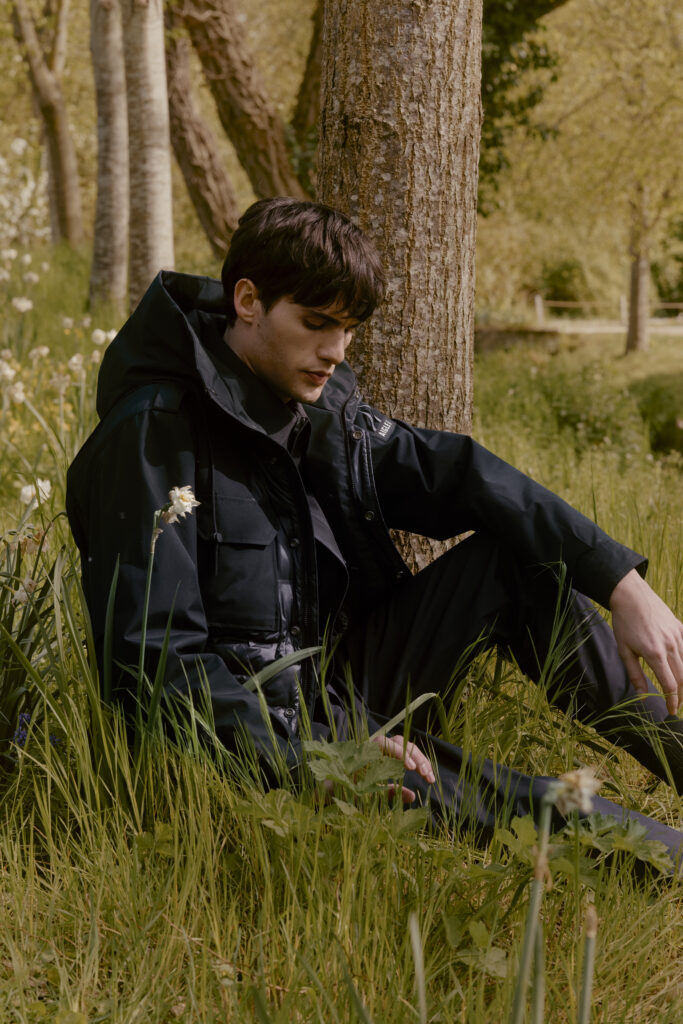
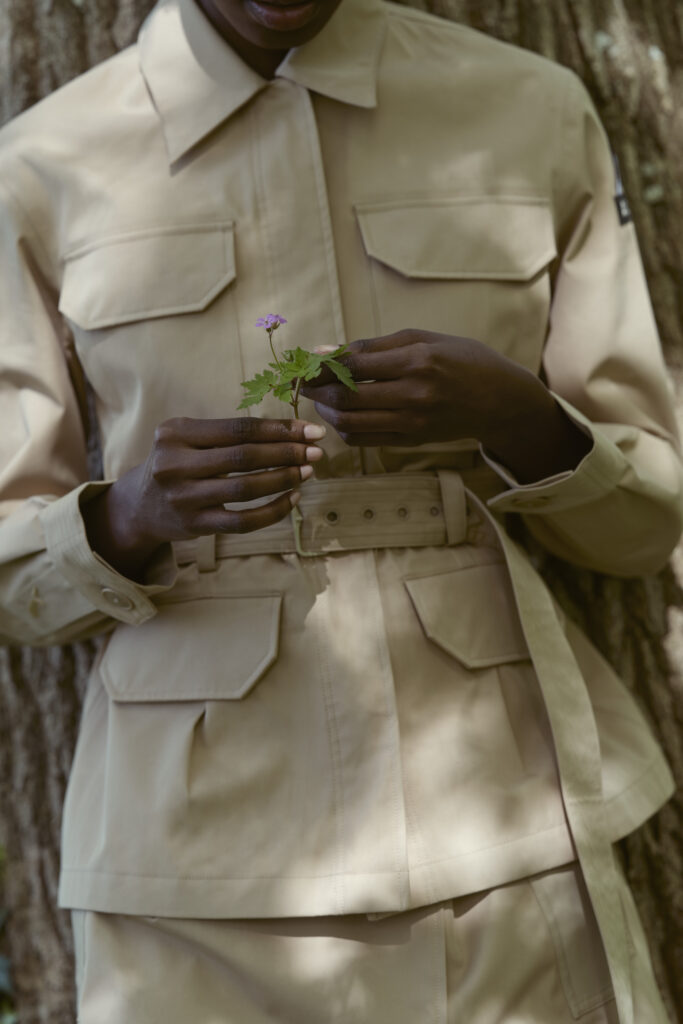
The pieces described follow the same logic. A cape becomes a parka. A trench opens, transforms, recomposes. A skirt borrows its construction from the trench, and a safari jacket disappears into its own structure. Three-in-one systems and adjustable volumes complete the wardrobe. The materials combine technical textiles, matte or more structured surfaces, and Polartec elements. The palette comes down to three shades: black, beige, khaki. What is striking is that the vocabulary is that of the state of the pieces rather than their ornament: it speaks of what they become, not of what they show.
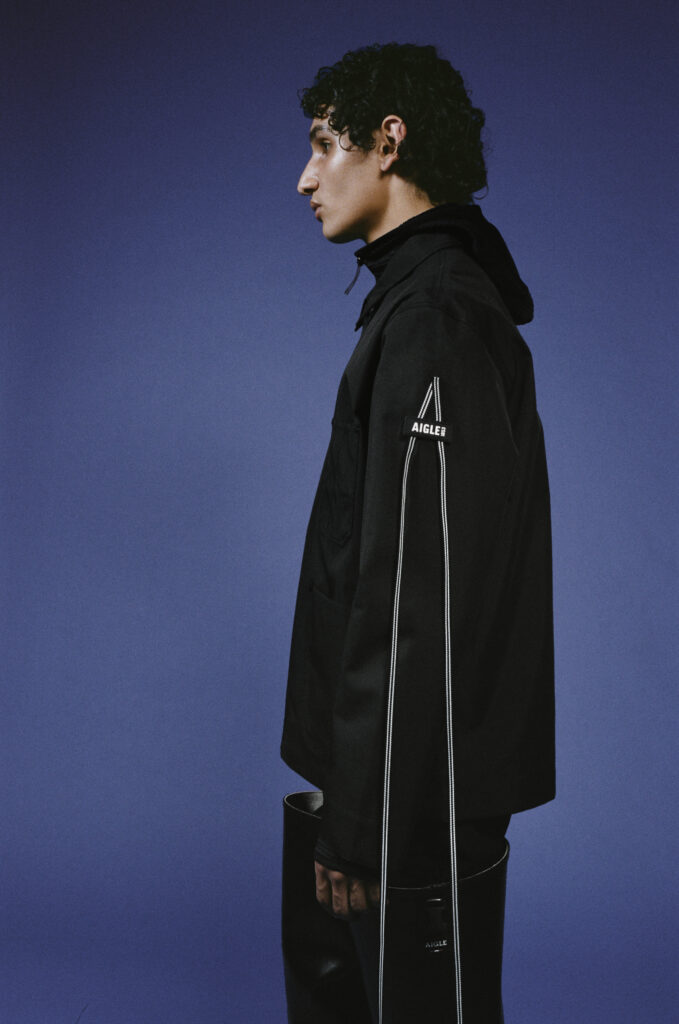
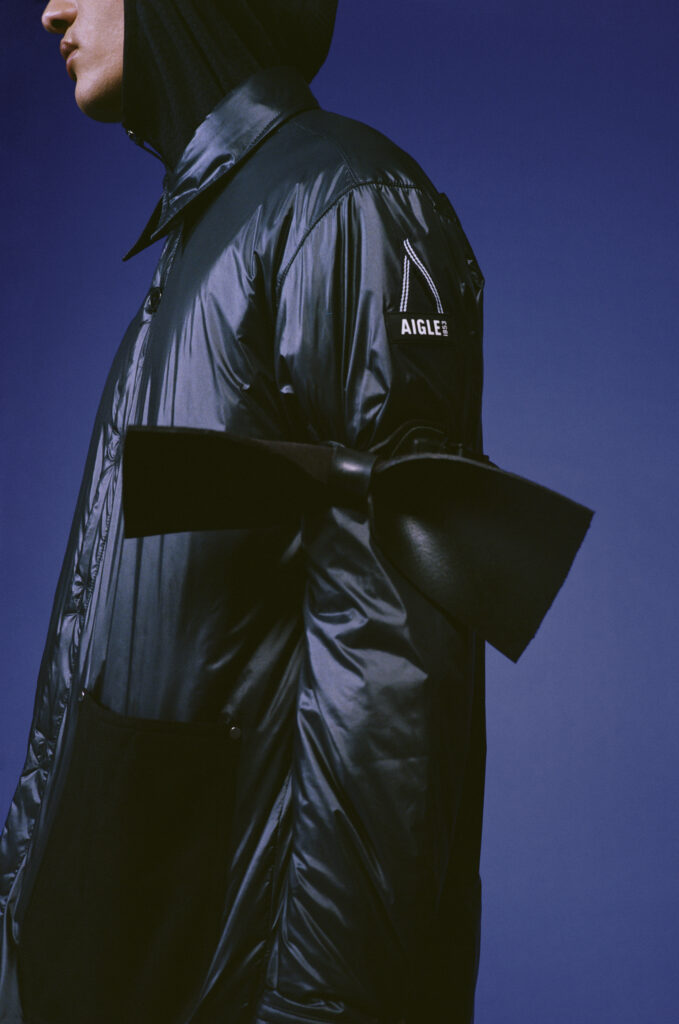
AIGLE’s codes come through structure rather than print. The A shape, the Maison’s initial, becomes a fold and a volume. A double stripe is added as a graphic signature. The logo is redrawn with an origami detail, which the Maison presents as a nod to the designer’s world. It is the only place where Kuwata’s signature sits on the surface. The rest is a matter of cut.
The criteria for judgement can be deduced from this promise. A cape that becomes a parka implies additional seams, fastenings and layering. A Polartec element under a tailored line poses a problem of volume and drape. The lookbook itself announces pieces “designed to be worn, tested, transformed”. It is therefore repeated transformation that will need to be tested, more than the look of a fixed piece.
On the interest of the subject, the judgement is established. The project is coherent: a technical garment built like a tailored garment. Its reference is also more precise than generic “outdoor”, since it is fishing that dictates the pockets, protections and modules. On the quality of the creation, nothing yet allows a conclusion. The compositions, weights, seam finishes and prices remain to be known, and no piece has been handled. There is therefore no recommendation at this stage.
The capsule will be judged on a point that neither the lookbook text nor the press release documents: what becomes of the cut when the garment opens, folds back and layers.

Cette publication est également disponible en :


