
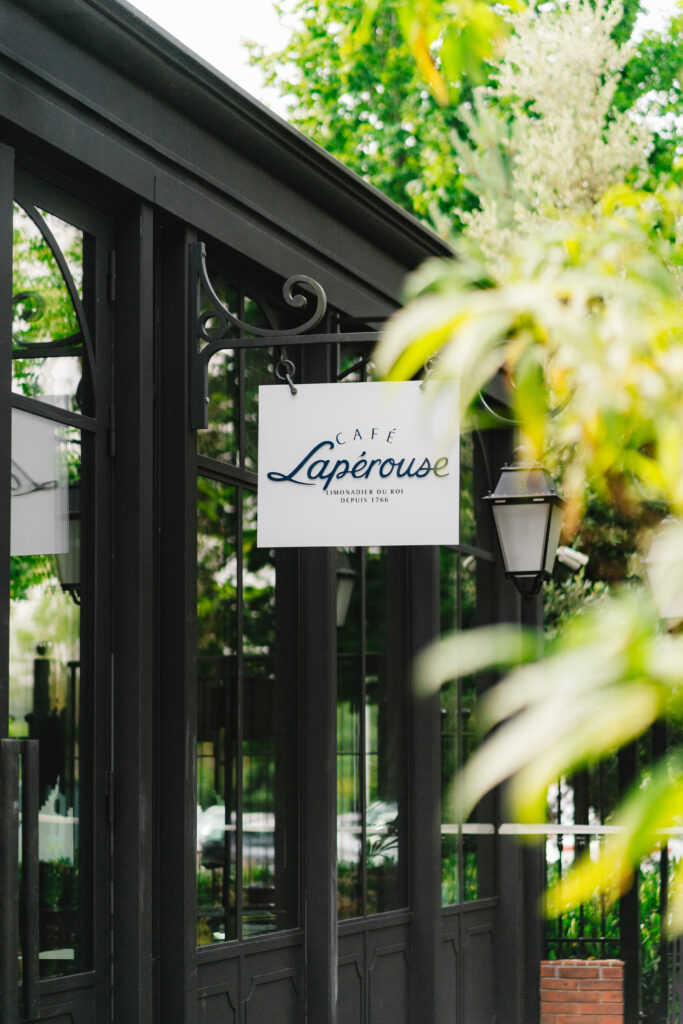
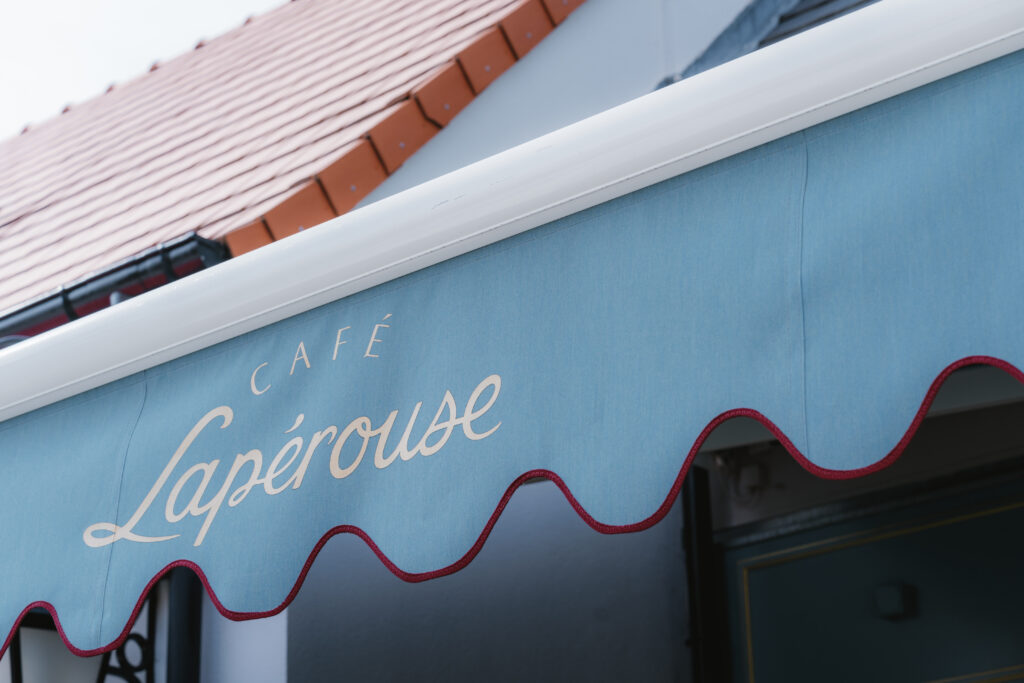
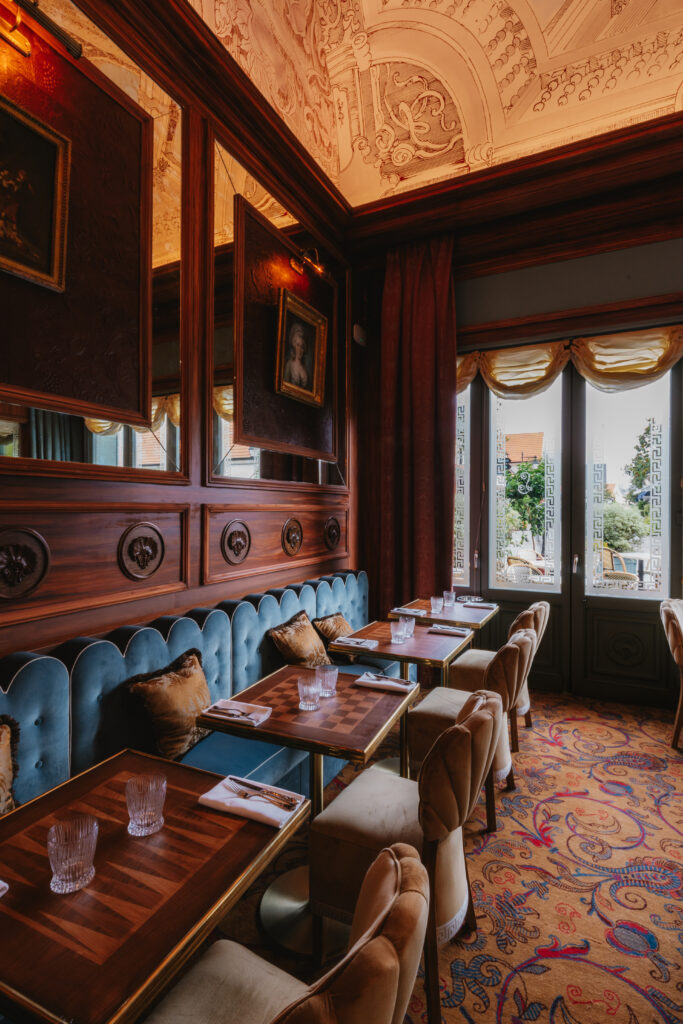
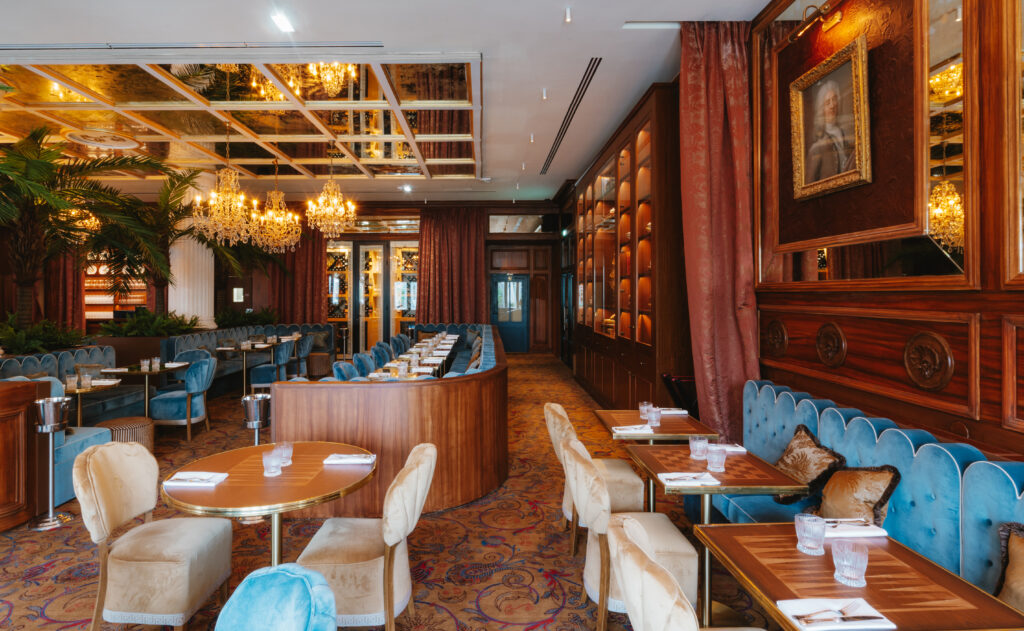
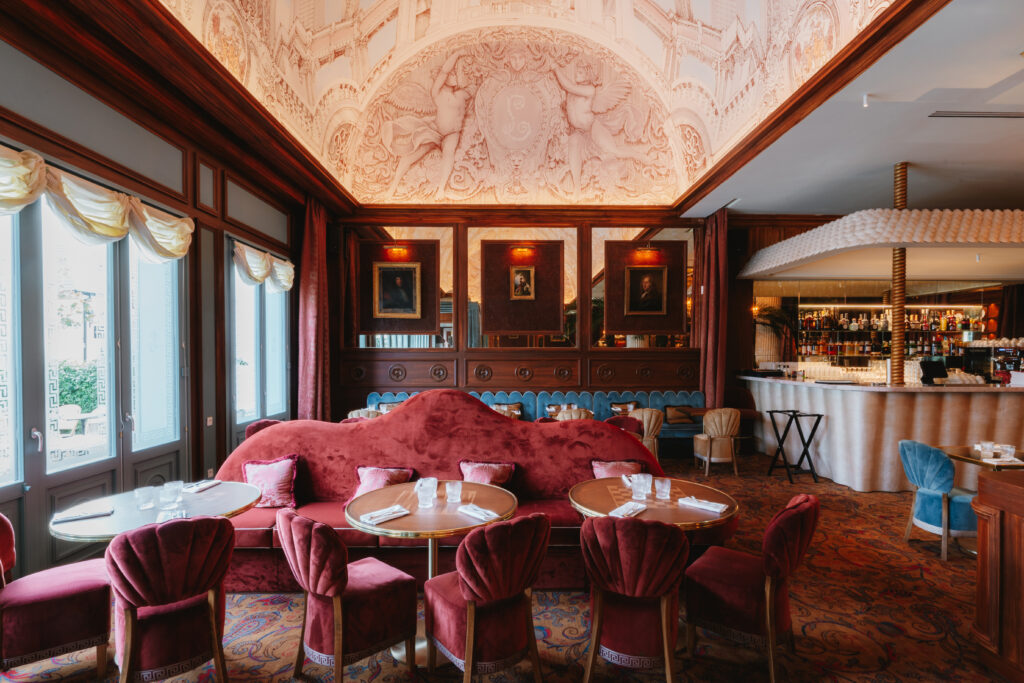
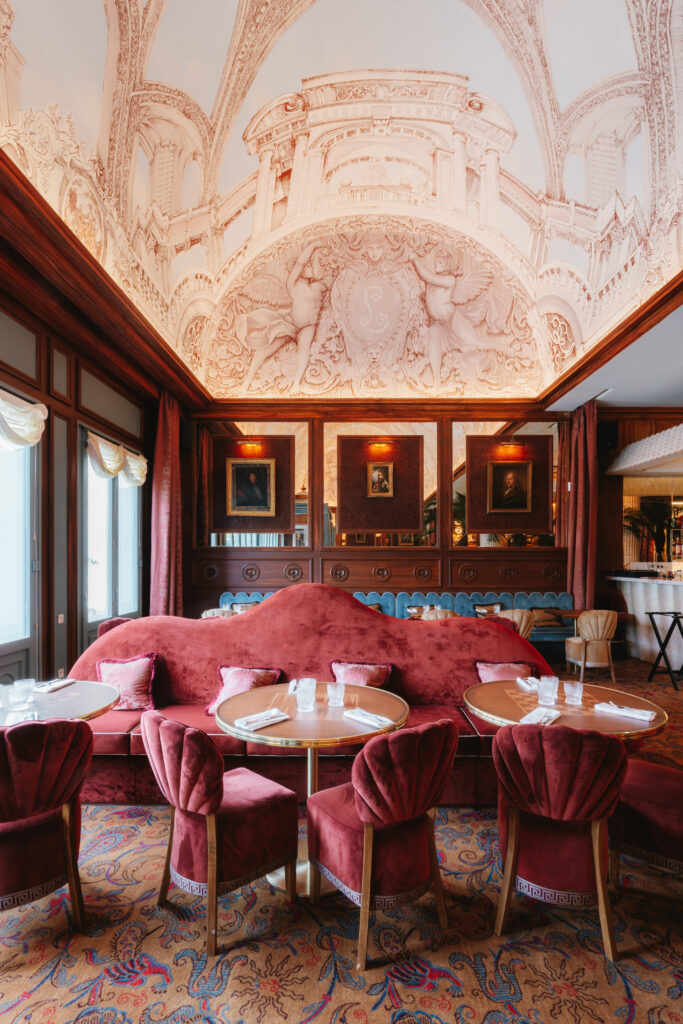
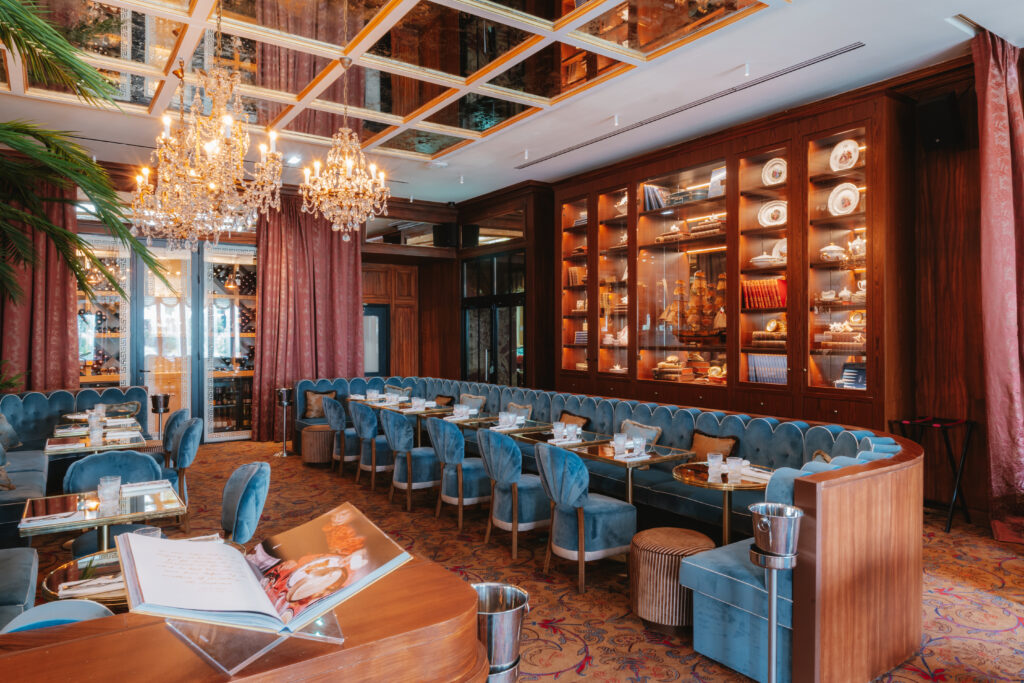
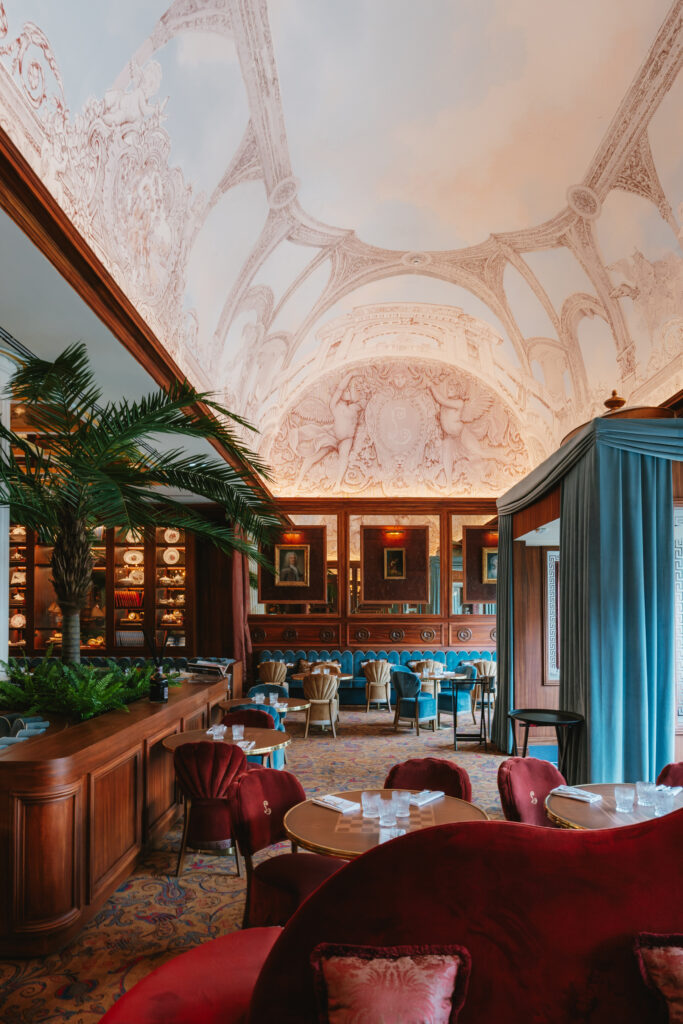
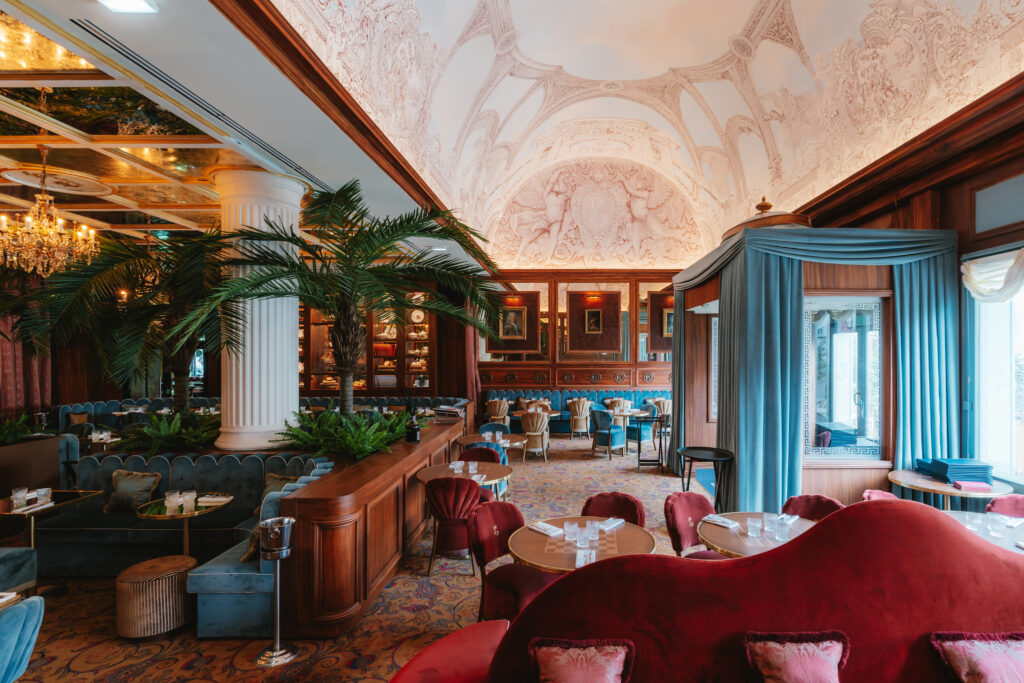
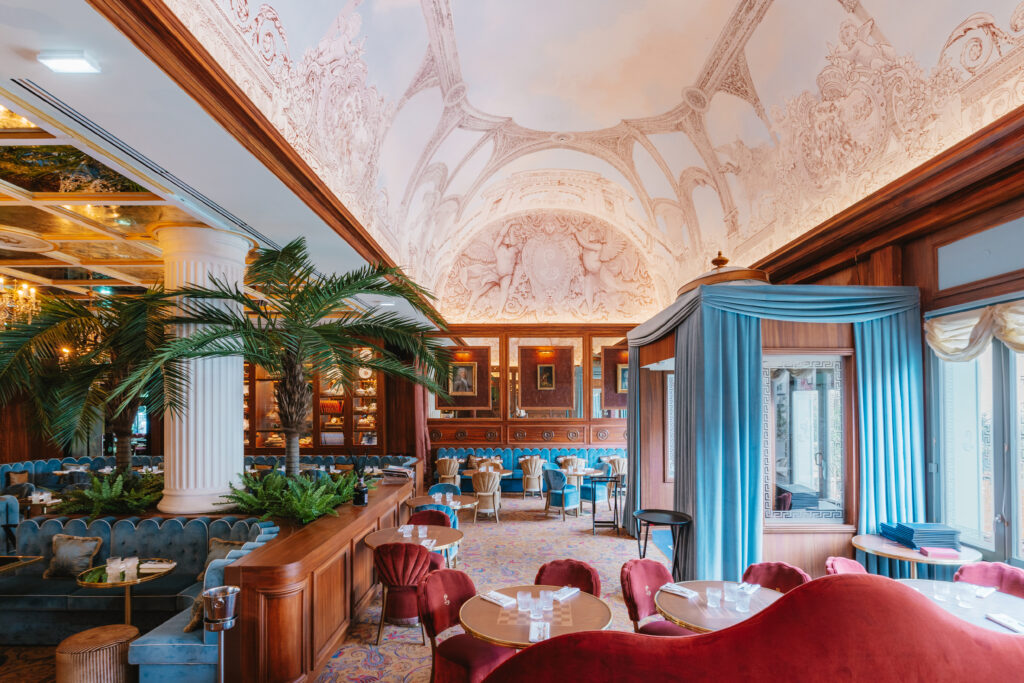
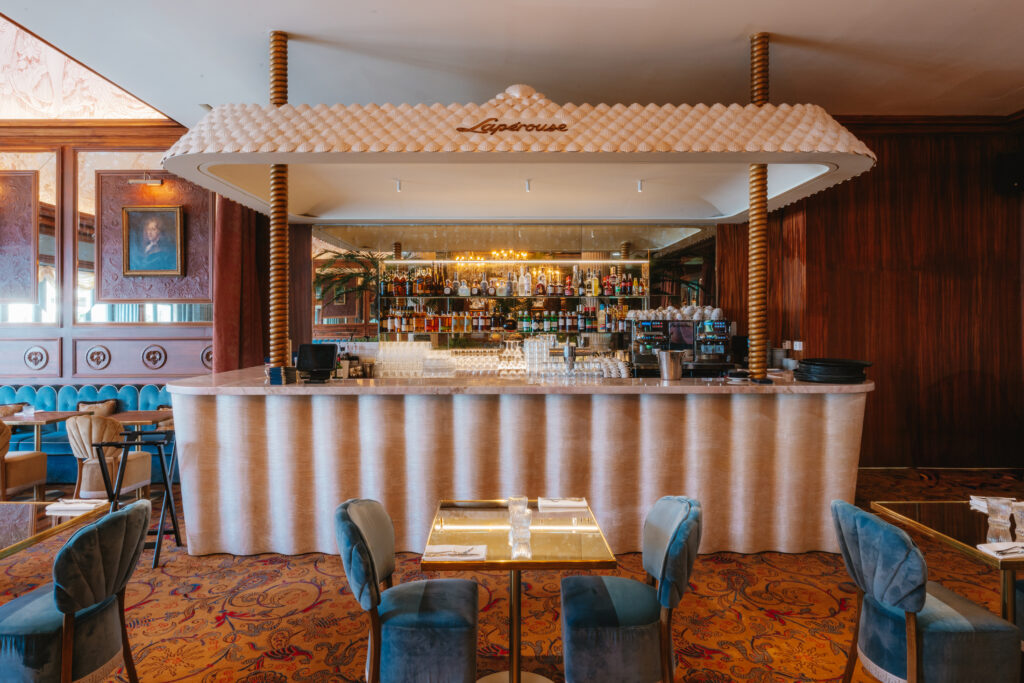
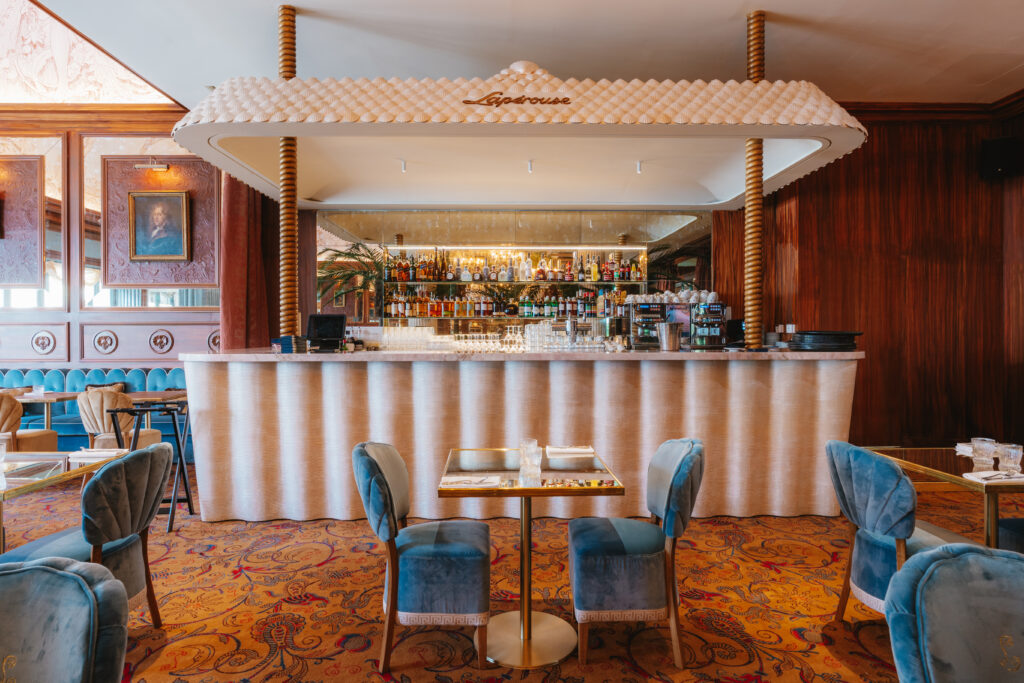
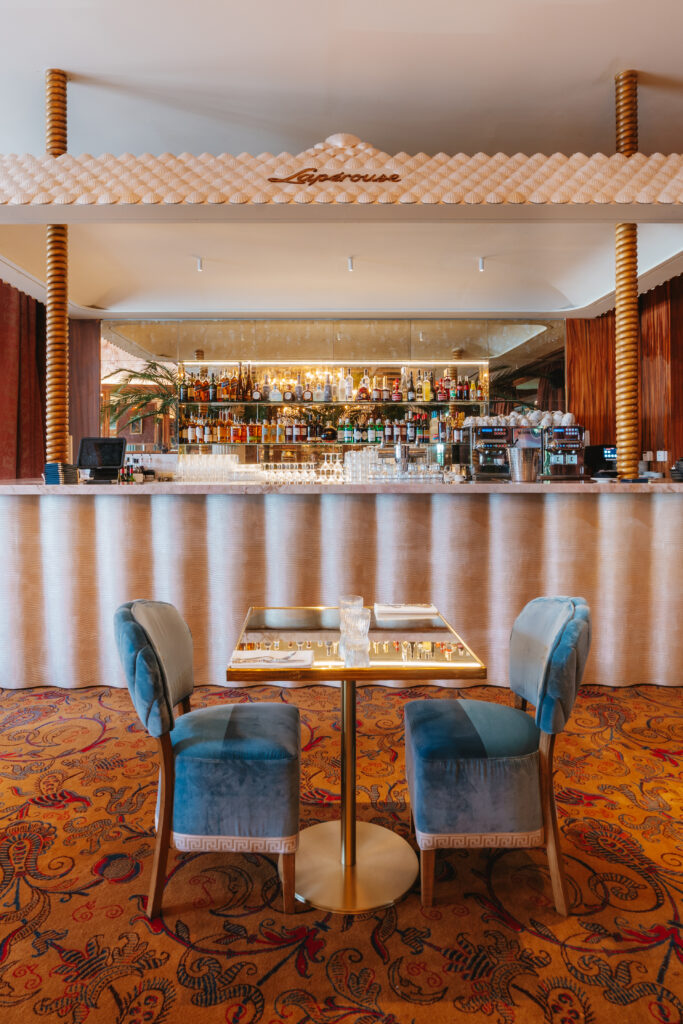
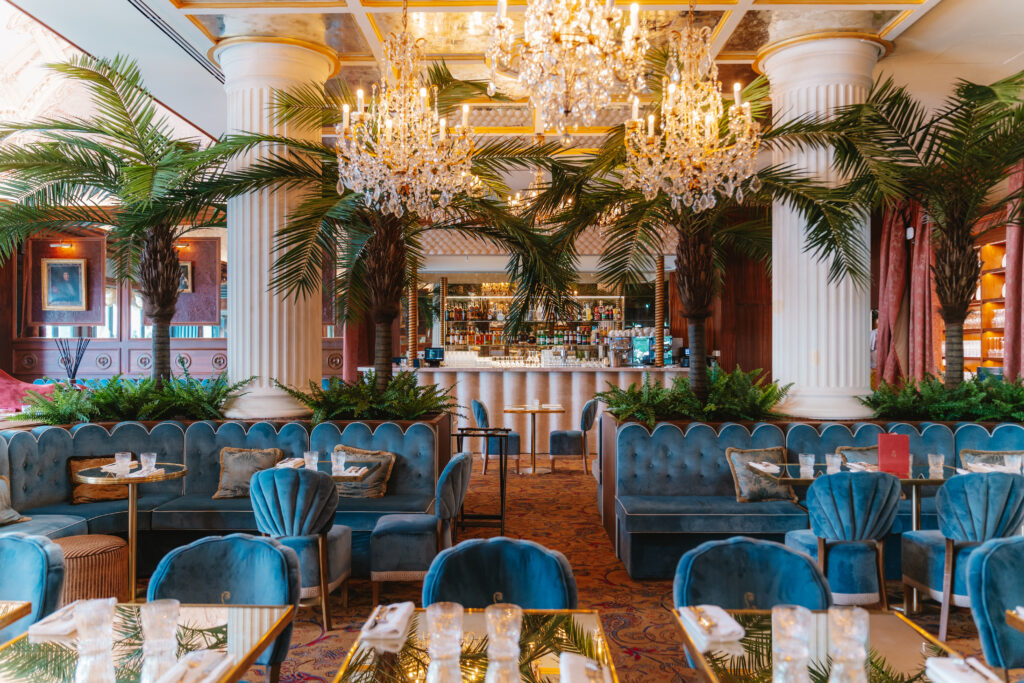
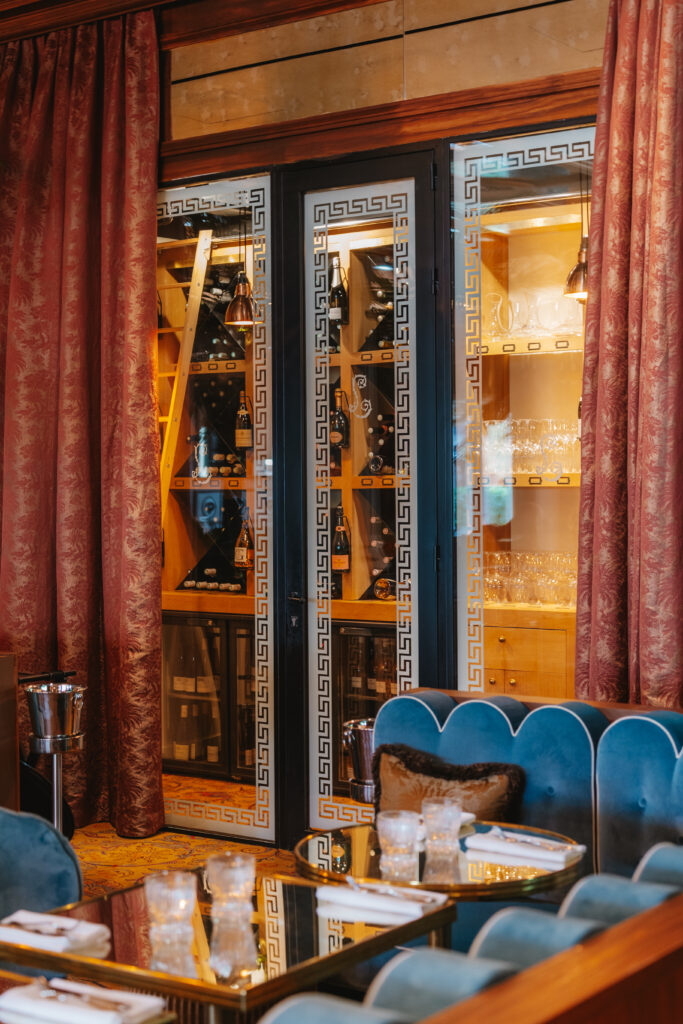
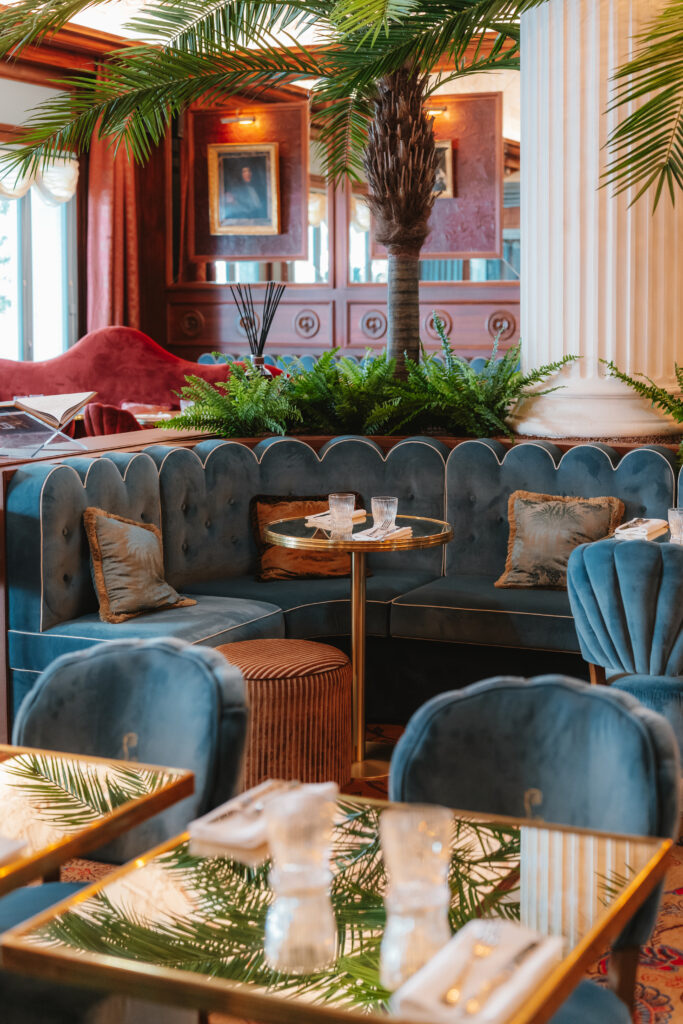
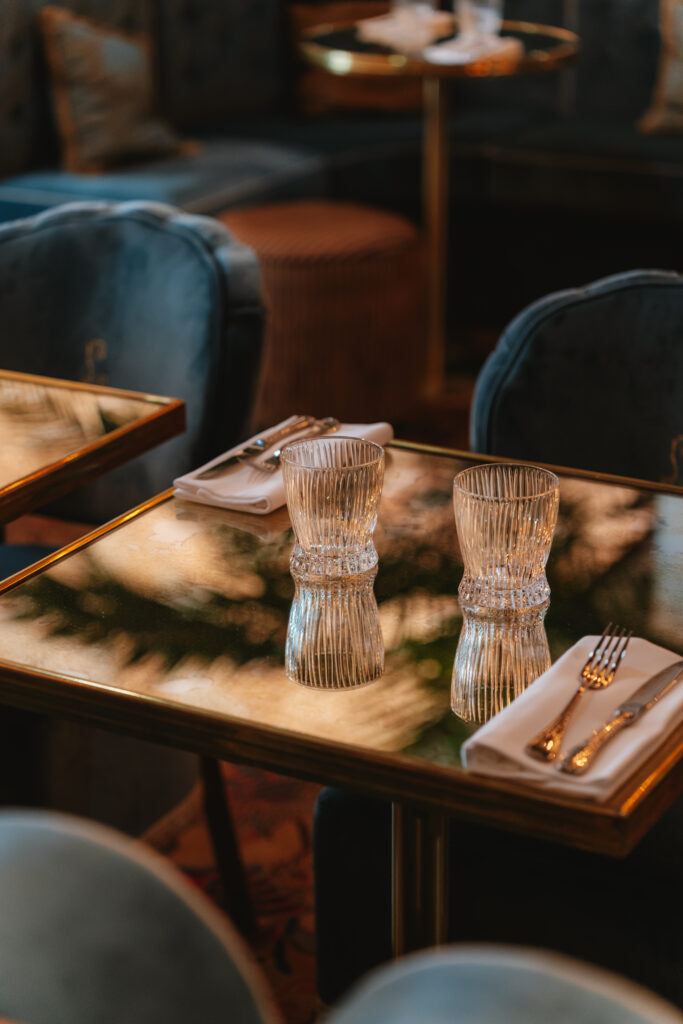
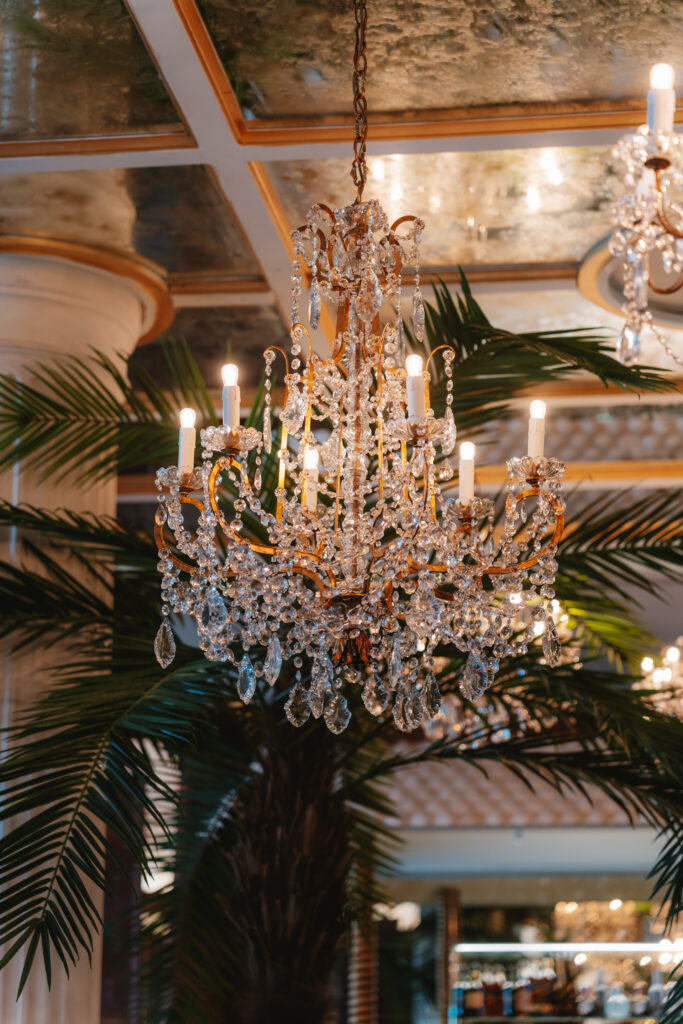
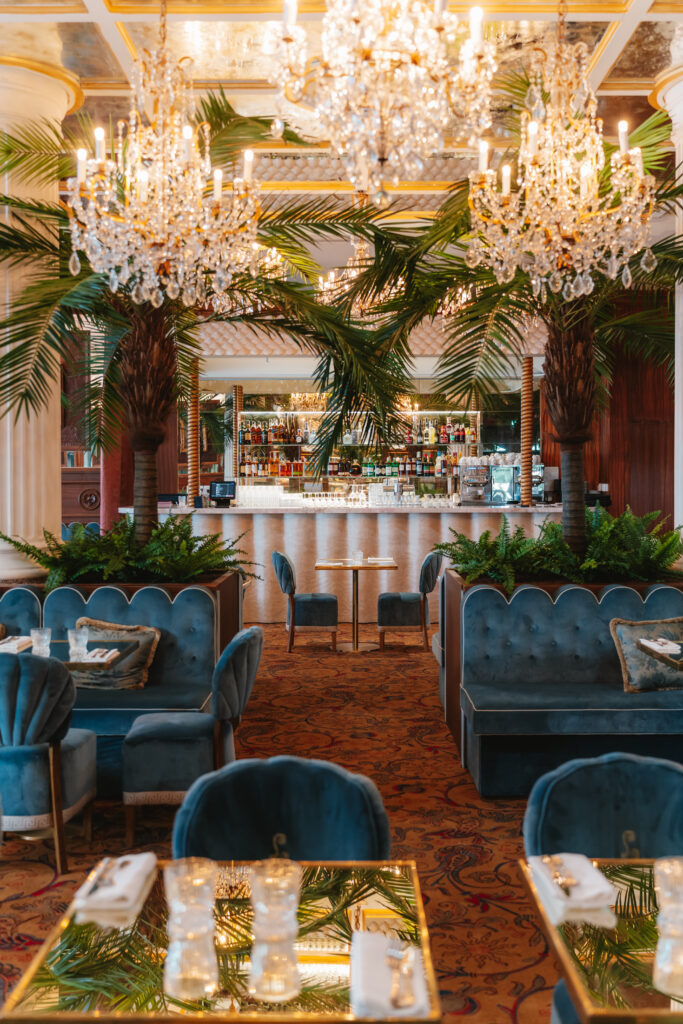
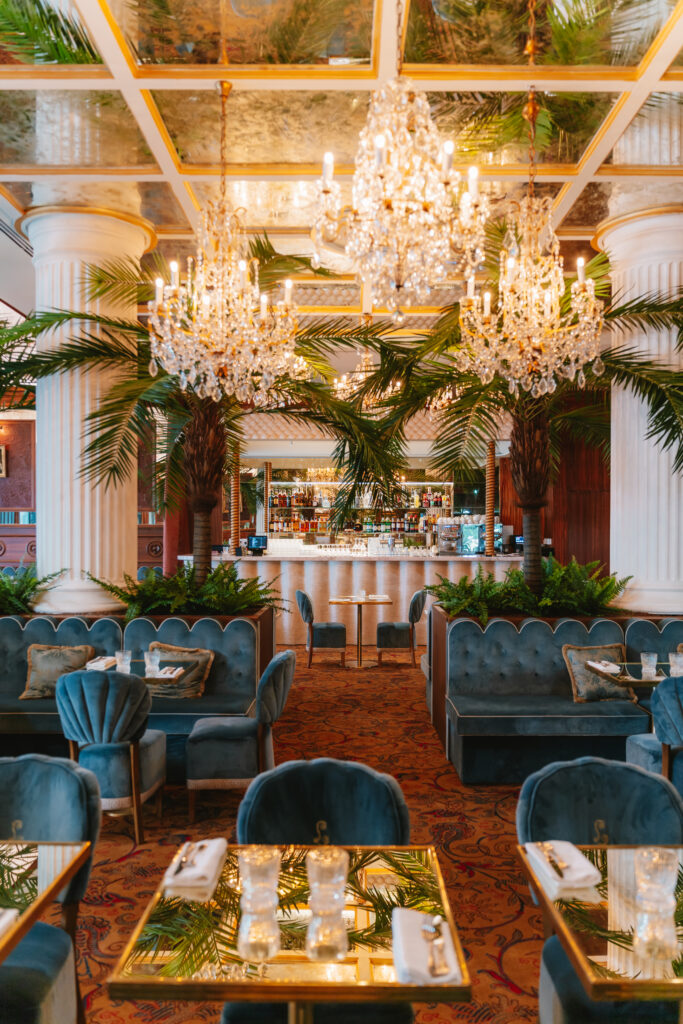
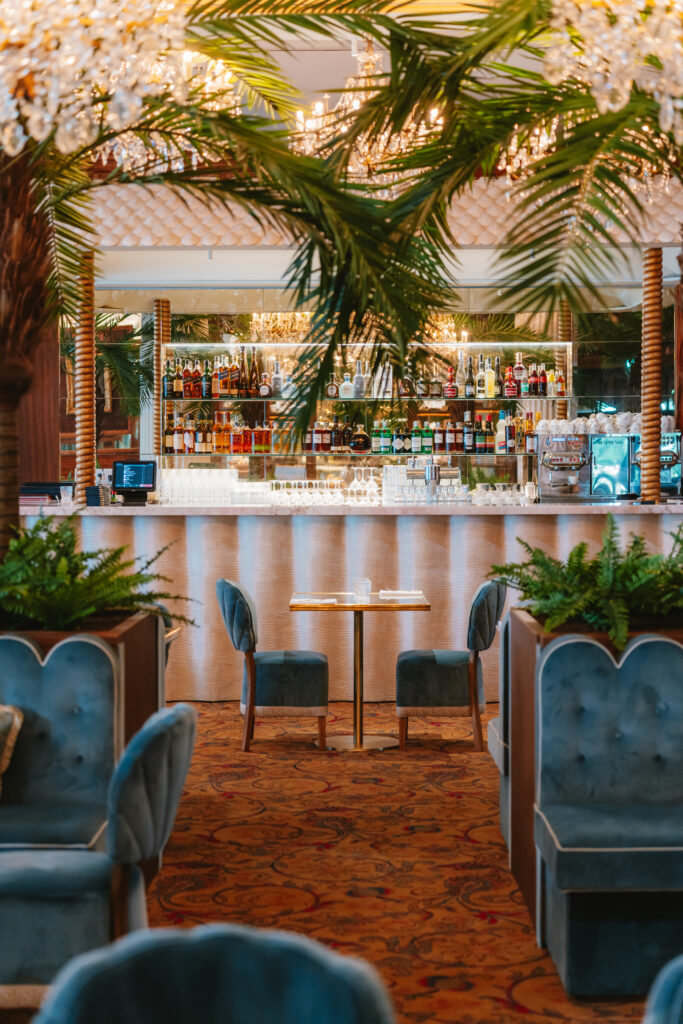
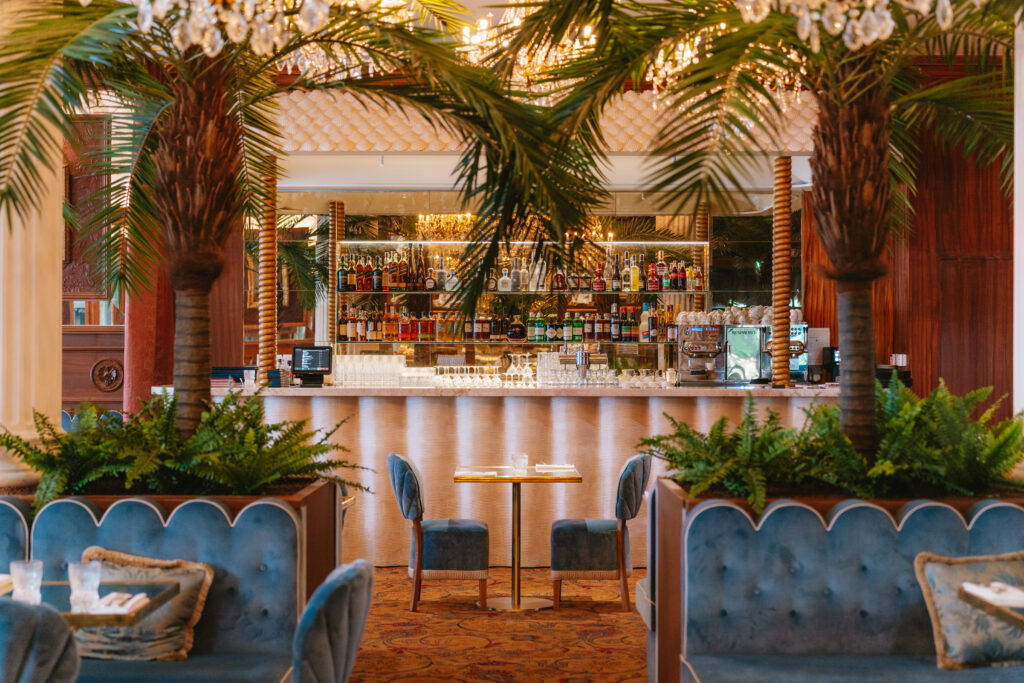
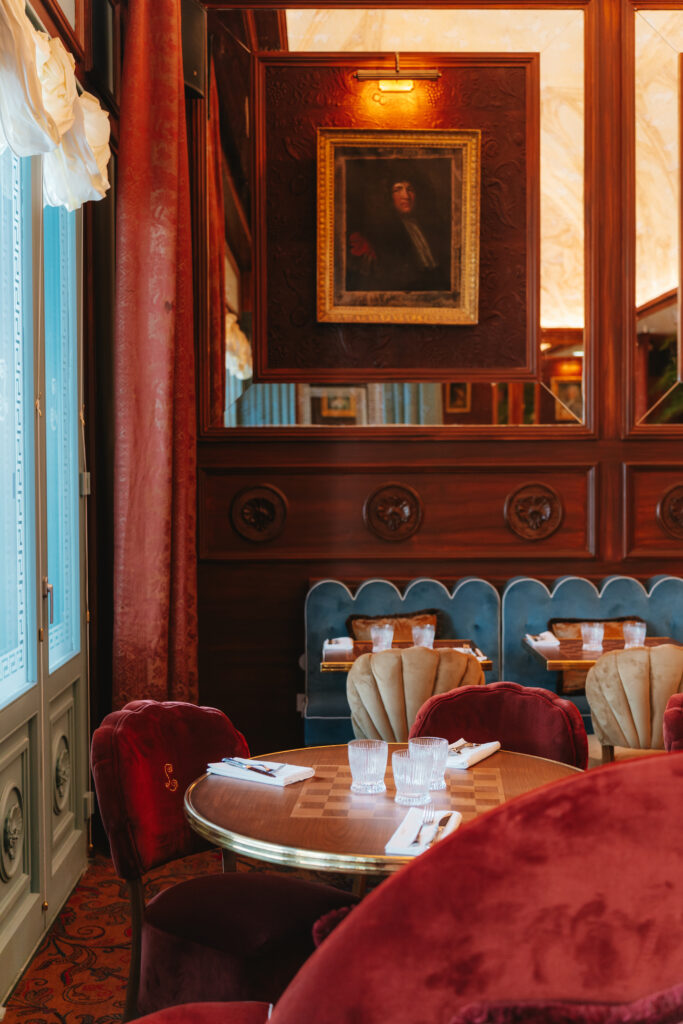
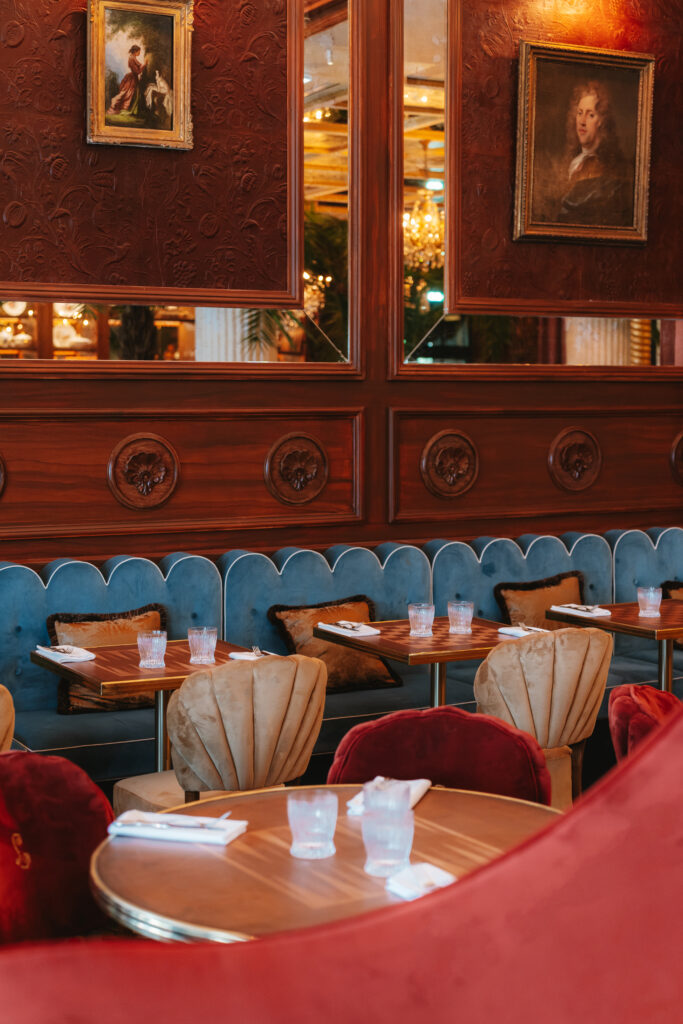
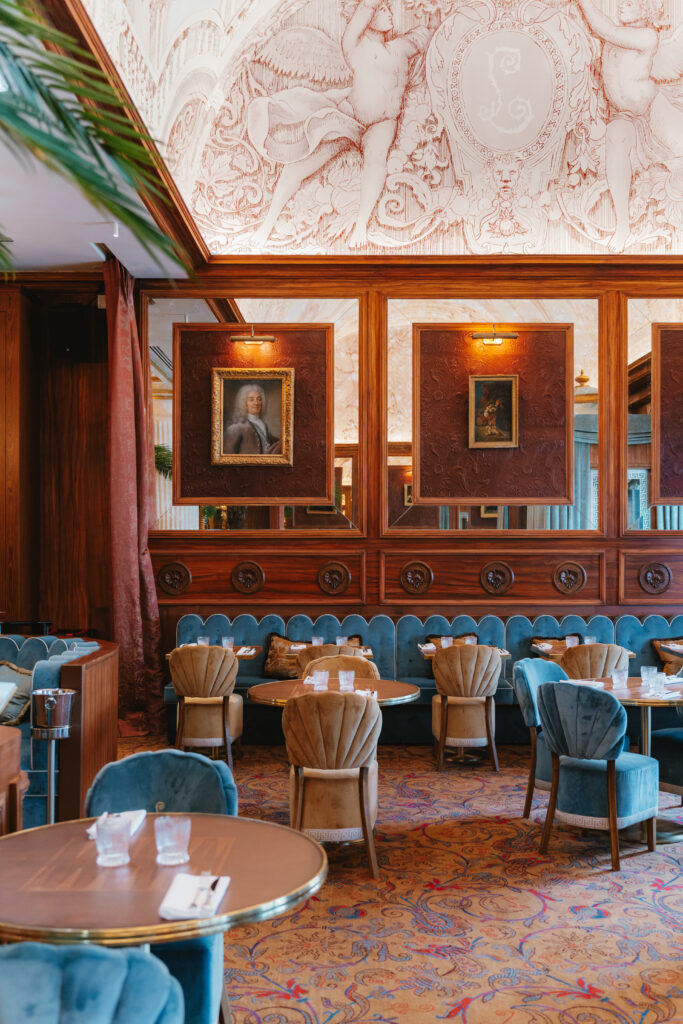
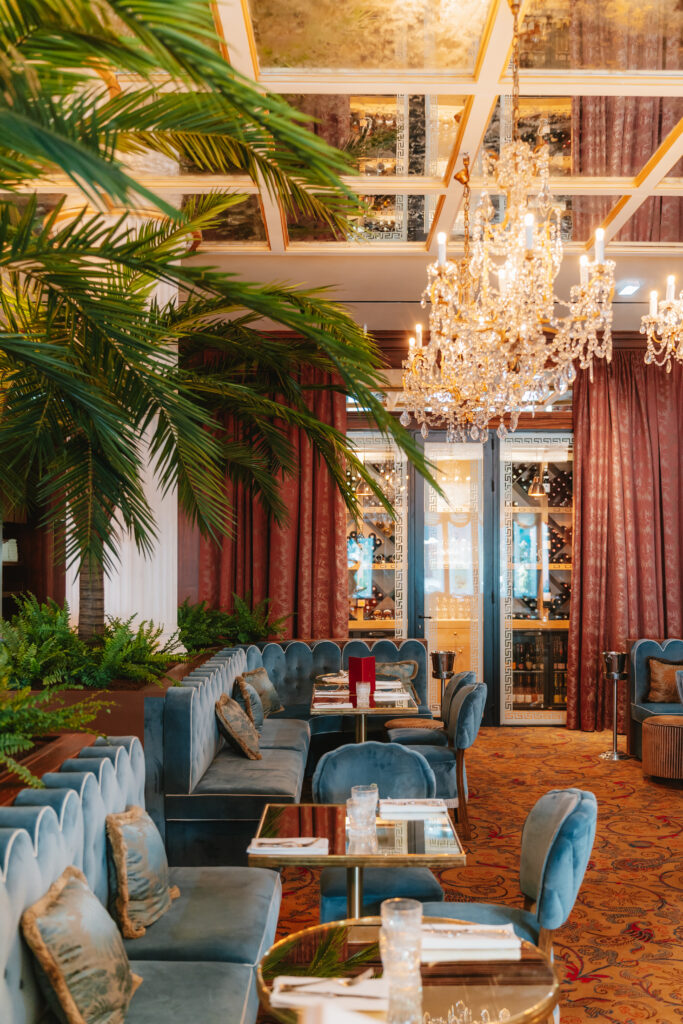
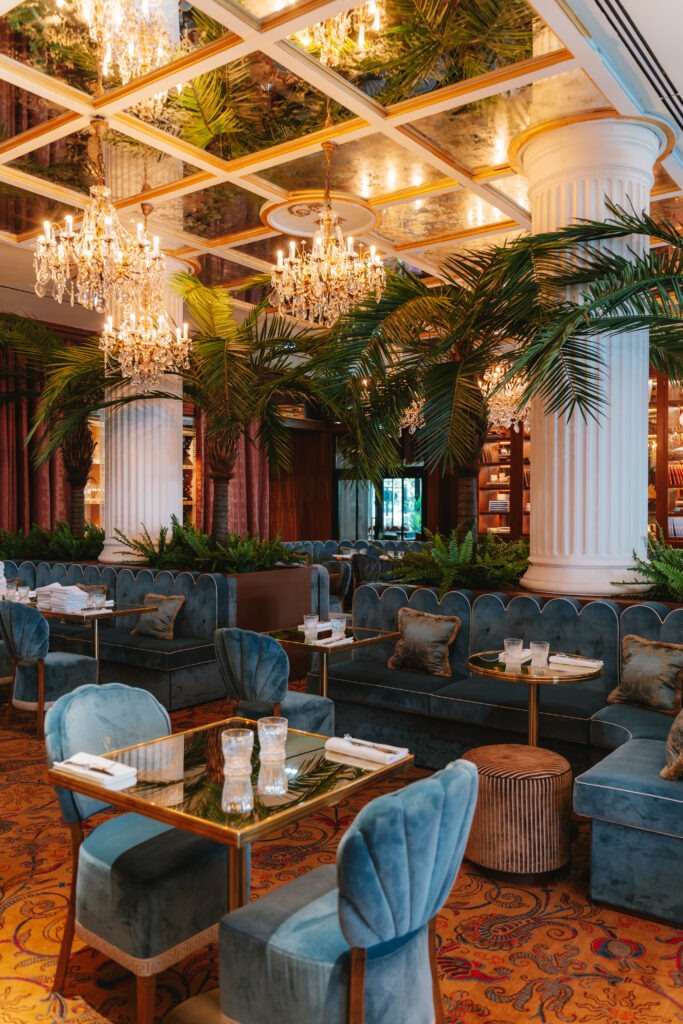
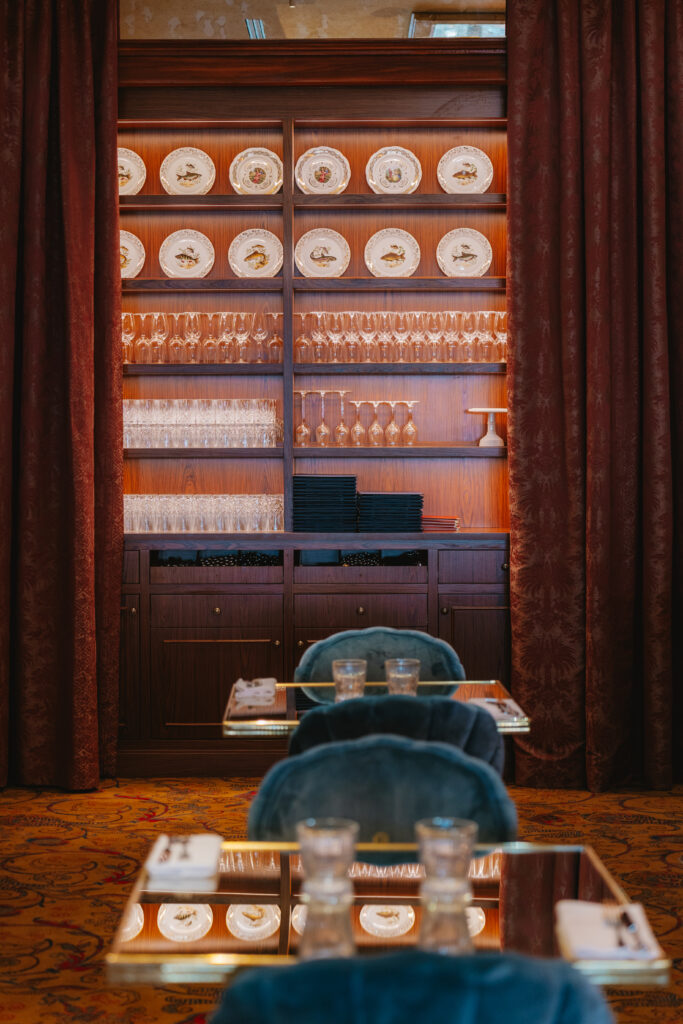
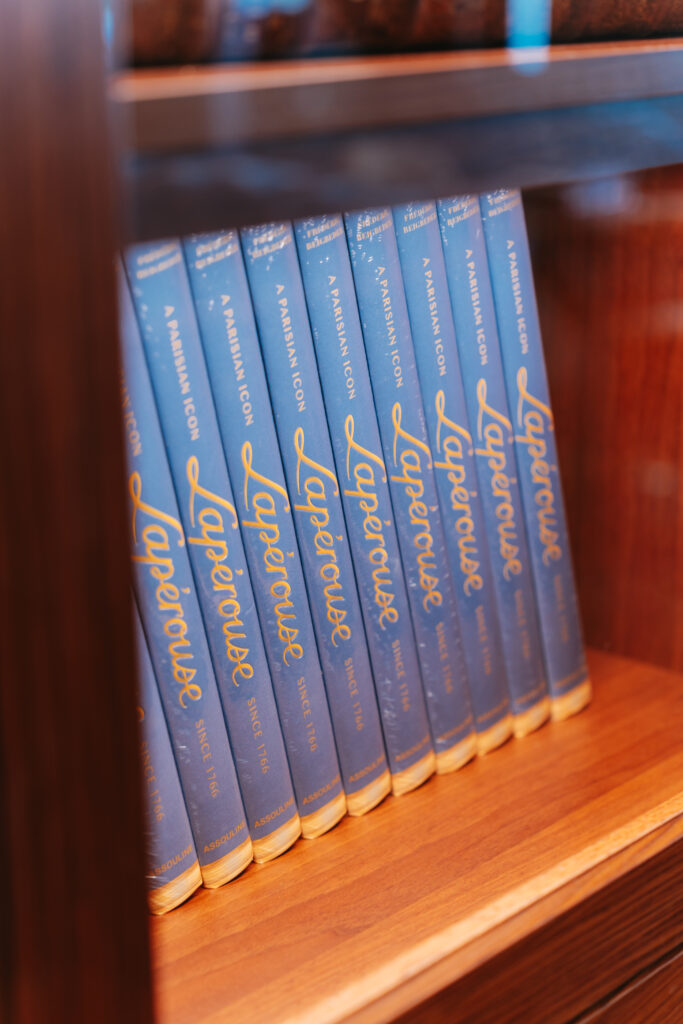
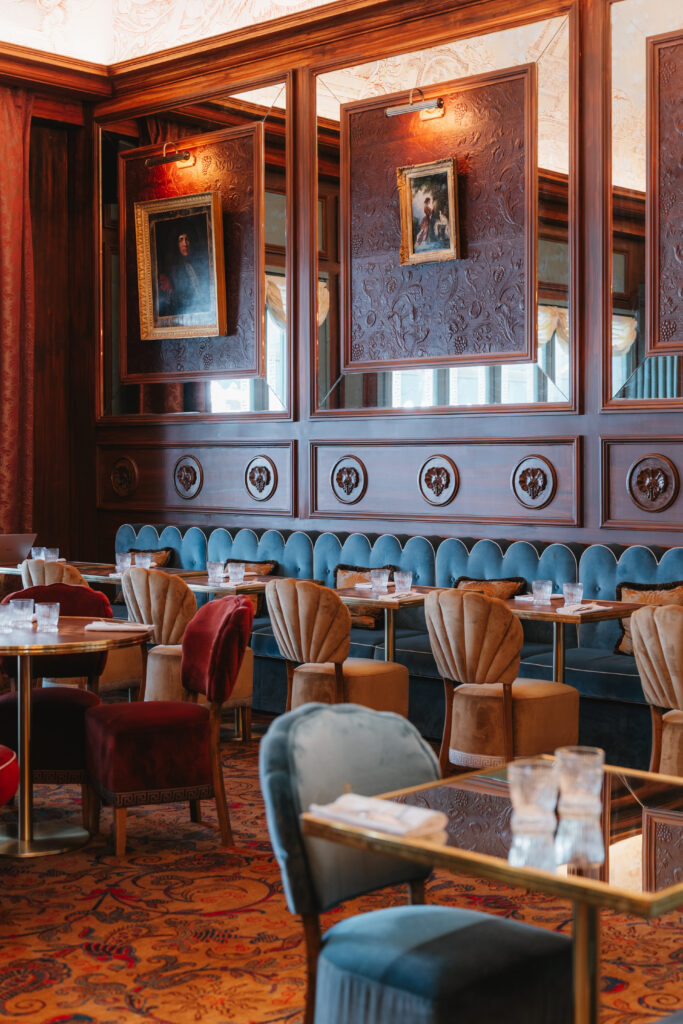
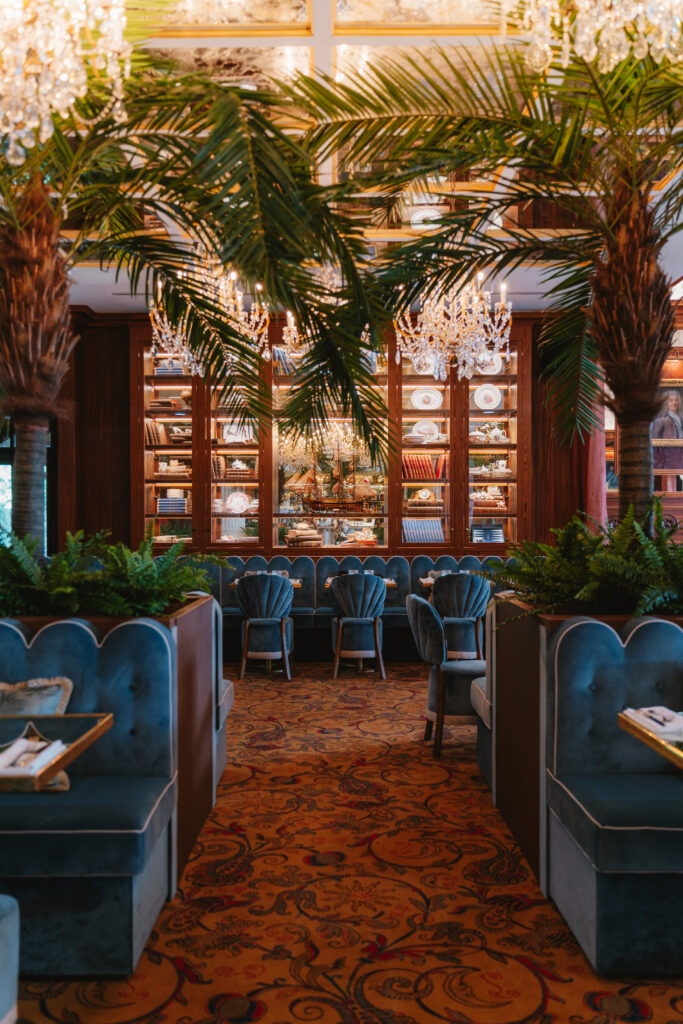
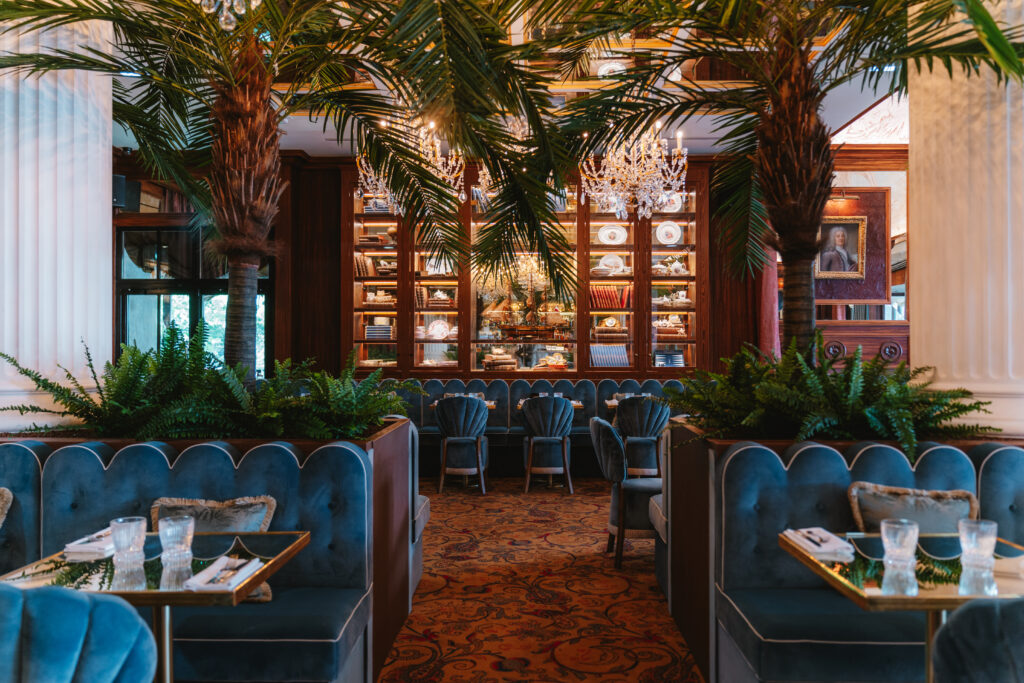
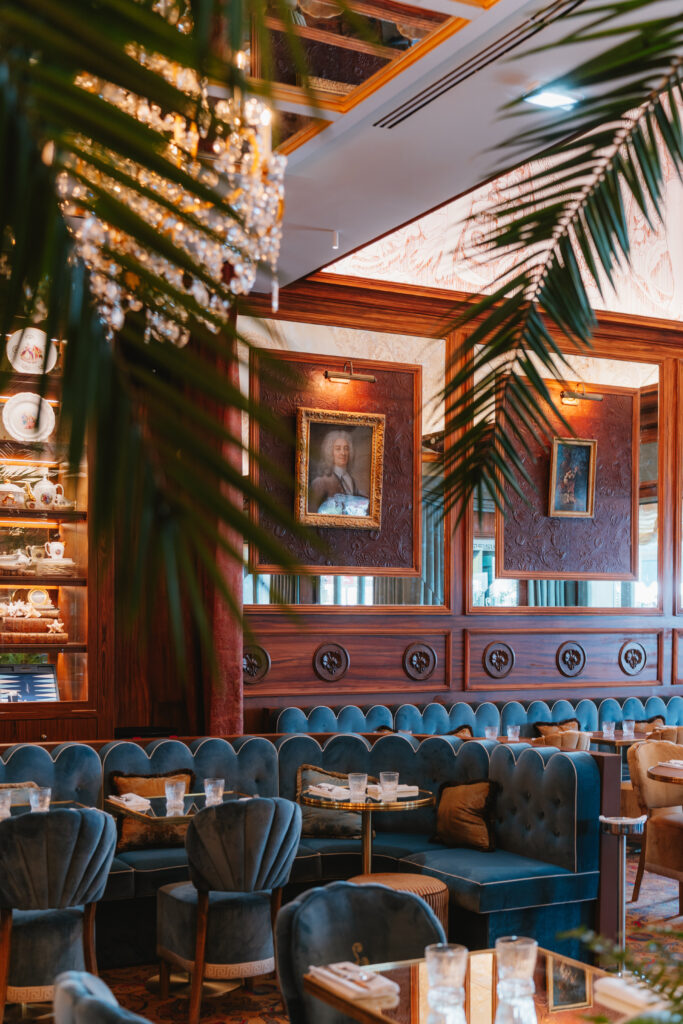
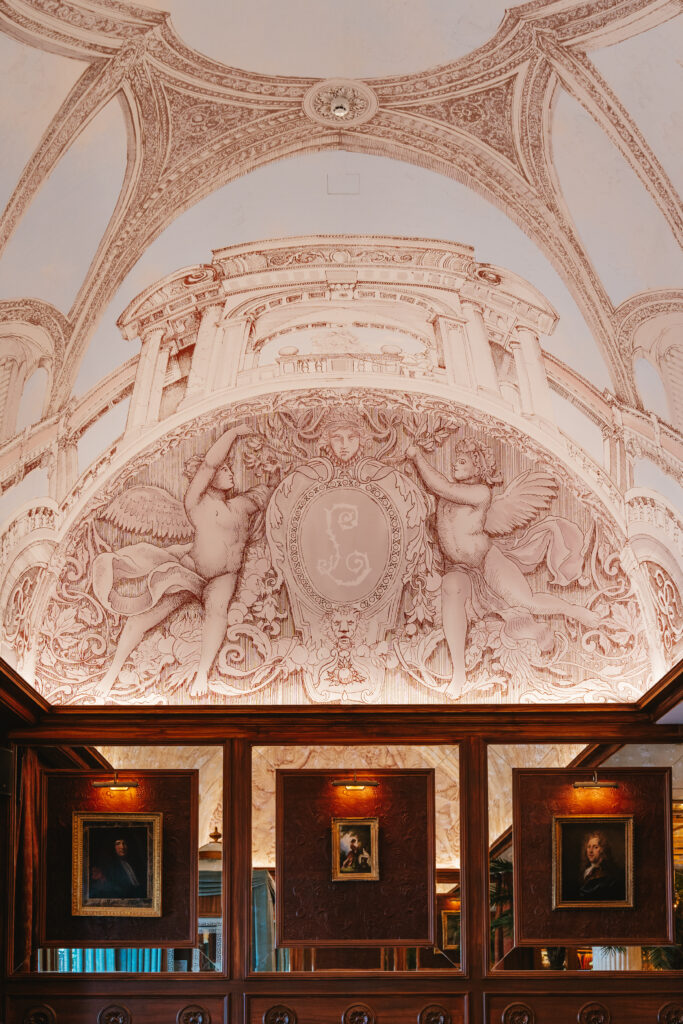
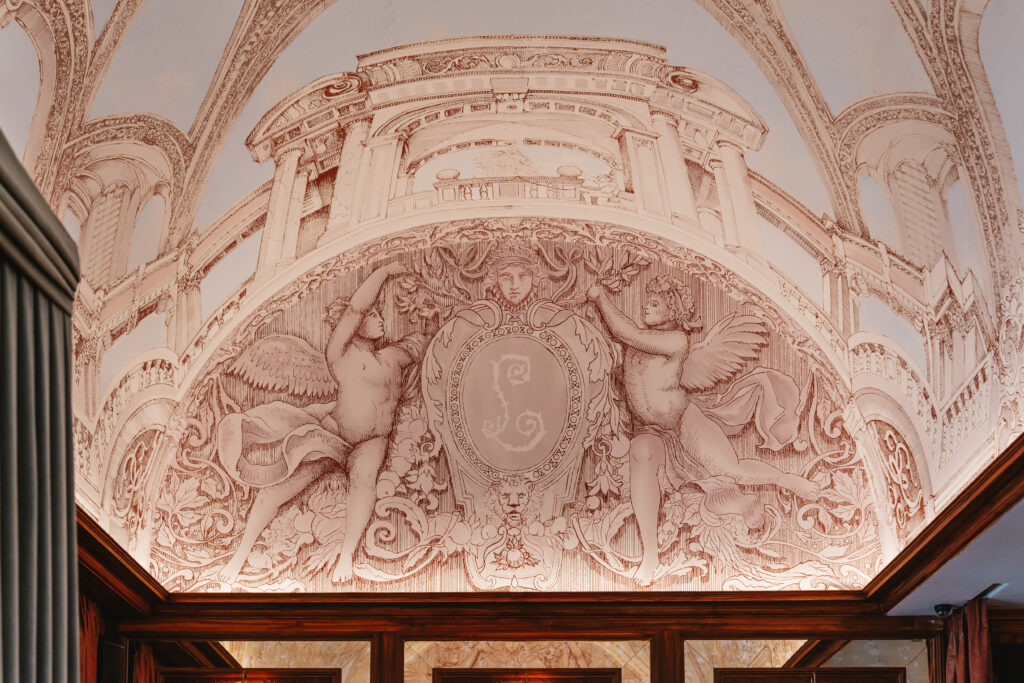
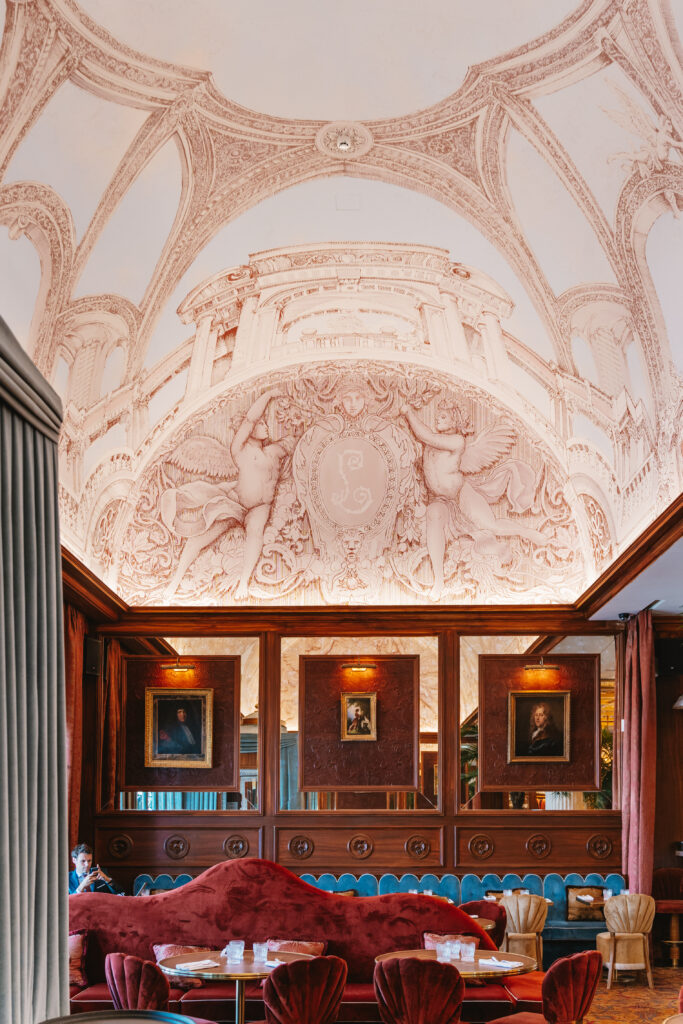
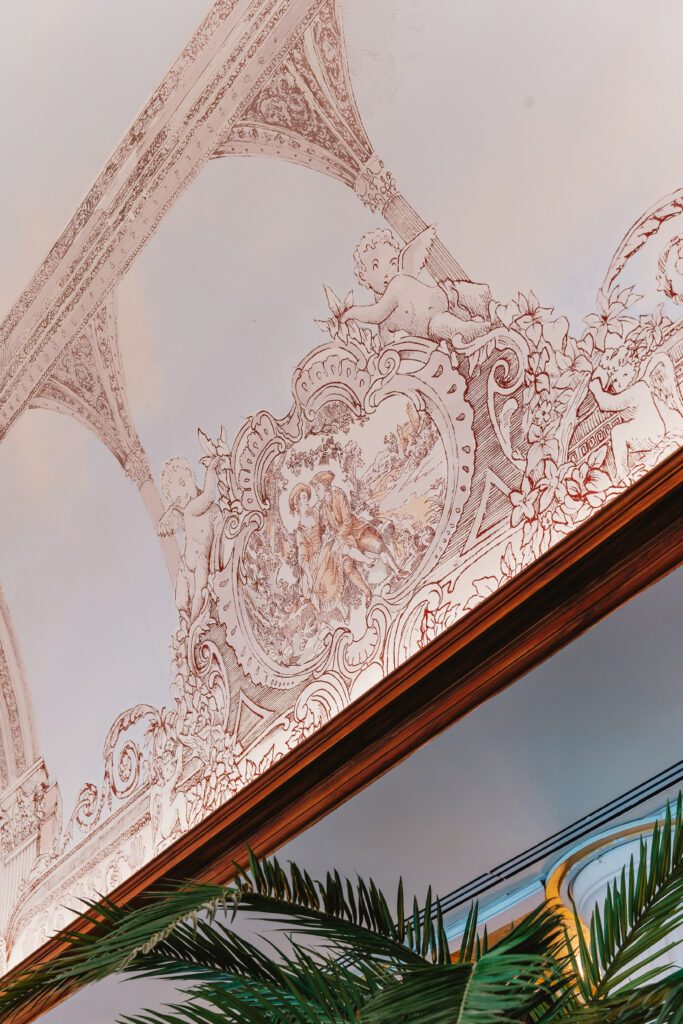
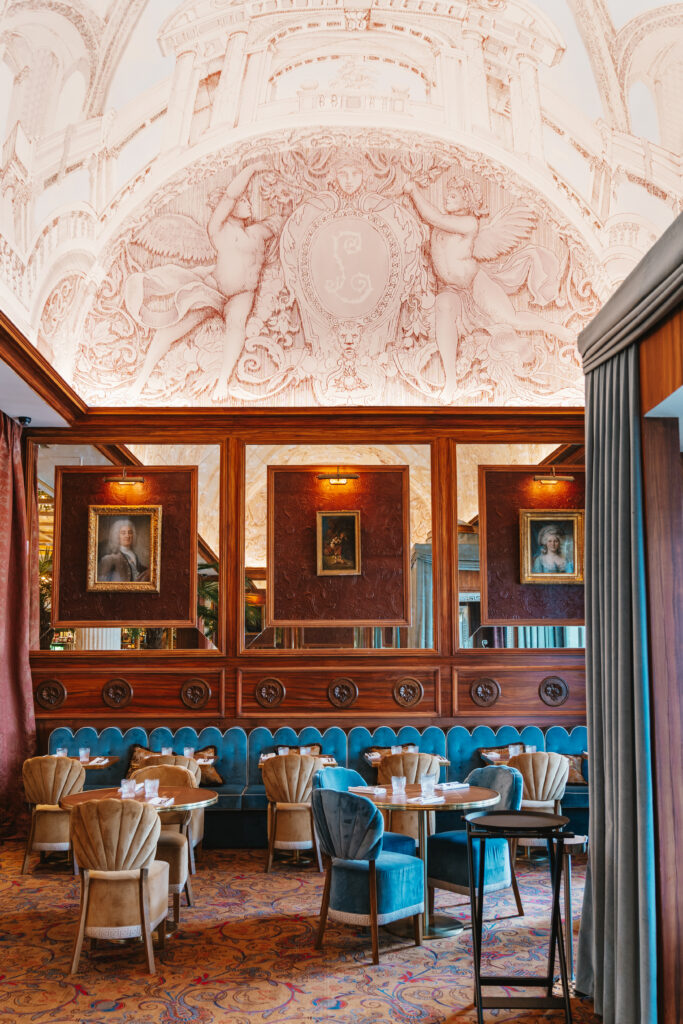
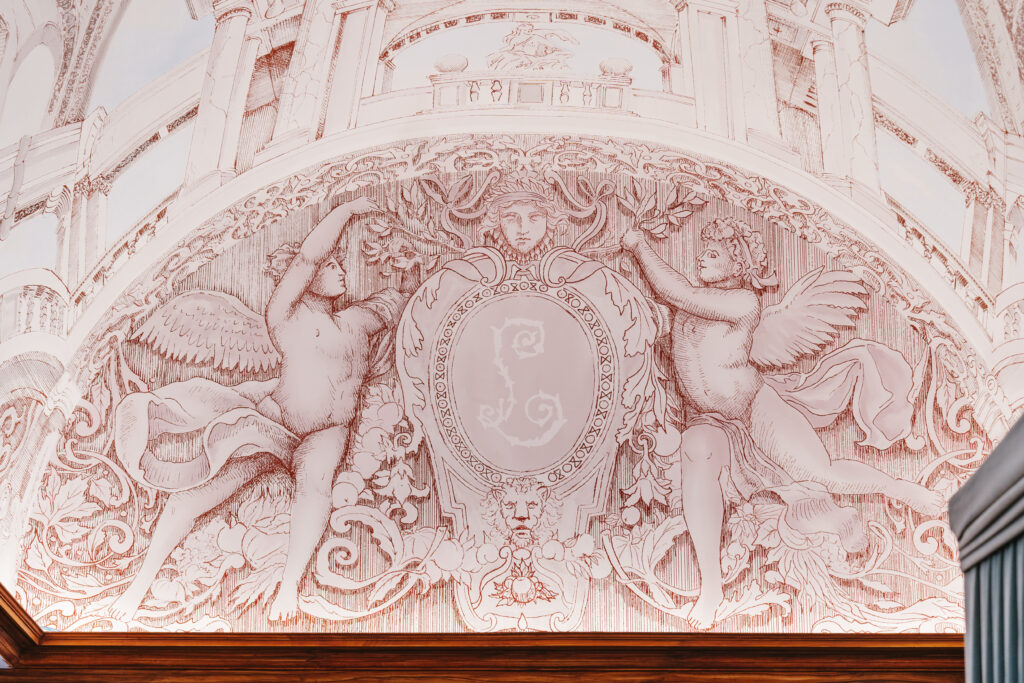
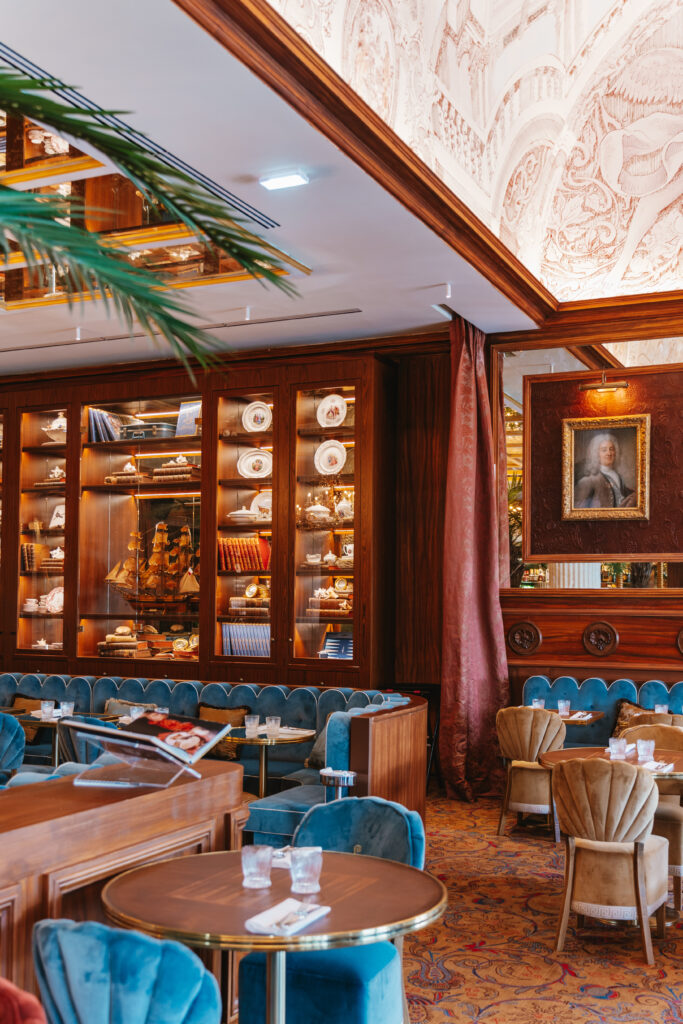
There are addresses one can hardly imagine leaving Paris. Café Lapérouse is one of them — and that is precisely the displacement La Vallée Village has just orchestrated, by welcoming one of the most emblematic names of Parisian art de vivre into its own territory.
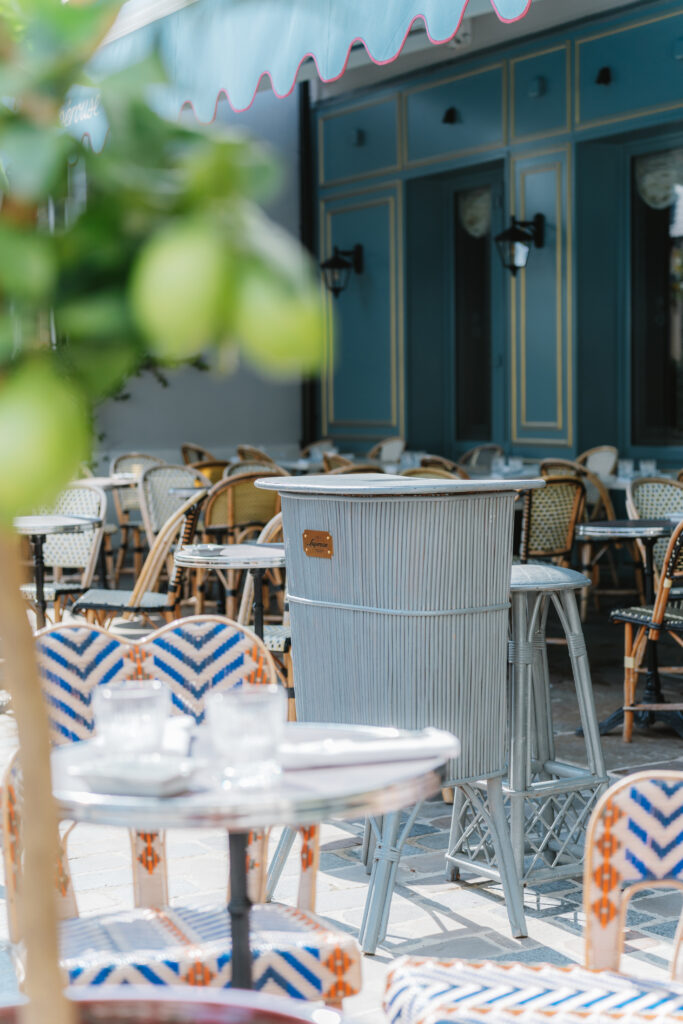
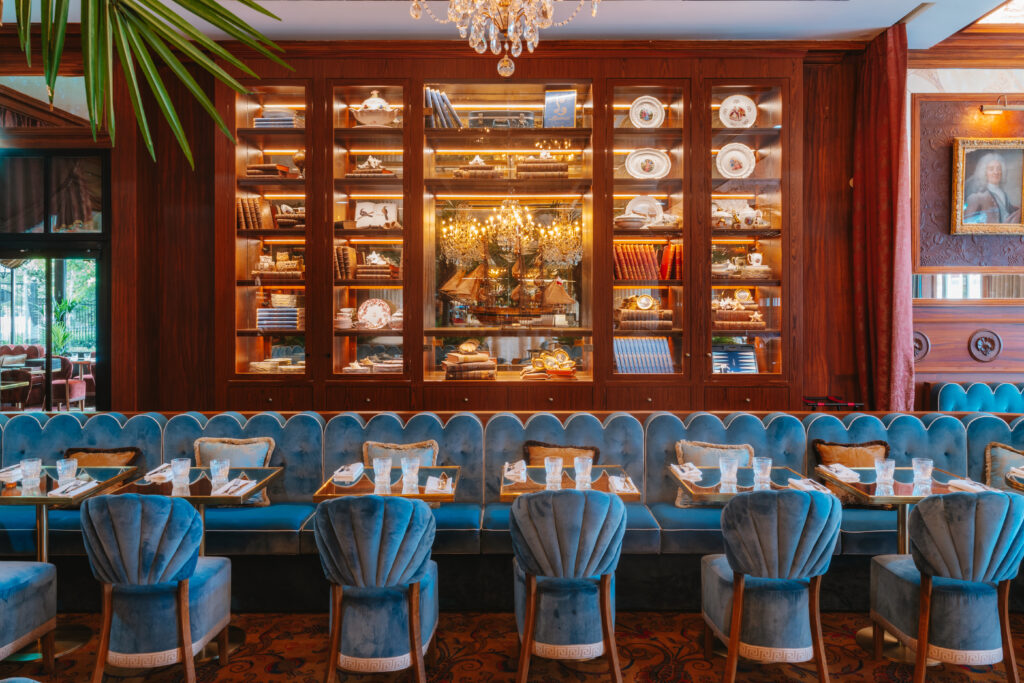
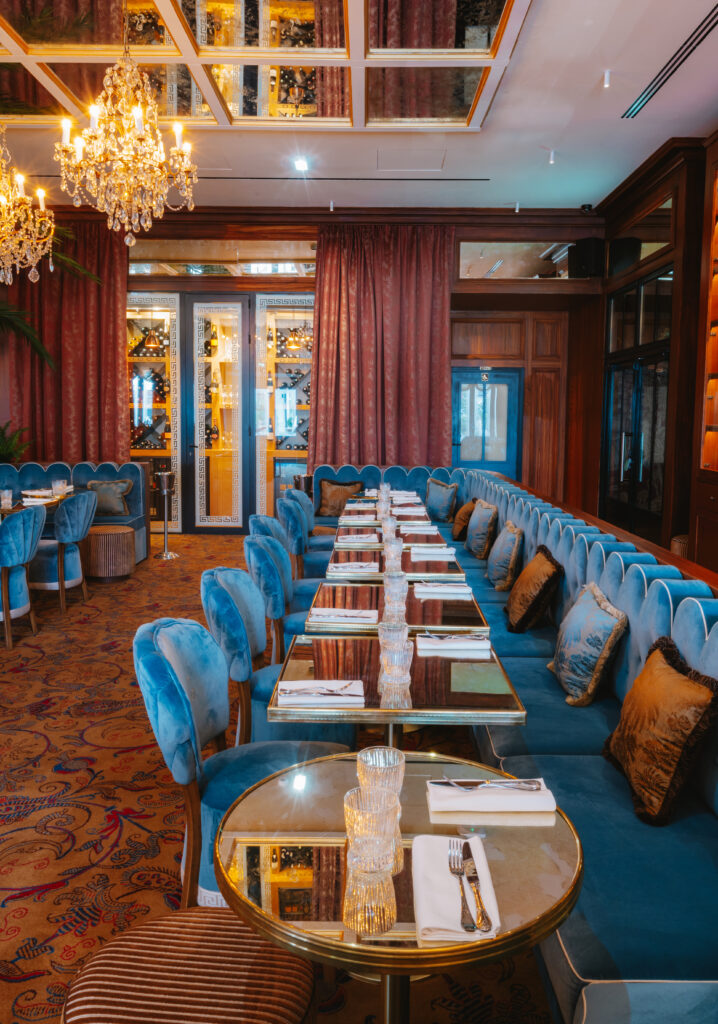
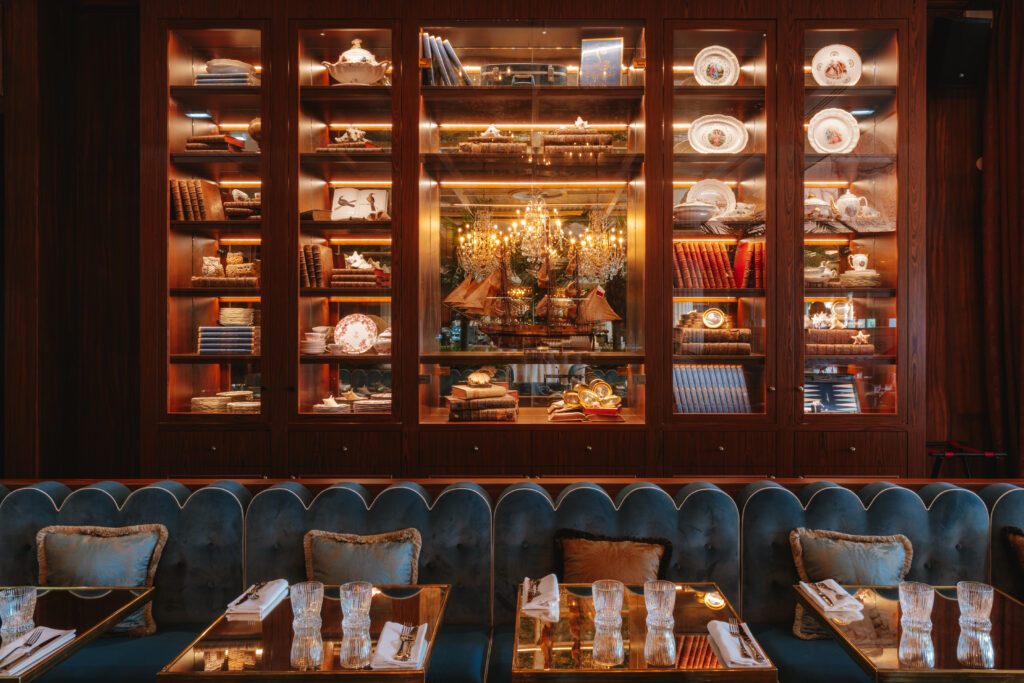
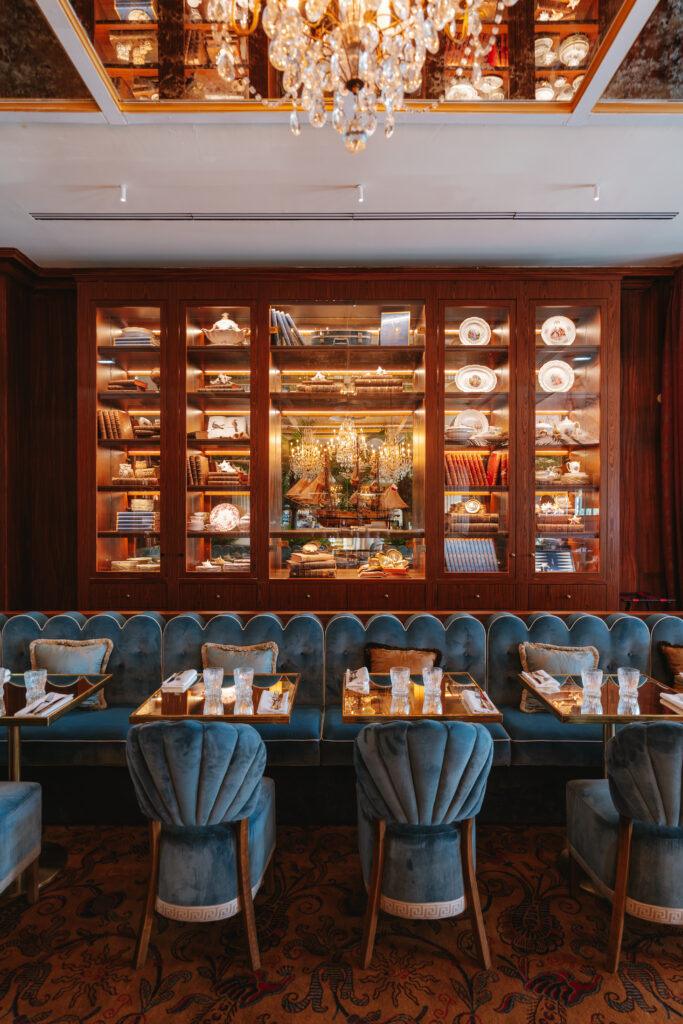
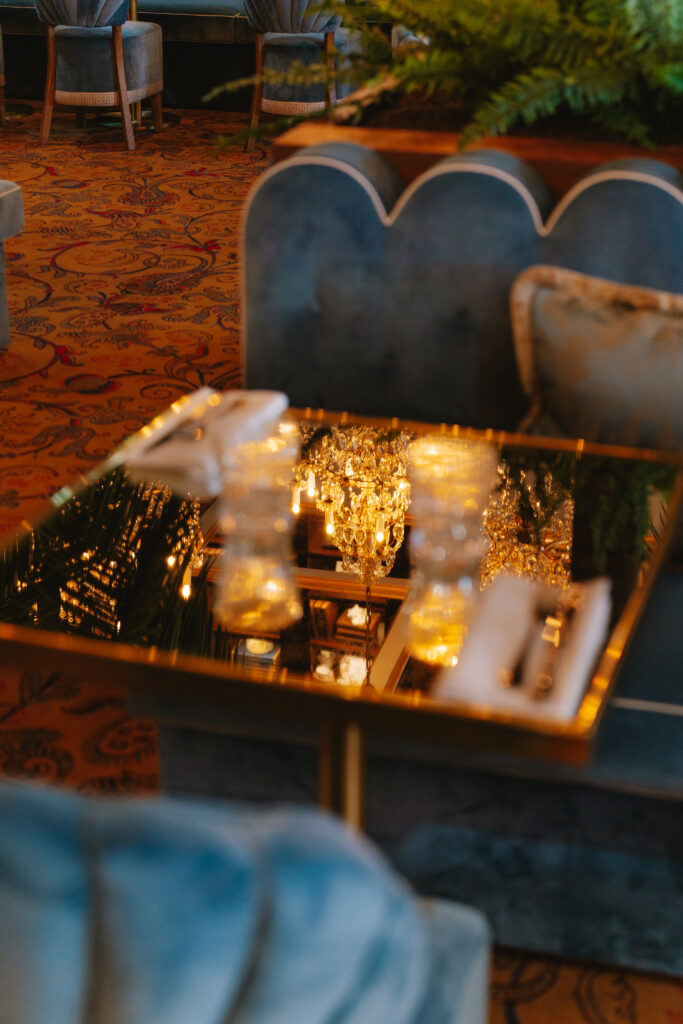
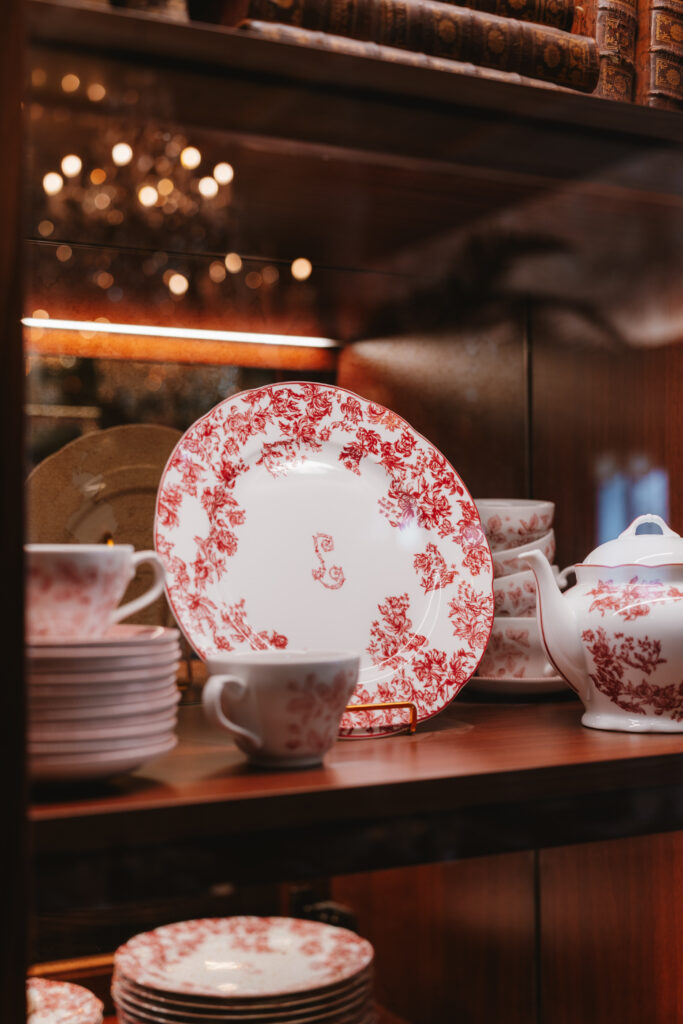
The opening is part of a broader ambition than that of a simple new place to eat. La Vallée Village states its wish to offer an ever more immersive experience, where fashion, gastronomy and excellence of craftsmanship speak to one another in a single place. Bringing in Café Lapérouse is thus less a matter of adding an address than of importing a fragment of Paris — its ritual, its atmosphere, its very particular way of receiving guests — into a site conceived, until now, above all for shopping.
The choice of words La Vallée Village uses to present this opening — fashion, gastronomy, craftsmanship — is not insignificant: it deliberately places the name in a register broader than that of mere dining, as if to signal that Café Lapérouse is invited not as a service provider but as an ambassador of a certain French art of hosting.
The opening event, held in mid-September, brought its guests together around an evening designed as a highlight of the season: shuttles from Bastille and Opéra to ease access to the Village, then a DJ set by Frédéric Beigbeder to carry the evening late into the night — a sign that the name was seeking not just a ceremonial inauguration but a moment its guests would remember. The choice of two shuttle slots, one at 3 p.m. and the other at 5 p.m., with returns scheduled at 9 p.m. or 10 p.m. for the guests keenest to enjoy the evening, testifies to logistics designed for a Parisian public little used to travelling out to the outskirts for a simple coffee.
This kind of move — a house identified with a neighbourhood, a city, an era, setting down roots elsewhere — always raises the same discreet question: what remains of an address when it changes setting? La Vallée Village seems to have made the opposite bet to dilution: to convince that a place of identity can move without being diluted, provided the setting that receives it shares the same standard.
This bet also implies a change of outlook on what a brand village can be: long confined to the image of a discount shopping destination, the format is visibly seeking, through this kind of opening, to move closer to the status of a destination in its own right — where one comes as much to sit down at a table as to leave with purchases.
It remains to be seen, in the coming months, how this Café Lapérouse outside the walls will negotiate its own identity between two territories — the historic one of Paris intra-muros, and the more recent one of a Village conceived for an international clientele seeking experiences as much as purchases. The question arises all the more because this clientele, largely made up of foreign visitors coming for the day, does not necessarily carry the same imaginary around the Lapérouse name as the Parisian public used to the historic address — which could, in time, redefine what the brand itself represents.
Cette publication est également disponible en :


