
Linking Istanbul to Rome in five days and four nights is not merely a rail journey. The new itinerary from La Dolce Vita Orient Express offers a political and sensory reading of the continent, from its eastern margins to its Italian imaginary.
At a time of slow travel’s return, the train once again becomes a tool of cultural staging.
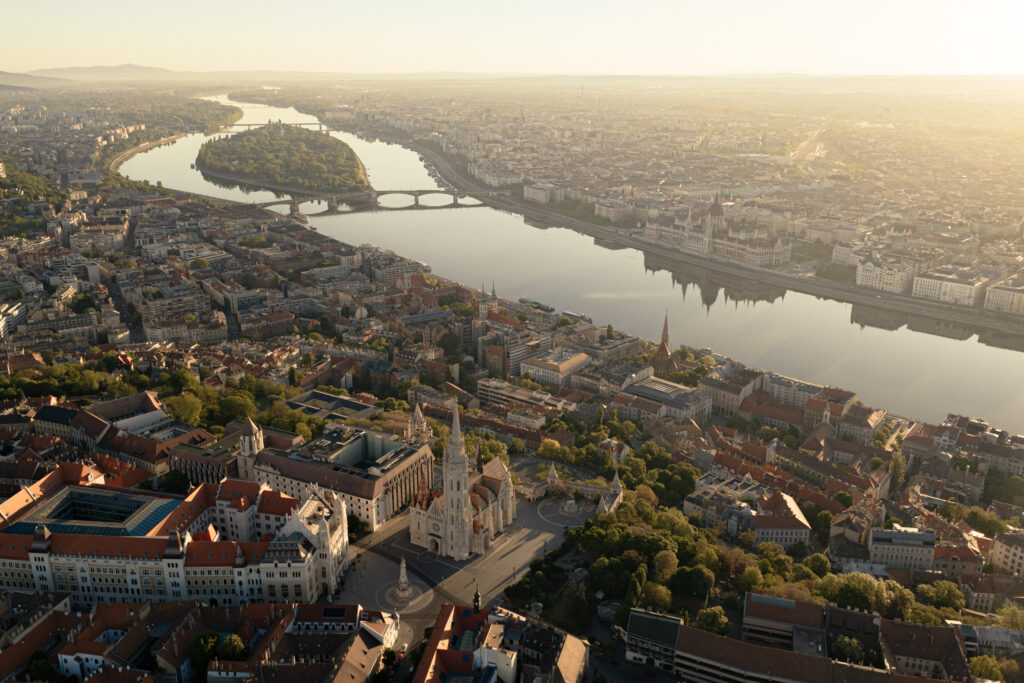
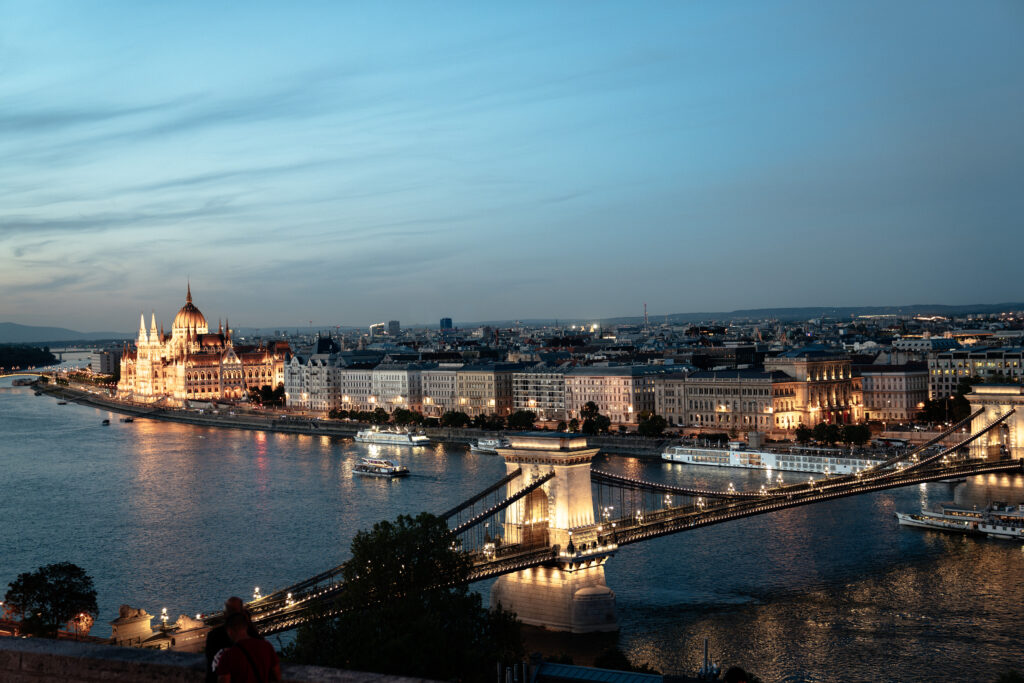
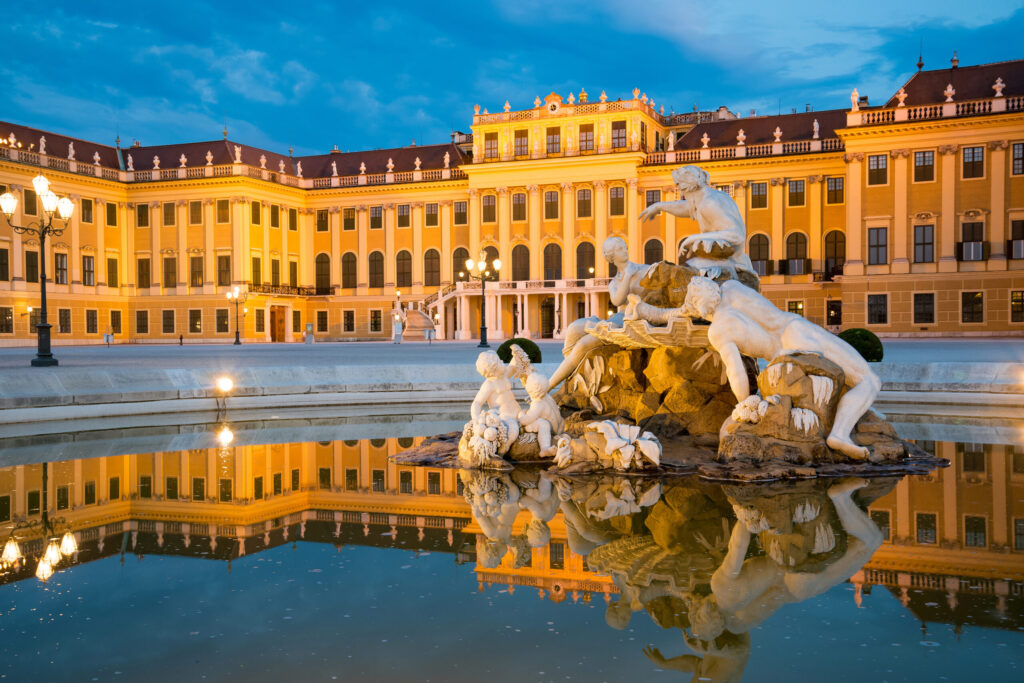
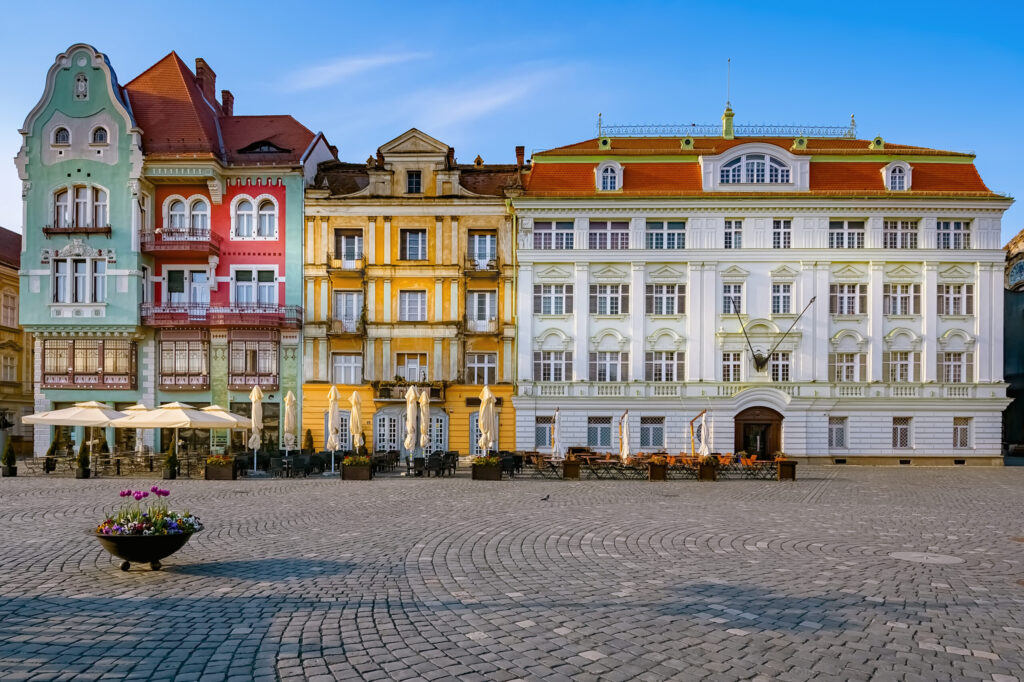
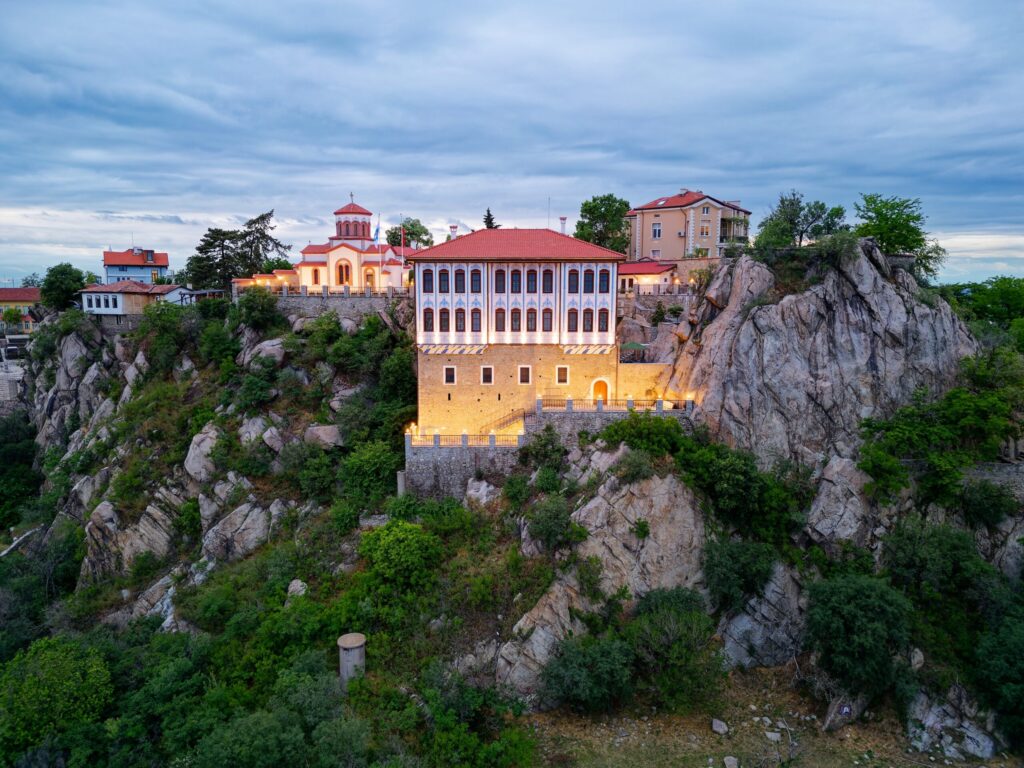
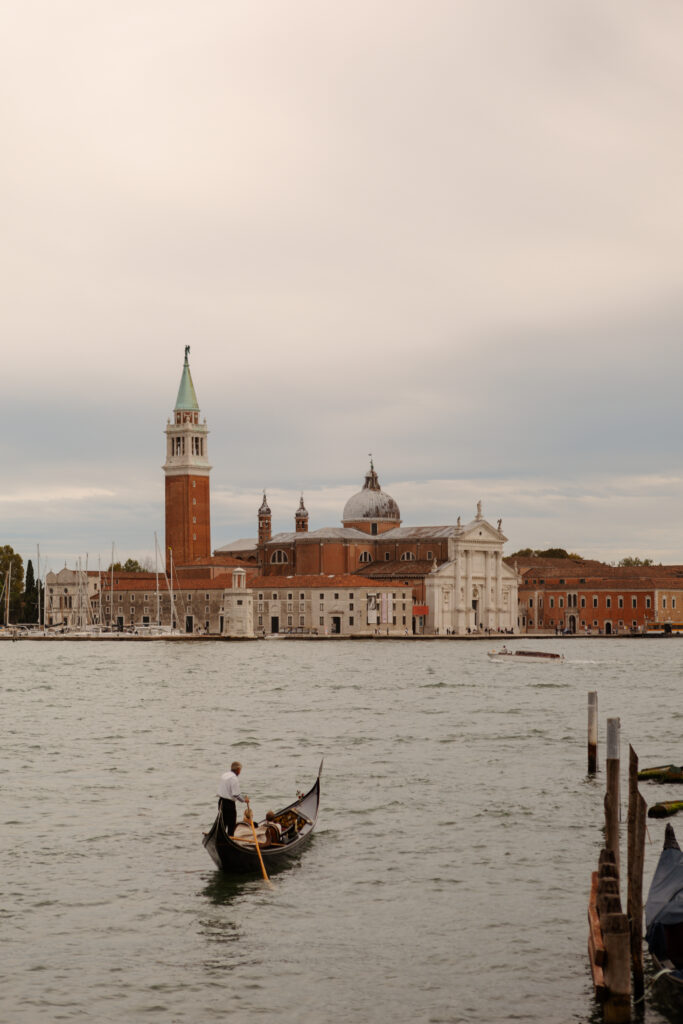
The route, announced for 21 July 2026, crosses Plovdiv, Sofia, Timișoara, Vienna and Venice before reaching Rome. This geography is its first point of interest. It avoids the usual reduction of Europe to a handful of Western capitals and restores narrative continuity to territories long treated as secondary stopovers. The journey thus becomes a form of continental montage: Ottoman legacies, Austro-Hungarian architecture, Balkan historic centres and Italian culture follow one another without an aerial break.
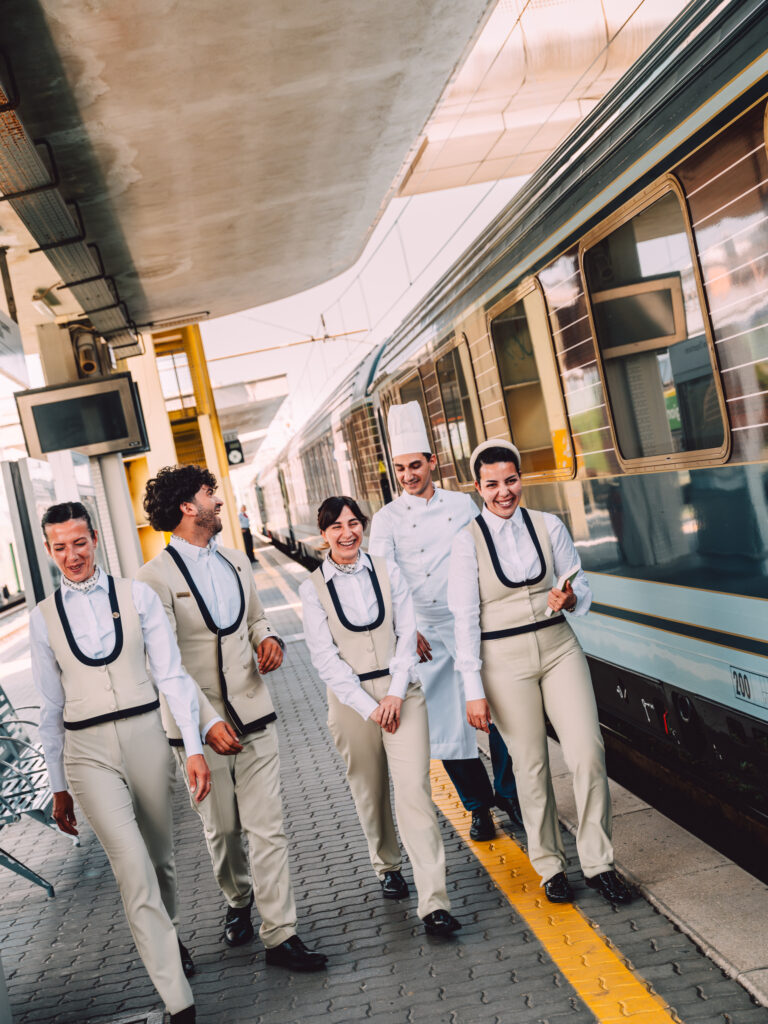
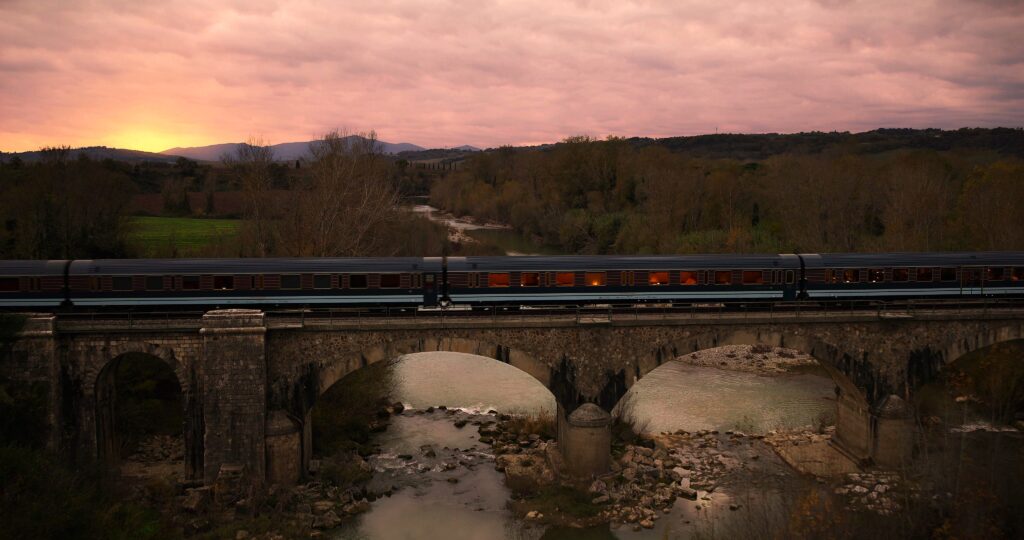
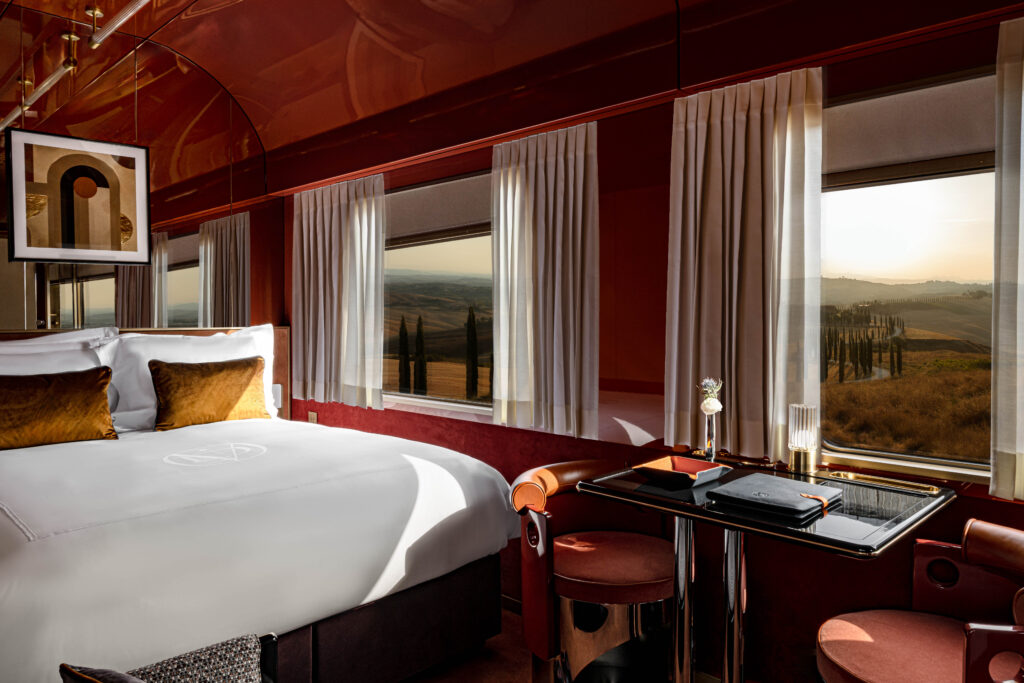
La Dolce Vita Orient Express chooses not to sell only the journey itself. Time spent on board is conceived as a destination, with private cabins, lounge spaces and a gastronomic programme inspired by the regions crossed. This approach rests on a simple idea: slowness gains value once it is turned into attention. The train allows one to watch landscapes change, but also to build a more progressive relationship with cities, their craftsmanship and their table.
This offering fits into a broader shift in high-end travel. After decades dominated by speed and standardisation, hospitality is reinvesting in historic means of transport to offer a more coherent experience. Here rail delivers what aviation cannot: a continuous narrative, a mobile bedroom and sociability on a reduced scale. The railway object becomes a temporary architecture in which service, design and gastronomy compose a single dramaturgy.
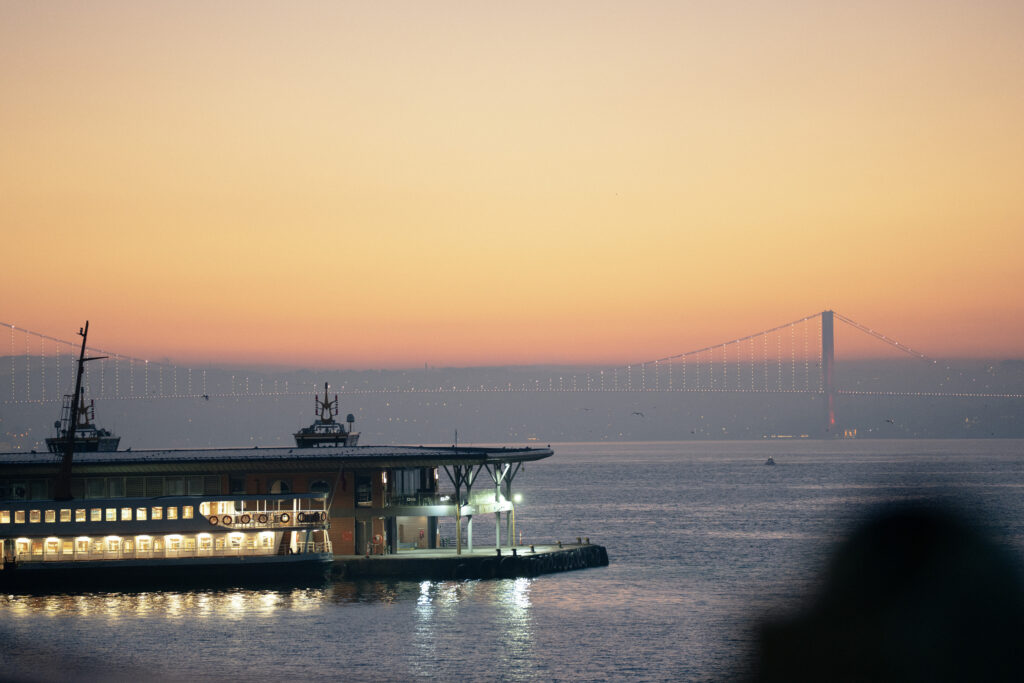
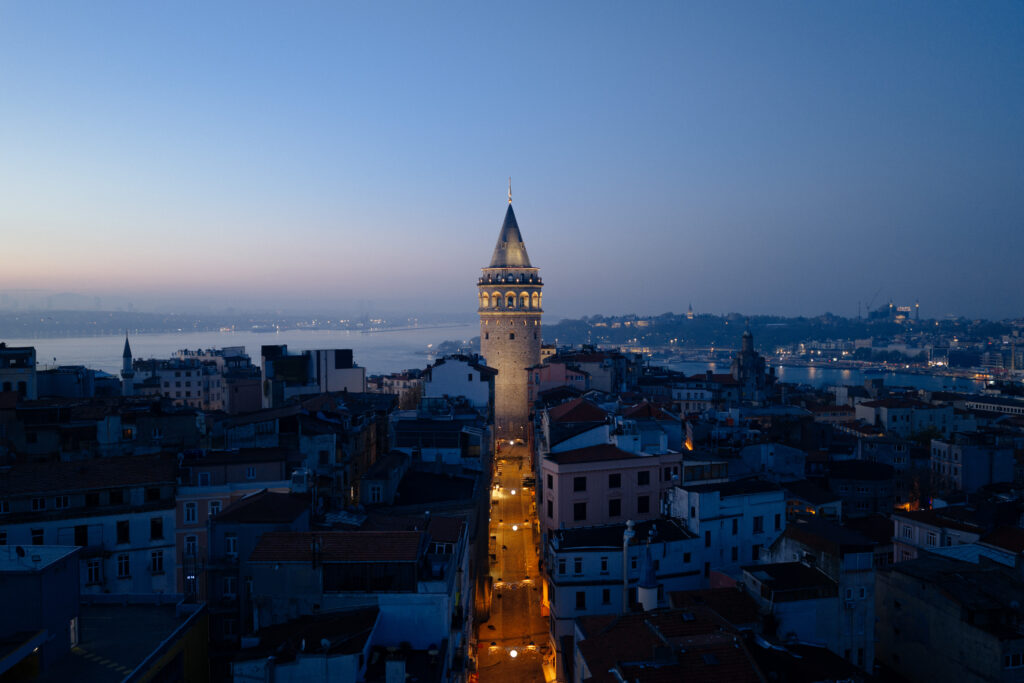
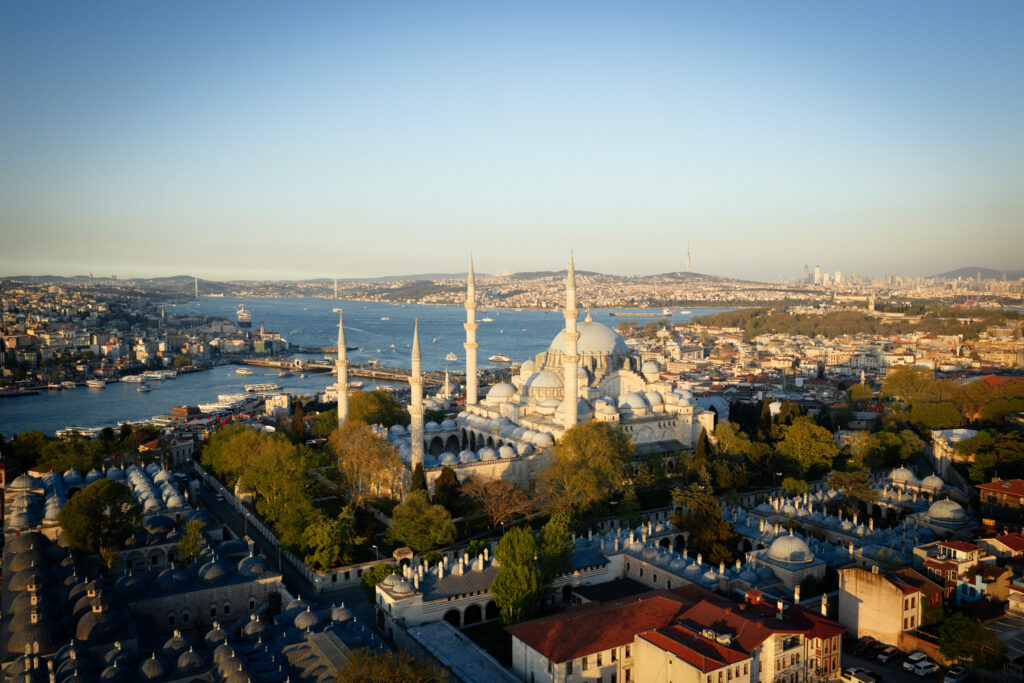
The choice of Istanbul as a starting point is also significant. The city is a reminder that cultural Europe does not begin in Vienna, nor does it end at the Union’s administrative borders. Starting from the Bosphorus, the itinerary reactivates the history of exchanges between East and West without mechanically repeating the clichés of the Grand Tour. The real test will be whether the promised encounters with local artisans and heritage experiences go beyond a mere premium visit.
This new route, finally, says something about the persistent power of the Orient Express name. It no longer designates only a historic train, but a grammar of travel: scripted slowness, personalised service, referenced design and a sense of privileged access. The itinerary’s success will depend less on its decorum than on its ability to make the territories it crosses visible. It is in this tension between railway spectacle and genuine European immersion that its relevance will be decided.
Cette publication est également disponible en :


