
When the vineyards of Kakheti are ablaze with red and gold and Tbilisi is bathed in a softer light, Georgia shifts into a different rhythm. Far from the hustle and bustle of summer, fall becomes a season in its own right.
Rtveli, or harvest season, begins in September in Kakheti and lasts through December in some regions. Much more than just an agricultural highlight, it is a family-friendly and popular festival where visitors can participate in the harvest, share a traditional meal with locals, and discover the qvevri—the large, buried clay jar in which Georgian wine has been made for millennia. In Tbilisi, the narrow streets of the Old Town, with their wooden balconies and gardens, take on a new glow, while in October, the Tbilisoba festival brings together producers, artisans, musicians, and dancers from across the country.
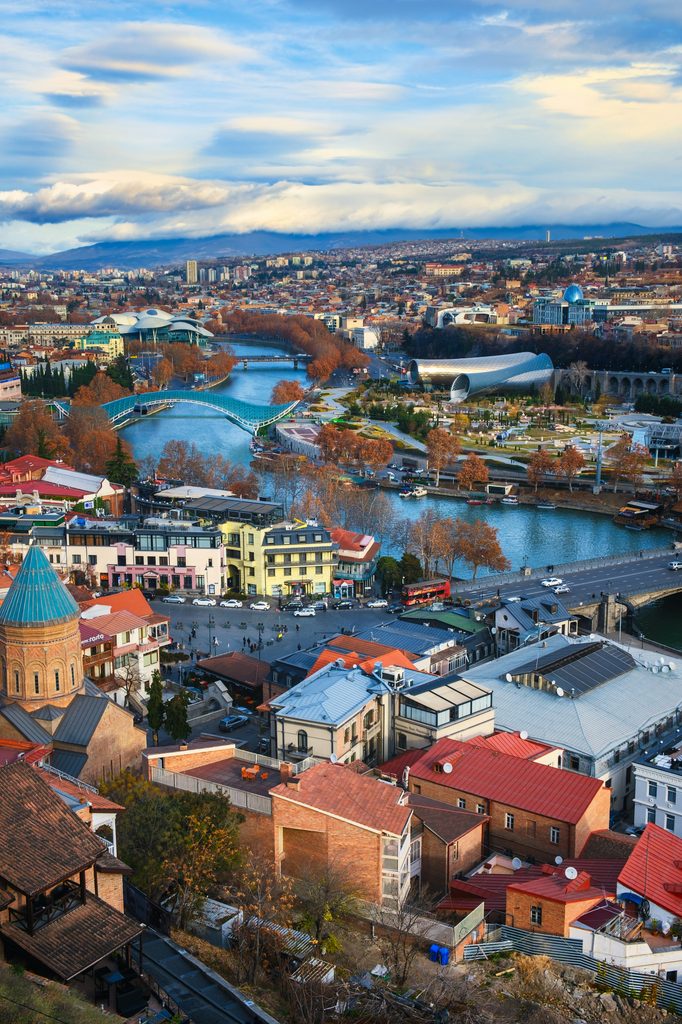
Located about 150 kilometers west of the capital, Borjomi stands out as one of the country’s leading wellness destinations. Renowned since the 19th century for its mineral springs, the spa town also serves as a gateway to Borjomi-Kharagauli National Park, one of Georgia’s largest protected areas. Its heritage also tells the story of the Russian imperial Romanov family, who were particularly fond of the region, adding a layer of history to this spa getaway nestled in the heart of the Lesser Caucasus.
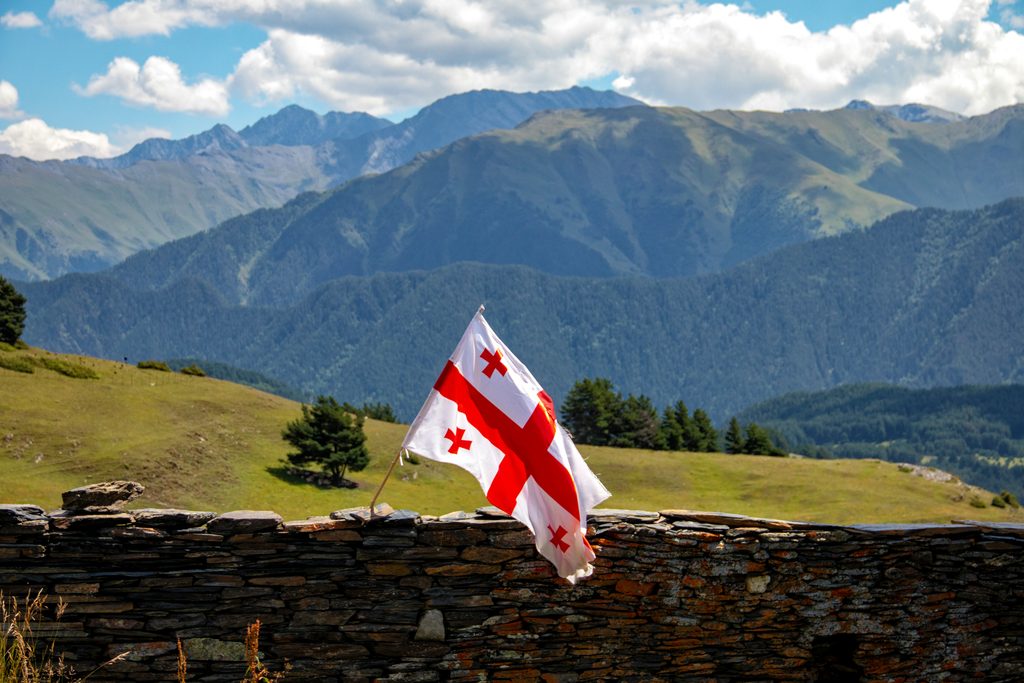
About 20 kilometers from Tbilisi, the Sabaduri Forest is ablaze with red and gold, offering a striking contrast to the hustle and bustle of the capital, before visitors can extend their experience on foot, horseback, or by bike in the Lagodekhi, Borjomi-Kharagauli, and Kintrishi extend the experience on foot, on horseback, or by bike. Georgian autumn is also a season for food lovers: grapes, walnuts, apples, pomegranates, and cheeses fill the tables during the supra, the grand traditional feast punctuated by toasts from the tamada, the master of ceremonies, while in Kakheti, the grape harvest is an opportunity to sample churchkhela, a specialty made of walnuts coated in thickened grape juice.
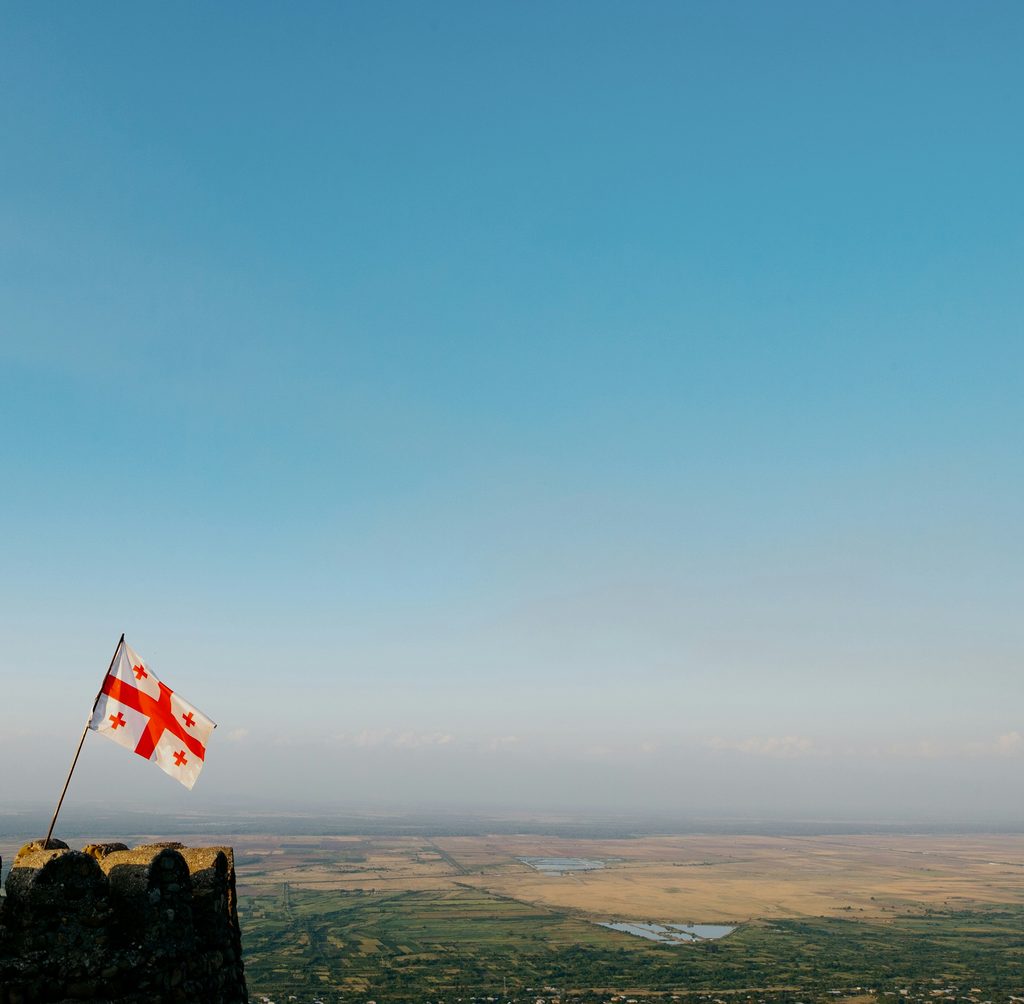
What this Georgian autumn reveals, at its core, is the unique character of a country that has made wine not merely an export product but a marker of identity—one that predates most of Europe’s great winemaking traditions by several millennia. The qvevri, inscribed on UNESCO’s List of Intangible Cultural Heritage of Humanity, is not just another tourist attraction: it embodies a winemaking method that has been in continuous use since the Bronze Age, one that contemporary Georgia chooses to highlight rather than relegate to the status of a folkloric curiosity. This continuity between archaeological heritage and living tradition clearly sets the destination apart from more recent wine routes, which are built on appellation marketing rather than an unbroken tradition.
Amid vineyards, hot springs, and forests ablaze with fall colors, Georgia in the fall doesn’t try to compete with the hustle and bustle of summer. It offers something else: time to walk, taste, and meet people, in a country where hospitality remains a living tradition.
Cette publication est également disponible en :

