The Western cosmetics industry has built its anti-aging narrative on the belief that the higher the concentration of retinol, the better the results. Beauty of Joseon puts forward the opposite argument.
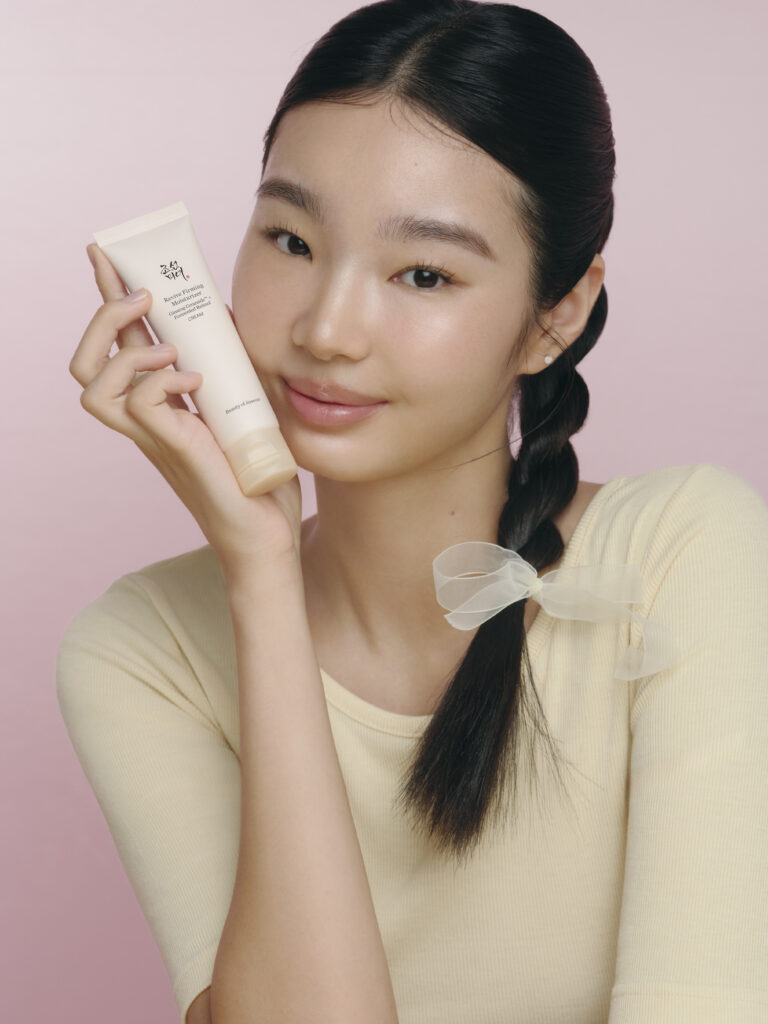
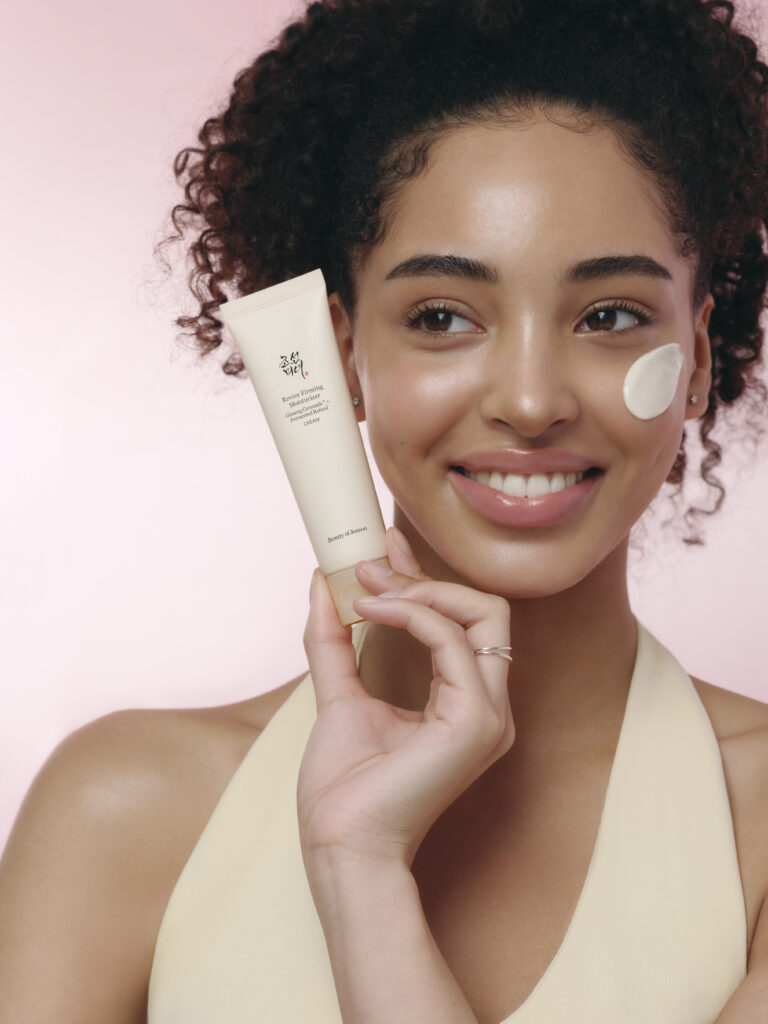
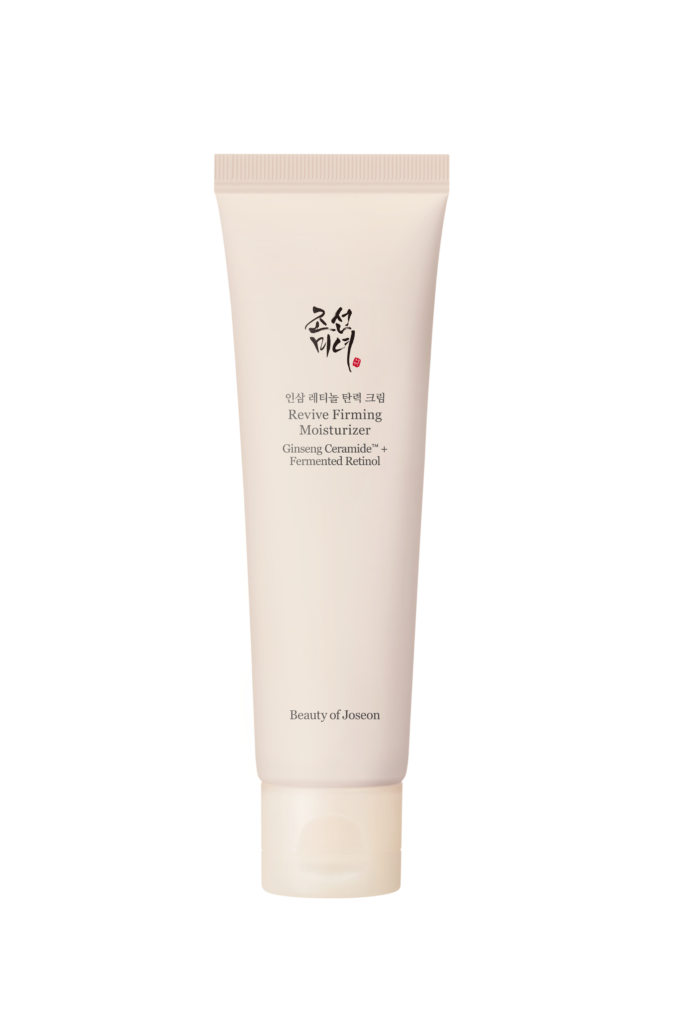
Launched as an extension of the Revive line, the Revive Firming Moisturizer contains 0.01% retinol—a concentration that other brands would describe as homeopathic. Except that concentration isn’t the key factor here. What matters is the delivery system: the retinol is fermented from plant sugars and then encapsulated in controlled-release liposomes. The active ingredient doesn’t just sit on the skin’s surface—it penetrates deep within.
Encapsulation as a discipline
Fermentation alters the molecular structure of retinol even before it reaches the skin. Liposomes do the rest: lipid membranes with a composition similar to that of the skin barrier, they penetrate the epidermis without triggering the inflammatory reaction that makes traditional retinol formulas incompatible with sensitive skin. Clinical results measured at four weeks: −11.85% reduction in the appearance of fine lines, −19.69% reduction in sagging skin volume, −9.01% reduction in roughness. These are modest, yet meaningful figures—they do not promise a dramatic transformation, but rather document steady progress.
The other key ingredient is exclusive to the brand: Ginseng Ceramide™, a blend of fermented ginseng oil and phytosphingosine. This complex does not treat the signs of aging—it preserves the skin’s ability to do so on its own by supporting the skin barrier and its ability to retain moisture during retinol exposure.
Hanbang as a Method, Not as Folklore
Beauty of Joseon draws on the Hanbang heritage—the traditional Korean pharmacopoeia that has placed ginseng at the center of its protocols for centuries. What the product information doesn’t say but the formula suggests: the Hanbang philosophy is not about acting quickly, but about acting without causing exhaustion. The fermentation of ginseng—a central technique in ancient Korean medicine—precedes biotechnological fermentation here. One validates the other.
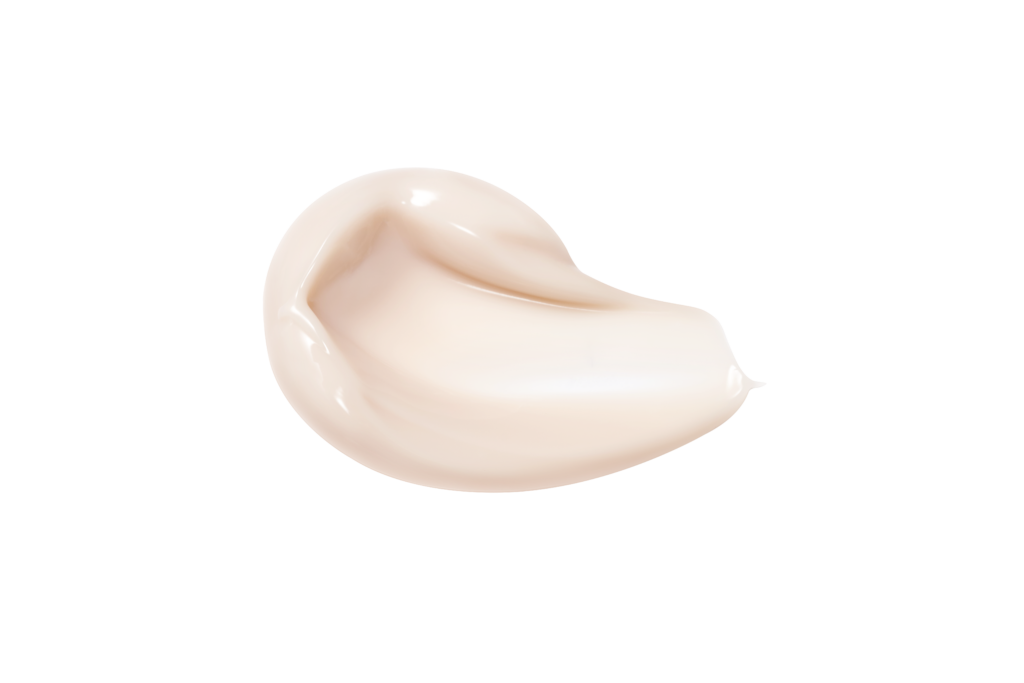
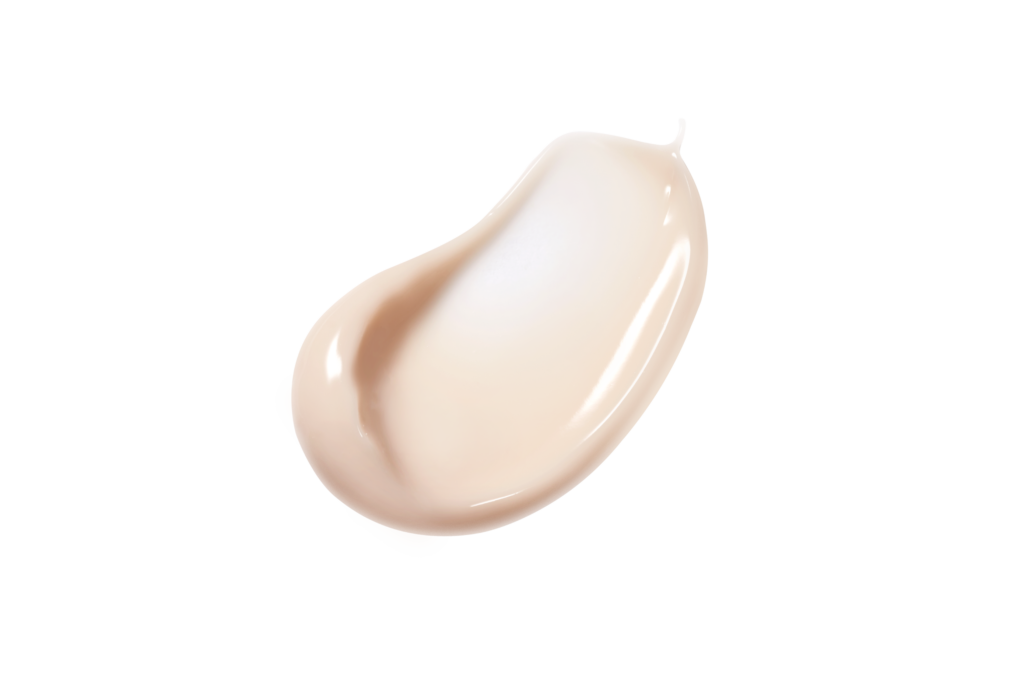
The gel-cream texture, which is non-comedogenic and HRIPT-tested (repeated skin irritation protocol), is part of this approach: every aspect of the formula is designed to eliminate reasons to stop using it, not to convince you to buy it. It’s not about the first use—it’s about the thirtieth.
At €24 for 60 ml, the product is affordable, whereas the retinol market is generally positioned as an inaccessible premium segment. The choice of retailers—Galeries Lafayette, Nocibé, Amazon—confirms an ambition to reach the mass market, not a niche one. What Beauty of Joseon is attempting is less a market conquest than a shift toward normalization: making daily retinol use as routine as brushing your teeth, rather than a crash treatment.
The next logical step for the brand would be to document the results of the same formula after six months. The four-week results are in. The long-term results—those emphasized by the Hanbang philosophy—remain to be seen.
Cette publication est également disponible en :

