
For a long time, women’s well-being was reduced to two stages: fertility and menopause. Six Senses offers a broader perspective, with a retreat designed to provide ongoing support rather than a one-time solution.
The Yin Way Retreat – The Way of a Woman will take place at Six Senses Kanuhura in the Maldives from October 1 to 4, and then at Six Senses Kyoto in Japan from December 11 to 14. The retreat is based on “Yin” principles drawn from traditional Chinese medicine and Taoist philosophy: rest, receptivity, introspection, and the cyclical rhythm of life. It is designed for women at every stage of their journey, from preconception to postmenopause, as part of a broader movement that the Global Wellness Institute has identified as marking the end of an era in which women’s wellness relied on protocols designed for men.
Each retreat is led by Hati S. Malinova, Director of Wellness at Six Senses, whose background combines functional health, psychological counseling, and traditional Chinese medicine after twelve years spent at a hospital specializing in women’s health in Shanghai. Her approach seeks neither to medicalize the subject nor to shroud it in mysticism: rather, it is about embracing the concept, rooted in Chinese medicine, of perimenopause as a “second spring”—a shift in perspective that moves away from the notion of loss to refocus on a more useful question: the body’s actual needs.
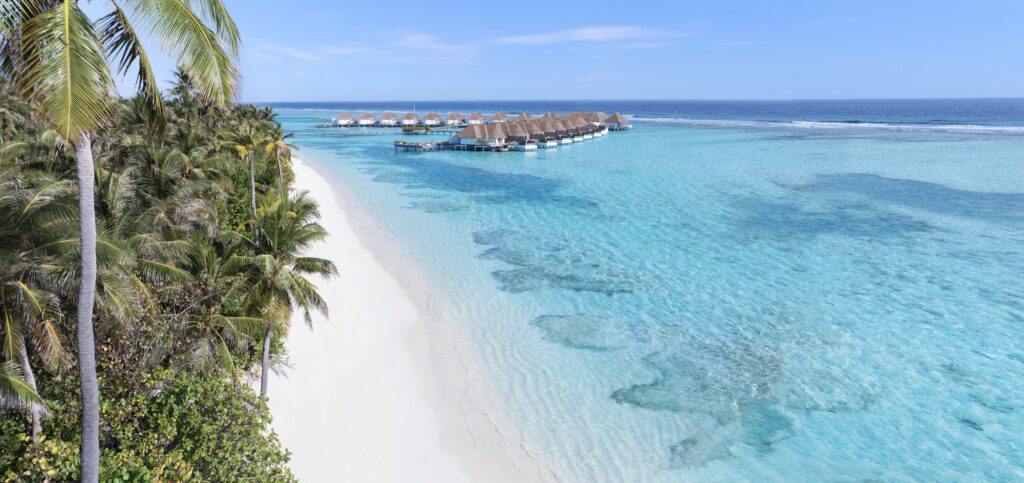
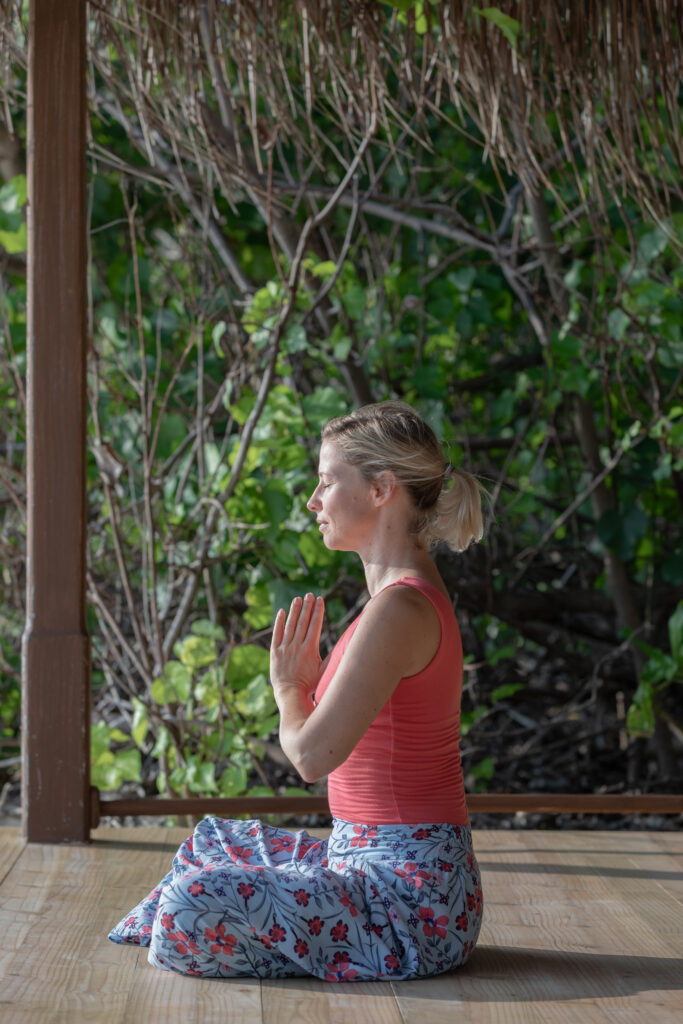
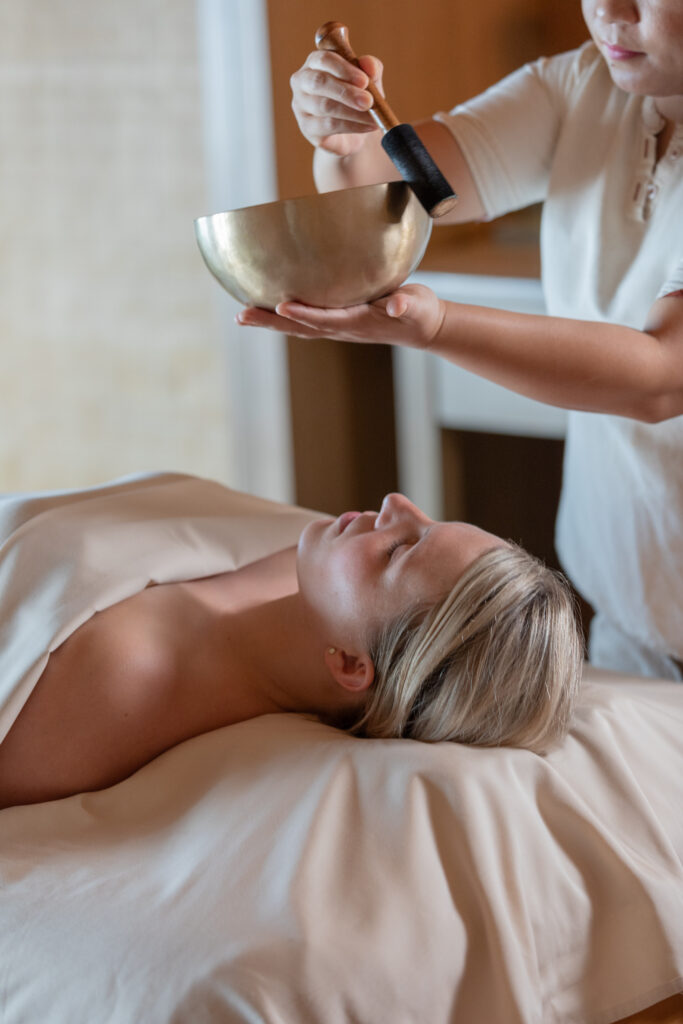
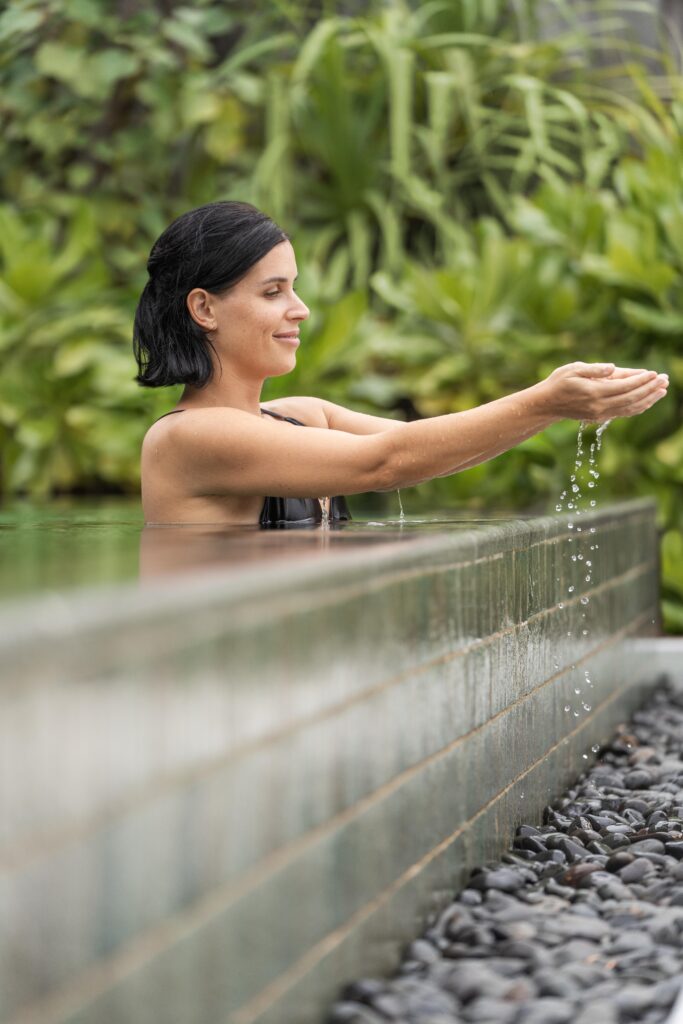
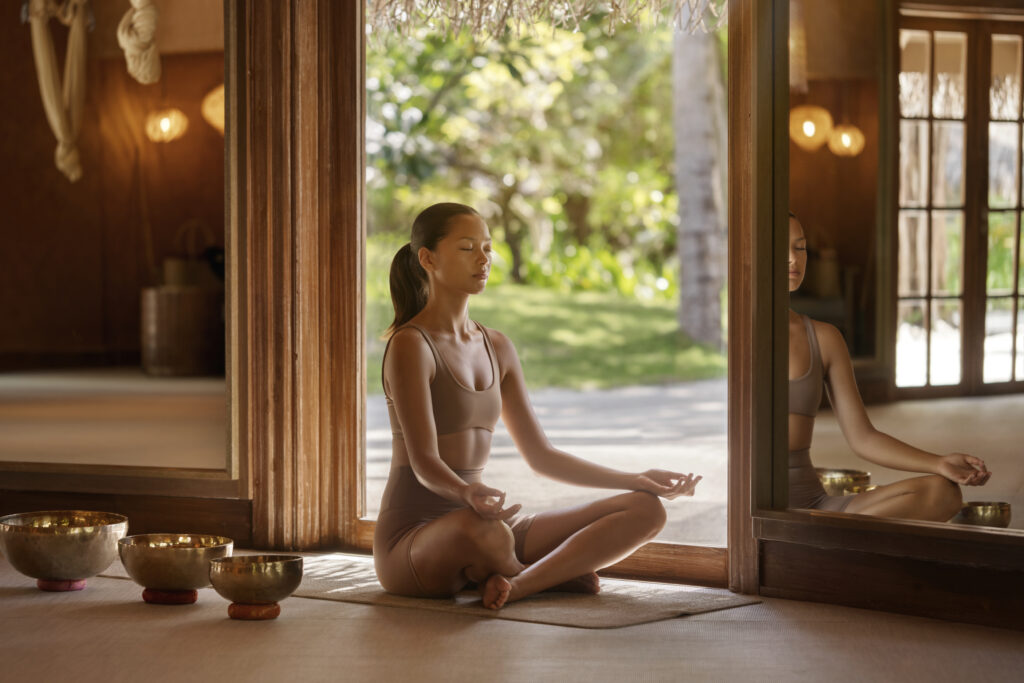
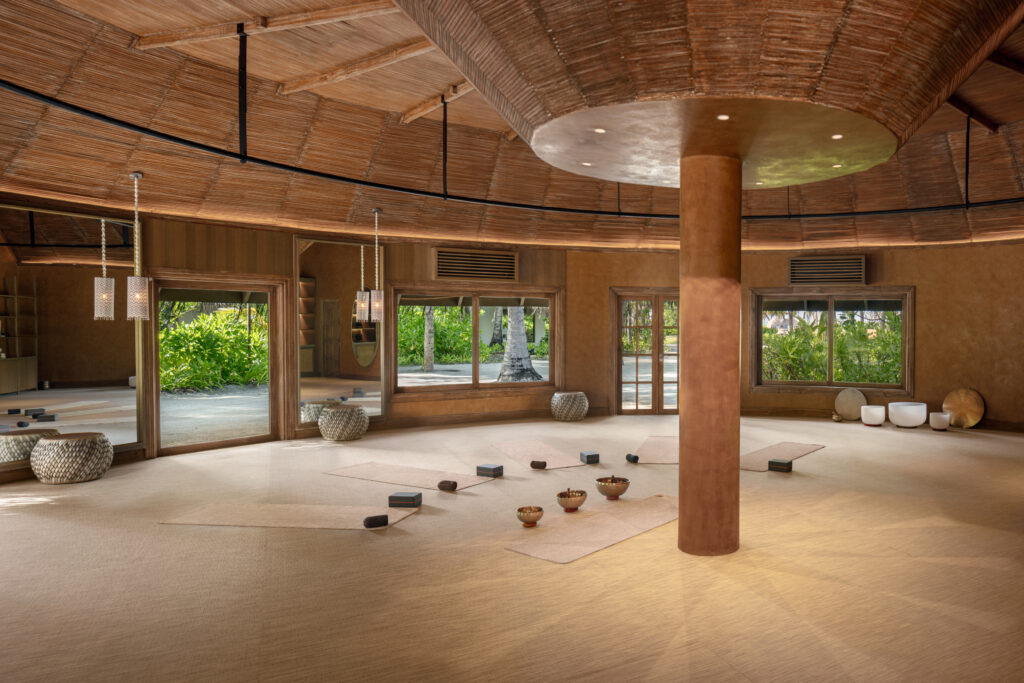
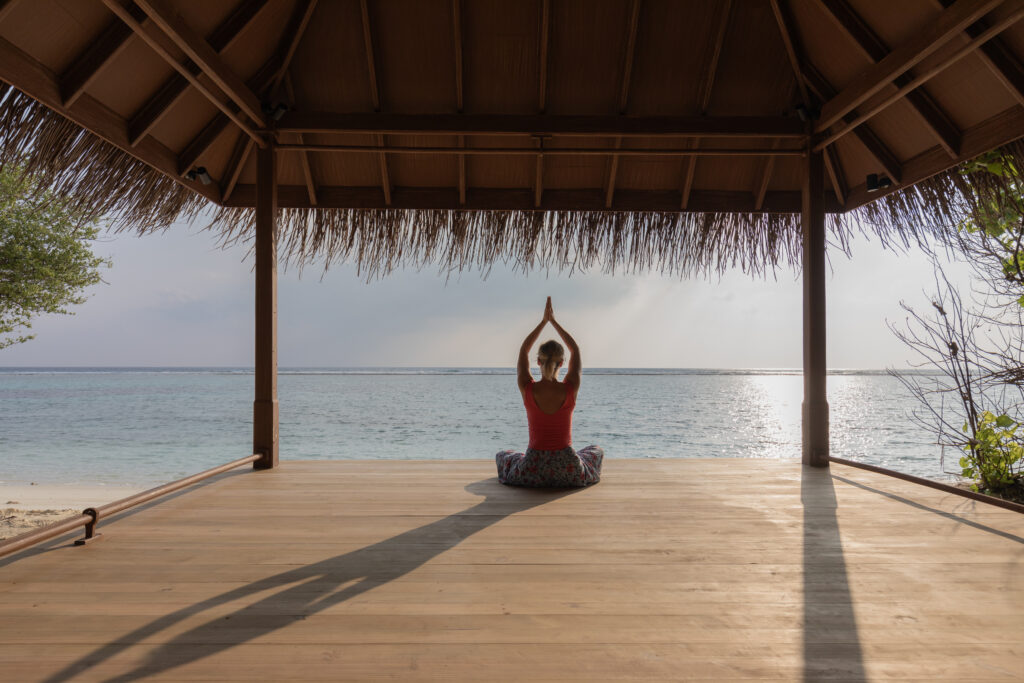
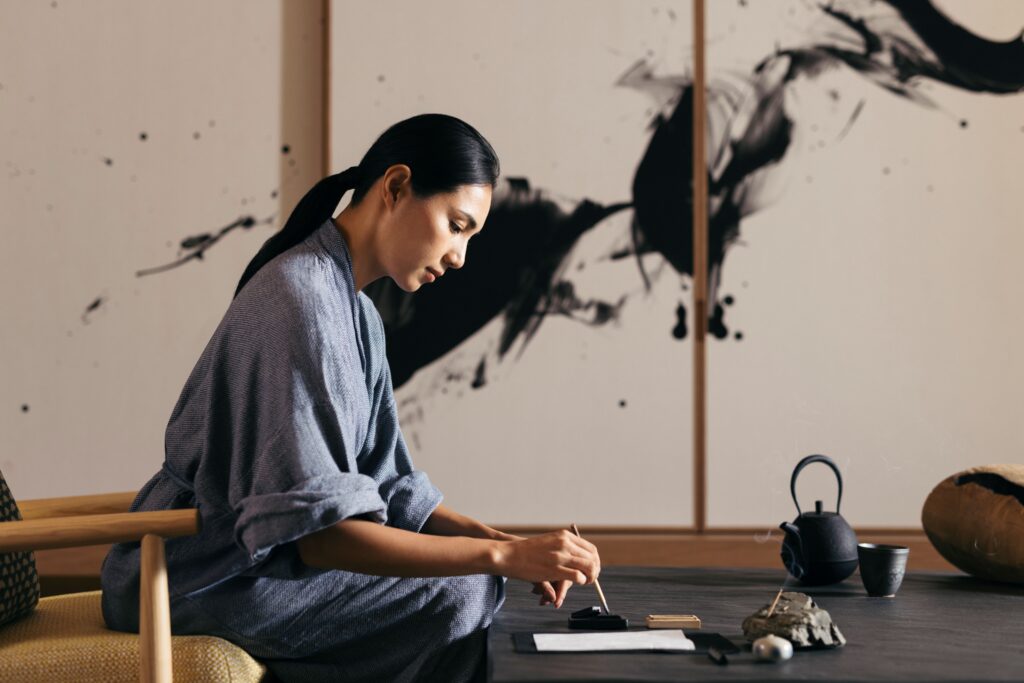
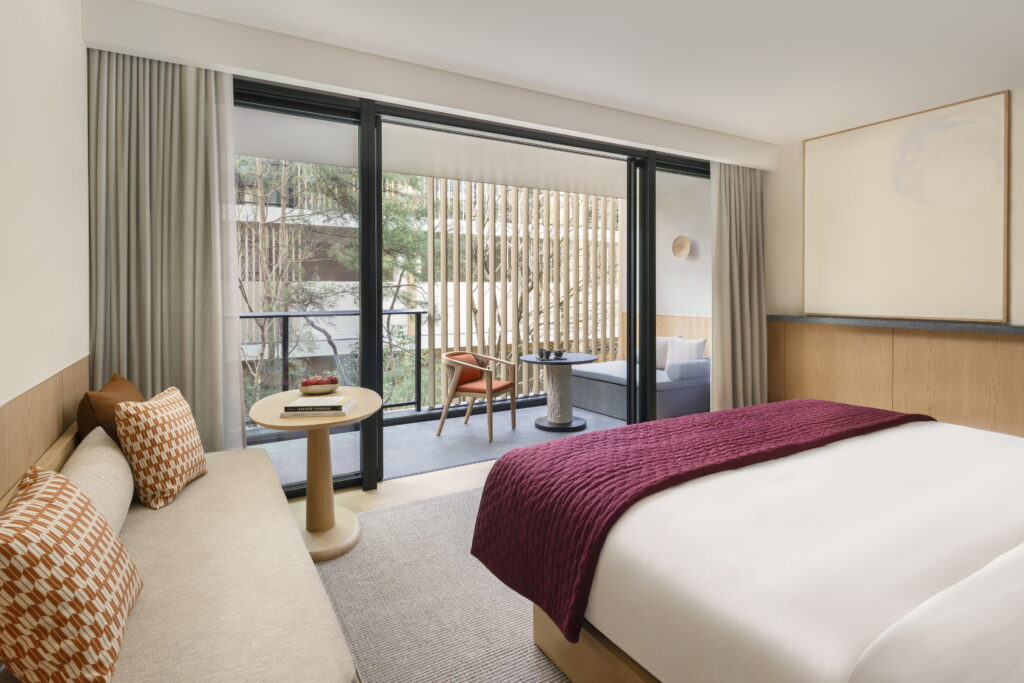
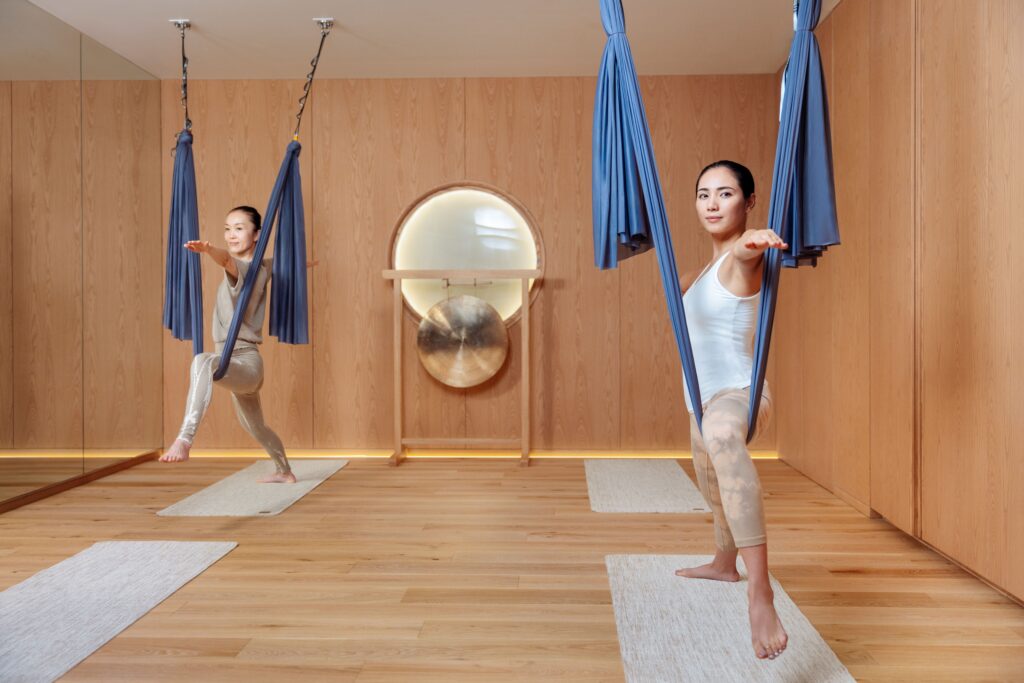
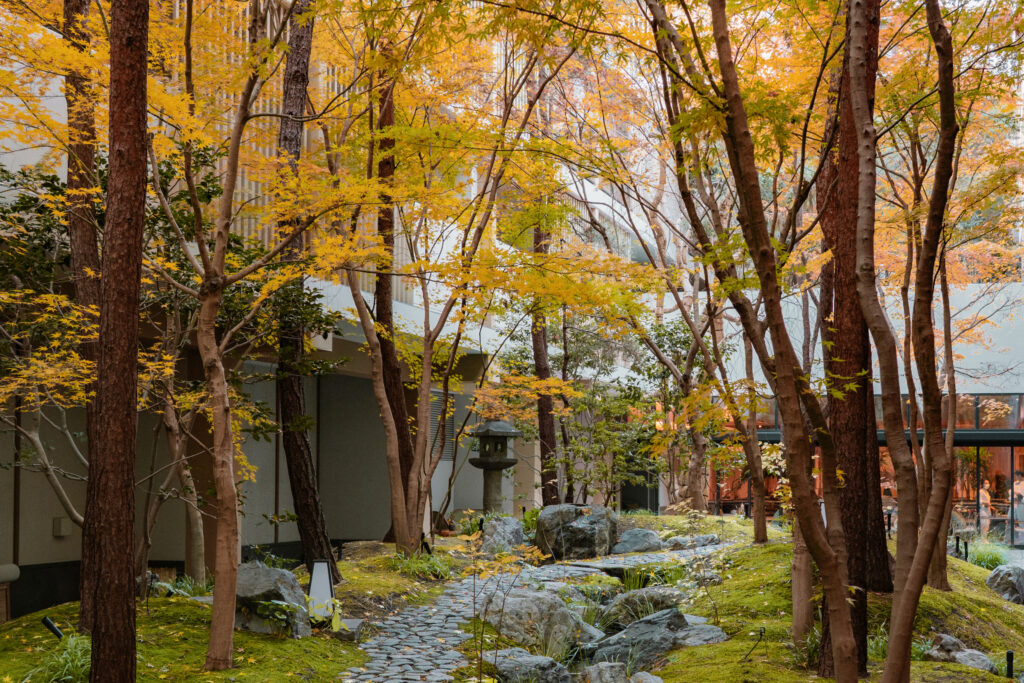
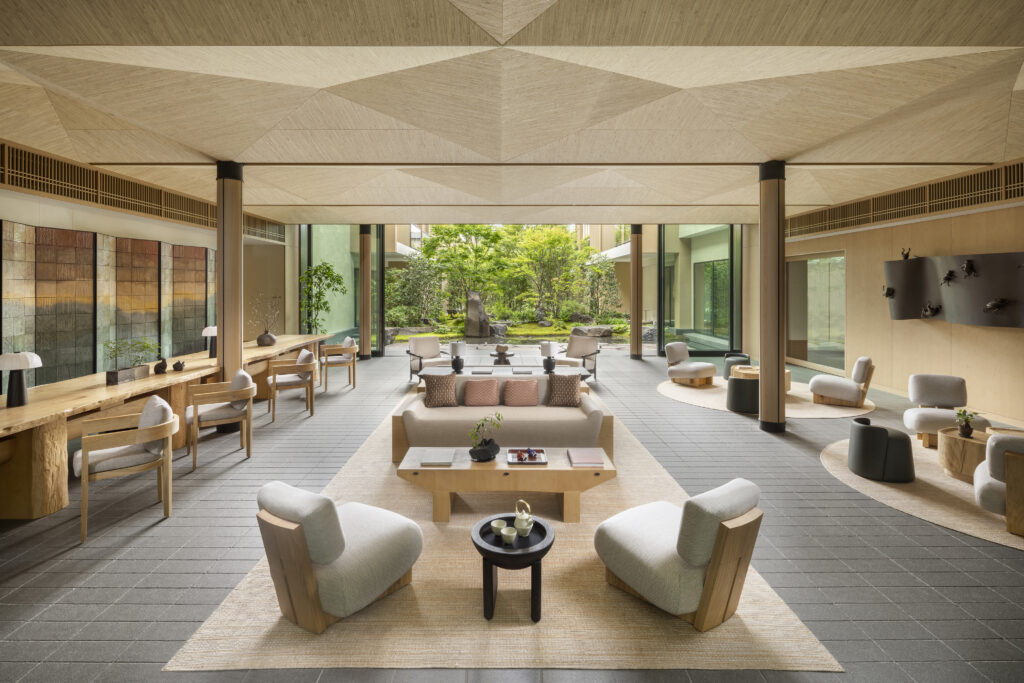
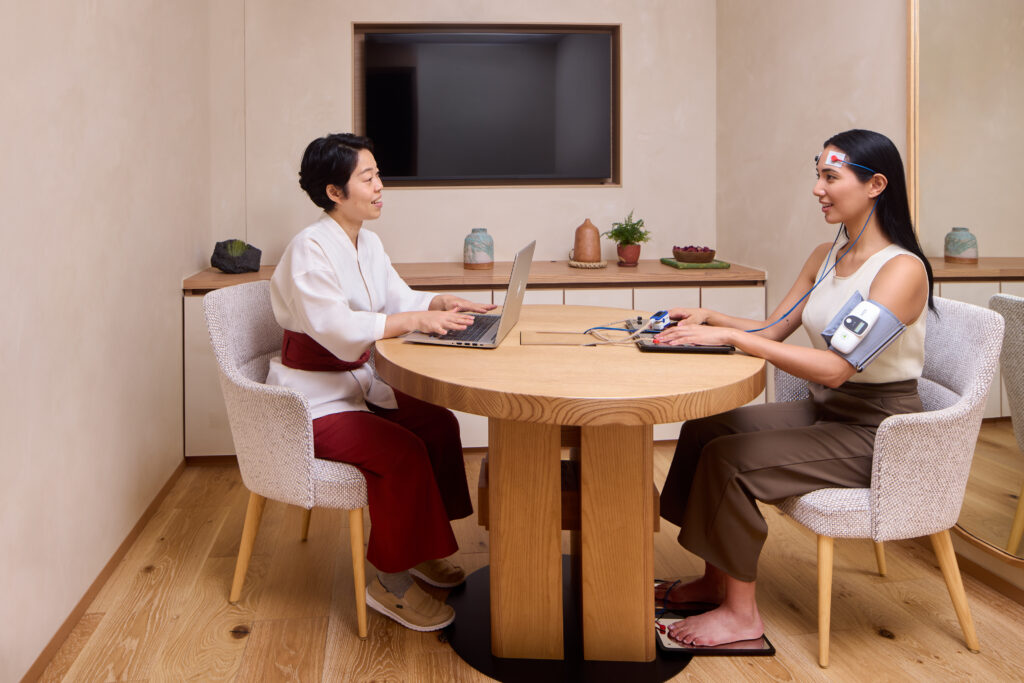
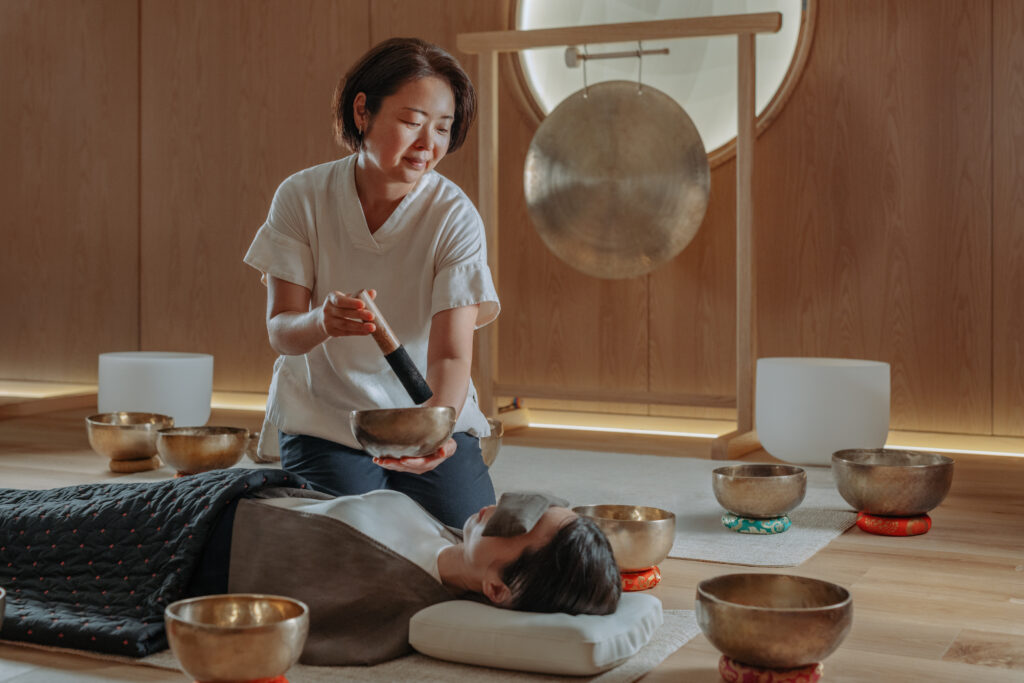
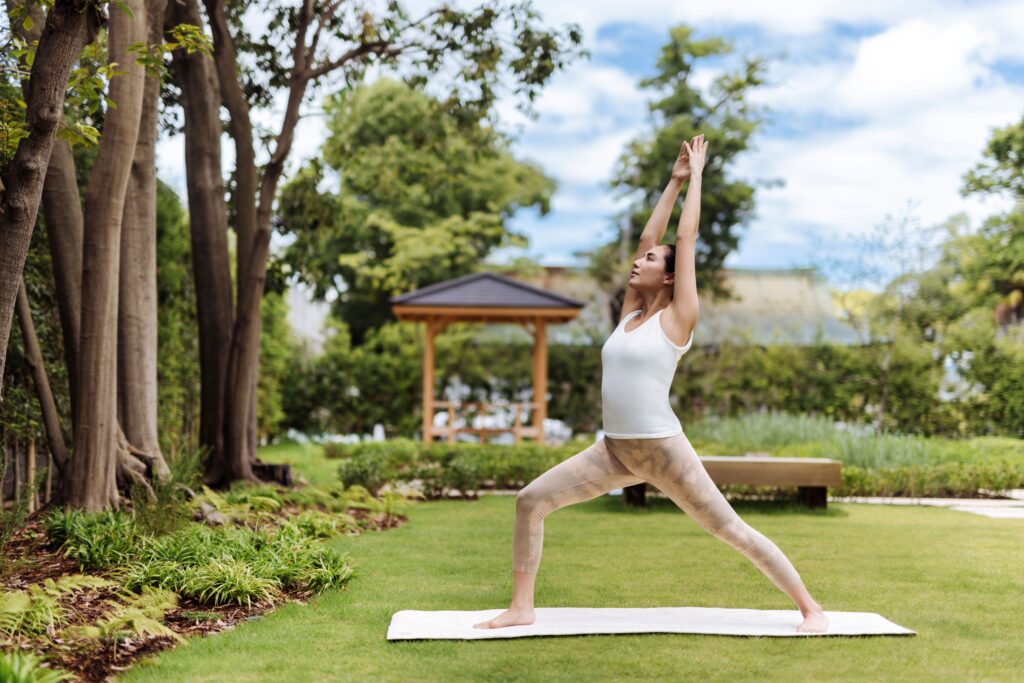
In the Maldives, the program combines yin yoga, sound therapy, workshops on hormonal health, and an outing to sea to encounter dolphins, all while staying in beachfront villas with private pools. In Kyoto, the retreat takes on a more contemplative tone: an introduction to kintsugi, the traditional art of repairing ceramics with lacquer and gold powder; qigong and Taoist meditation sessions; and dinners inspired by Japan’s micro-seasons. In both cases, each participant receives a comprehensive wellness assessment upon arrival, complemented by treatments focused on regulating cortisol levels, balancing the menstrual cycle, and improving sleep quality.
This launch reflects a broader trend in the wellness industry, where major hotel groups are seeking to move away from a generic approach to spas and instead offer experiences tailored to specific profiles and life stages. The choice of two such different destinations—a tropical archipelago and a historic Japanese city—for a single retreat is no coincidence: it allows Six Senses to appeal to two distinct sensibilities—one that associates wellness with a tropical getaway, and another that links it to a form of cultural asceticism. Nevertheless, the central promise remains the same in both cases: to offer a sufficiently intimate setting, in small groups, so that conversation flows freely and the individual experience takes on meaning within a collective setting.
By choosing to bring small groups together rather than taking personalization to the extreme, Six Senses is banking on a simple idea that is rarely put into practice in the luxury wellness sector: the sense of relief that comes from recognizing a shared experience.


Cette publication est également disponible en :

