
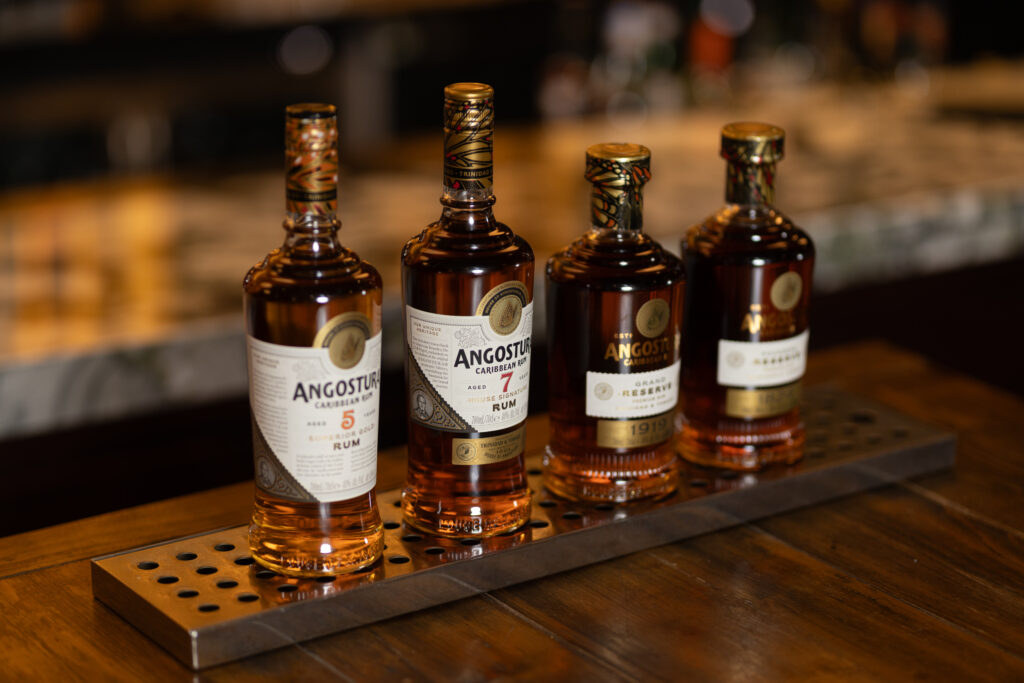
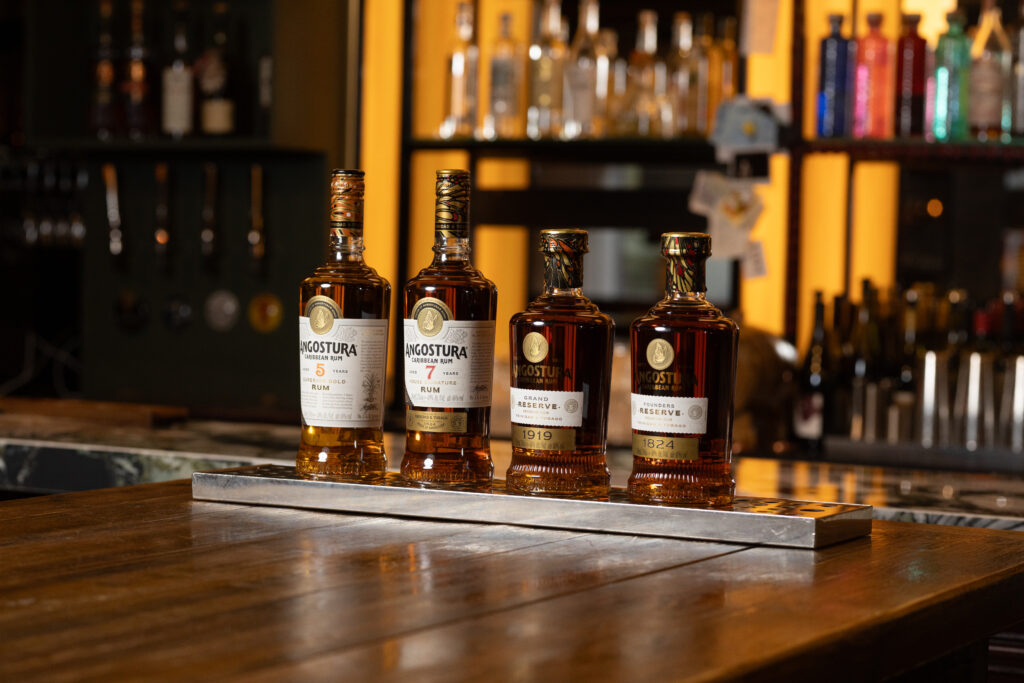
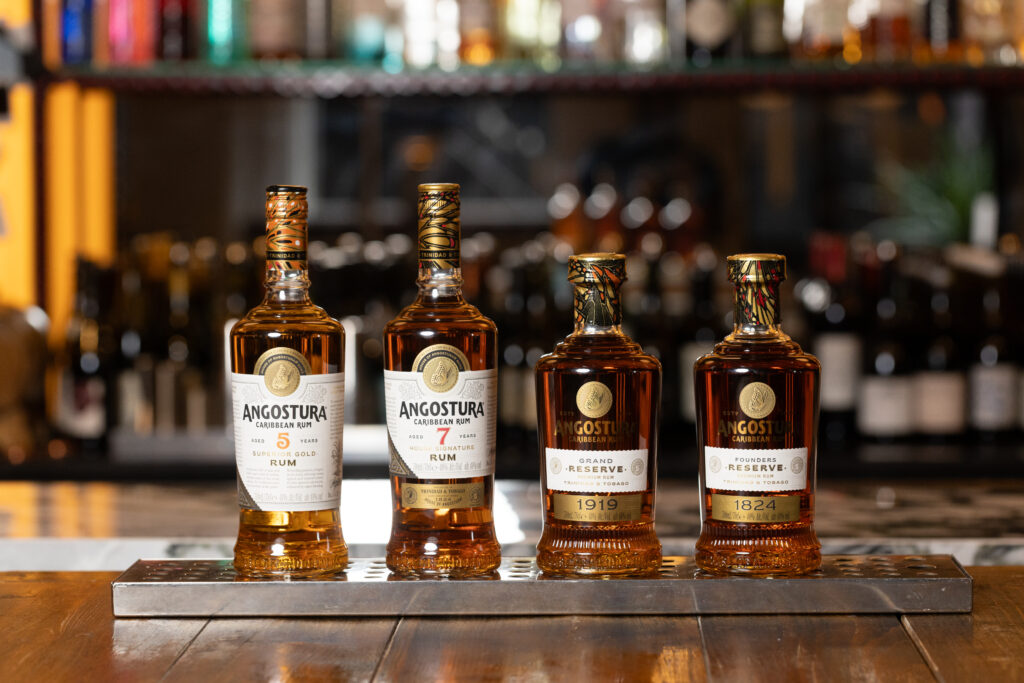
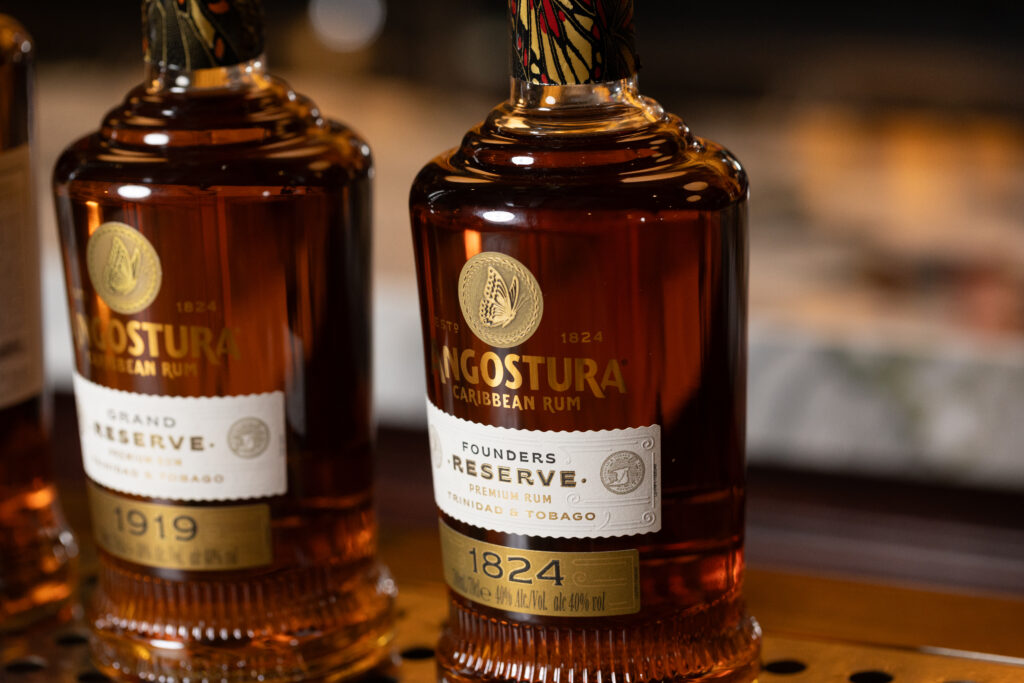
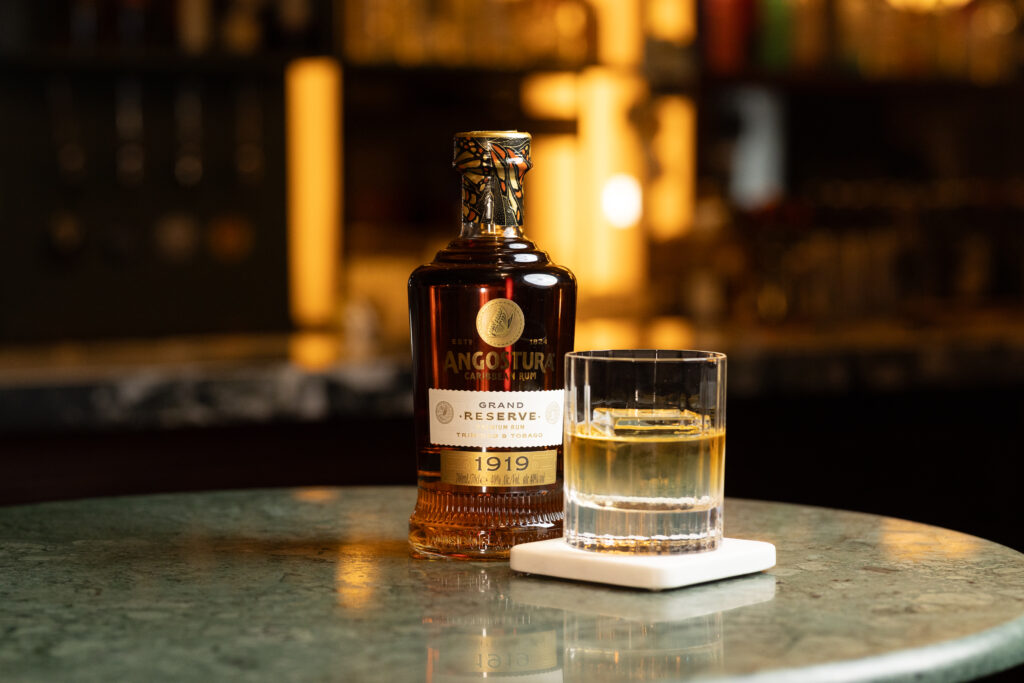
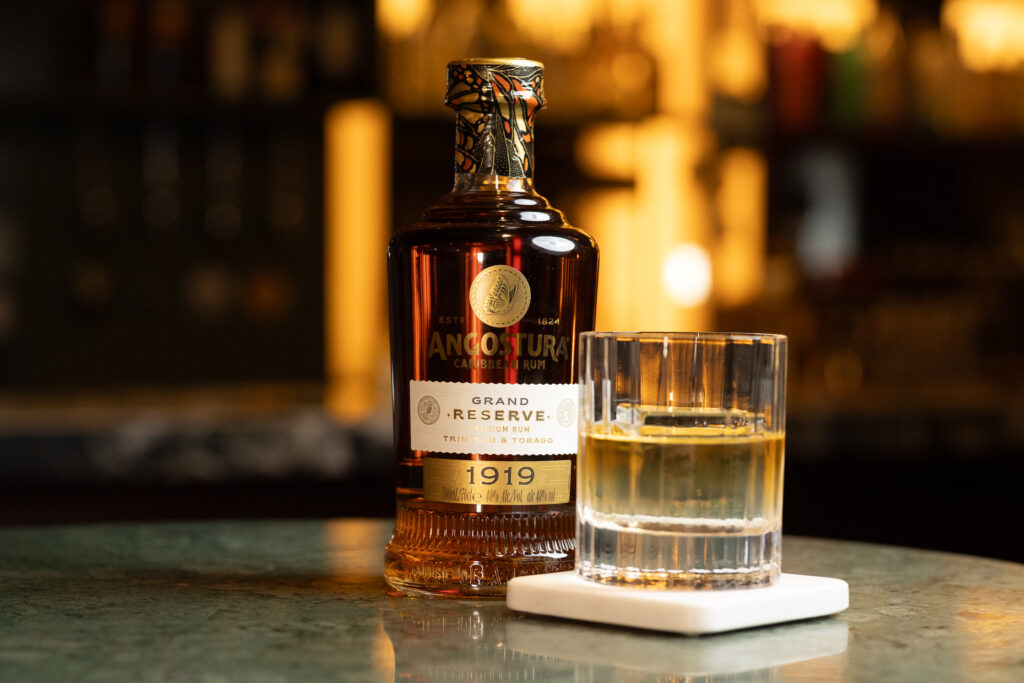
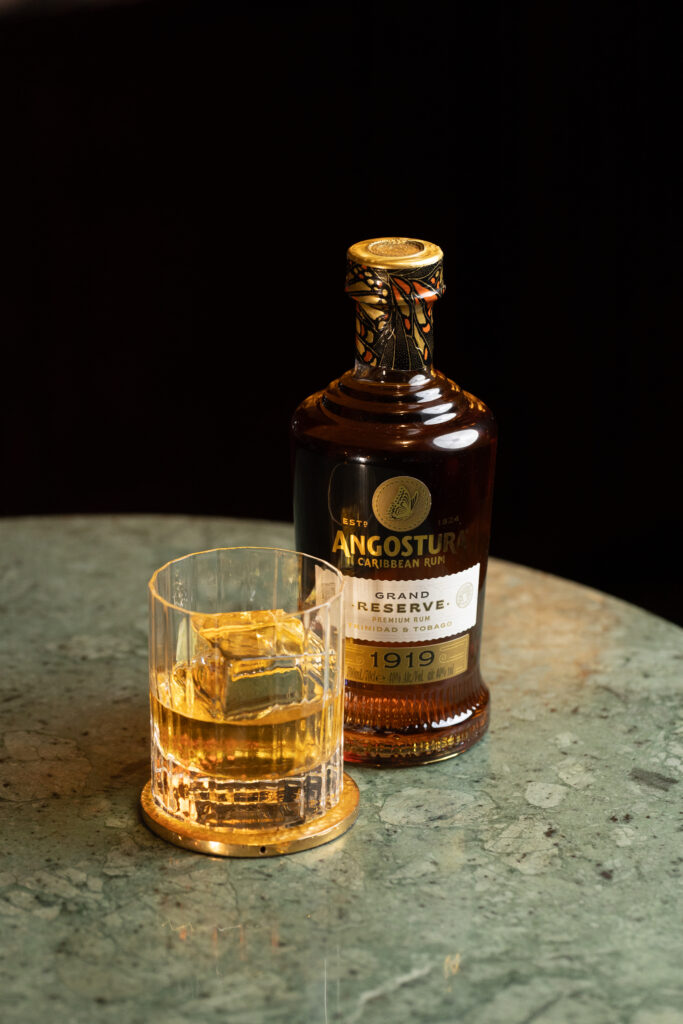
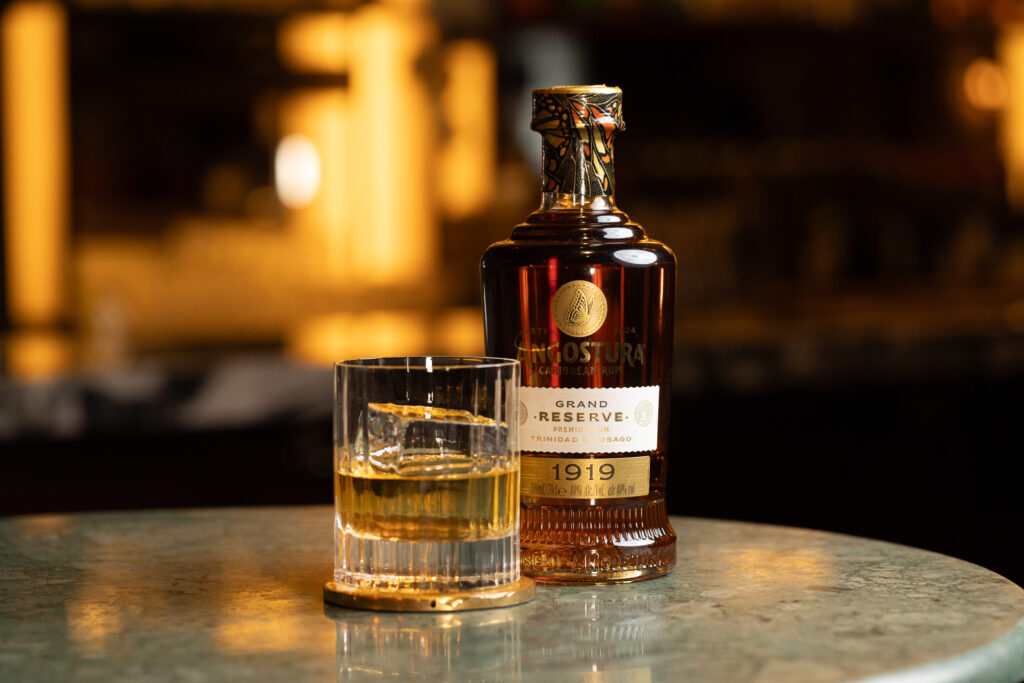
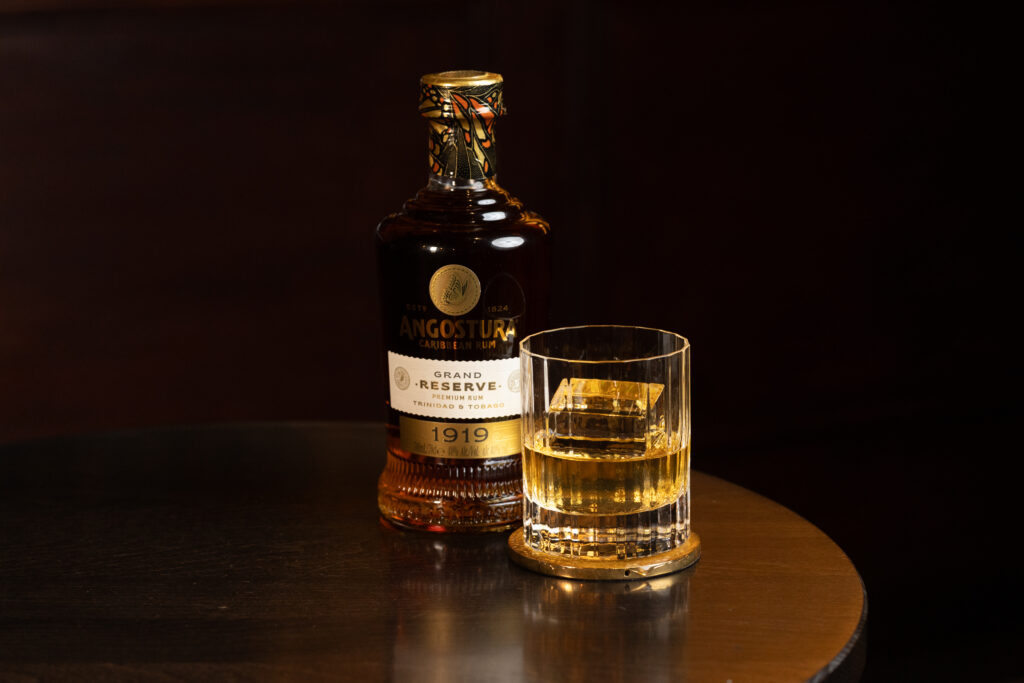
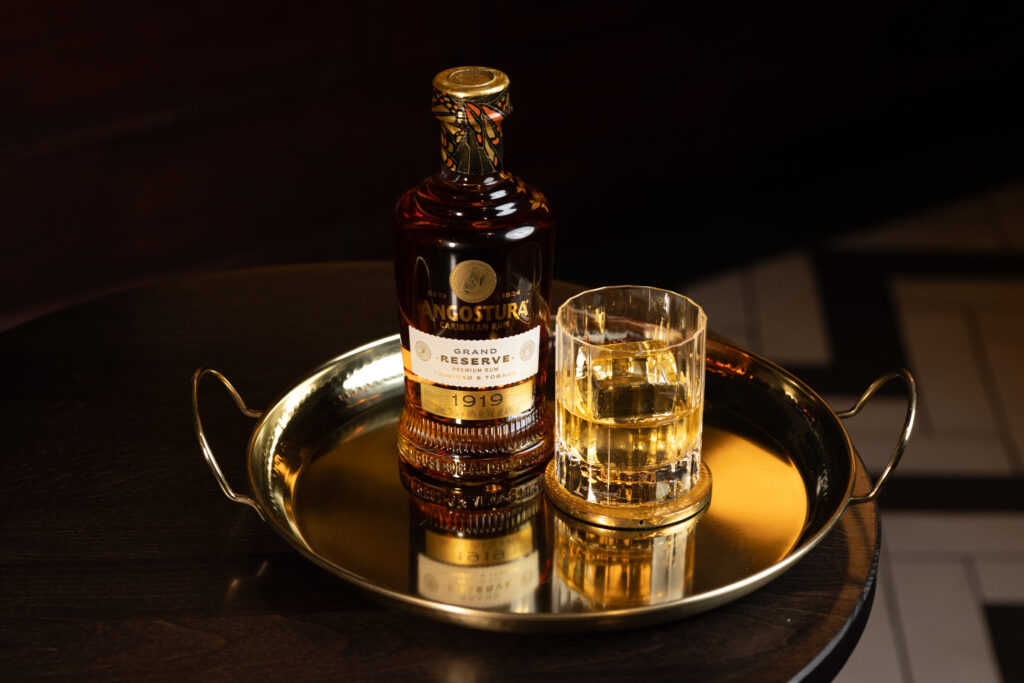
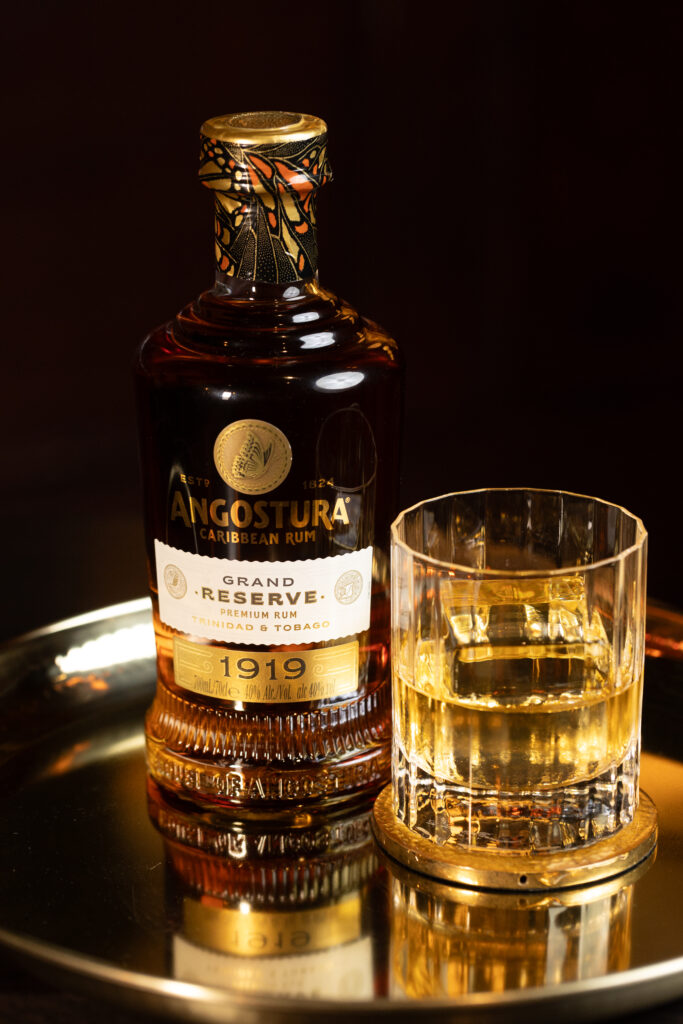
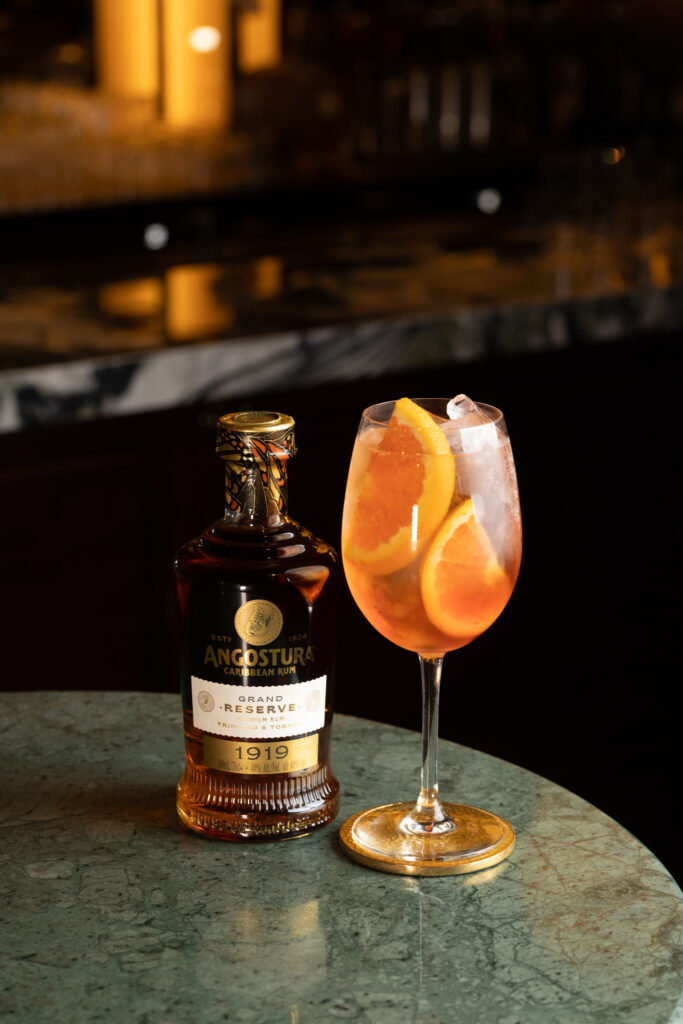
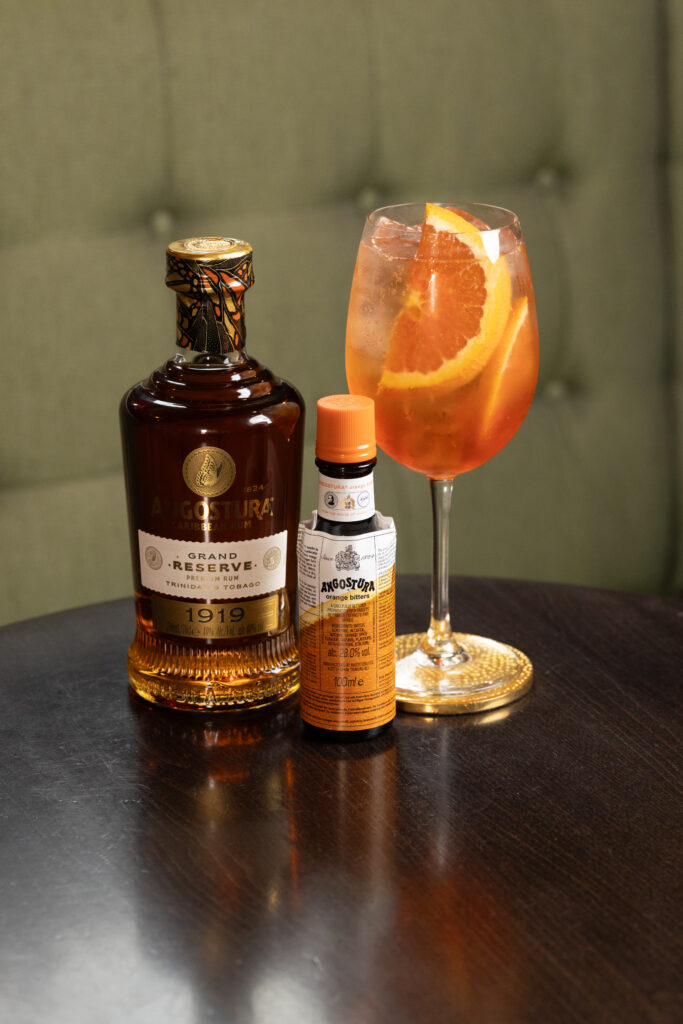
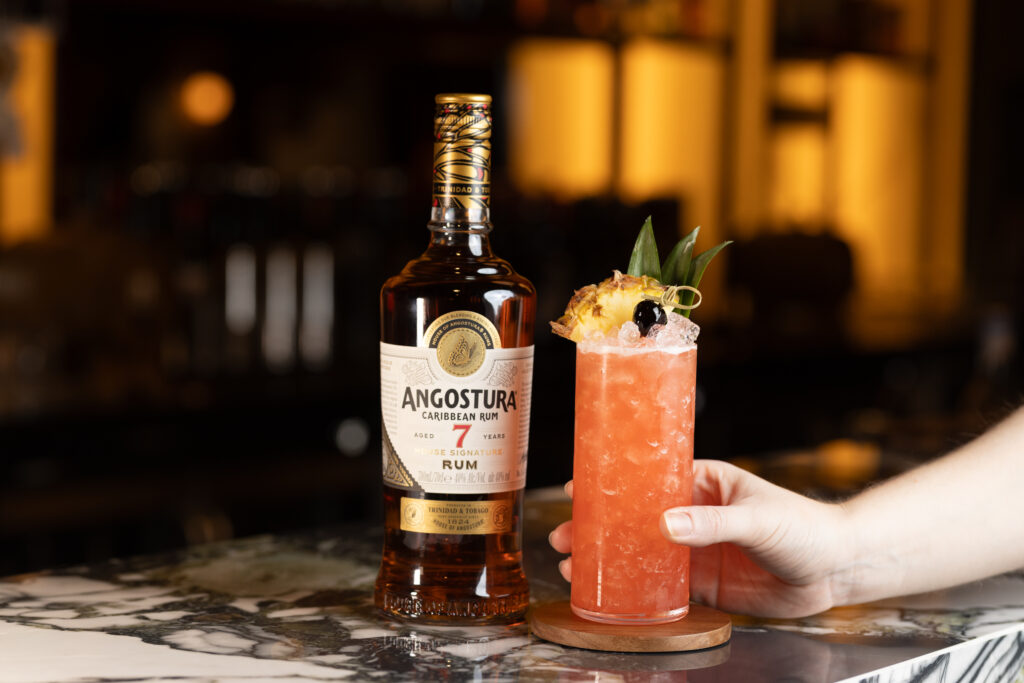
Sometimes a bottle says more than a label. By renaming Angostura 1919 as Angostura Grand Réserve, Angostura isn’t just modernizing its rum lineup: it is seeking to clarify its position in a market where Caribbean spirits are increasingly judged by their origin, aging, and ability to transcend the realm of cocktails alone.
Founded in 1824 around Dr. Johann Siegert’s aromatic bitters, Angostura belongs to that rare category of brands whose name has been a fixture in bars for two centuries—long before it became associated, in the public’s mind, with a bottle of rum. Today, the company emphasizes that it is also one of the Caribbean’s leading spirits producers, with rums crafted in Trinidad and Tobago using a meticulously controlled process: fermentation using proprietary yeasts, distillation in continuous column stills, aging in oak barrels that previously held bourbon, and finally blending by the company’s master blenders. Angostura’s official history traces its origins to 1824, when Siegert developed his bitters, before the company established a lasting presence in Trinidad in the second half of the 19th century.
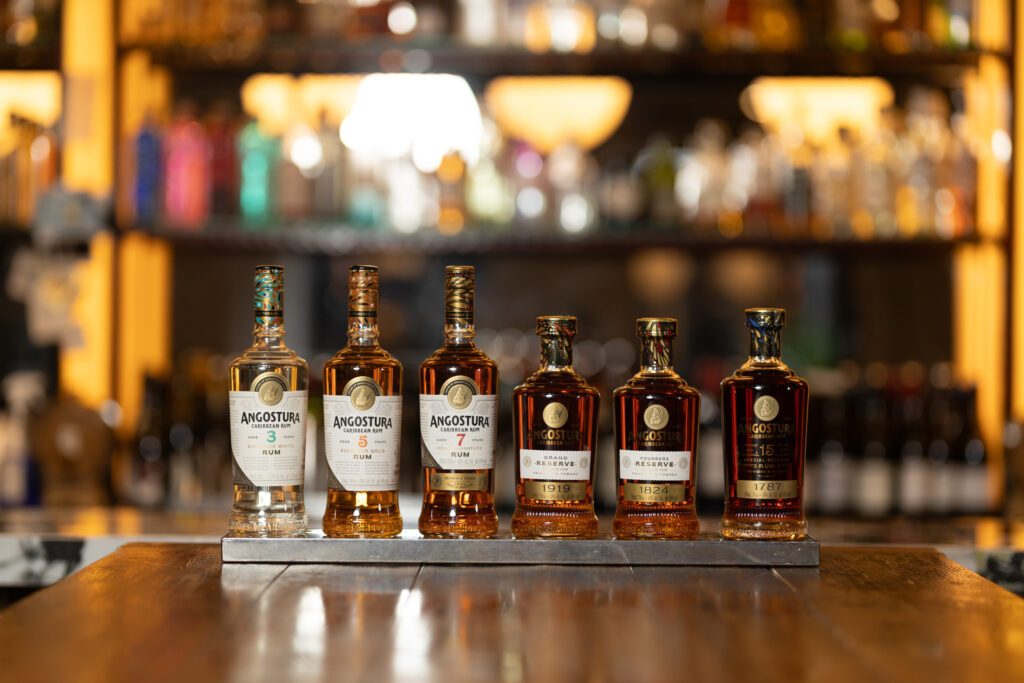
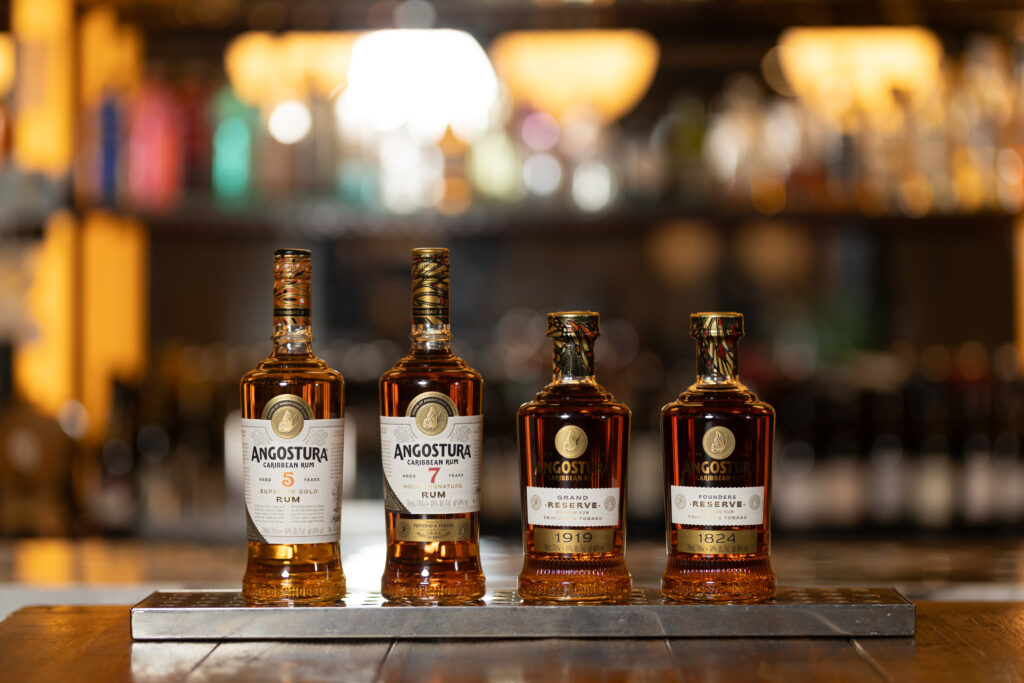
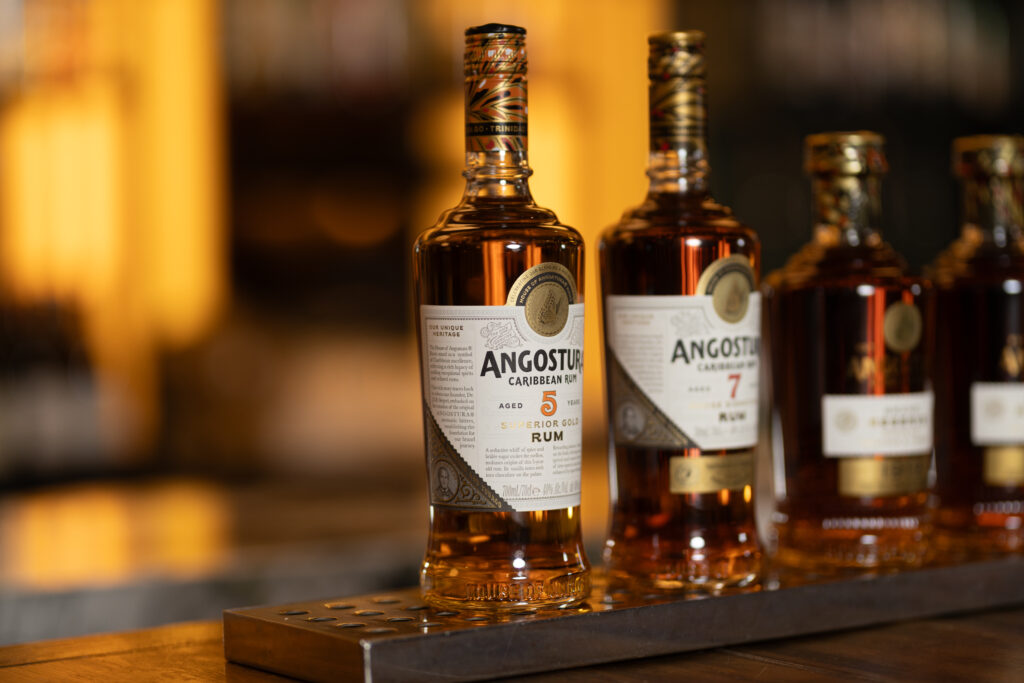
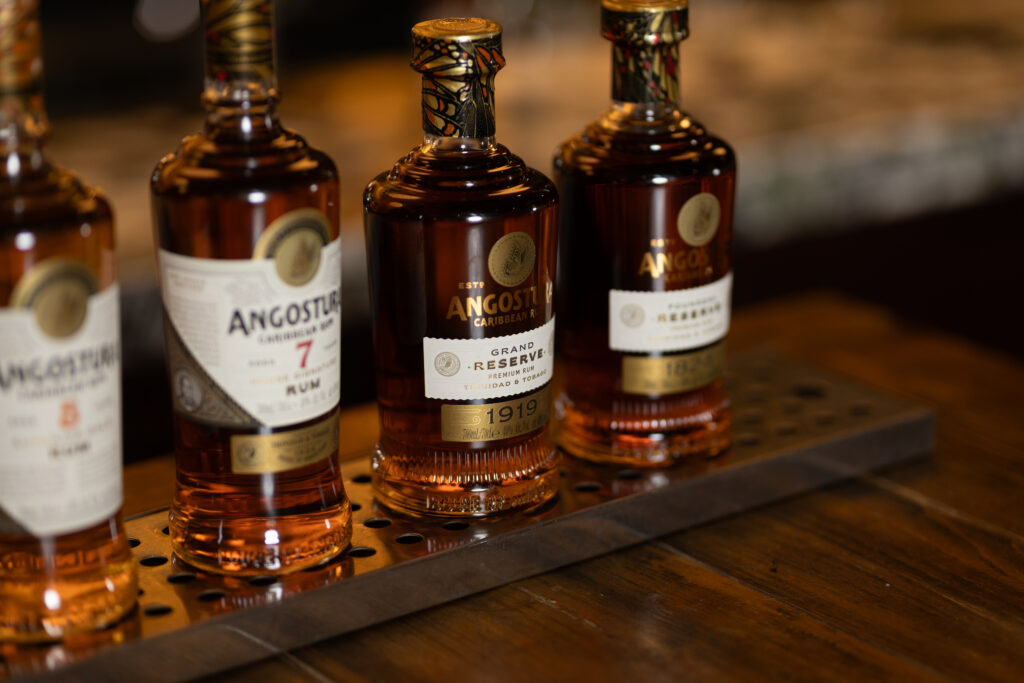
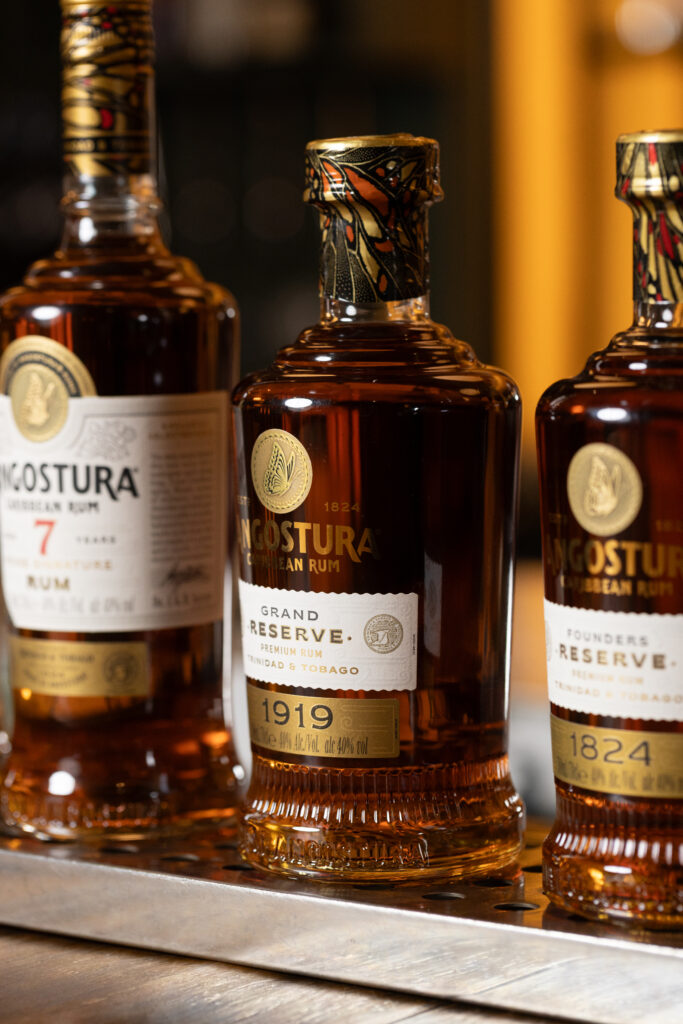
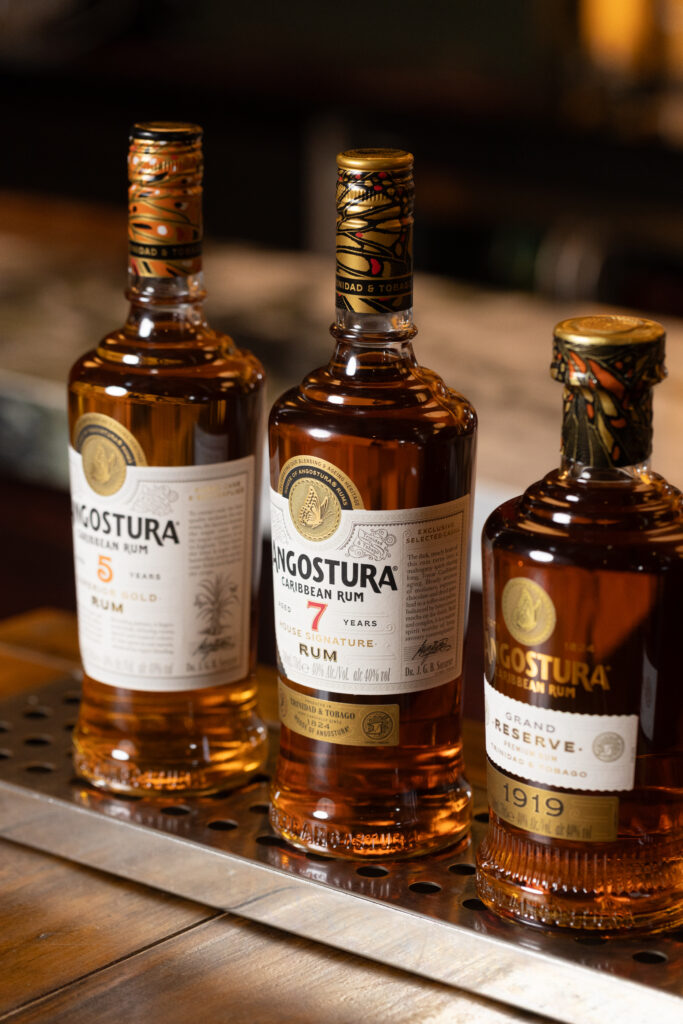
The transition from 1919 to Grand Réserve is the central element of this rebranding. The name 1919 referred to an episode that has become a defining moment in the House’s history: following a fire in the Trinidad and Tobago government’s rum reserves in the 1930s, old barrels were reportedly rediscovered, giving rise to a blend that has since become iconic. By choosing “Grand Réserve,” Angostura shifts the focus. The vintage-based narrative gives way to a more status-oriented interpretation—one that is more immediately understandable in the world of premium rum, where the terms “reserve,” “aging,” and “cask” help define its desirability.
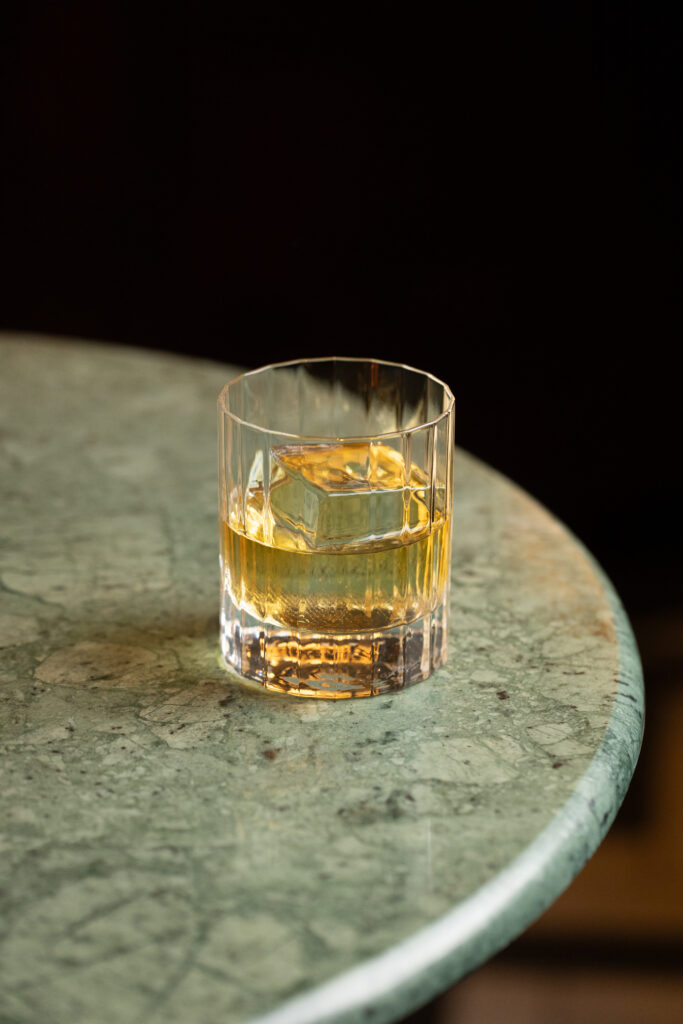
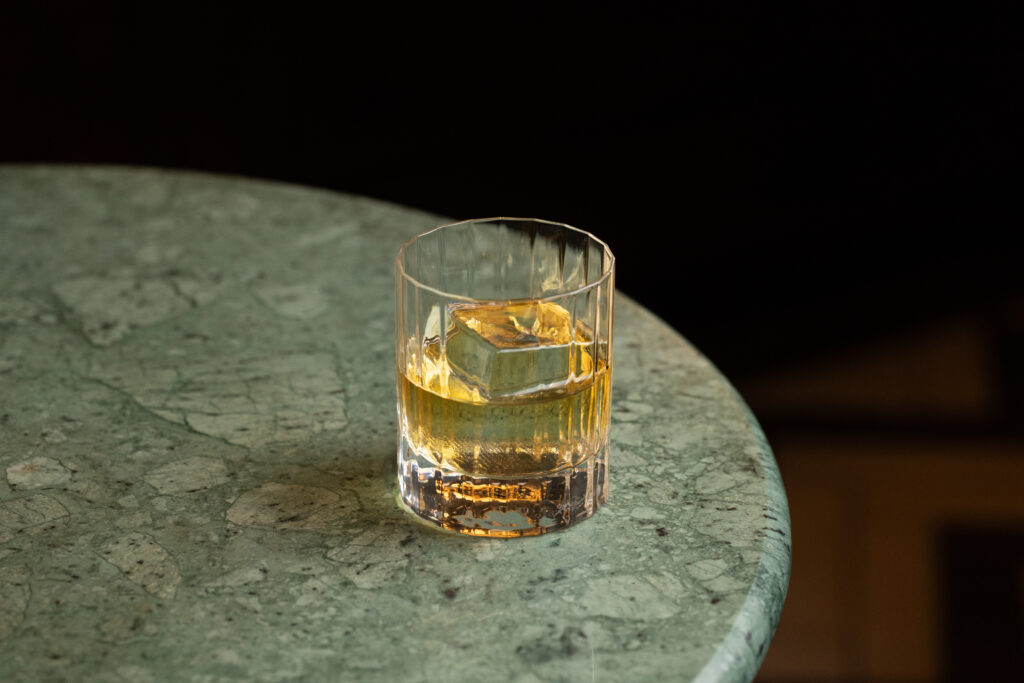
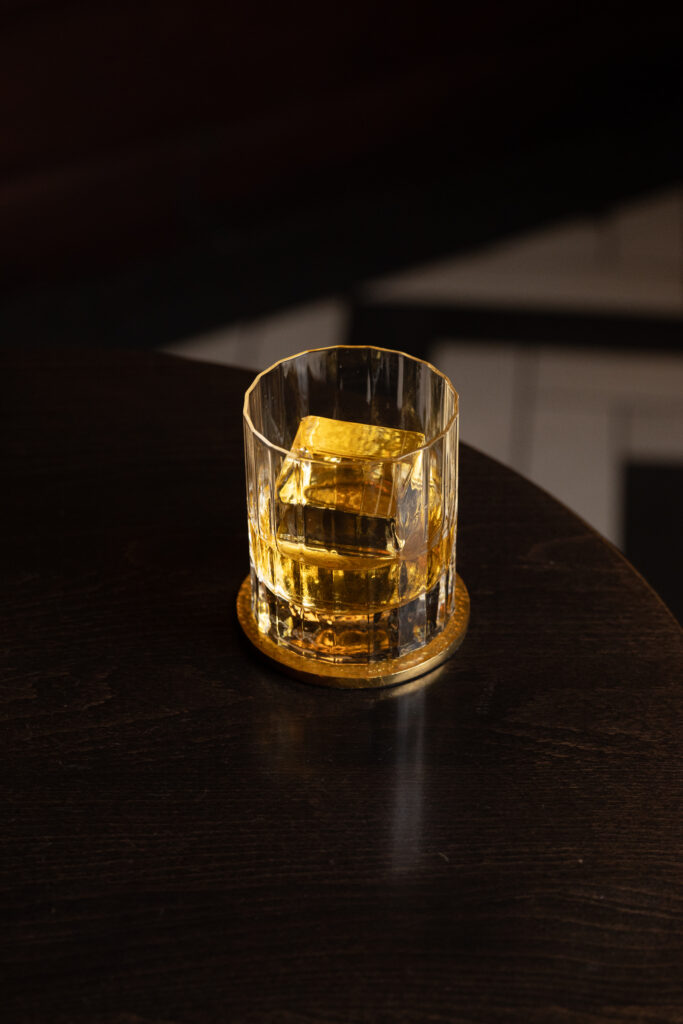
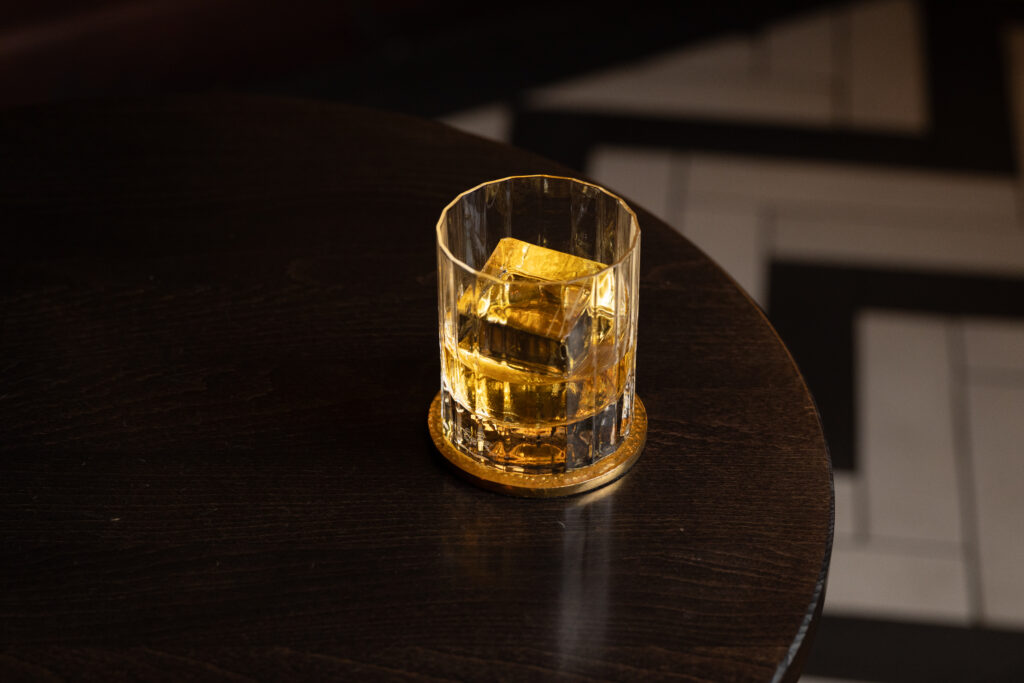
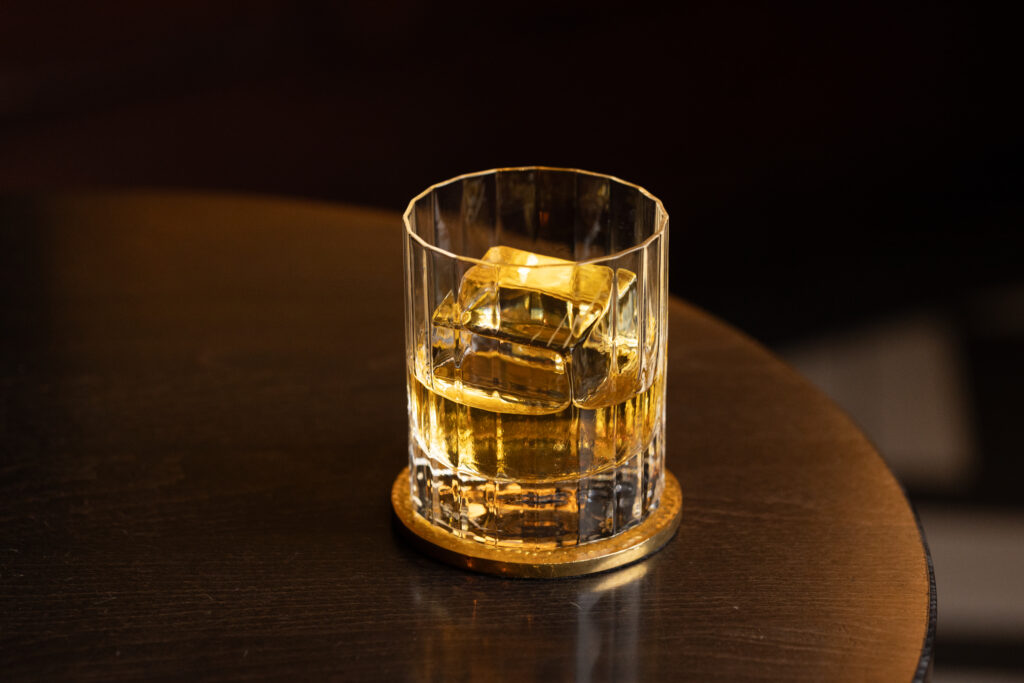
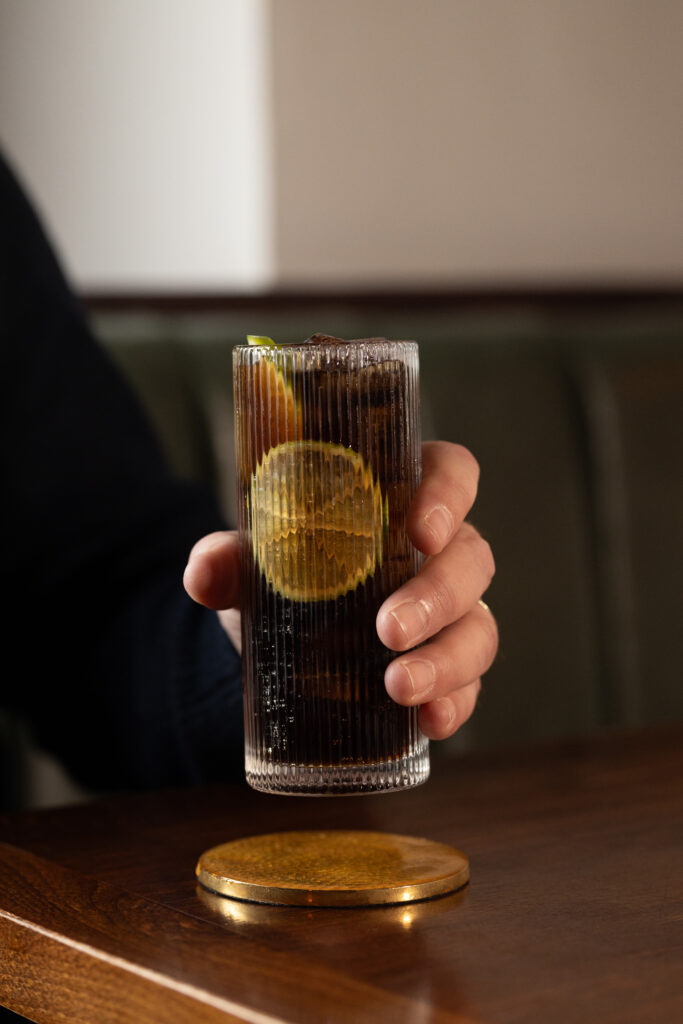
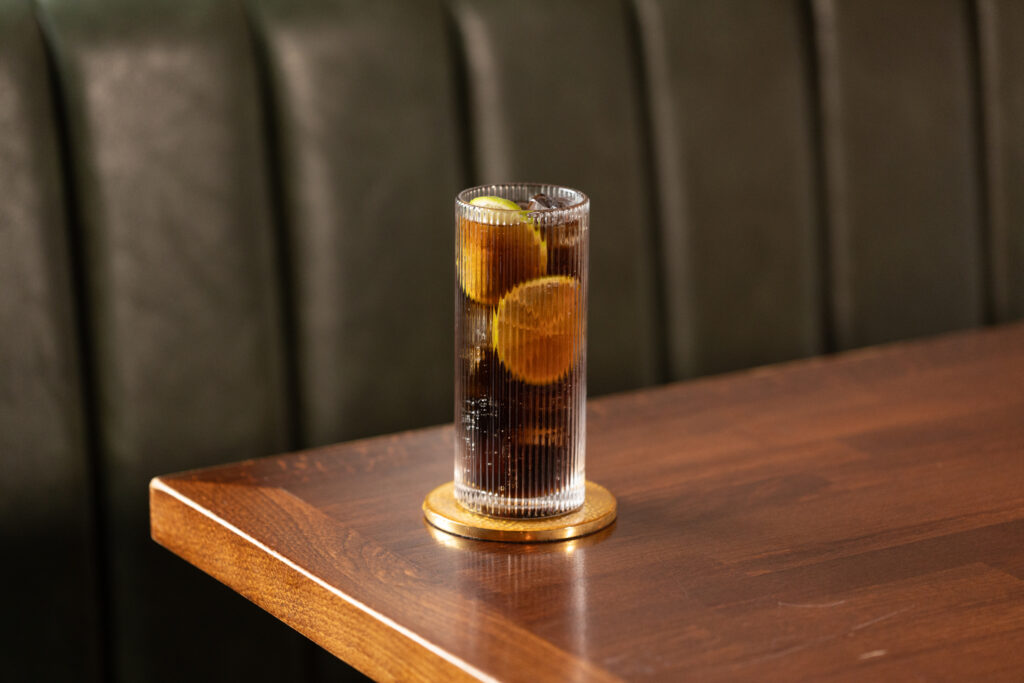
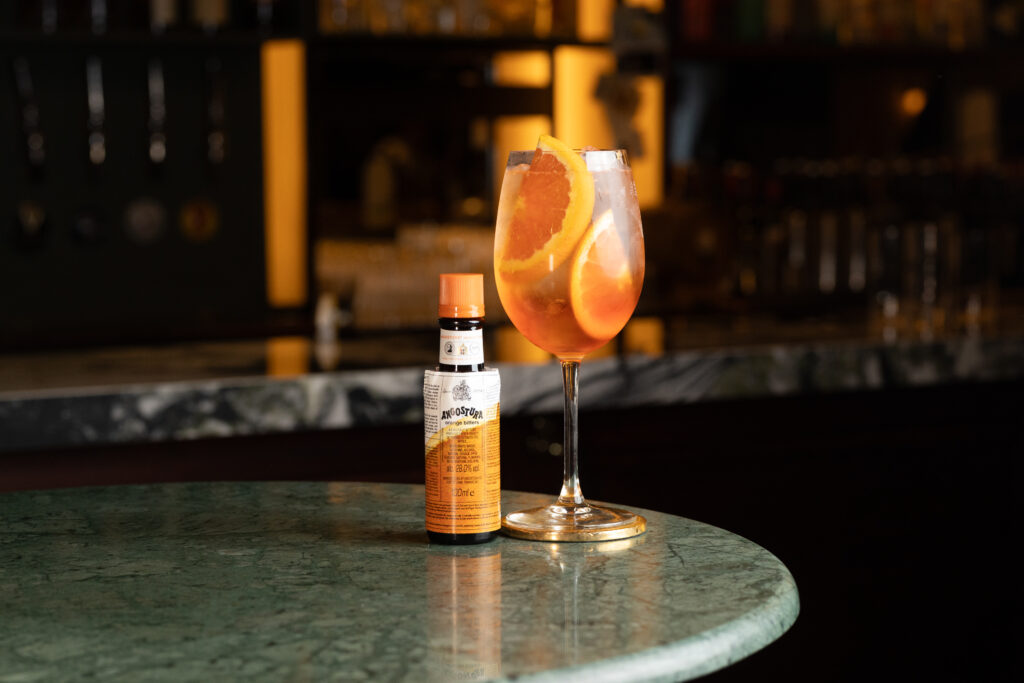
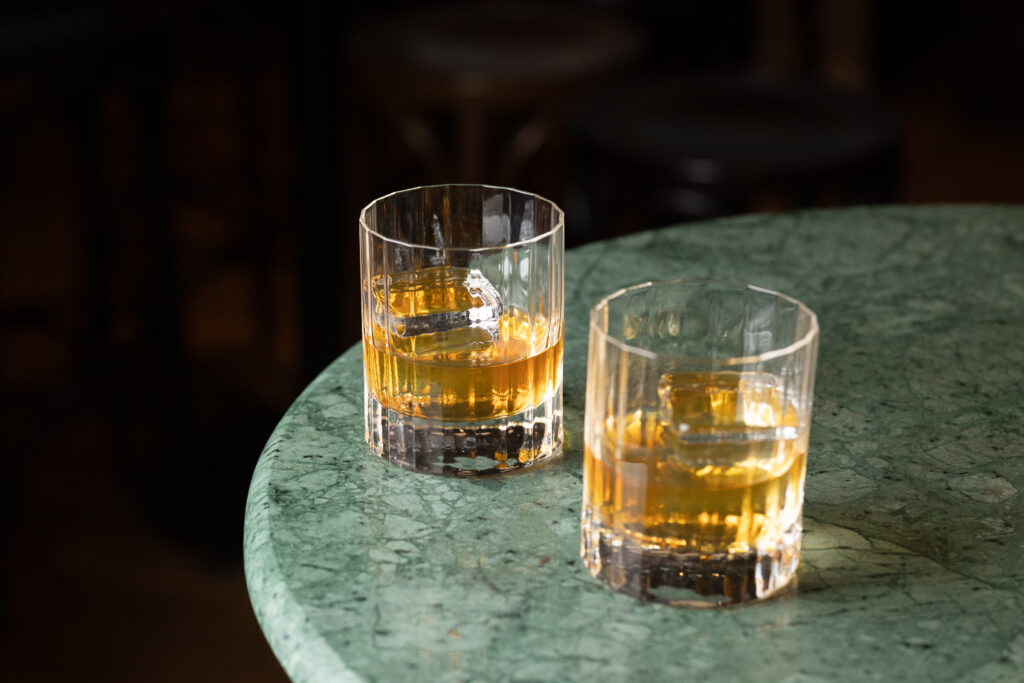
The tasting notes confirm this commitment to sophisticated accessibility. Grand Réserve is 40% ABV. Its golden-amber color is followed by a nose of sweet vanilla, apple, caramel, and toasted oak. The palate is described as round, with notes of hazelnut, mild spices, and tropical fruits, leading to a balanced and lingering finish. This is not a rum designed for the austere setting of a tasting lab. It serves a dual purpose: sipping neat and mixology. The Old Fashioned recommended by the brand makes this very clear: 60 ml of Grand Réserve, two dashes of Angostura Aromatic Bitters, sugar, ice, and orange zest. The bitters, here, are not merely an accessory; they bring the historical circle full circle.
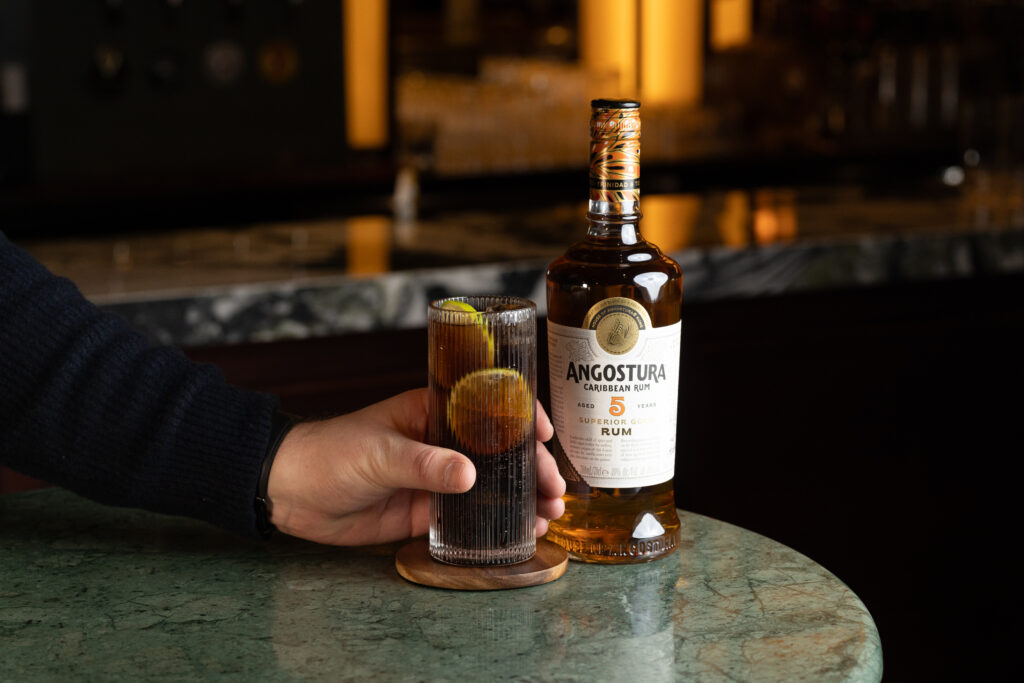
The relaunched lineup also positions Grand Réserve between two more distinctive offerings. Angostura Founder’s Reserve 1824 pays homage to the year of its founding, with a blend of aged rums matured in charred oak barrels and a profile marked by spices, raisins, and vanilla. Angostura Special Reserve 15 Years 1787, aged for at least fifteen years, offers a deeper profile: molasses, honey, chocolate, and warm spices. These three offerings form a clear progression, from an entry-level rum into the premium world to a longer, denser expression, more suited to seasoned connoisseurs.
This repositioning comes at a time that is favorable for rum, but also more demanding. Consumers are no longer satisfied with merely a tropical fantasy. They are asking questions about production methods, barrels, aging time, origin, and style. Angostura has a rare advantage: dual legitimacy—as a global bar staple through its bitters, and as a leader in Caribbean distillation through its rums. The company states that it produces its rums in Trinidad and Tobago; its official website describes it as one of the Caribbean’s leading rum producers and the world leader in bitters. This combination allows it to connect with wine merchants, bartenders, and curious drinkers without changing its approach.
The French relaunch is accompanied by a series of on-the-ground initiatives: nine partner wine cellars, dedicated displays starting March 18 for two weeks, and a tasting event hosted by Excellence Rhum in Paris on Saturday, March 21, featuring Grand Réserve, Founder’s Reserve 1824, and Special Reserve 15 Years 1787. This selection makes perfect sense. Premium rum rarely sells based on an advertisement alone. It requires guidance, a glass, a whiff, and sometimes a conversation with someone who can explain the difference between the sweetness of caramel and a misunderstanding of the aging process.
The new Angostura line, then, does not invent a legacy. It reinterprets it. Grand Réserve doesn’t erase 1919; it translates it into a more contemporary vocabulary, one that’s more accessible to the French market, where rum is gradually shedding its image as a summer spirit to take its place alongside whiskey, cognac, and armagnac on the shelves. The real issue isn’t the modernization of a bottle. It’s the way a House born of bitters is reclaiming its voice on rum—with enough historical depth to remain credible and enough clarity to be understood.
Alcohol abuse is dangerous for your health. Drink in moderation.
Cette publication est également disponible en :

