
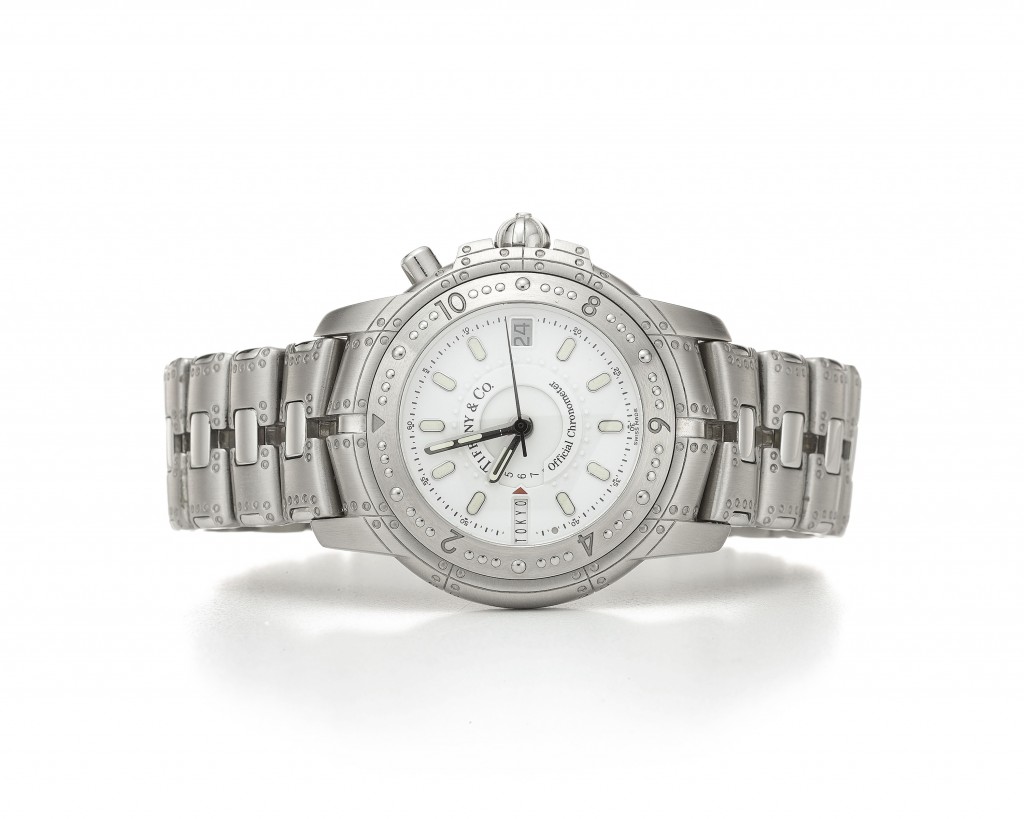
Founder of Tiffany & Co. and inspiration for the new Tiffany CT60 watch collection Charles Lewis Tiffany lived a full life of risks and rewards. His ambition and audacity perfectly illustrated the famous phrase “New York Minute”,
and the energy and spirit of innovation it represents. The Atlas clock he had installed above his store, which today overlooks the flagship Fifth Avenue boutique, is a permanent tribute to his powerful vision as a jeweler and watchmaker.
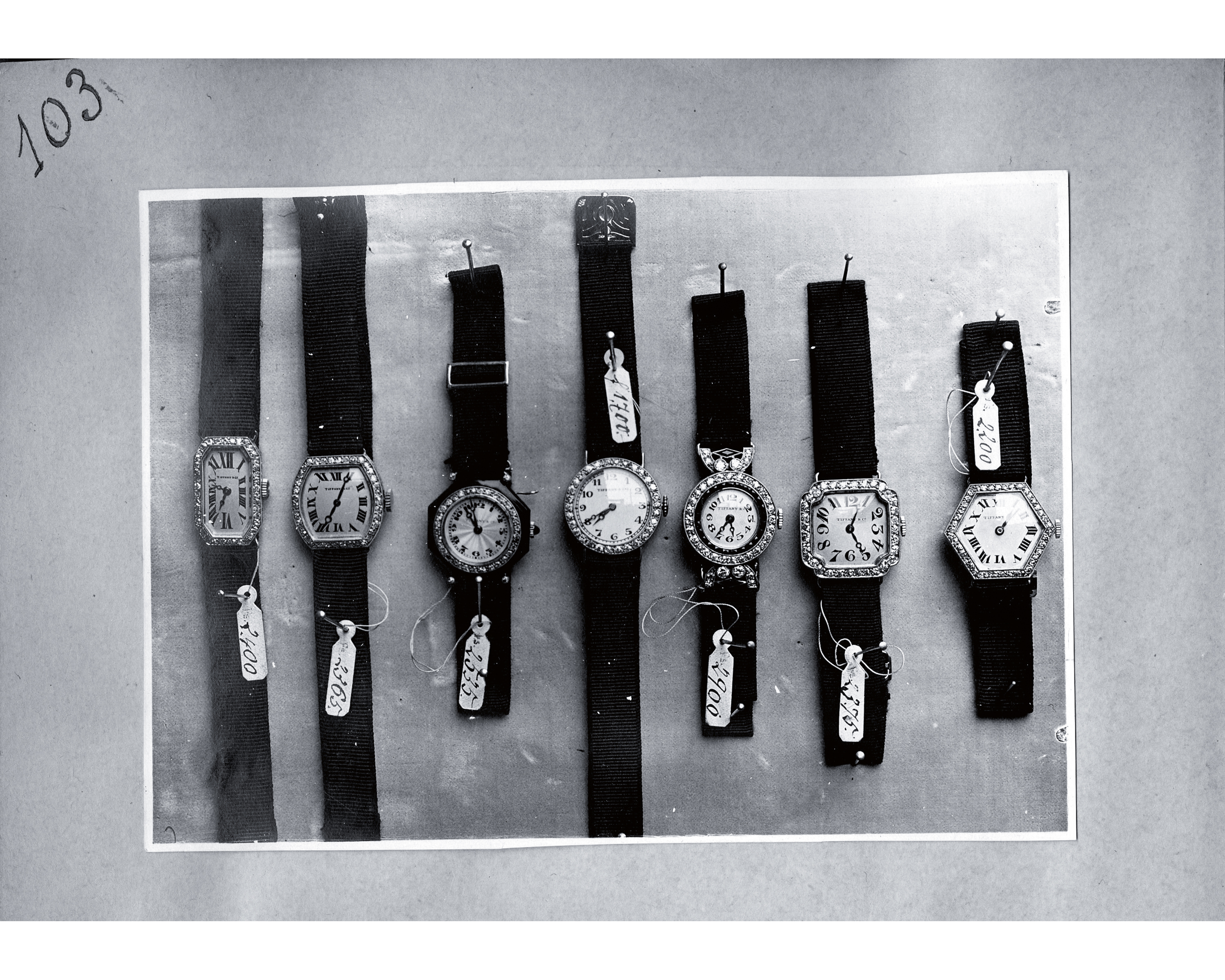
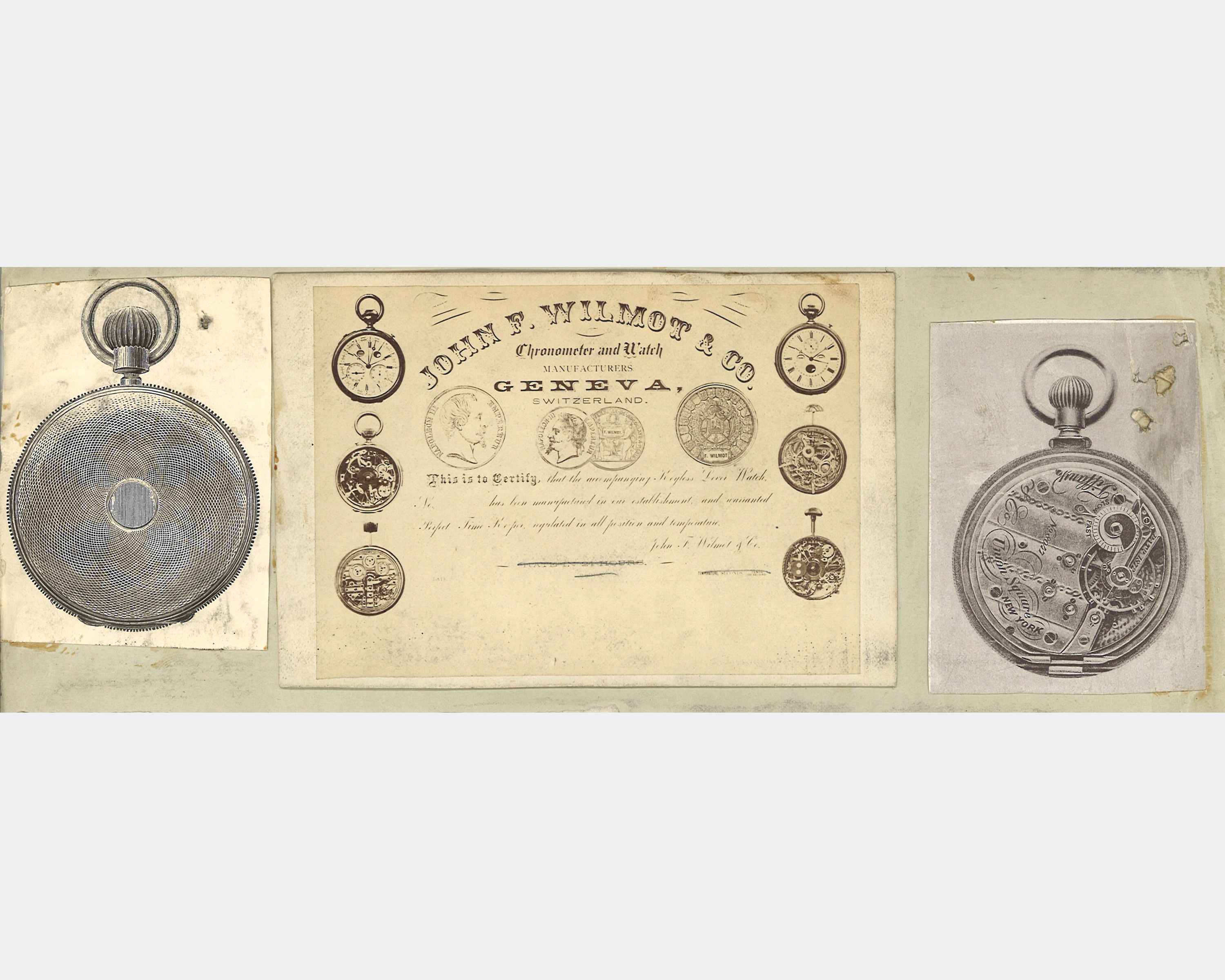
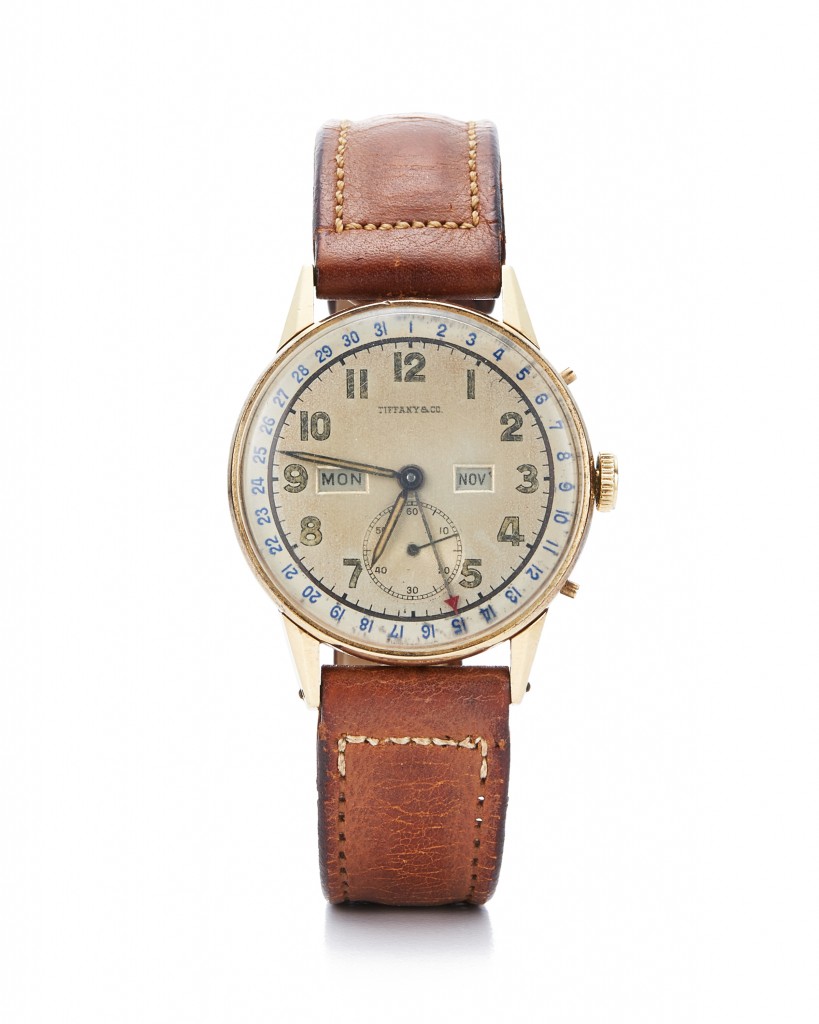
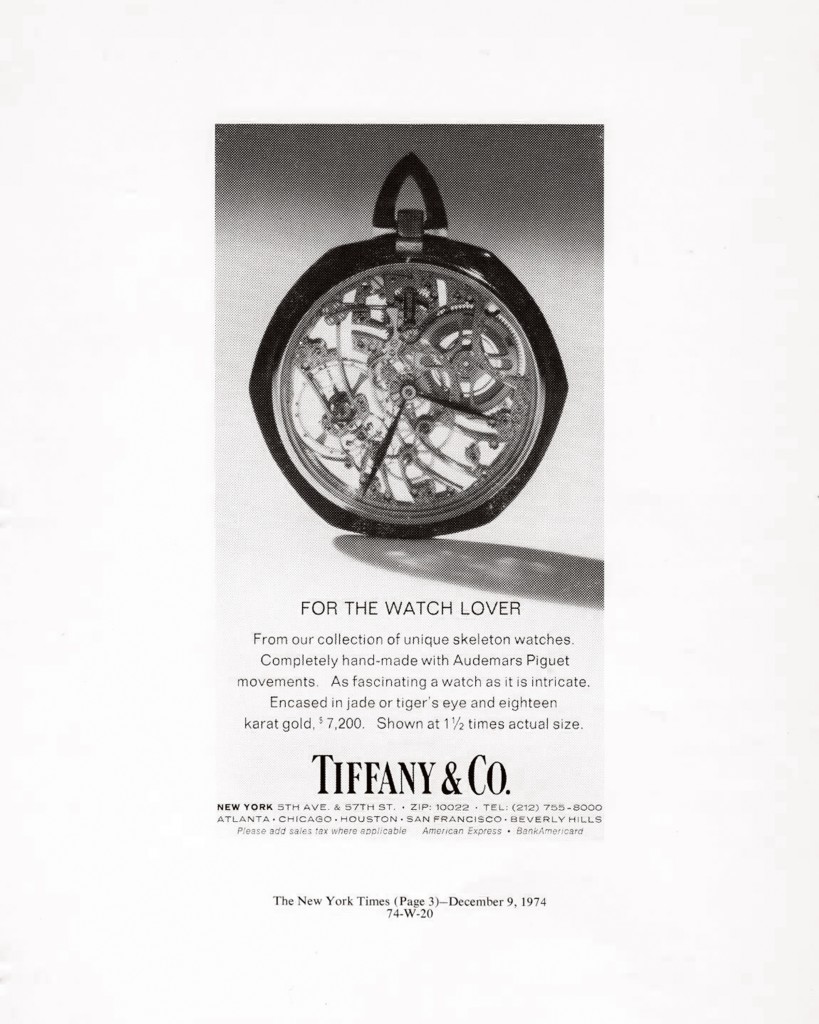
His ambition was confirmed at an early age, when he borrowed $1,000 from his father and opened his first store in 1837 on Lower Broadway. Although the city was in the grip of a financial crisis, Tiffany, then aged 25, prospered thanks to the rivalry of his customers, who flocked to acquire the latest French accessories and unique pieces such as these bronze curios from India and China, antiques he bought from ship captains in the ports of New York and Boston. Within a few years, he had succeeded in importing the first high-value diamonds into the United States, and began marketing clocks and watches. By 1869, he had become the country’s best-known diamond purveyor.
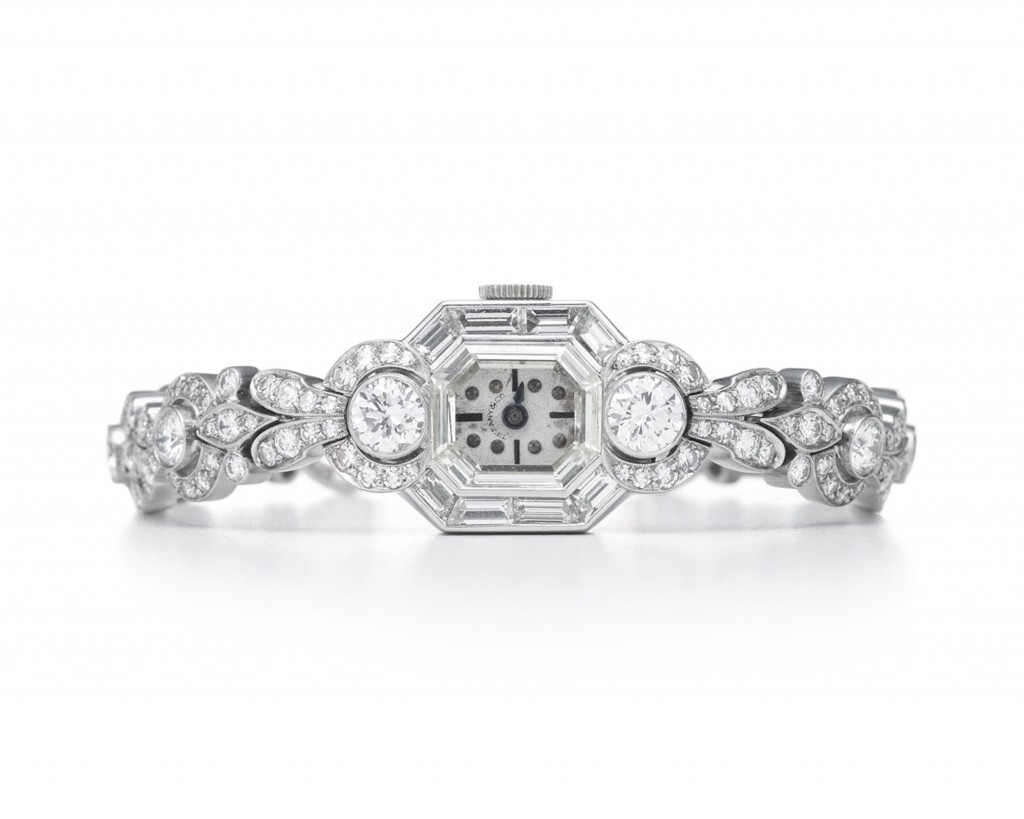
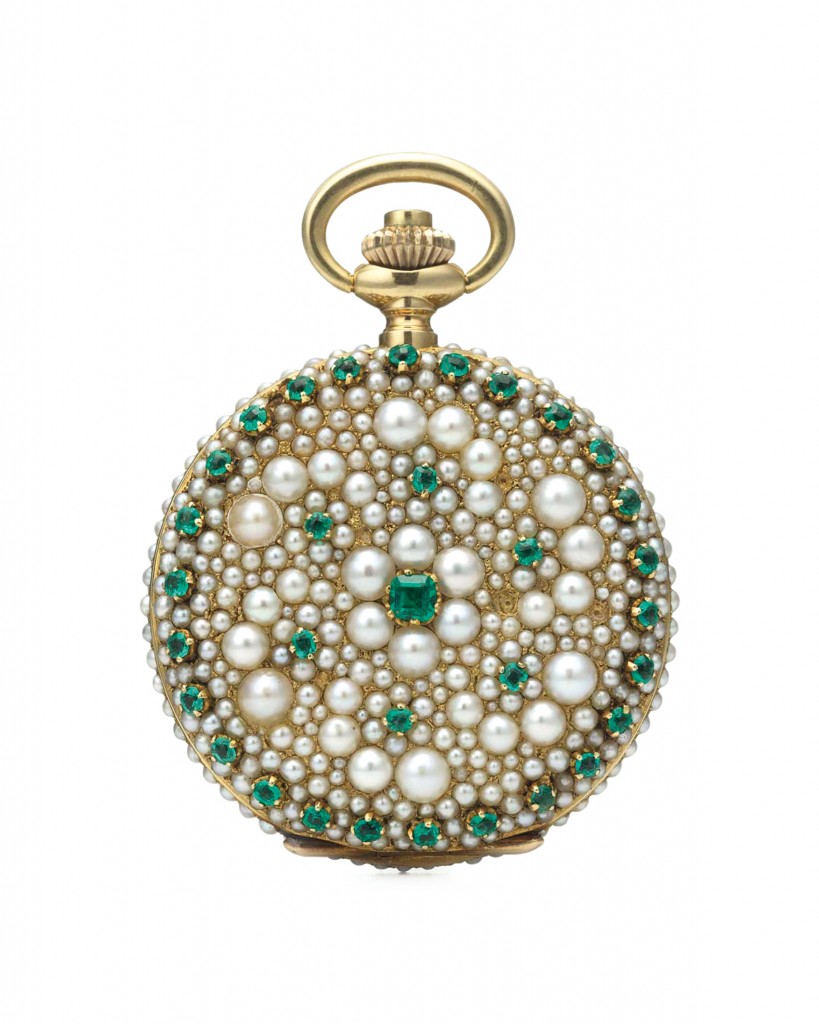
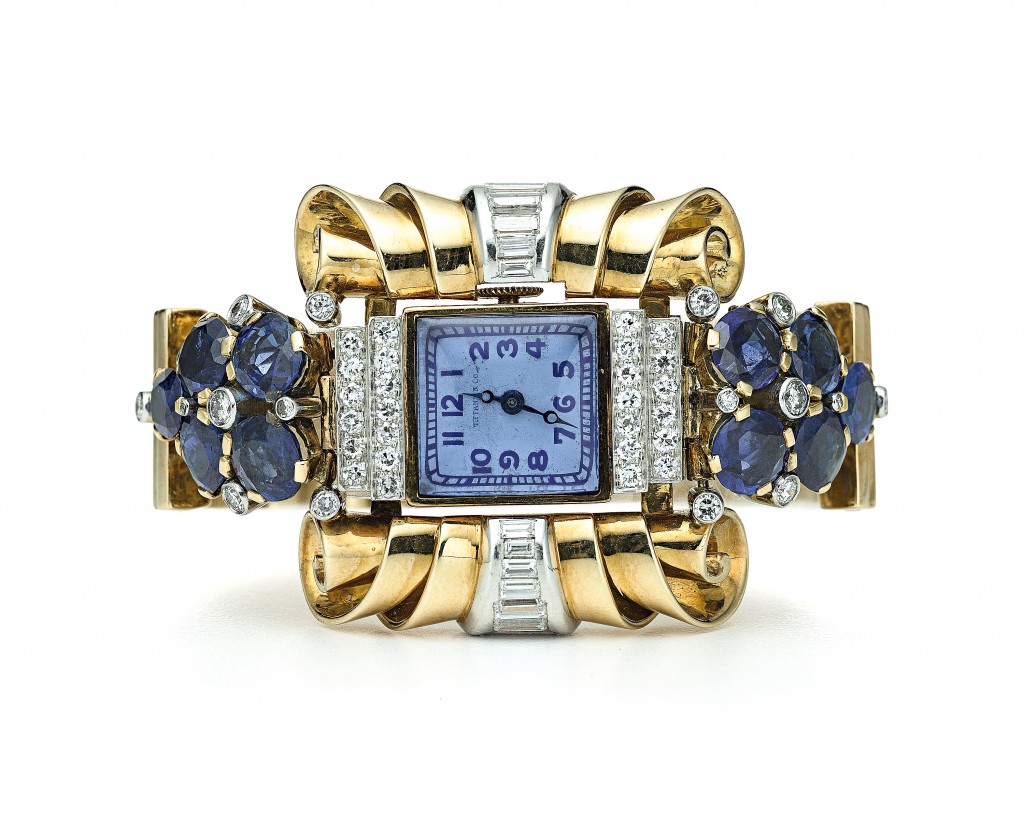
He used to say: “Good design makes good business”. So he was inspired in 1859, when he acquired 32 kilometers of surplus cable used in the installation of the Atlantic telegraph cable. Tiffany created trophies featuring 10 cm cables with brass ferrules, as well as paperweights, wristwatches and charms, walking sticks and umbrella handles. The police had to intervene on the first day of sales of these items to control the crowds eager to buy a piece of history.
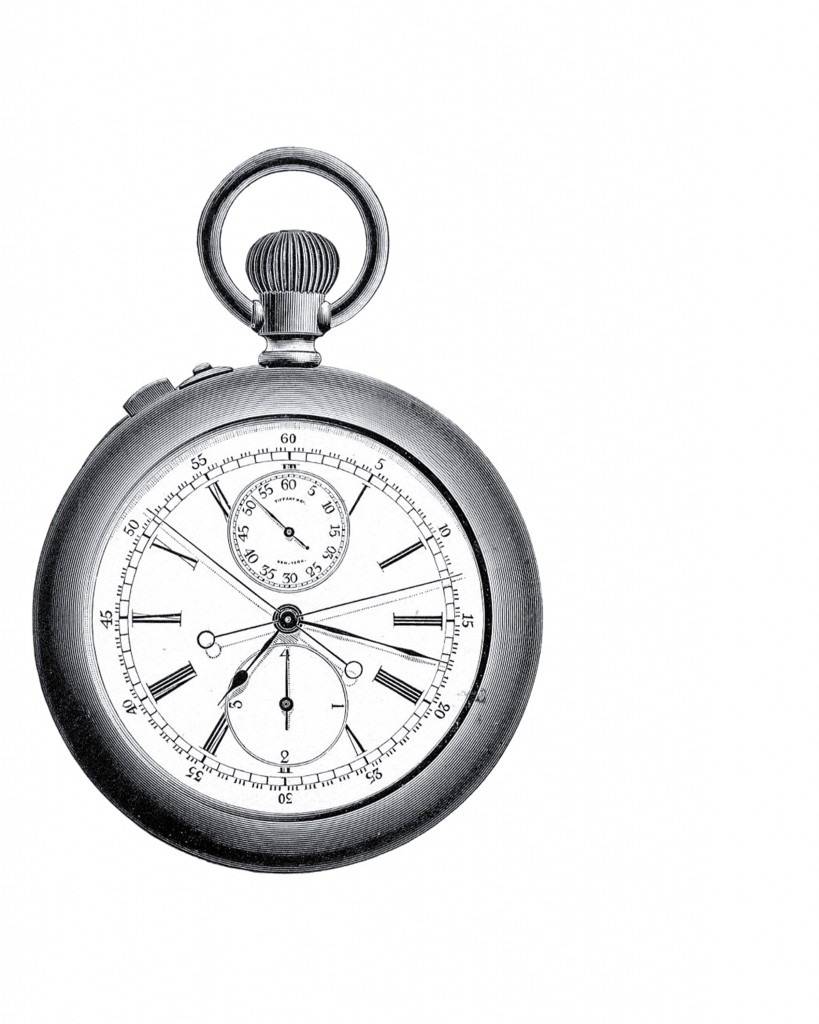
He soon extended his activities to London and Paris, where he bought gems of noble provenance for the American upper class. The New York elite’s frenzy for royal jewelry reached its peak in 1887, when he acquired about a third of France’s crown jewels. Among his regular customers were Mrs. Joseph Pulitzer and the socialite Caroline Astor, who bought Empress Eugenie’s diamond rivers and brooches. This triumph was followed by a spectacular jewelry presentation at the Paris World’s Fair, where he won gold medals and became the jeweler of European royalty.
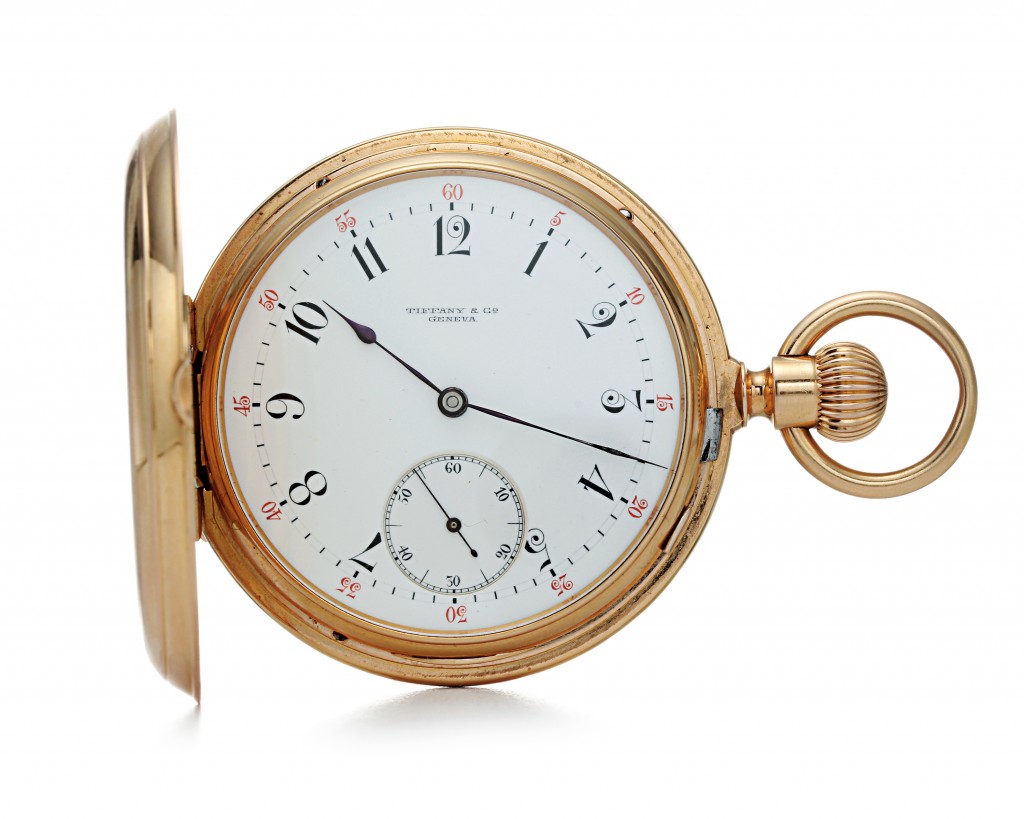
At the beginning of the 20th century, Tiffany & Co. was the world’s leading jeweller, and its founder was recognized as much for the quality of his work as for his business acumen.
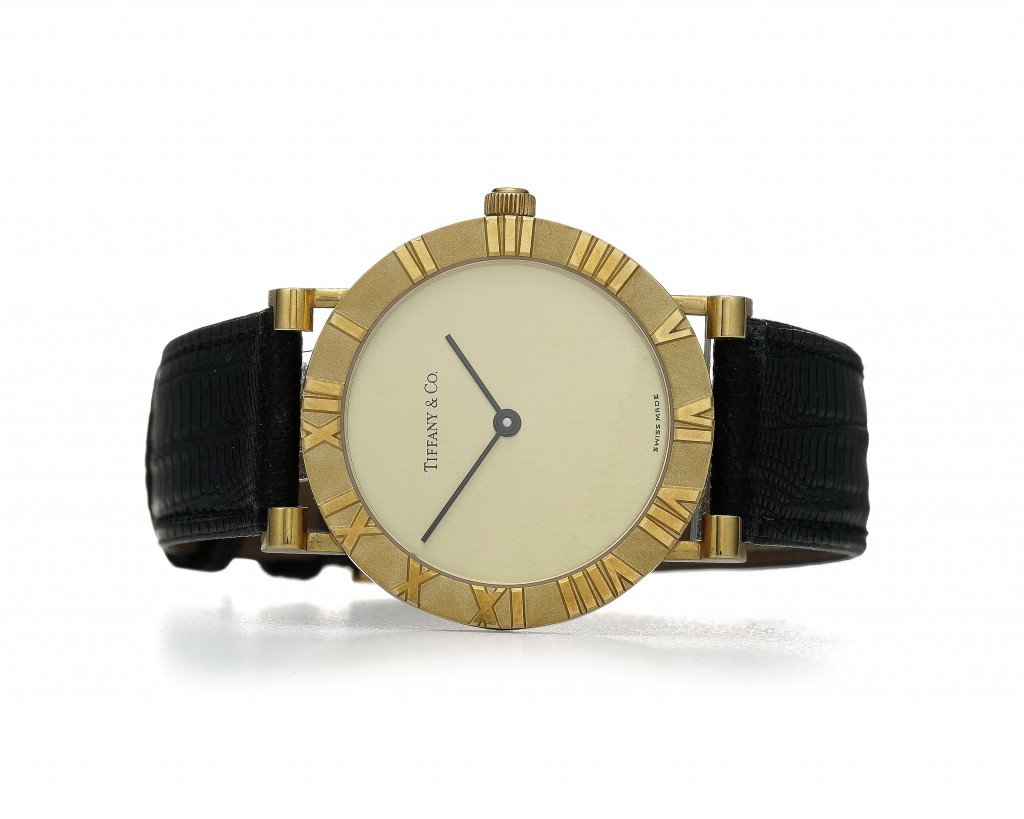
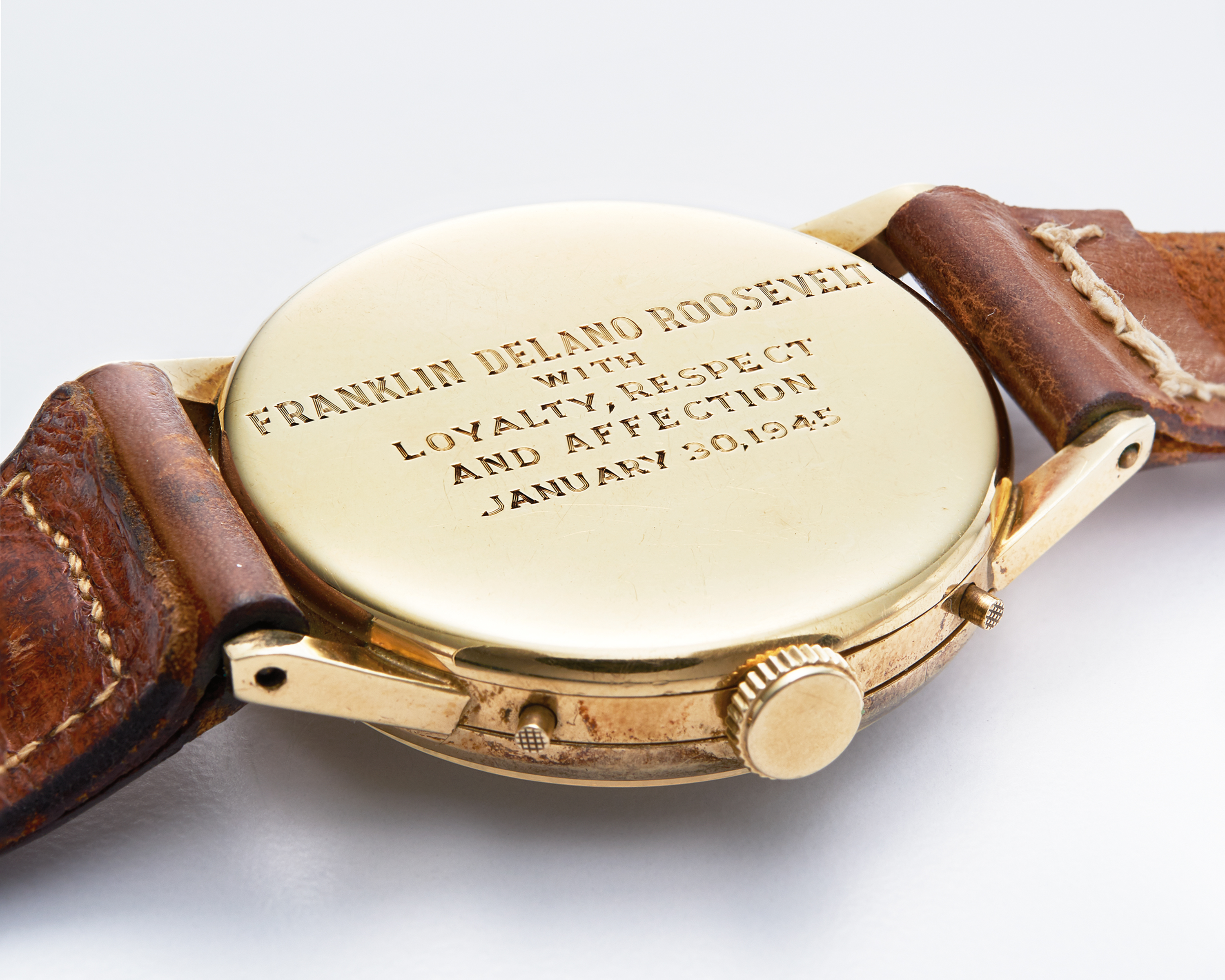
A civic figure, he helped finance the construction of the Statue of Liberty and several city parks. He was also one of the first trustees of the Metropolitan Museum of Art and the American Museum of Natural History. As important members of New York’s elite, the Tiffanys danced at Mrs. Astor’s legendary balls and summered in Newport, Rhode Island.
Charles Tiffany was regularly praised in the press. For Harper’s Weekly (1891), he was an unrivalled dealer, “the thinking head of the greatest jewelry and art business then imaginable.”
 On his death at the age of 90, his businesses closed momentarily in his honor, and the Financial Record celebrated his memory as one of the “great public figures and one of the most incredible personalities of this era.”
Cette publication est également disponible en :

