
August 2016, we headed off to the Sziget Festival in Budapest, Hungary. The Sziget Festival is much more than a music festival and really has an atmosphere of its own. Before we talk about the festival itself and everything we experienced there, let’s first talk about Budapest, where the festival takes place. Guillaume Ghrenassia, our special correspondent on site, left a few days before the festival and took the opportunity to visit the city a little. He was accompanied by a Hungarian student, Anna, whom he met on Yestudent, a great service somewhere between Air BNB and couchsurfing, but for students. What’s more, Yestudent is a Toulouse-based start-up. Guillaume was already present at the Sziget Festival last year, so don’t hesitate to visit his blog to discover his articles from 2015.
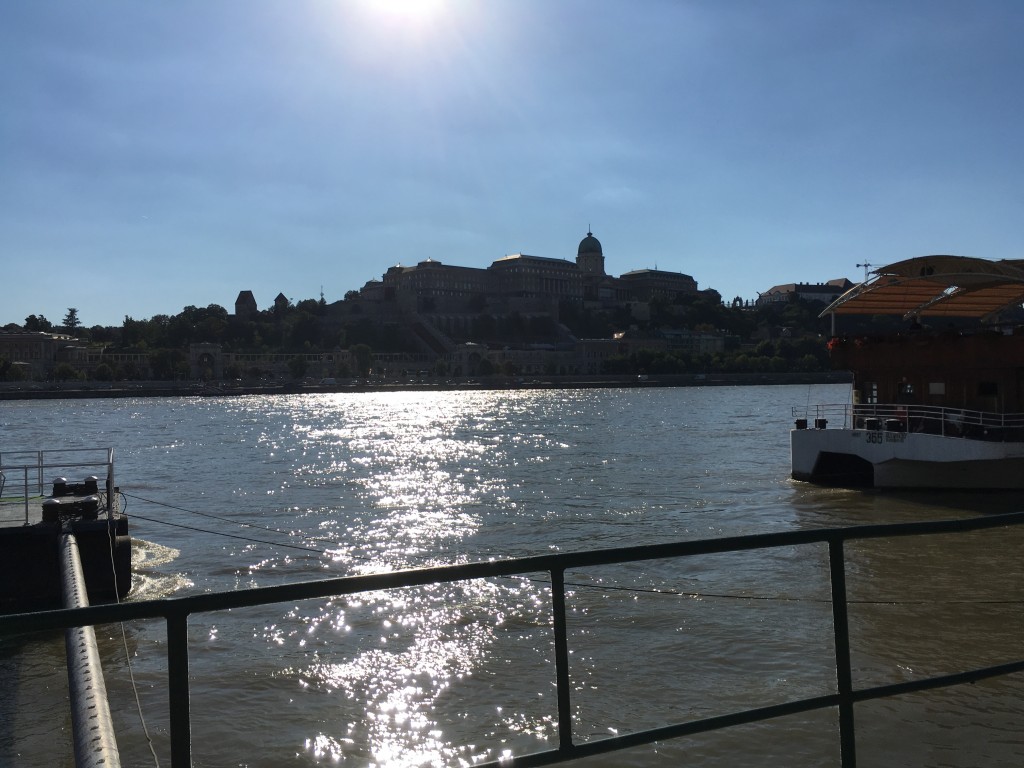
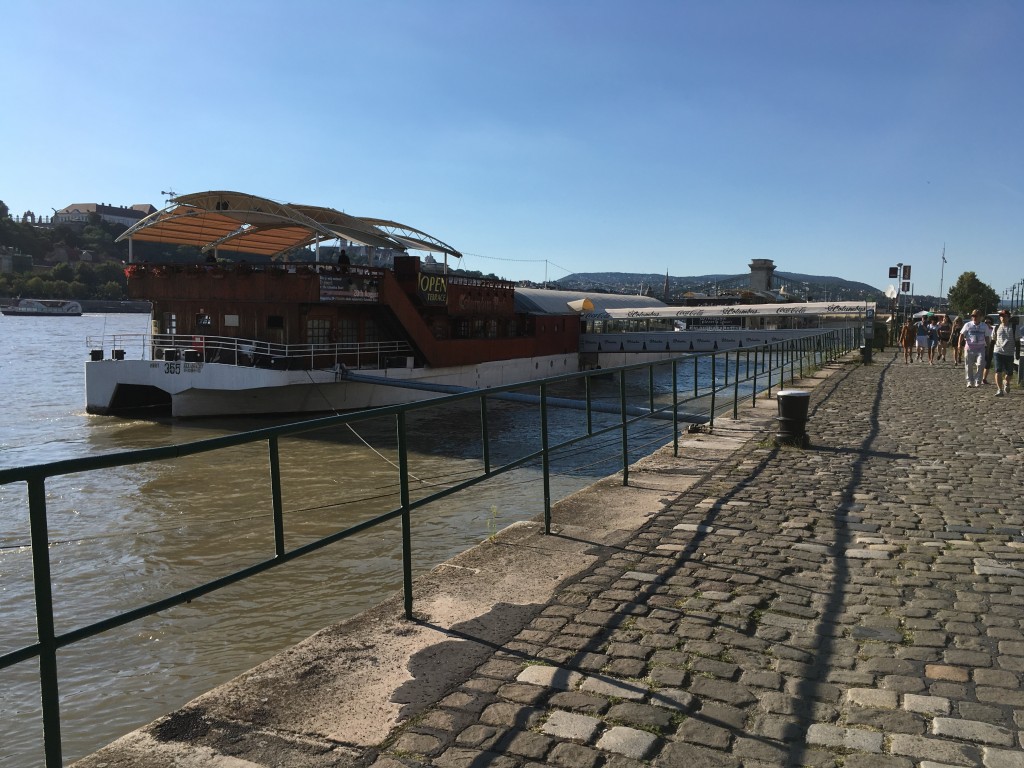
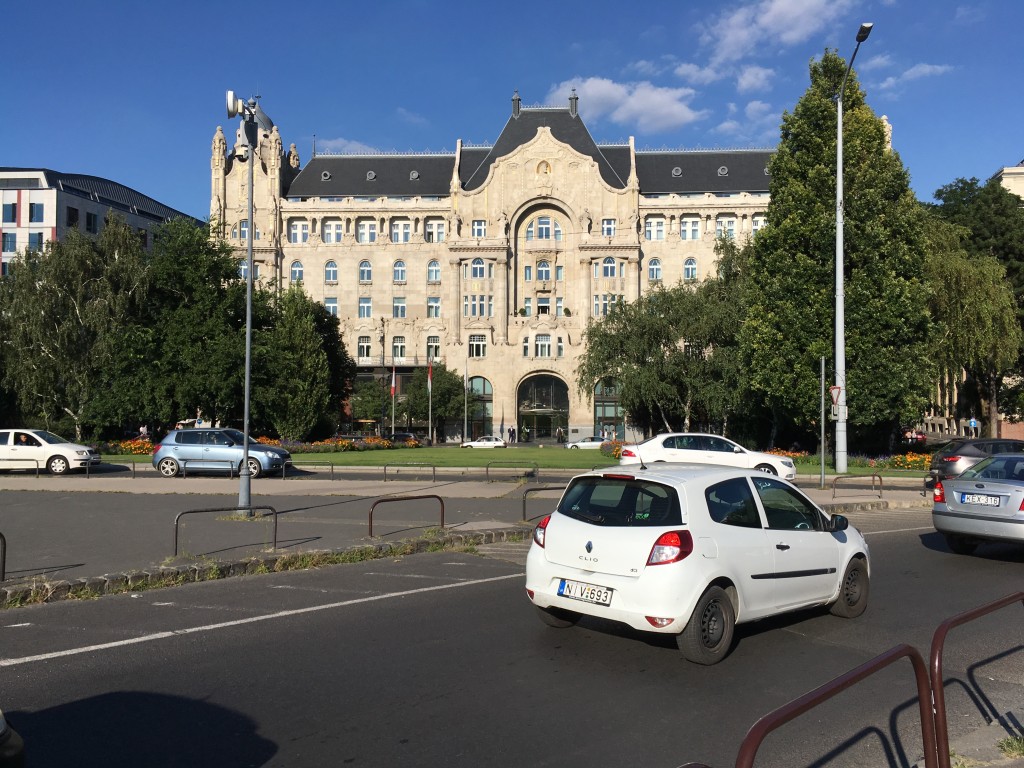
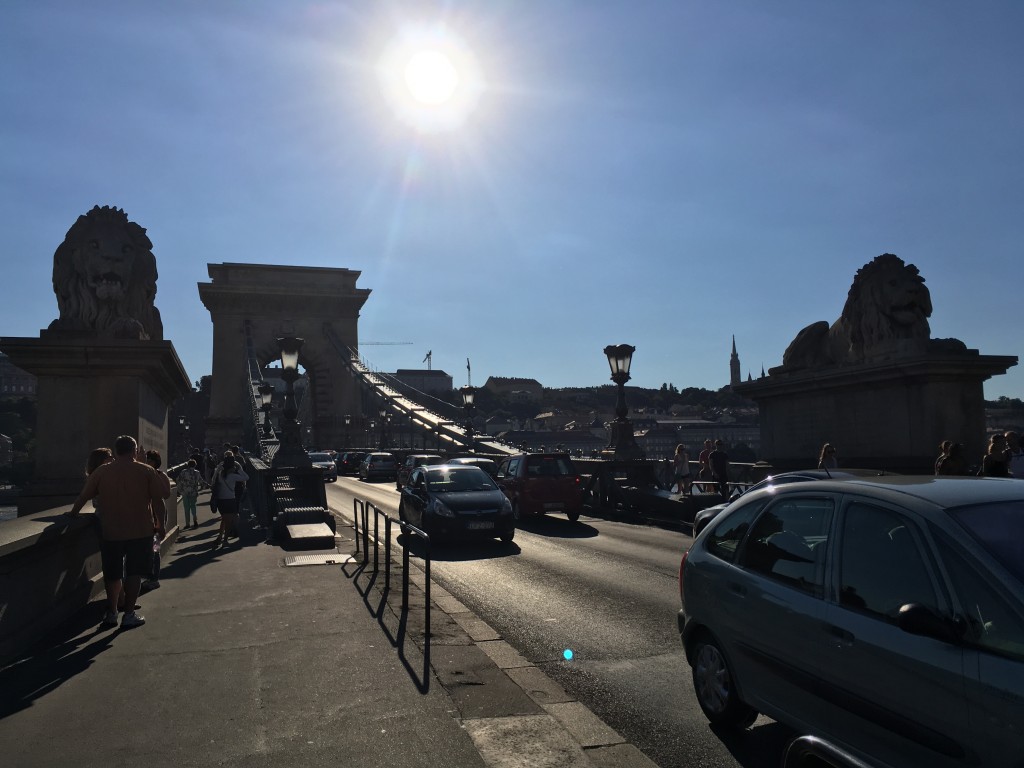
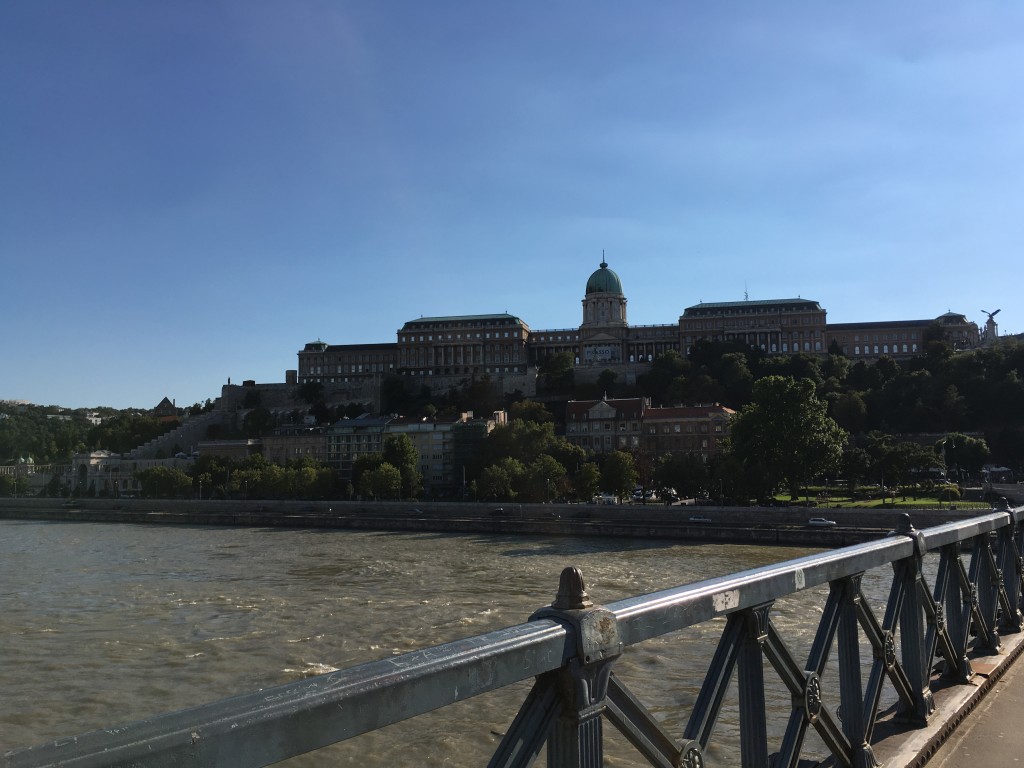
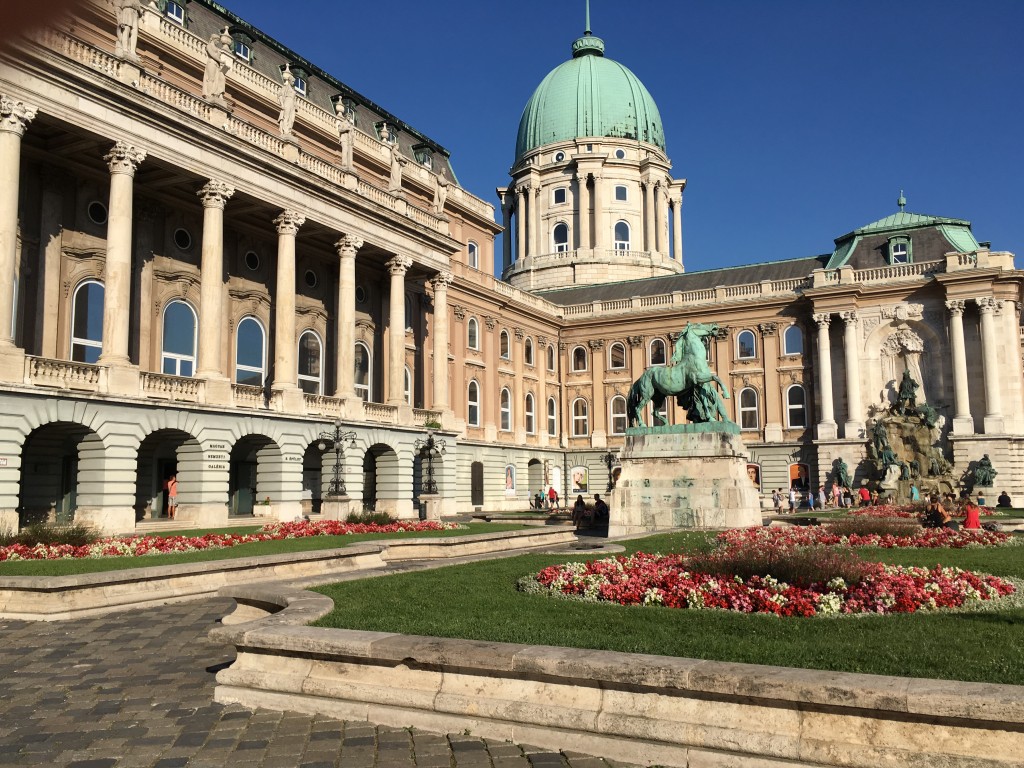
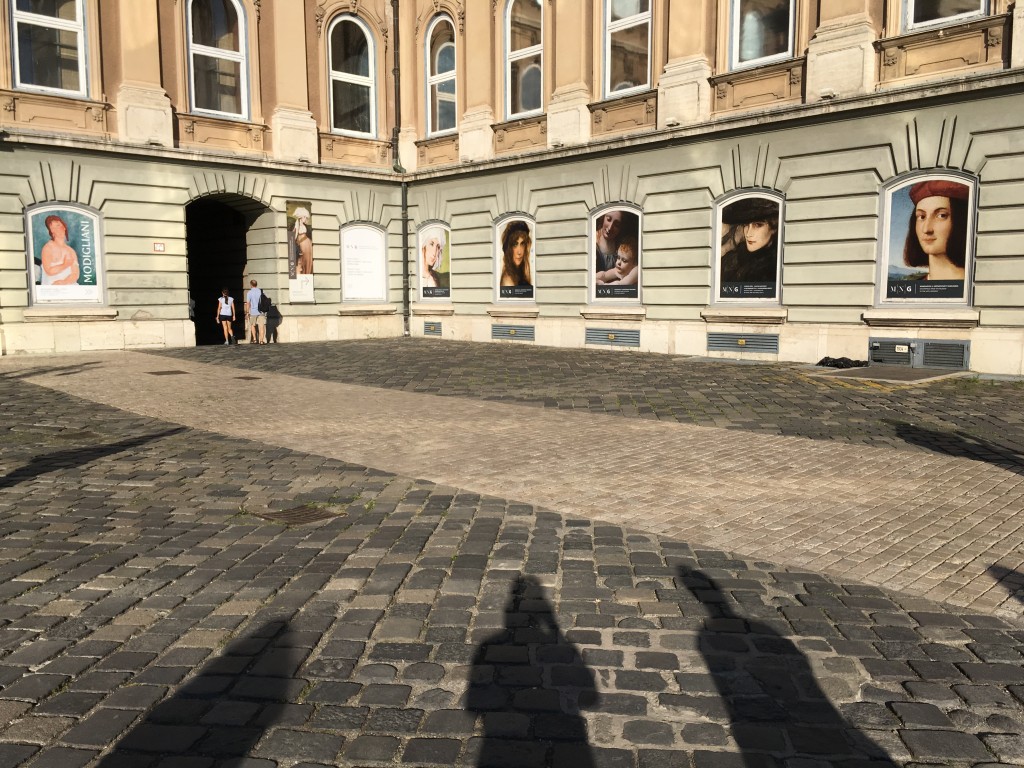
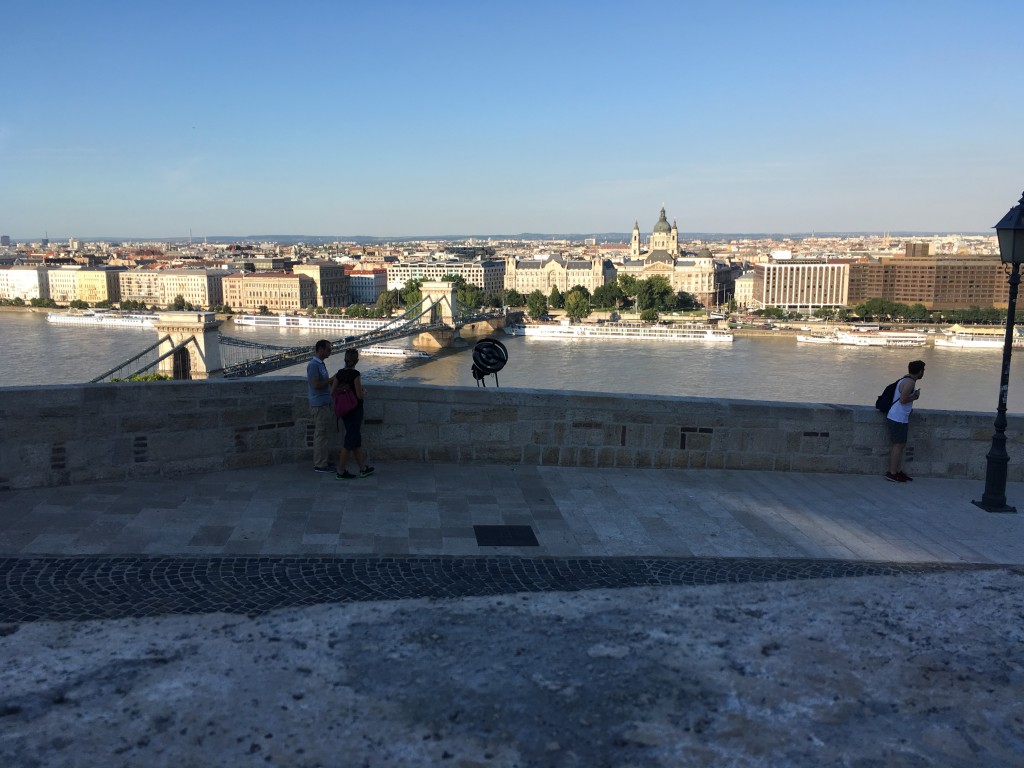
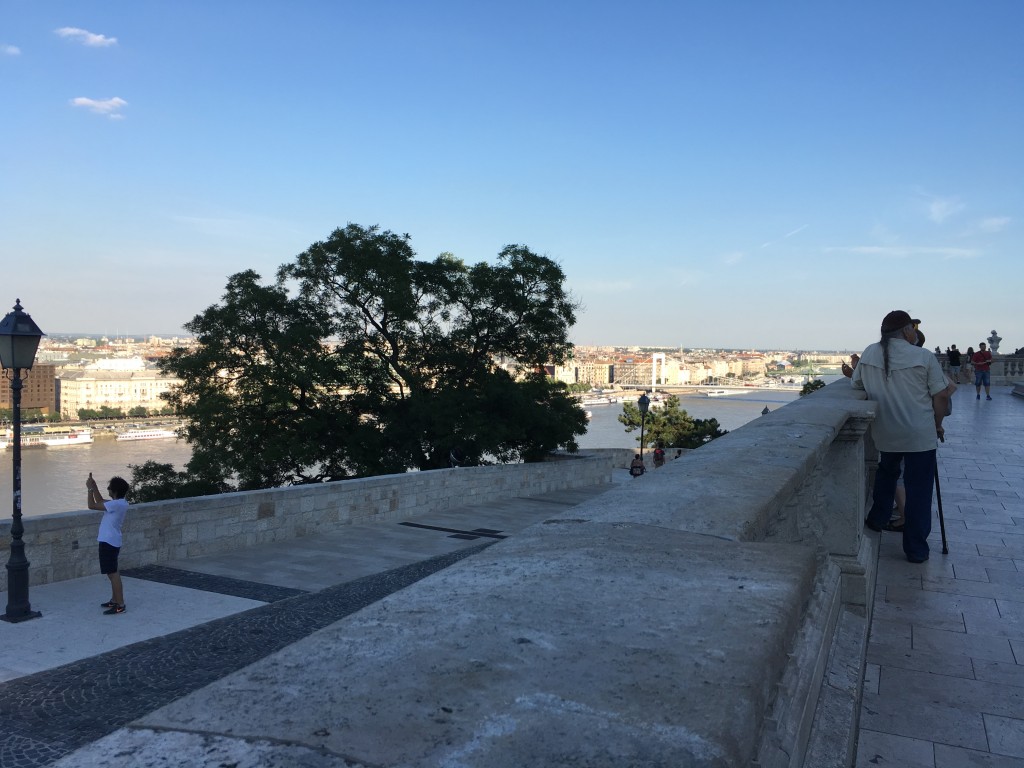
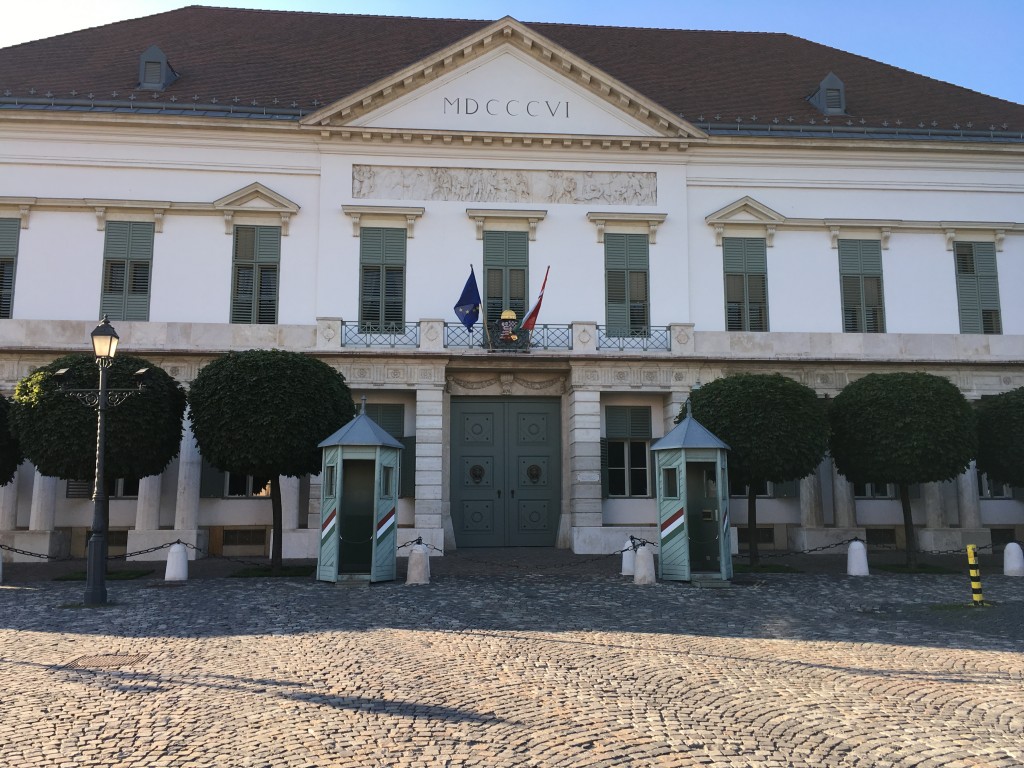
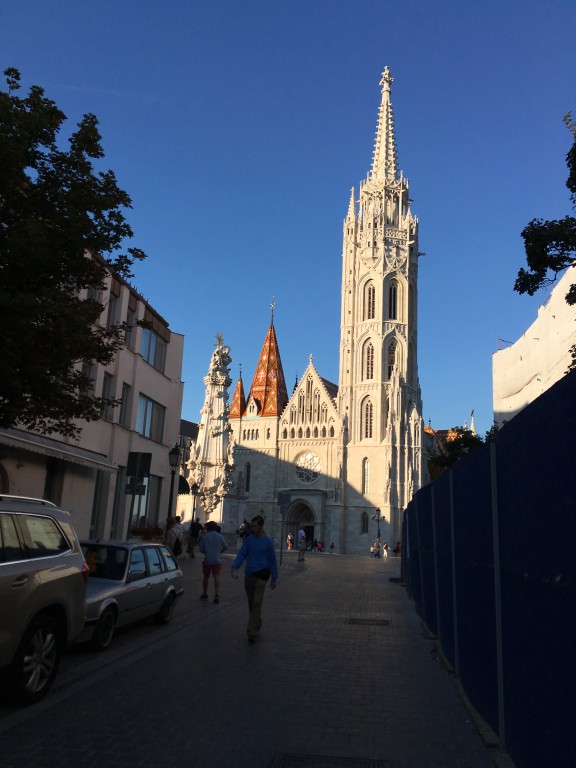
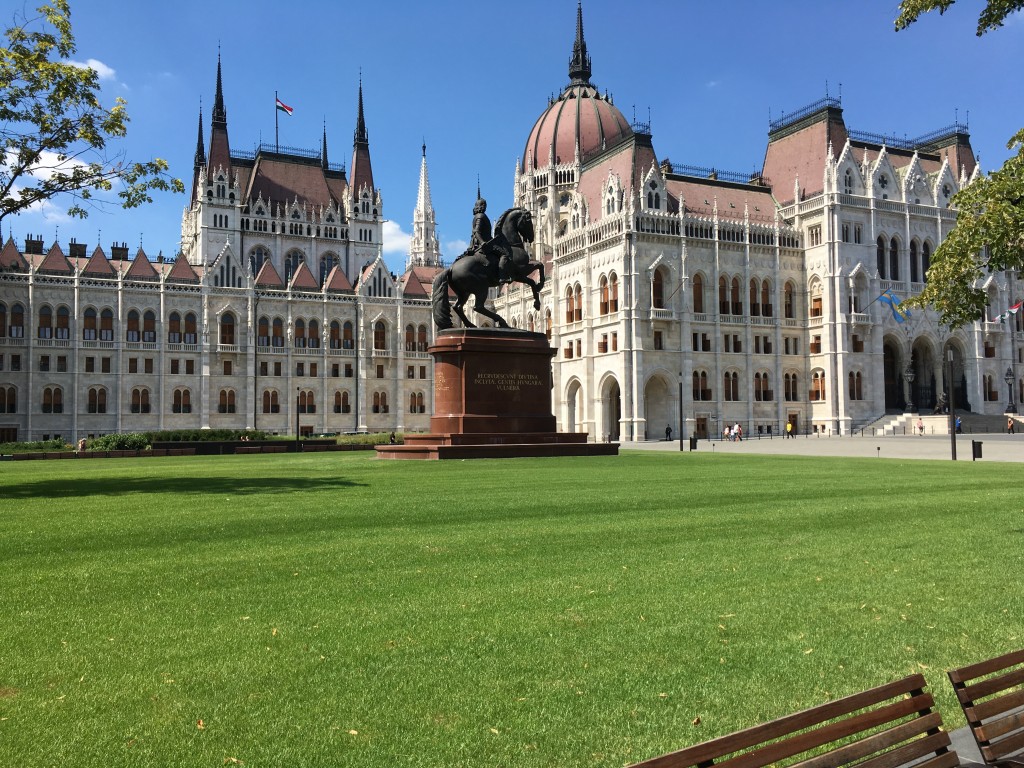
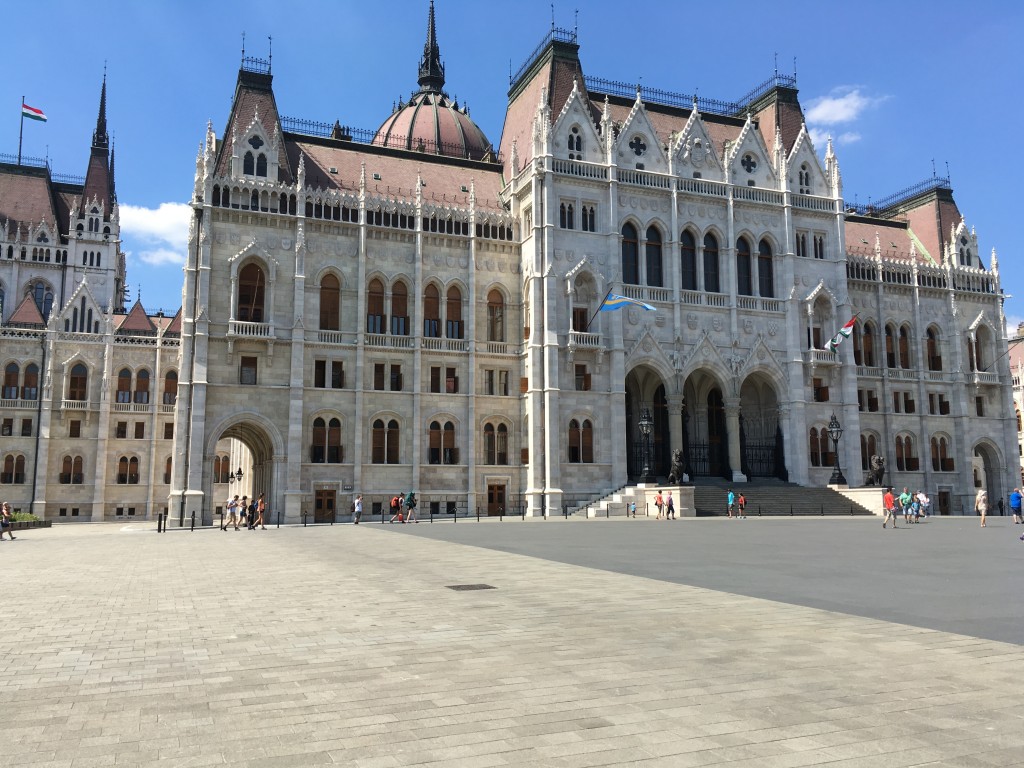
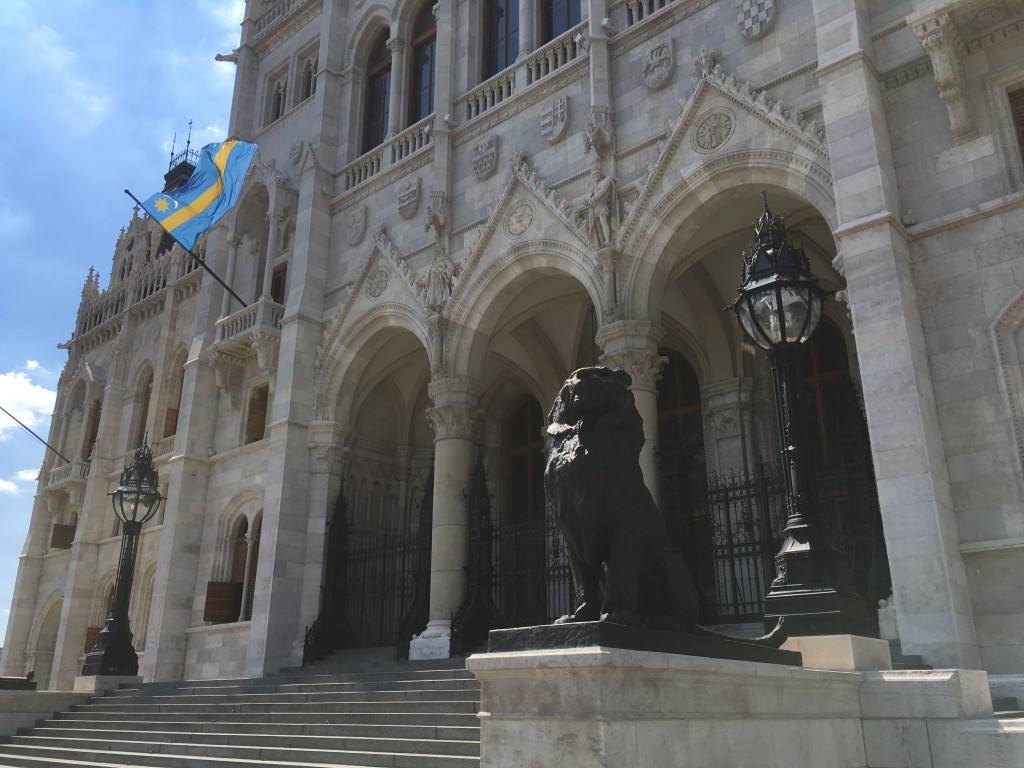
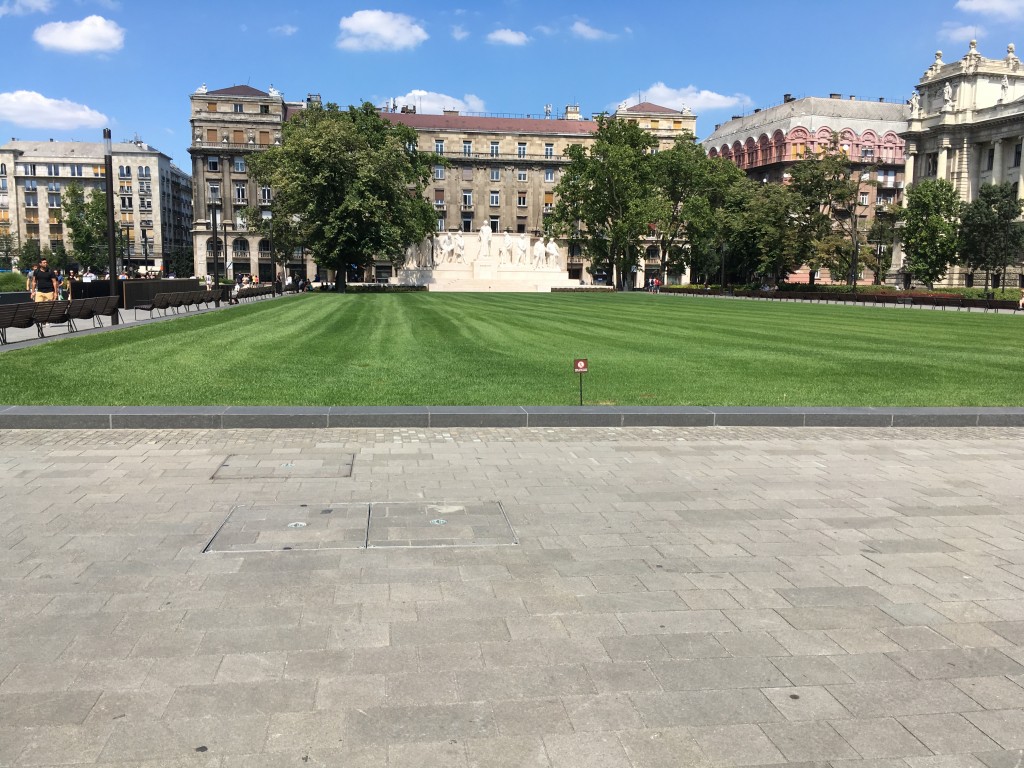
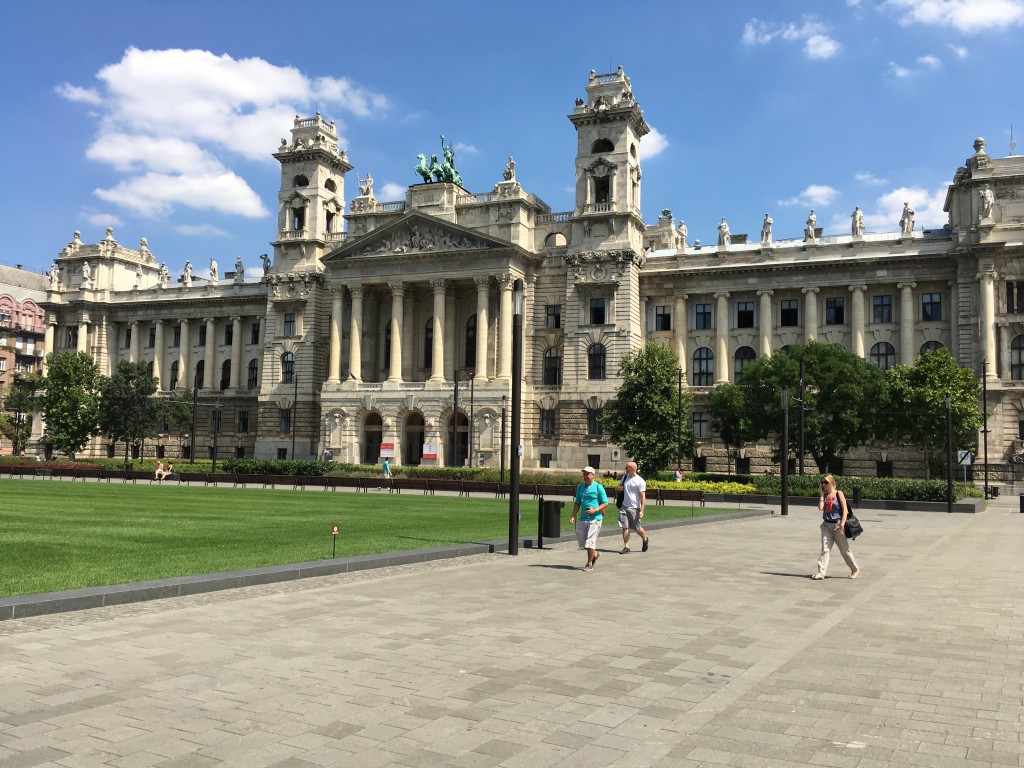
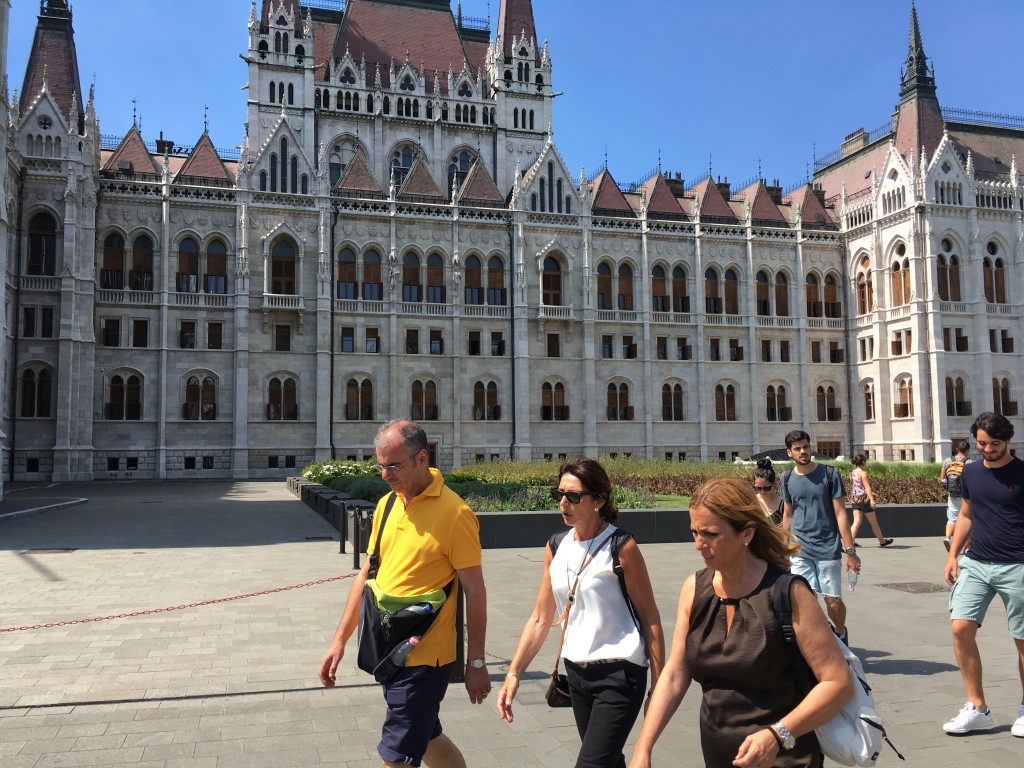
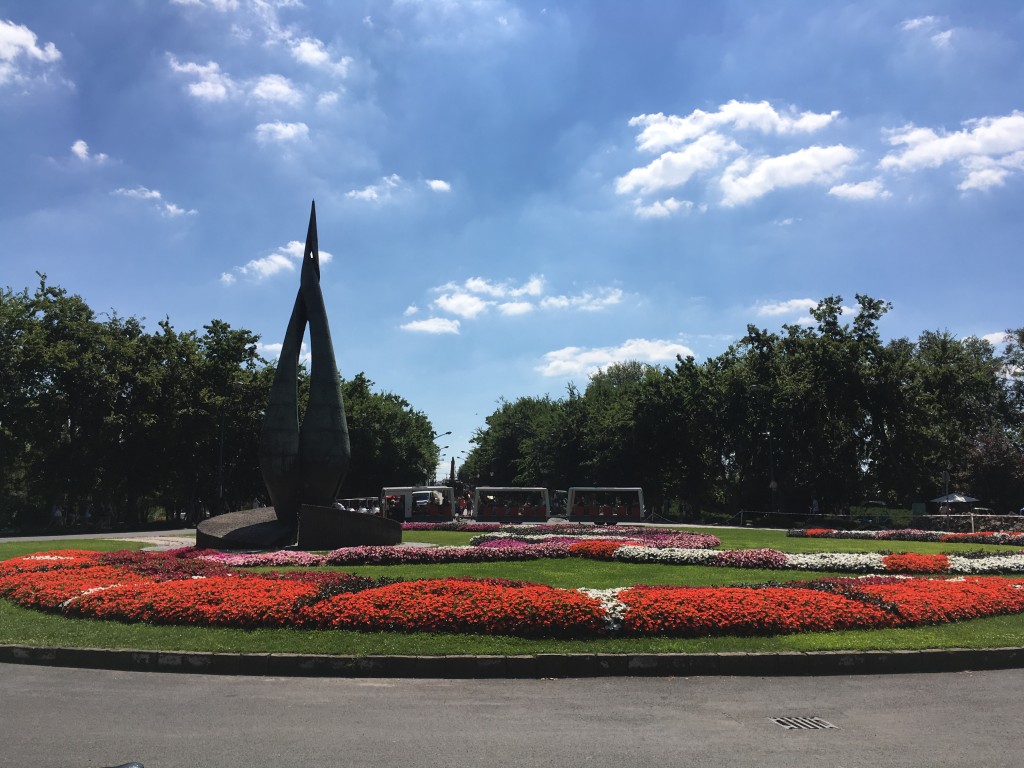
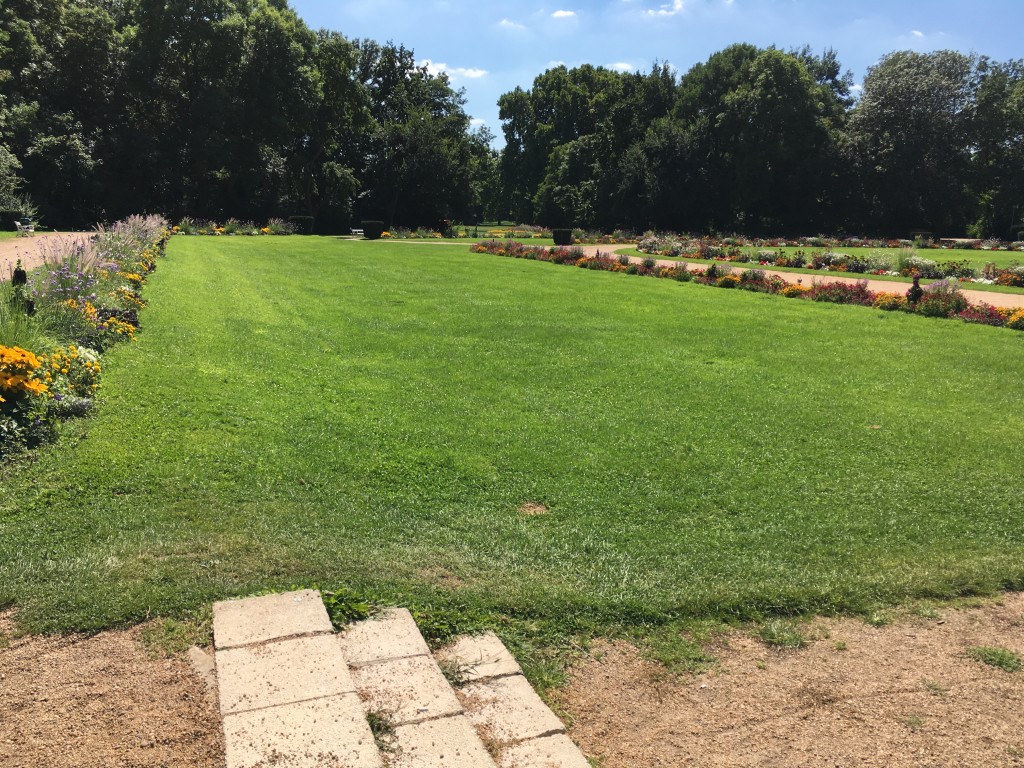
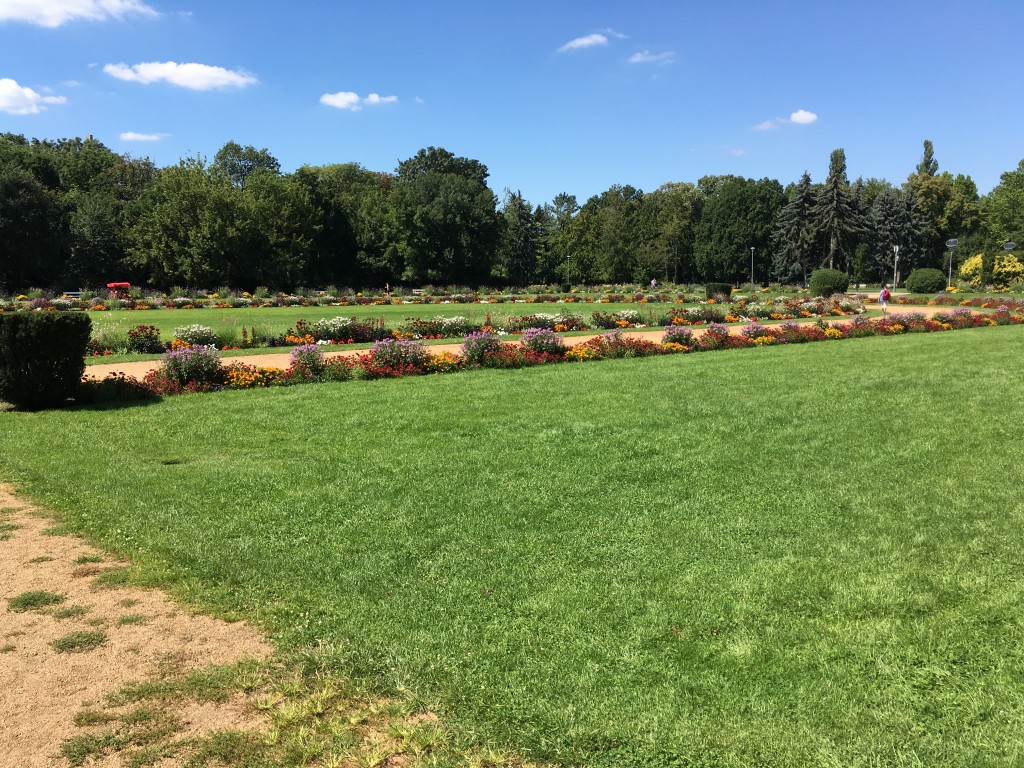
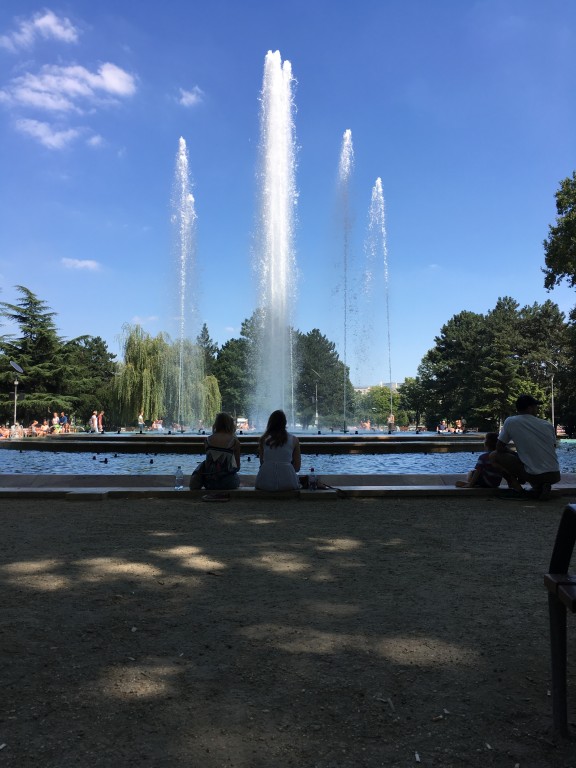
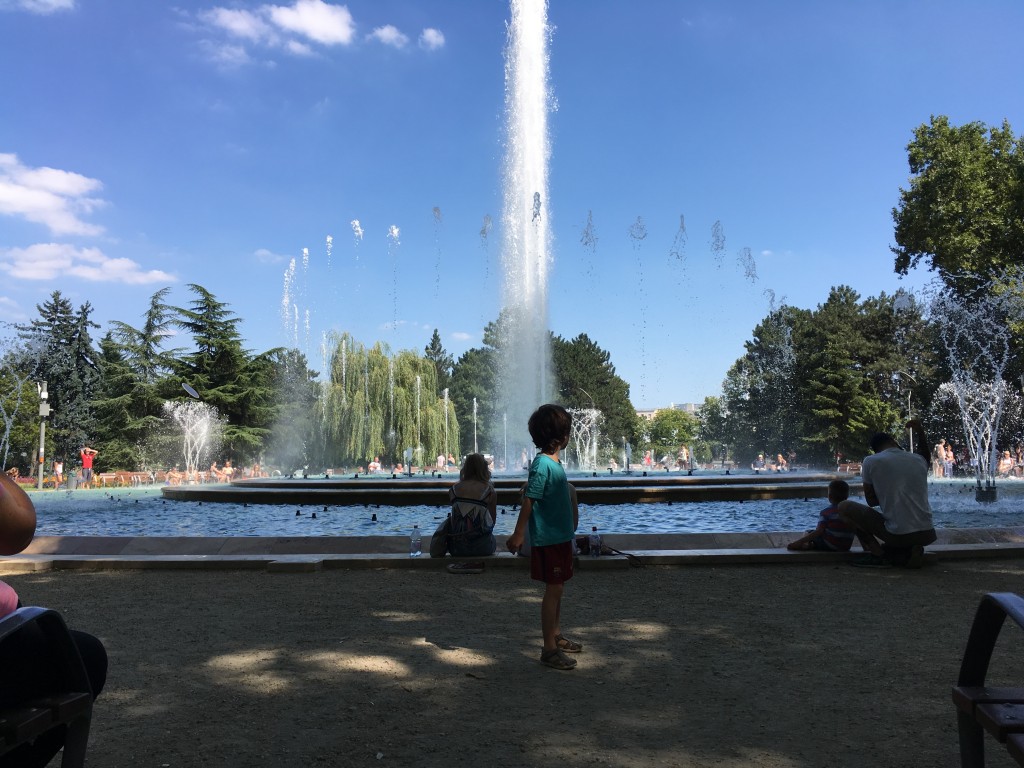
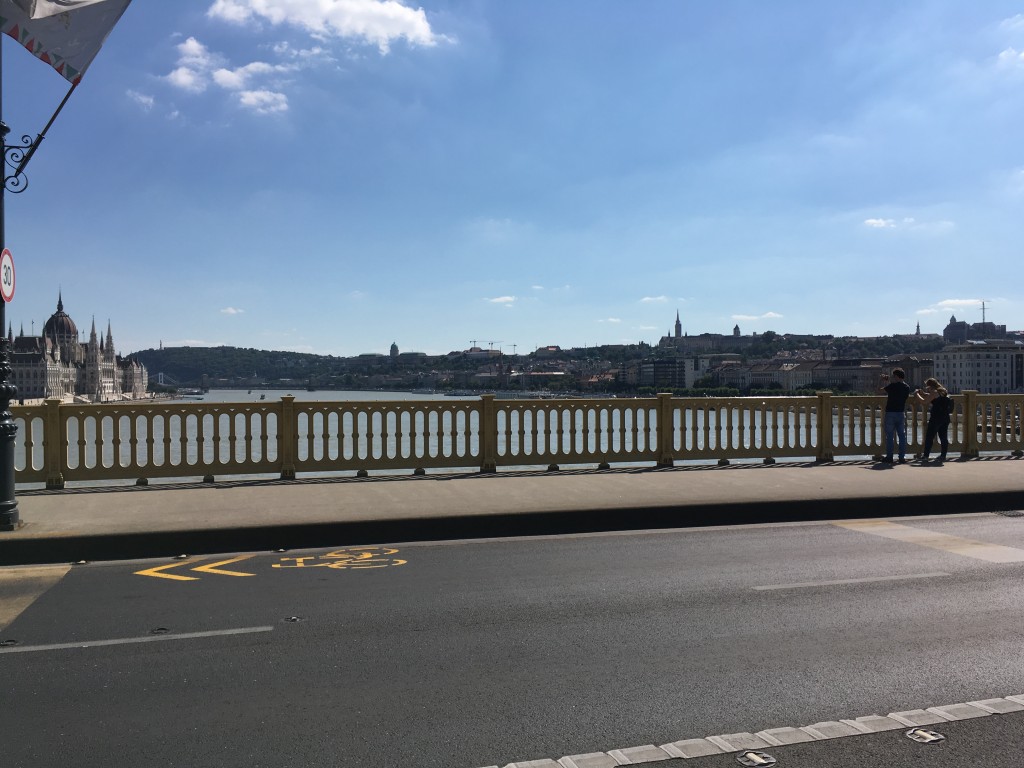
Budapest is a capital city, so you’d expect to be stifled and oppressed by crowds and crowds, as you would in Paris, but not at all. With the weather at a pleasant 25°C, we enjoyed seeing the Parliament, discovering the large park on the island of Saint Marguerite, strolling along the banks of the Danube and enjoying the pleasant sea breeze. The city’s real estate heritage is very rich and the city is particularly beautiful. So don’t hesitate to lose yourself in the various alleyways to walk and discover the city. As the city is actually quite small, you’ll soon find your way around again.
To compare with Paris, public transport (especially the metros) is extremely clean, which is VERY pleasing. We also appreciate the presence of escalators in EVERY station (be really careful, some are VERY fast). On the other hand, we find it incomprehensible that the escalators are not automated. Agents are stationed in front of the escalators, and we have to show our tickets. So there’s no machine to open a barrier.
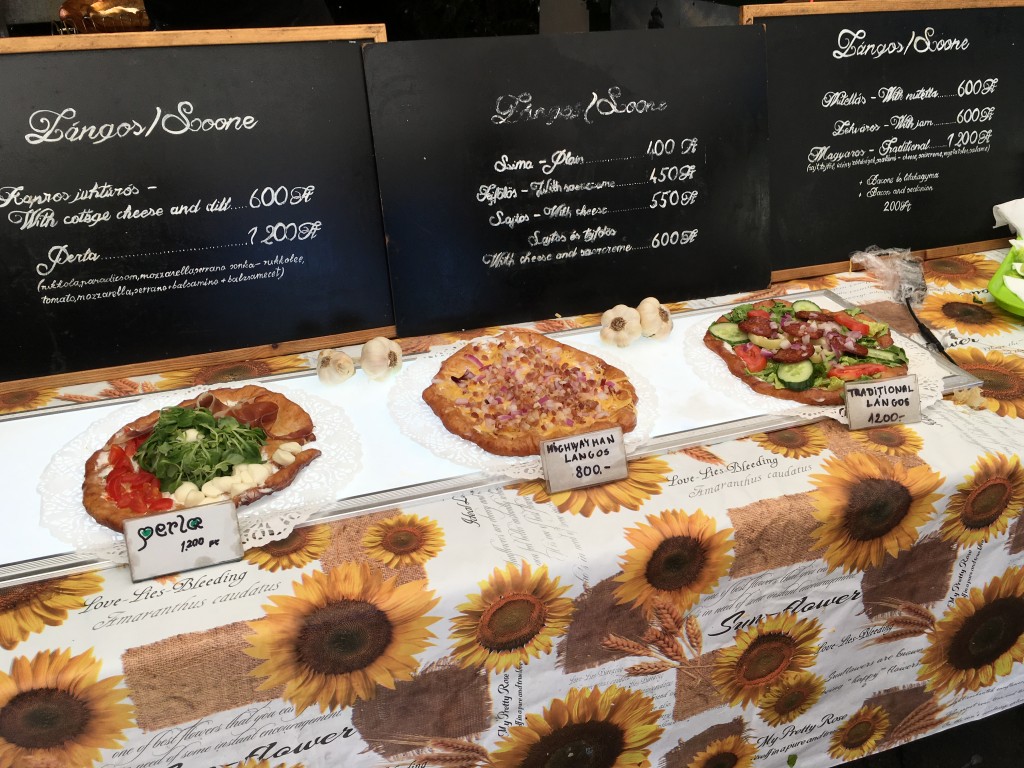
How can you talk about Budapest without mentioning the standard of living? If you’re in the mood to indulge all the time, then Budapest is the place for you. Prices are 3 to 4 times lower than in France, so you’ll be able to enjoy budget bars and equally affordable restaurants. Hungarian food is rather unusual, but well worth trying out.
Now in its 24th year, the Sziget Festival has come a long way since its beginnings. From a small local phenomenon to an international event attracting hundreds of thousands of visitors from all over the world. This year we came close to the 500,000 visitor mark, and this was clearly felt on the nights of the very big headliners, but we’ll come back to that later. For the record, the name Sziget Festival comes from the fact that it’s located on the island of Obuda, and Sziget in Hungarian means island. So “the festival on the island”.
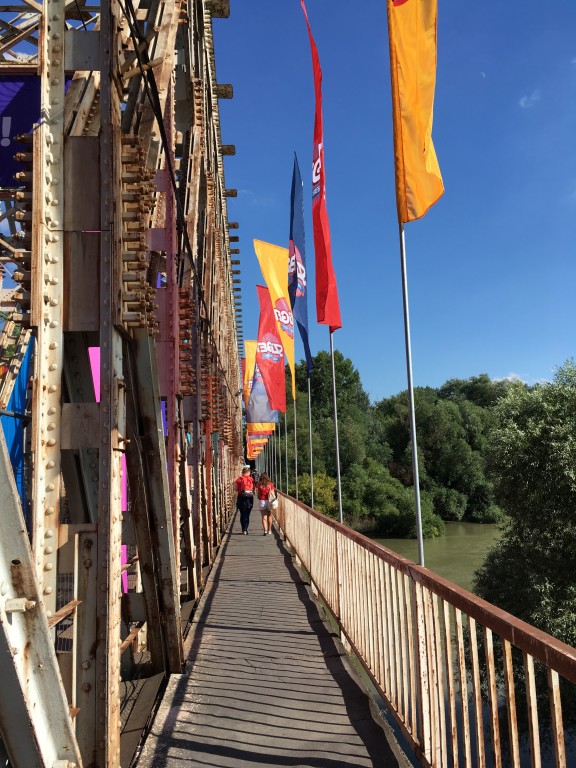
With 500,000 visitors, you’re probably thinking that this festival is tucked away on the outskirts of the city. Well, not at all, it’s right in the middle of it all, on an island between the two banks of the Danube, which runs through the city and is perfectly served by public transport. As the festival approaches, the whole city (and nation) is abuzz with the excitement of the Sziget Festival, and the population is multiplied by an incredible tenfold. Over 102 nationalities were present this year, including 1,000 Australians (and of course many Bretons, easily recognizable by the flags they proudly wear). In contrast to Hellfest, which is lost in the middle of nowhere, Sziget has a definite advantage in terms of public transport management and services, thanks to its geographical position in the heart of the city.
This year, for obvious security reasons, the system has been stepped up, with every visitor registered on a chip: all bracelets have a chip on which our ID cards are scanned, so when we enter or leave the island we have to scan the chip to prove our identity.
If last year we were out of the festival from time to time (it was a continuous monster heatwave for 7 days during Sziget 2015), this year we didn’t leave the island for all seven days. Dozens of food stalls are on hand to satiate us at all hours of the day (and especially night), and let’s not talk about the bars, which are probably double the number of restaurants. For us French, the prices are very reasonable, with a pint of beer at 2.2€ and a glass of hard liquor at around 3.5€. We say “around” because prices are not quoted in euros, but in forints, the local currency. This is a particularly weak currency, with 1€ worth around 300-320 HUF. So you’ll have to juggle these figures constantly in your head to find the rate in a currency that speaks to you. In the end, 3,000 HUF is just €10.
Transactions are cashless, using your Festipay card which you top up. This system is very practical, but you’ll have to be patient if you want to put money on your cards, as there are often long queues. Our advice if you can: go to the VIPs, where there’s little or no queue.
The festival lasts 7 days, so you’ll need to take it easy if you want to make it to the end, as it can be particularly demanding, with concerts starting around 3pm and finishing for the most motivated around 5am.
All styles are represented, with stages of various sizes dotted around the immense island of Obuda. This year, we didn’t have the courage to visit the whole island. It’s about a 30-minute walk from the campsite where we were to the beach, which are exactly opposite each other, for example. If this is your first Sziget, we recommend you play the festival passport game and collect all the stamps to become a real szitizen and discover all the sites at the same time.
See you in a second article to talk in more detail about our experience at Sziget Festival 2016.



Cette publication est également disponible en :

