
At Hermès, driven by an idea, an inspiration, a creative breath, stories are told.
Watchmaking know-how meets sometimes ancestral crafts. The House’s imagination provides enamellers, engravers, lapidaries and gem setters with an additional space for expression, so that Hermès time can run its course.differently.
In the watchmaking workshops, skilled hands are busy giving shape to Hermès time. They assemble bridges and gears on the movements’ blank plates, shape the cases, apply chatons and numerals to the dials and sew the bracelets. Manufacture movements begin to beat. Leather became bracelets. Gold has taken on the shape of a case.
The Hermès watchmaking factory masters every stage of watchmaking.
Elsewhere, brushes, chisels, stamps, erasers and stamps spring into action. Operated by
expert hands, these tools bring the Hermès imagination to life. Sublimated by the gestures of craftsmen, Hermès time, at the crossroads of watchmaking and artisanal know-how, delivers a singular score, punctuated by the finest hours of art craftsmanship.
Slim d’Hermès Émail
The rendezvous of two meticulous arts
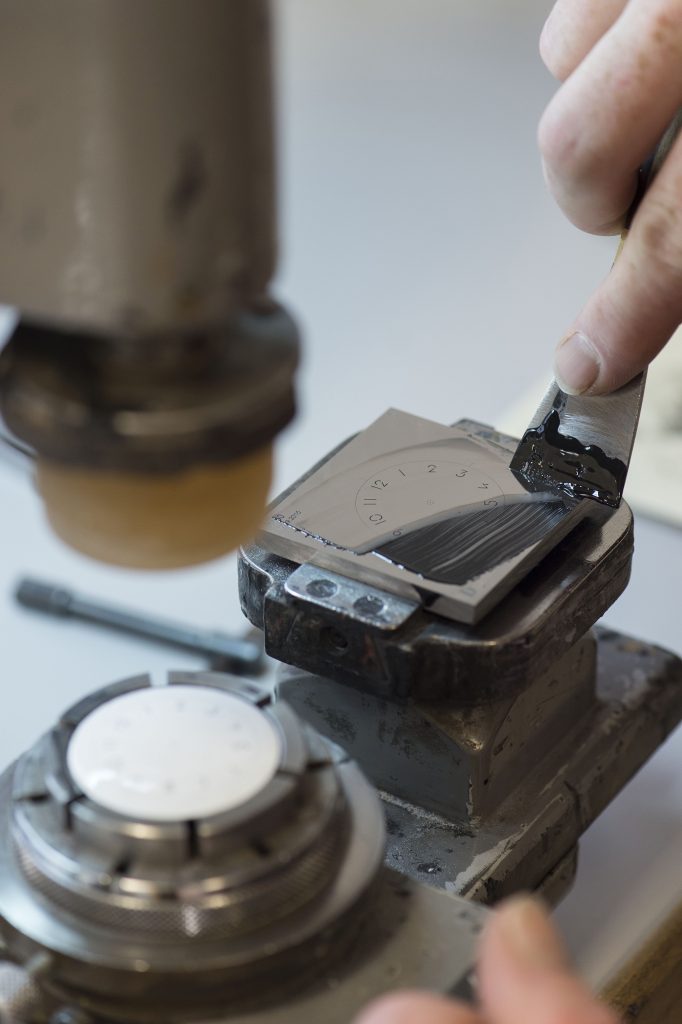
In the Manufacture’s workshops, master watchmakers shape and assemble the tiny components that will form the Hermès H1950 extra-flat manufacture movement. It’s all about balance, so as not to sacrifice anything to the performance of this caliber, which is only 2.6 mm thick. They tame the energy to provide a confor- table power reserve while maintaining a high oscillation fré- quence. They hand-bevel and engrave the bridges with a seed of H’s. Patiently, they assemble and adjust each component to the hundredth of a millimeter.
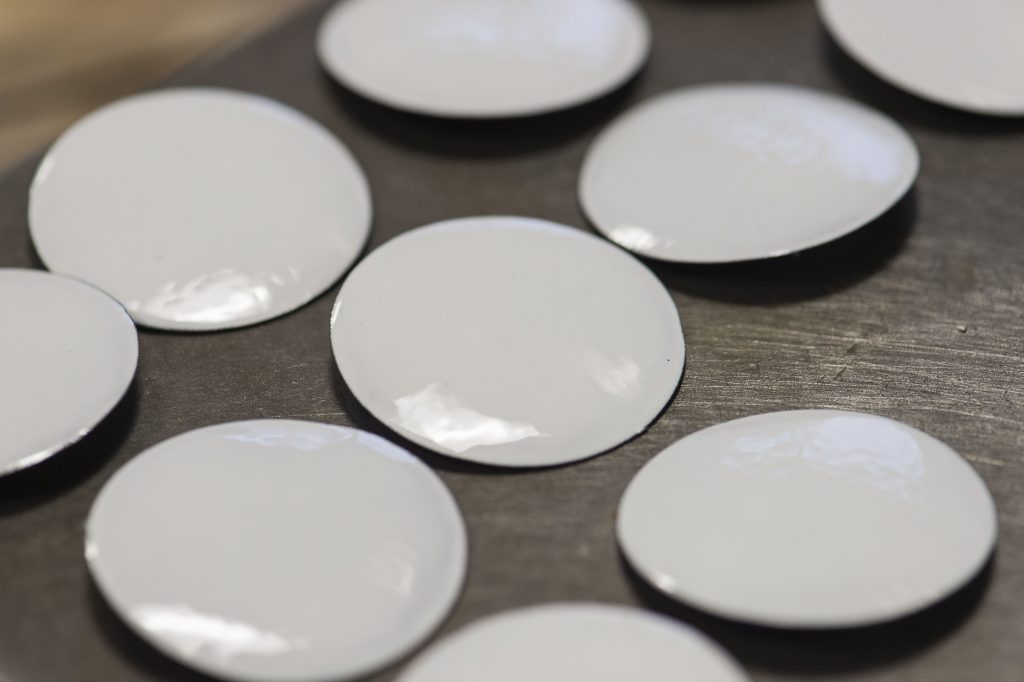
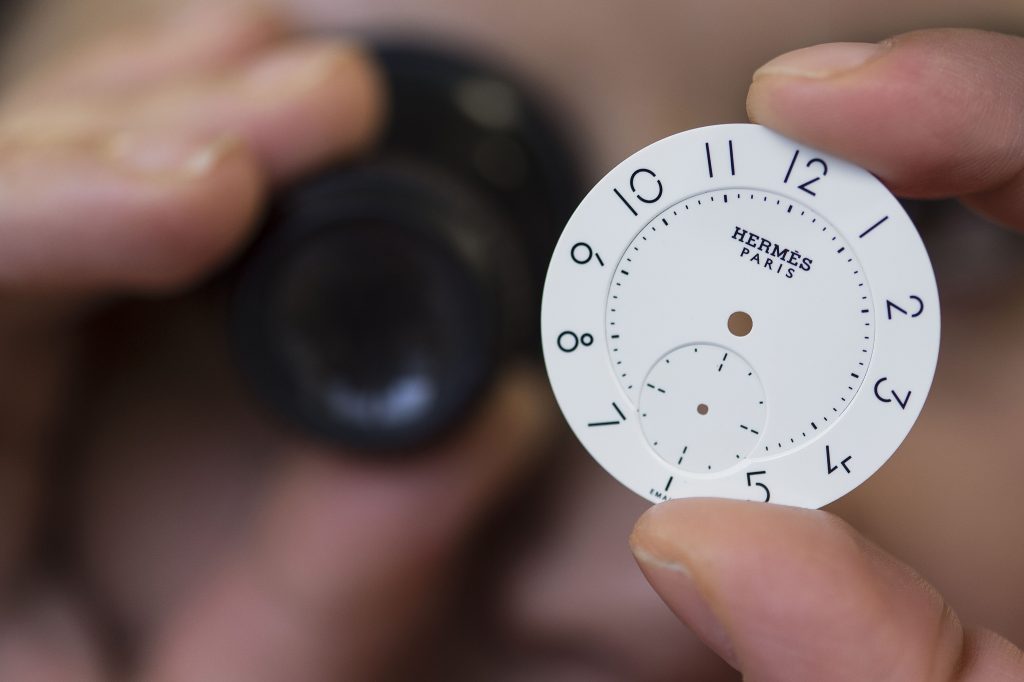
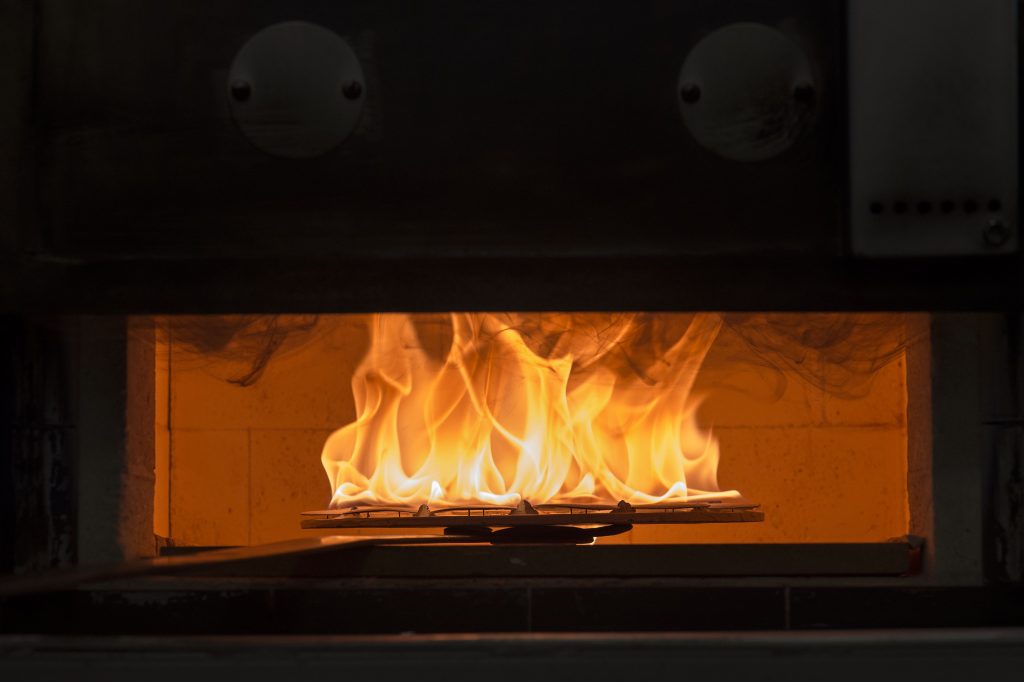
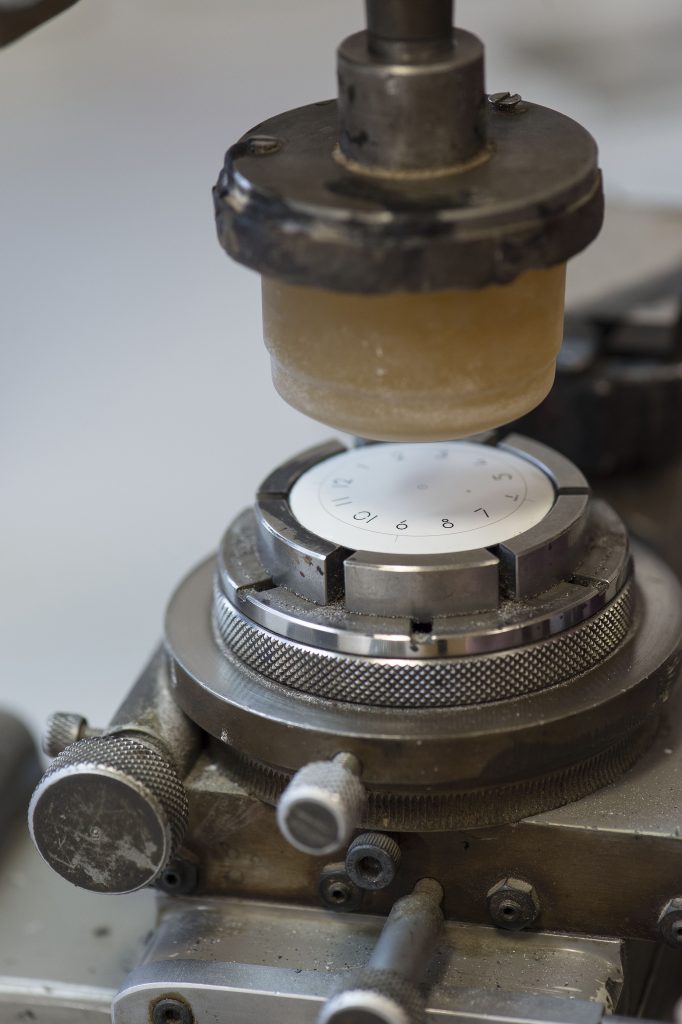
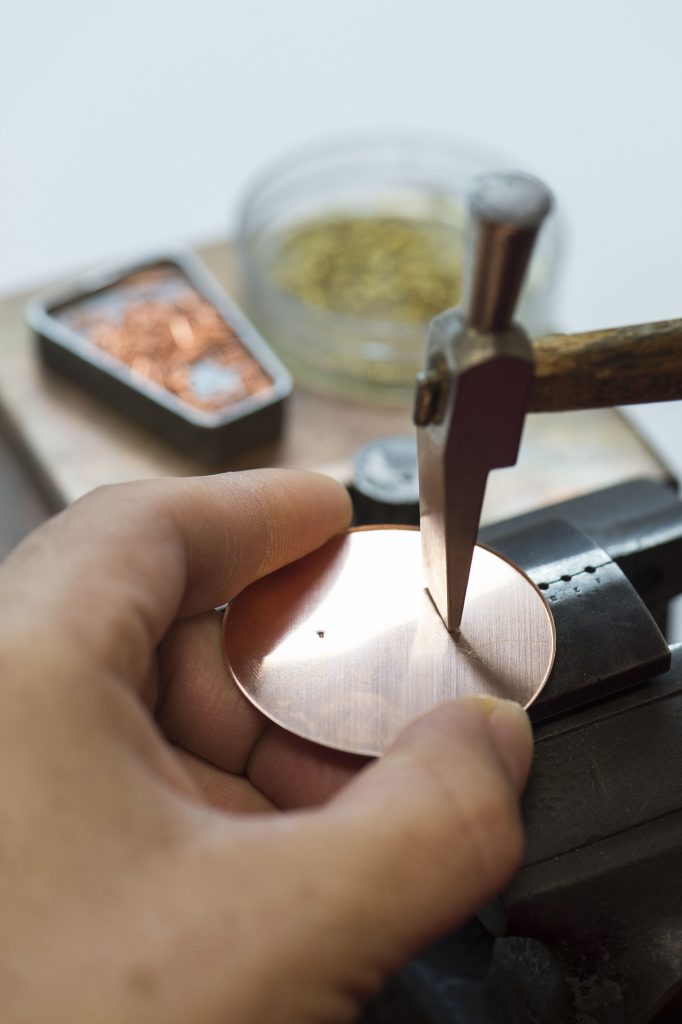
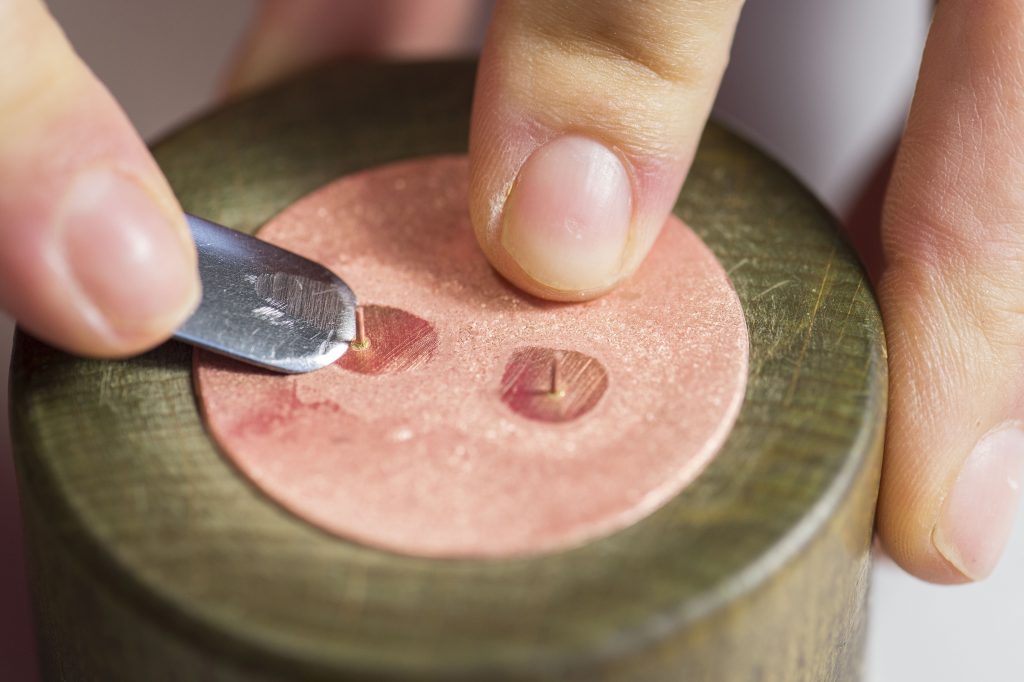
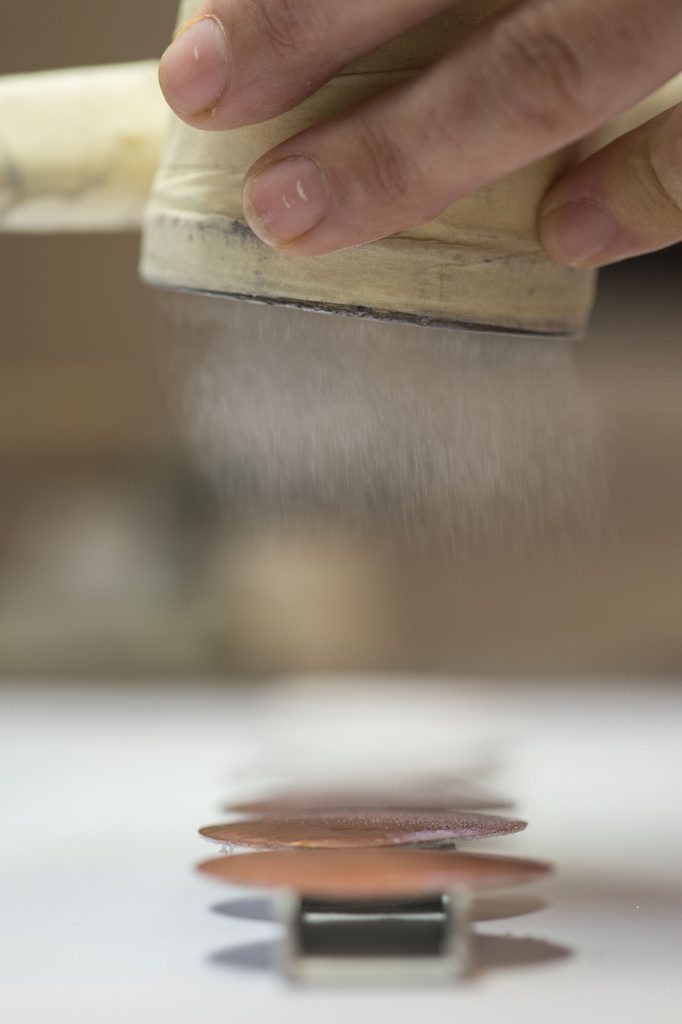
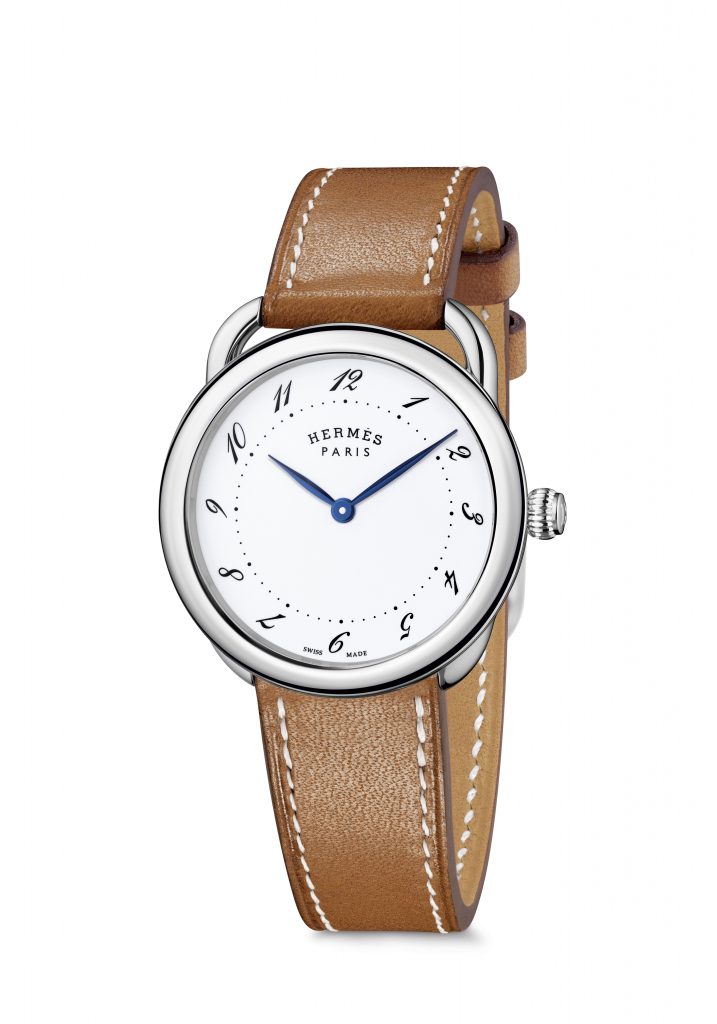
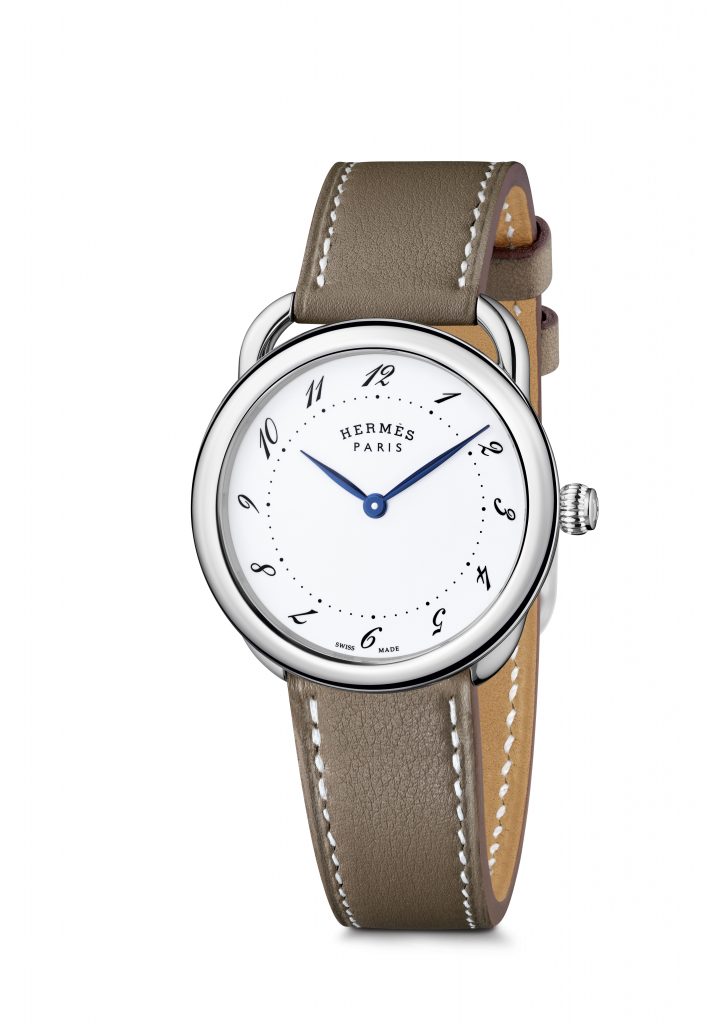
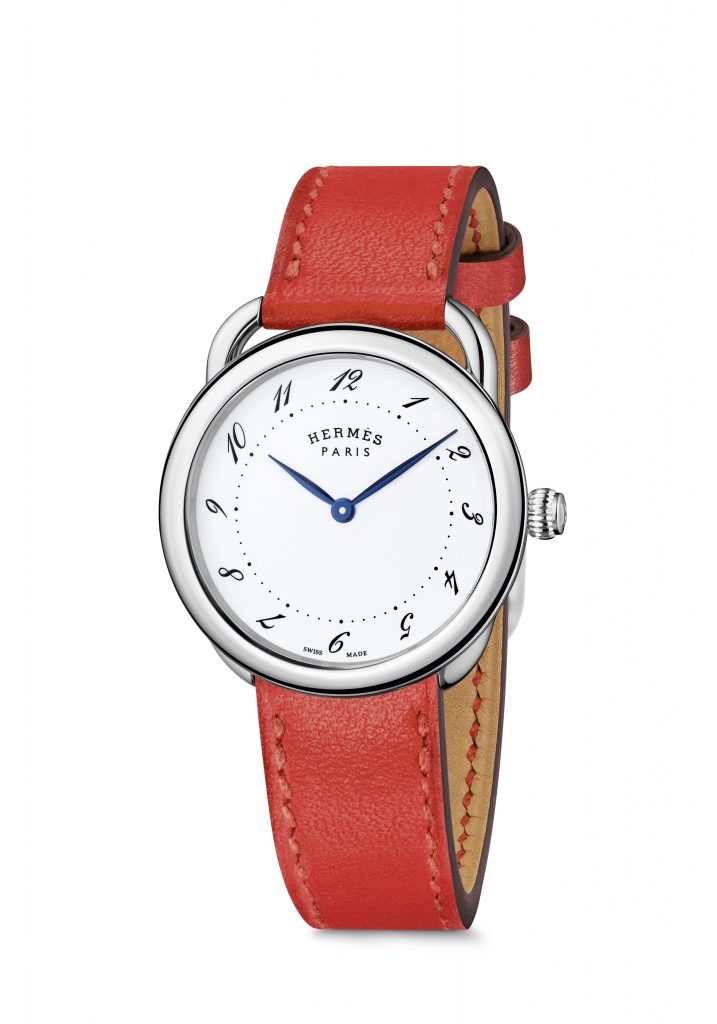
Meanwhile, an enamelling craftsman prepares to shape the dial in Grand Feu enamel. It all begins on a copper disc refined to 0.2 mm. Using a brush, the craftsman covers both sides of the copper plate with a highly flammable material, before sprinkling on the glass powder. On contact with the heat of a kiln heated to over 800°C, the secret composition ignites, earning this technique the name Grand Feu enamel. As the mysterious substance evaporates, the molten glass powder becomes enamel, congealing on the metal disc. Several kiln passes are required to achieve the desired result. A perfectly white enamel, so smooth and shiny that it needs no polishing.
-

- La Montre Hermes, chez Donze Cadrans au Locle ce mercredi 09 decembre 2015 Photo Sandro Campardo
-
- La Montre Hermes, chez Donze Cadrans au Locle ce mercredi 09 decembre 2015 Photo Sandro Campardo
-
- La Montre Hermes, chez Donze Cadrans au Locle ce mercredi 09 decembre 2015 Photo Sandro Campardo
-

- La Montre Hermes, chez Donze Cadrans au Locle ce mercredi 09 decembre 2015 Photo Sandro Campardo
-
- La Montre Hermes, chez Donze Cadrans au Locle ce mercredi 09 decembre 2015 Photo Sandro Campardo
-
- La Montre Hermes, chez Donze Cadrans au Locle ce mercredi 09 decembre 2015 Photo Sandro Campardo
-
- La Montre Hermes, chez Donze Cadrans au Locle ce mercredi 09 decembre 2015 Photo Sandro Campardo
-
- La Montre Hermes, chez Donze Cadrans au Locle ce mercredi 09 decembre 2015 Photo Sandro Campardo

Faubourg Manchette Joaillerie
The alliance of leather goods and jewelry
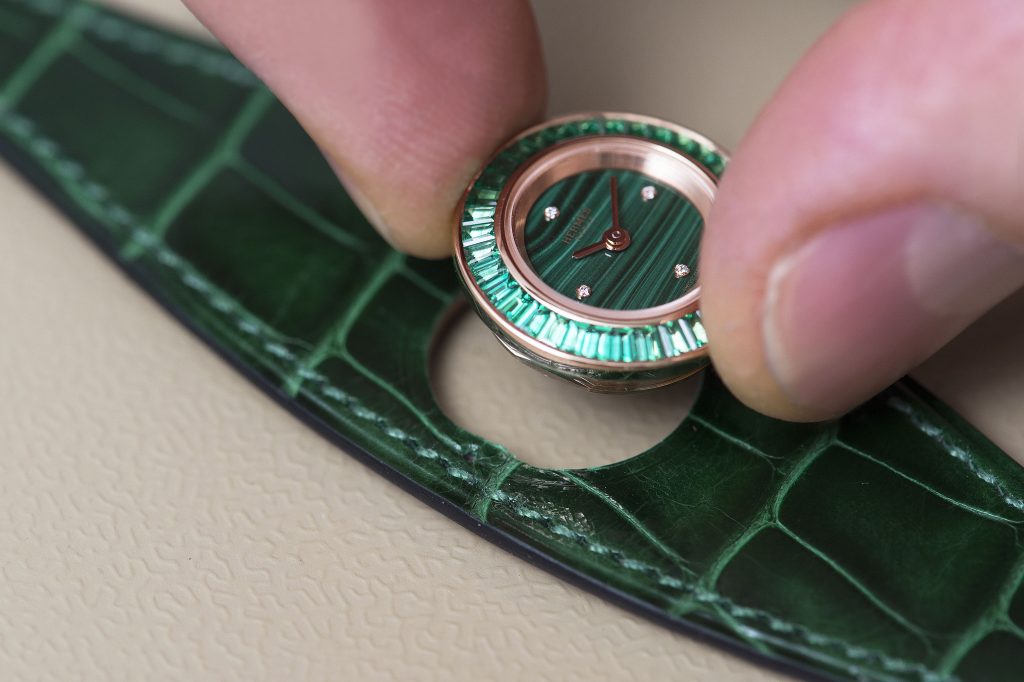
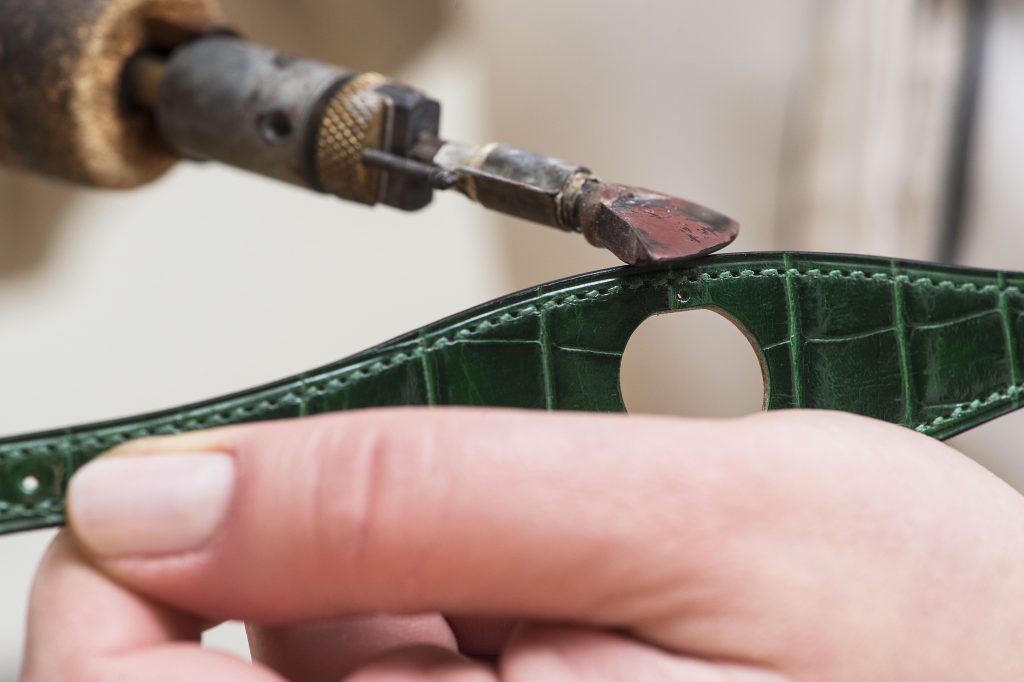
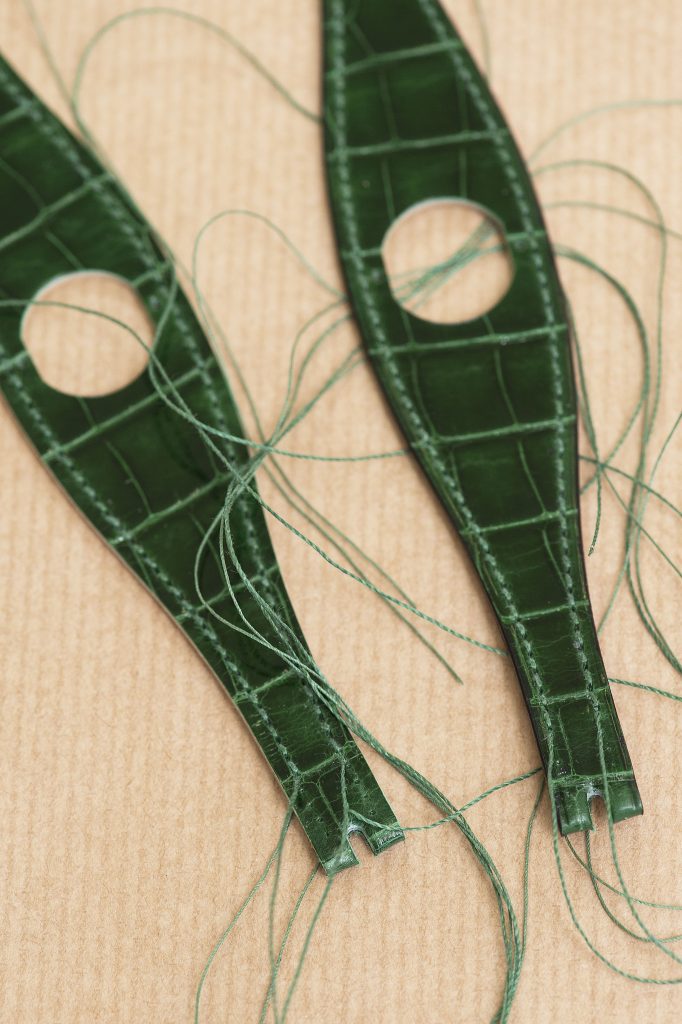
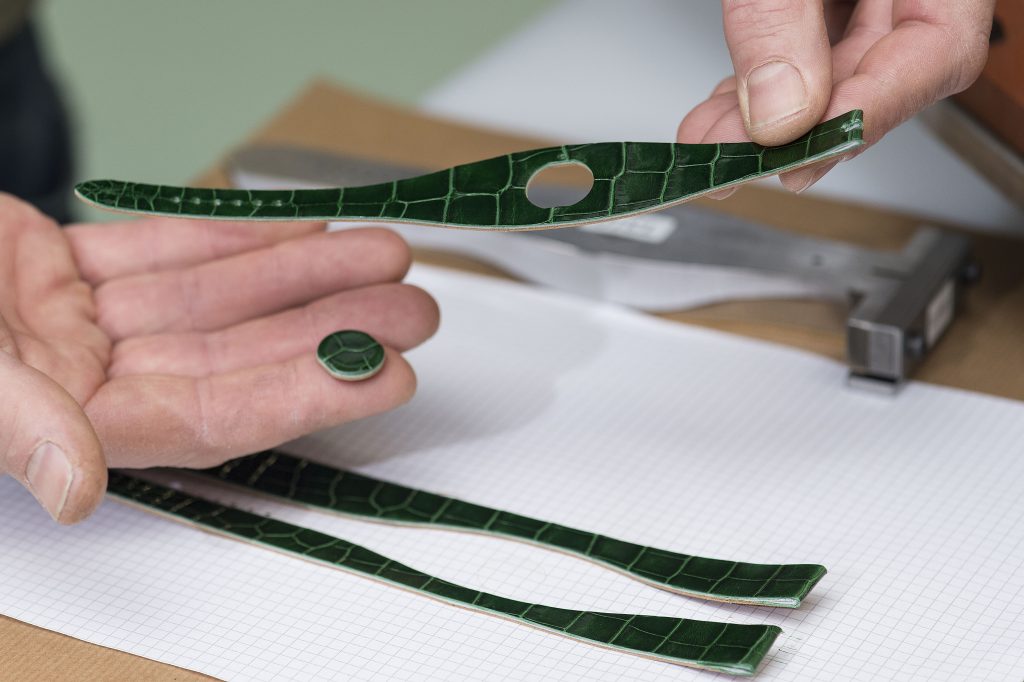
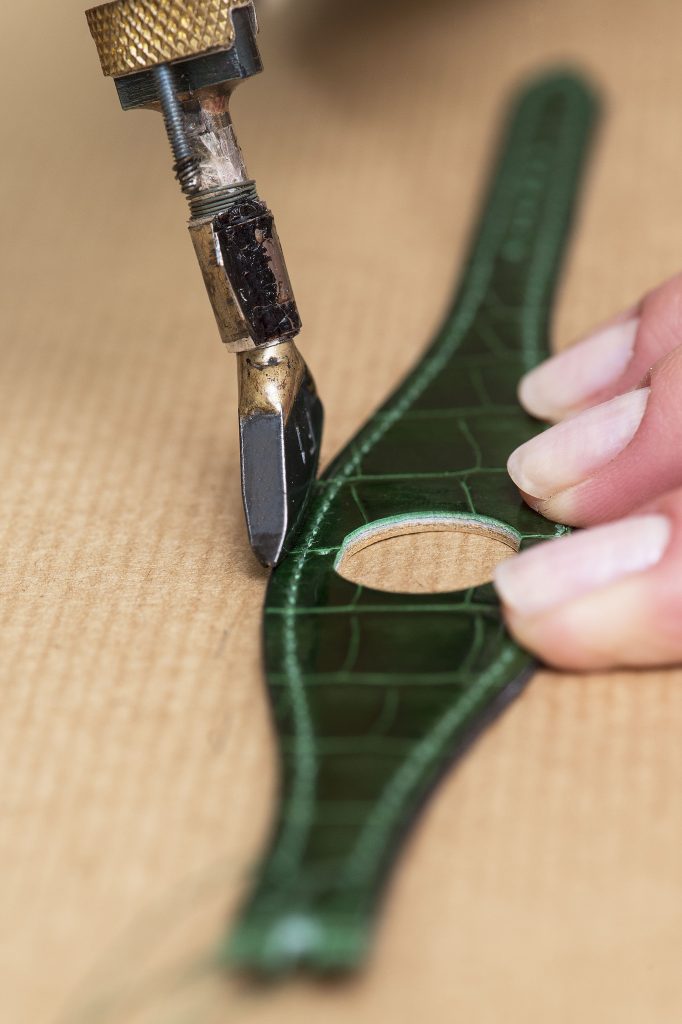
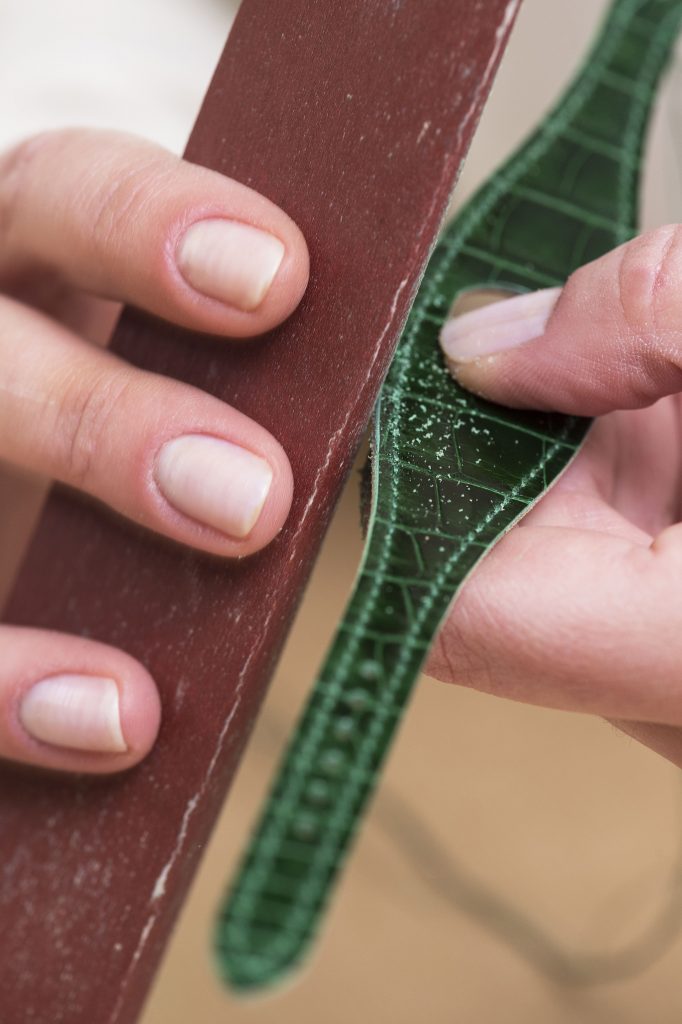
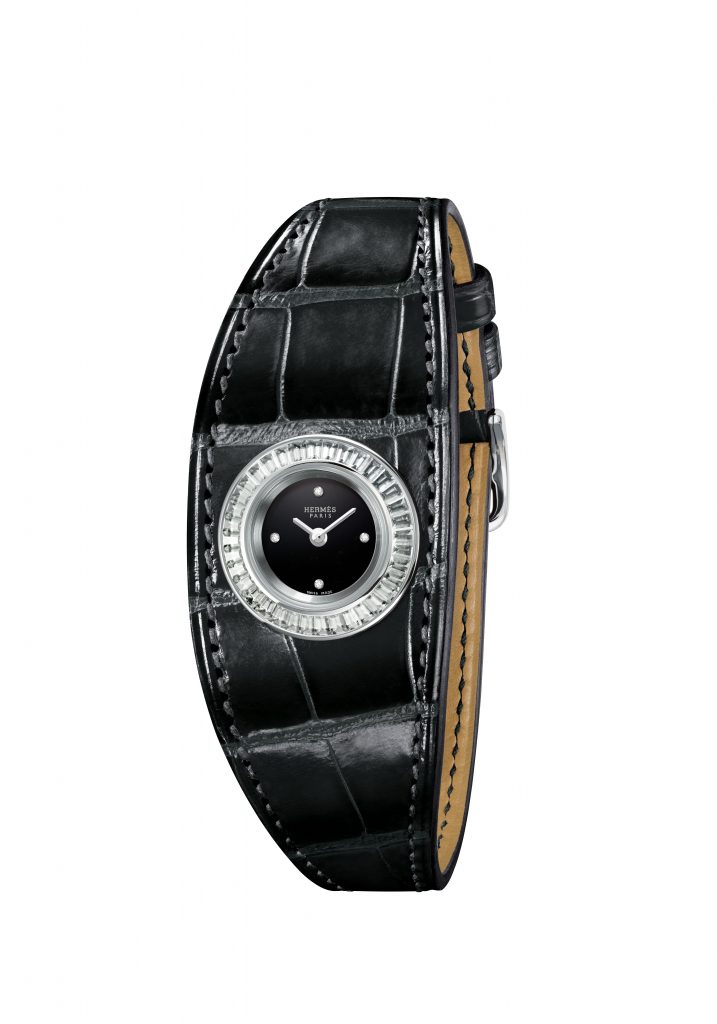
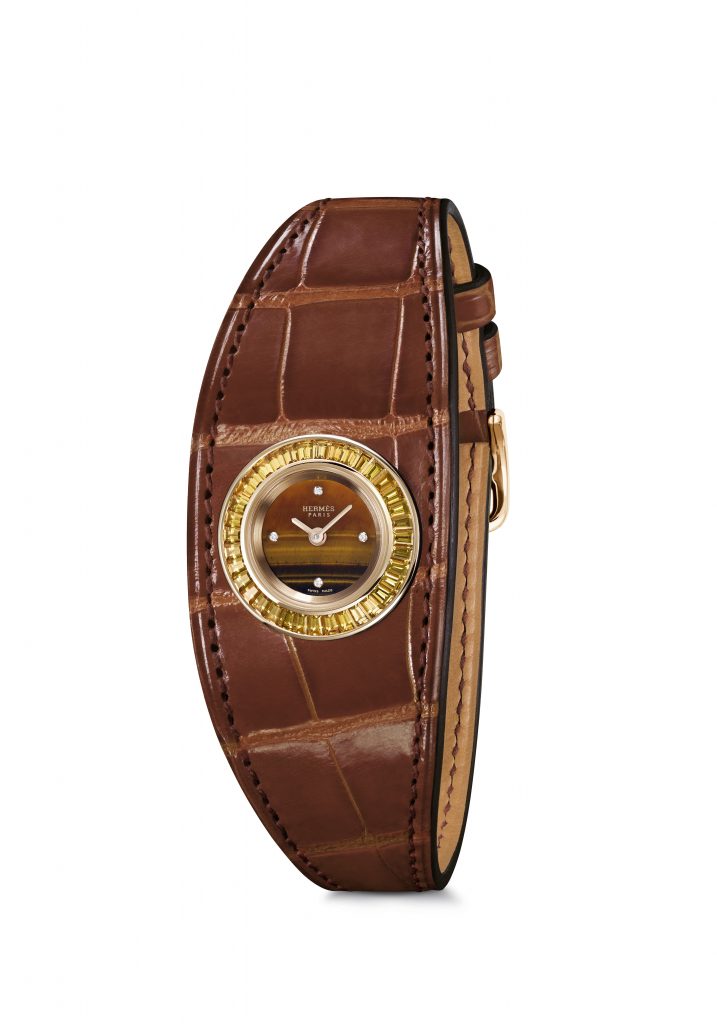
Hermès draws inspiration and know-how from its origins as a harness-maker and saddler to create the Faubourg Manchette Joaillerie watch. In the company’s workshops, the artisan cutter extracts from a piece of leather the elements needed to make the cuff bracelet. In the purest Hermès tradition, the leatherworker assembles the cuff bracelet using the famous saddle stitch, doubling three stitches at the ends of the stitching to ensure strength. He then sands the sharp edge of the slice before threading it, marking it with a groove between the seam and the edge of the leather. The slice is then tinted and hot-smoothed with the tip of an iron, in an operation called astiquage. Finally, beeswax waterproofs it.
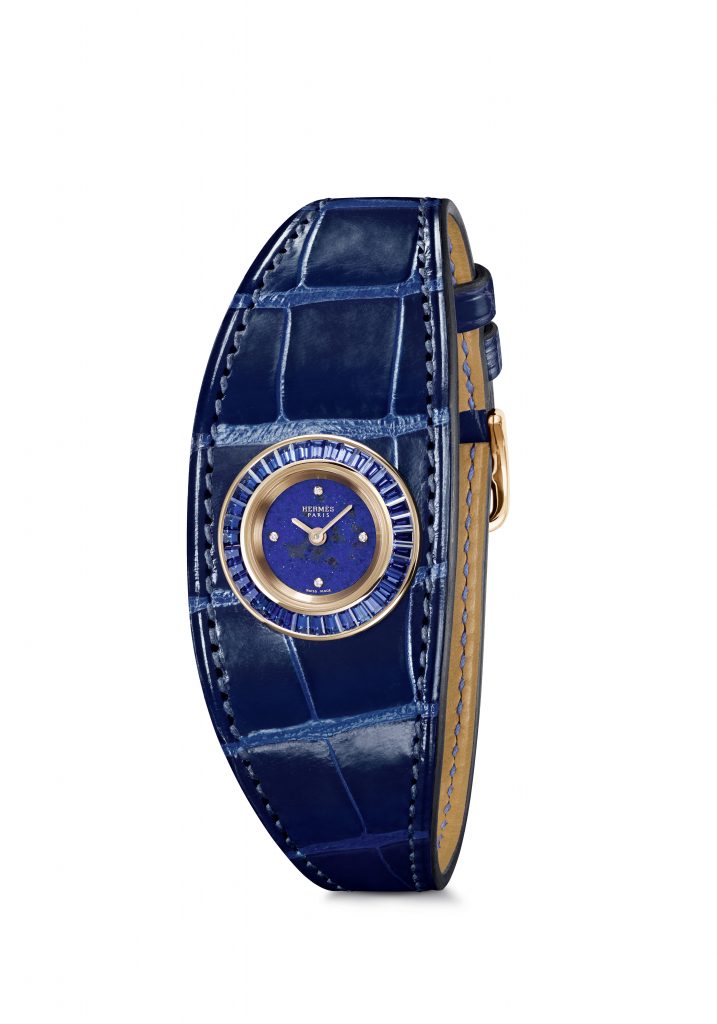
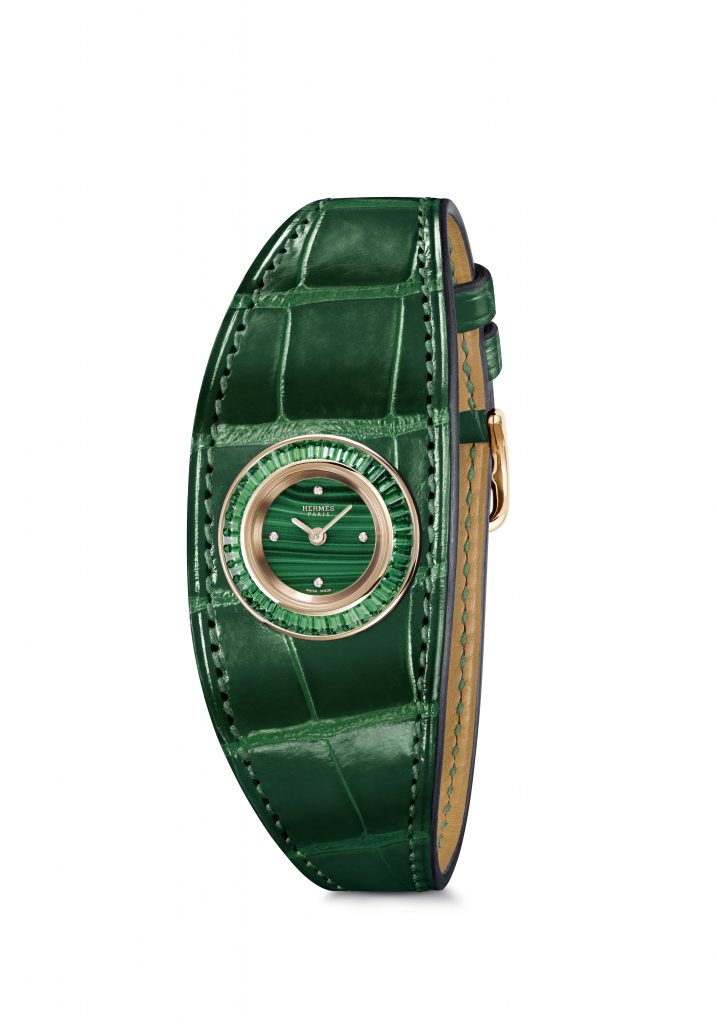
The leather becomes a second skin, melting around the wrist like an extension of the case. Fashioned in gold by Hermès, the case is enhanced by a baguette setting of 36 gems, entirely hand-crafted. Diamonds, emeralds, blue or brown sapphires, the lapidary first cuts the stones one by one with infinite precision. The gem-setter then fits them into the bezel’s seats, before pushing the material all around with a scoop and hammering until the stones fit perfectly. A final polish is then applied to highlight the composition’s brilliance.
-
- La Montre Hermes, savoir-faire cuir, a Brugg BE ce mardi 19 janvier 2016 Photo Sandro Campardo
-
- La Montre Hermes, savoir-faire cuir, a Brugg BE ce mardi 19 janvier 2016 Photo Sandro Campardo
-
- La Montre Hermes, savoir-faire cuir, a Brugg BE ce mardi 19 janvier 2016 Photo Sandro Campardo
-
- La Montre Hermes, savoir-faire cuir, a Brugg BE ce mardi 19 janvier 2016 Photo Sandro Campardo
-
- La Montre Hermes, savoir-faire cuir, a Brugg BE ce mardi 19 janvier 2016 Photo Sandro Campardo
-
- La Montre Hermes, savoir-faire cuir, a Brugg BE ce mardi 19 janvier 2016 Photo Sandro Campardo
Arceau Tigre
An unprecedented encounter
It all begins with a ribbon of white gold. During the stamping process, the case is cut out of the ribbon, then worked into the desired shape. Milling, tapping and drilling follow, before the final polishing is carried out entirely by hand. This is how the case of the Arceau Tigre watch is fashioned in the workshops of the Hermès watchmaking manufacture.
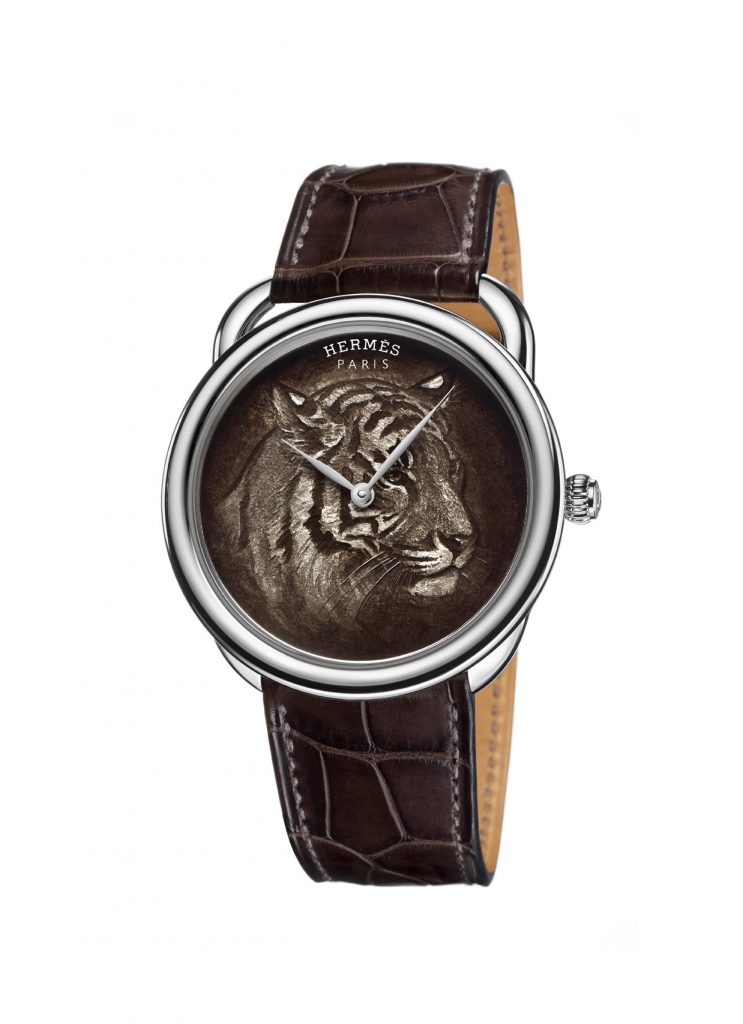
Once finished, the singularly aesthetic case houses a dial featuring an art form new to watchmaking: ombré enamel. Derived from litho- phanie, this technique uses light to reveal, in relief, a tiger inspired by a drawing by French naturalist painter Robert Dallet.
Two ancient skills are at work here: engraving and enameling. On a white gold plate, the engraver works with burins and polishing erasers until the animal’s head is outlined in relief. Building his work around the light that the full and hollows must capture or reflect, he goes so far as to reproduce the smallest details of the original illustration. Next comes enameling. With the tip of his pin- ceau, the enameller applies thin layers of lightly tinted translucent enamel. As the glass powder accumulates in the deeper cavities, it becomes denser and darker, while barely covering the protruding areas, which remain
very clear. Successive firings at over 800°C create optical illusions, supported by a palette of strikingly intense gradations.

Cette publication est également disponible en :

