
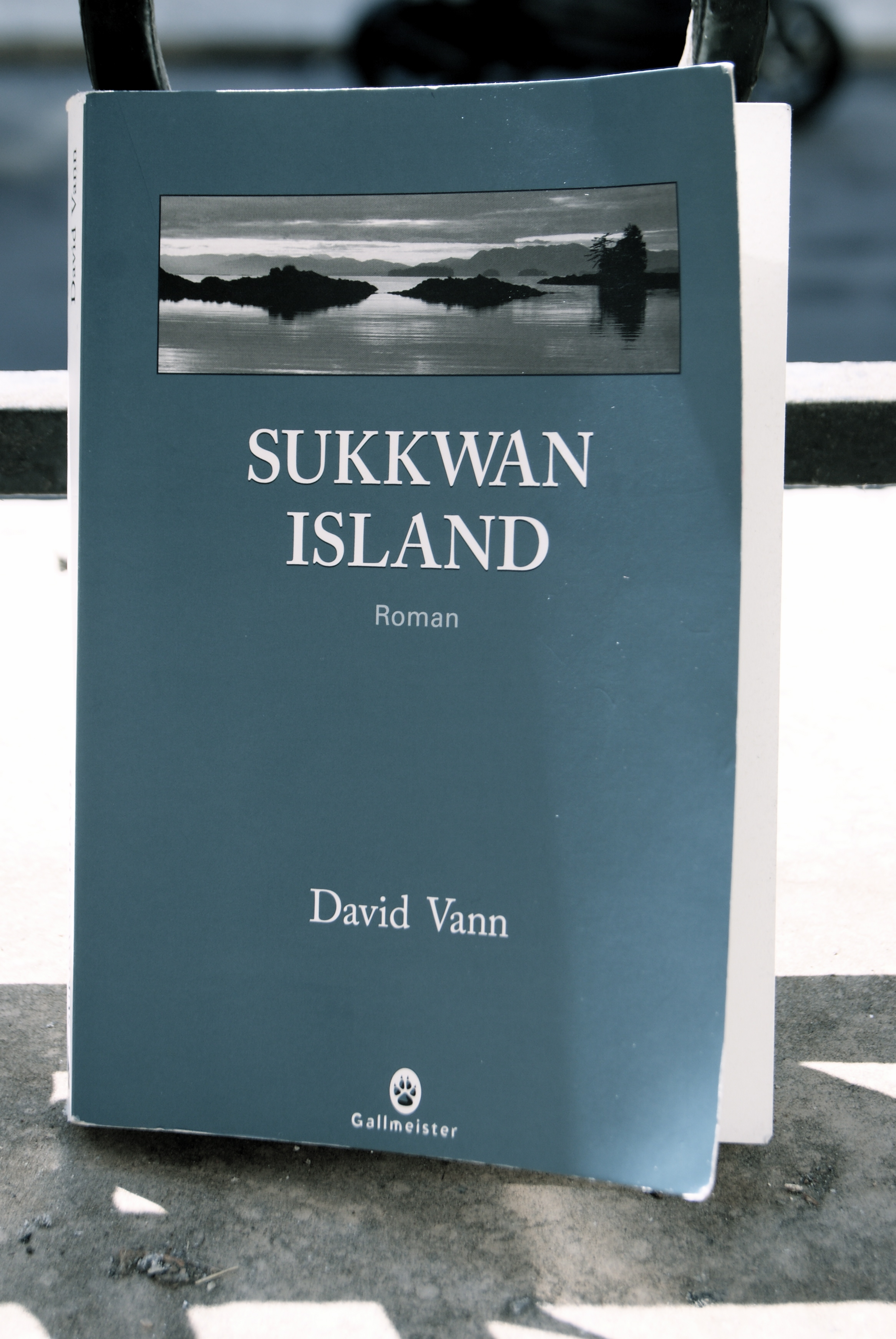
Sukkwan Island
David Vann
Editions Gallmeister
November 2009
21,70€
Pavane Pour Une Infante Defunte – Sviatoslav Richter – Ravel & Rachmanivov : Preludes
Paris, August 8, 2010
Crédits photos : EP
It only takes four hours to take them all. Atomic bomb. Nuclear bomb. Incendiary bomb. Tear gas bomb. Sex bomb. Dirty bomb. Fragmentation bomb. Radiation bomb. Literary bomb.
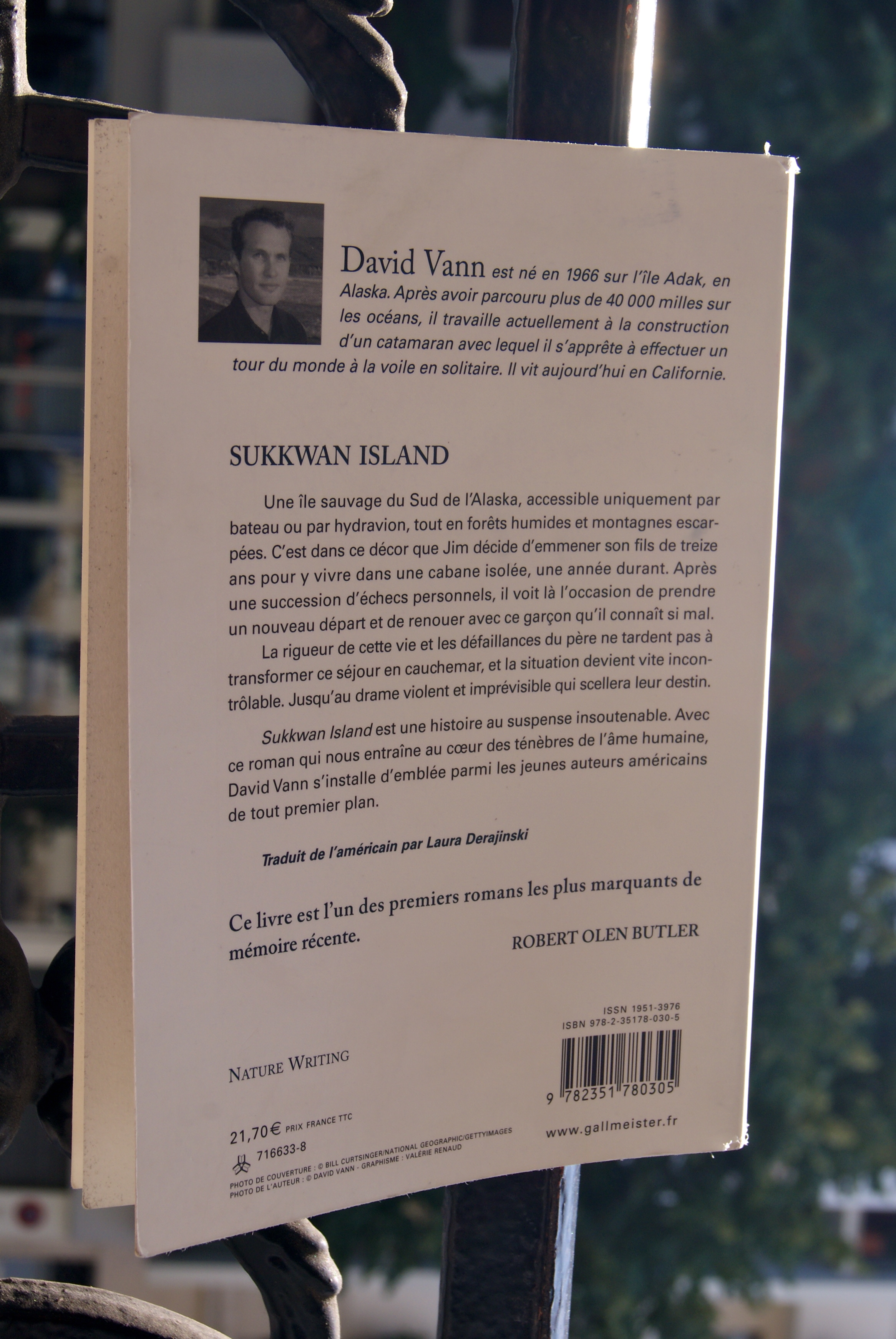
Put Jim, the father, and Roy, the thirteen-year-old son, in ” no man’s land” in southern Alaska, with plans to spend a year there, when the older man’s infidelity has puked up and ravaged his status as husband and father, ruining himself in low-grade kidney shots.
They know next to nothing about each other, but Roy’s organic, visceral fear of potentially losing what remains of his father invites him to follow him on his journey. There he discovers a father’s dysfunction, his nocturnal depression and his human miseries.

- Photo credits: EP
As vagabonds of the vertical, David Vann gives us good lodgings. Especially not Inception. A new-generation waking journey to the end of the night, where you shoot yourself in the head the moment you learn about life.
Quote: “When he hit the surface of the water, it was so cold that he regained consciousness and longed to be found, to be rescued…. He struggled against the rope around his neck, freed himself easily, but he was fully clothed and sinking, weighed down by the weight of his clothes, without a life jacket. He felt immense pity for himself. The ocean was a magnificent sight… He struggled on for what seemed like an eternity, but could have been as little as ten minutes, before numbing out, exhausting himself and drinking the cup. He thought of Roy, who had been lucky enough not to experience such terror and whose death had been instantaneous. He vomited water in spite of himself, swallowed some, breathed it in again, breathed in the icy, hard, useless end it heralded, and knew then that Roy had loved him and that should have been enough for him. He simply hadn’t understood anything in time.” (p. 192)
A literary work of unreal accomplishment.
Time-out.
Elisa Palmer
Cette publication est également disponible en :

