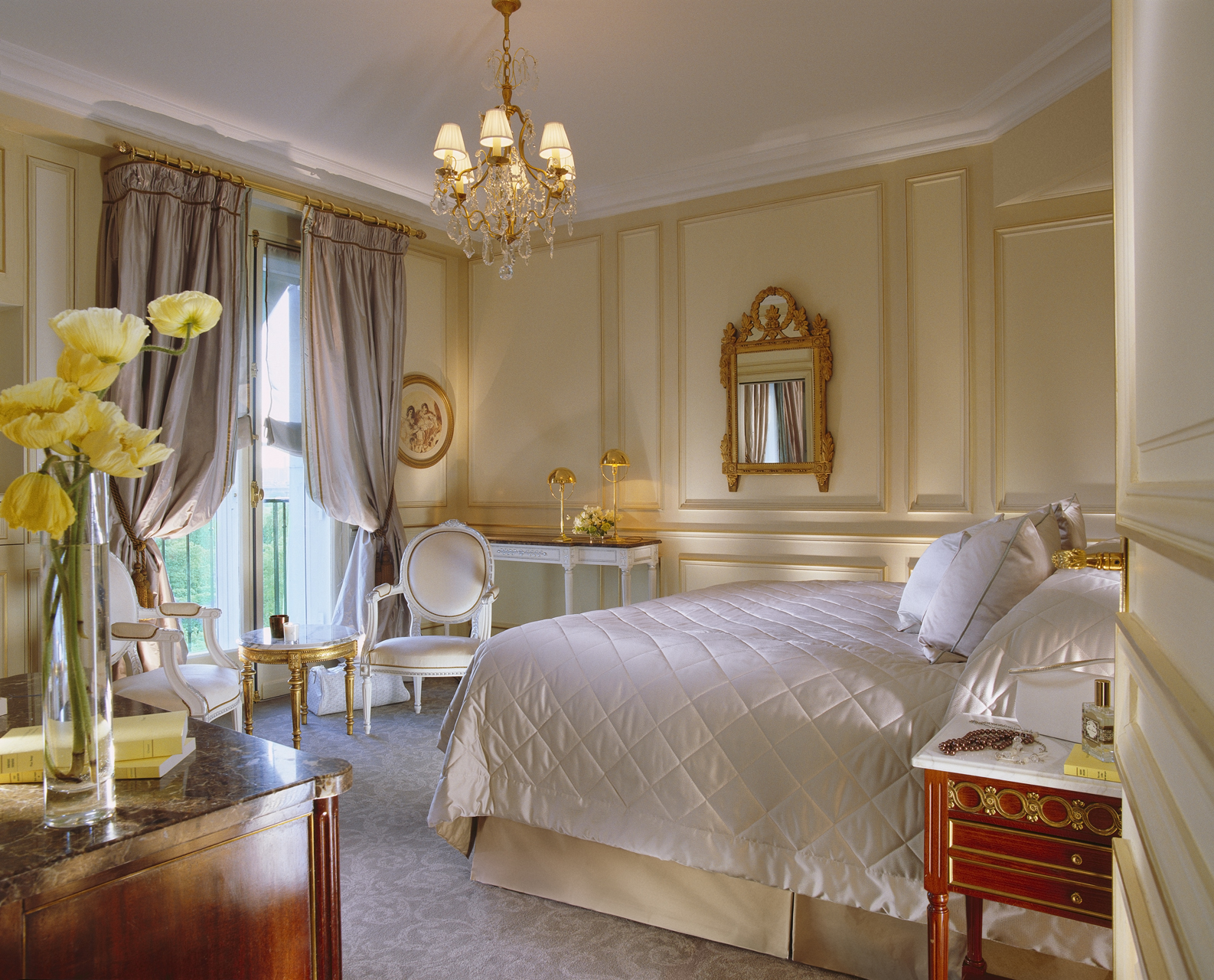
 Right from the start, Le Meurice was inspired by the grandeur and splendor of Versailles, of kings and queens in their palaces, gardens and festivals. The golds of the kingdom blend magnificently with the golden light of the Tuileries, which shimmers over the marbles and bronzes of the Salon Pompadour and the dining room. Royalty appears at Le Meurice as an enchanted inspiration, a natural propensity for excellence and beauty, the sign of its vocation to draw from the nobility of serving the grandeur of its destiny.
L’hôtel des Rois… a sort of predisposition naturally destined Le Meurice to welcome crowned heads from all over the world and from ancient times; powerful and renowned monarchs but also kings without crowns, princes and princesses of elegance, business, fashion or art, aesthetes of travel and vacation.
In 1835, Le Meurice offered its first palace to these kings and queens. It was born of the encounter between a unique personality and an exceptional address.
Louis Augustin Meurice was the first to combine extreme comfort with unrivalled excellence of service for a clientele, at first essentially English, for whom the art of staying was to double that of travelling. The hammers and picks are still swinging as Louis Augustin Meurice contemplates the harmonious alignment of windows crowning the arcades of rue de Rivoli, between the Fontaine des Fleuves on Place de la Concorde and the allées des Tuileries.
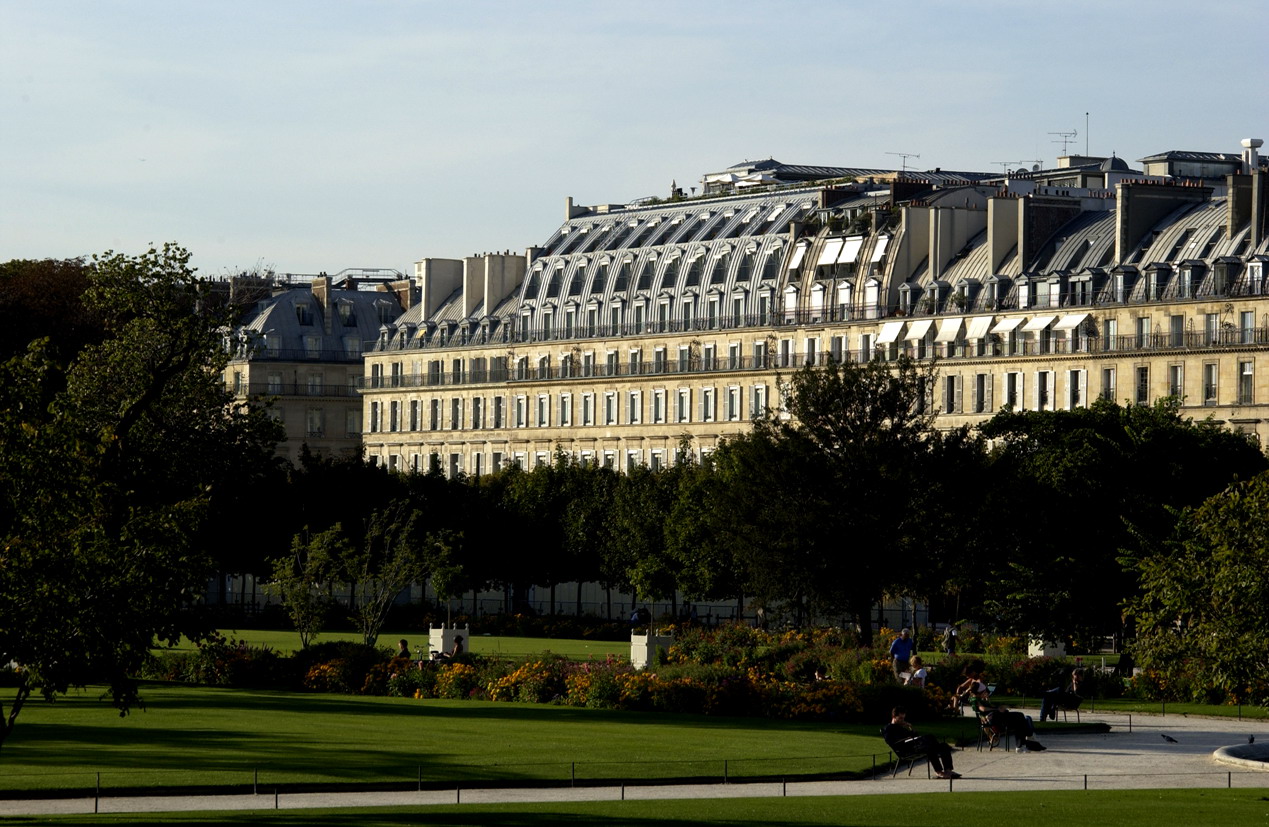
228 rue de Rivoli. From this address, Louis Augustin Meurice was to make a signature.
In the gold of its mirrors, Le Meurice has always captured the changing reflections of French and Parisian history; in the luminous, elegant swirl of its great hall, it has always retained the brilliance of the most beautiful legends.
This is undoubtedly why it can be seen as a certain incarnation of French genius. Through a natural inclination to turn history into an ever-vibrant source of inspiration, to combine what is most beautiful with what is best, to give nobility to elegance, wit to discourse. French genius is also expressed through the fierce determination to draw from the movement of thought the impetus and pledge of permanent and passionate invention.
France has undoubtedly made the art of living one of the ultimate expressions of its culture. Le Meurice has elevated the art of living to the rank of the fine arts. The spirit of classical measure and harmonious proportion, the love of beauty, but also the taste for pomp and fantasy give the place its grace, its spirit and its style. Excellence in service takes on its full meaning at Le Meurice, and focuses not only on the art of welcoming and receiving guests, but also on the art of gourmet pleasures, tasting and well-being.
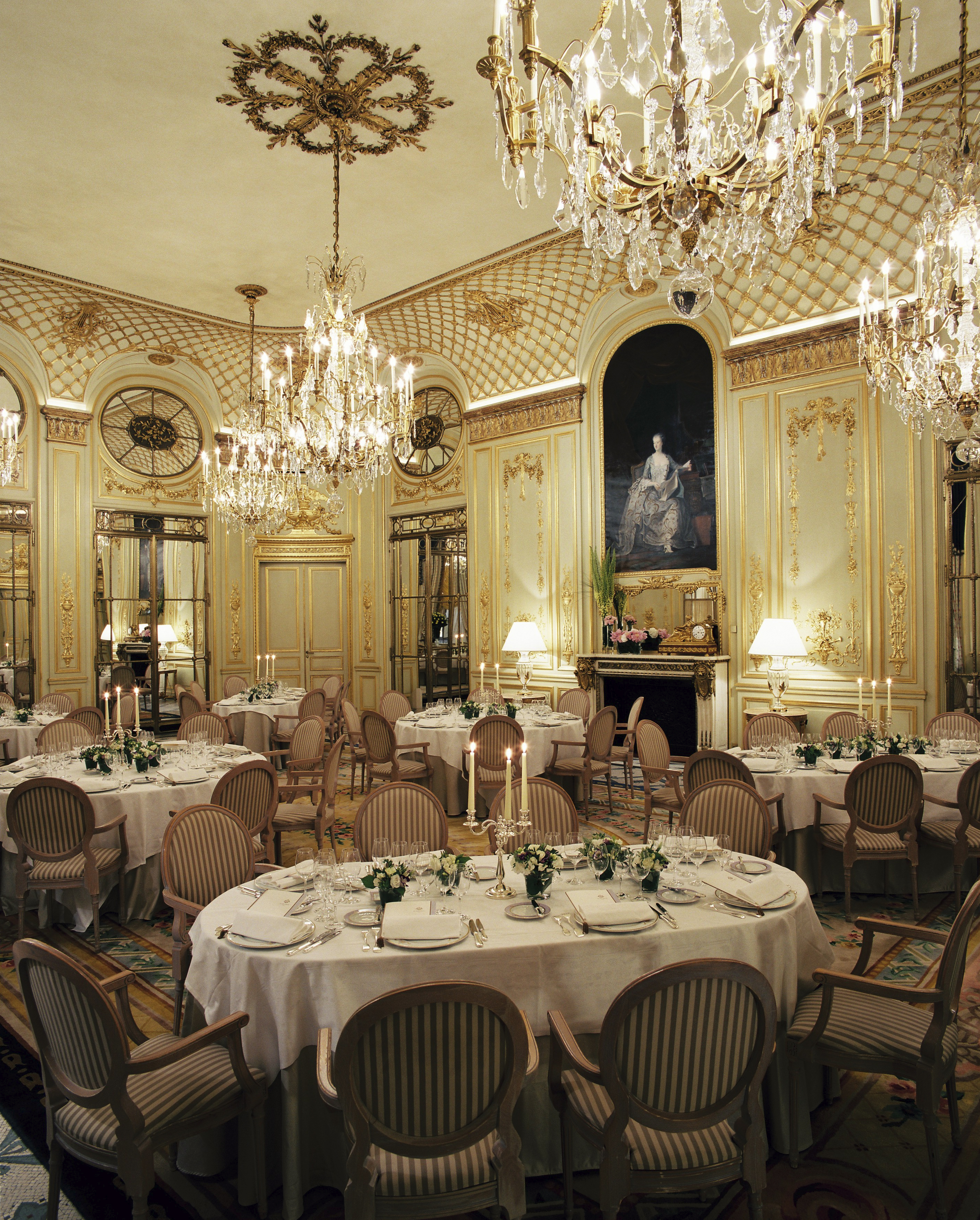
Many guests and artists have contributed to the history of Le Meurice and given it its distinctive style. Some, such as Poilpot, Lavalley and Faivre, have left works that are as much a part of Paris’s artistic heritage as they are of Le Meurice’s secret charm. Others, Salvador Dalí Florence Jay Gould, who were not French by birth, recognized here a spirit conducive to the flowering and radiance of intelligence and the arts. Thanks to them, Le Meurice remains the home of a very Parisian and very international cultural and social effervescence.
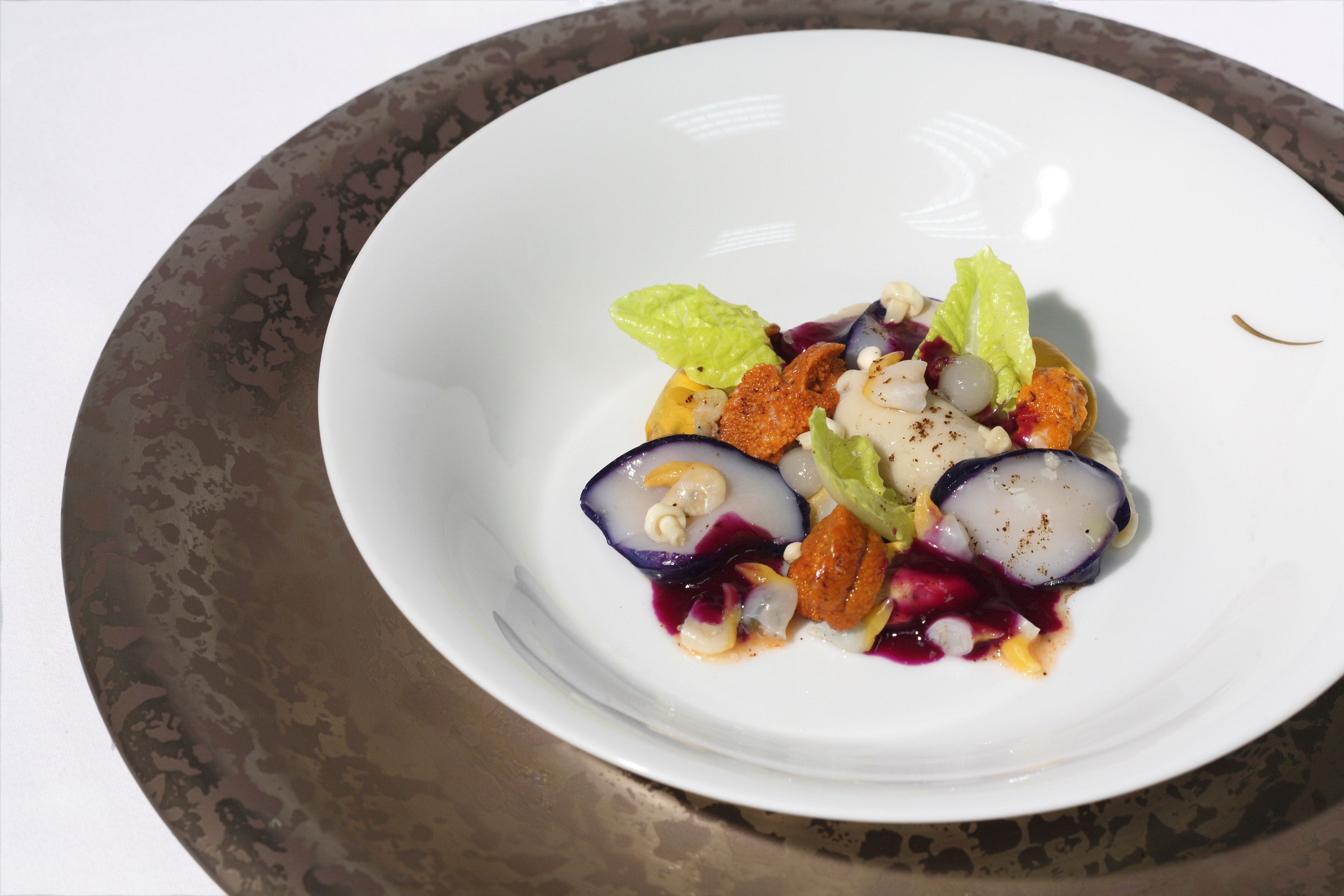
Today, other talents embody the spirit of Le Meurice and freely perpetuate this French genius. Yannick Alléno and his teams draw on the repertoire of traditional Terroir Parisien® cuisine to create perfectly mastered and magnificently personal dishes. Philippe Starck, meanwhile, has restored Le Meurice’s lustre and mischievousness with his wildly elegantly impertinent furnishings and staging. In its new decor, Le Meurice remains true to its history, while once again becoming a coveted venue on the Parisian scene.
Proud of its sumptuous history, Le Meurice is an intimate and essential address for all those who, for a visit or a stay, aspire to feel the emotion of history and the palpitation of the zeitgeist and art of living in Paris.
Cette publication est également disponible en :