
For winter 2018, the Bonpoint fashion house is pleased to announce the creation of its first collection devoted entirely to women.
Called Bonpoint Paris, this original line was conceived by Artistic Director Christine Innamorato as an obvious interpretation of a Bonpoint dressing room dedicated to women. A veritable ode to femininity, this discreetly luxurious wardrobe is made up of essentials whose fundamental qualities are modernity and timelessness. It celebrates the singular allure and simplicity of the refined, urban woman, embodied naturally by Audrey Marnay, an enlightened and inspired woman who perfectly evokes the Bonpoint Paris woman.
This first collection, designed in line with the house’s children’s collections, is inspired by the work of painters Elizabeth Peyton and Jean-Michel Basquiat. The warm colors and singular style of the American painter are gracefully applied to cashmere cardigans, lace pieces and ample printed silk dresses. Victorian blouses come in cotton plumetis and lace entre-deux, flocked crepe and embroidered poplin. Here and there, little collars with carefree accents are punctuated with delicate buttons or ruffles, like so much tenderness in the hollow of the neck.
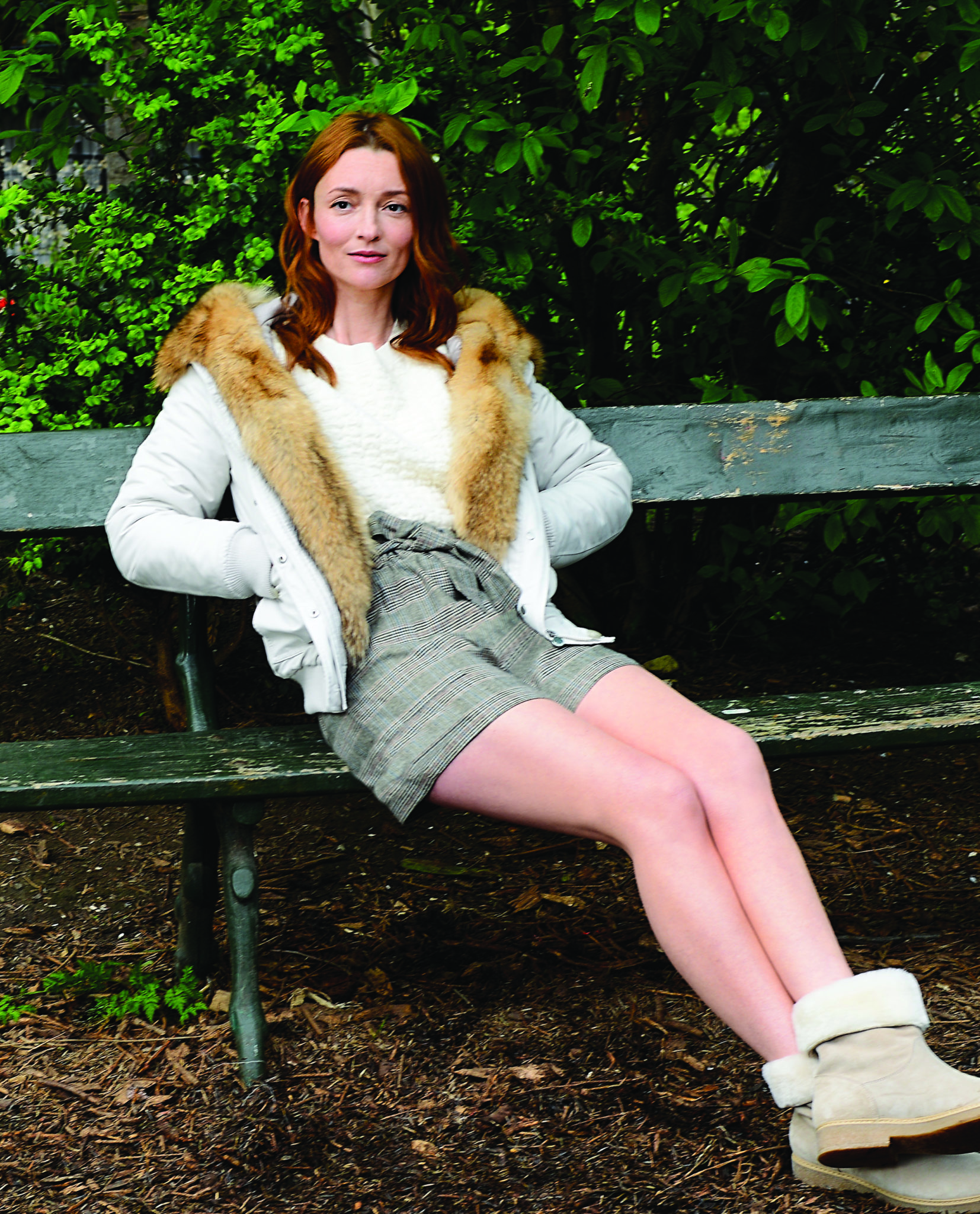
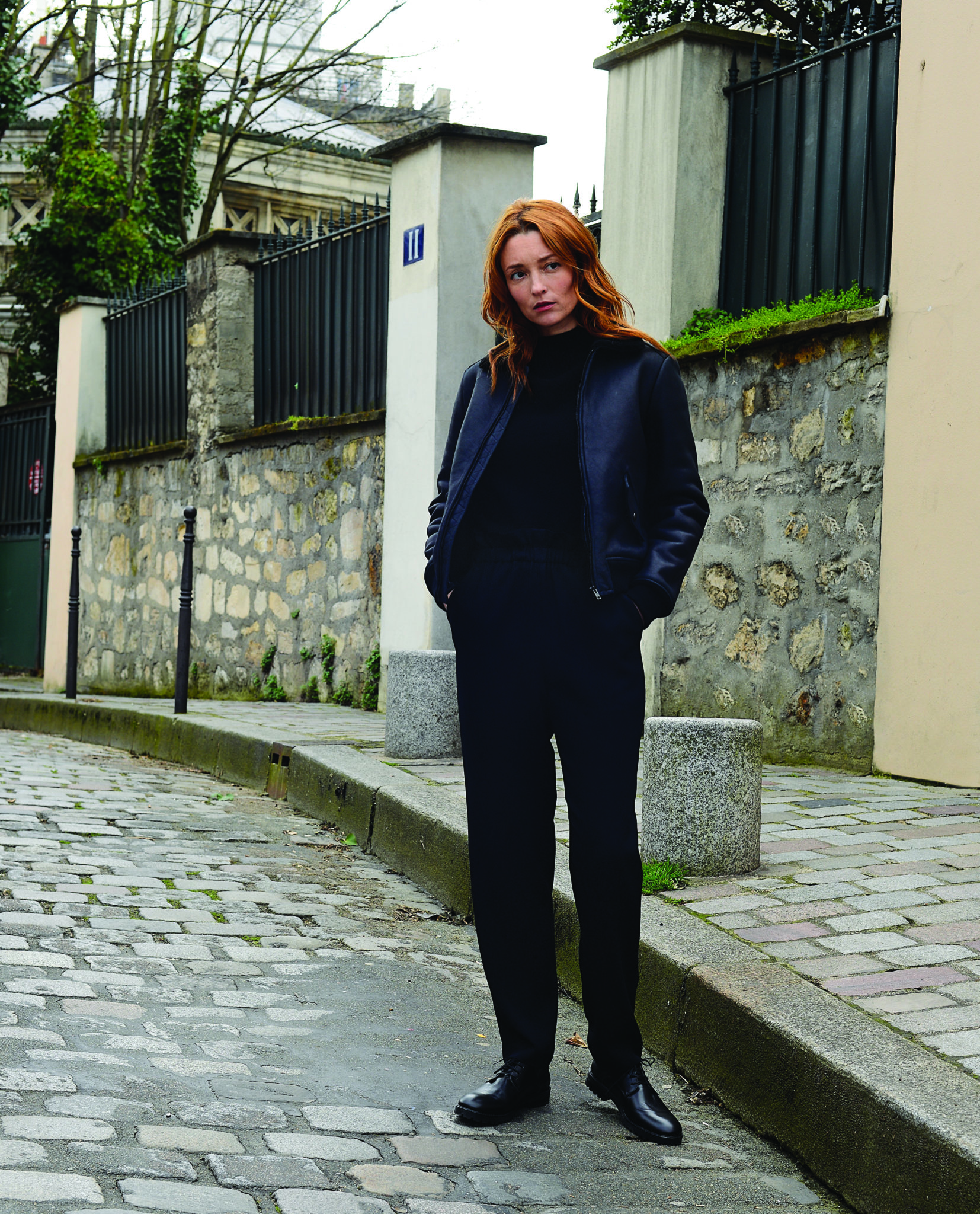


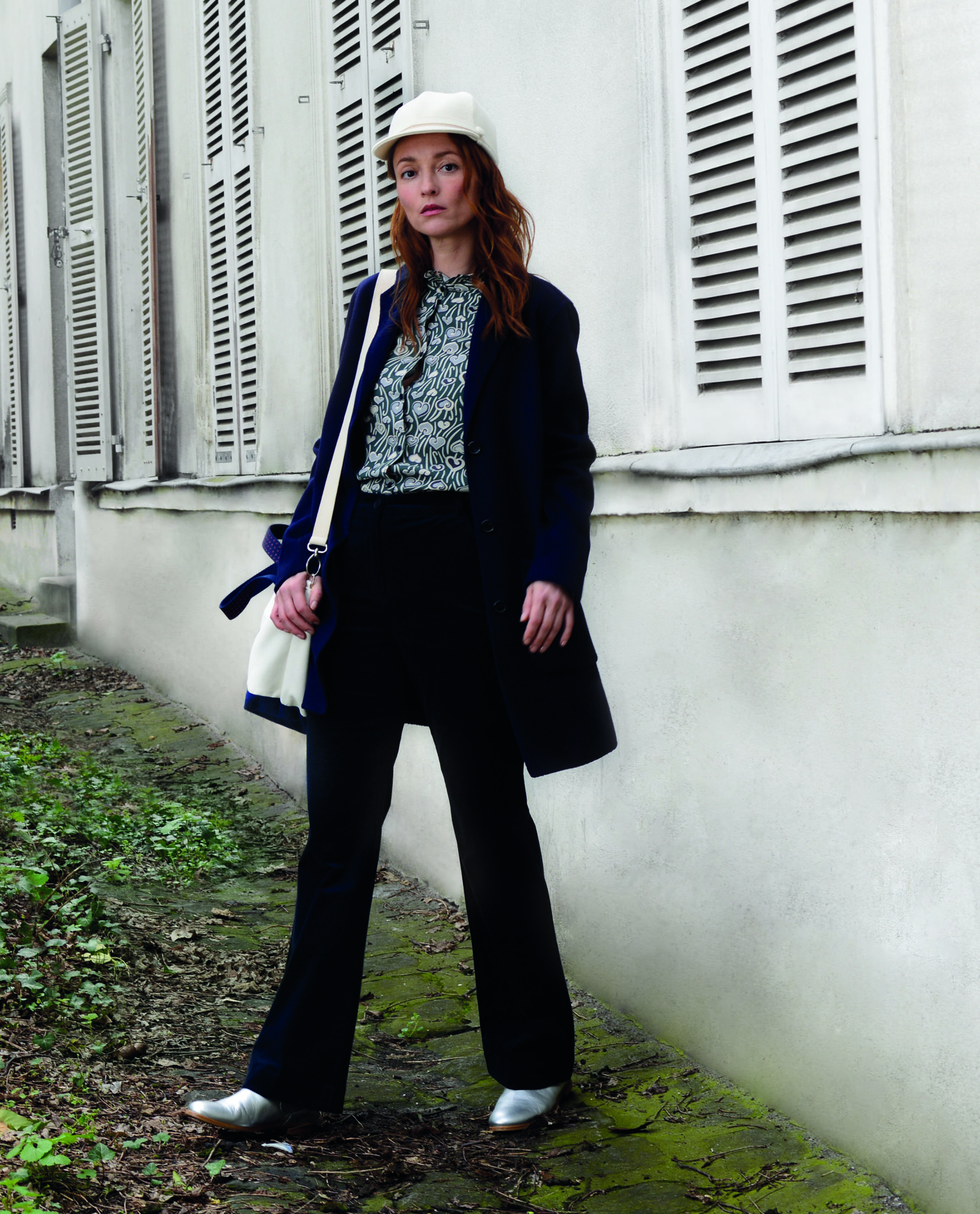

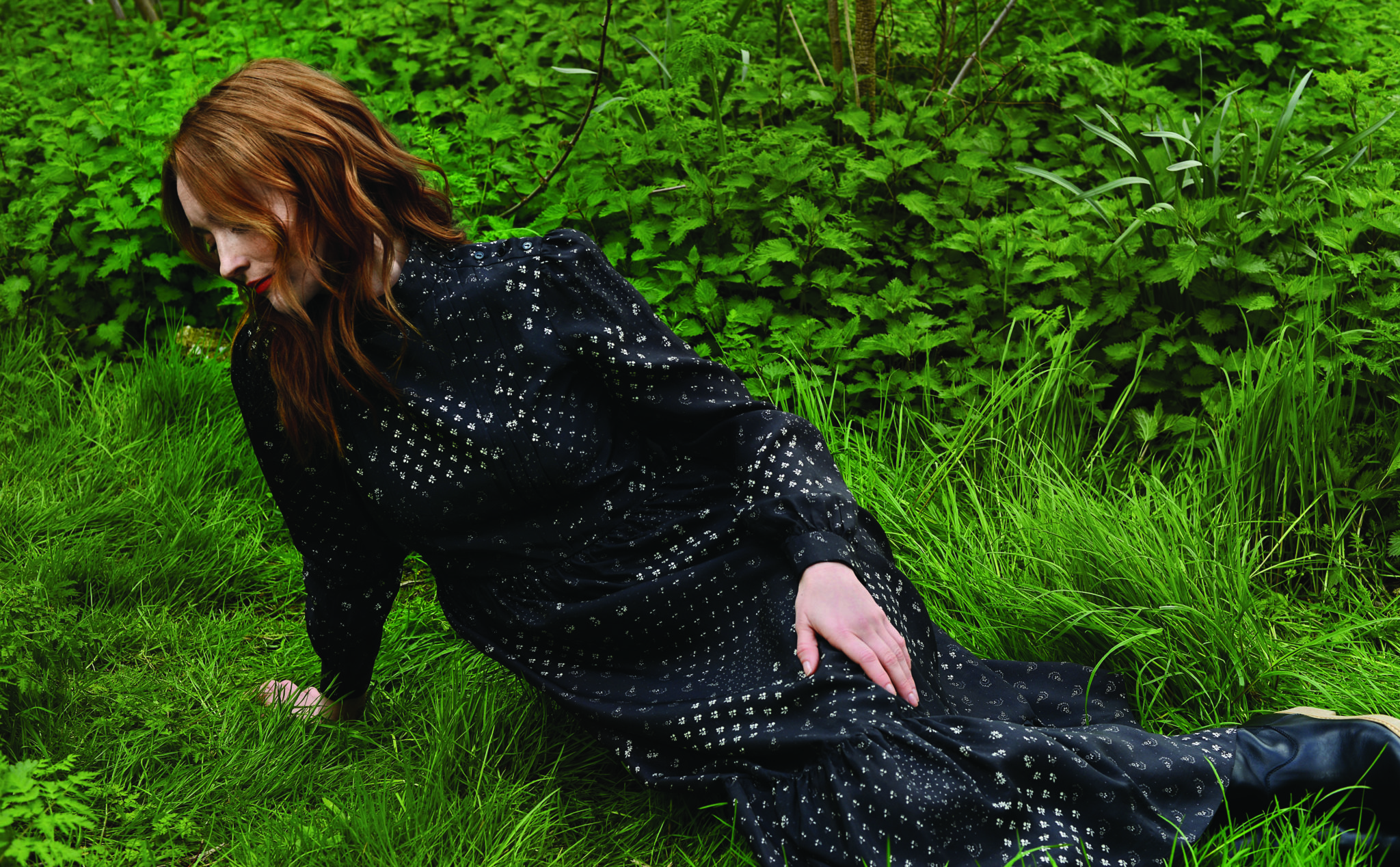
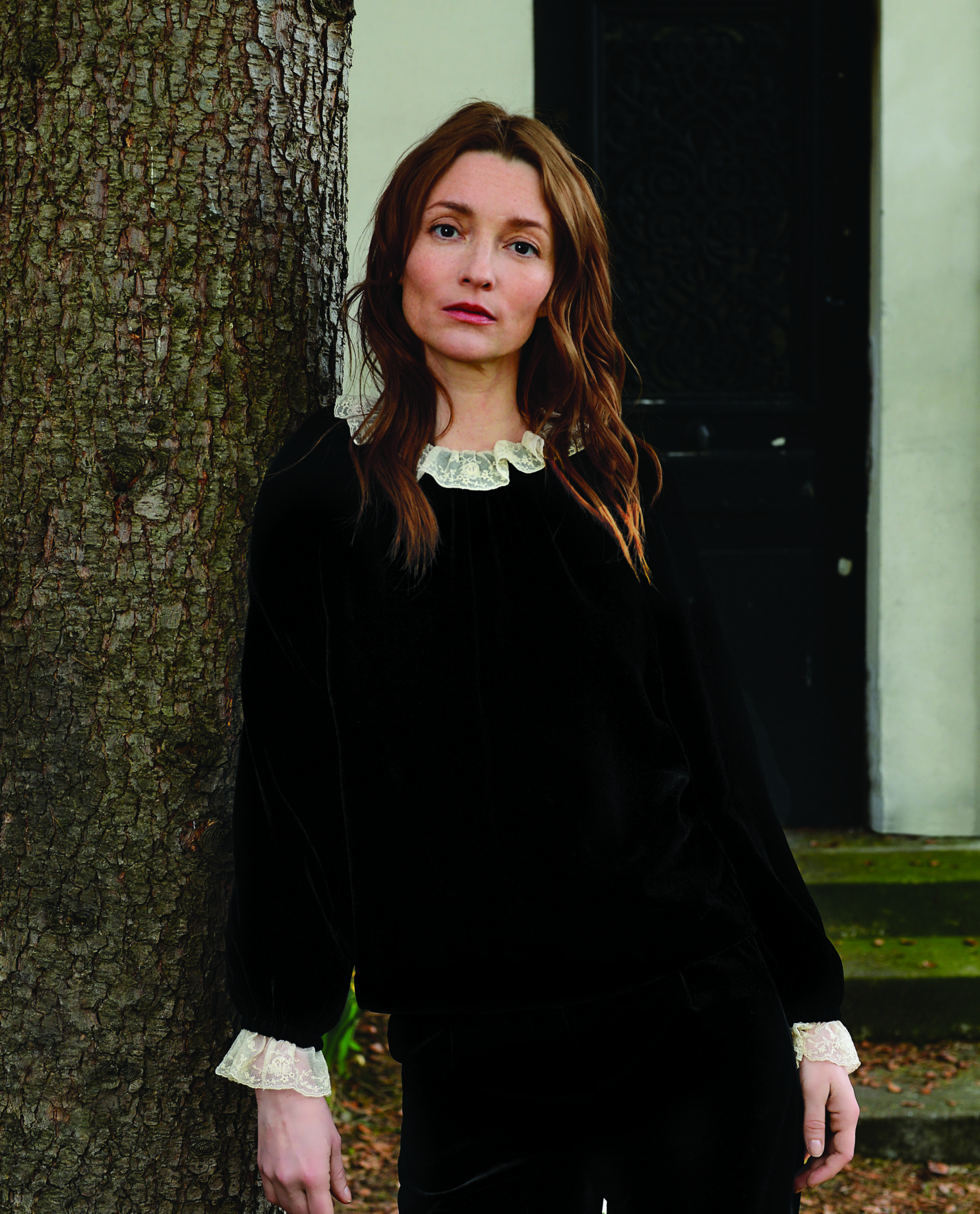
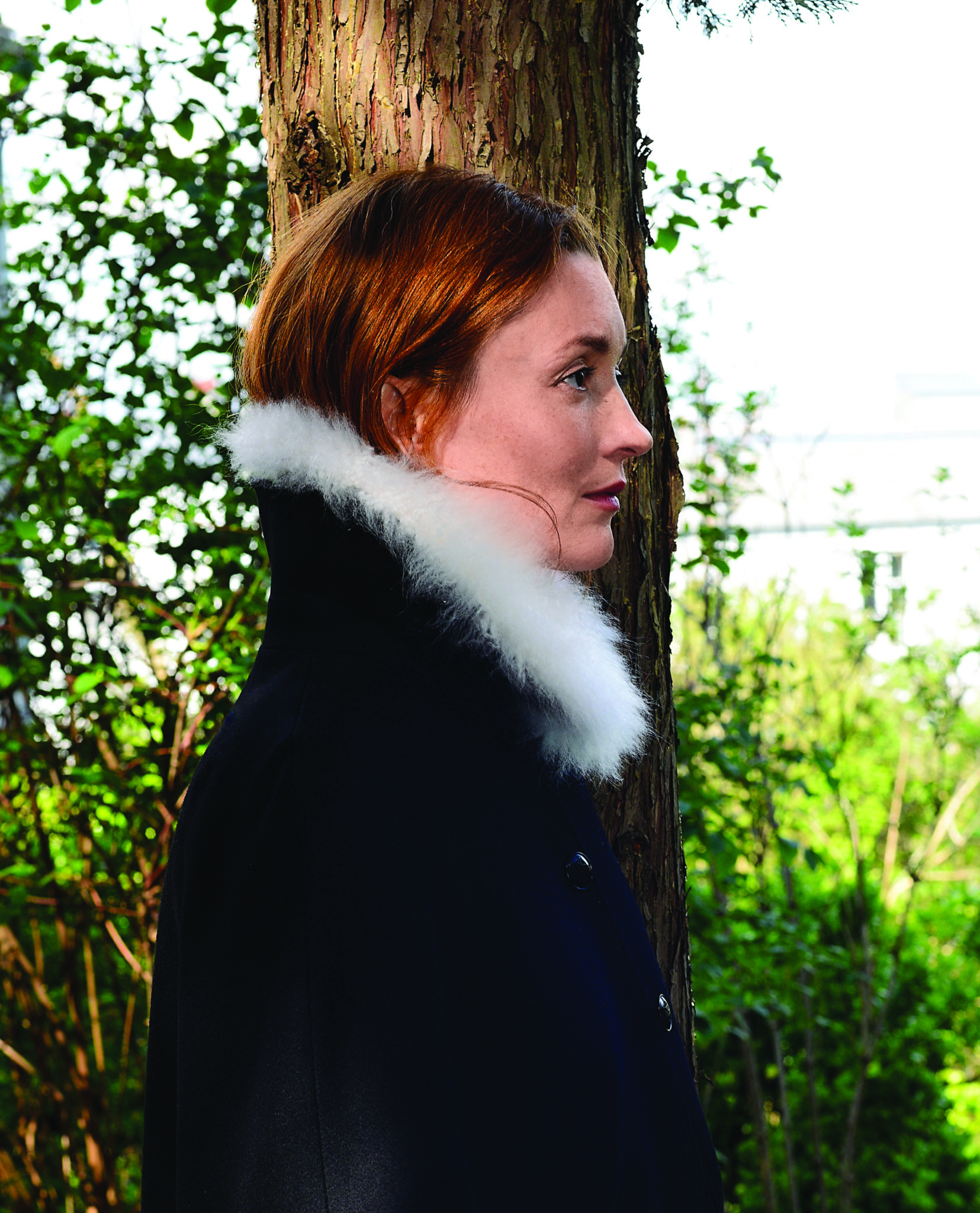
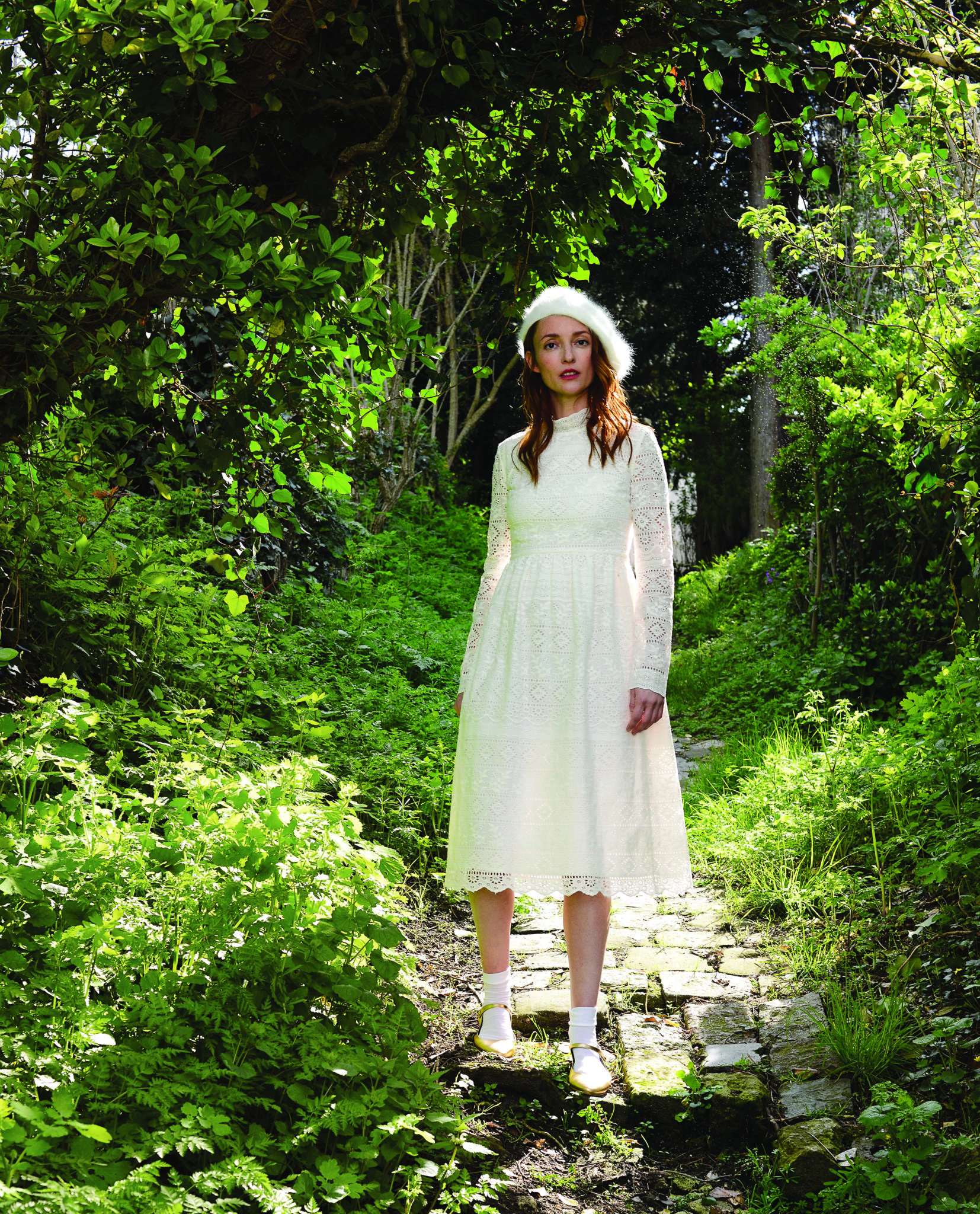
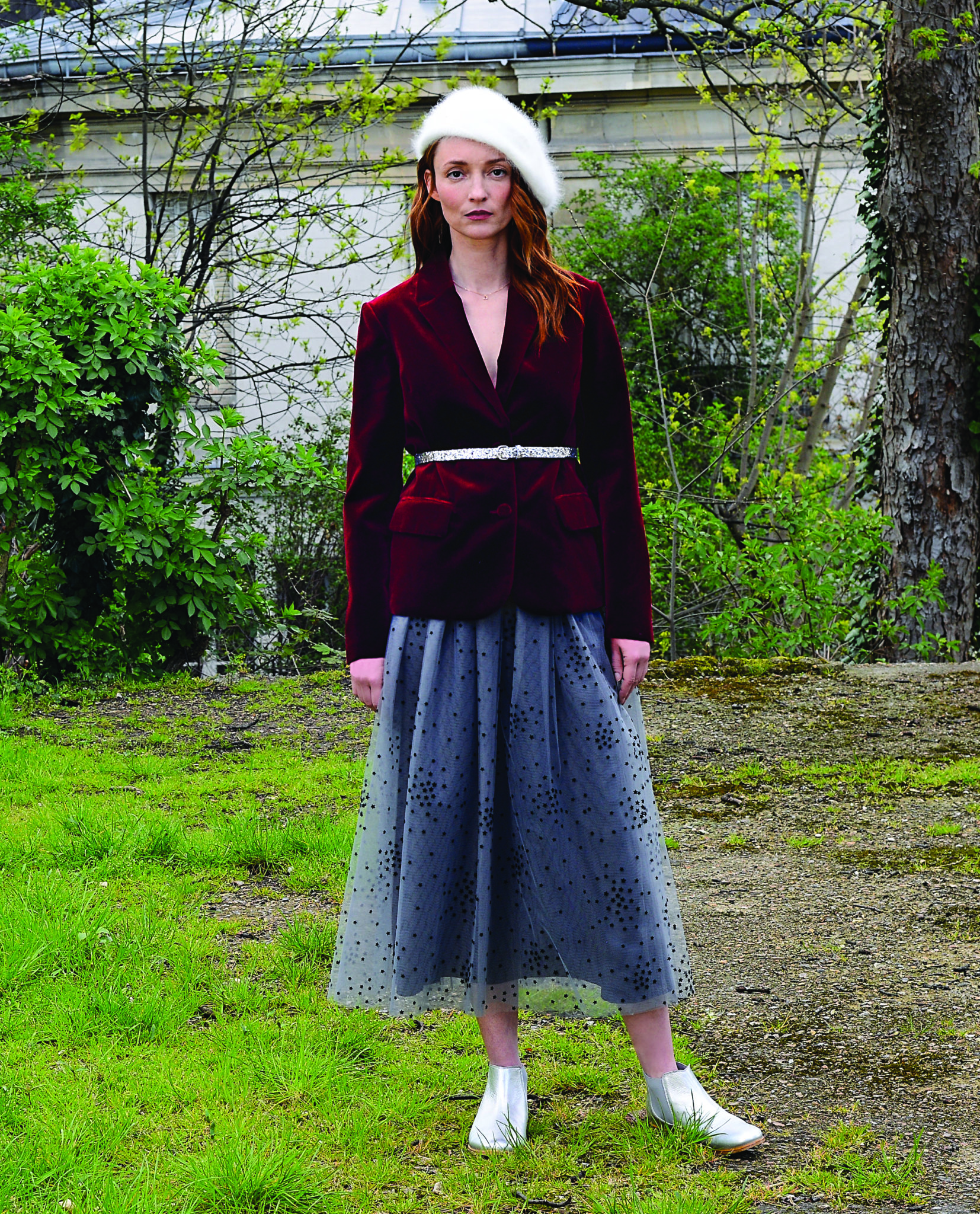


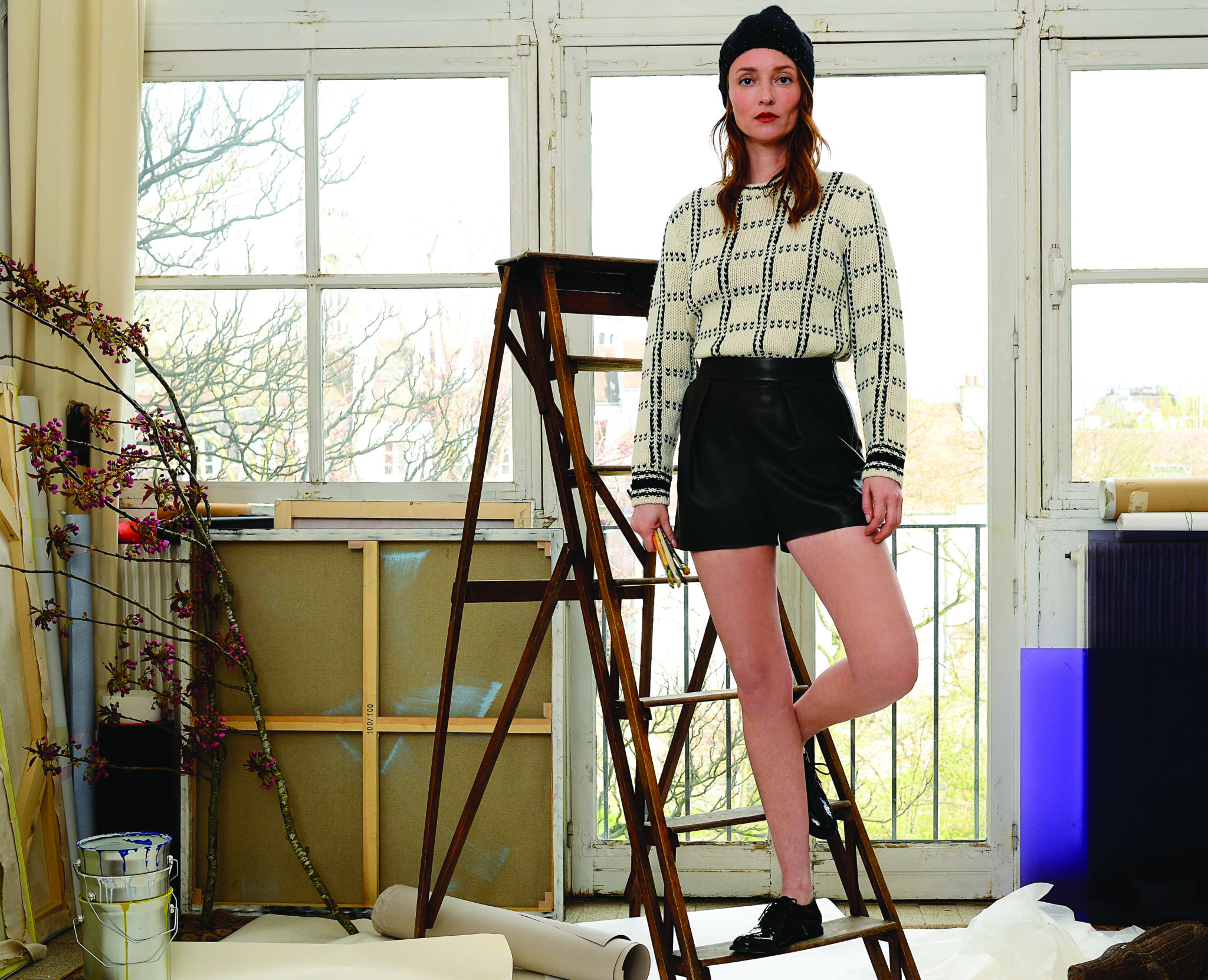



The spirit of Jean-Michel Basquiat, his impertinence and creative energy, punctuate the silhouettes. An exquisite suit in
Prince of Wales or a handsome masculine coat in tartan wool are paired with raw denim, leather shorts or a jacquard sweater. The look is chic and easy-going. Equestrian-inspired caps and wool felt capelines, printed sneakers or fur-lined boots add a twist to the ensemble.
The Bonpoint Paris collection multiplies details and winks, always designed to sublimate an approach, an expression, a way of being oneself, in all circumstances. The materials have been
carefully selected, and the inspired prints are exclusive to the House. Impeccable cuts, expert craftsmanship and meticulous details celebrate all the facets of the Bonpoint woman: her charm, her chic and her independence. And above all, her freedom.
Cette publication est également disponible en :

