
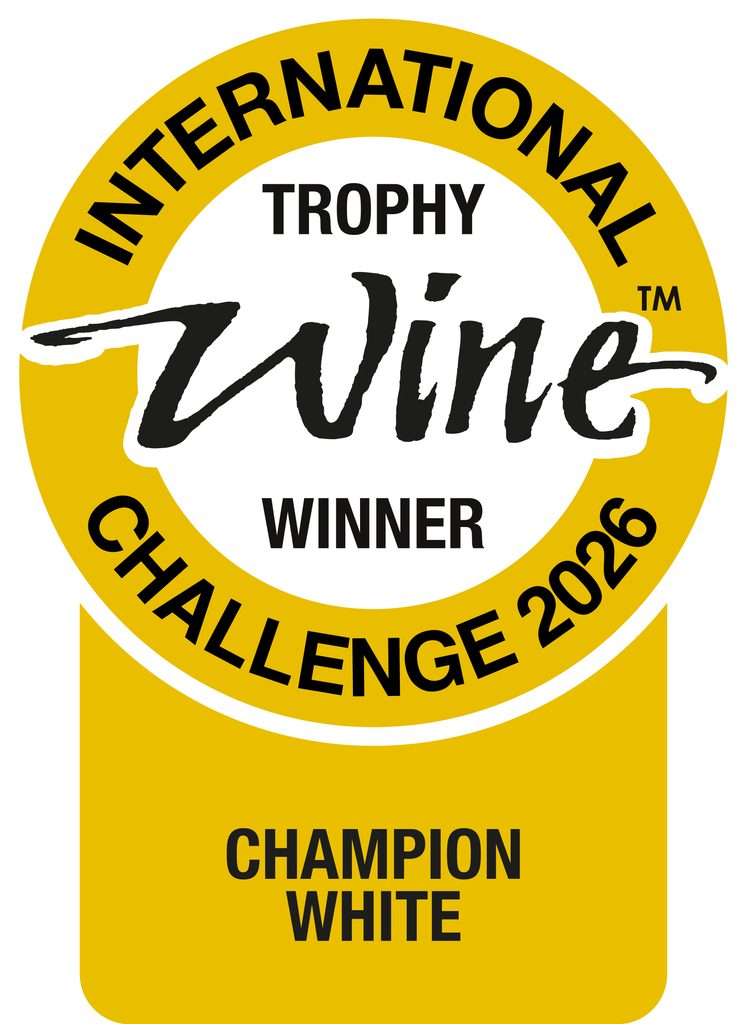
It took a single evening in London for a grand cru of the Côte de Beaune to change status. The Corton-Charlemagne 2024 from Domaine du Pavillon, owned by Maison Albert Bichot, was named best white wine in the world 2026 at the annual International Wine Challenge ceremony, one of the most closely followed competitions in the trade.
This trophy did not come out of nowhere: the same wine had already won four trophies, a gold medal and a score of 97 points at the International Wine Challenge tastings held in May 2026, before this series of recognitions culminated, four months later, in the supreme title of Champion White, awarded on 8 September. This progression, from a first series of technical awards to the final accolade, says something about how the major international competitions work: the gold medal opens the way, but it is a second jury, convened to designate the champions across all categories, that ultimately decides between the best wines of each colour. The International Wine Challenge remains one of the competitions most closely followed by the trade precisely because of this two-stage selection, which first distinguishes a wine’s technical quality before confronting it, in a second phase, with all its peers to name a single winner per category.
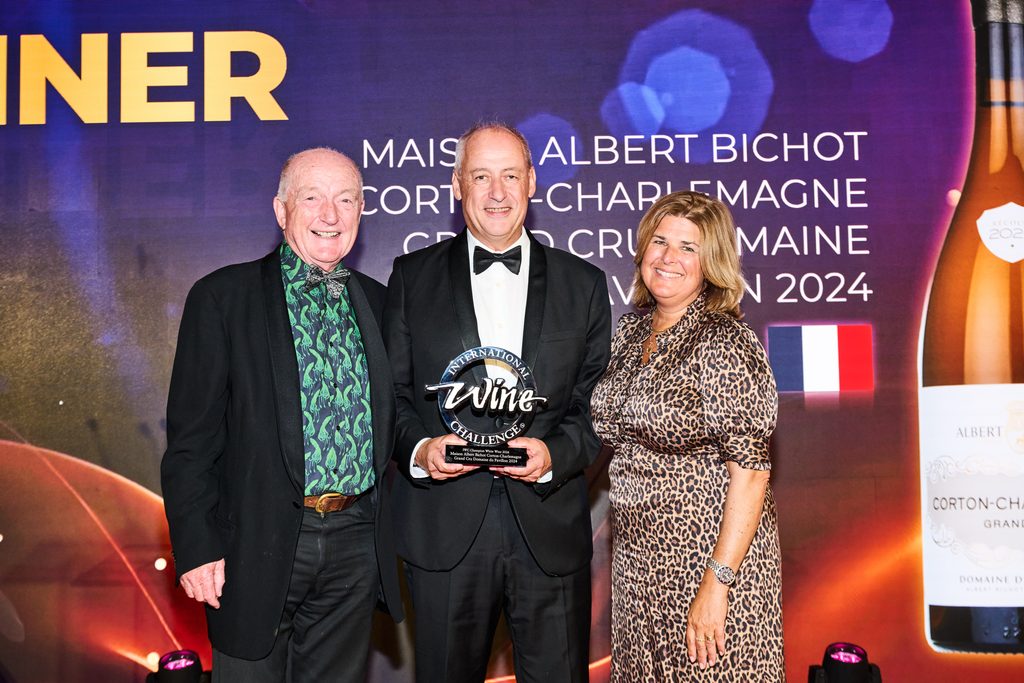
Albéric Bichot travelled to London to receive the distinction, praising in his statement the daily work of his teams in the vineyards and cellars rather than the performance of the vintage alone. This way of directing the award towards collective work rather than towards the estate’s signature alone corresponds to a fairly widespread tradition among the great Burgundy houses, where the success of a grand cru is rarely told as the doing of one man.
That the 2024 vintage of Domaine du Pavillon wins such a title, under the label of a family négociant house such as Albert Bichot, illustrates the way in which historic Burgundy houses continue to compete with, and even to outdo, certain strictly wine-growing estates on the international competition stage.
It remains to be seen what this title will concretely change for Domaine du Pavillon: recognition at this level generally translates into increased pressure on an already scarce production, since the grands crus of Corton-Charlemagne are, by definition, never produced in large quantities. The next test for the house will be whether this one-off coronation turns into repeated expectation for the following vintages, or whether it remains the isolated memory of an exceptional London evening. For the time being, the Maison can at least claim a rare argument for its future labels: that of having carried, for a year, the title of best white wine in the world.
Cette publication est également disponible en :

