
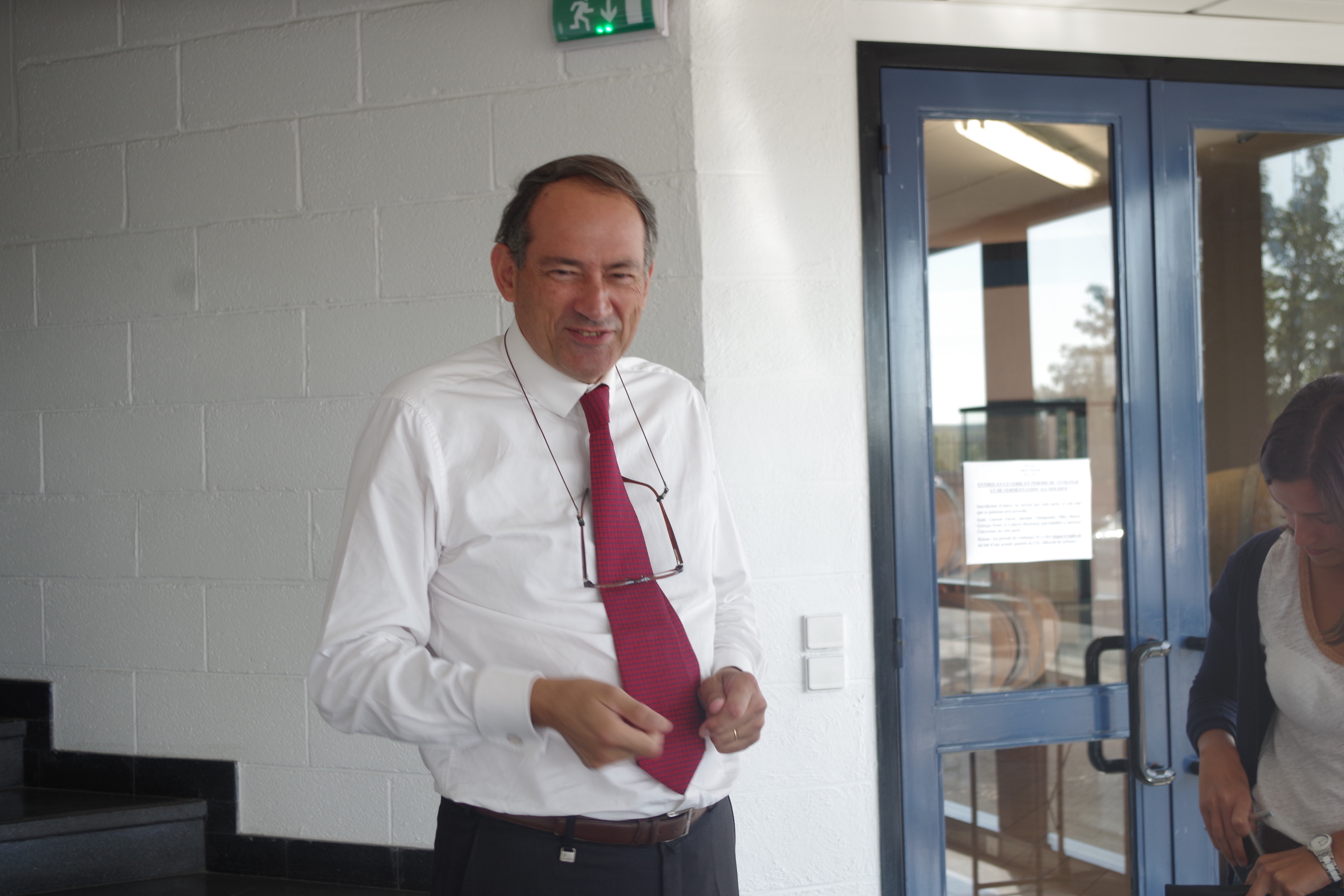
We were lucky enough to visit the Bruno Paillard vineyards and cellars in the historic heart of Champagne, in Reims, where Bruno Paillard was born in 1953.
Before setting up his own Champagne house of the same name, he was a broker, a profession also practiced by his family, in addition to being a winemaker.
In 1981, driven by the desire to produce a champagne that was different from the others, more elegant, purer, the Bruno Paillard house was created.
The most recent Champagne house offers strong commitments: it specializes in the production of special, top-of-the-range cuvées, with selective distribution. Indeed, the wines are sold only to fine restaurants and wine merchants.
It is totally independent, with the aim of retaining decision-making independence and thus creating grands crus that best reflect the identity of the house.
The vineyards
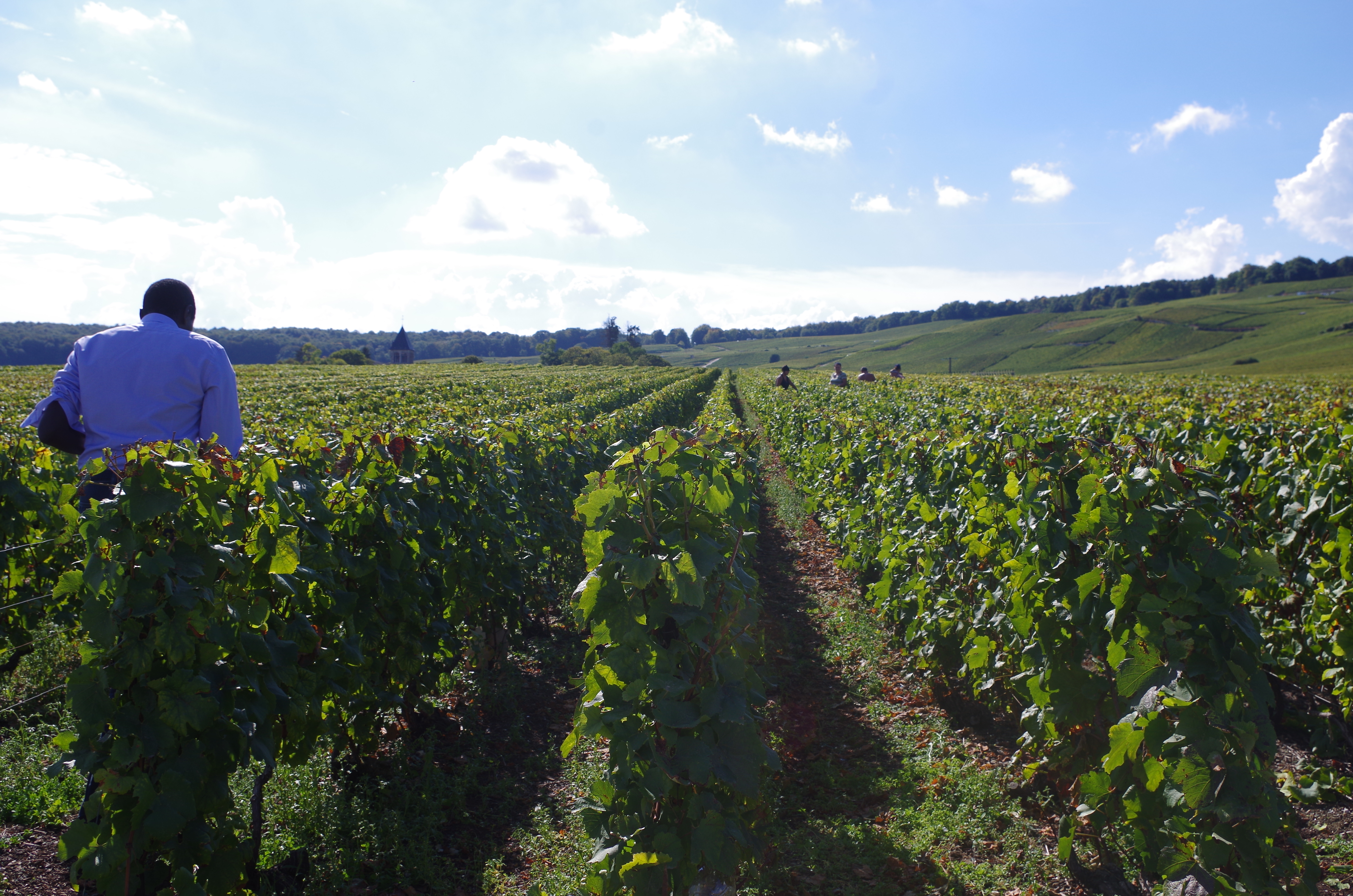
In 1994, Bruno Paillard bought his first 3 hectares of vines in Oger, in the heart of the Côte des Blancs. The vineyard has grown steadily and today covers 32 hectares, including 14.4 hectares of Grands Crus: Oger, Mesnil-sur-Orge, Verzenay and Bouzy, as well as Premiers Crus.
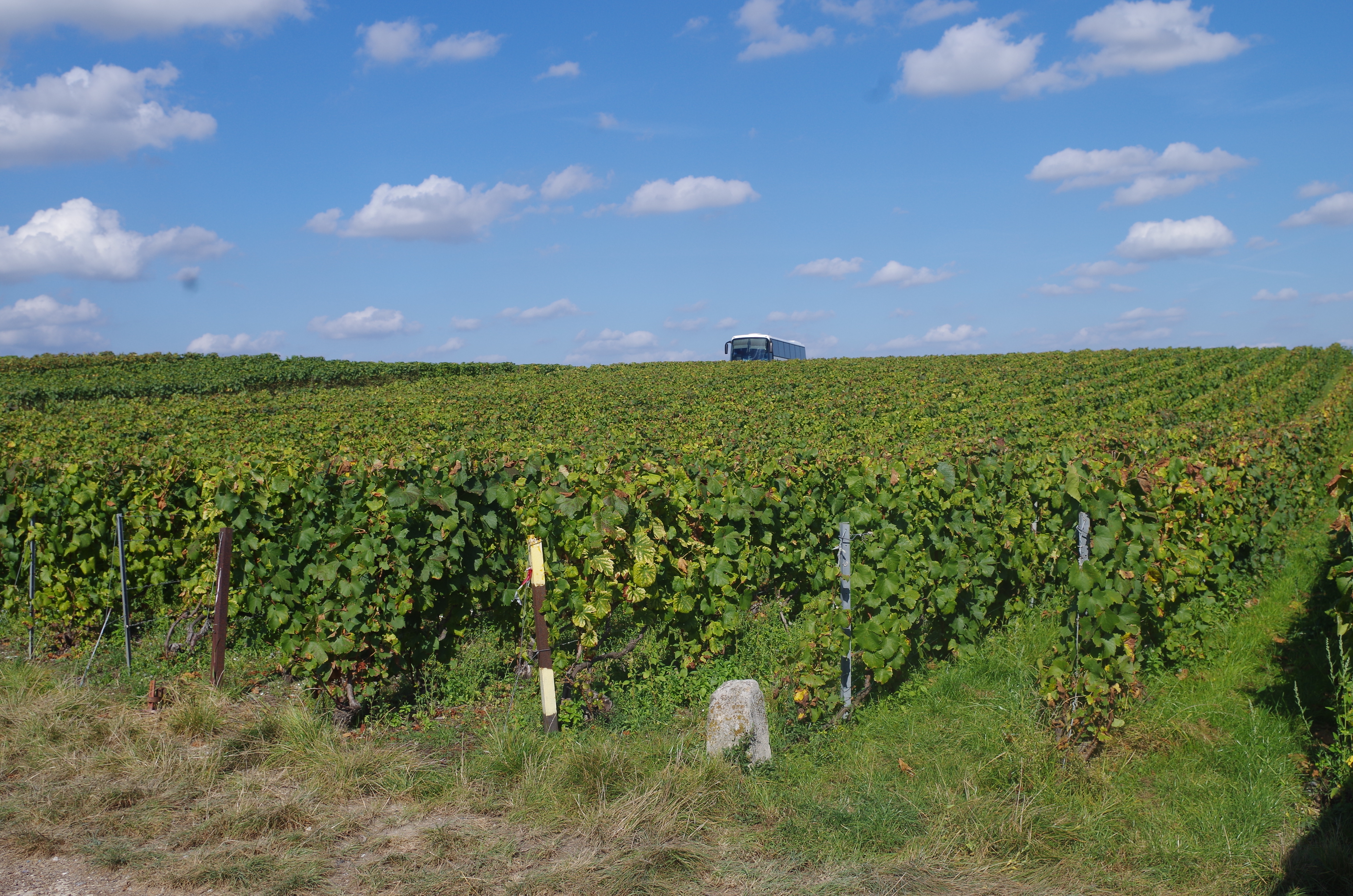
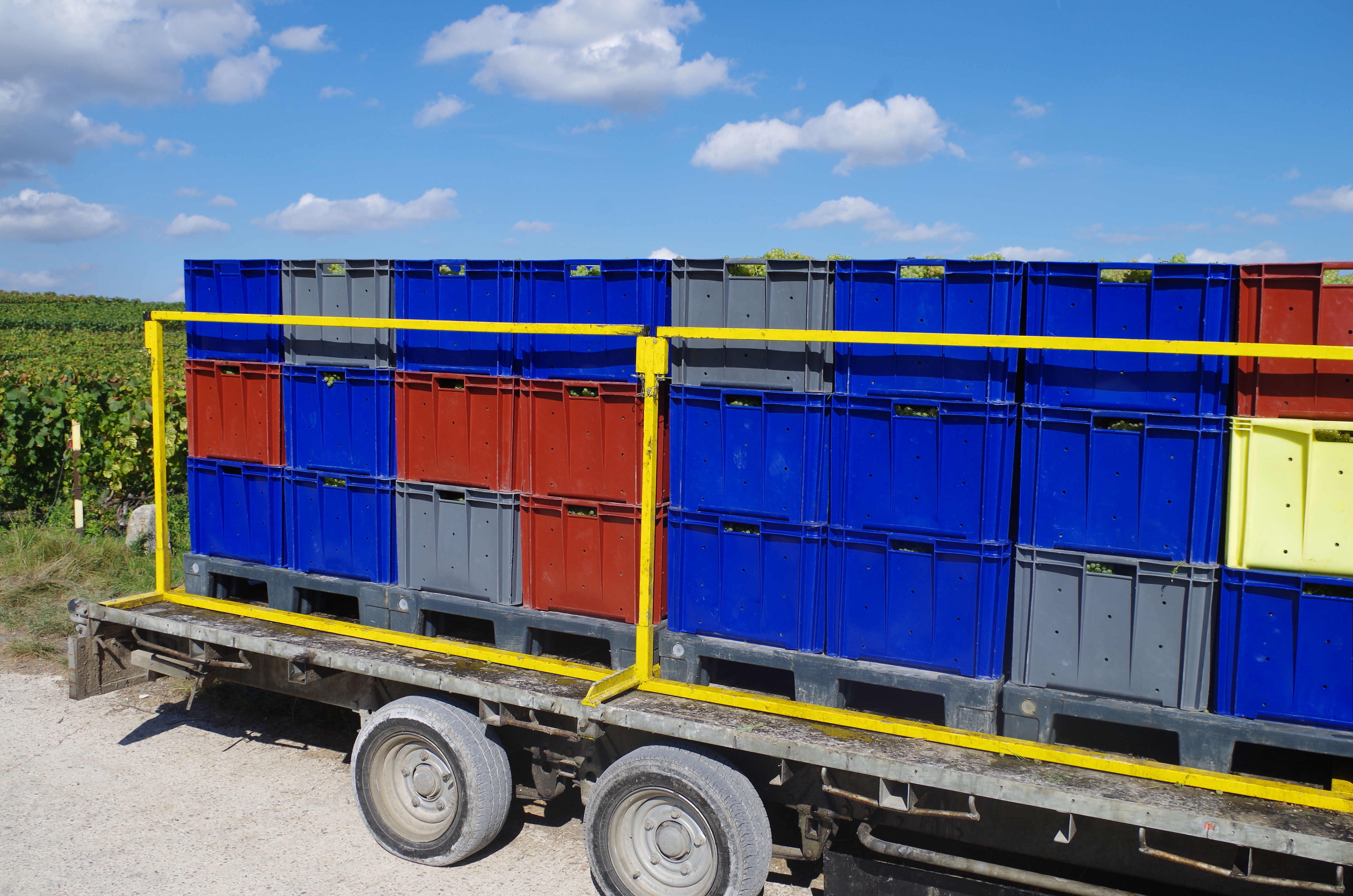
In all, this accounts for 50% of his supplies, a rather high figure for a Champagne house. What’s more, he buys grapes from independent winegrowers in more than 30 villages, thus offering a wide variety that plays a decisive role in the creation of great blends.
The cellars
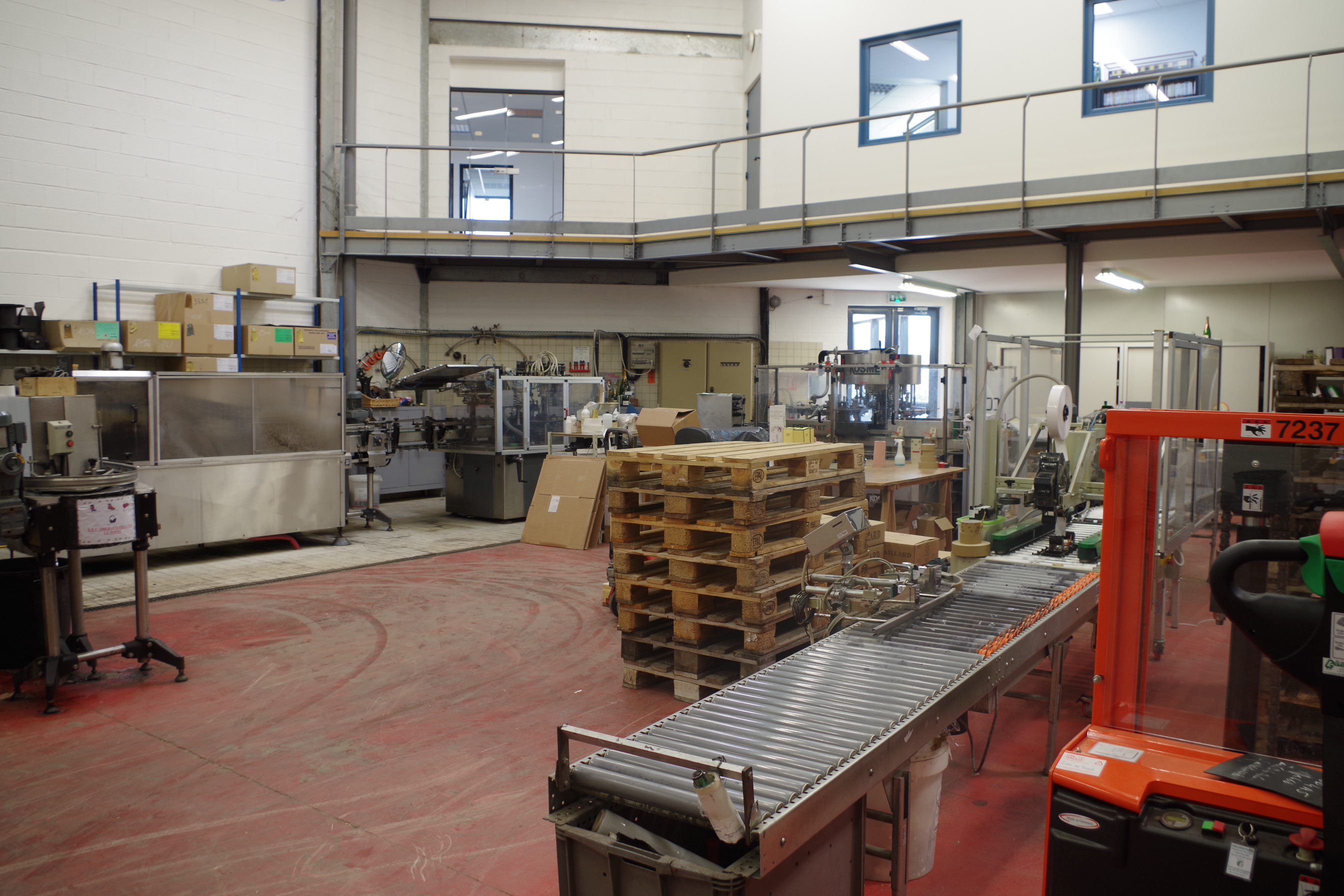
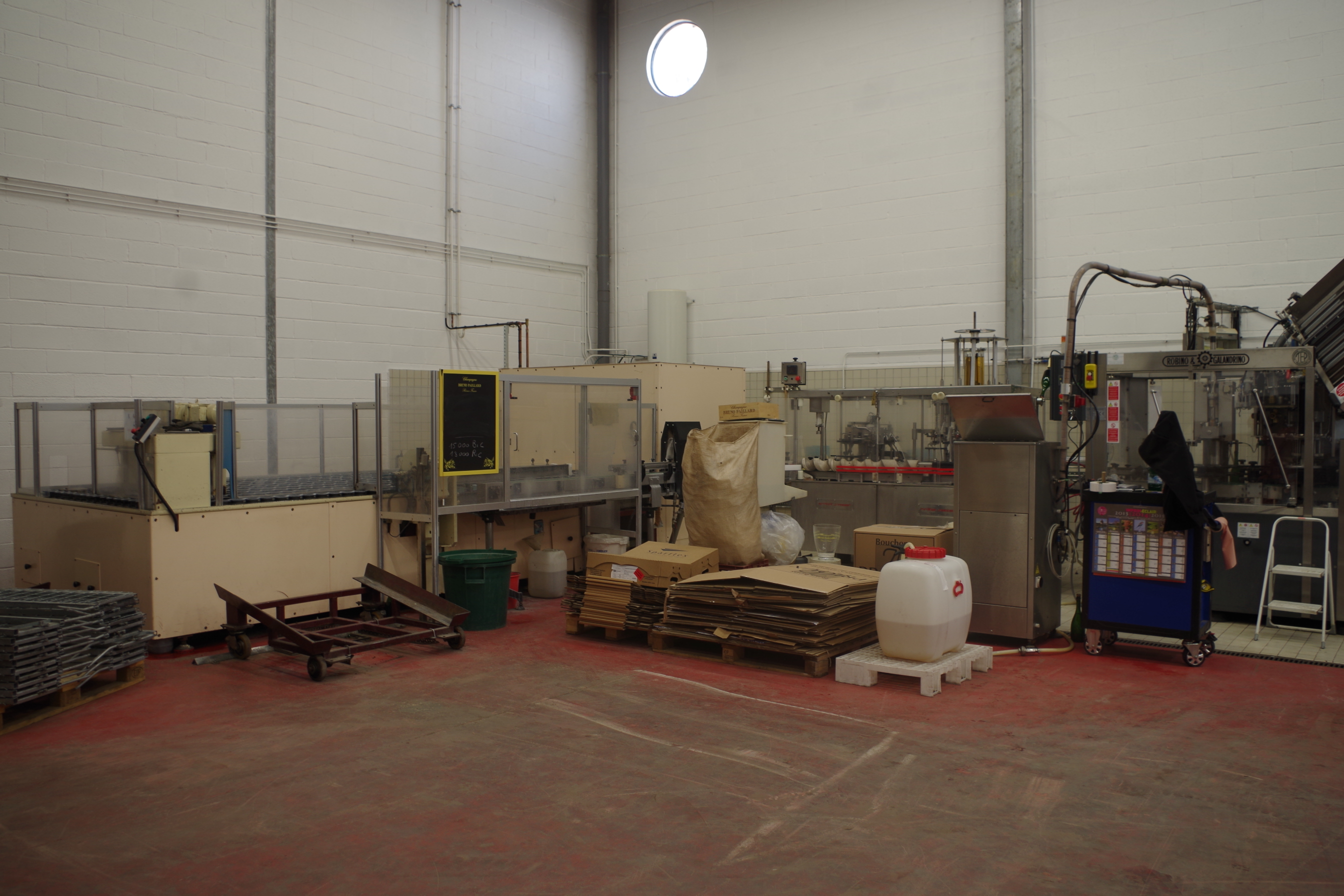
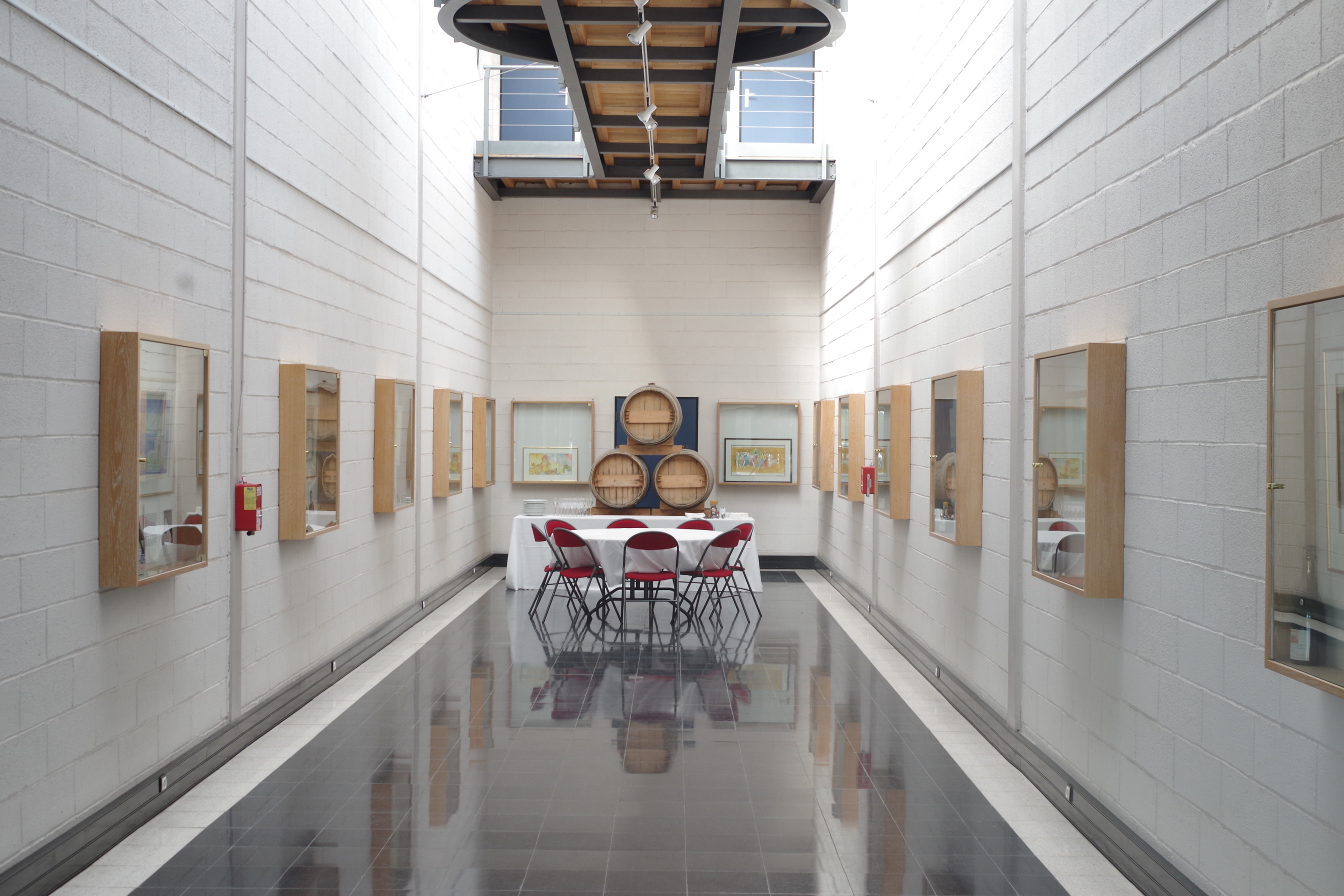
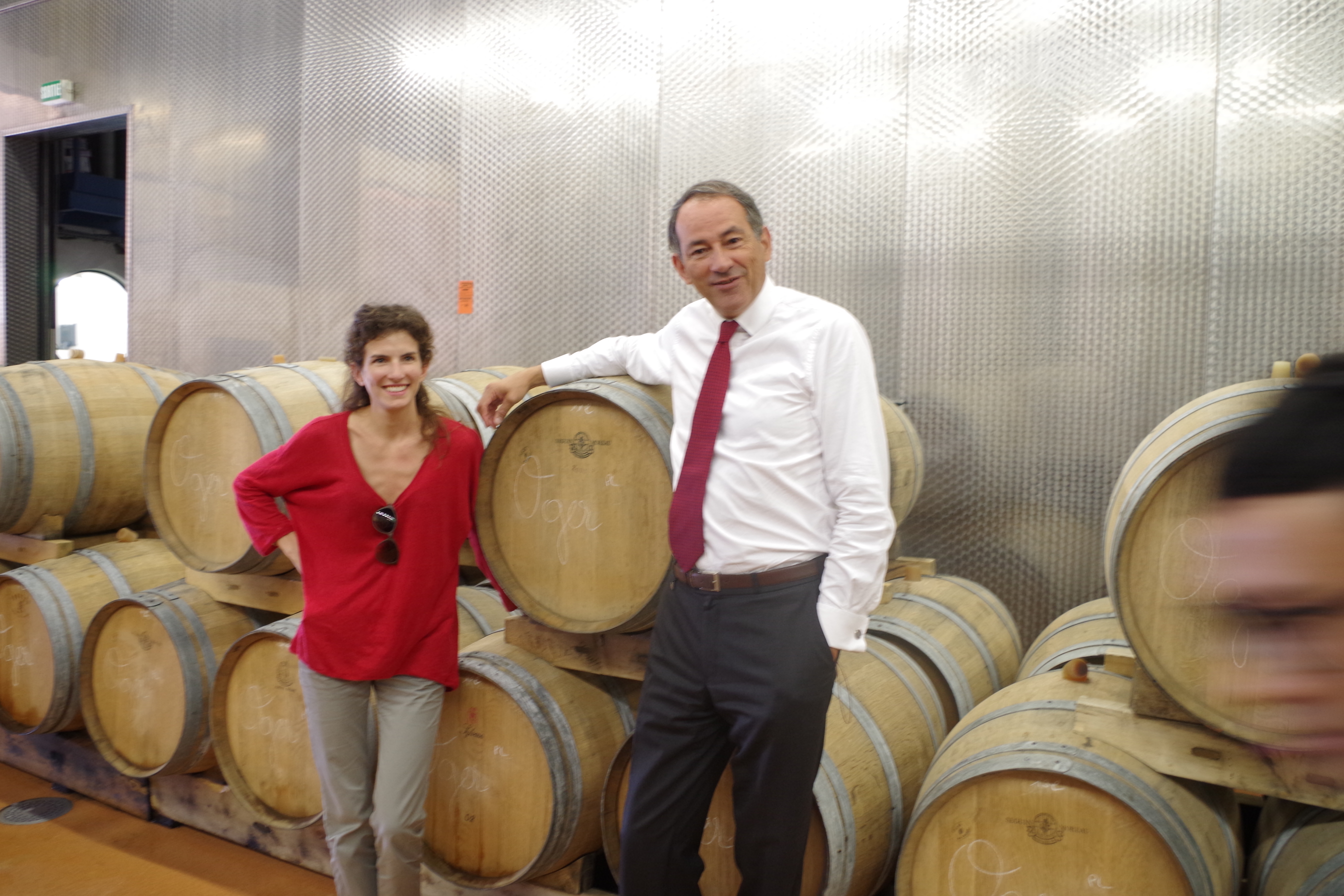
We were welcomed by Bruno Paillard and his daughter, Alice, in a large, fairly contemporary building built in Reims in the 90s, made of stainless steel, wood and glass.
All tools are chosen with precision: none of the barrels are new, and they must have undergone three vinifications with white wine producers. Each cru is vinified separately in barrique or vat, to enable a better selection during the elaboration of the cuvées. Finally, all corks are individually sniffed to avoid any possible aftertaste when sealing the bottle.
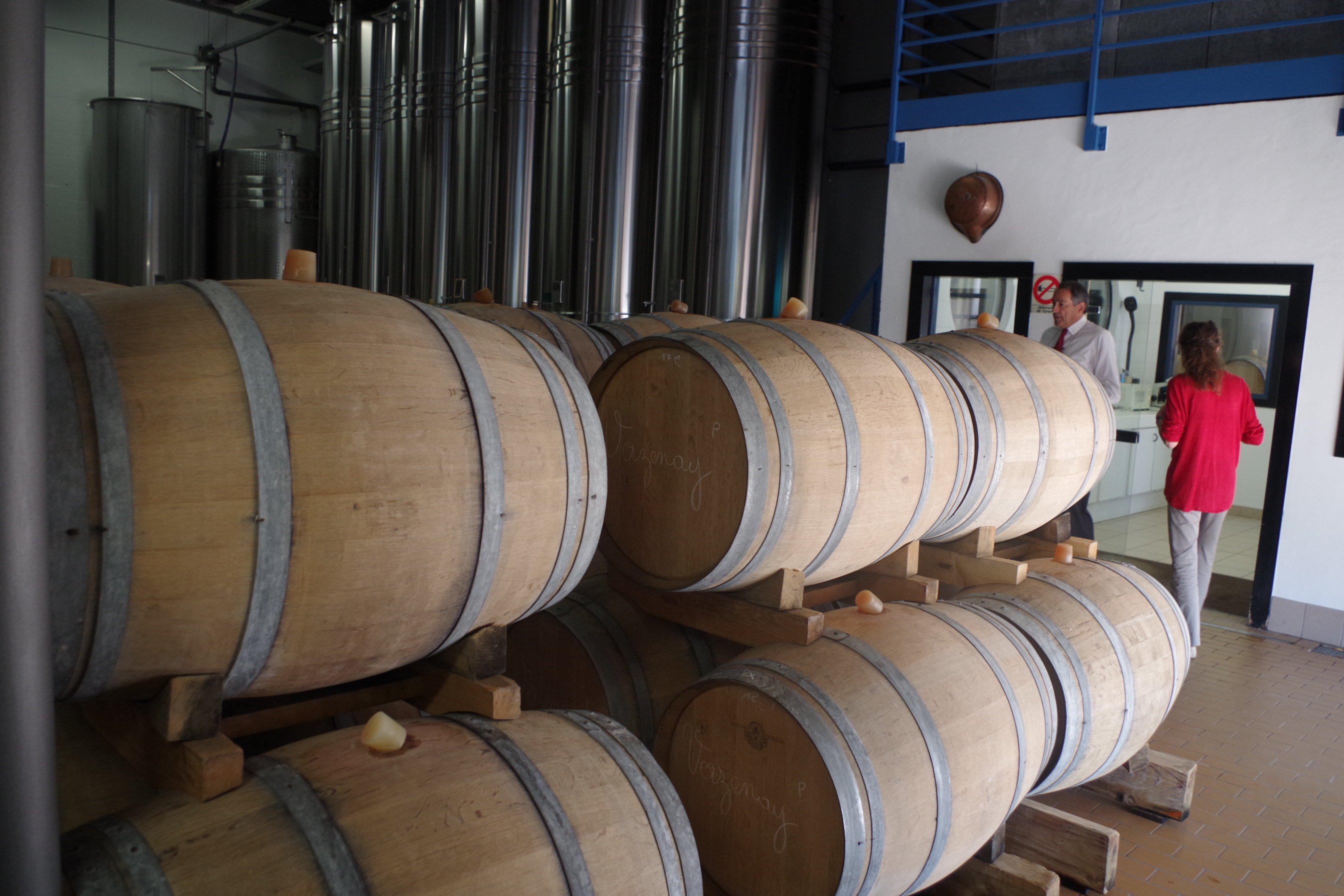
During the wine-making process, only the finest grapes are selected, which means eliminating a substantial part of the harvest. Then comes the vinification, retaining only the first press of grapes, which is the purest.
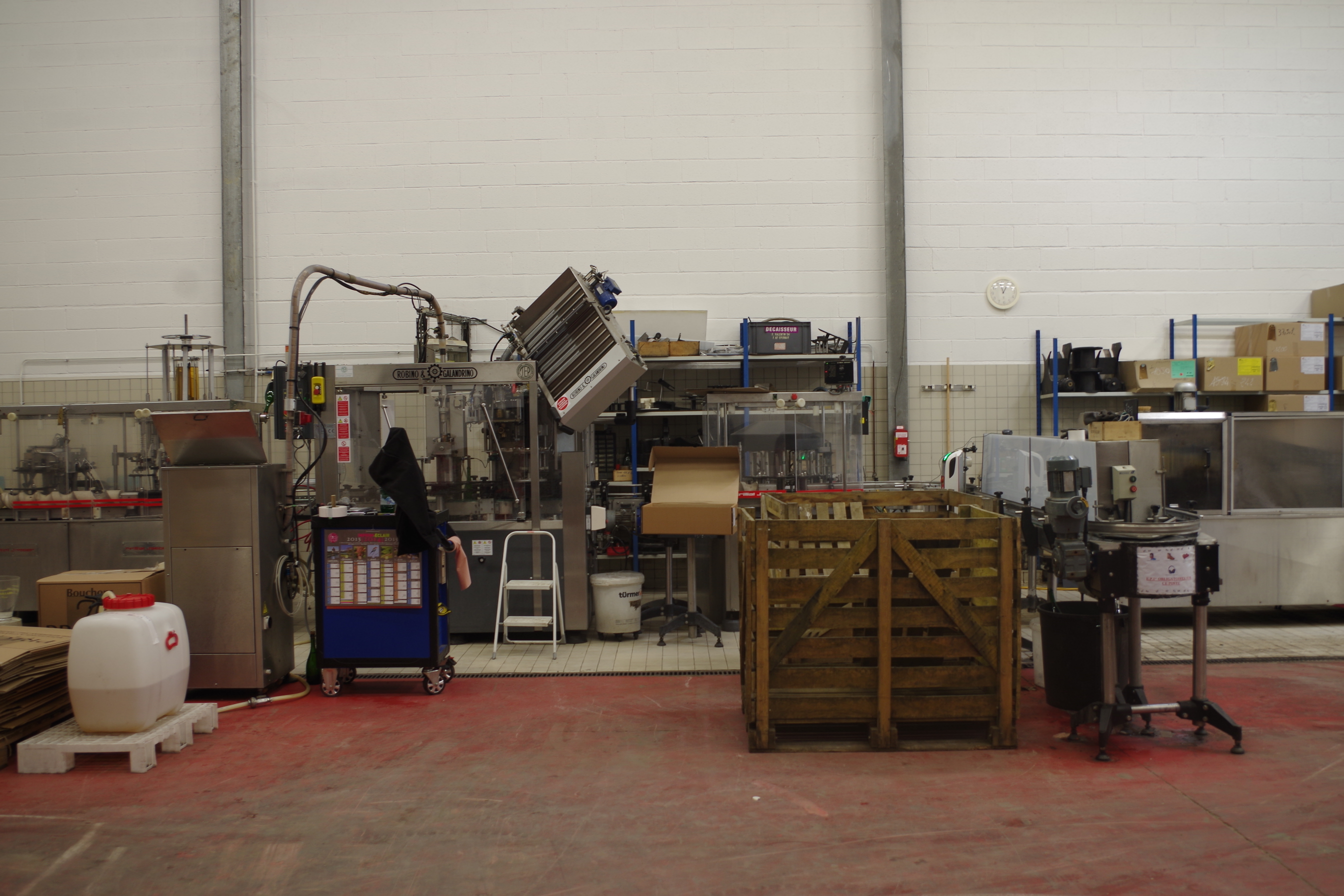
Aging plays a very important role in the design of Bruno Paillard cuvées. The bottles are aged up to 2 or 3 times longer than required by law.
The design
After the grapes have been pressed once, the first fermentation in the bottle takes place, creating a deposit that must be removed. To do this, machines called gyropalettes are used for riddling: in other words, each day the bottles change position in a movement combining rotation and inclination. In this way, the deposit gradually slides towards the cork, and can be expelled in a matter of seconds: this is the disgorging operation.
To replace the few centilitres of wine lost during disgorging, the wine is dosed with reserve wines called liqueur d’expédition, which may contain cane sugar.
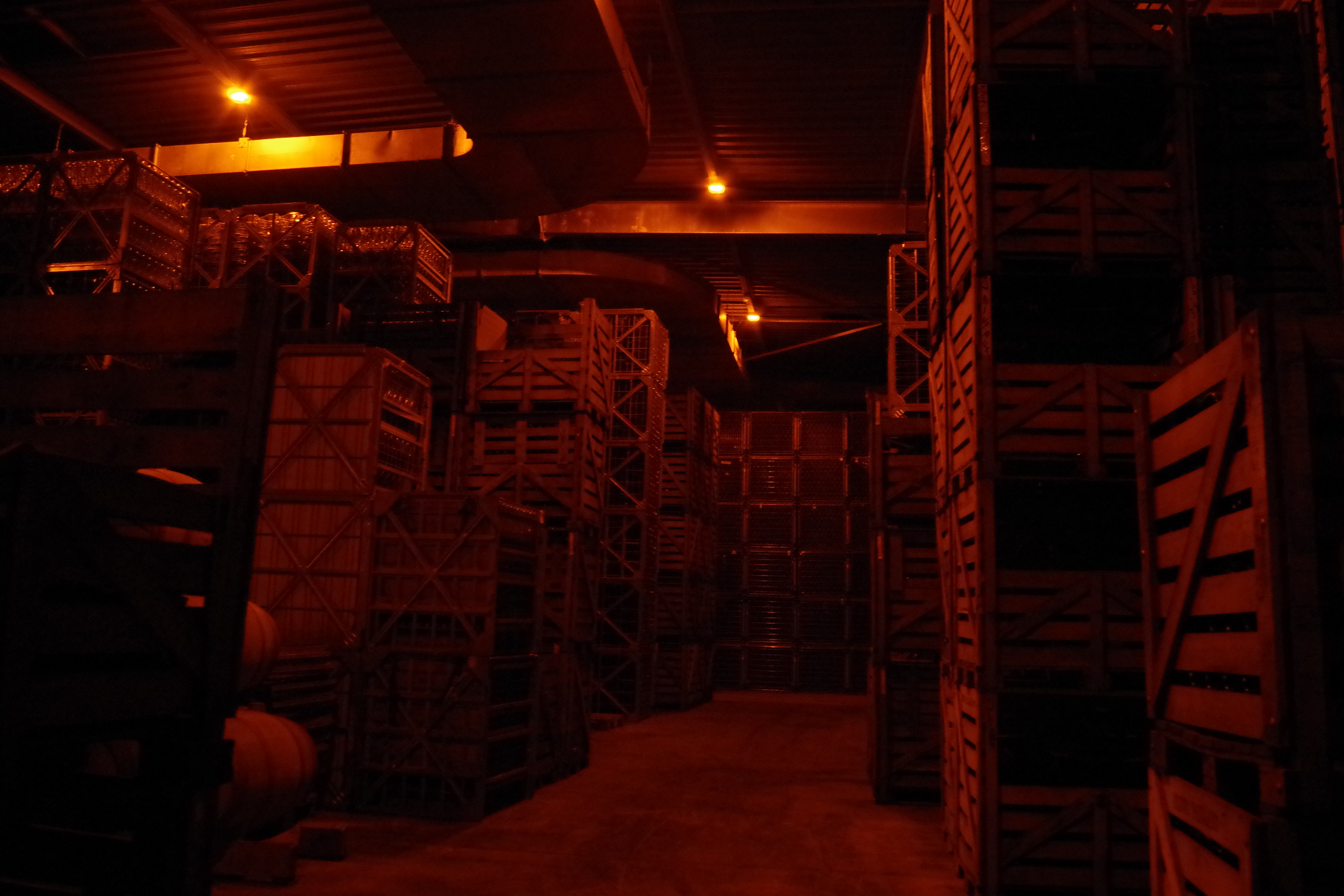
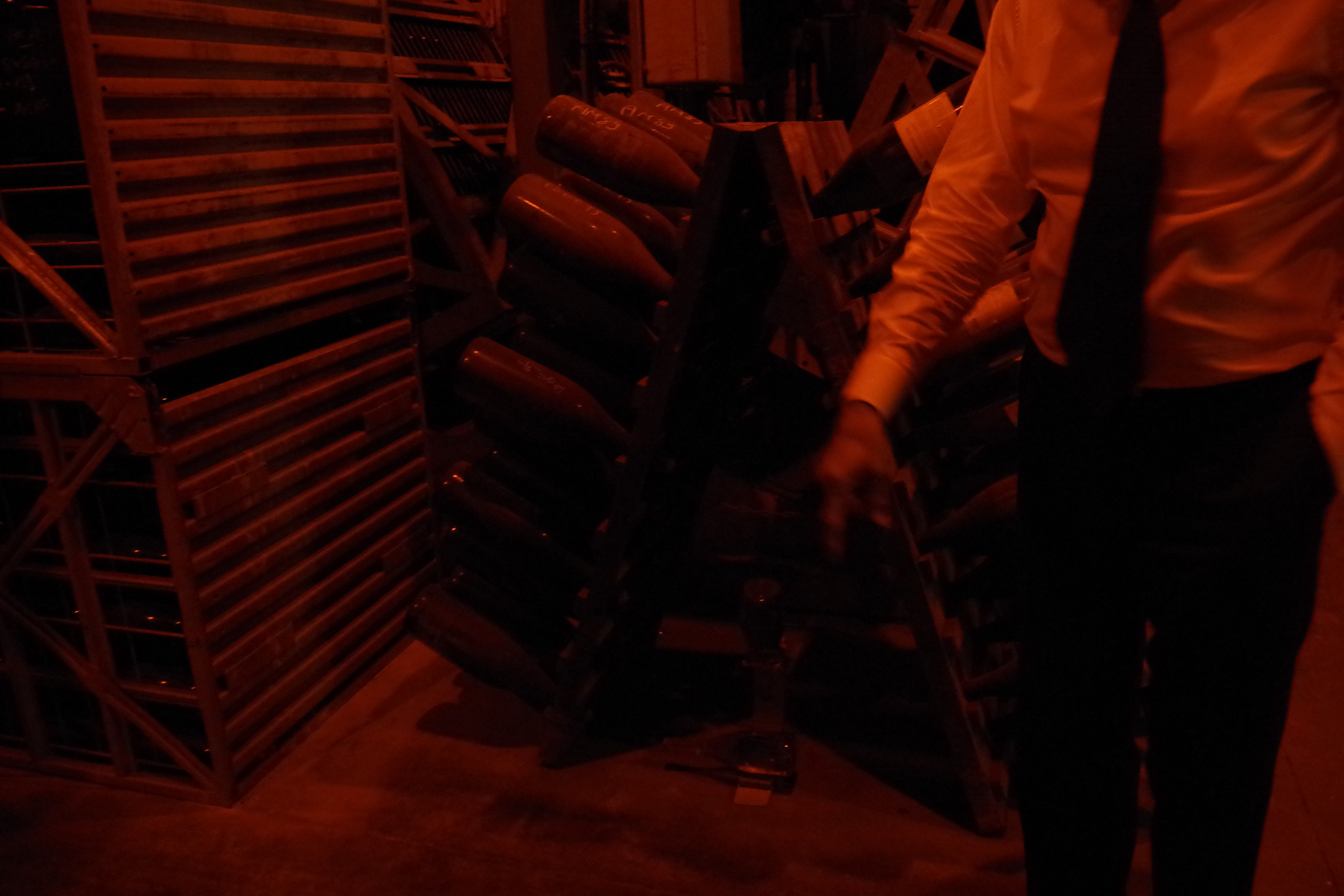
Paillard produces only brut wines with a maximum sugar content of 7 grams.
Then comes the bottle’s convalescence: a return to the cellar lasting between 6 and 18 months, depending on the cuvée.
The tasting
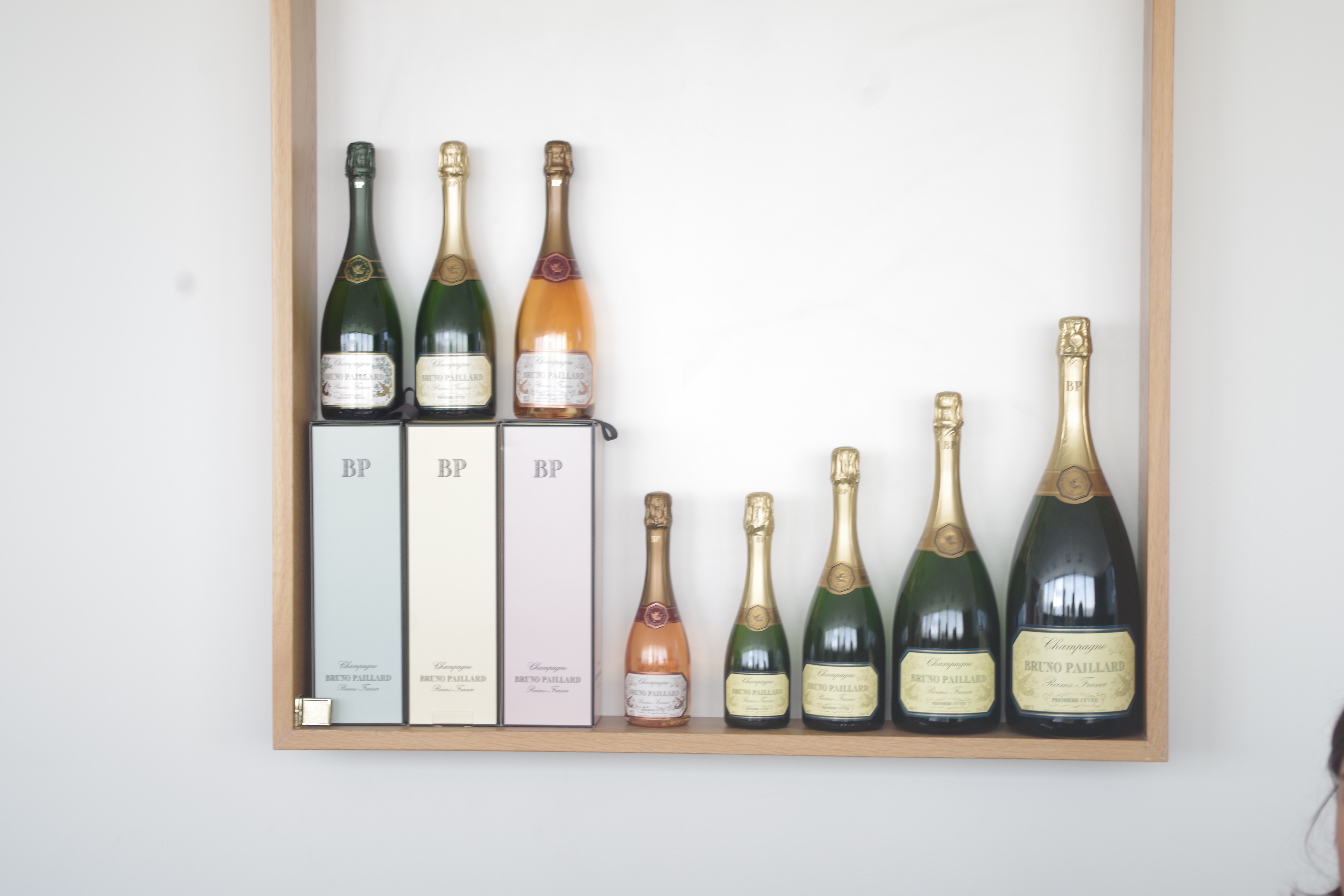
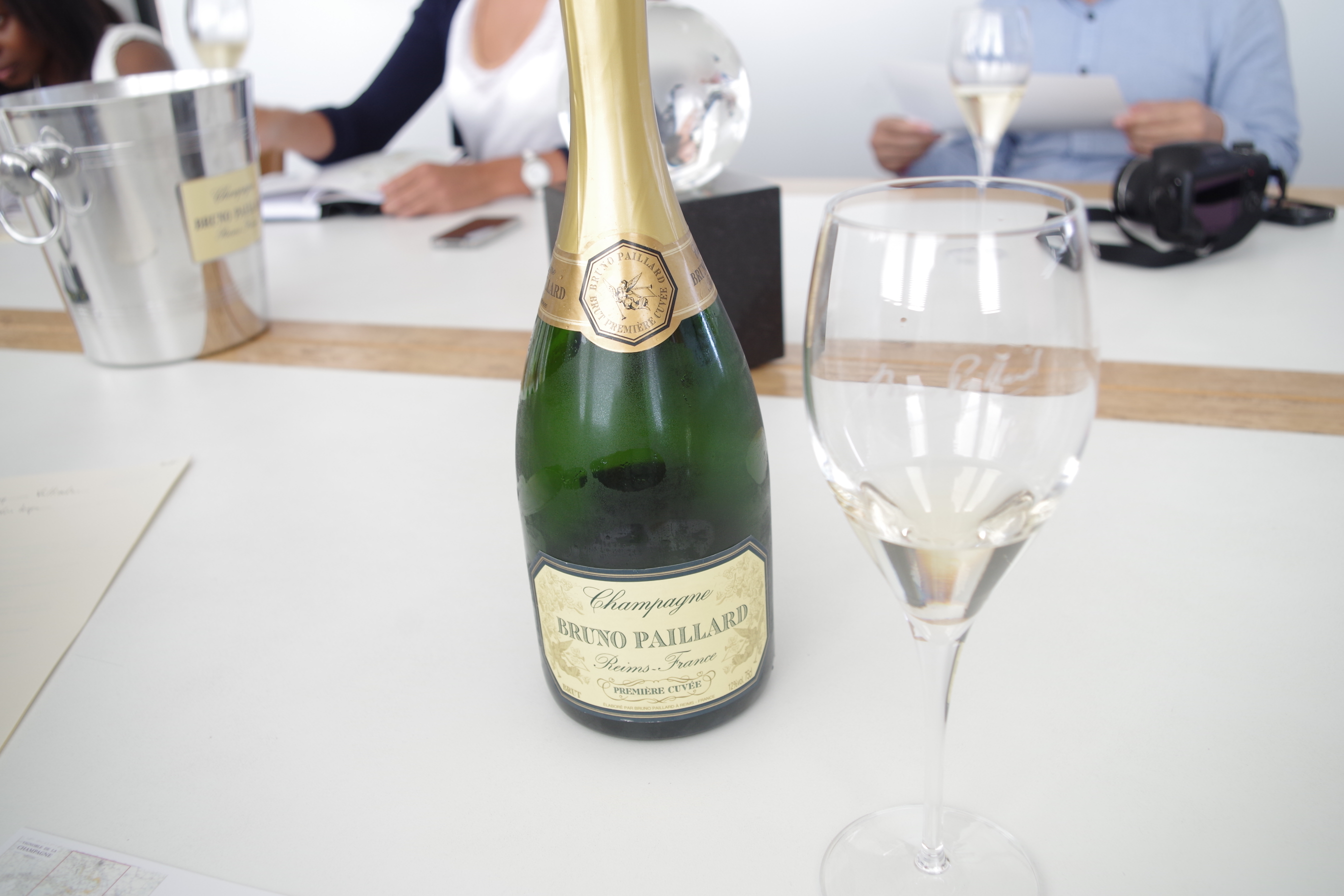
The Brut Première Cuvée was created from the first pressing of 32 separately vinified vintages, composed of 45% Pinot Noir, 33% Chardonnay and 22% Pinot Meunier.
This wine is very lightly dosed, at 6 grams per liter, making it a true Brut that can be drunk as an aperitif or with a meal.
On the palate, citrus notes are replaced by ripe fruit flavors, with good length.
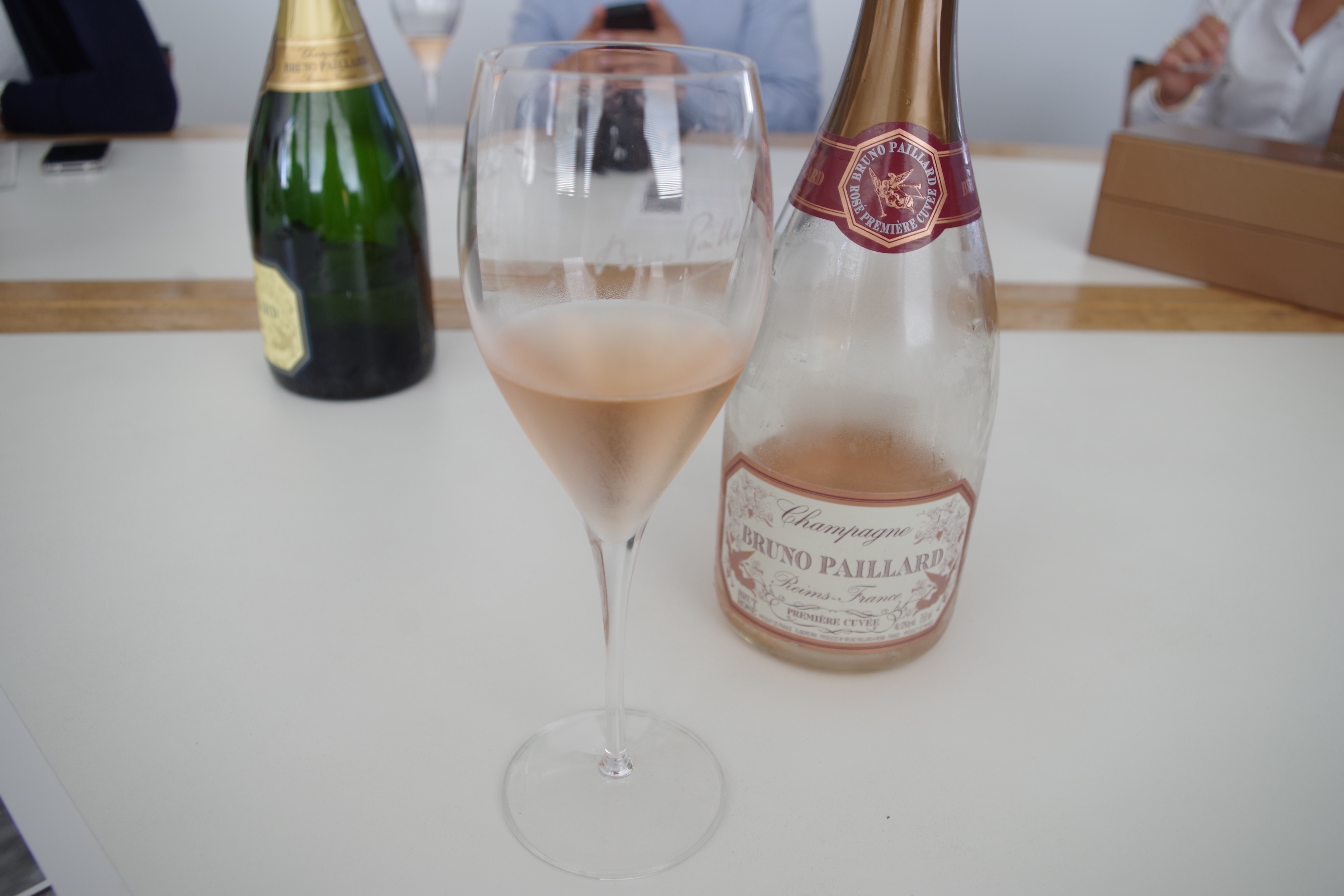
The Première Cuvée rosé is made exclusively from Pinot Noir juice, with a touch of Chardonnays from the northern Côte des Blancs. It is also a very low dosage brut, with only 6 grams per liter.
This wine is the perfect accompaniment to poultry, white meats and cheeses.
On the palate, ripe red fruit dominates, with elegant, clean freshness and a slight dryness at the end.
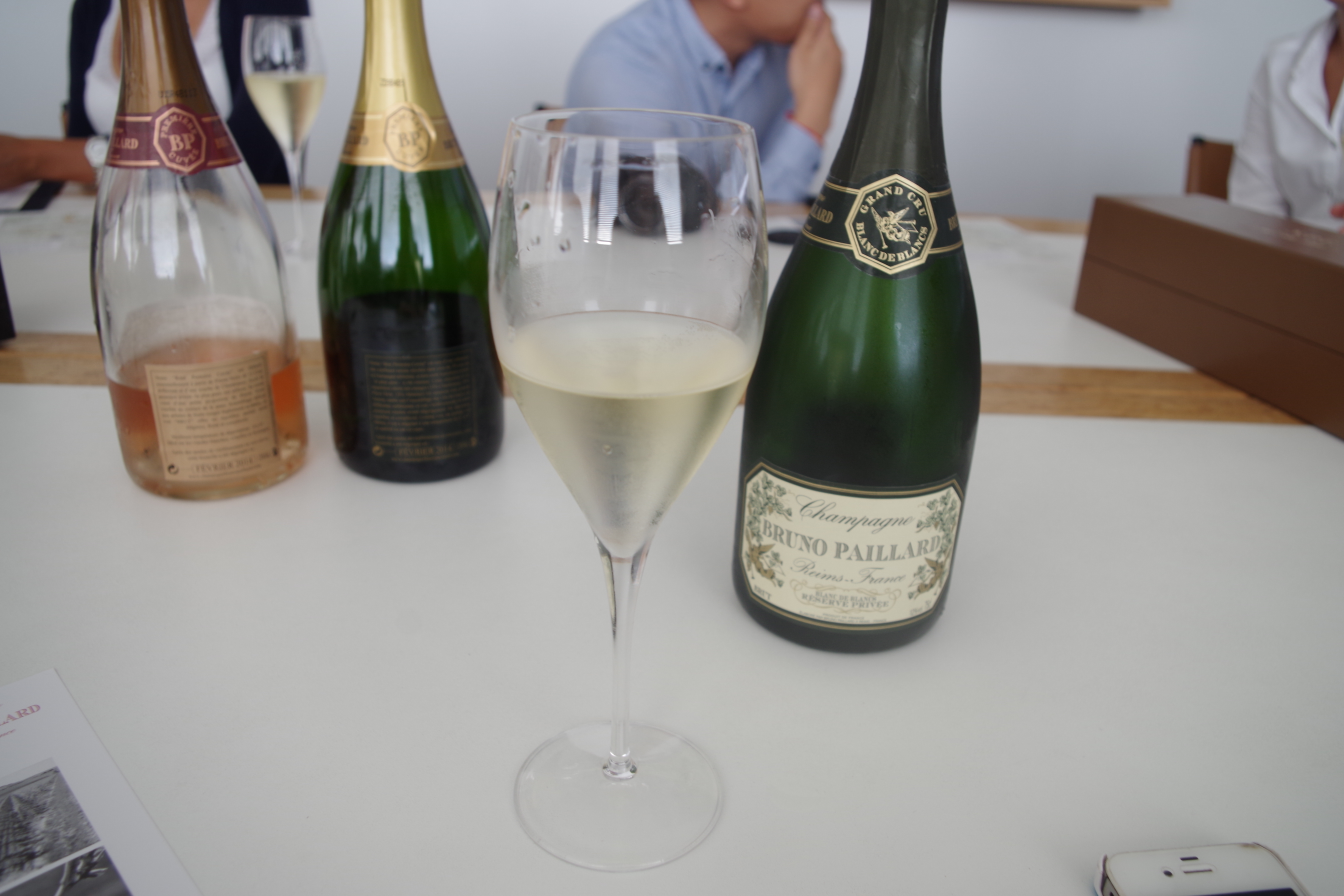
Blanc de Blancs Réserve Privée is made exclusively from Chardonnay grapes from the Grand Crus of the Côte des Blancs.
With a dosage of just 5 grams per liter, it’s ideal for aperitifs, fish dishes or meals that don’t contain sweet dishes.
On the palate, we achieve a perfect balance of citrus, white flower and redcurrant notes between the white and red wines, resulting in a low-sugar blend with controlled acidity.
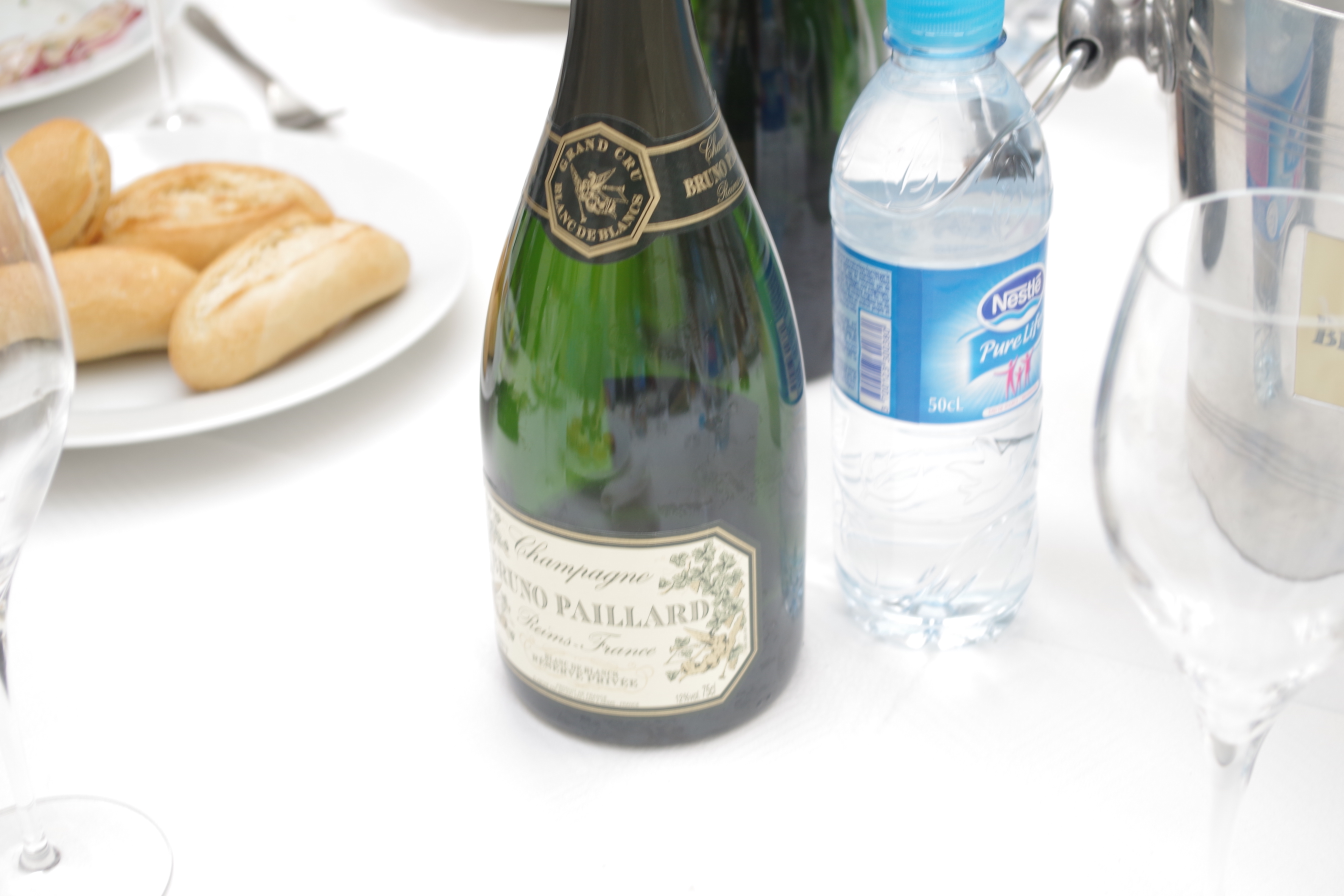
This brut blanc de blancs vintage from 2004, an extra brut (5 grams per liter), was disgorged in 2013 after eight years on the lees in the cellar.
On the palate, citrus and almond notes dominate, with a touch of licorice.
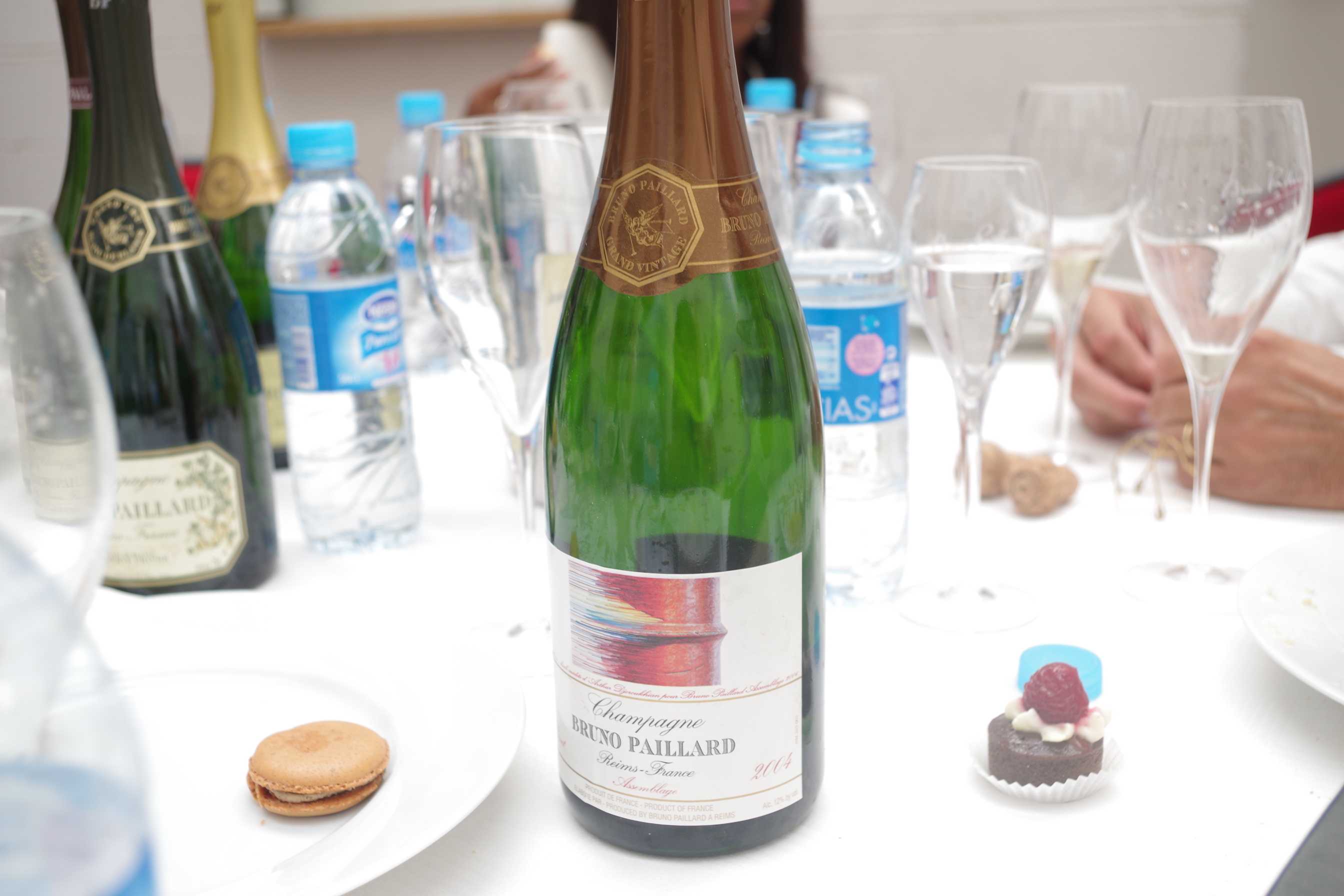
The 2004 Brut Millésime Assemblage is made up of 48% Chardonnay and 52% Pinot Noir, with a dosage of 5 grams per liter. It was disgorged in 2012 after nine years’ rest in the cellar.
Harmonious on the palate, with a subtle blend of spicy and ripe fruit flavours.
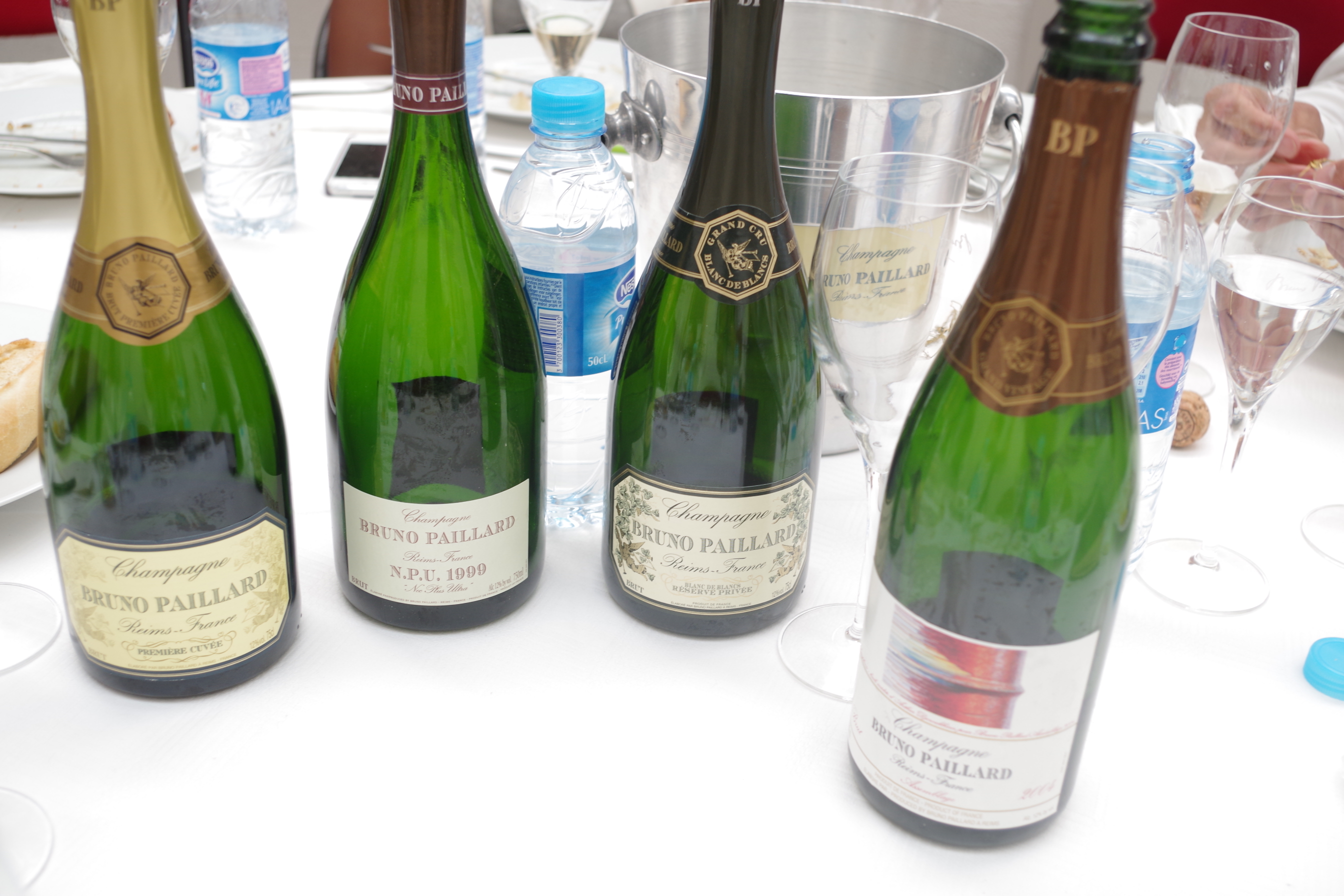
Next comes the Nec Plus Ultra “N.P.U.” cuvée, born of the desire to produce the greatest Champagne wine, with no limits on costs or constraints.
After the release of three vintage editions dating from 1990, 1995 and 1996, Maison Bruno Paillard presents the 1999 vintage N.P.U., whose grapes were selected to create the Cuvée Nec Plus Ultra from four Grands Crus: Verzenay, Oger, Le Mesnil sur Oger and Mailly.
As with all Bruno Paillard Cuvées, vinification was carried out using only the first press of grapes, followed by fermentation in oak barrels for 9 months.
42 barrels were selected, half Chardonnay and half Pinot Noir, which were blended the summer following the harvest in July 2000. The dosage was kept to a minimum, just 4 grams per liter, and therefore virtually insensitive.
The bottle’s convalescence lasted more than 12 years in the cellar, including a long rest after disgorging, and add to that a further two and a half years for further ageing before release.
There are many ways to enjoy this wine: on its own, as an aperitif or with a meal that contains no sweet dishes.
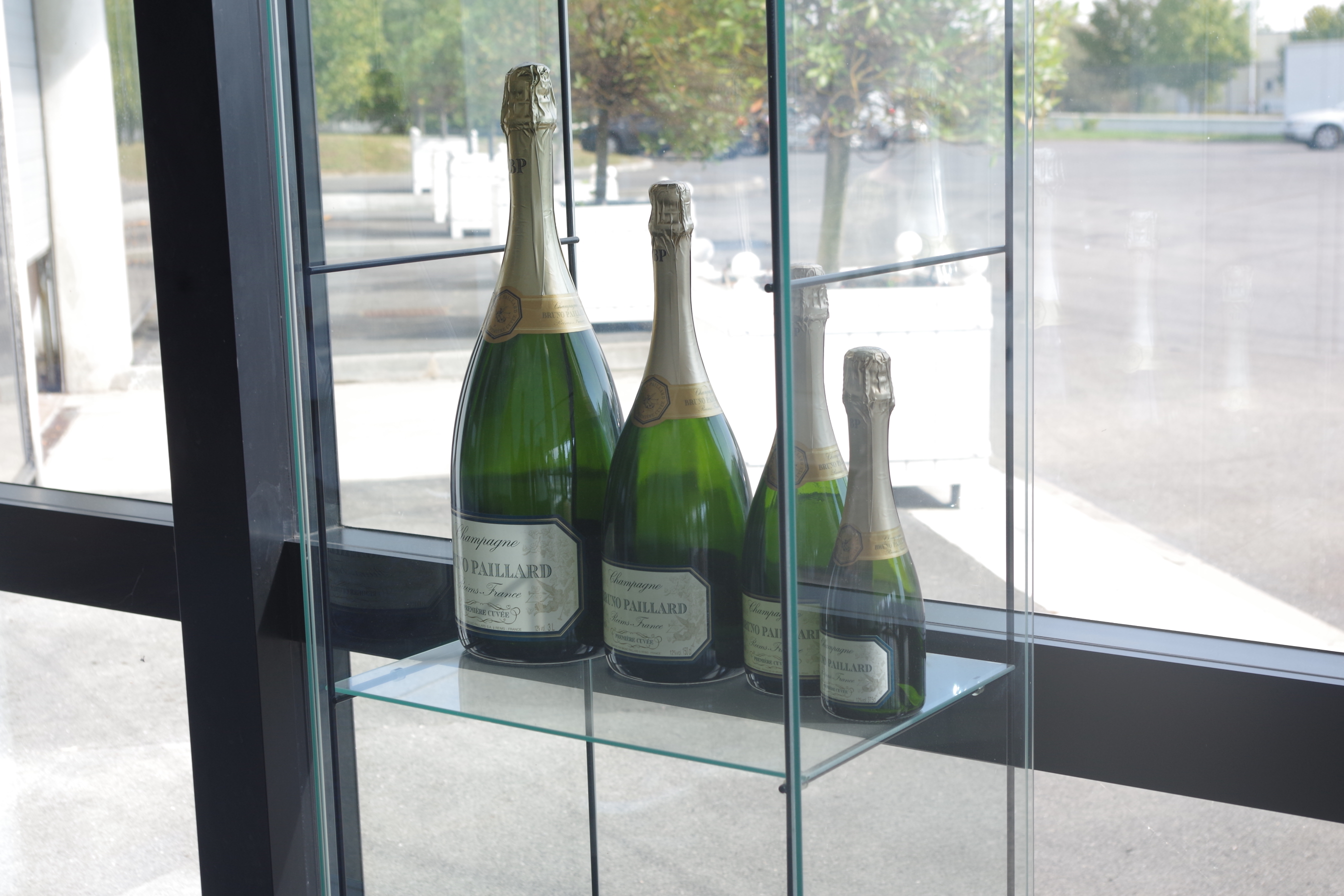
Bruno Paillard, a young but prestigious Champagne house, produces around 500,000 bottles a year, 75% of which are exported, mainly to Europe, America and Asia.
The wine’s mastery of design, its complexity and elegance will delight consumers looking for original flavors or, on the contrary, more conventional styles.
http://www.champagnebrunopaillard.com/
Cette publication est également disponible en :

