
Tate Modern in London hosts the second edition of Open Studio, the travelling format through which Homme Plissé Issey Miyake meets local communities and creative scenes around the world. This time, the Maison has chosen to enter into dialogue with one of the most celebrated gestures in the history of modern art: Henri Matisse’s paper cut-outs.
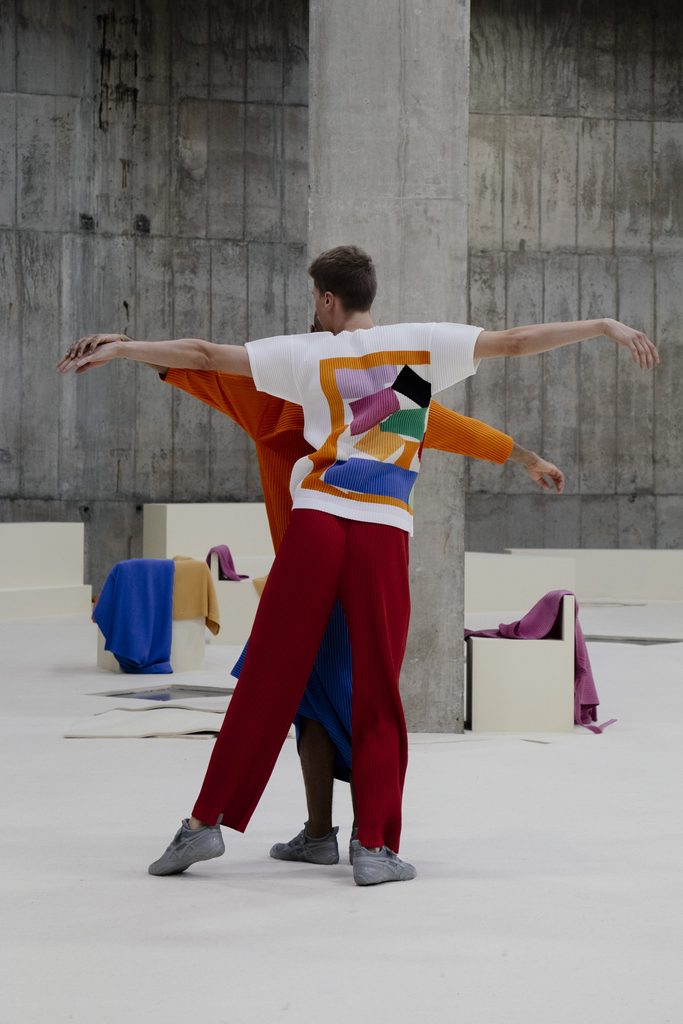
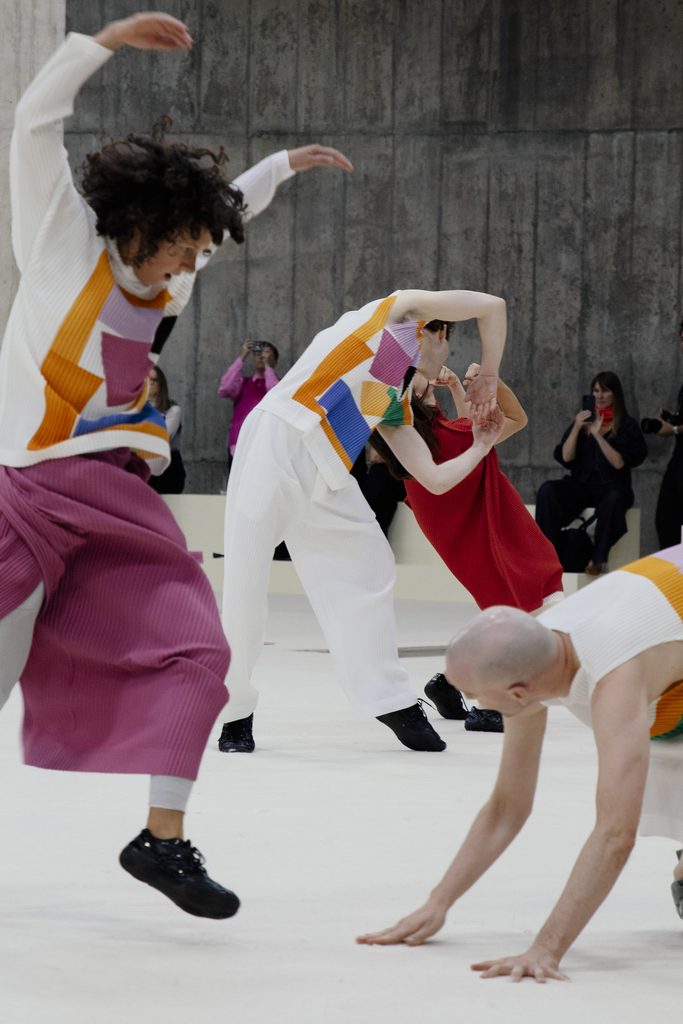
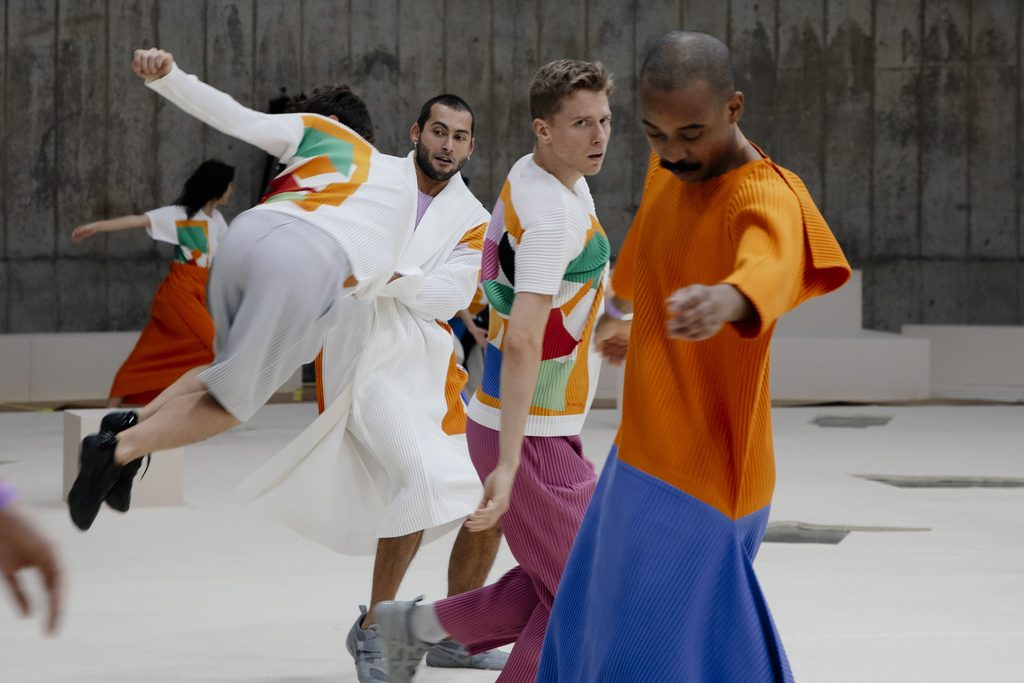
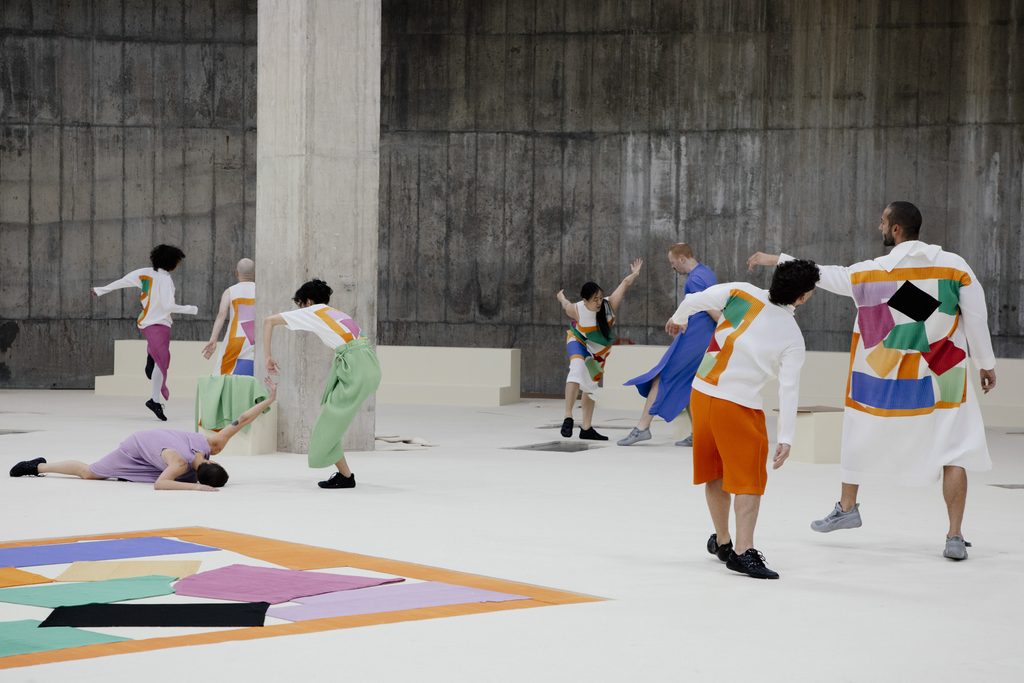
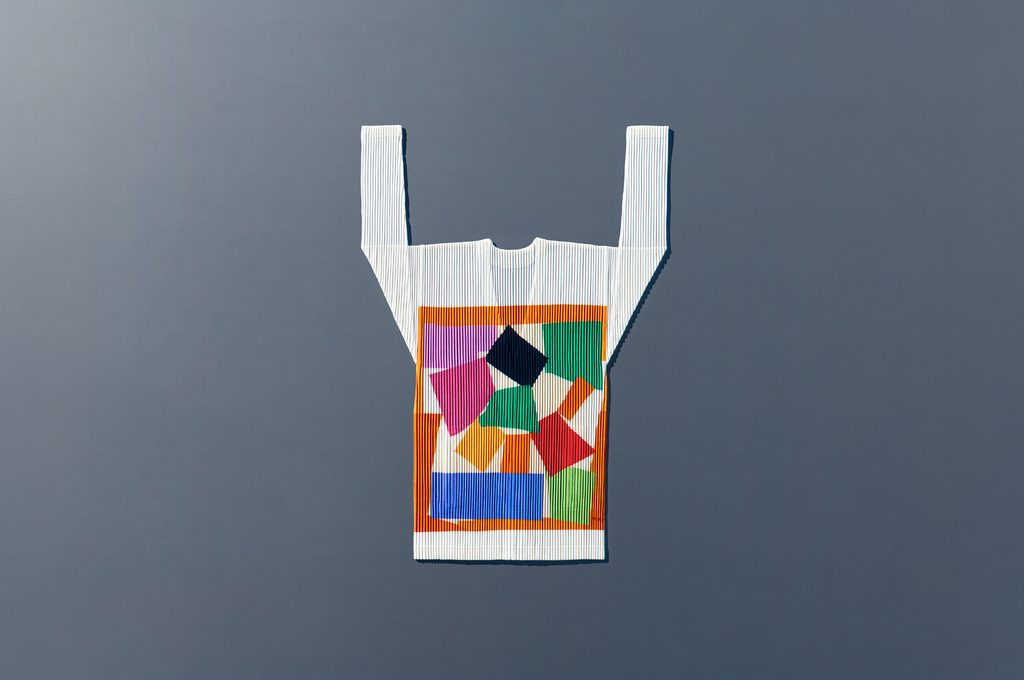
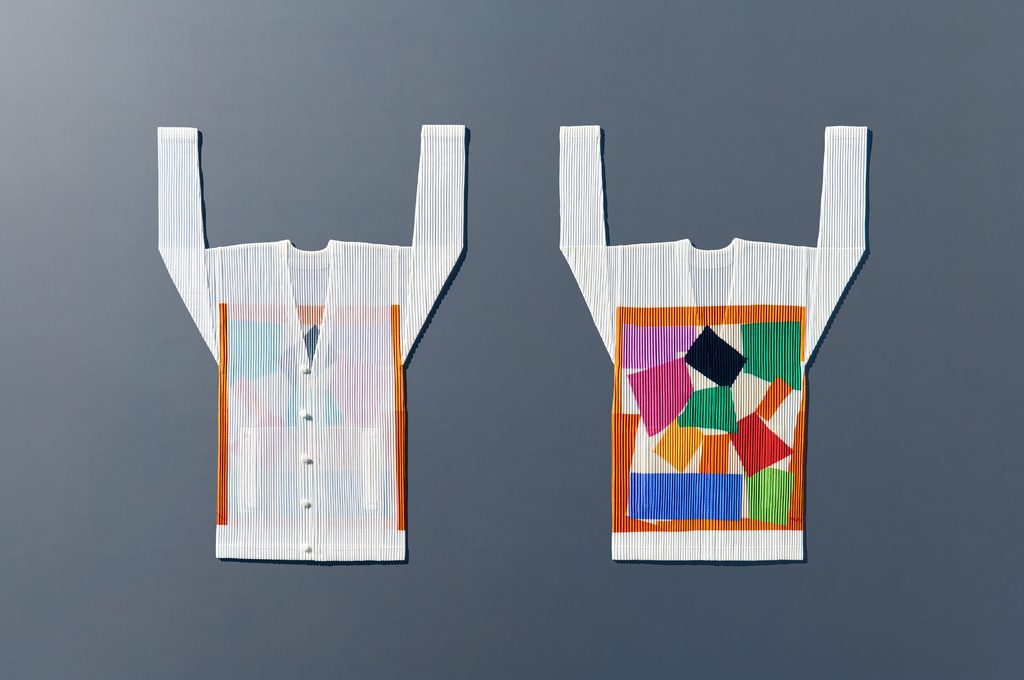
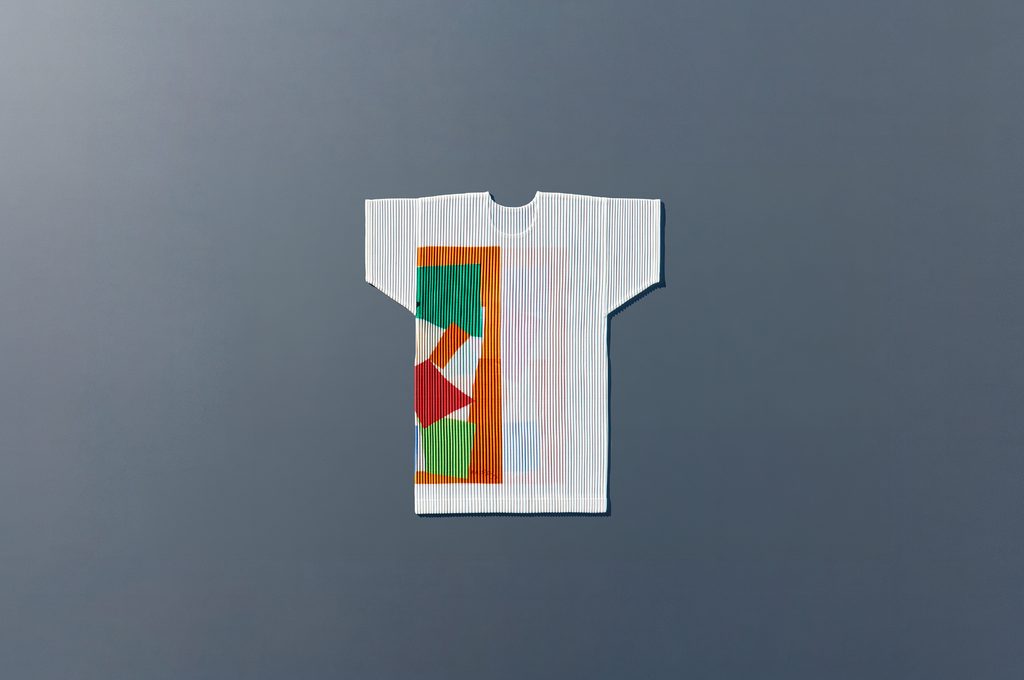
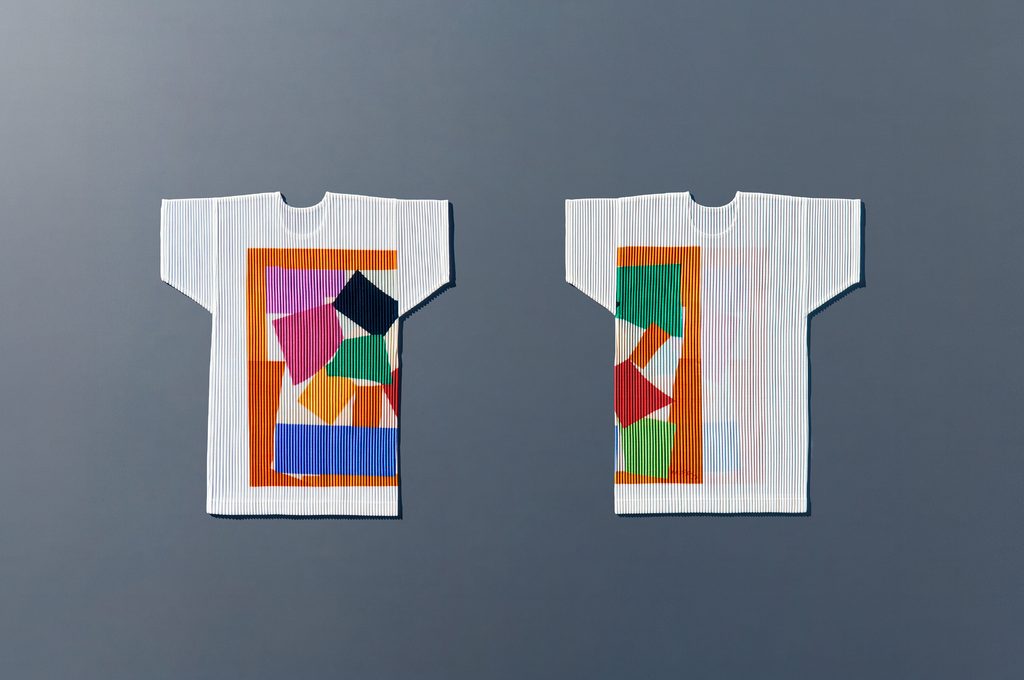
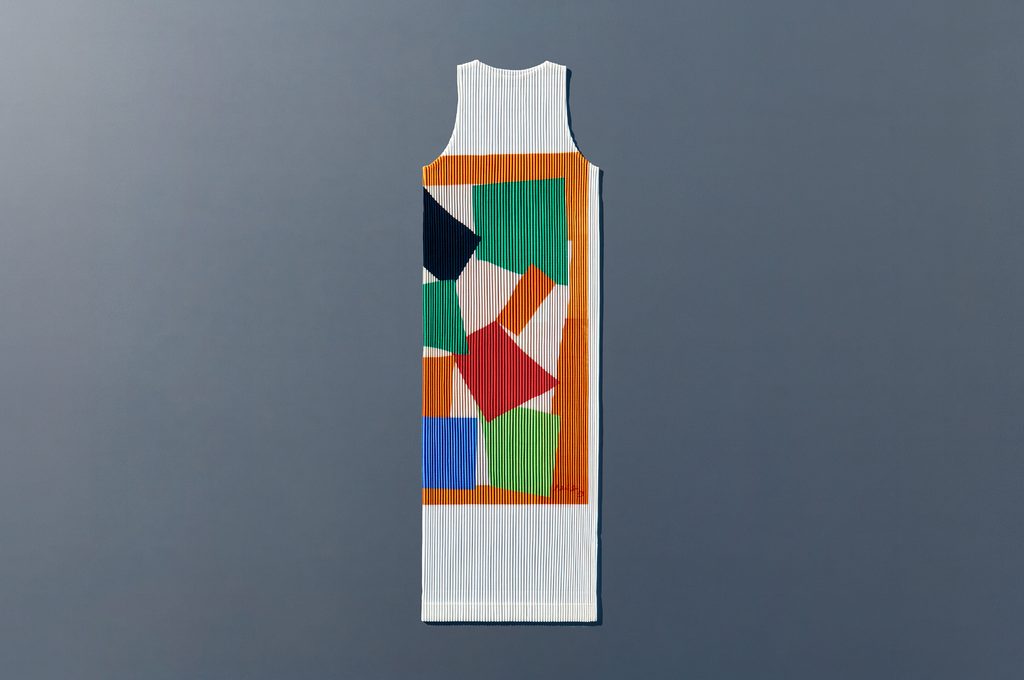
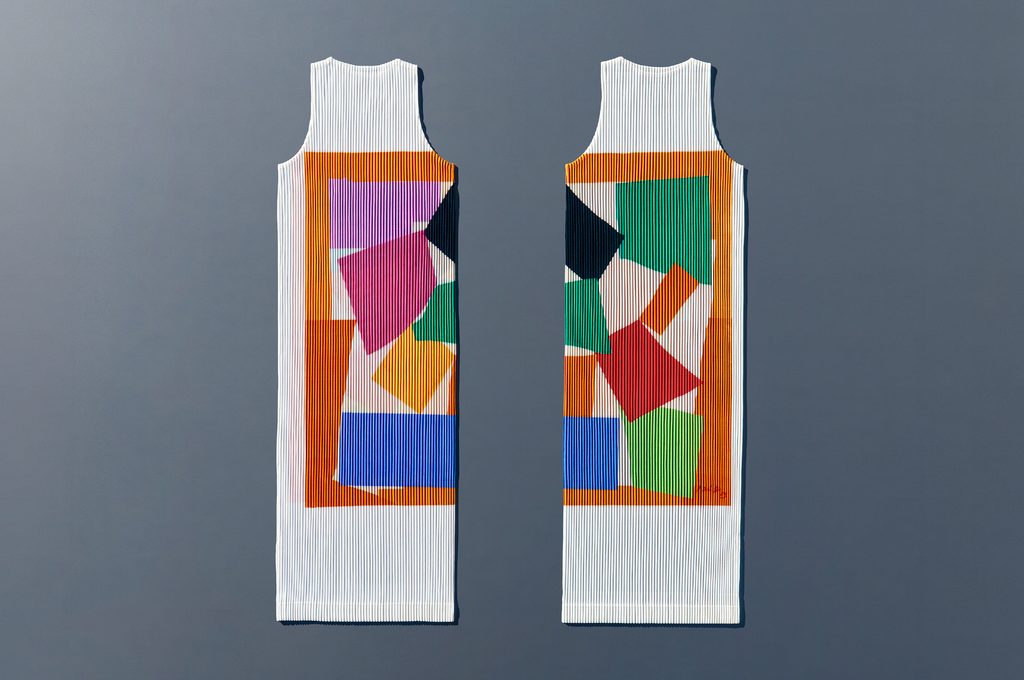
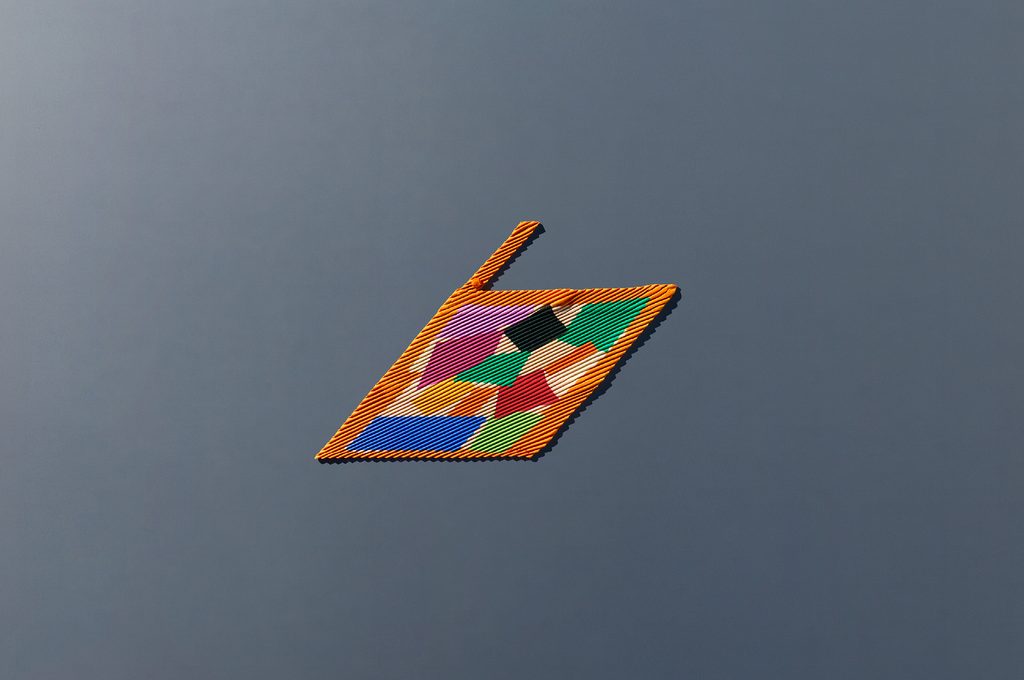
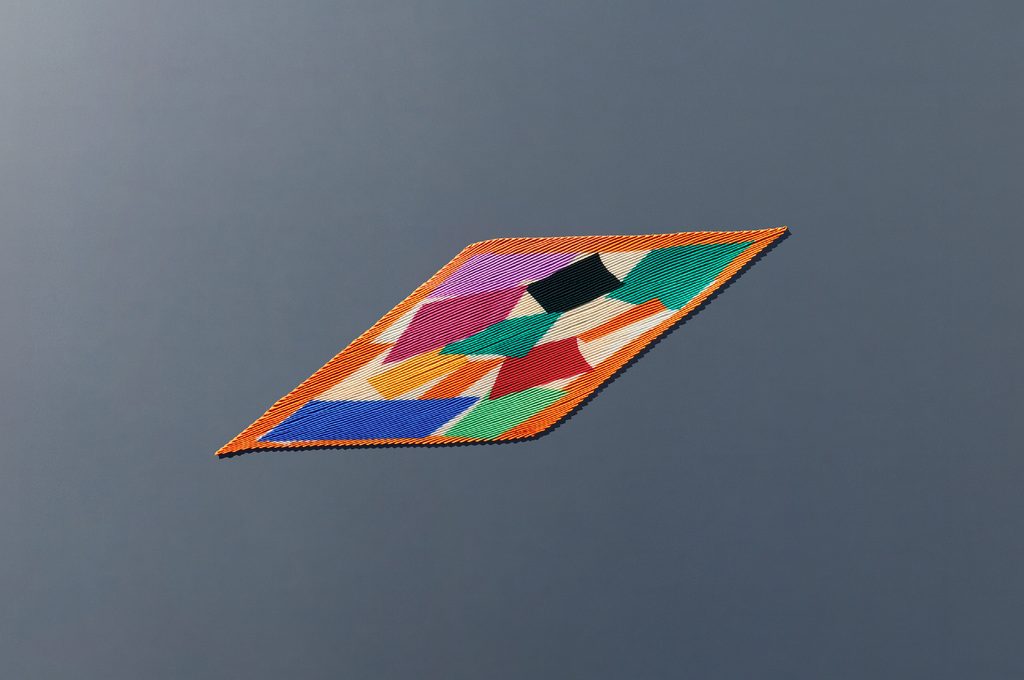
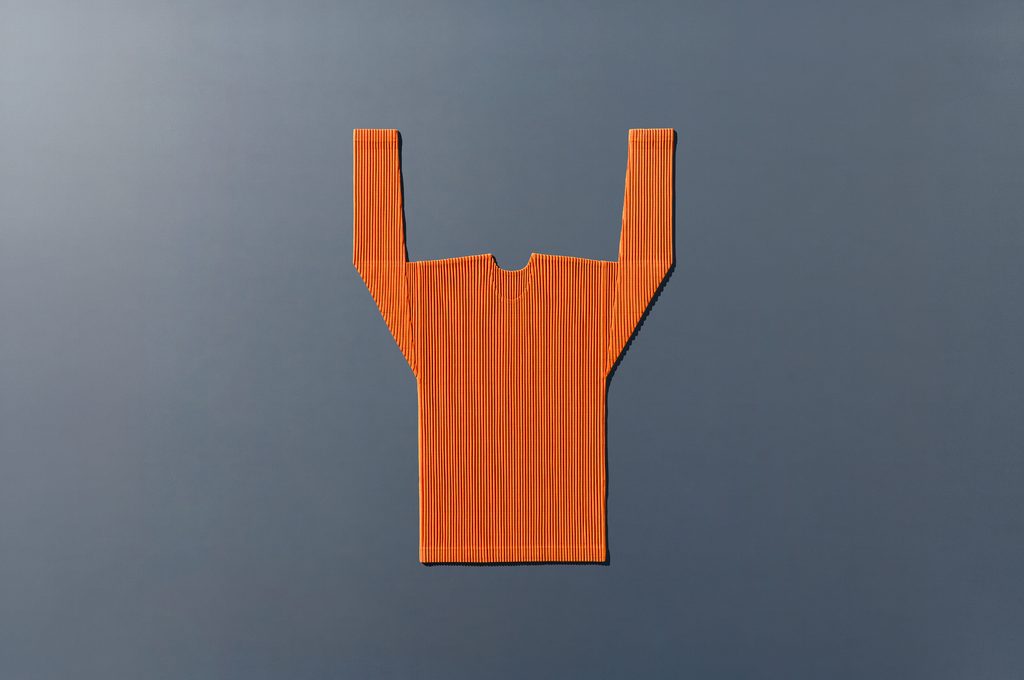
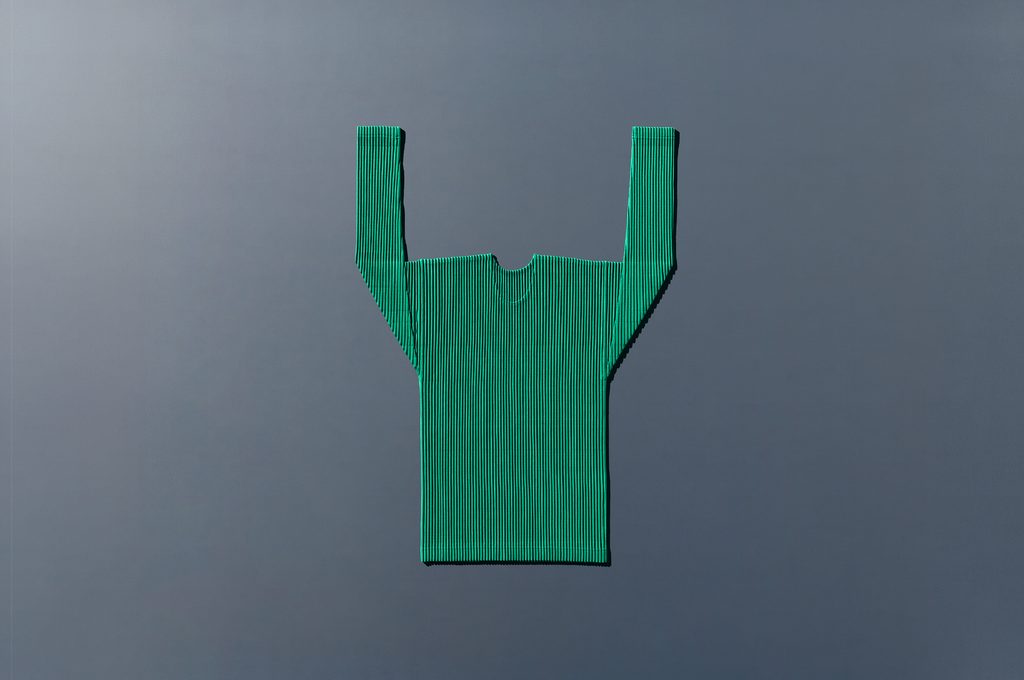
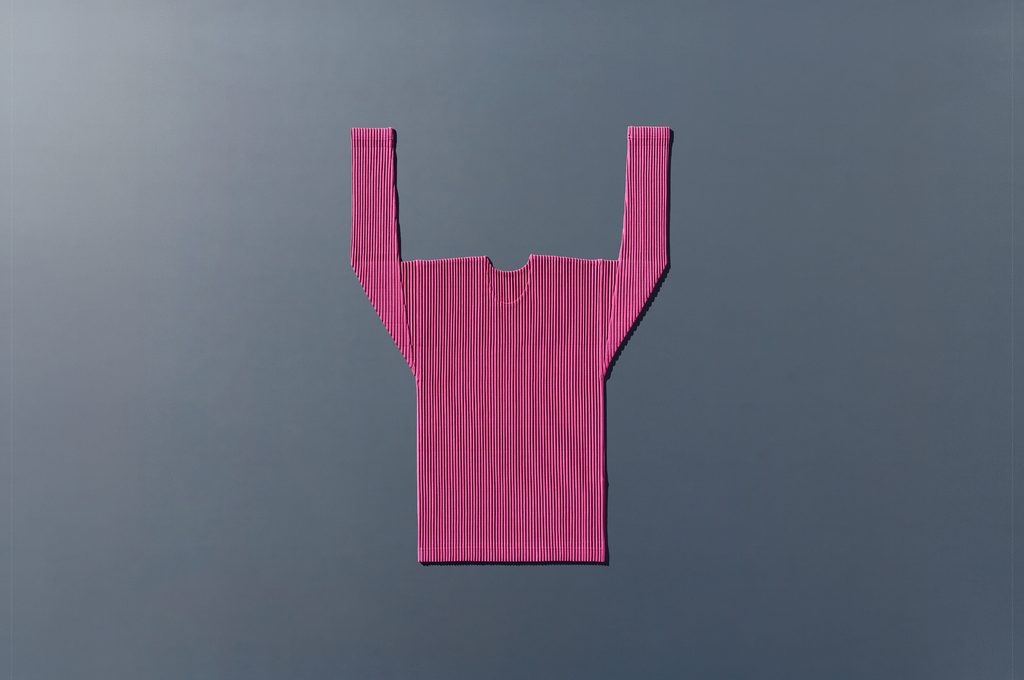
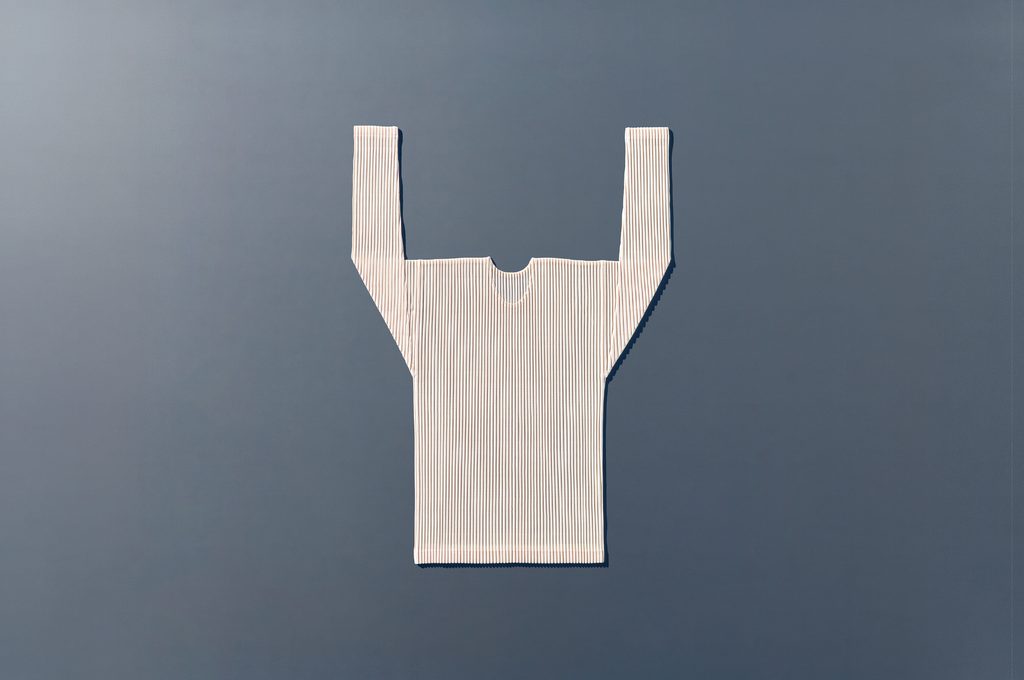
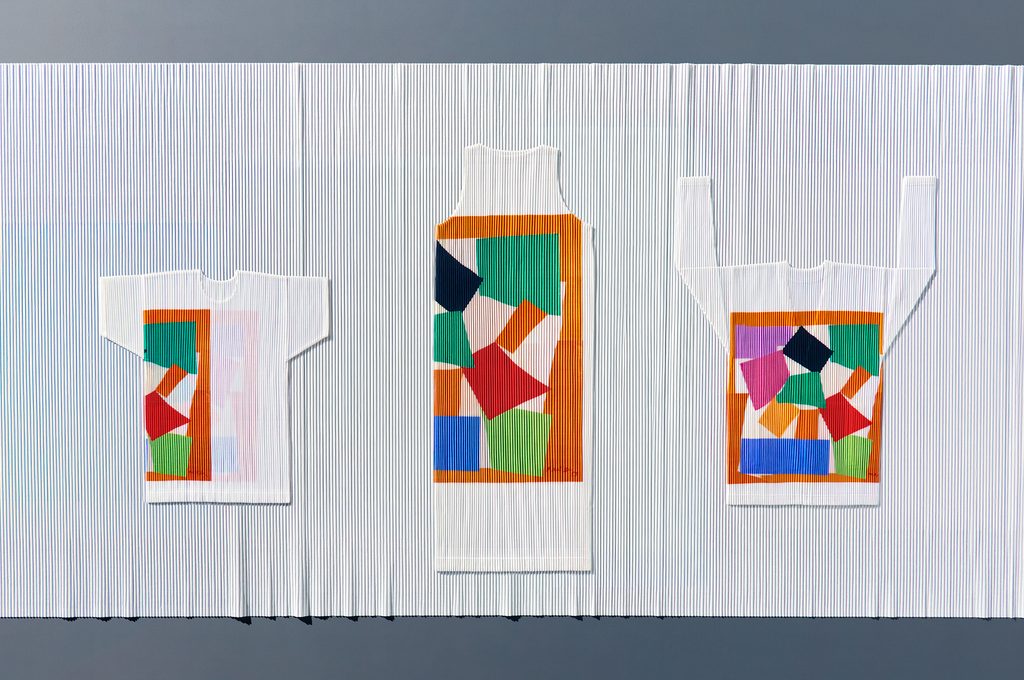
The capsule presented for the occasion, named HOMME PLISSÉ ISSEY MIYAKE for Tate, draws directly on L’Escargot, the work Matisse made in 1953 and now held by the Tate. It was available exclusively from the following day at the Terrace Shop at Tate Modern and on its online shop. The Maison’s design team explains that, during a visit to the museum the year before, it was struck by the vitality and movement held in the artist’s coloured cut-outs — an energy it likened to its own practice of design and making around pleated fabric.
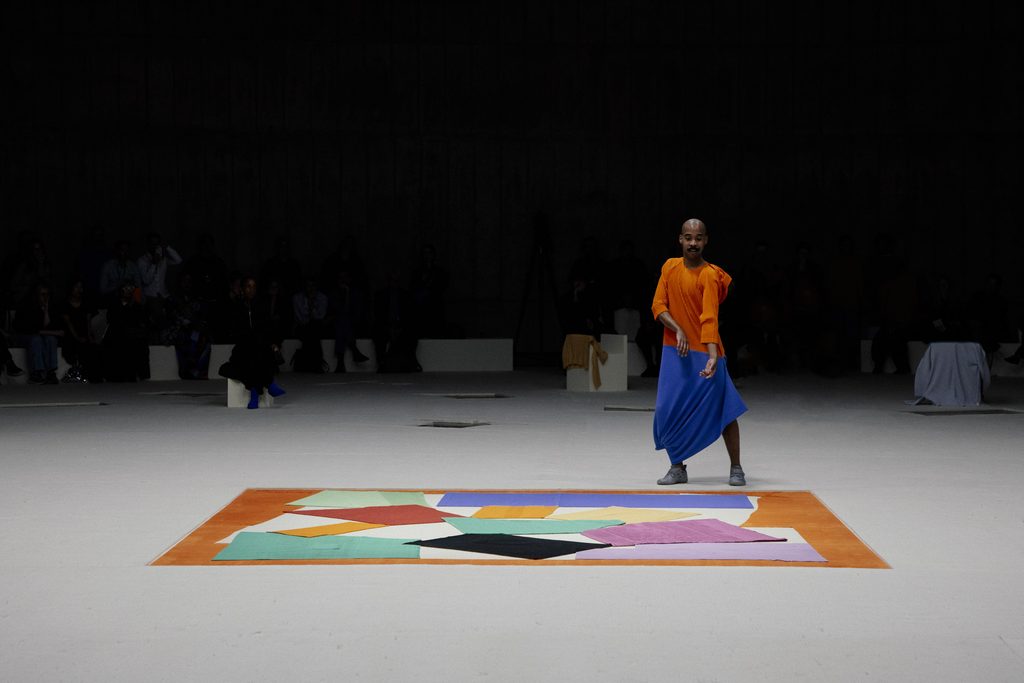
The story of L’Escargot is worth recalling to grasp the resonance of this choice. After 1948, weakened by illness and confined to his bed, Matisse could no longer paint. He began to cut or tear shapes from brightly coloured painted paper, which an assistant then pasted onto a white sheet following his precise instructions. The artist described this technique as a form of liberation: “Instead of drawing an outline and filling it with colour, I draw directly in colour.” The idea for this particular composition is said to have come to him while drawing a snail, whose movement he then sought to translate into a pared-down form.
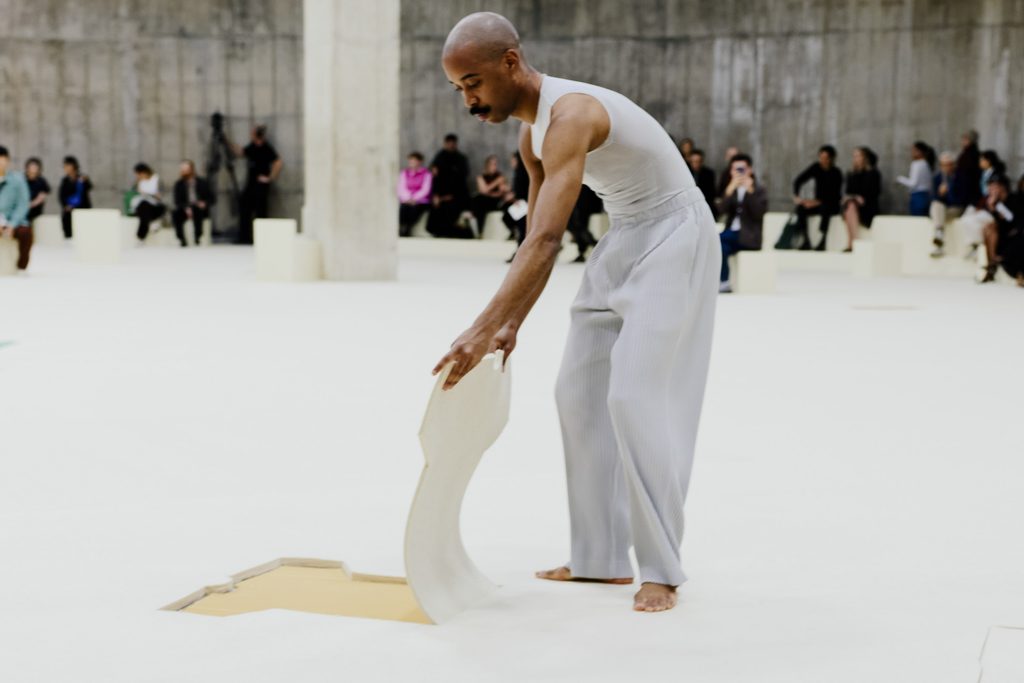
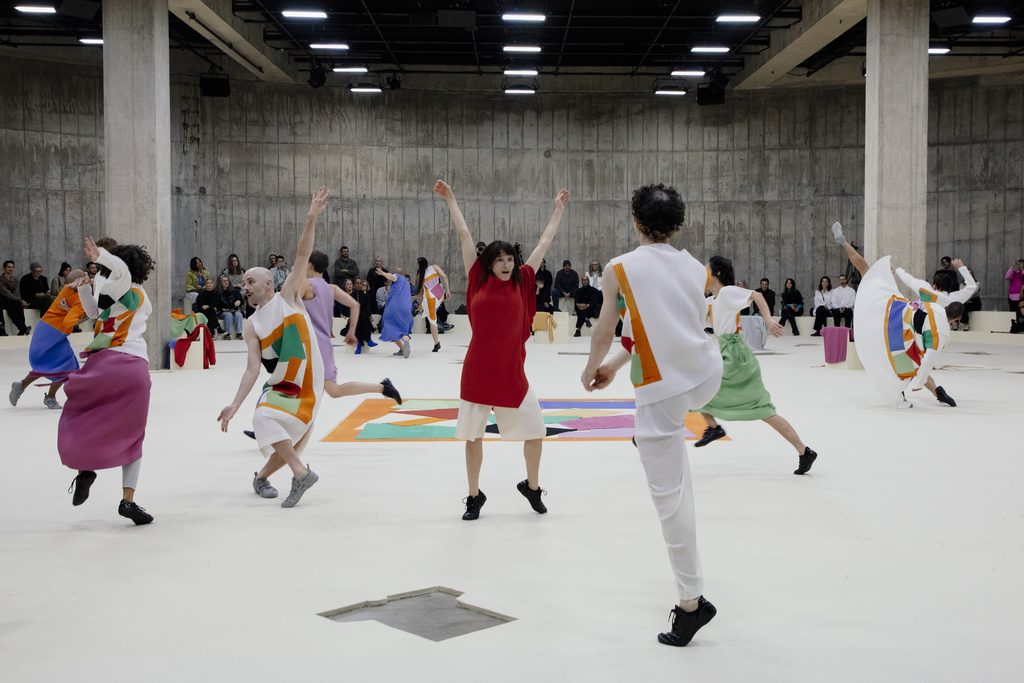
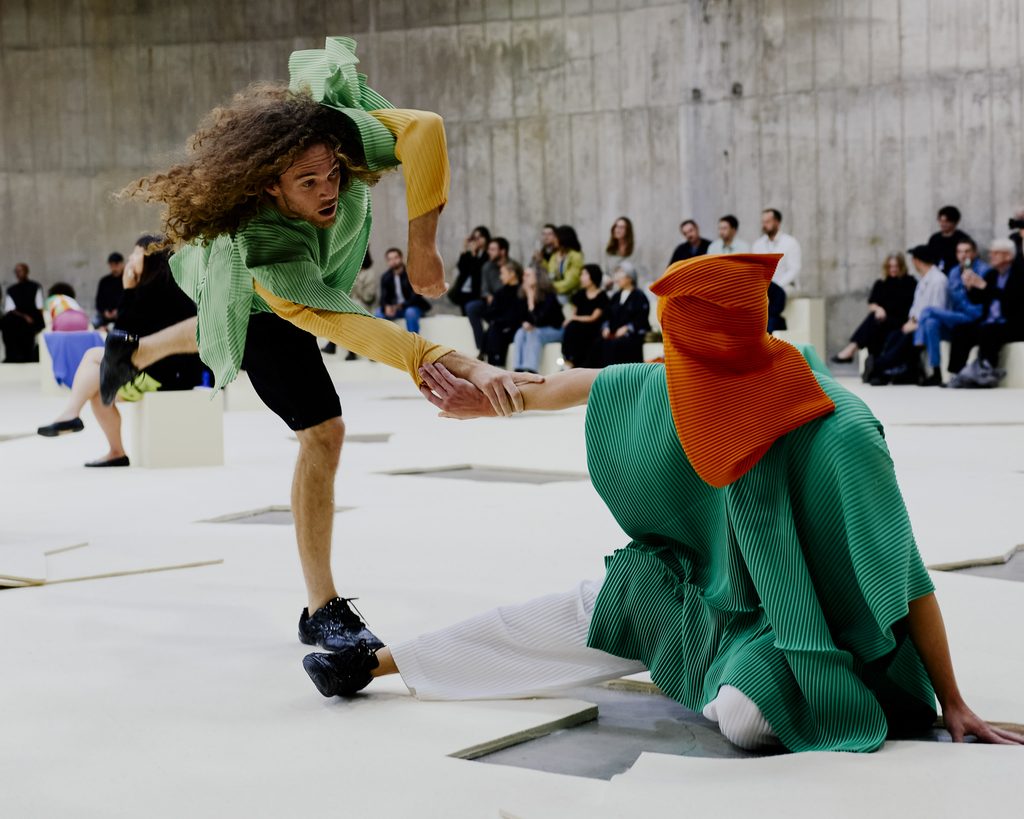
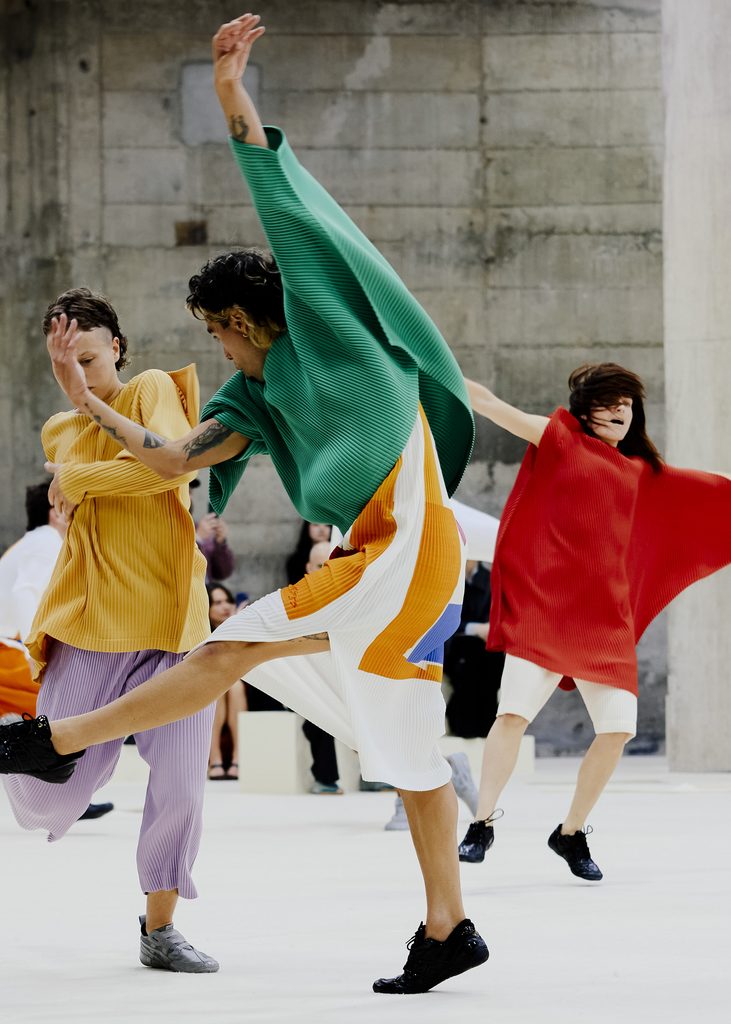
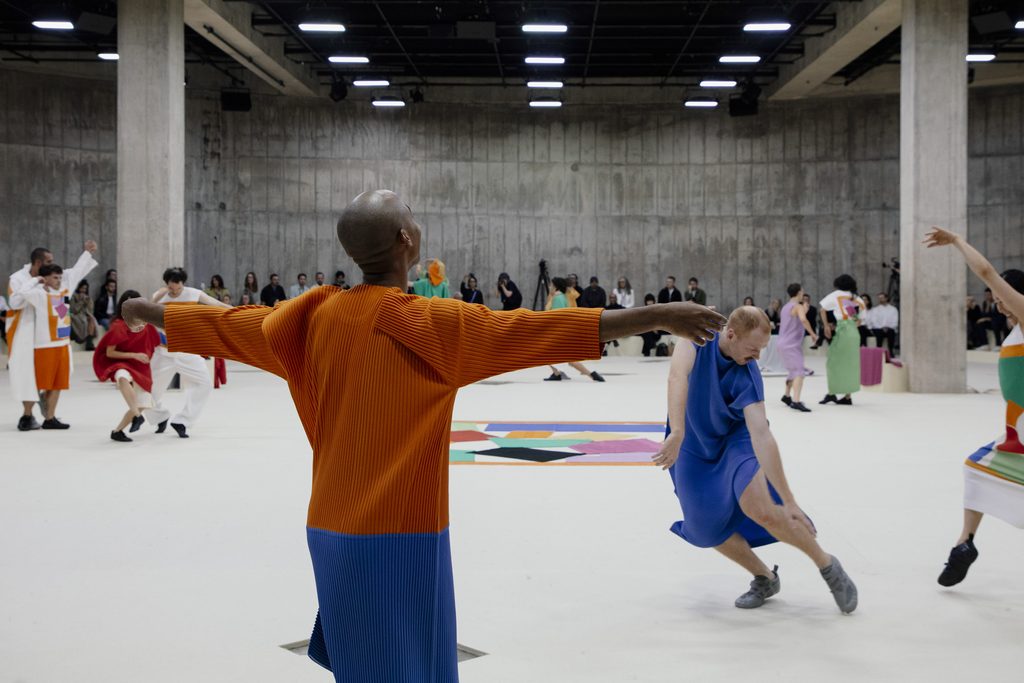
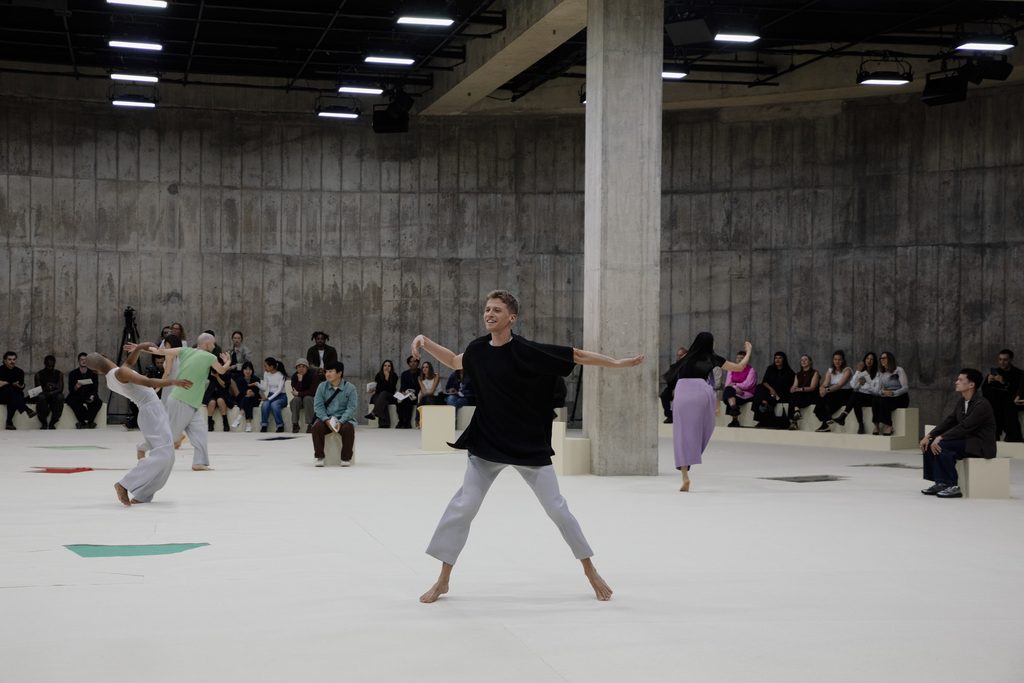
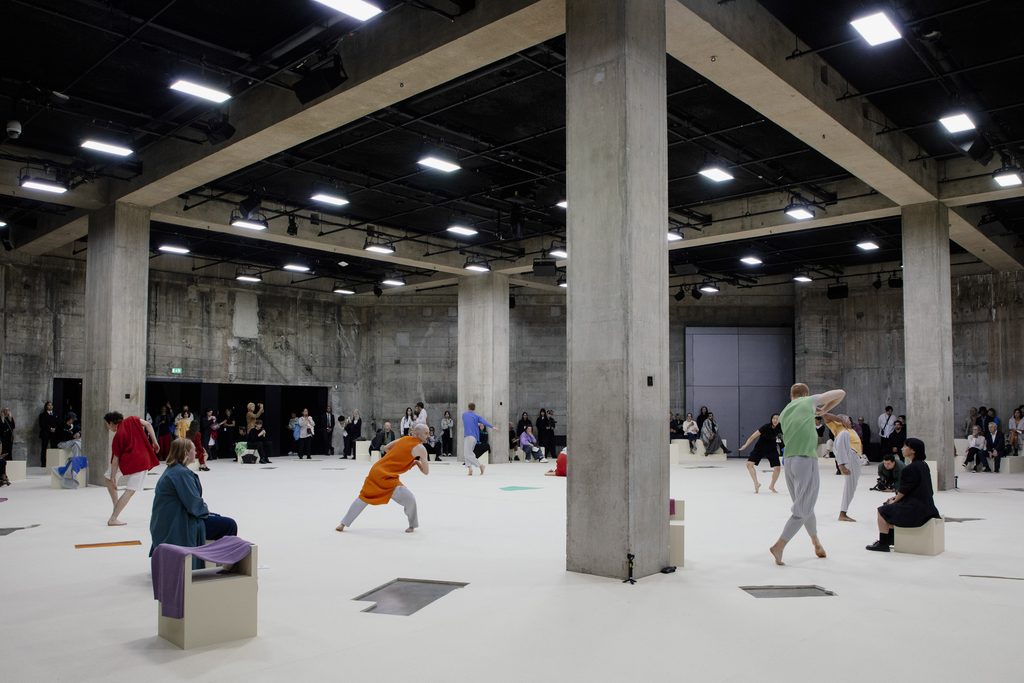
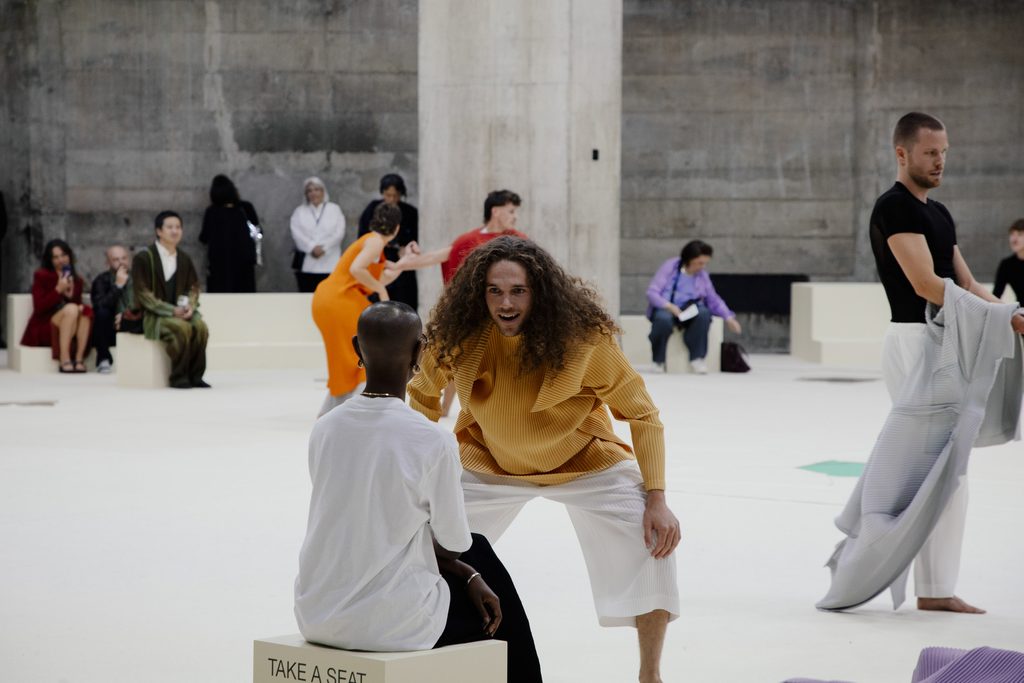
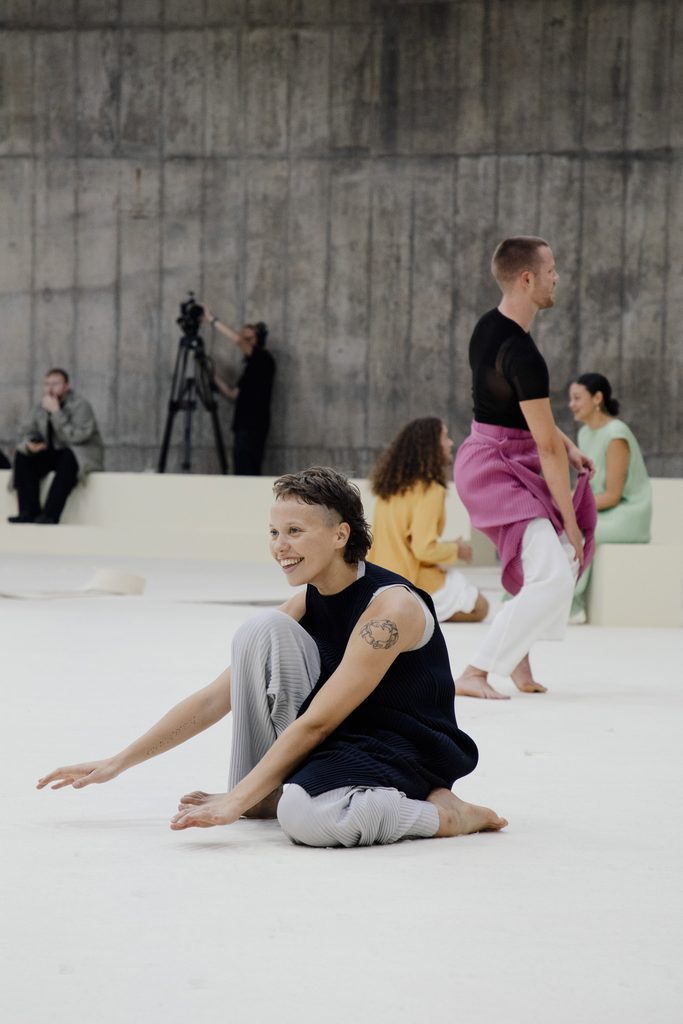
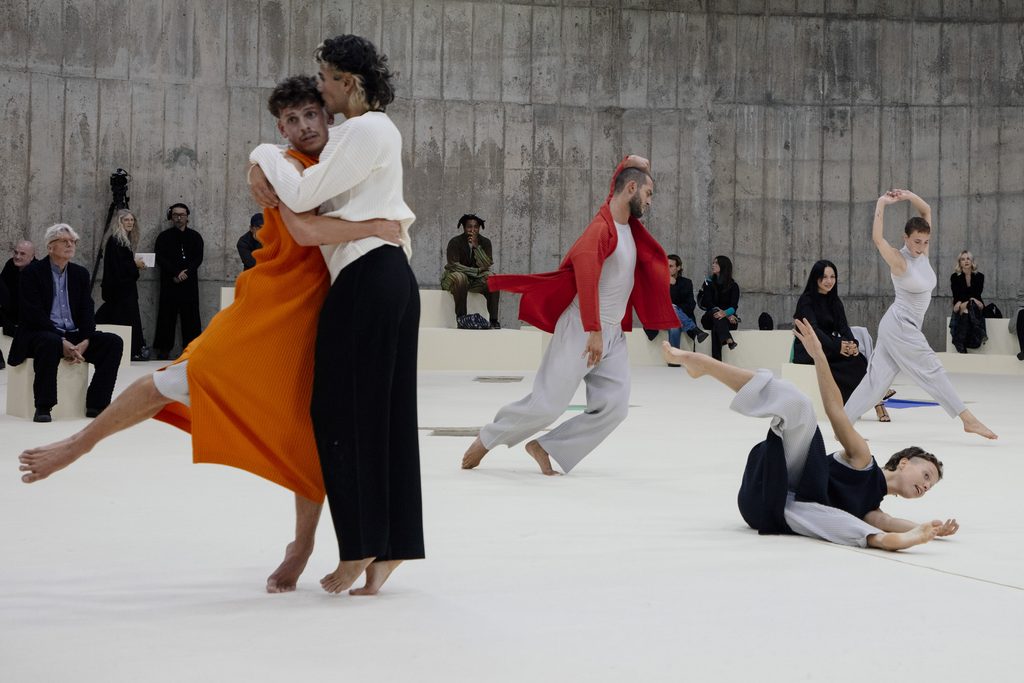
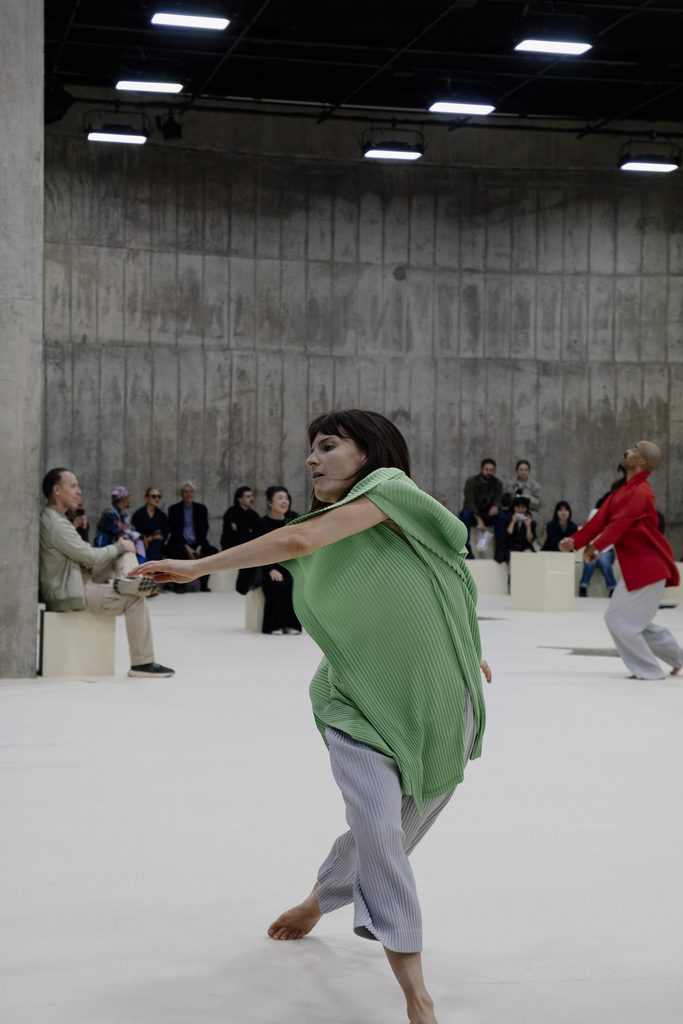
For the London presentation, HOMME PLISSÉ ISSEY MIYAKE chose a singular setting: the Tanks, at the base of Tate Modern’s Blavatnik Building, a vast cylindrical chamber now devoted to the performing arts, once used to store oil when the site still housed Bankside Power Station. The Maison invited a contemporary dance ensemble there for an interactive performance conceived on site, inspired by the creative process behind L’Escargot and unfolding throughout the evening — a way of extending, through the movement of bodies, the dialogue between the gesture of the pleat and that of the cut paper.
This collaboration continues the Open Studio concept, through which the Maison has for several years sought to step outside its usual channels of distribution to meet new audiences and contexts. By choosing Tate Modern and Matisse’s work for its second edition, Homme Plissé Issey Miyake asserts an aesthetic continuity rather than a mere communications exercise: one that links the fluidity of pleated fabric to the freedom of the artistic gesture, across decades and disciplines.
Cette publication est également disponible en :


