
At Lanqi, the signature treatment draws on Tuina, a manual therapy rooted in traditional Chinese medicine whose earliest written records date back more than two thousand years. It is one of the four historical pillars of this medical tradition, alongside acupuncture, herbal medicine, and qigong—a foundation that few spa treatments can claim to have maintained with such consistency over time.
The method involves applying pressure, kneading, and targeted manipulation of tension points, from the skull down to the soles of the feet. This is not just a general relaxation technique: each movement targets a specific area, believed to correspond to an energy pathway in the body. The underlying principle is that of Qi, the internal energy upon which Chinese medicine believes physiological balance depends. According to this logic, releasing accumulated tension amounts to restoring the flow of this energy rather than simply loosening a muscle—a therapeutic goal that goes far beyond a one-time treatment.
What this protocol reveals is the depth of knowledge rarely associated with a contemporary wellness center. Tuina is taught in Chinese medicine programs on the same level as acupuncture; it requires a precise understanding of the body’s anatomy, acquired over several years. A practitioner who has mastered it carries, in their fingertips, a discipline dating back millennia—and it is precisely this rigor that the client experiences on the massage table.
The luxury wellness sector has everything to gain by highlighting this depth: the more customers learn about the true origins of the treatments they’re paying for, the more the precision of the technique—and the richness of its history—become a distinguishing feature in their own right.
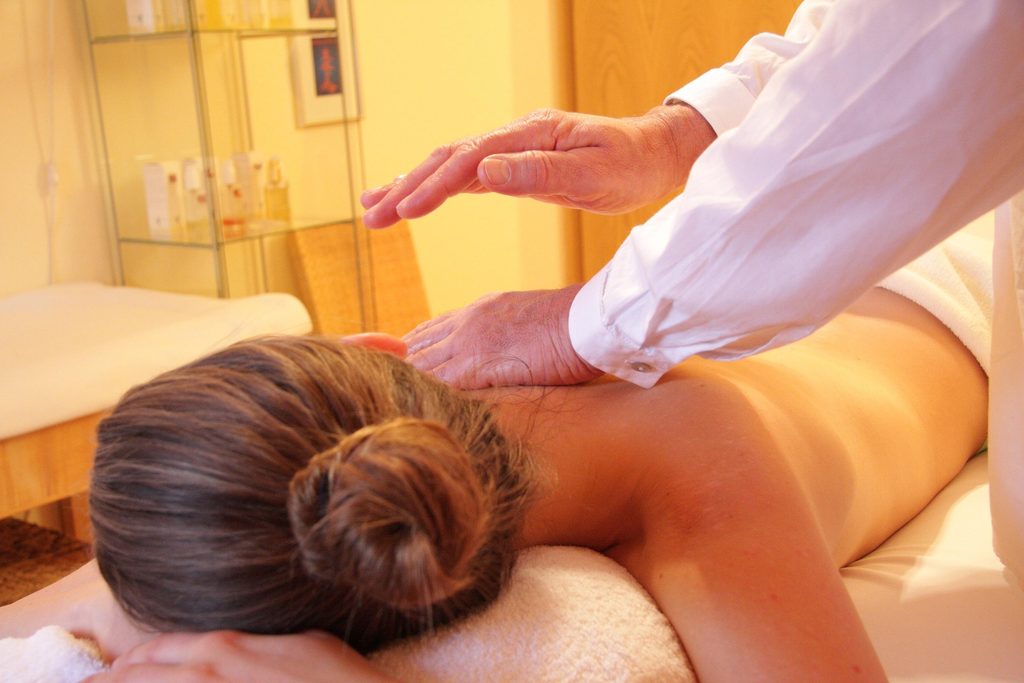
Tuina, along with acupuncture, Chinese herbal medicine, and qigong, is one of the four recognized historical pillars of traditional Chinese medicine. Its foundational texts predate its current practice in clinics by more than two thousand years.
Cette publication est également disponible en :

