
Incorporating a pair of 501 jeans into the Paris Haute Couture calendar isn’t just a successful publicity stunt; it’s a real-world test of what distinguishes, in 2026, a popular garment from a couture piece. Christelle Kocher, creative director of Lemarié—one of Chanel’s Métiers d’Art houses—took the plunge with a Levi’s capsule collection presented in July in Paris, and the result raises more questions than it frankly answers.
The choice of Christelle Kocher for this project is by no means arbitrary. Since 2010, she has headed the Lemarié ateliers, where exceptional craftsmanship involving feathers, flowers, and embroidery is carried on, serving the world’s leading fashion houses. Her personal brand, Koché, founded in 2016, is built on a philosophy she herself calls “ready-to-wear couture”—a way of bridging the gap between the high standards of the atelier and a more urban, everyday culture. Denim, the most accessible fabric in Western fashion, was therefore a natural canvas on which to test this philosophy to its limits.
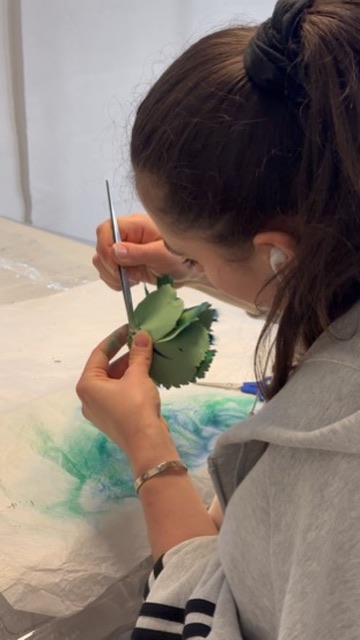
This transfer of expertise is, in fact, at the heart of the project: the techniques used for the capsule collection are the very same ones that Christelle Kocher employs every day to create the haute couture collections of the world’s leading fashion houses through Lemarié. Applying this level of artisanal precision to raw denim—a material originally designed for its durability and low production cost—amounts to a direct challenge to the implicit hierarchy that, in the collective imagination, separates workwear from luxury clothing.
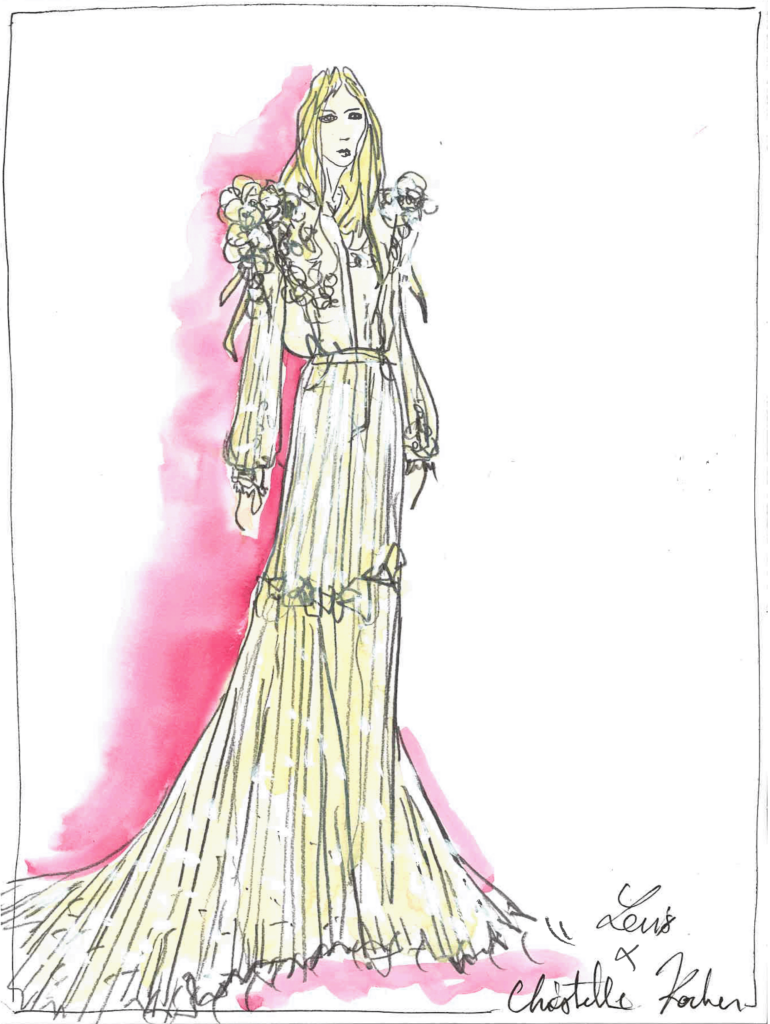
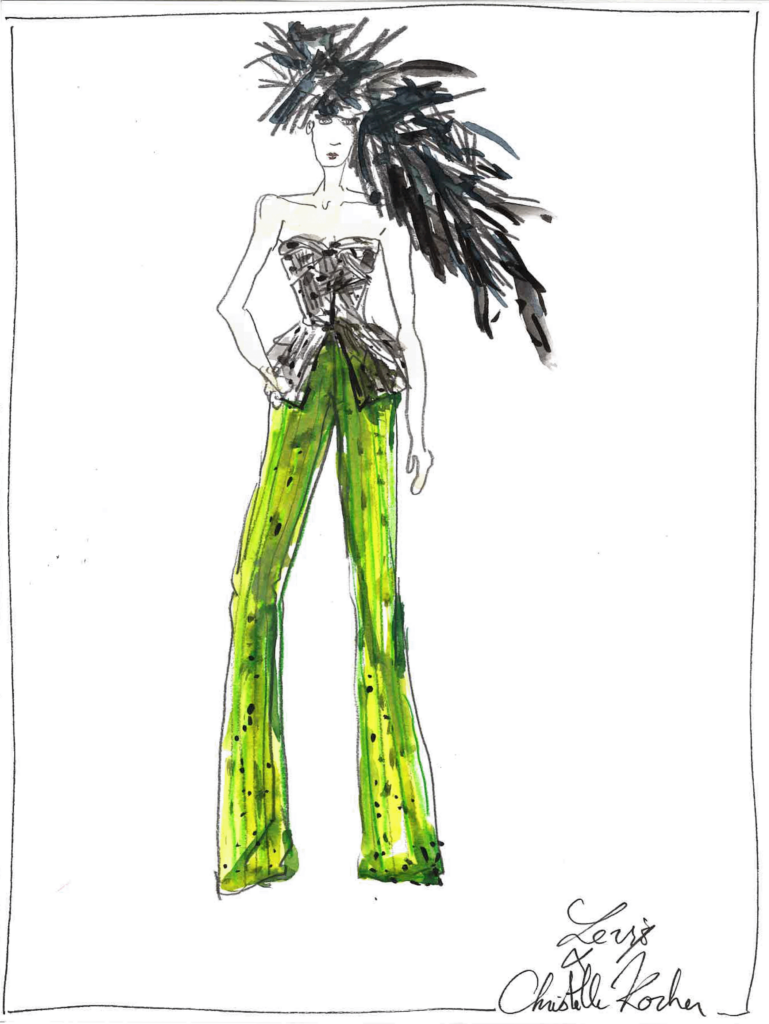
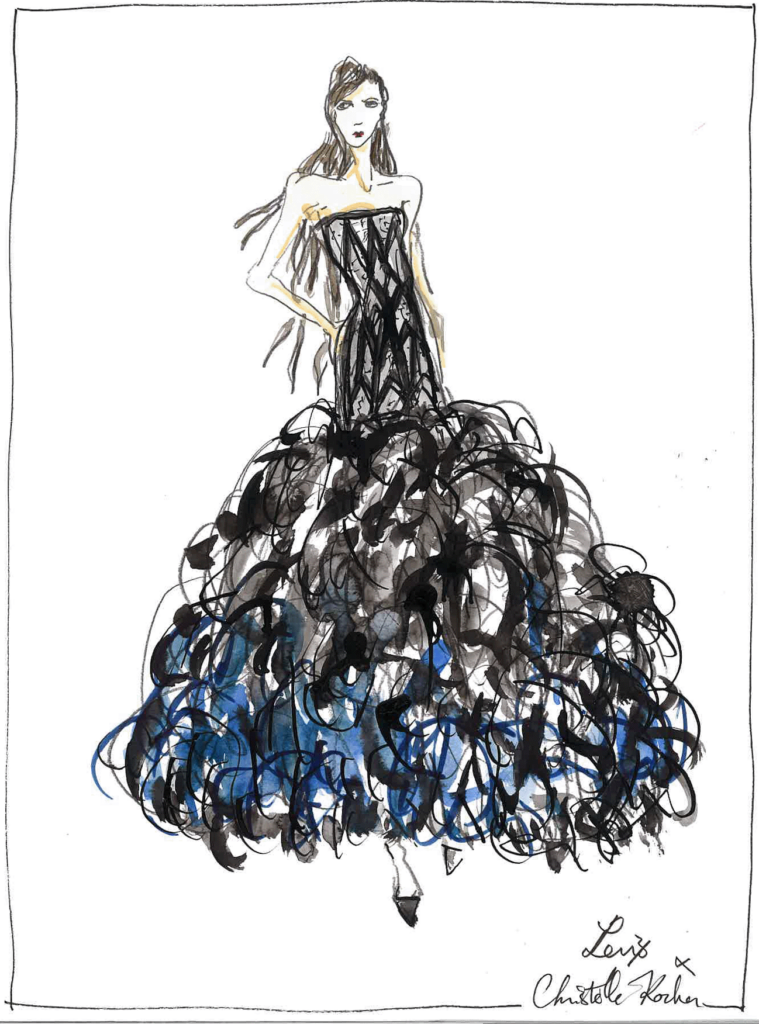
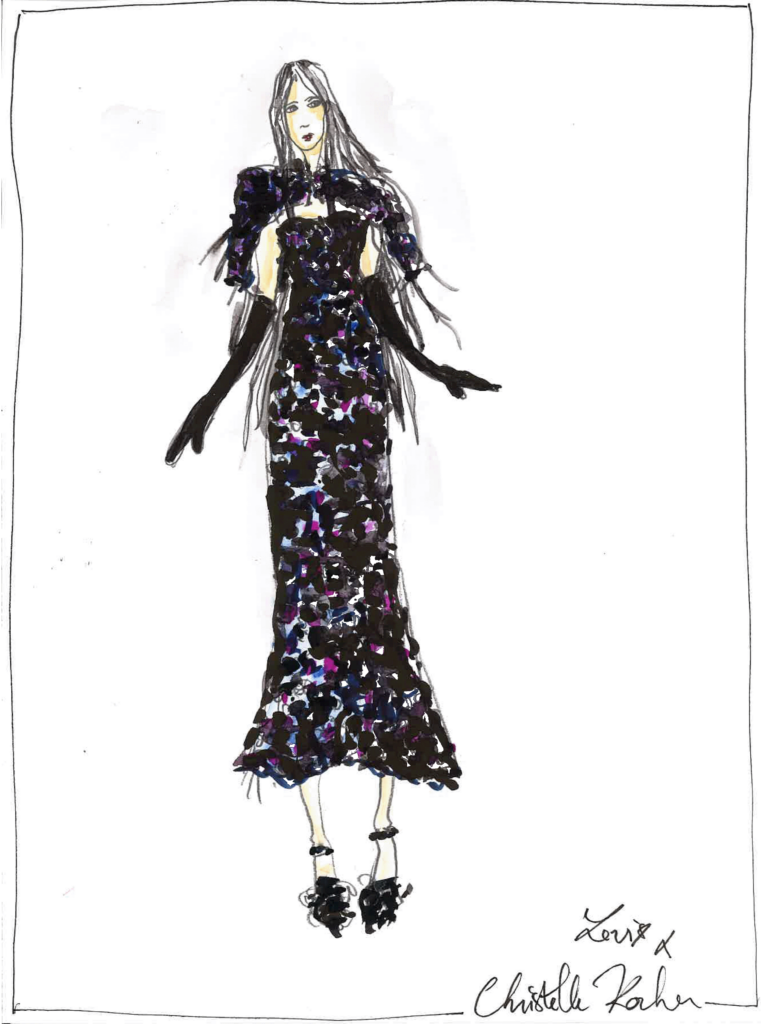
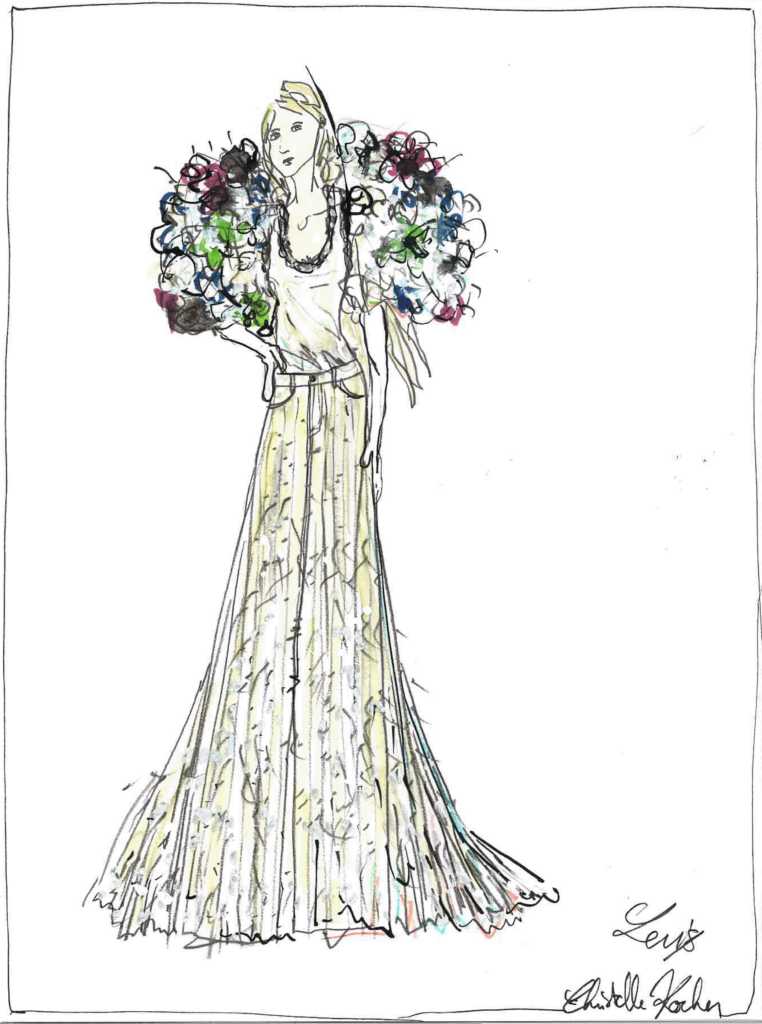
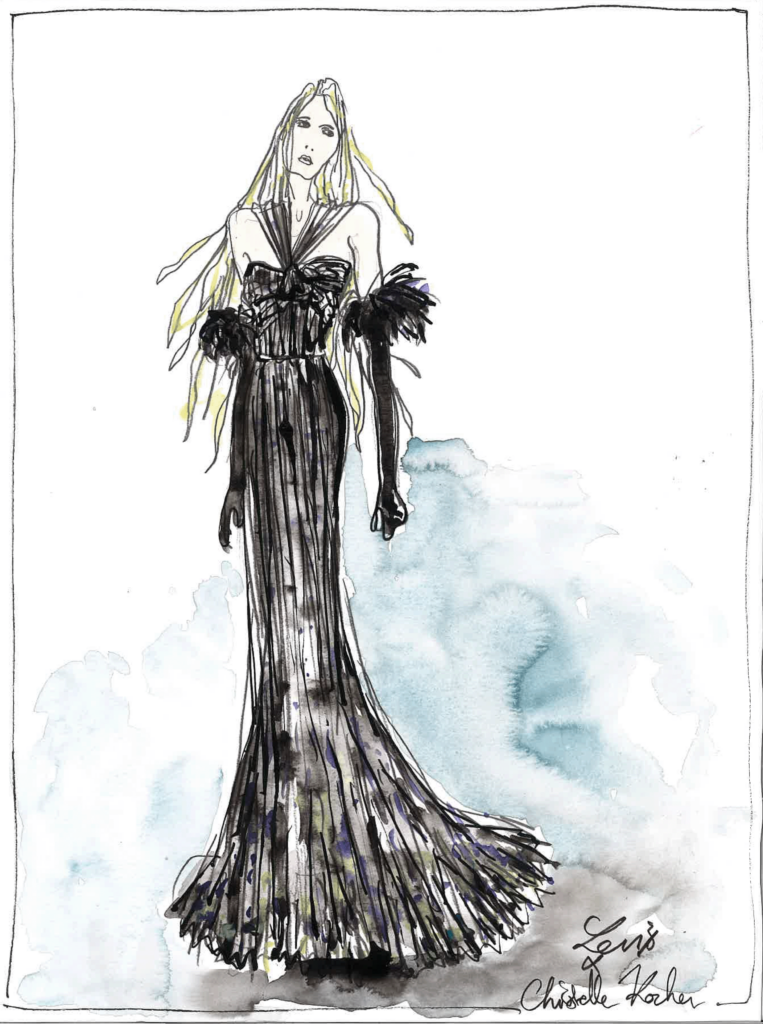
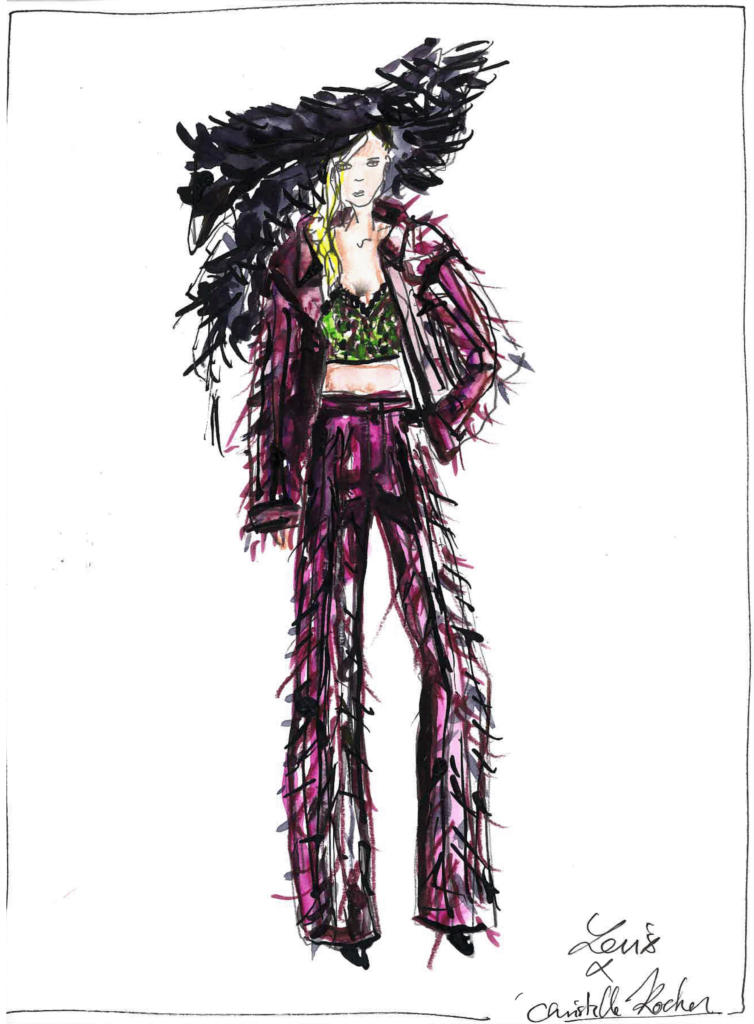
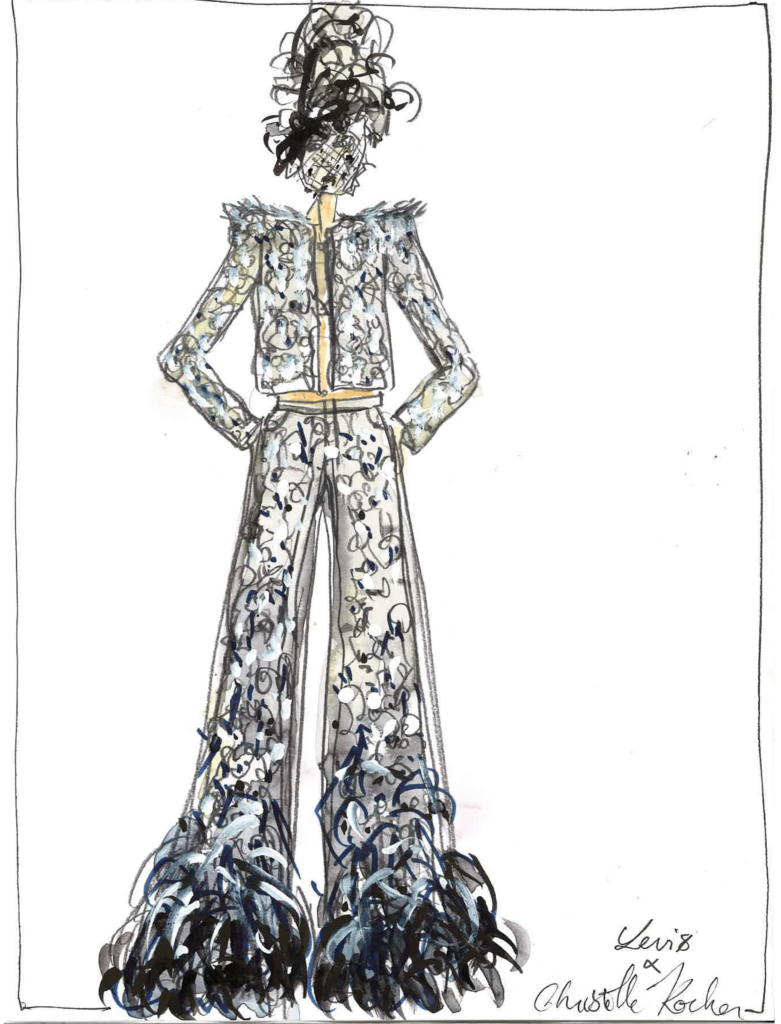
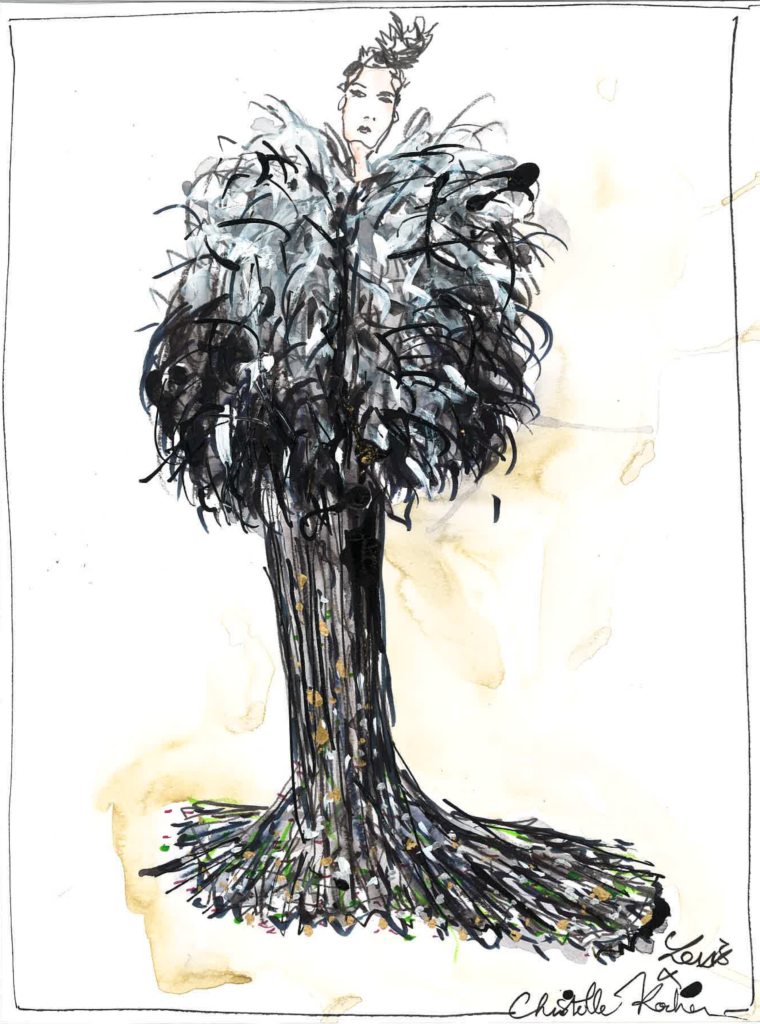
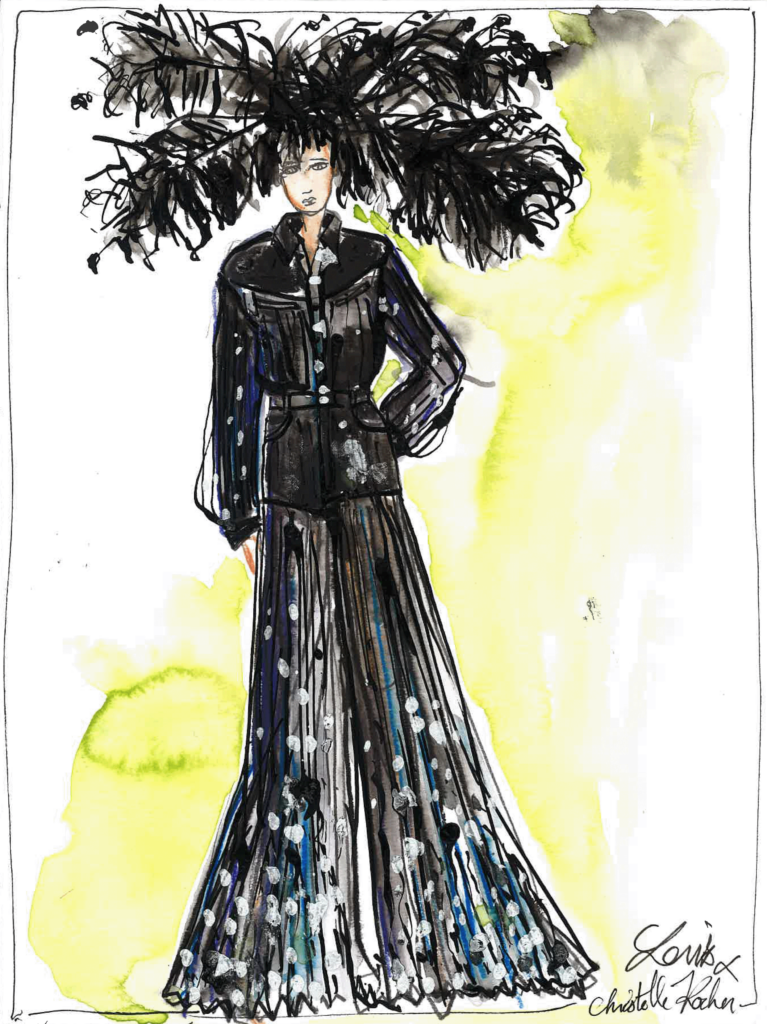
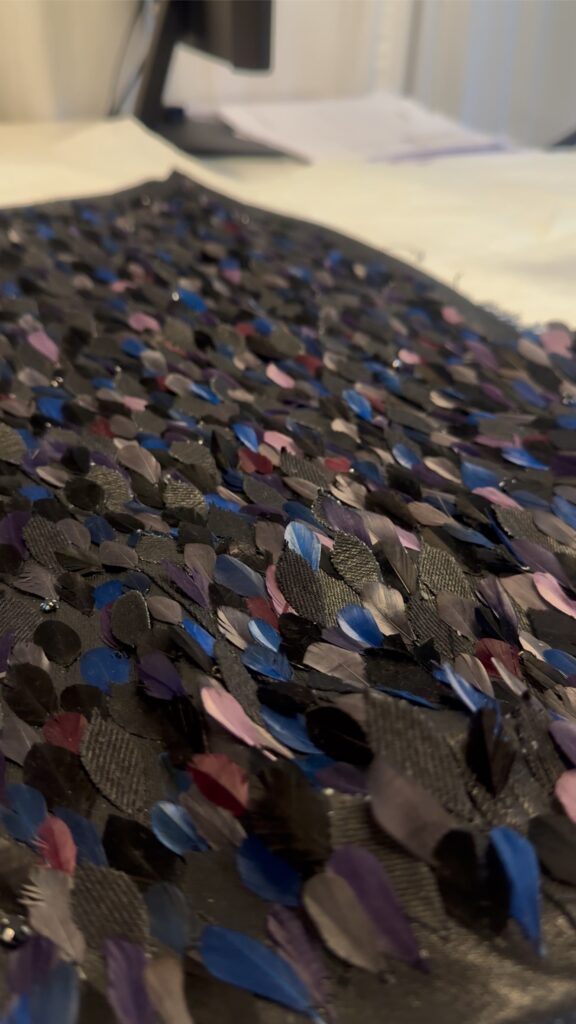
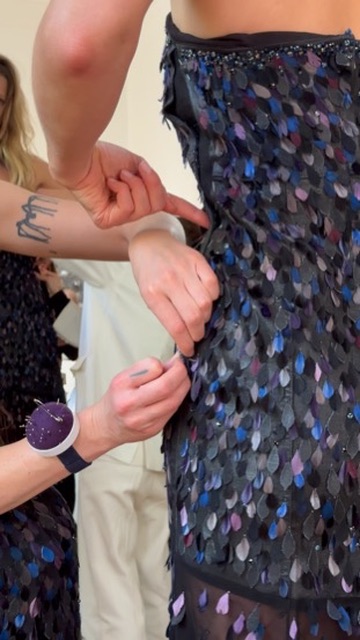
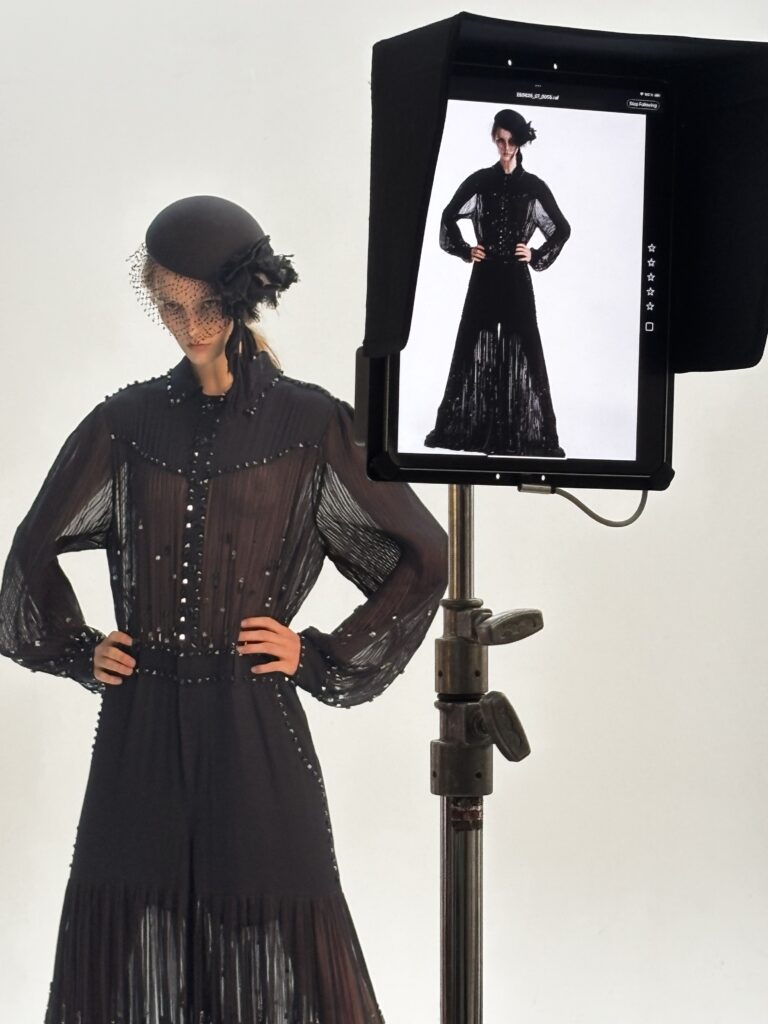
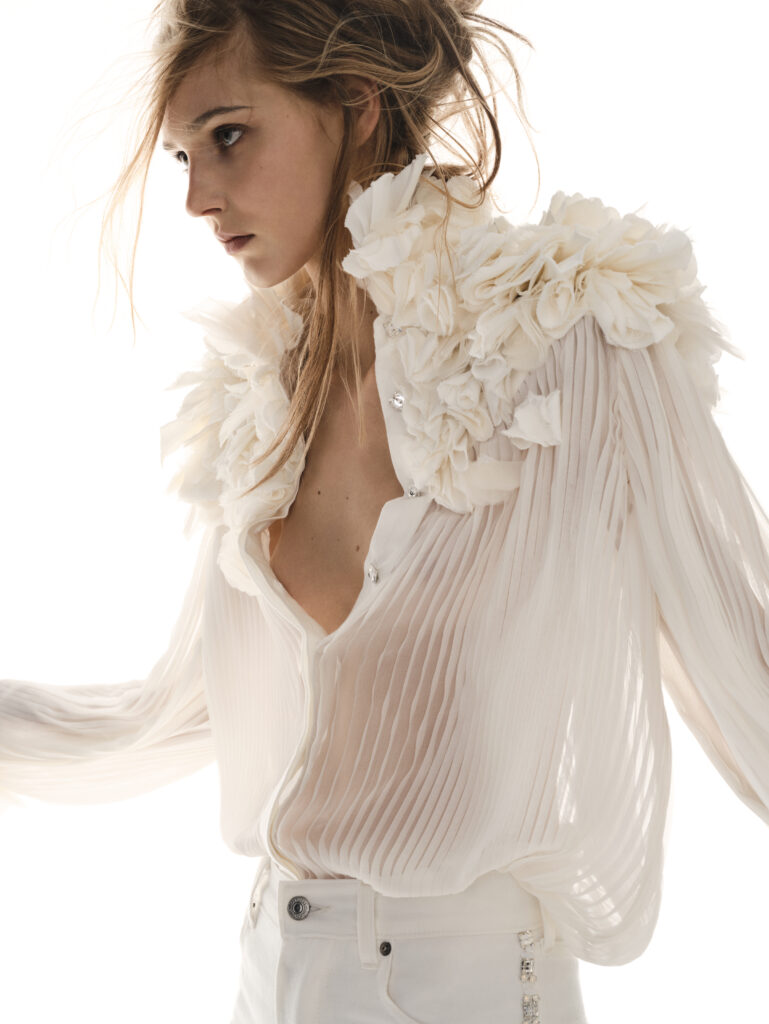
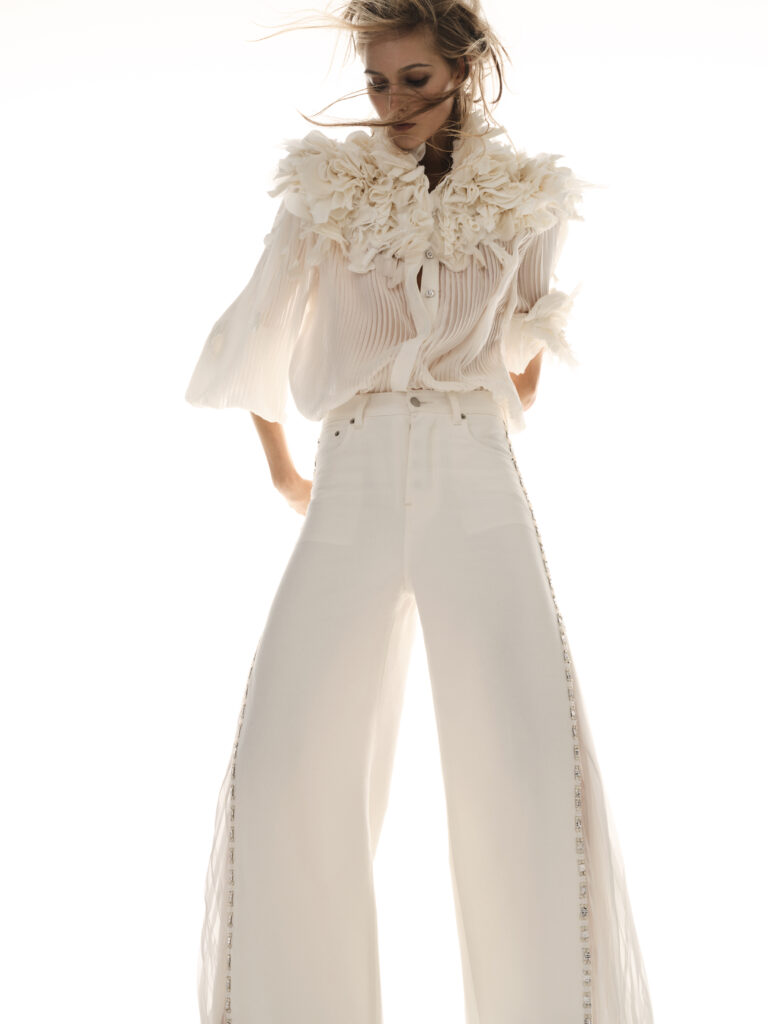
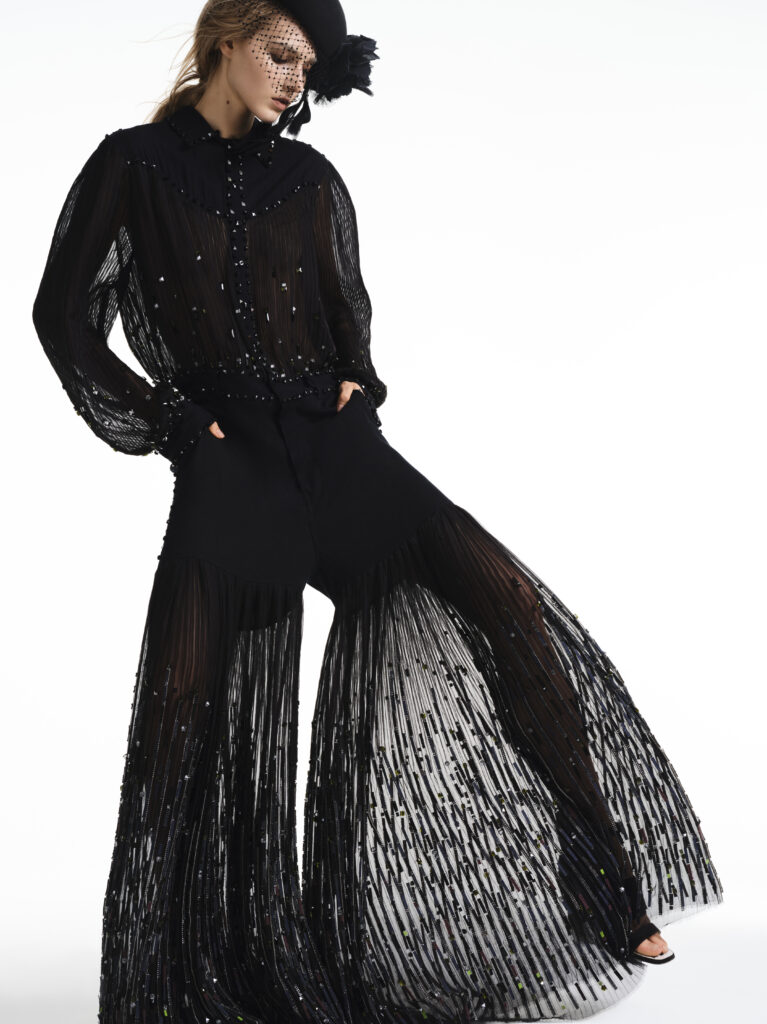
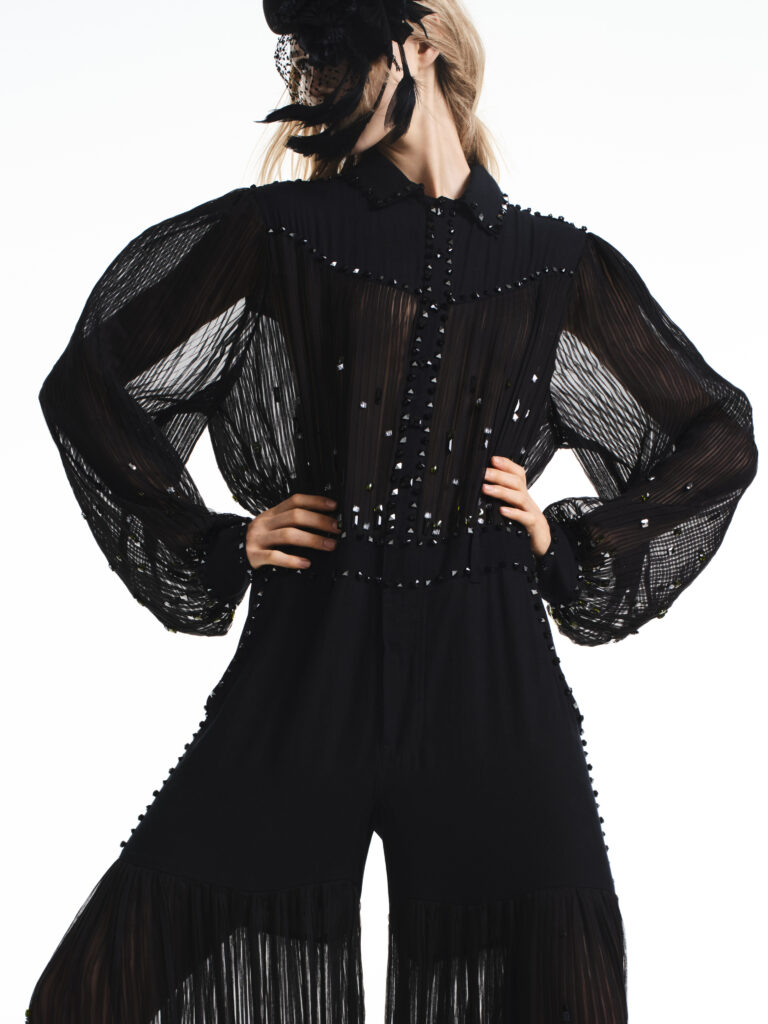
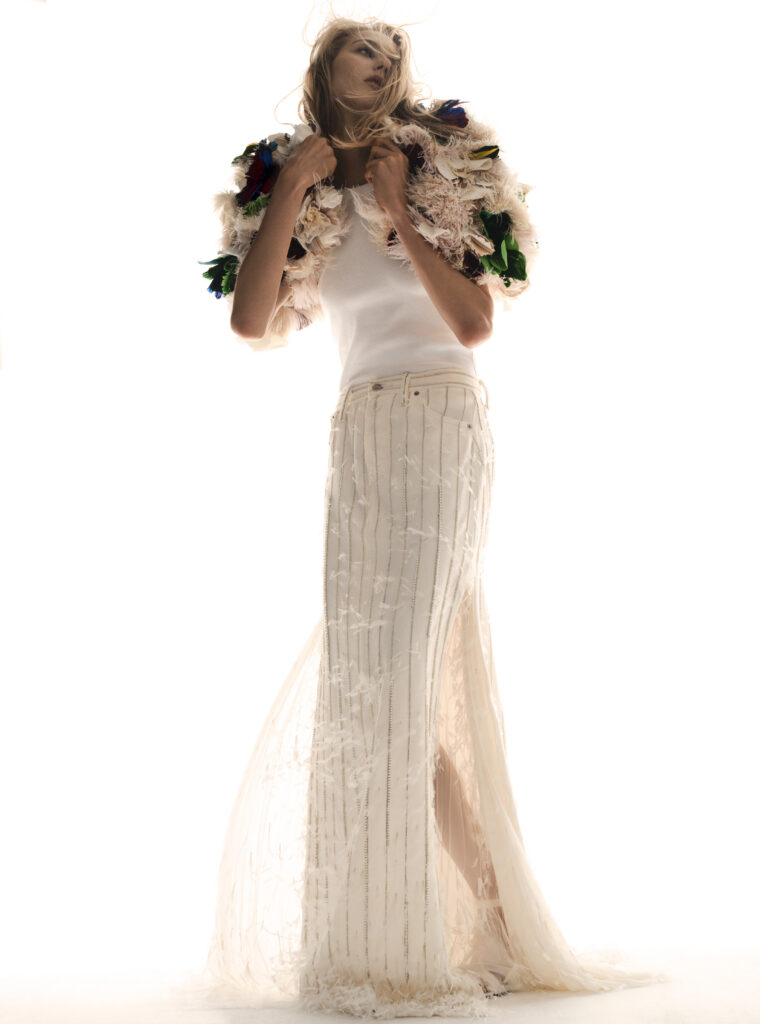
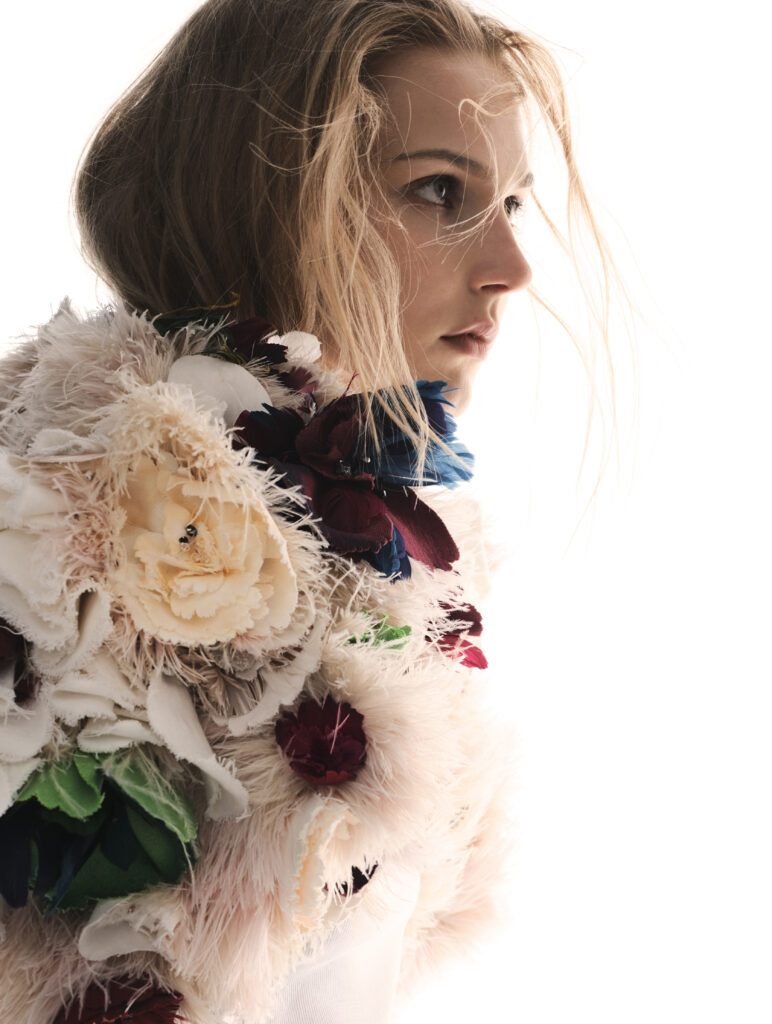
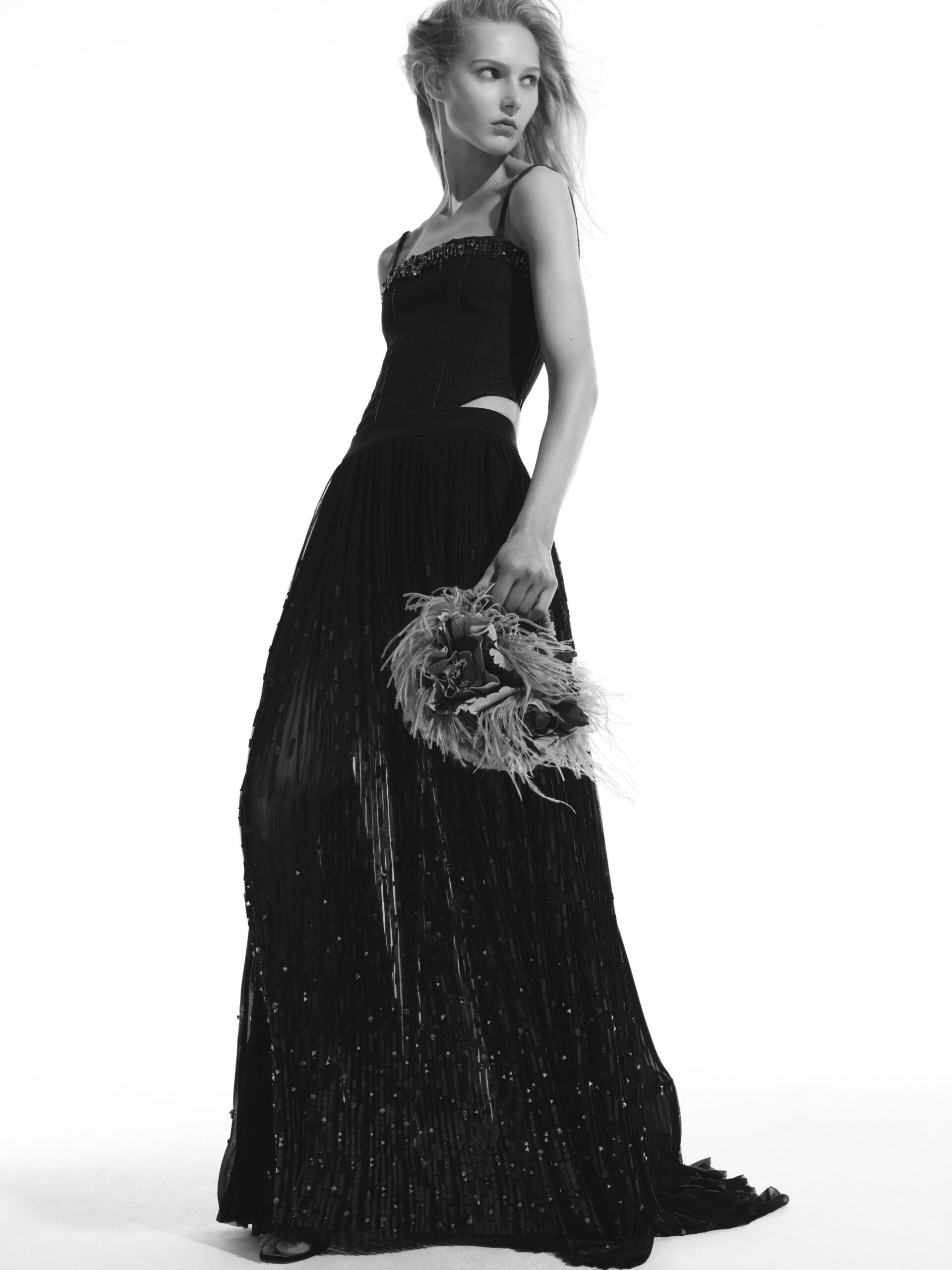
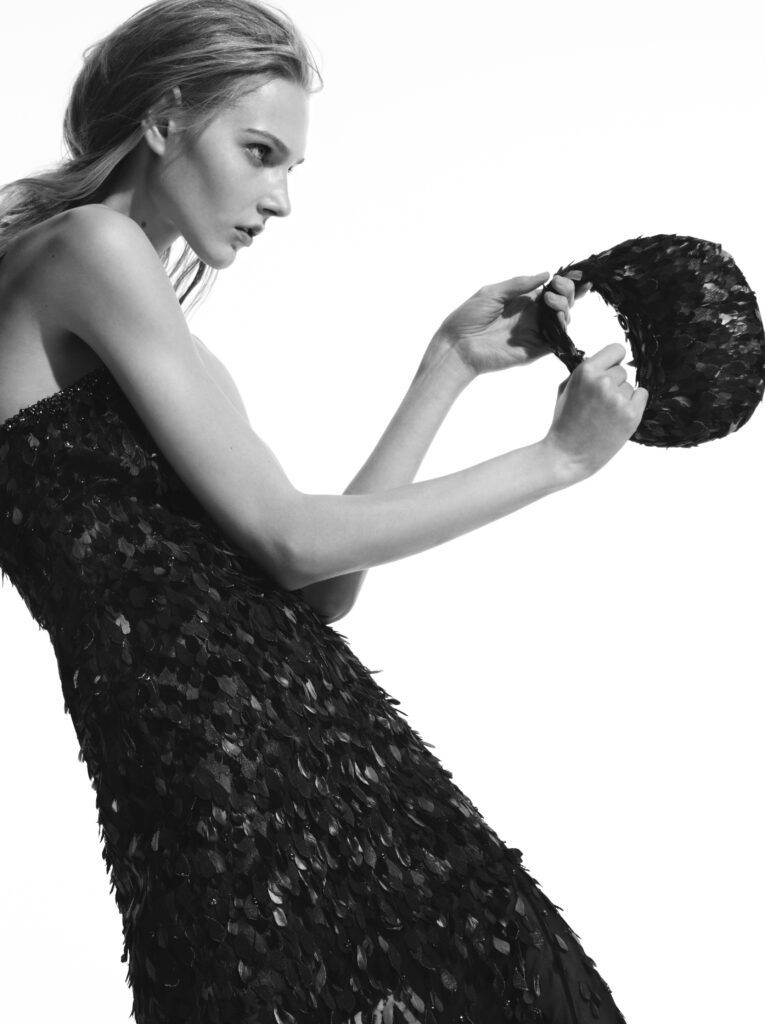
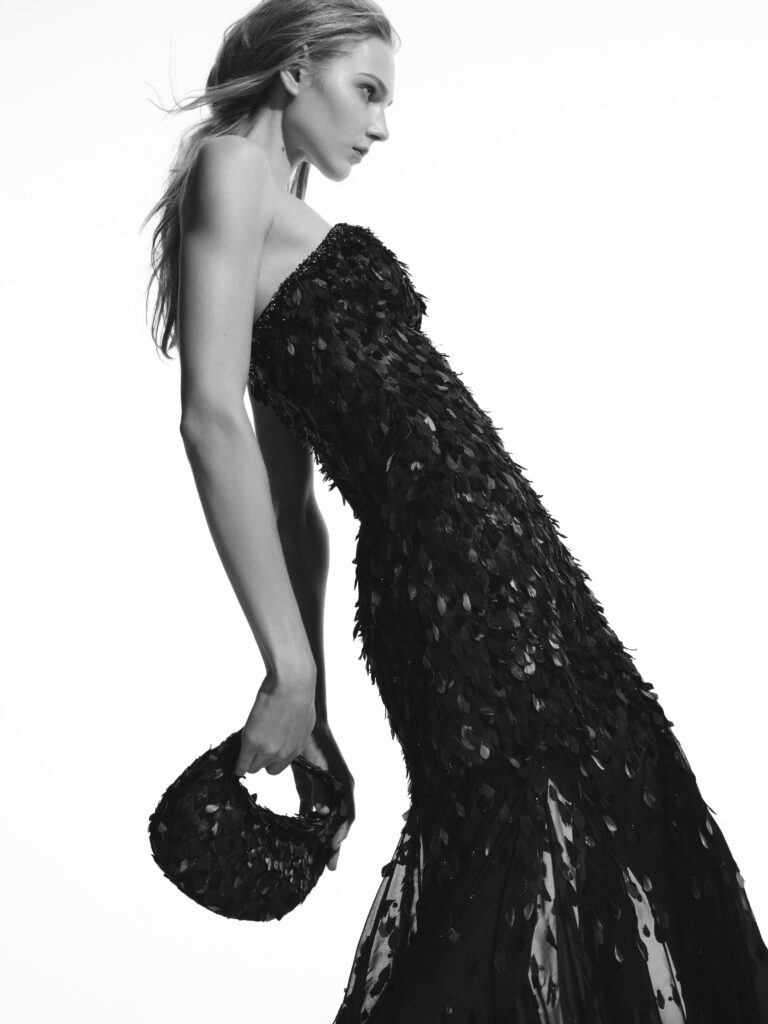
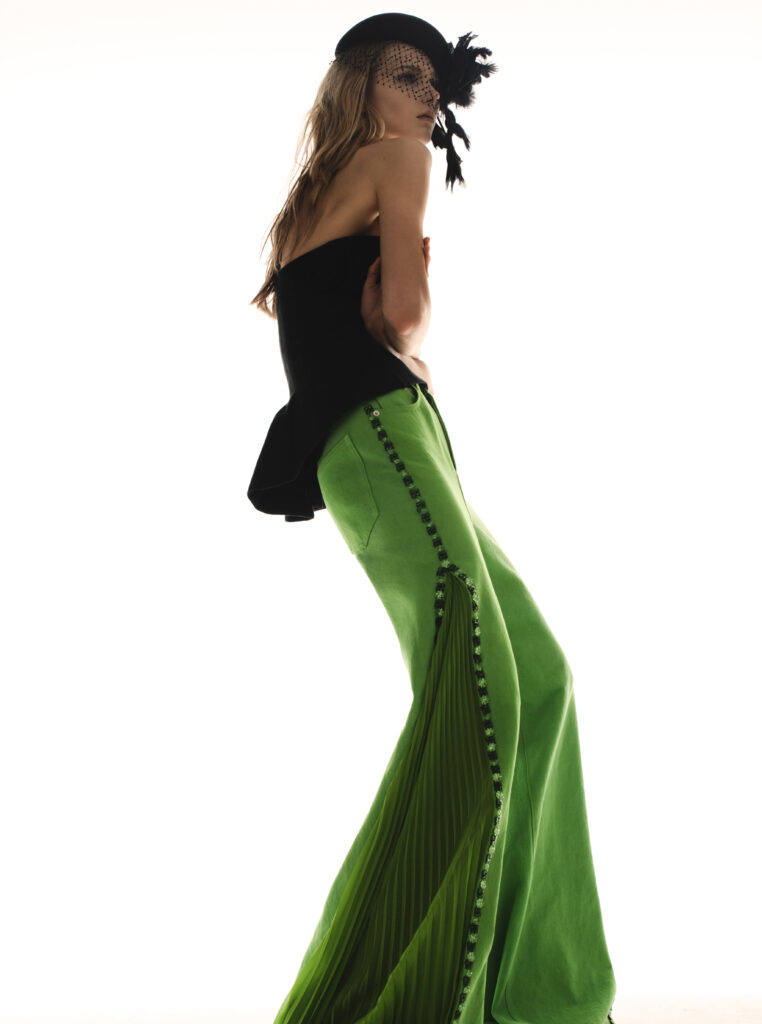
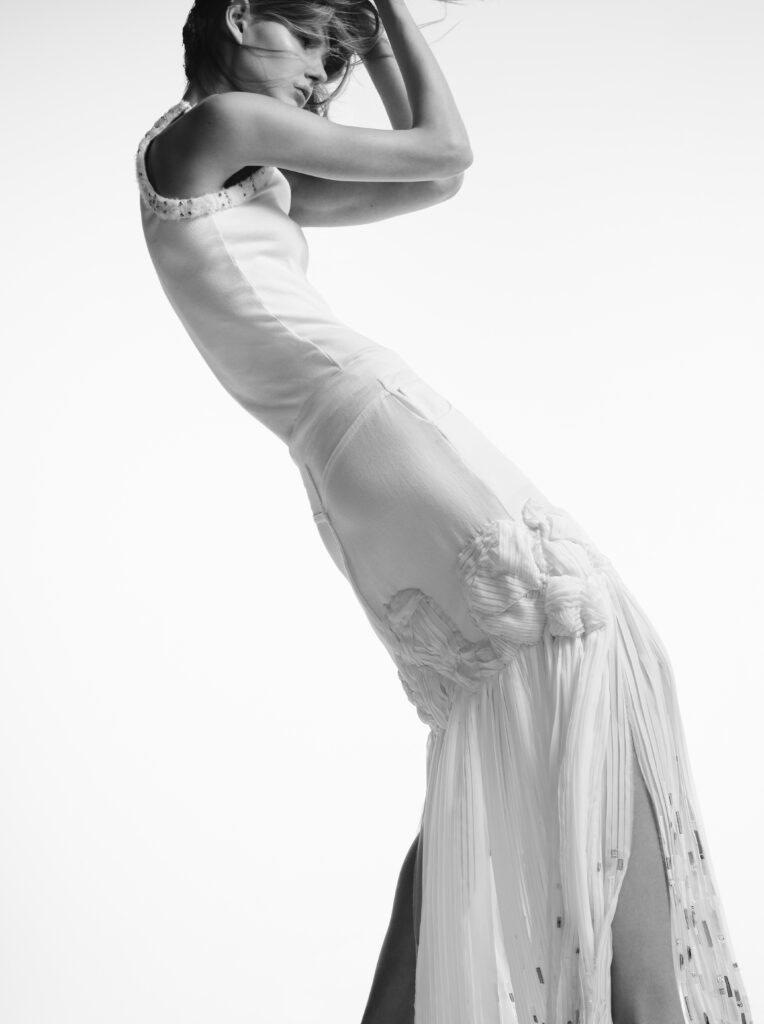
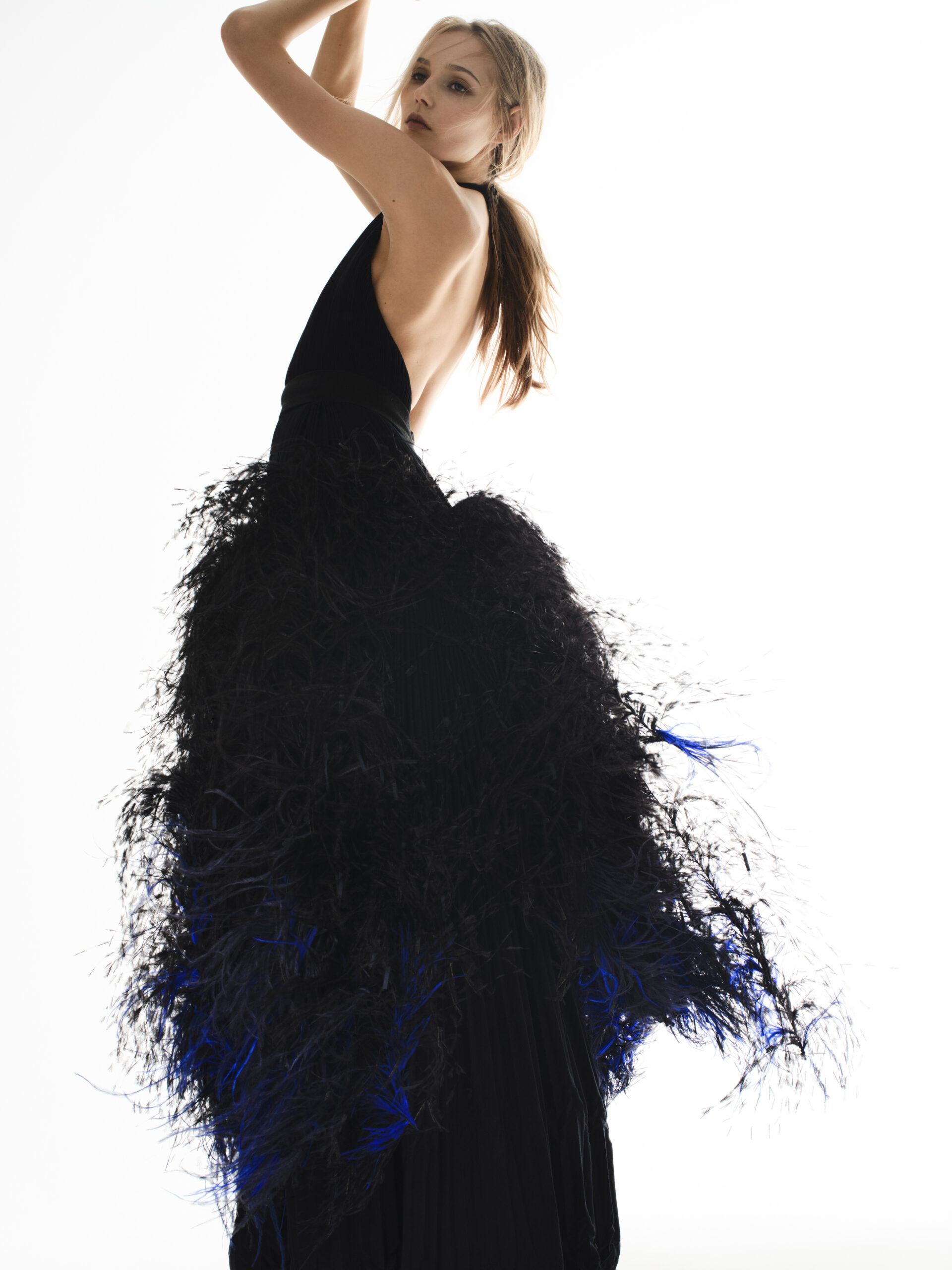
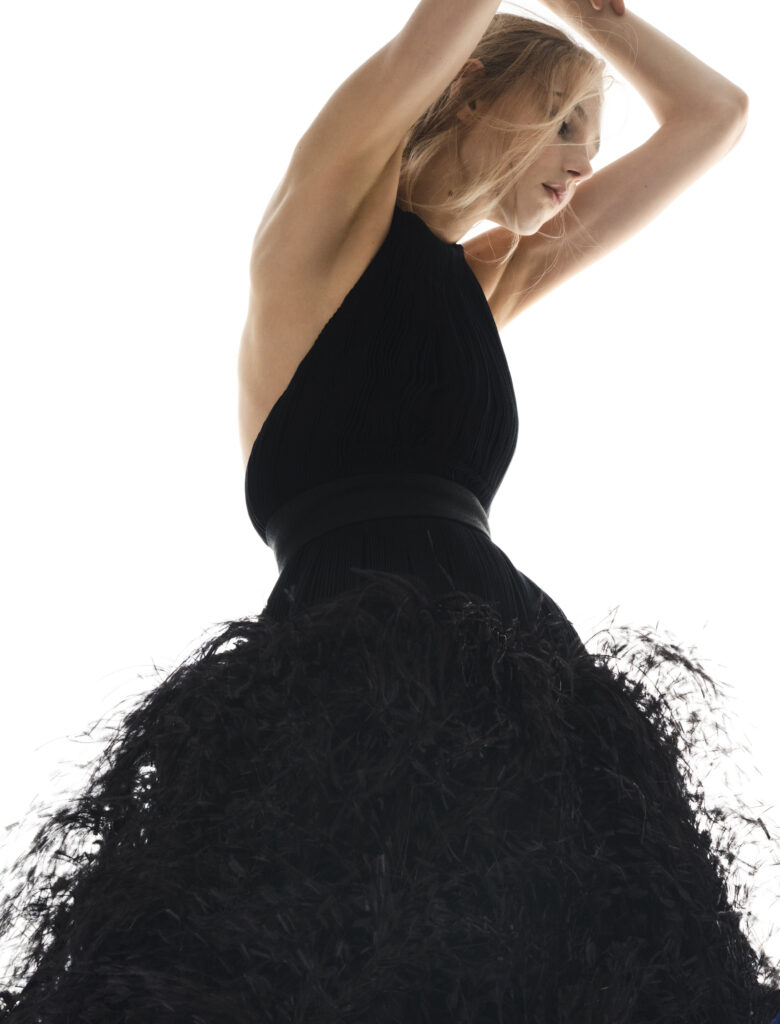
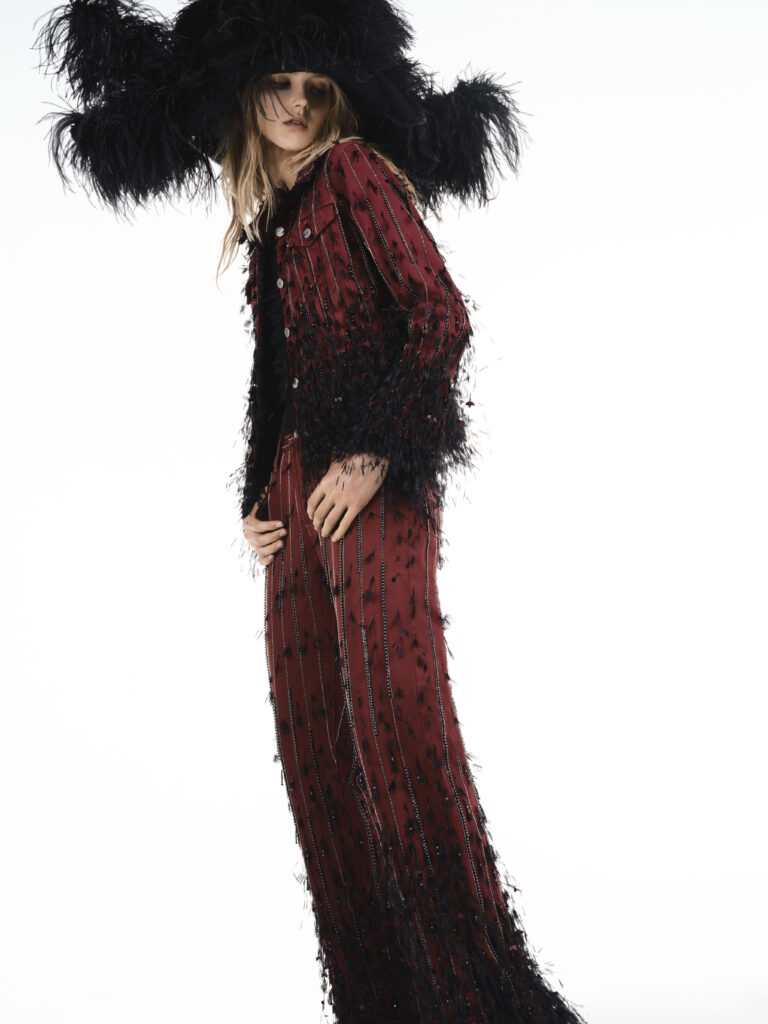
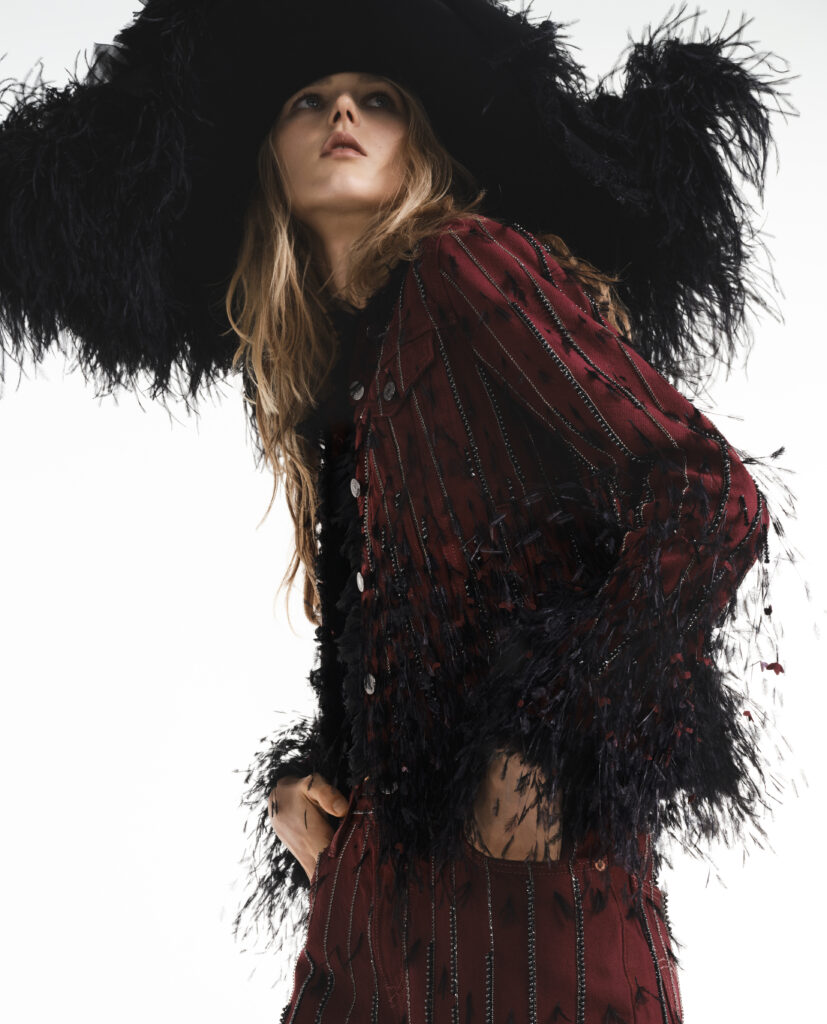
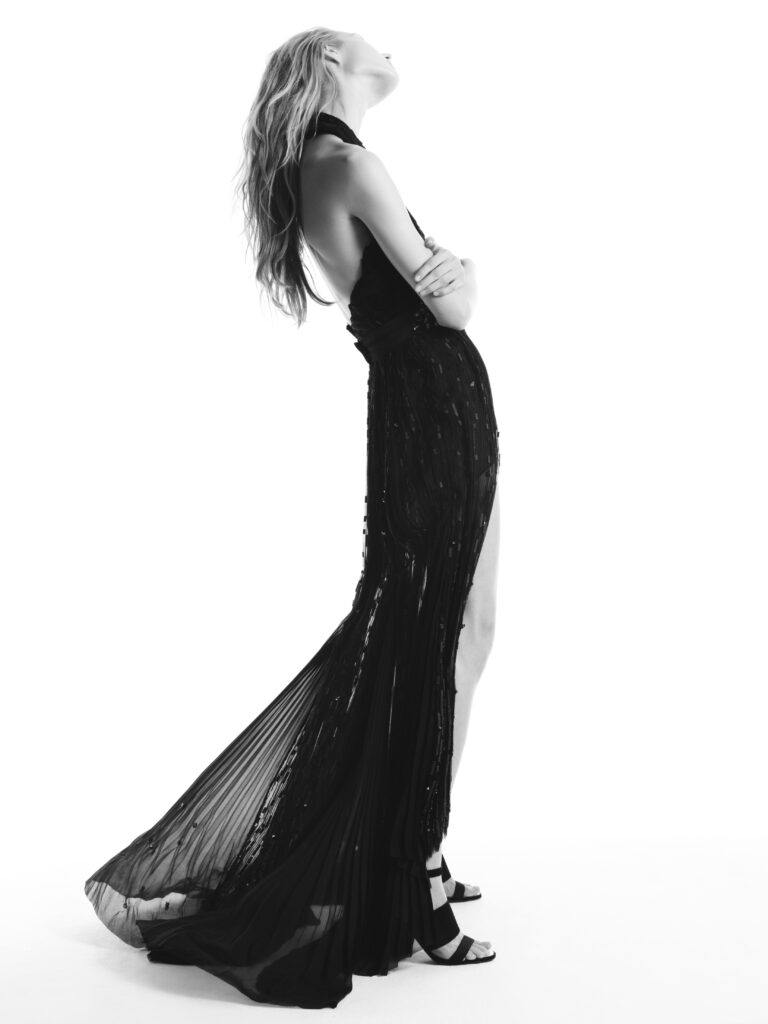
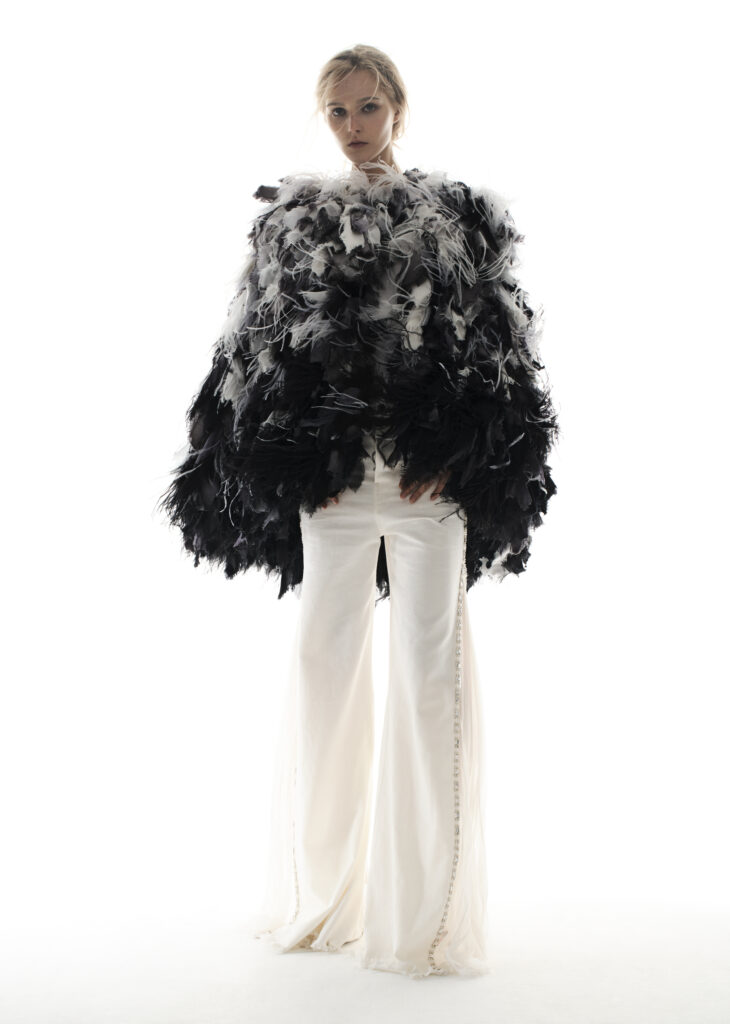
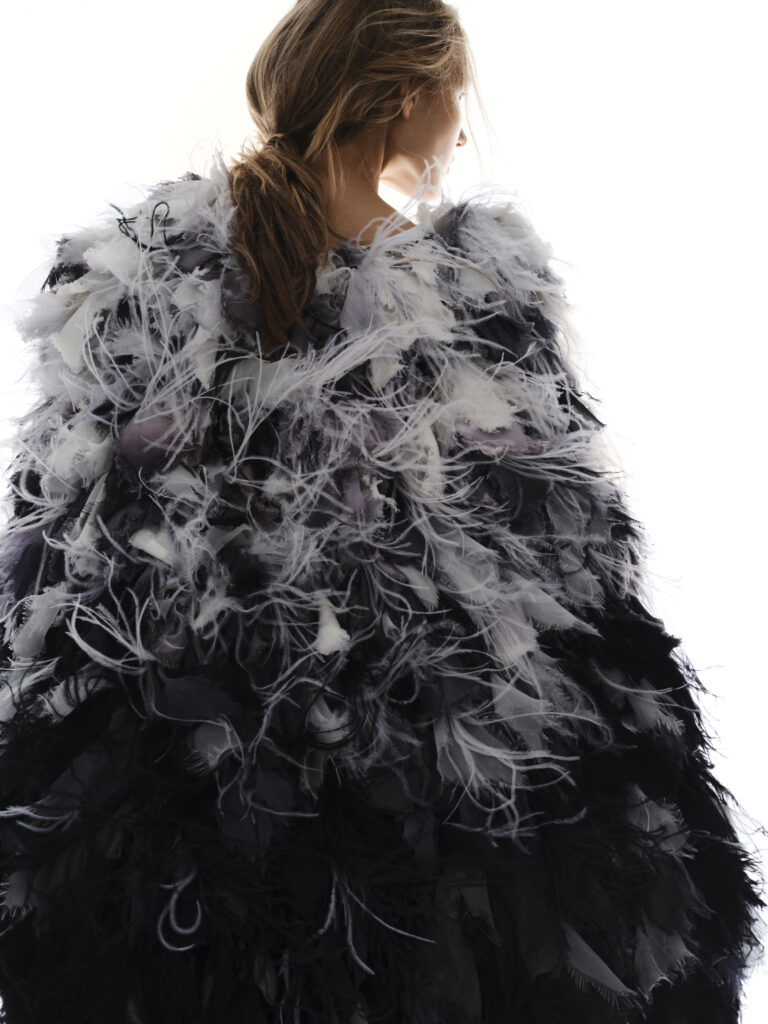
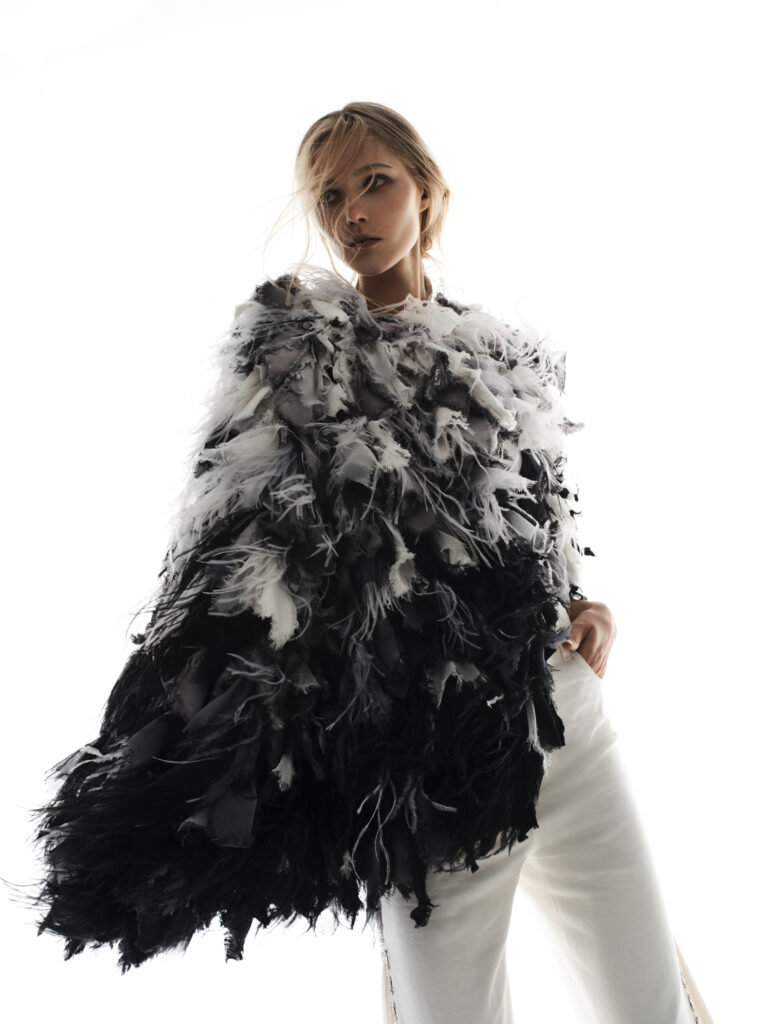
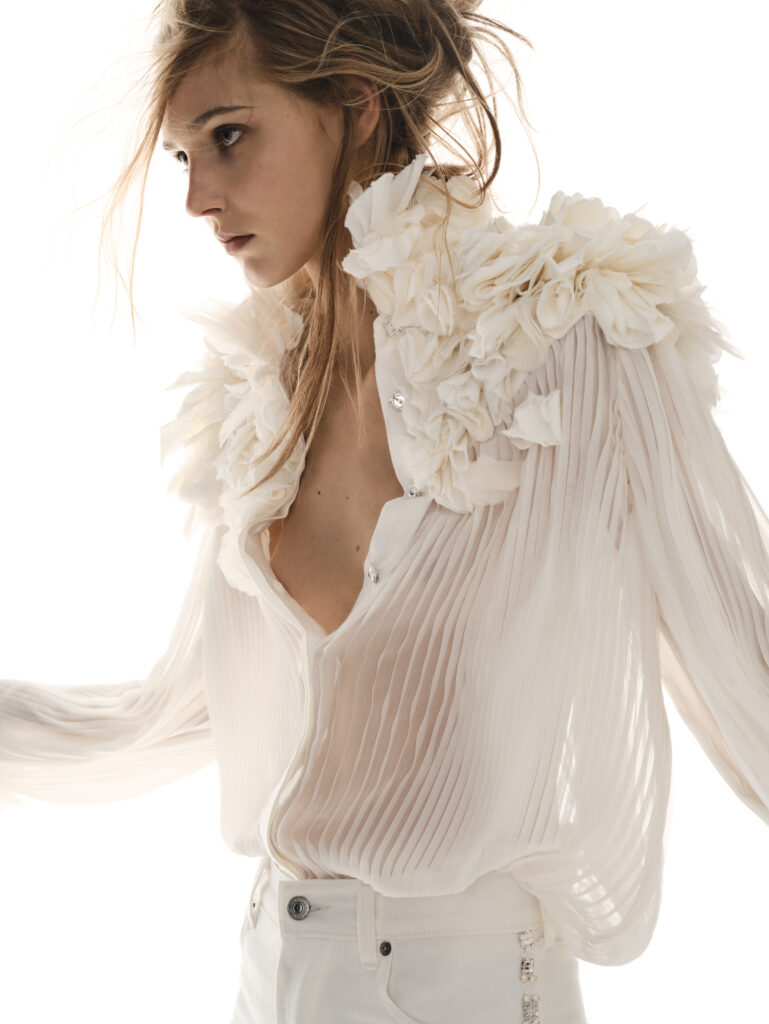
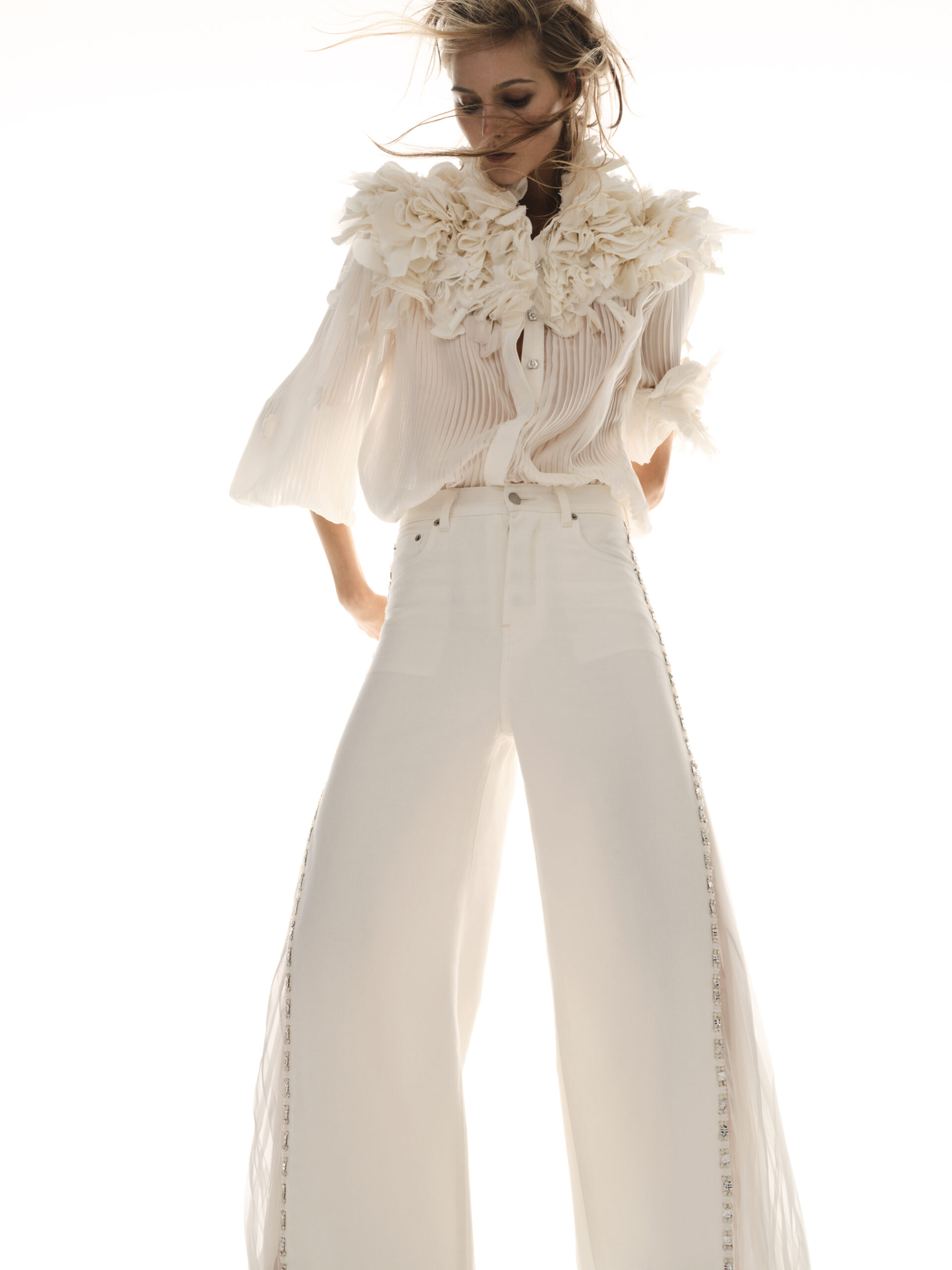
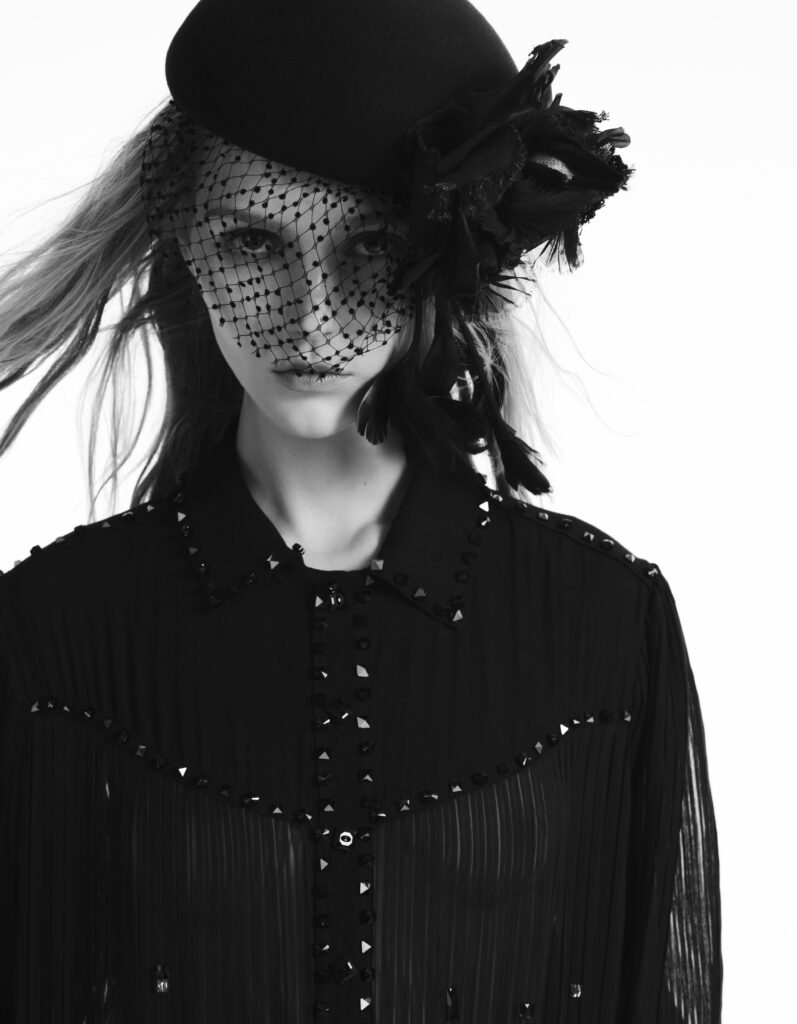
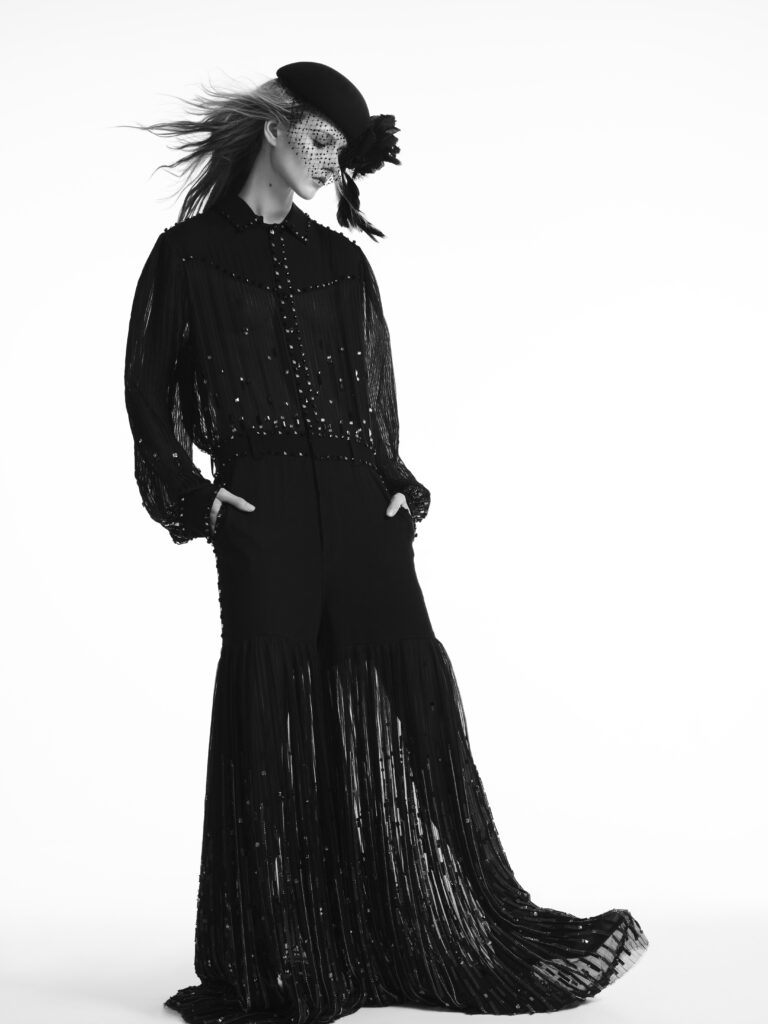
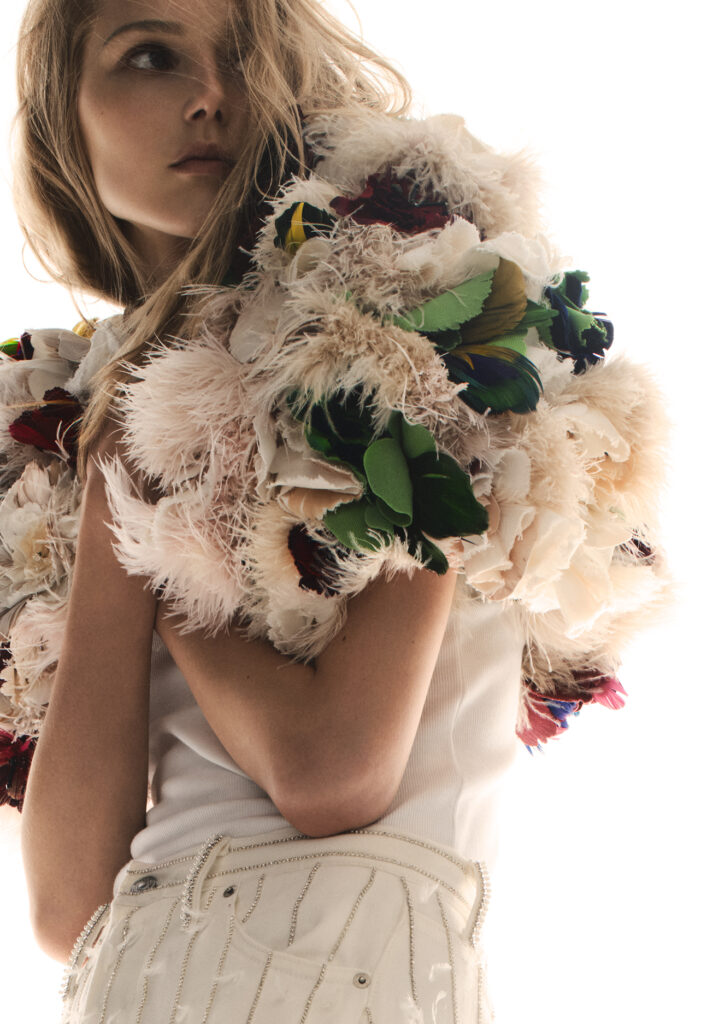
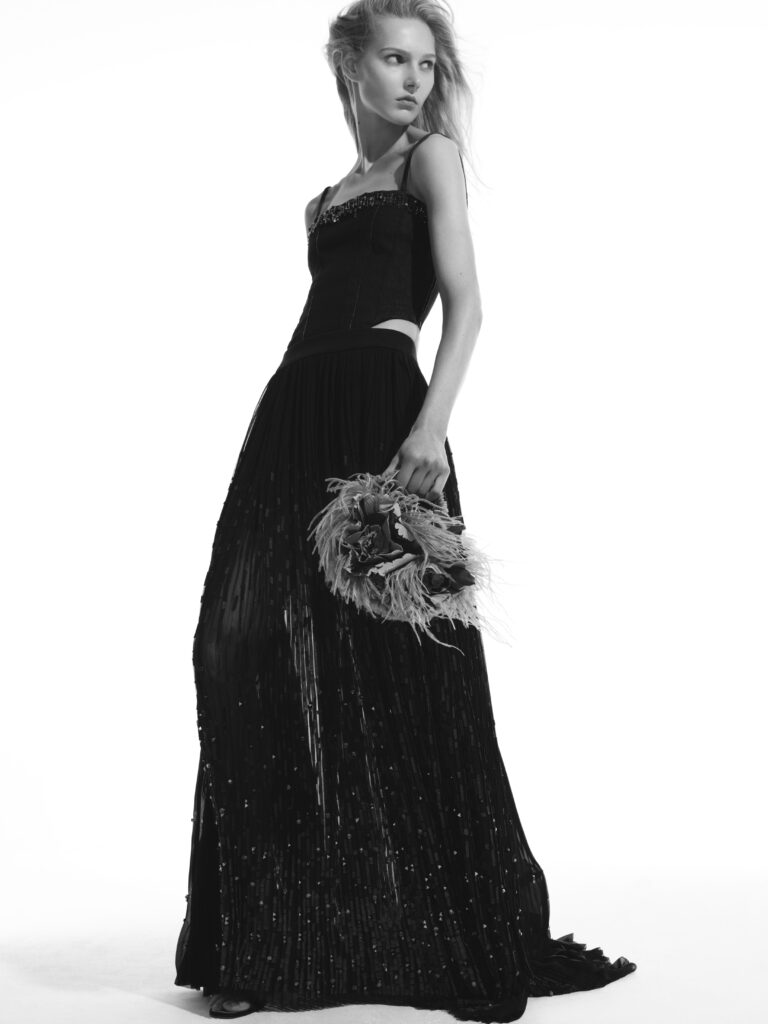
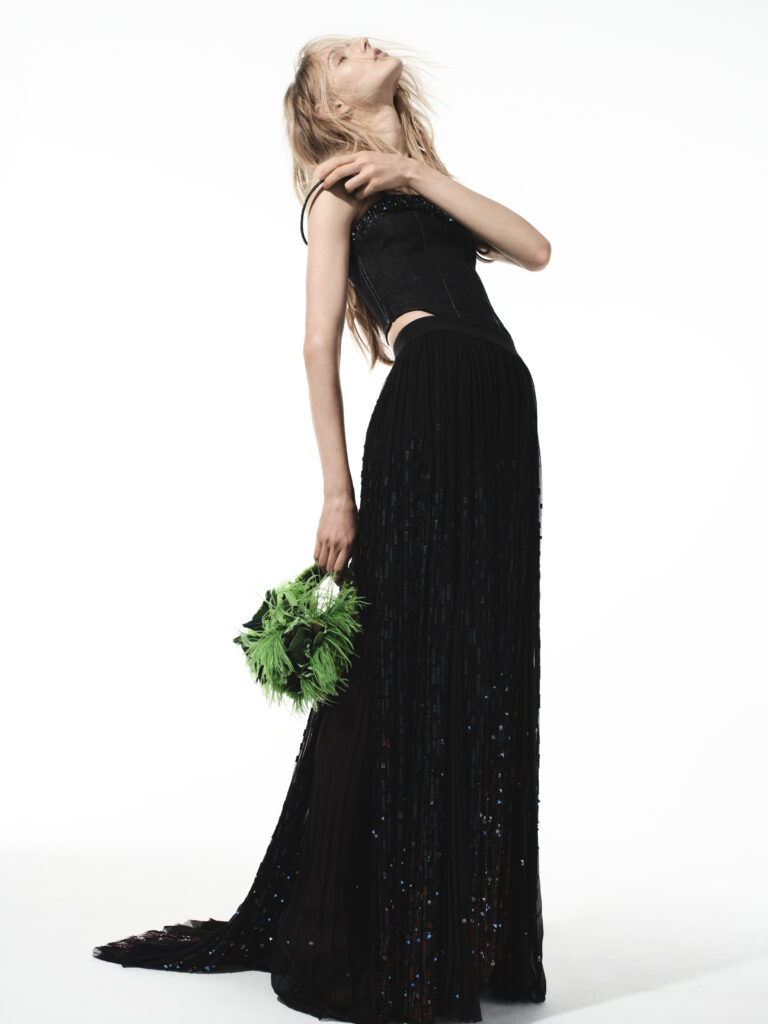
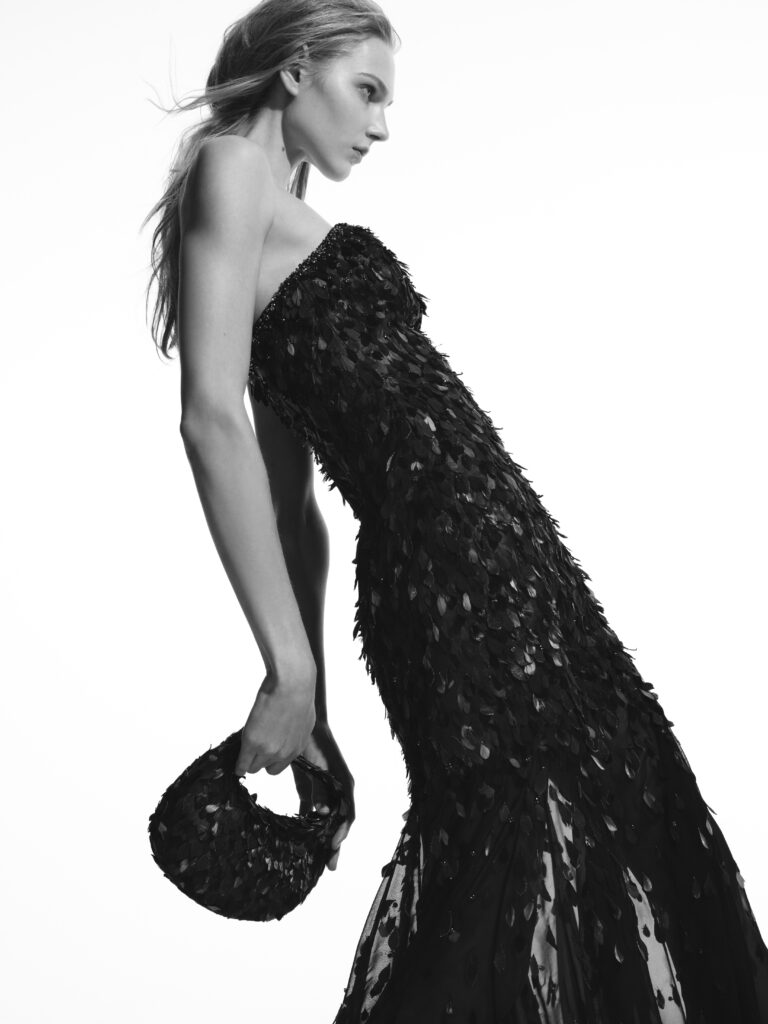
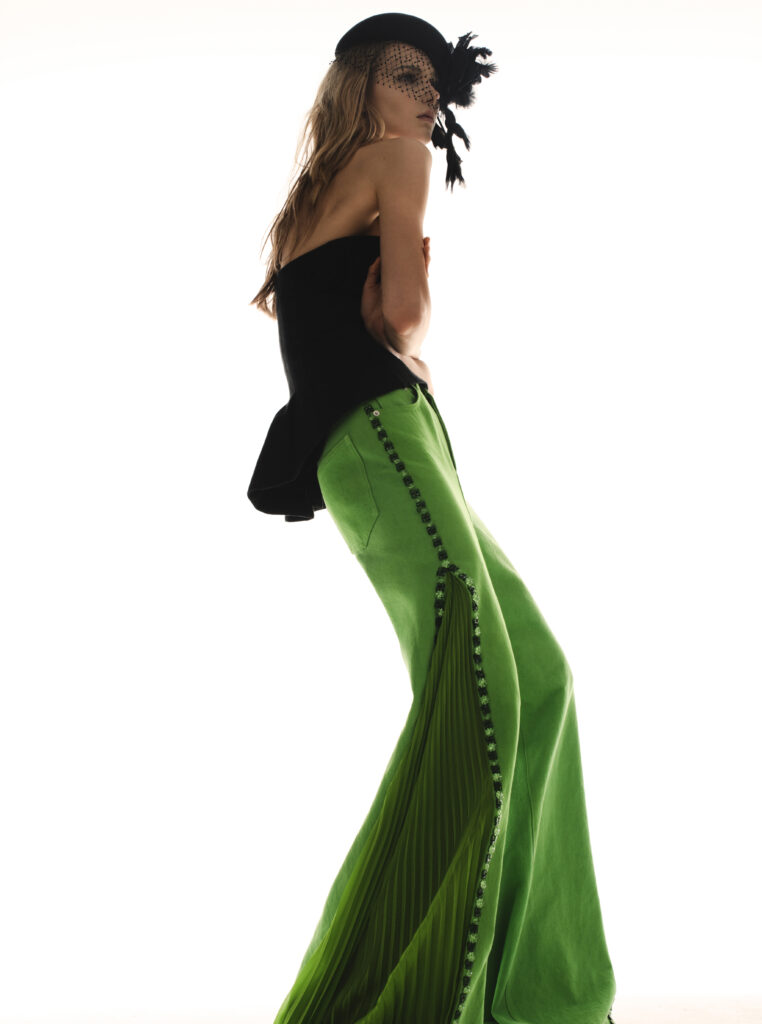
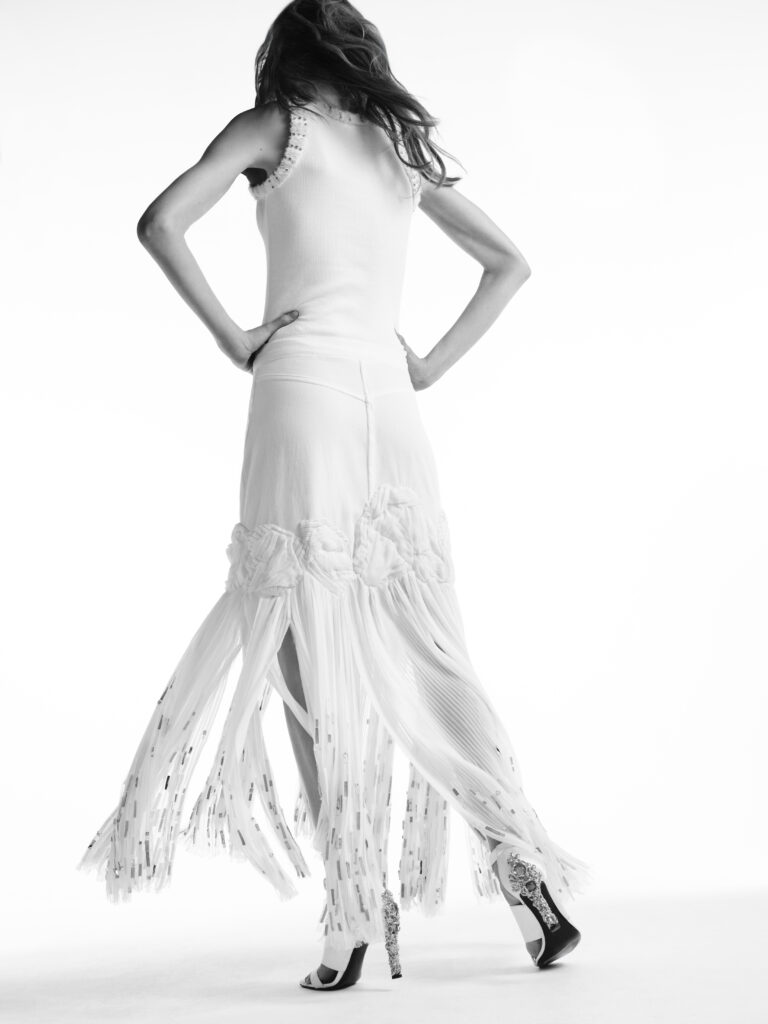
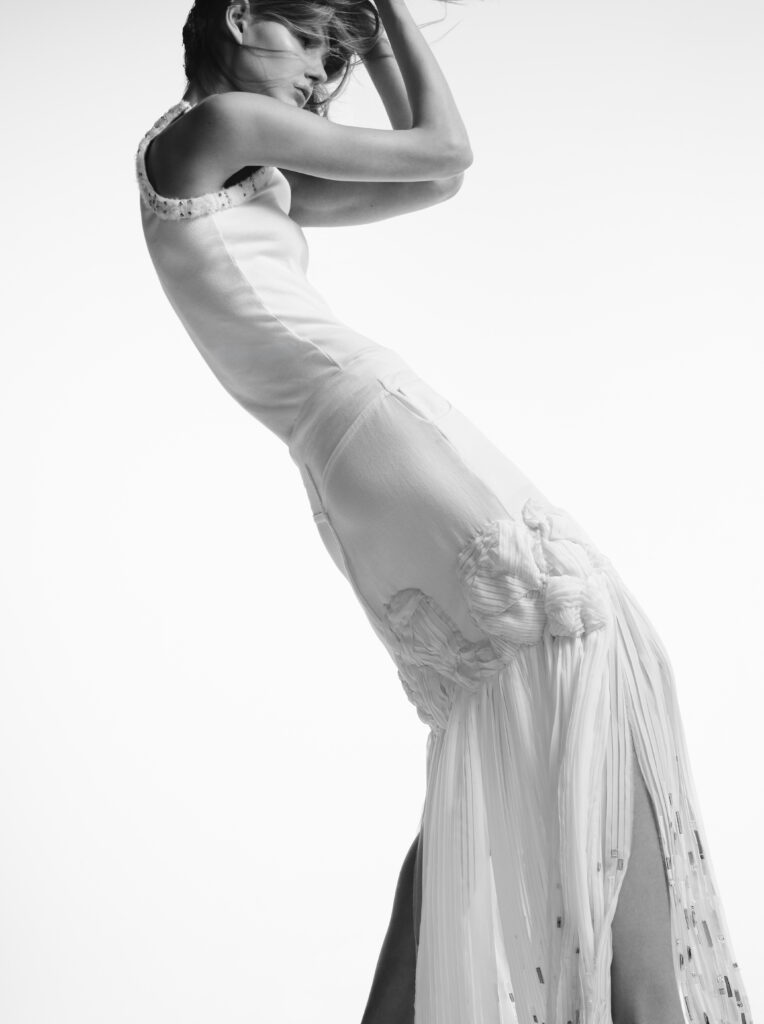
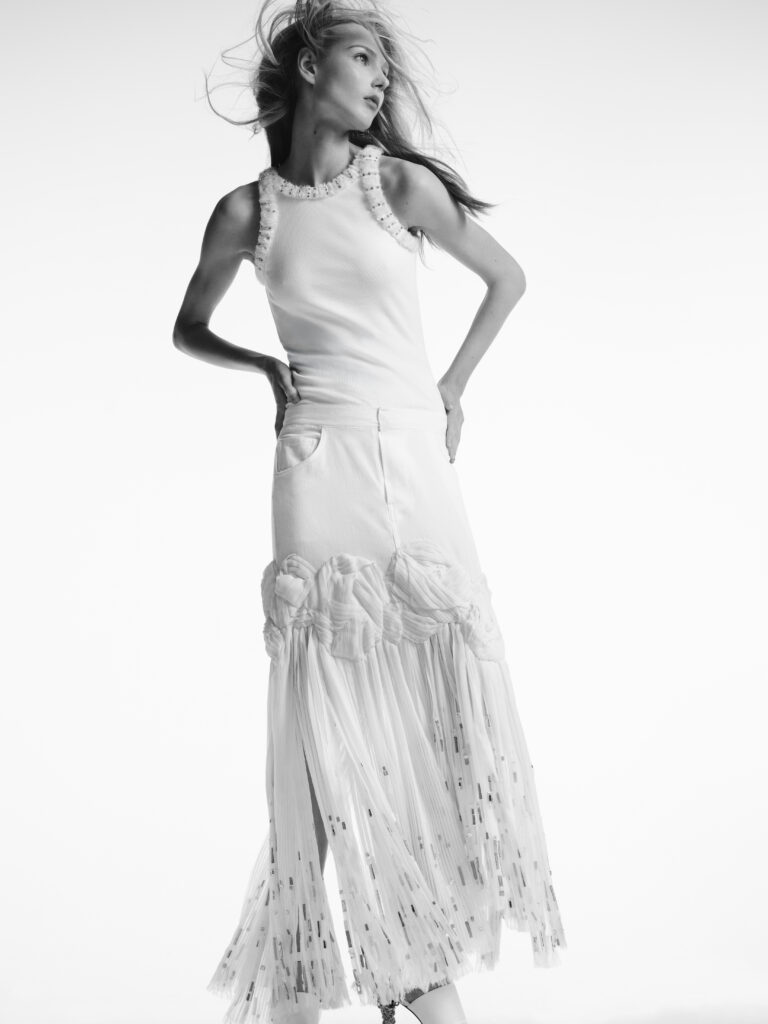
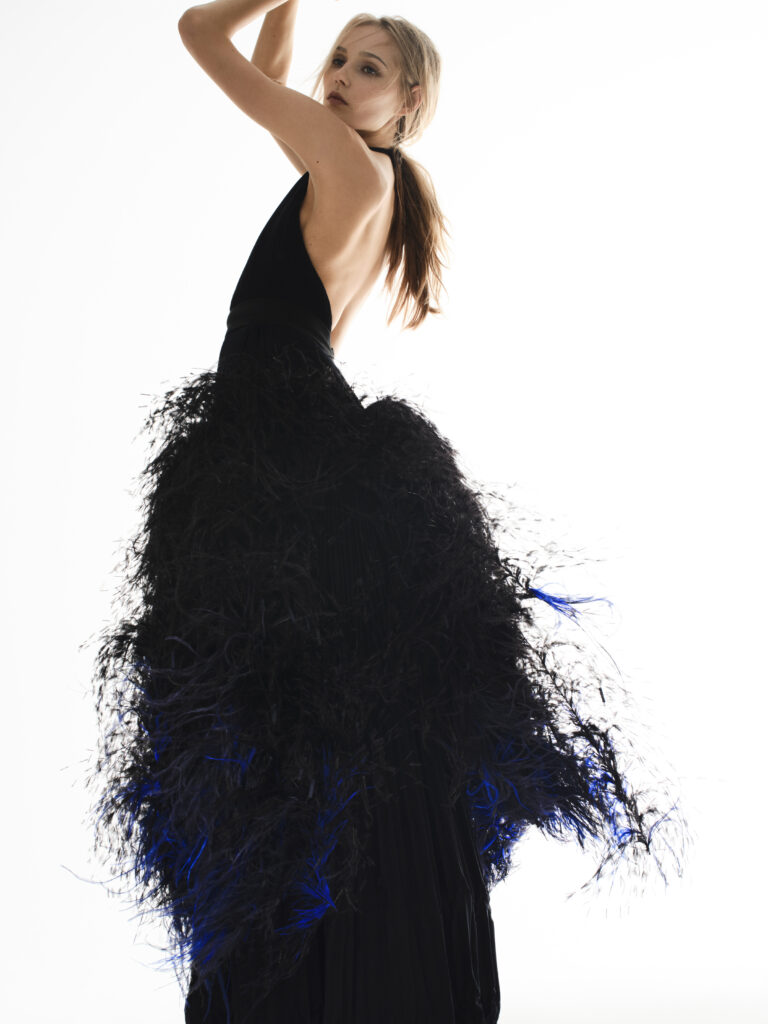
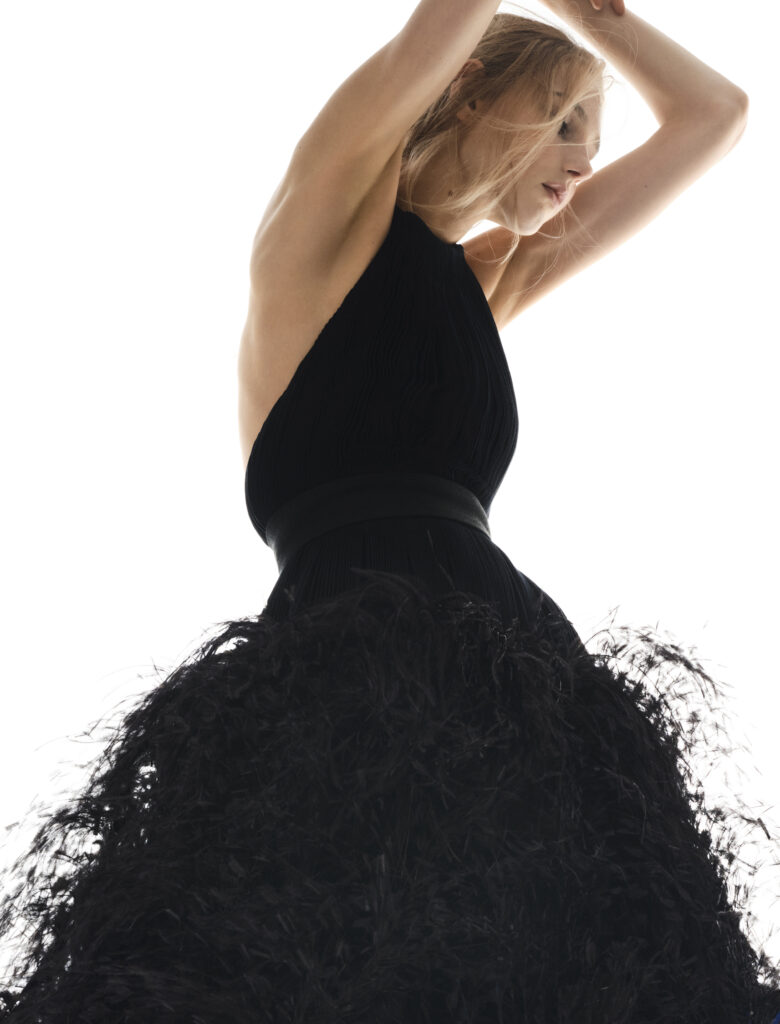
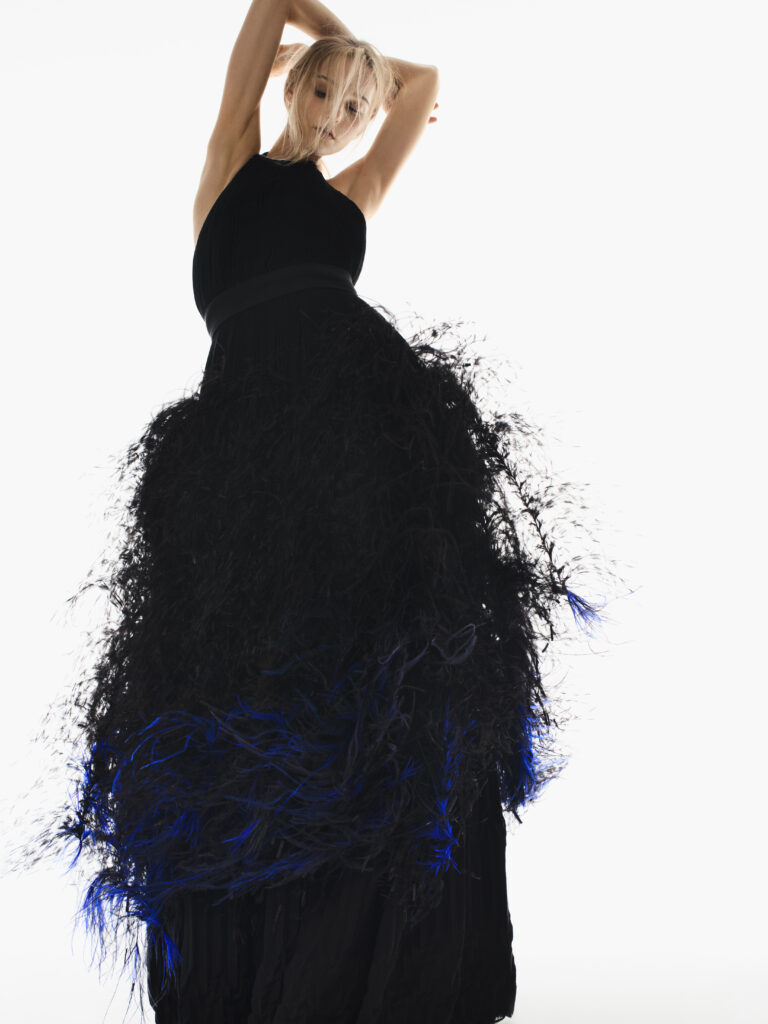
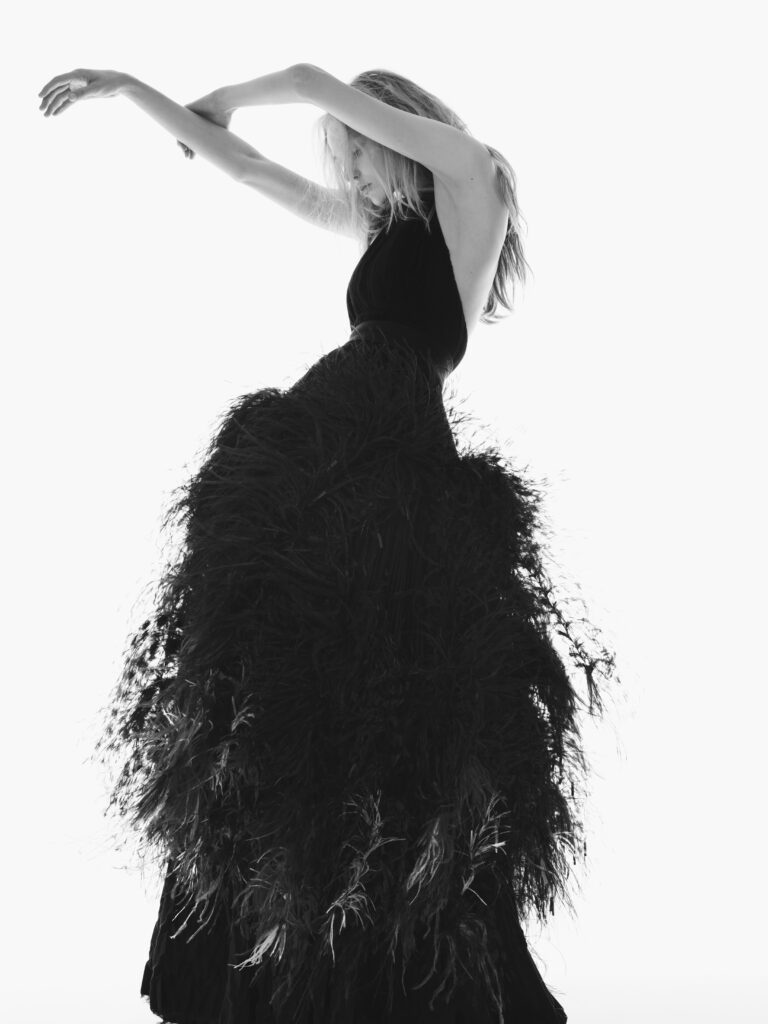
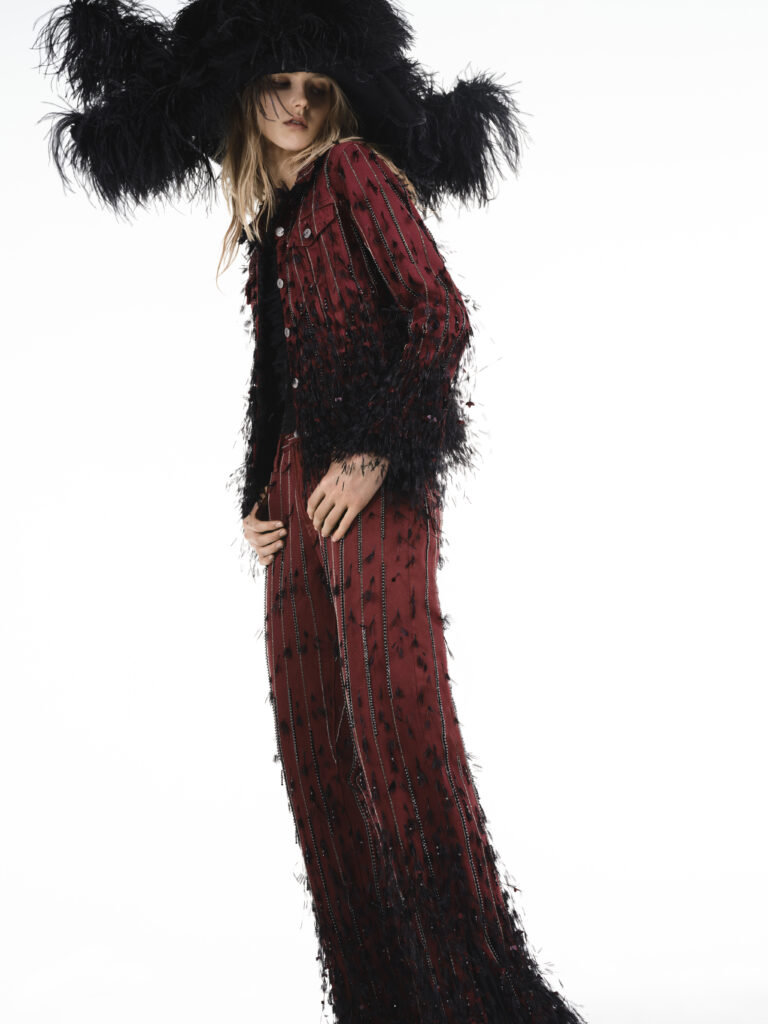
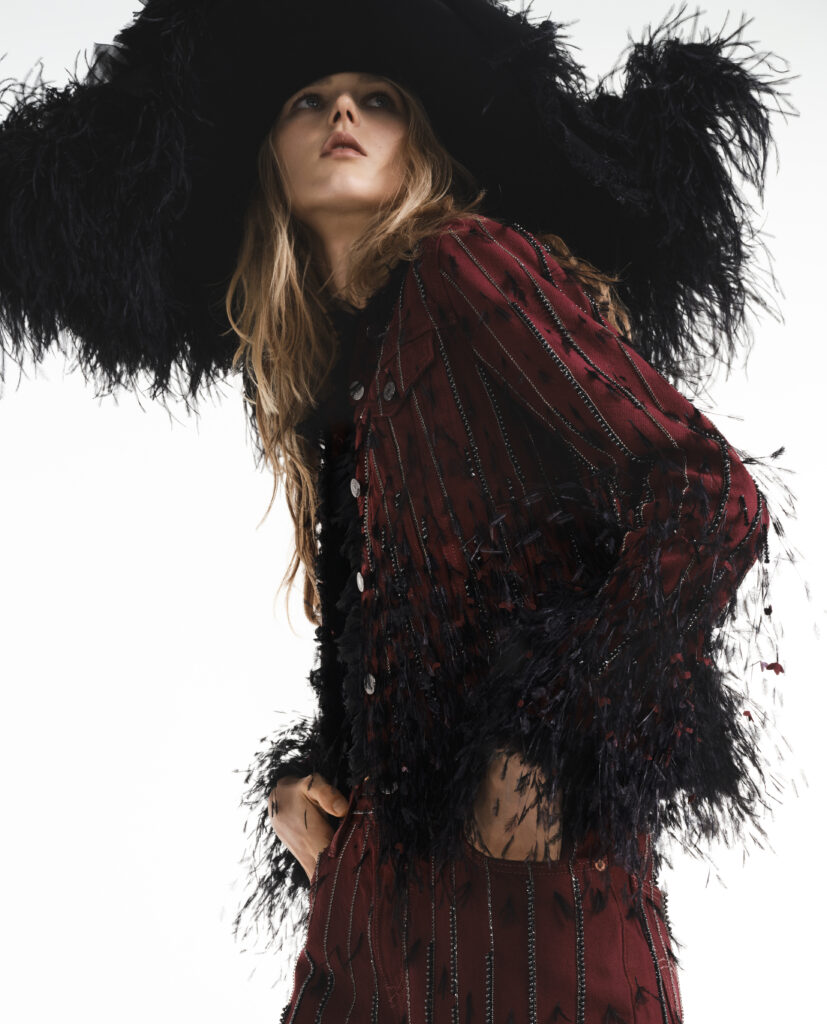
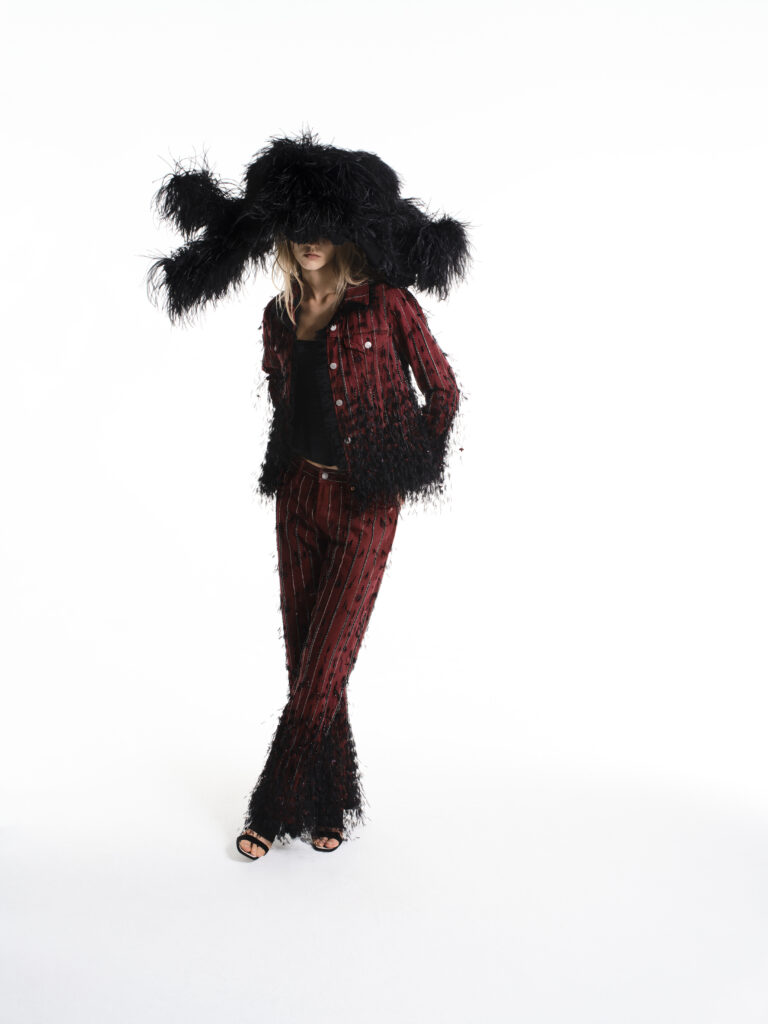
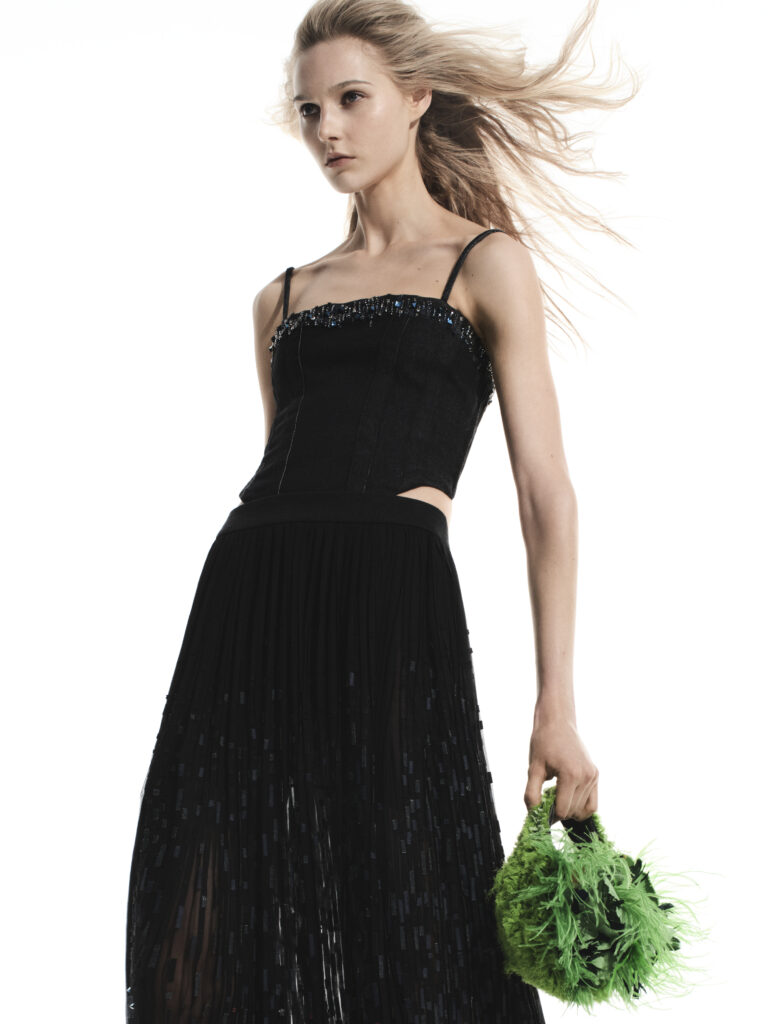
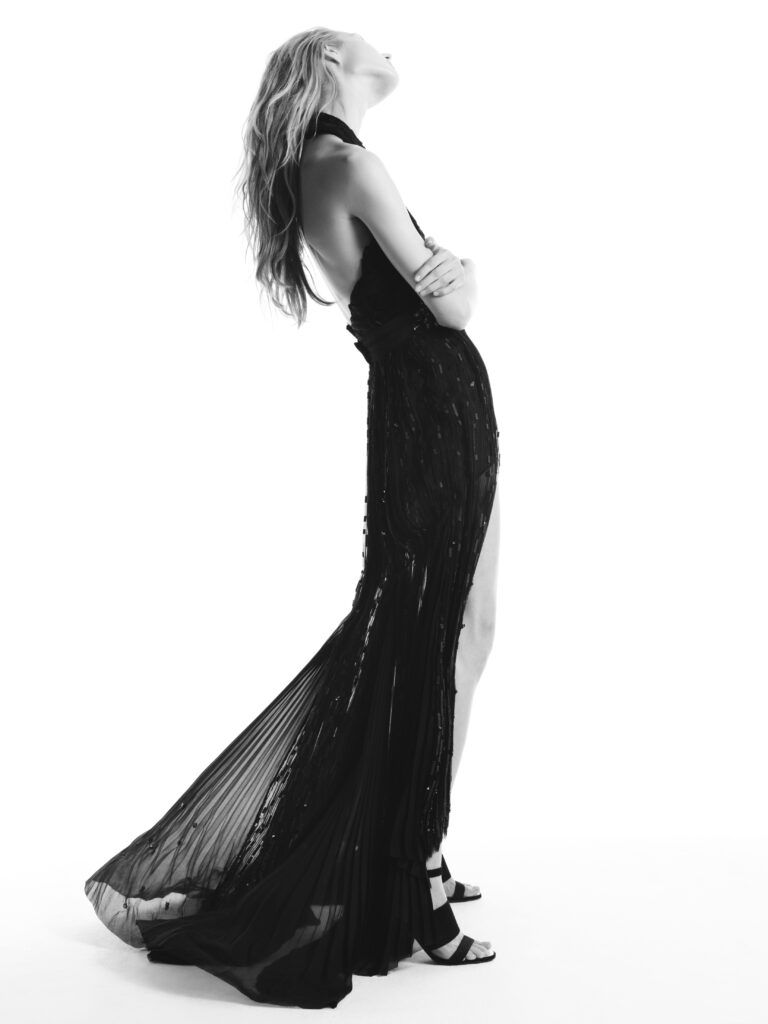
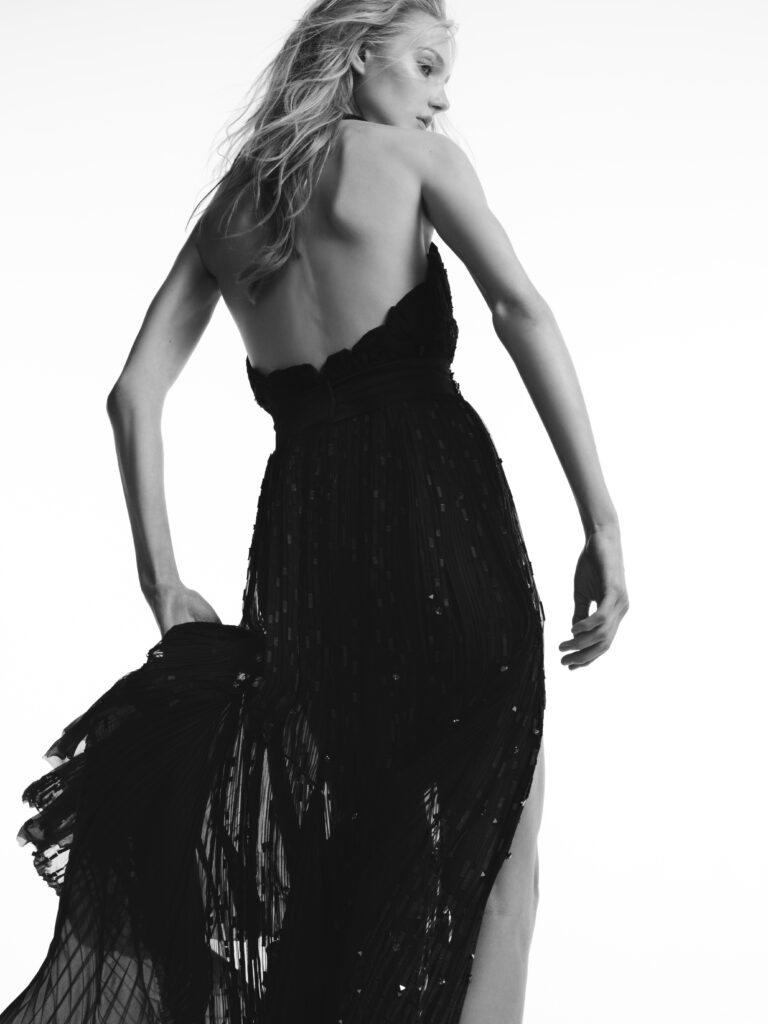
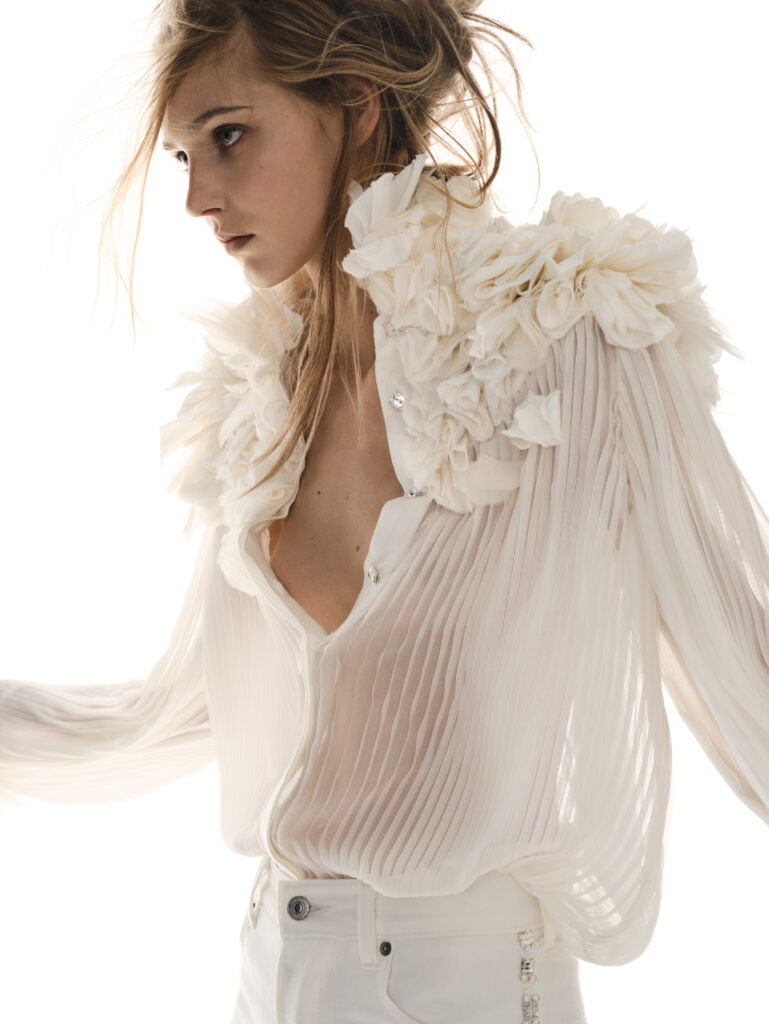
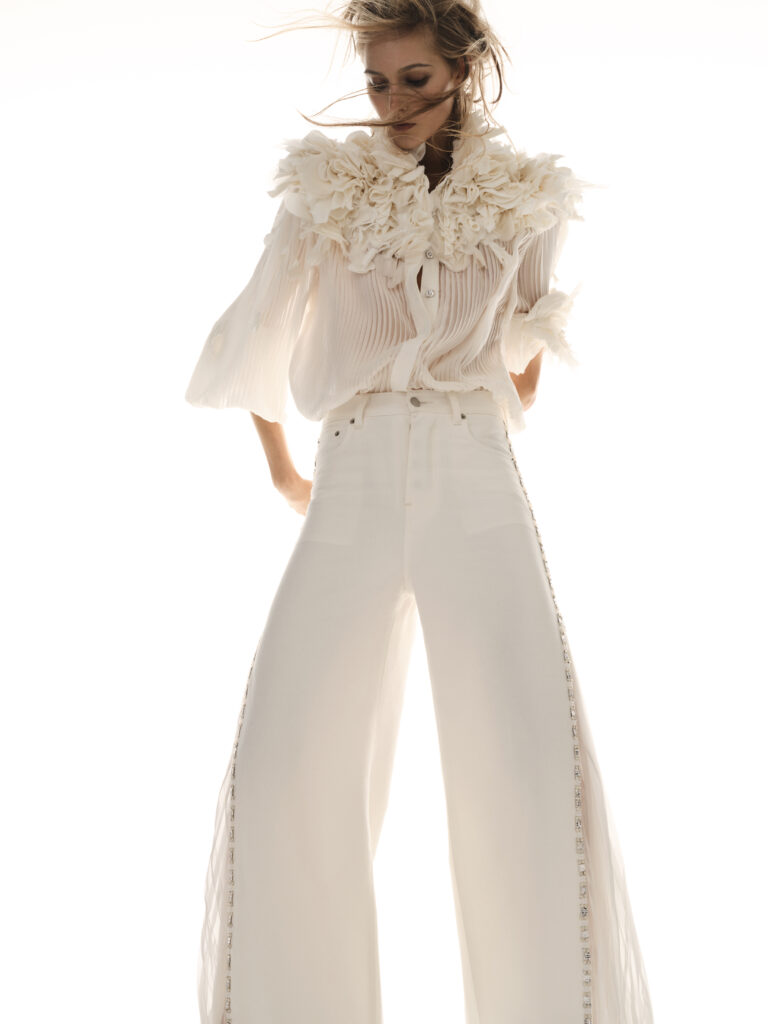
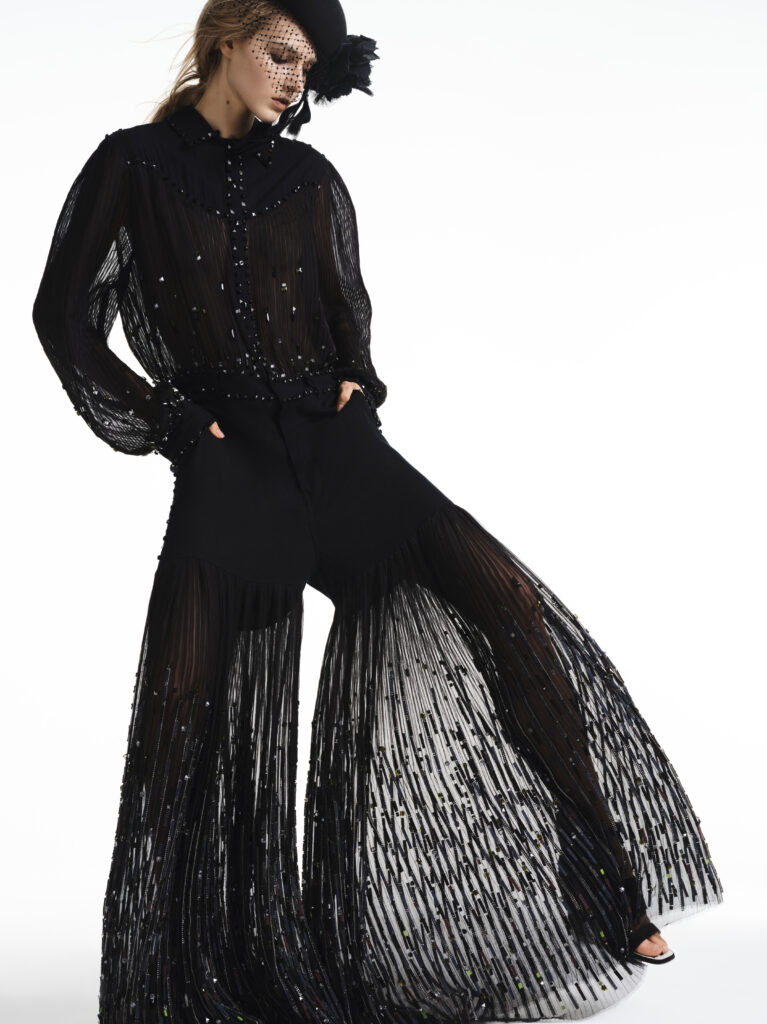
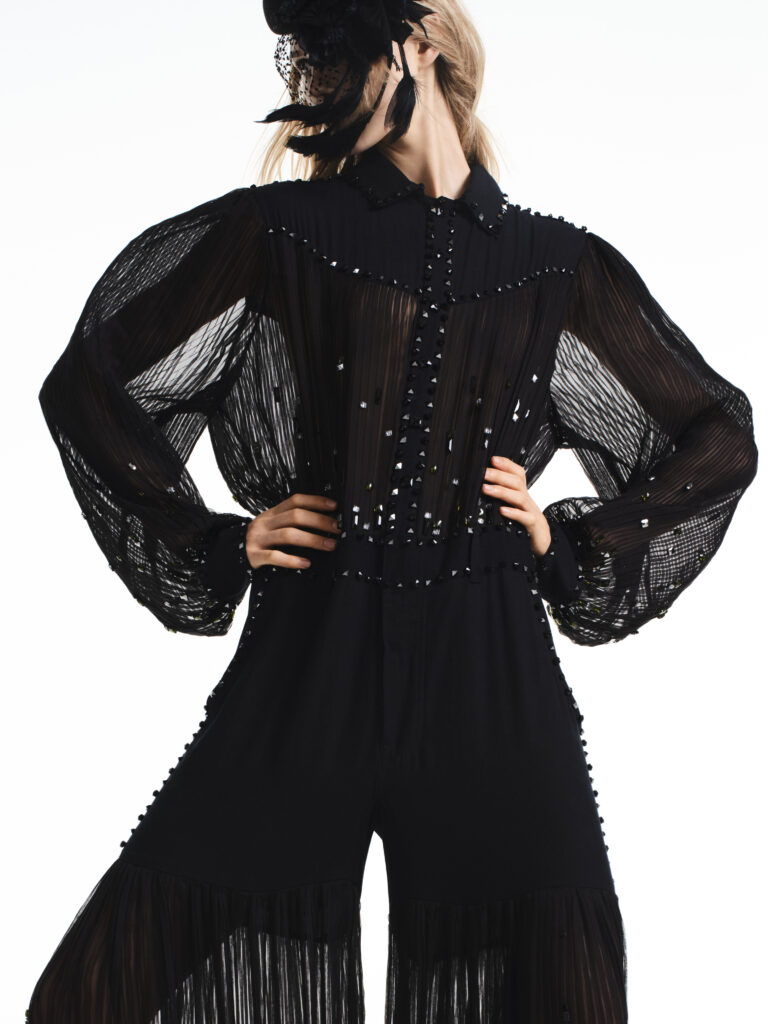
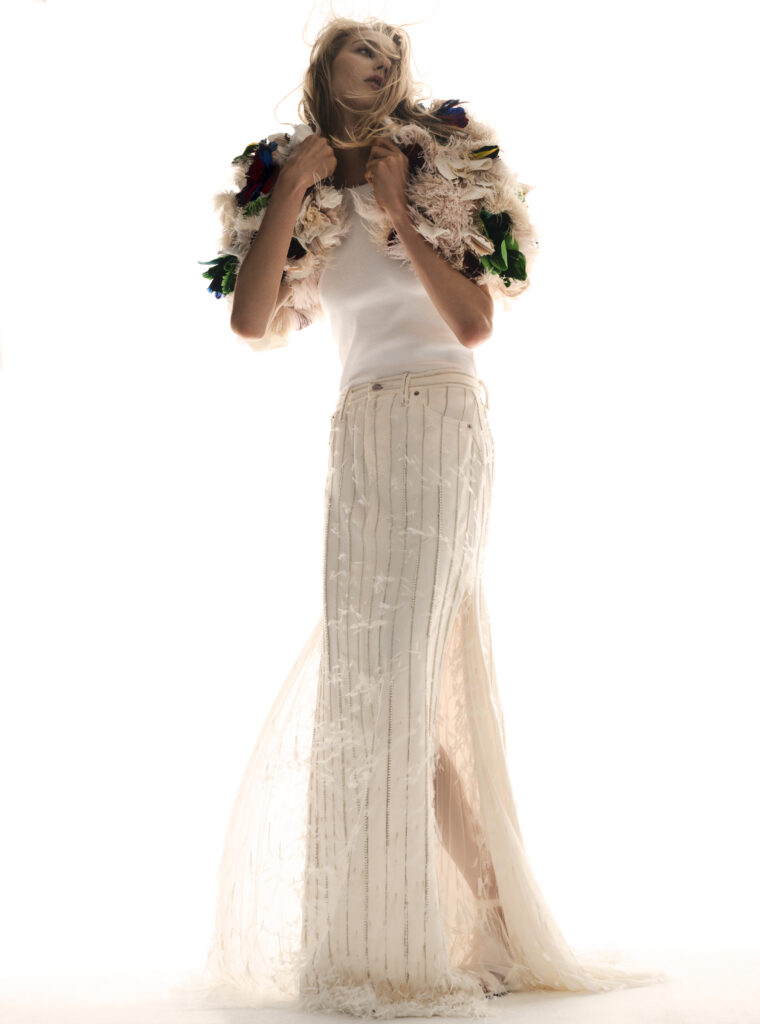
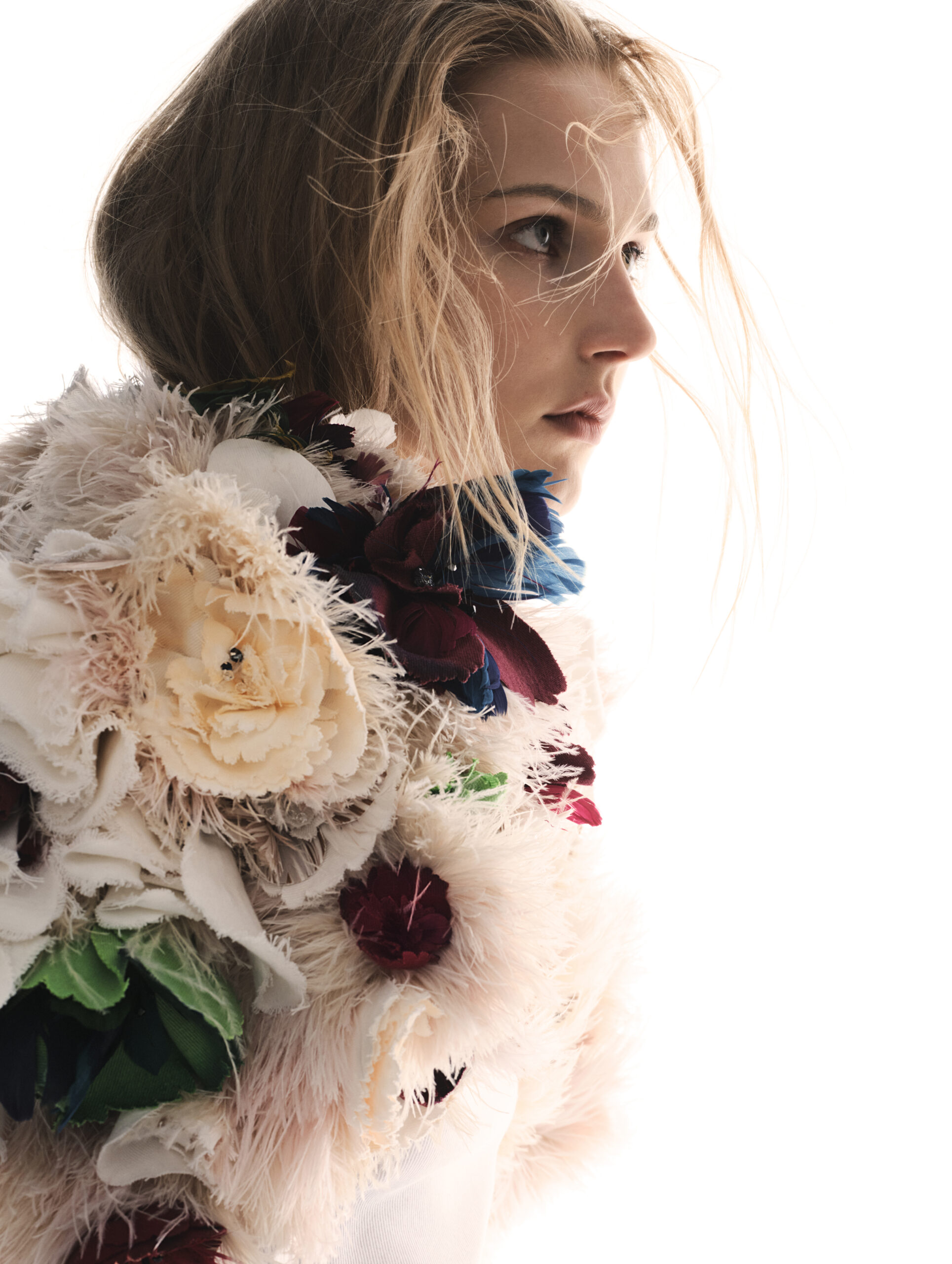
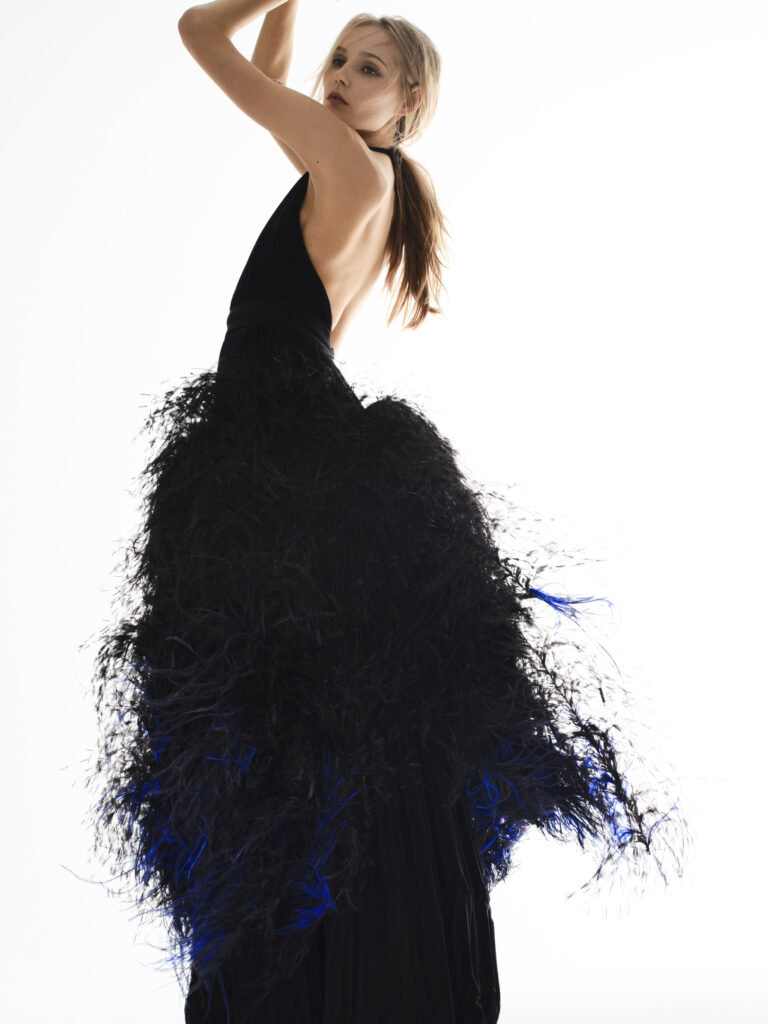
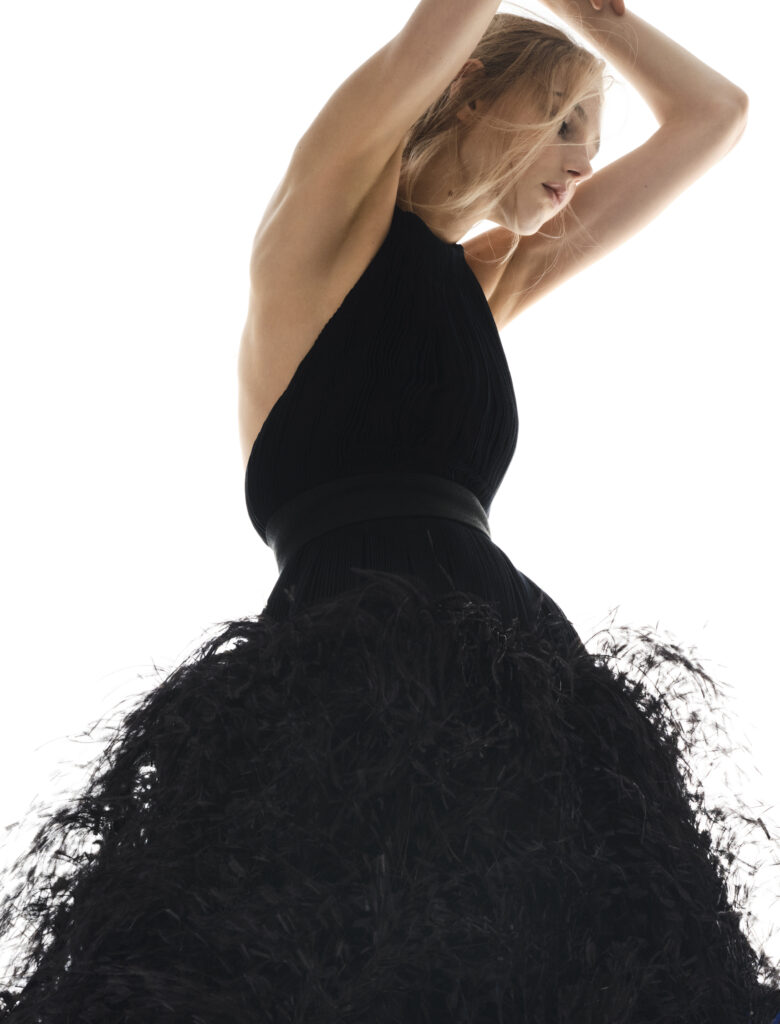
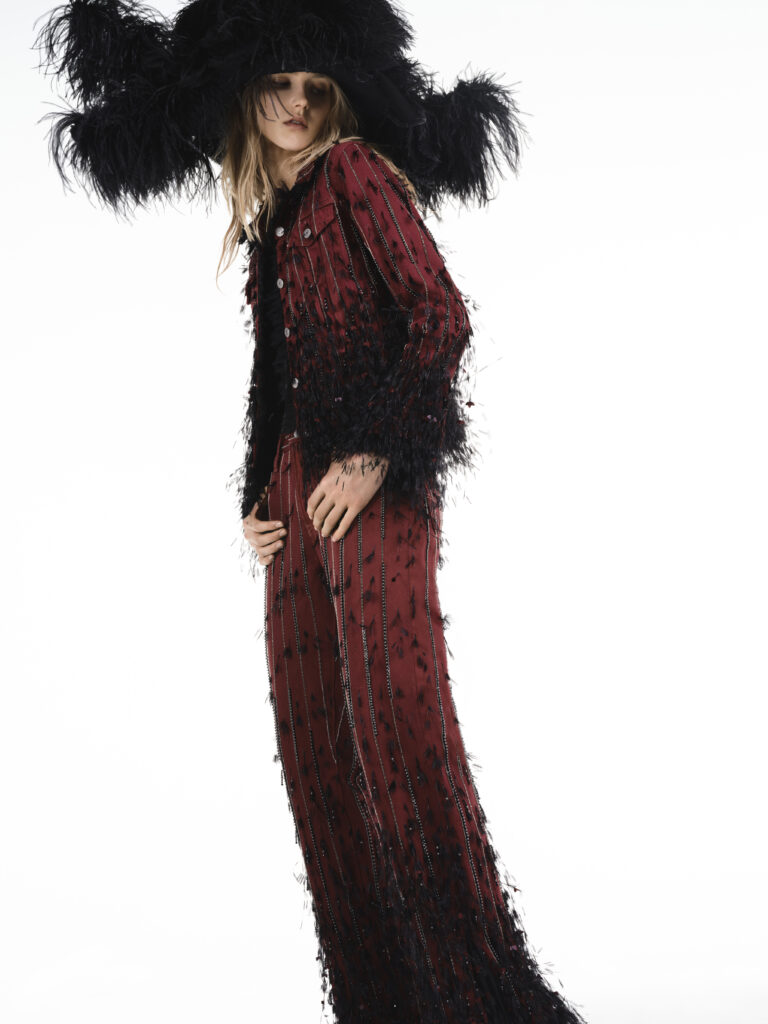
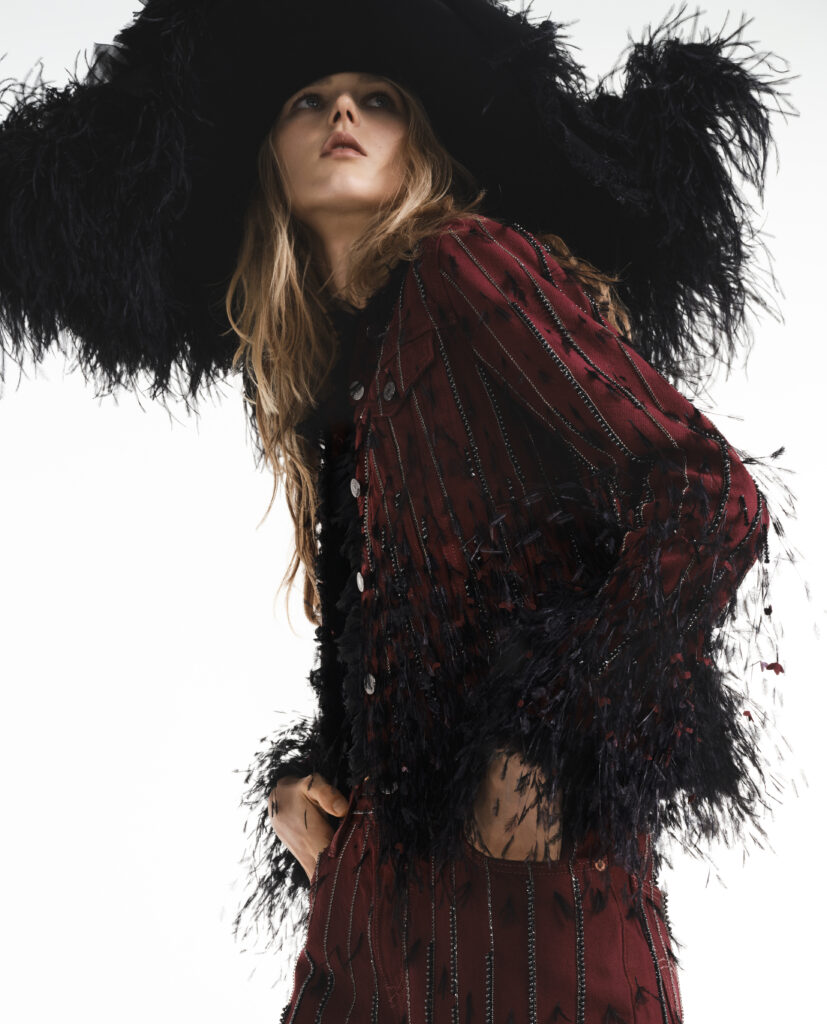
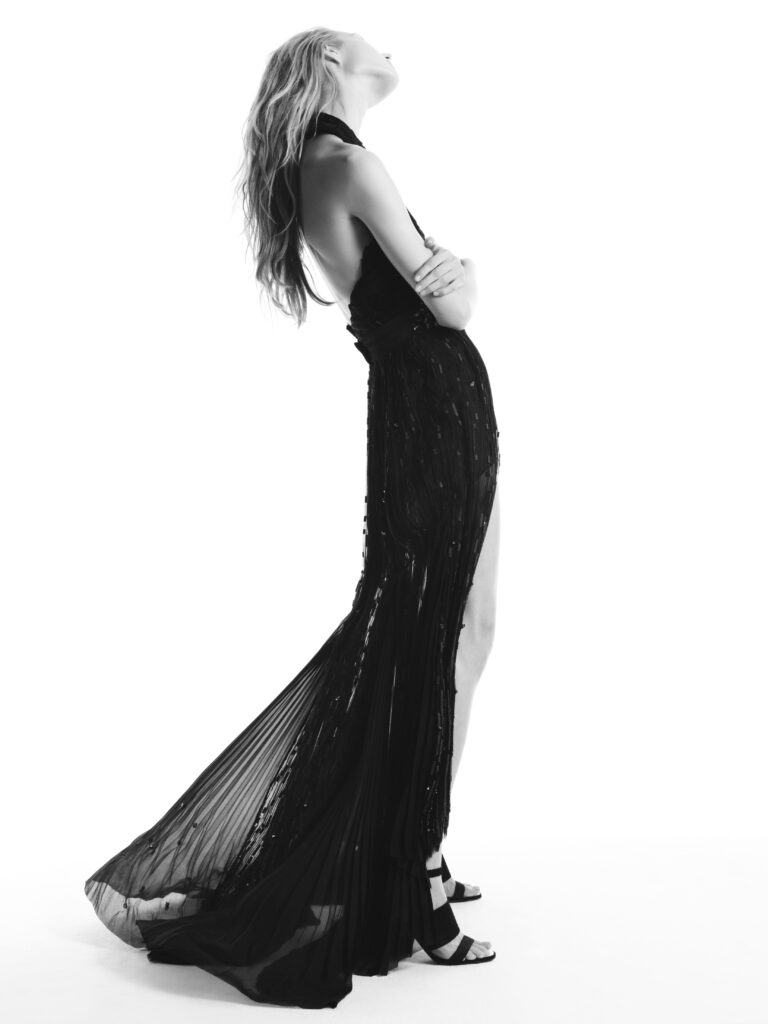
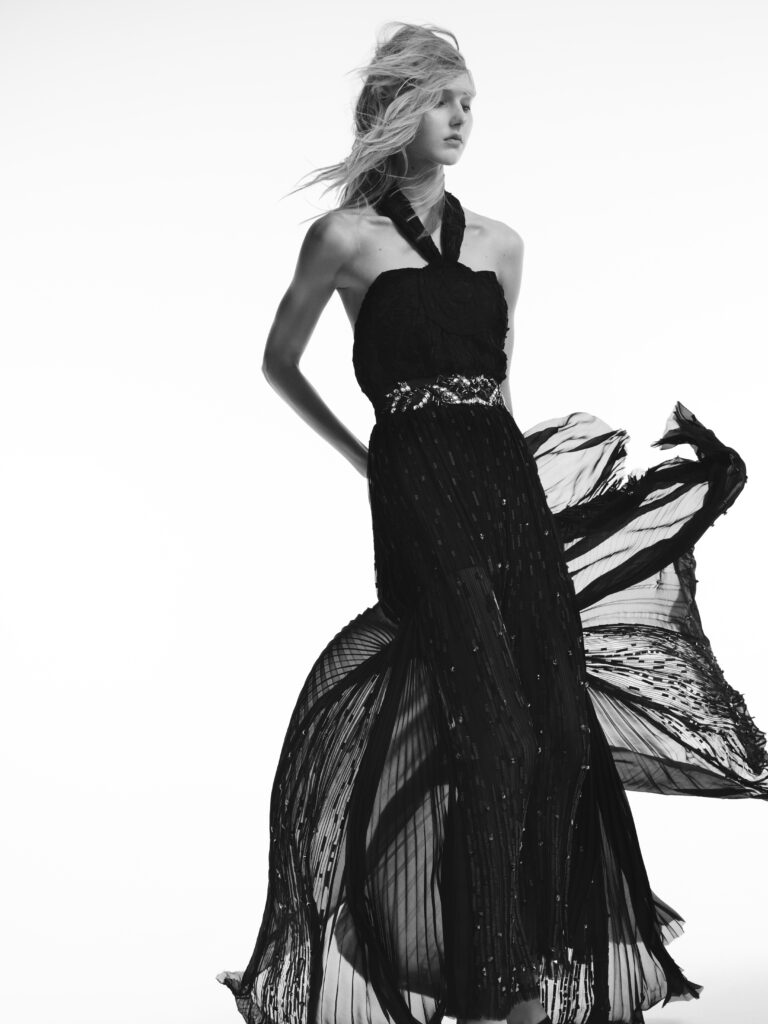
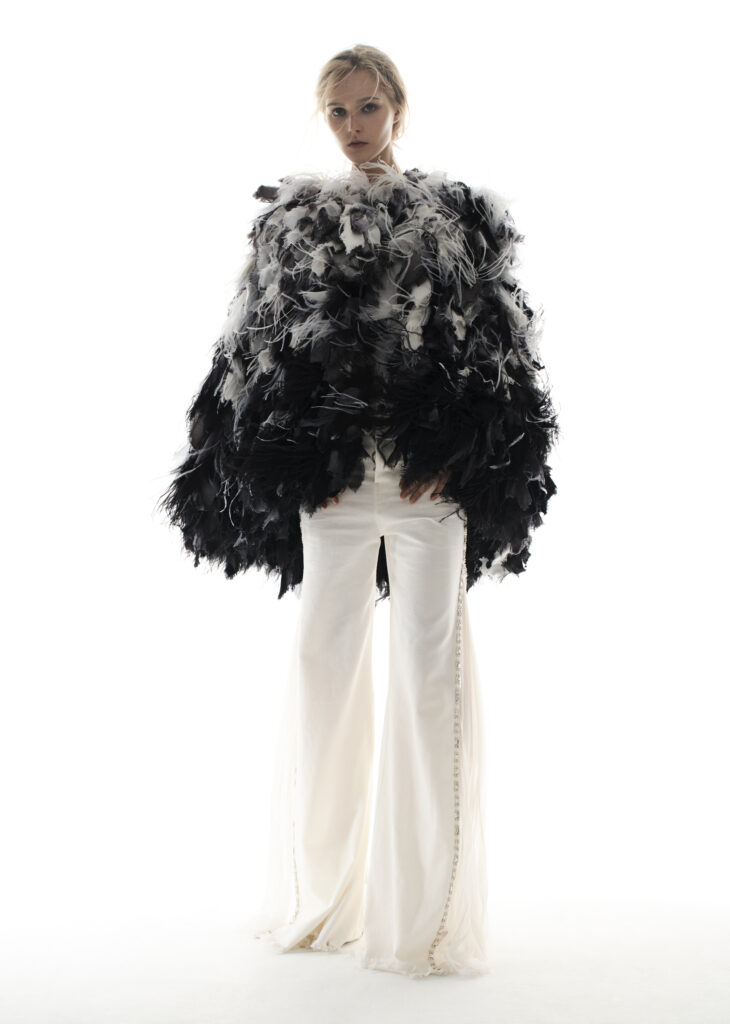
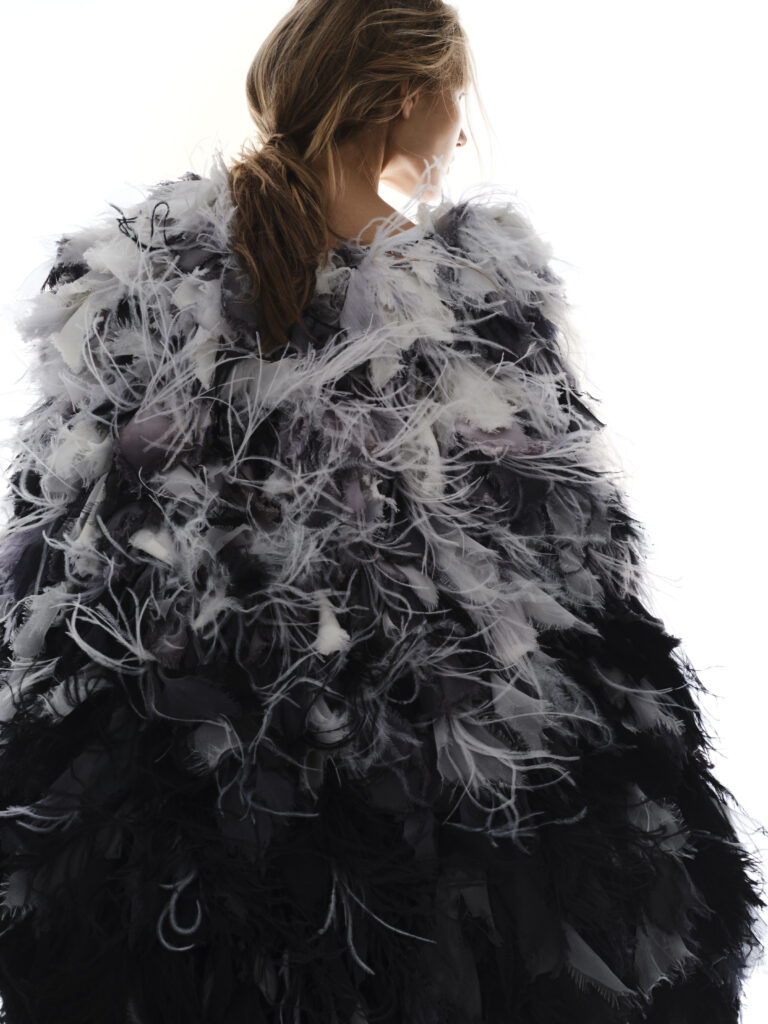
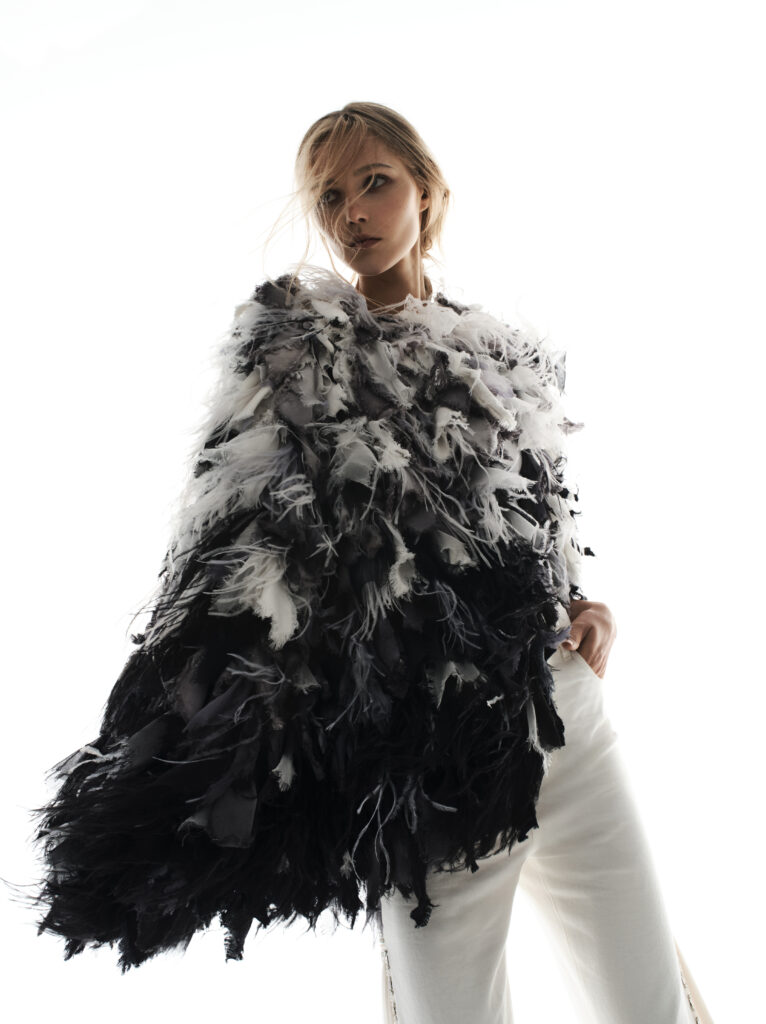
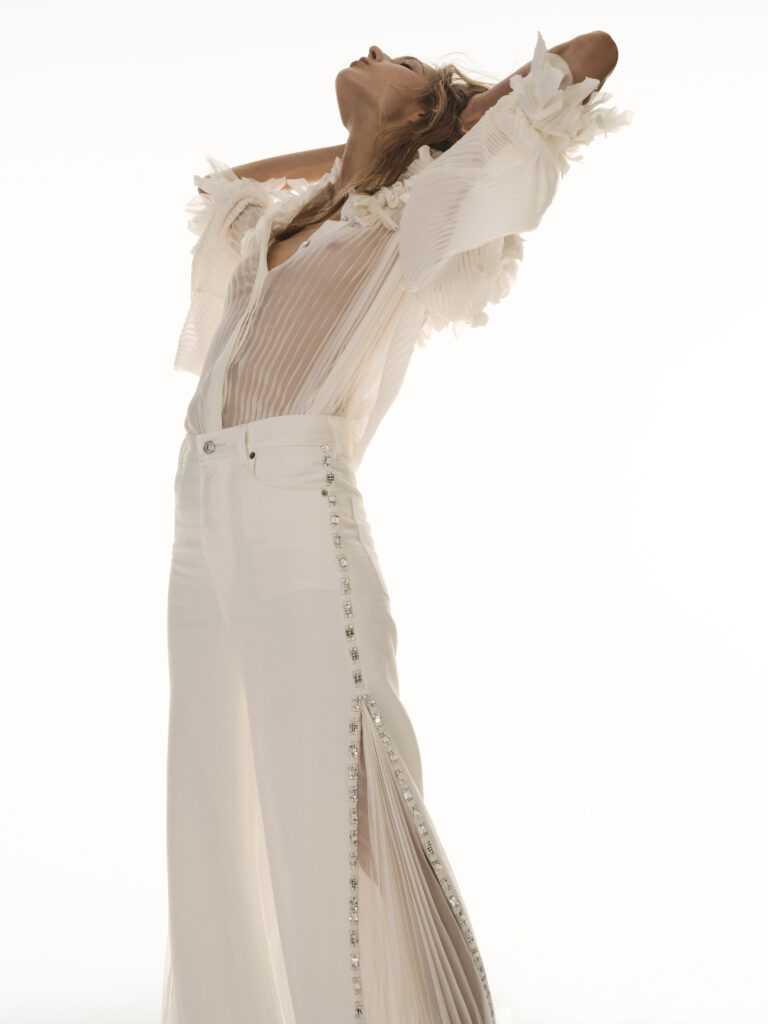
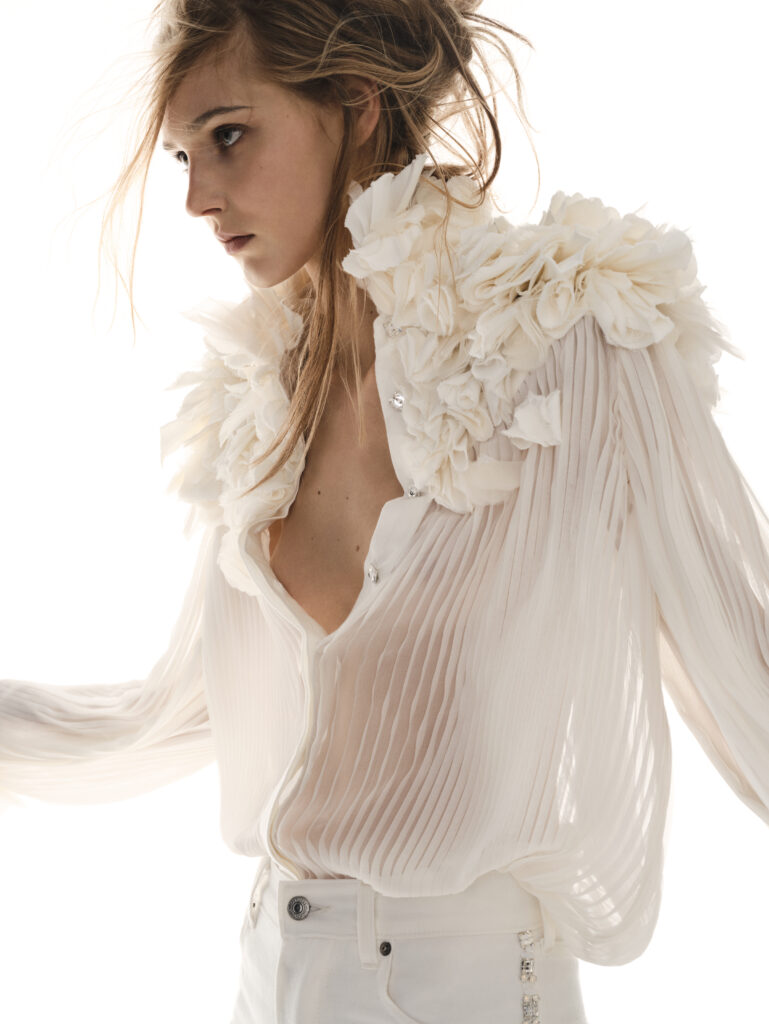
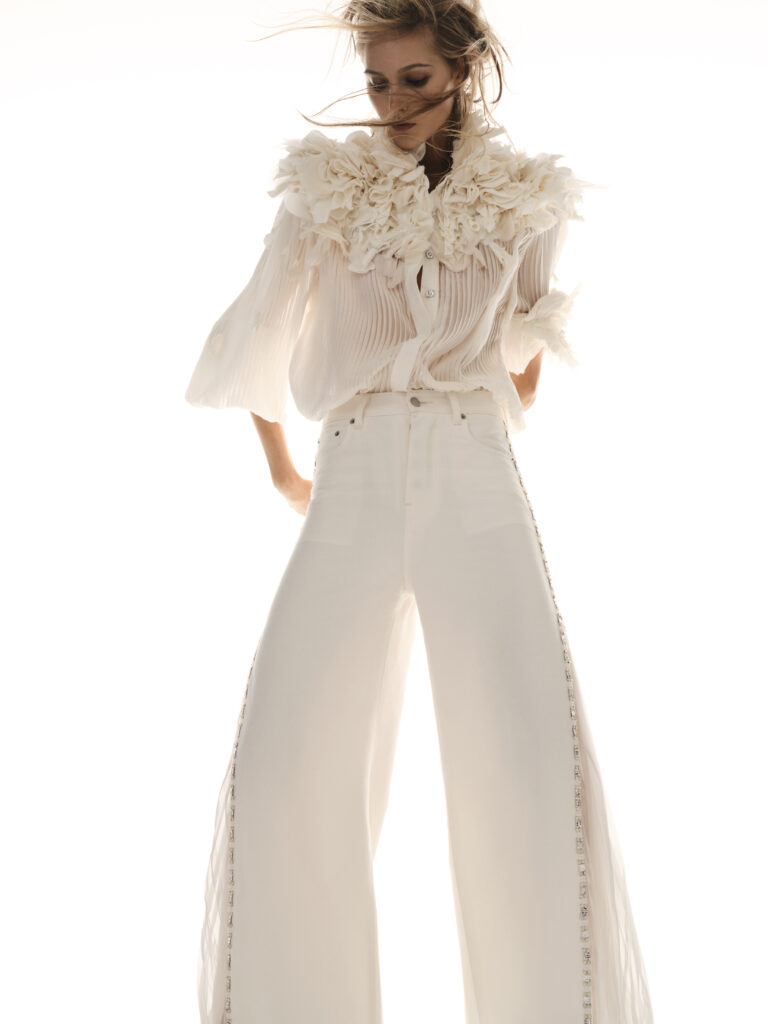
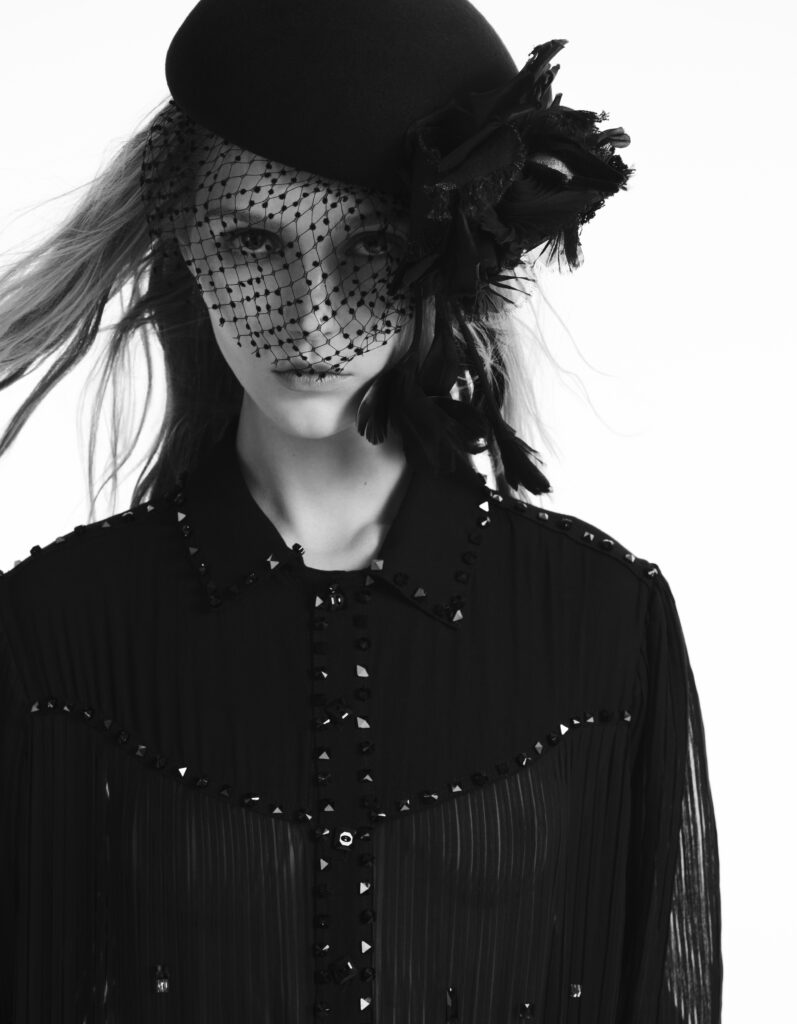
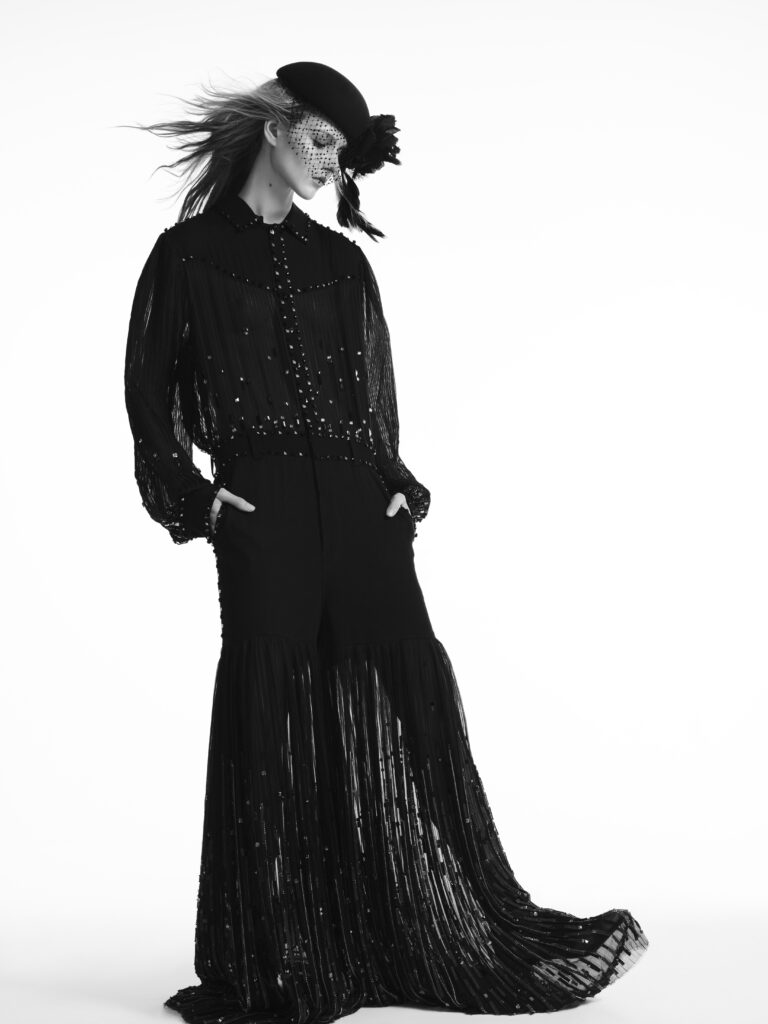
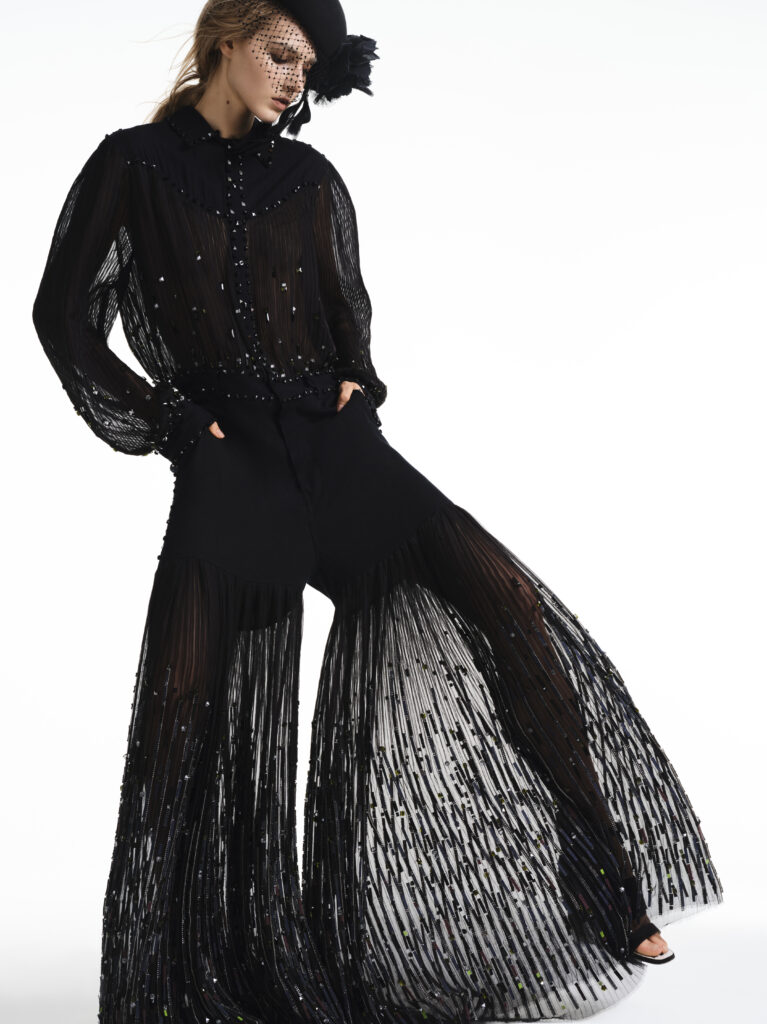
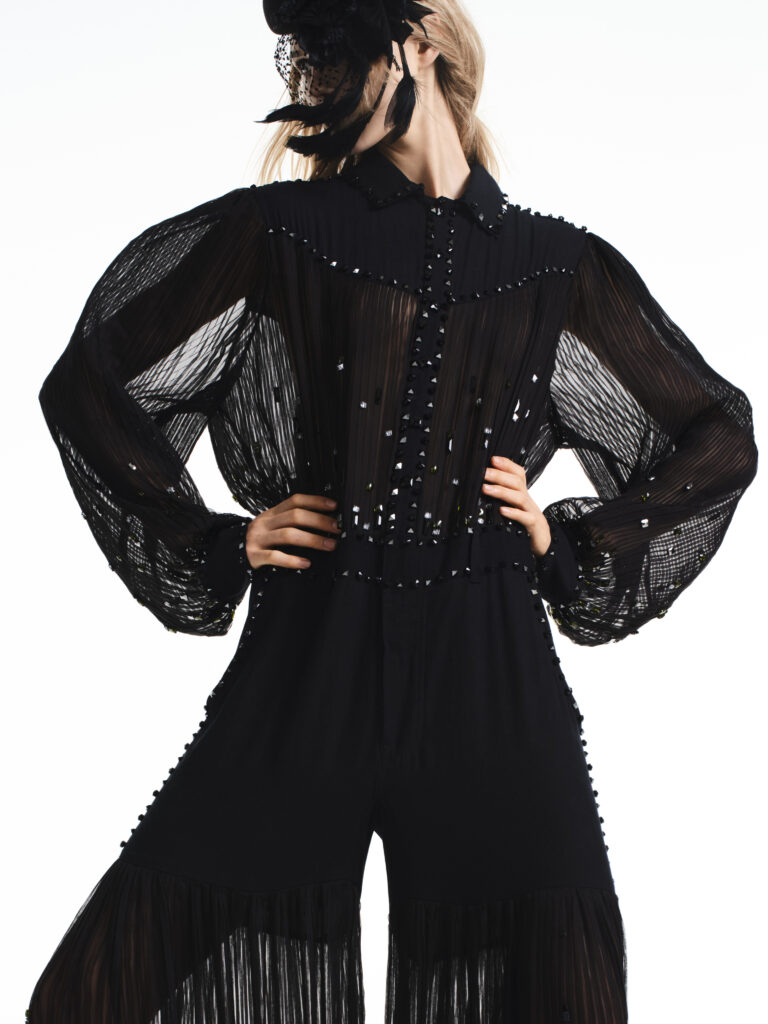
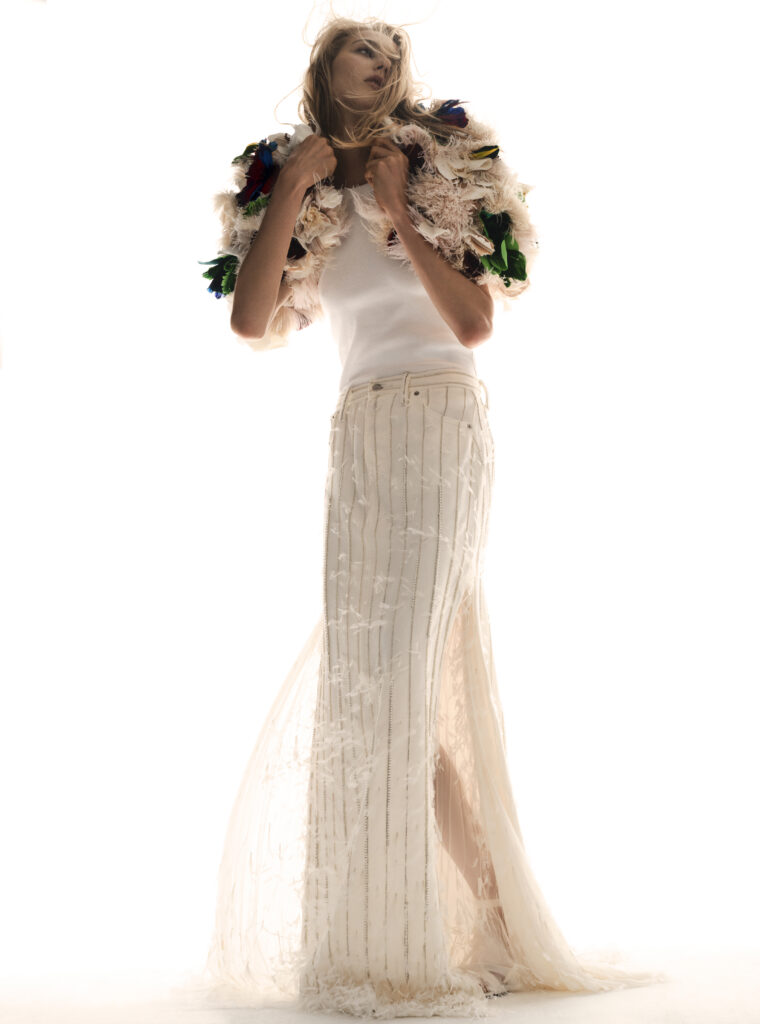
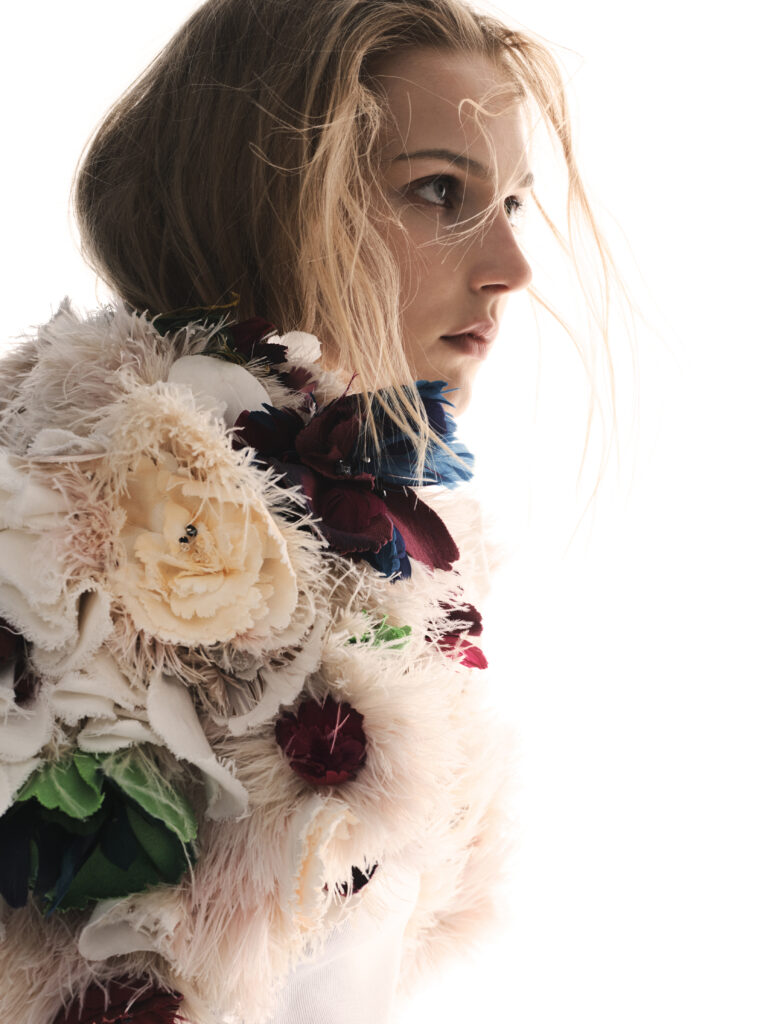
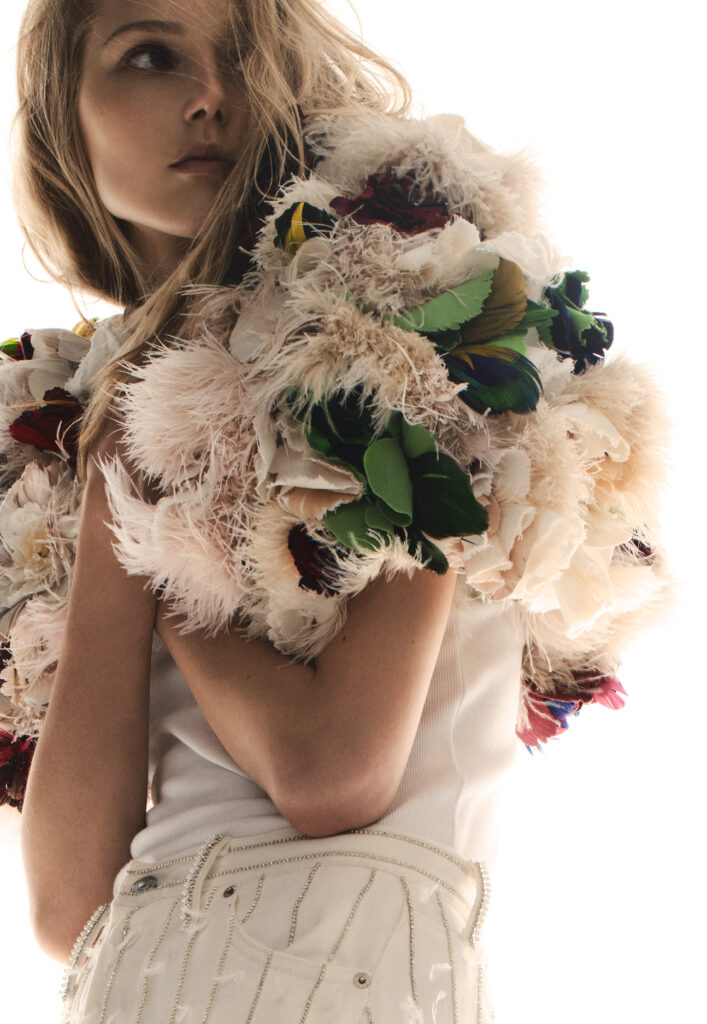
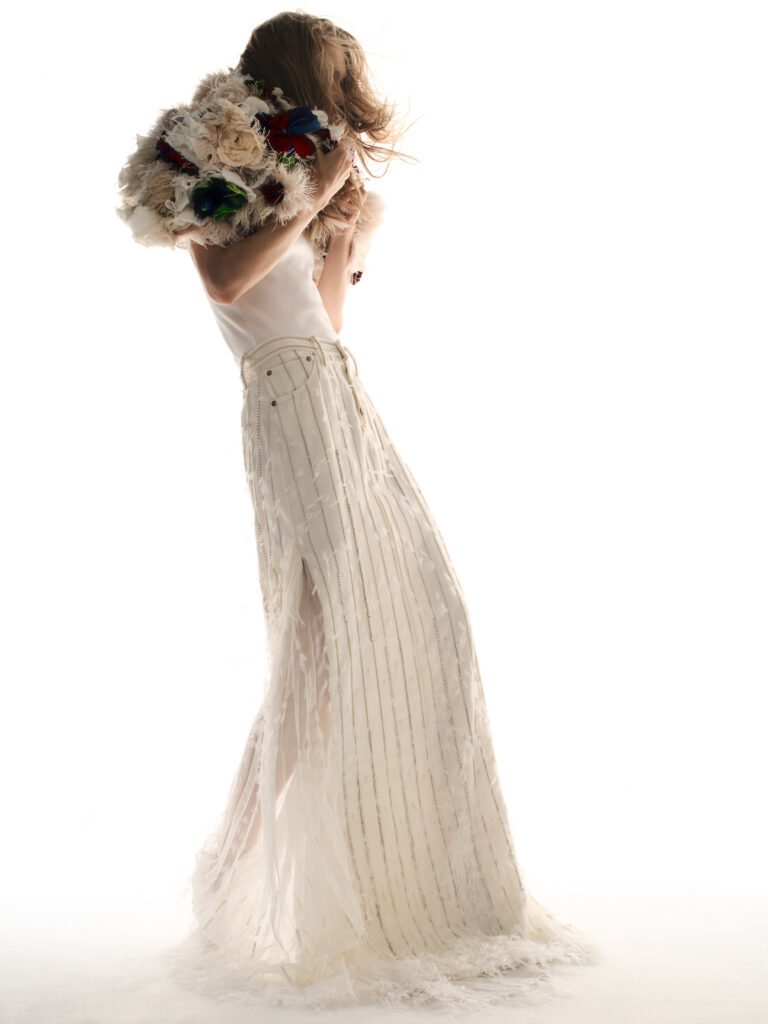
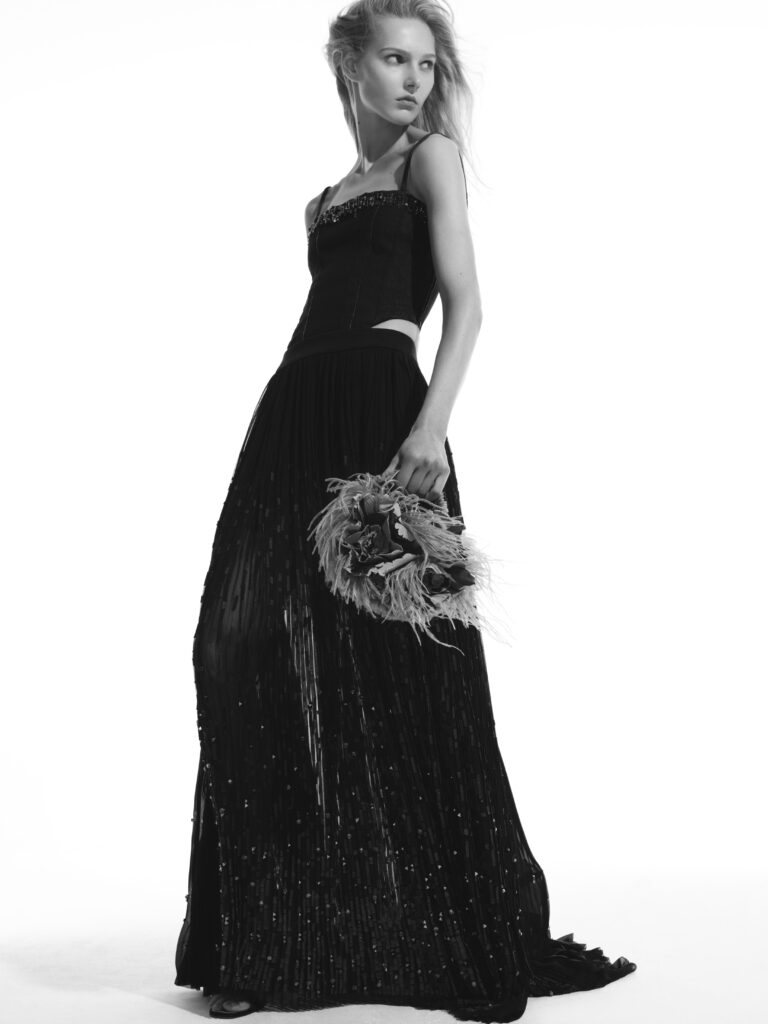
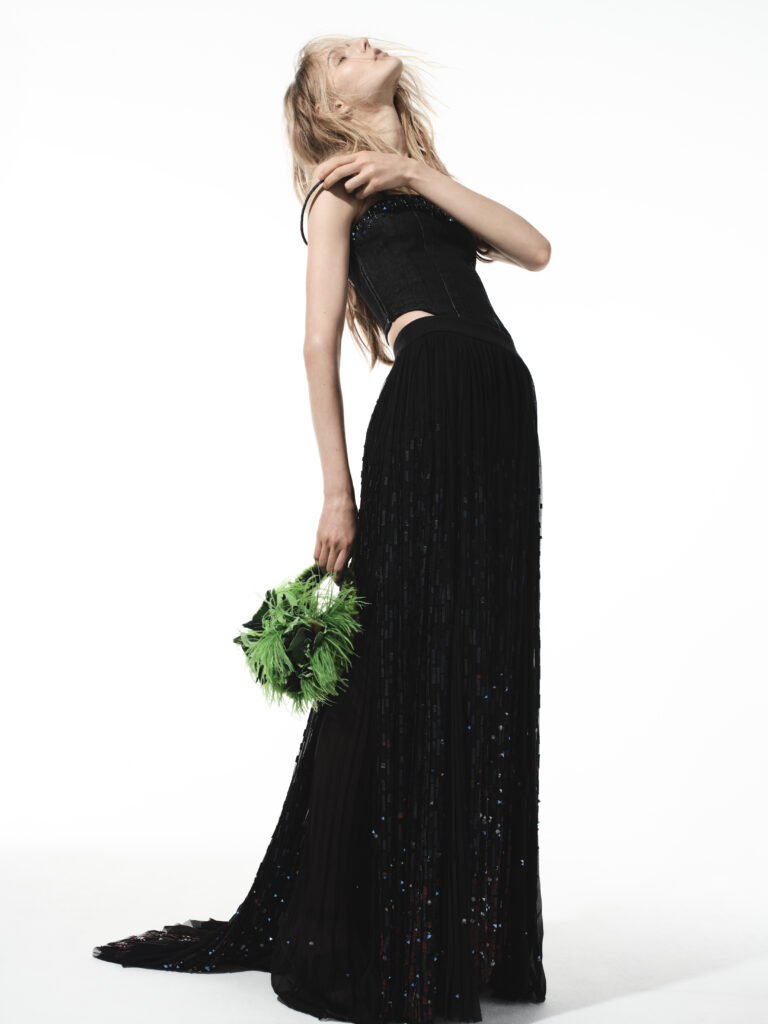
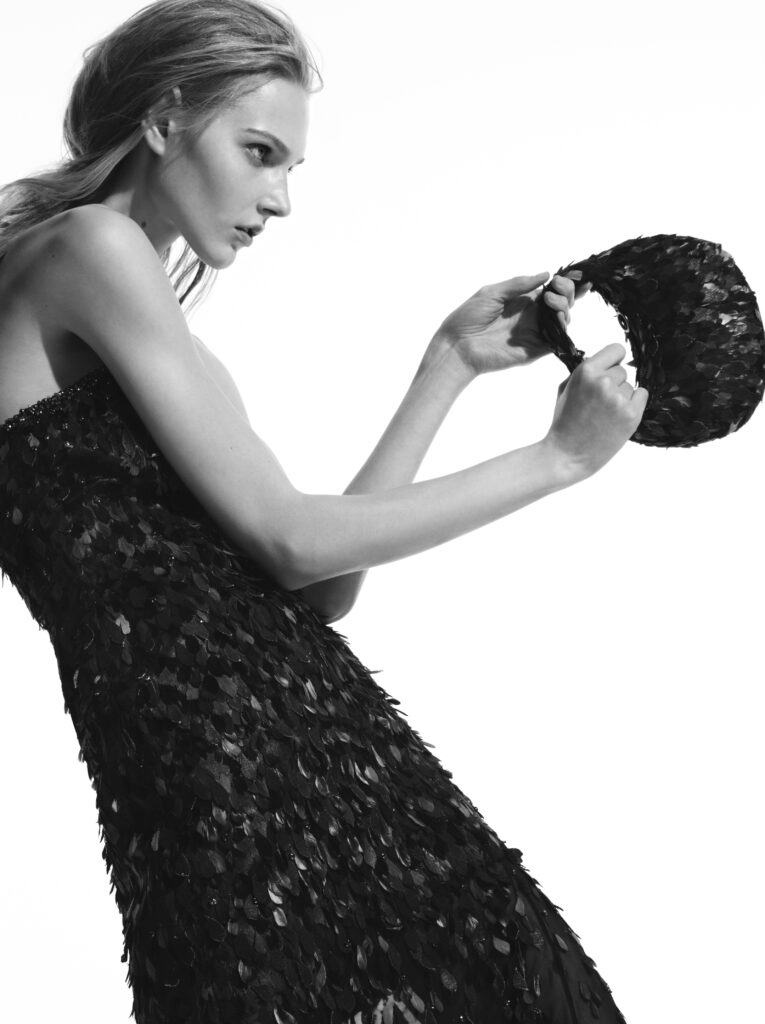
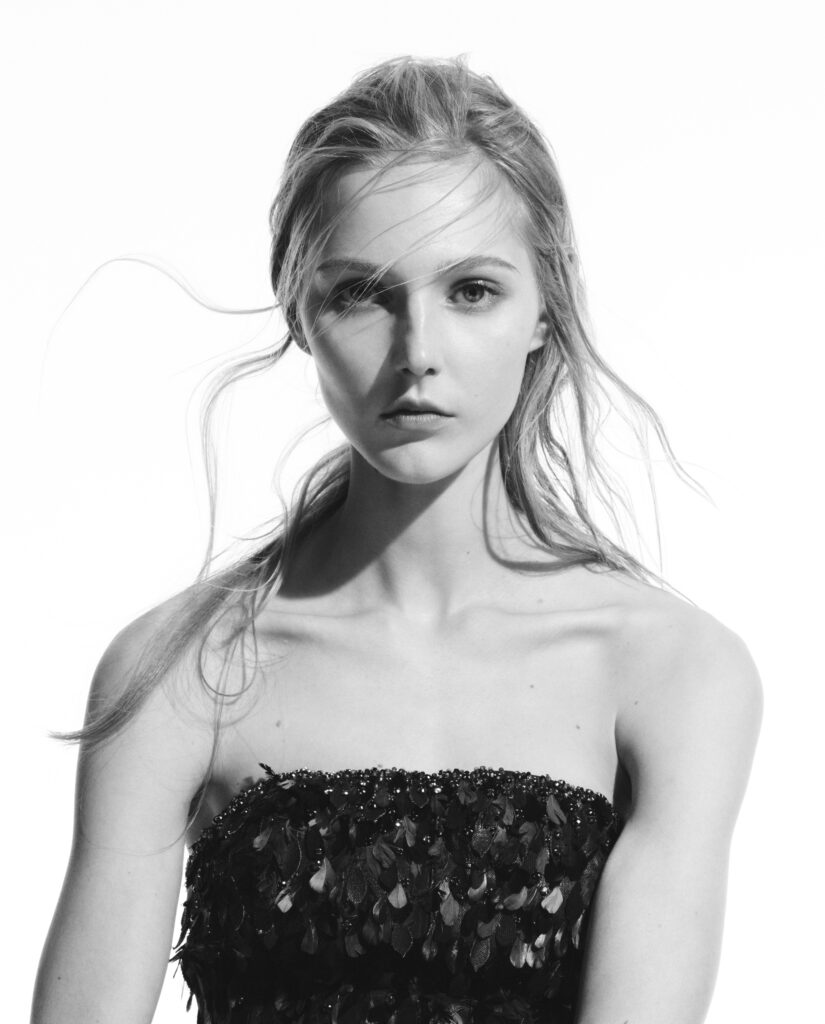
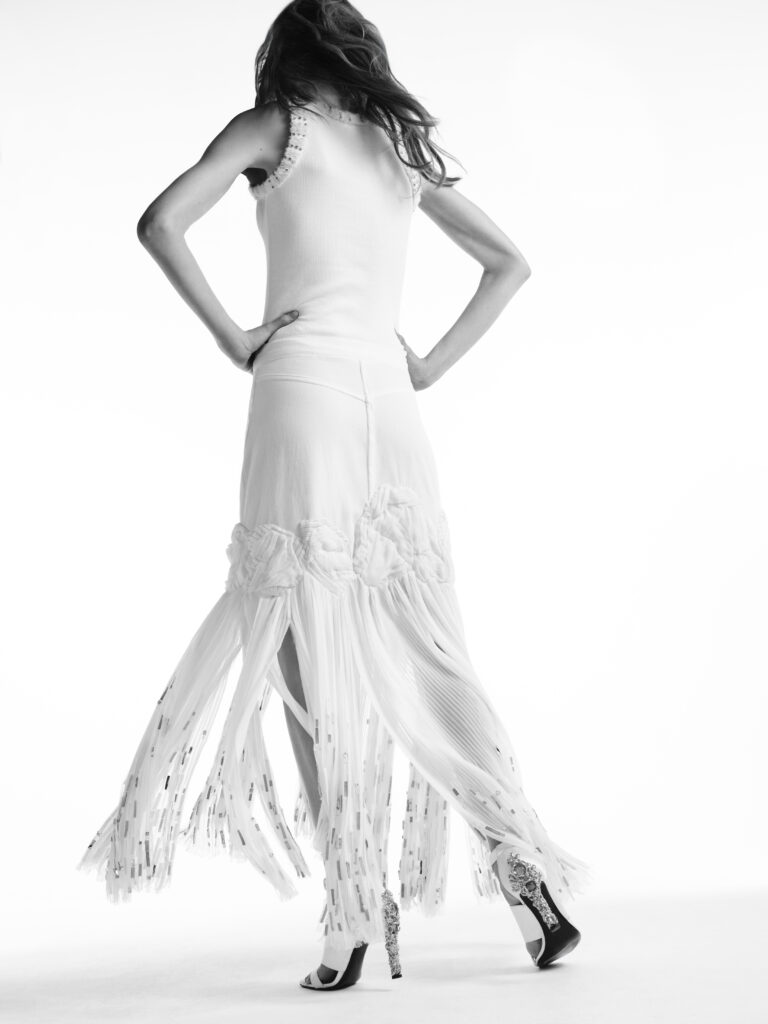
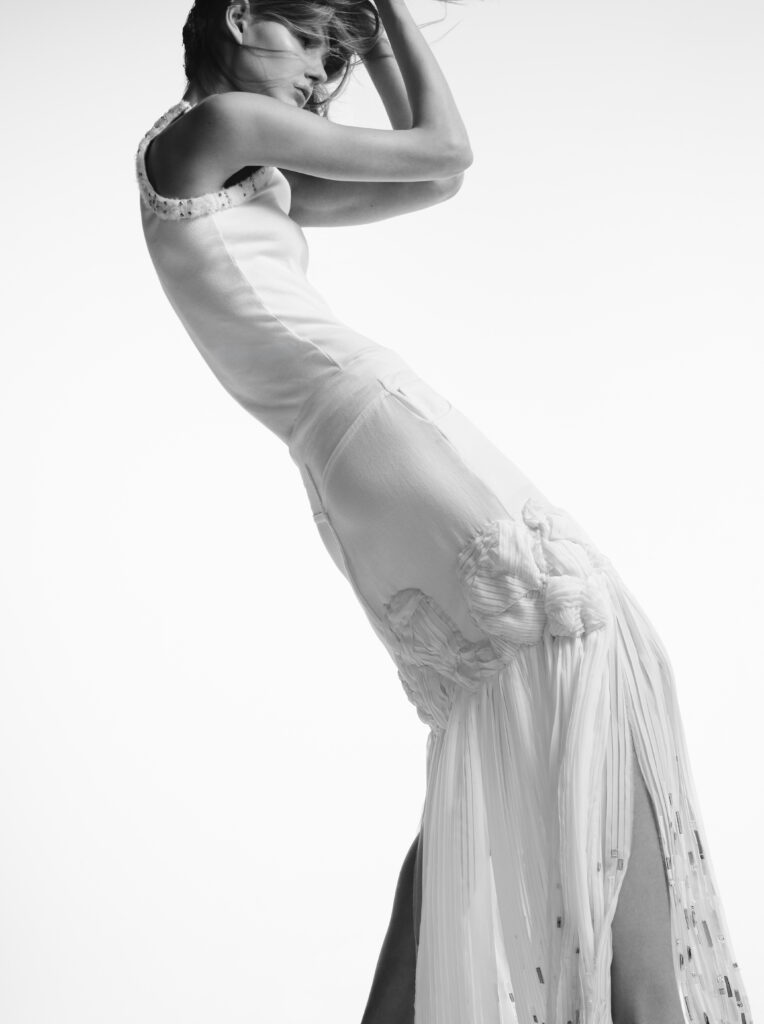
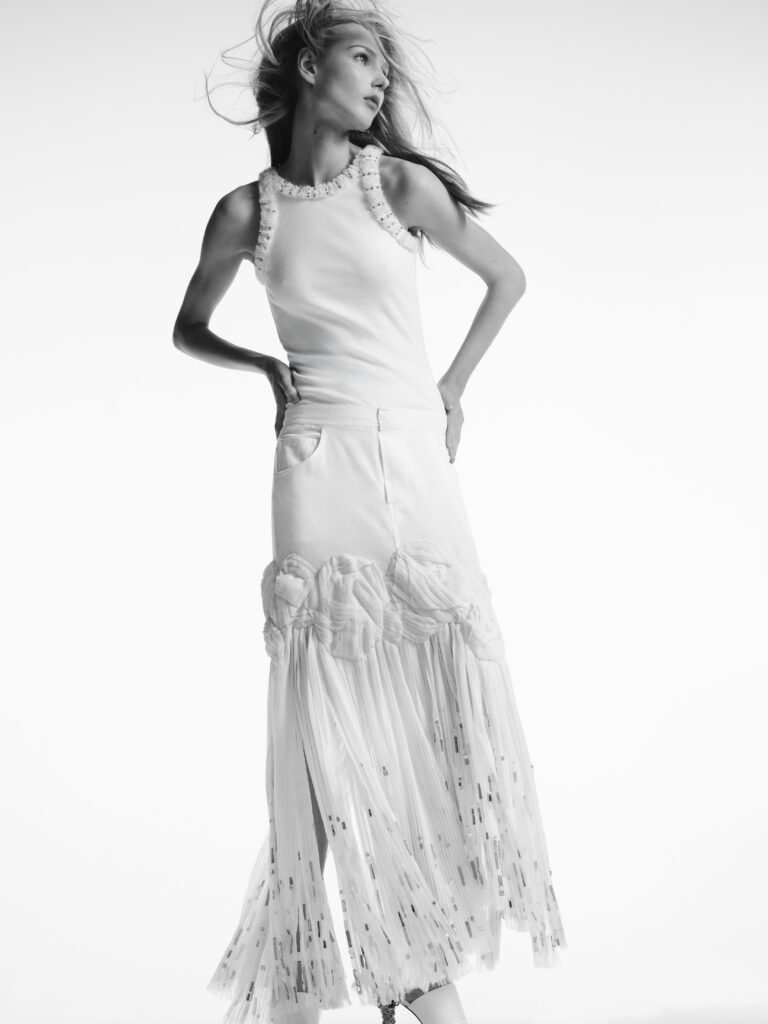
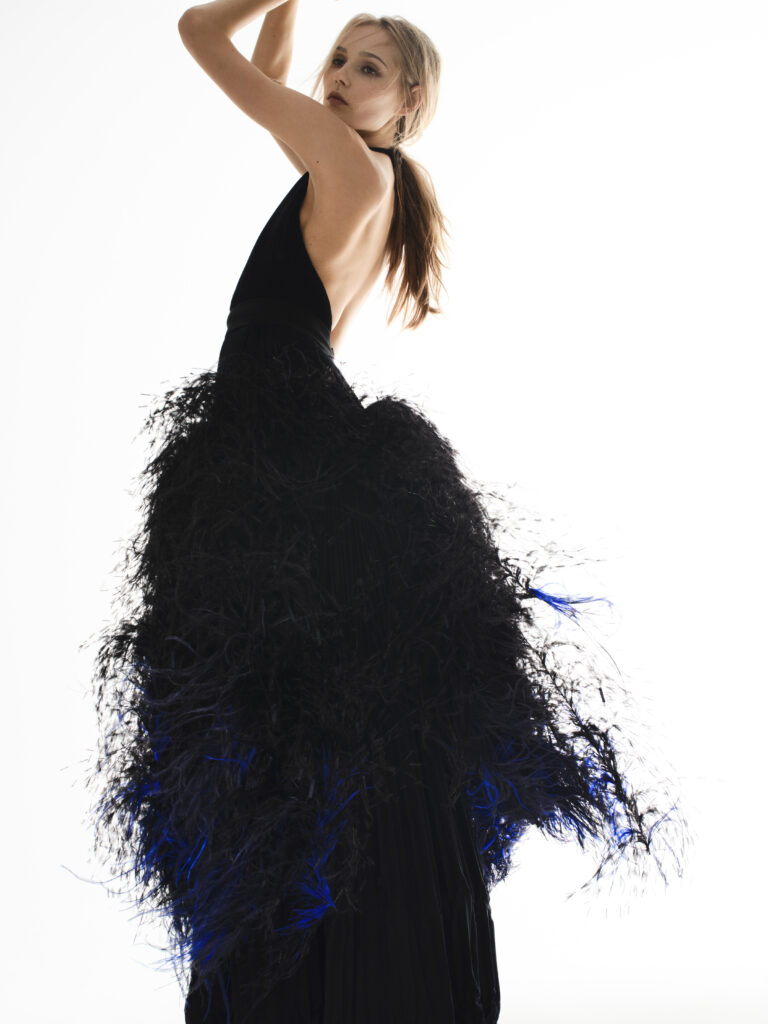
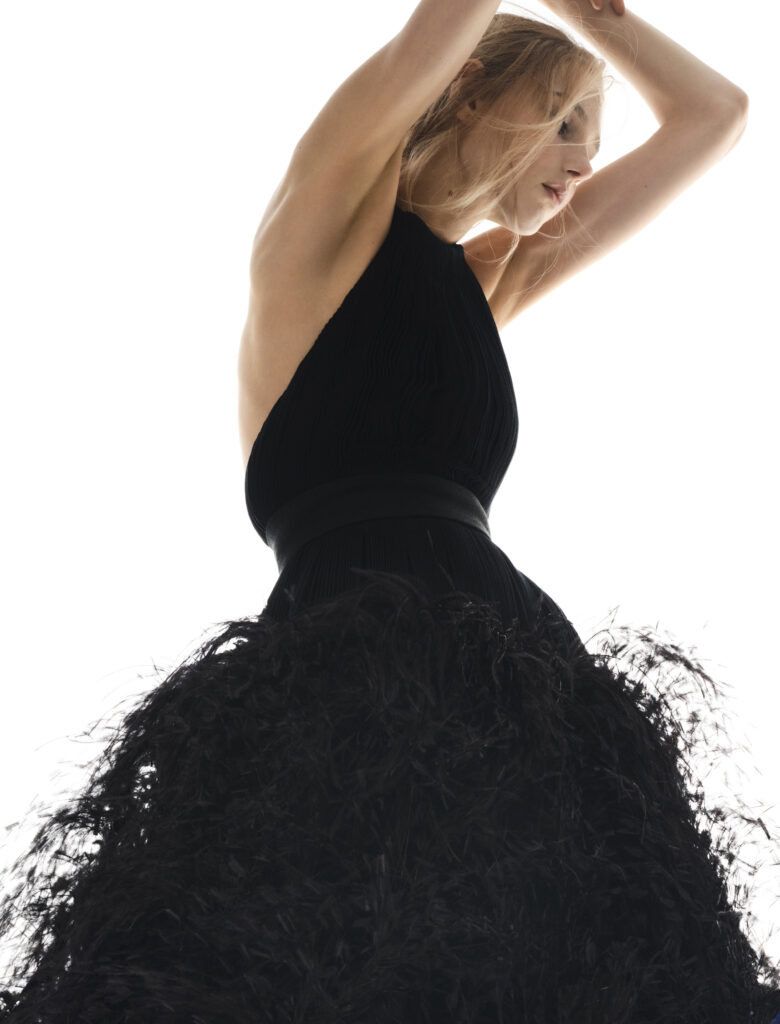
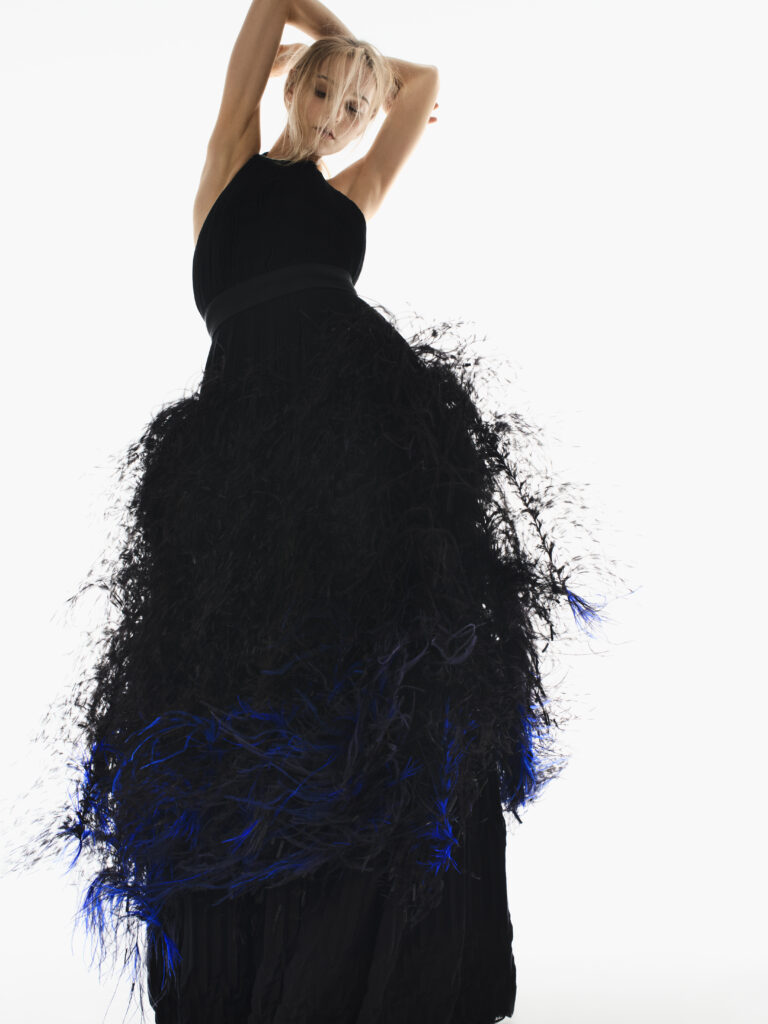
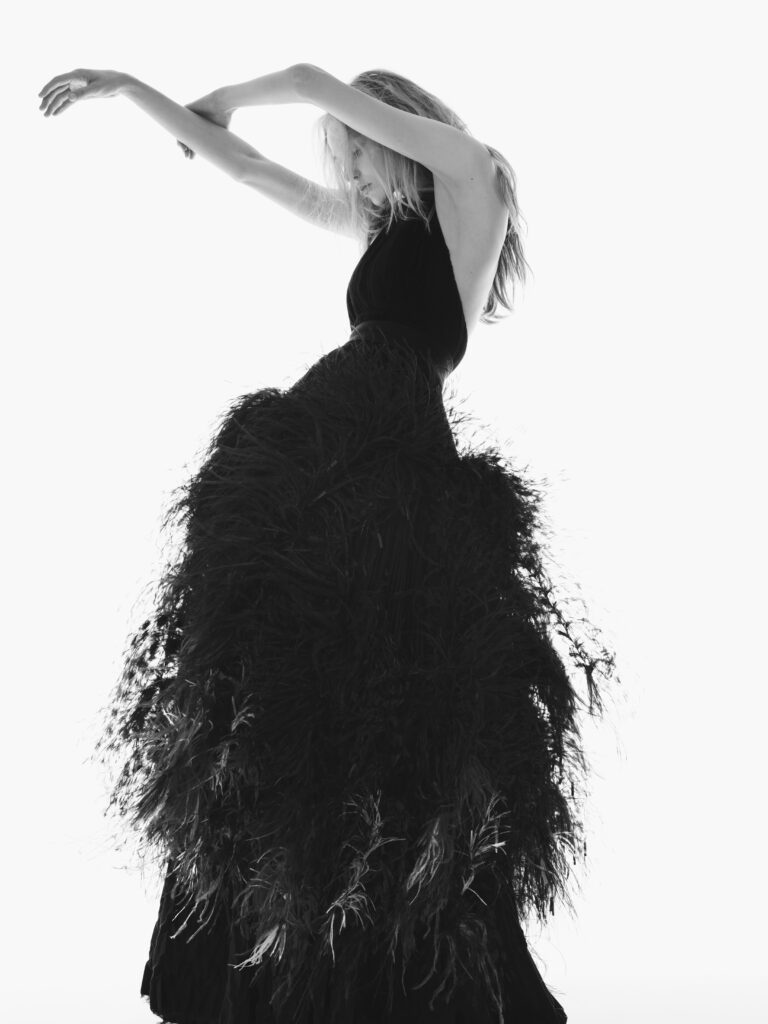
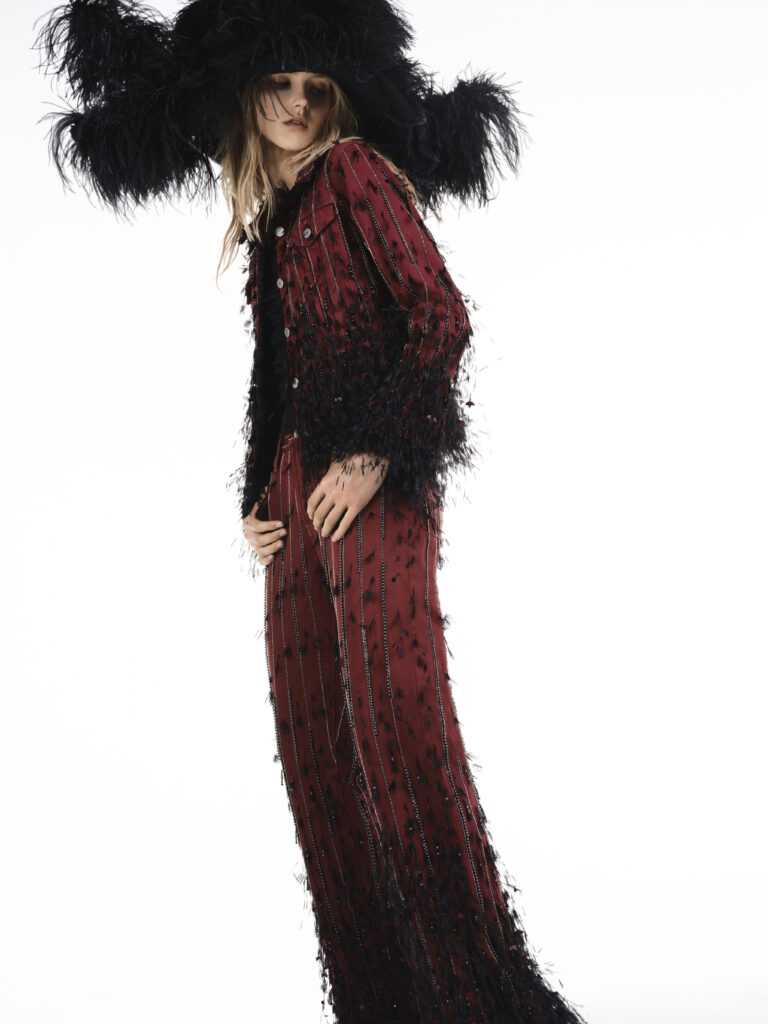
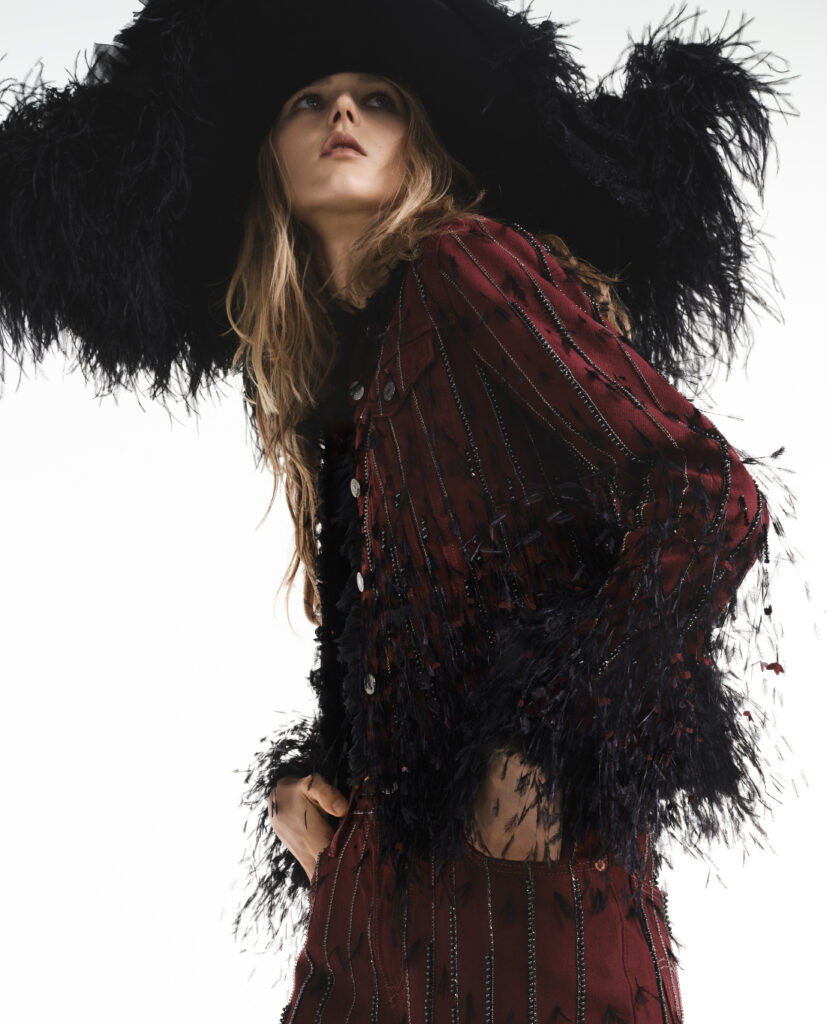
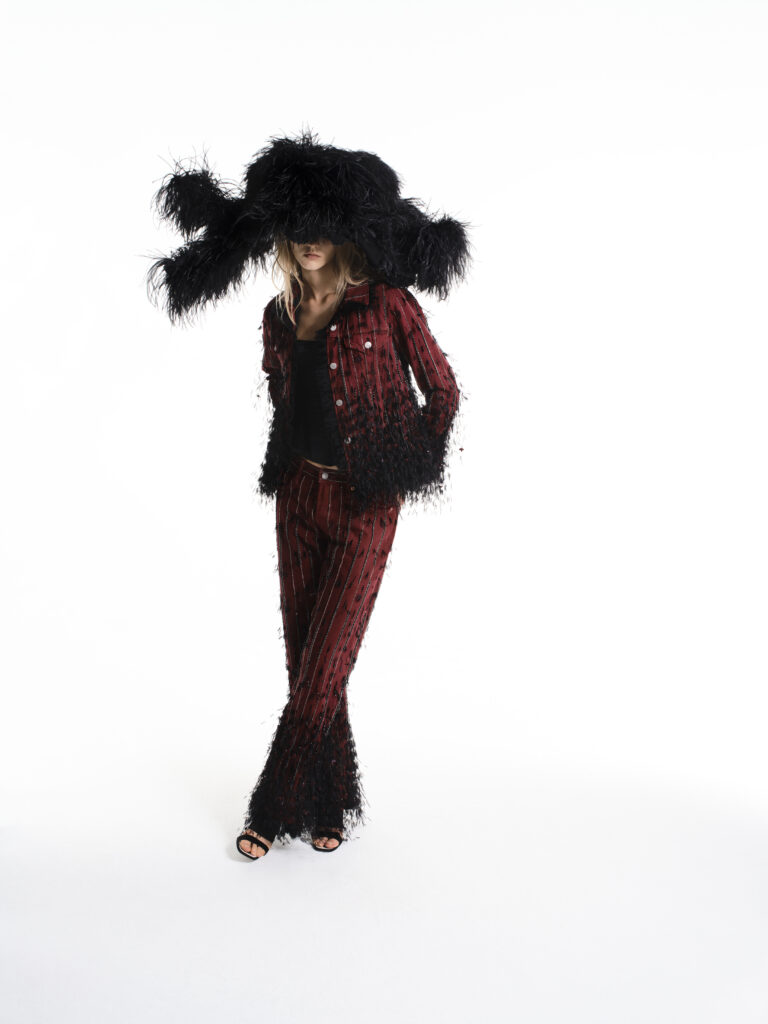
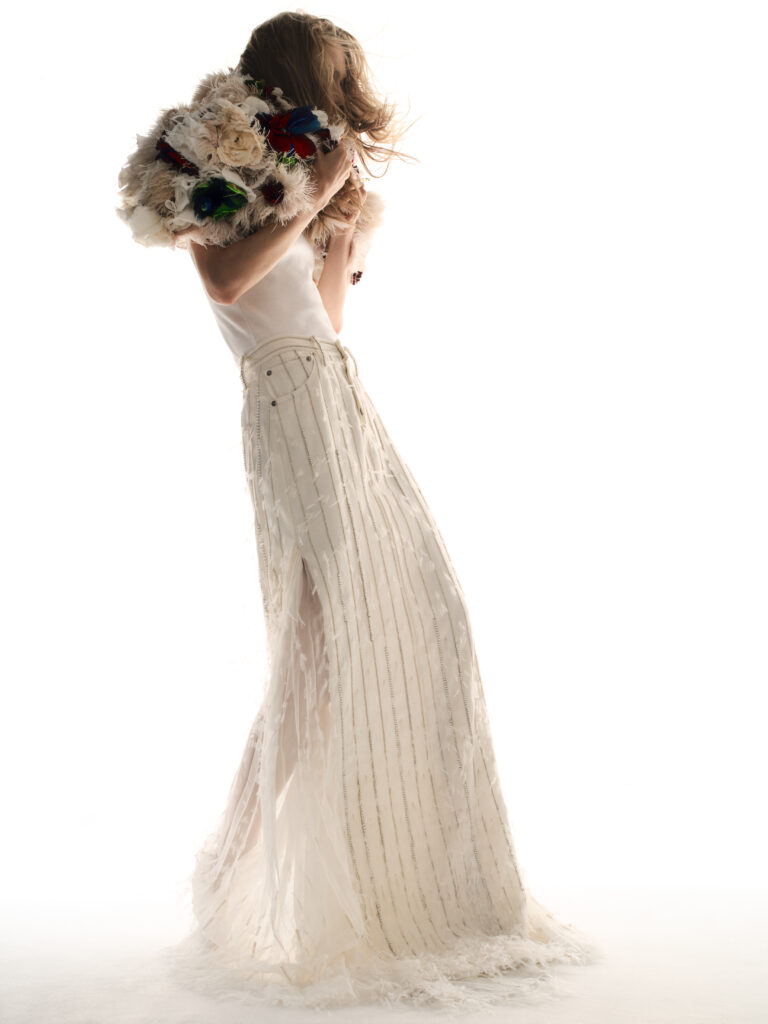
The collection, created entirely from denim as its raw material, does more than simply adorn the fabric—it transforms it. Intricate pleats, arrangements of feathers and flowers, lace appliqués, resin-coated fragments, leather embroidery—each technique draws on the vocabulary of haute couture to subject denim to a treatment it never experiences in everyday use. The most radical piece in the capsule collection—a dress made entirely of feathers, accompanied by a matching cape that blends denim, lace, and resin in a play of textures inspired by fish scales—illustrates just how far this dialogue can be pushed without the fabric losing its original identity.
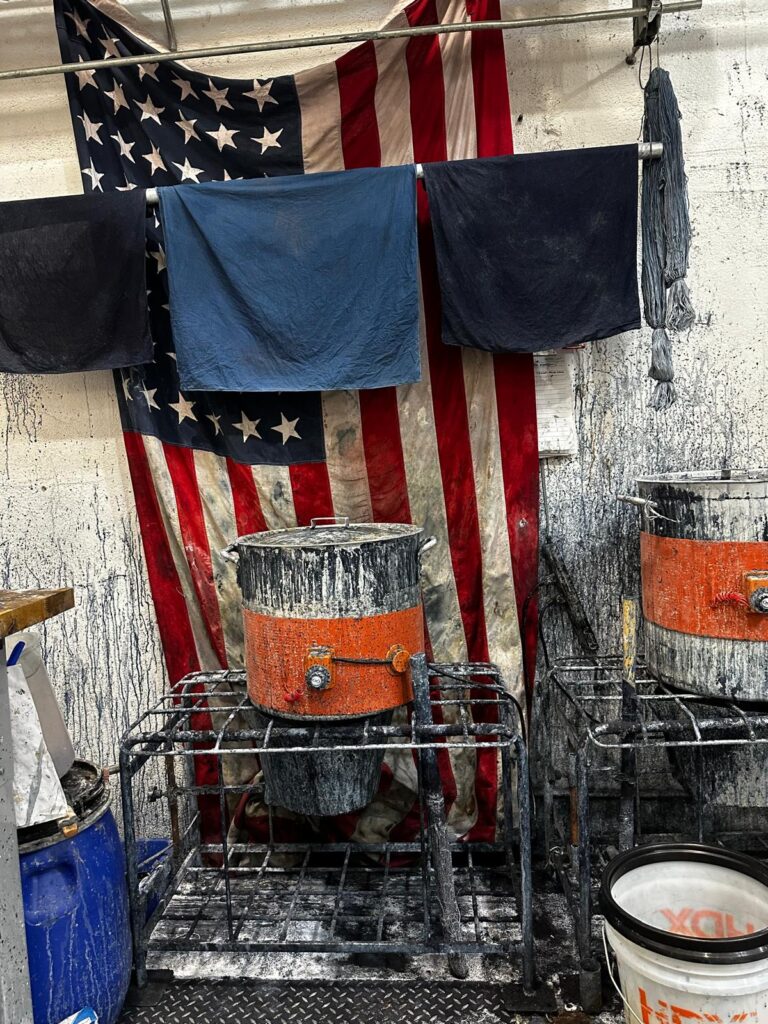
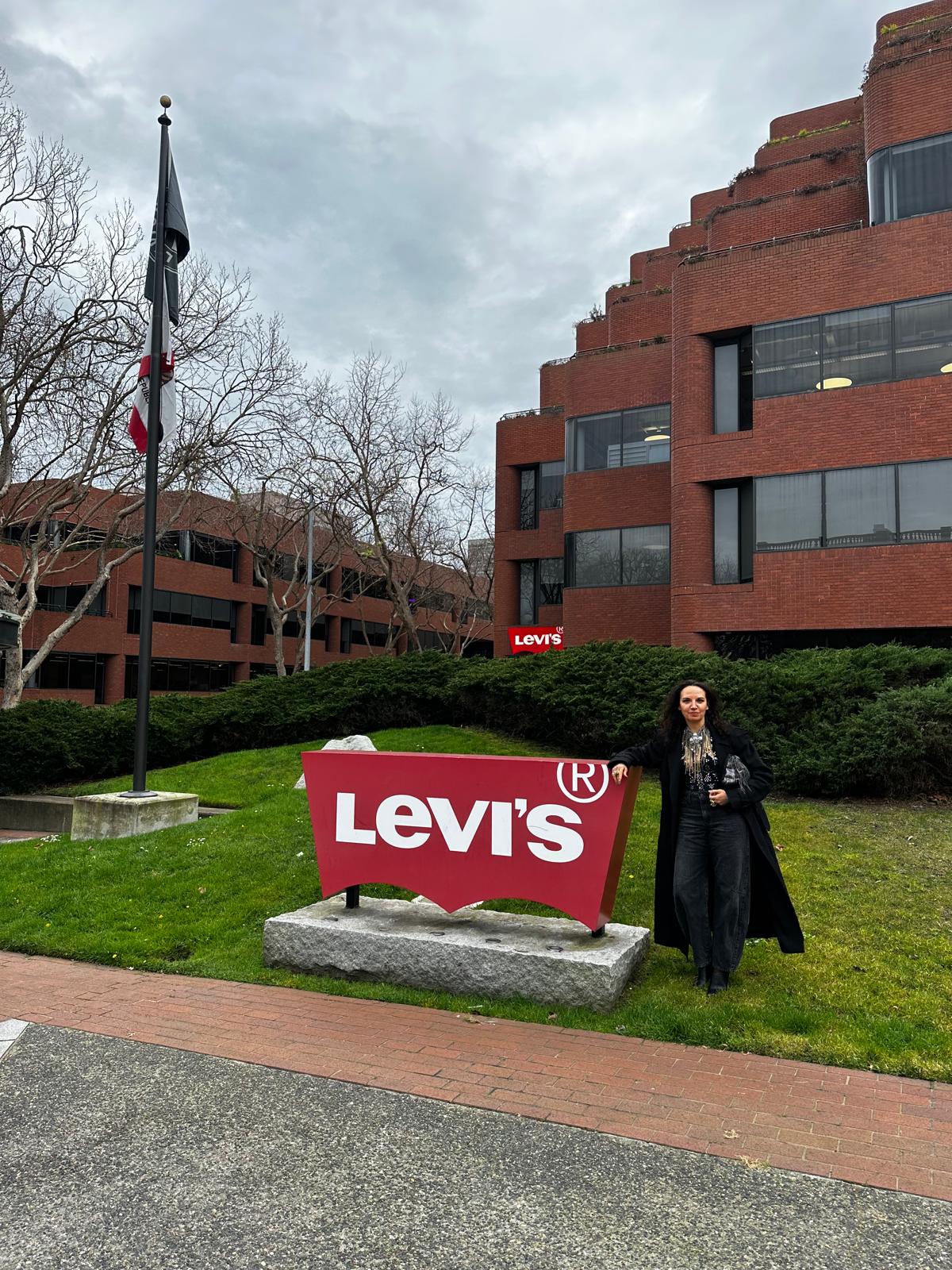
The move has implications that go beyond a mere stylistic exercise. For Levi’s, a brand founded in 1873 and sold in more than 110 countries, this first foray into Haute Couture is part of a deliberate strategy to establish a cultural foothold in Europe—a way to gain recognition from the most demanding fashion circles an industrial expertise that has until now been confined to the realms of sportswear and streetwear. Several exclusive dyes, developed specifically for this project at the Levi’s Eureka Lab in San Francisco, demonstrate a commitment to research that goes beyond a mere public relations stunt.
That leaves the fundamental question—the one implicit in any collaboration of this kind: Does denim truly gain cultural value by borrowing techniques from haute couture, or does it, on the contrary, lose what made it uniquely powerful—its universality, its status as a material without hierarchy, worn in workshops as well as on the runway? Christelle Kocher seems to have anticipated this objection: she does not seek to make us forget the origins of the 501 or the Type II Trucker jacket, but rather to demonstrate that these origins can withstand—without being lost—the highest standards of French fashion.
Presented in the midst of Haute Couture Week, this capsule collection does not aim to become a permanent fixture on the official calendar; rather, it functions as an experiment, a one-time turning point between two worlds of fashion that, until now, had only intersected superficially. What this encounter suggests is a growing interplay between the most discerning luxury and a material culture that had long been thought immune to its codes.


Cette publication est également disponible en :

