
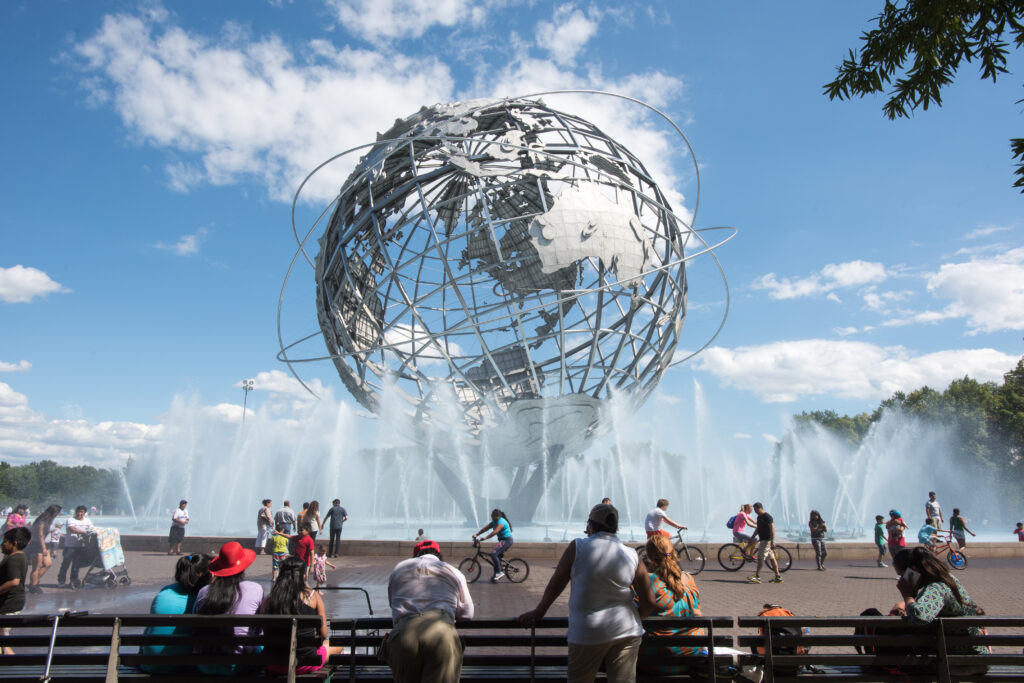
In New York, Queens is often viewed from Manhattan, as a convenient periphery rather than a place worthy of attention in its own right. The year 2026 could alter that symbolic hierarchy. With the World Cup acting as a catalyst and several major venues undergoing transformation, the borough is emerging as one of the places where the city’s new international story is taking shape.
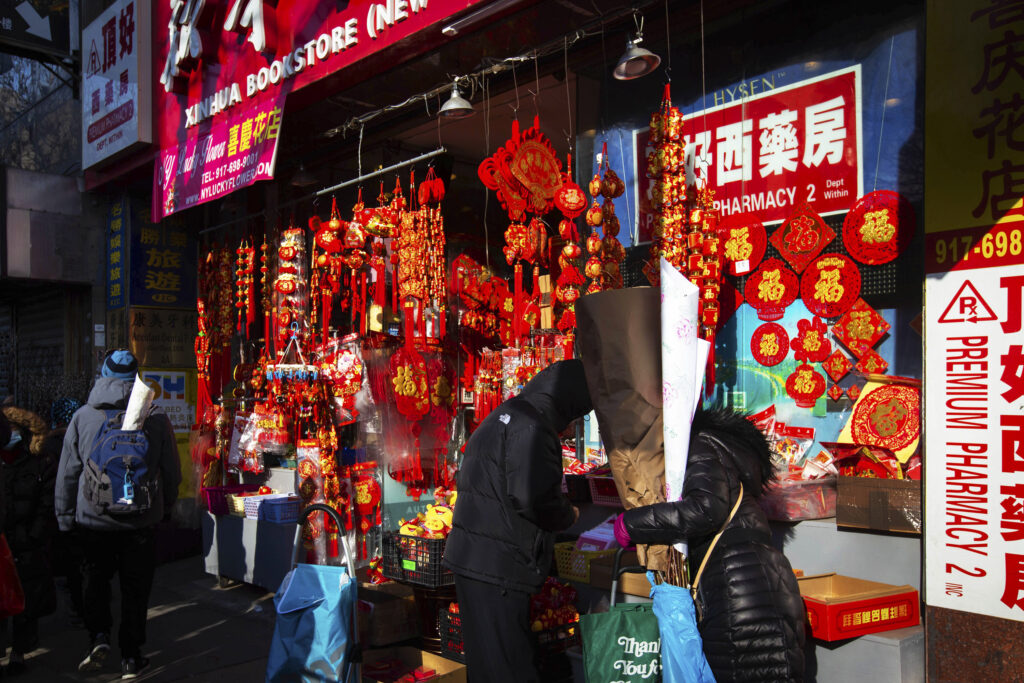
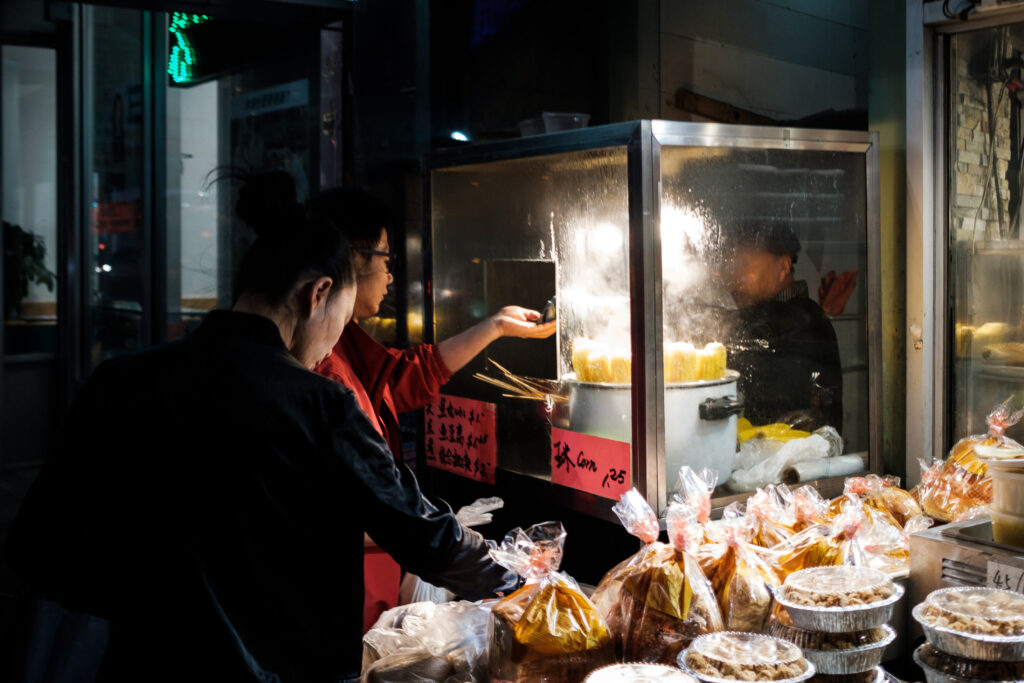
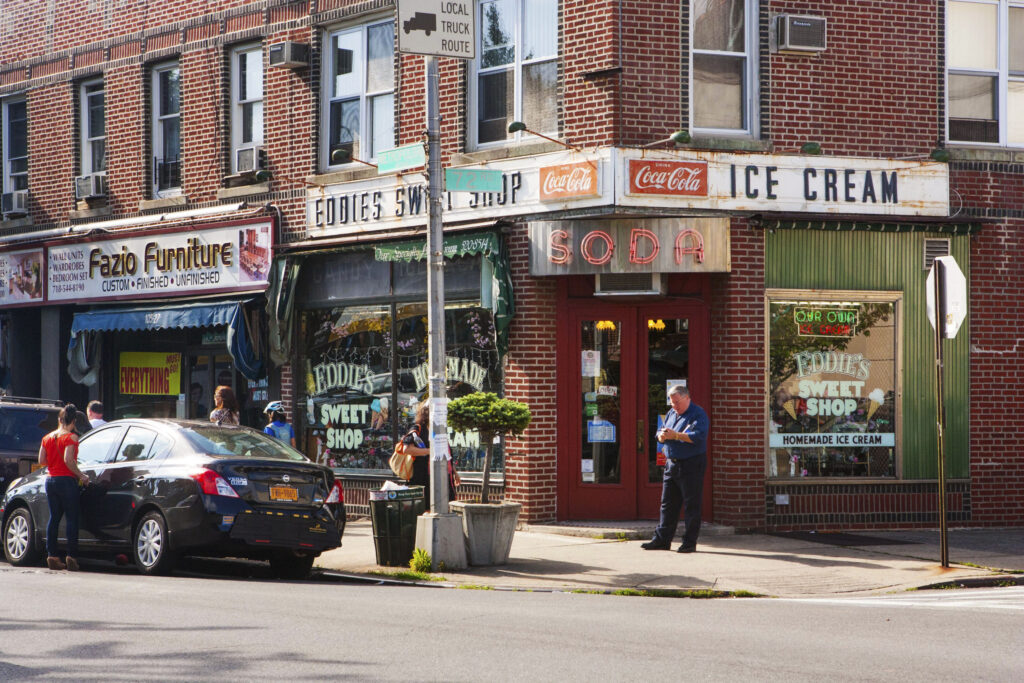
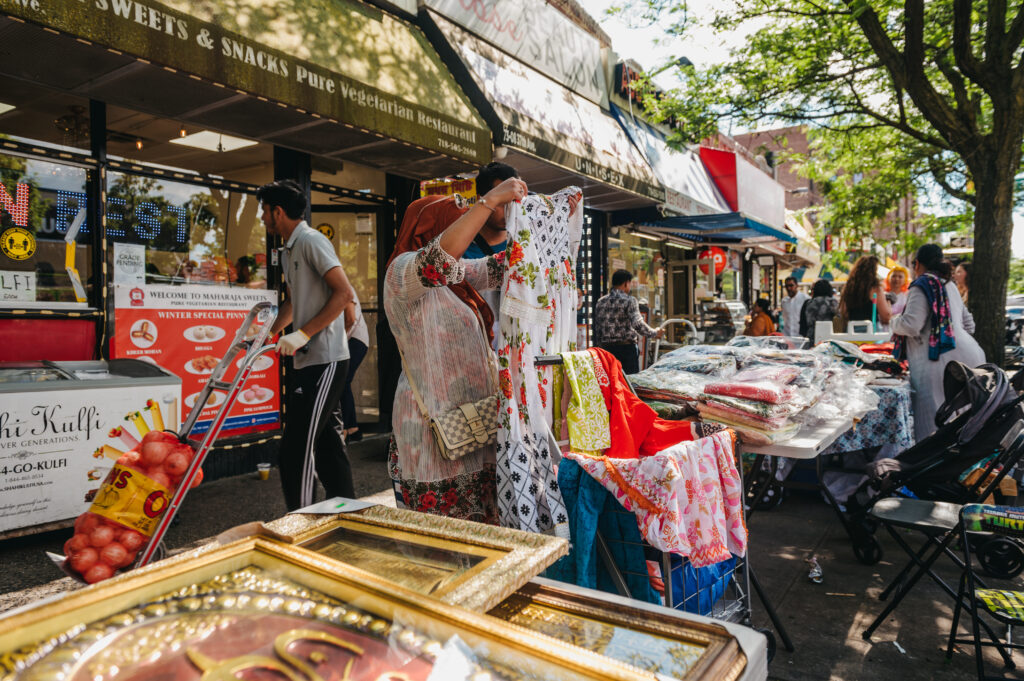
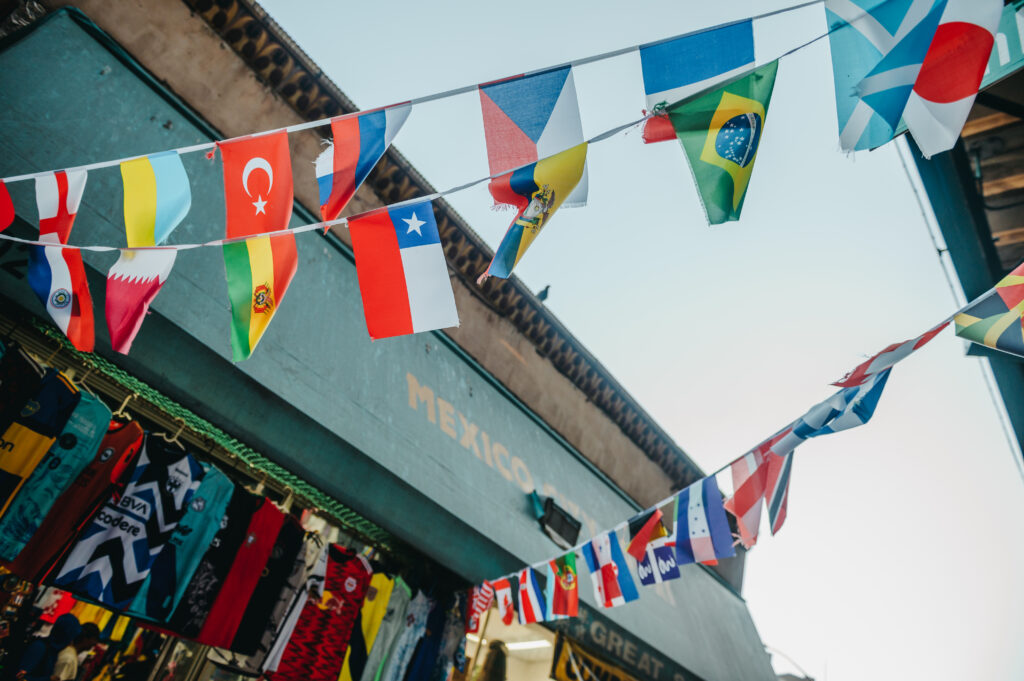
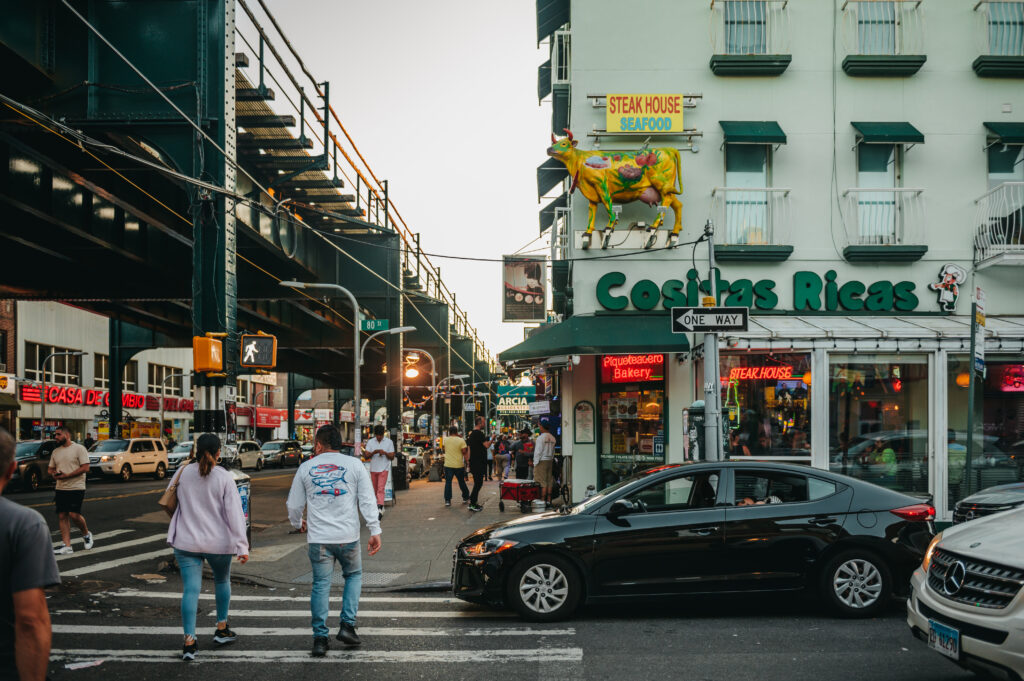
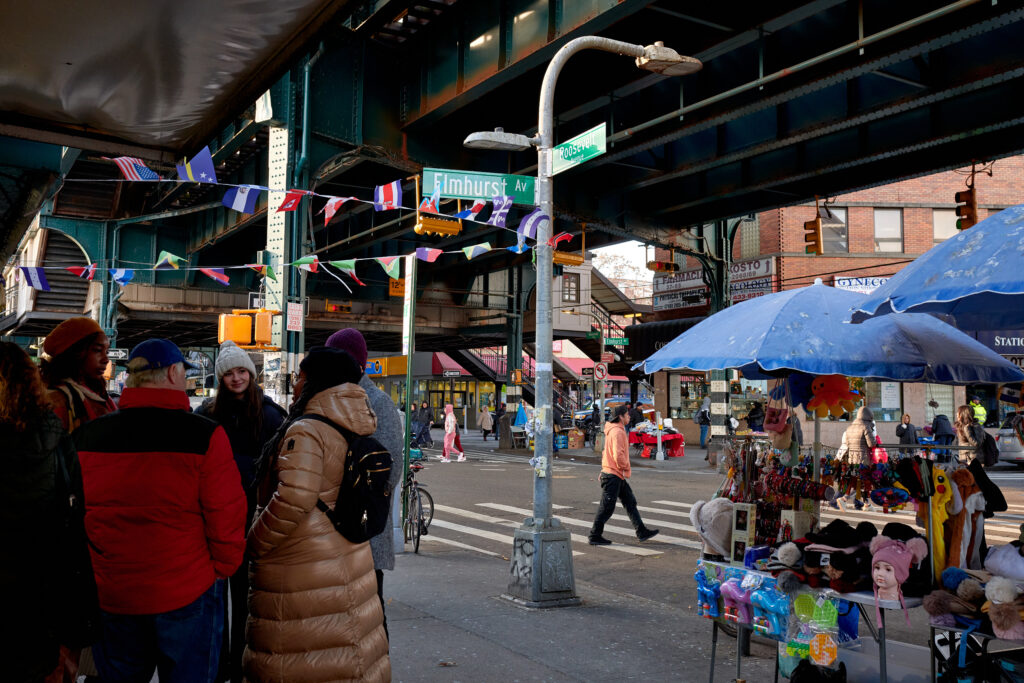
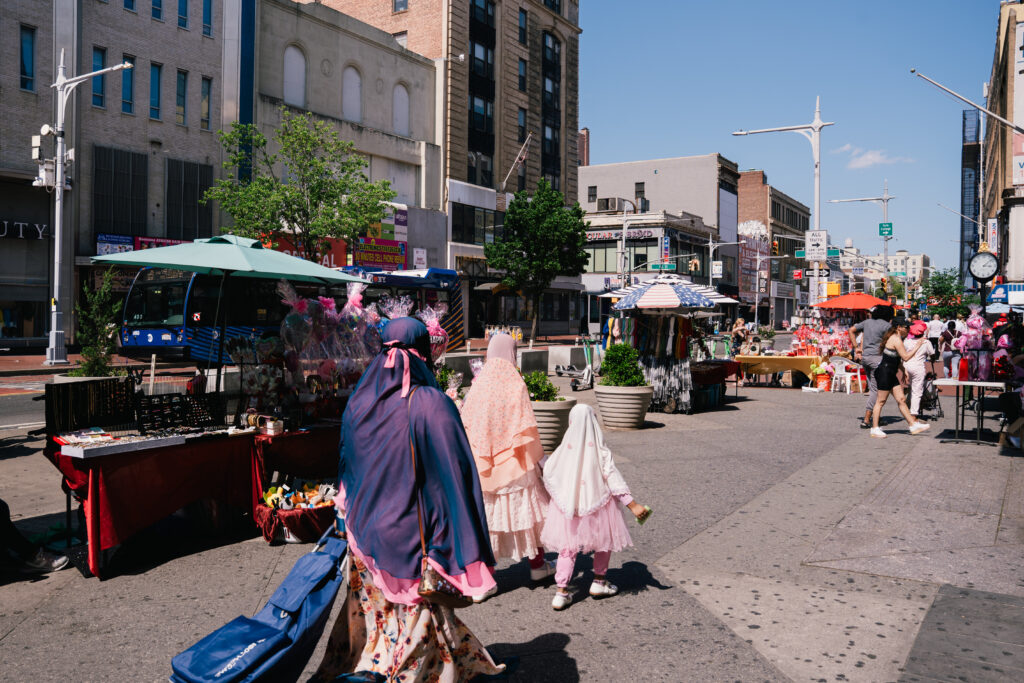
What emerges here is not a folklore of diversity, but an urban culture of global neighbourhood life.
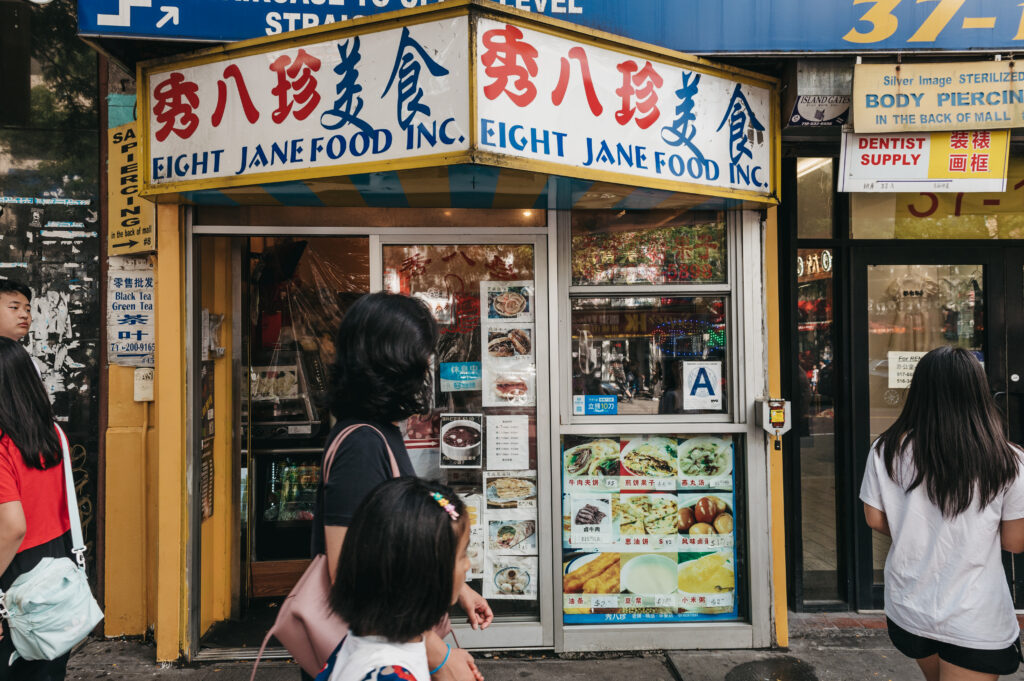
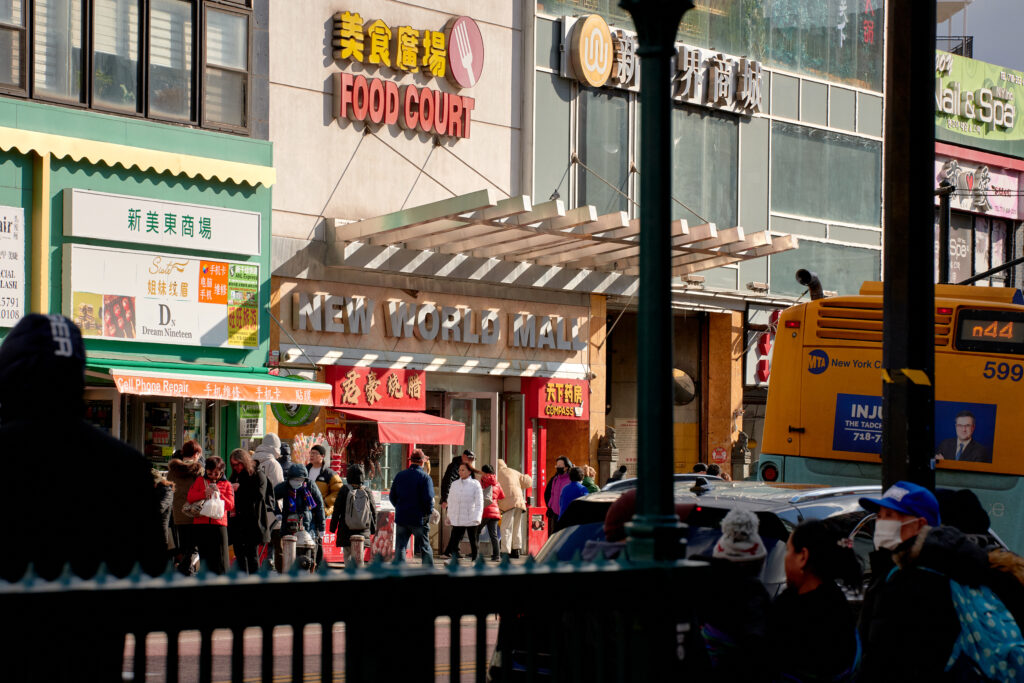
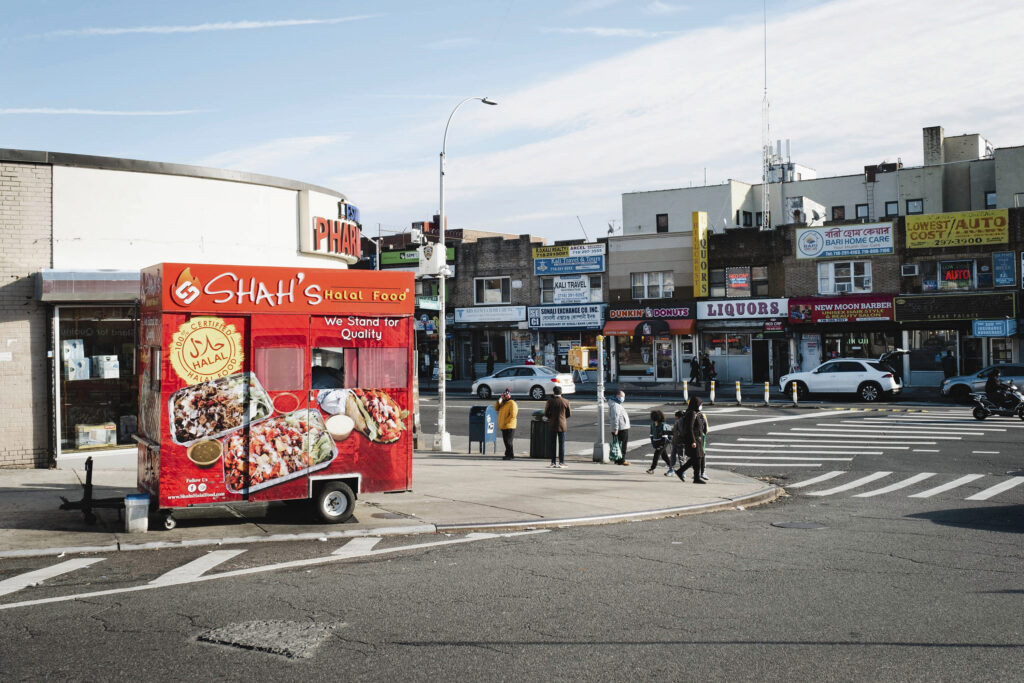
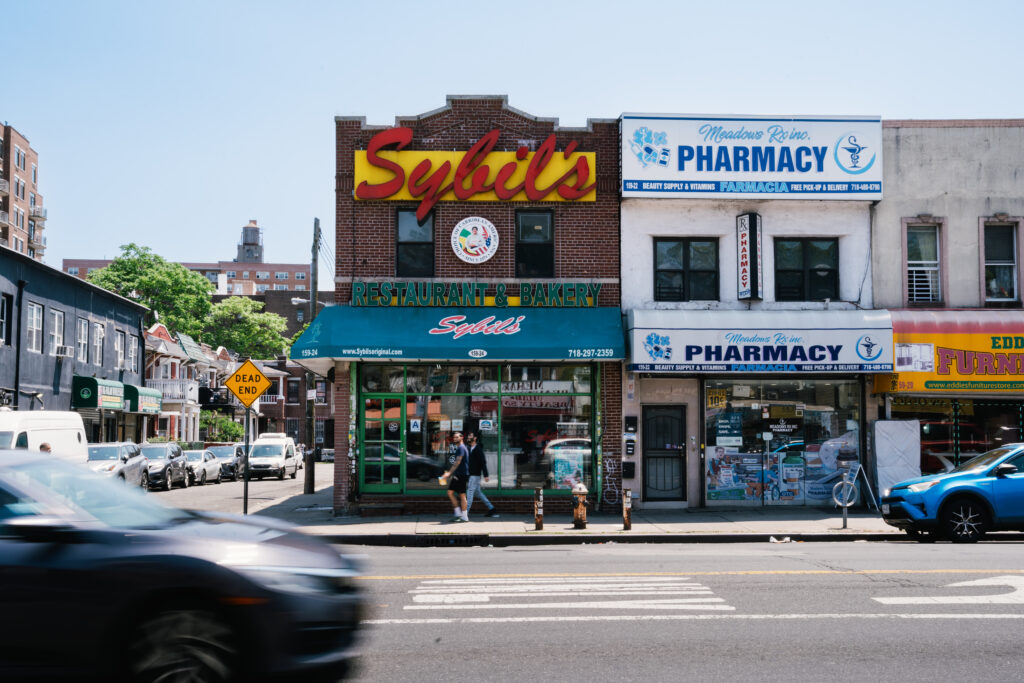
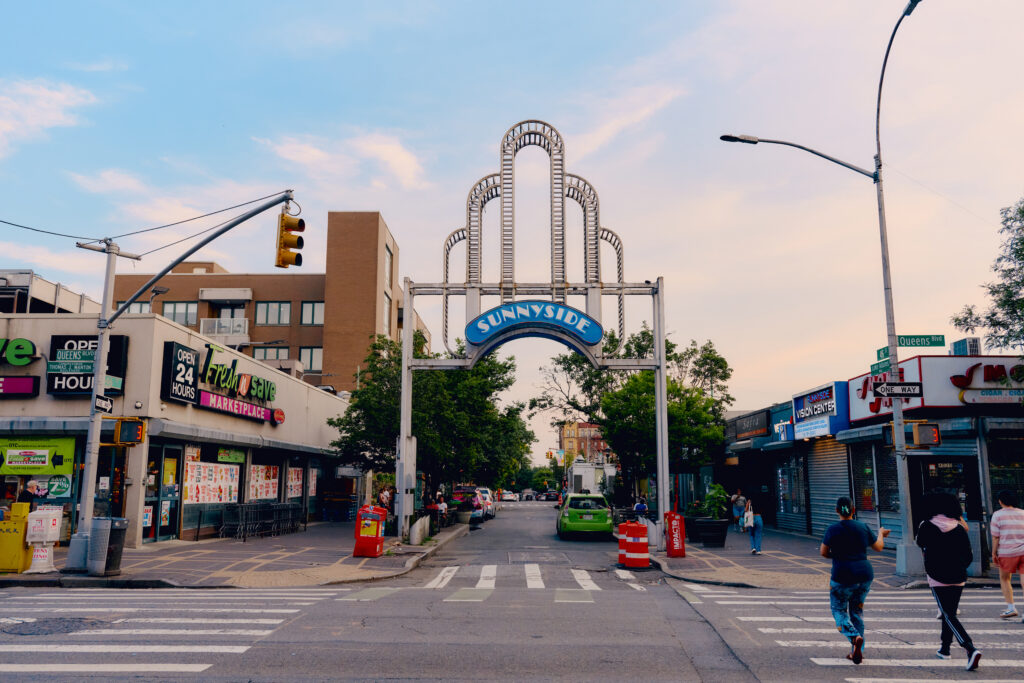
The figure highlighted by New York City Tourism + Conventions is striking in its simplicity: more than 130 languages coexist here. Yet Queens’s singularity lies in more than that inventory. It lies in how this plurality is woven into everyday space, from neighbourhood restaurants to cultural institutions, local shops to major sporting events. As the international events of 2026 approach, the borough becomes a particularly effective stage for New York’s tourism diplomacy.
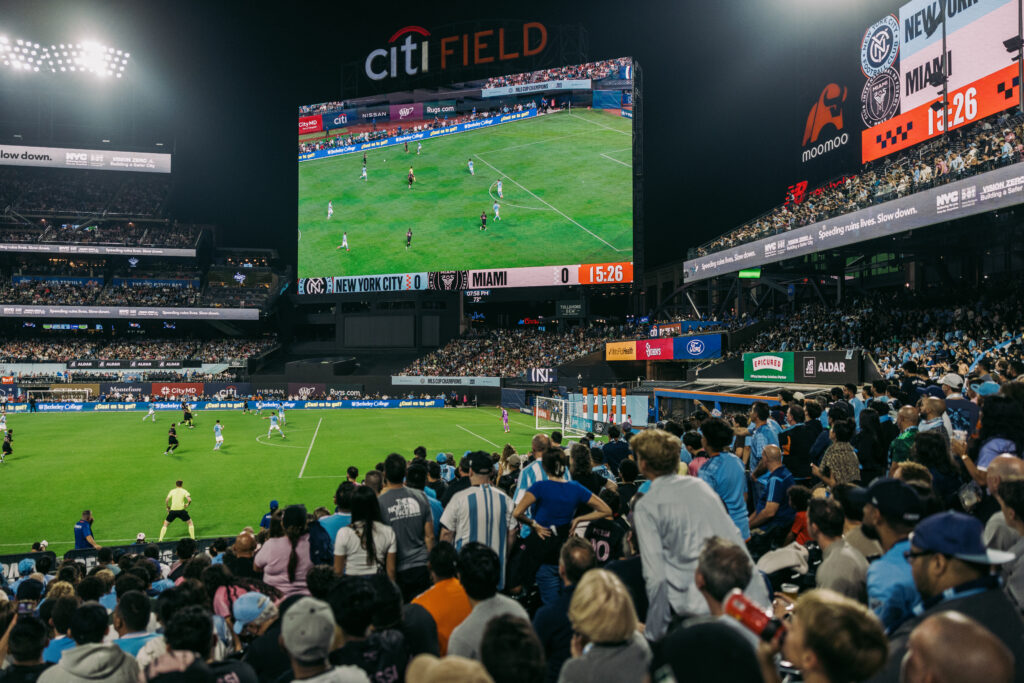
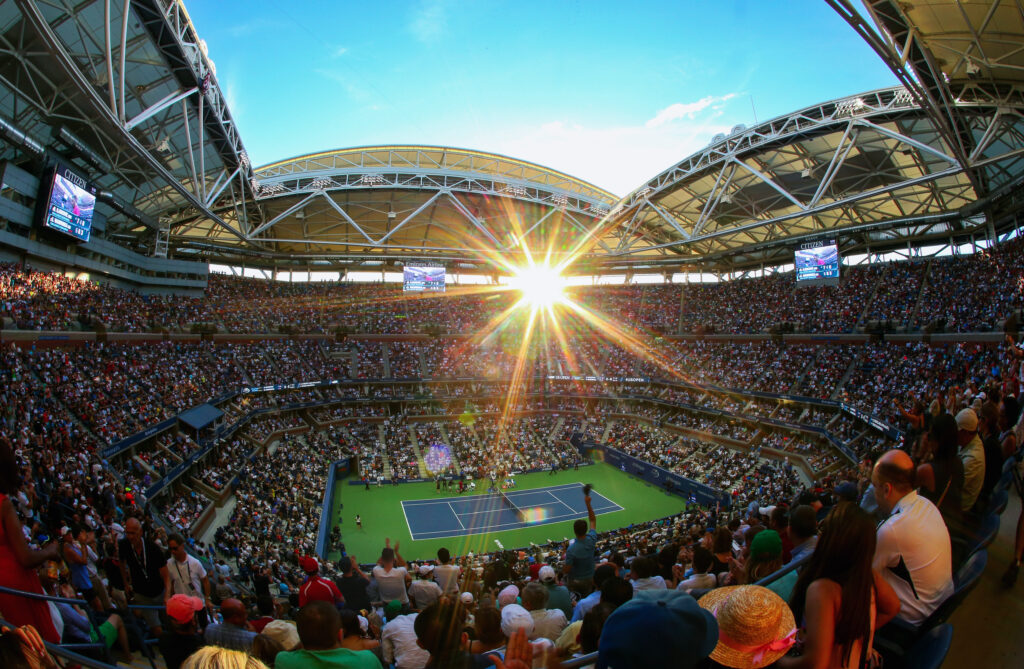
Sport plays a defining role. The USTA Billie Jean King National Tennis Center hosts the US Open every summer, while Arthur Ashe Stadium continues its renovation ahead of 2027. Citi Field has become a venue for events and culinary experiences well beyond baseball. Etihad Park is also due to open in 2027: the future 25,000-seat home of New York City FC is billed as the first fully electric outdoor professional stadium in the United States. Together, these developments point to something essential: Queens is no supporting backdrop to the metropolis, but a meeting point for global spectacle, future infrastructure and local life.
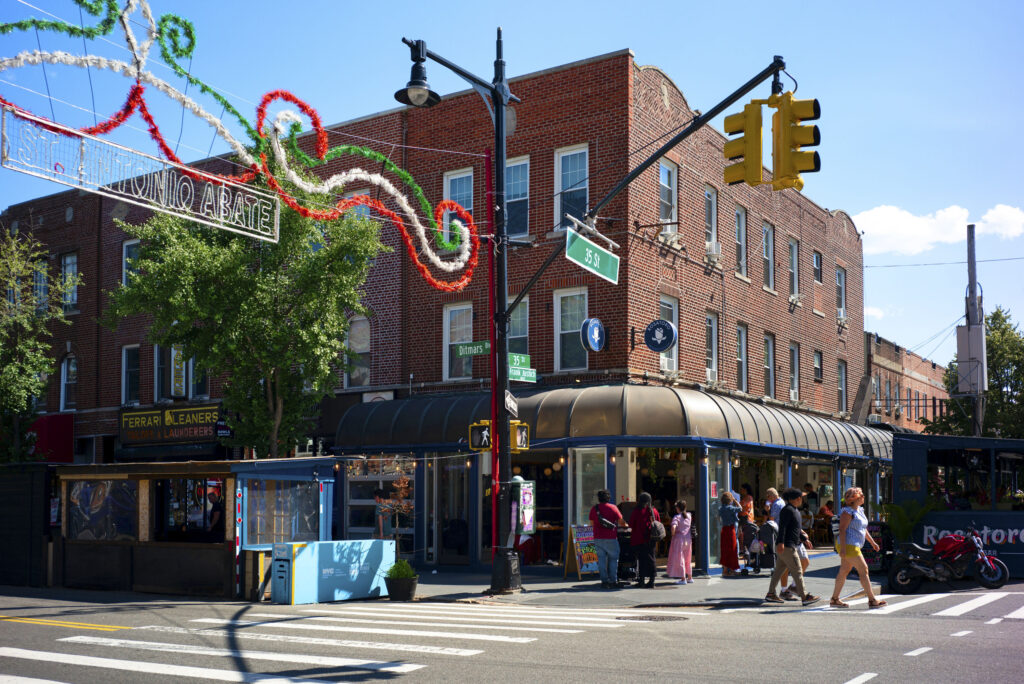
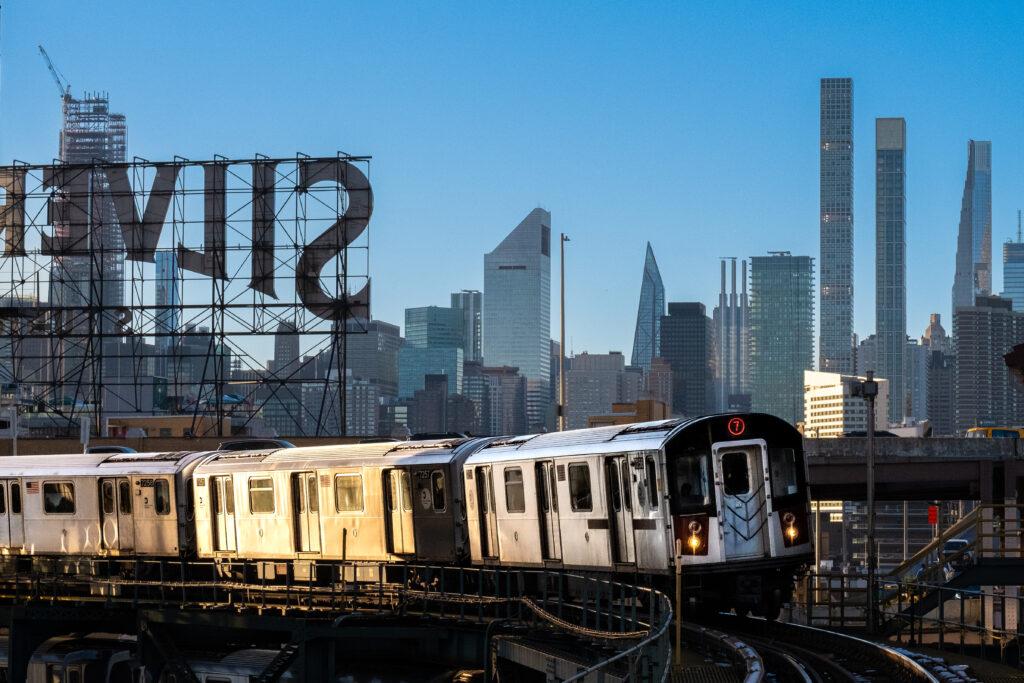
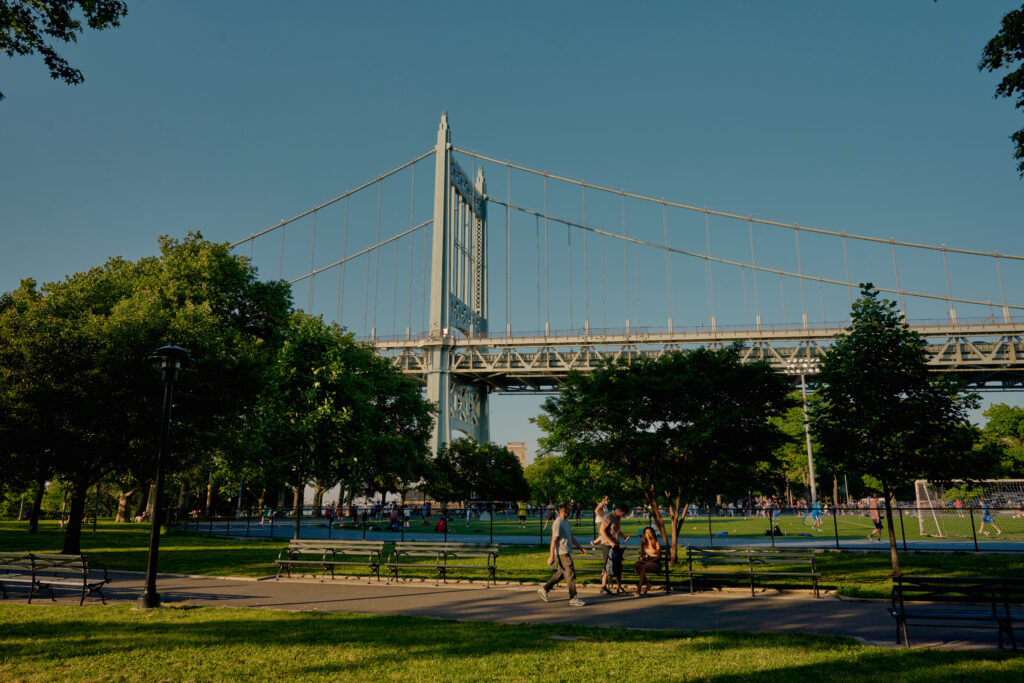
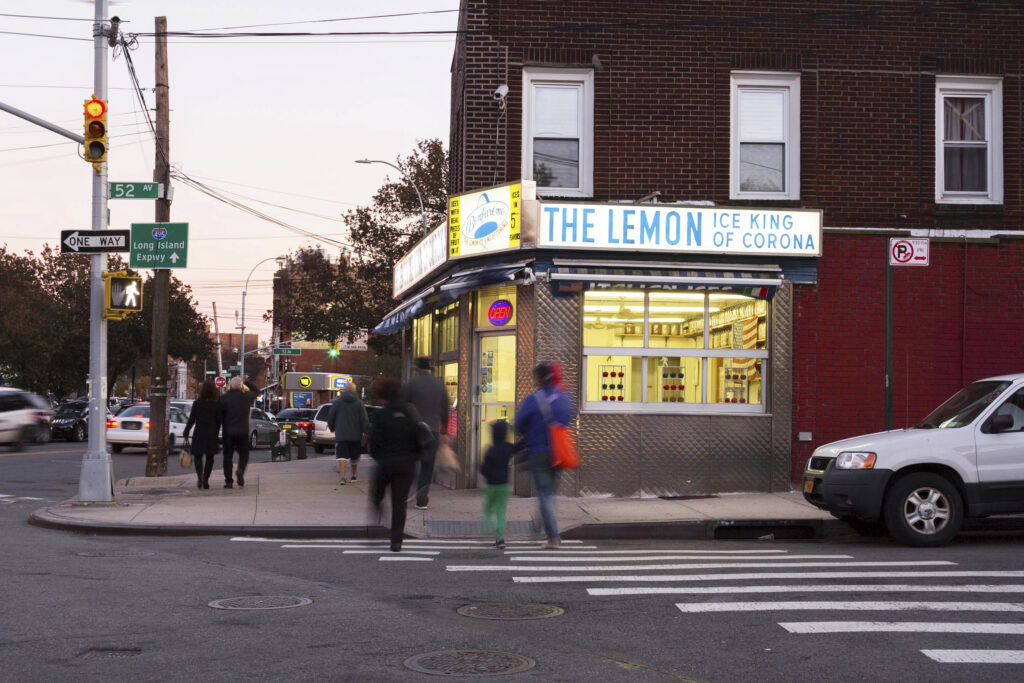
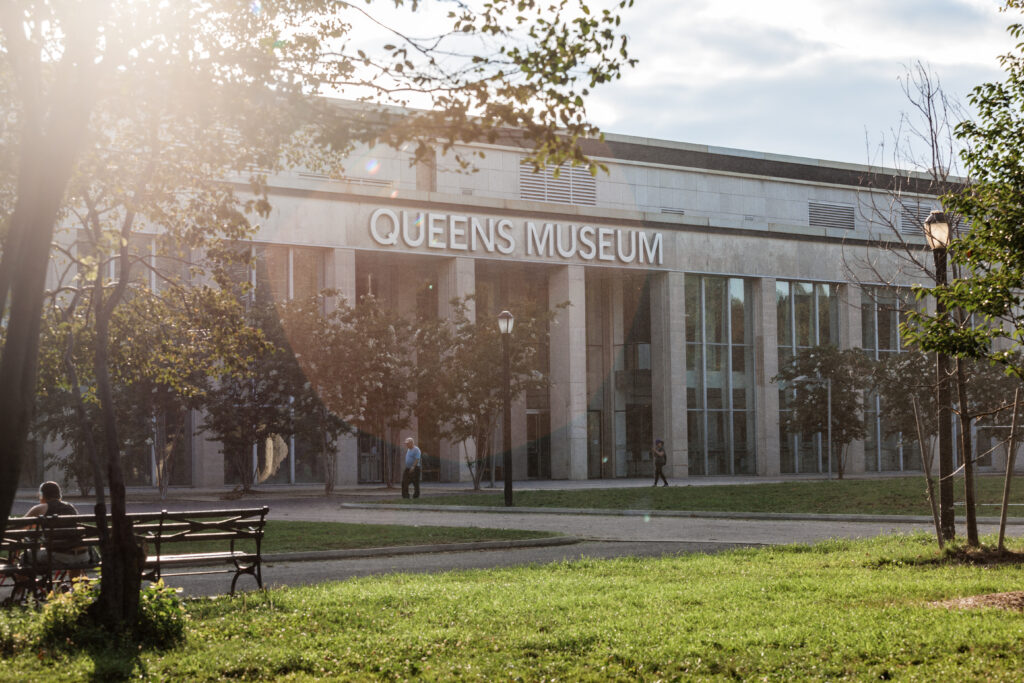
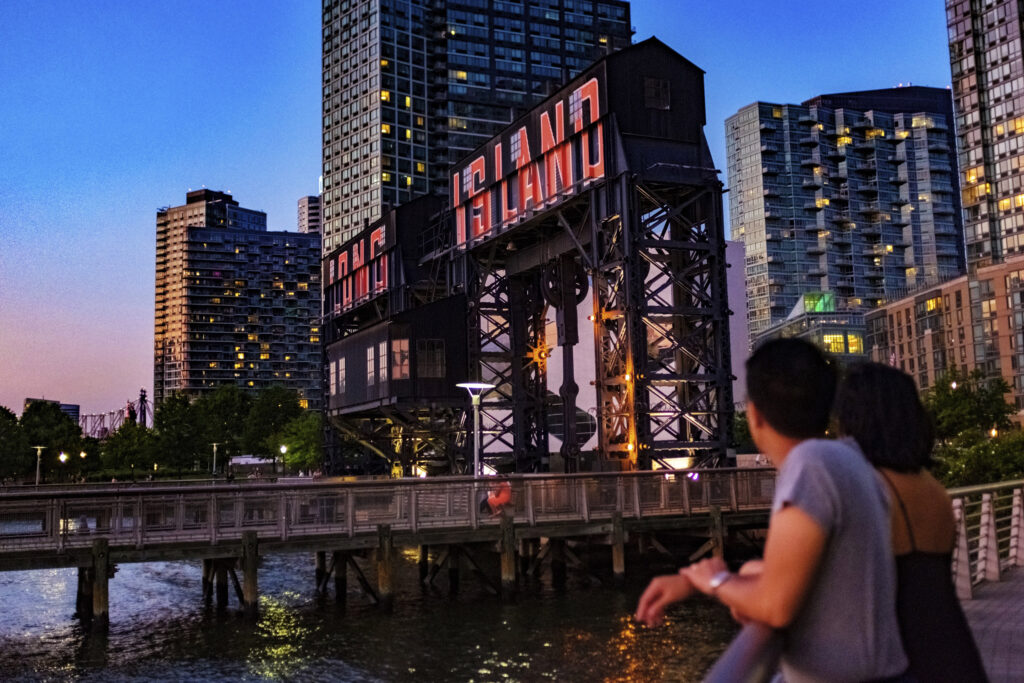
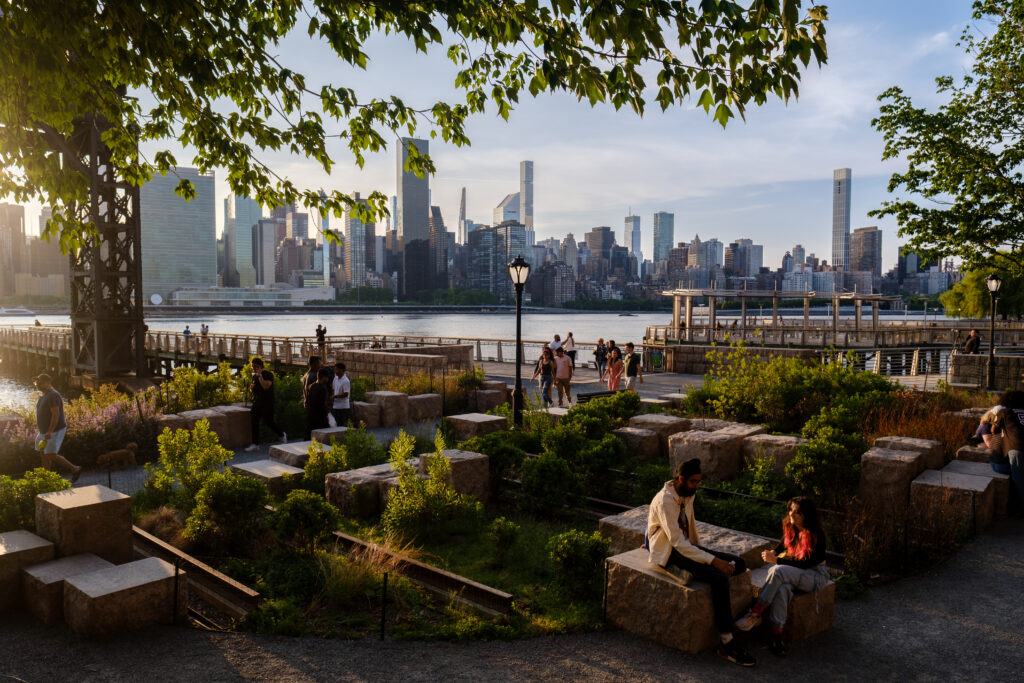
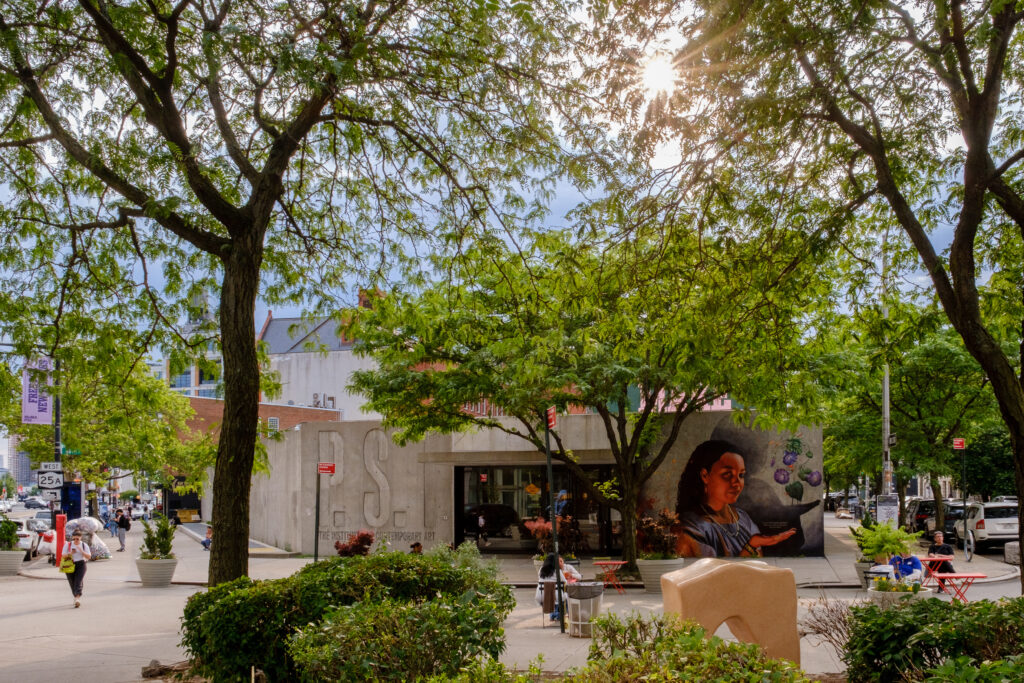
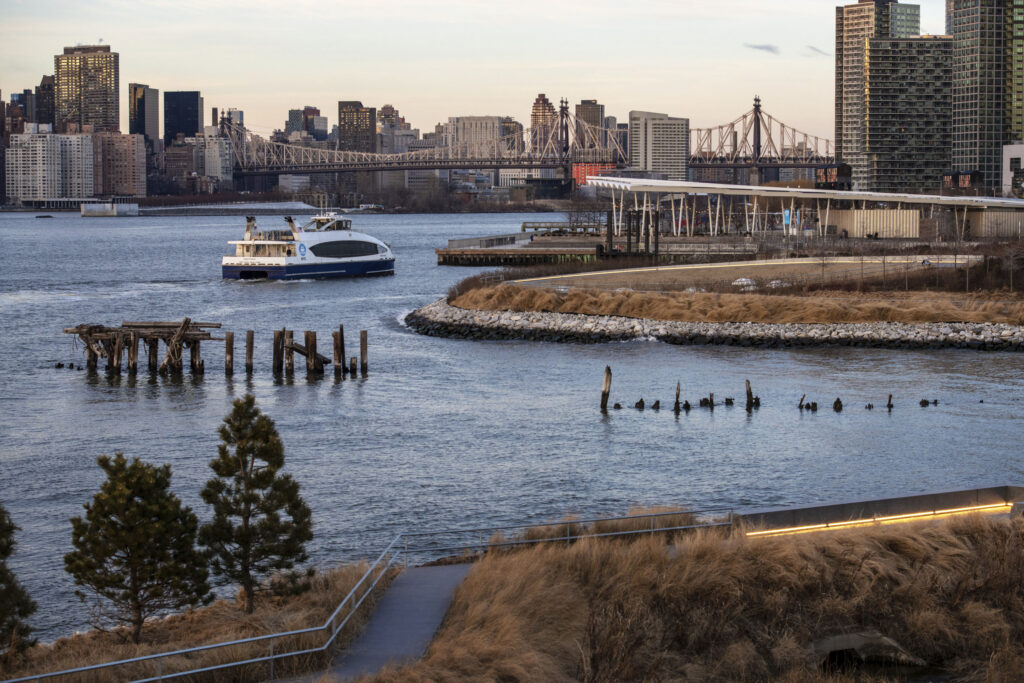
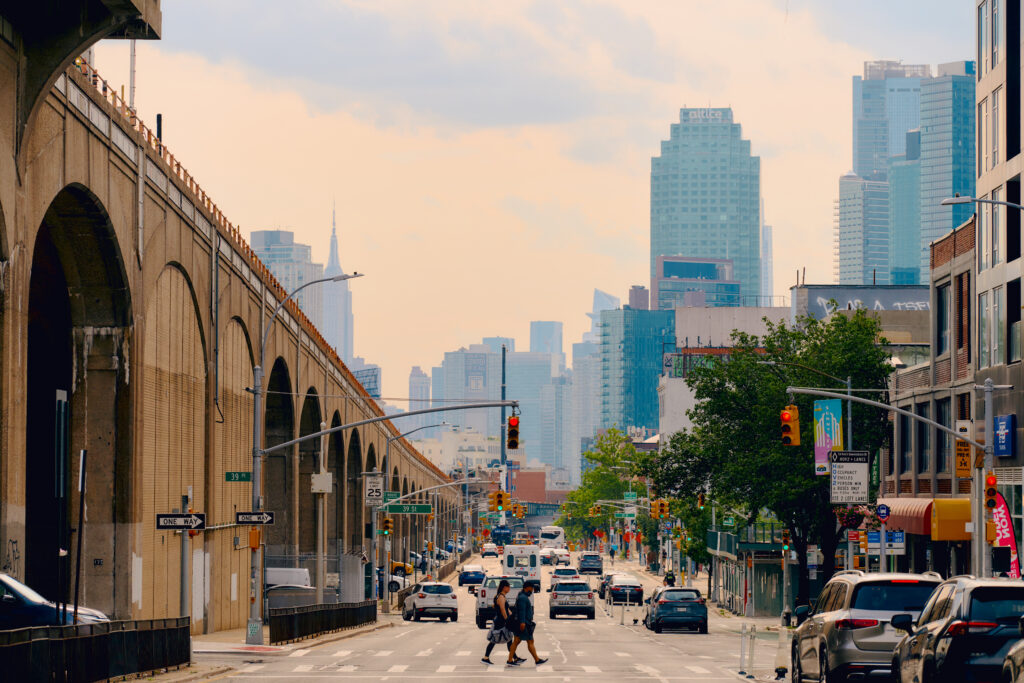
The borough also stands out for the character of its smaller districts. Long Island City has turned its industrial past into a cultural waterfront, between Gantry Plaza State Park, the Pepsi-Cola sign that has become an urban landmark, and MoMA PS1’s fiftieth anniversary, marked this year by free admission. Astoria, meanwhile, continues to bring Mediterranean heritage into conversation with institutions such as the Museum of the Moving Image and the Noguchi Museum, alongside its street life. This interplay of cultural institutions, open landscapes and cuisines of many origins gives Queens a rhythm that Manhattan sometimes struggles to retain.
For a European observer, the most interesting point lies elsewhere: Queens recasts the very idea of urban authenticity. Here, authenticity does not reside in static preservation but in the active coexistence of different uses. A Michelin-starred restaurant such as Casa Enrique can sit alongside an independent brewery, a riverside park and an emerging performance scene without the whole losing its coherence. Travellers find less of a postcard than a tangible reading of what a global city can be when its neighbourhoods have not yet been entirely absorbed by their own image.
As New York prepares its international showcase, Queens offers a valuable alternative stage: cosmopolitanism lived before it is marketed. Perhaps that is why the borough has become strategic today. It gives the city a more credible story, grounded in the intensity of neighbourhood life, culture and everyday use that major centres can no longer always create on their own.

Cette publication est également disponible en :


