
In 1908, a perfumer from Grasse created a custom fragrance for the wife of a painter who was obsessed with her. A century later, this perfume found its way into a museum alongside the paintings it never inspired.
A Commission Among Friends
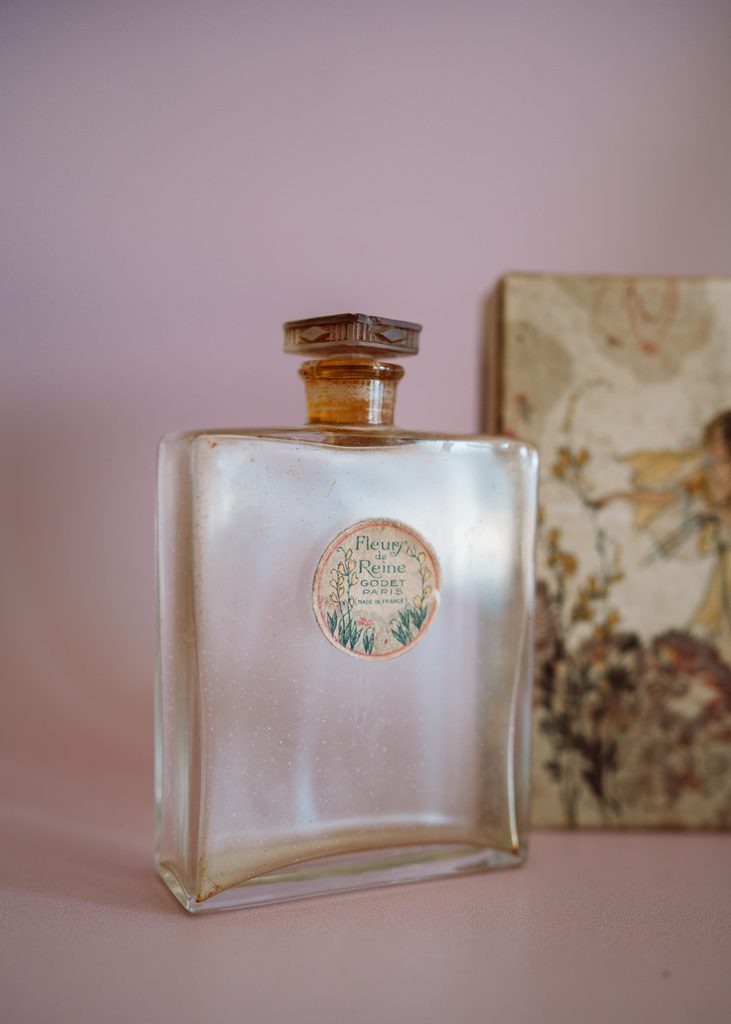
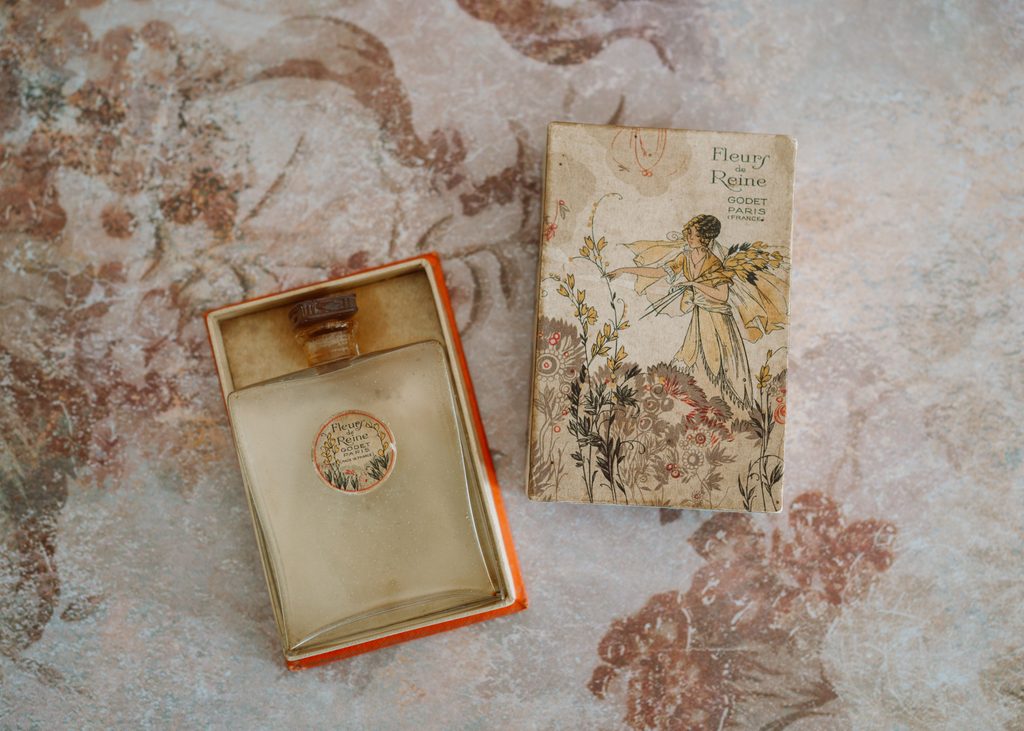
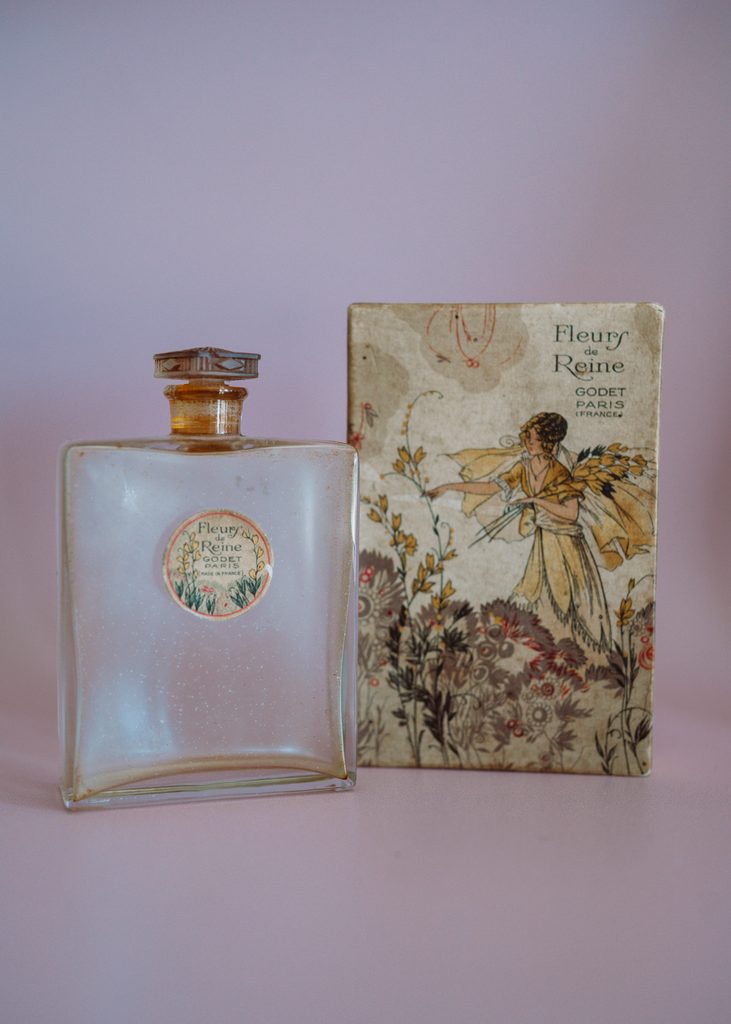
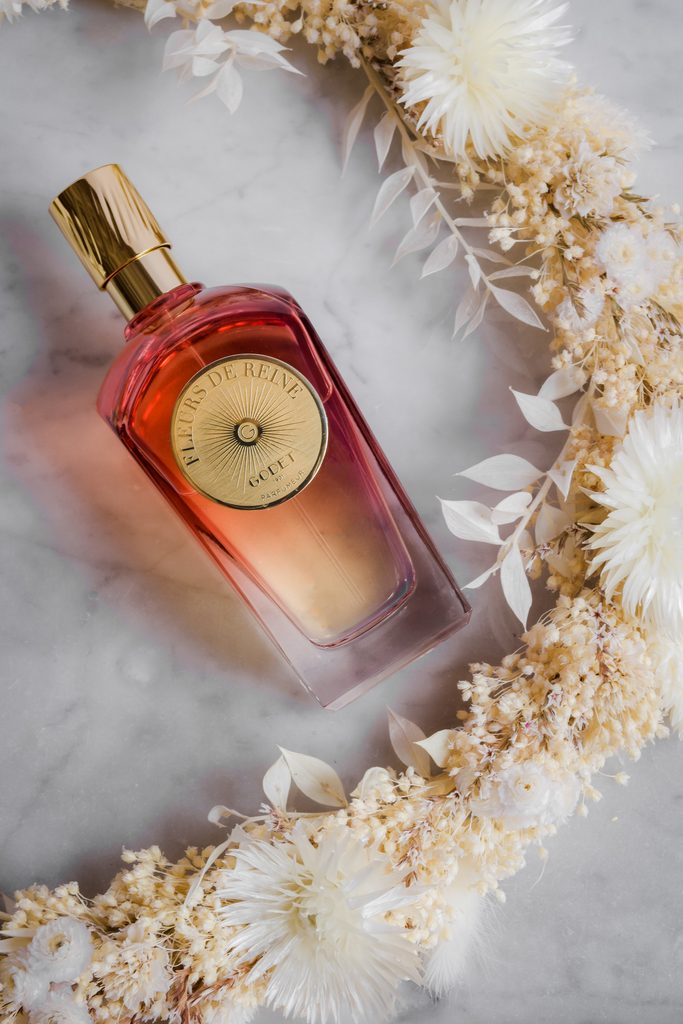
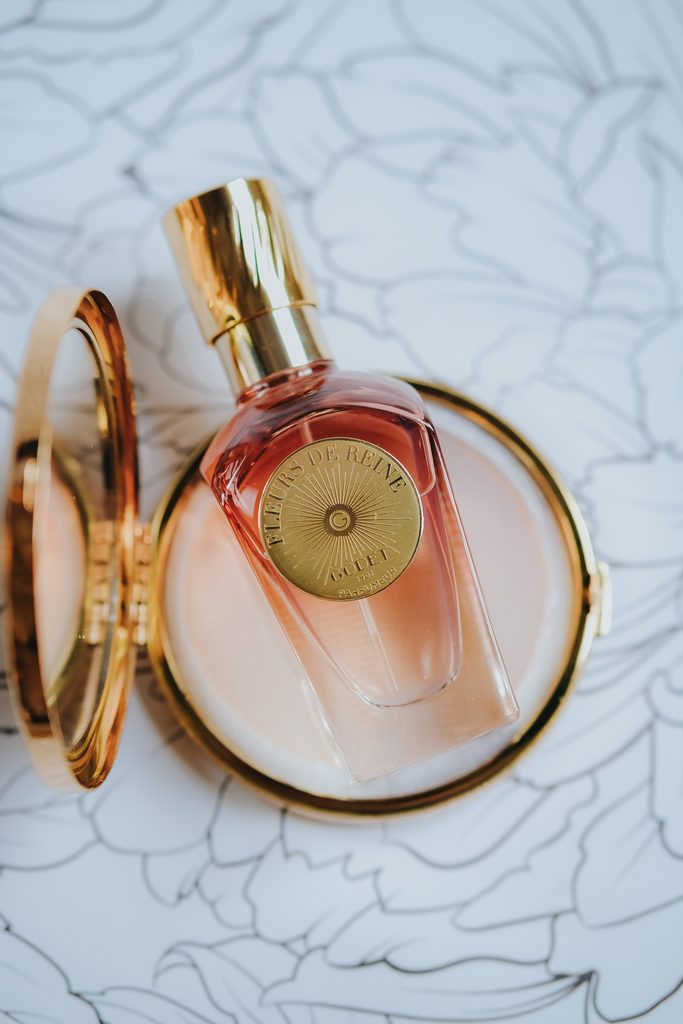
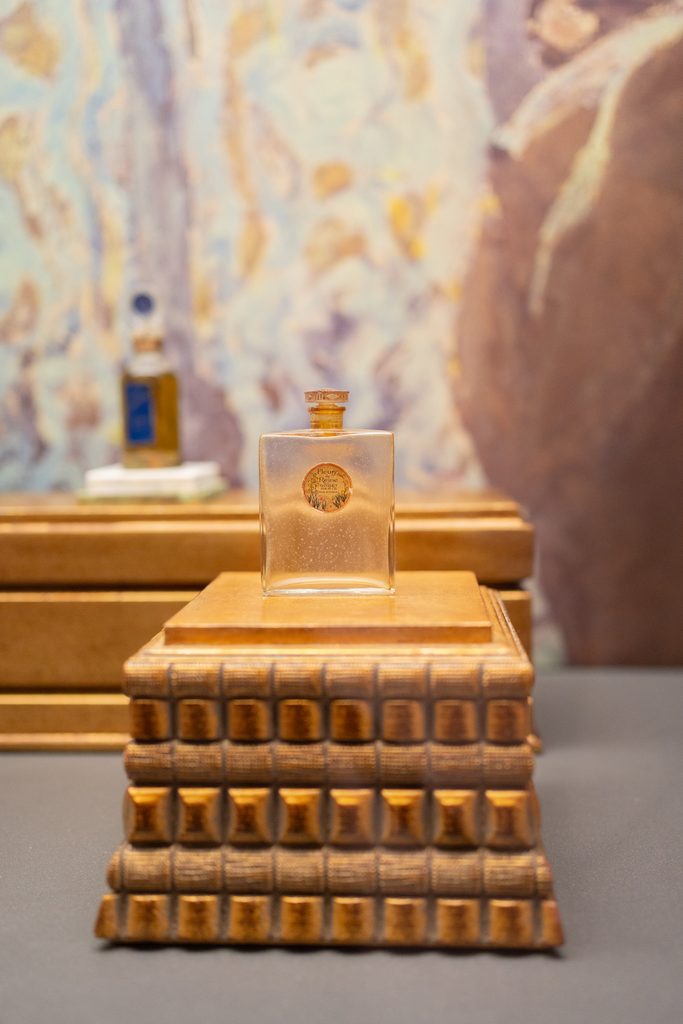
In 1908, Julien-Joseph Godet, founder of the house that bears his name, created a bespoke fragrance at the request of Marthe Bonnard: Fleurs de Reine. Marthe was no ordinary client—she was the muse and wife of Pierre Bonnard, a painter then immersed in the intimate compositions that would make his reputation. The fragrance was born of this close relationship between the perfumer and the artist, resulting from a private commission rather than a commercial strategy.
Tuberose as a Rare Ingredient
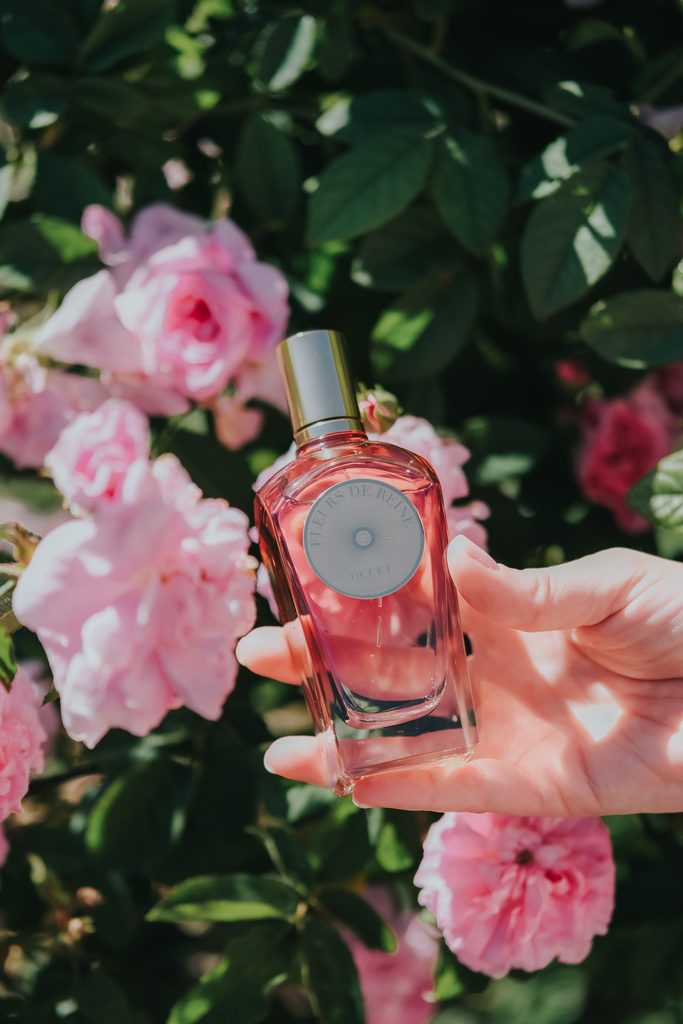
Fleurs de Reine celebrates tuberose, a flower renowned for the demanding conditions required for its cultivation and the difficulty of extracting its essence. For this composition, Godet chose cold enfleurage, an ancient technique that captures the fragrant molecules of a fresh flower through direct contact with a fatty substance, without the use of heat or solvents—a lengthy, costly process that is now rare in the perfume industry. The choice of this method for a private commission underscores the importance Godet places on olfactory fidelity rather than yield.
Painting Without Painting
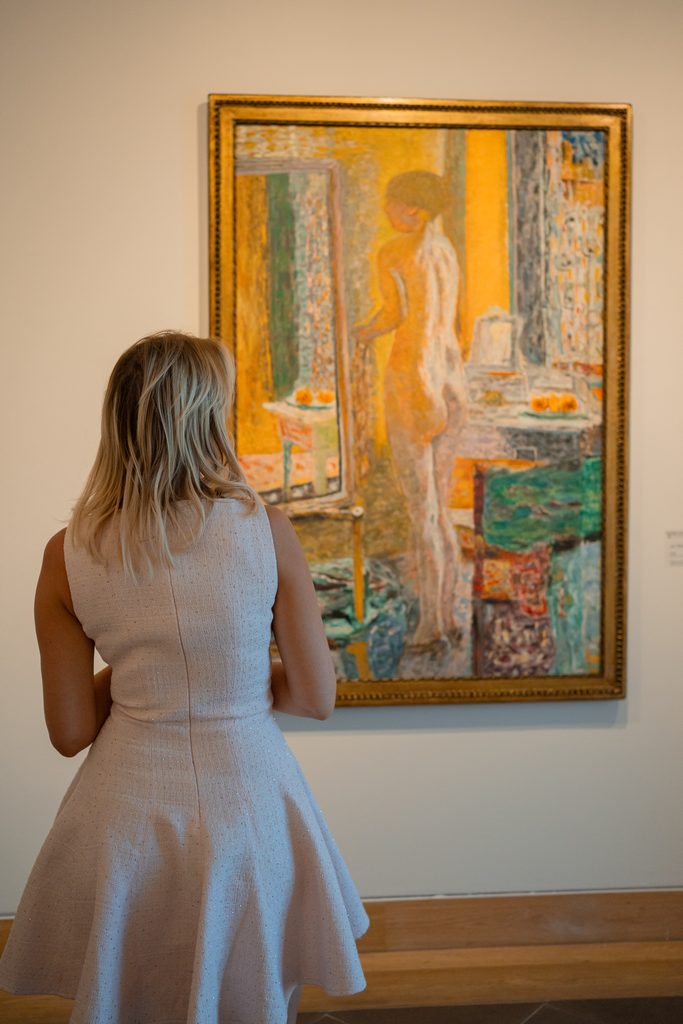
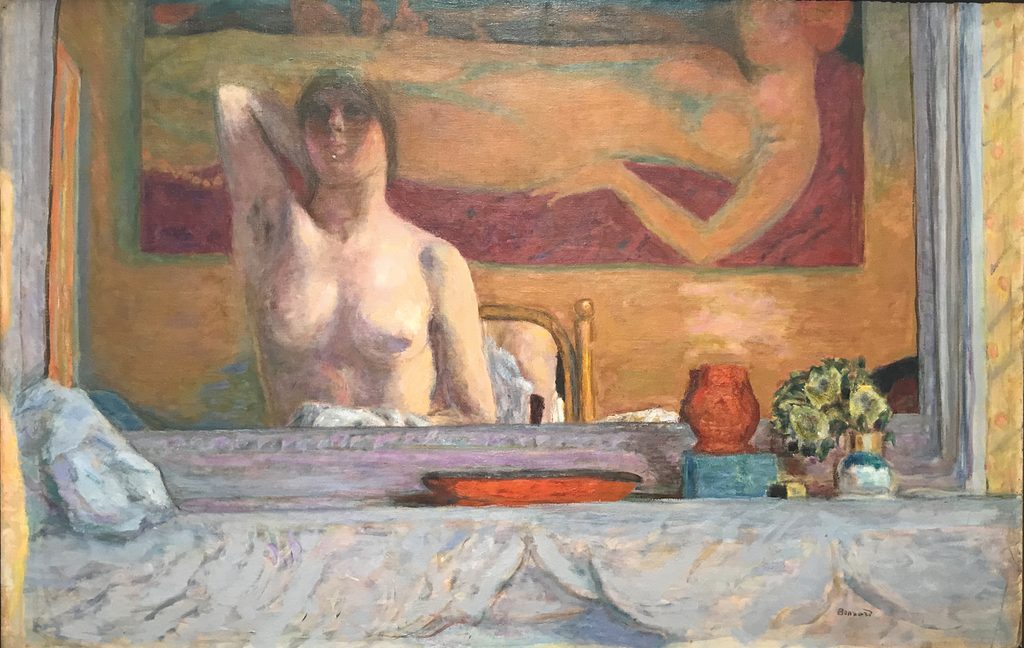
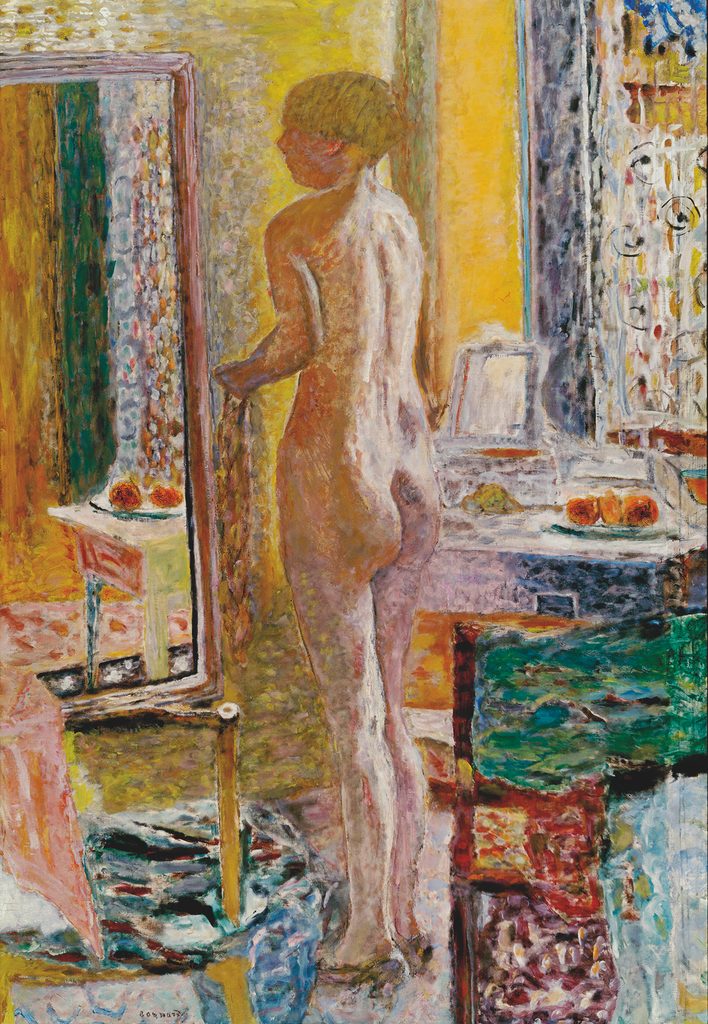
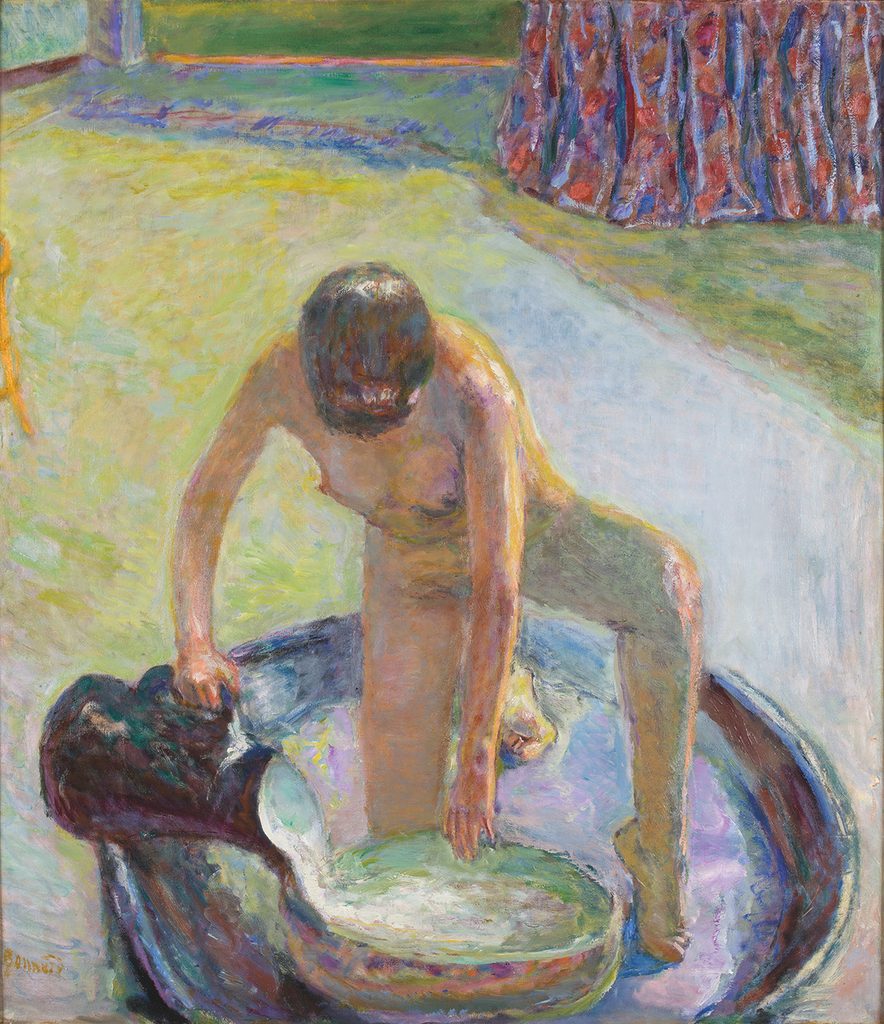
Bonnard painted Marthe hundreds of times, often as she was getting ready, in the bath, and in the intimate domestic settings that would give the “Intimist” movement its name. He never painted the perfume she wore. Fleurs de Reine thus occupies a unique place in the couple’s iconography: a sensory object contemporary with the paintings, never depicted in them, yet one that shared the same room, the same body, and the same daily life as the painted models. The exhibition *Bonnard Intimate—Marthe’s Toilets*, on view from June 27 to October 31, 2026, at the Musée Bonnard, brings together for the first time this perfume and the works it accompanied without ever appearing in them.
A brand that revives a fragrance, not an image
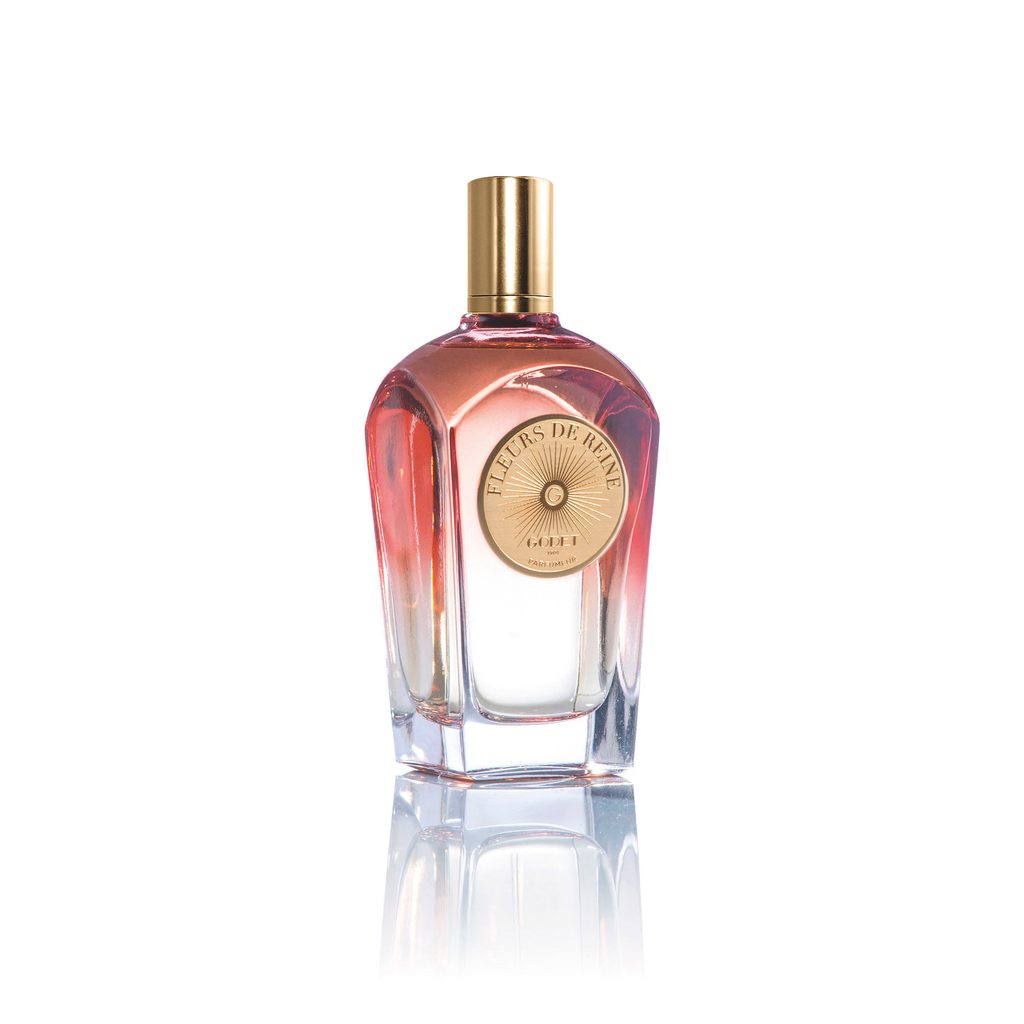
In 2016, Sonia Godet, the founder’s great-granddaughter, revived the House and reformulated Fleurs de Reine in accordance with the original process, using natural ingredients and tuberose grown locally in Grasse. This approach differs from a traditional marketing reissue: it is not about relaunching an iconic bottle whose image is already widely recognized, but rather about recreating a fragrance that has remained obscure for over a century, known only through its history and not through commercial distribution.
The museum as a unique retail venue
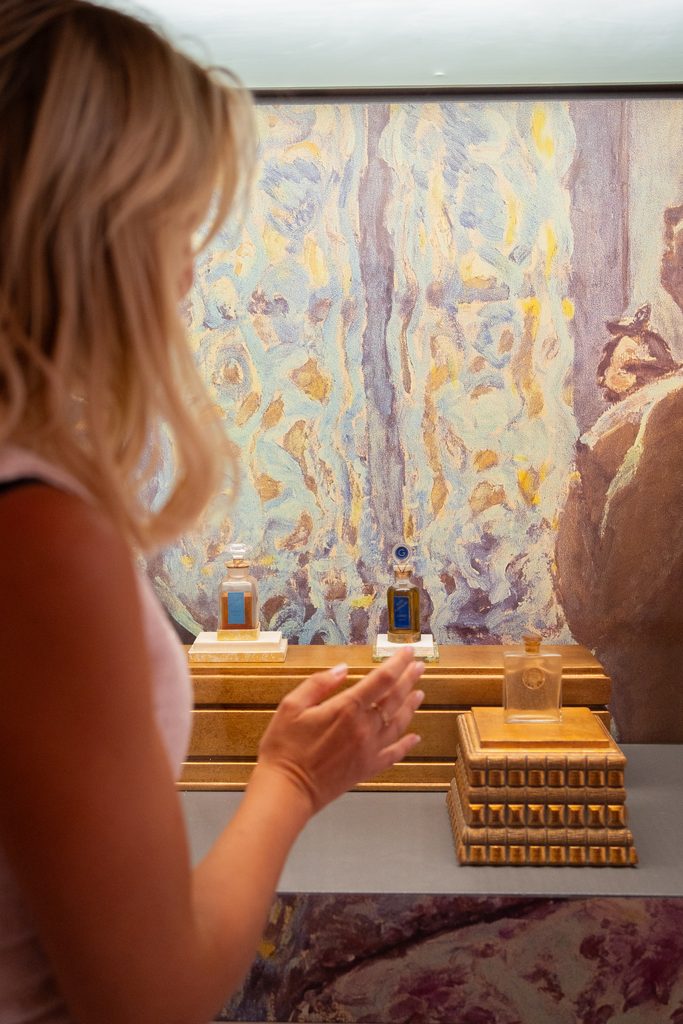
In conjunction with the exhibition, Fleurs de Reine will be available for purchase at the Musée Bonnard itself, alongside several of the House’s historic bottles on display to the public. This choice of distribution channel—the museum rather than the gift shop—repositions the perfume as a collector’s item rather than a everyday consumer product. Visitors who purchase Fleurs de Reine as they leave the exhibition are not simply buying one bottle among many: they are acquiring the very object that was part of the intimate world they have just contemplated in the paintings.
The story of *Fleurs de Reine* raises a broader question about how perfume can document an intimate life where painting falls short. Marthe Bonnard was painted time and again; she, however, left behind only a single olfactory trace. One hundred and eighteen years later, it is perhaps this very trace that most faithfully captures what the canvas could not show.
Cette publication est également disponible en :

