
In Milan, an evening of opera is more than just a show. It’s a social code, a way of interpreting the city through its doorways, its salons, and its late-night comings and goings. With Scala Experience, Portrait Milano weaves this subtle fabric around a single location: the former Seminario Arcivescovile, now a hotel in the heart of the Quadrilatero della Moda.
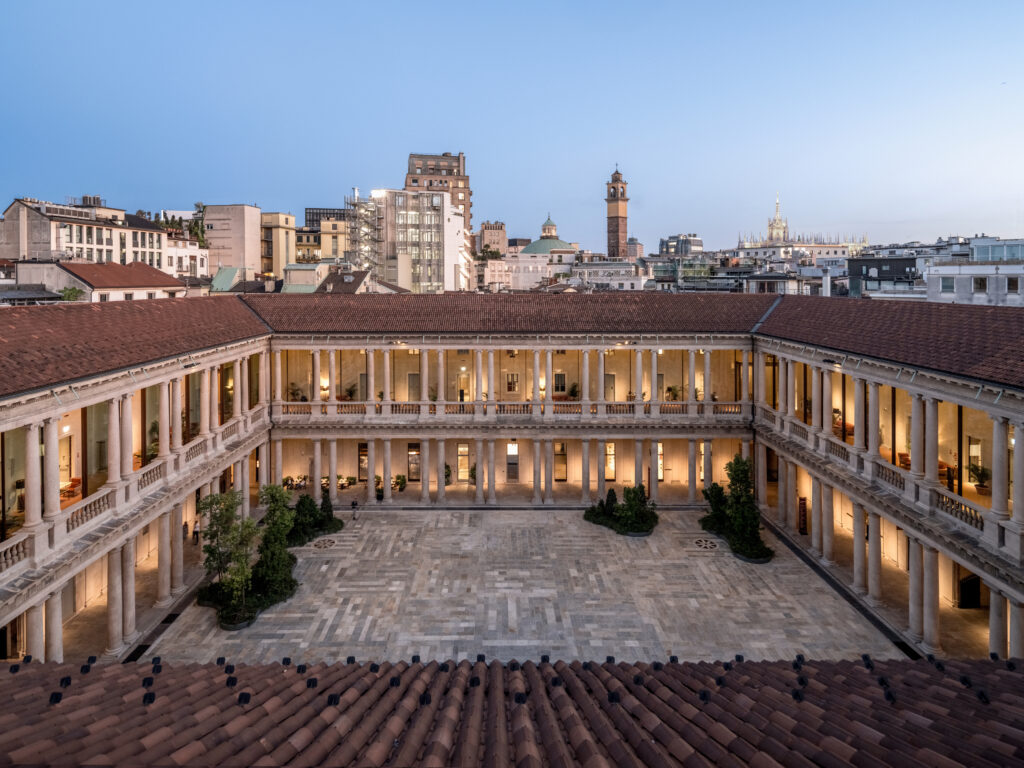
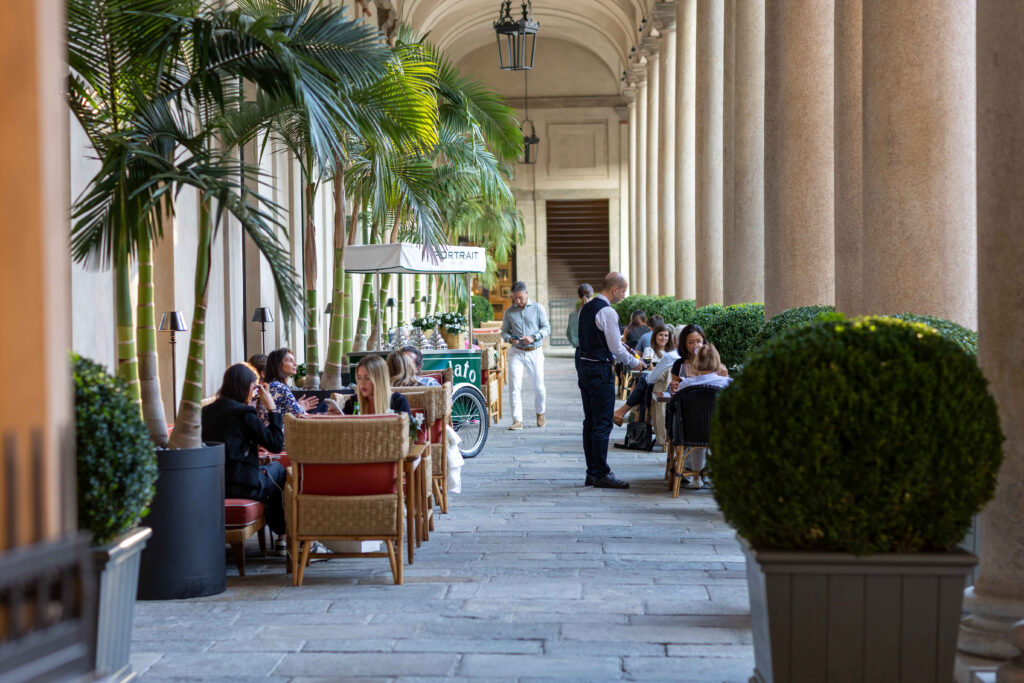
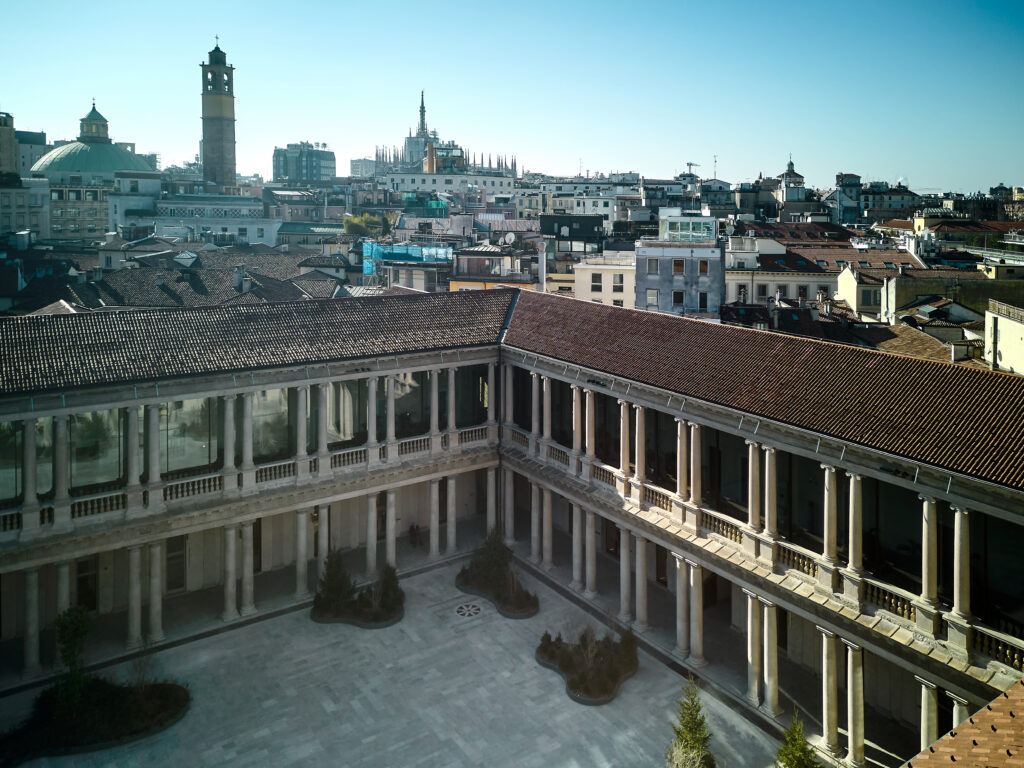
The building sets the tone. Located on Corso Venezia, between Via Sant’Andrea and Milan’s fashion district, Portrait Milano occupies a restored 16th-century complex organized around an interior courtyard. The hotel features 73 rooms and suites, with interiors designed by Michele Bönan, where red and green evoke not so much a decorative effect as the subdued atmosphere of Milanese salons from the 1950s.
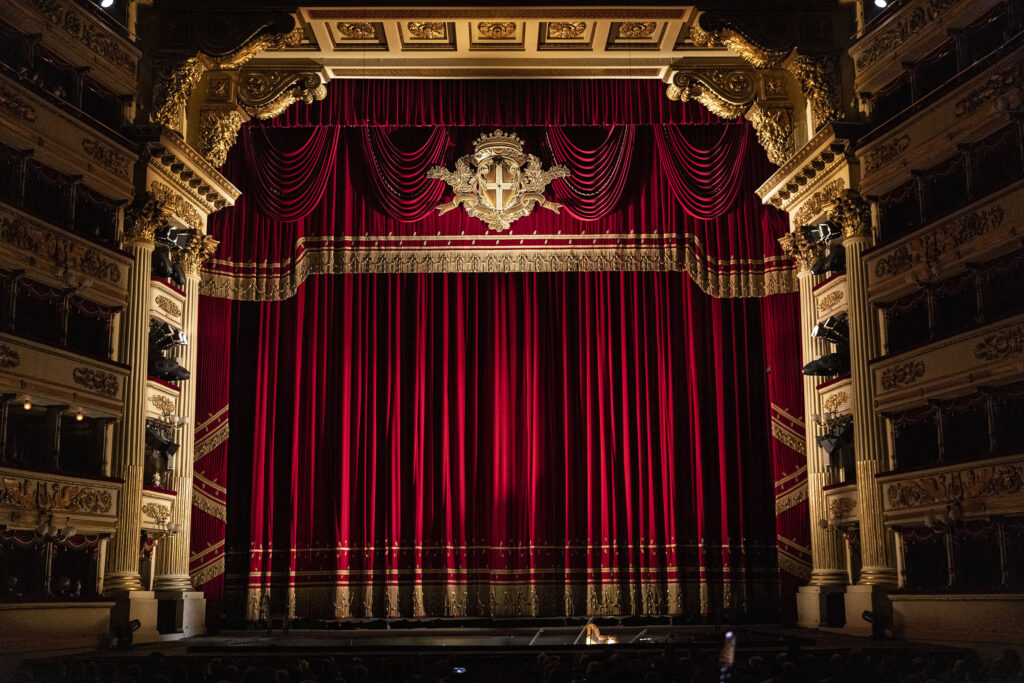
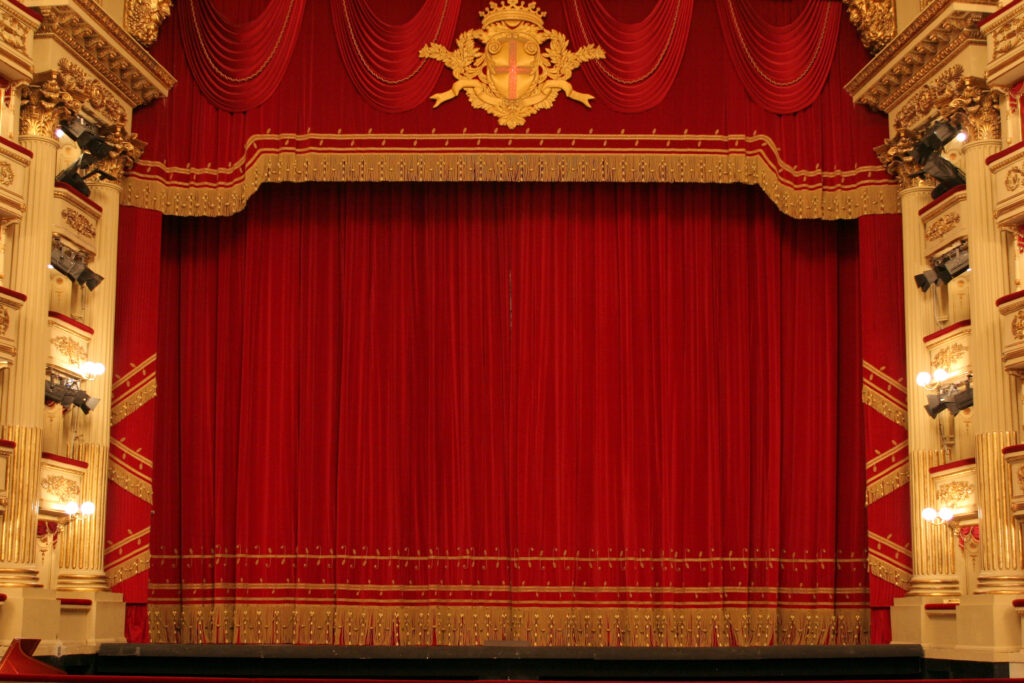
La Scala, for its part, brings historical depth. Founded under Maria Theresa of Austria after the fire at the Teatro Ducale in 1776, the theater takes its name from the church of Santa Maria alla Scala, on the site of which it was built. In a city where elegance is often defined by restraint, the opera house remains one of the few places where Milan still embraces ceremony.
The package includes two tickets to an opera or ballet, depending on the schedule: *Carmen*, *La Traviata*, *Lucia di Lammermoor*, *Faust*, *Pelléas et Mélisande*, as well as *Don Chisciotte*, *Giselle*, and new choreographic works. Before the curtain rises, dinner at 10_11 is intentionally light: three Milanese dishes, a glass of wine, or a cocktail. After the performance, two drinks extend the evening at the bar—that moment when people speak more softly because the music is still playing.
The details matter: private transfers between the hotel and the theater ensure the experience isn’t overshadowed by logistics. Here, luxury lies not in the sum of the services, but in their seamless flow. Room, dinner, theater, back to the bar: four stages, almost like a staged performance.
Details — The Portrait Milano complex includes the 10_11 restaurant and bar, The Longevity Spa, Beefbar Milano, Rumore, Antonia, and So-Le Studio. The hotel is part of the Lungarno Collection, a hotel group owned by the Ferragamo family, with properties in Florence, Rome, and Milan.
What this proposal ultimately reveals has to do with Milan itself. The city never quite separates fashion, architecture, music, and discreet power. It allows them to flow from one address to another, from a portico to a box seat, from a late-night drink to a quiet bedroom. Portrait Milano doesn’t sell La Scala. It sets the stage for the evening to regain its rhythm.
Cette publication est également disponible en :

