
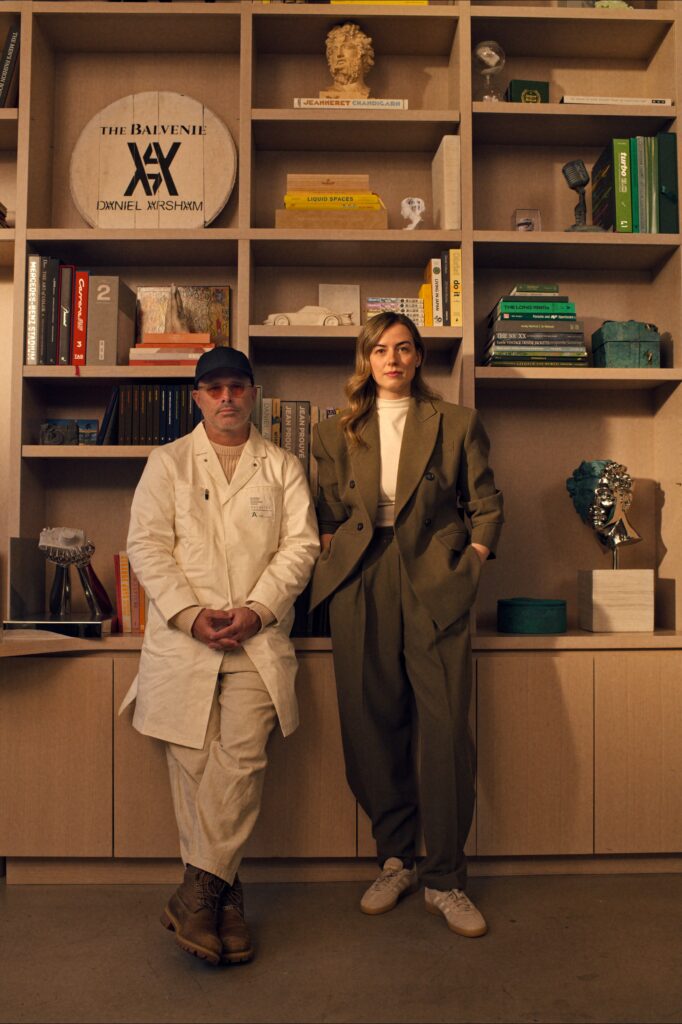
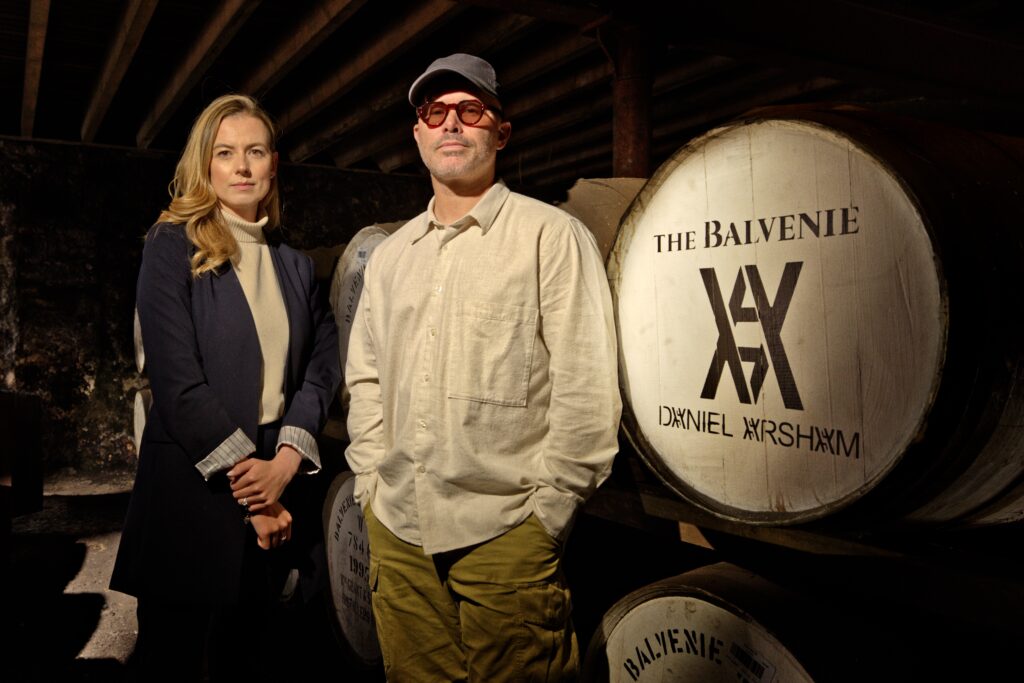
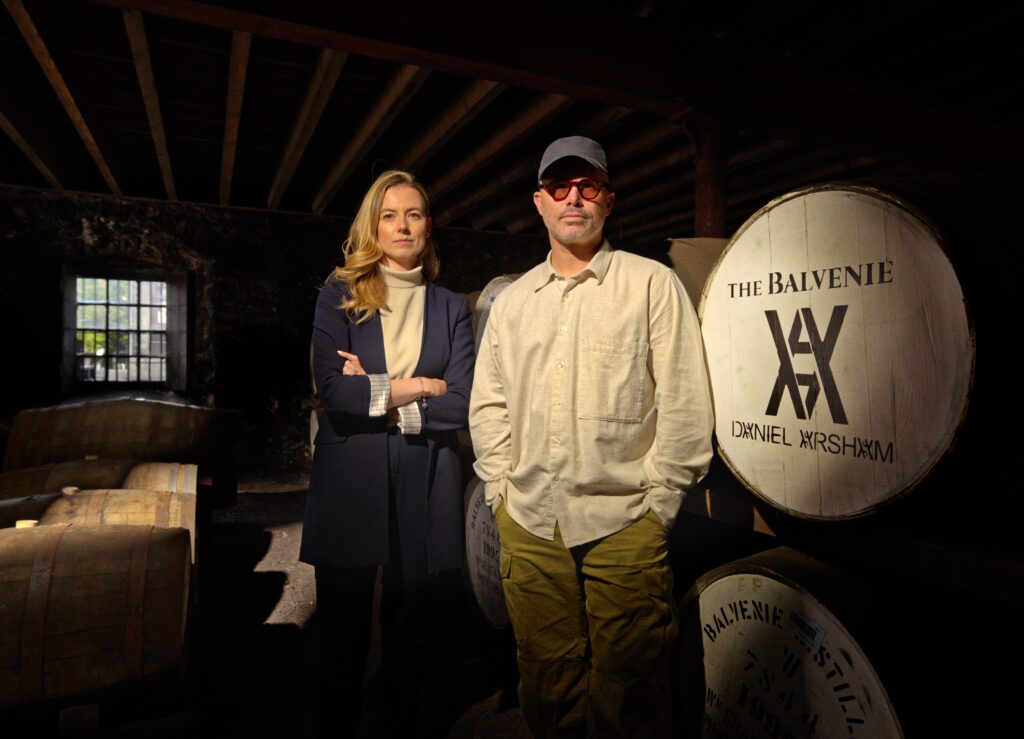
More than just a limited edition, the announced collaboration between The Balvenie and Daniel Arsham explores how contemporary luxury showcases its craftsmanship. At the heart of the project are five foundational elements of Scotch distillation and a shared fascination with the transformation of matter over time.
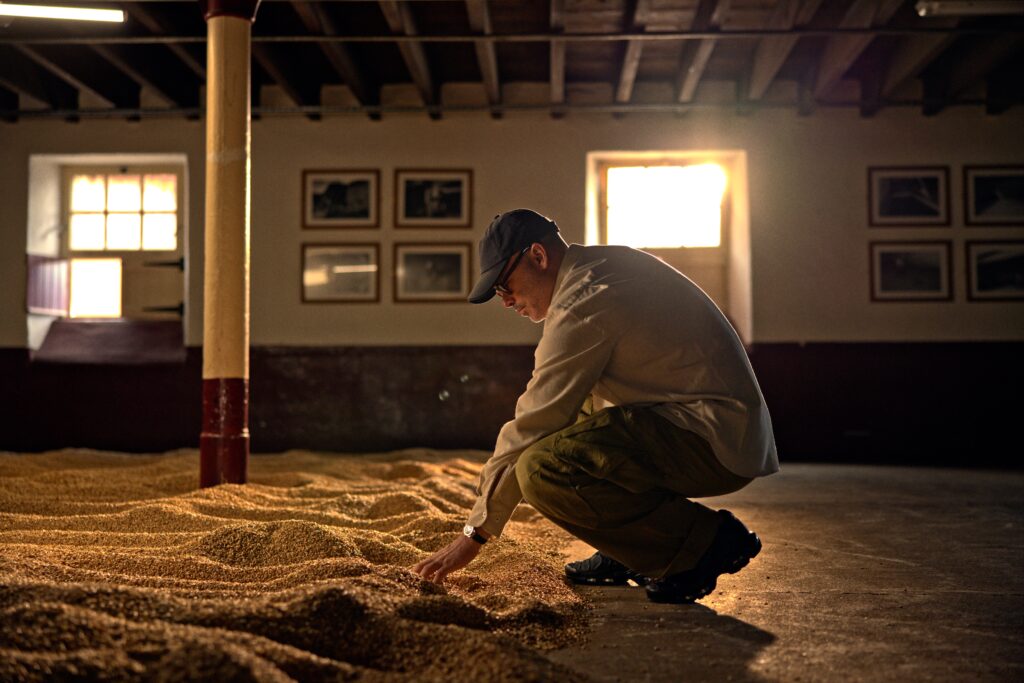
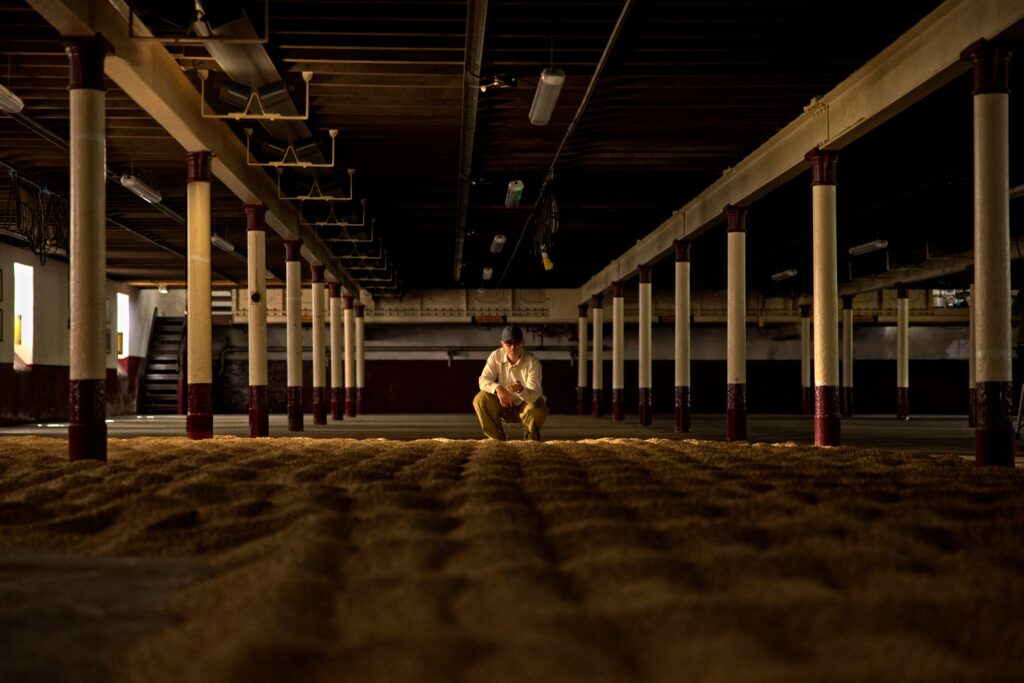
In the world of whiskey, time is usually measured in years of aging. At The Balvenie, it takes on a more tangible form. It takes the form of a building dedicated to traditional malting, which has been in continuous operation since 1931. It takes the form of workshops where coopers and boilermakers still work. Finally, it takes the form of a production line that preserves processes long since abandoned by much of the Scottish industry.
It is precisely this artisanal aspect that the Scottish fashion house has chosen to place at the heart of its partnership with Daniel Arsham.
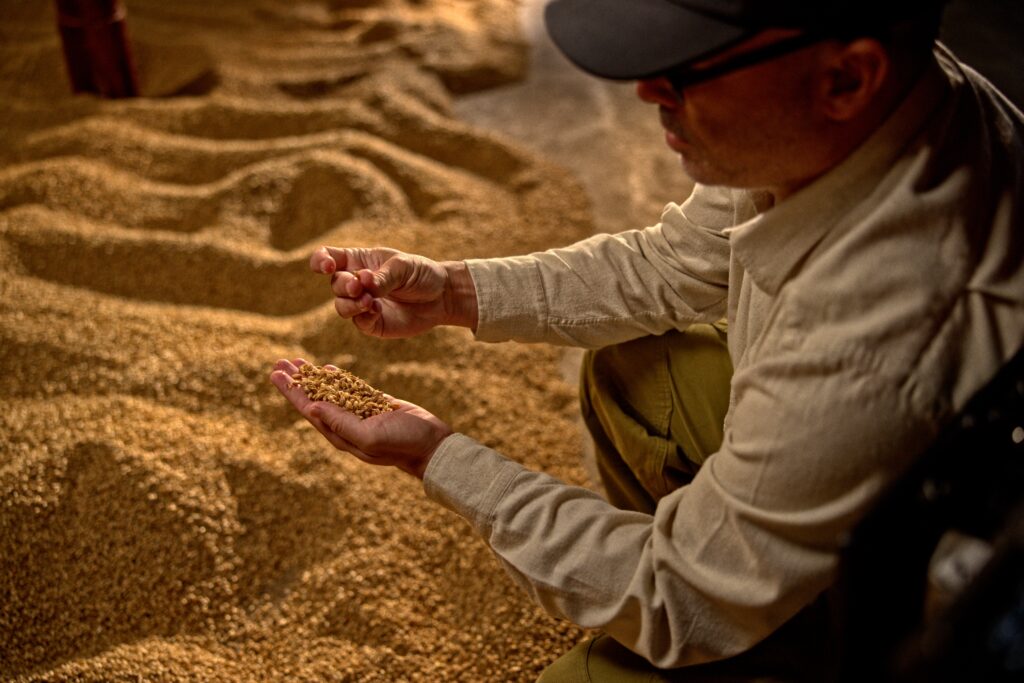
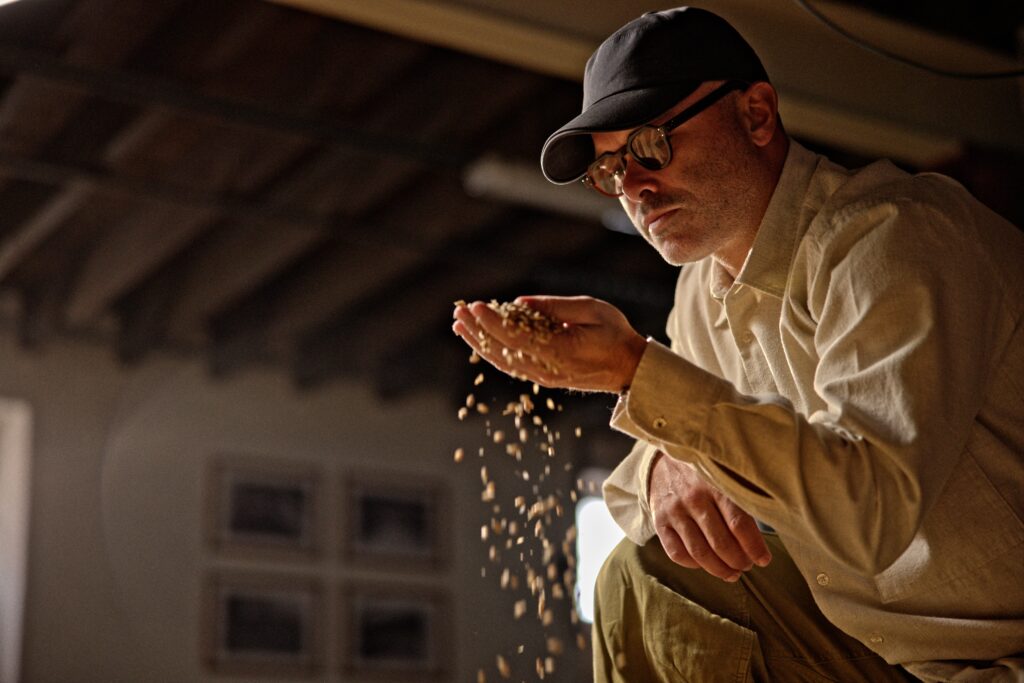
Titled “The Dawn of Our Spirit,” the program centers on five areas of expertise that The Balvenie considers fundamental to its identity: barley cultivation, cooperage, traditional floor malting, copper still craftsmanship, and the cellar master’s intuition. These crafts will serve as the starting point for a series of artworks, immersive experiences, and several limited-edition releases inspired by these production techniques.
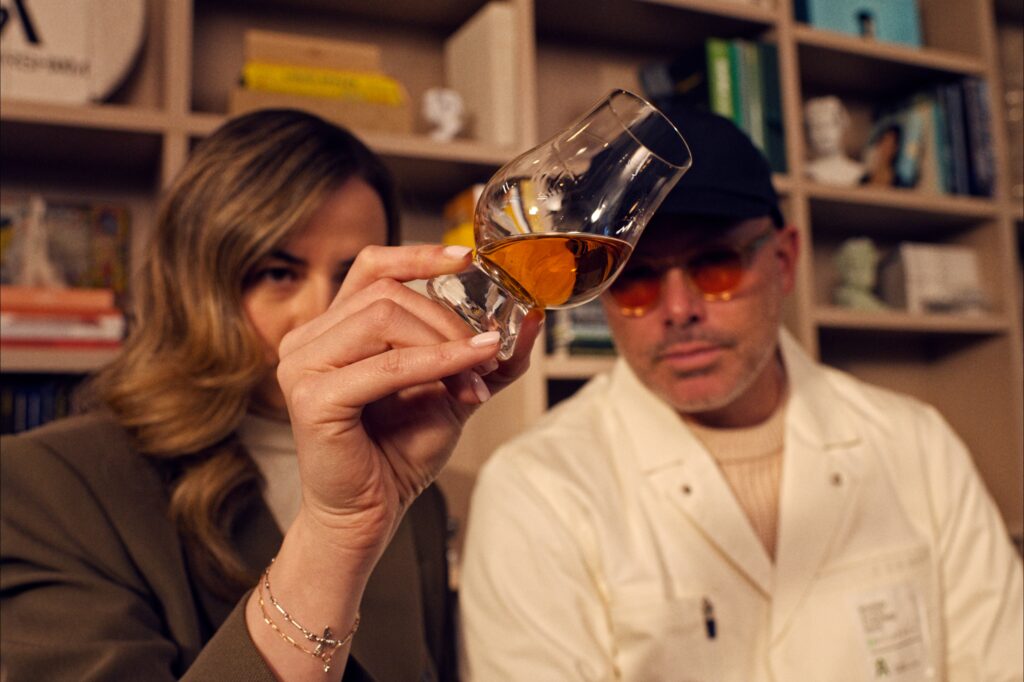
The choice of Arsham is less obvious than it seems. The American artist does not come from the world of spirits but from that of sculpture, architecture, and performance art. For several years now, his work has consisted of imagining objects as if they had survived the centuries. In his hands, telephones, cars, and musical instruments become relics of a future that has already vanished. This approach questions not so much the object itself as its capacity to preserve memory.
This approach finds a natural echo in the world of whiskey. For a single malt is never just a liquid. It is also a record of a place, a harvest, a type of wood, a climate, and a series of human decisions. The press release also refers to a dialogue centered on “time, transmission, rarity, and materiality”—concepts that belong as much to the artist’s studio as they do to the aging cellars.
Detail
The Balvenie’s Home Floor Maltings plays a central role in this collaboration. In operation since 1931 and remaining virtually unchanged, it is one of the last examples of traditional floor malting still in use by a Scottish distillery.
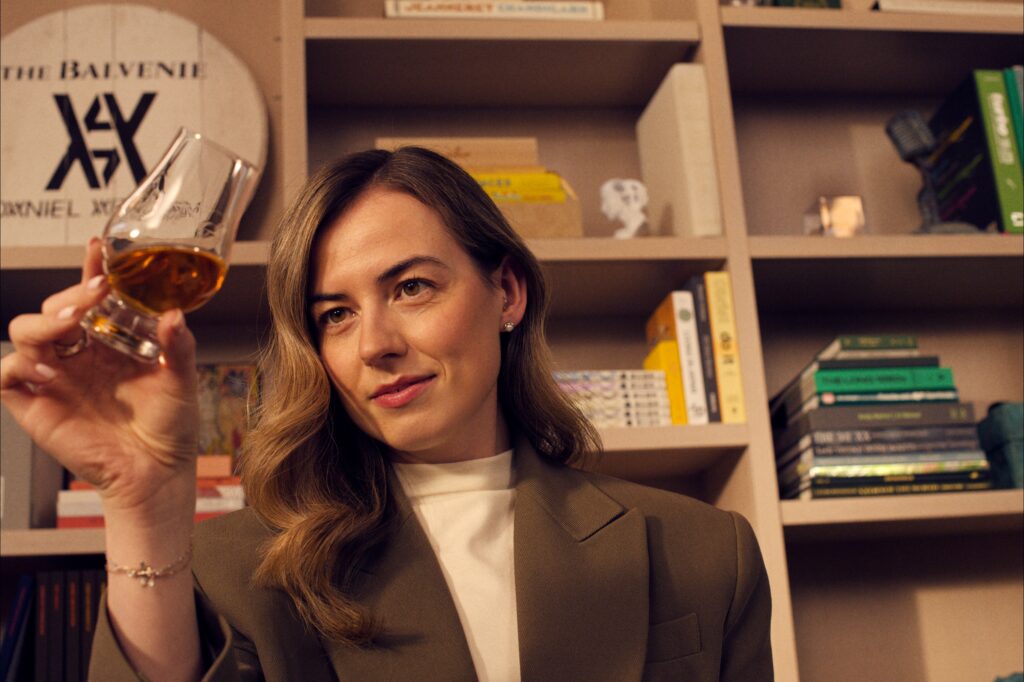
The statement by Kelsey McKechnie, the distillery’s style guardian, is worth noting for what it reveals about the industry’s evolution. She speaks neither of rarity nor prestige, but of “craftsmanship,” “innovation,” and “passing on the tradition.” These three concepts are now becoming tools for cultural differentiation as much as they are technical realities.
Ultimately, this collaboration speaks less to the future of a collection than to the future of luxury itself. As objects become accessible through images, the craftsmanship behind them takes on new value. In this economy of attention, craftsmanship is no longer merely a manufacturing consideration. It becomes a cultural heritage to be interpreted, showcased, and sometimes transformed into a work of art.
Perhaps that is where the true appeal of *The Dawn of Our Spirit* lies: not in the bottle to come, but in the attempt to create a dialogue between two forms of material memory—that of whiskey and that of contemporary art.

Cette publication est également disponible en :

