
There is, in the birth of an independent leather goods house, a form of quiet resistance. Not the kind expressed through a loud manifesto, but rather through a deliberate pace: four styles, a limited color palette, Italian craftsmanship, and the belief that a bag can still exist as a practical item before it becomes a status symbol.
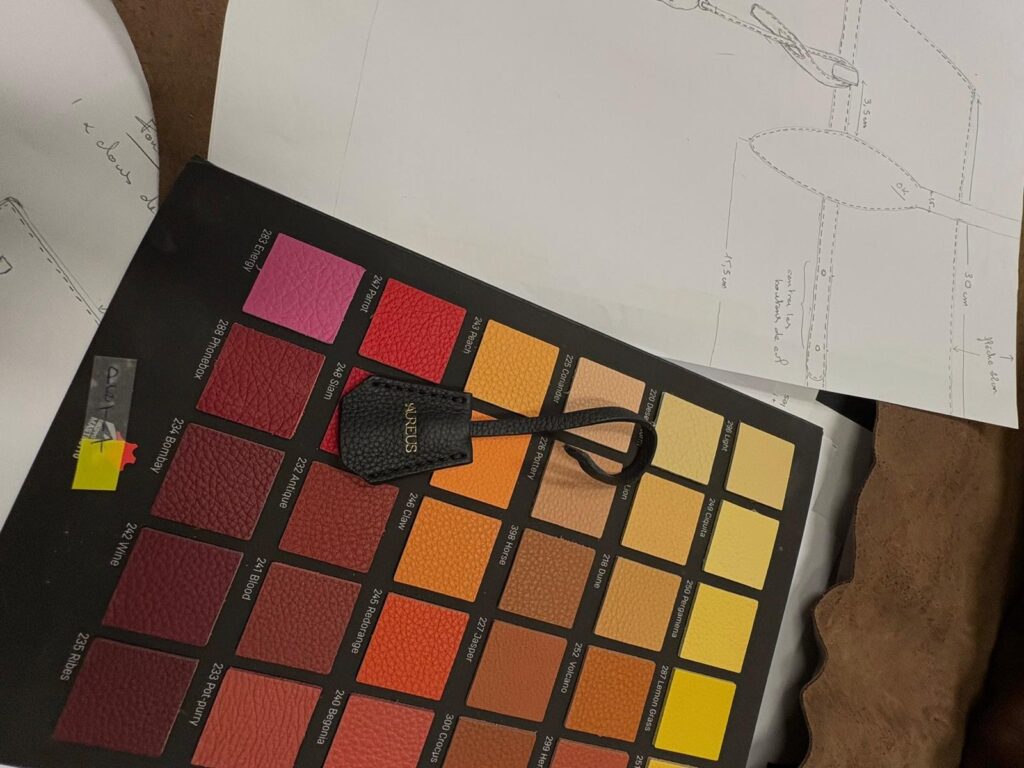
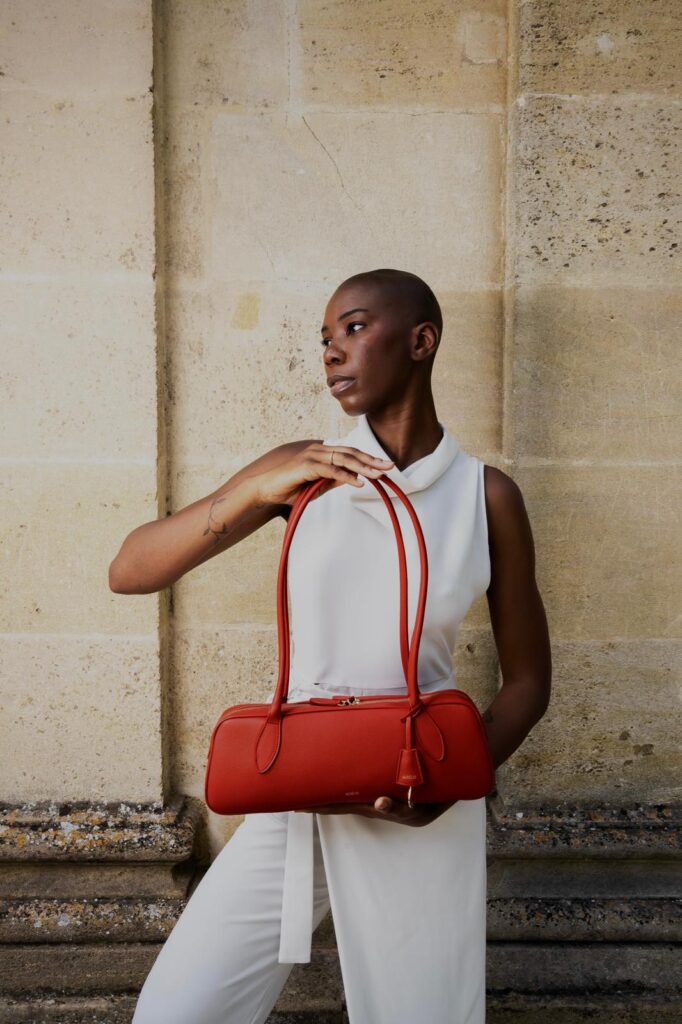
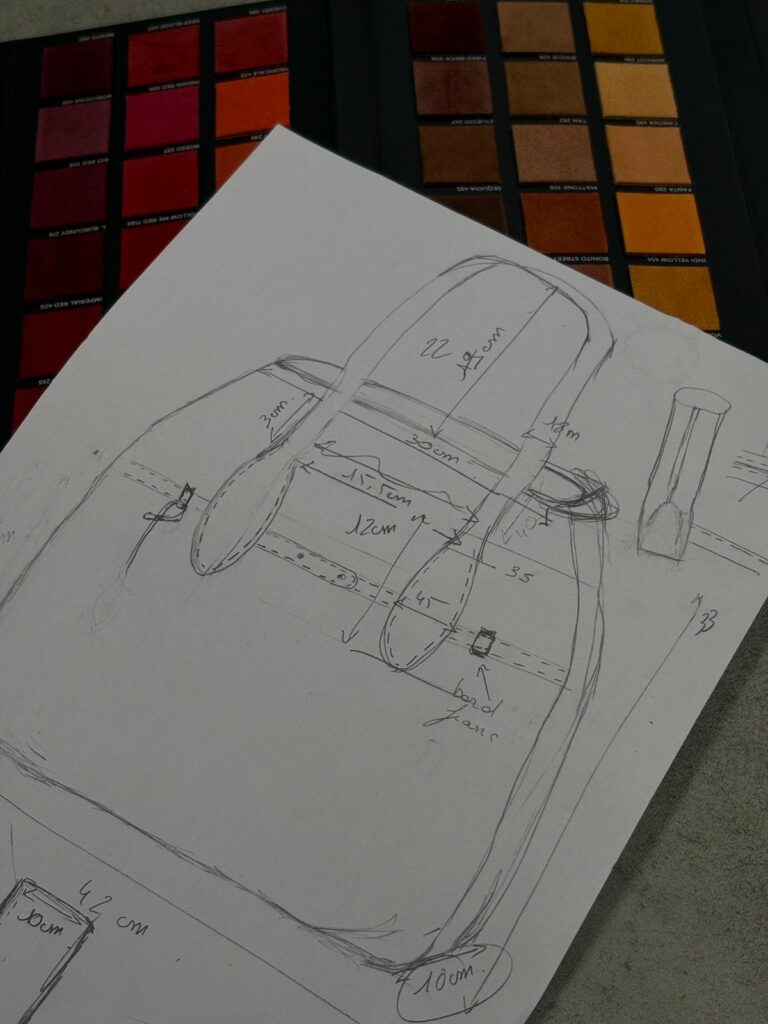
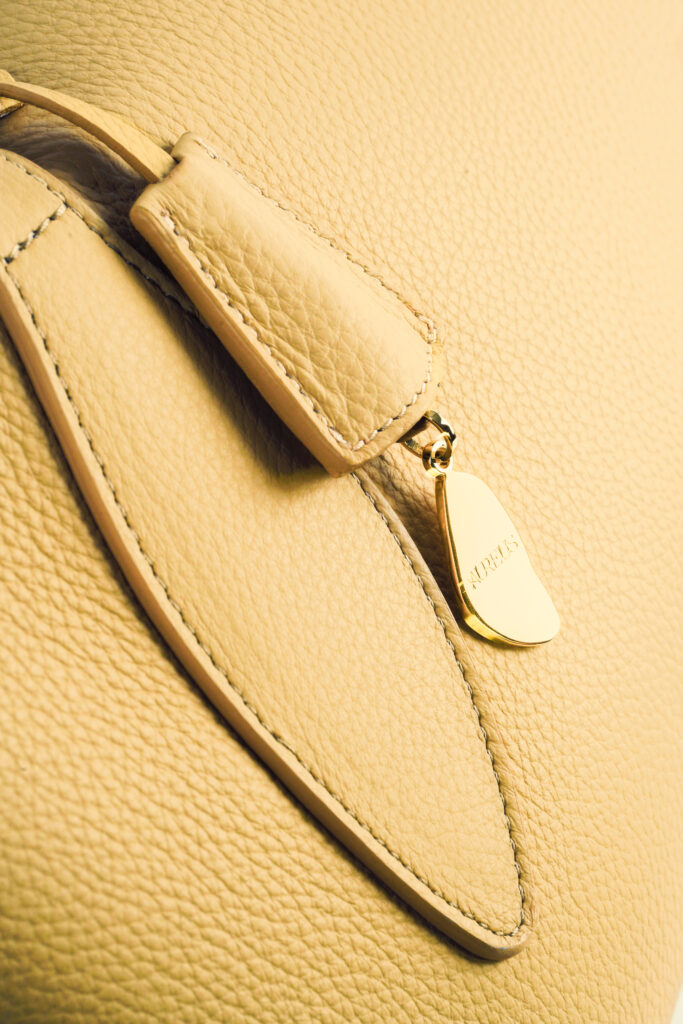
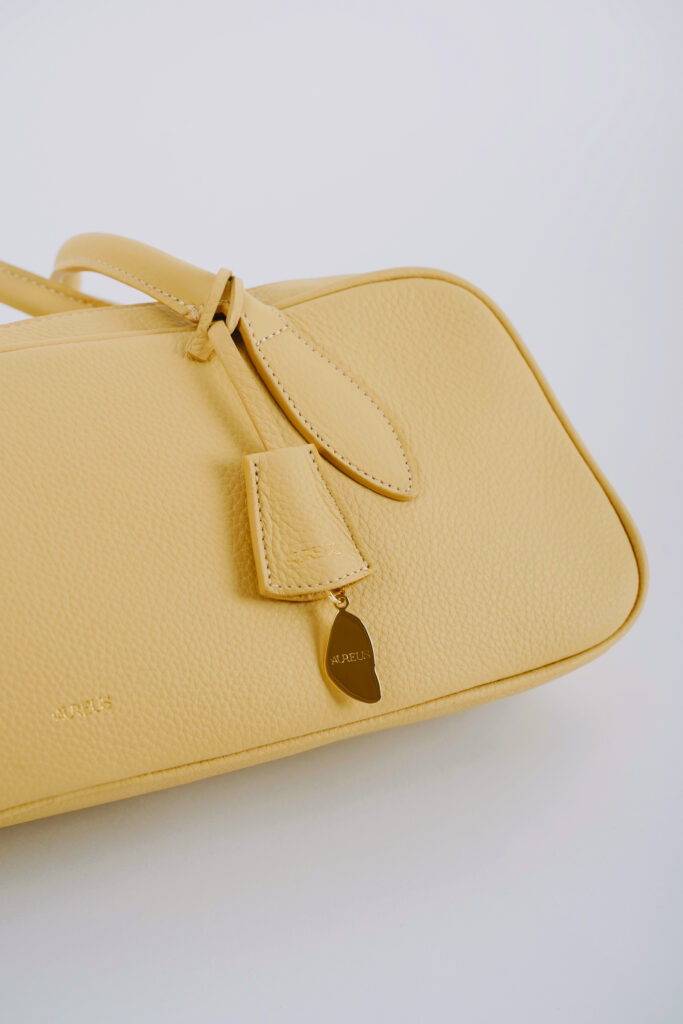
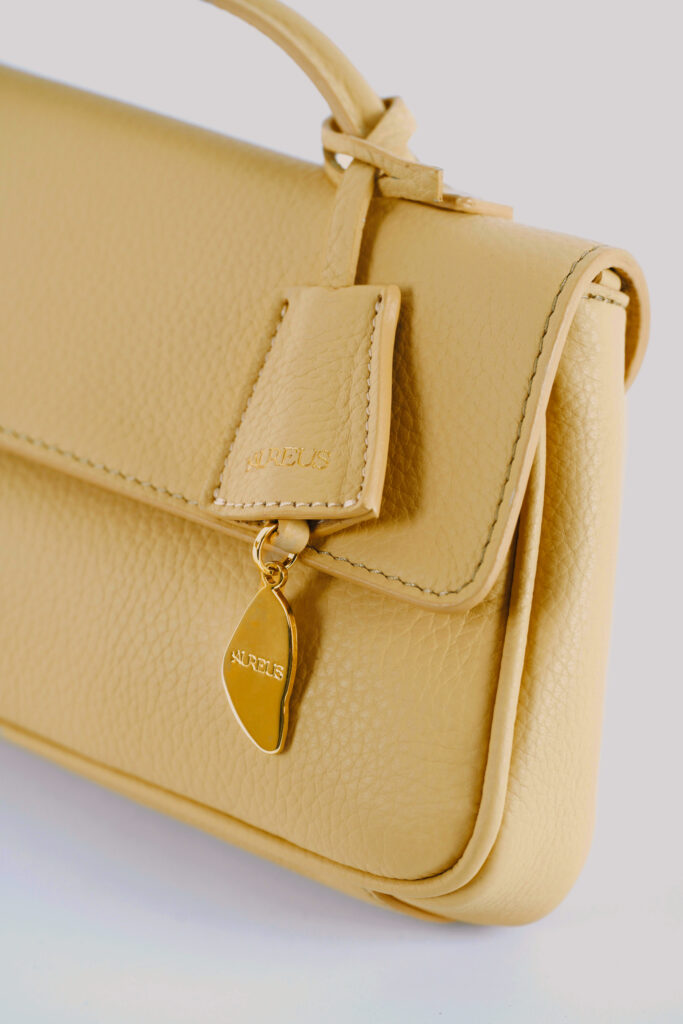
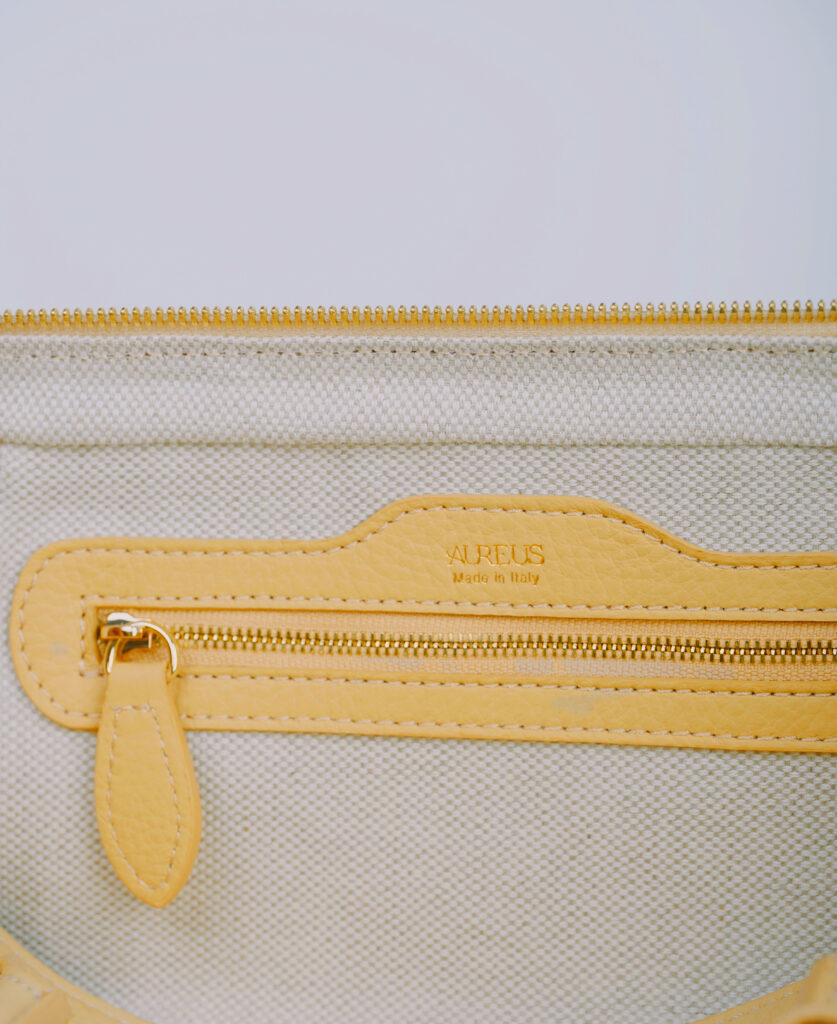
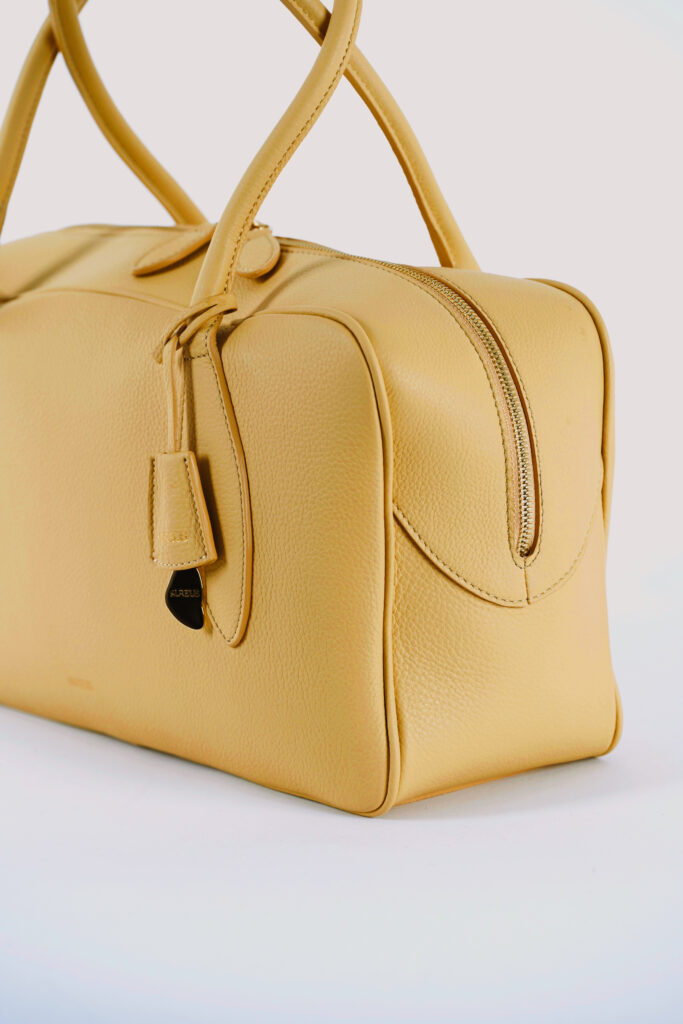
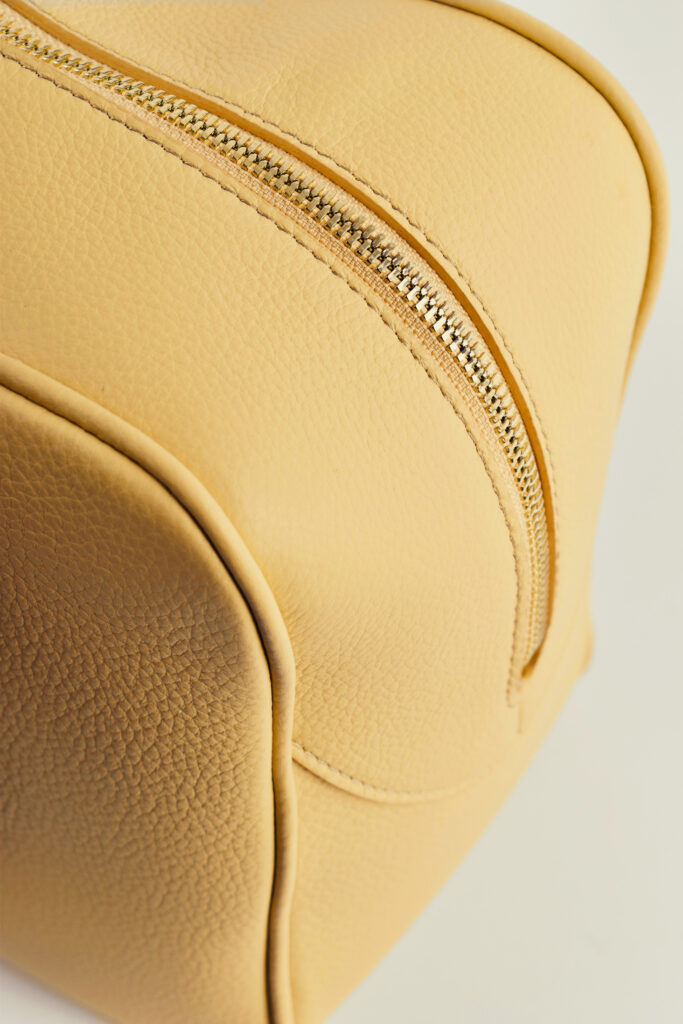
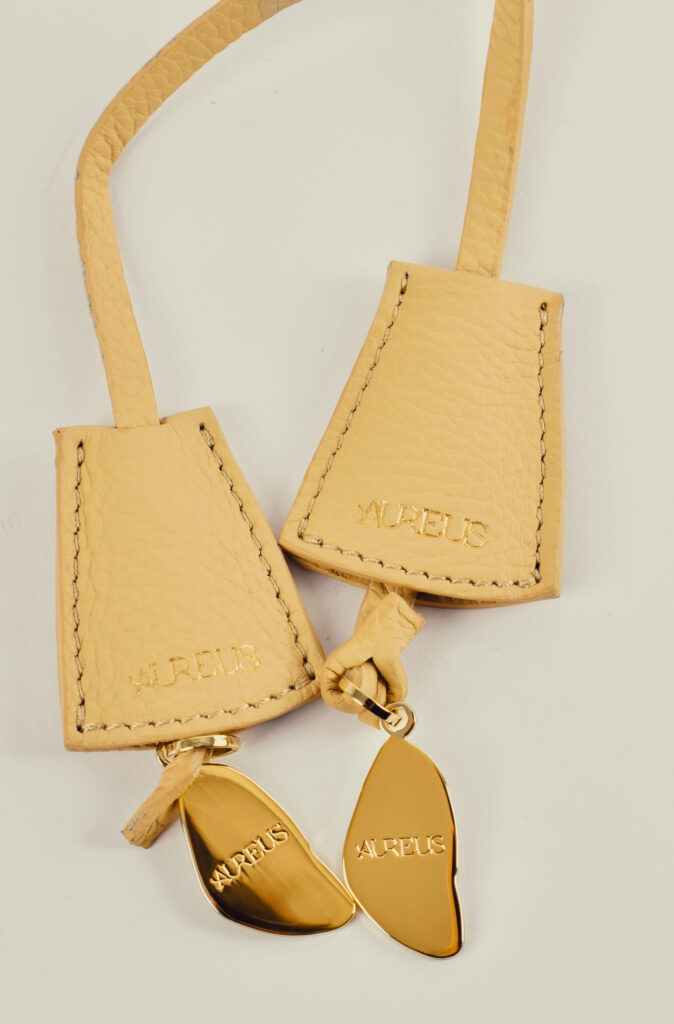
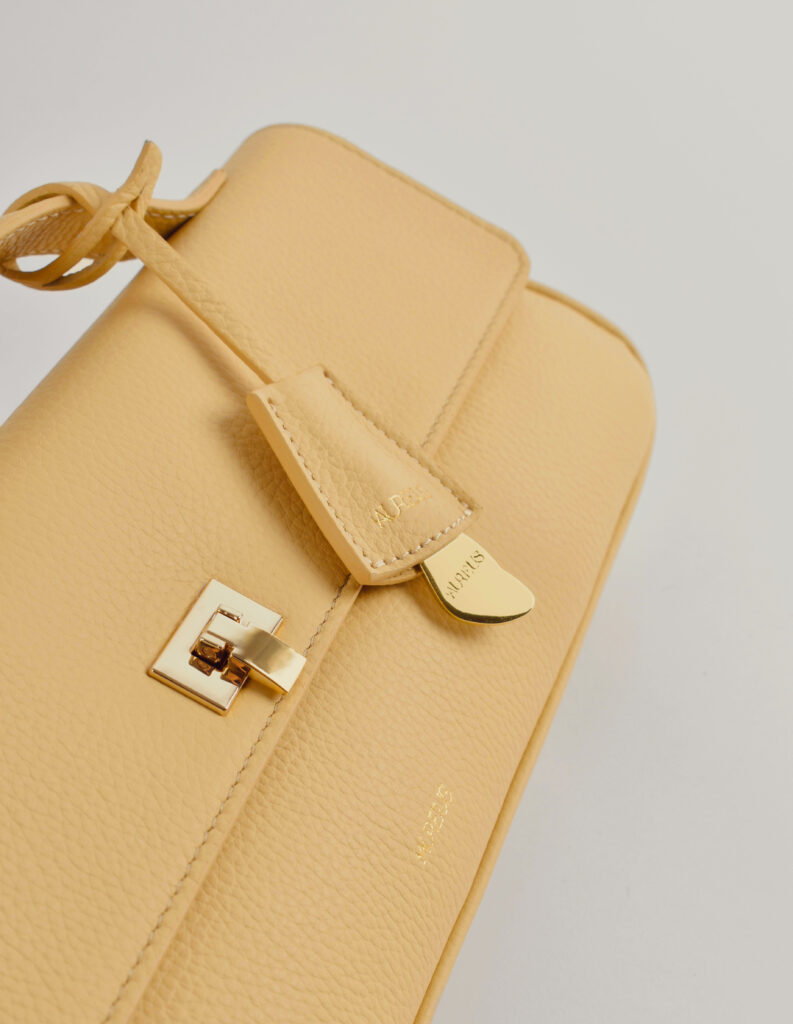
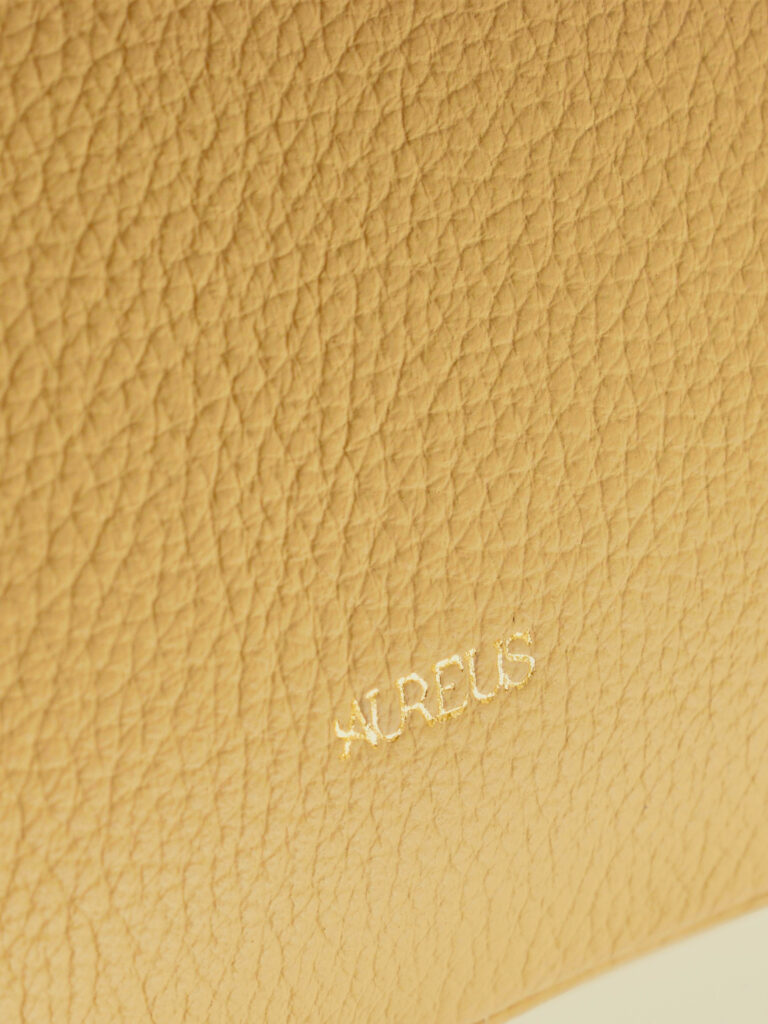
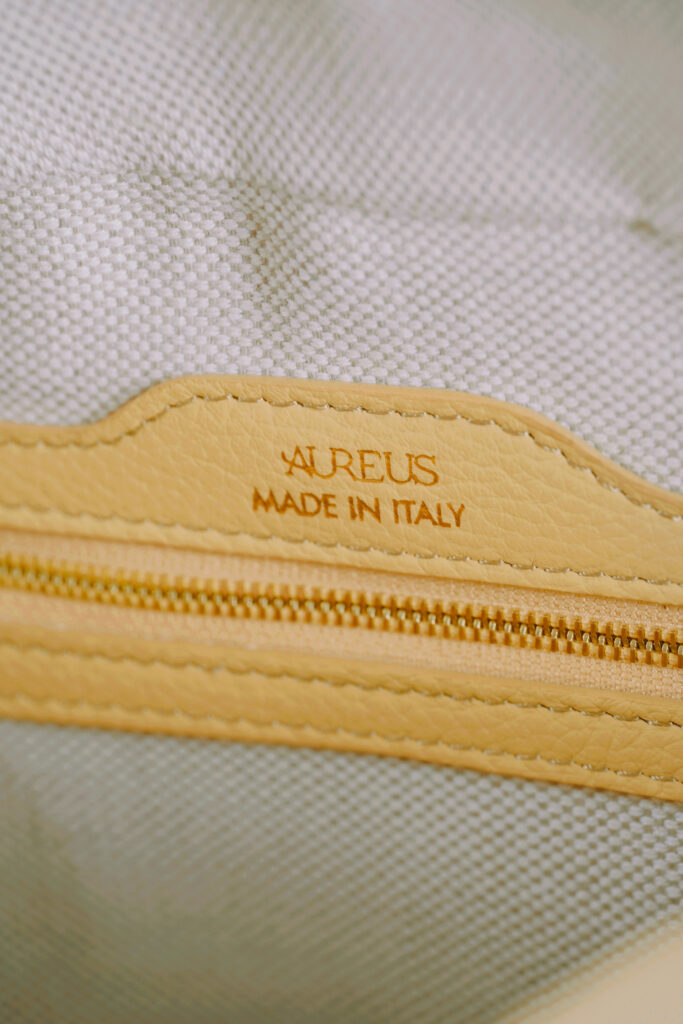
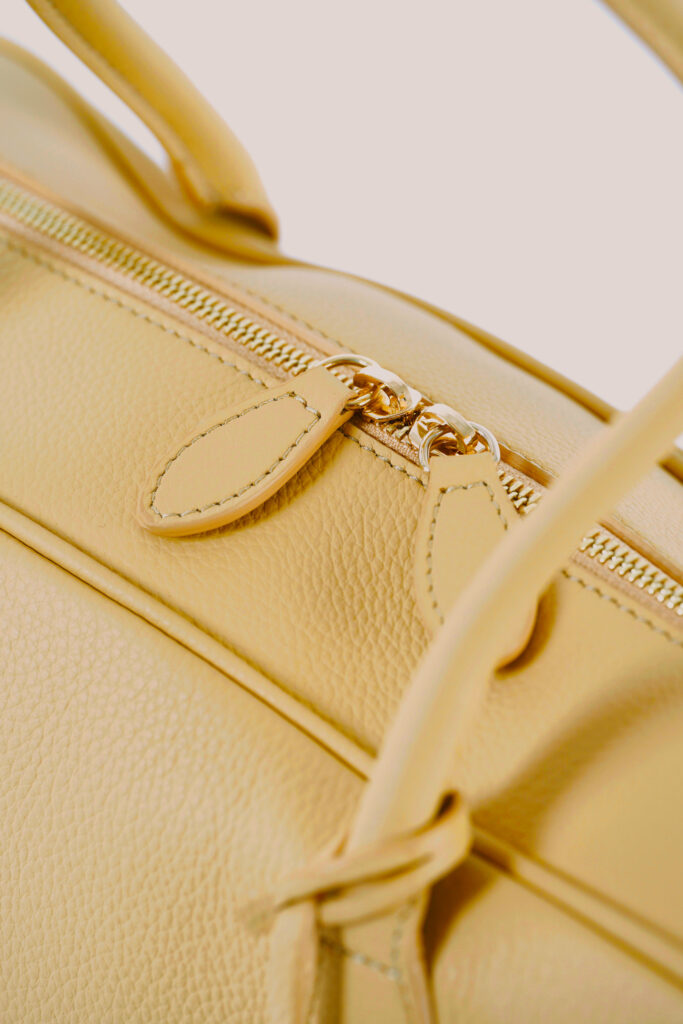
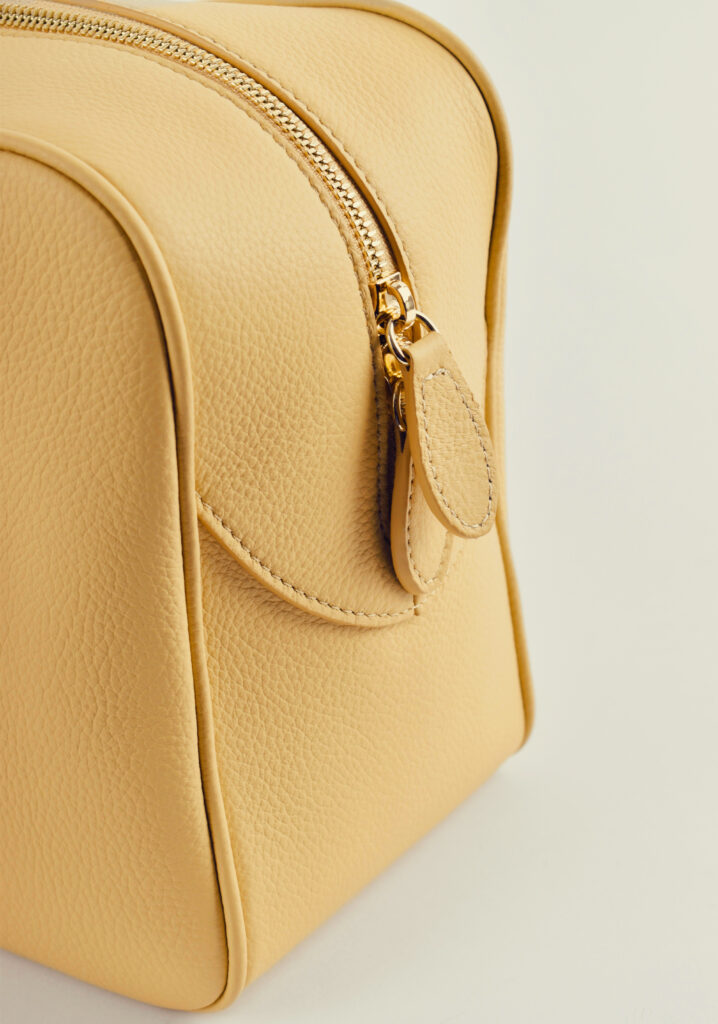
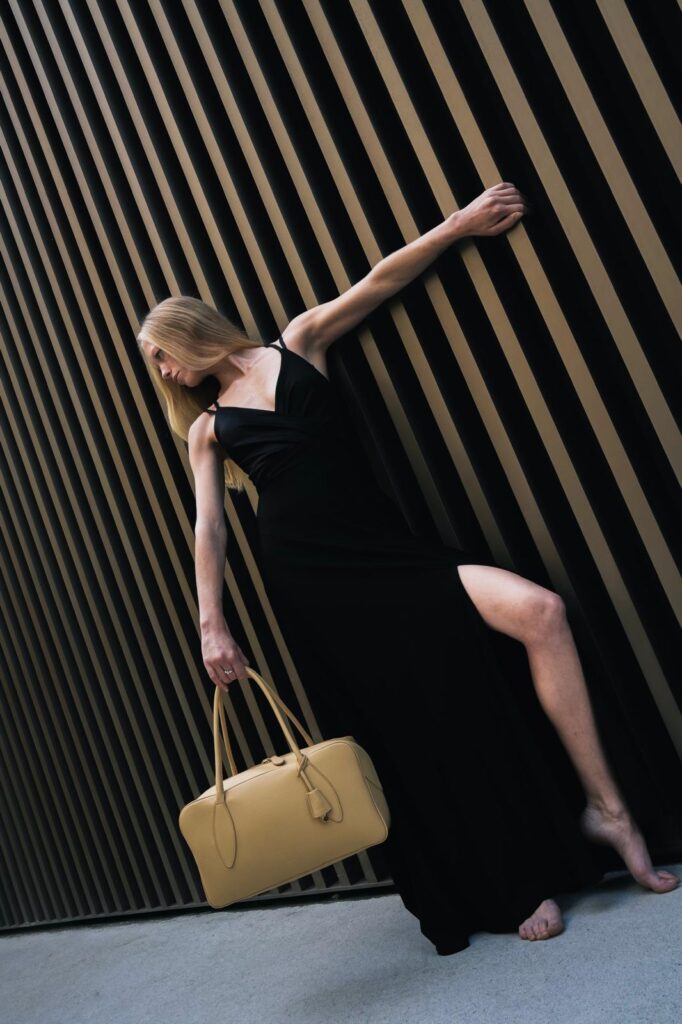
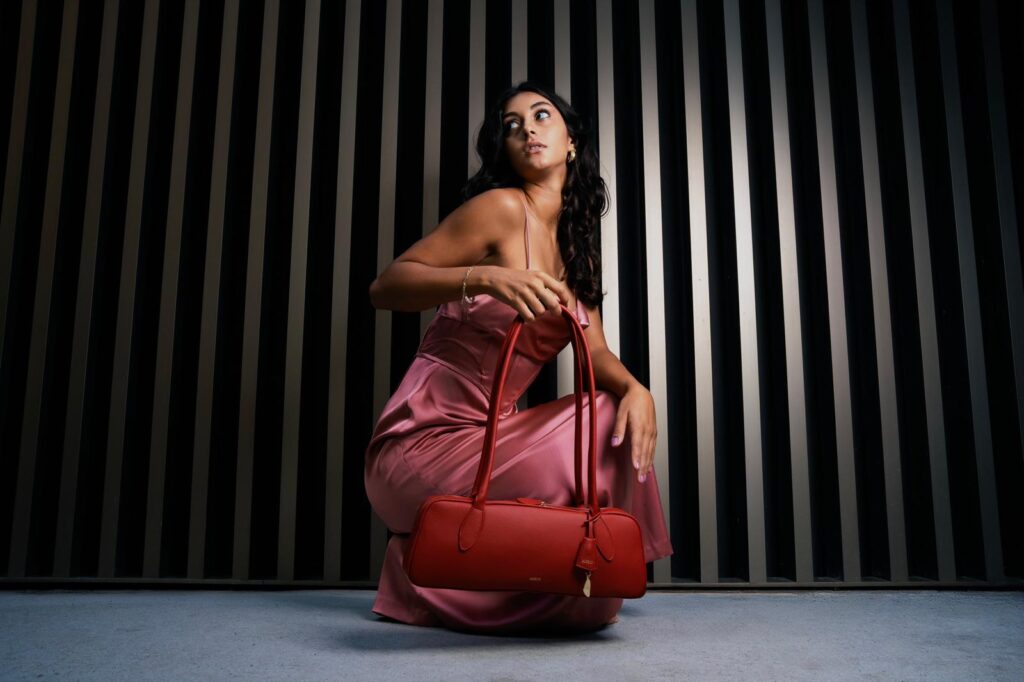
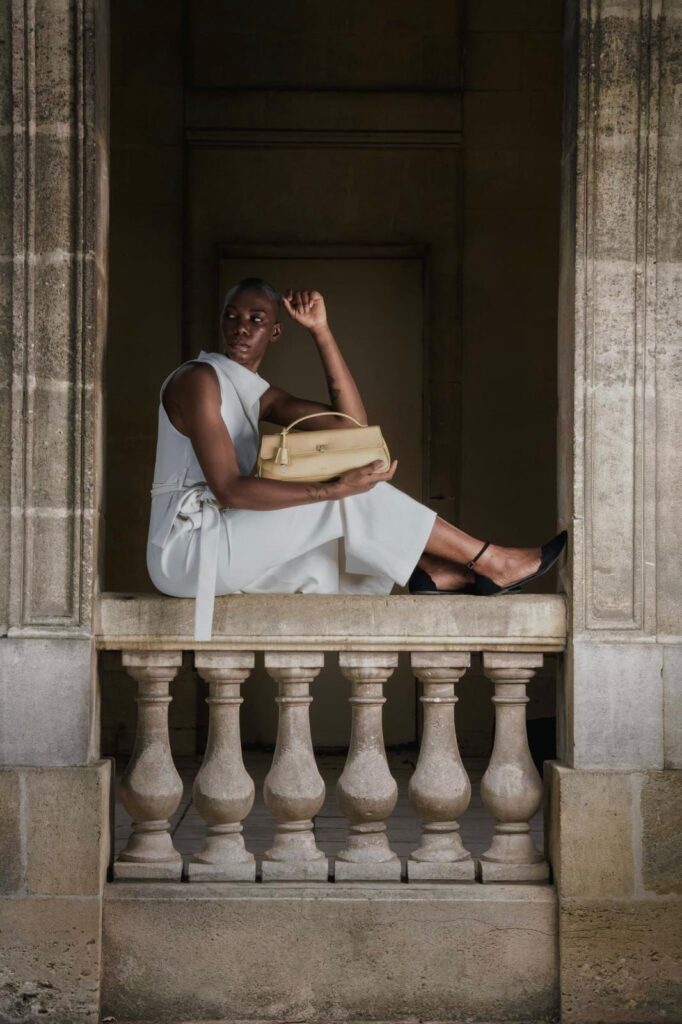
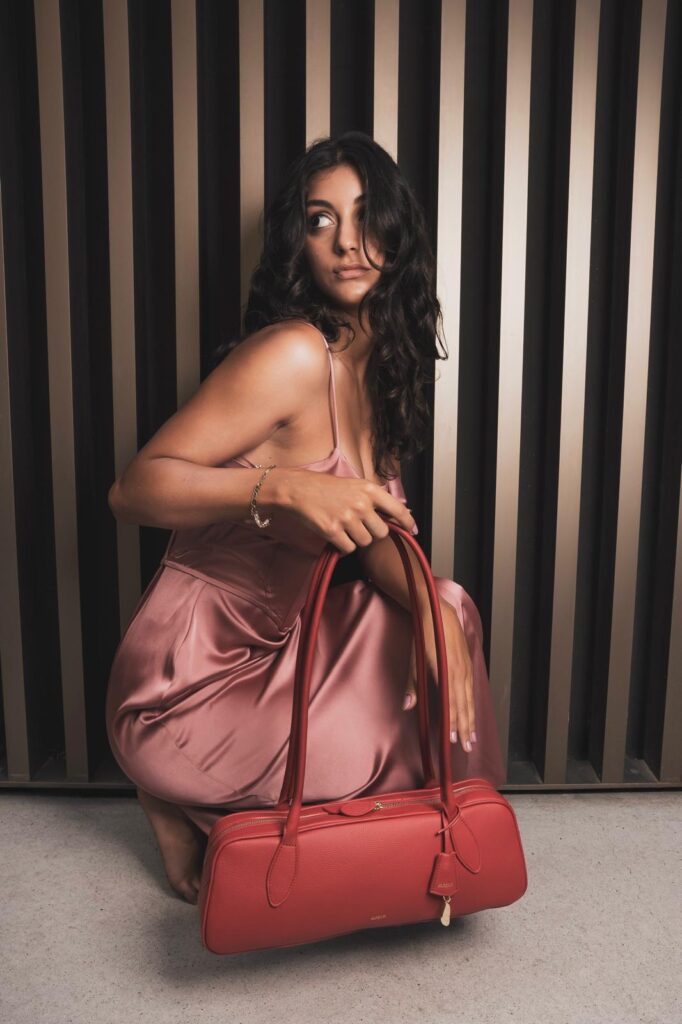
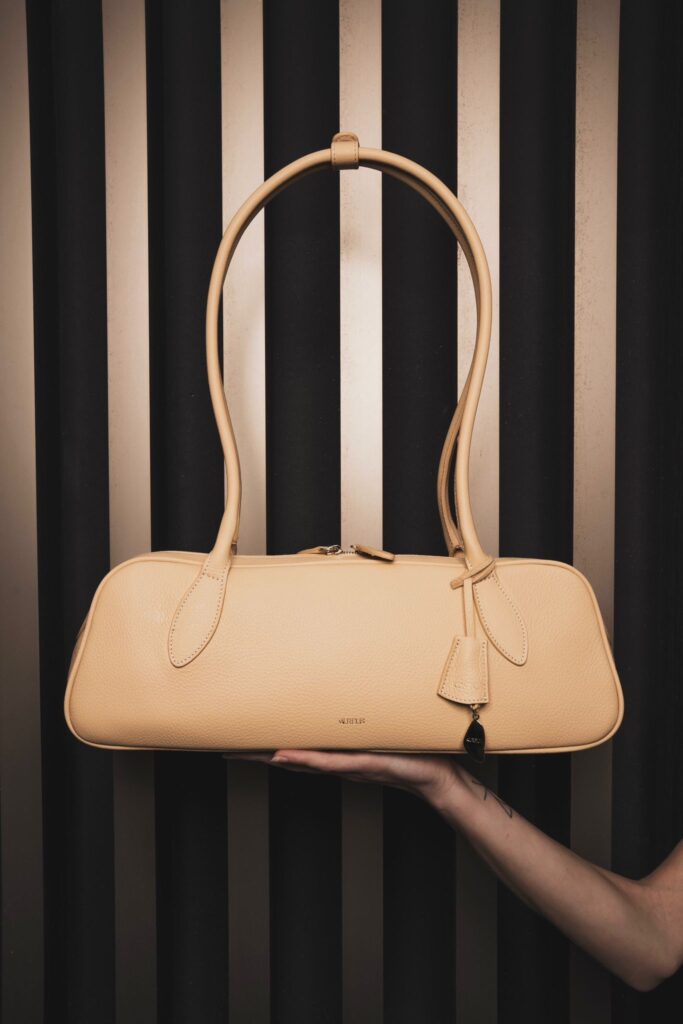
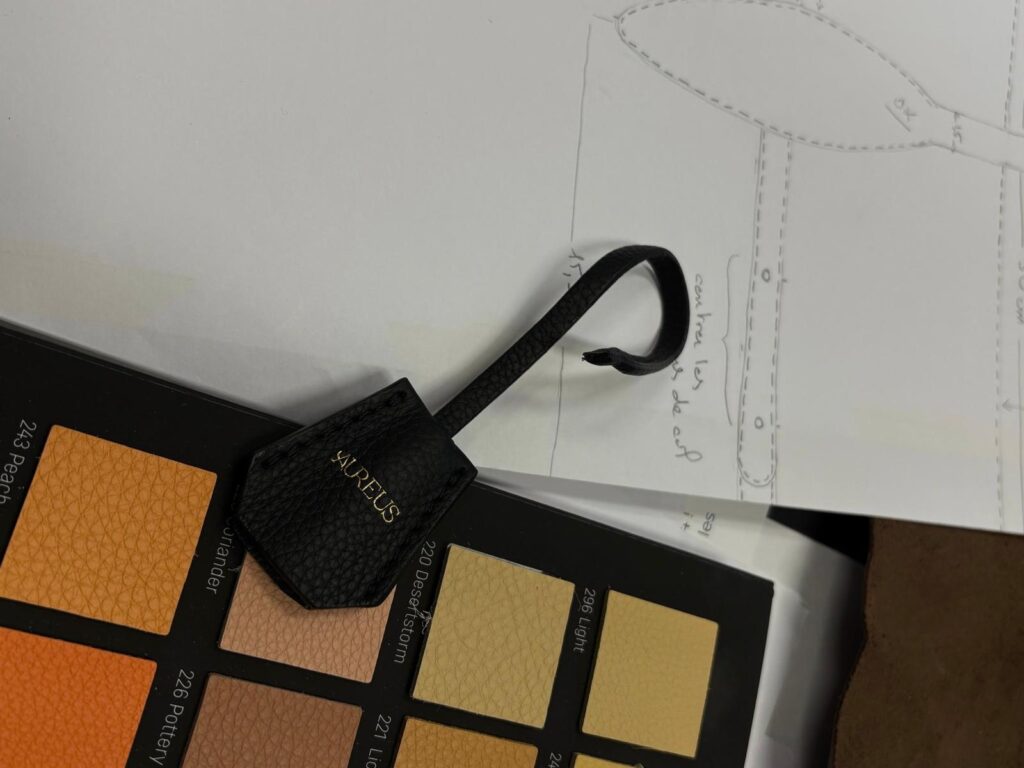
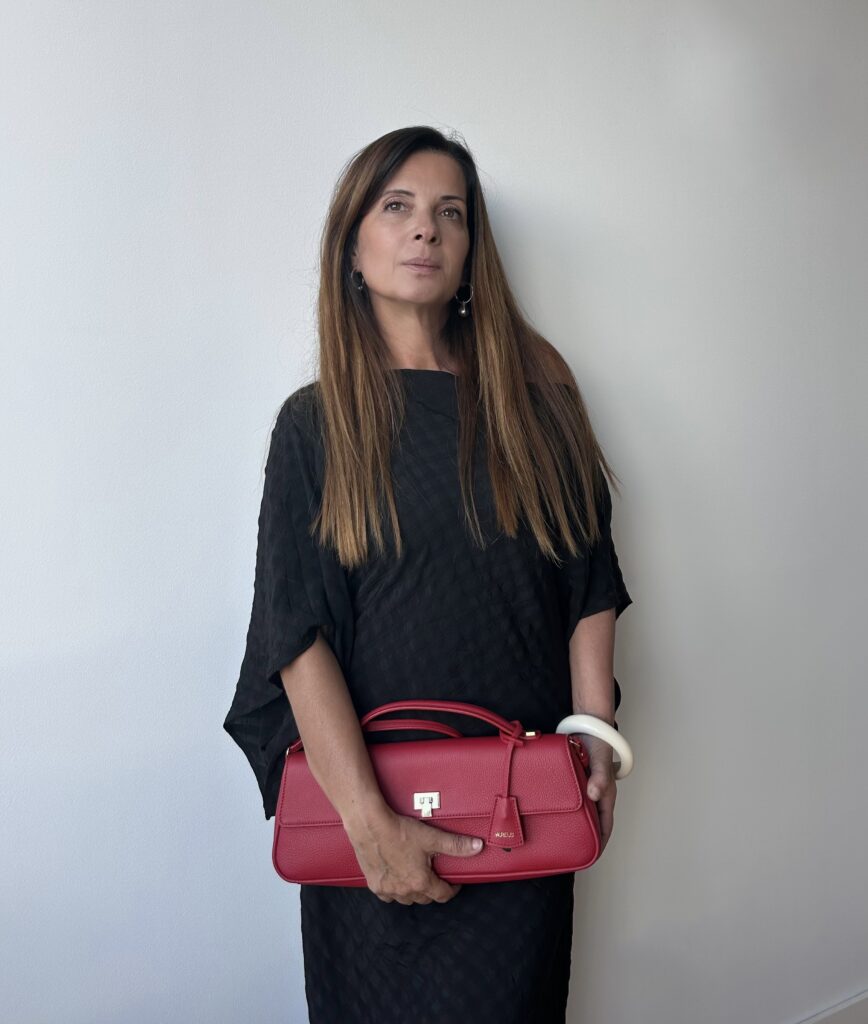
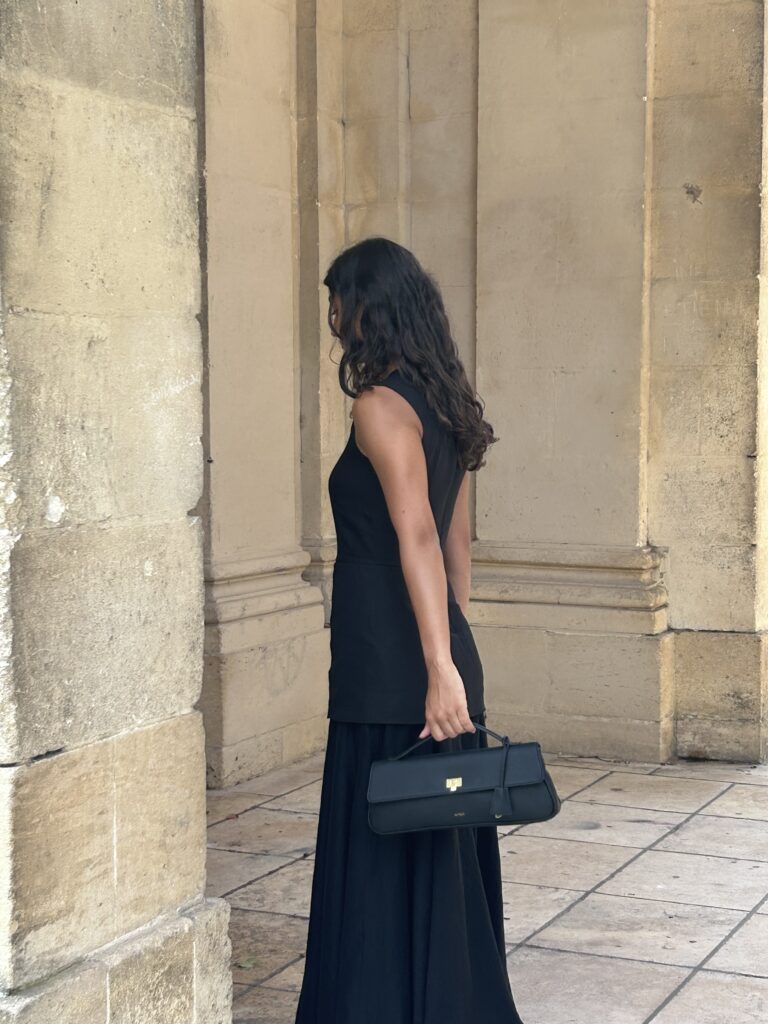
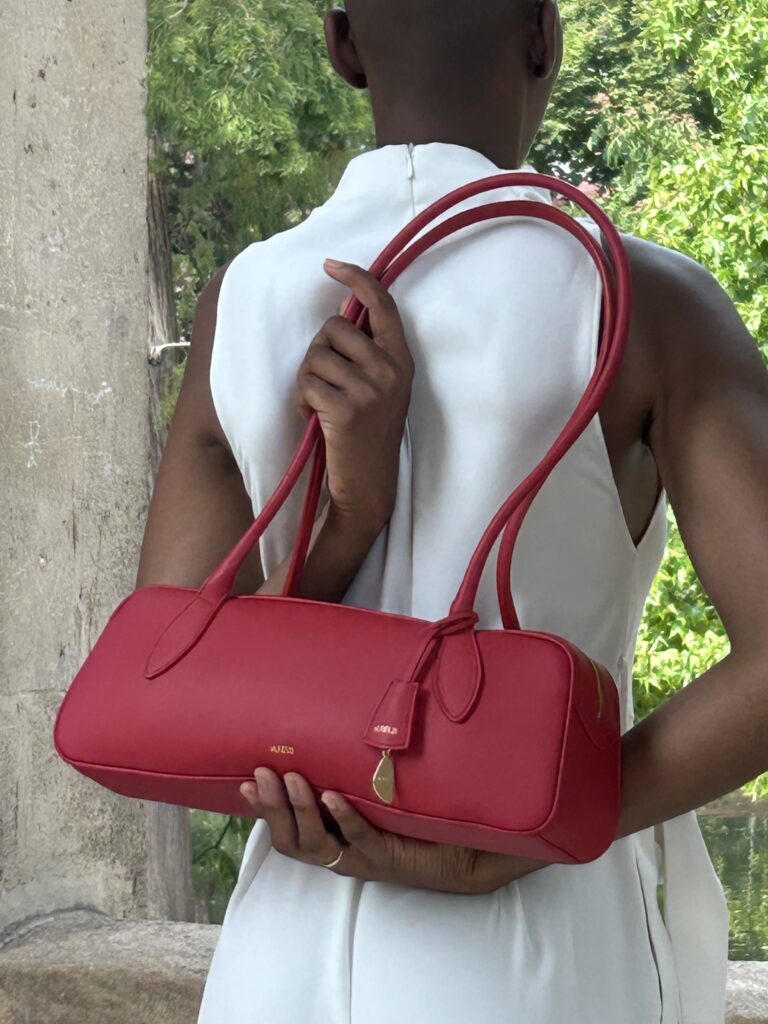
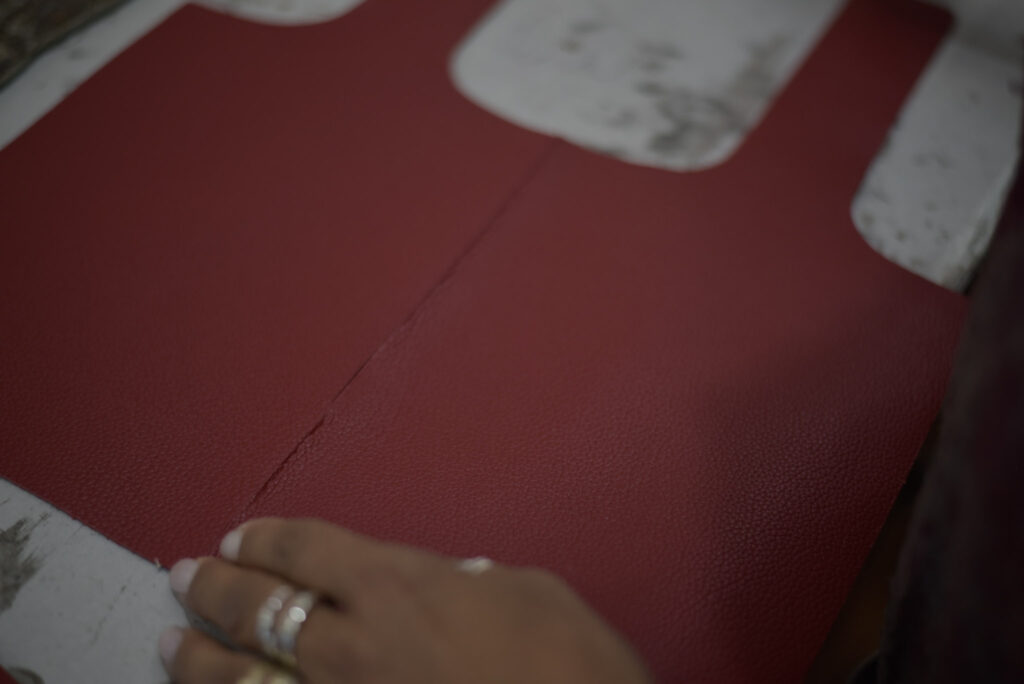
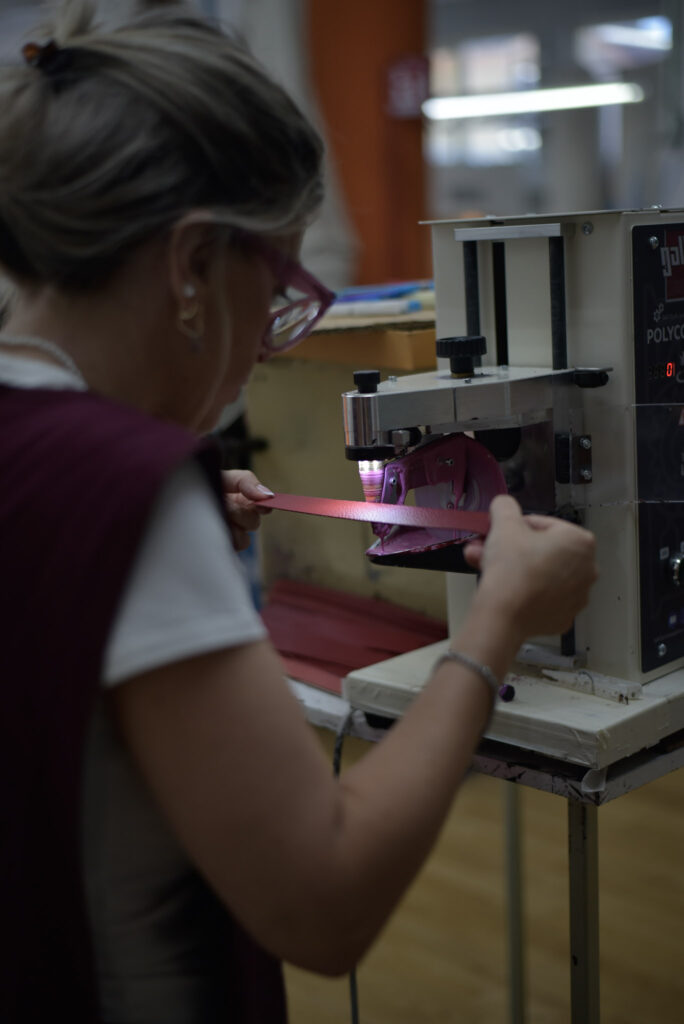
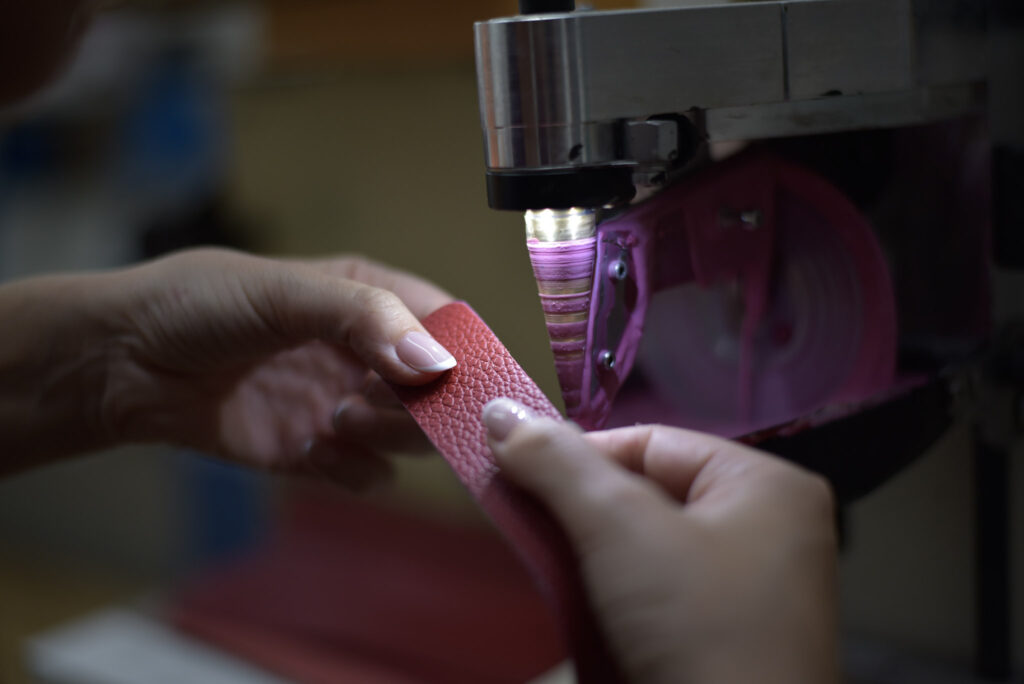
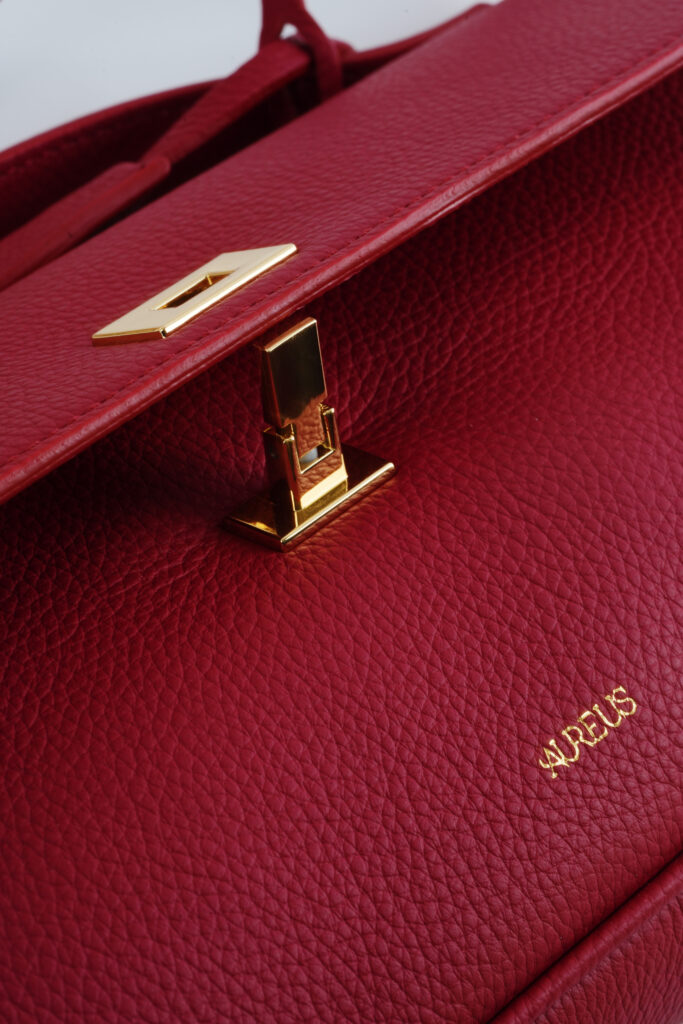
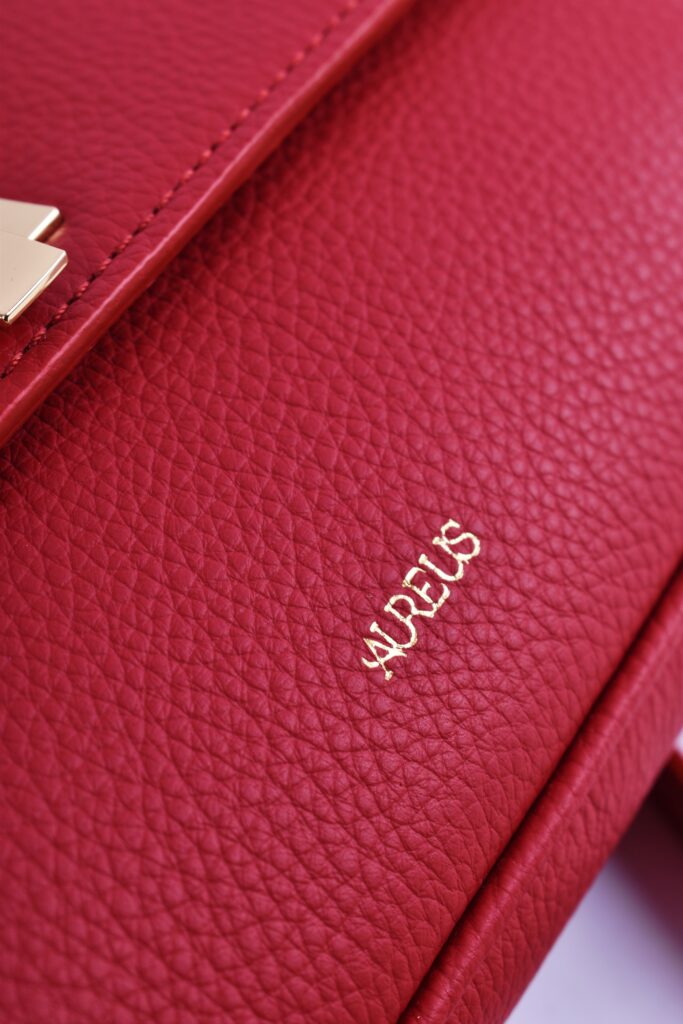
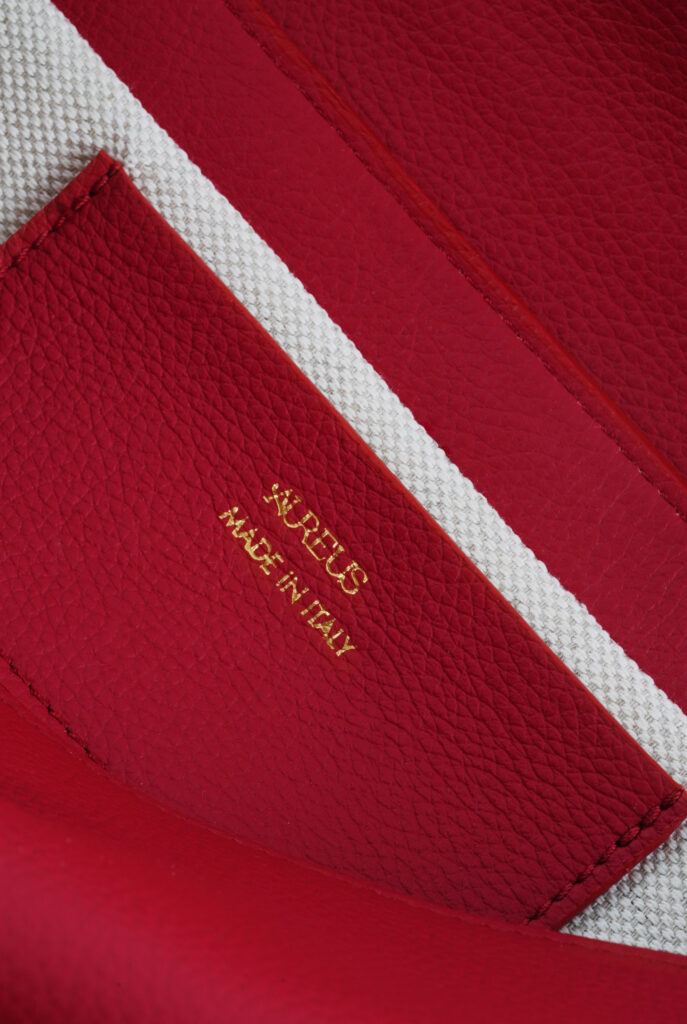
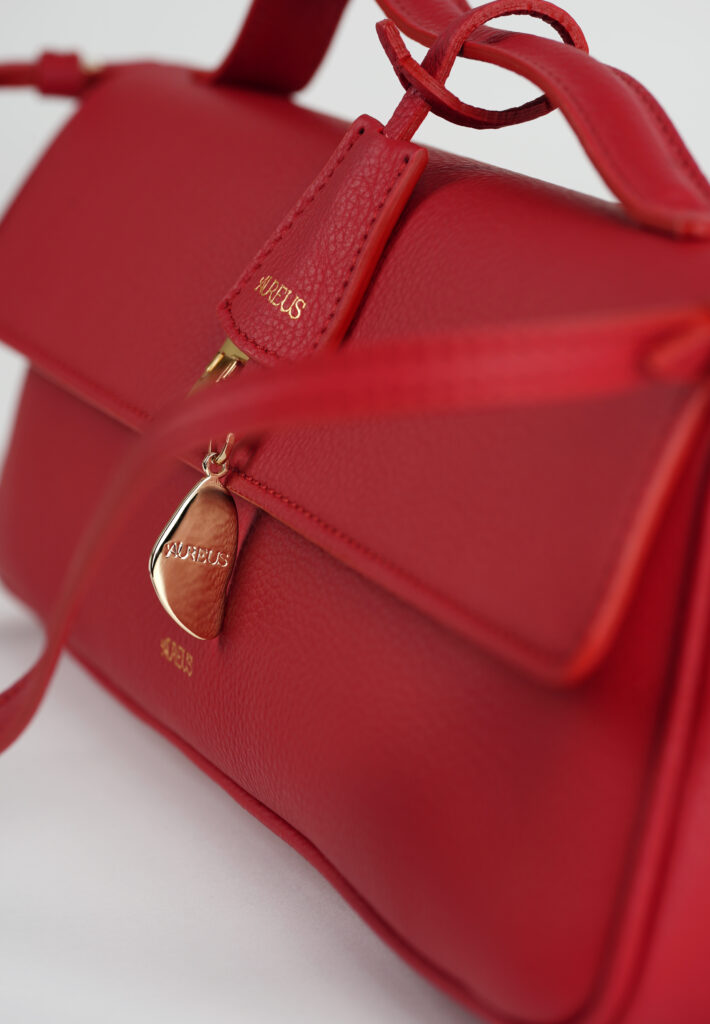
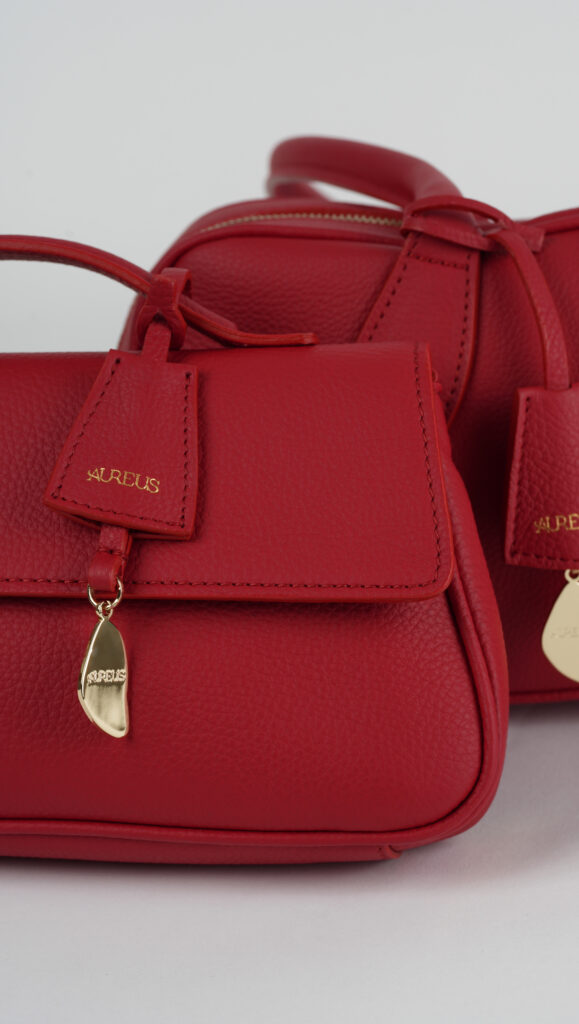
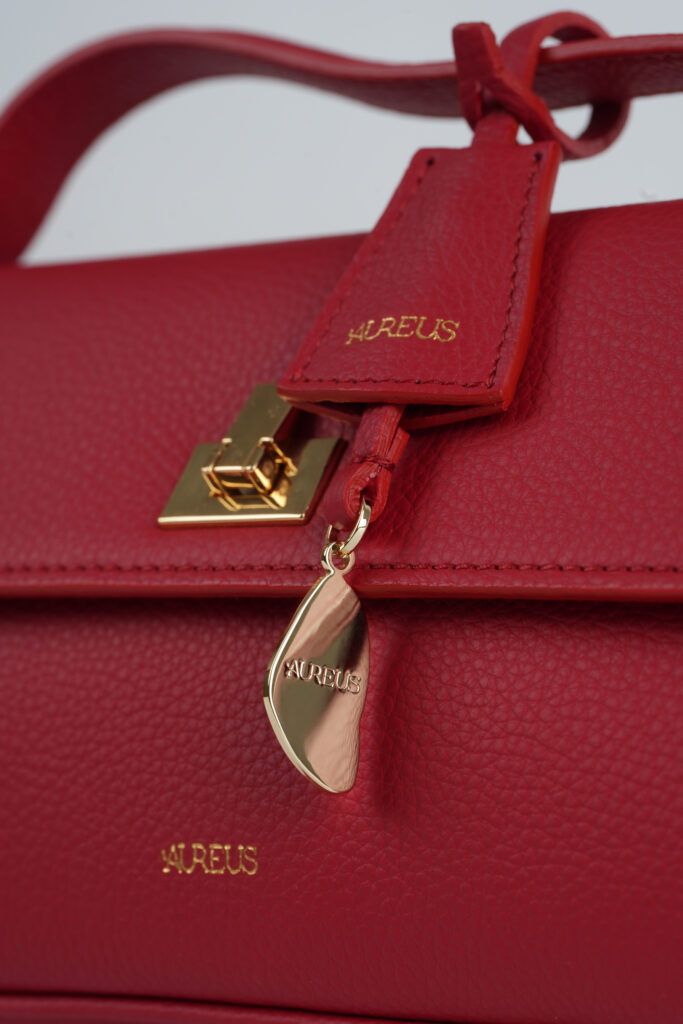
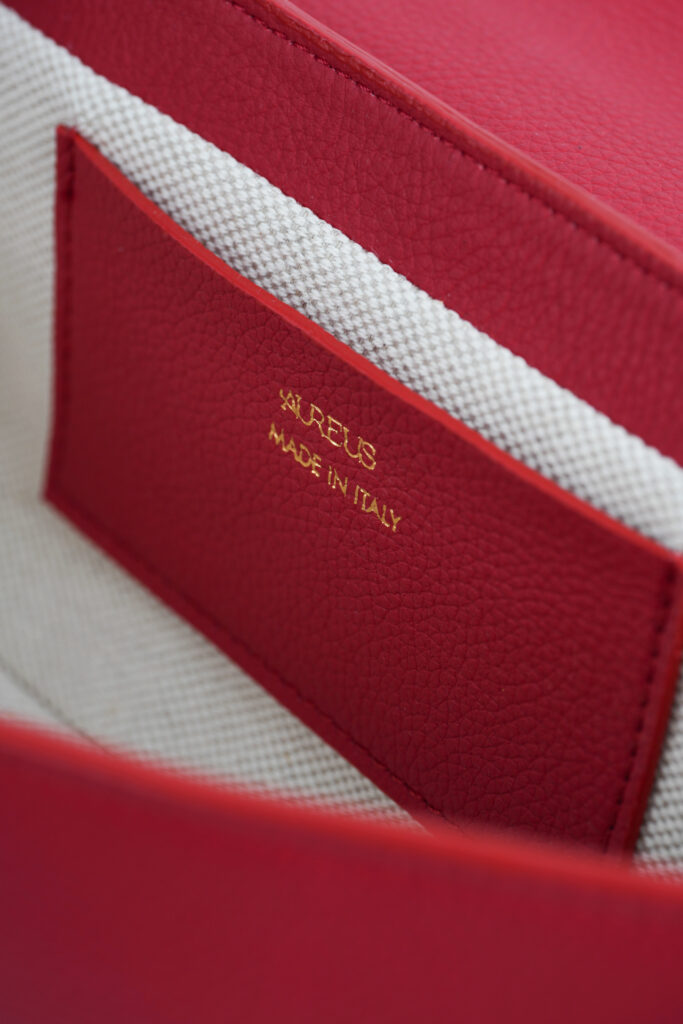
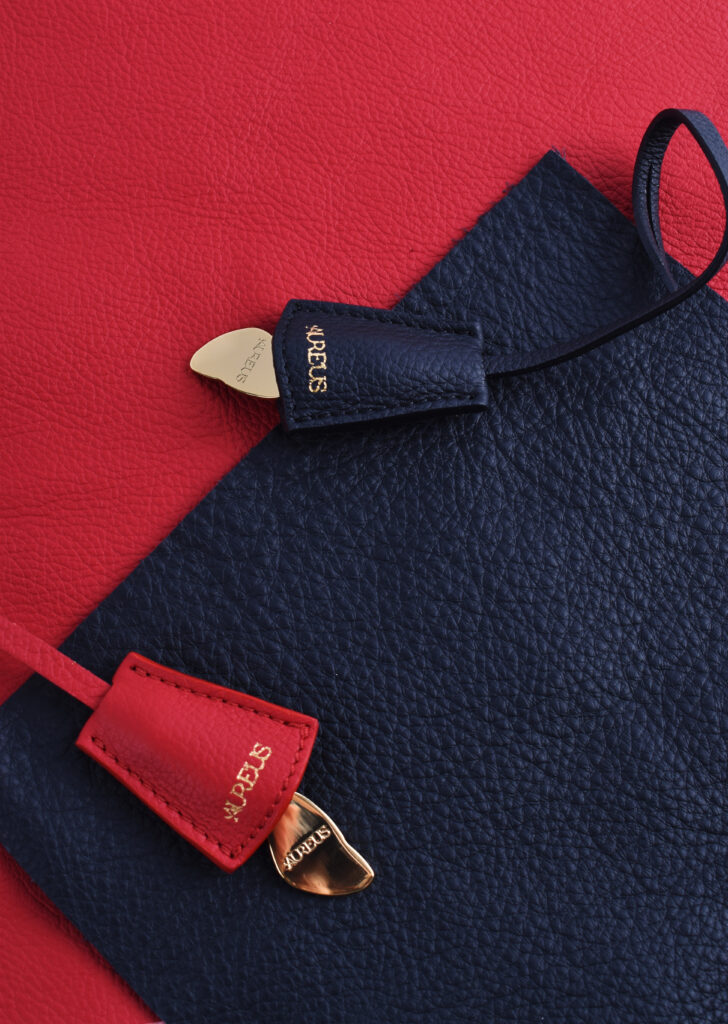
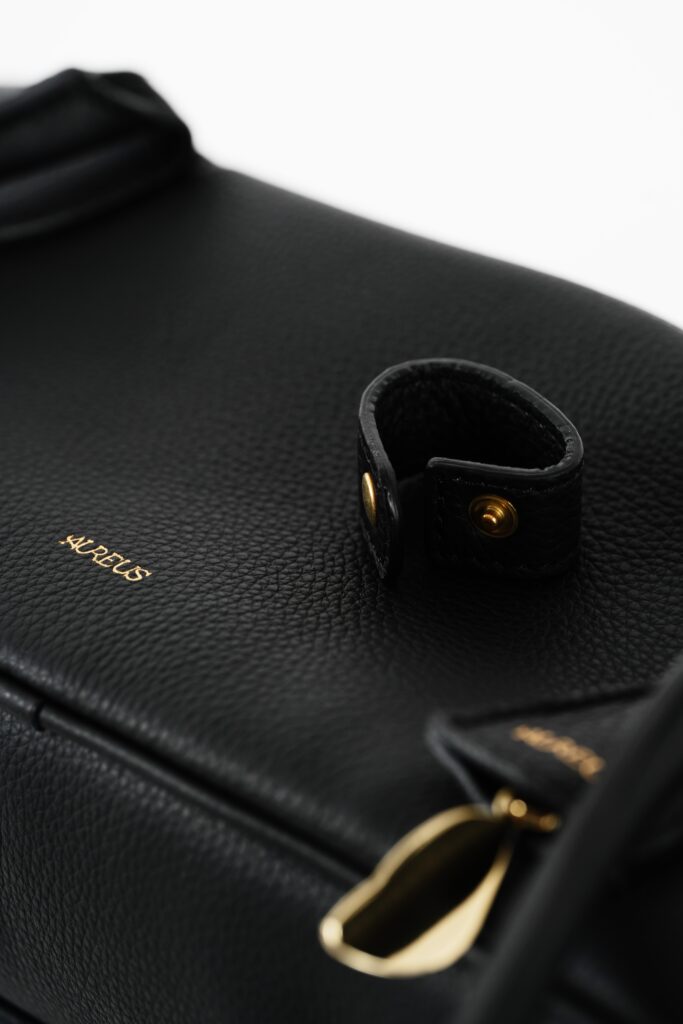
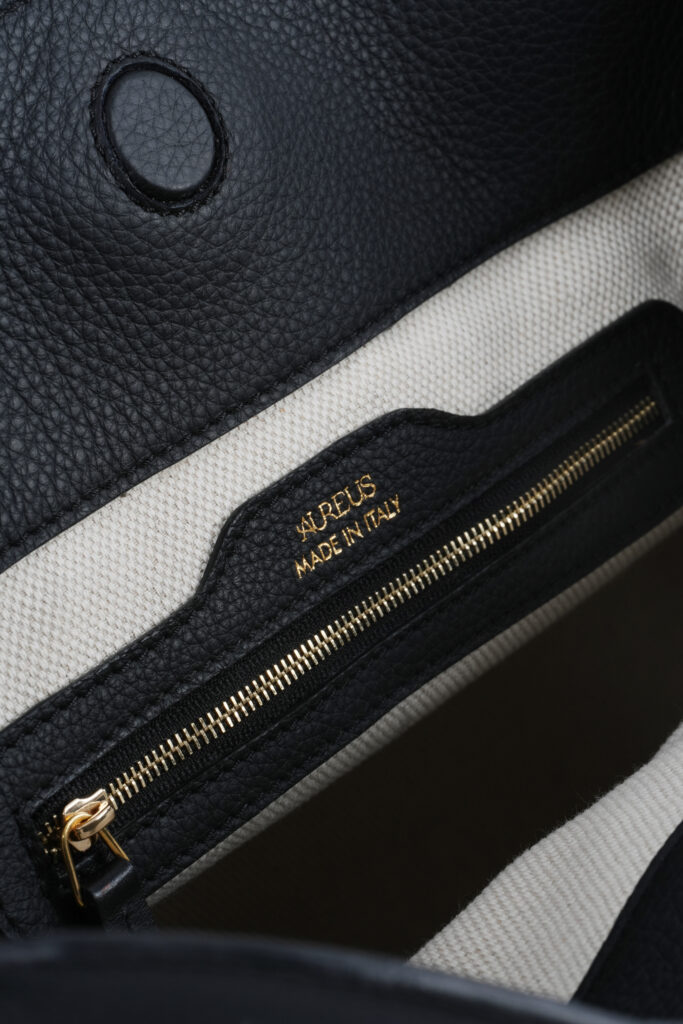
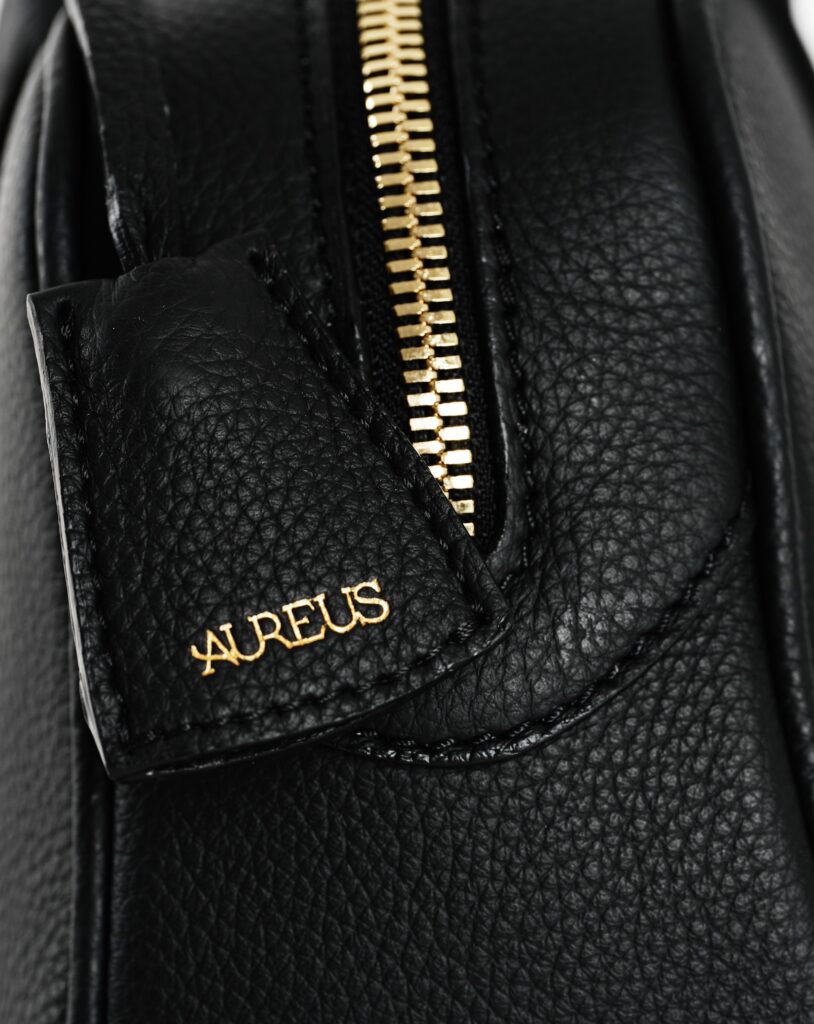
Founded by Cristina Gomes, Aureus Paris presents itself as a brand born of a collaboration between France and Portugal, with products crafted in Italy in a family-run workshop specializing in leather goods. The press kit describes its first private presentation in Paris on April 9, 2026, as the inaugural event of a project that remains deliberately low-key: producing limited editions on a human scale, with a stated production time of between eight and twelve hours per piece. The leather comes from certified tanneries in Italy and features a textured finish, paired with hardware in an aged gold finish. The initial color palette is limited to three shades: deep red, sandy beige, and black.
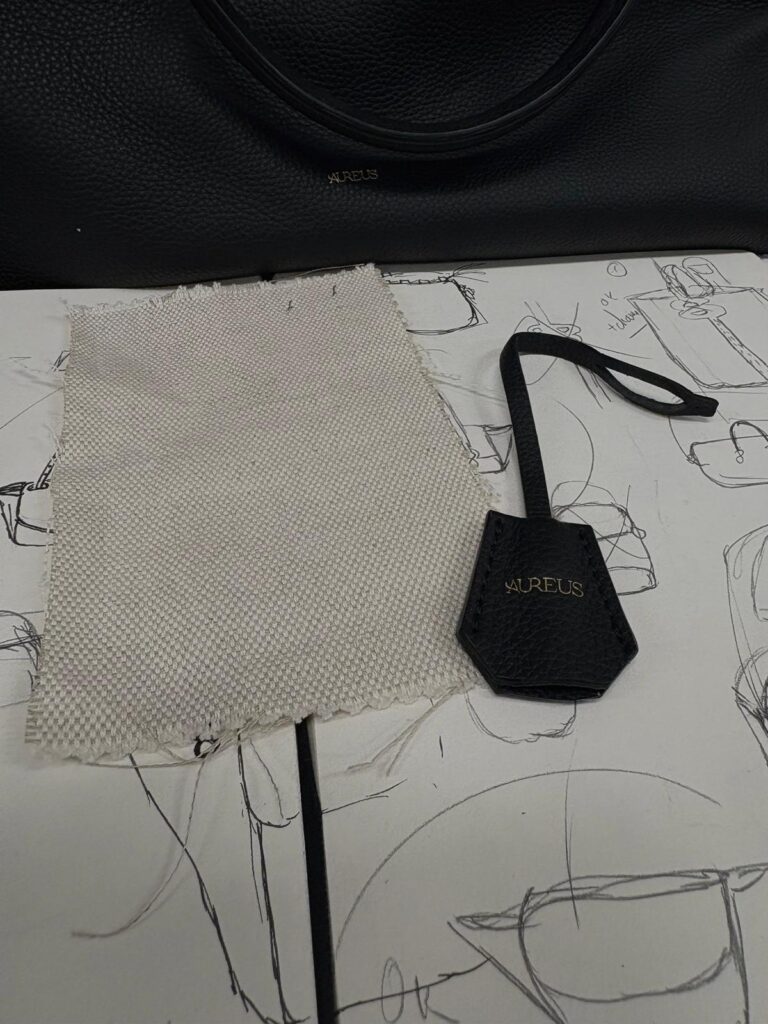
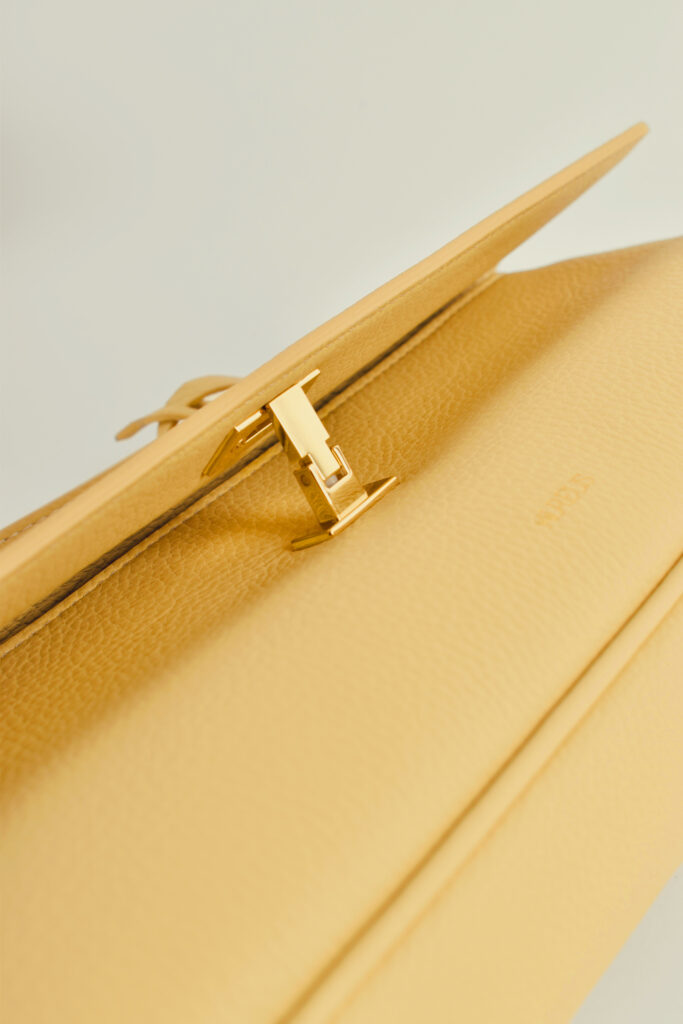
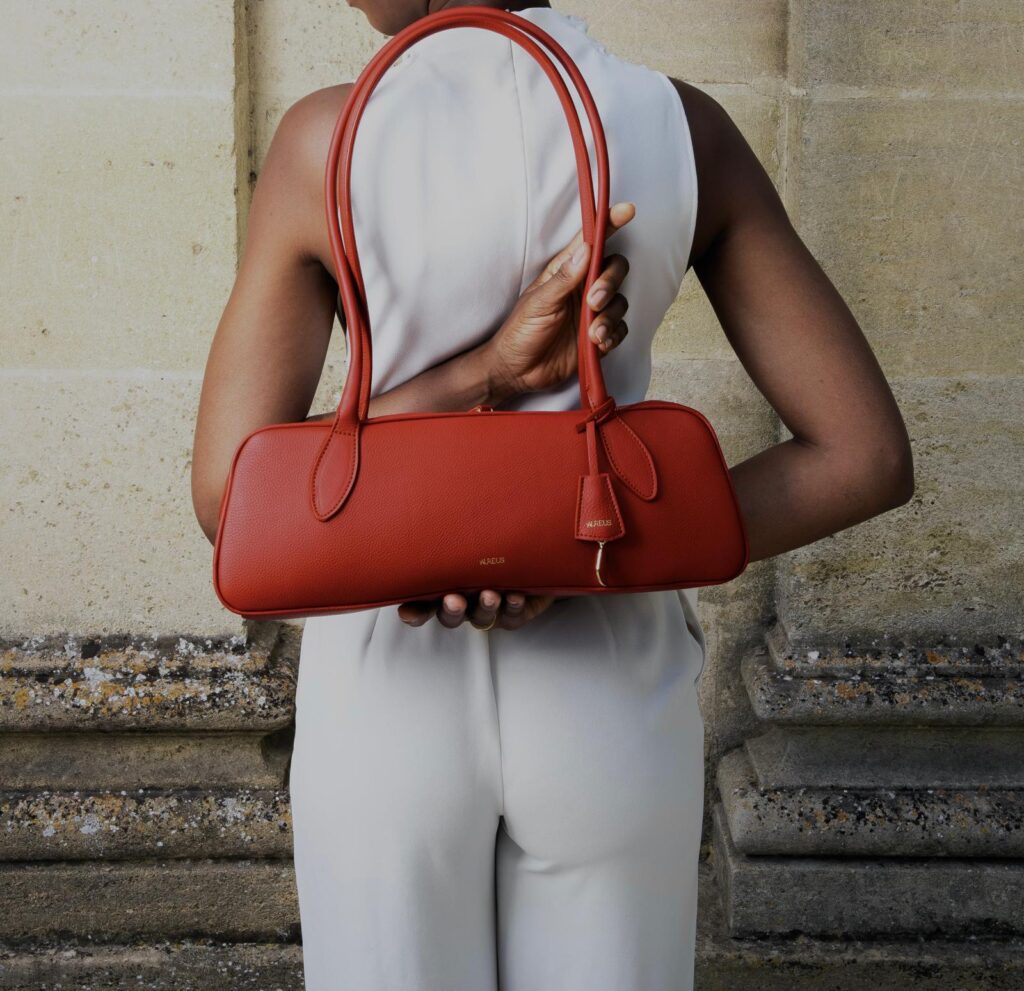
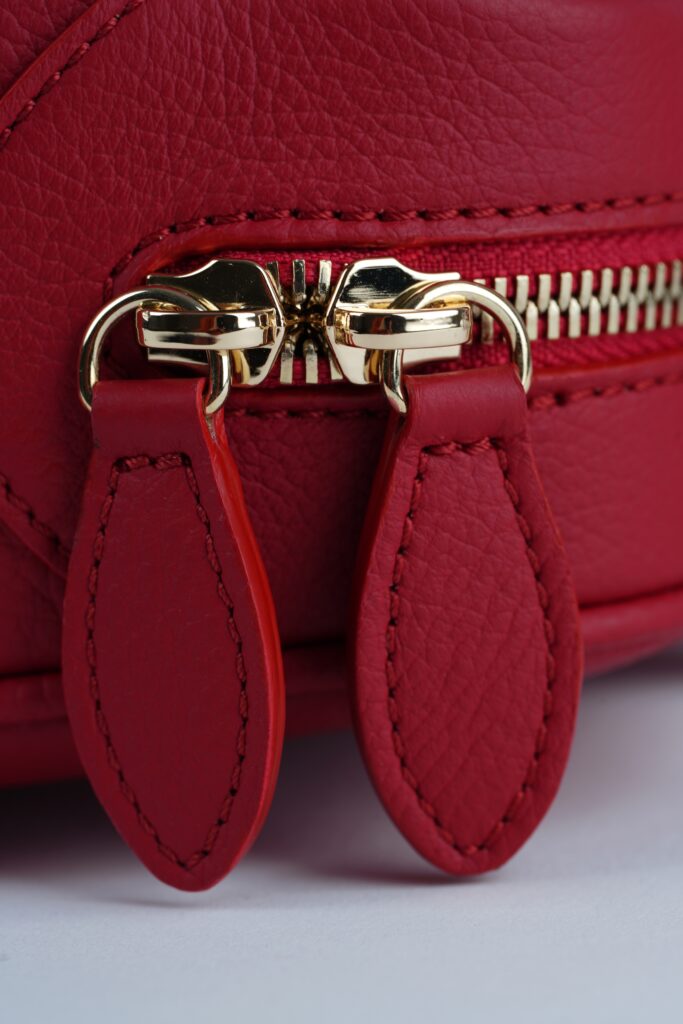
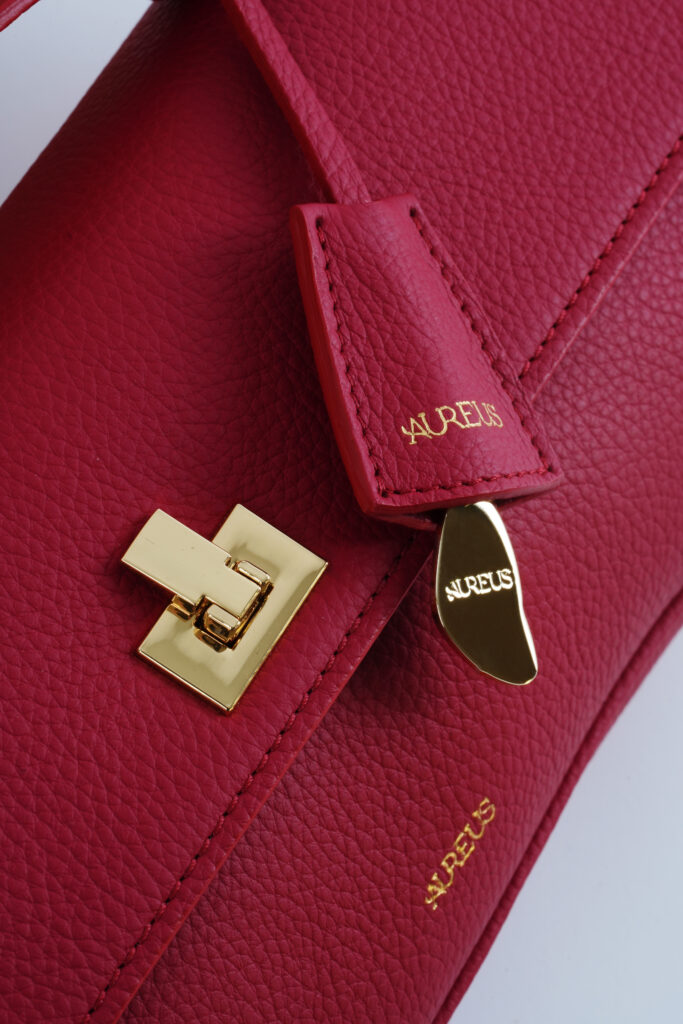
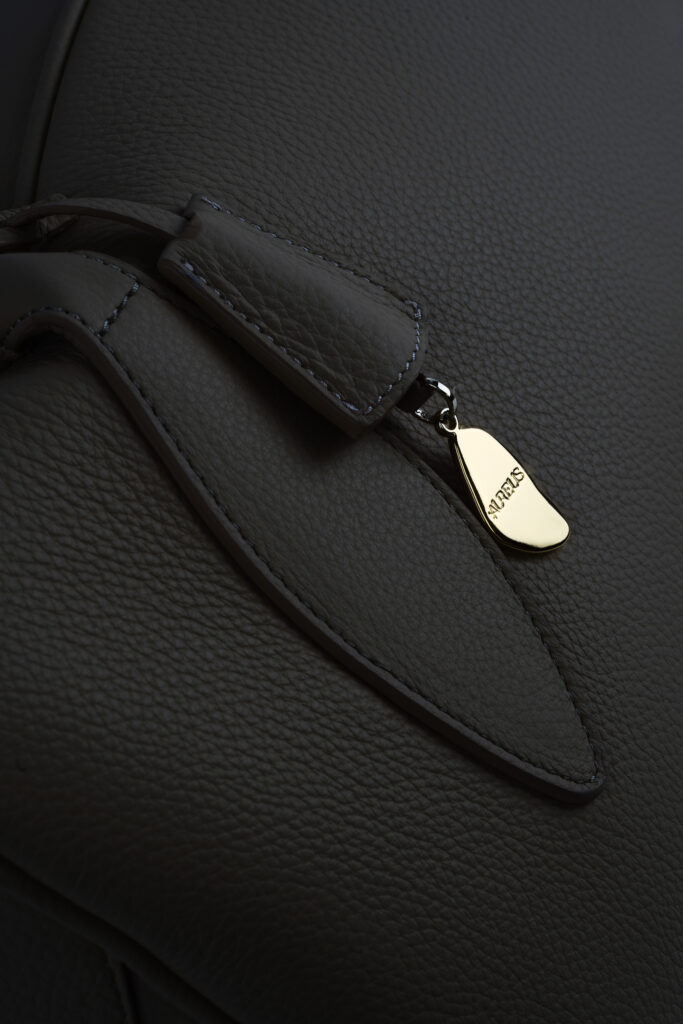
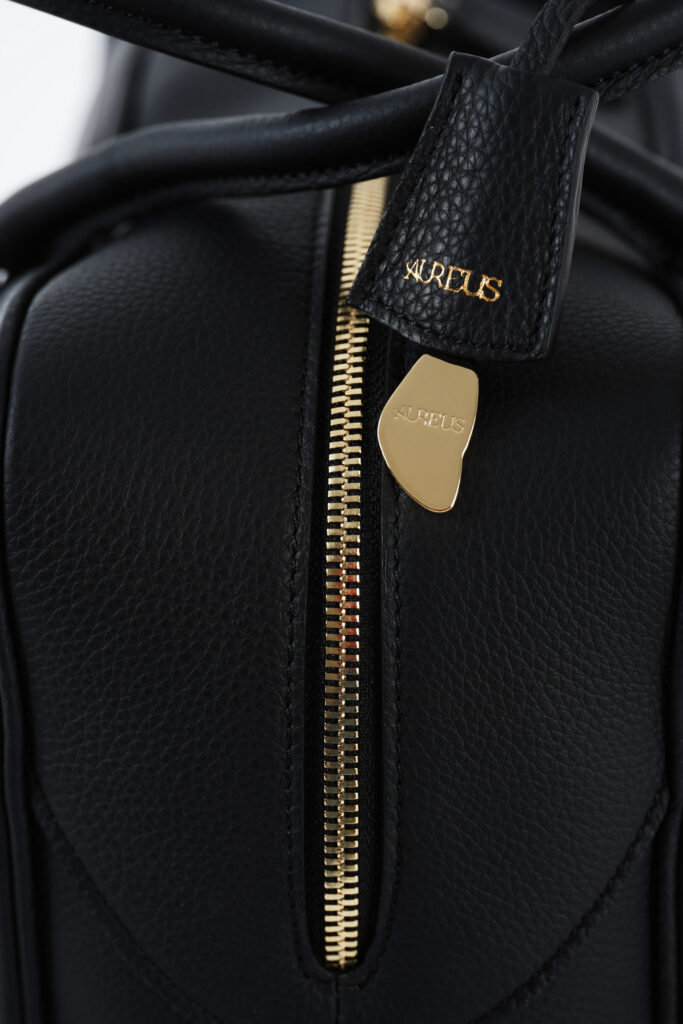
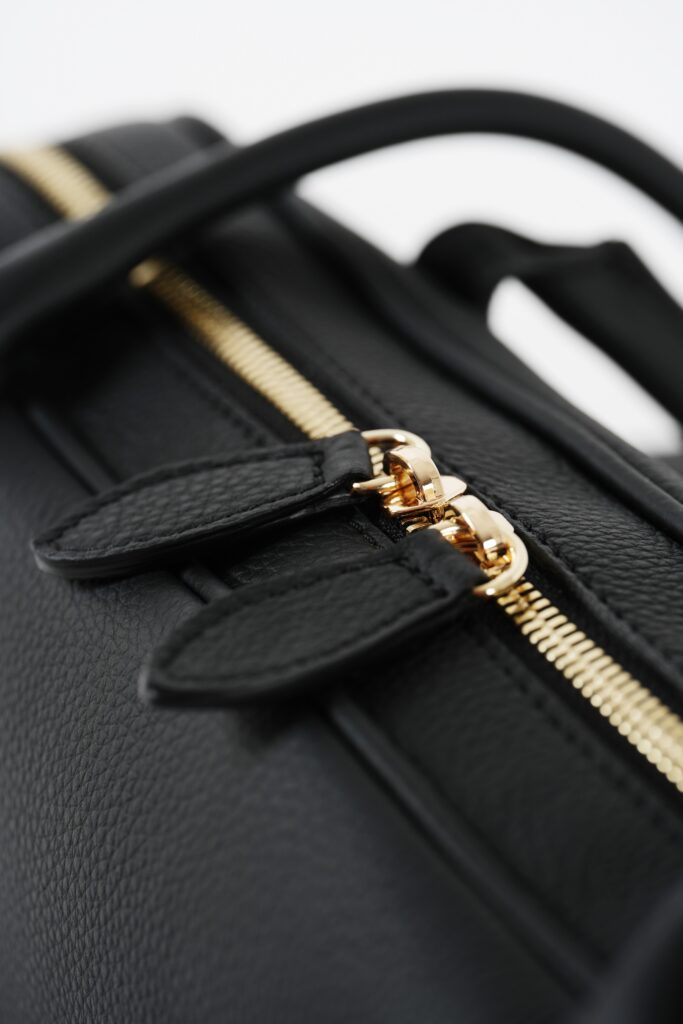
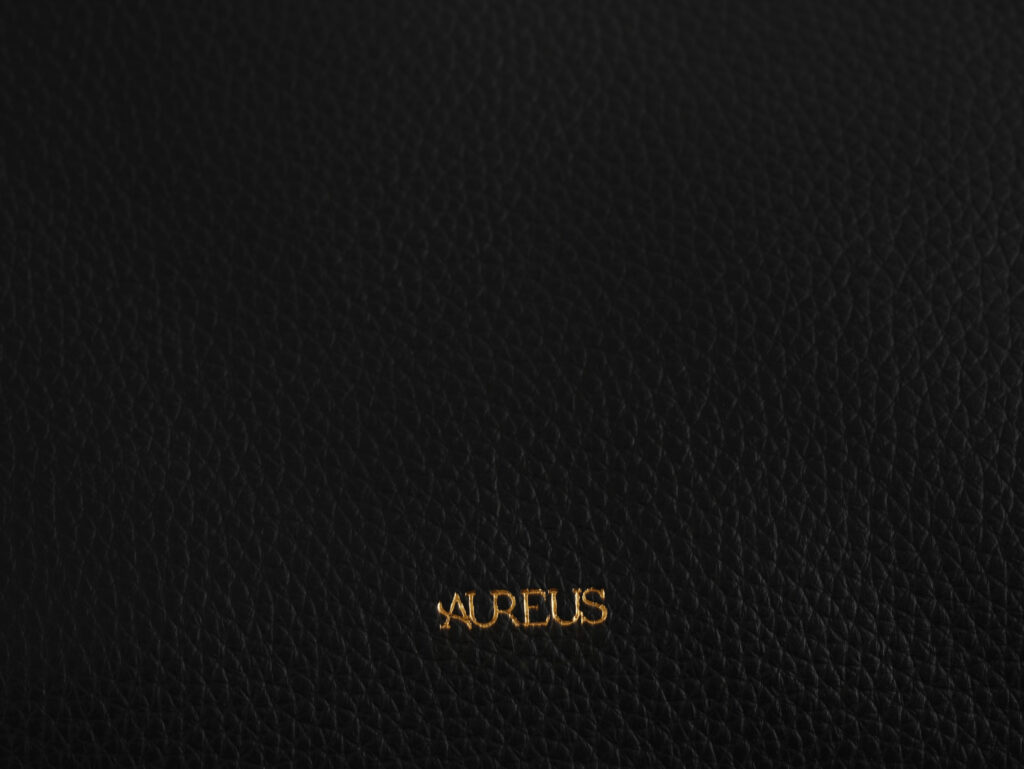
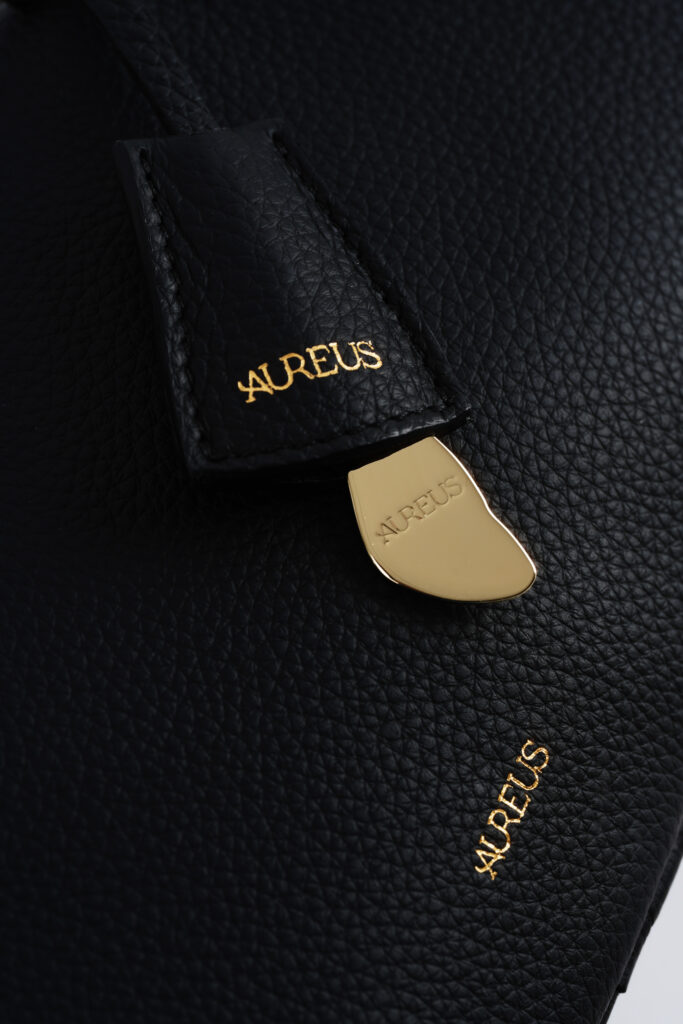
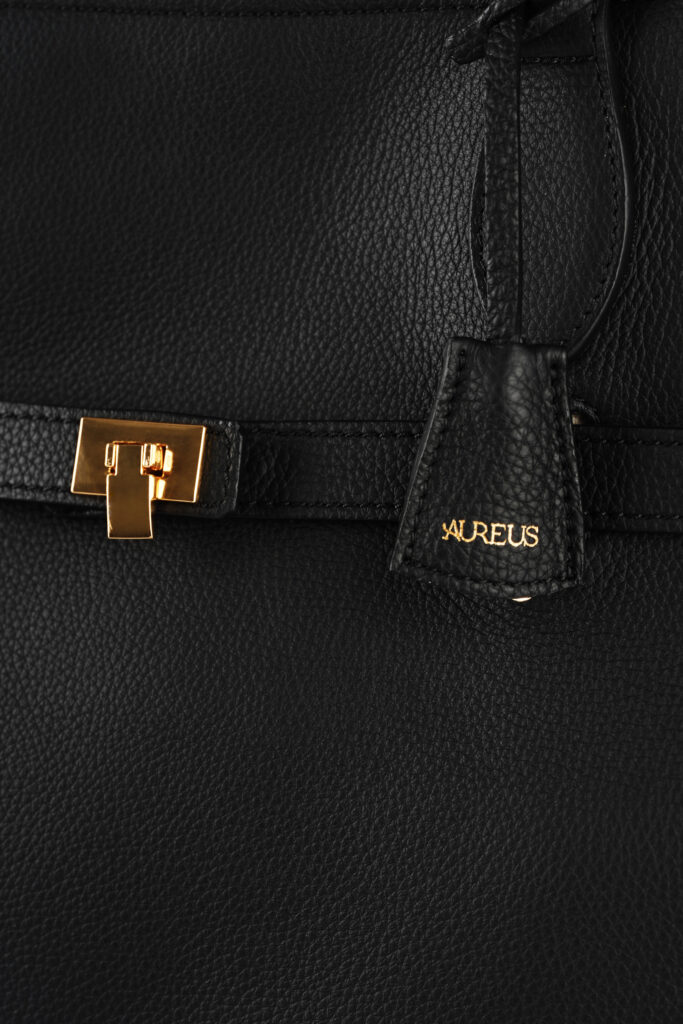
This shift says something about the times. Contemporary leather goods are caught between two opposing forces: the accelerating pace of commercial cycles and the return of a calmer, less ostentatious desire, where a piece must stand on its own merits—its cut, its material, and its function. Aureus follows this second path. The name, derived from the Latin *aureus*, meaning “golden,” could veer toward heavy symbolism; the collection, however, brings it back to an economy of detail: a metal clasp, a clean line, and grained leather that withstands daily wear better than a surface that’s too fragile.
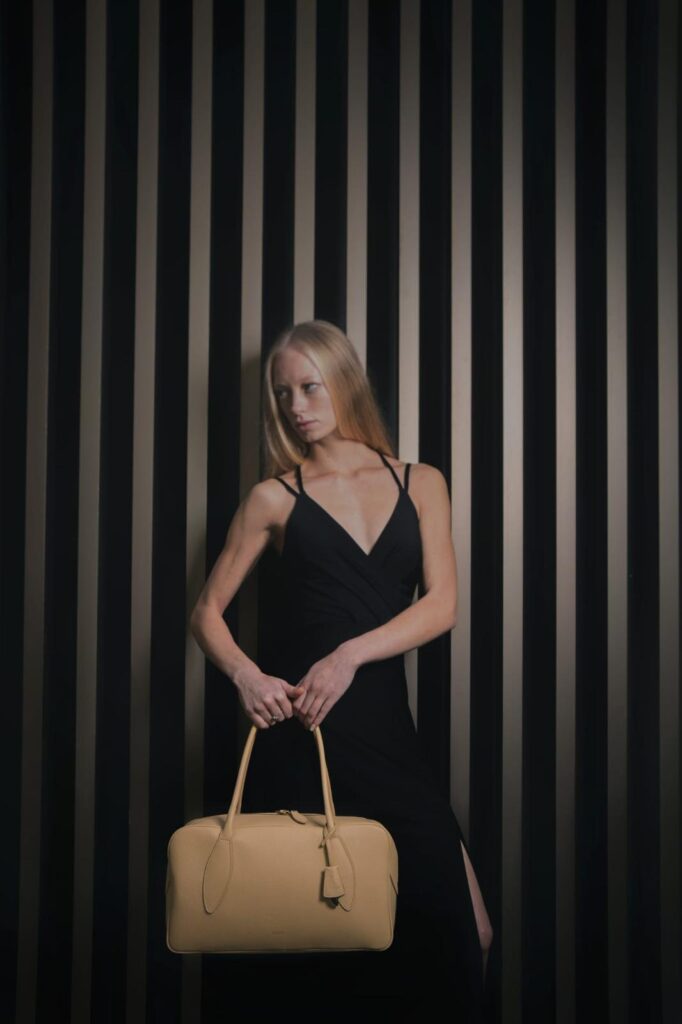
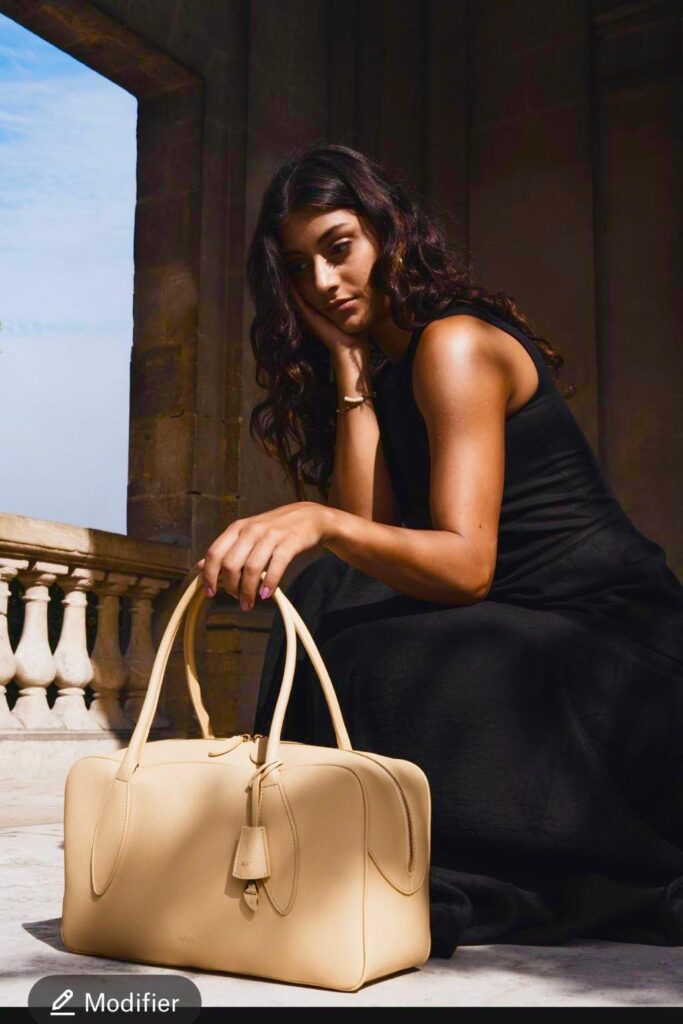
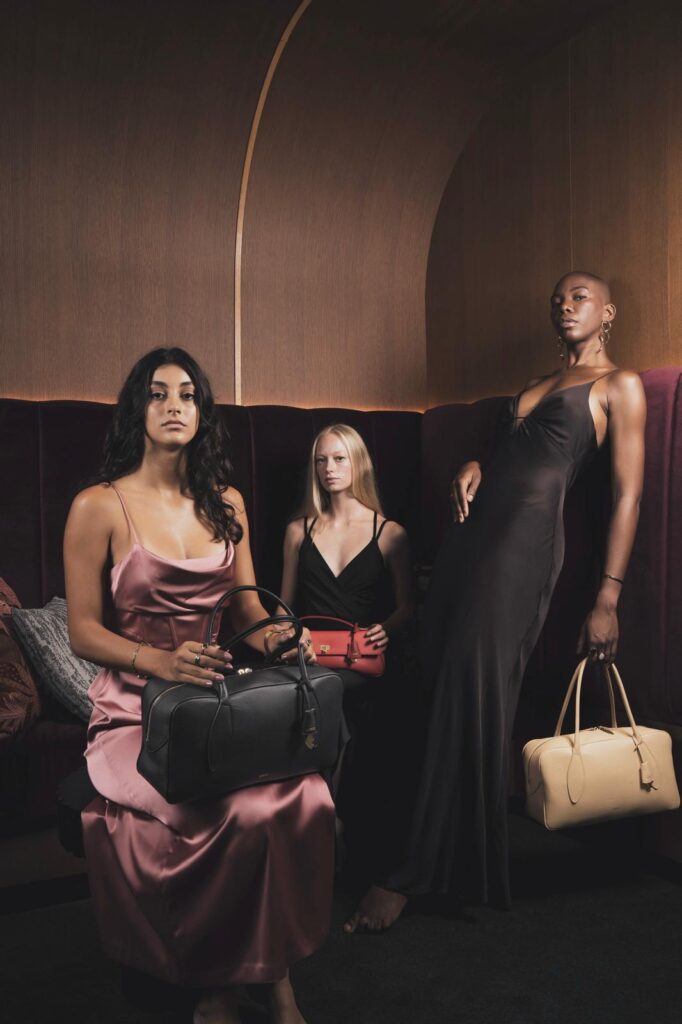
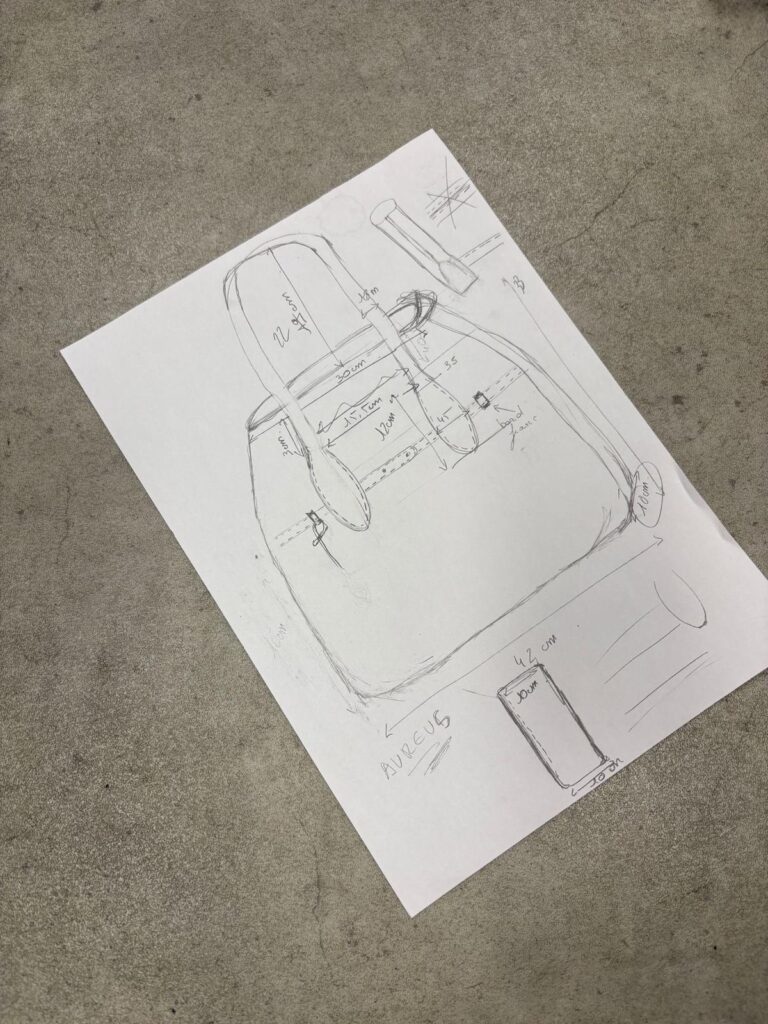
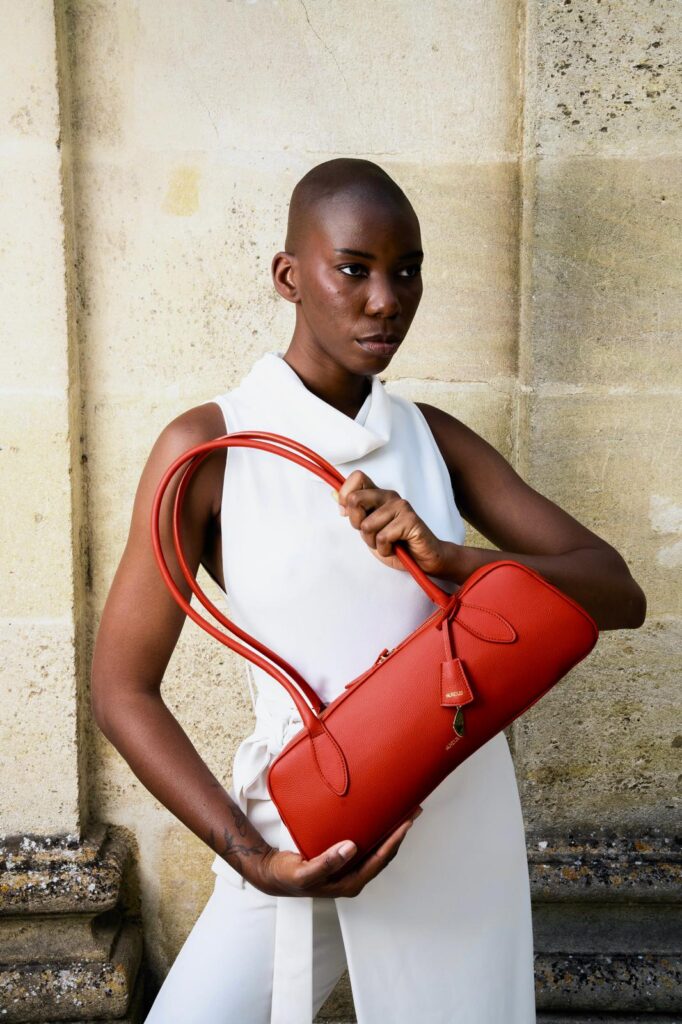
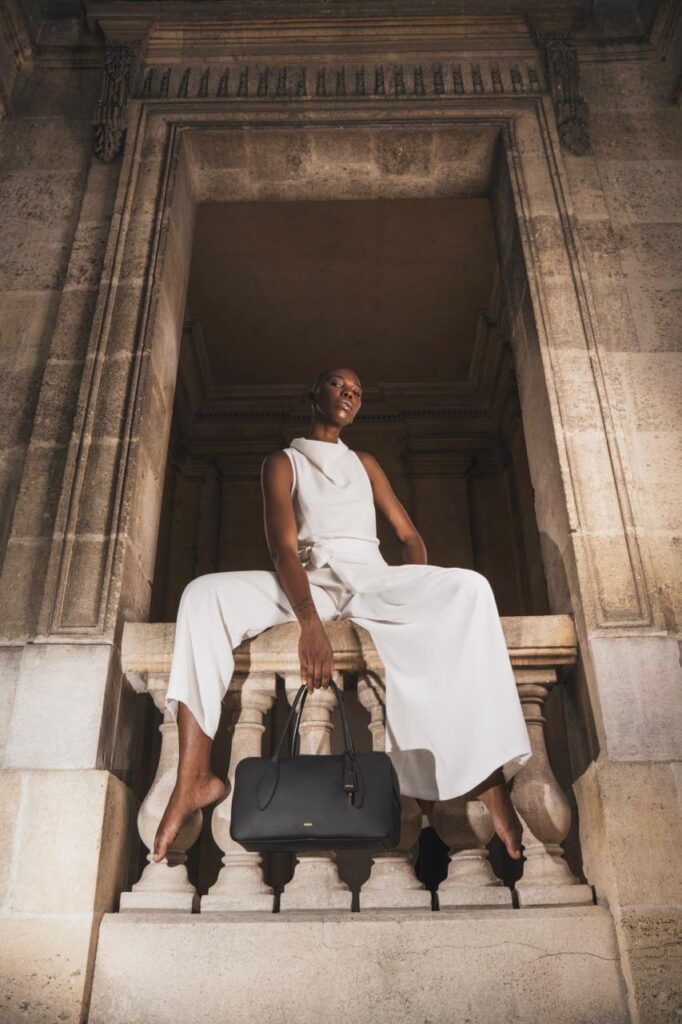
The inaugural collection is organized around four bags named after women: Josephine, Edith, Amália, and Sophia. The approach might seem narrative, almost literary. It works best when it serves the bags’ proportions. Josephine is presented as the structured model for everyday use; Edith as a small piece designed for essential moments; Amália as a bag that sits closer to the body; and Sophia as a roomier style, designed to accompany a mobile lifestyle. This organization was also noted by Le Mémento Paris, which confirms an Italian design and a collection centered on the Josephine, Amália, Edith, and Sophie models.
The interesting aspect isn’t just aesthetic. It stems from the project’s geography: a Portuguese founder based in France, a design inspired by European visual culture, and manufacturing entrusted to Italy. In the luxury sector, this kind of triangle is never neutral. France still lends an air of prestige; Portugal, a less over-exposed Mediterranean sensibility; Italy, a reputation for excellence in leather craftsmanship. Aureus does not claim to reinvent leather goods. Rather, the brand seems to be seeking a place in the middle ground: structured enough to endure, yet restrained enough not to succumb to seasonal trends.
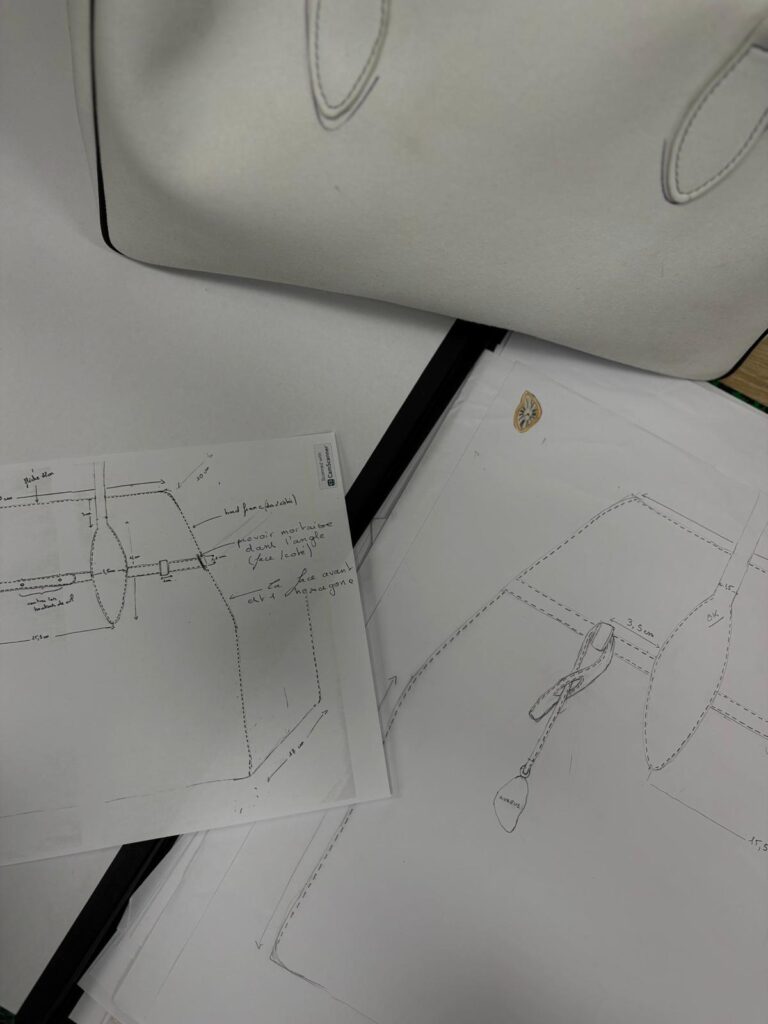
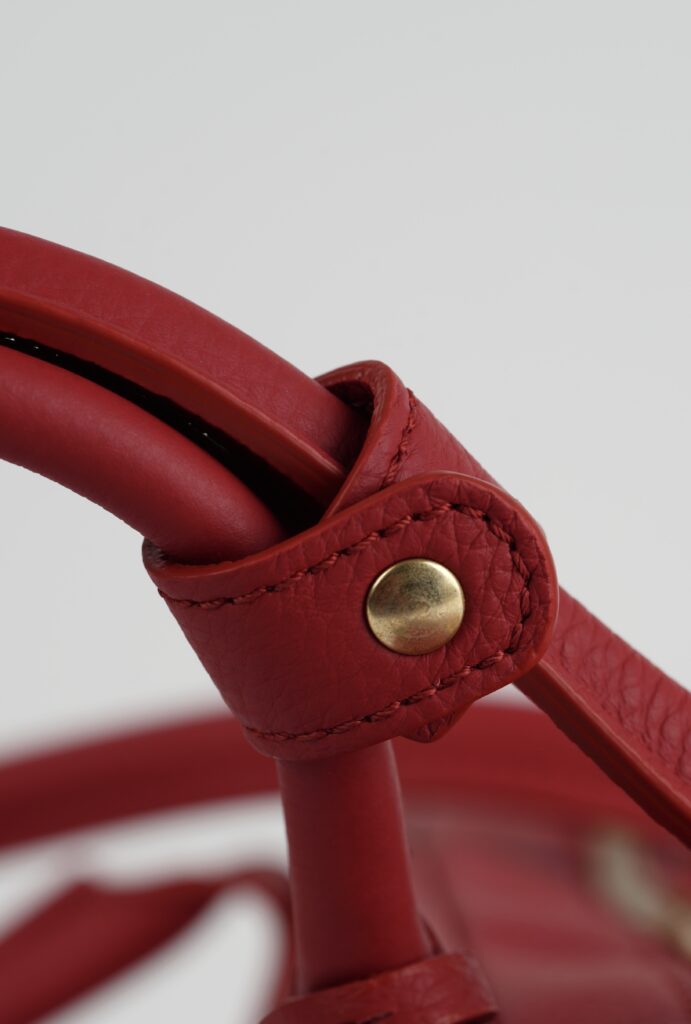
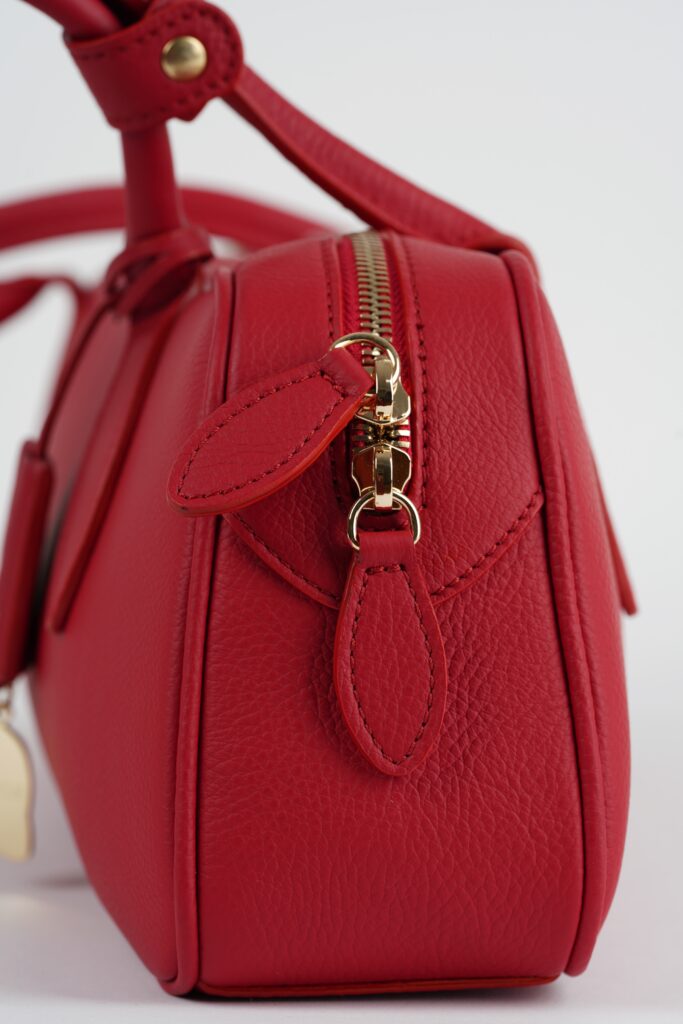
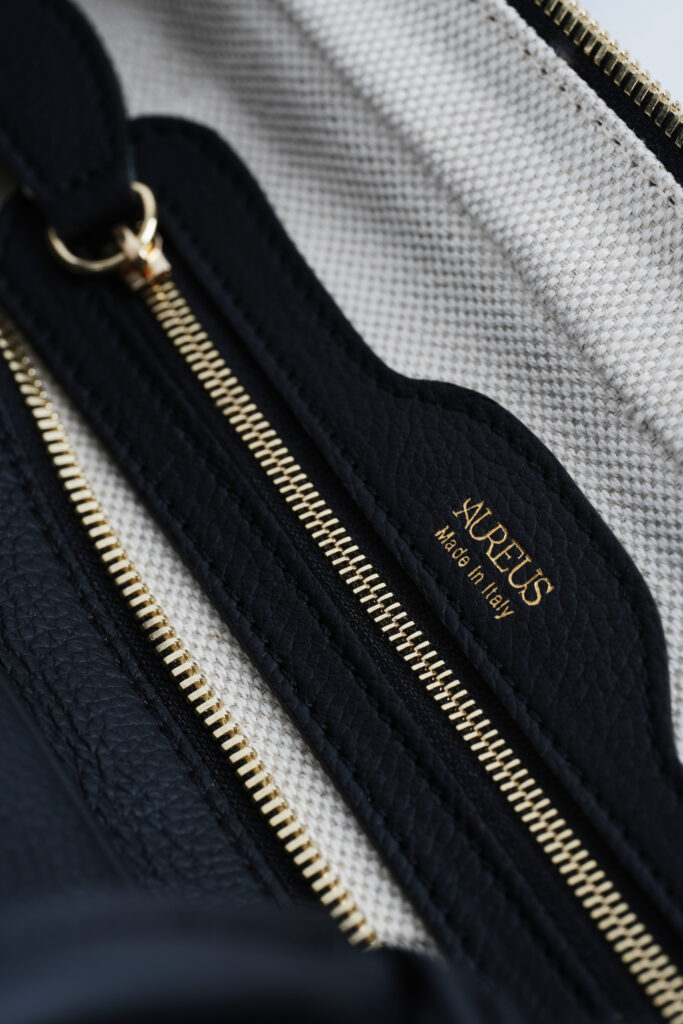
However, the dossier remains vague on several key points: the name of the Italian workshop, the exact nature of the tanneries’ certifications, the type of tanning, the composition of the linings, assembly details, edge finishes, and whether or not there is hand-stitching. For a House that places craftsmanship at the center of its philosophy, these elements would benefit from further clarification. In leather goods, quality is measured less by intention than by how a piece ages: the tension of the seams, the evenness of the edges, the durability of the handles, the patina of the leather, and the sturdiness of the hardware.
What remains is a clear proposal: create less, but provide more structure. Aureus arrives at a time when “discreet luxury” has already been co-opted by marketing jargon, sometimes to the point of losing its meaning. The House will therefore have to prove, through the consistency of its seasonal collections and the precision of its pieces, that its restraint is not a pose but a method. A debut collection is never enough to establish a legacy. It can, however, lay down a foundation. Here, it consists of four names, three colors, textured Italian leather, and a simple idea: to restore the bag to its primary function—to accompany without overwhelming.


Cette publication est également disponible en :

