
In the 8th arrondissement, Paris’s large terraces often fall into one of two extremes: ostentation or anonymity. At Le Bristol Paris, Le Jardin Français continues to occupy a rarer space: that of a discreet, almost silent refuge, hidden behind the classic façade of the luxury hotel on Rue du Faubourg Saint-Honoré.
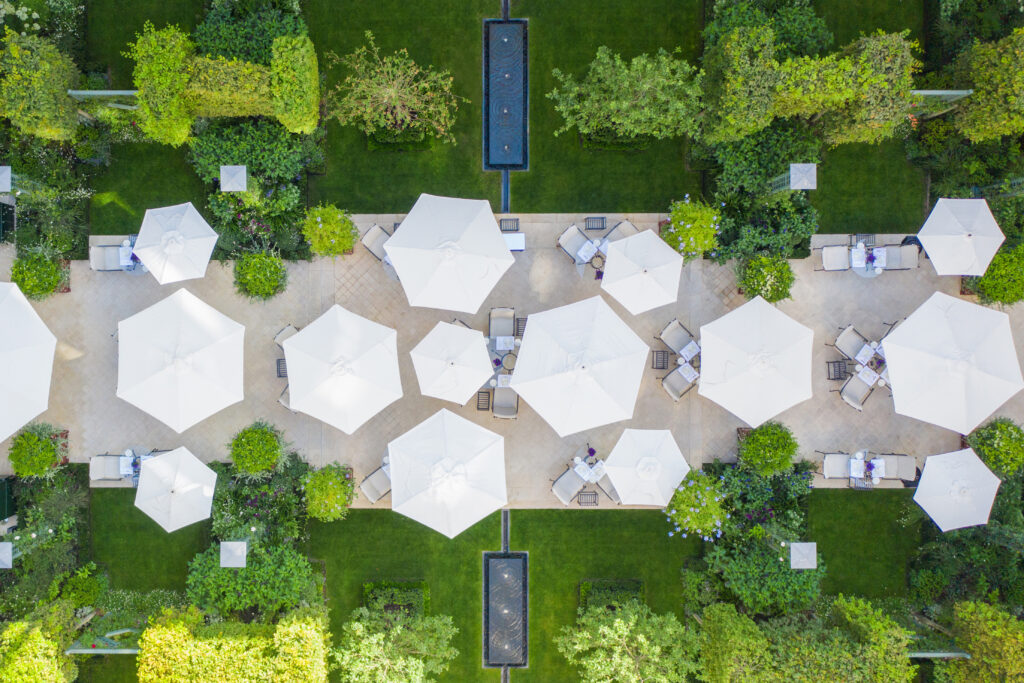
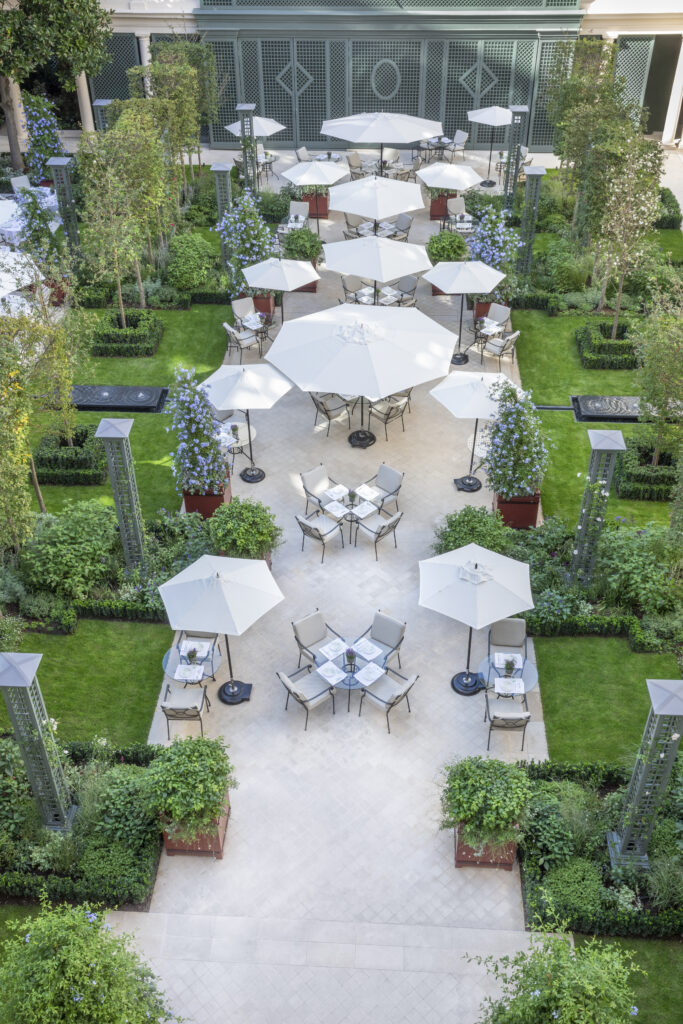
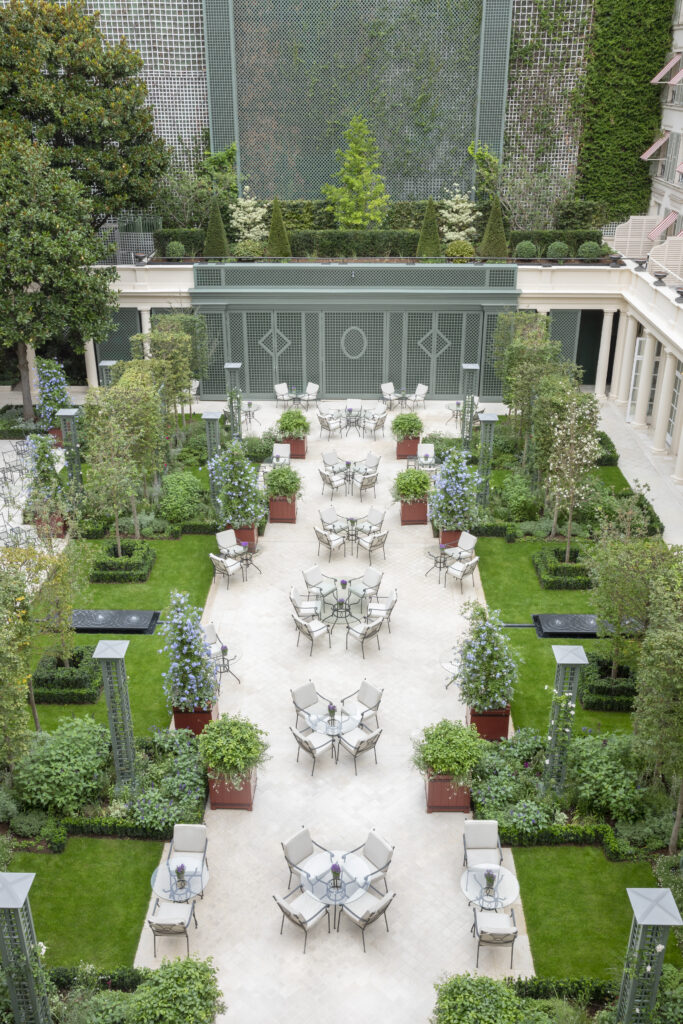
The reopening of the terrace on April 9, 2026, serves as a reminder of how deeply certain Parisian venues remain committed to a concept of luxury rooted in rhythm rather than spectacle. Here, the interior garden offers a breath of fresh air. The tables are set amid dense foliage, shielded from the noise of the city by the unique layout of the Bristol’s courtyard. Just a few meters from one of Paris’s busiest thoroughfares, the contrast remains striking.
The Jardin Français is part of the tradition of Parisian hotels designed as self-contained microcosms. Since its opening in 1925, the Bristol has cultivated this unique relationship between interior and exterior, between grand hotel and private home. The landscaped courtyard extends this concept: a space conceived less as a luxury hotel terrace than as an open-air summer lounge.
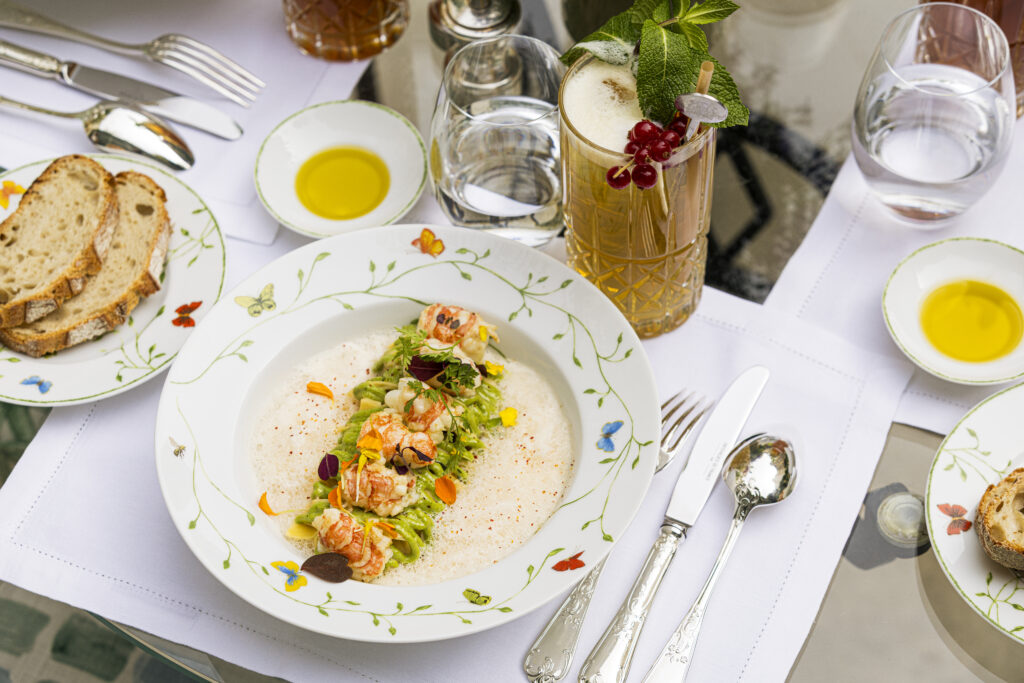
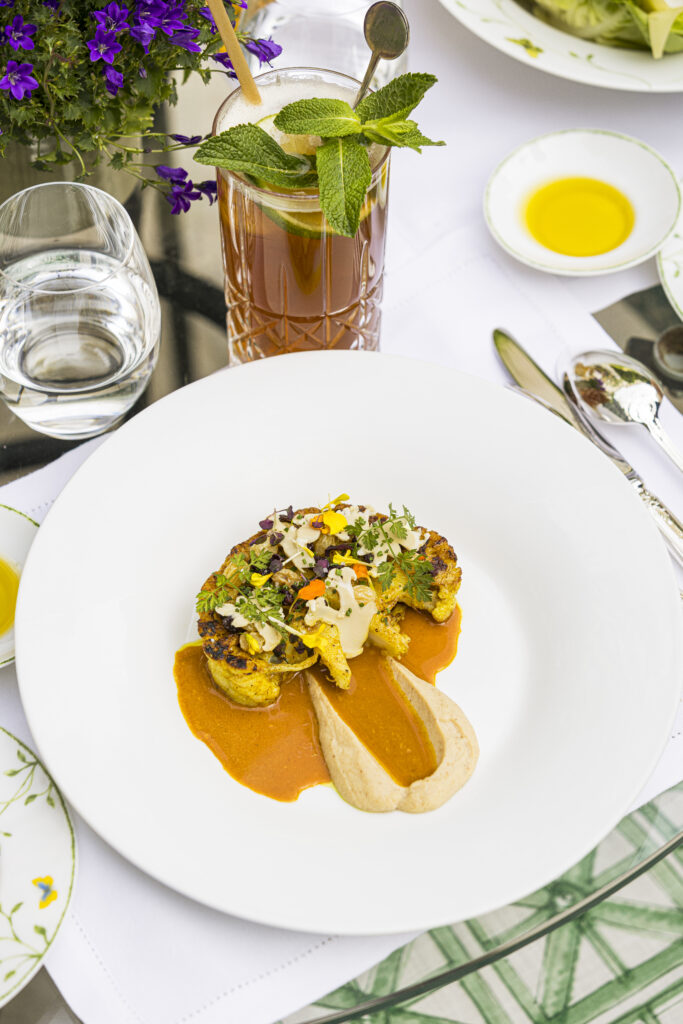
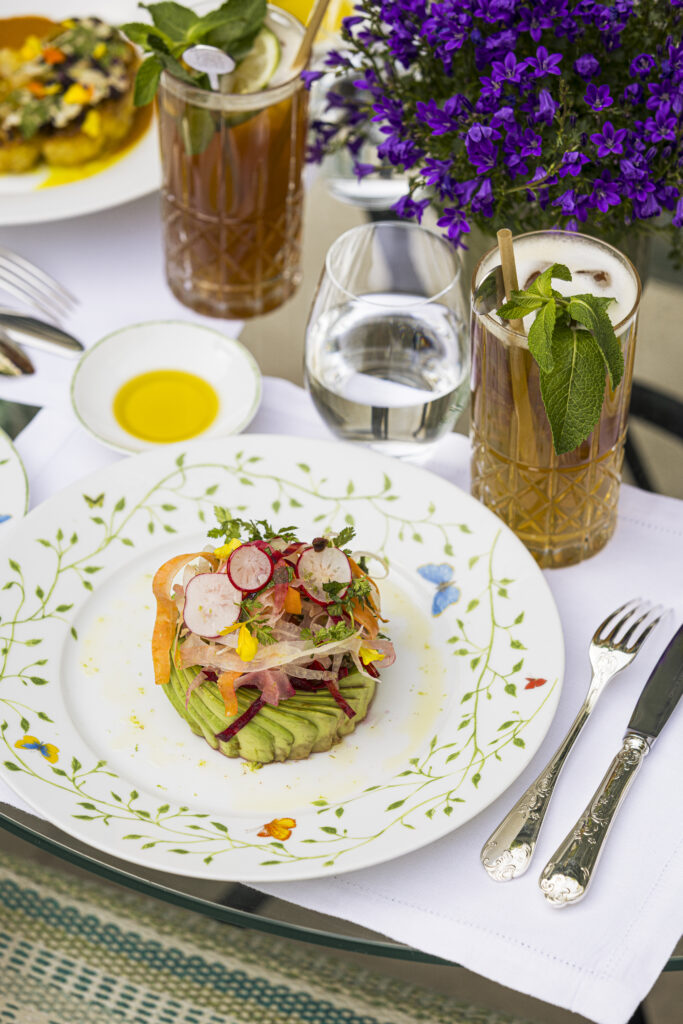
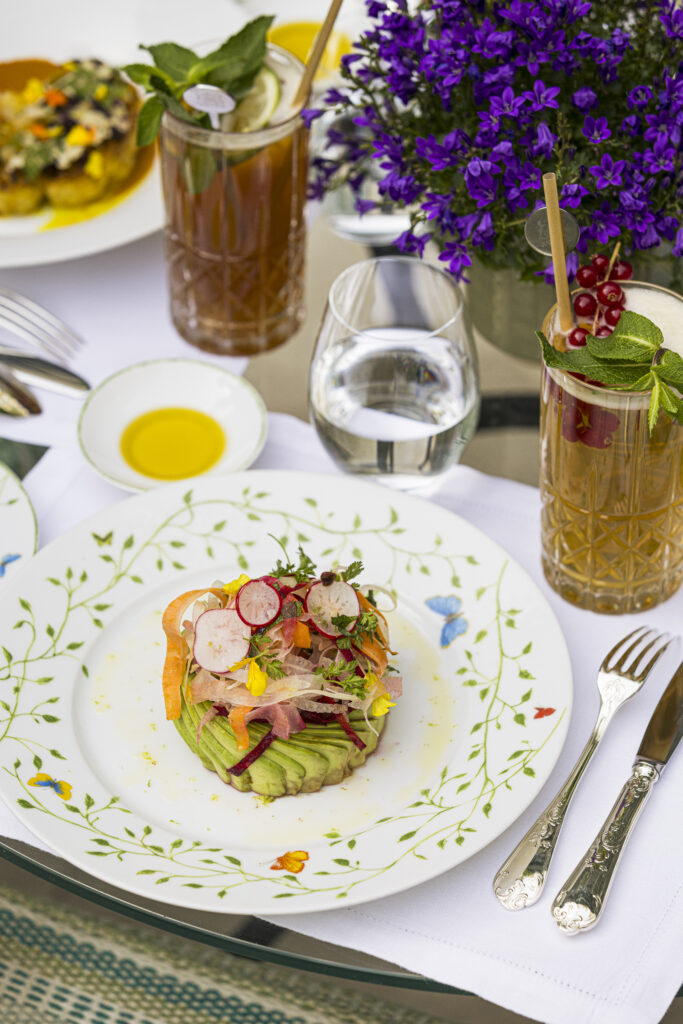
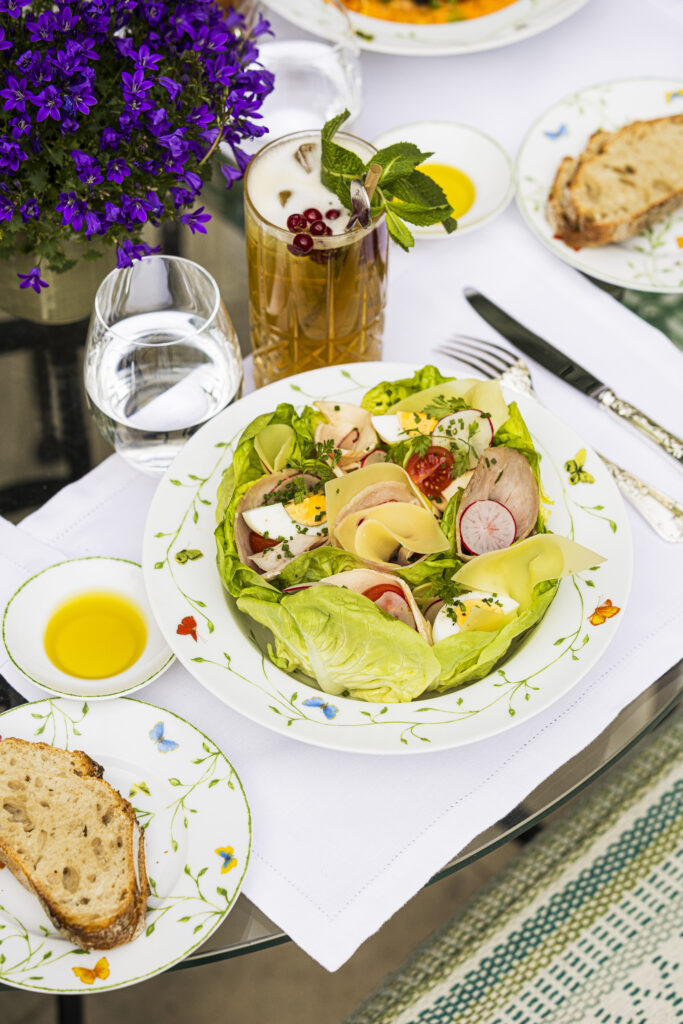
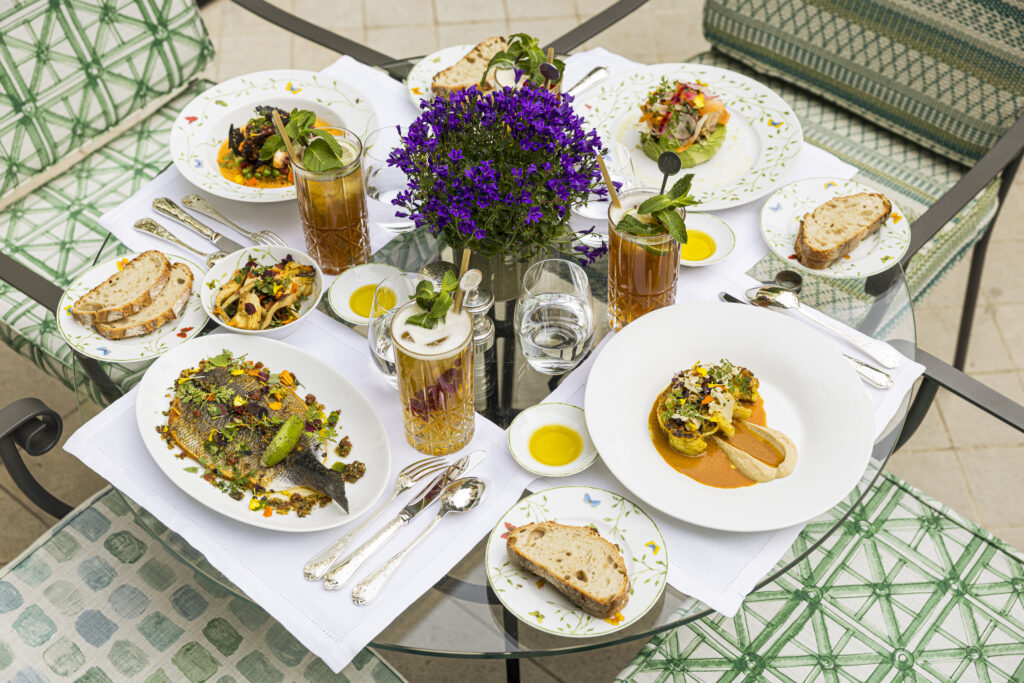
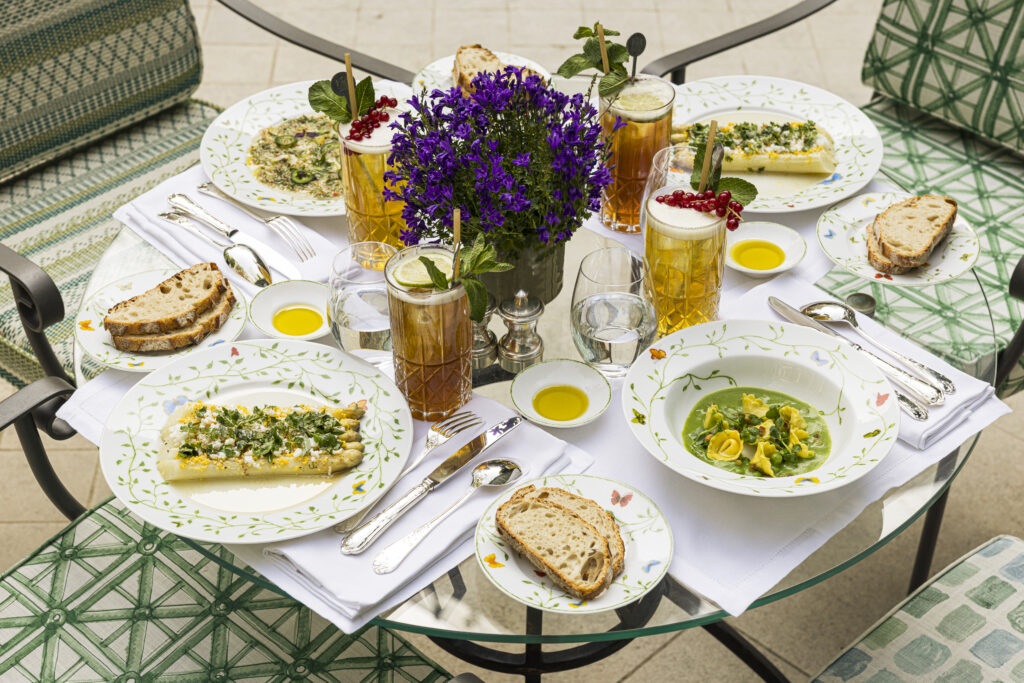
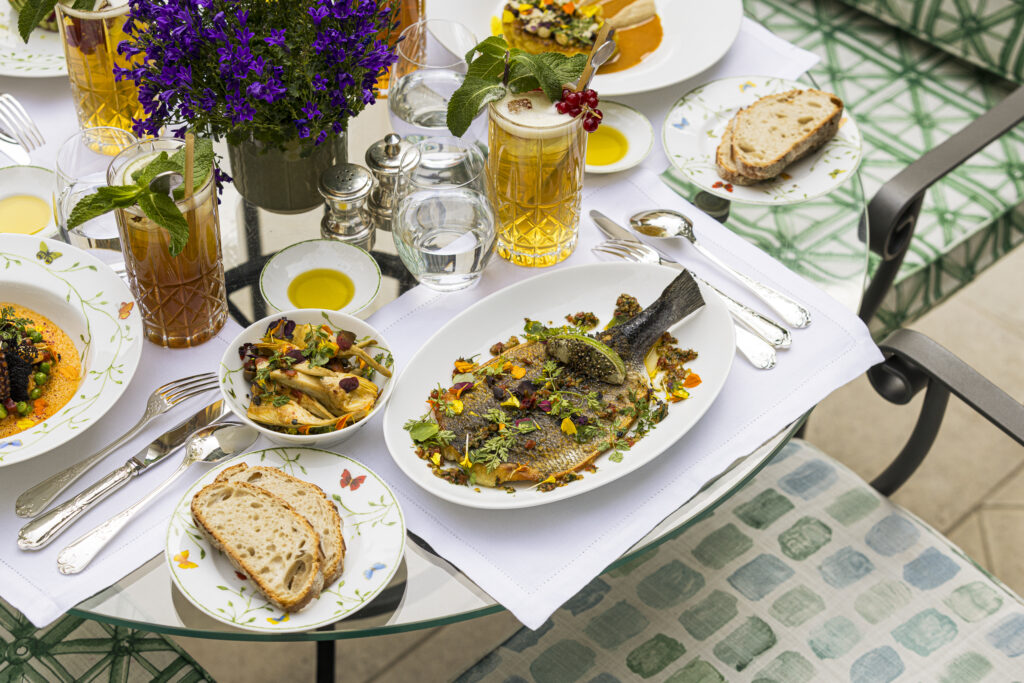
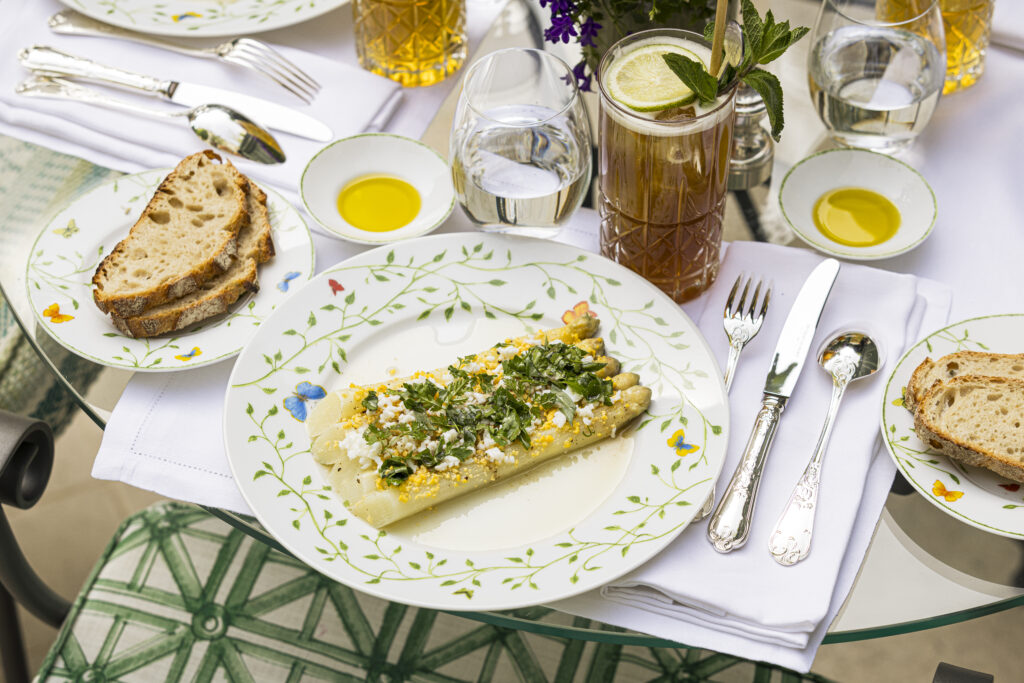
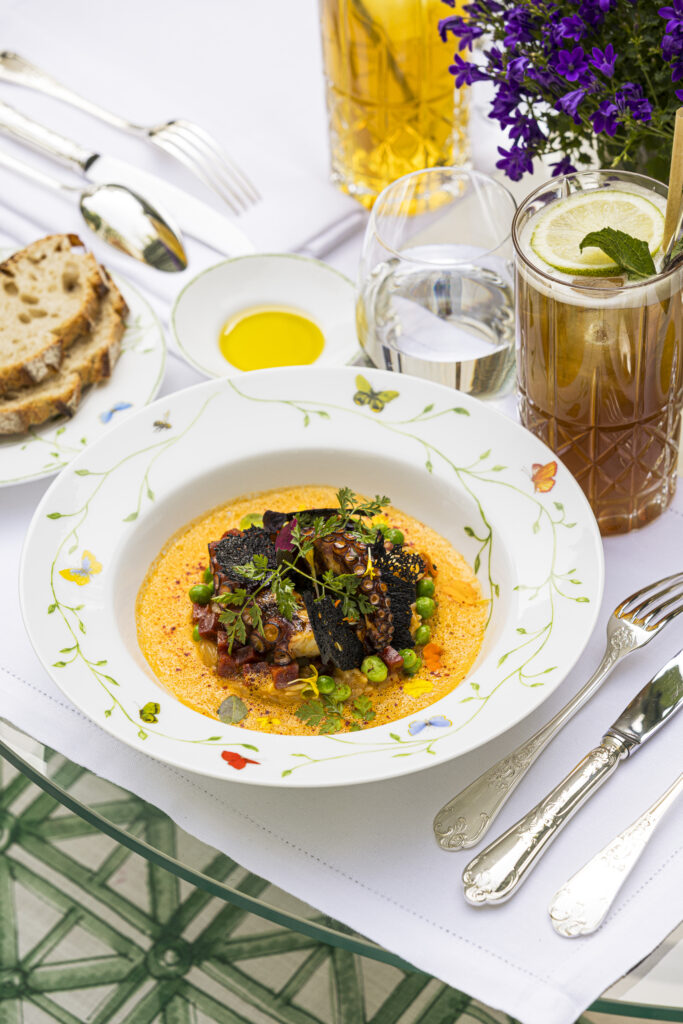
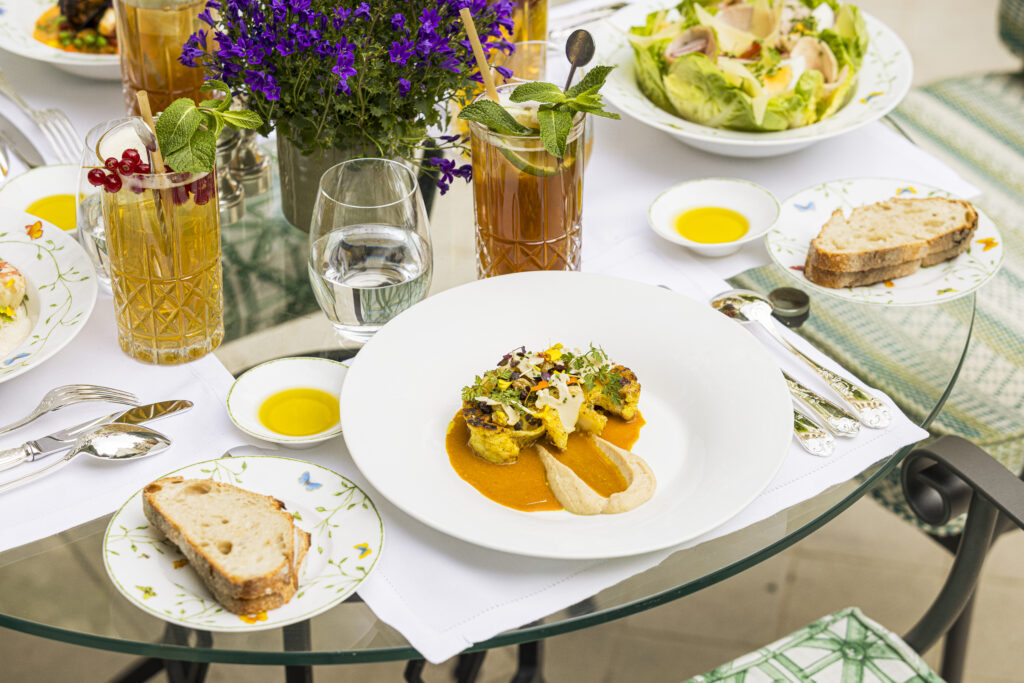
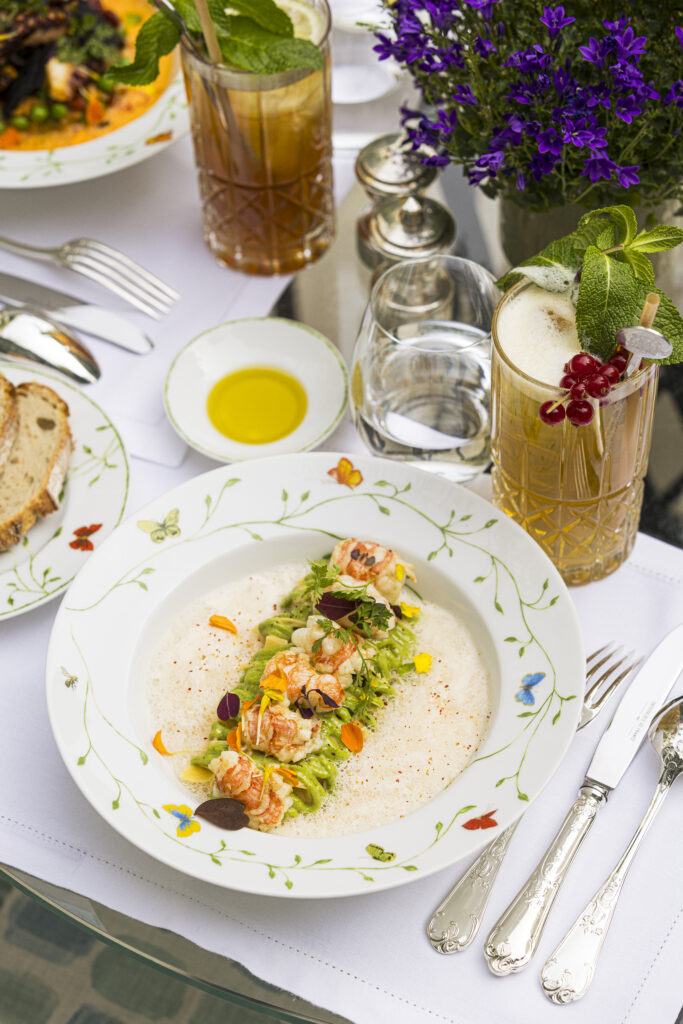
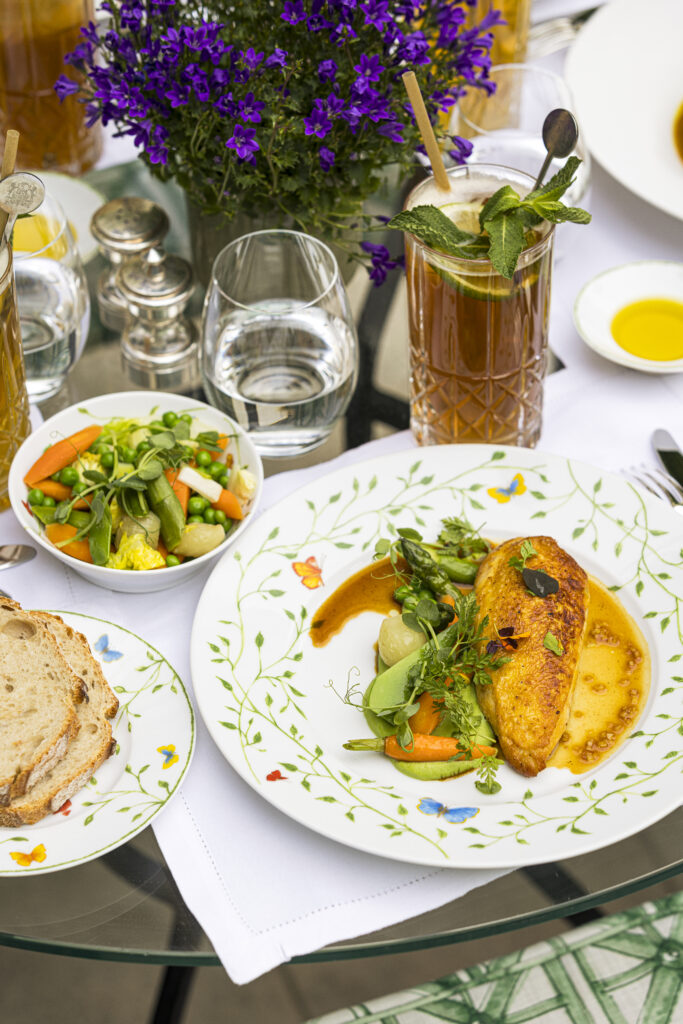
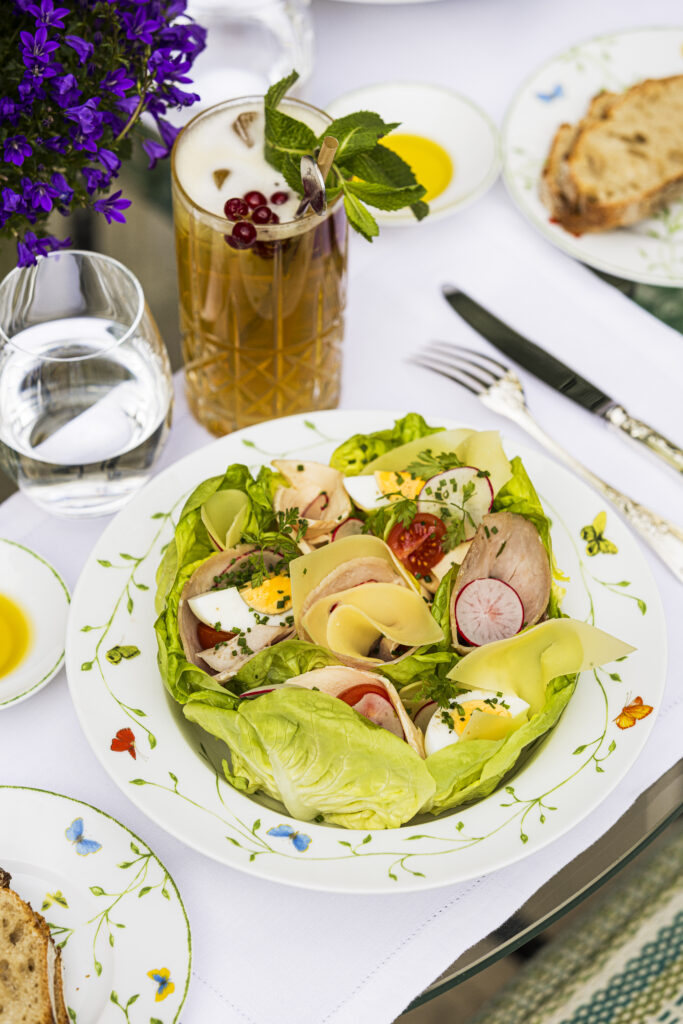
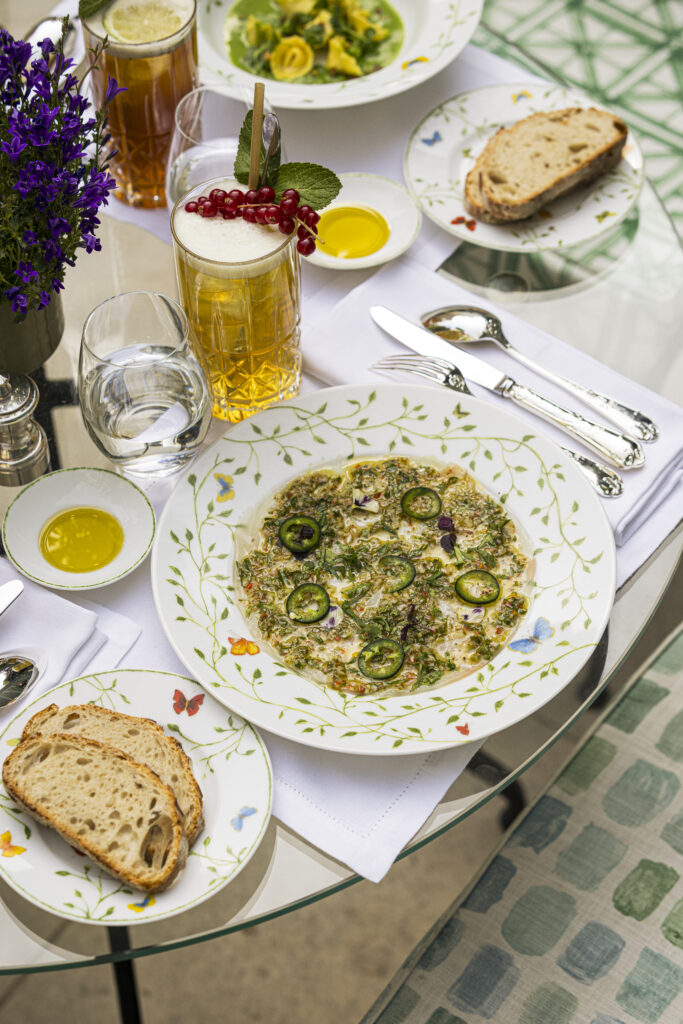
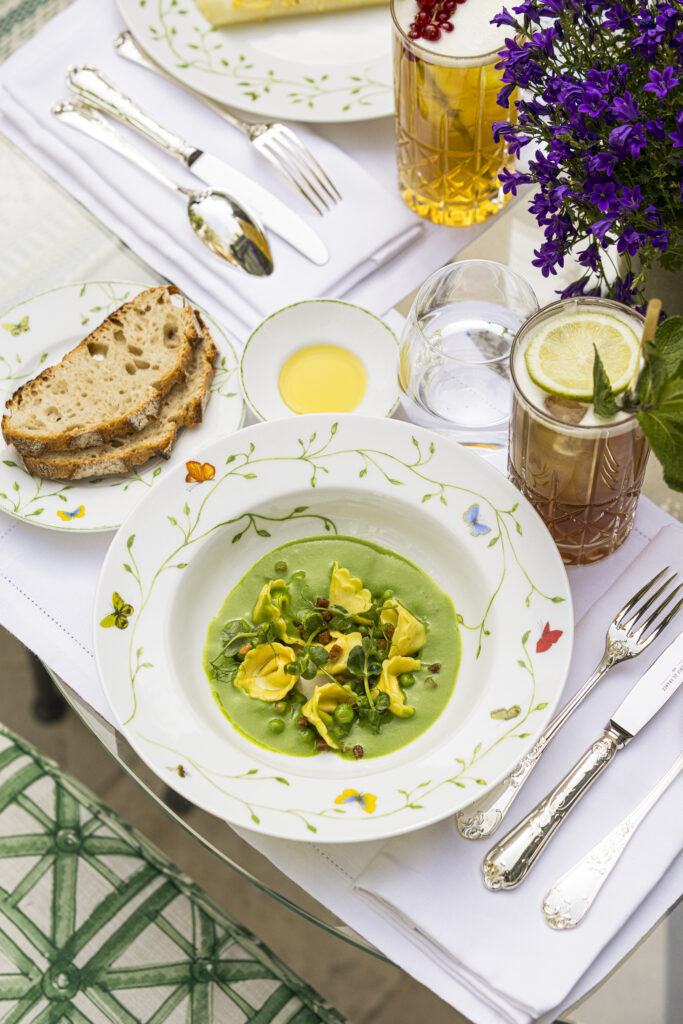
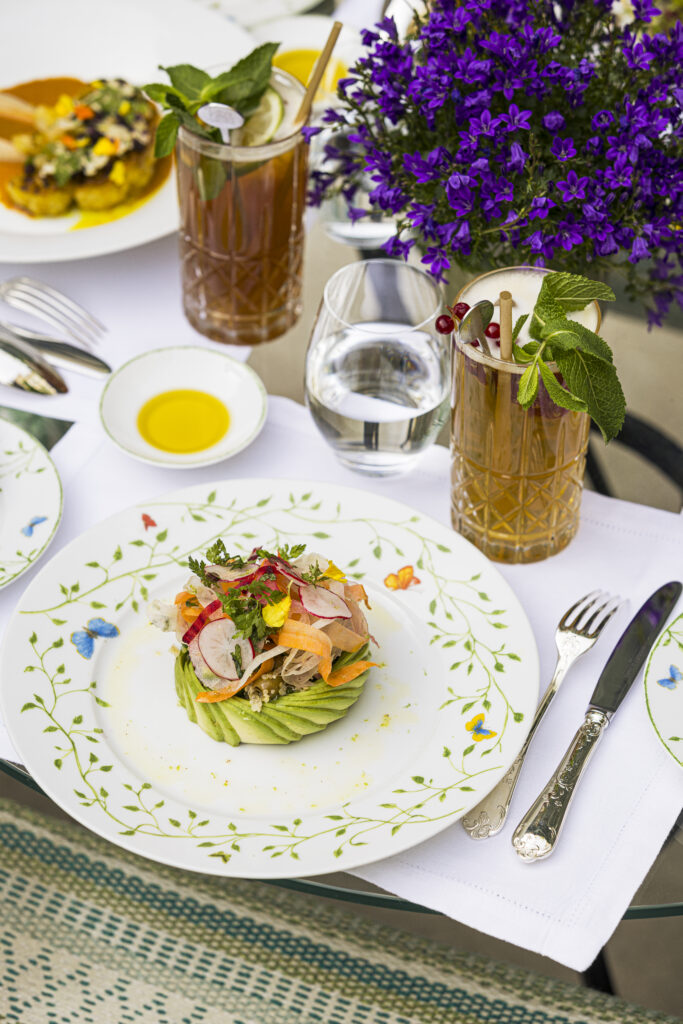
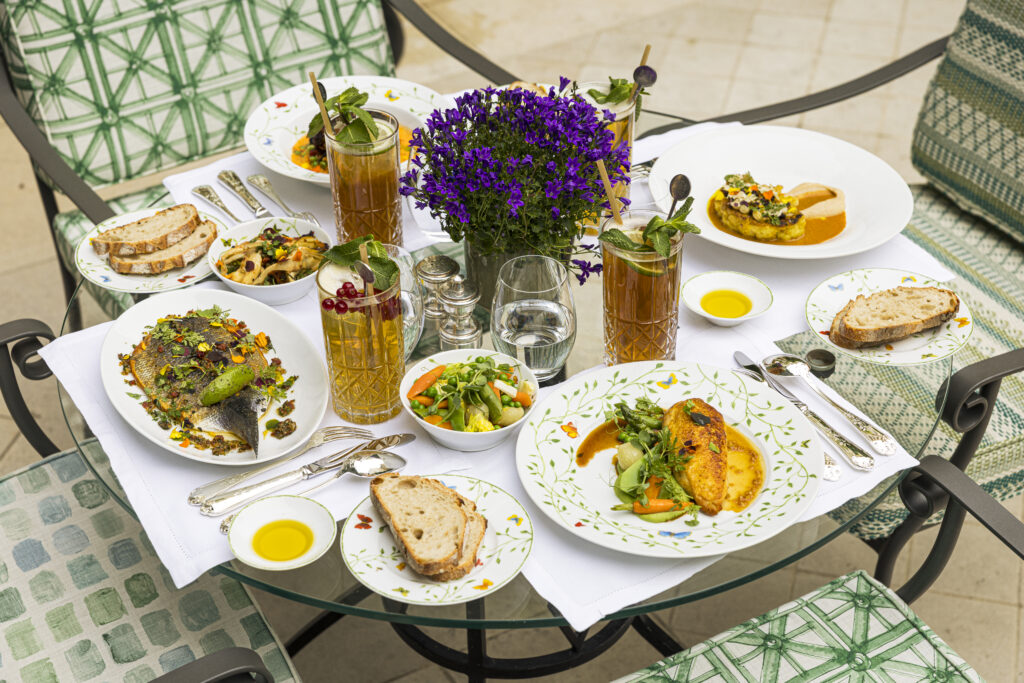
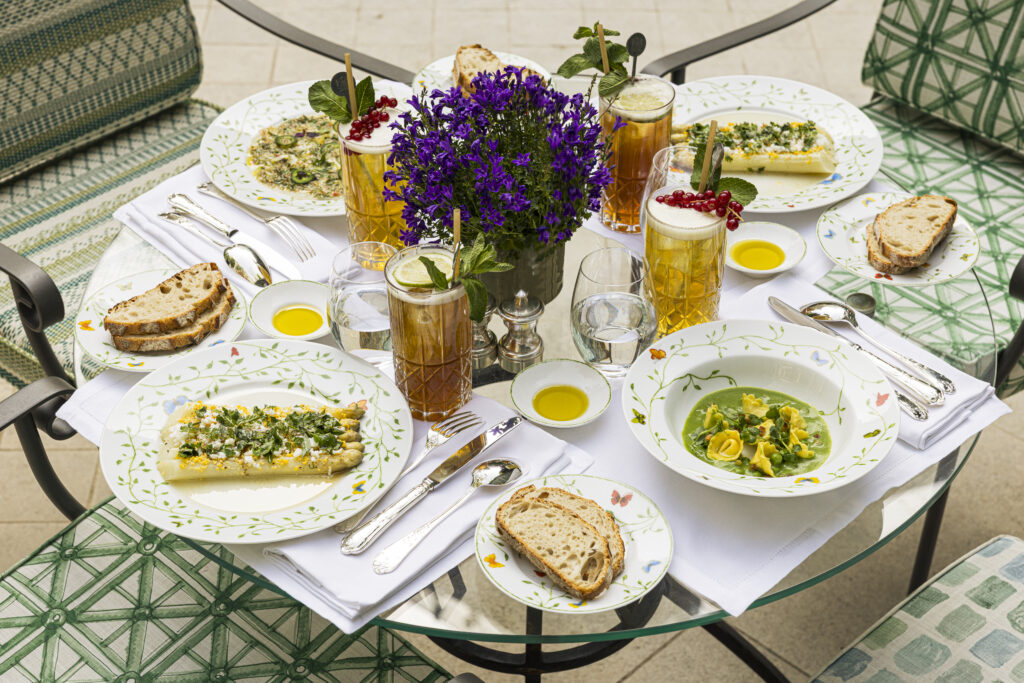
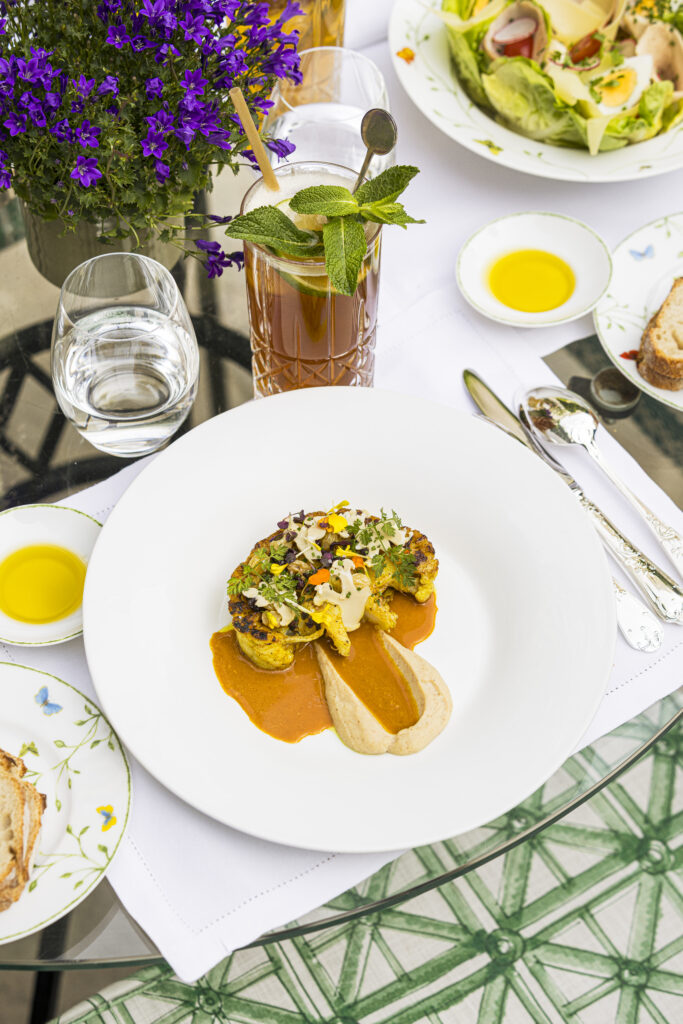
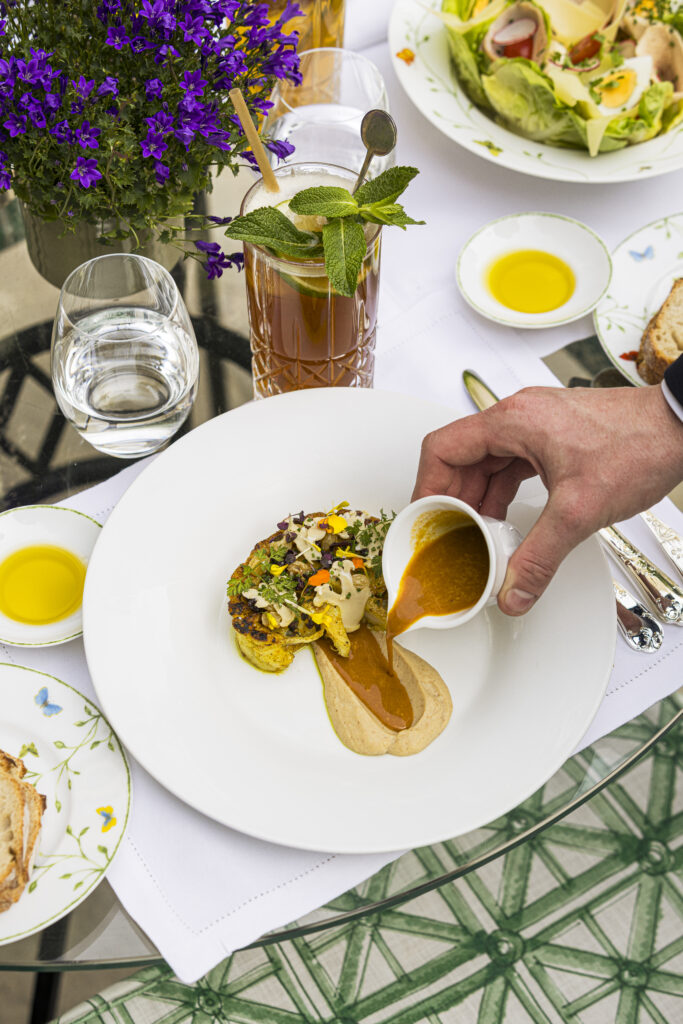
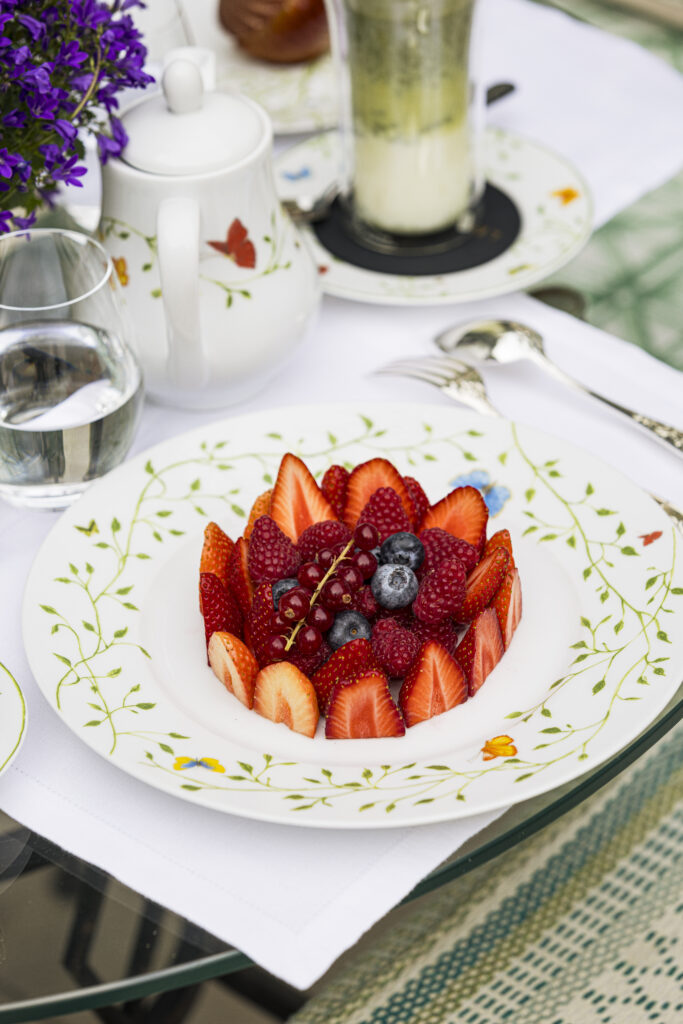
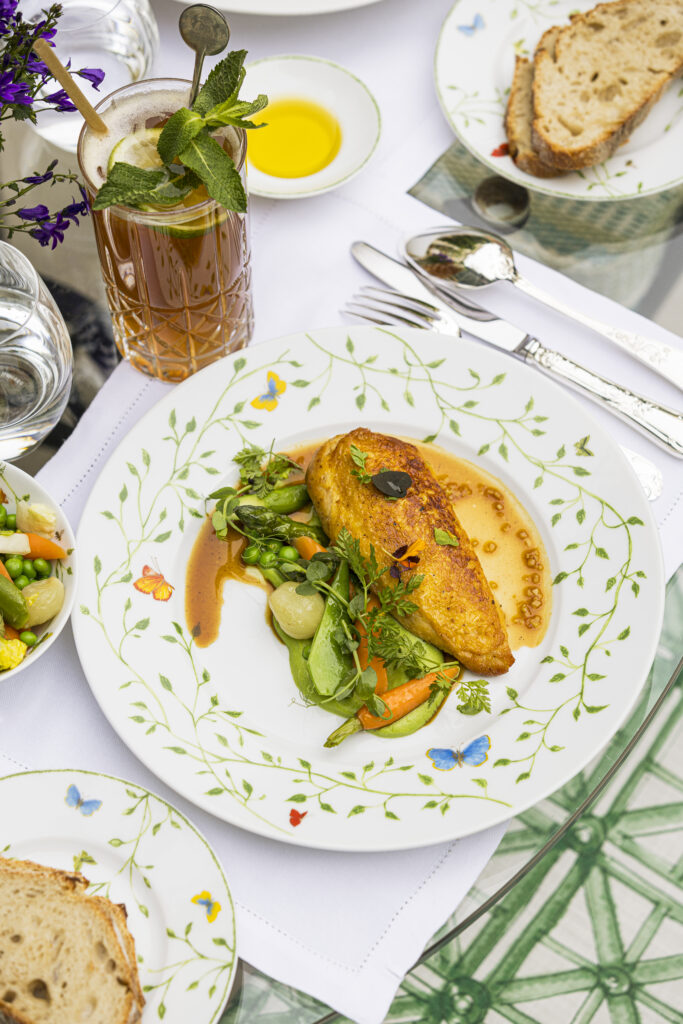
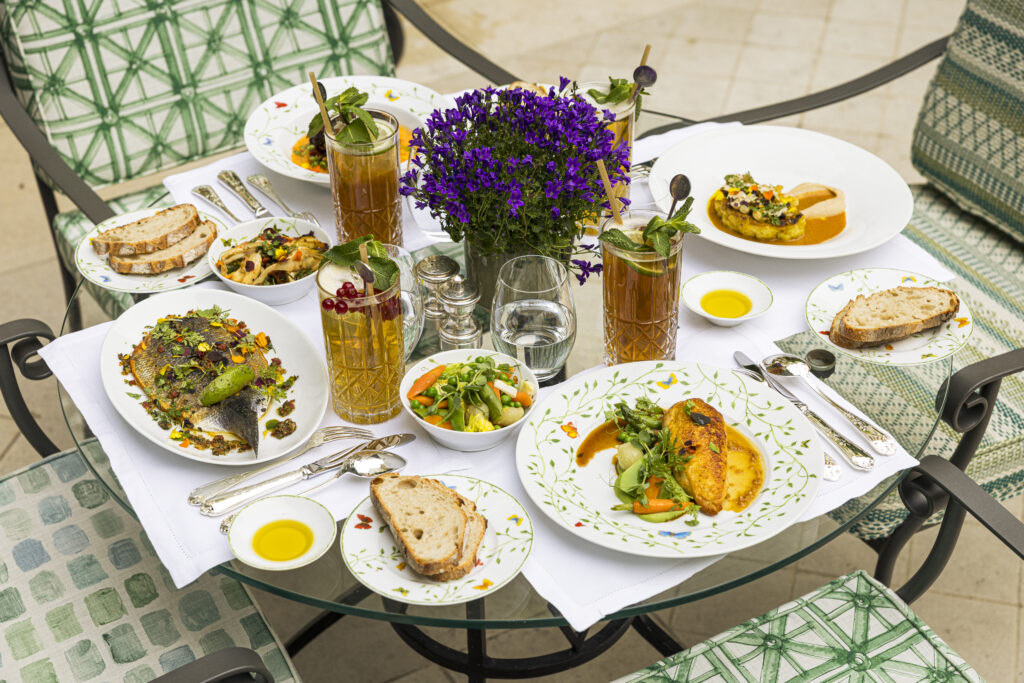
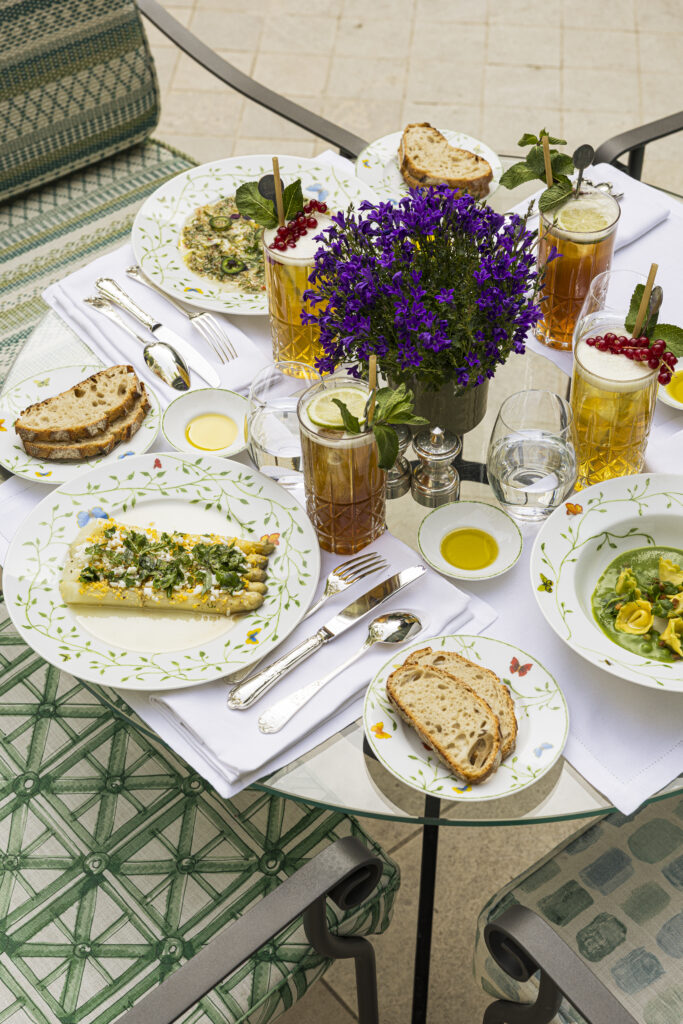
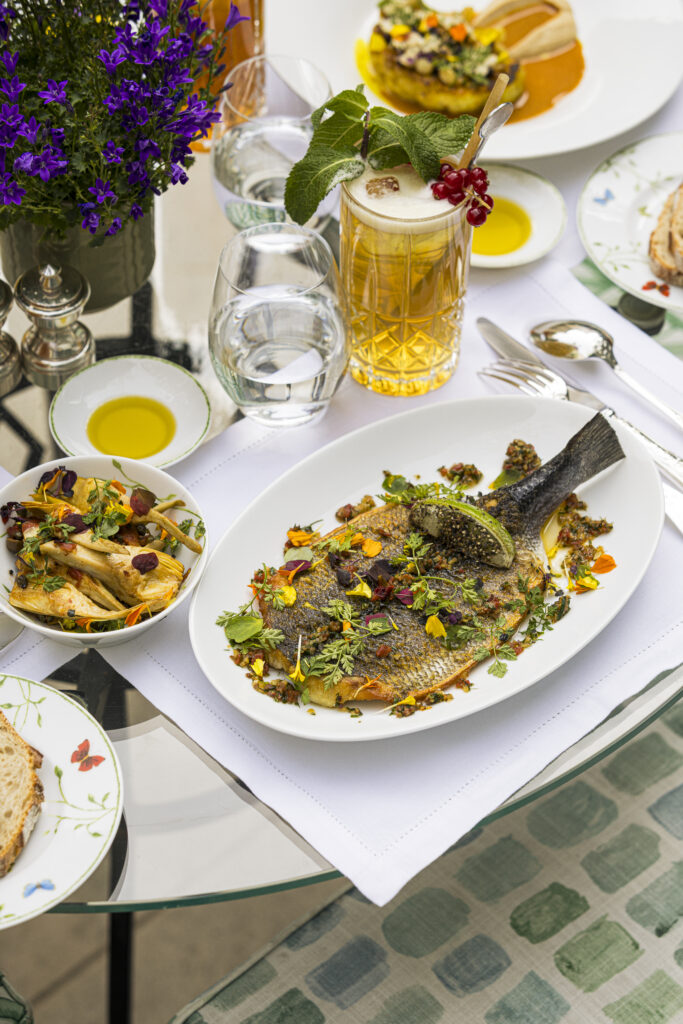
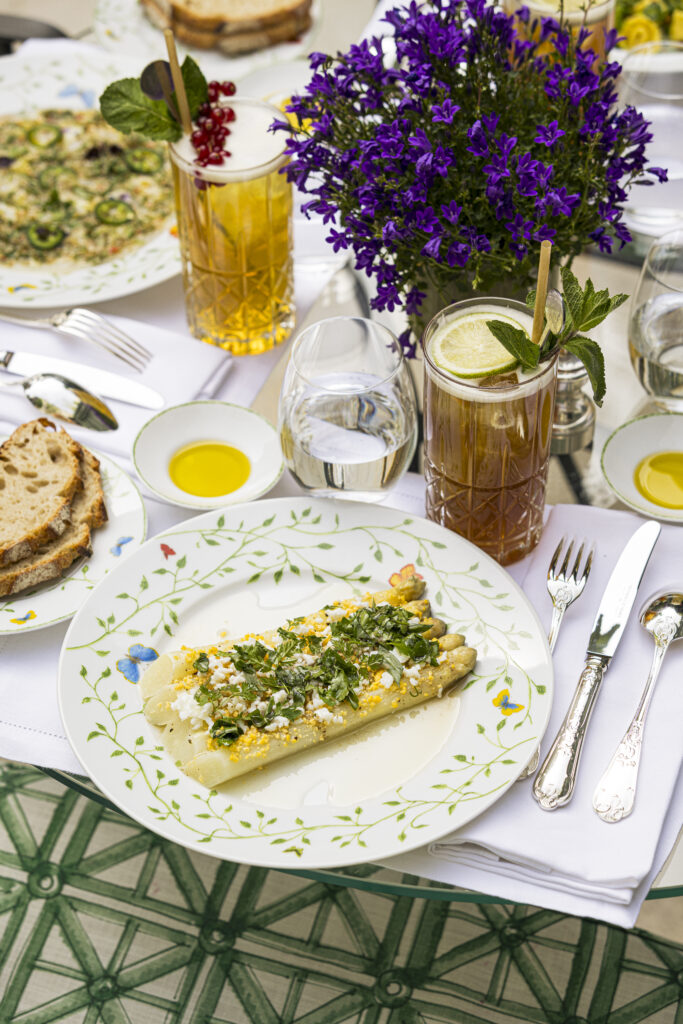
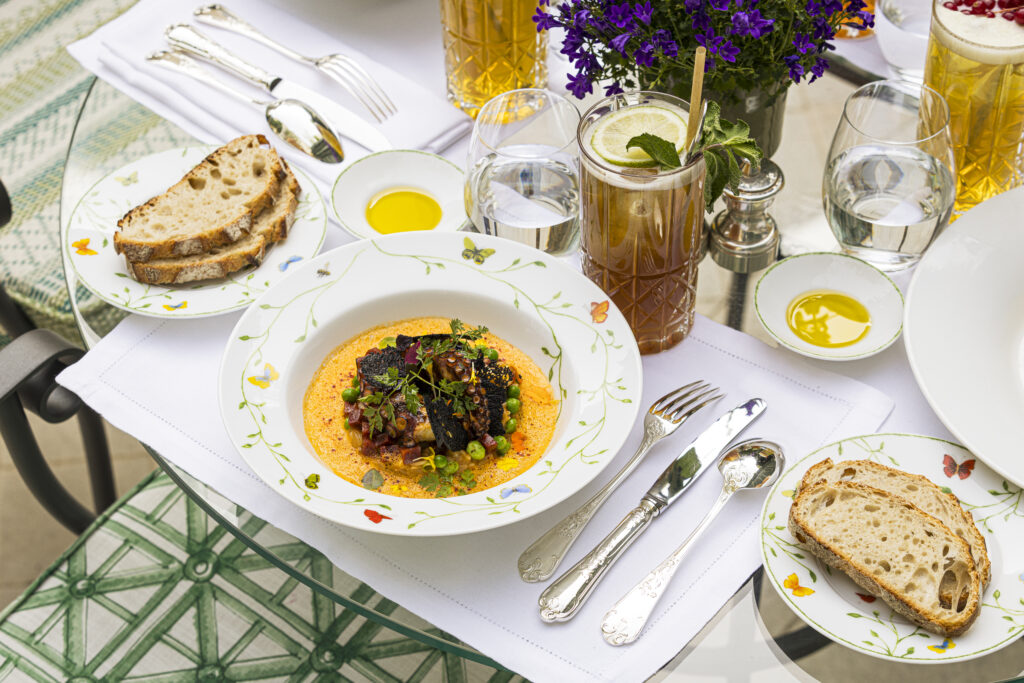
In the kitchen, Executive Chef Arnaud Faye pursues a straightforward approach centered on seasonality and ingredients. The press release refers to “plates that are just right, without gimmicks.” The phrase might seem predictable; yet it quite accurately describes the current evolution of Parisian hotel gastronomy. After several years dominated by spectacular menus and elaborate culinary presentations, many restaurants are returning to a more understated style: precise cooking techniques, lighter sauces, and dishes that immediately highlight the ingredients.
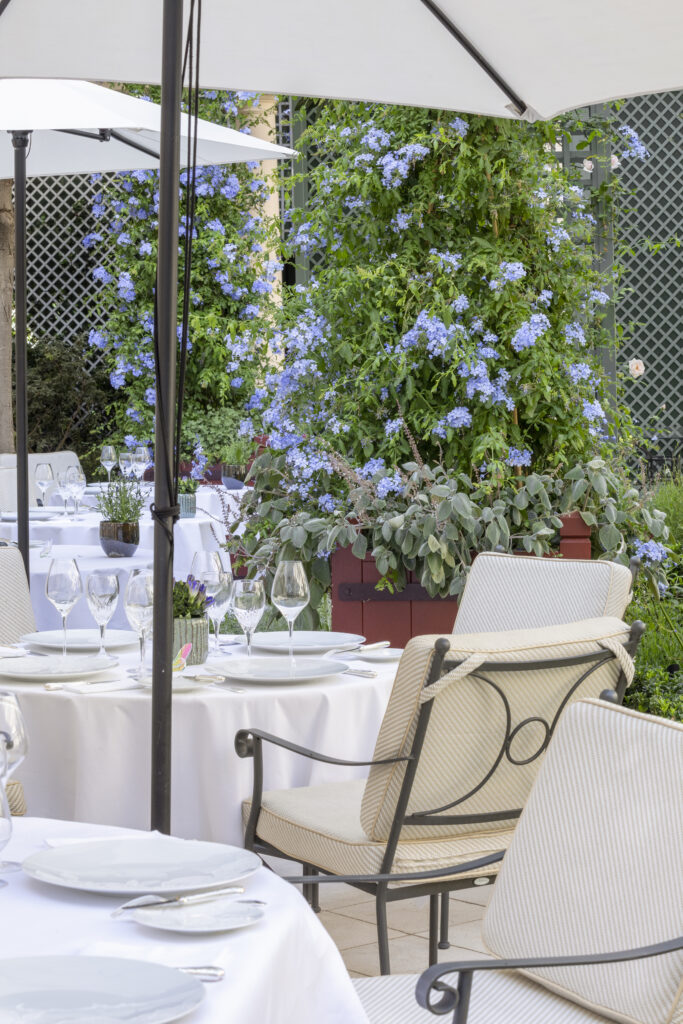
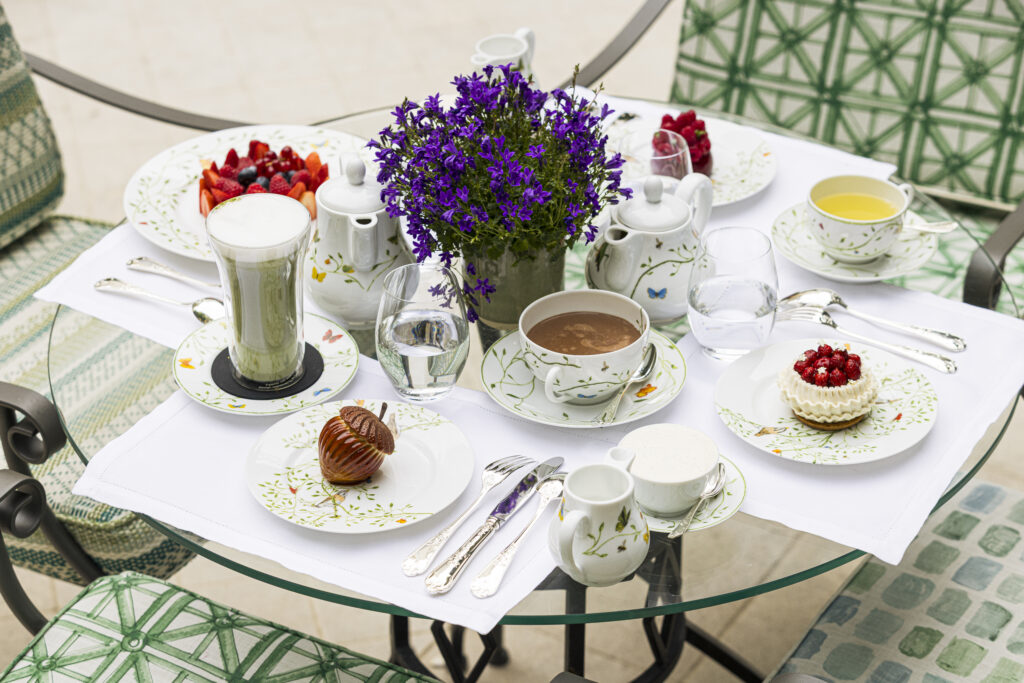
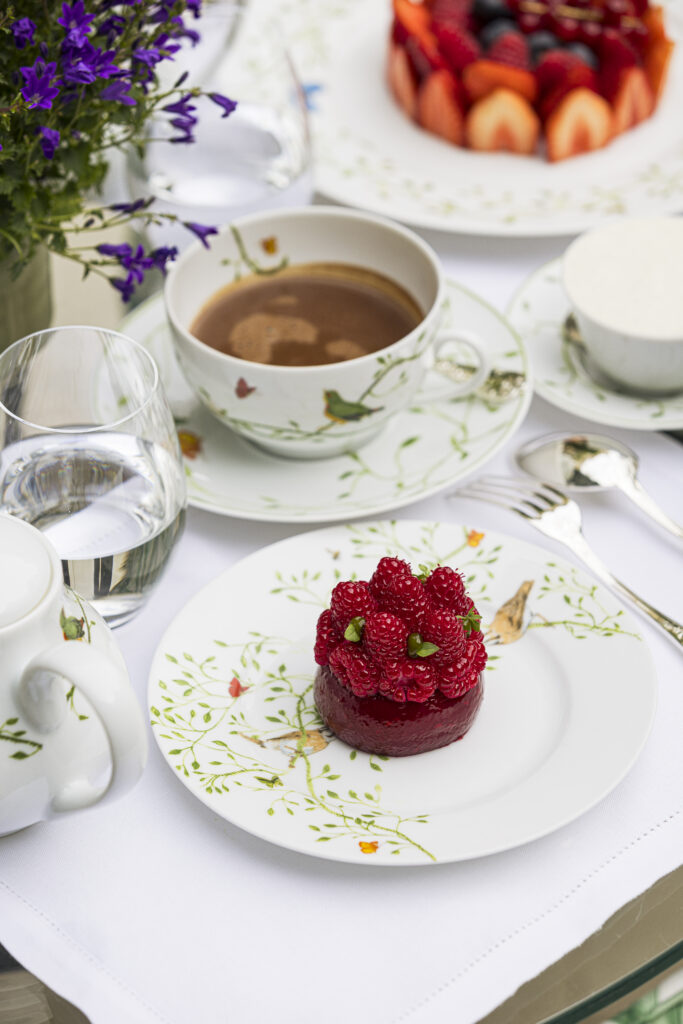
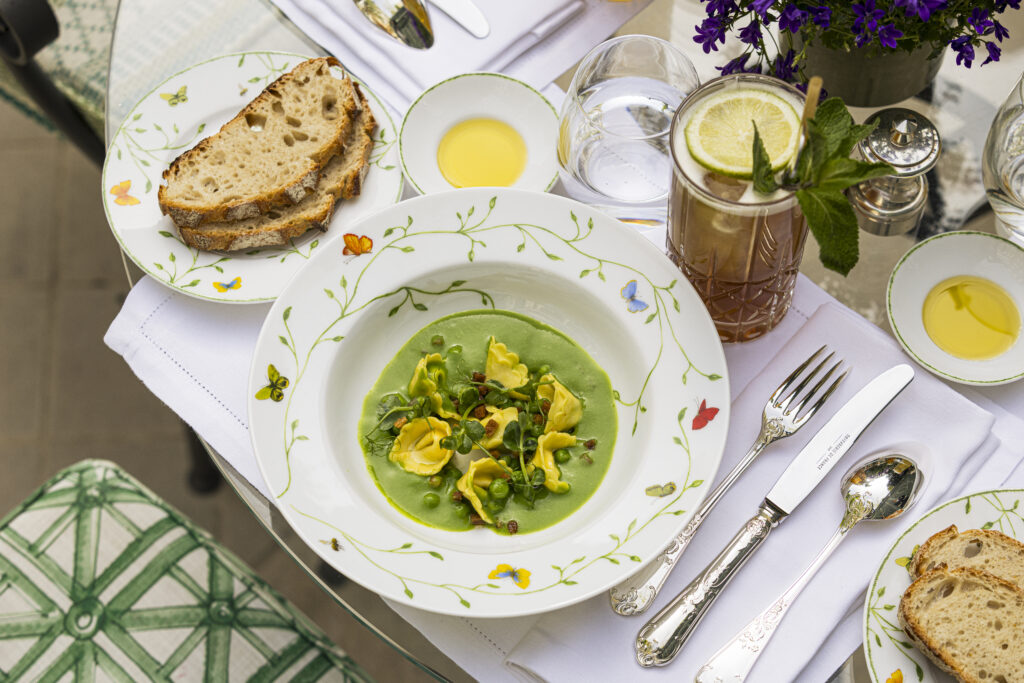
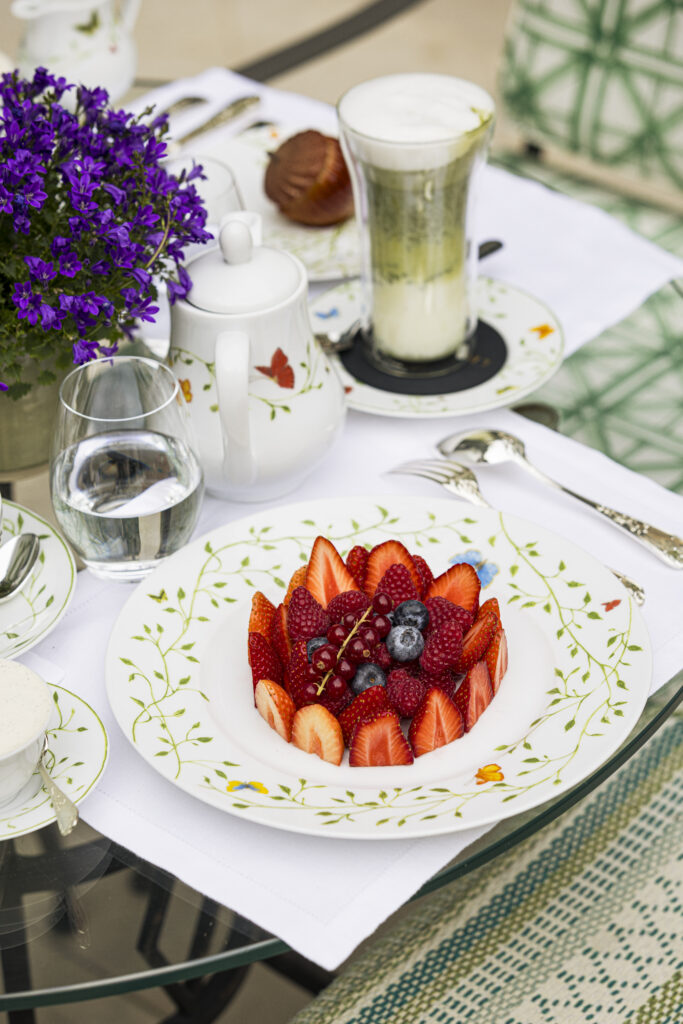
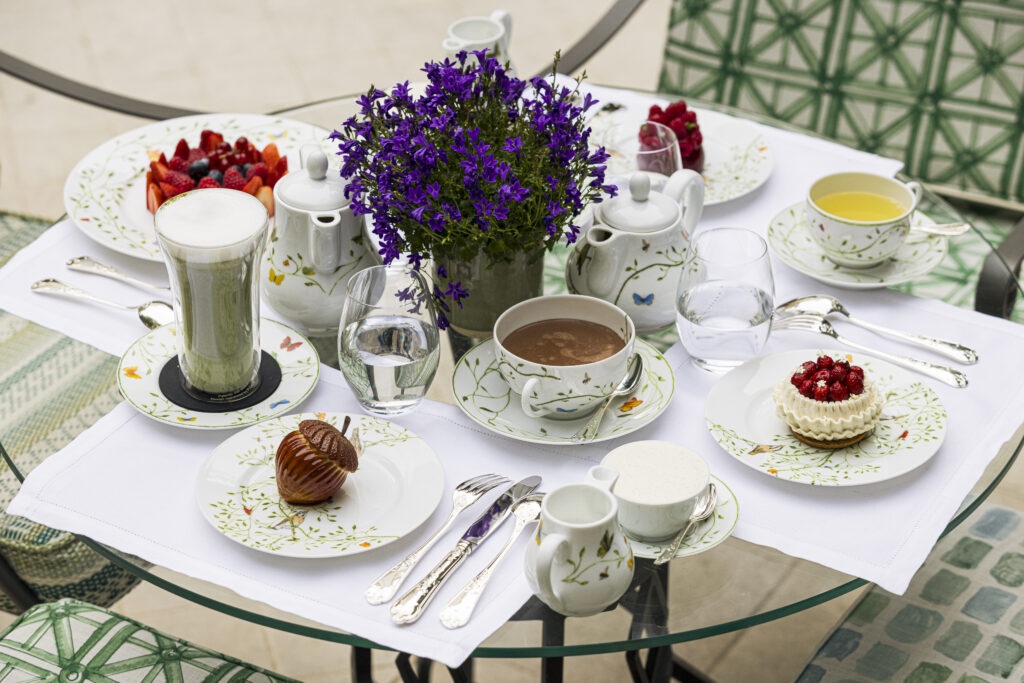
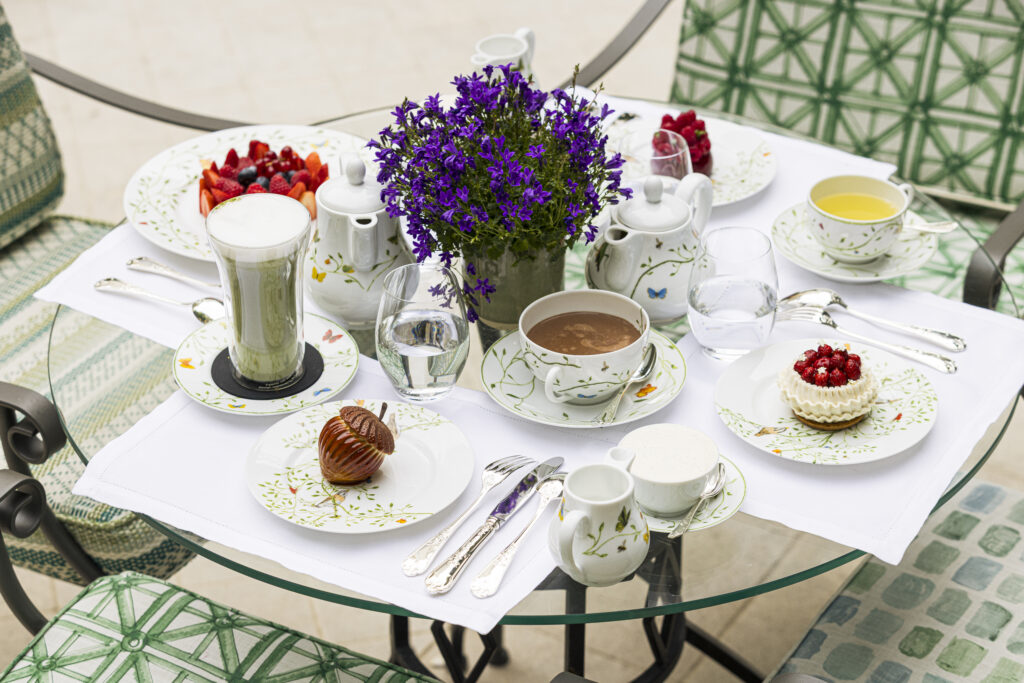
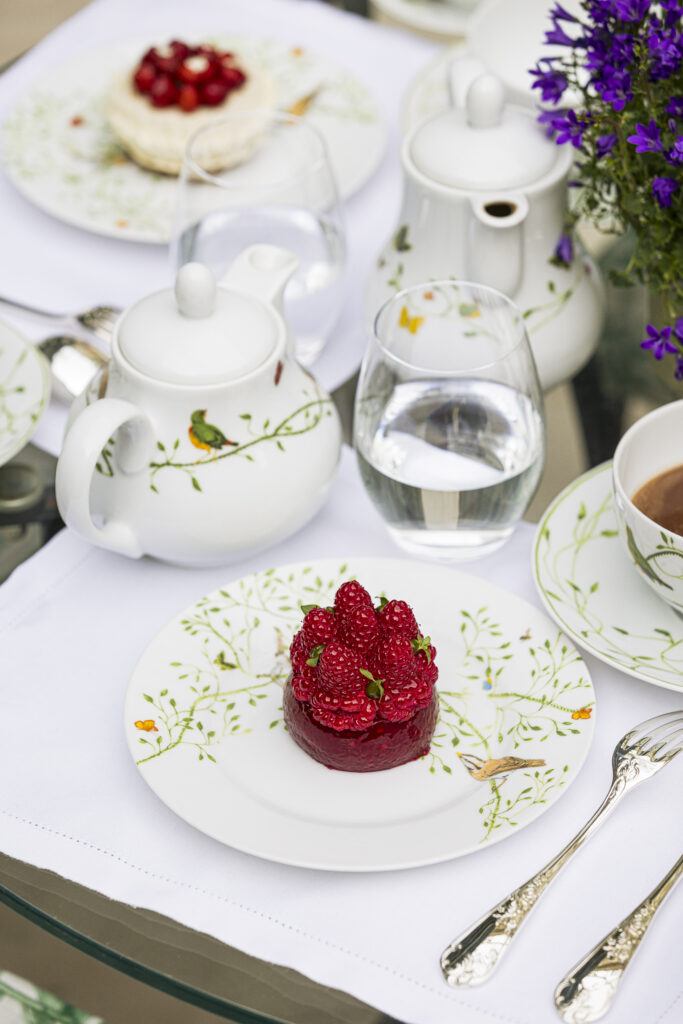
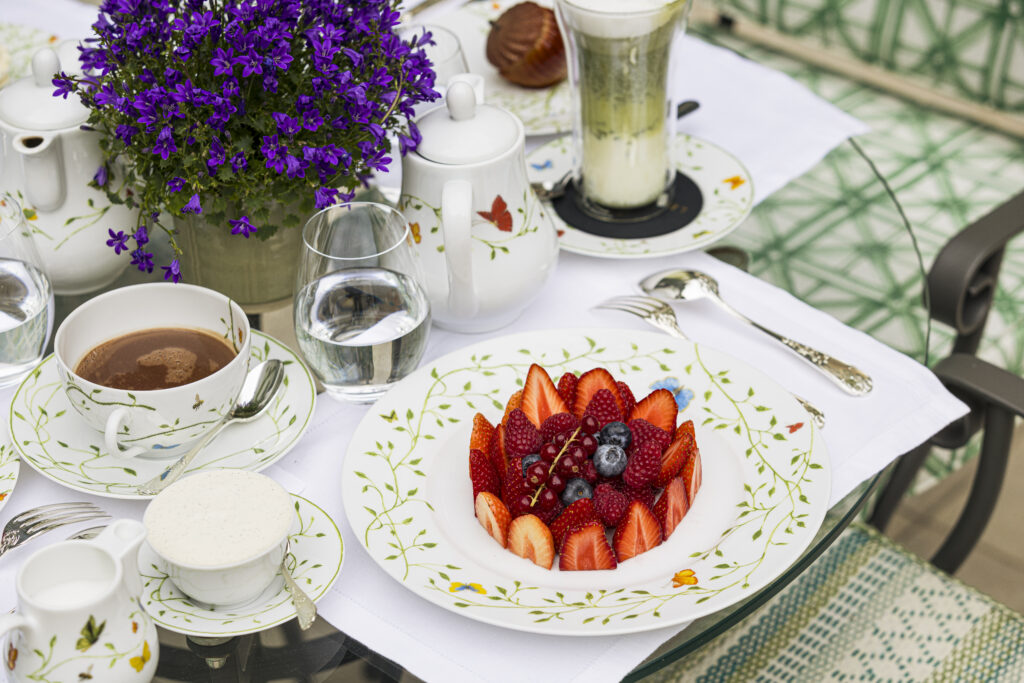
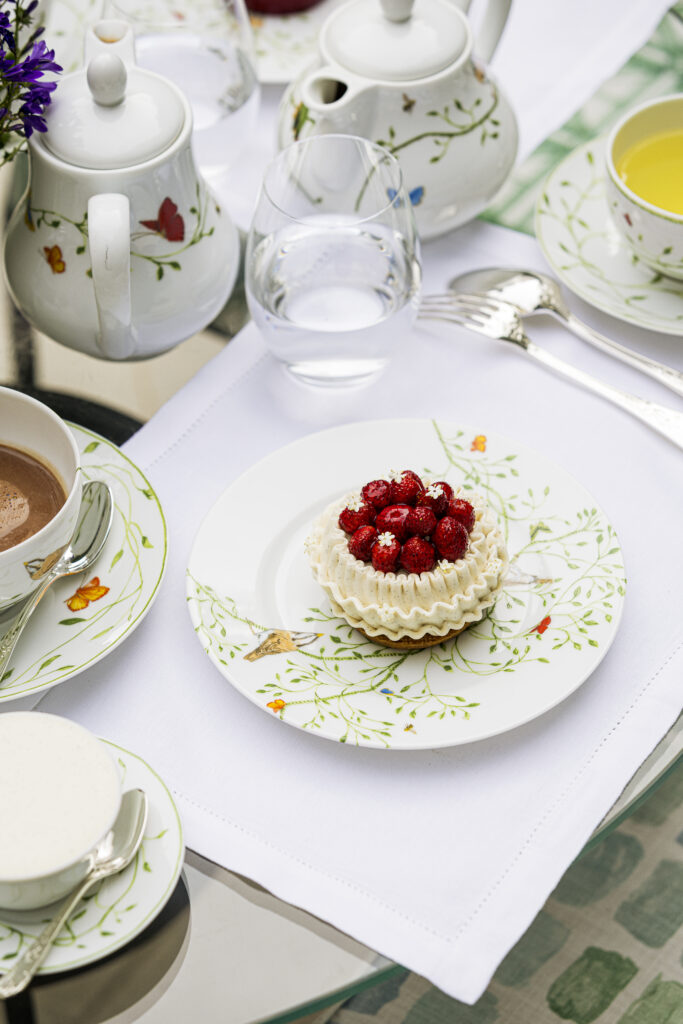
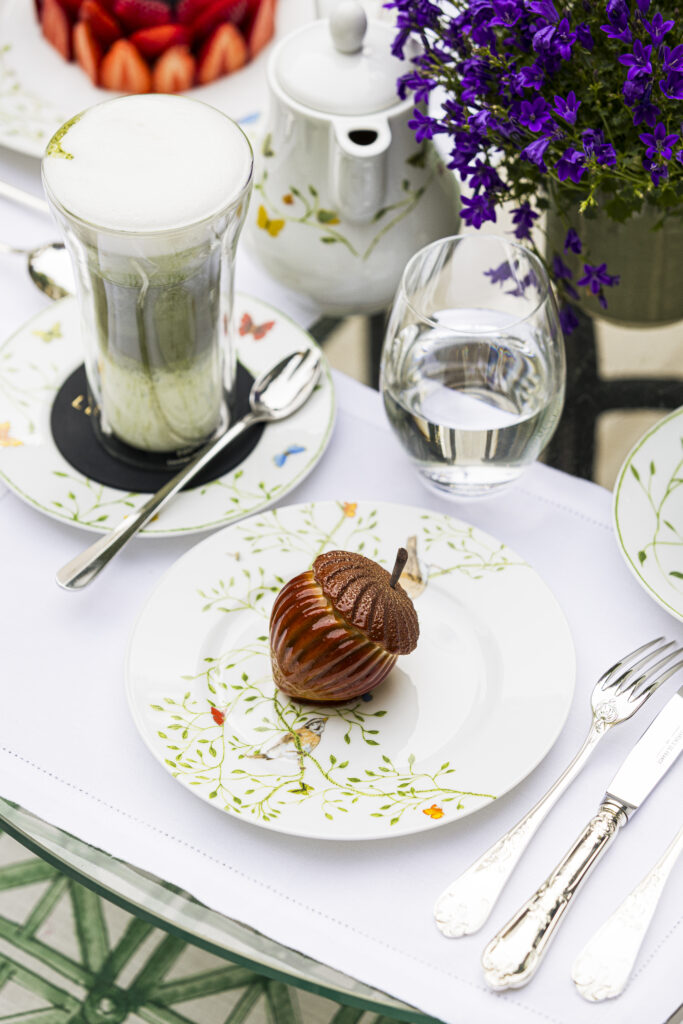
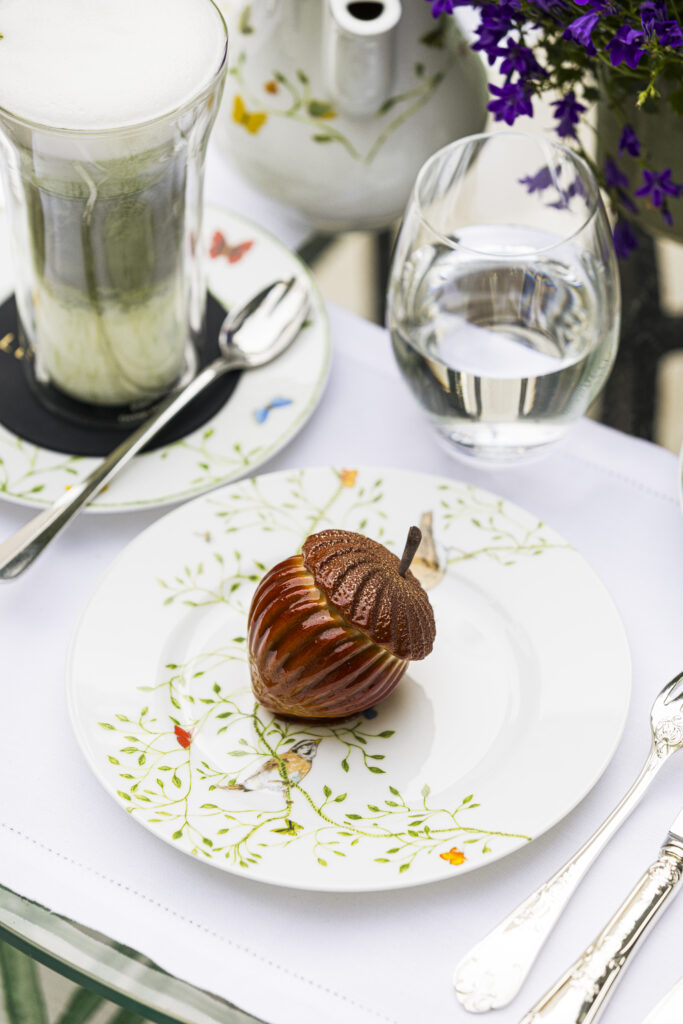
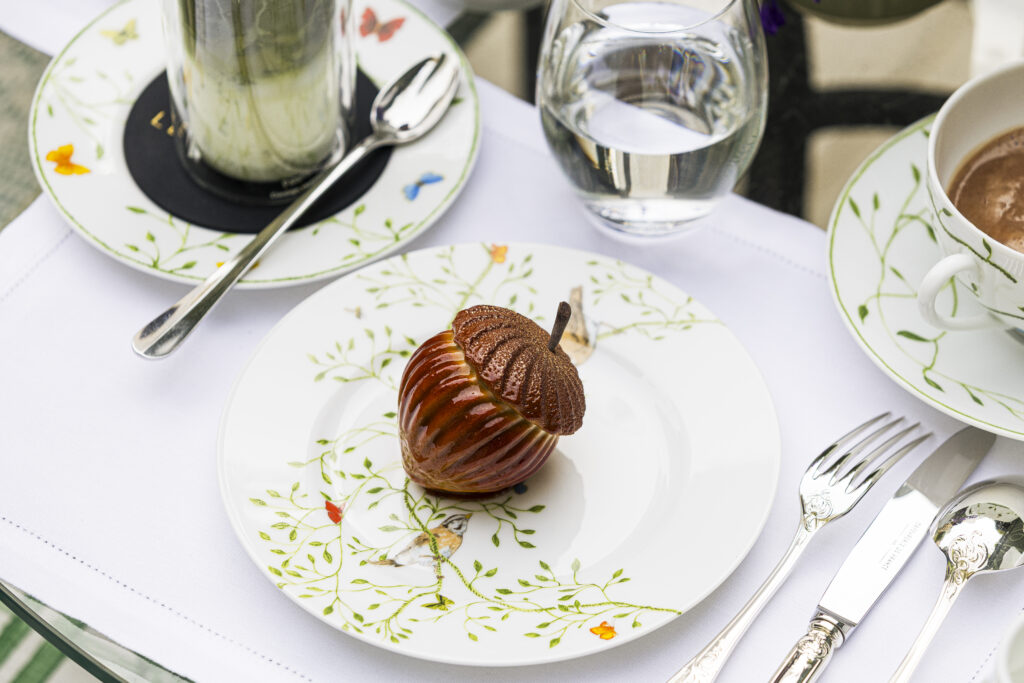
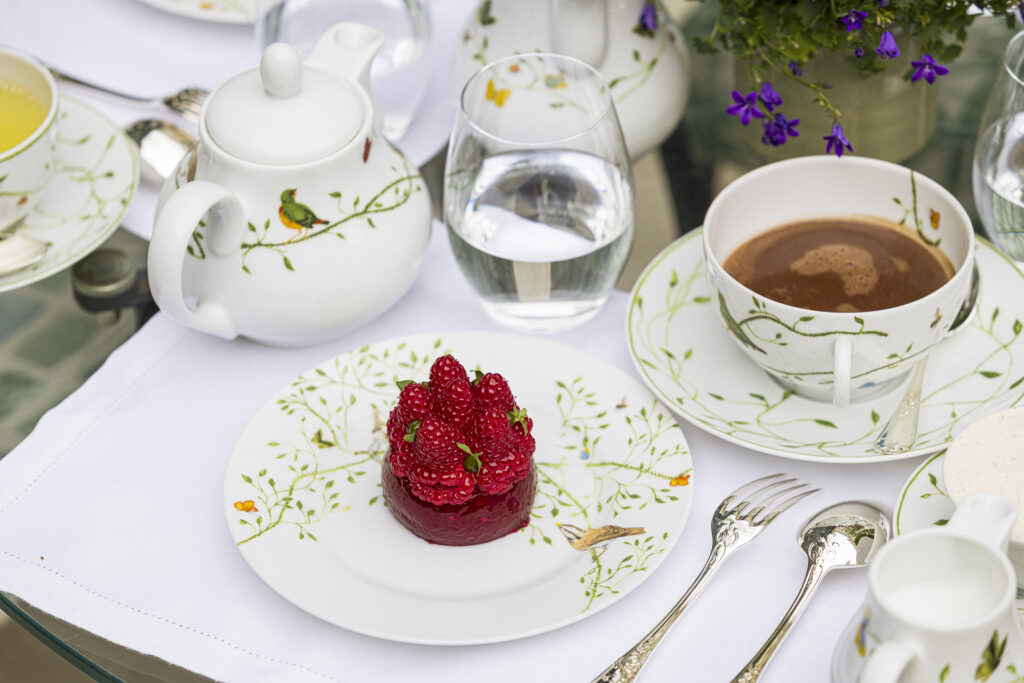
The venue itself contributes to this sense of restraint. The green- and white-lacquered metal furniture, light-colored tablecloths, floral porcelain, and plant arrangements are more reminiscent of certain Italian or English gardens than the minimalist aesthetic that has become ubiquitous in contemporary hospitality. This is the Bristol’s way of maintaining a decorative identity that still defies the standardized trends of international luxury.
This resurgence of Parisian hotel gardens also says something about the evolution of urban lifestyles. Since the pandemic, outdoor spaces have become essential to the grand hotel experience. Inner courtyards, hidden terraces, and green patios are now conceived as destinations in their own right, frequented as much by travelers as by local patrons seeking less crowded spots.
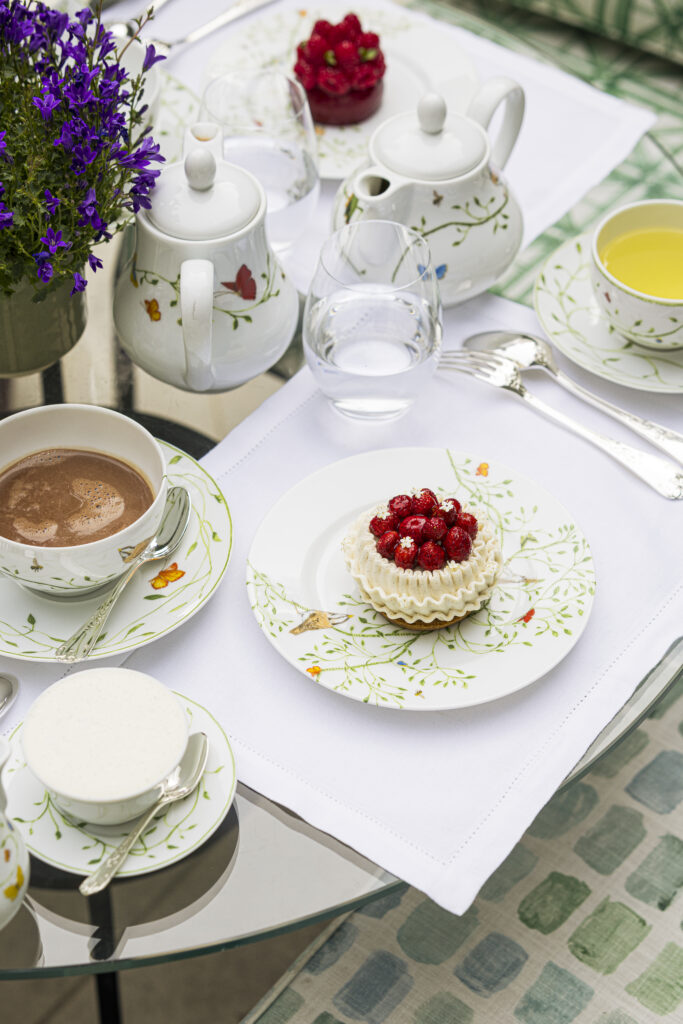
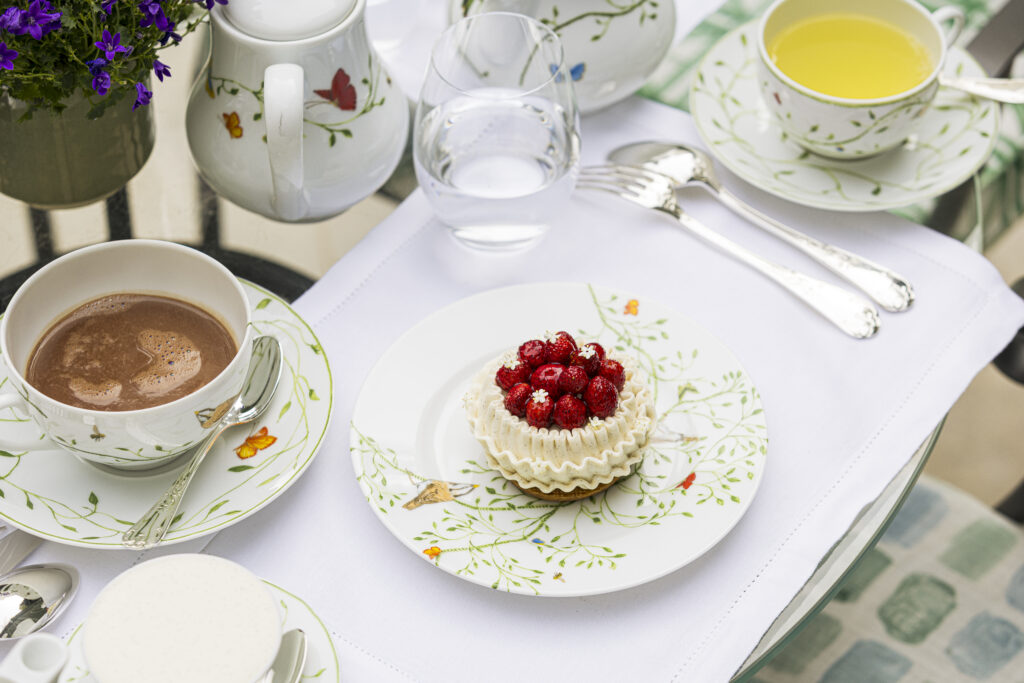
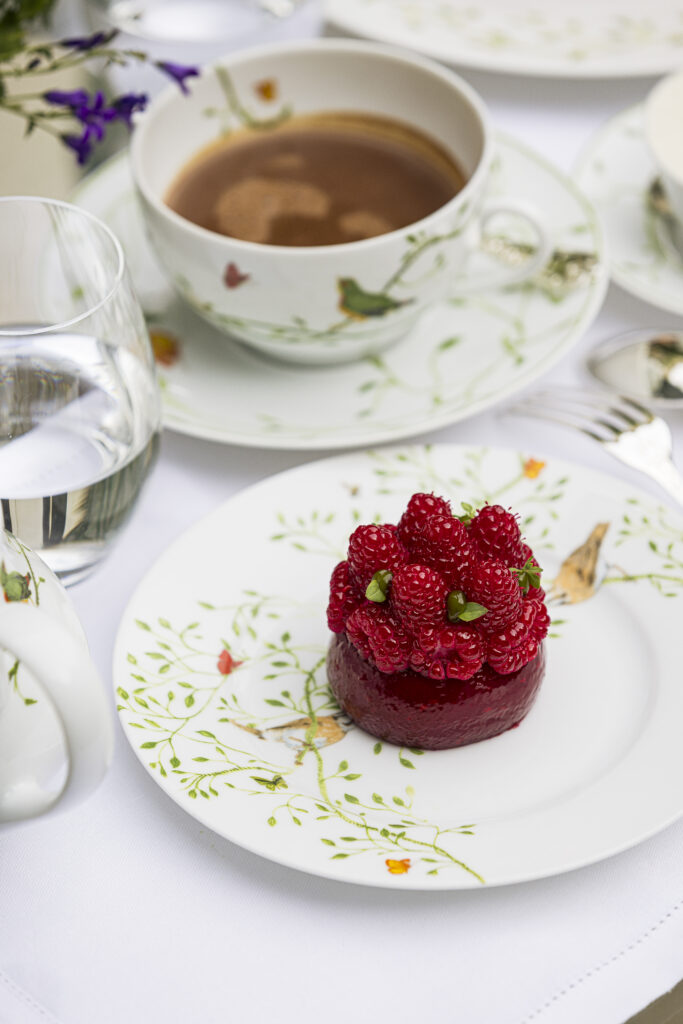
Le Jardin Français thrives precisely on this ambiguity. People come here as much for lunch as to momentarily escape the pace of Paris. Tea time, served in the afternoon, extends this leisurely pace that has historically been a hallmark of grand European hotels but that few establishments still manage to preserve without resorting to nostalgic theatrics.
At the Bristol, luxury continues to be measured by the quality of the silence, the consistency of the service, and the hotel’s ability to shield its guests from the city while remaining at its very heart.
Cette publication est également disponible en :

