
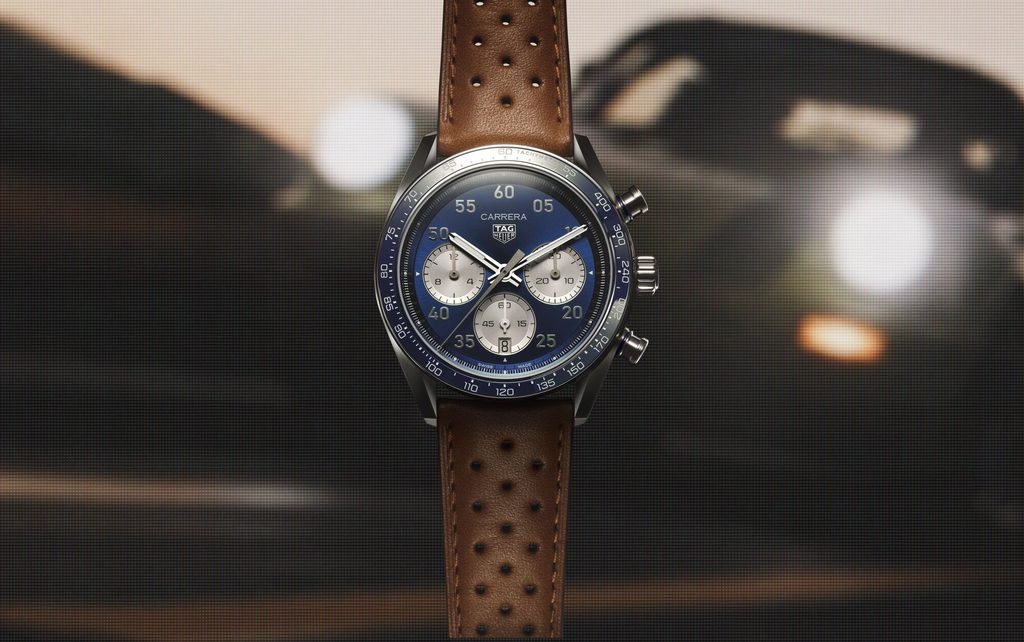
Days before the Spanish Grand Prix, TAG Heuer reopens one of the most debated chapters in its history: the Carrera, born of speed and never quite put away since.
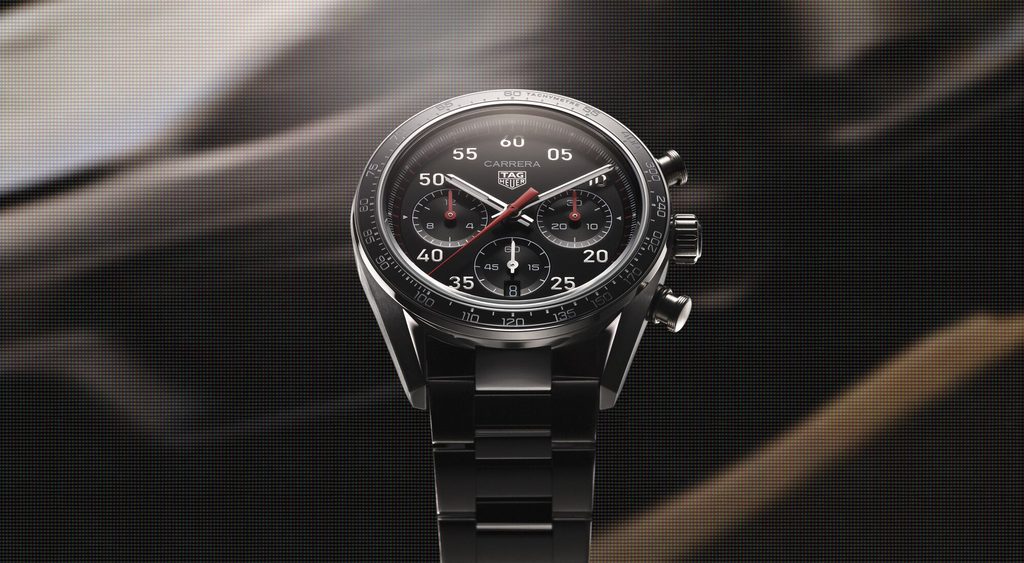
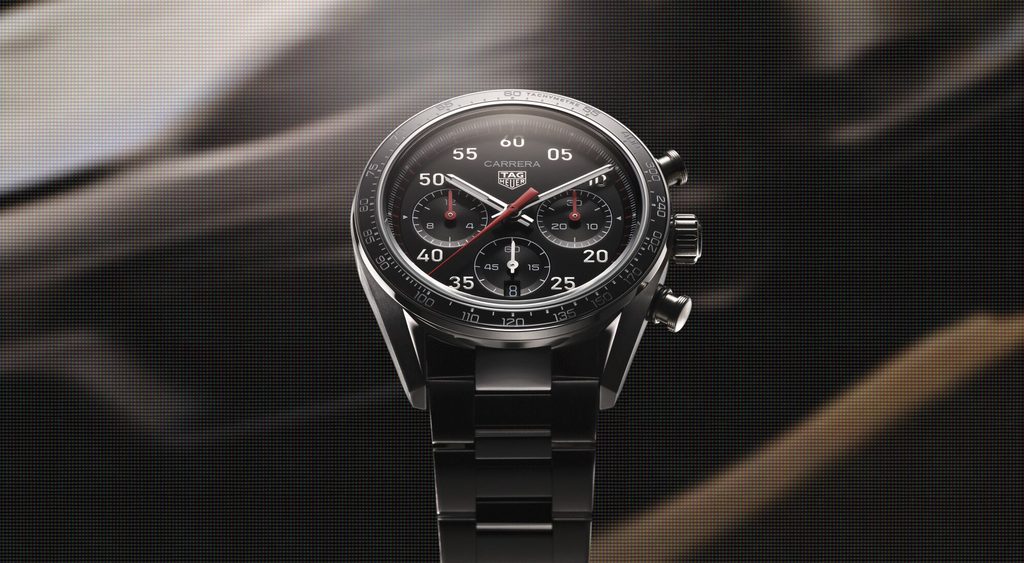
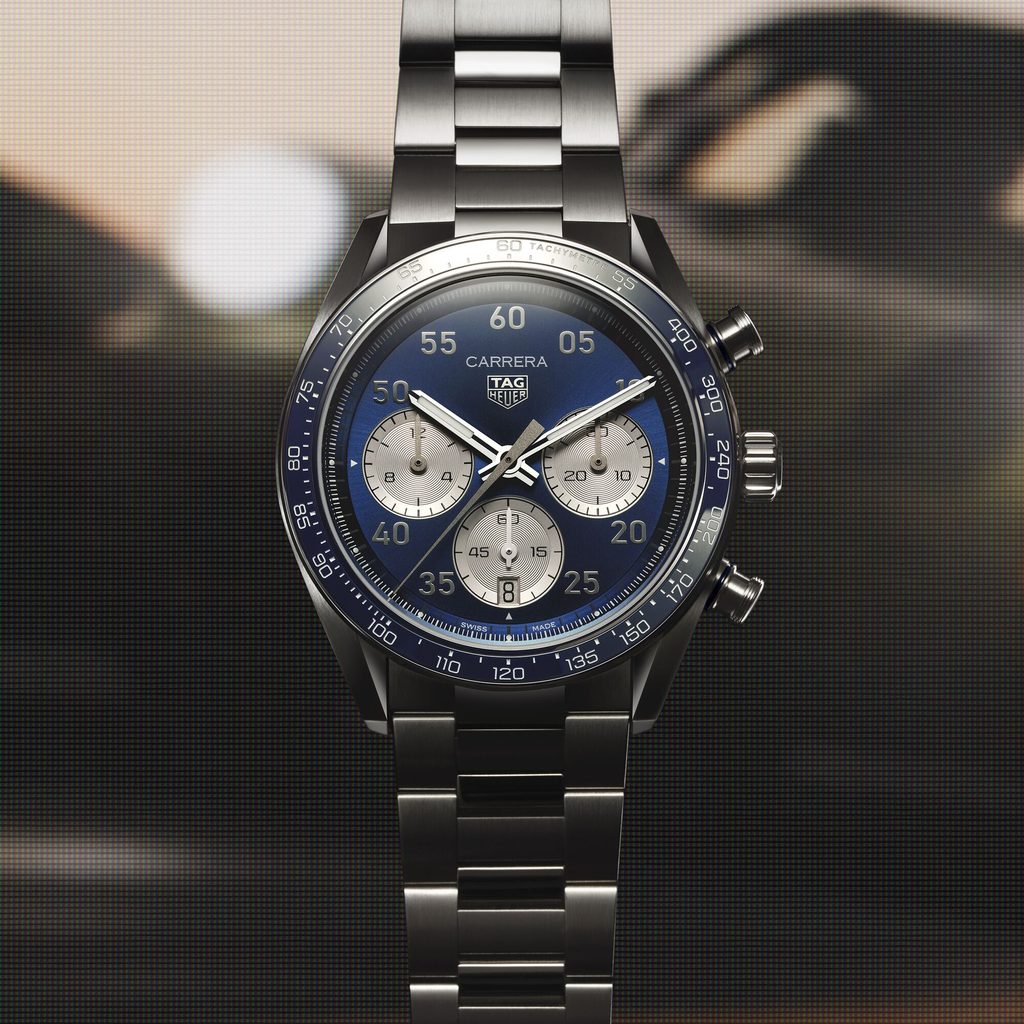
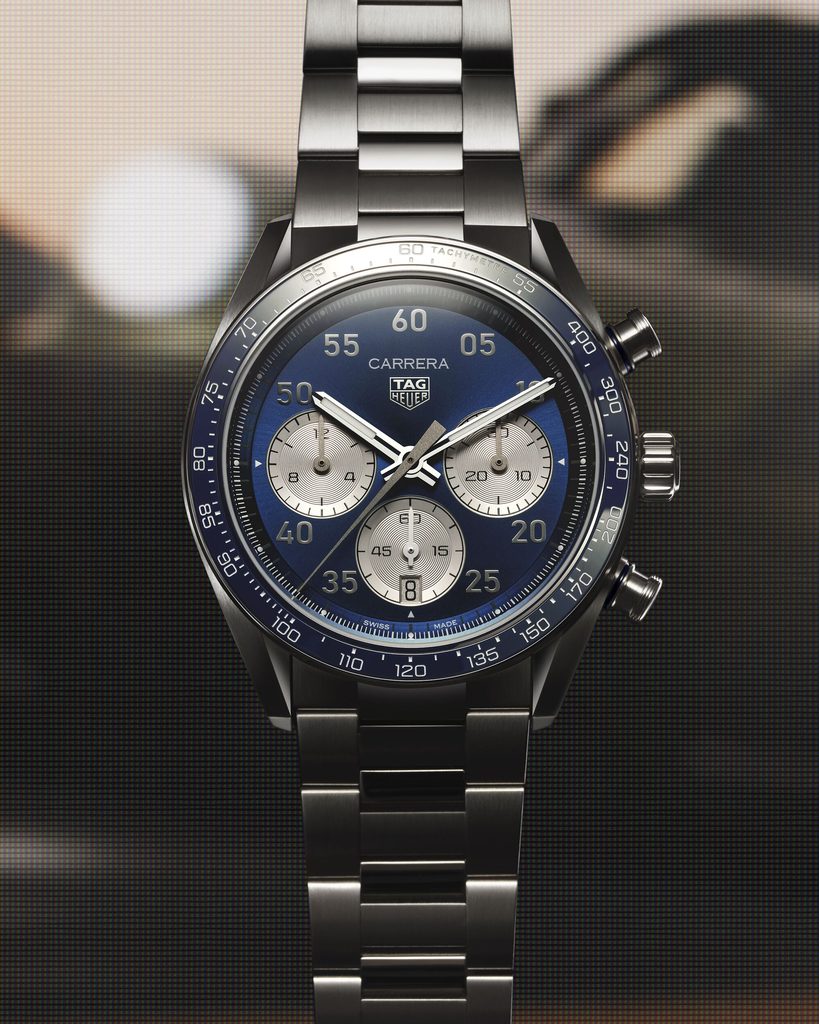
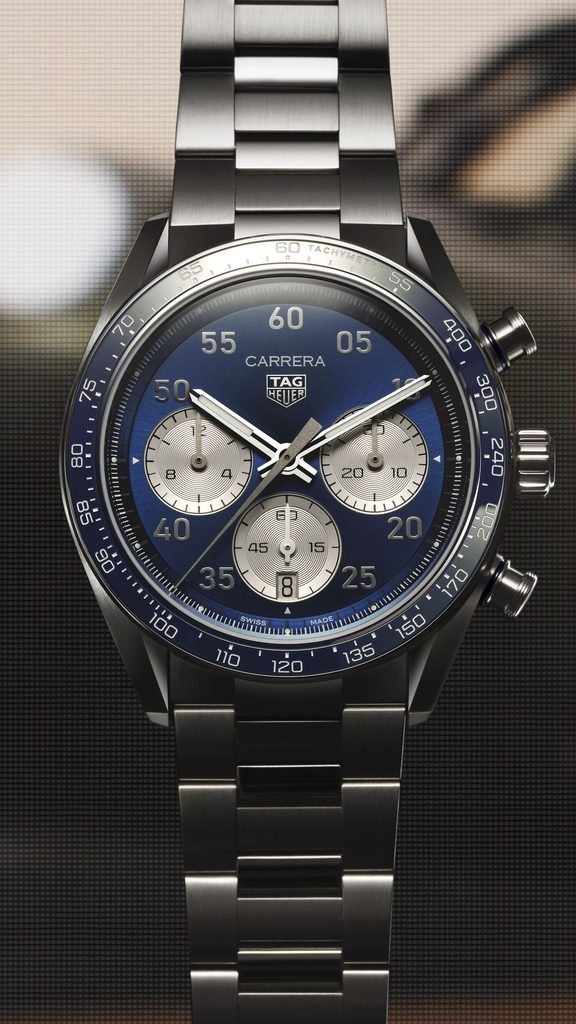
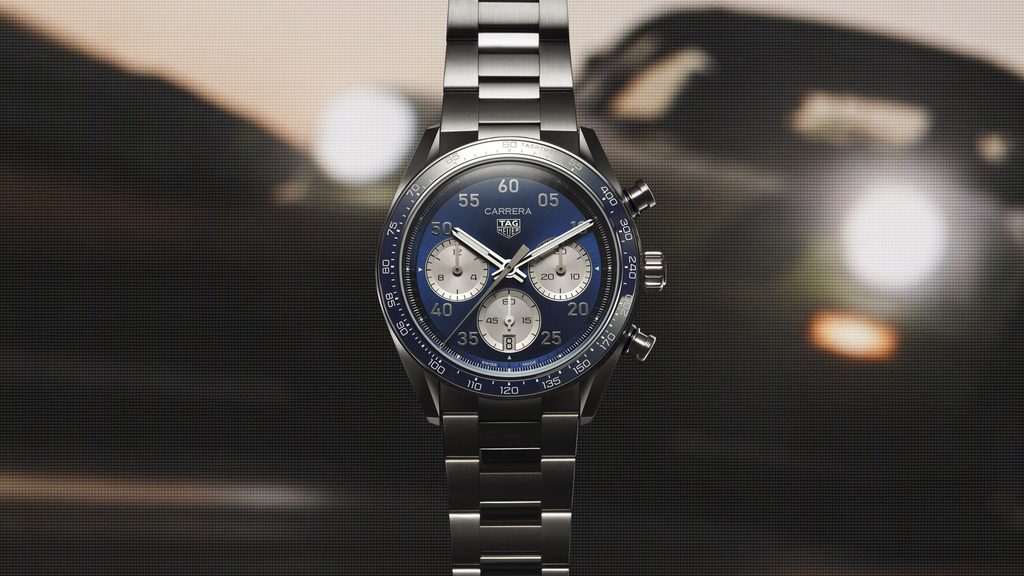
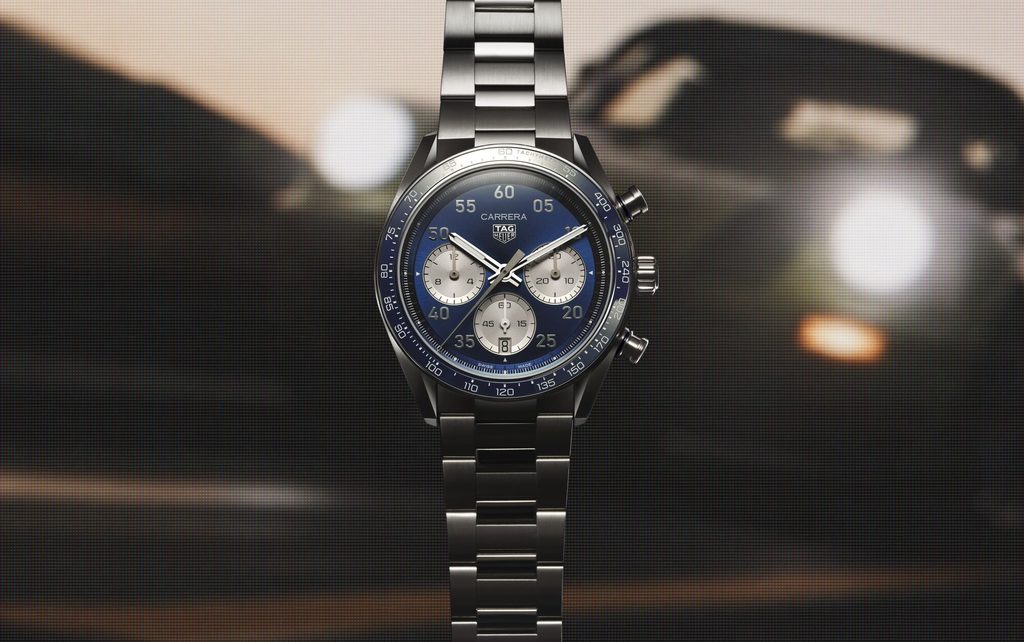
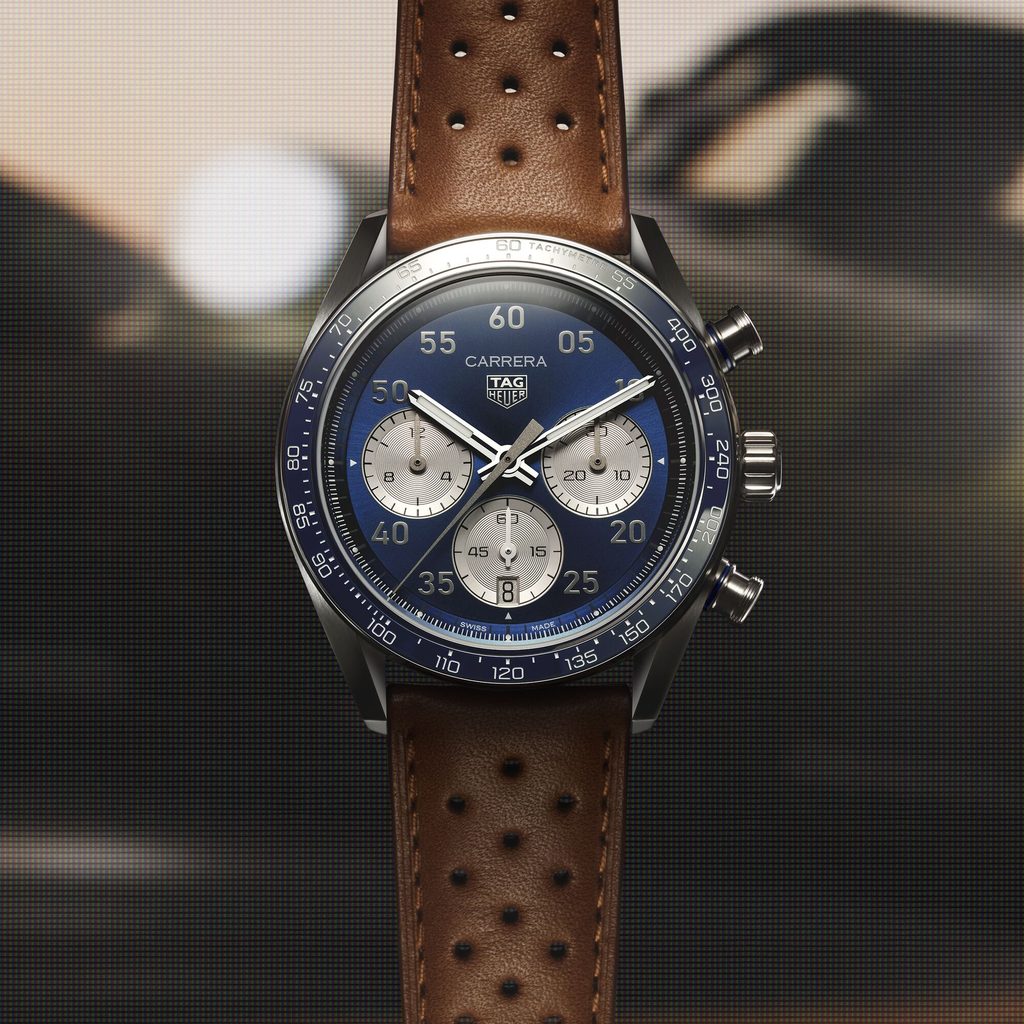
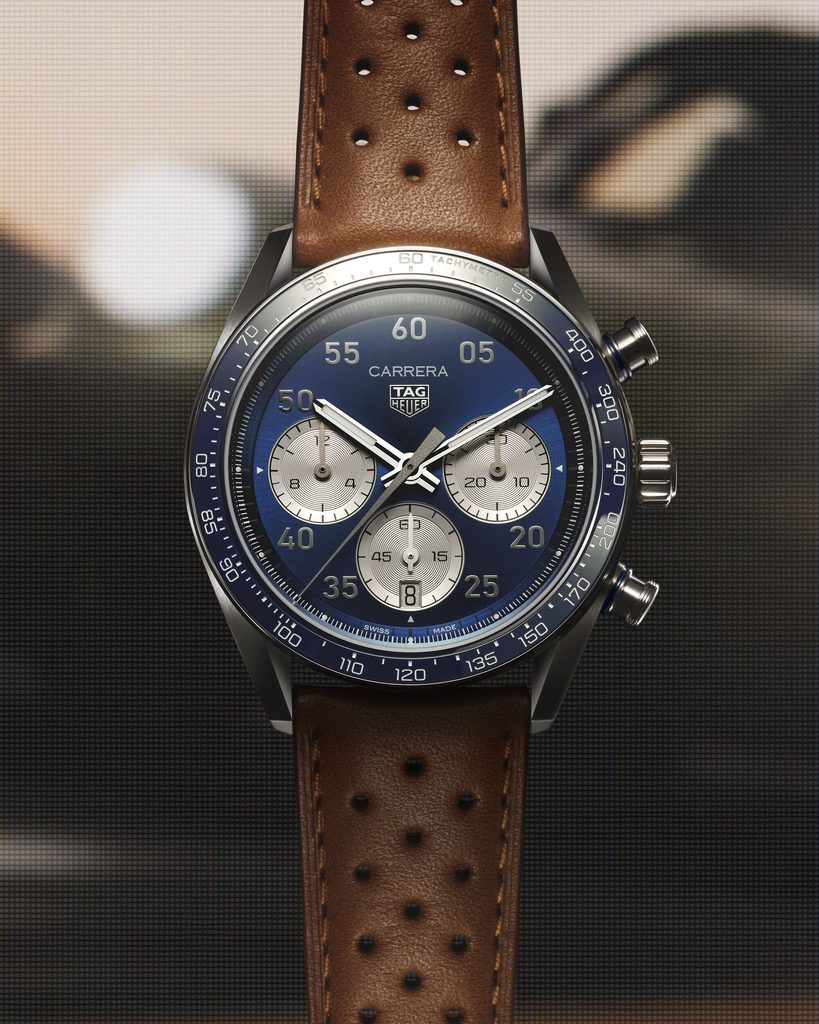
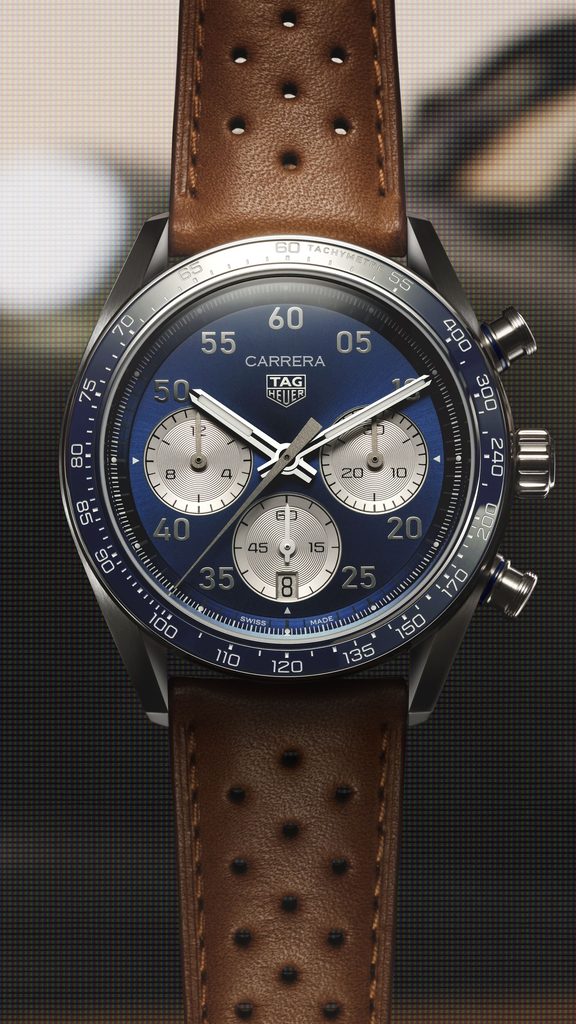
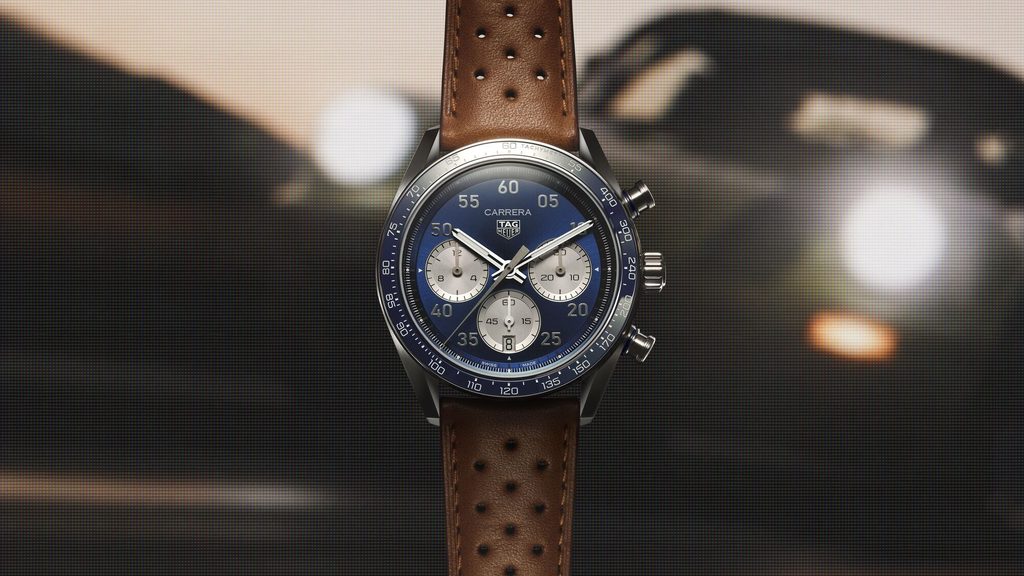
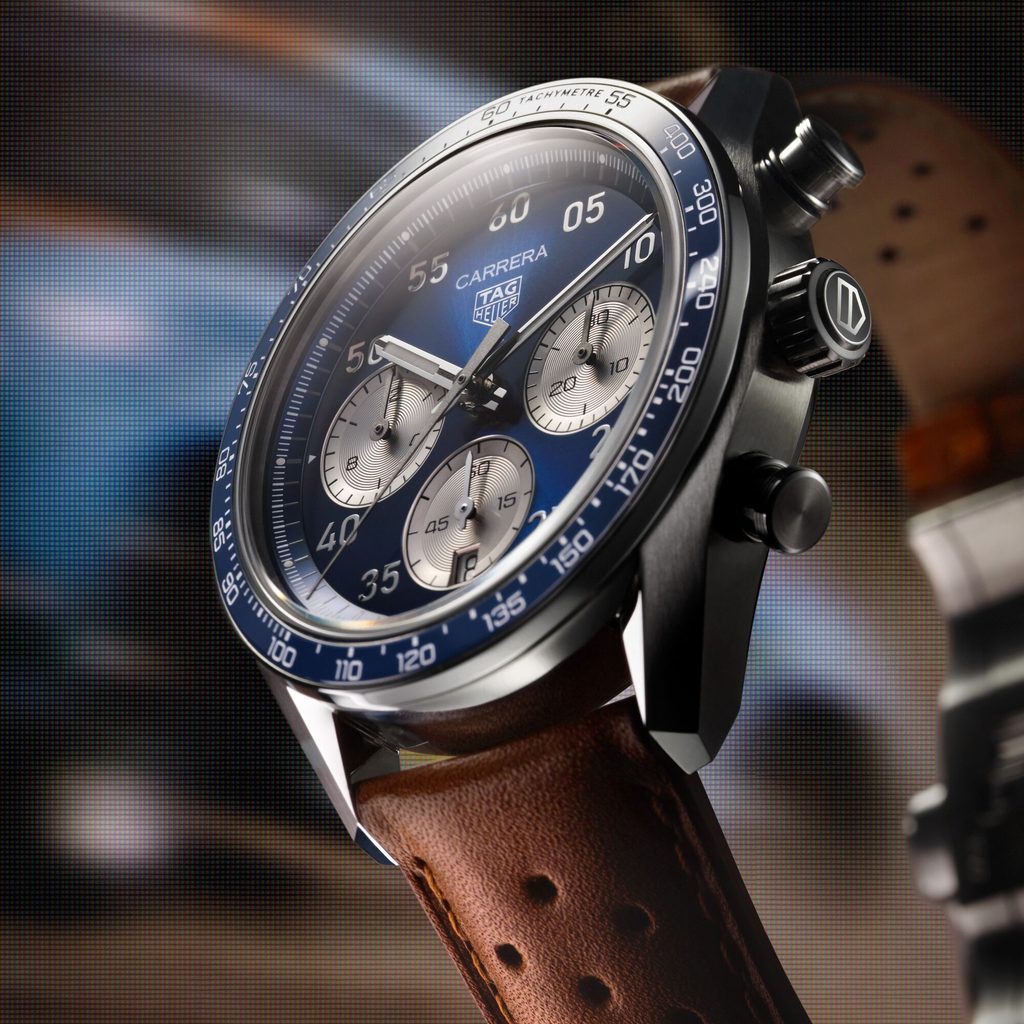
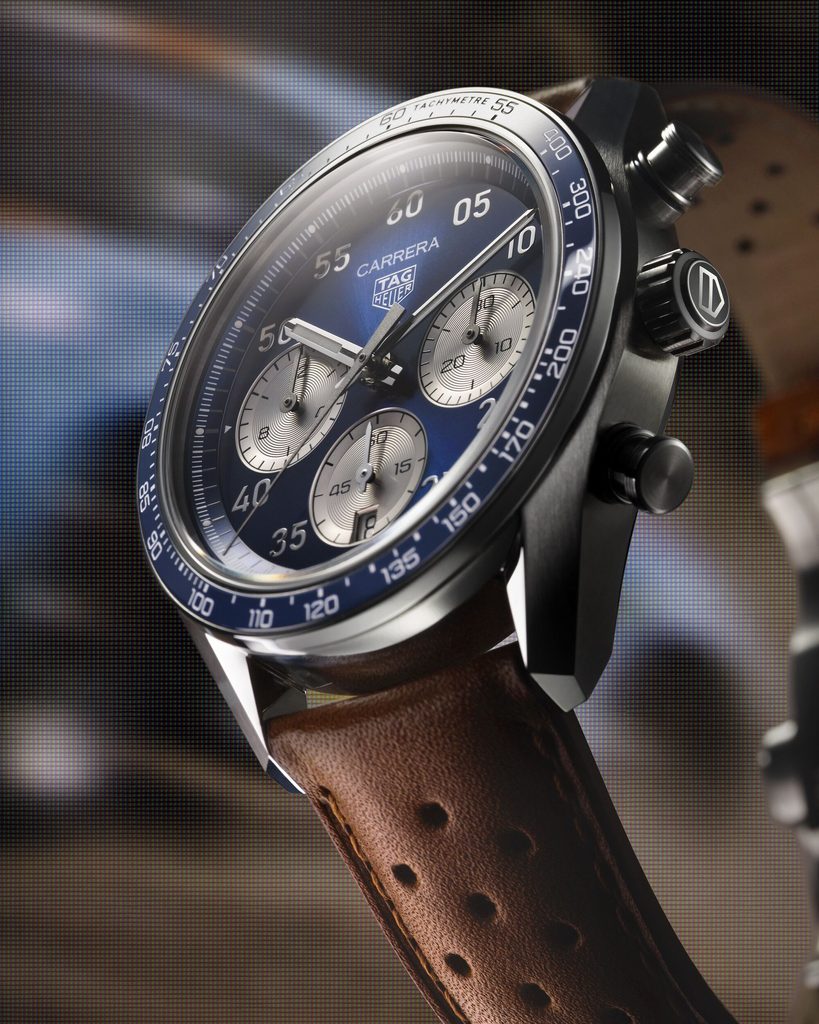
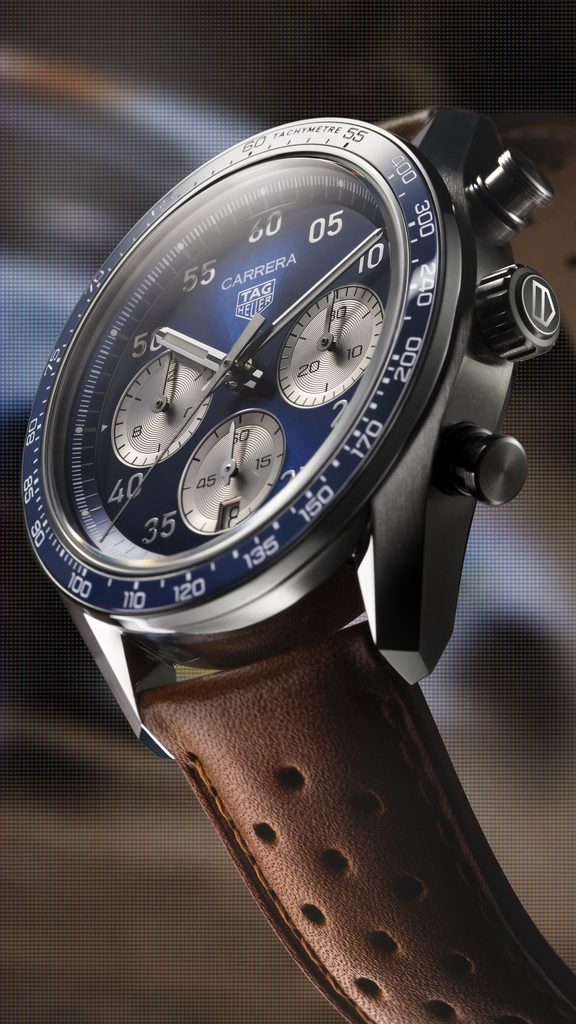
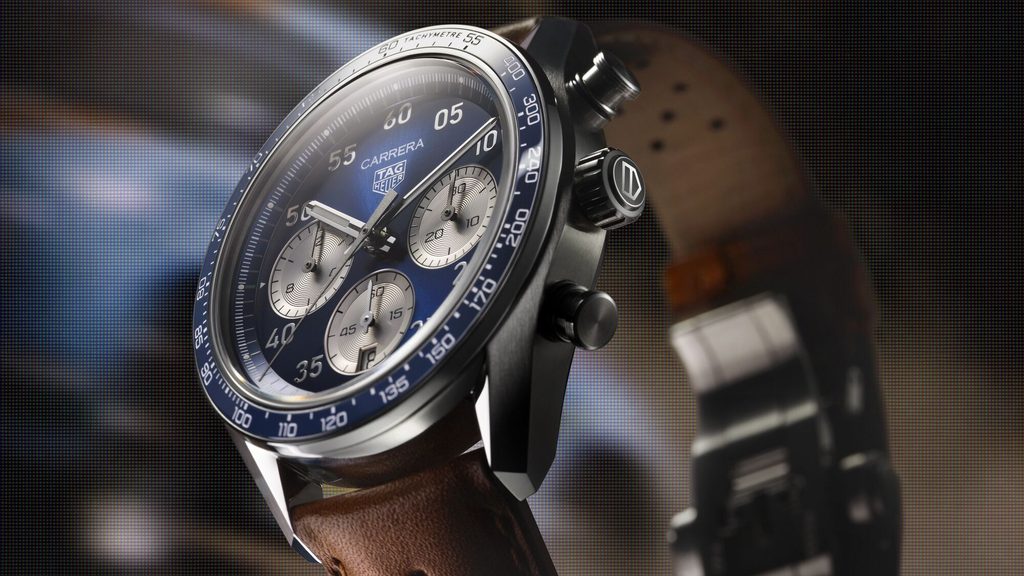
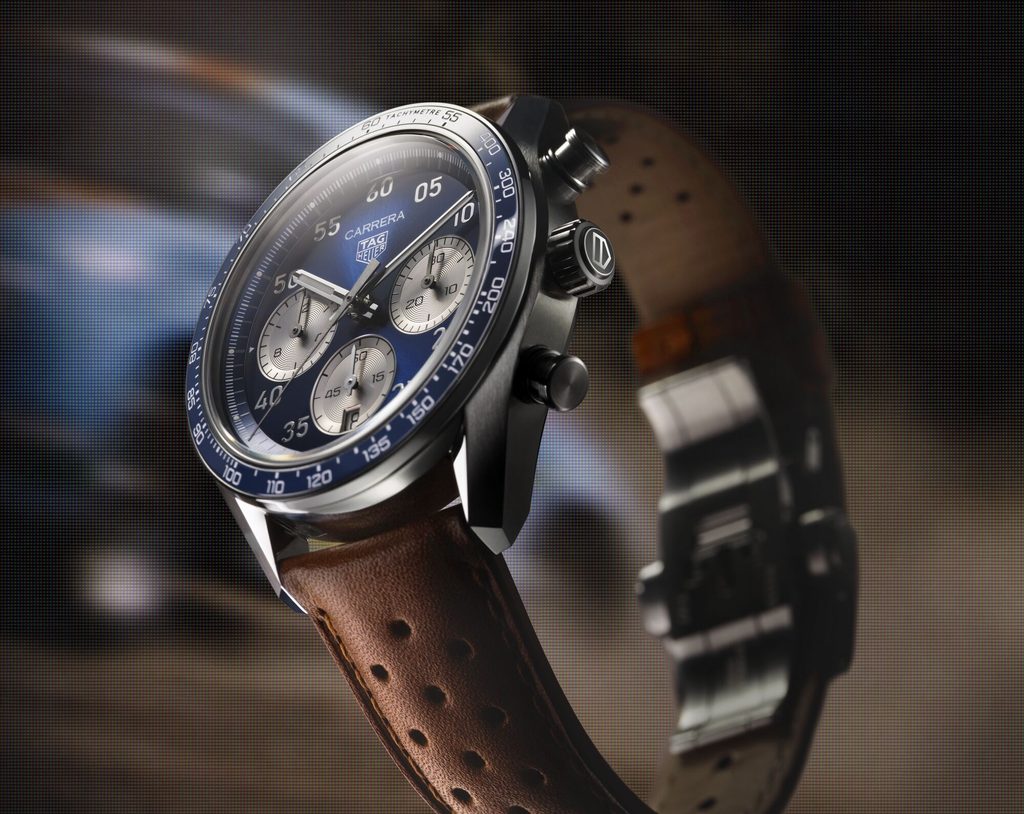
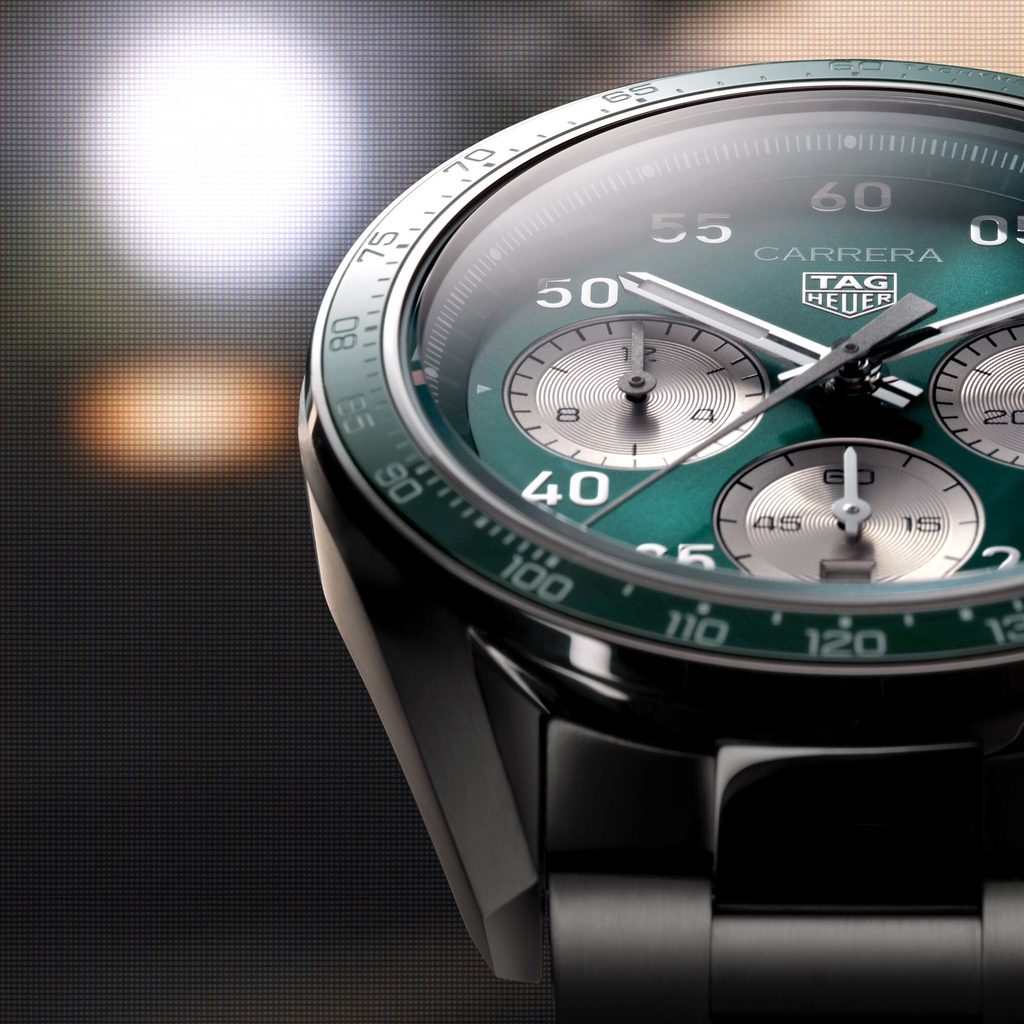
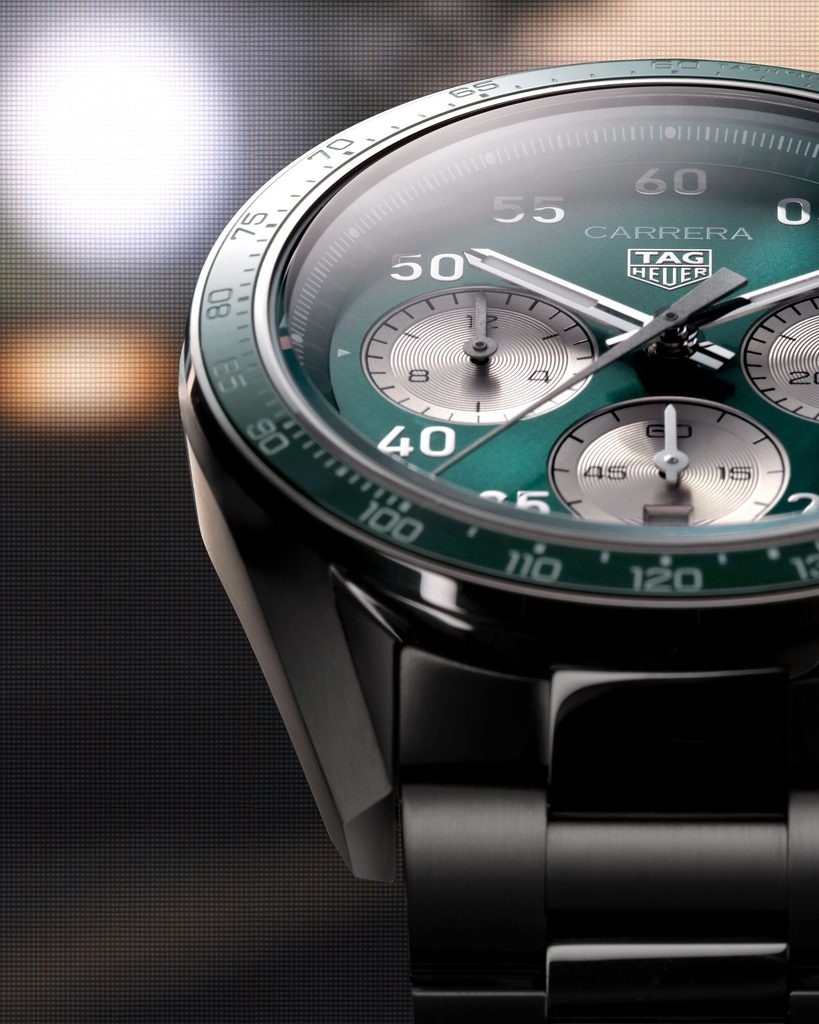
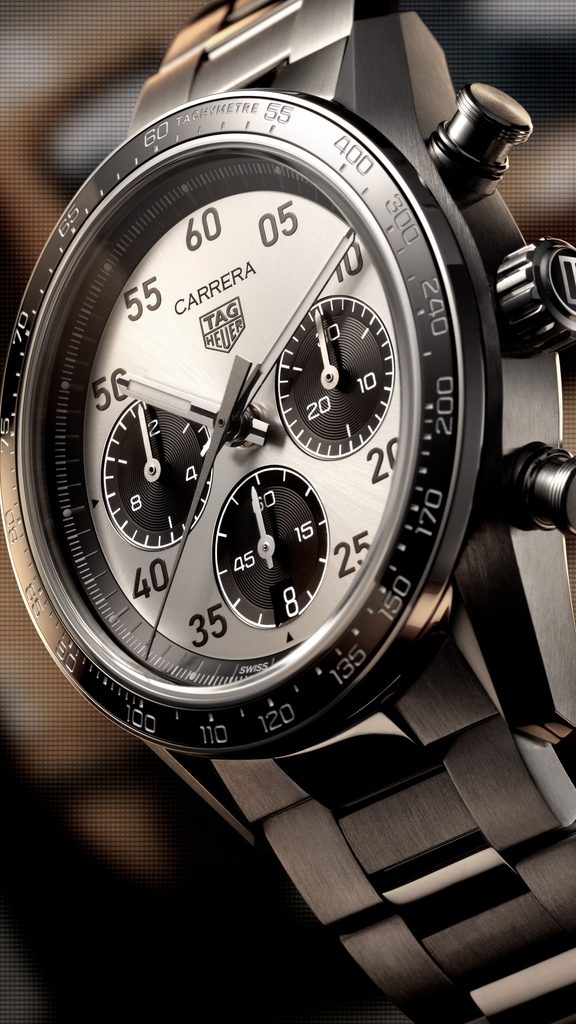
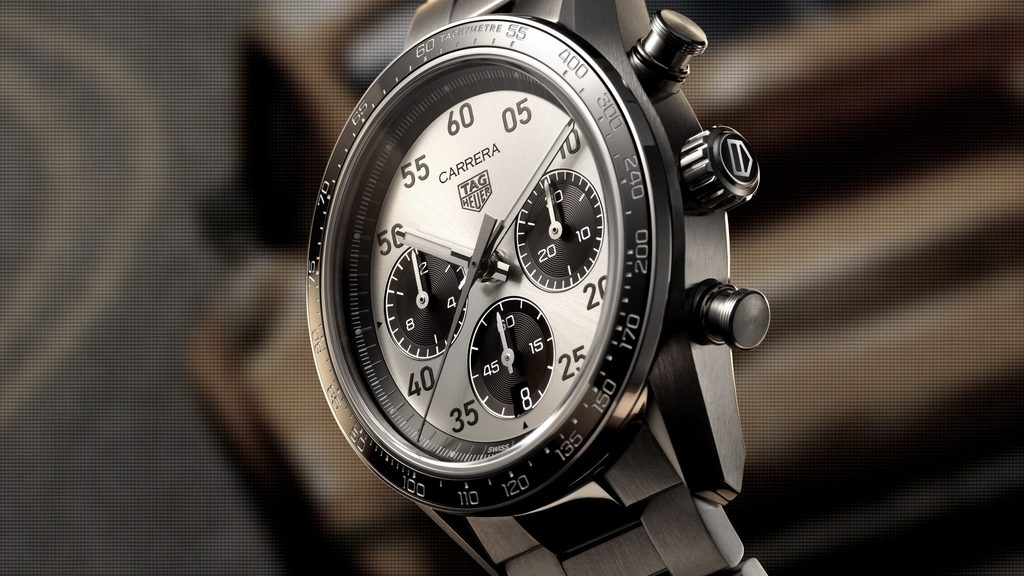
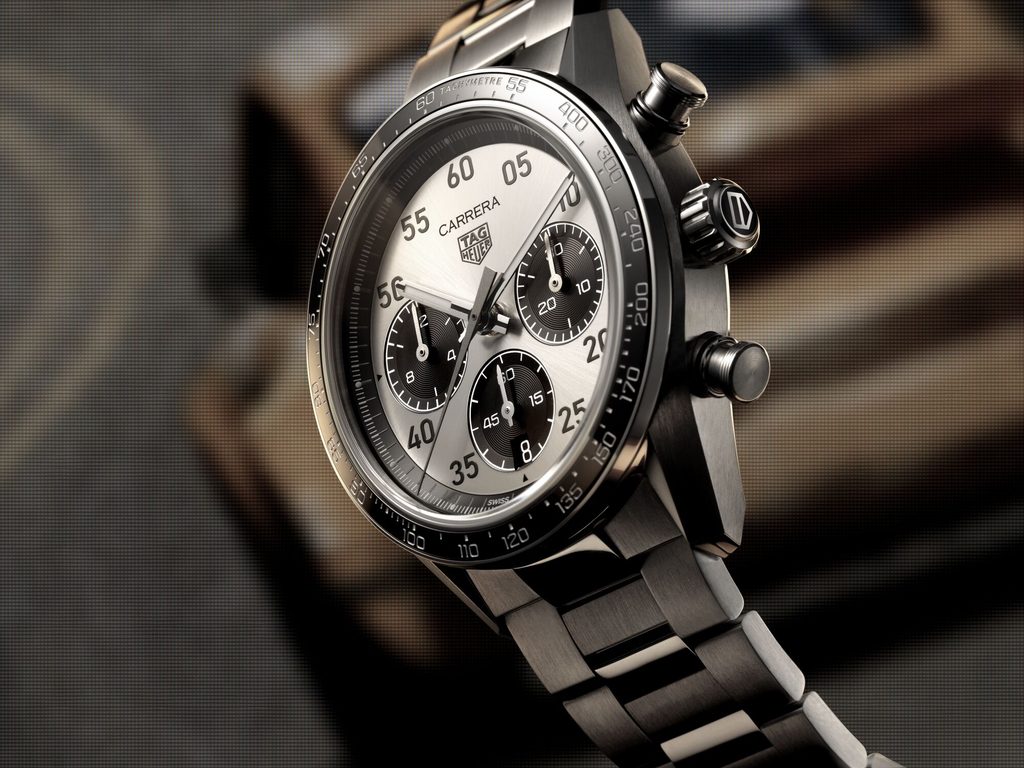
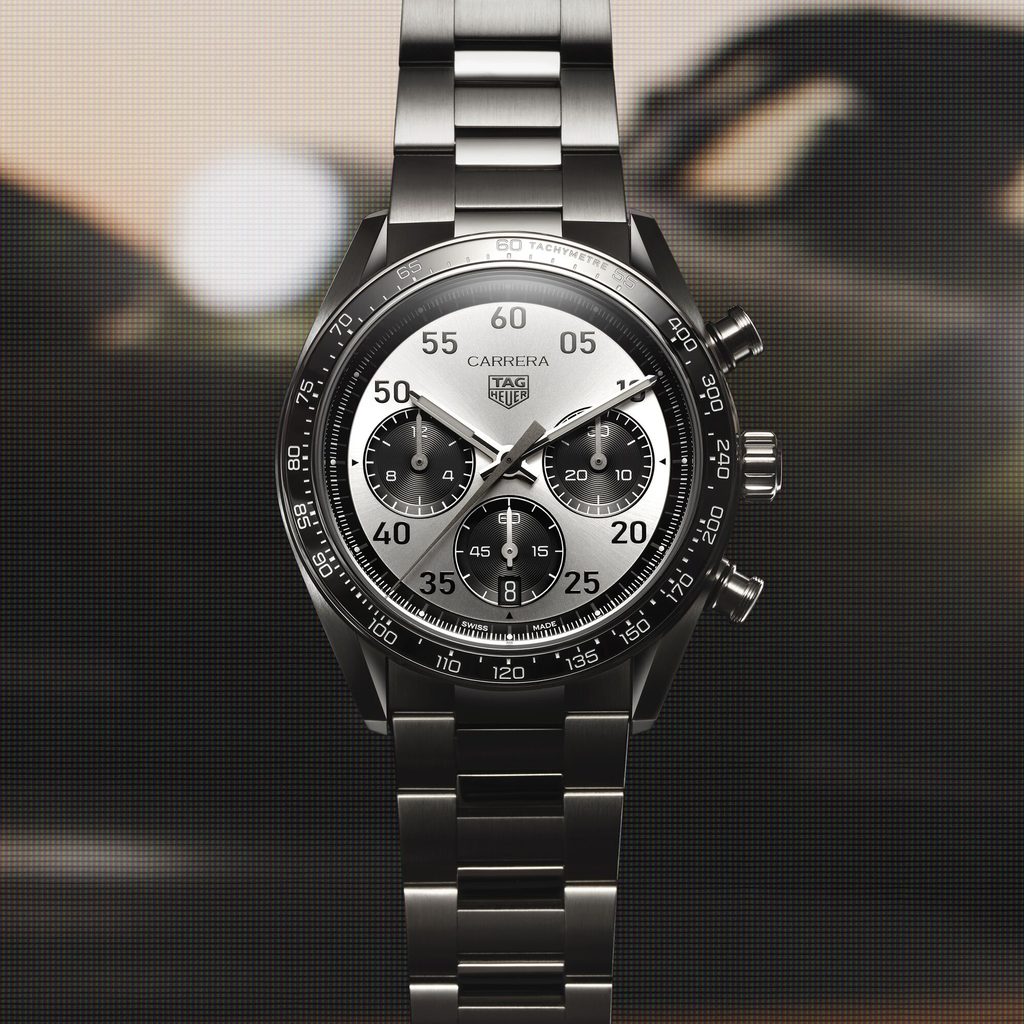
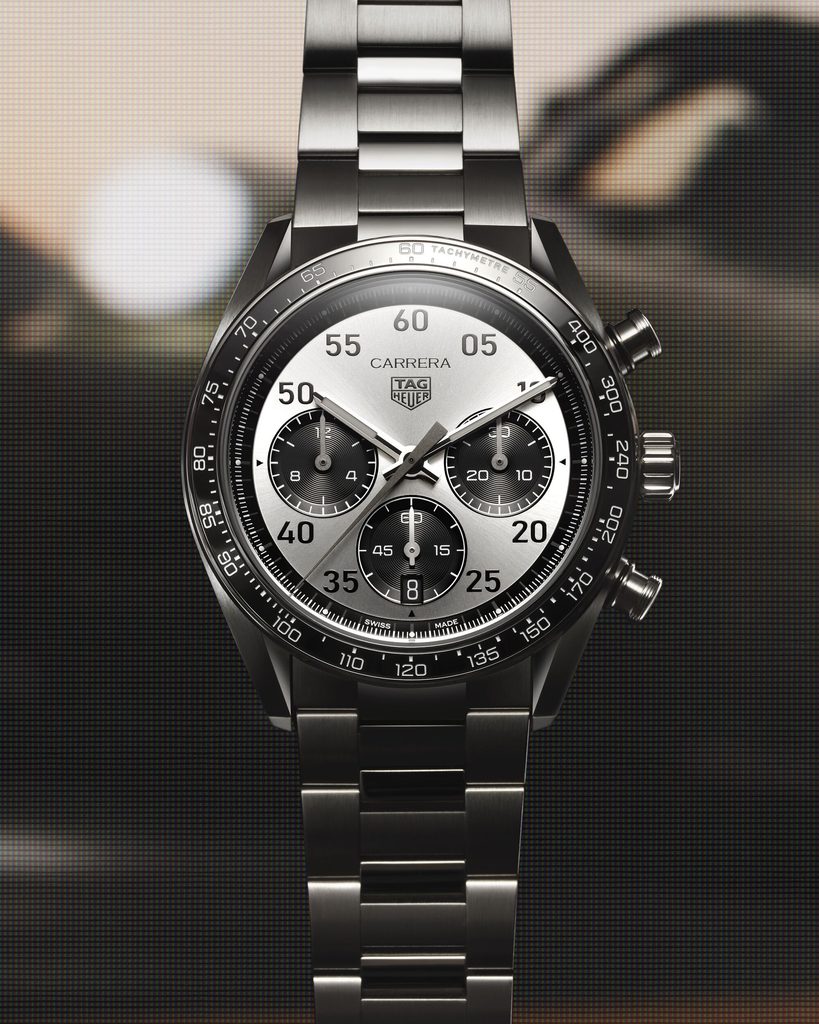
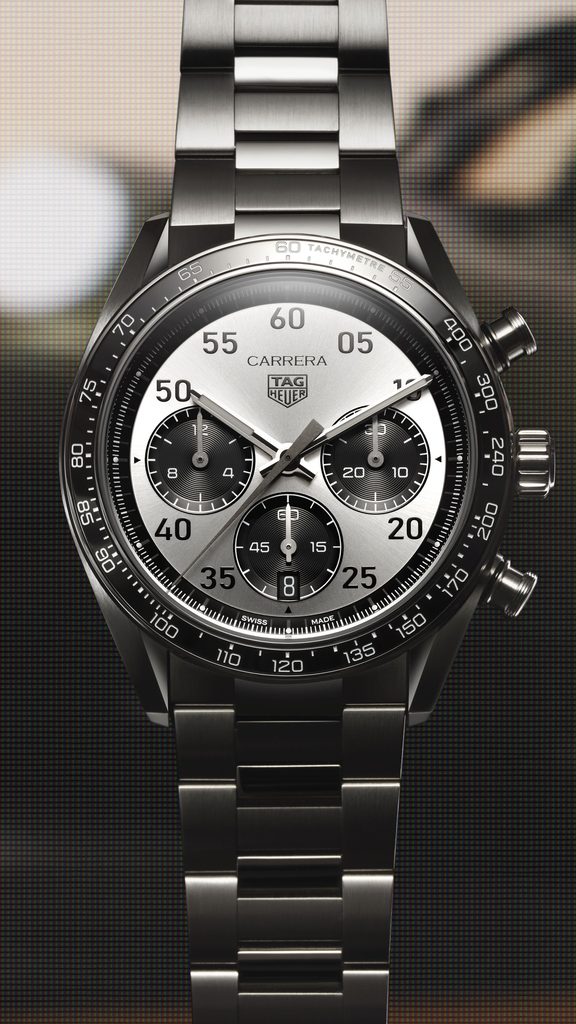
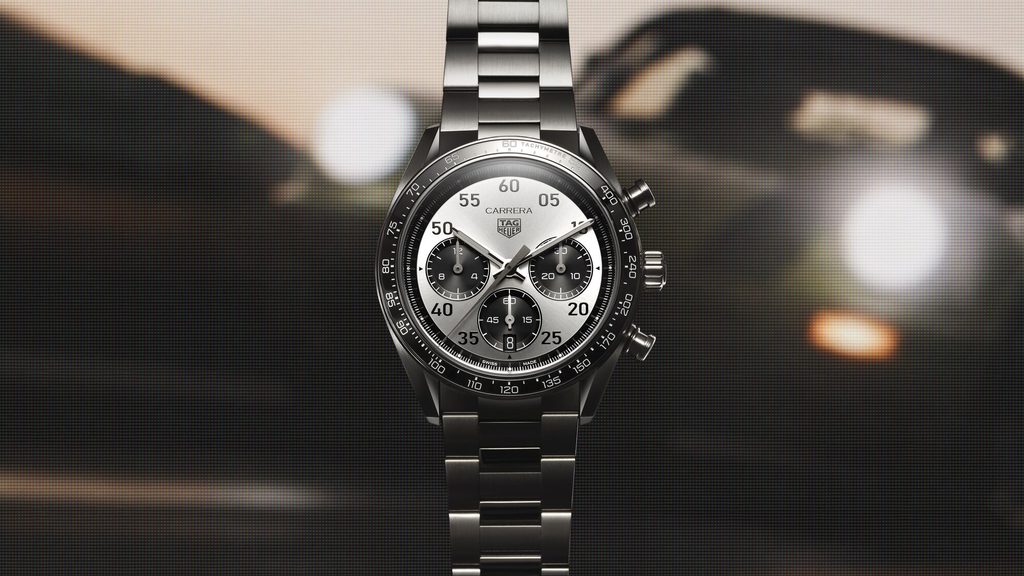
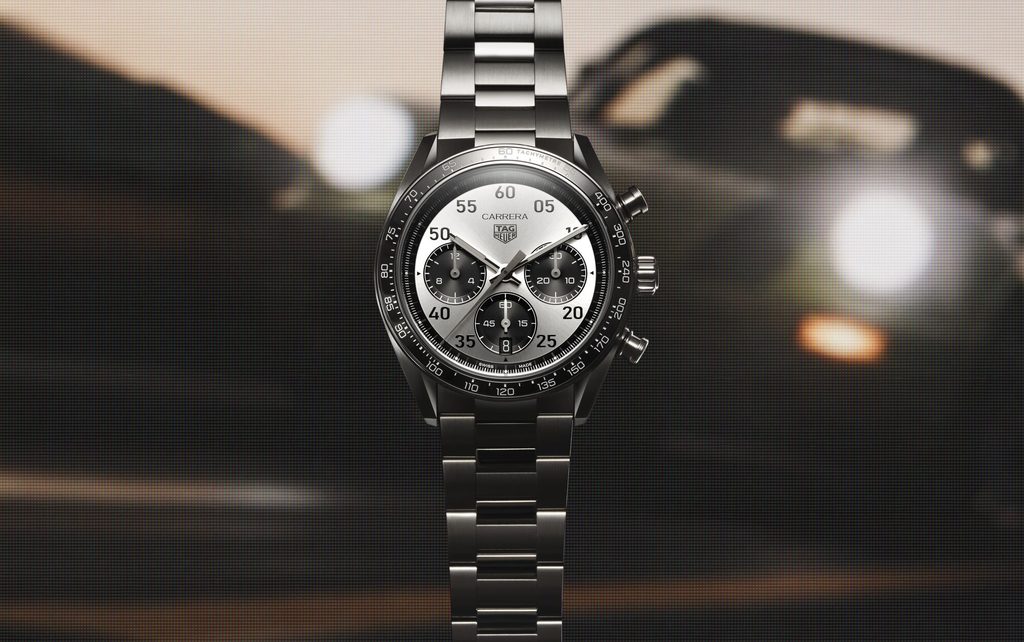
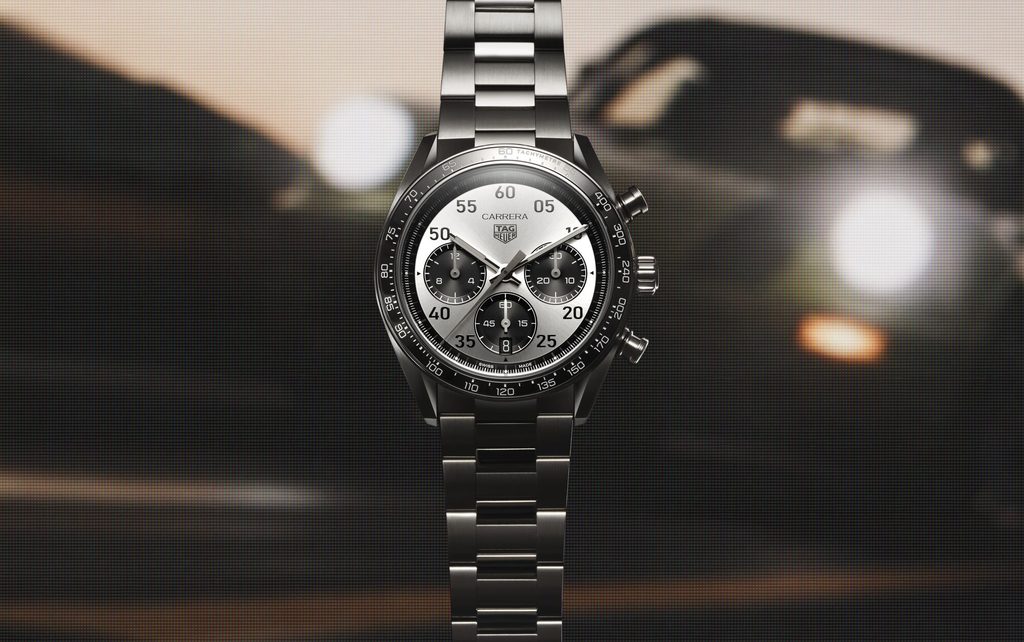
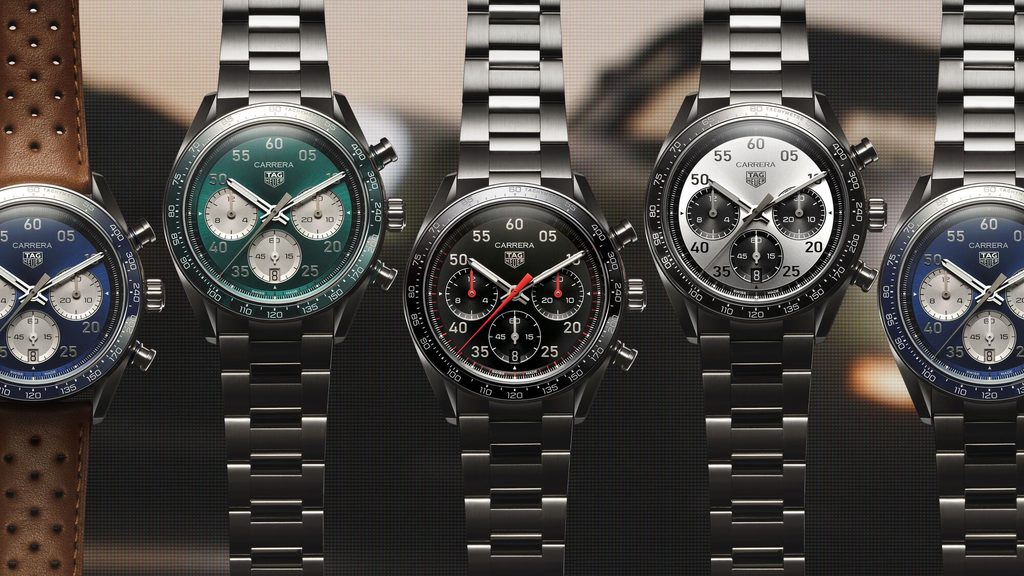
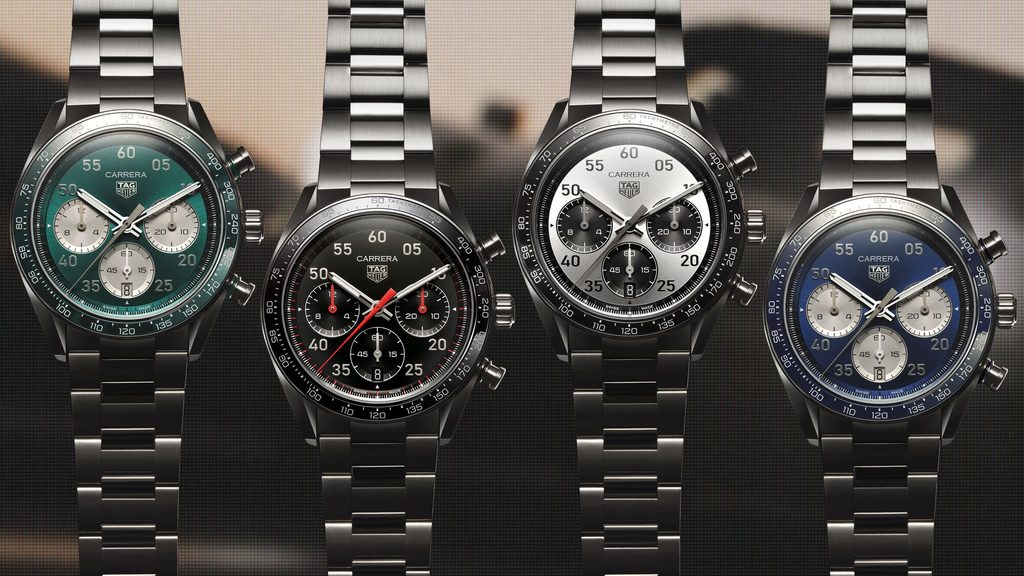
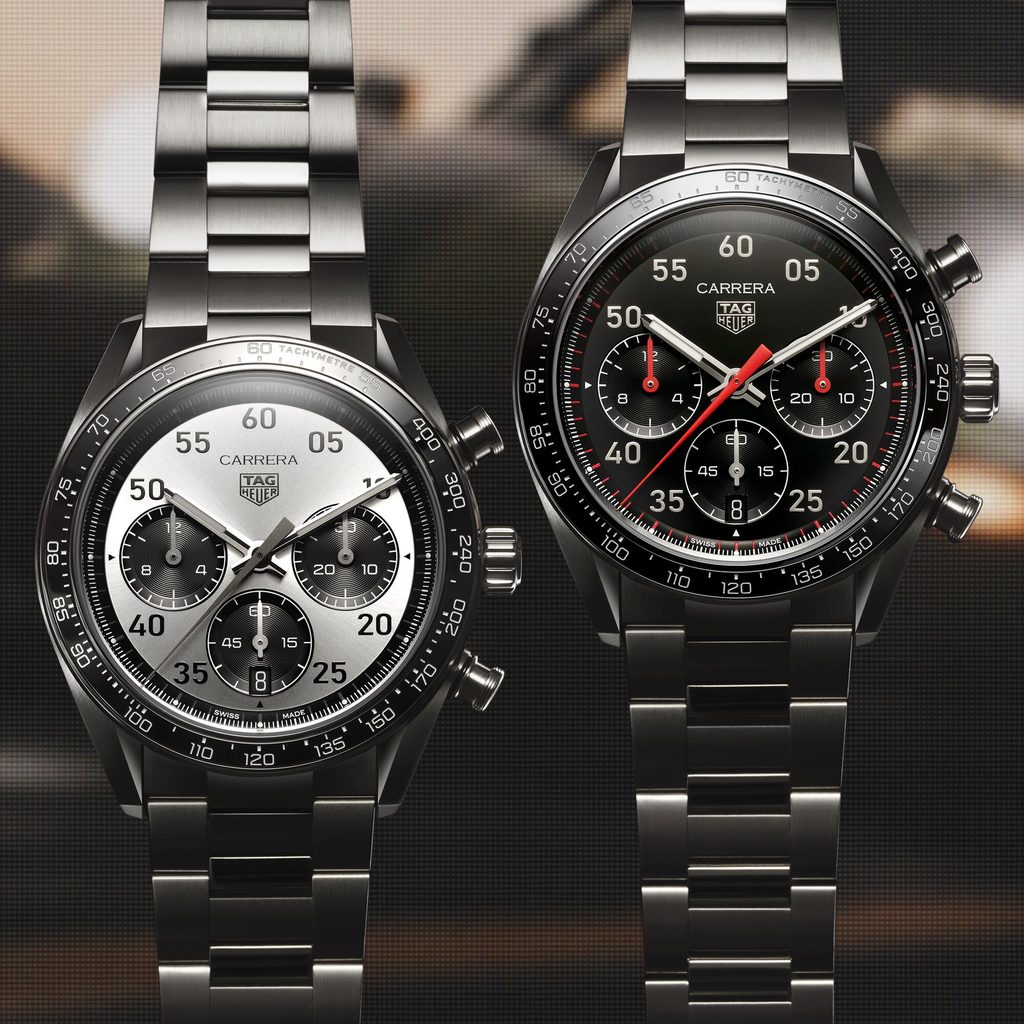
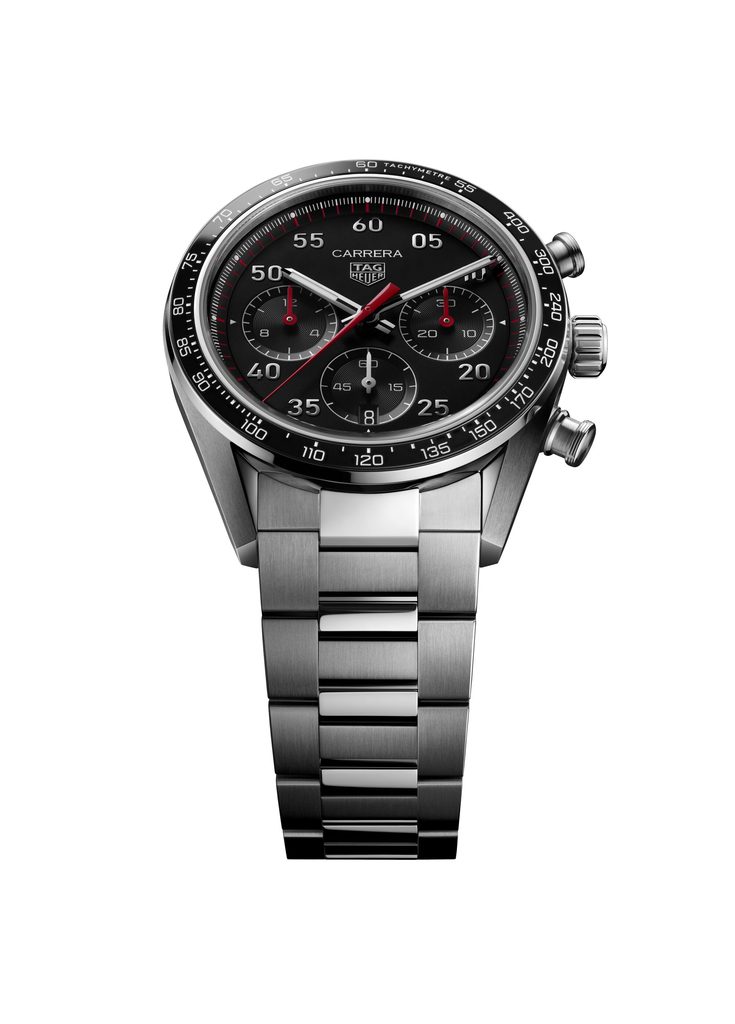
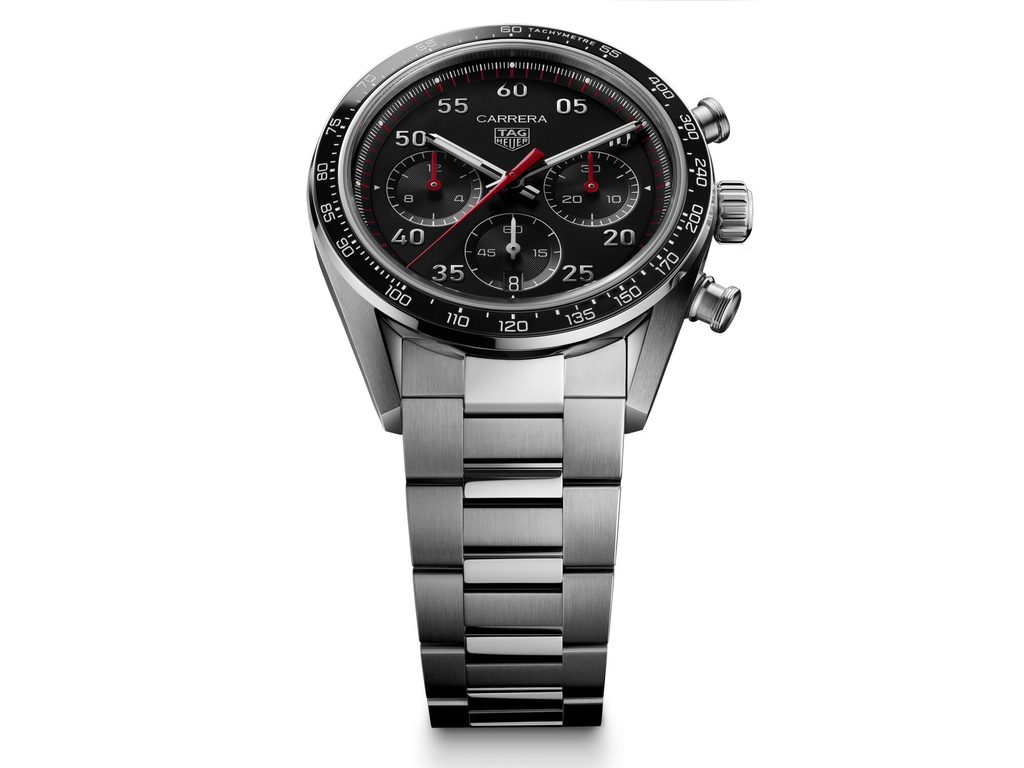
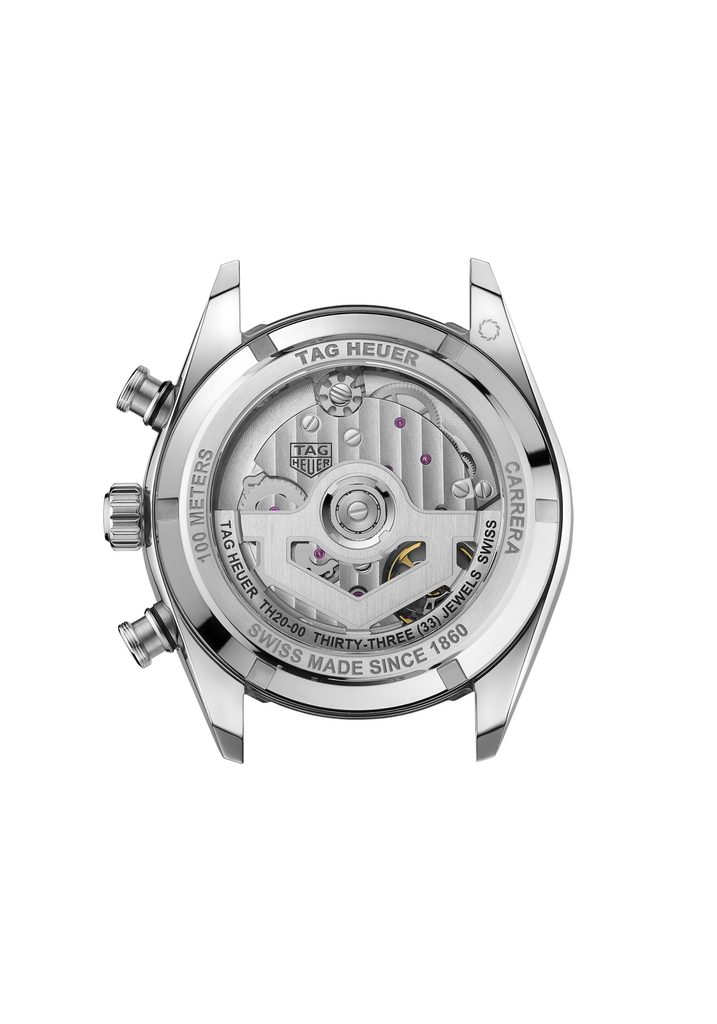
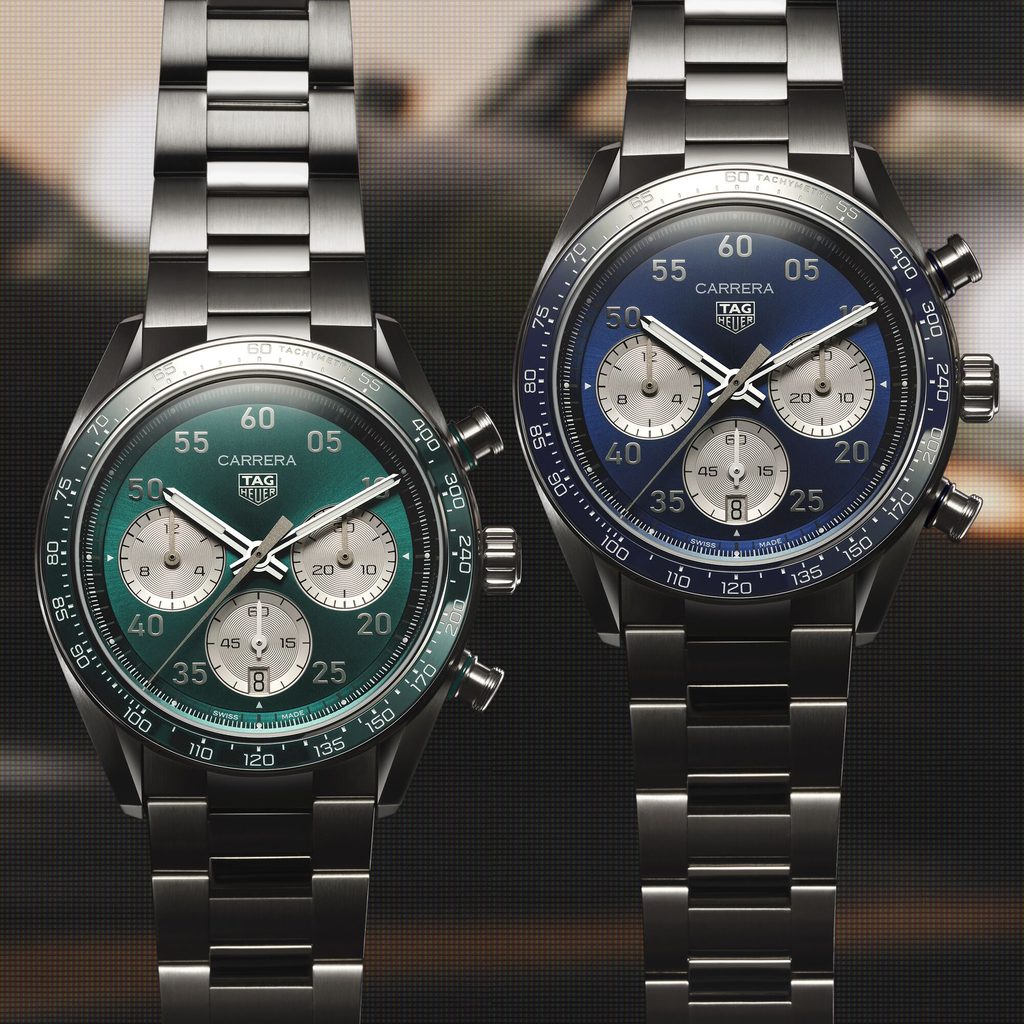
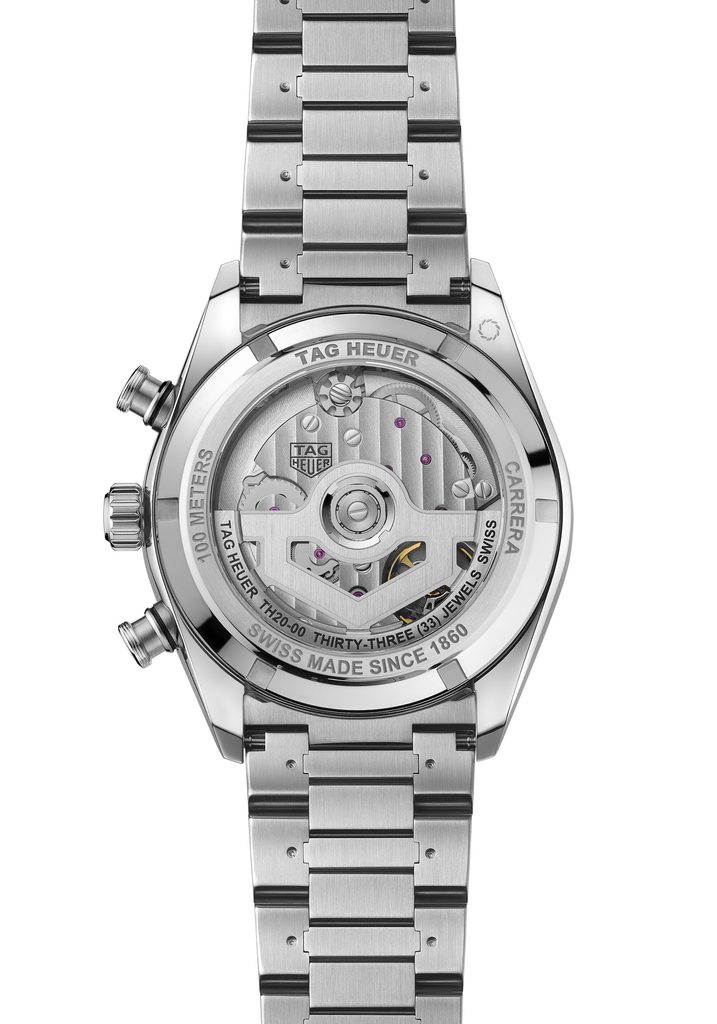
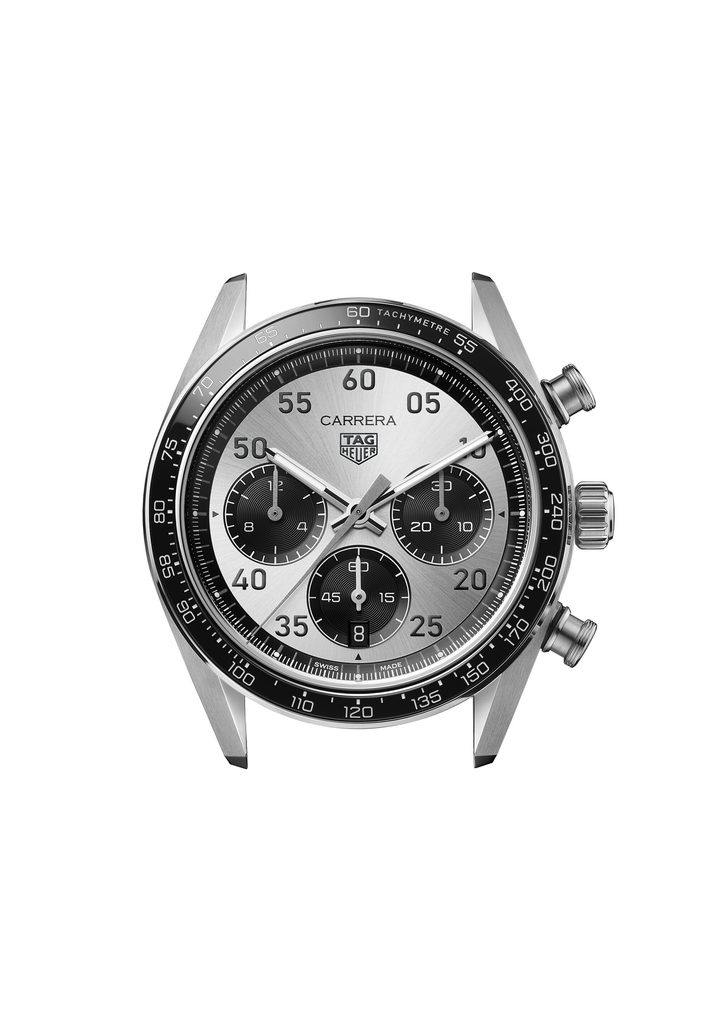
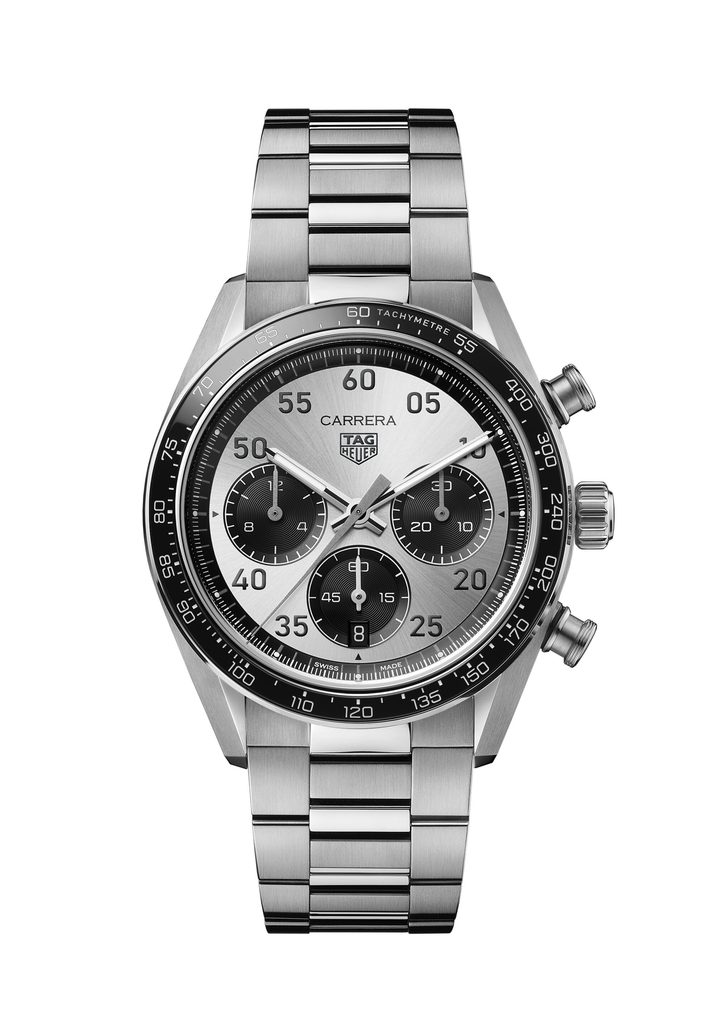
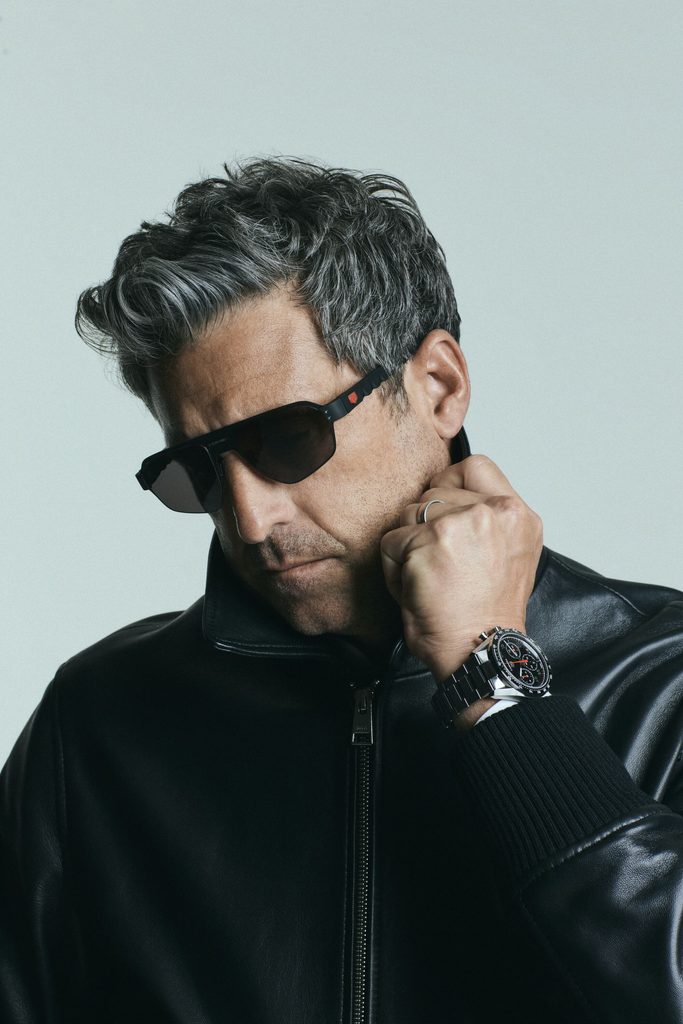
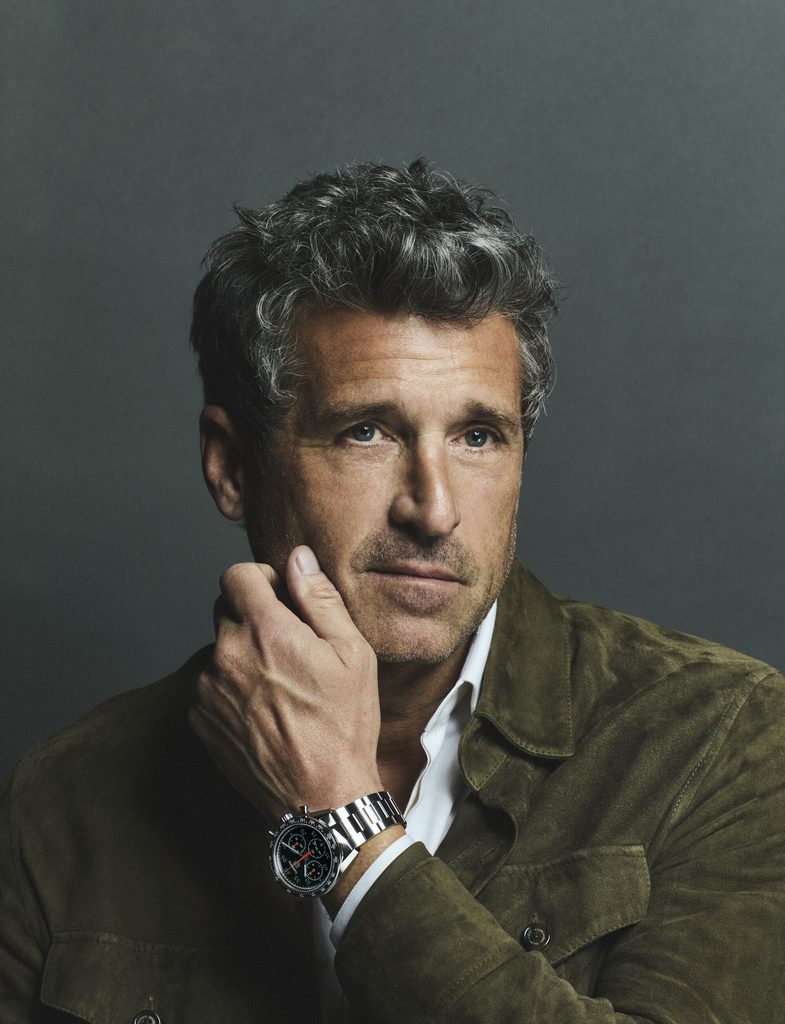
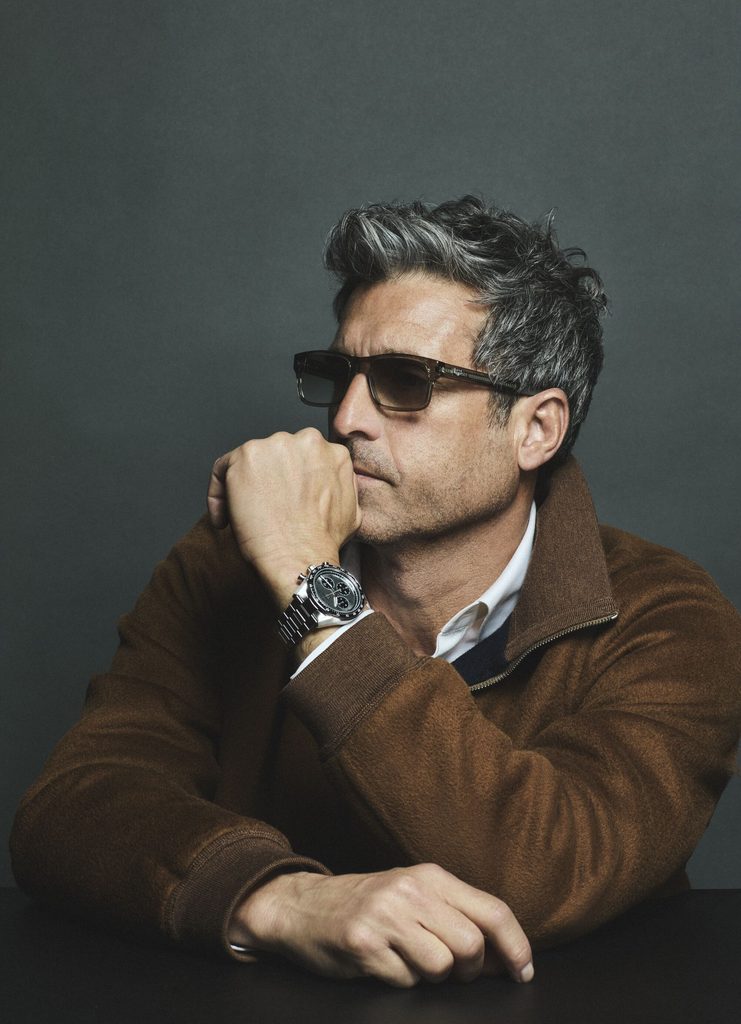
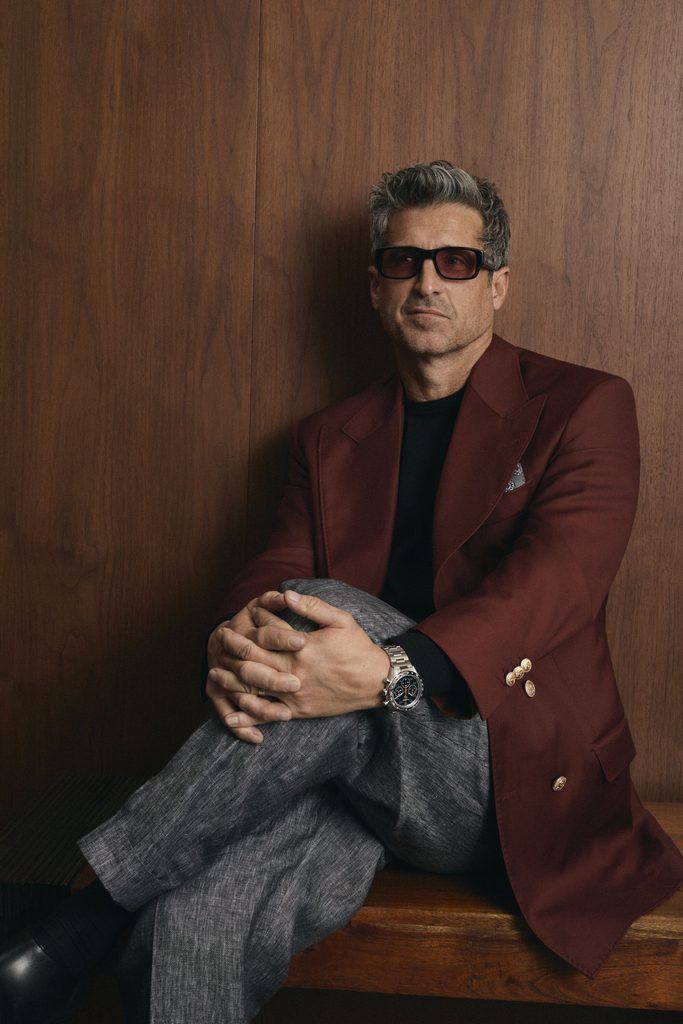
Some watches are introduced; others are relaunched. The Carrera Chronograph Sport belongs to the latter category. TAG Heuer speaks not of an isolated new product but of a “new chapter” in its automotive history, a reminder that every chronograph launch by this house continues a story begun long before today’s marketing.
A line born on the road, not on paper
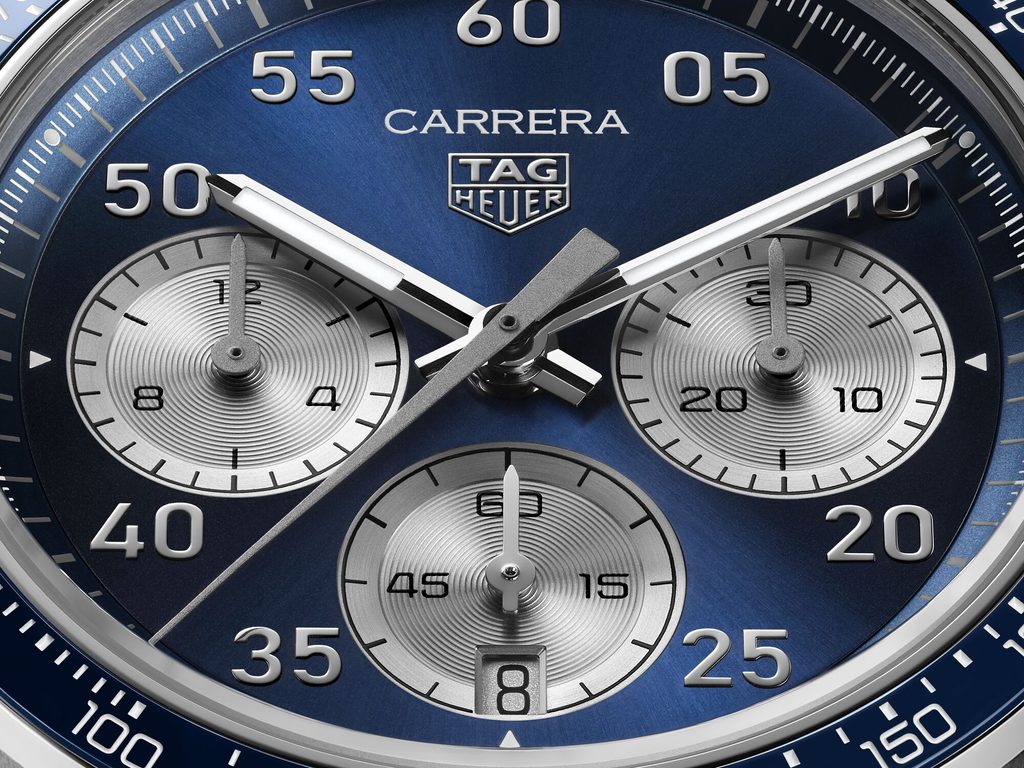
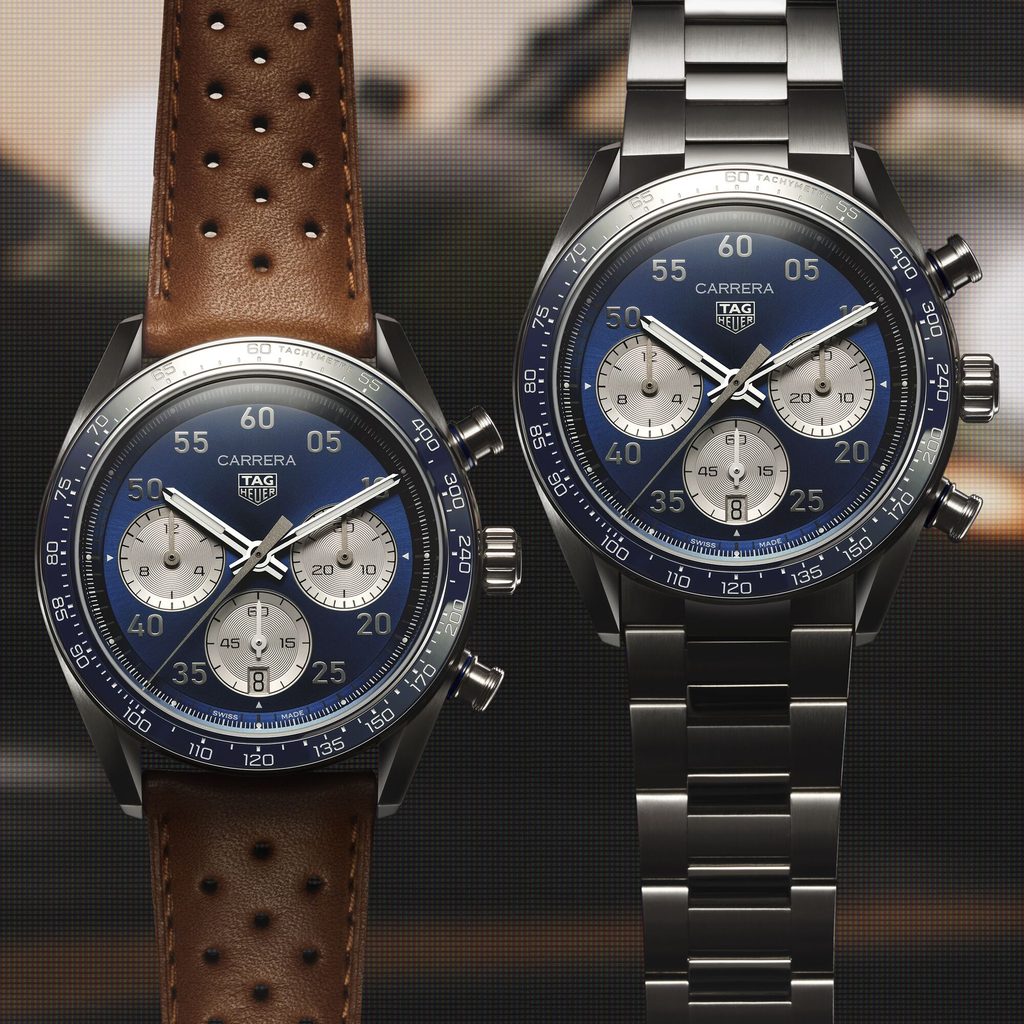
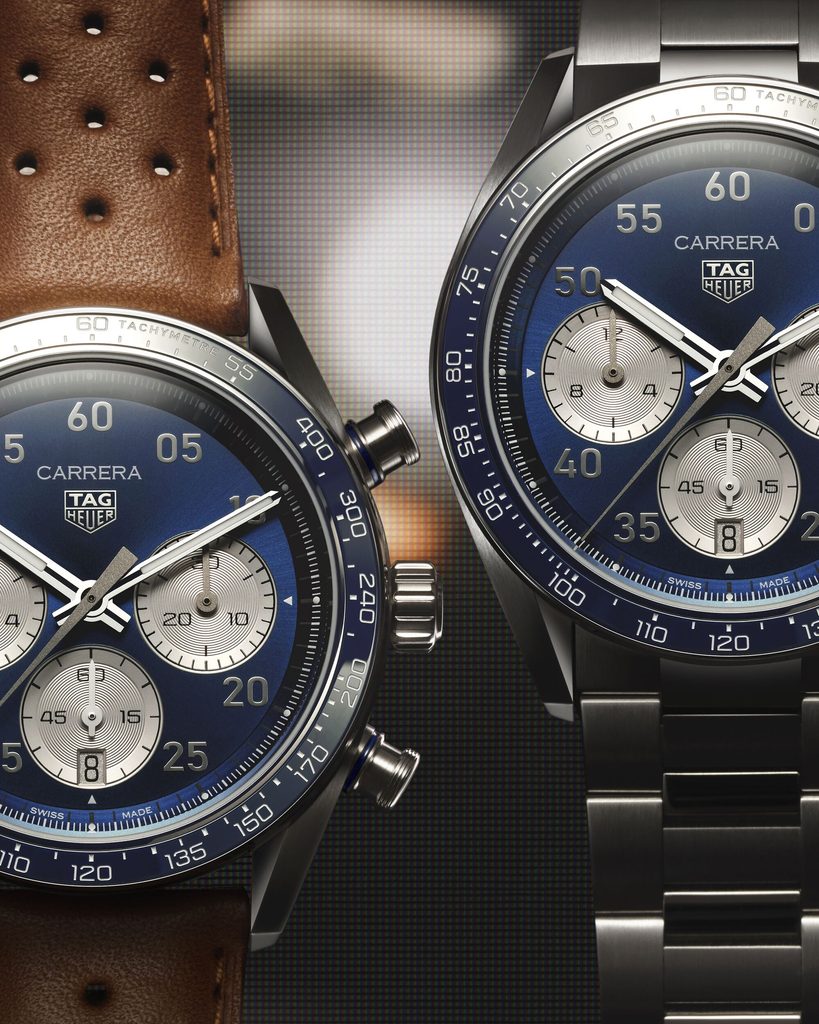
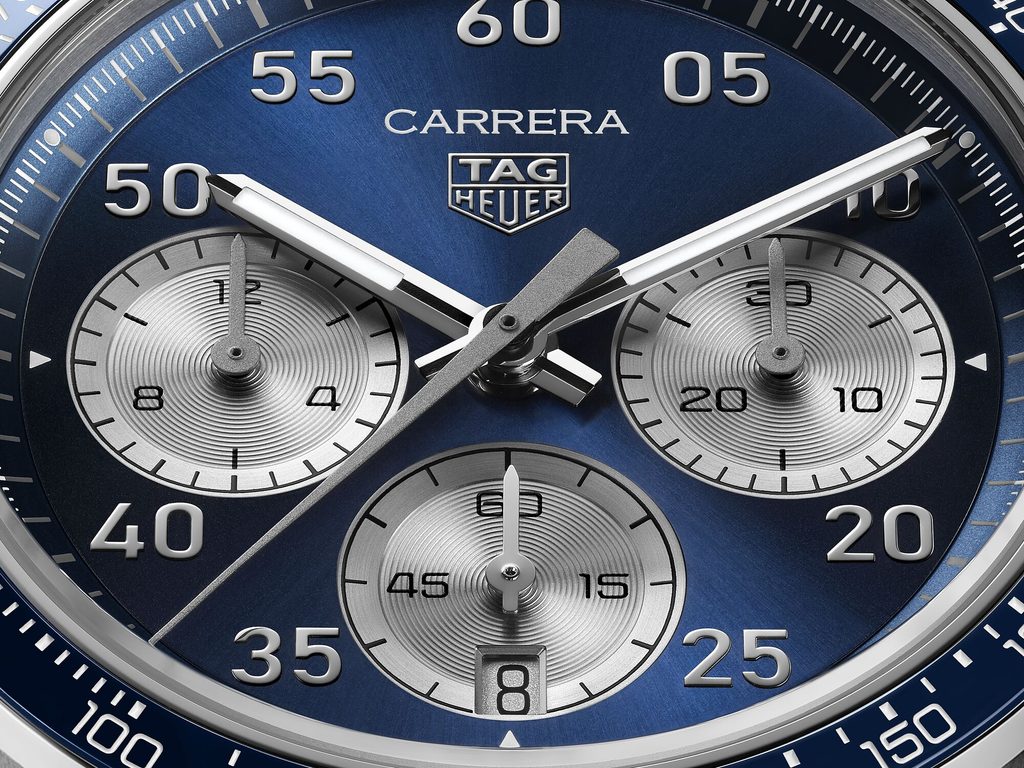
The Carrera has never been just another silhouette in a catalogue. Designed in the 1960s by Jack Heuer and named in tribute to the Carrera Panamericana — the spectacular and feared Mexican road race that crossed the country from north to south on open roads — it became one of the most copied and admired racing chronographs in watchmaking history. What stood out then, and still defines the line today, rests on a simple principle: reading the moment with certainty, even at full speed. Legibility, precision and performance: TAG Heuer says this trio remains the backbone of every Carrera variation, including this one.
More compact, more assured
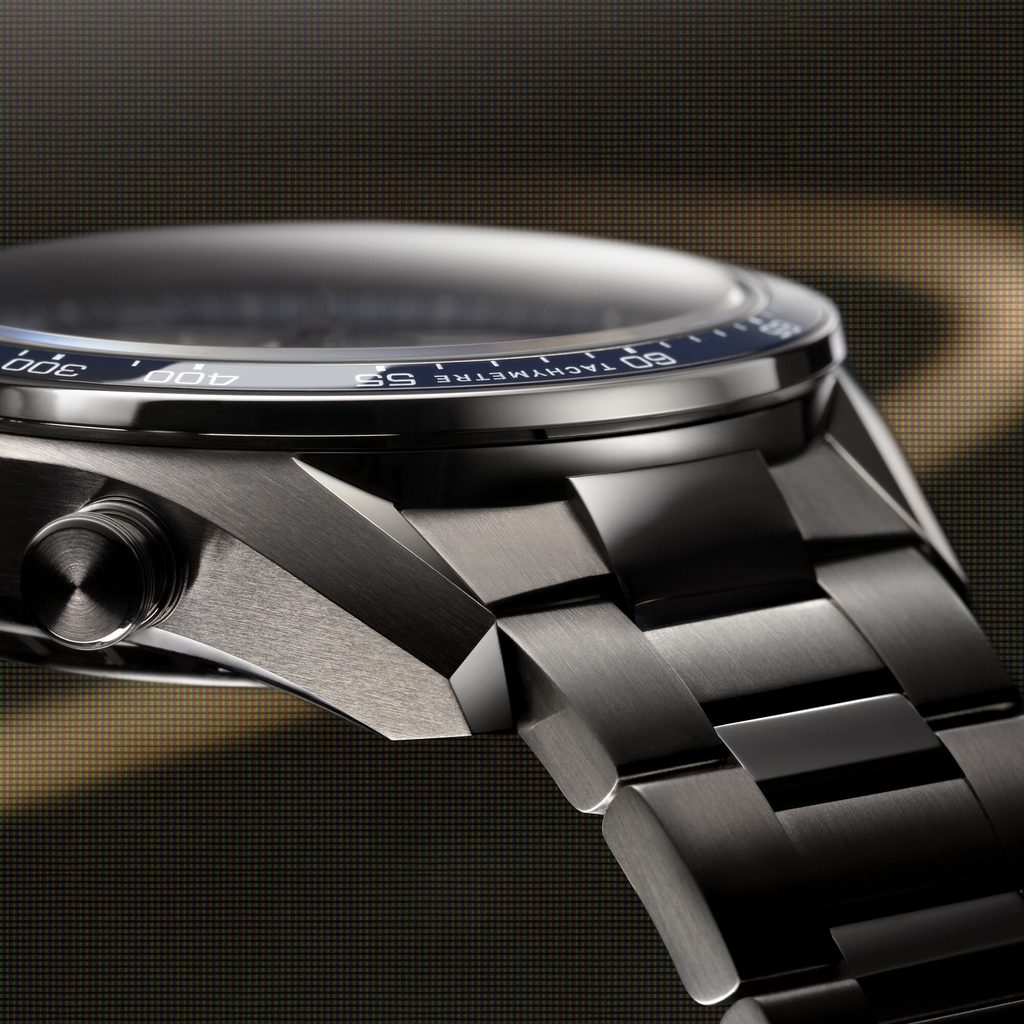
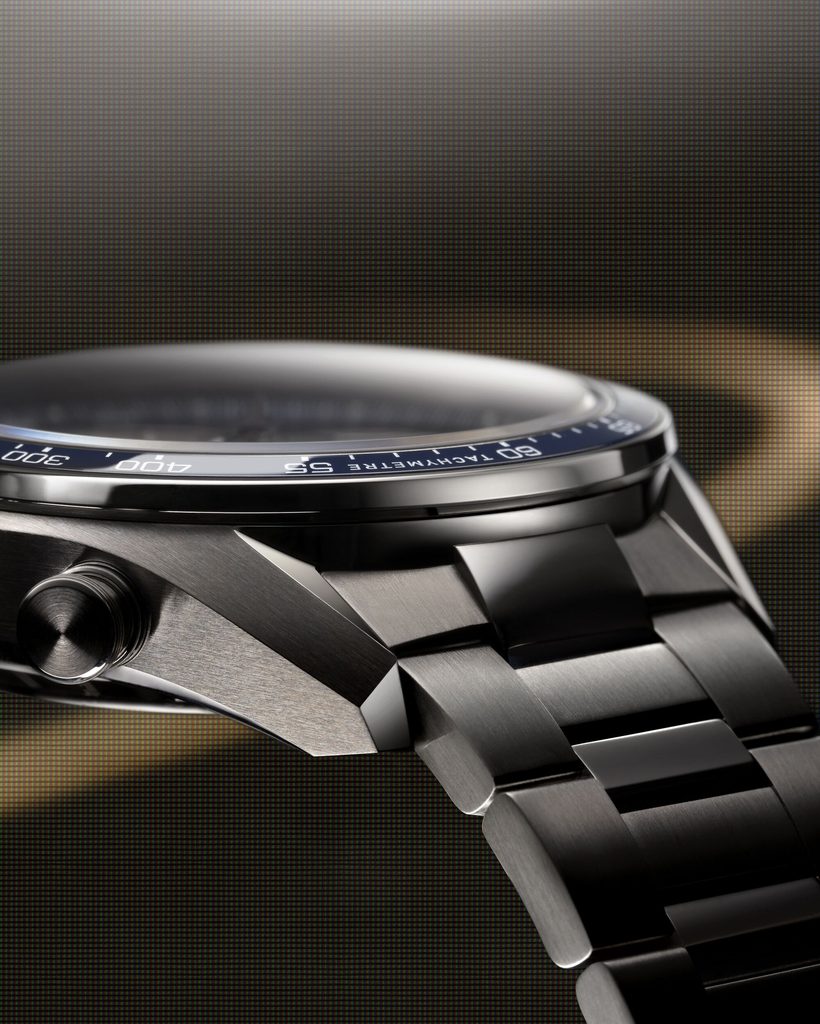
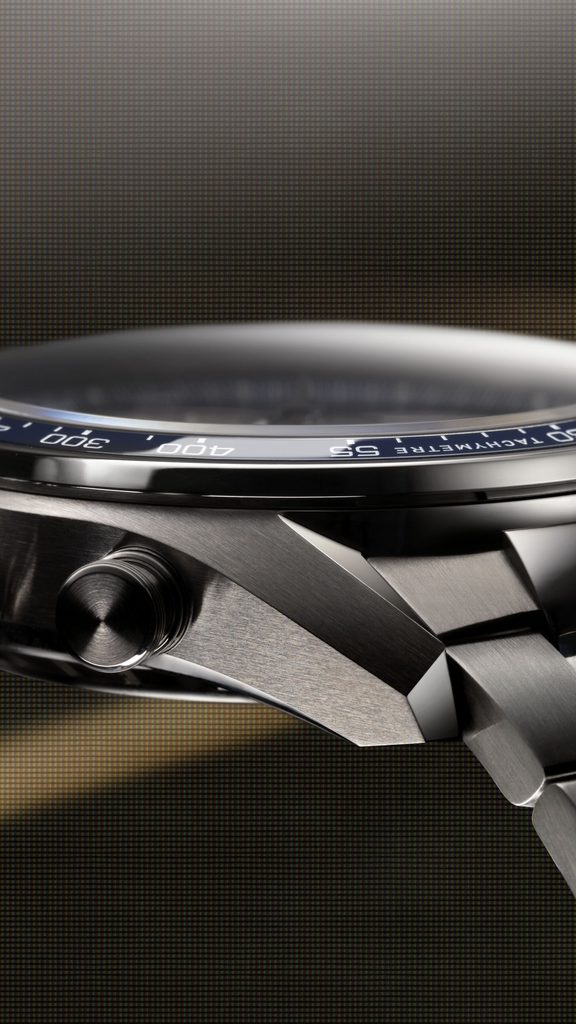
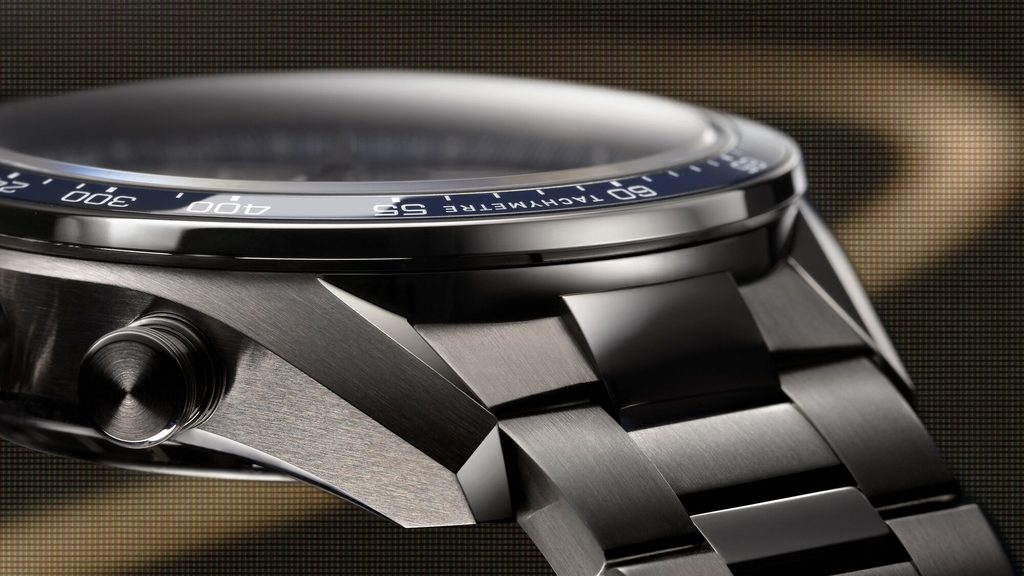
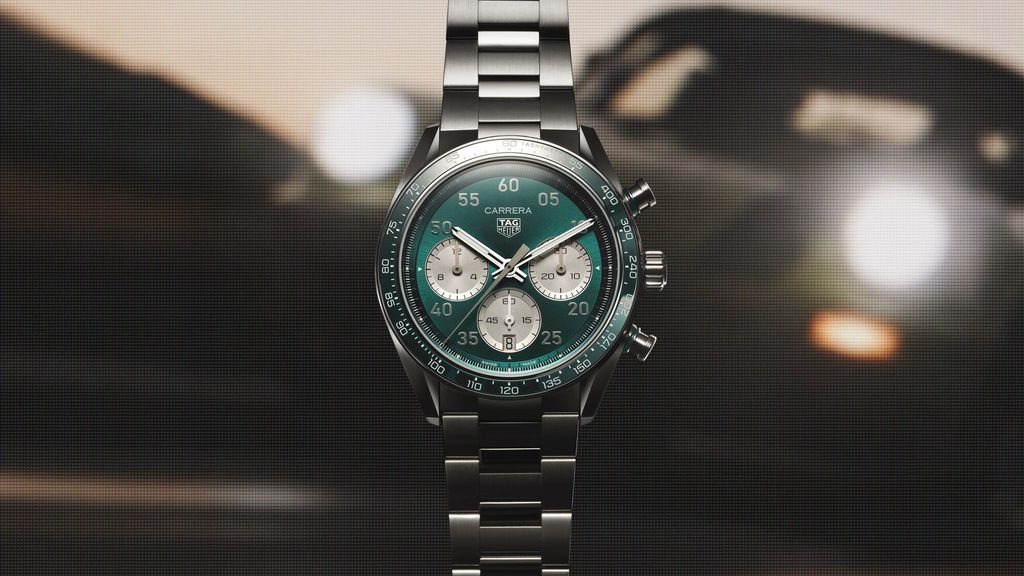
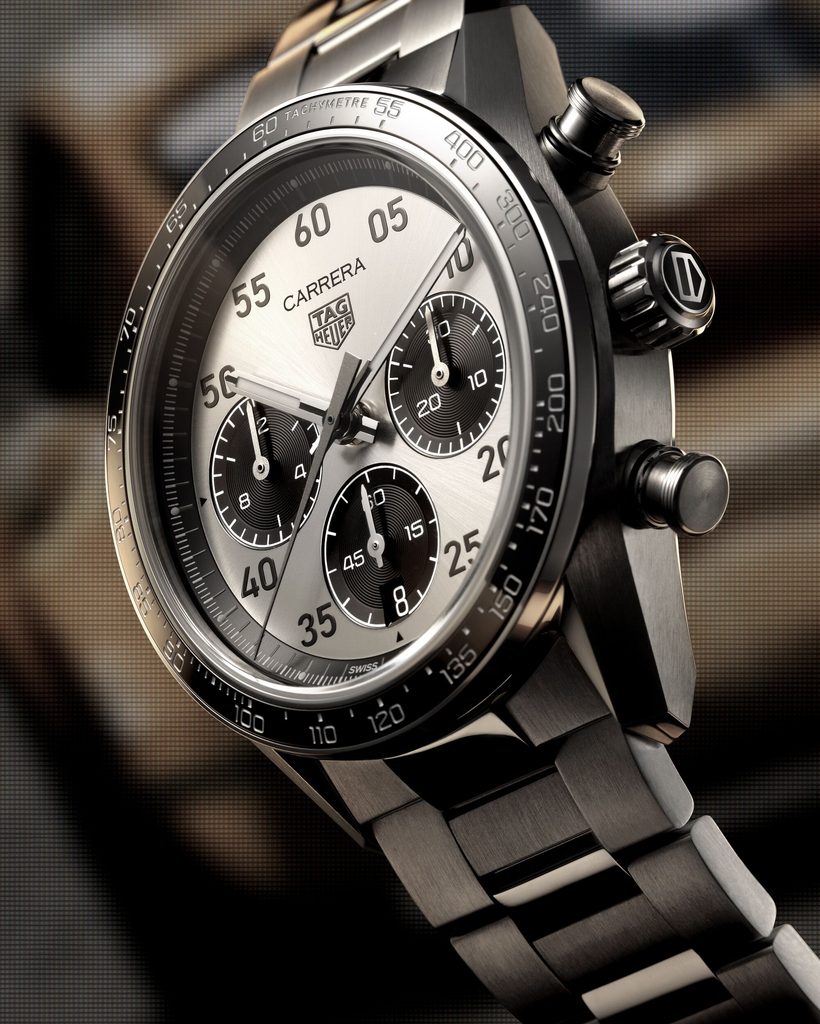
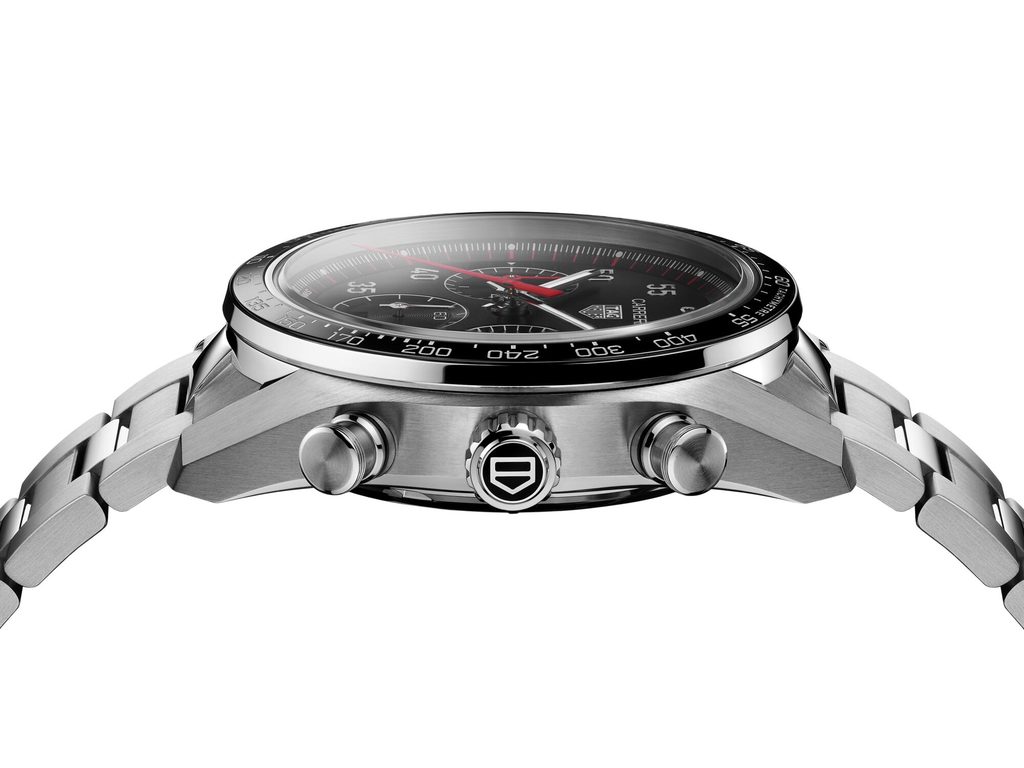
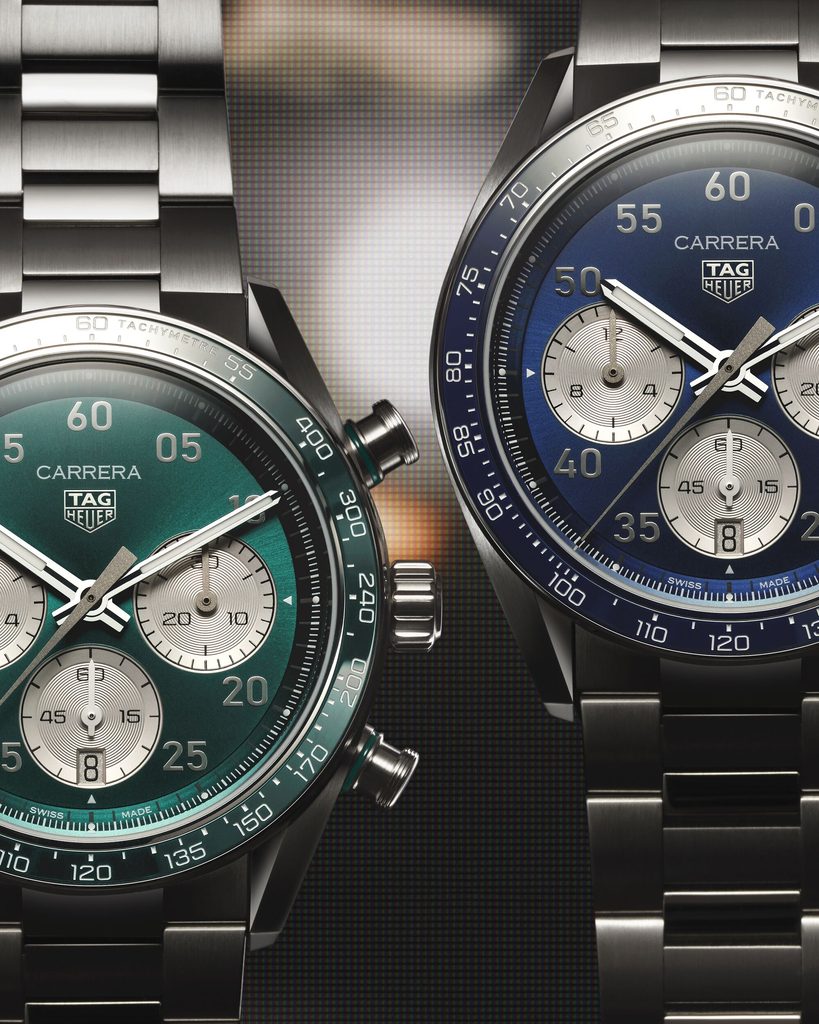
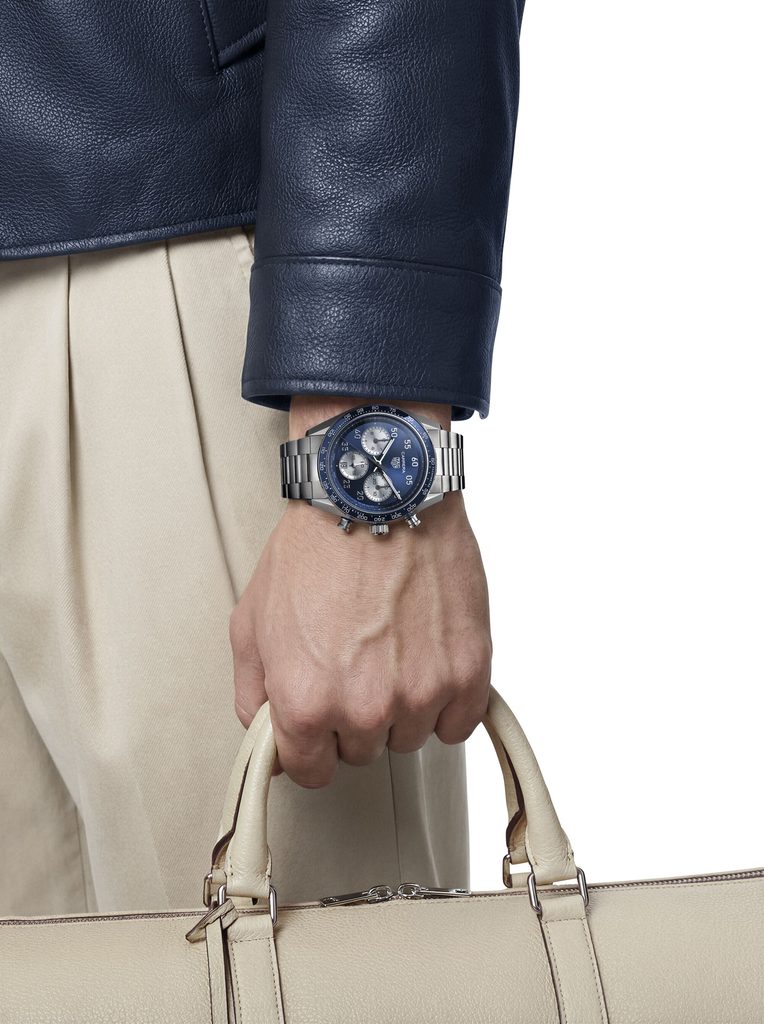
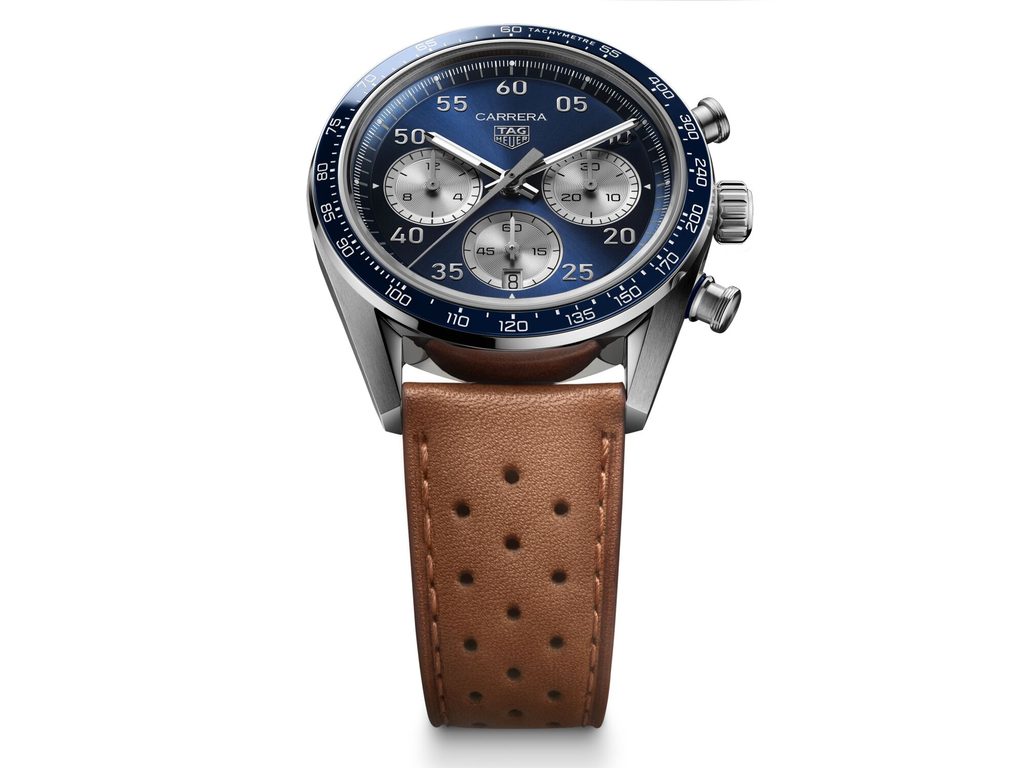
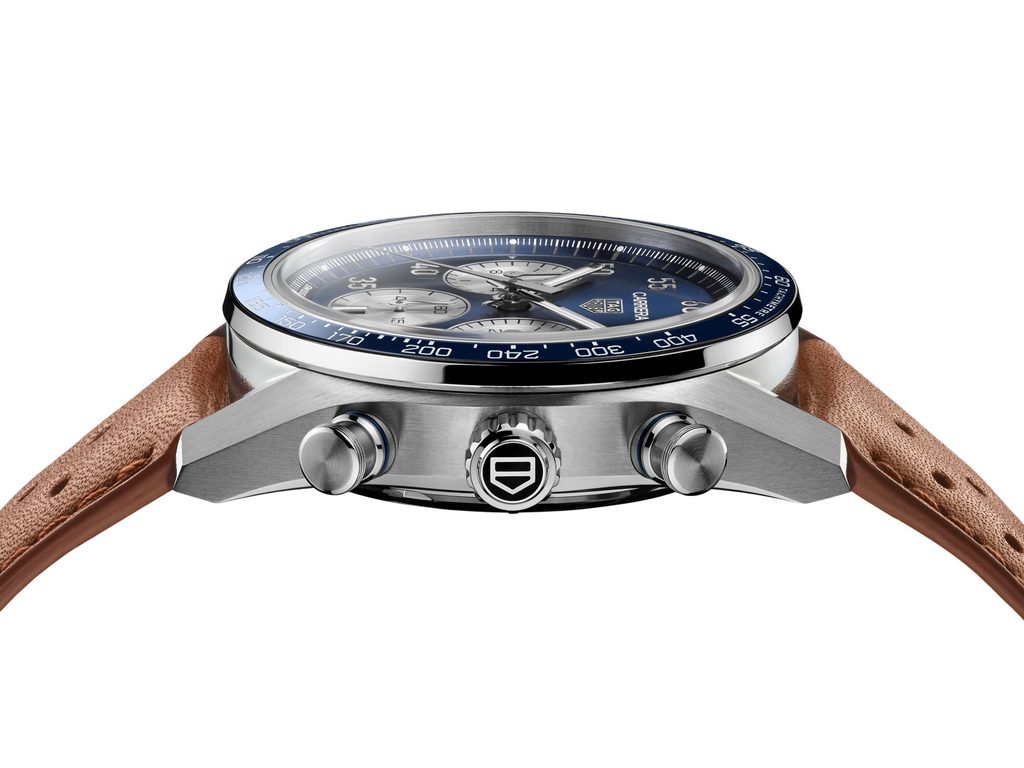
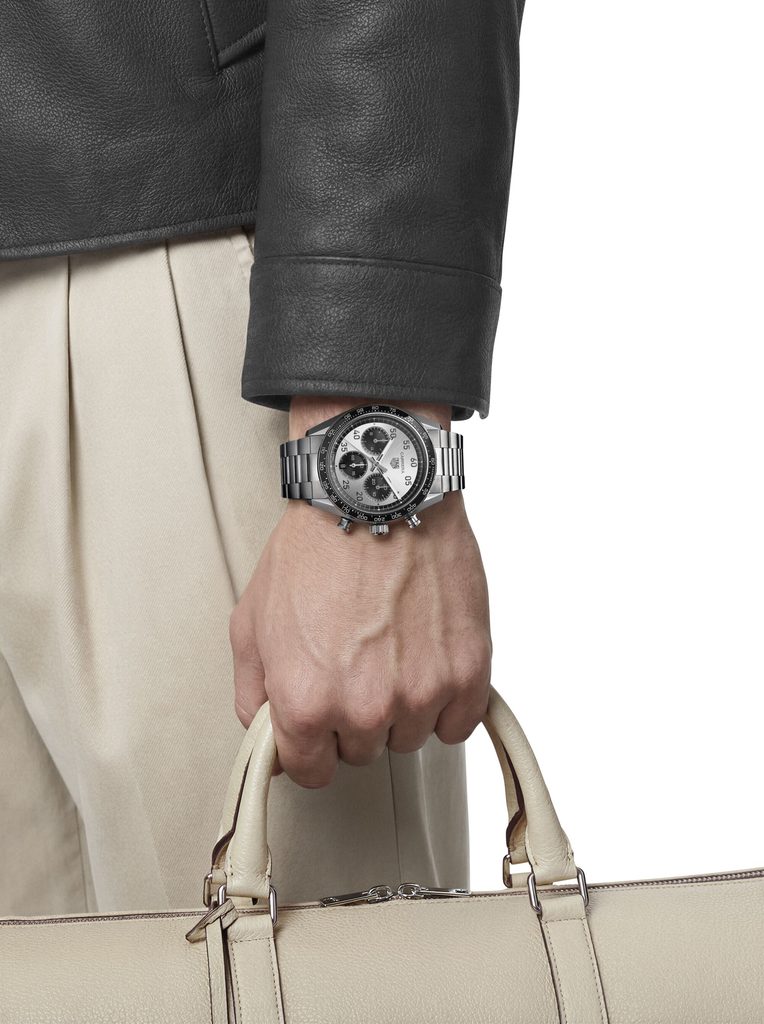
What the brand emphasises about this new generation is less a break than a tightening of focus. The Carrera Chronograph Sport is described as “more compact, more refined and more assertive” than recent versions, a choice that echoes a broader shift in contemporary watchmaking as oversized cases gradually give way to proportions closer to those worn by drivers in the 1960s. A smaller case is not a step backwards: it recovers the Carrera’s original purpose, to be read at a glance from a racing seat without weighing on the wrist.
Timing as a signature
The timing is no accident. By presenting the watch as the Spanish Grand Prix approaches, TAG Heuer reaffirms a connection to motor racing that goes beyond occasional sponsorship. The Carrera may be worn on the wrist, but it is conceived from the paddock. The house, LVMH’s watchmaking subsidiary, has built much of its identity on the exchange between motorsport and watchmaking, and each return of the Carrera reactivates that shared memory rather than commenting on it from afar.
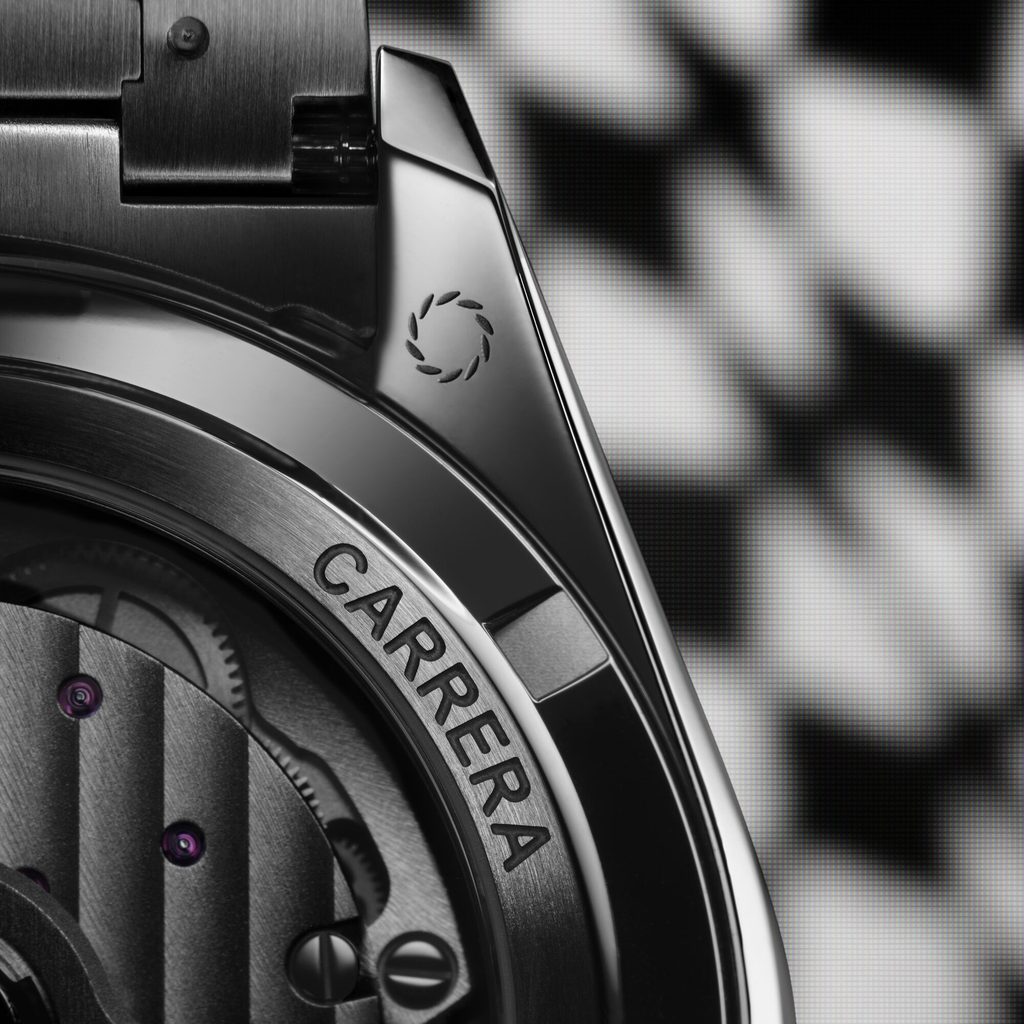
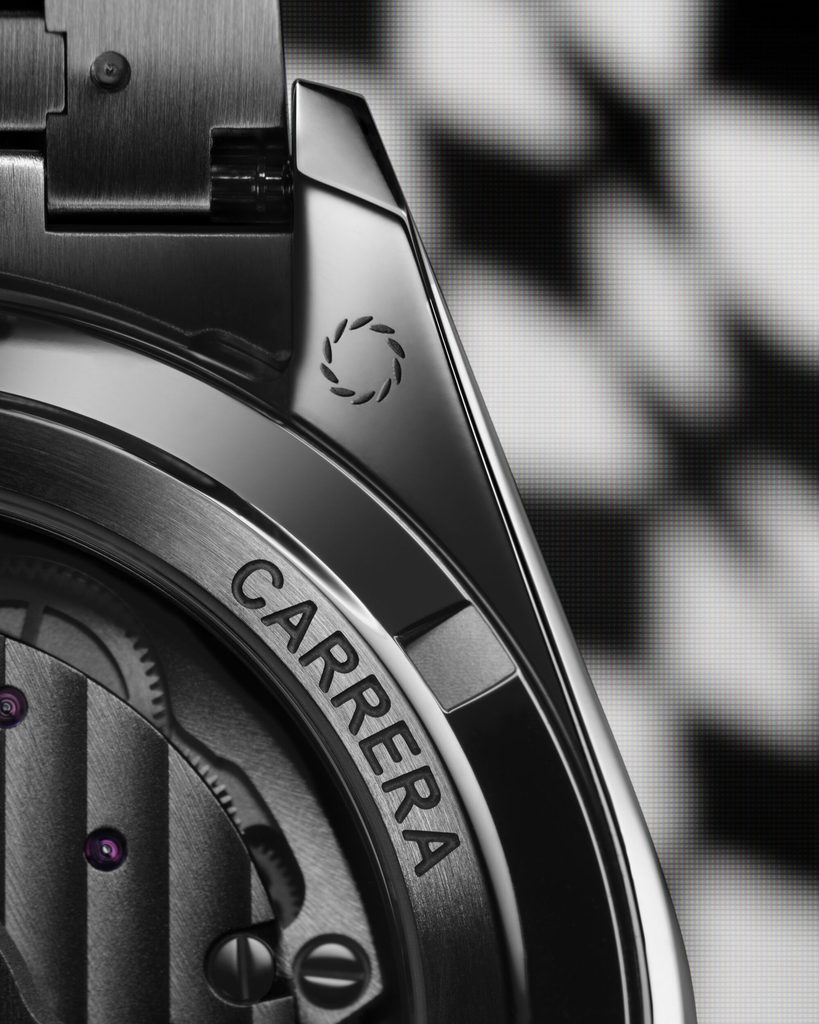
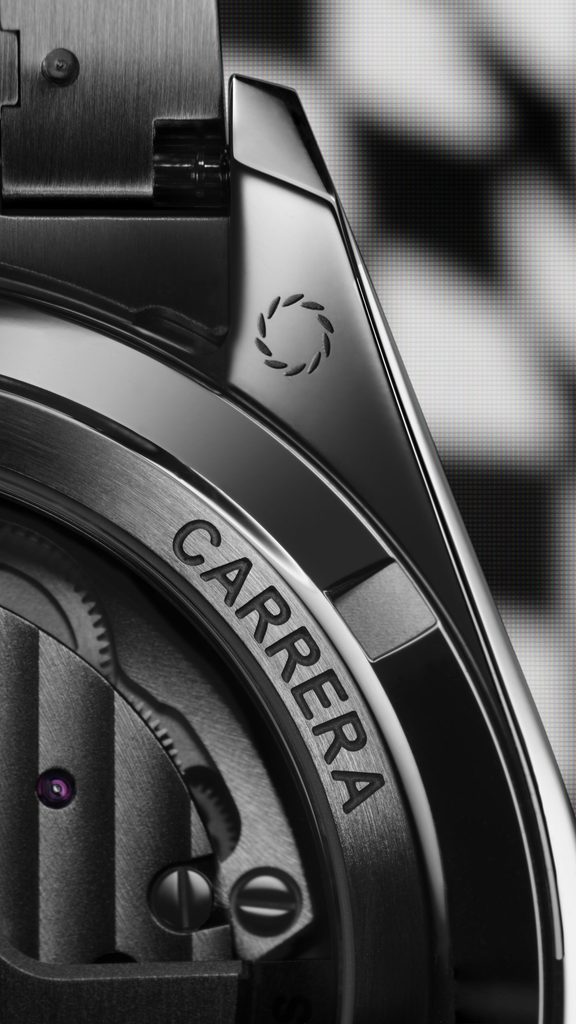
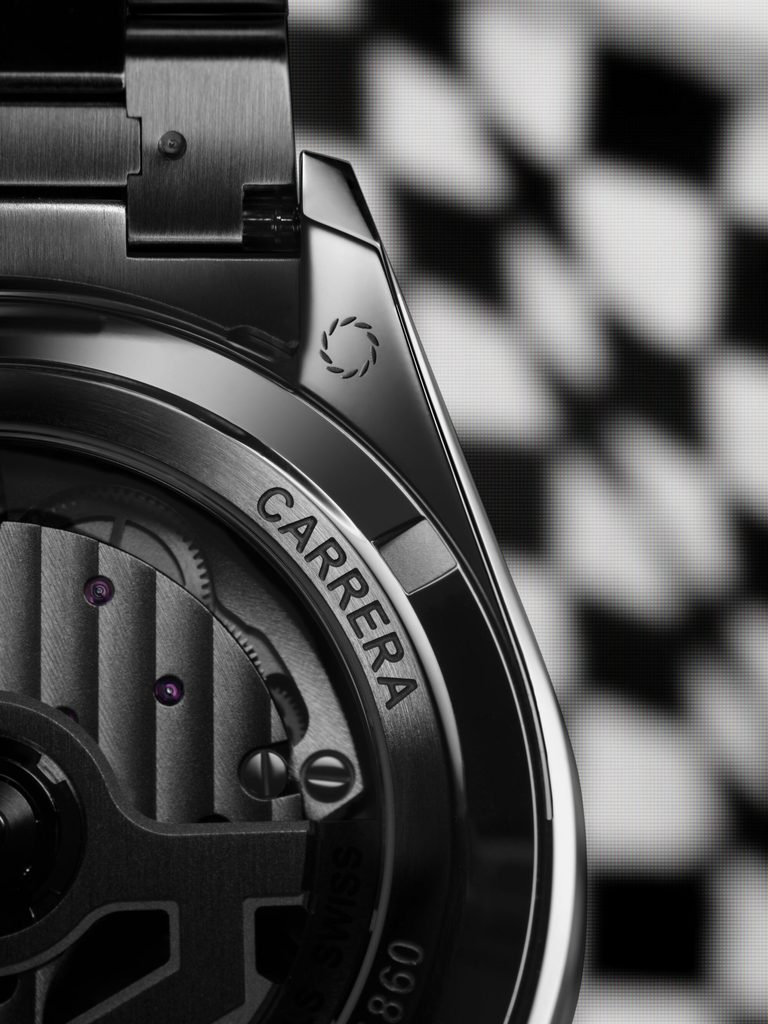
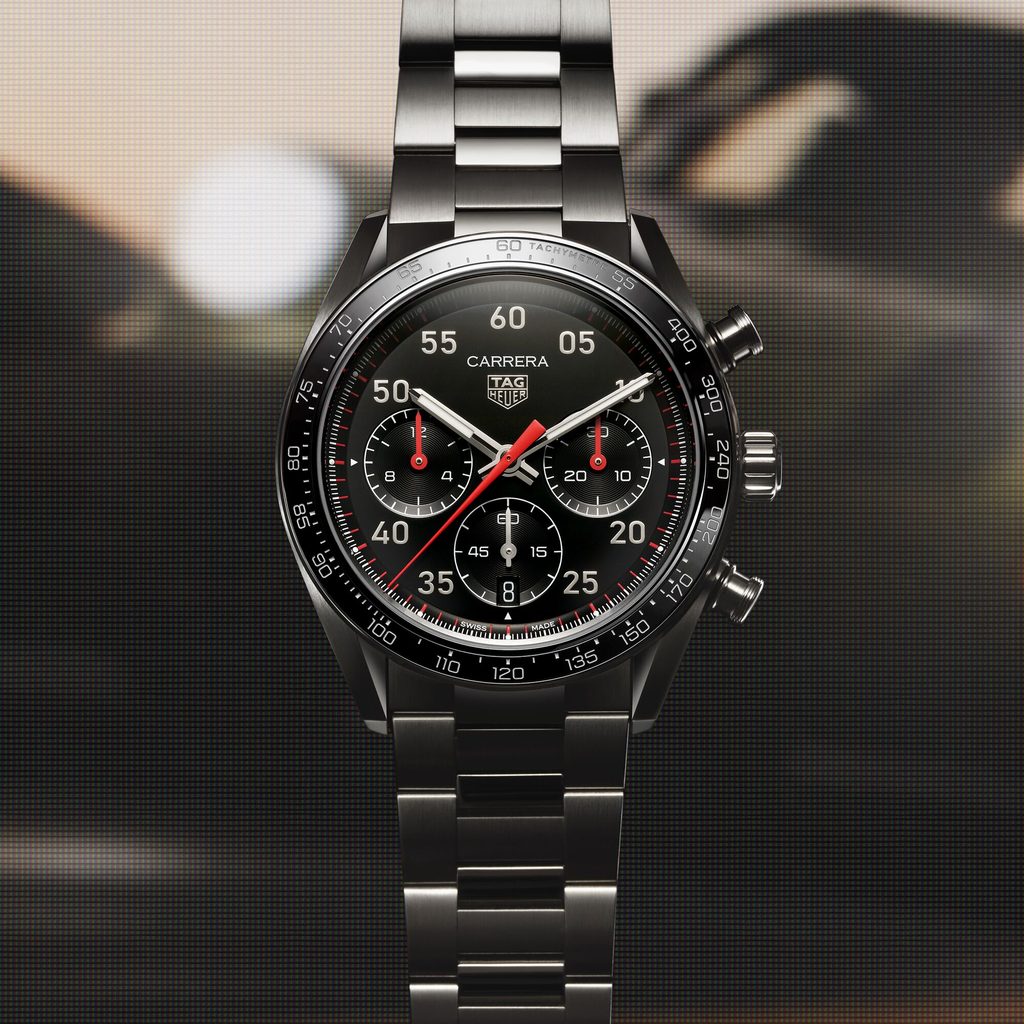
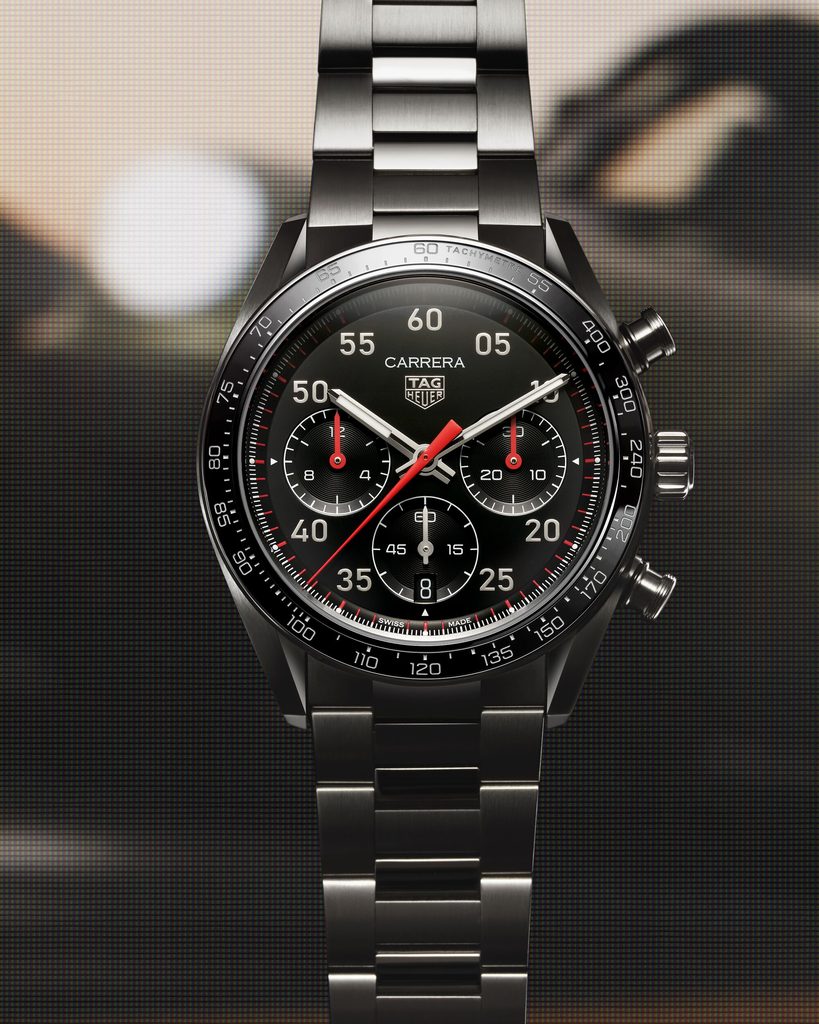
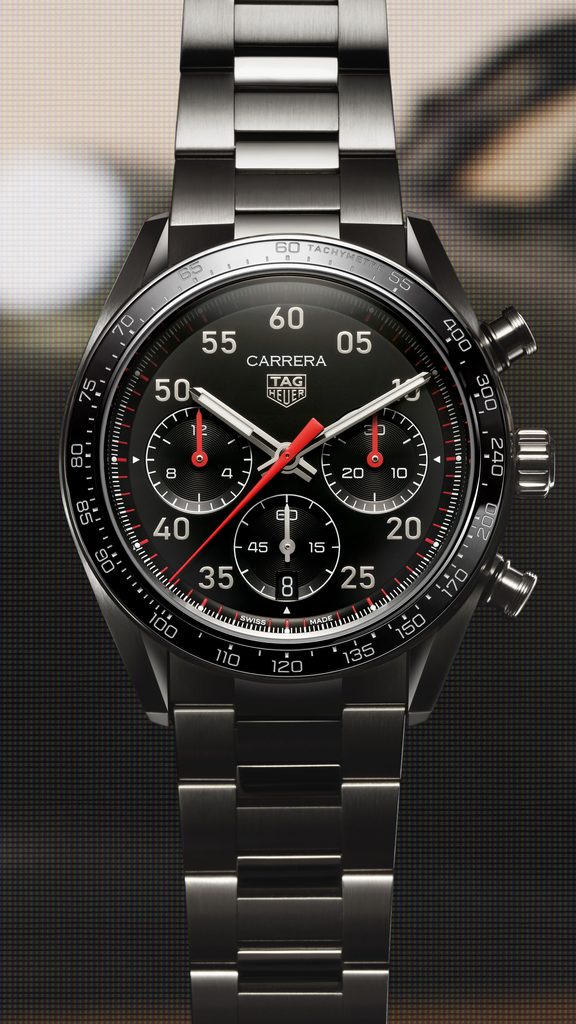
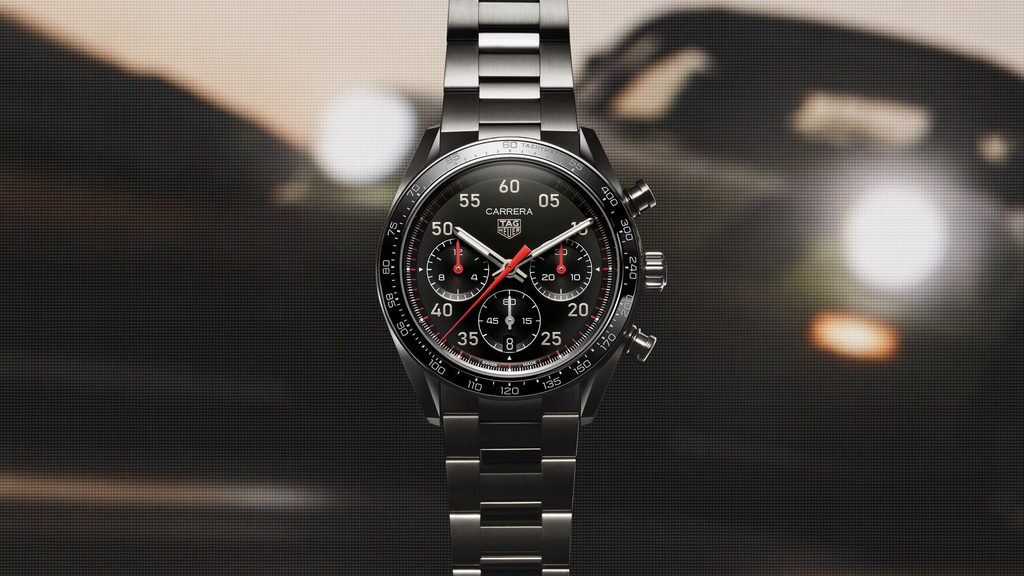
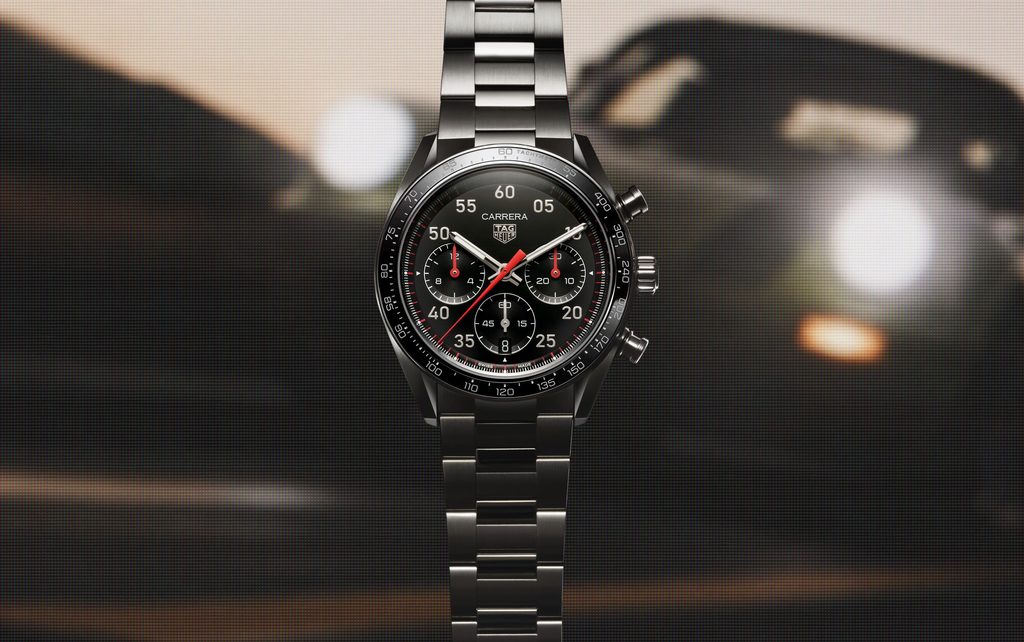
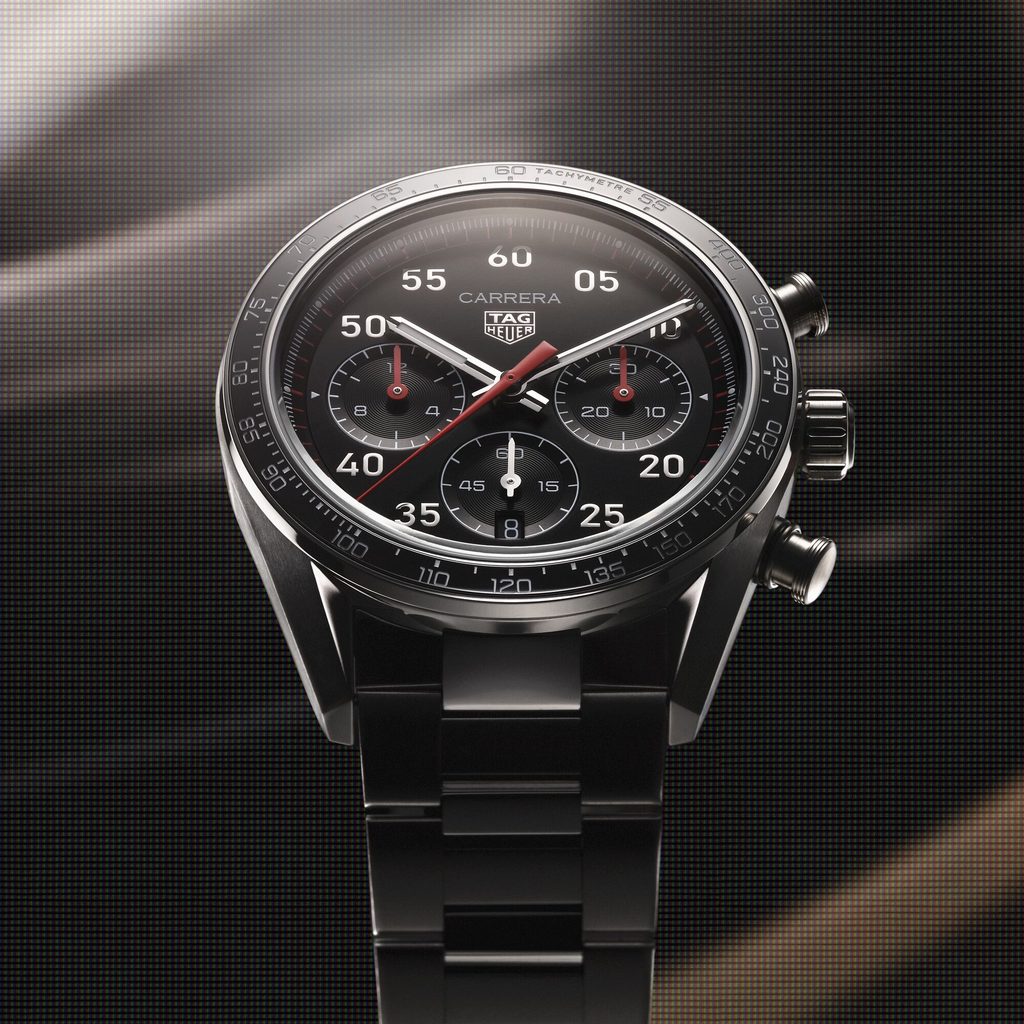
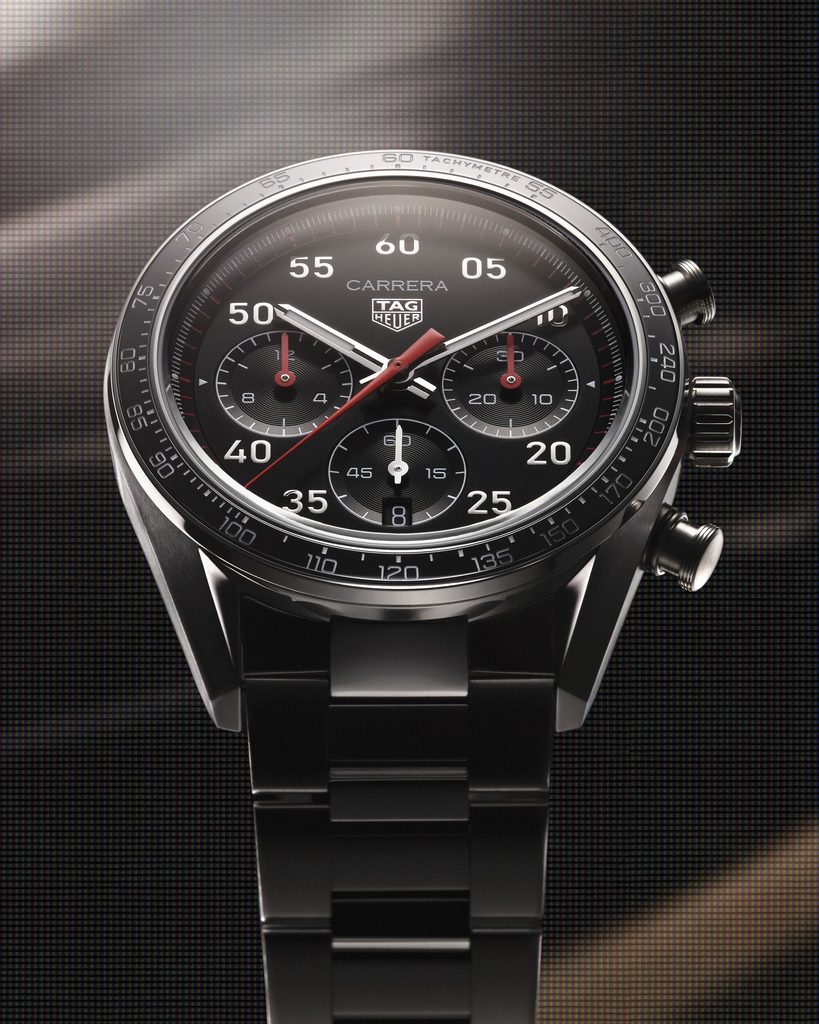
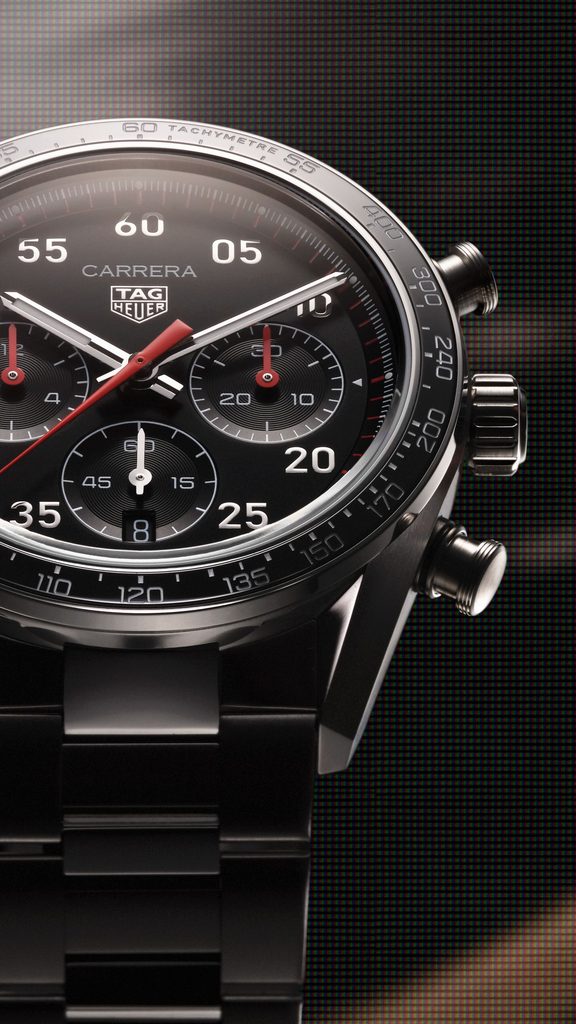
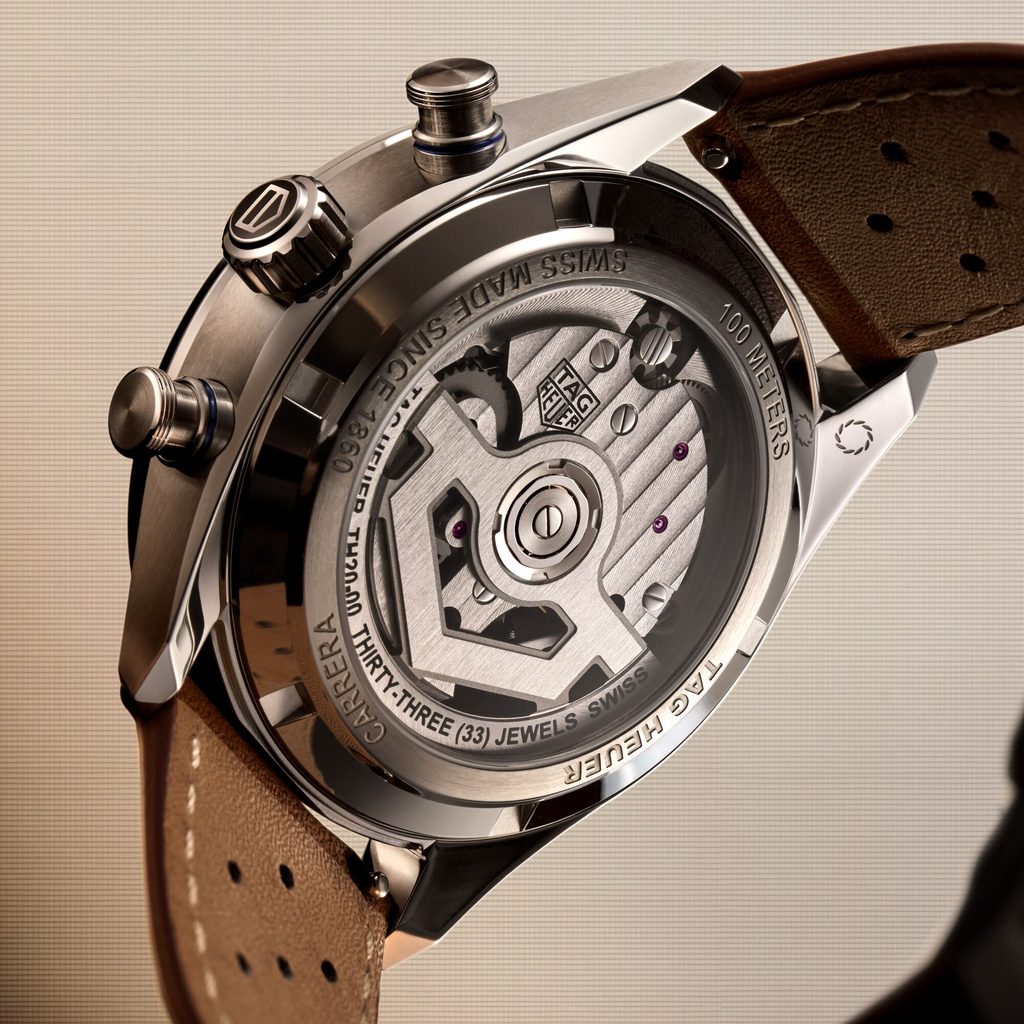
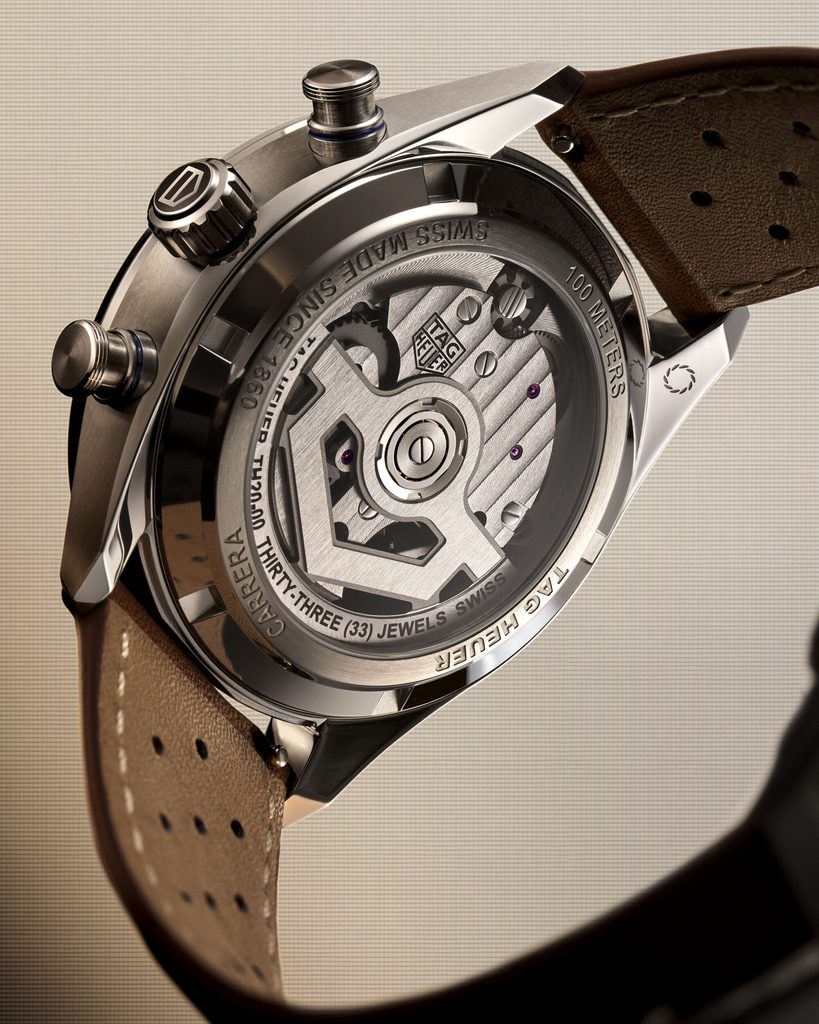
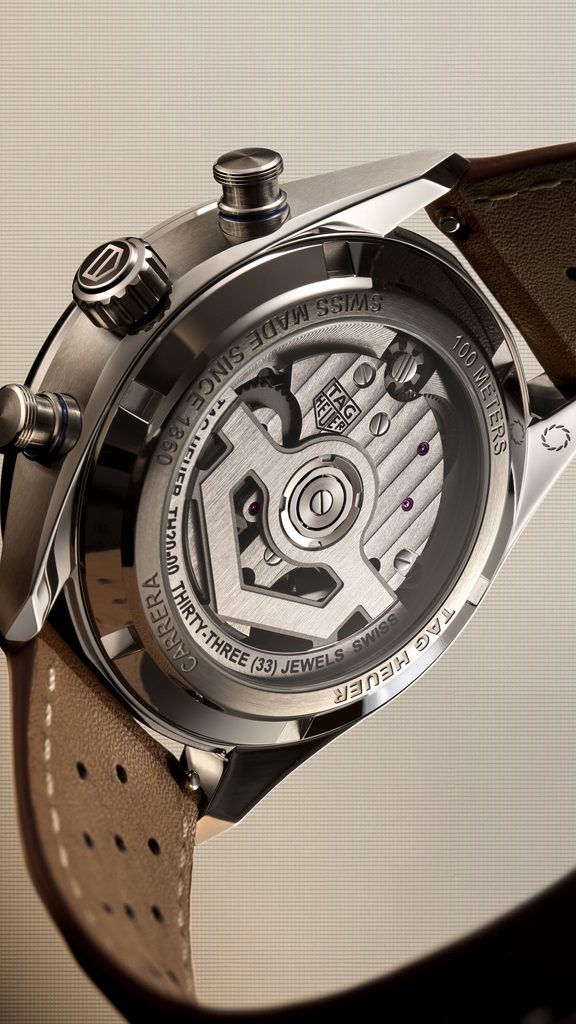
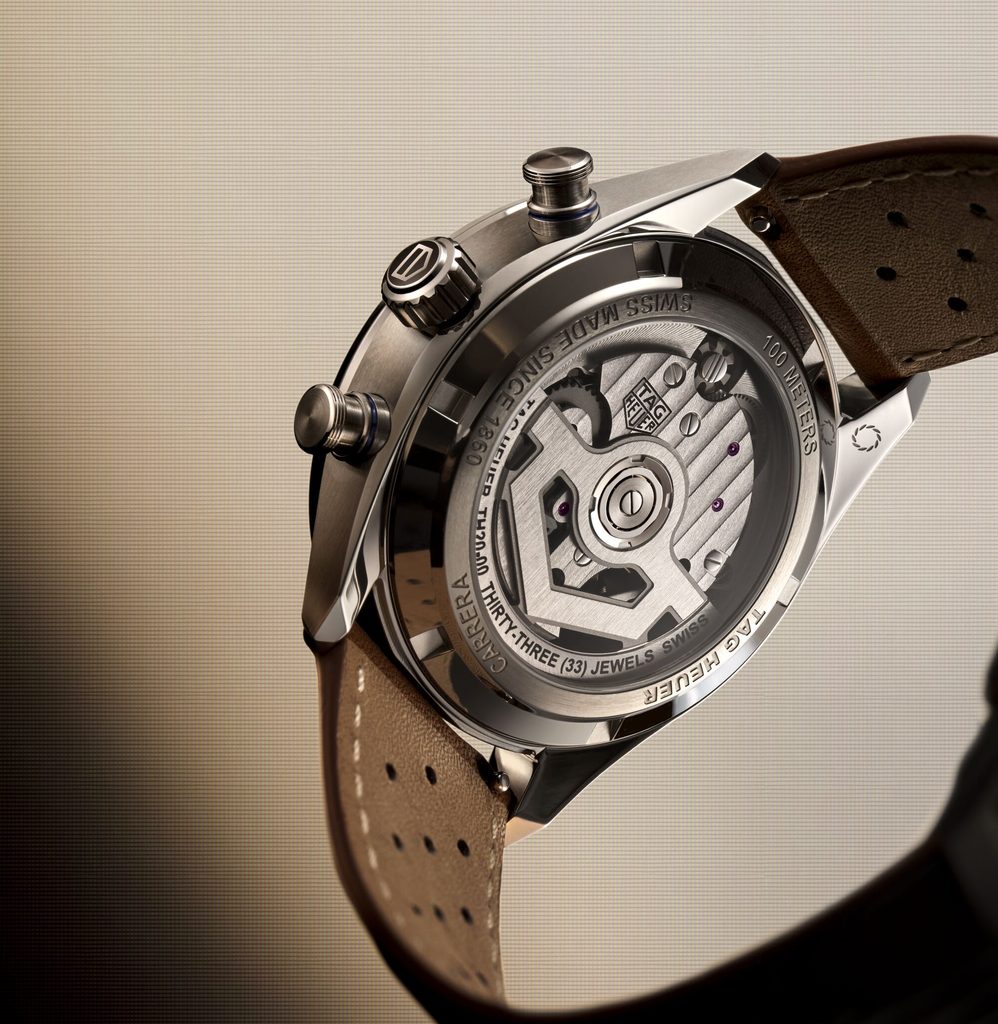
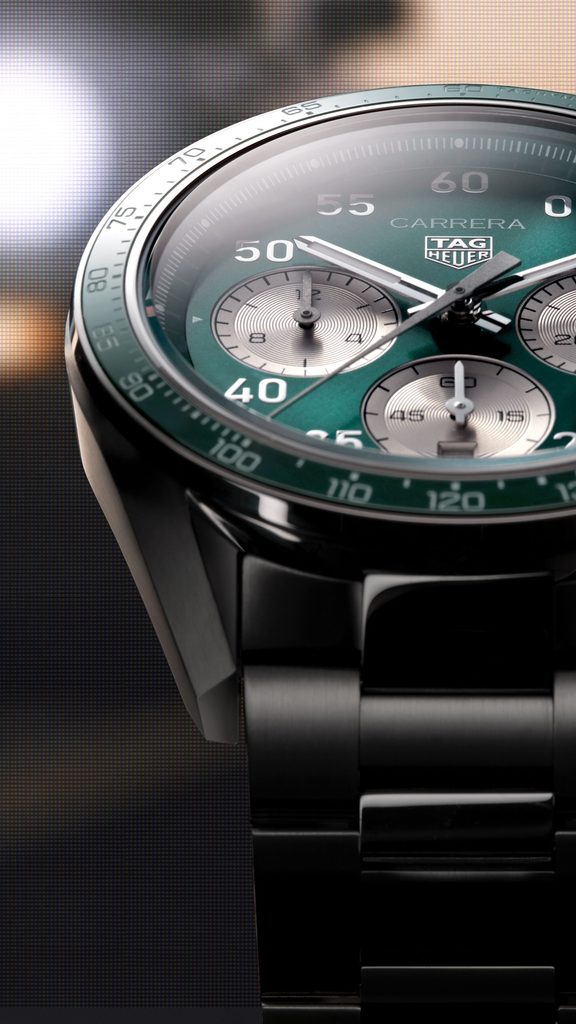
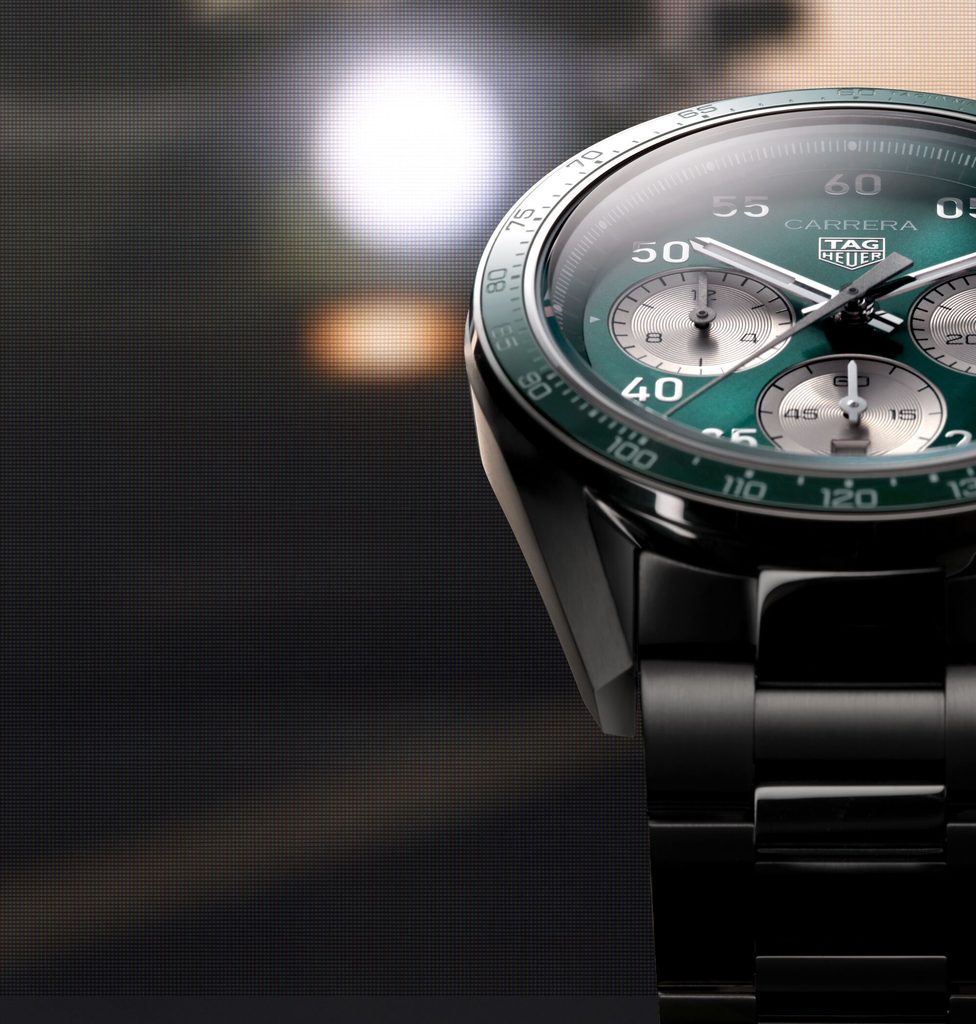
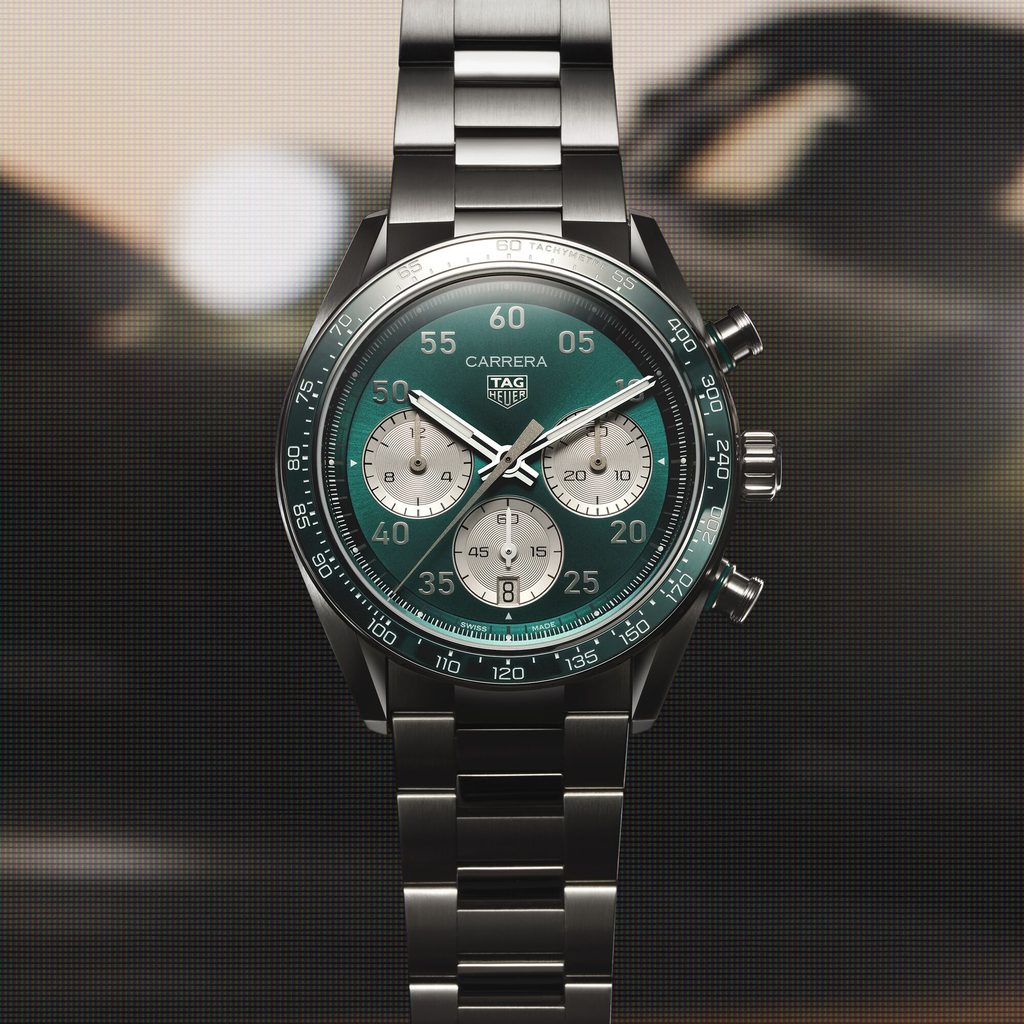
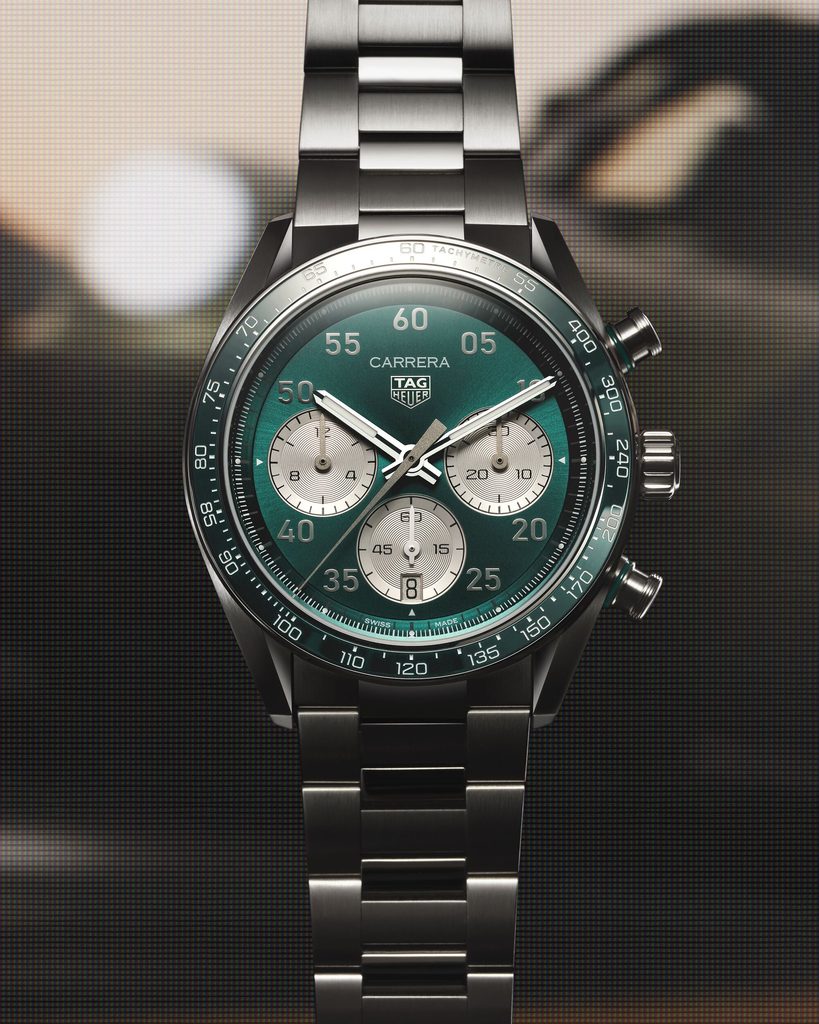
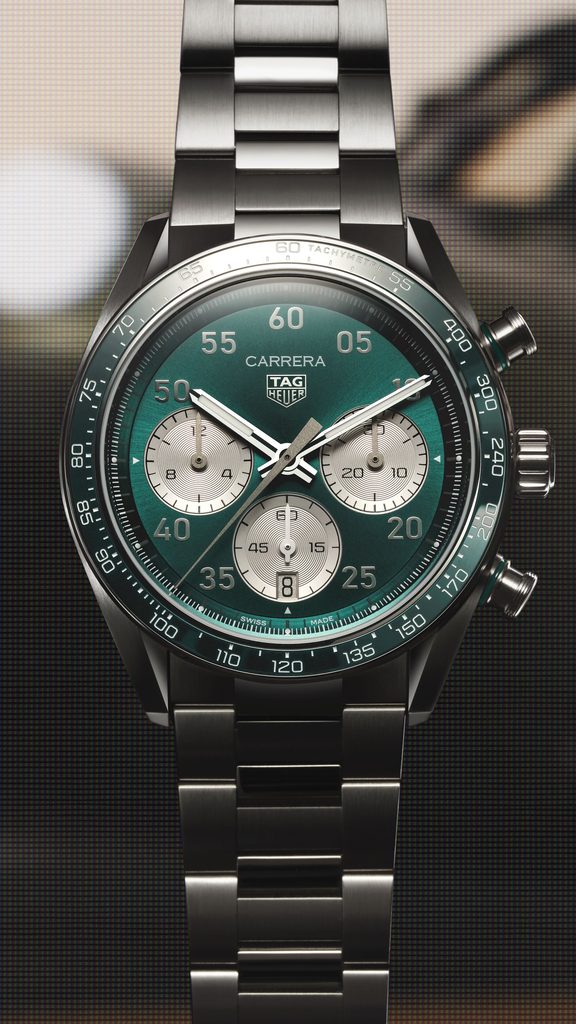
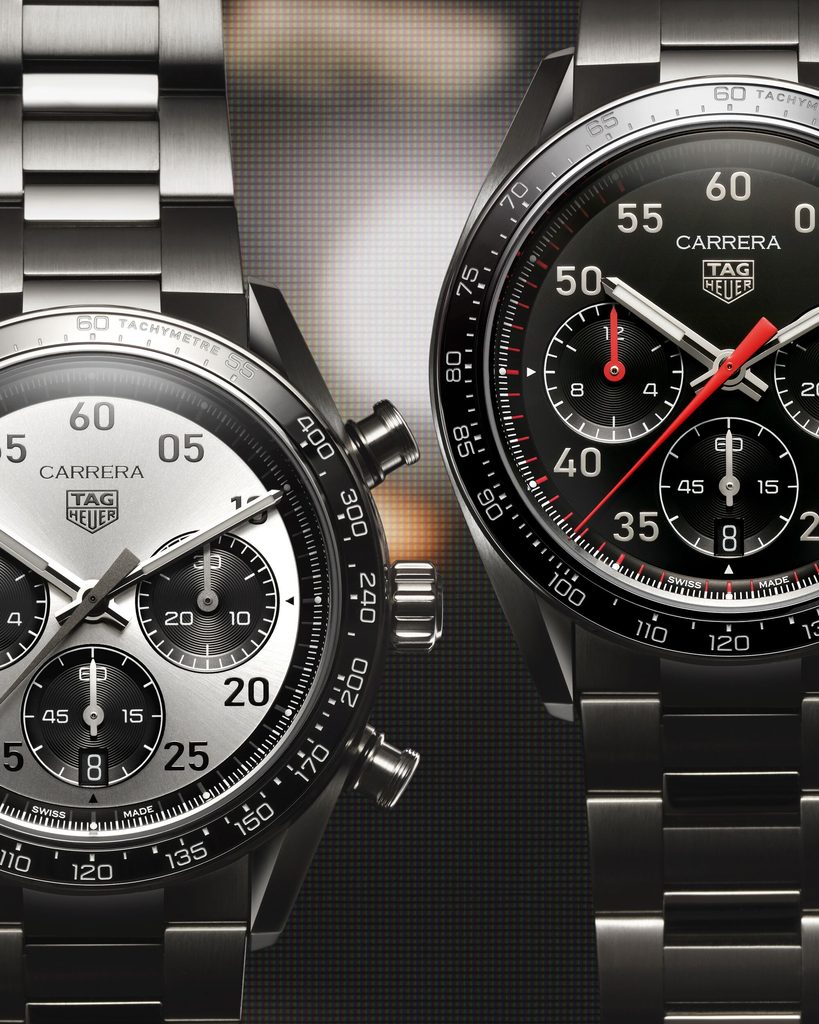
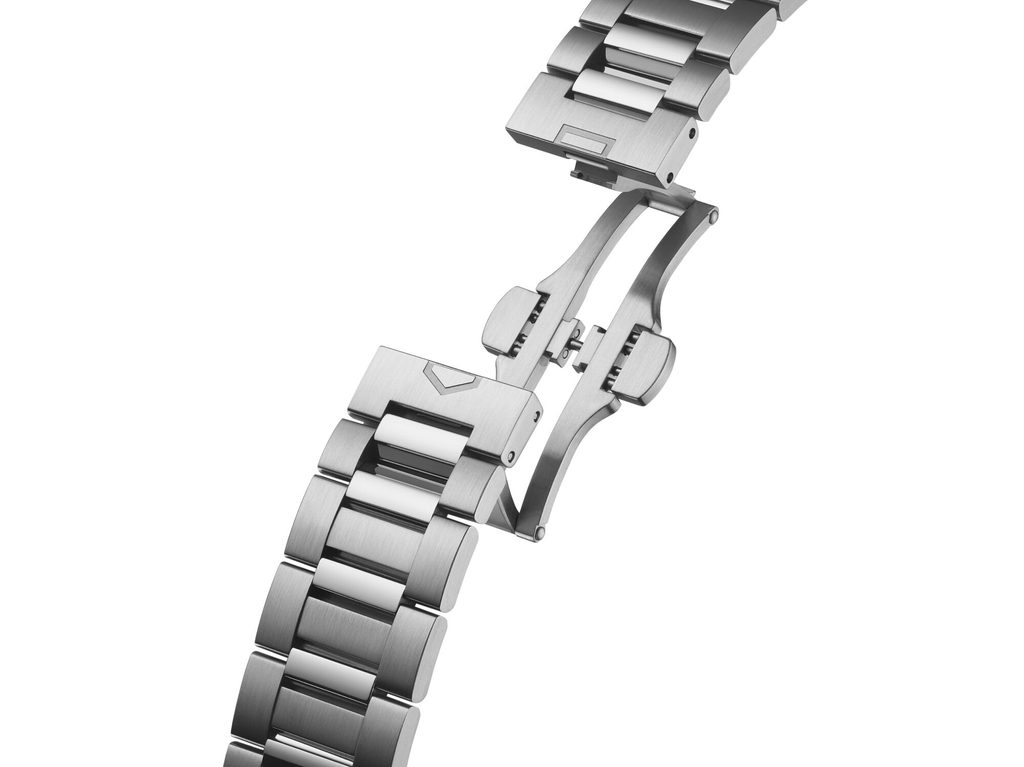
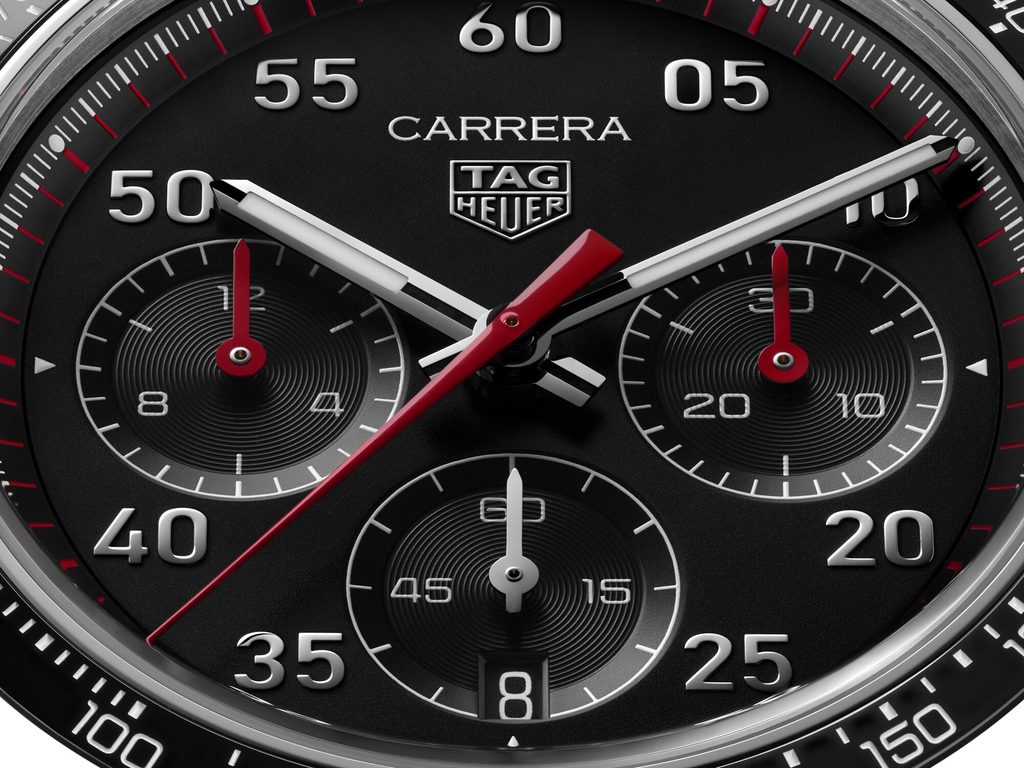
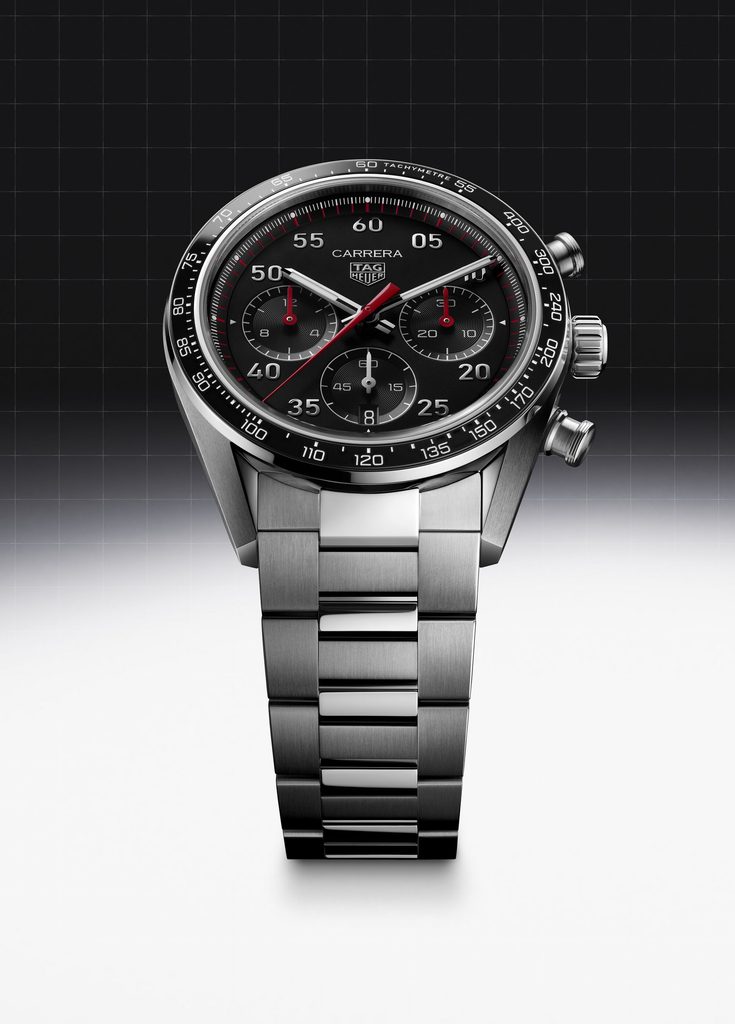
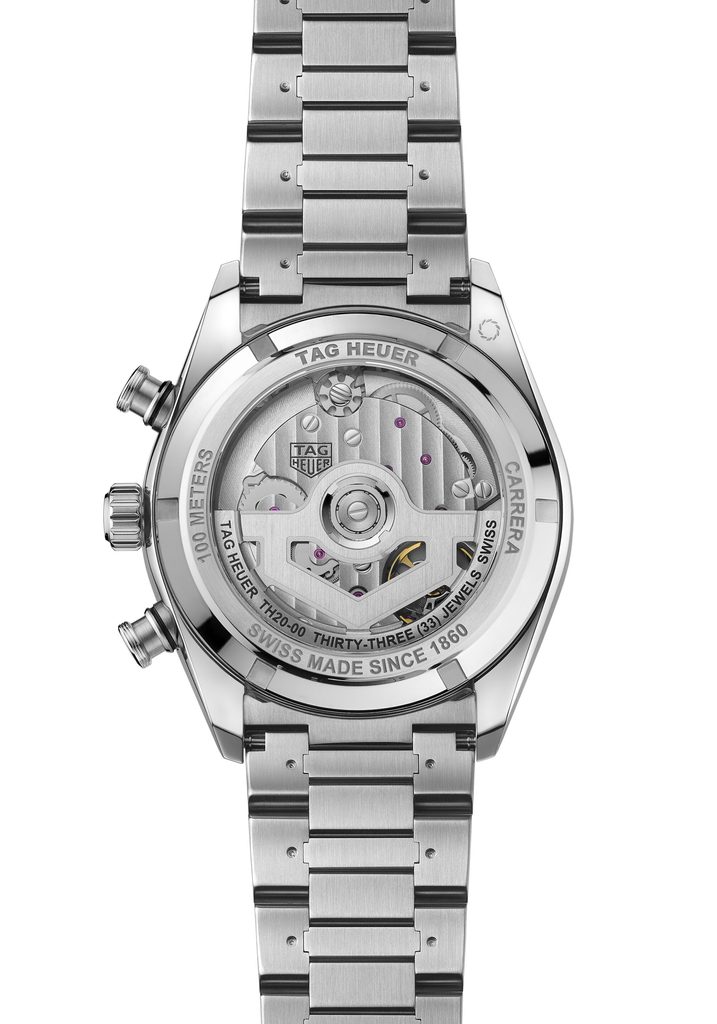
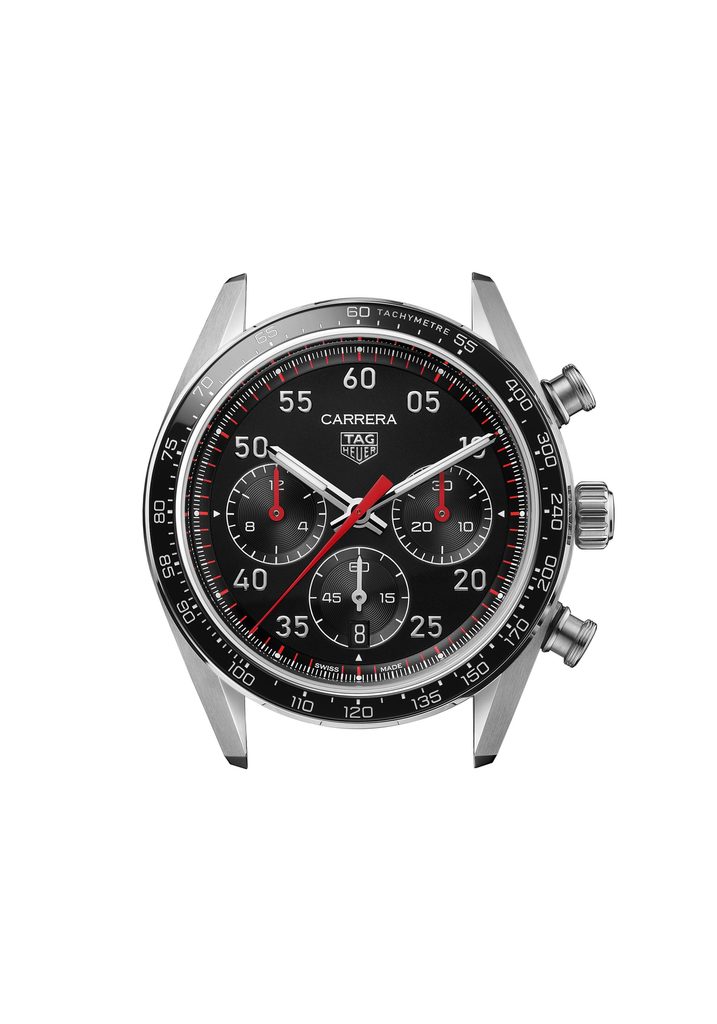
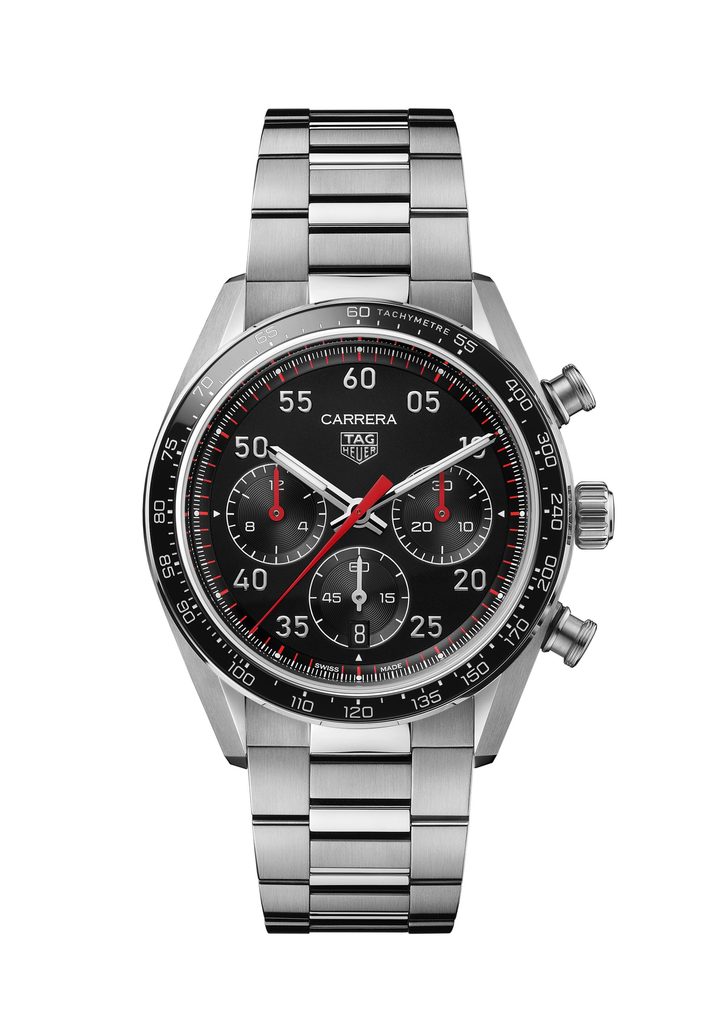
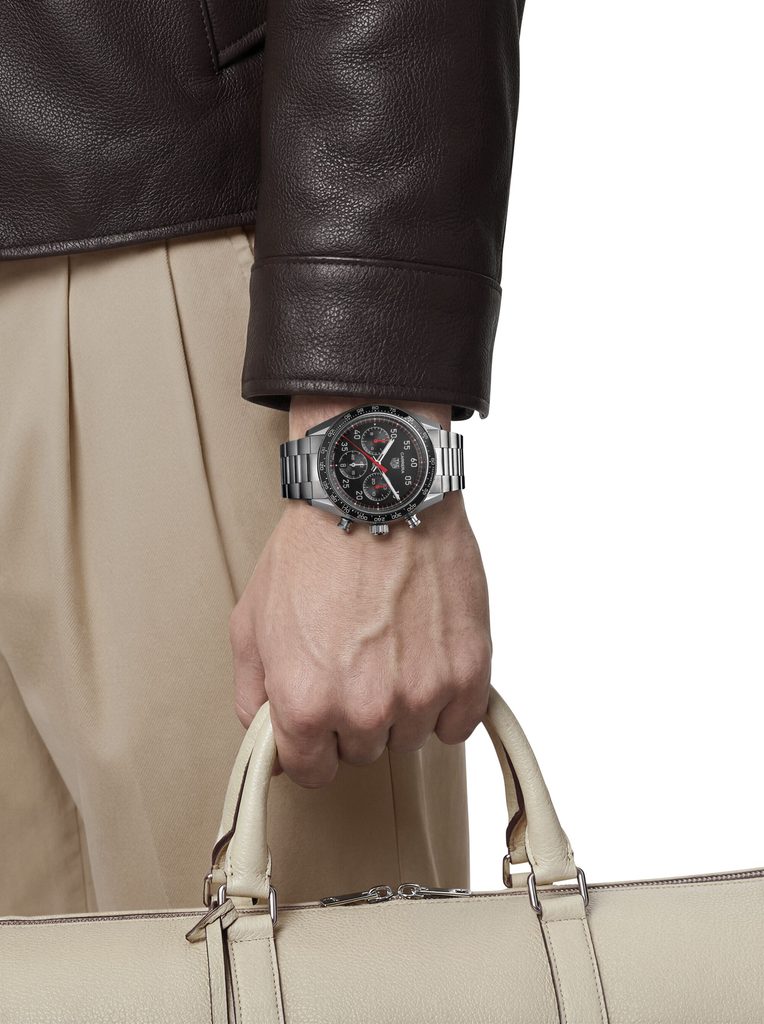
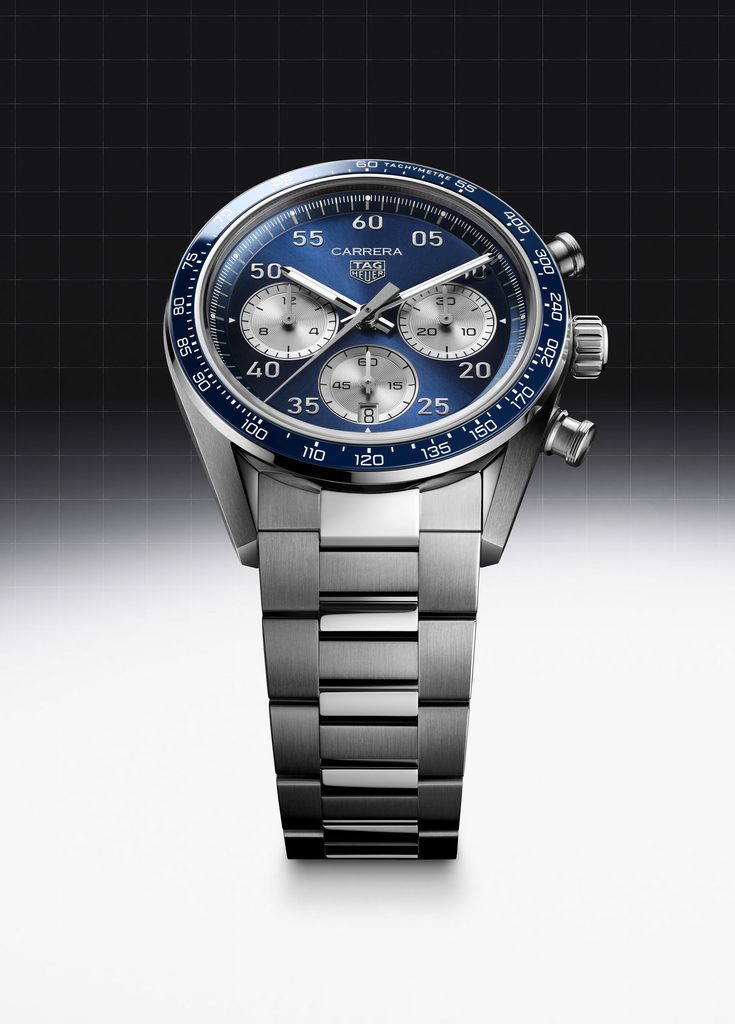
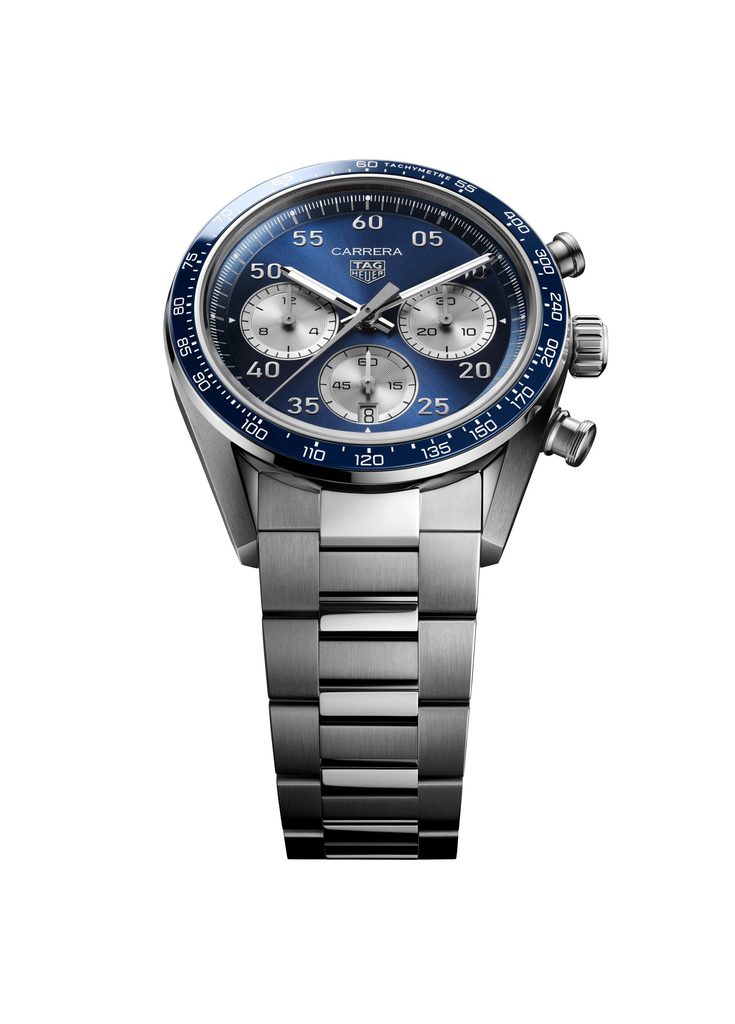
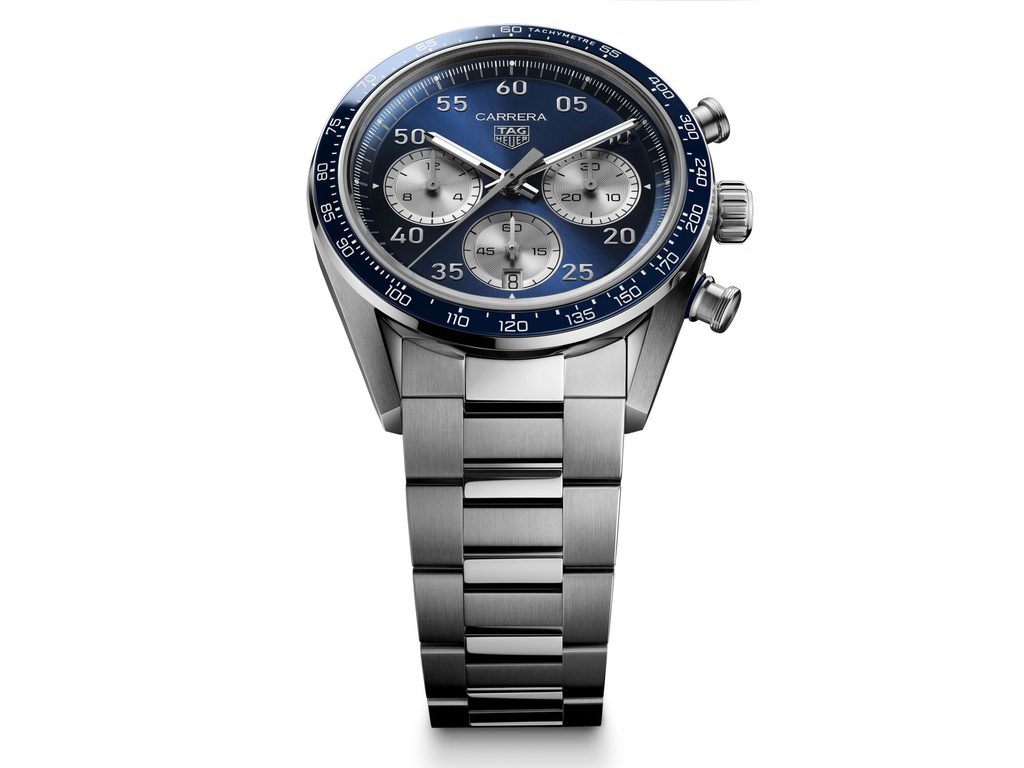
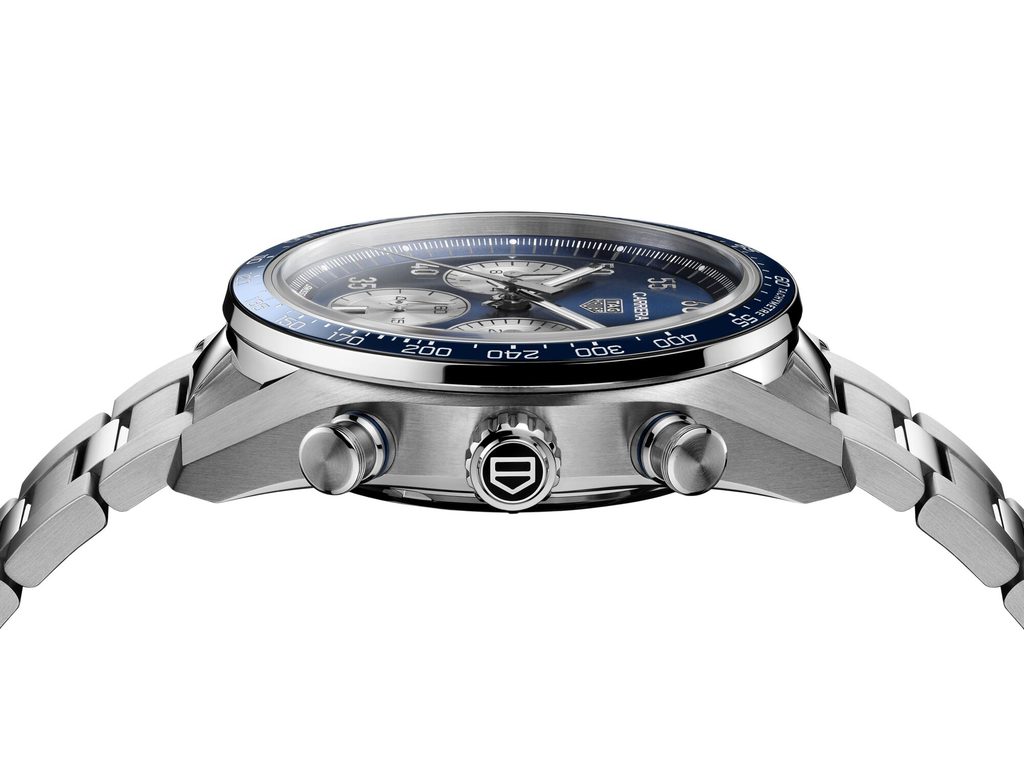
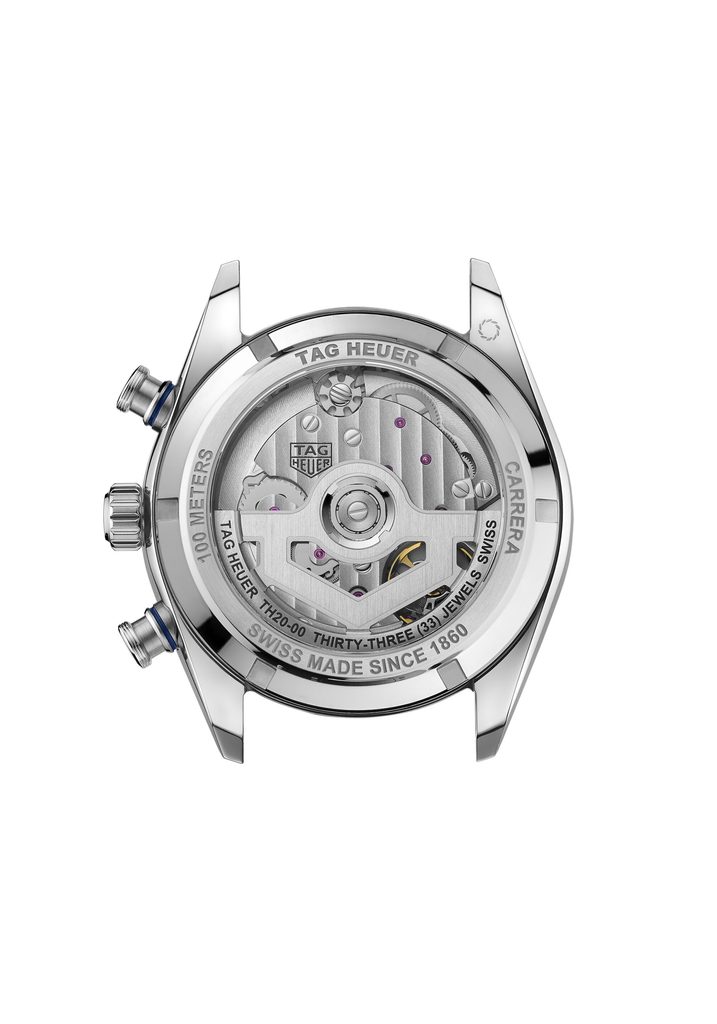
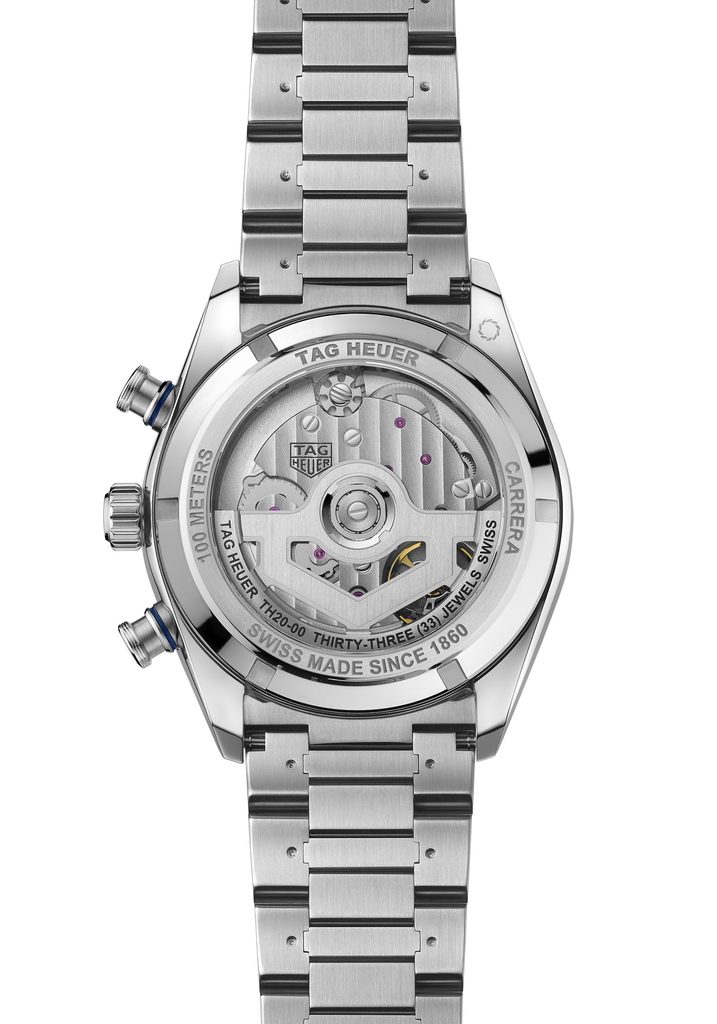
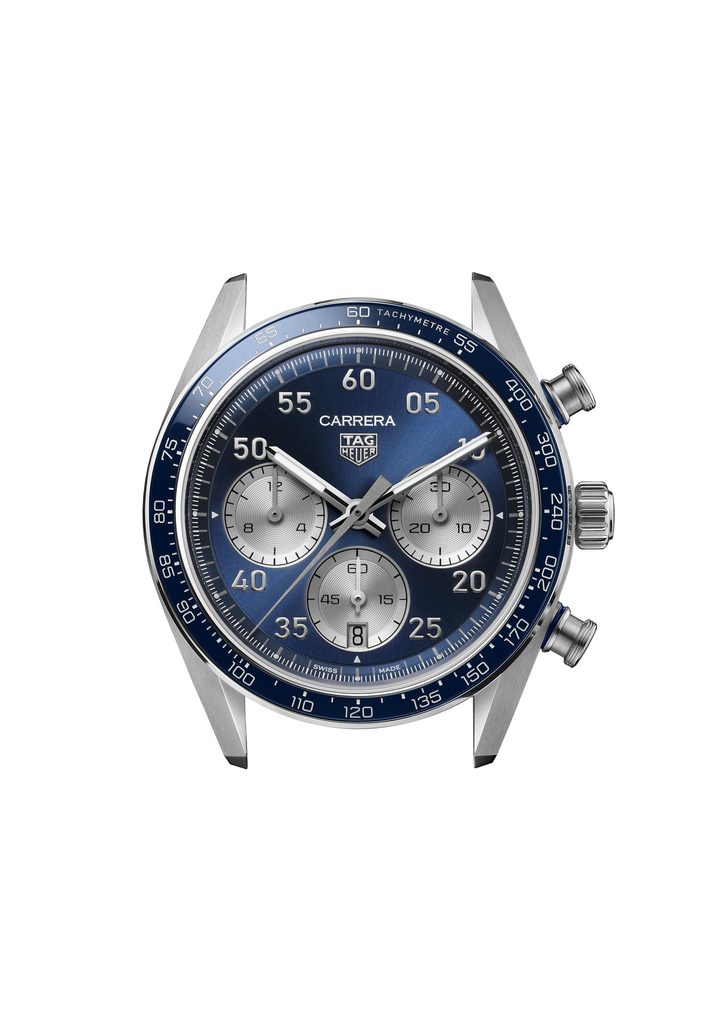
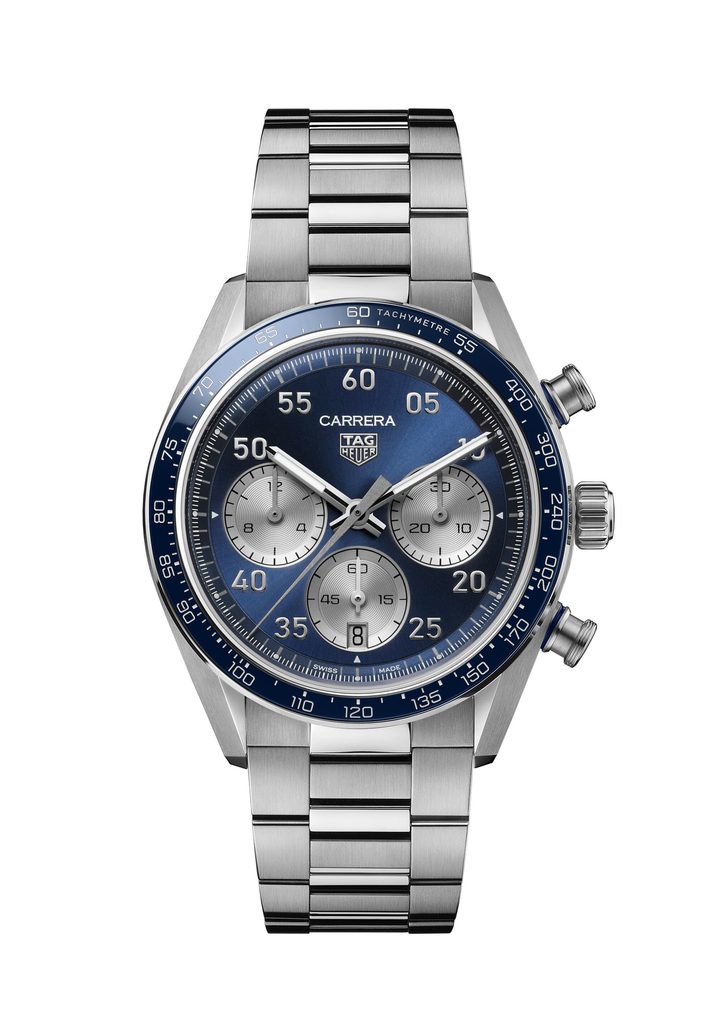
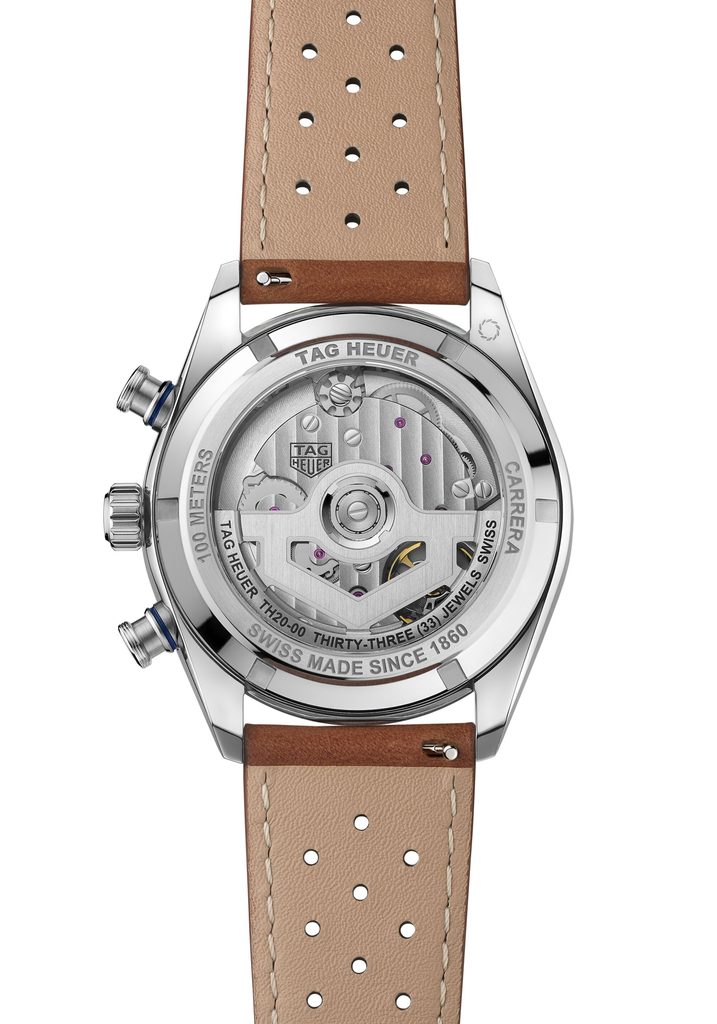
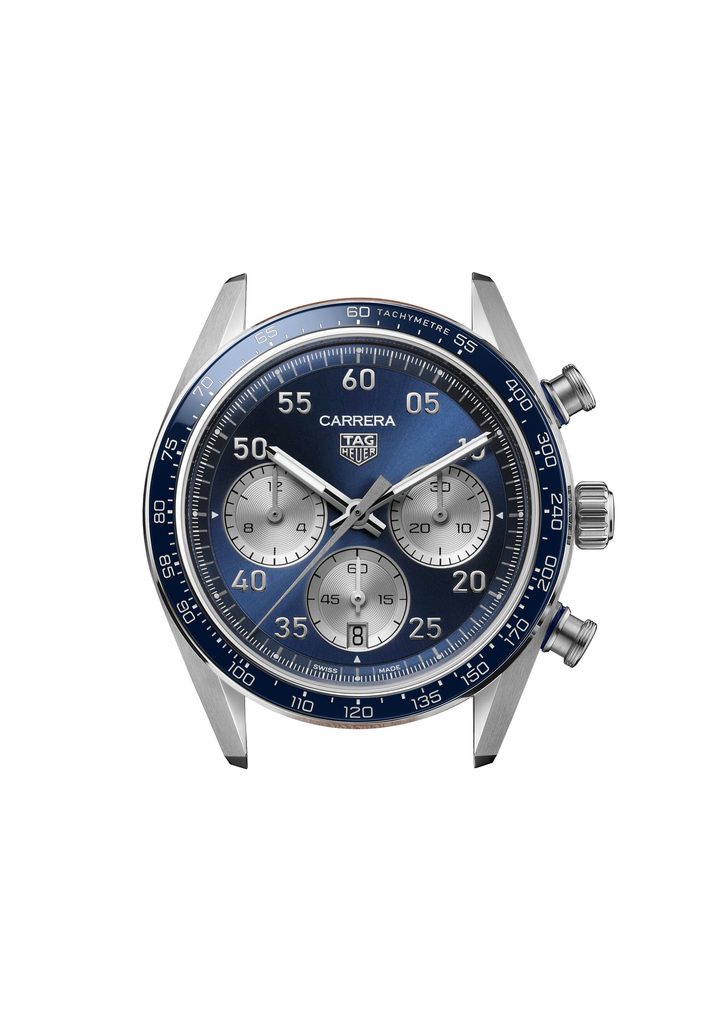
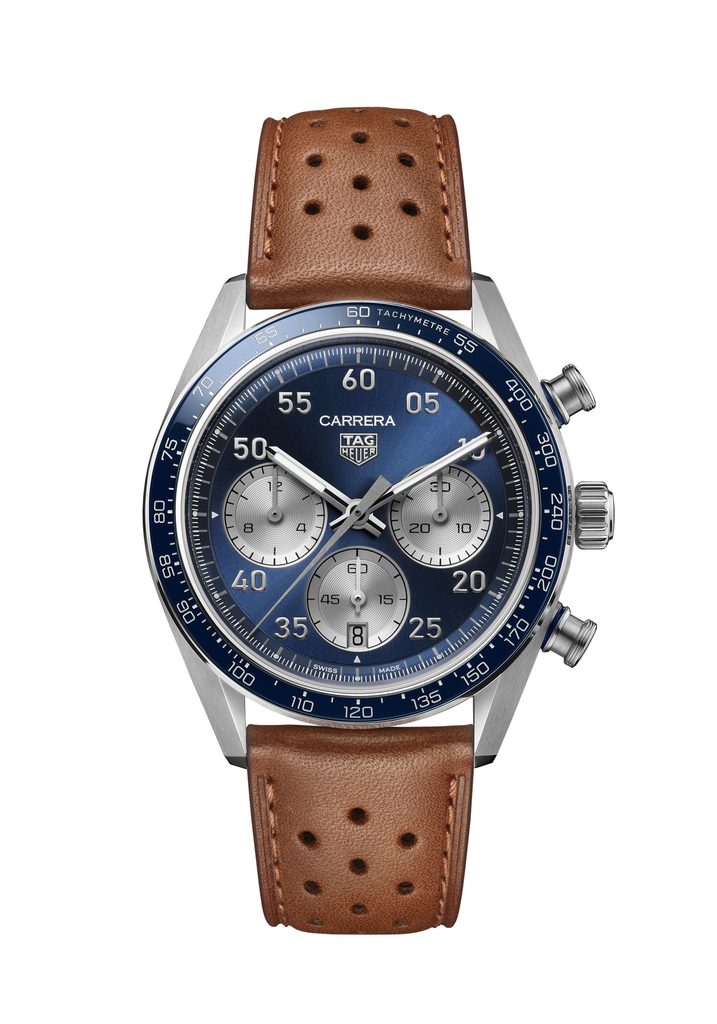
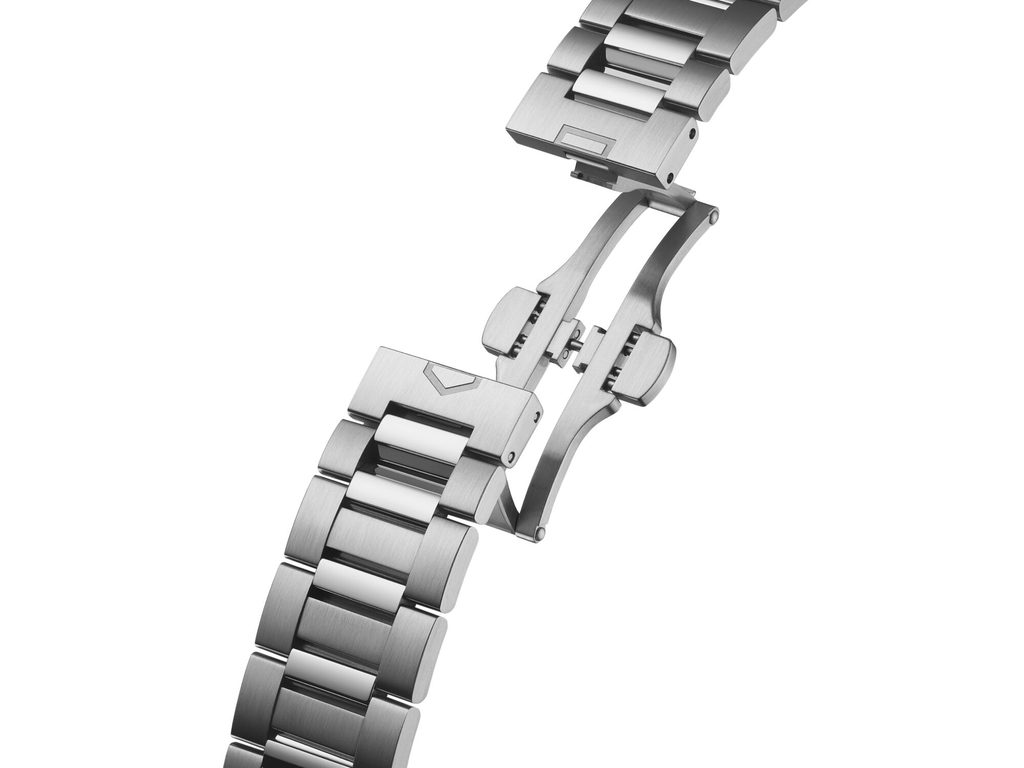
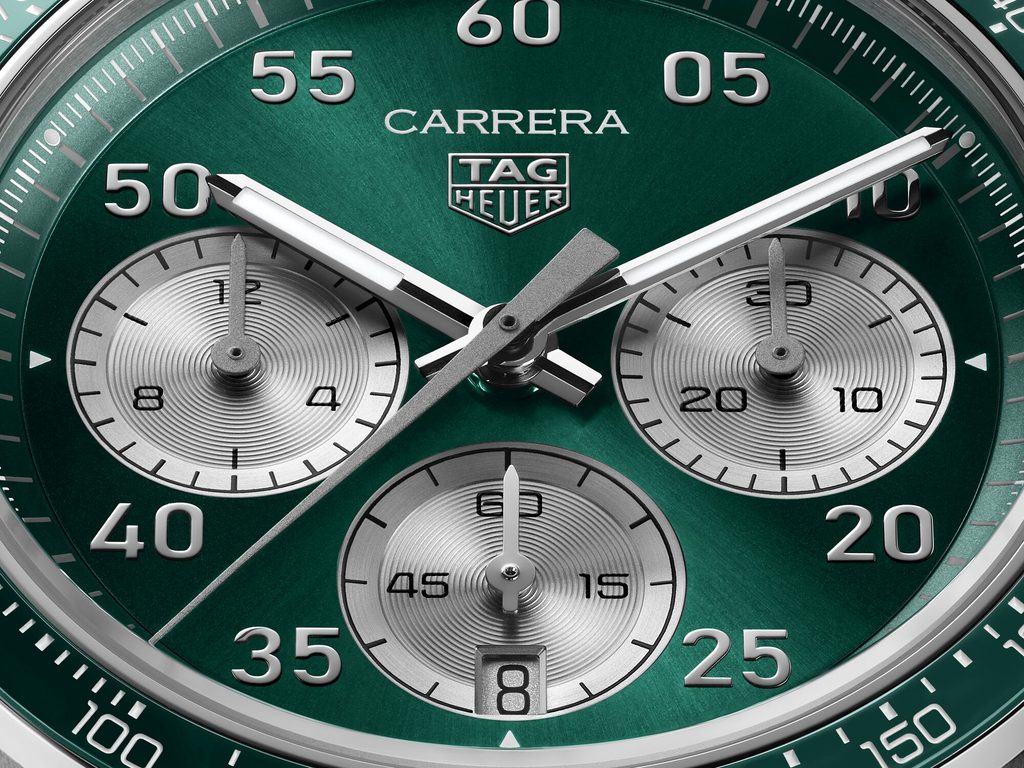
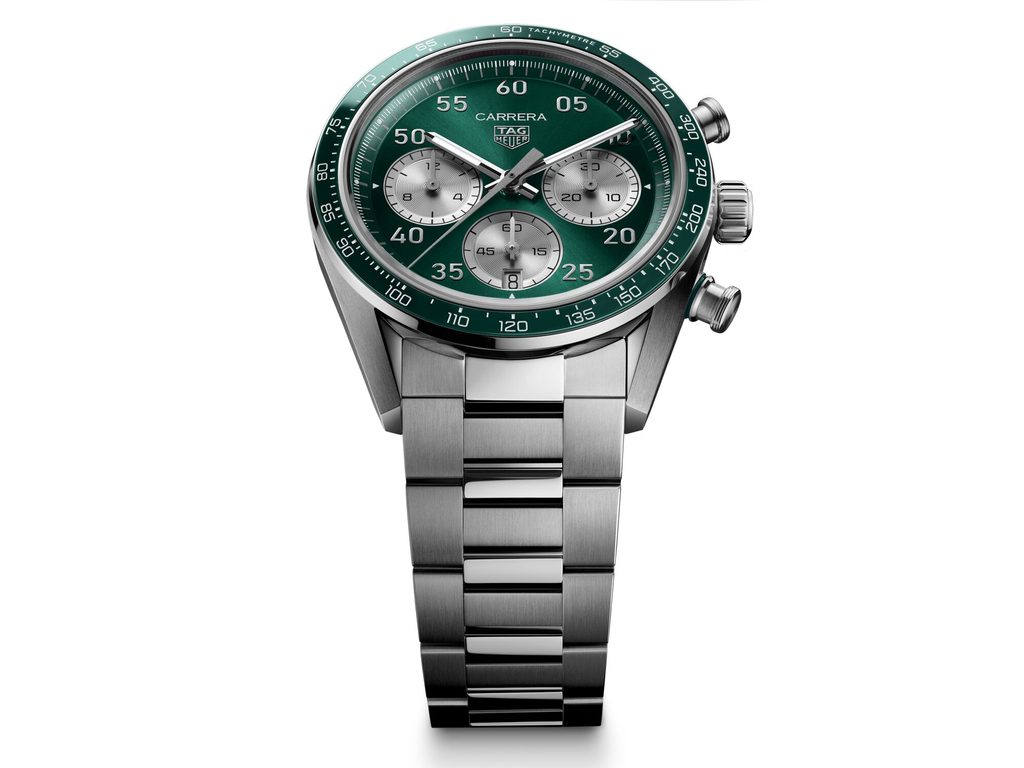
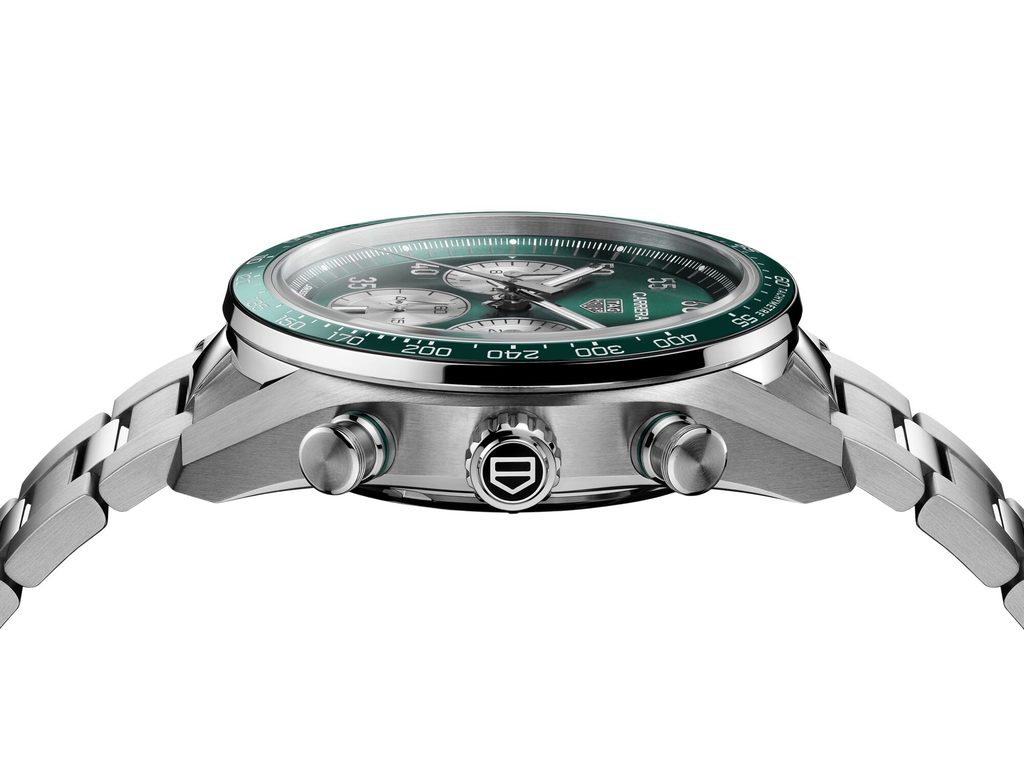
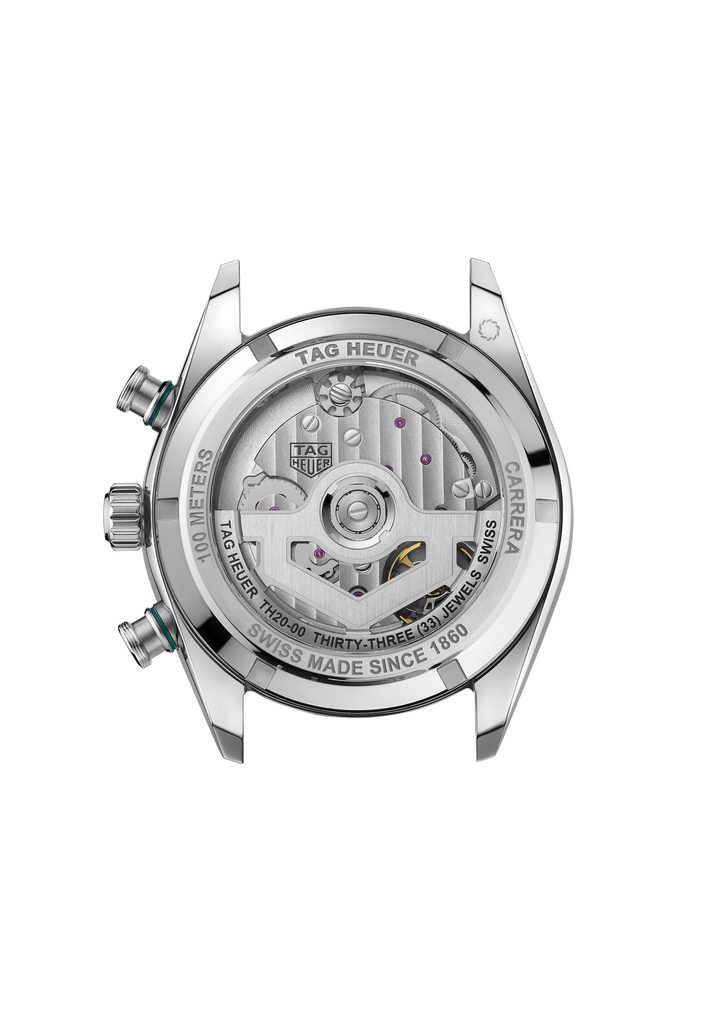
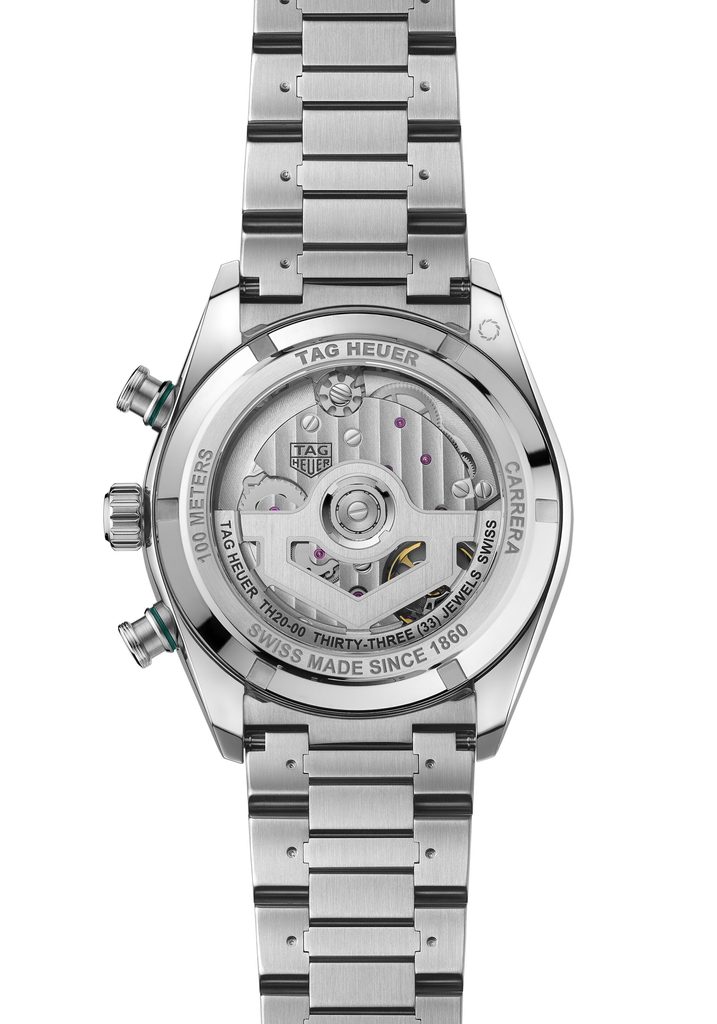
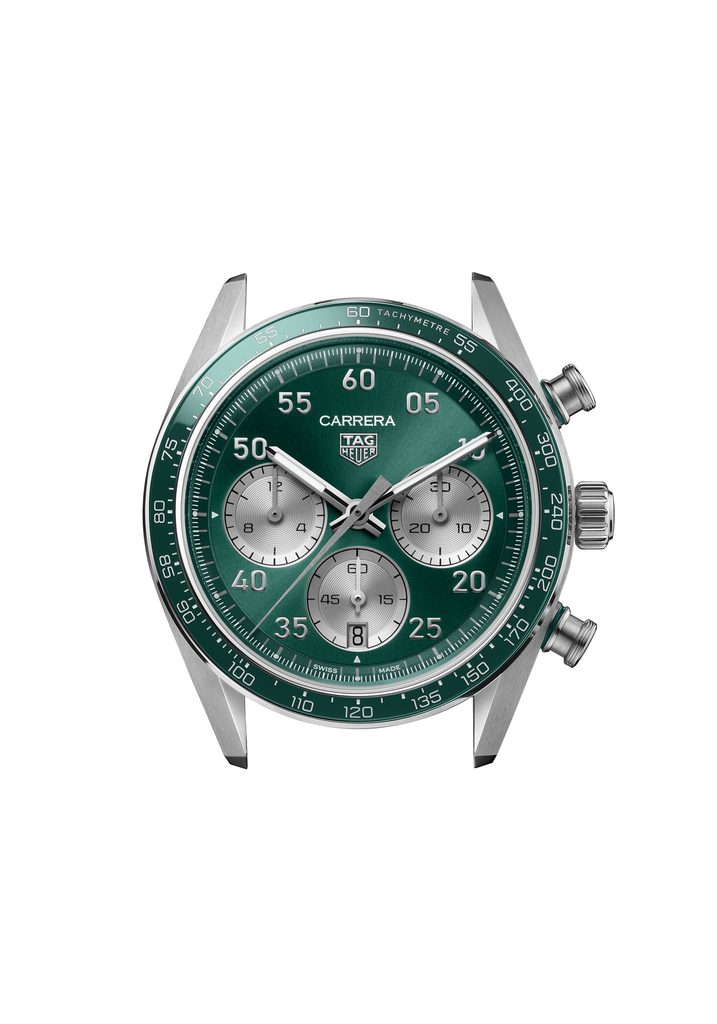
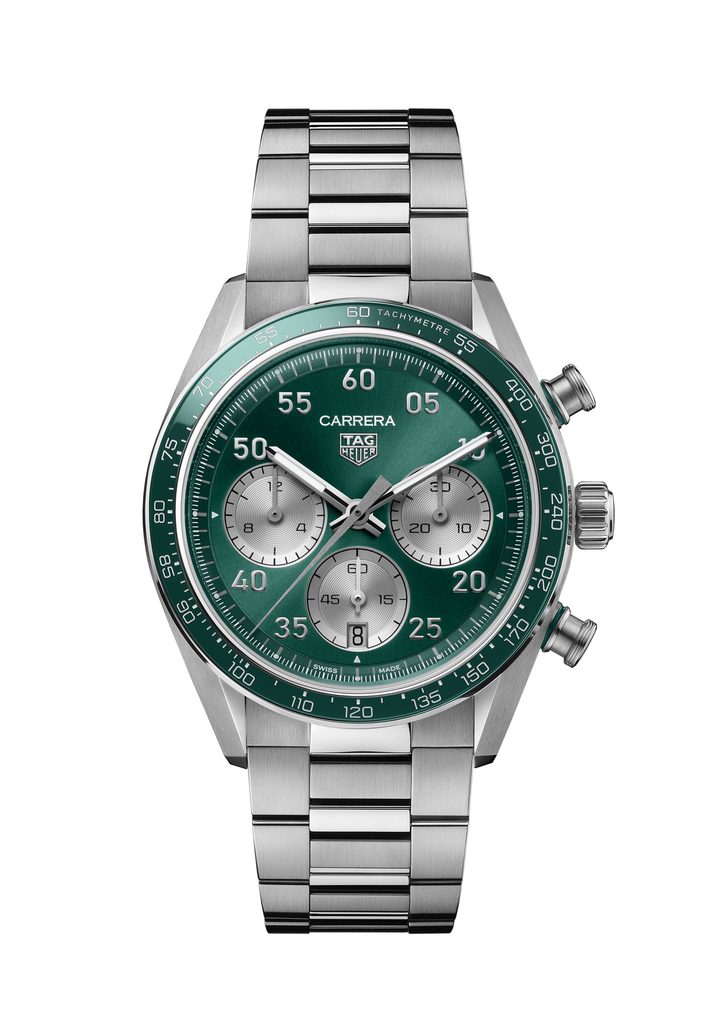
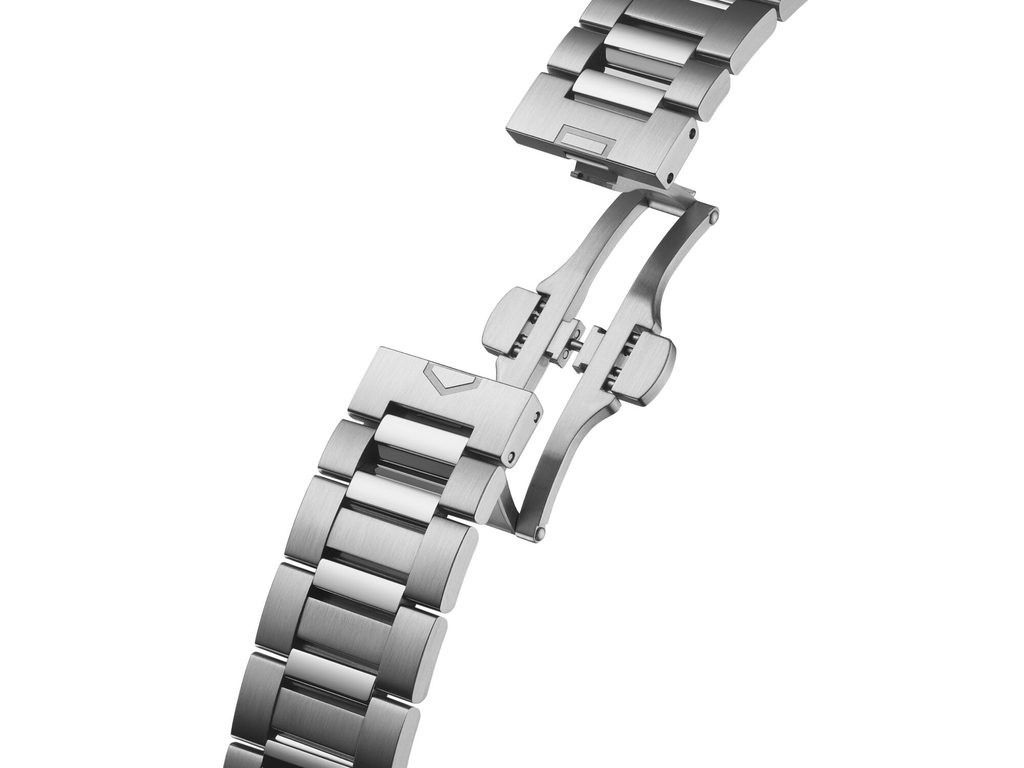
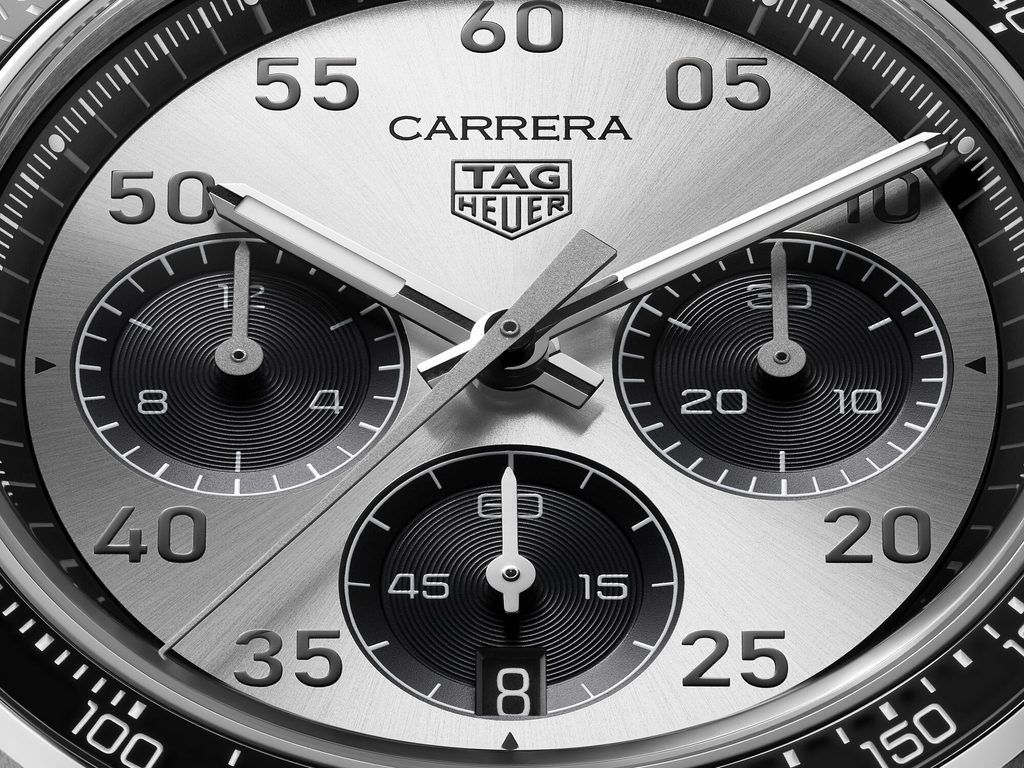
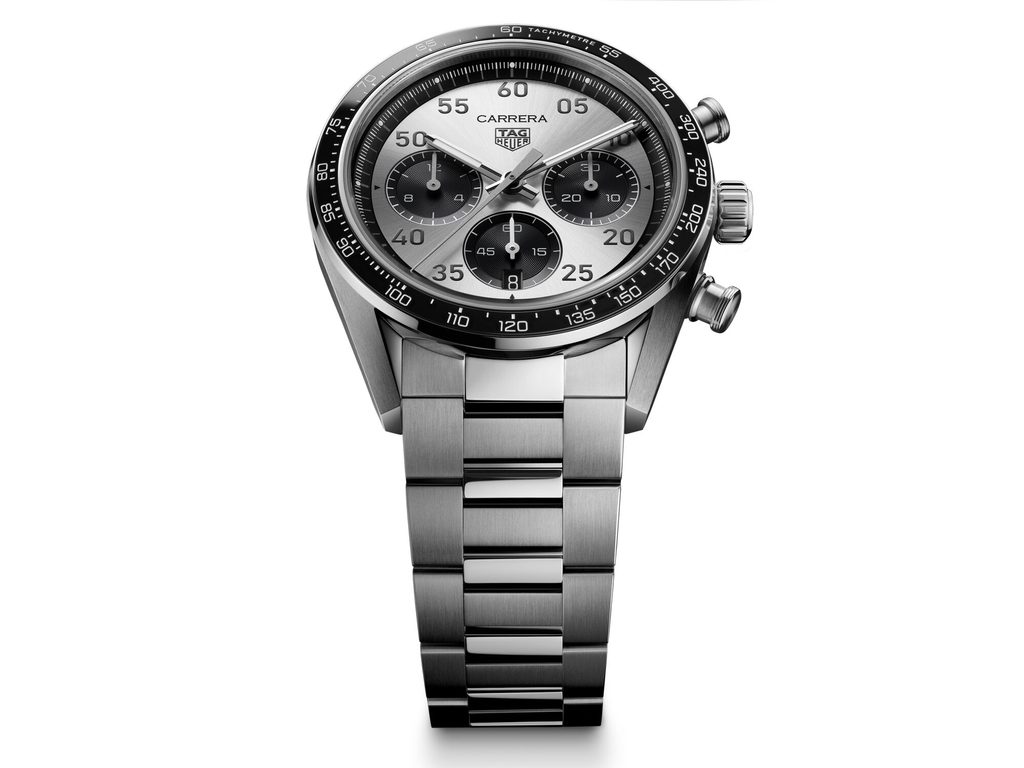
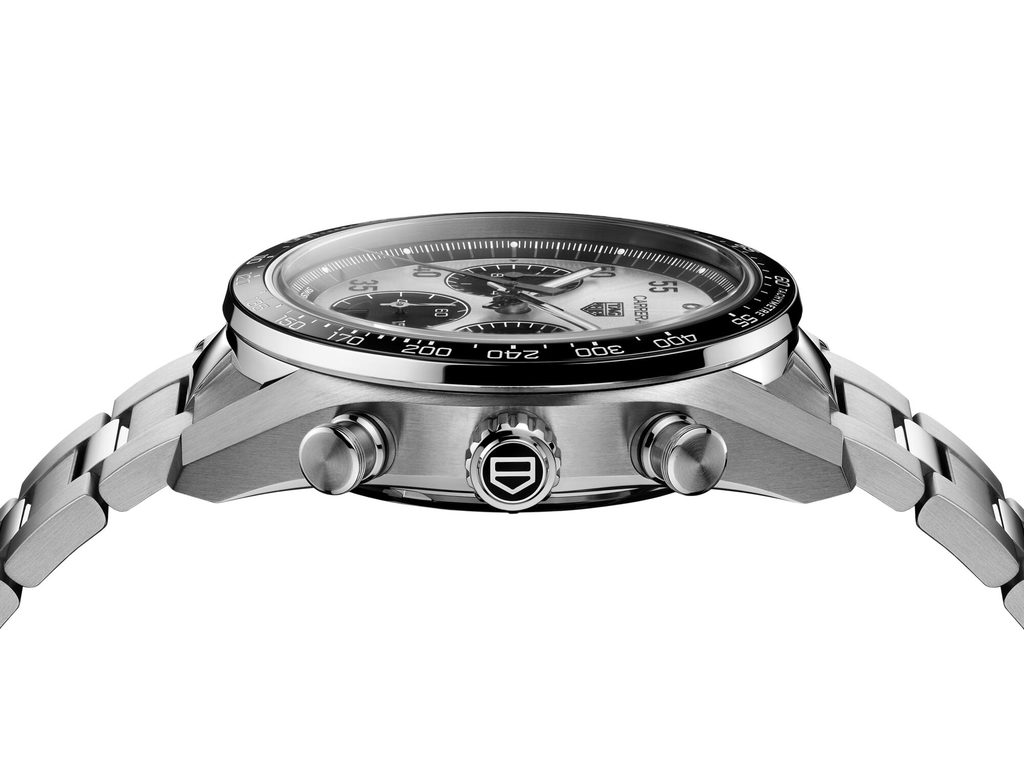
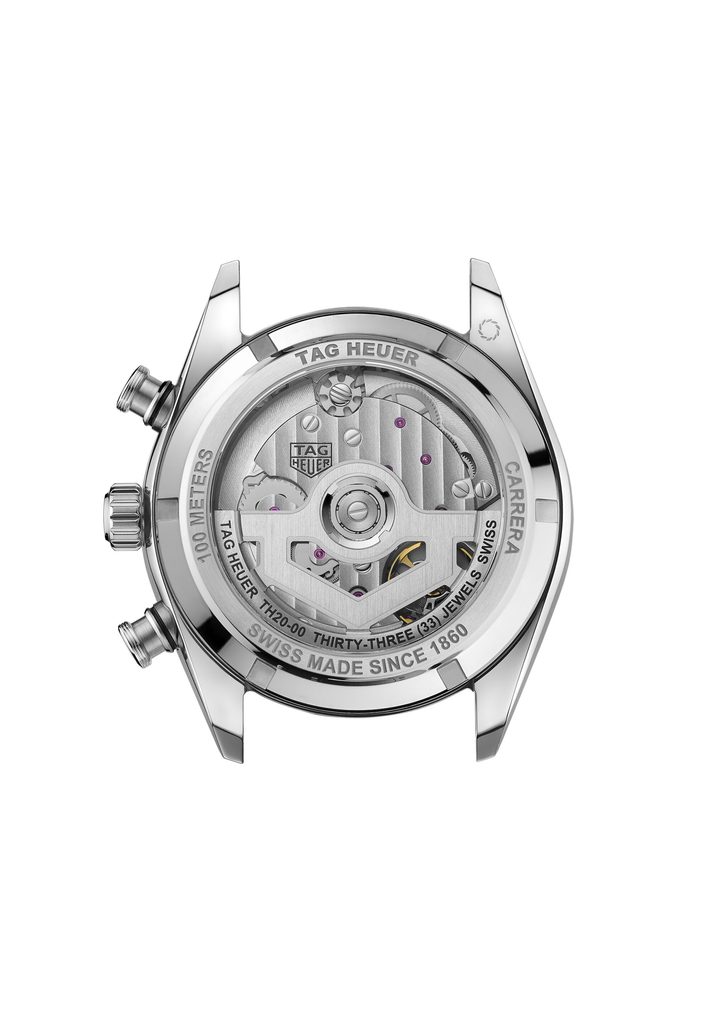
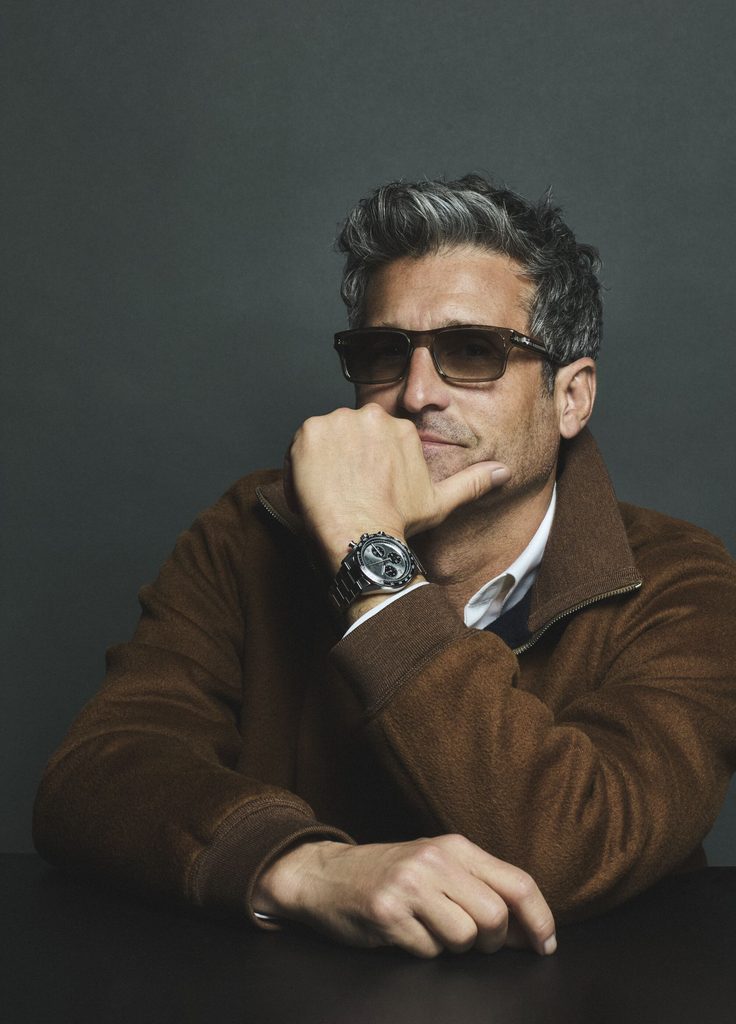
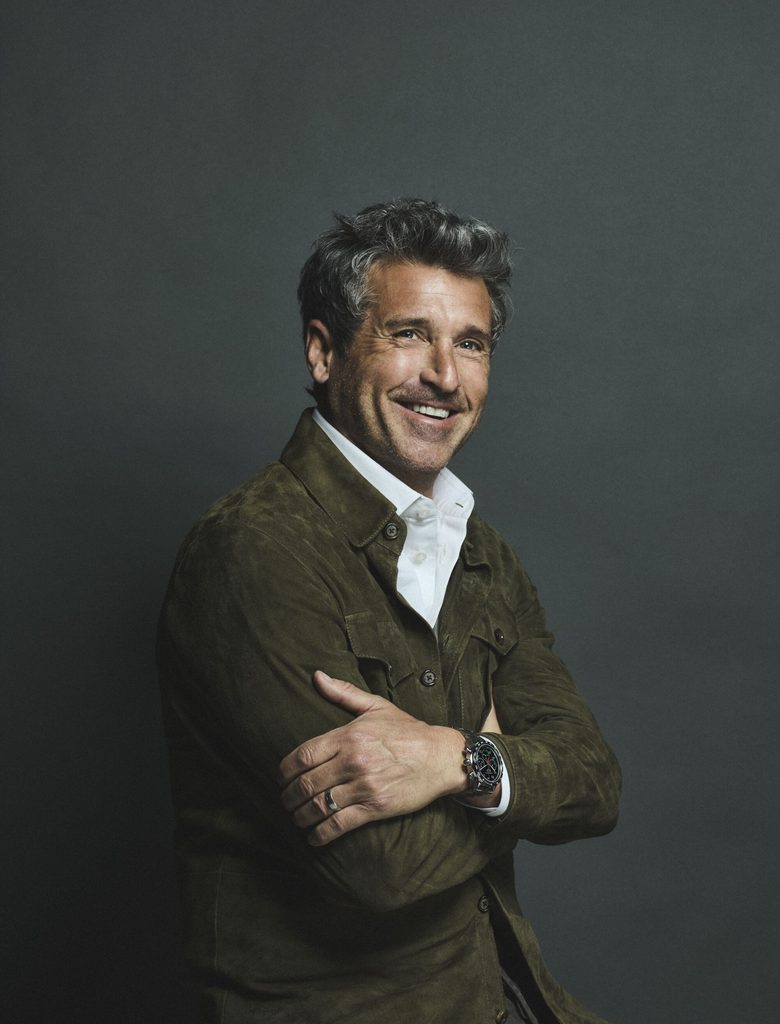
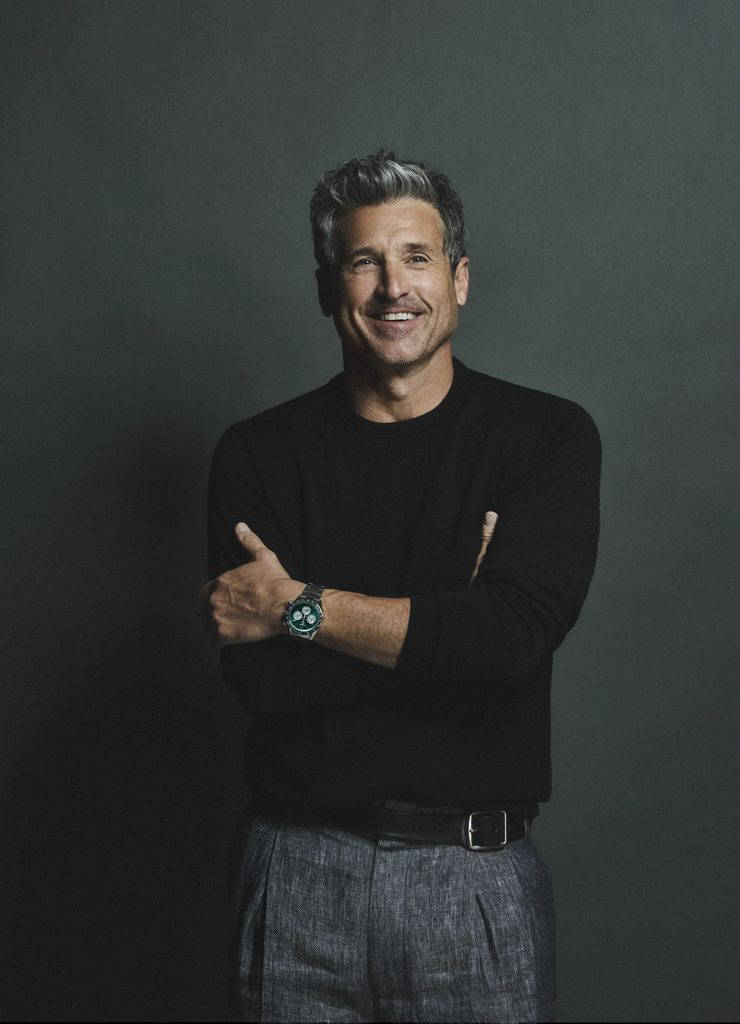

What the Carrera says about TAG Heuer
The watchmaker has built much of its legend on proximity to sports timing: dashboard chronographs used in racing from the 1910s, followed by decades of continuous presence on circuits through to today’s Formula 1 paddocks. Within that history, the Carrera holds a special position. It was born not from a sponsorship deal but from a direct tribute to a race, setting it apart from the house’s purely technical chronographs. Each reissue therefore revives less a product than a memory: a time when measuring seconds on the circuit was both a sporting act and a watchmaking achievement.
“A new expression of the Carrera, ready to take the fast lane again,” the house says. The phrase is refreshingly direct: the goal is not to reinvent a language but to carry it forward, convinced that a line born on the circuit never truly needs modernising — only, from time to time, a return to the track.
Cette publication est également disponible en :


