
In 1824, Dr. Johann Siegert was serving in the army of Simón Bolívar, the Liberator, somewhere in Venezuelan territory. What he was preparing was not a spirit—it was a medicinal tincture to treat the soldiers’ digestive ailments. Two hundred years later, the formula remains unchanged. Only five people in the world know its complete composition.
The secret of Angostura’s 52 natural ingredients is one of the few contemporary examples of a recipe with named owners in the global flavor industry. No patents, no public traceability: a deliberately limited, human-to-human transmission that has withstood two centuries of globalization and the era of industrial chemical formulation. In an industry where ingredient transparency has become a selling point, this deliberate silence speaks to something else—that value lies precisely in what is not disclosed.
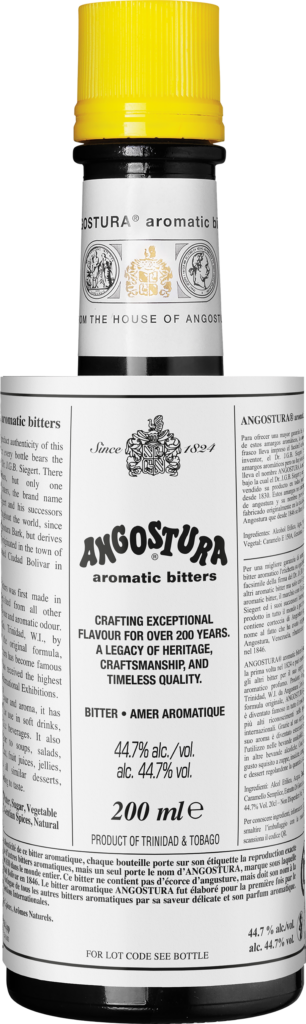
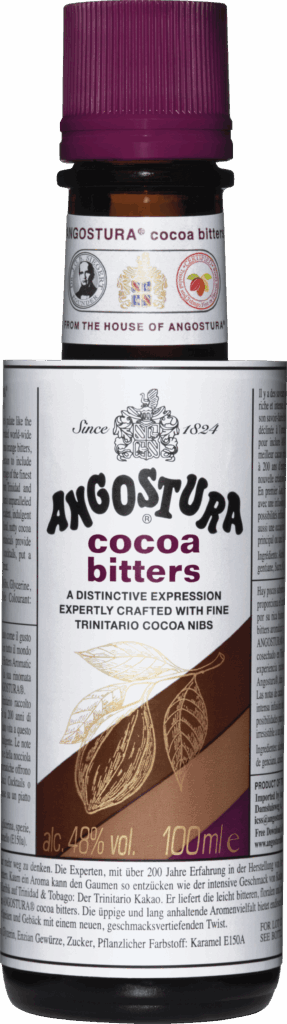
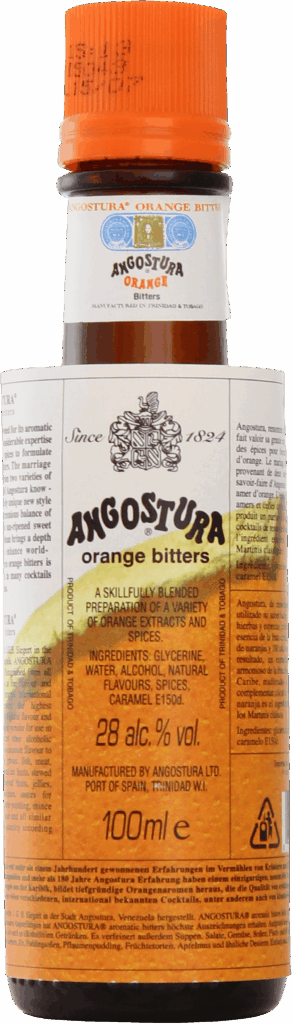
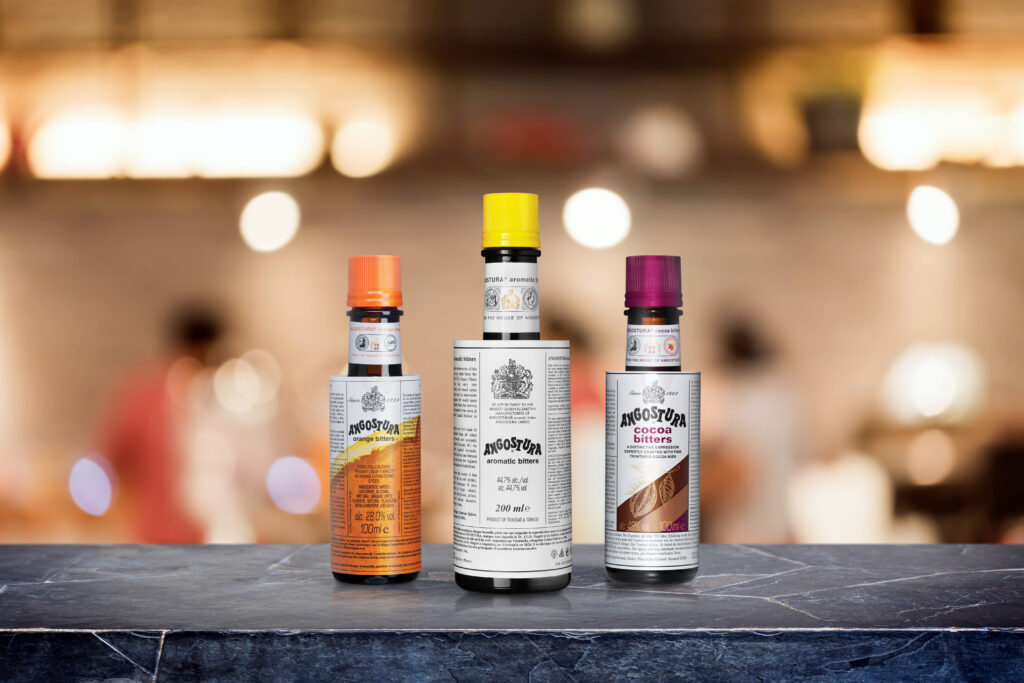
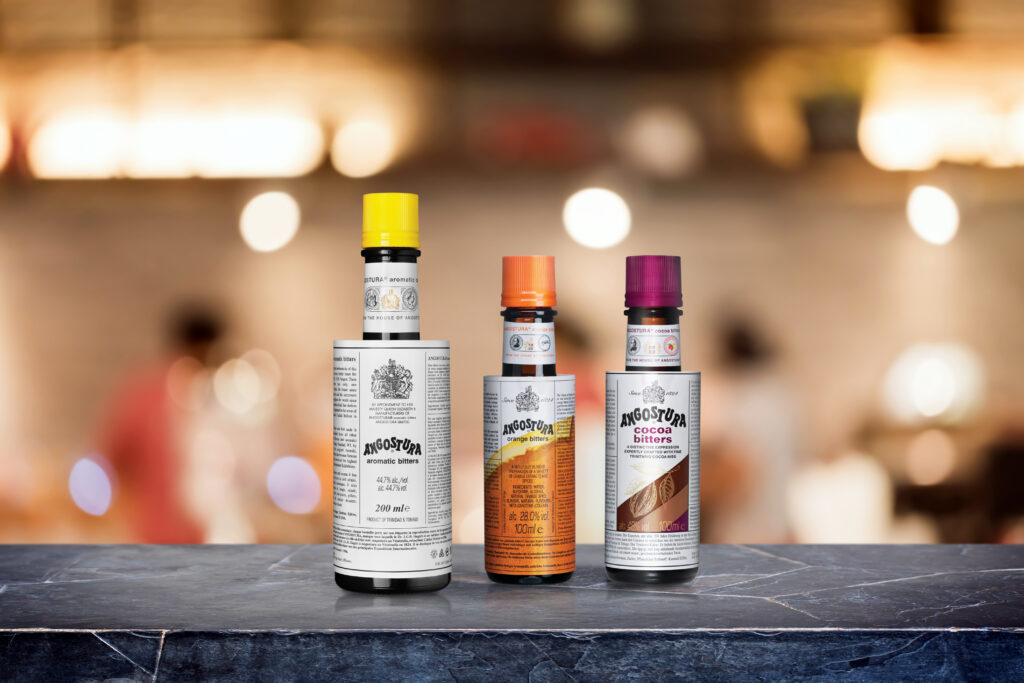
Today, the company produces three distinct bitters: the original aromatic variety, the orange bitters launched in 2007—which incorporates tropical spices—and the cocoa bitters made with Trinitario cacao from Trinidad & Tobago—a regional variety that emphasizes its geographical origins. All three share a common absence: no artificial colors or flavors. The bottle design, meanwhile, remains deliberately anachronistic—with its oversized label and yellow cap—a form that has remained unchanged since the brand’s inception and has become a universal symbol of recognition behind the bar.
In Trinidad & Tobago, solar energy is now incorporated into production. This move makes perfect sense: a company that has always drawn its legitimacy from longevity could not ignore the issue of its own industrial sustainability.
A partnership with Éditions de l’Épure has resulted in a book featuring ten recipes—bitters in sauces, desserts, and seafood pairings. This is a logical extension of an elixir that was never intended to be a bar ingredient.
Details: The Angostura formula contains 52 natural ingredients. Only five people possess full knowledge of it. This method of passing down the formula—which is closer to a trade secret than to intellectual property rights—has not undergone any documented changes since 1824.
Cette publication est également disponible en :

