
A French pastry chef returning for the second year in a row, a pop-up Dior boutique suspended above the Mediterranean, and works of art that become part of a permanent collection rather than leaving with the season: the Jumeirah Capri Palace is no longer just about hospitality.
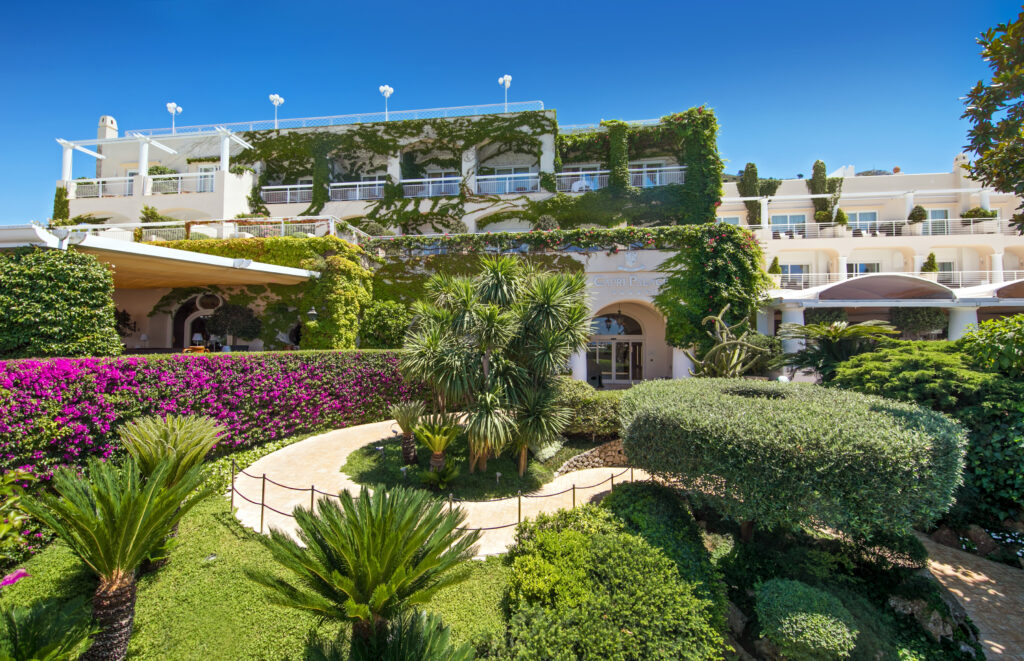
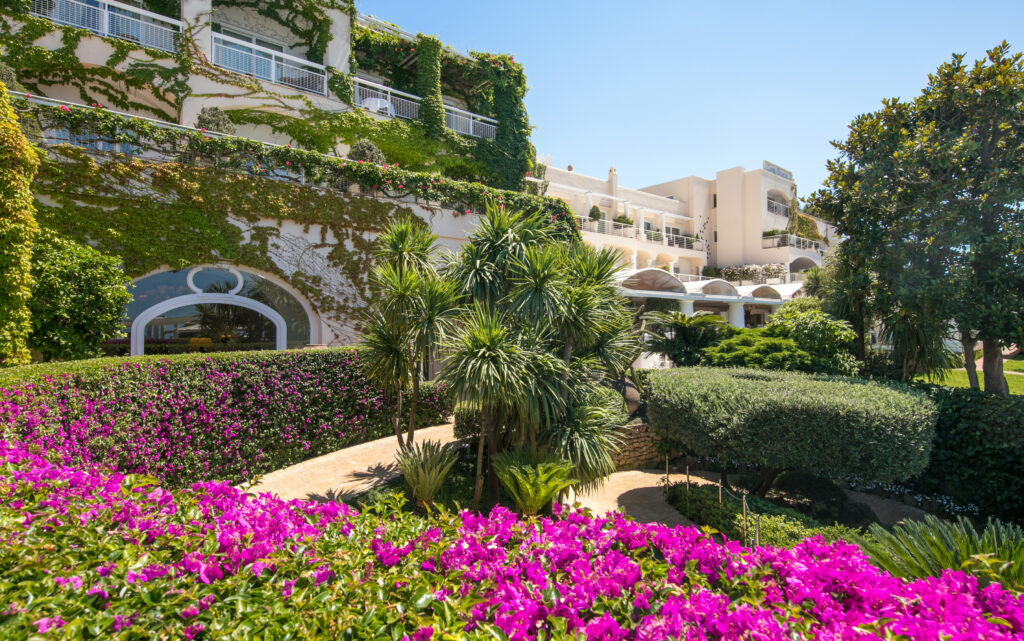
Reopening on April 16, the Jumeirah Capri Palace has built its 2026 season around three pillars that the hotel has championed for several years now: gastronomy, art, and wellness. There’s nothing particularly original about this statement—most Mediterranean luxury hotels tout the same trio. What is more original, however, is the way Anacapri has chosen to embody each of these three concepts, carefully avoiding a model based on one-off events in favor of a cumulative, almost heritage-based approach.
This is particularly evident in the realm of art. The long-standing partnership with Galleria Continua continues this season with a new temporary exhibition, but the hotel is taking things a step further by renewing its collaboration with the Festival del Paesaggio, an initiative dedicated to contemporary artistic research conceived by Arianna Rosica and Gianluca Riccio. An annual art prize will now be associated with the festival, and some of the works by the most recent winners will be added to the hotel’s permanent collection—“sine die,” the press release specifies, a term that is by no means insignificant in the understated vocabulary of the luxury hotel industry. The artist duo Masbedo will present two pieces there, one of which will become a permanent part of the collection, while the other will be on display exclusively for the 2026 season; Clarissa Baldassarri will do the same with a unique work. A hotel that acquires art rather than simply exhibiting it no longer functions entirely as a place to stay: it functions as an institution building a cultural heritage, with the same approach to monitoring and preservation as a museum.
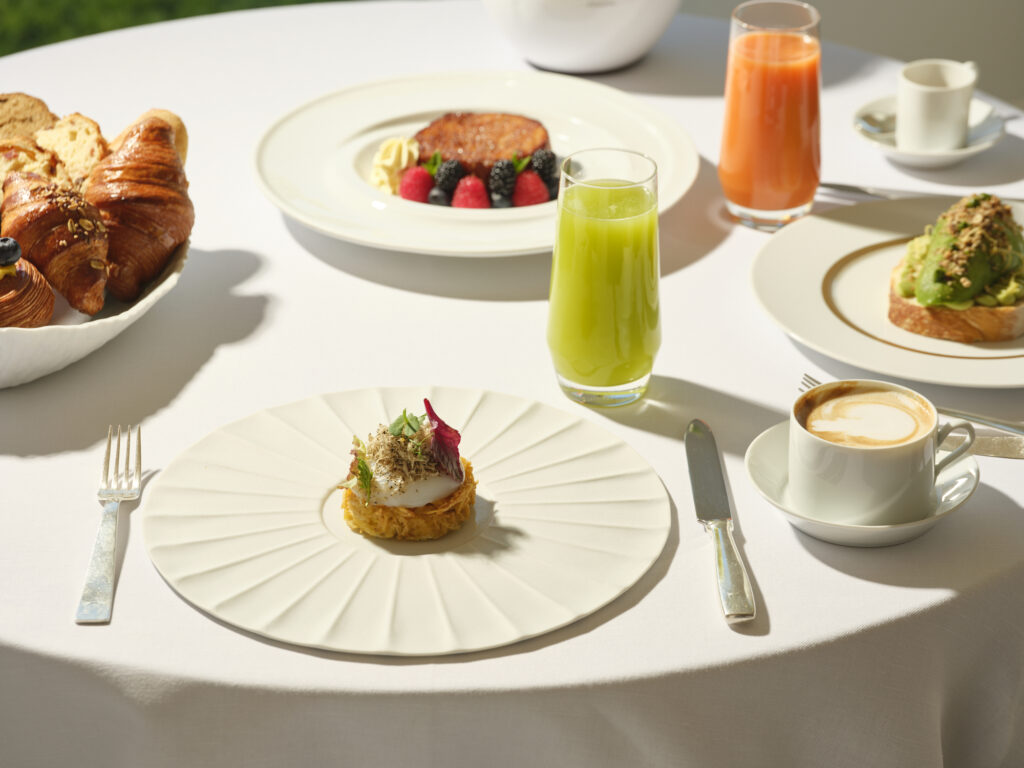
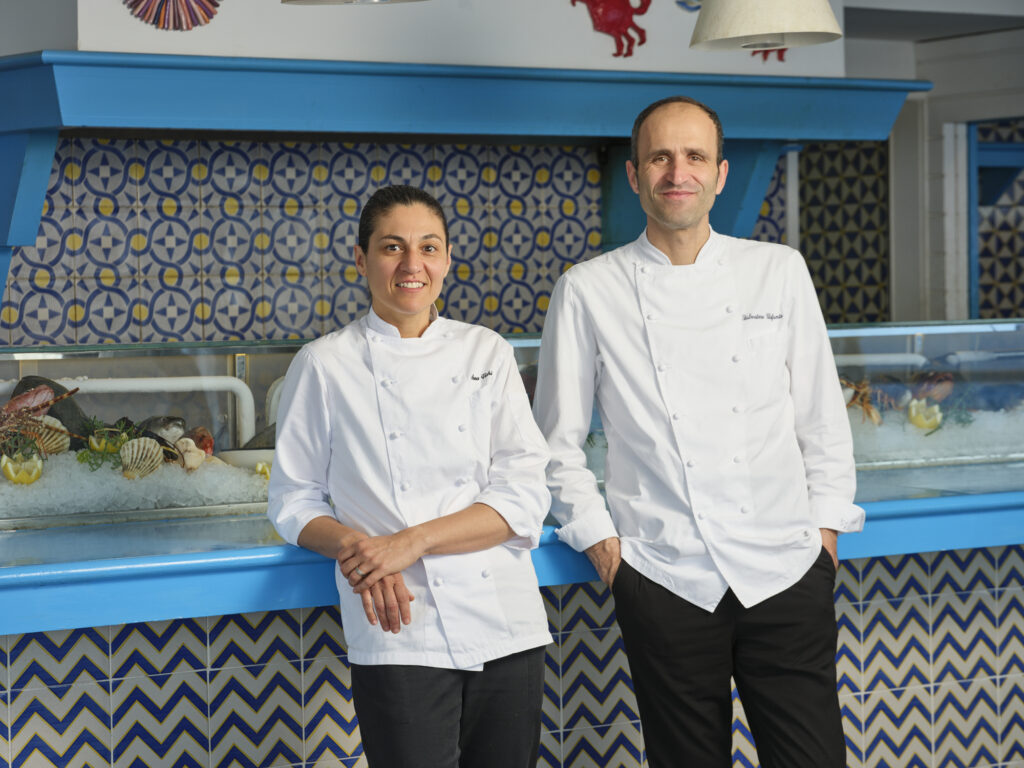
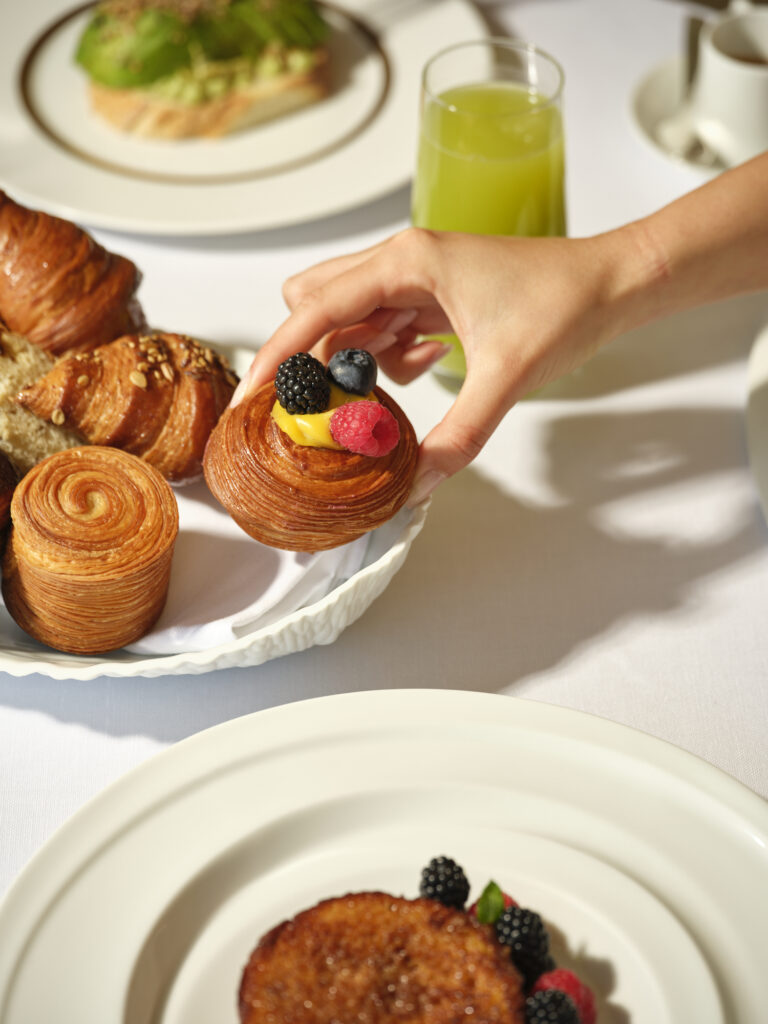
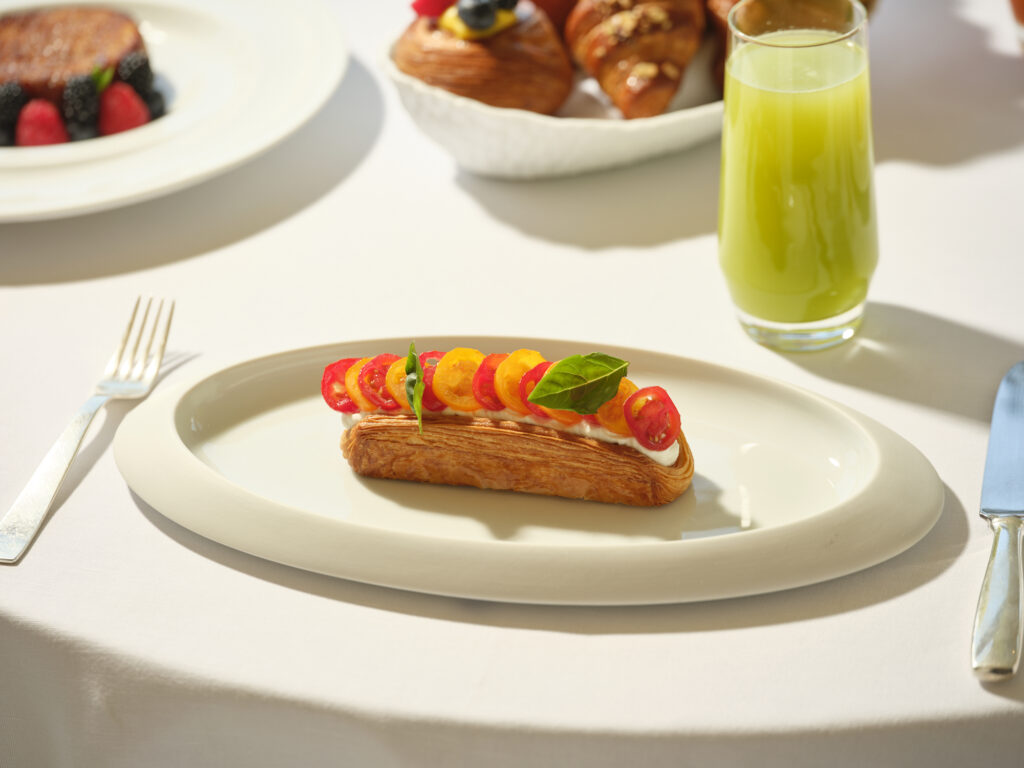
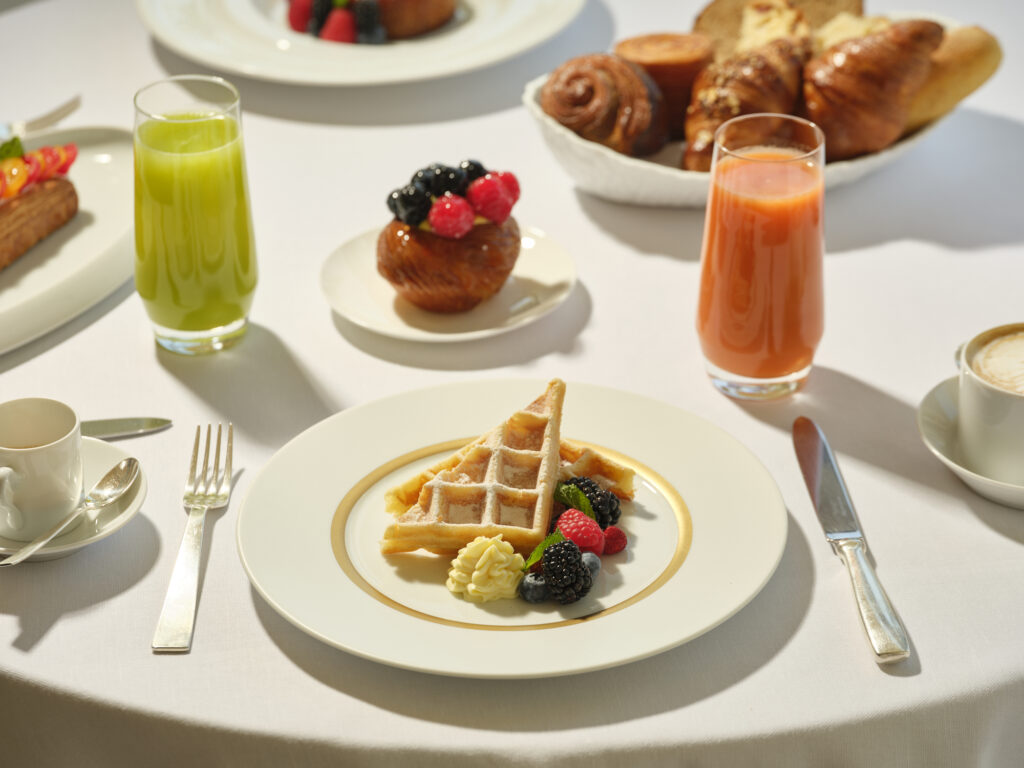
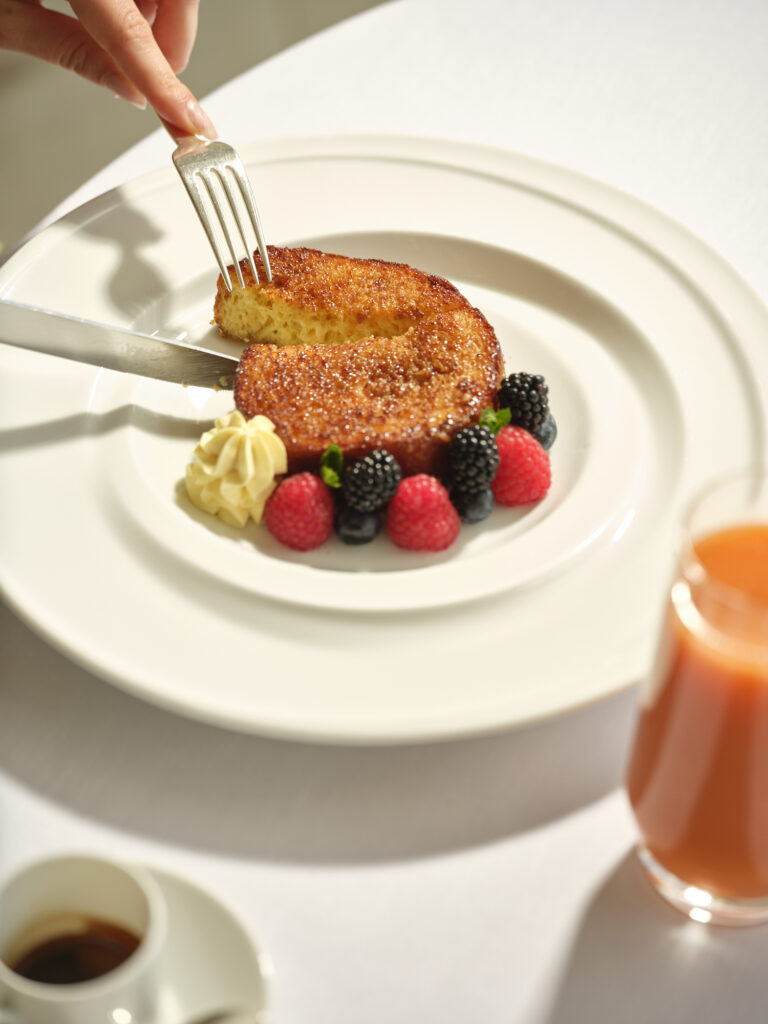
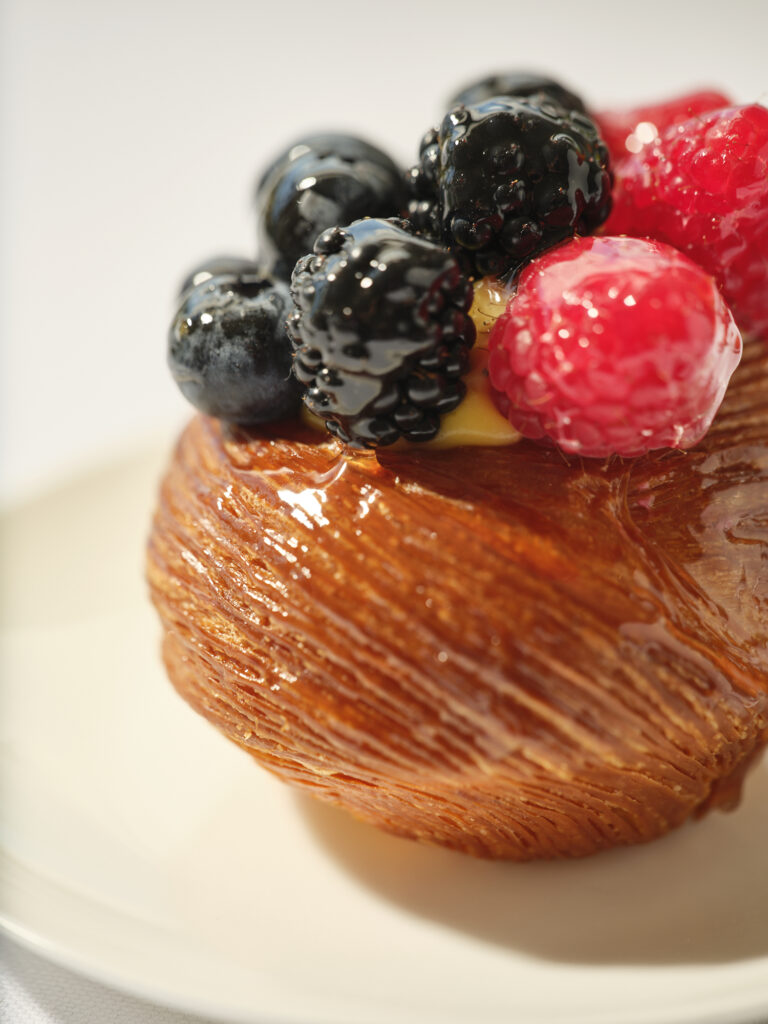
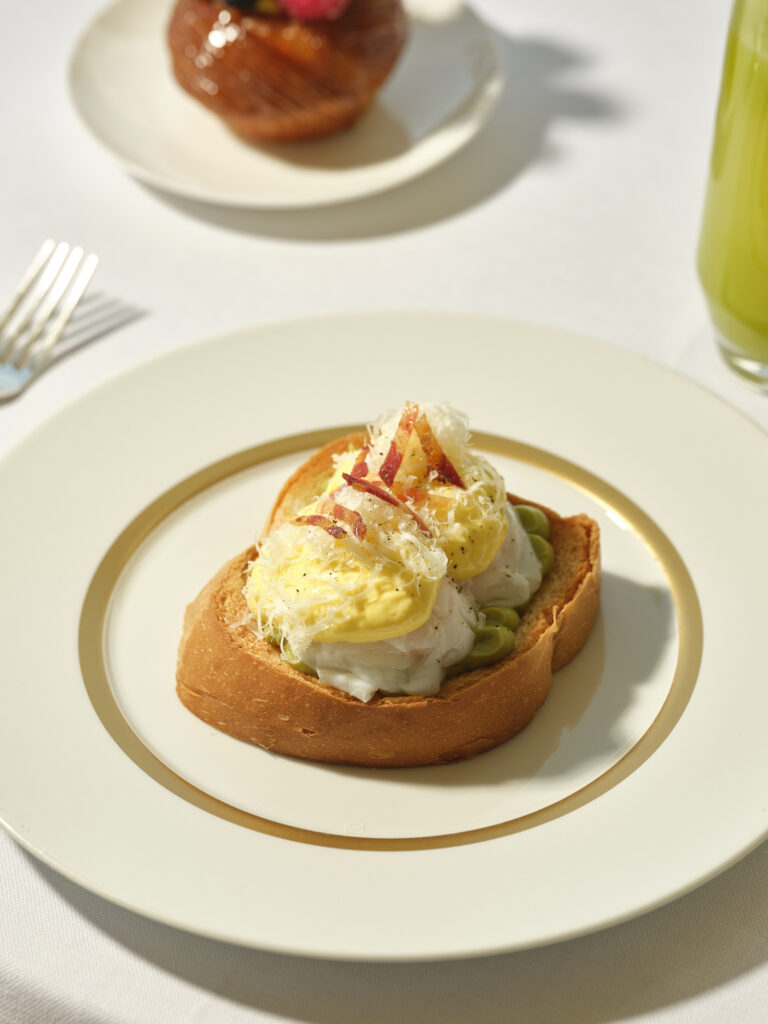
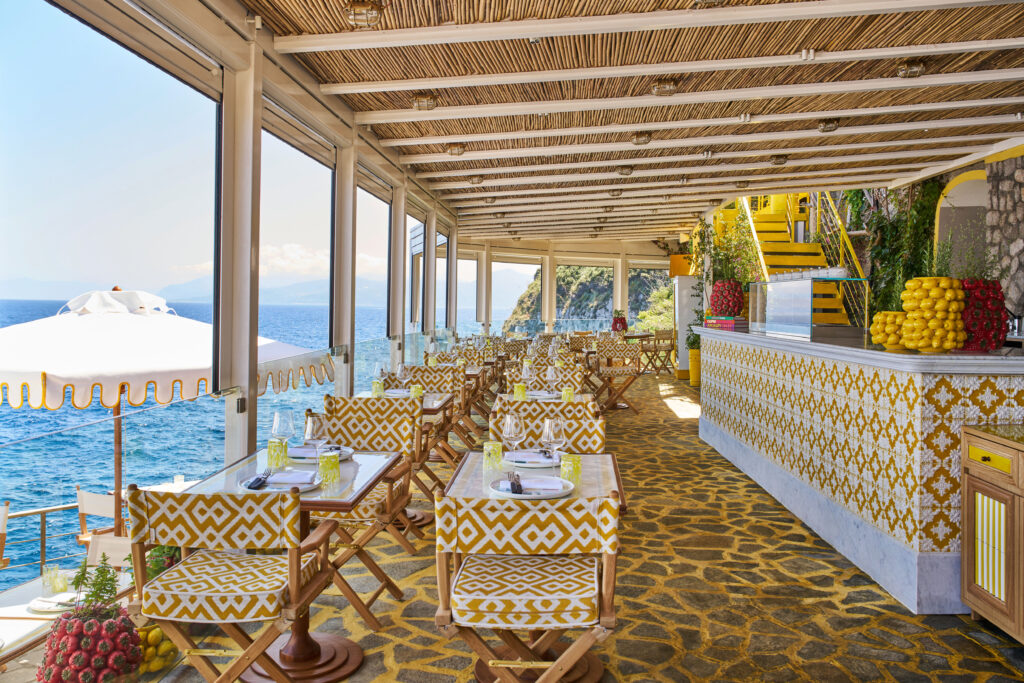
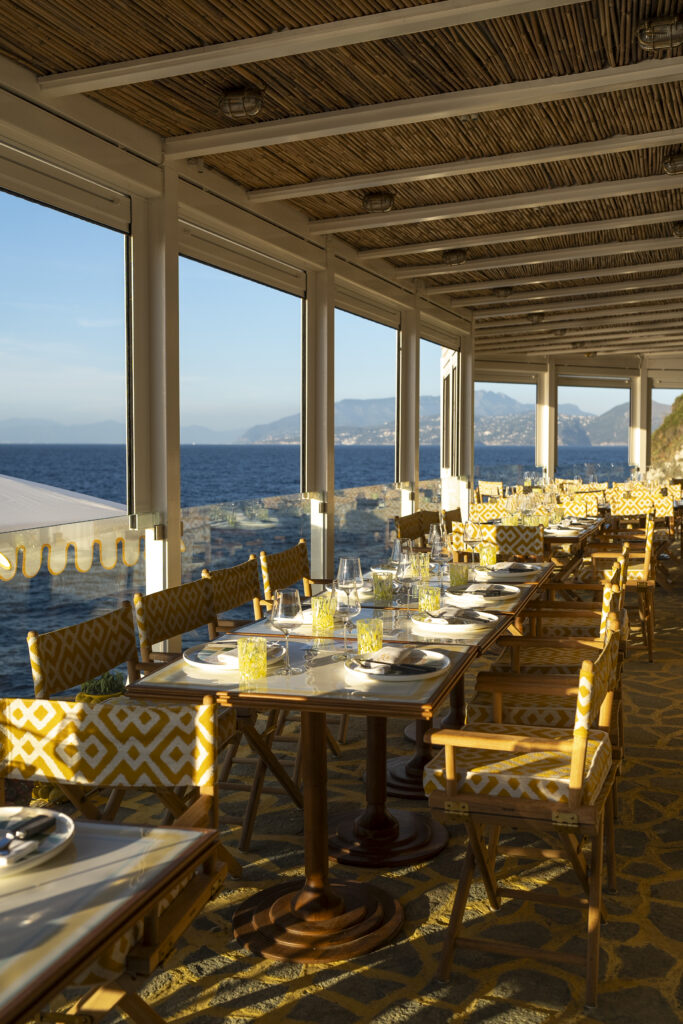
On the dining front, this season marks Pierre Hermé’s return for a second consecutive year to design the dessert menu as part of the four-handed dinners that enliven Il Ristorante L’Olivo, the only two-Michelin-star restaurant on the island of Capri. Overlooking the turquoise waters, Il Riccio’s terrace transforms into the pop-up boutique Dioriviera for the summer, continuing a now-established collaboration between the hotel and the Parisian fashion house. While this is nothing new in the Mediterranean luxury hotel industry, it illustrates a growing convergence between fashion and hospitality, where the fashion brand is no longer content to simply sponsor a venue: for a few weeks each year, it becomes a business in its own right there.
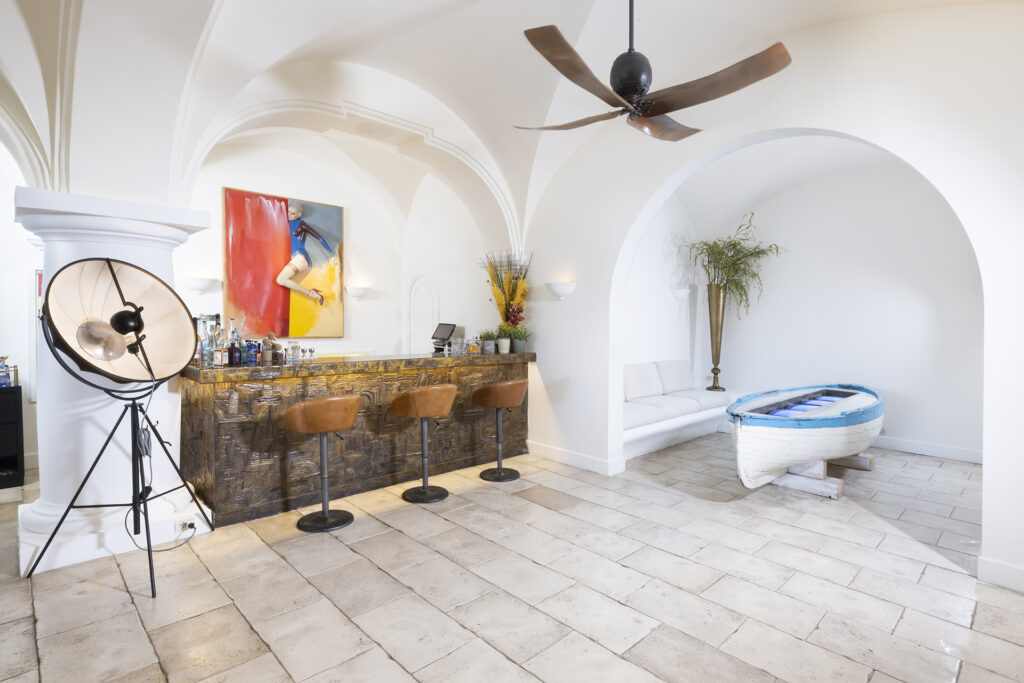
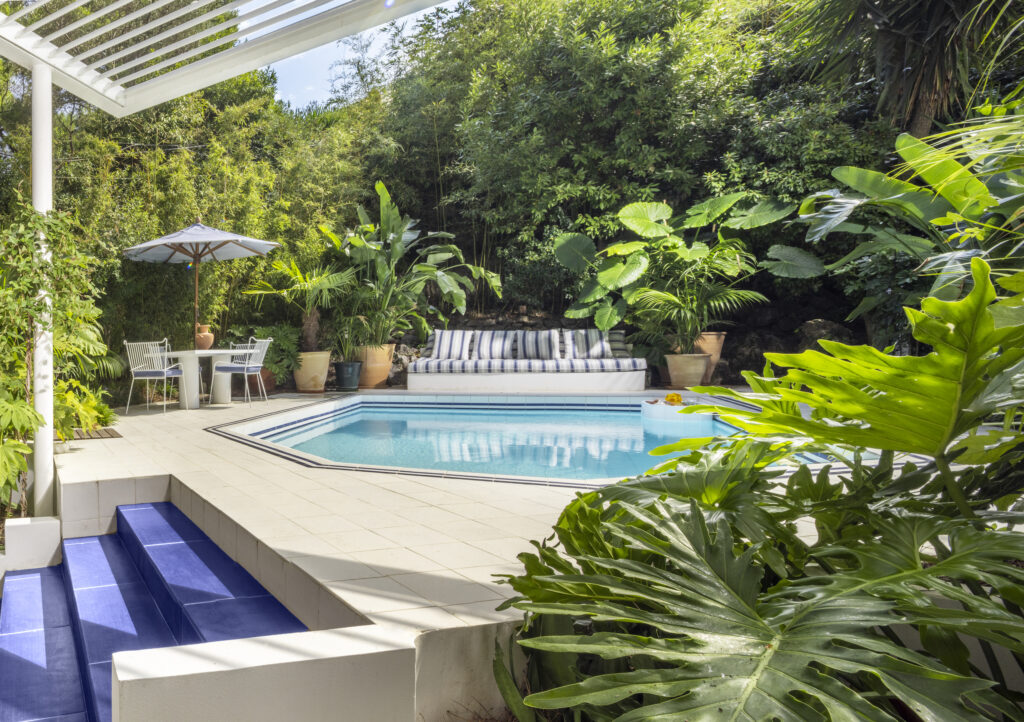
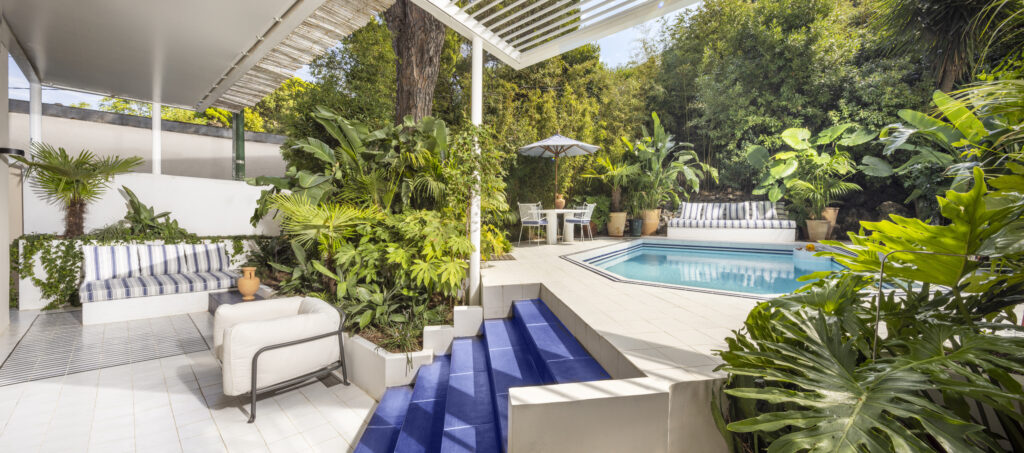
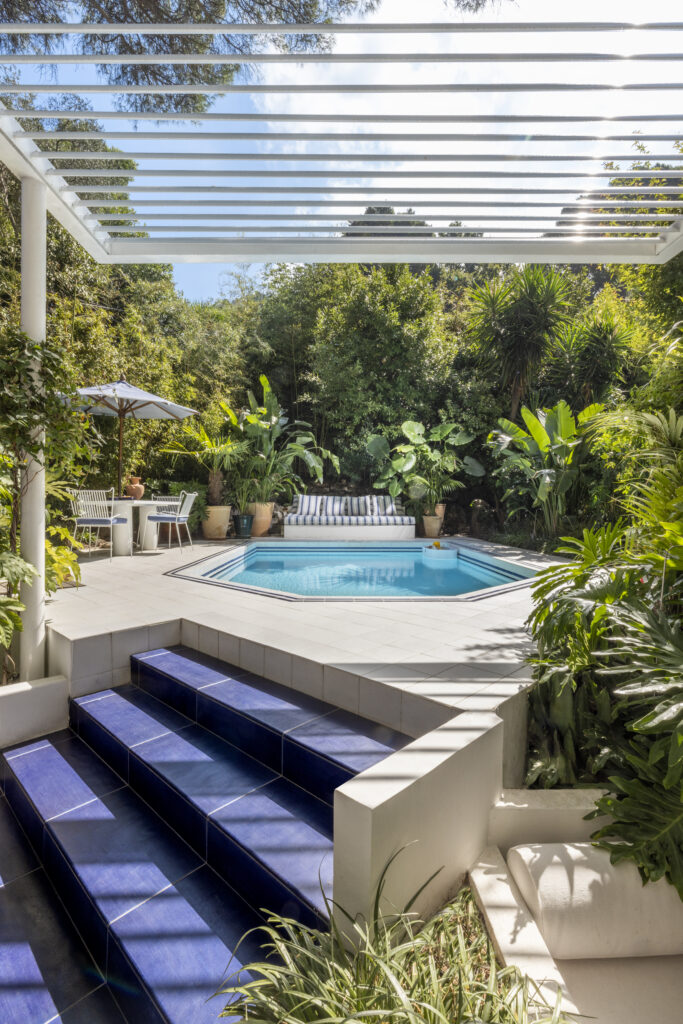
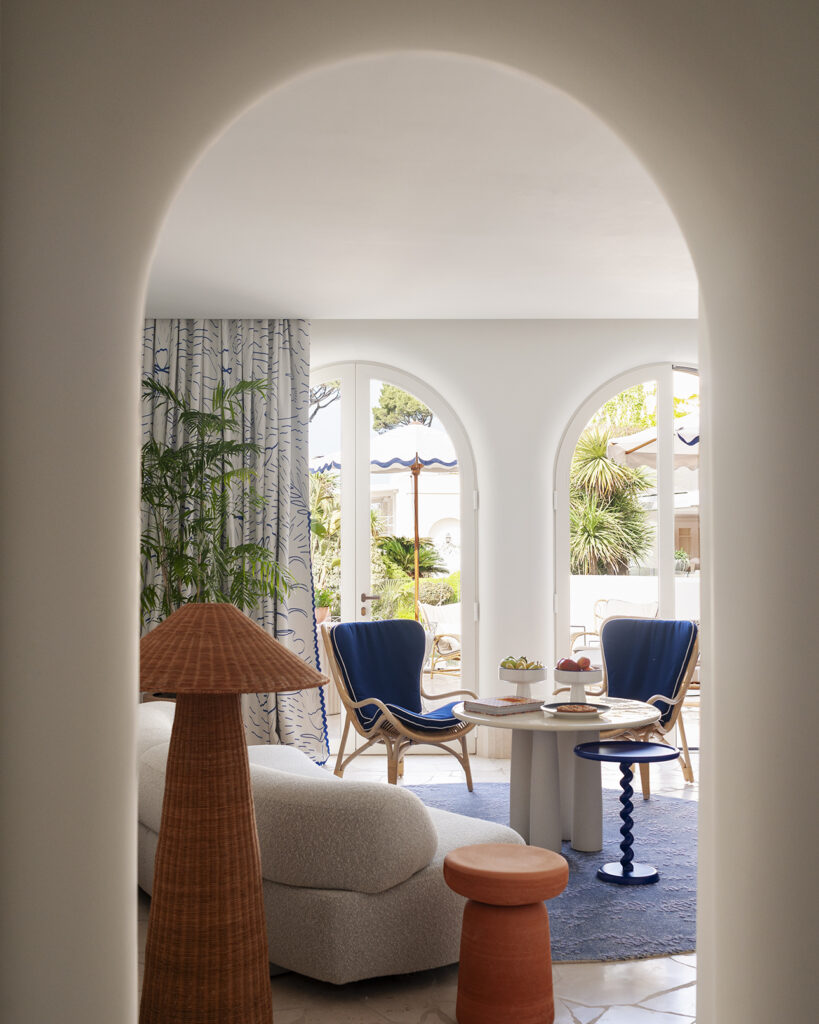
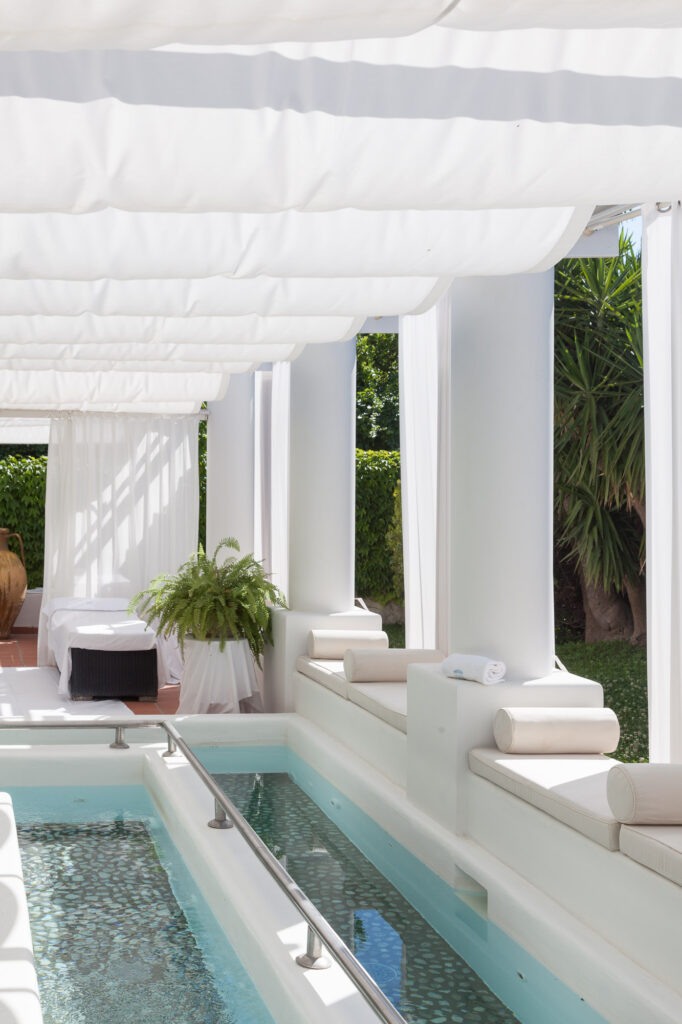
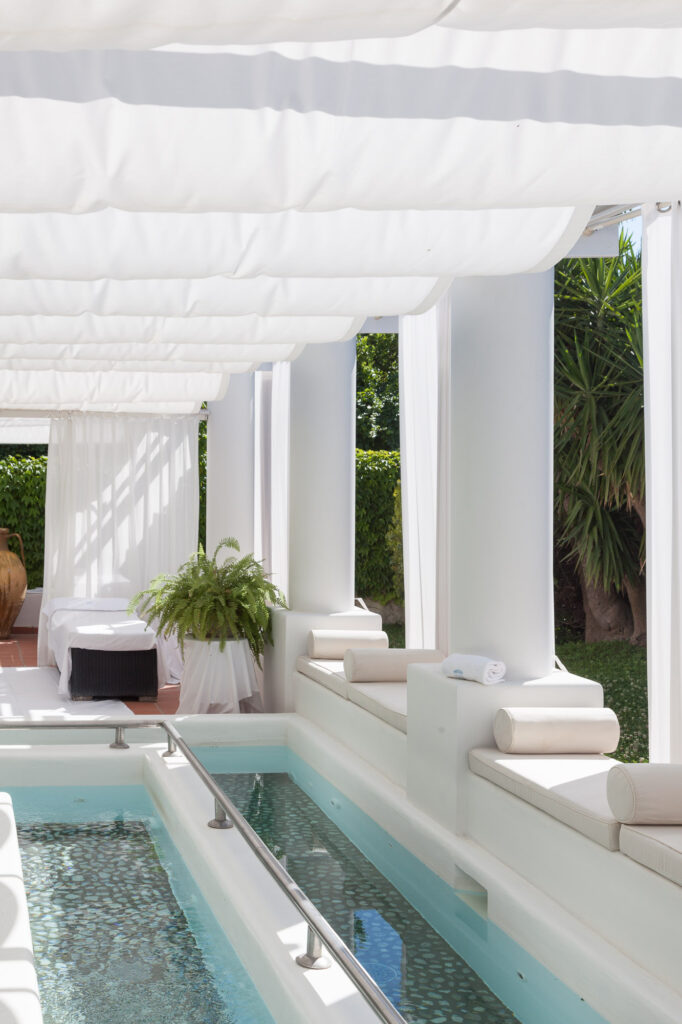
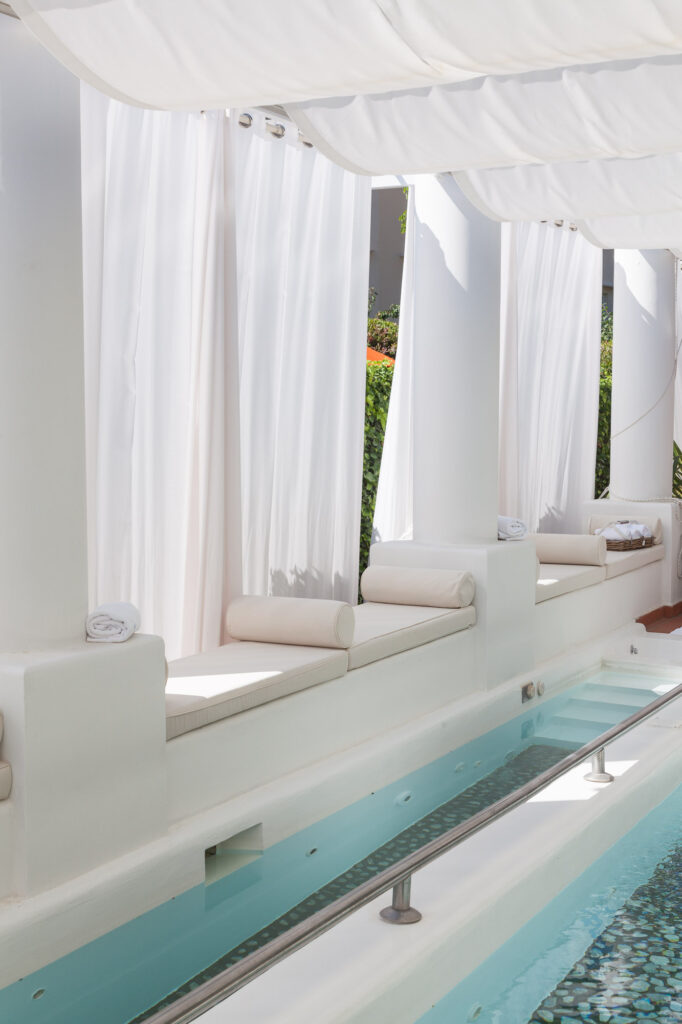
The third pillar, wellness, is centered at the Capri Medical Spa, led by dermatologist Chantal Sciuto, a specialist in regenerative aesthetic medicine, and known for its signature “Leg School” treatment, designed to improve circulation through a clinical rather than purely cosmetic approach. Finally, the season is part of the new design chapter by Patricia Urquiola, who has redesigned the Mariorita suites and extended her design language—rattan, glazed terracotta, custom-made marble—to the garden, the pool bar, and the terrace of the Bar degli Artisti. One question remains—one that the hotel does not explicitly ask, but which its strategy raises on its own: as Mediterranean luxury hotels accumulate artworks, awards, and cultural collaborations, where does hospitality end and patronage begin?
This steady accumulation—artworks, awards, artist residencies, and fashion collaborations renewed season after season—sets the Capri Palace apart from other major Mediterranean hotels, placing it closer to the model of a private foundation than to the more traditional model of a seasonal resort that renews its decor every year without ever keeping anything. It is also a long-term investment: the artworks added to the collection indefinitely will not generate any immediate return on investment, but they anchor the establishment in a sense of permanence that the mere rotation of culinary or spa offerings cannot achieve.
The institution does not disclose figures regarding the cost of this acquisition policy, but the message sent to the art market is unambiguous: a hotel can now be considered, on par with a foundation or a private collection, among the potential outlets for the emerging artists that the Festival del Paesaggio chooses to honor each year.
Cette publication est également disponible en :

