
This summer, Moët & Chandon is launching the second season of its collaboration with Pharrell Williams—and has chosen to highlight a cuvée that many Champagne houses would not have dared to publicly champion: a champagne designed to be diluted.
Since 2010, Ice Impérial has held a unique position in the company’s portfolio. Not because of its packaging—which has changed over the years—but because of a technical decision made before any aesthetic considerations were taken into account: how to craft a blend that resists dilution caused by ice without losing either its balance or its aromatic character?
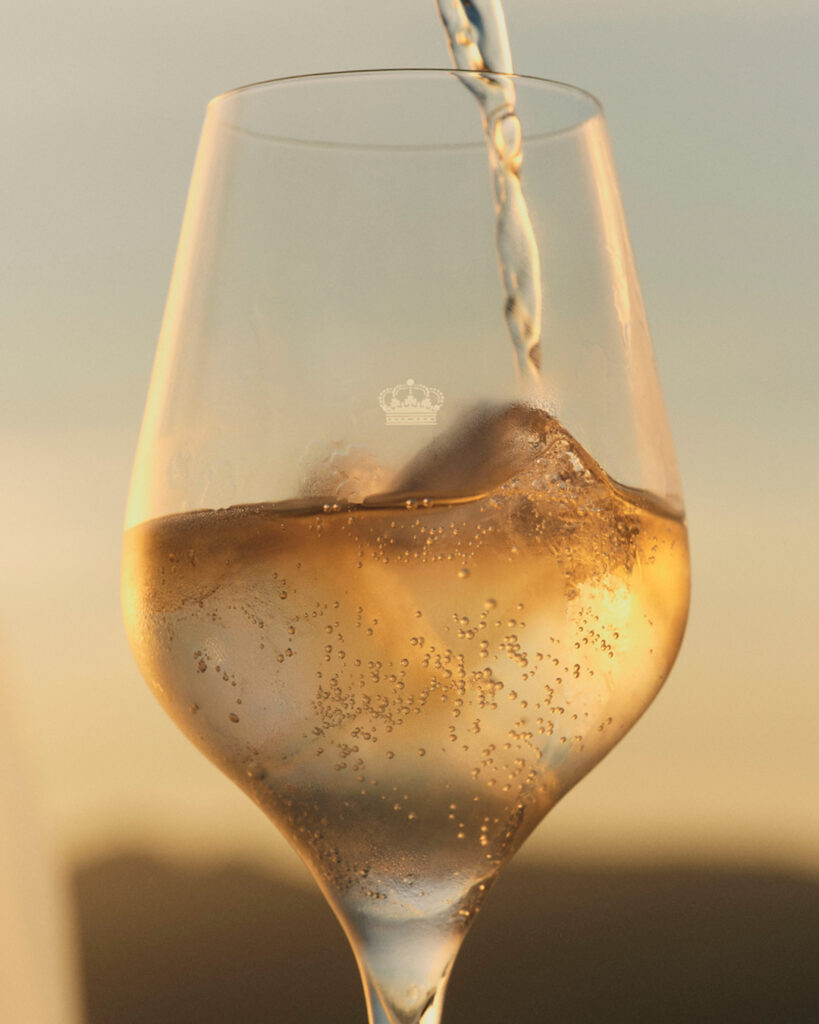
The answer lies in two factors. First, the dosage, set at 45 grams of liqueur per liter—more than five times the threshold for a classic Brut. A choice that, in the current context of a Champagne region largely focused on Extra Brut and zero dosage, represents a form of resistance. Second, the grape variety composition: 40 to 50% Pinot Noir for structure, 30 to 40% Pinot Meunier for roundness, and 10 to 20% Chardonnay to maintain tension—a blend designed so that each of the three ice cubes recommended by the serving ritual does not dull the cuvée, but rather gradually releases its aromatic layers.
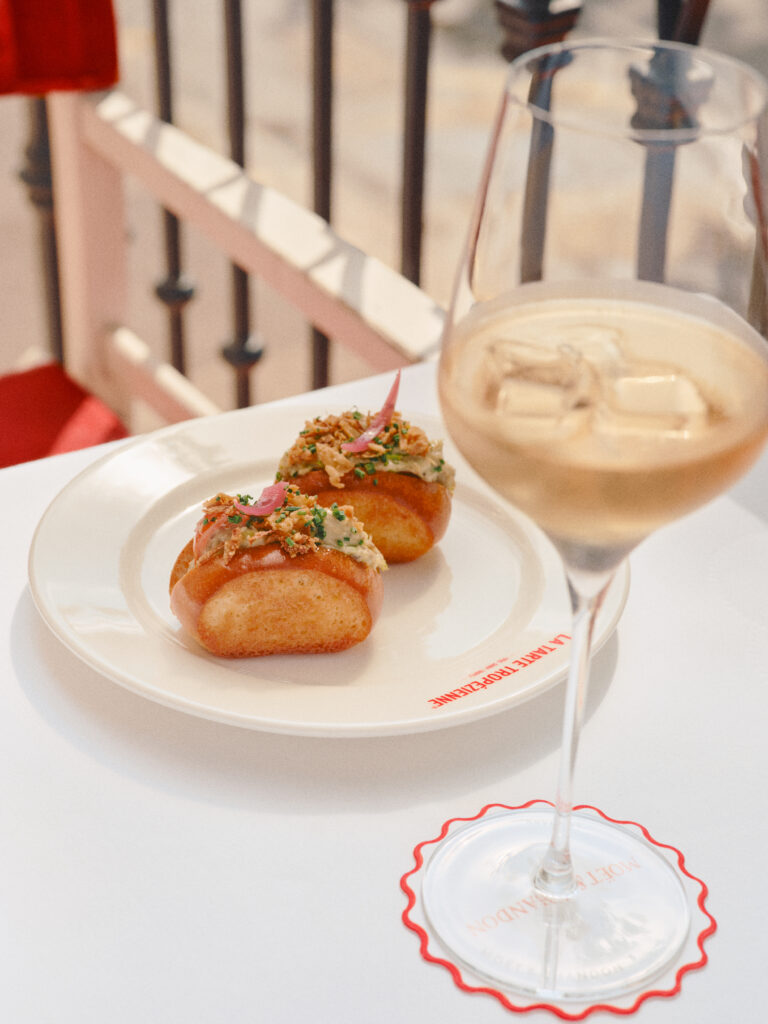
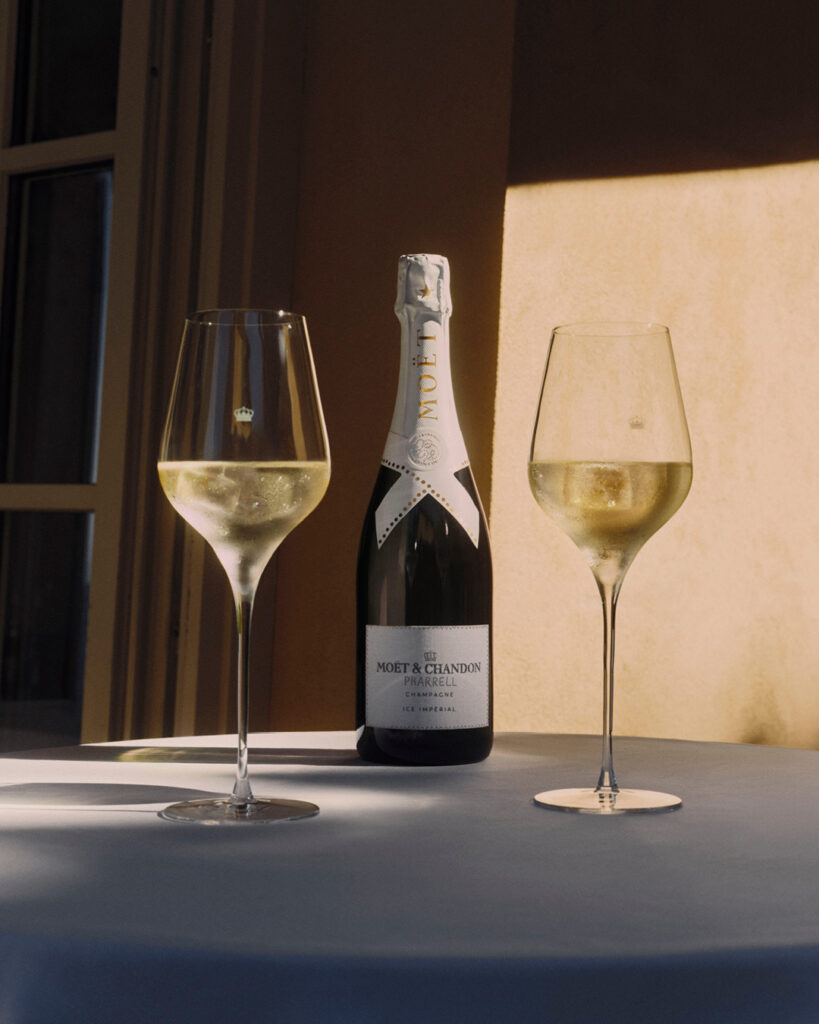
What you get in the glass: a golden color with amber highlights, a nose of mango, guava, and ripe nectarine, with soft spices in the background, and a finish where ginger and citrus lend a sense of freshness rather than heaviness. The pronounced sweetness from the dosage isn’t overpowering—it keeps the champagne in balance against the melting ice.
Undressing the Bottle
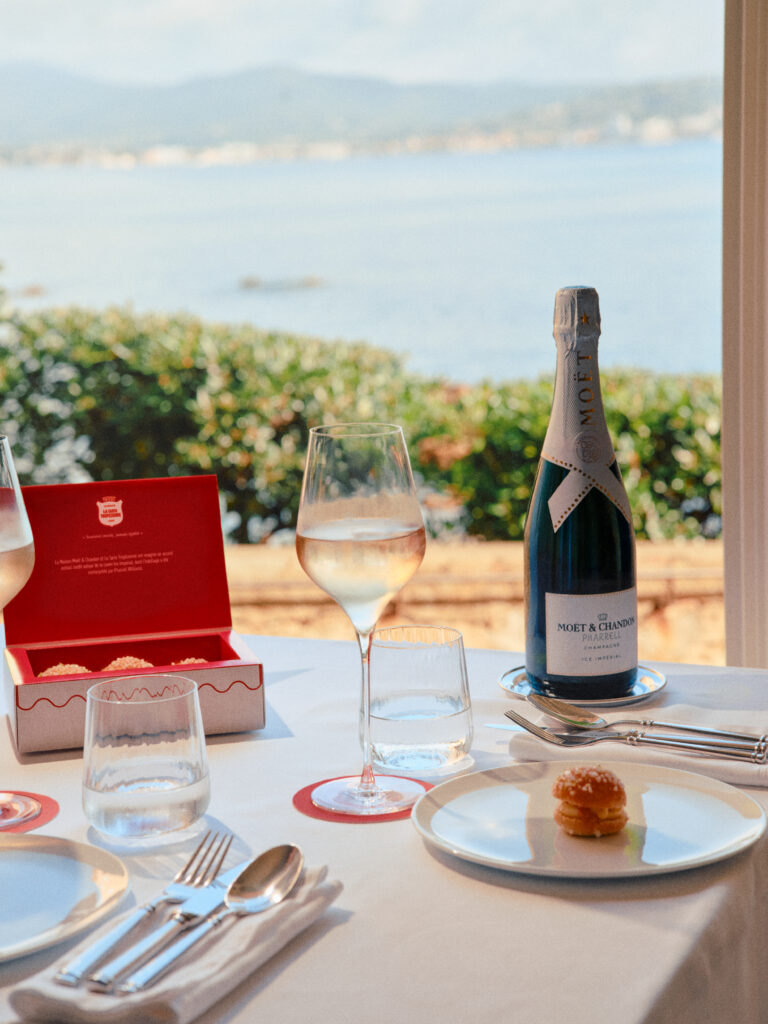
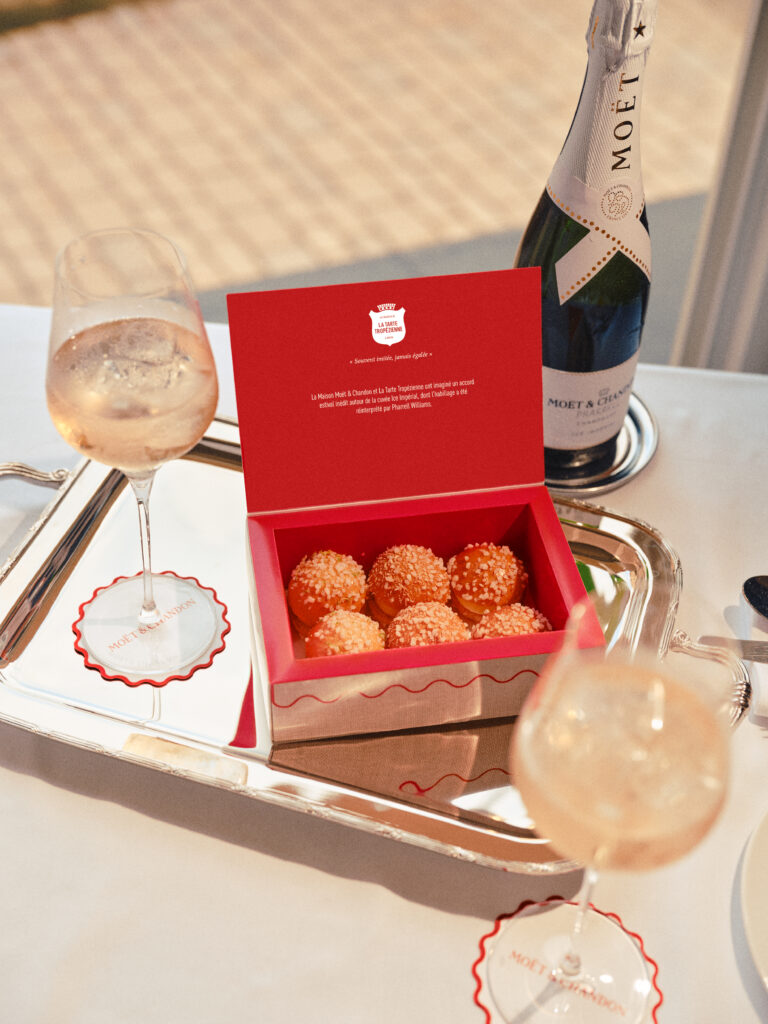
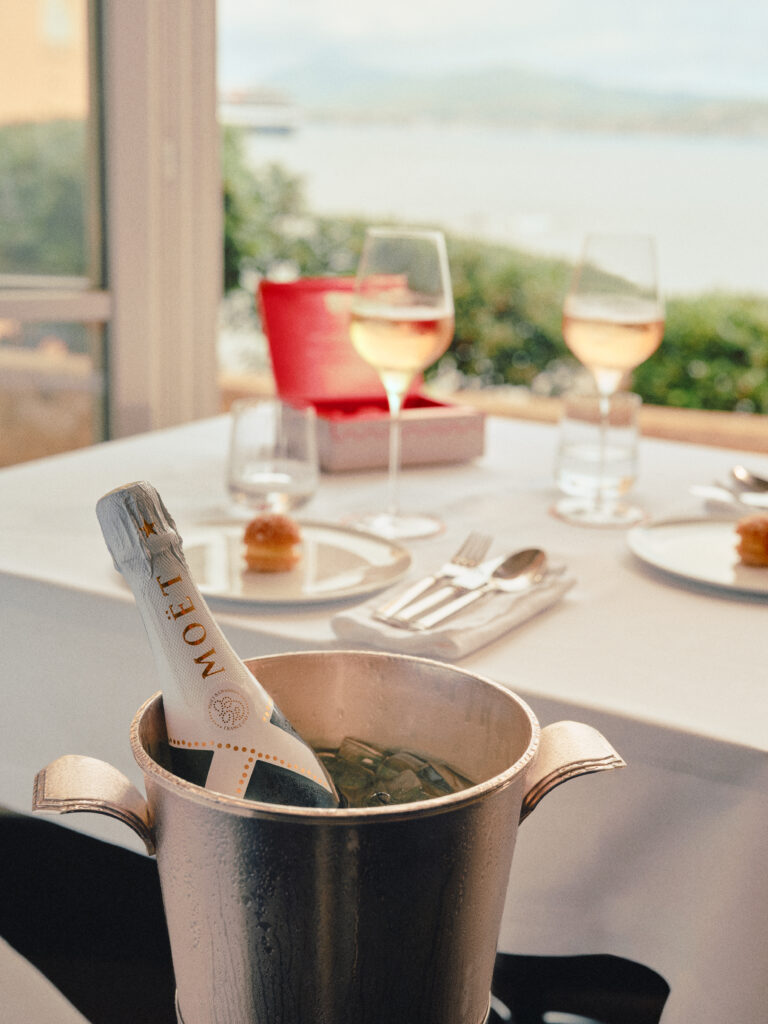
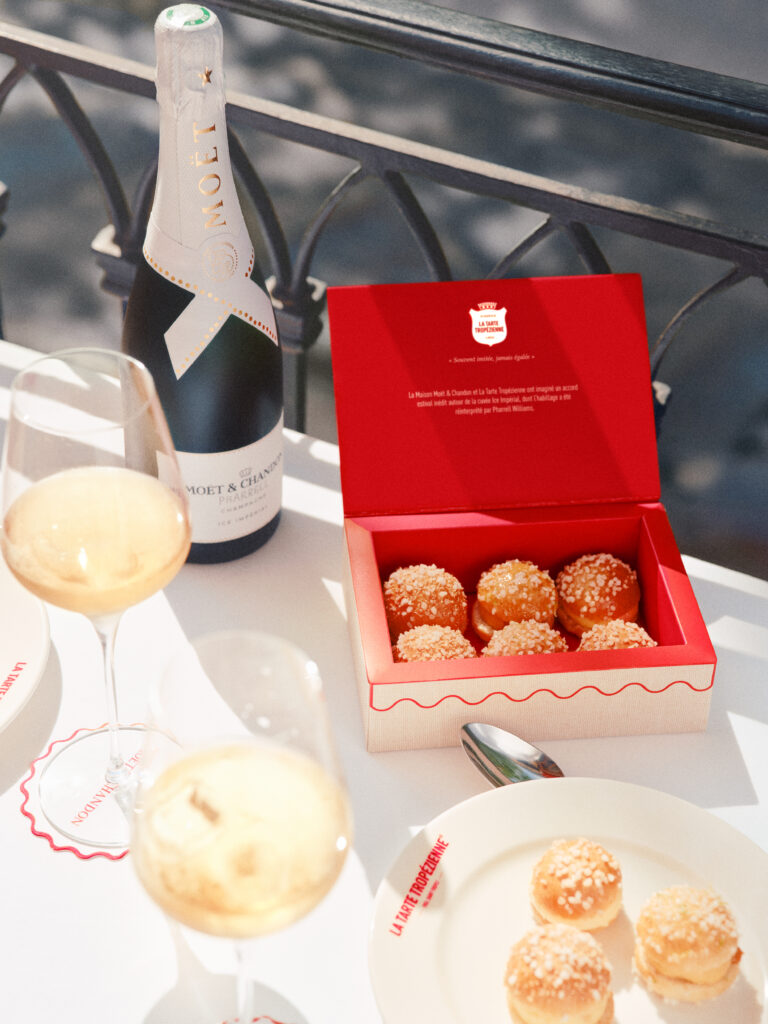
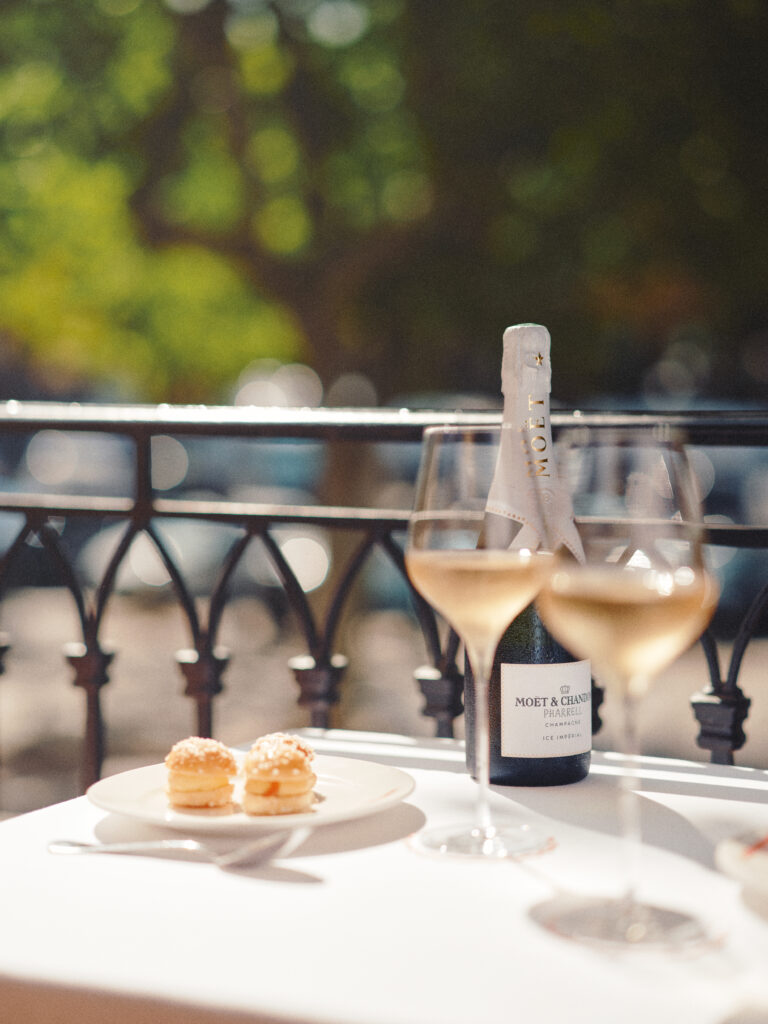
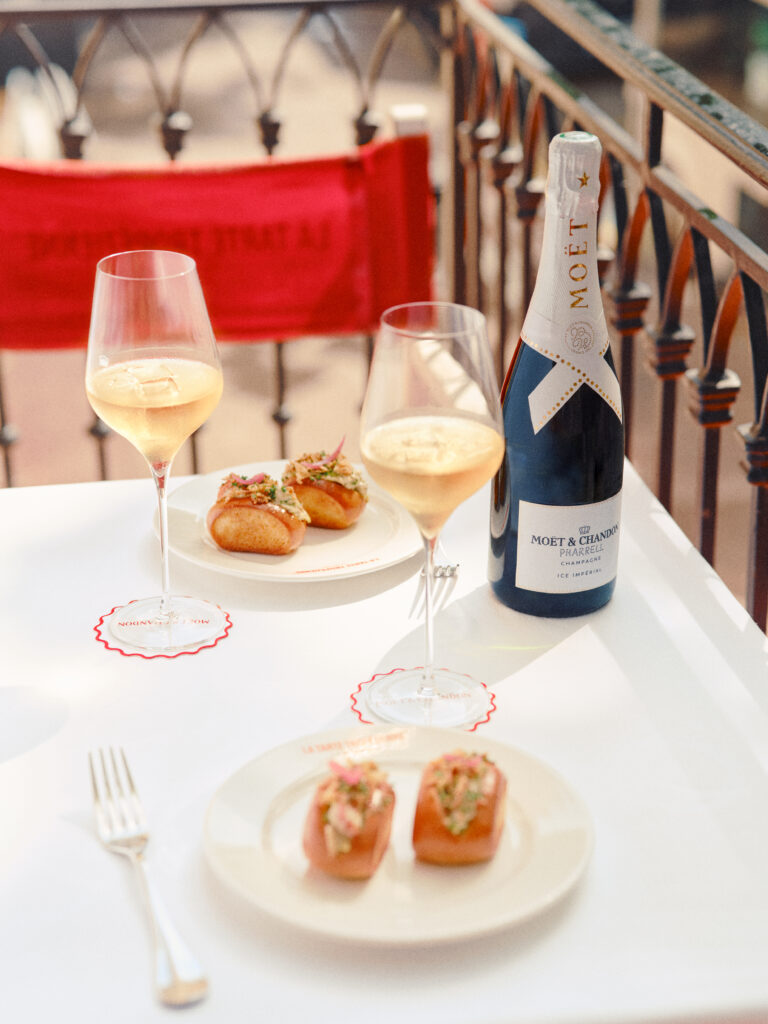
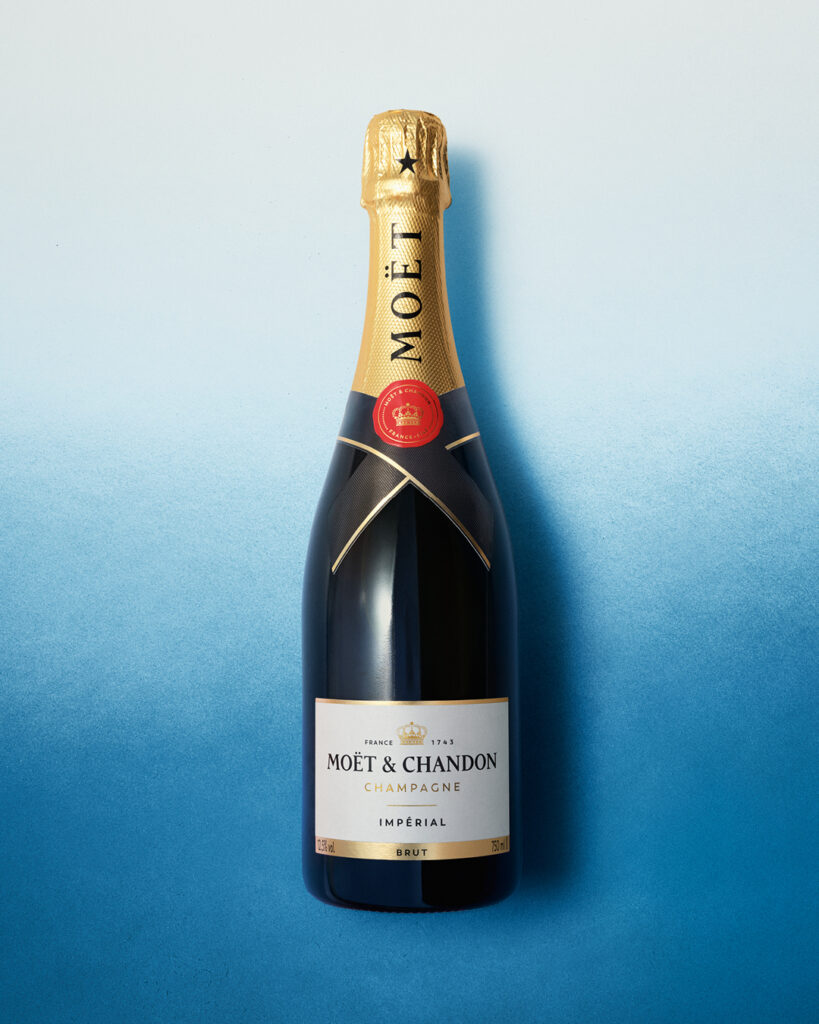
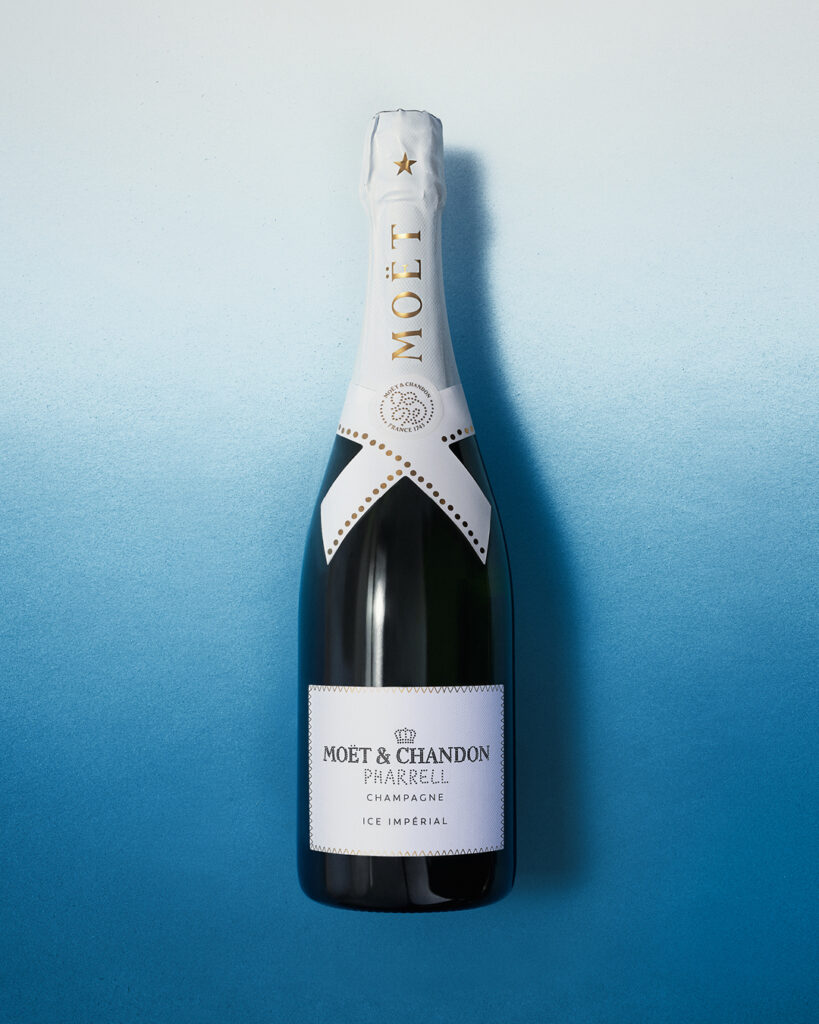
The 2026 edition, entrusted to Pharrell Williams for the second consecutive year, introduces a stylistic departure: for the first time, Ice Impérial appears without its traditional sleeve. The bottle, visually reimagined, is presented bare. This gesture—minimal in appearance—is consistent with the cuvée’s philosophy: removing what protects to reveal what endures.
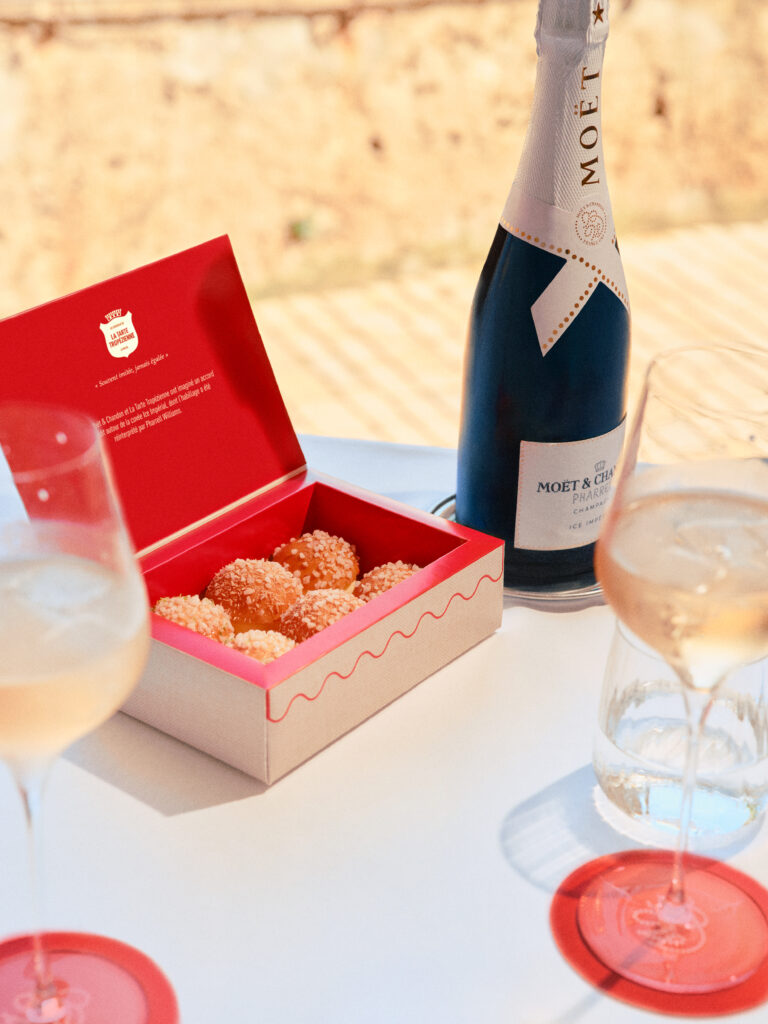
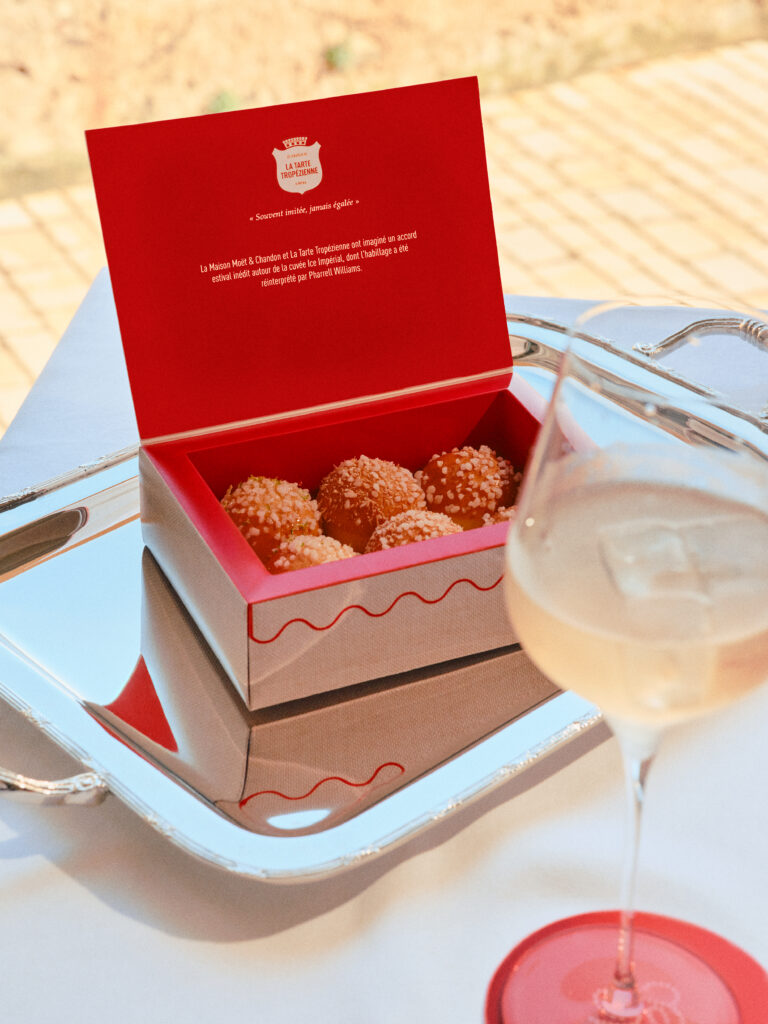
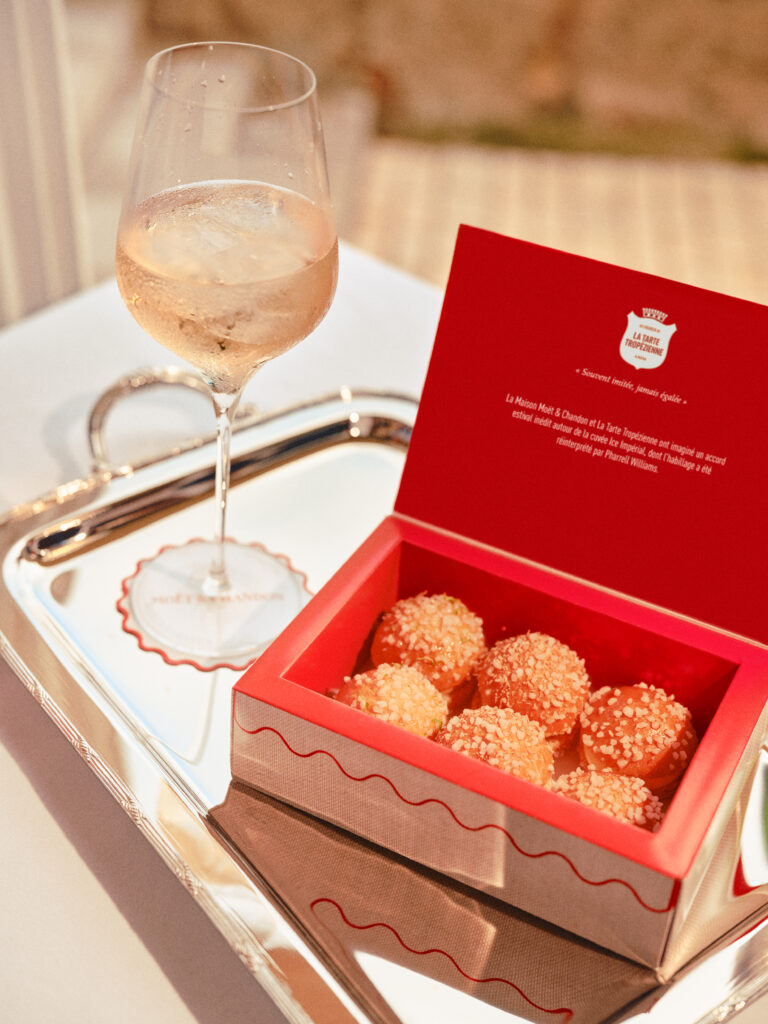
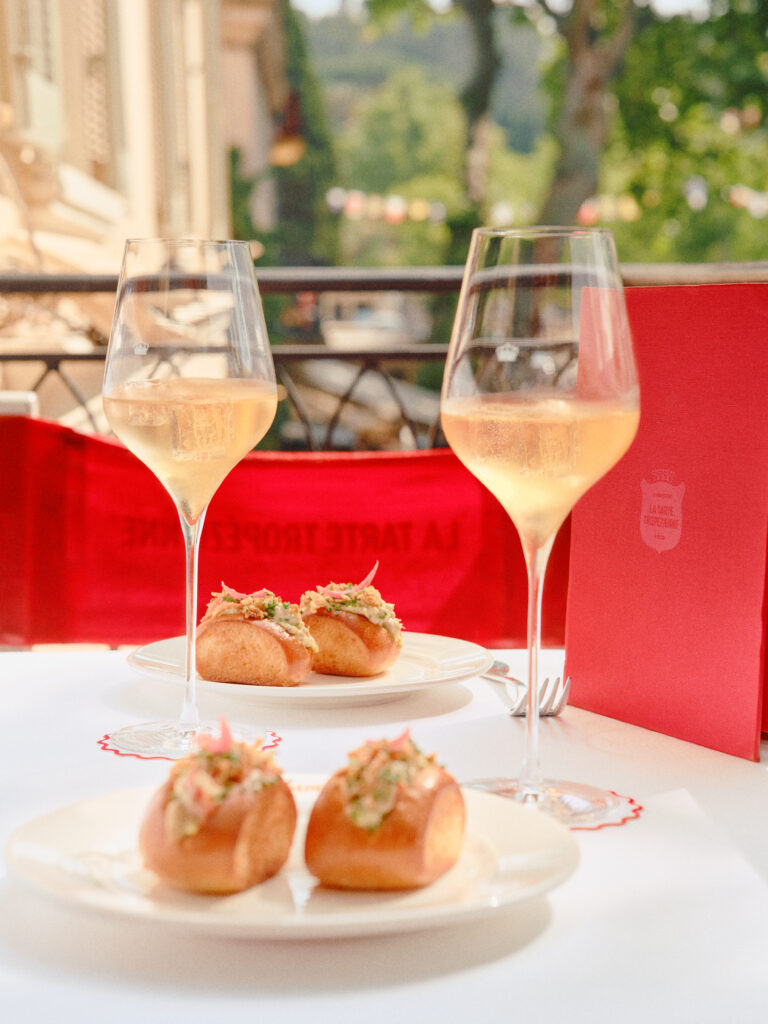
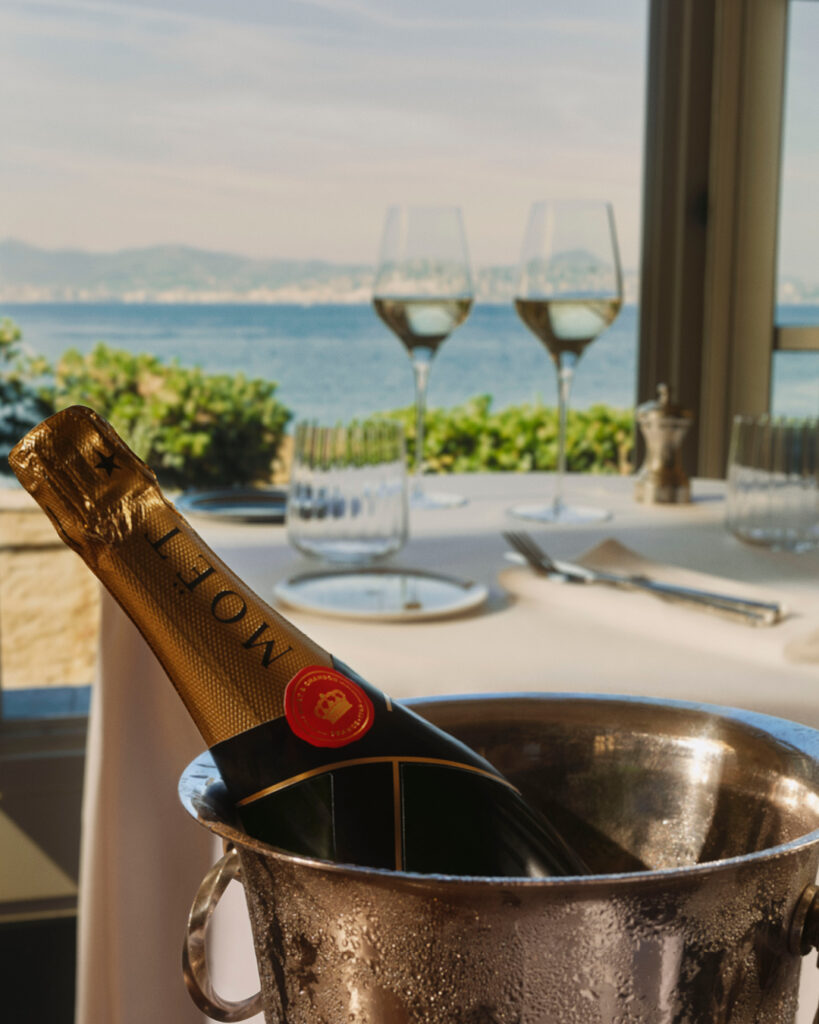
The partnership with La Tarte Tropézienne, a Saint-Tropez institution, offers a pairing carefully crafted for each grape variety. The Baby Trop’® Tropiques, filled with coconut cream and a white peach center, pairs perfectly with notes of mango and mild spices. The Baby Trop’® Provence, with apricot and citrus zest, is reserved for rosé. Cellar Master Benoît Gouez has also created a house cocktail—the “Spicy Mangosé,” enhanced with agave, cayenne pepper, and Signature Perles de Glace—which implicitly signals that the House fully embraces this realm of summer tasting that some in the industry still view with skepticism.
The question posed by Ice Impérial, fifteen years after its launch, is not a technical one. It is one of positioning: How far can a 280-year-old house go in inventing new rituals without compromising the very foundations of its authority?
Assembly Data
Ice Impérial: 40–50% Pinot Noir / 30–40% Pinot Meunier / 10–20% Chardonnay. Dosage: 45 g/liter. Serving suggestion: large glass, three ice cubes. Ice Impérial Rosé available starting at €54.90; the white cuvée starting at €46.
Cette publication est également disponible en :

