
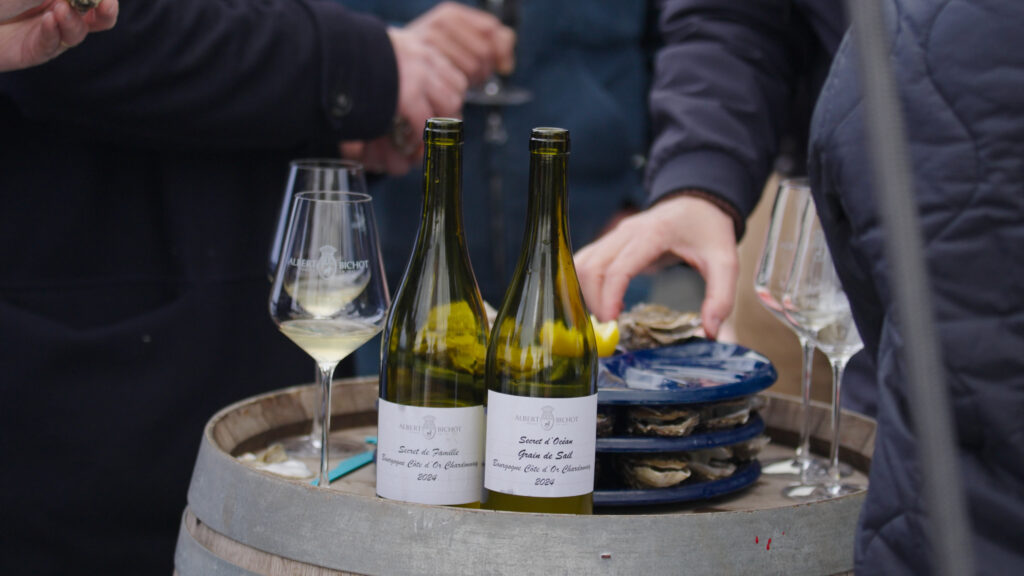
On January 25, 2026, a sailing cargo ship set sail from Brittany with seven Burgundy barrels in its holds. Heading for Guadeloupe—not to be drunk there, but to age there. With “Secret d’Océan,” Maison Albert Bichot continues an exploration begun two years ago: what if the motion of the sea did for wine what the stillness of the cellar fails to do?
A cargo ride downwind
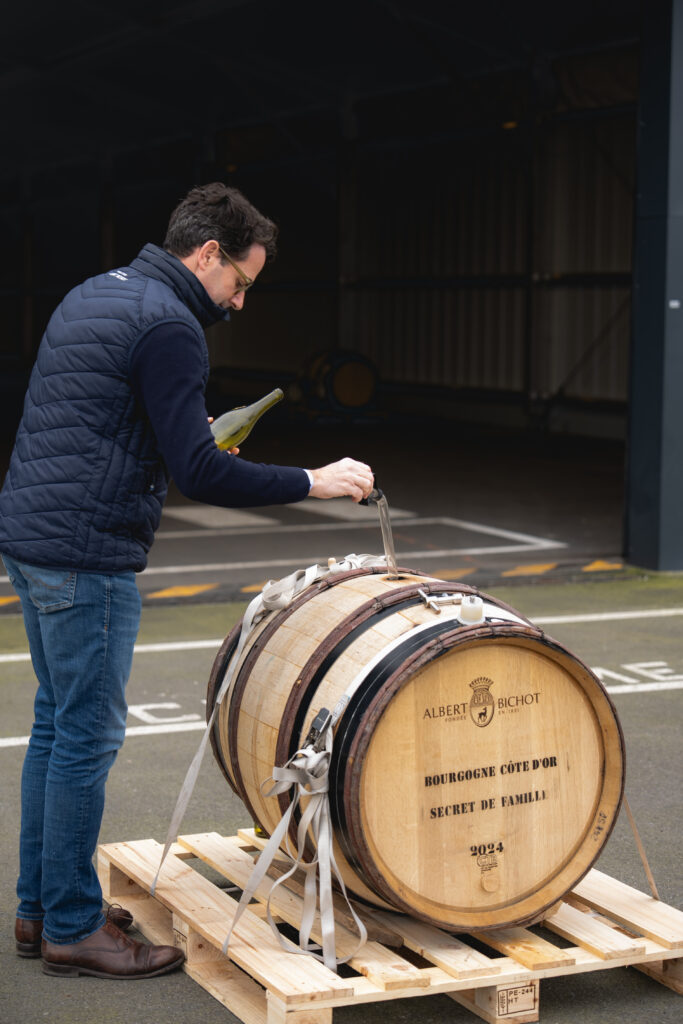
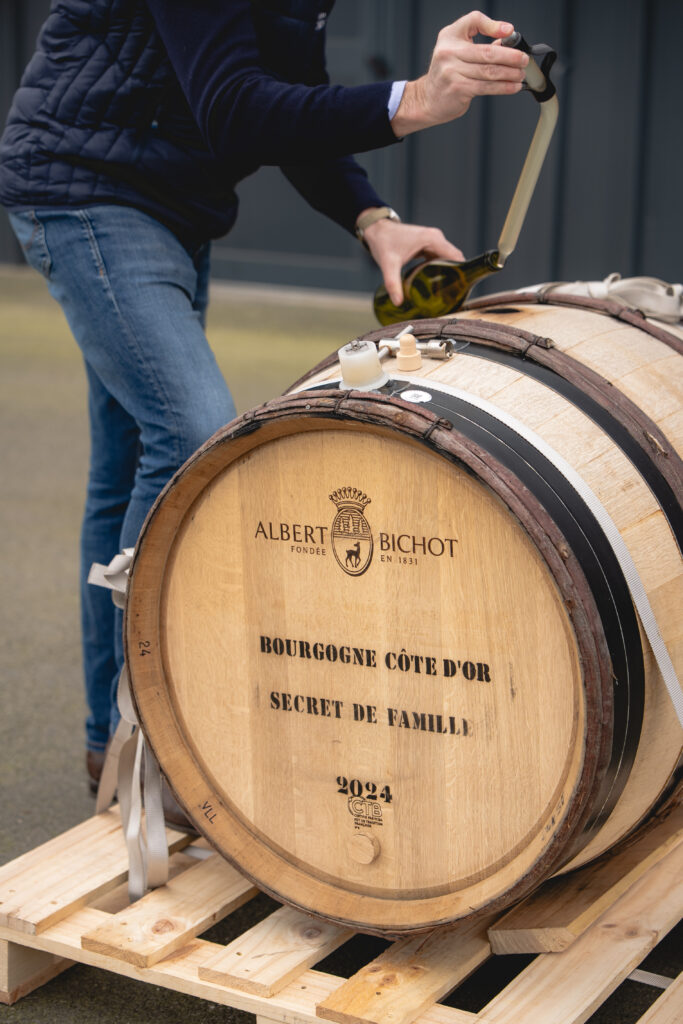
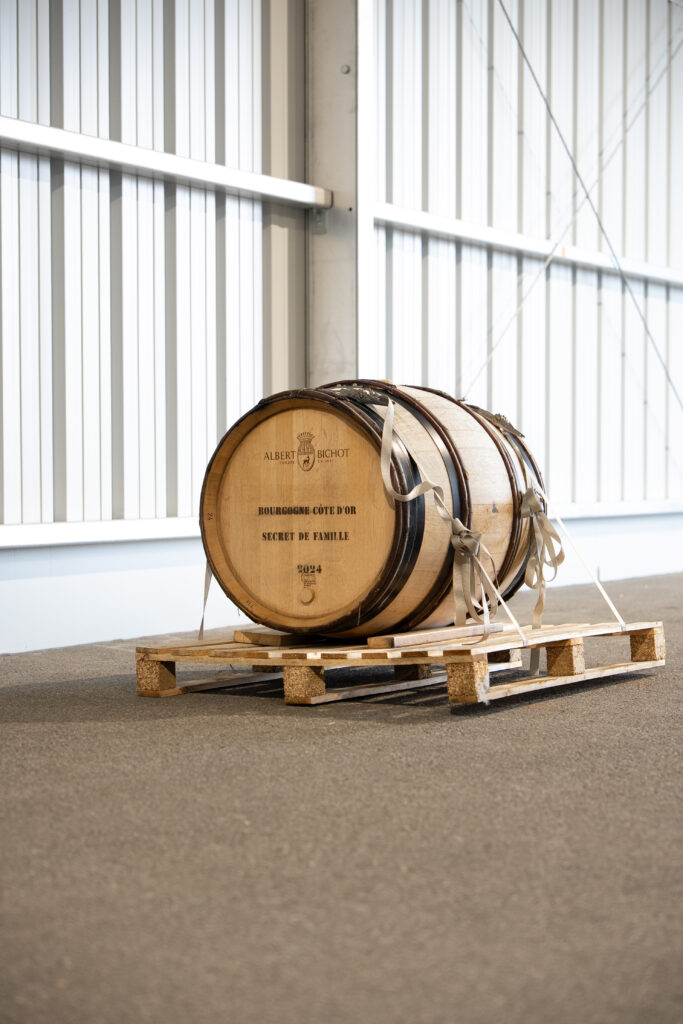
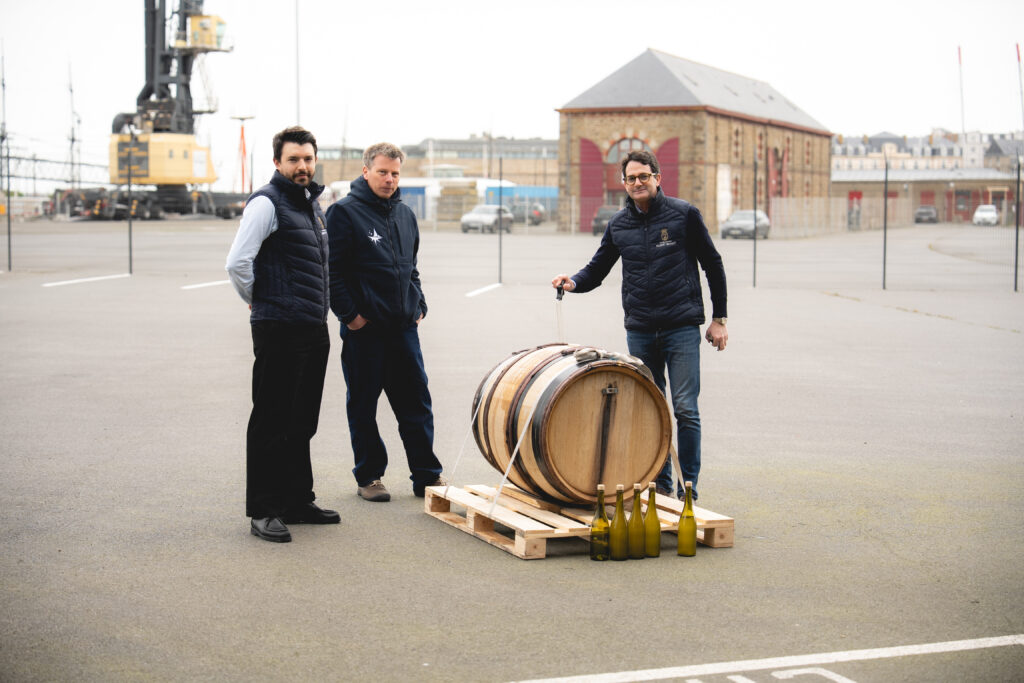
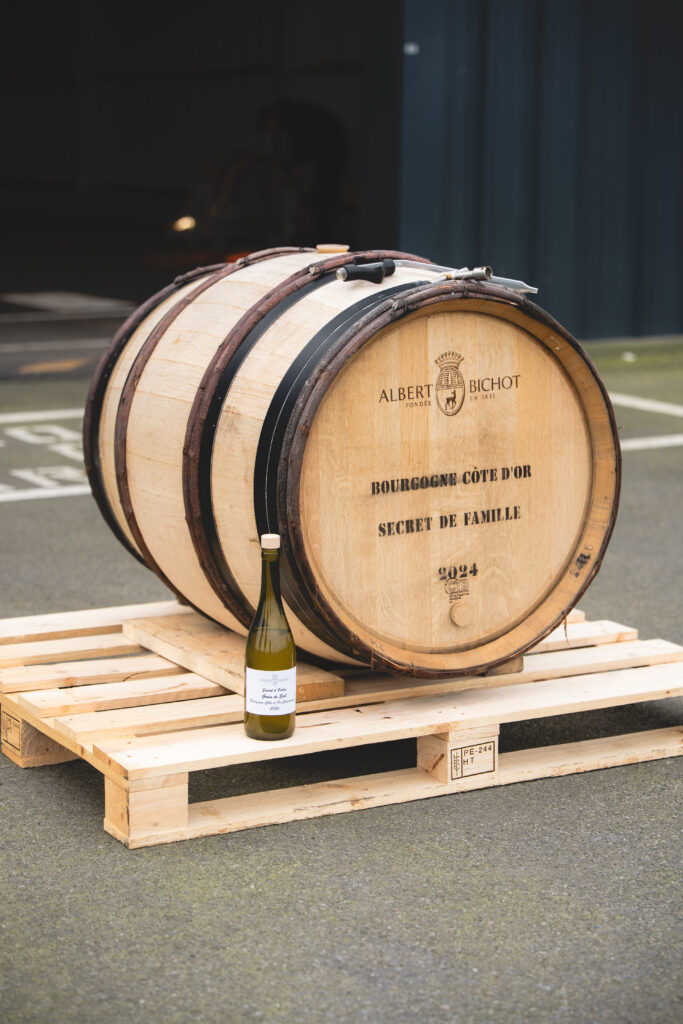
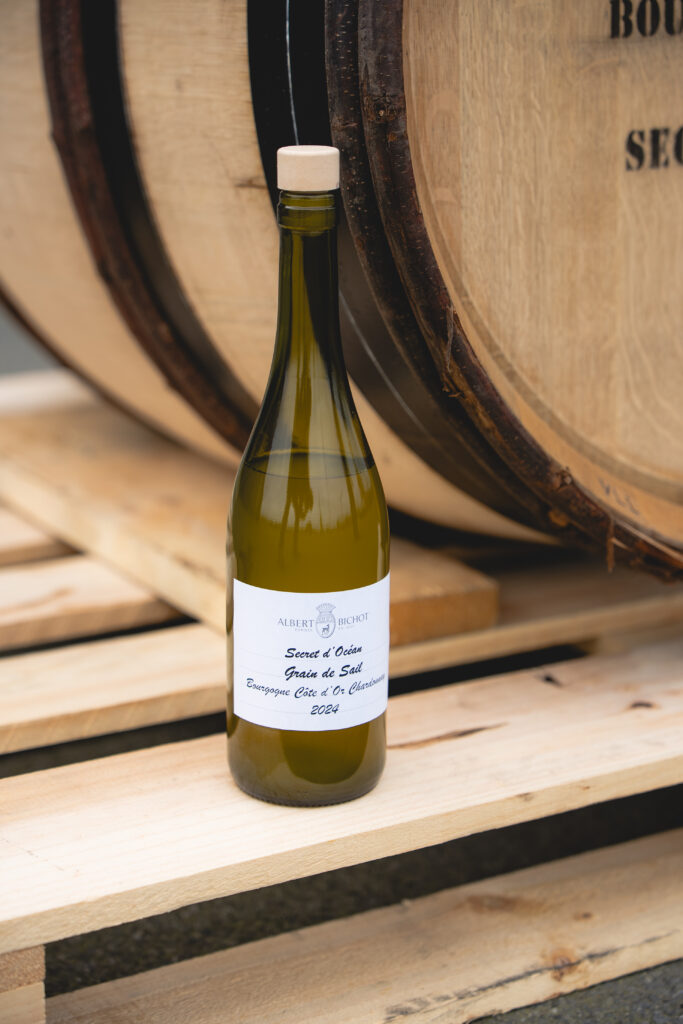
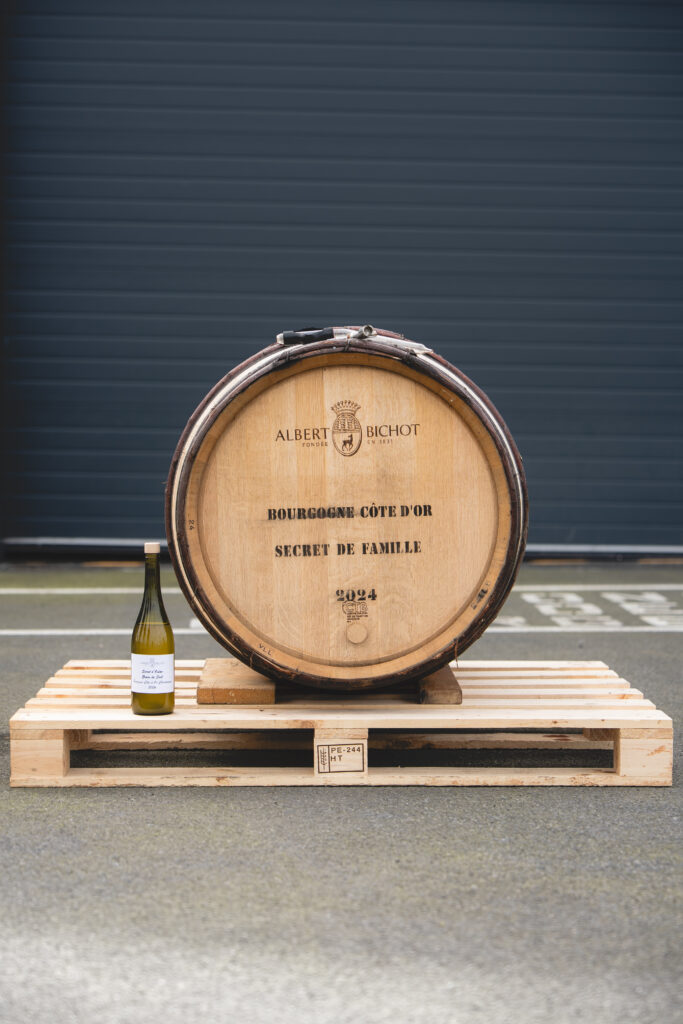
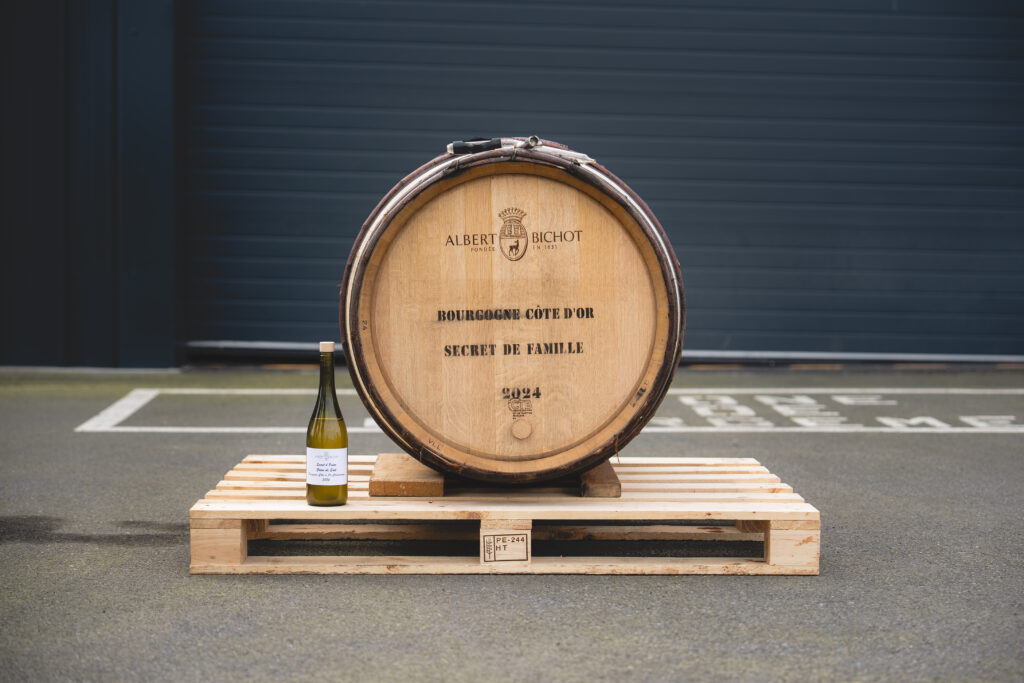
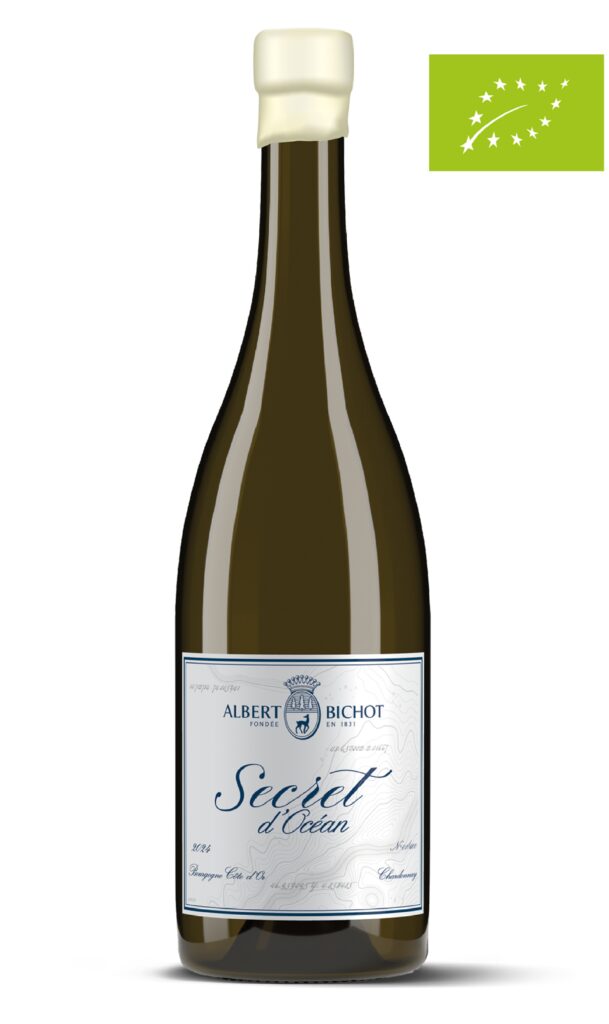
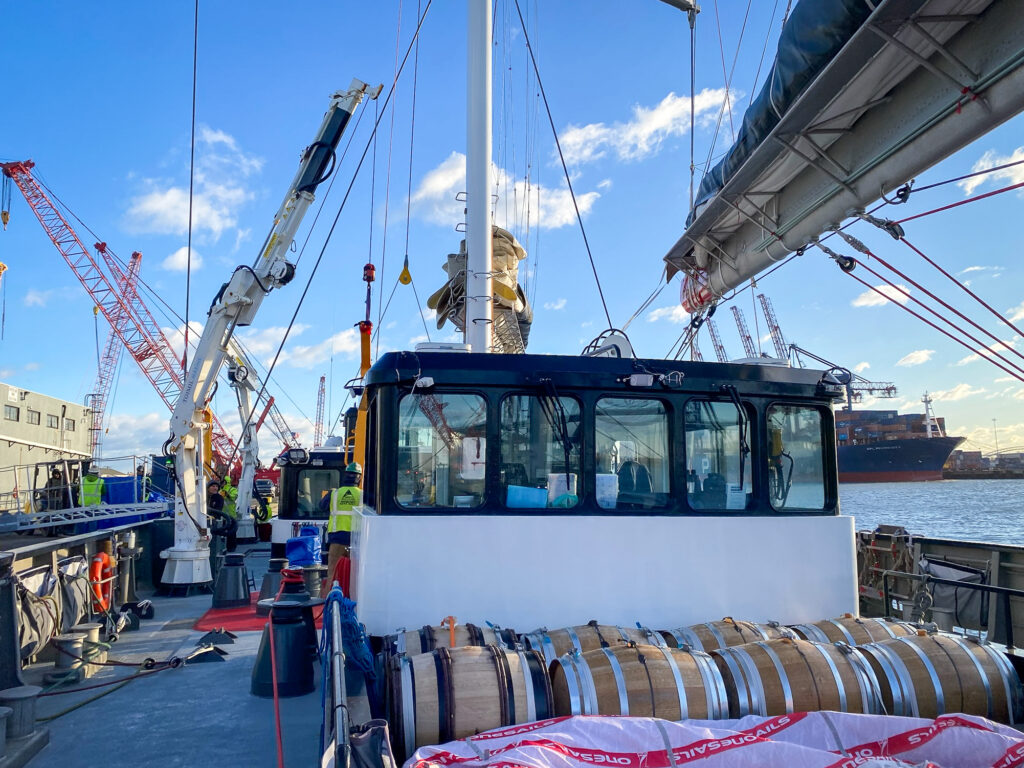
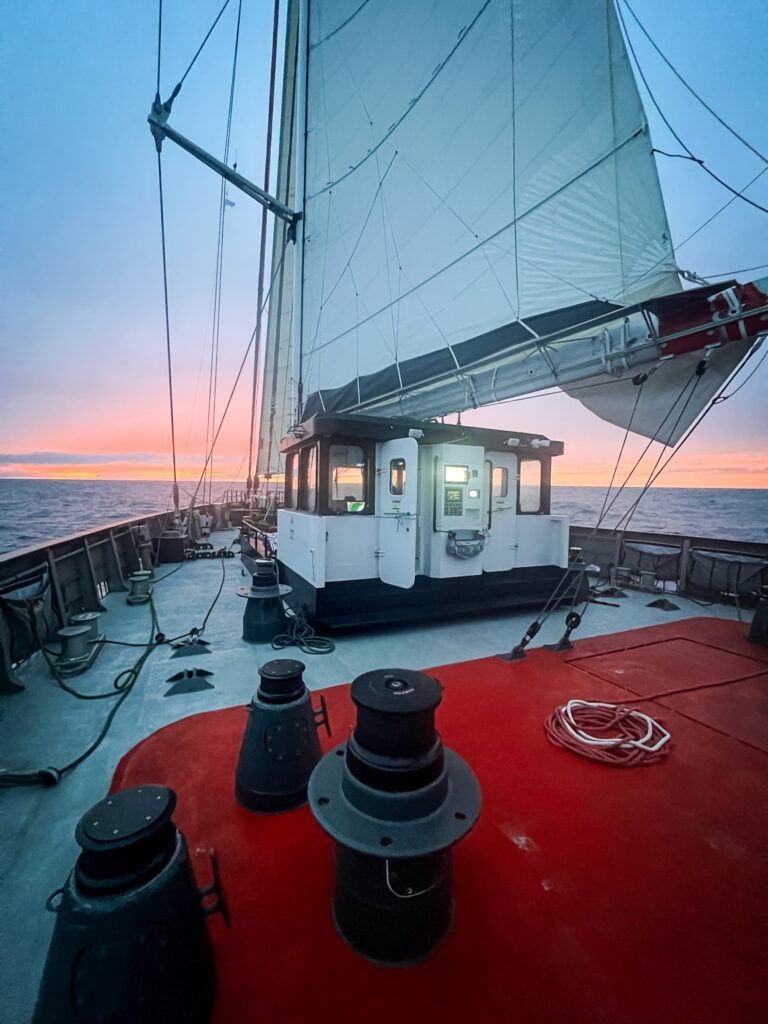
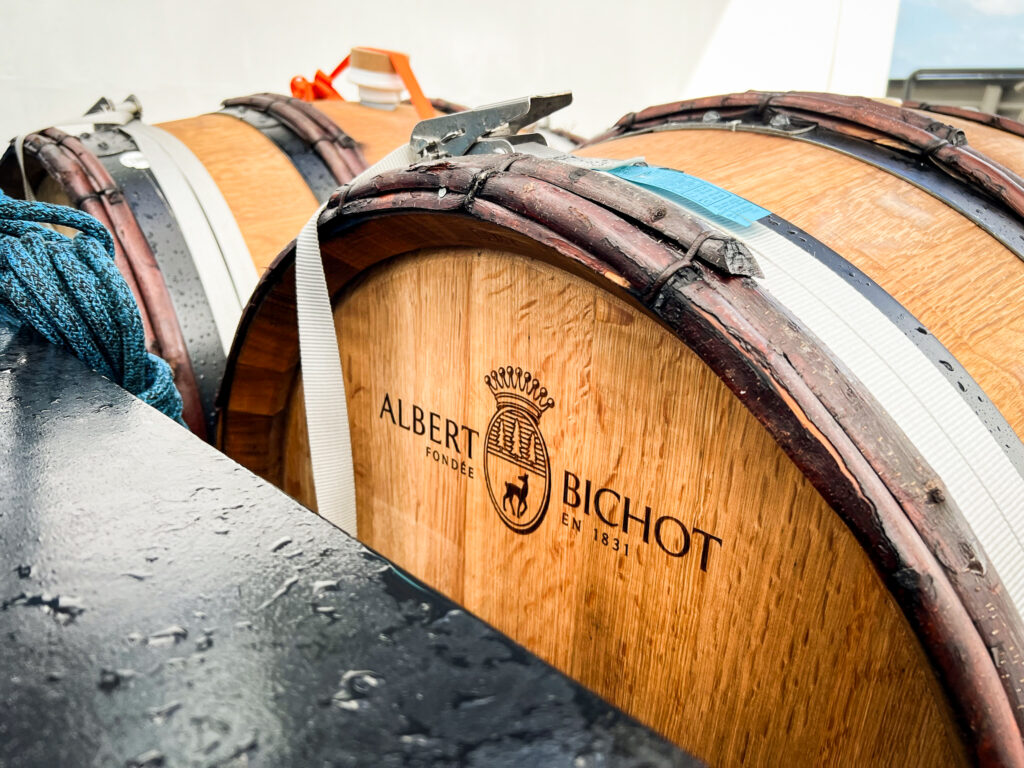
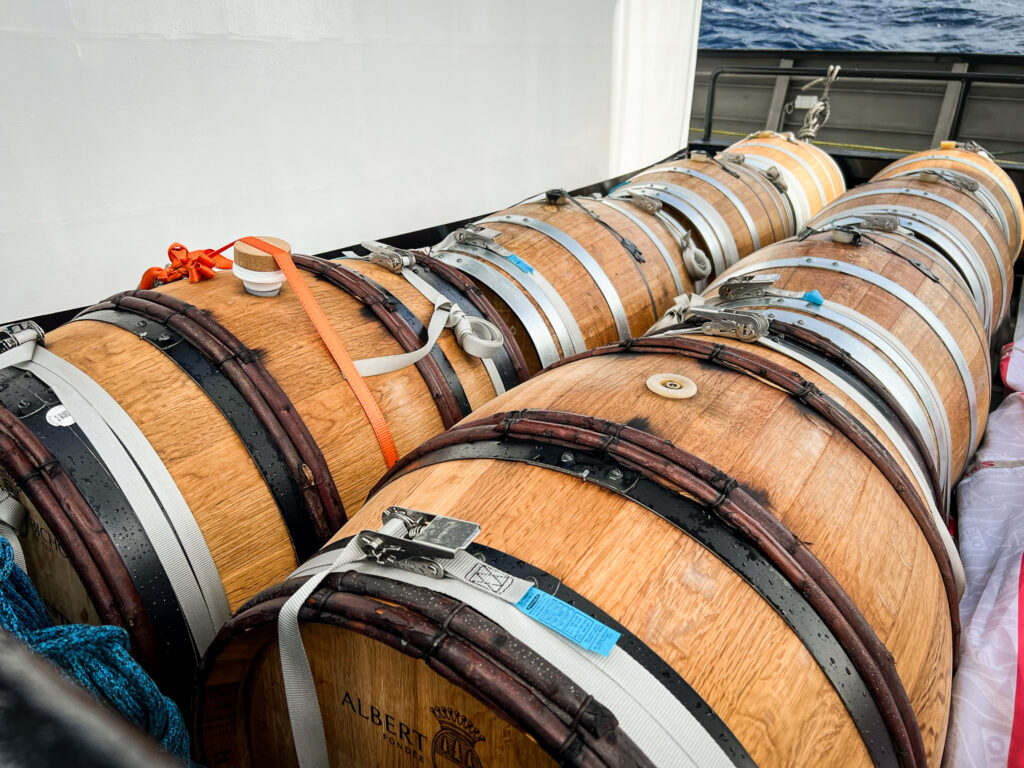
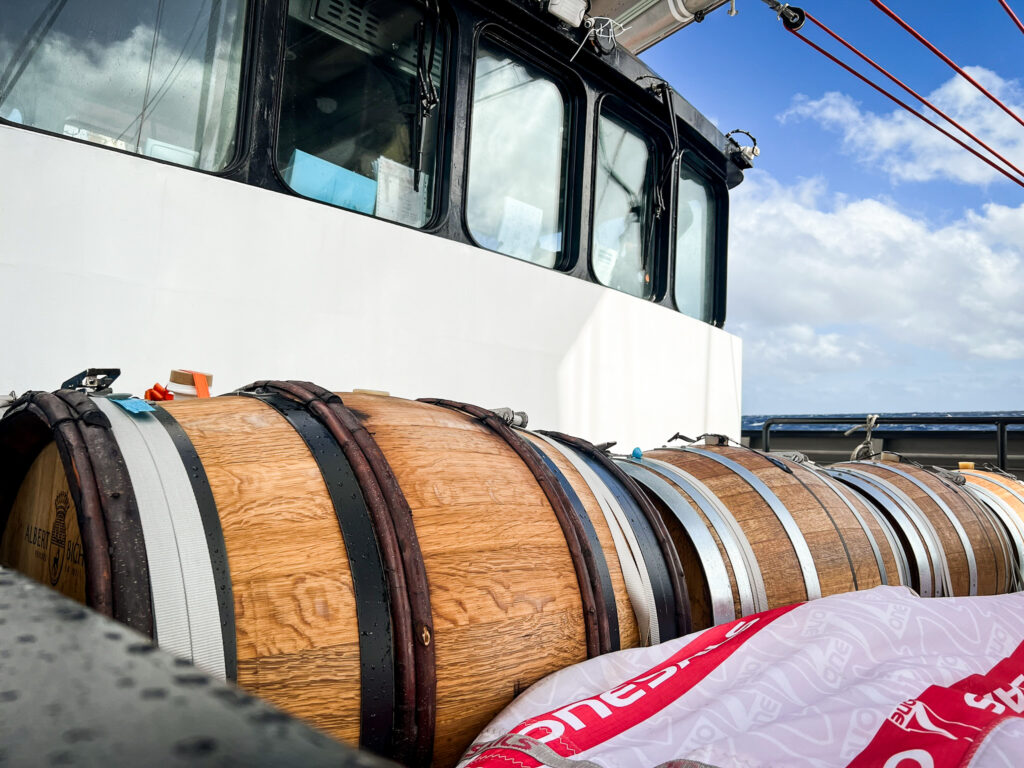
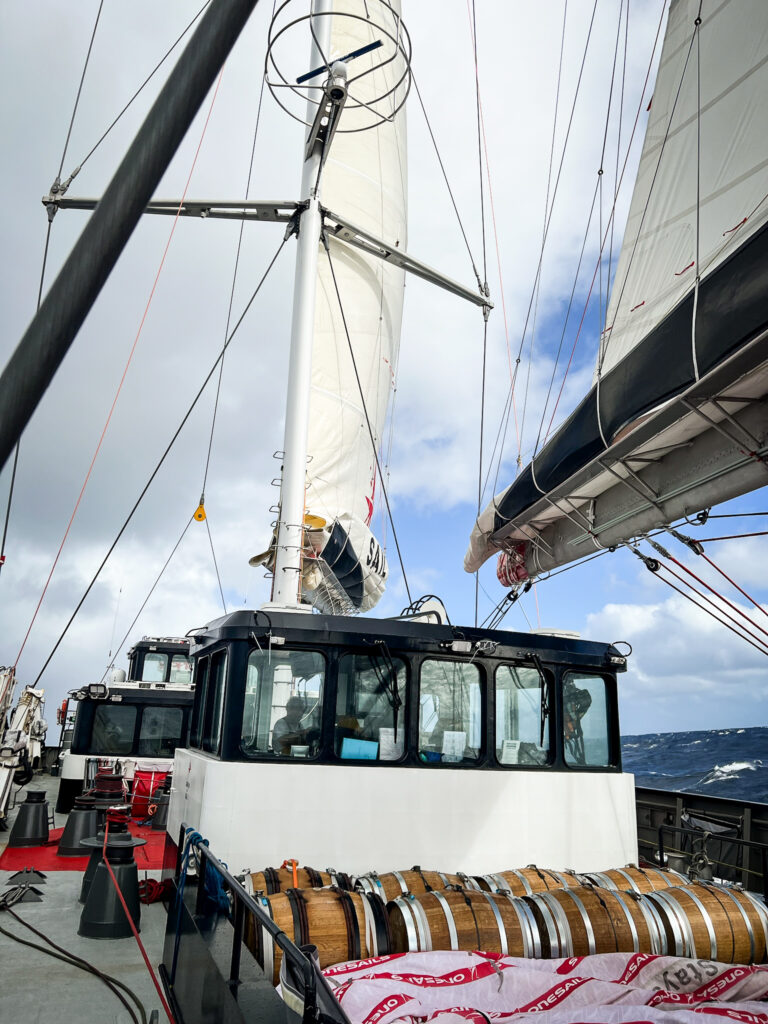
It all begins with a departure from port—which is already unusual in a profession where waiting is the norm. The Grain de Sail II, a cargo sailboat designed to carry goods using only wind power, has set sail from the Atlantic coast bound for Pointe-à-Pitre. On board are six barrels of Burgundy Côte-d’Or Chardonnay and one barrel of red Santenay—the ingredients for a vintage that Maison Albert Bichot has named Secret d’Océan.
The decision to transport wine by sail is by no means trivial. While the wine industry has long viewed the voyage as a risk to be mitigated, this Burgundian winery has made it the very heart of the aging process. The wine does not simply travel despite the sea; it is shaped by it. The swell, the temperature differences between the North Atlantic and the Caribbean, and the salty humidity of a moving hold all become key factors in the winemaking process.
The “merroir,” or terroir set in motion
The word the House highlights—“merroir”—is a gentle provocation directed at Burgundy, a region that has elevated terroir to the status of a theology. Here, soil gives way to water, and rootedness to movement. The idea is not new: we know that wines in antiquity traveled in amphorae from one end of the Mediterranean to the other, and that 18th-century merchants attributed a particular roundness to wines that had “traveled the sea.” Albert Bichot is, in essence, simply reviving an ancient intuition using today’s tools.
This second expedition builds on an initial attempt and turns the experiment into a method. A protocol is taking shape: the same benchmark grape varieties, the same carbon-neutral cargo ship, and the same Caribbean destination—all to isolate what the crossing, and the crossing alone, brings to the wine. One question remains that no one can yet answer: Does the benefit stem from the salt, the rolling motion, or the slow pace of a mode of transport that takes the time that container ships have eliminated?
| Seven barrels set sail on January 25, 2026: six of Burgundy Côte-d’Or Chardonnay and one of Santenay red, loaded onto the Grain de Sail II, a cargo sailboat dedicated to carbon-free freight, bound for Pointe-à-Pitre. |
A deliberate pace
In an industry that measures its modernity by the precision of its climate-controlled vinification facilities, entrusting a vintage to a sailboat is almost the opposite approach. It means accepting that the wine will, to some extent, escape the winemaker’s control—that it will undergo a journey rather than follow a set course. This element of letting go is undoubtedly the true essence of Secret d’Océan: it serves as a reminder that, before it became a science, winemaking was a gamble on time and distance.
Maison Albert Bichot, one of the oldest families on the Côte, does not, however, seek to break with tradition. It approaches its craft as a form of exploration, without fanfare, awaiting the wine’s revelation. This is perhaps the most Burgundian way there is to approach the ocean: with patience.
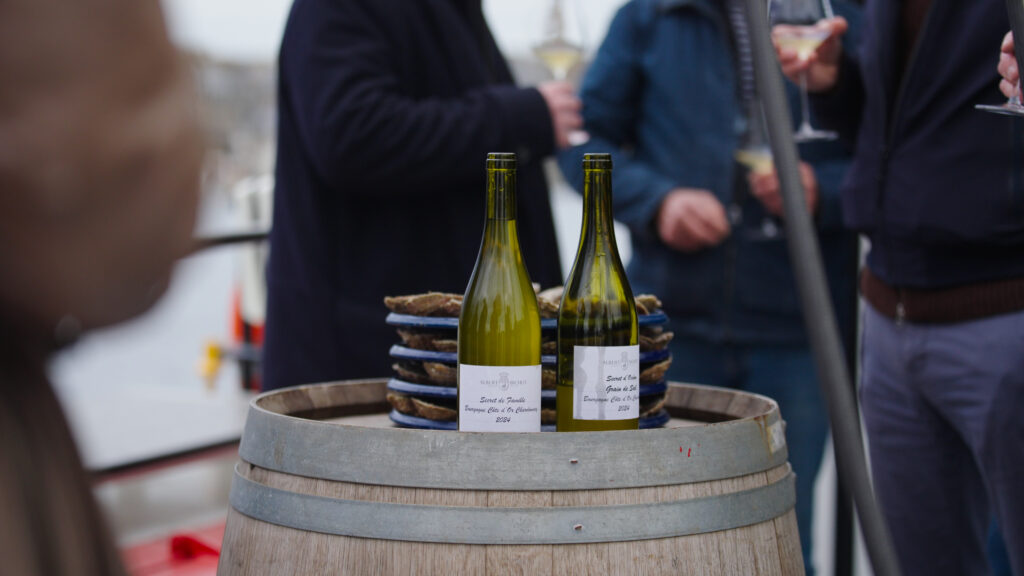
The taster, bottle in hand, will decide what the press release cannot promise. If this journey leaves a recognizable signature, then “merroir” will cease to be a neologism and become a category—and Burgundy, a landlocked region, will have found in the Atlantic an wine cellar it never had before.
Cette publication est également disponible en :

